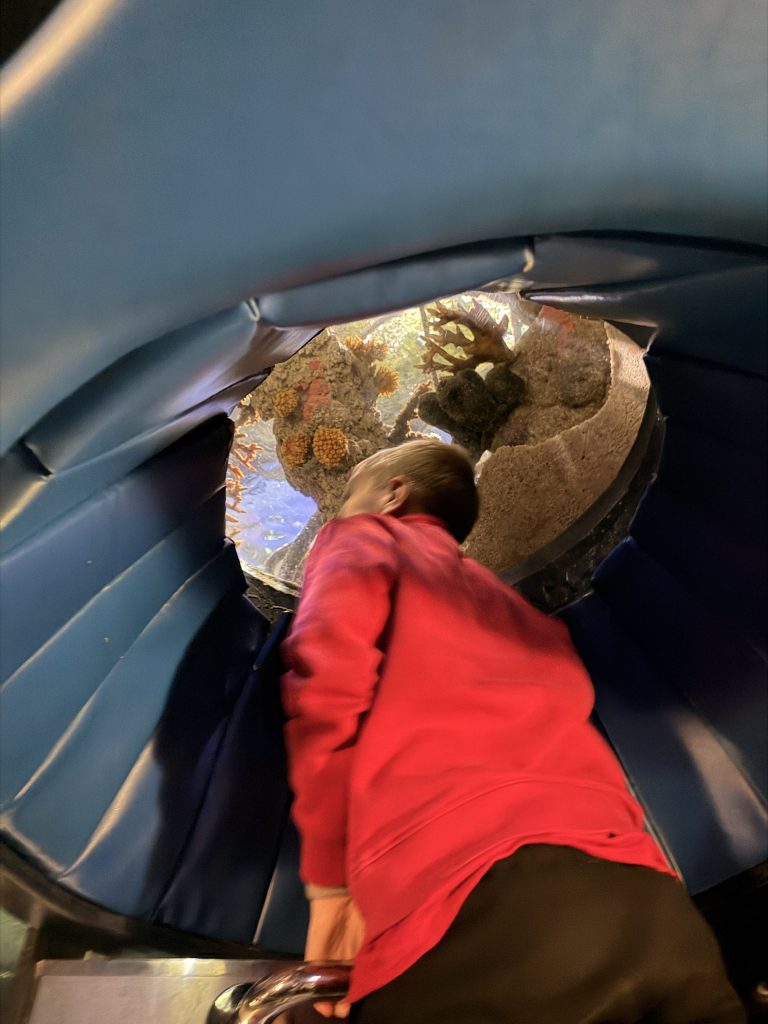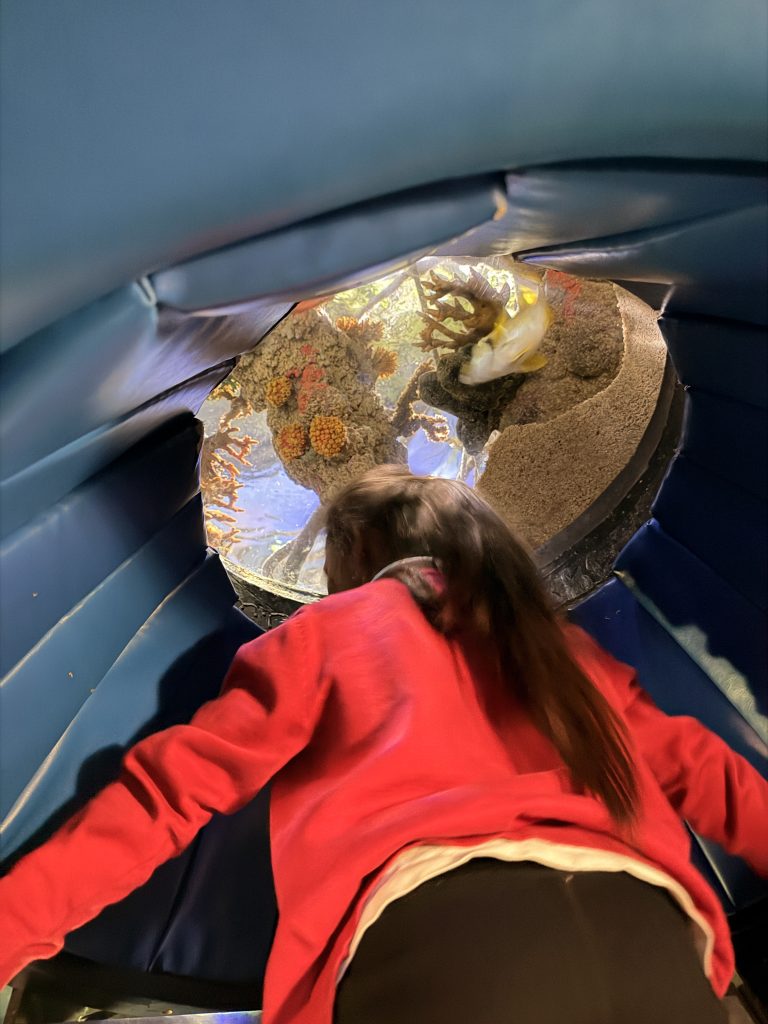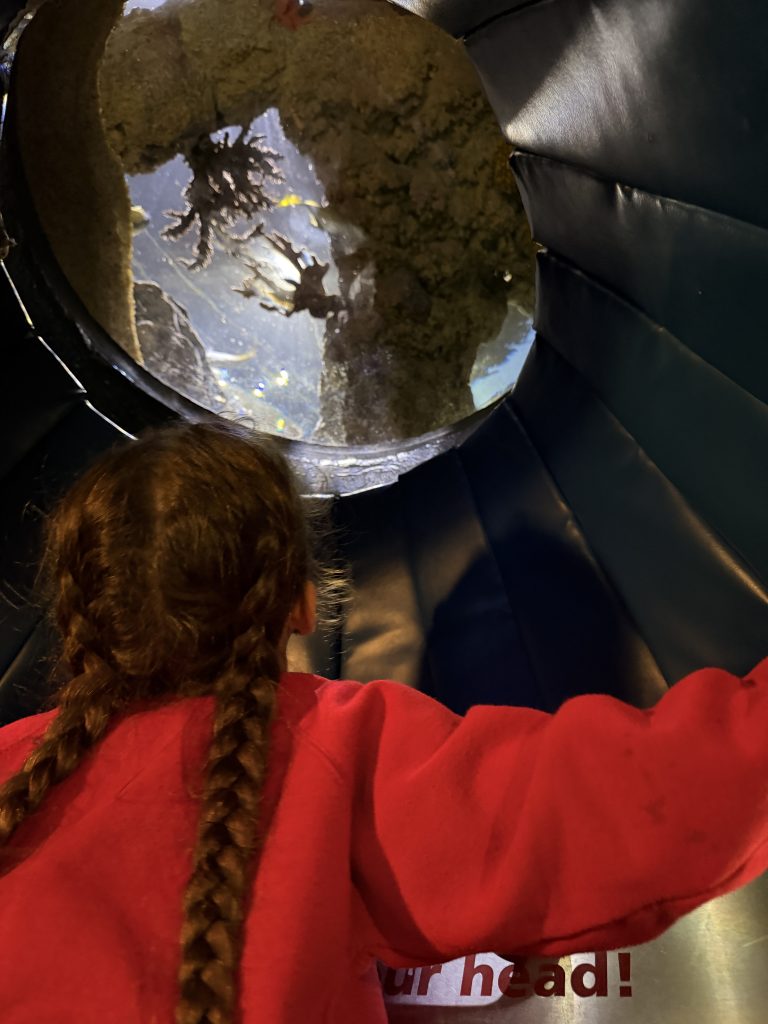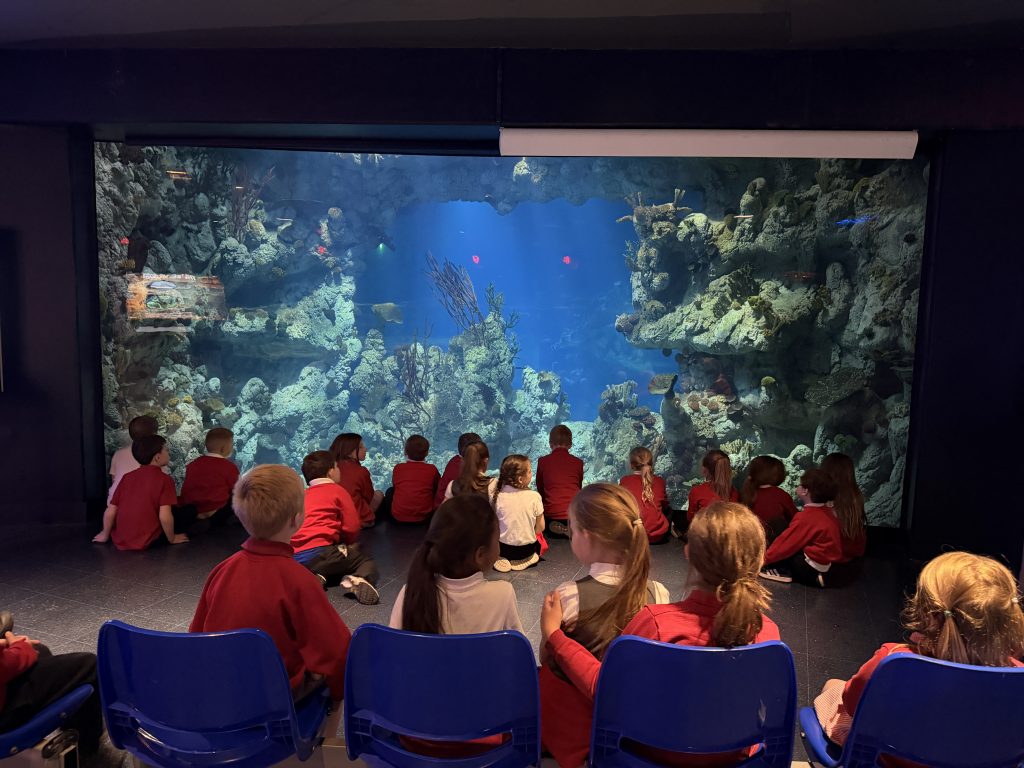
Harry Saves the Ocean!

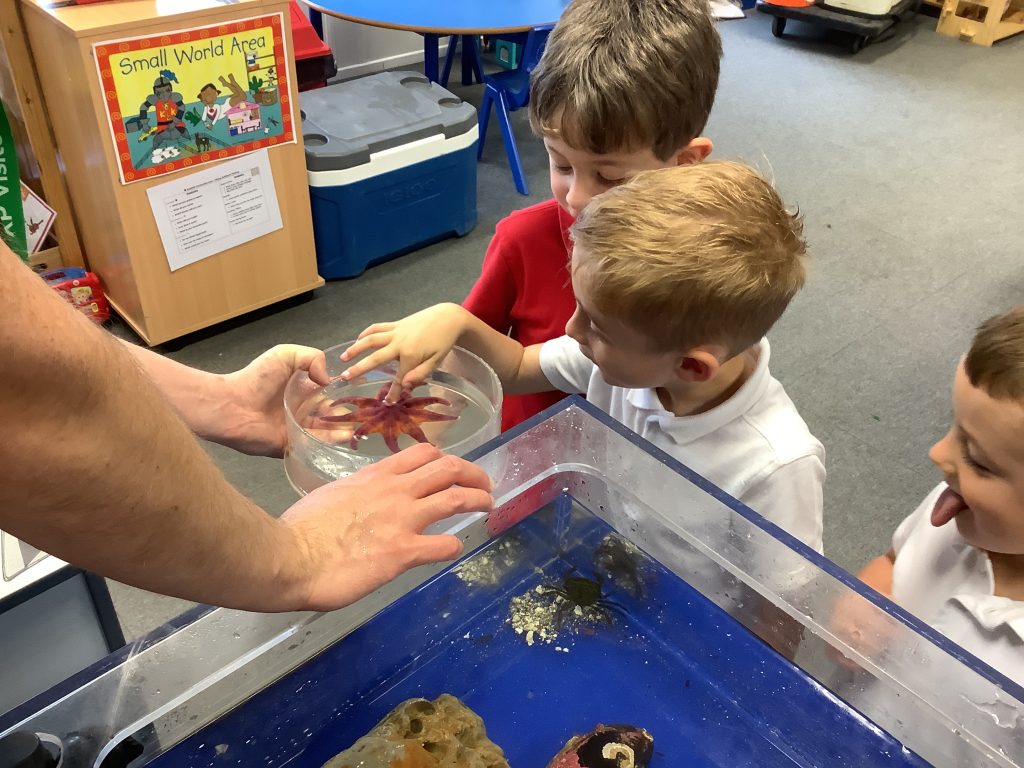
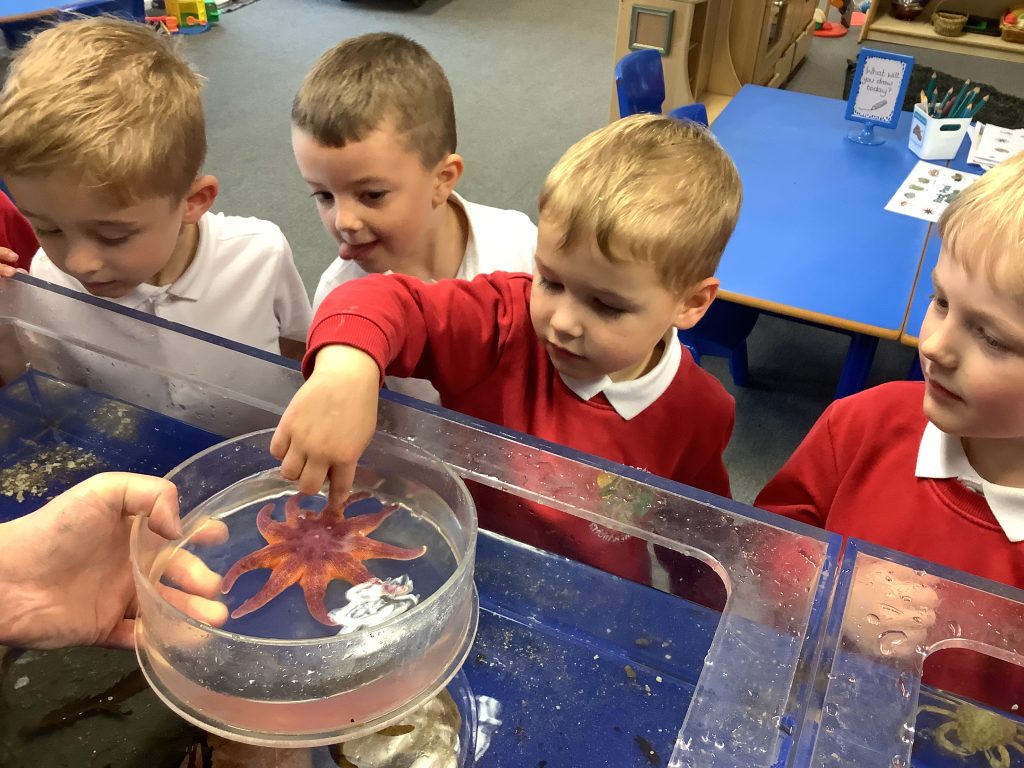
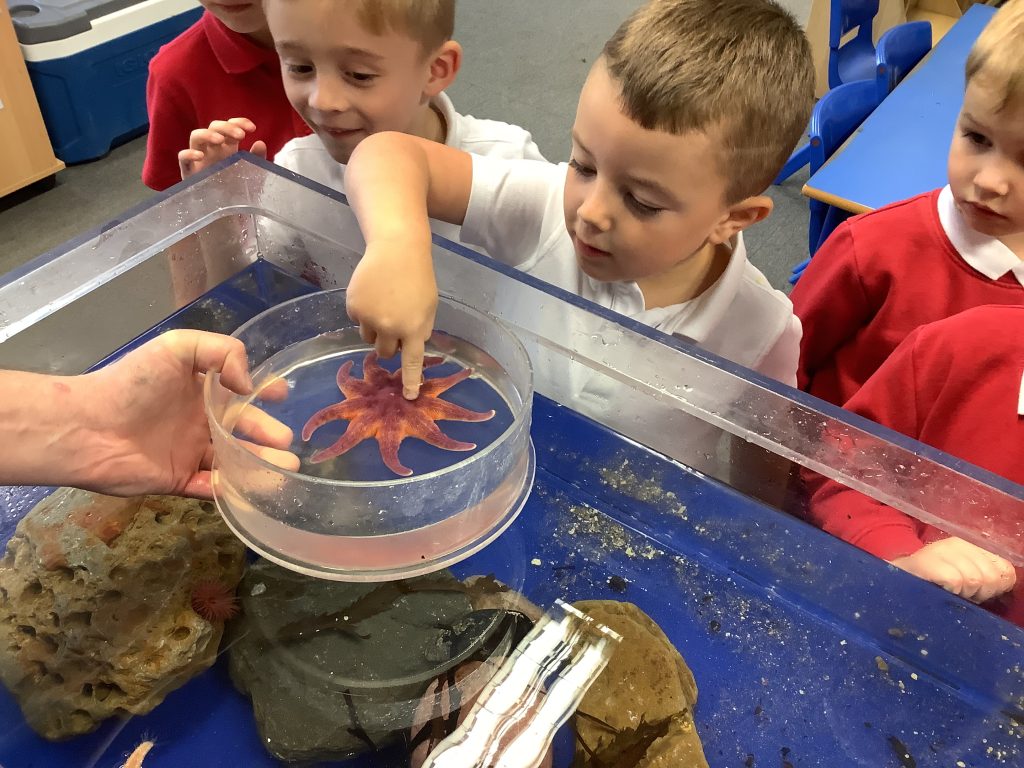
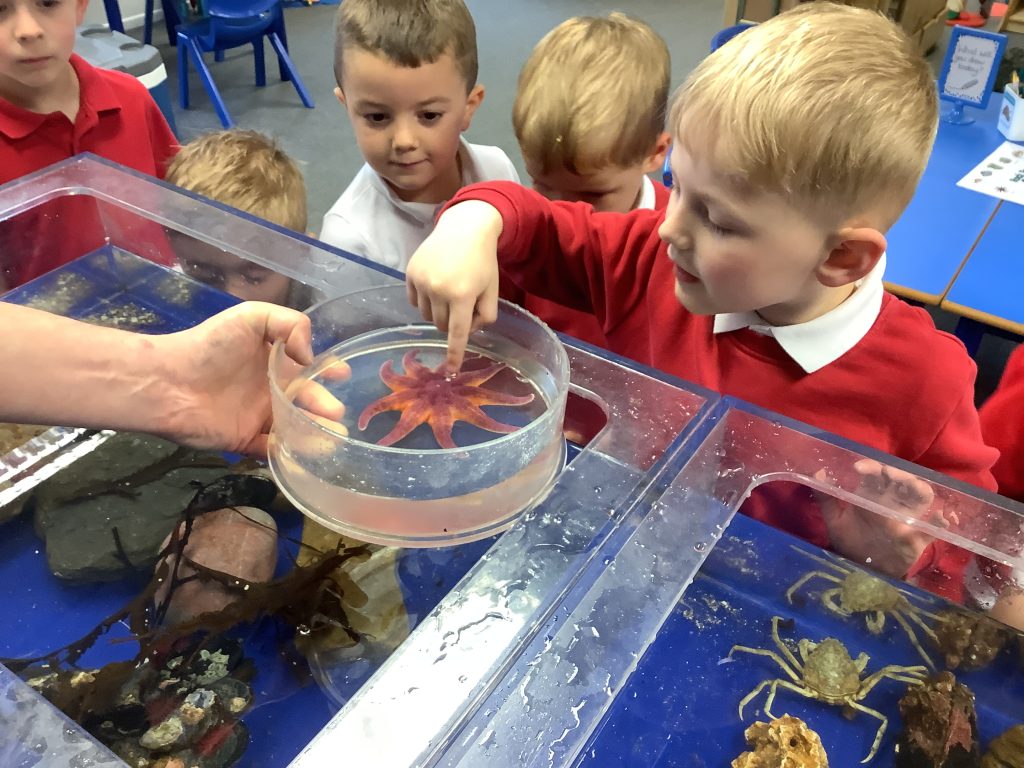
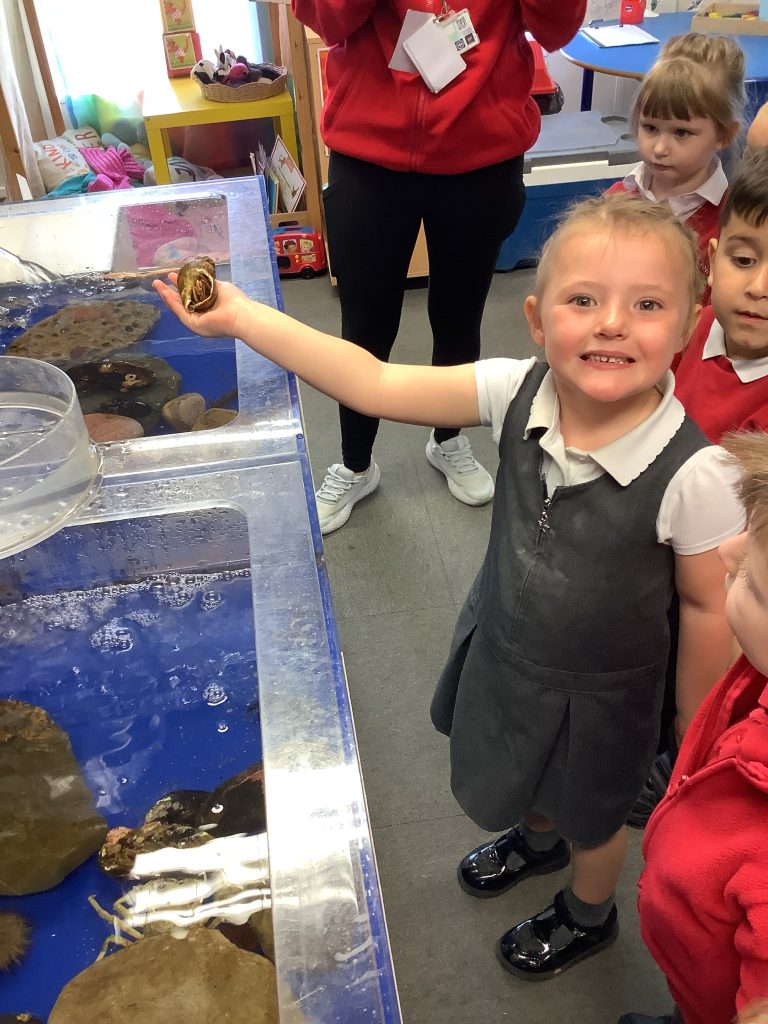
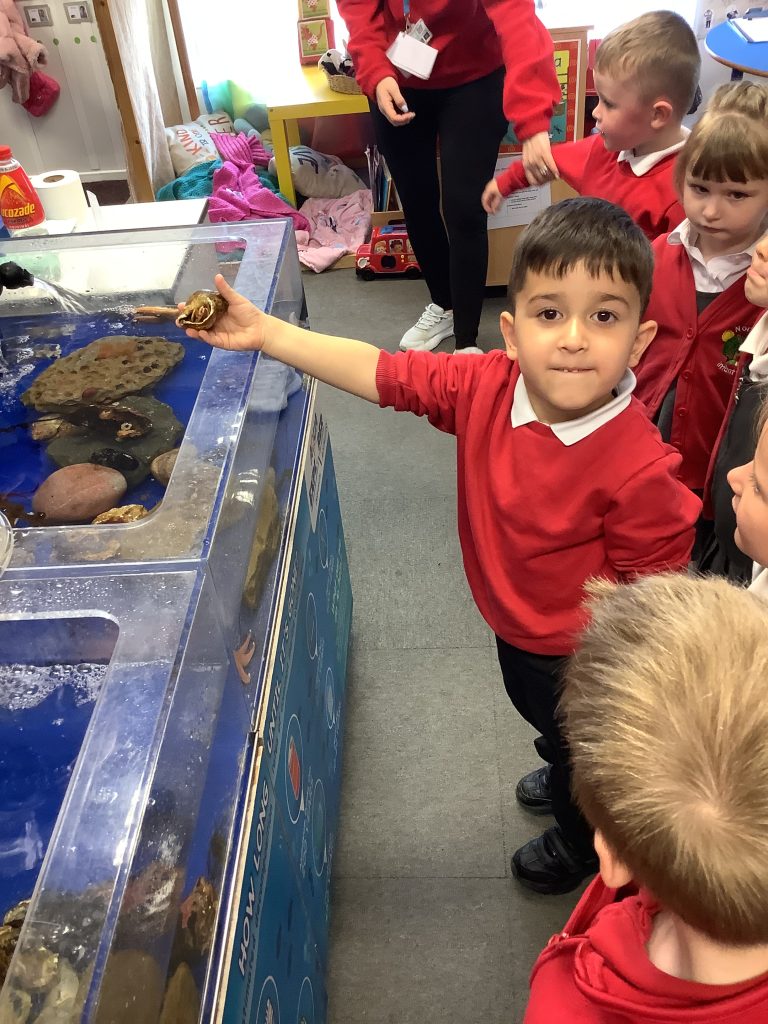
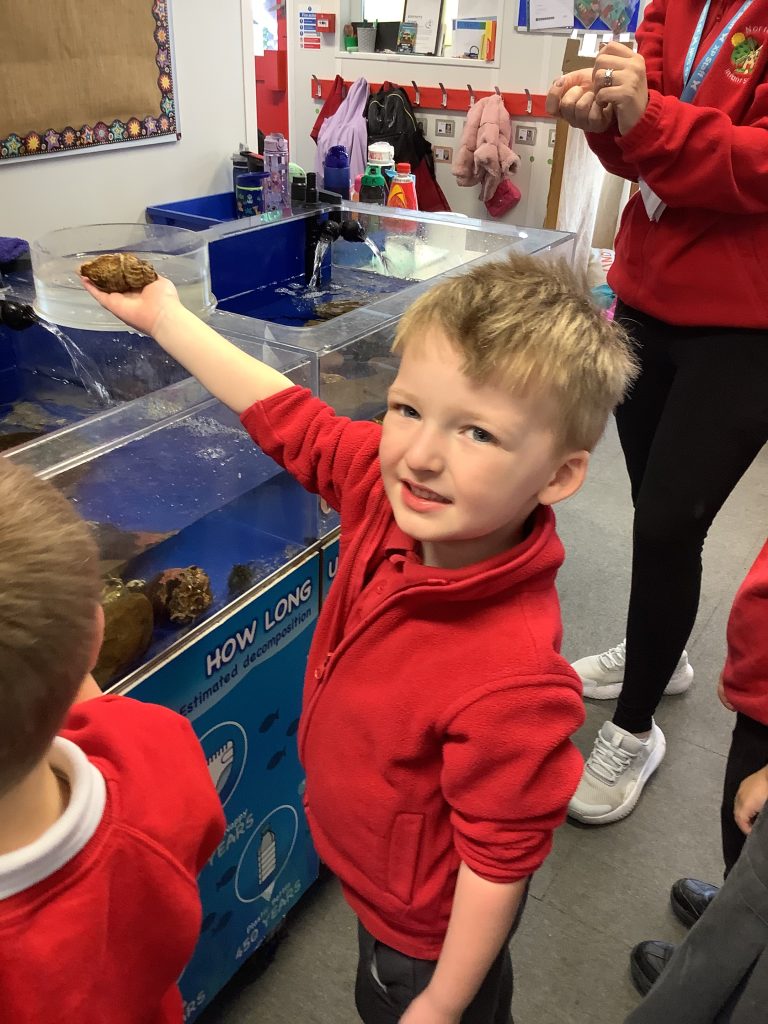
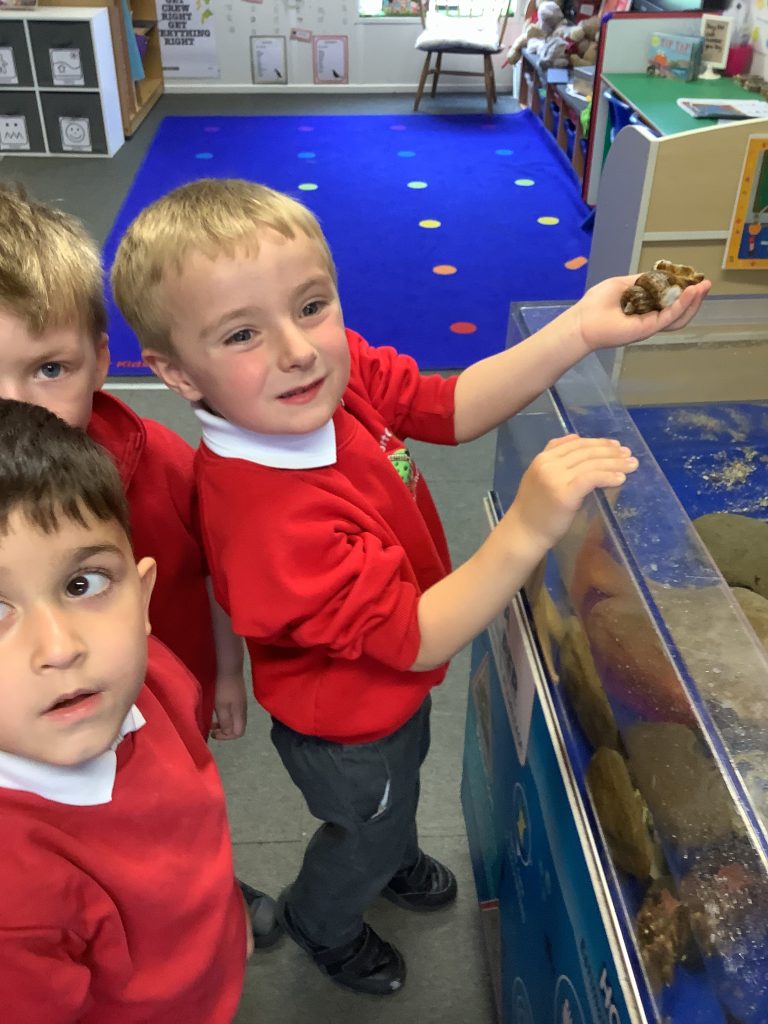
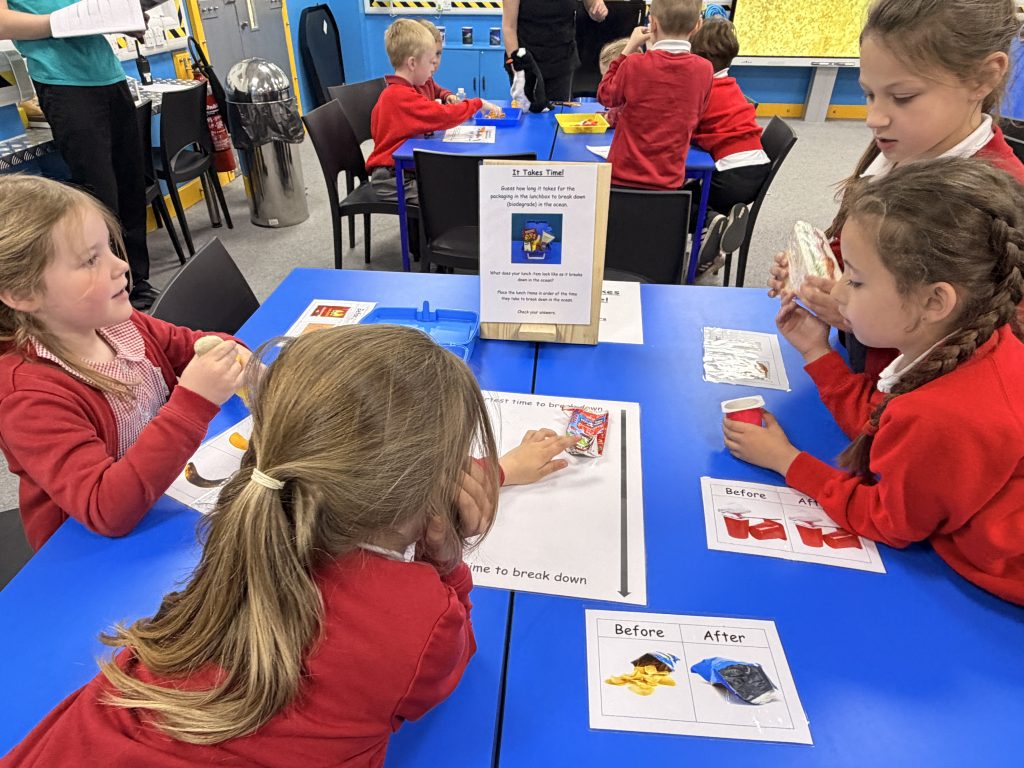
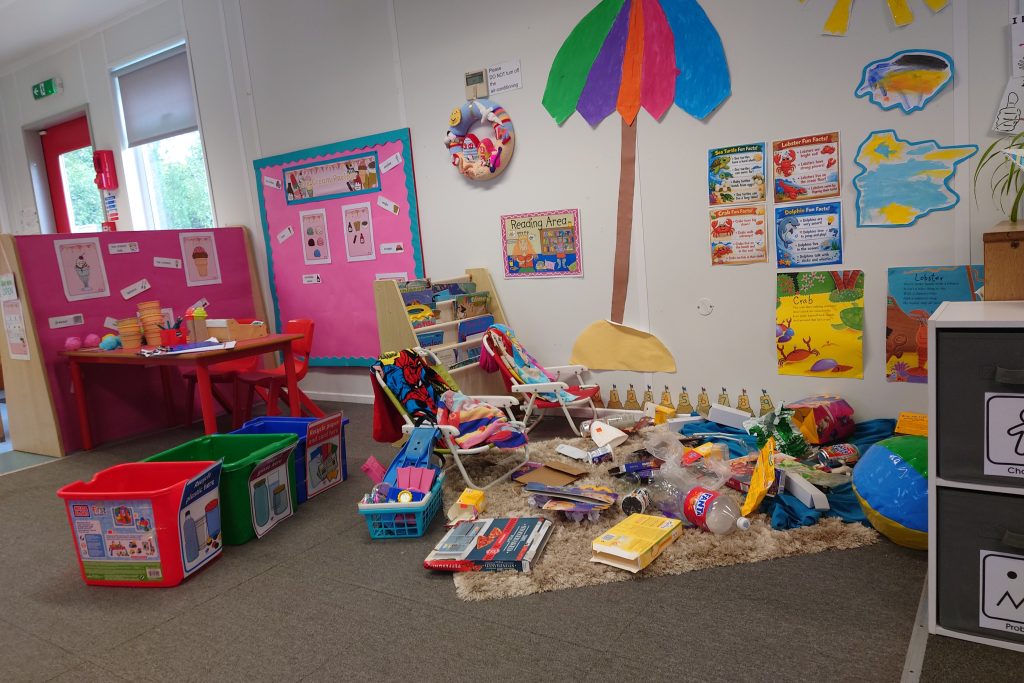
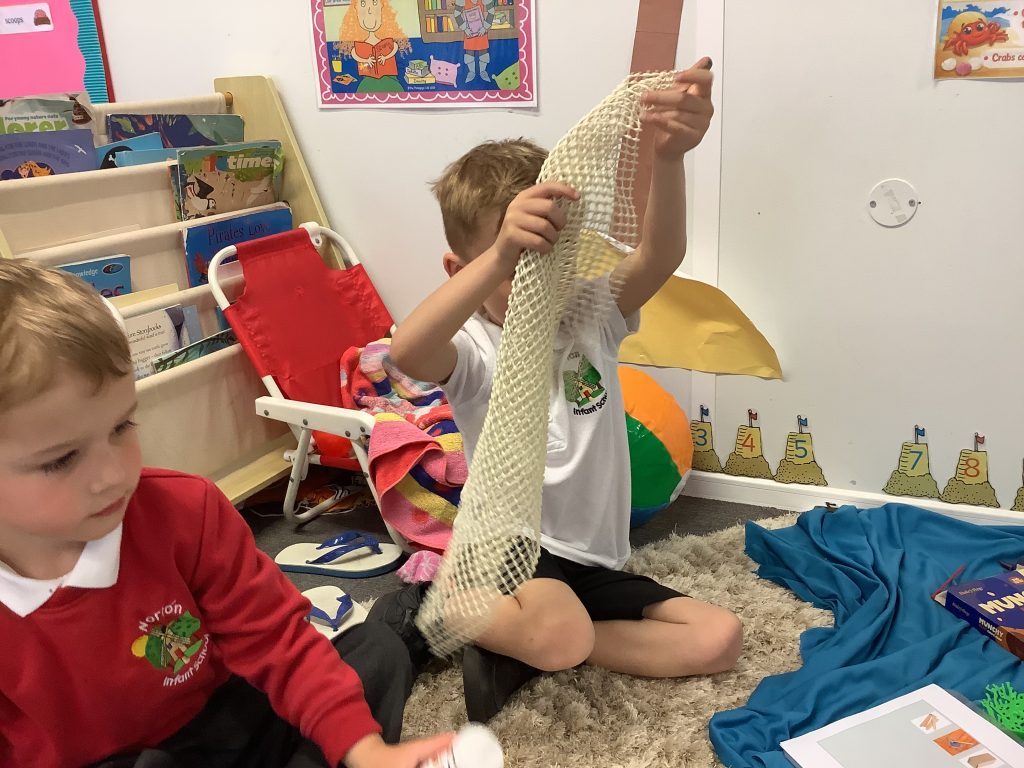
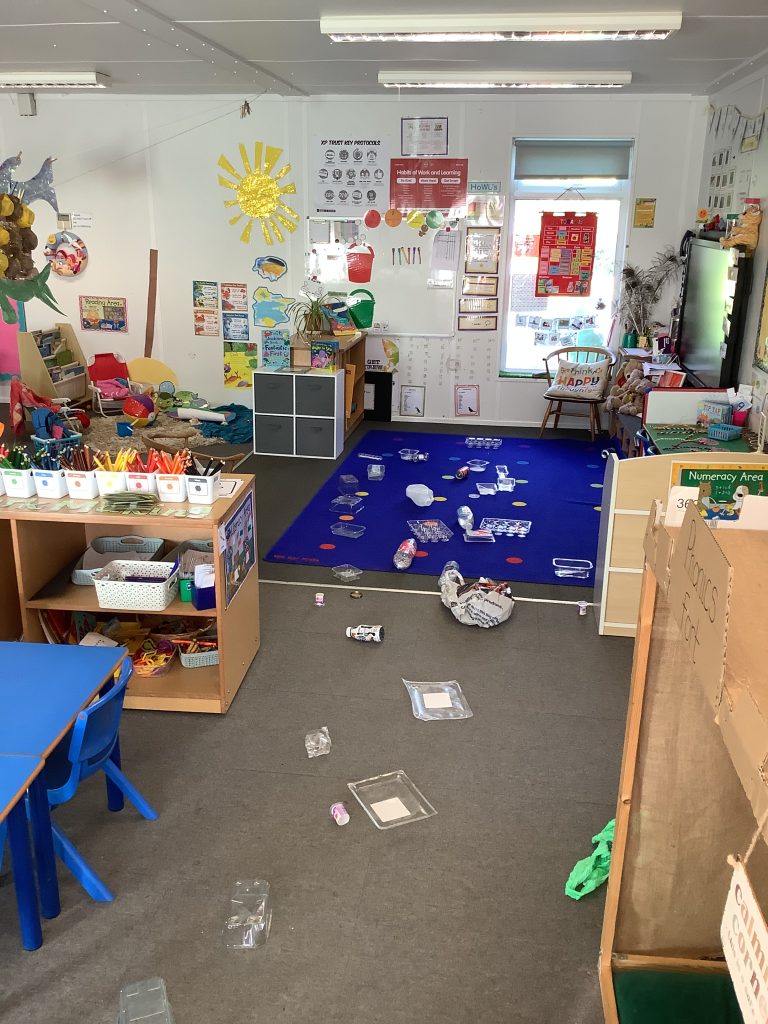
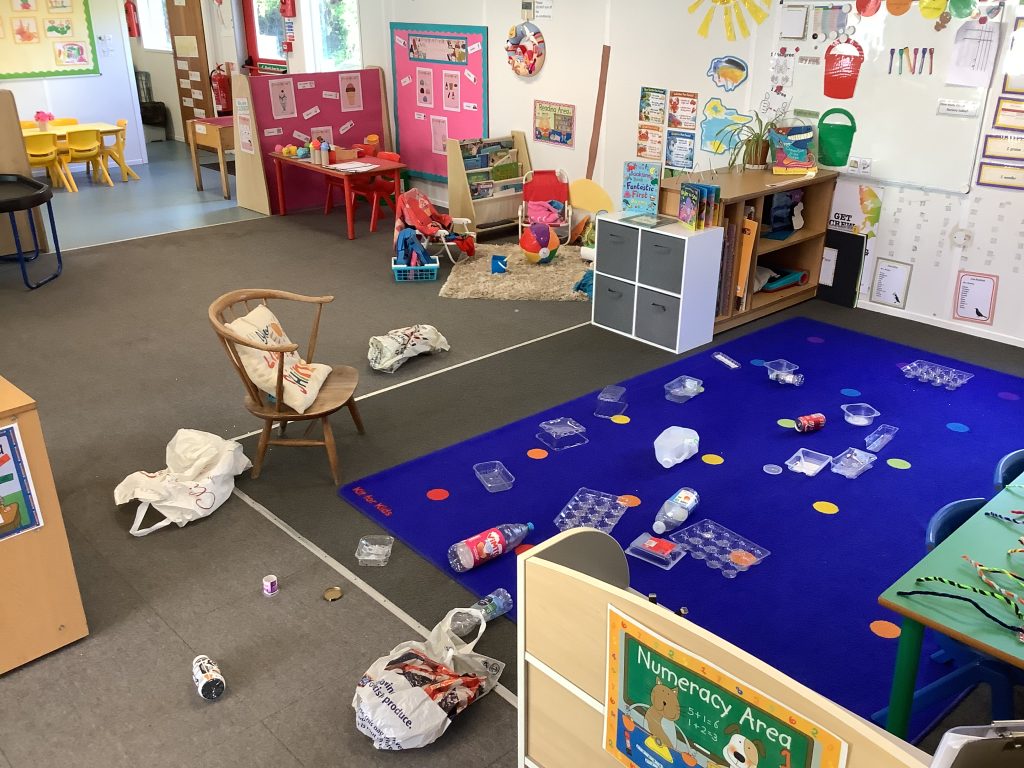
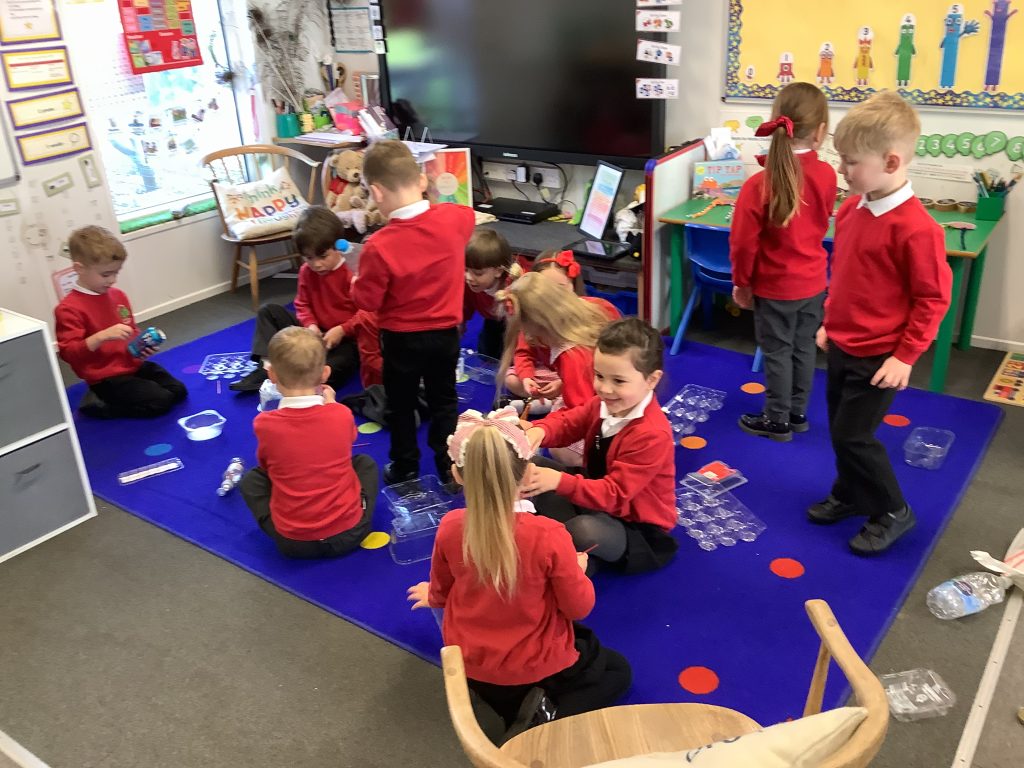
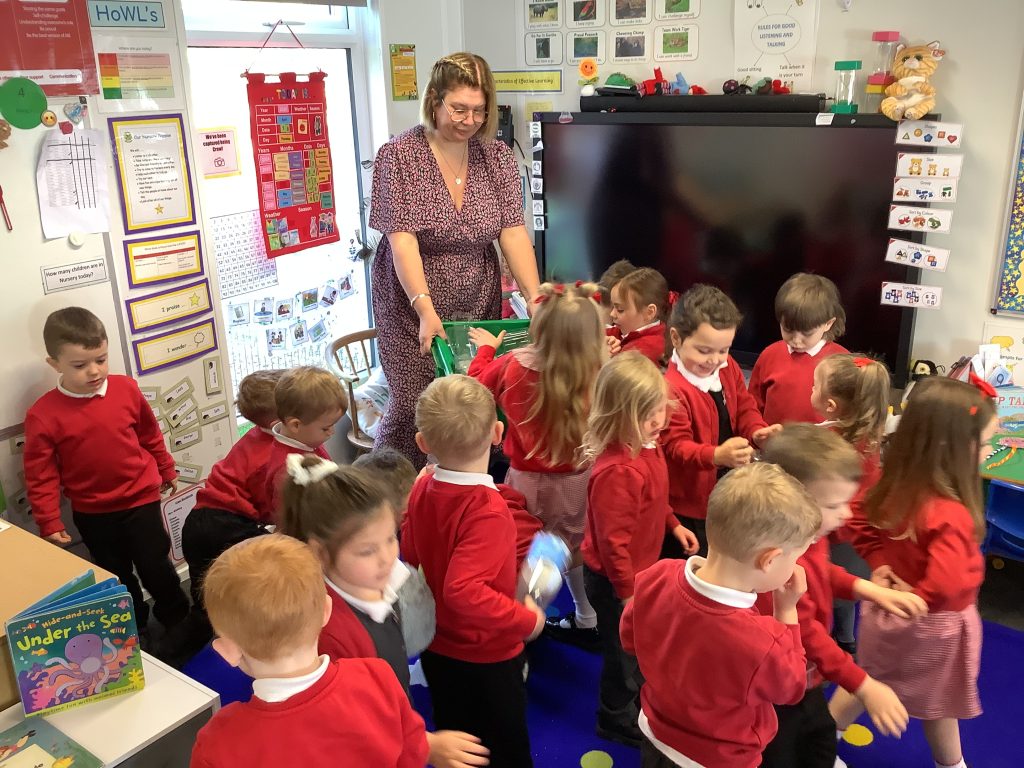
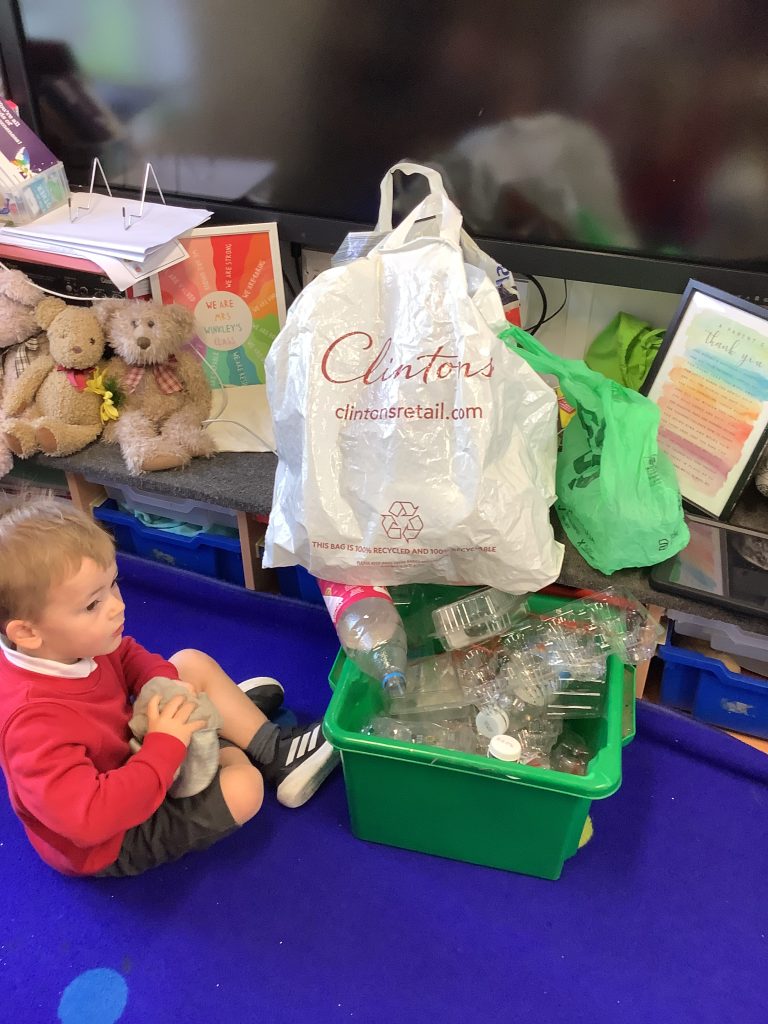
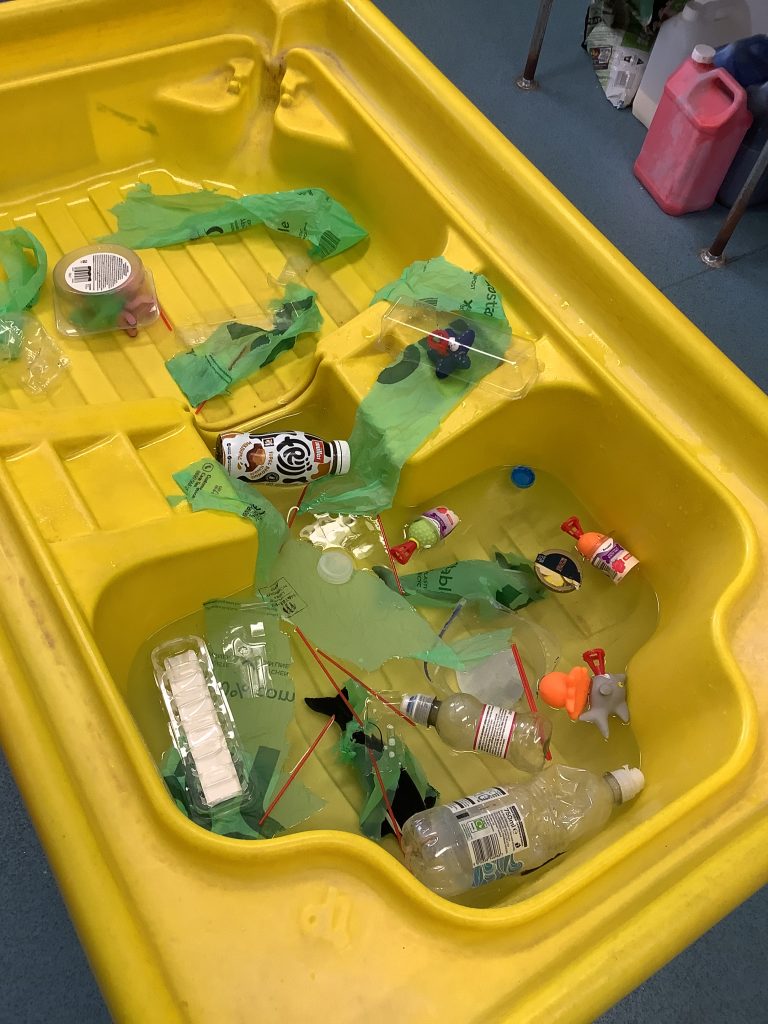
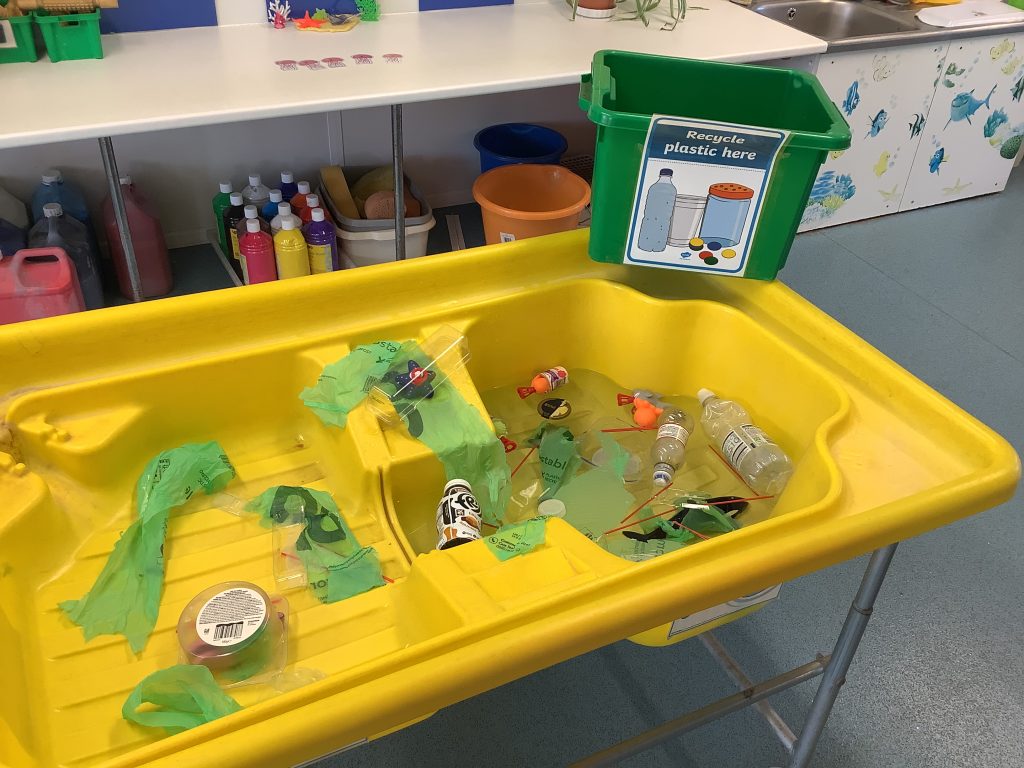
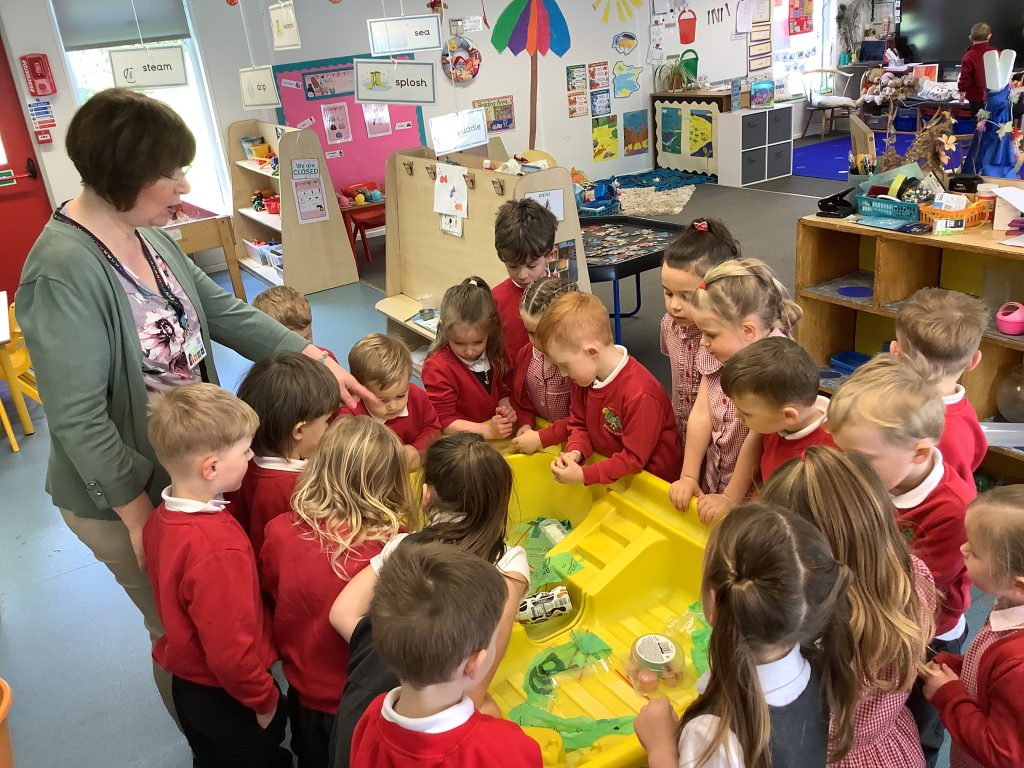
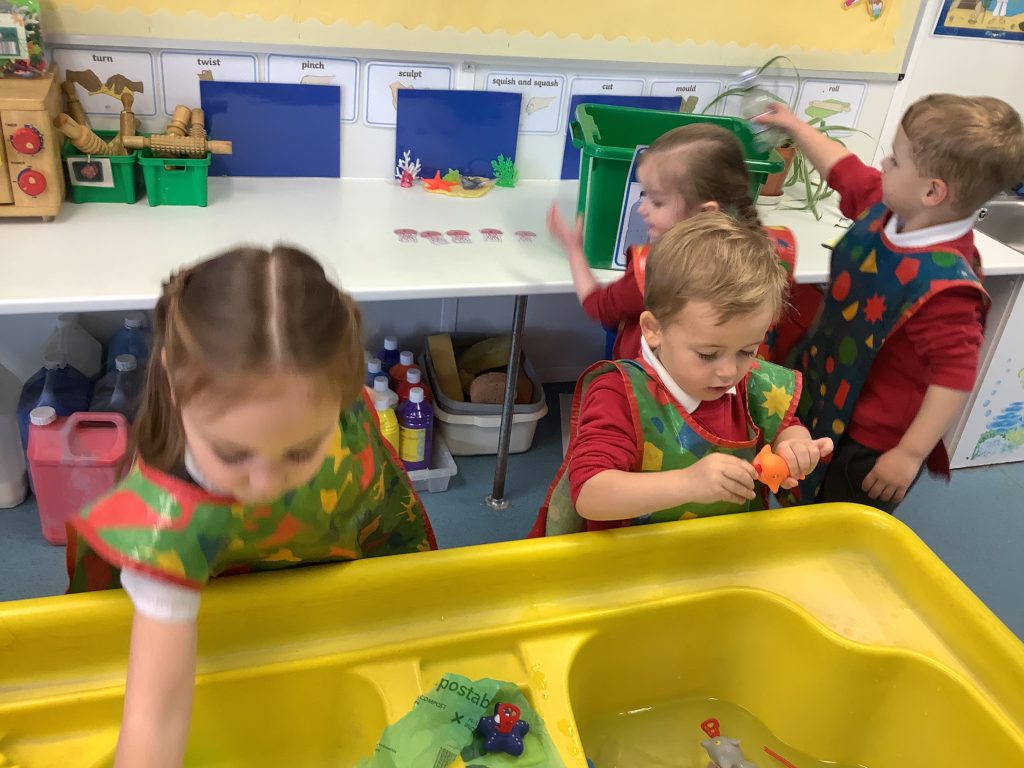
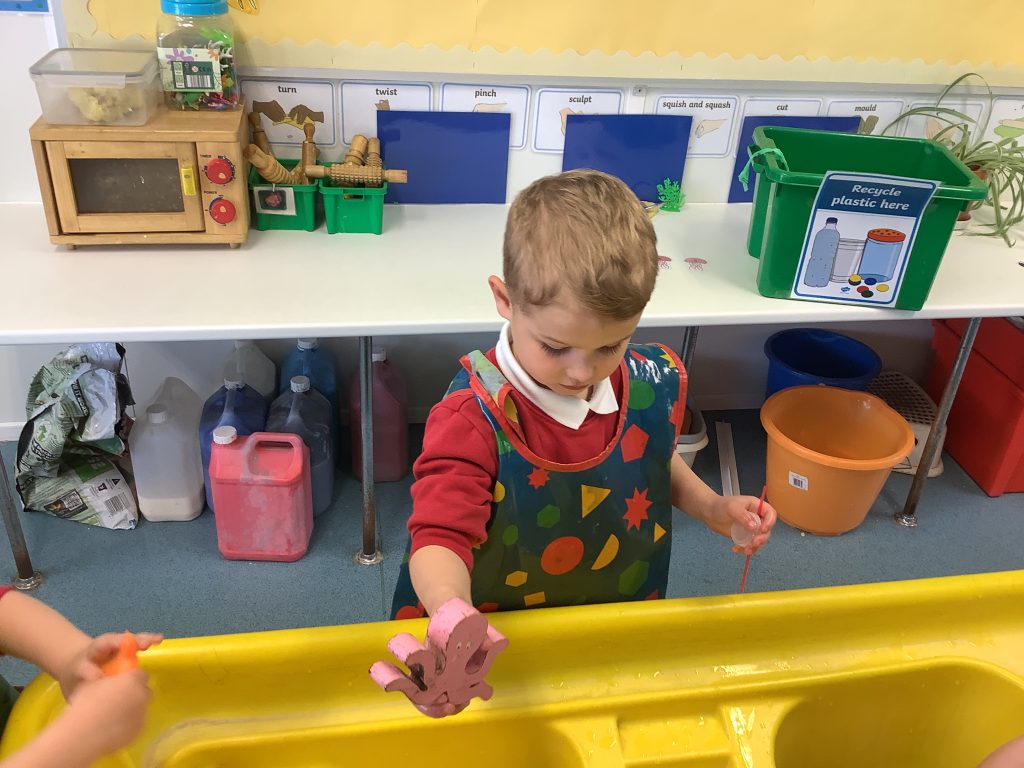
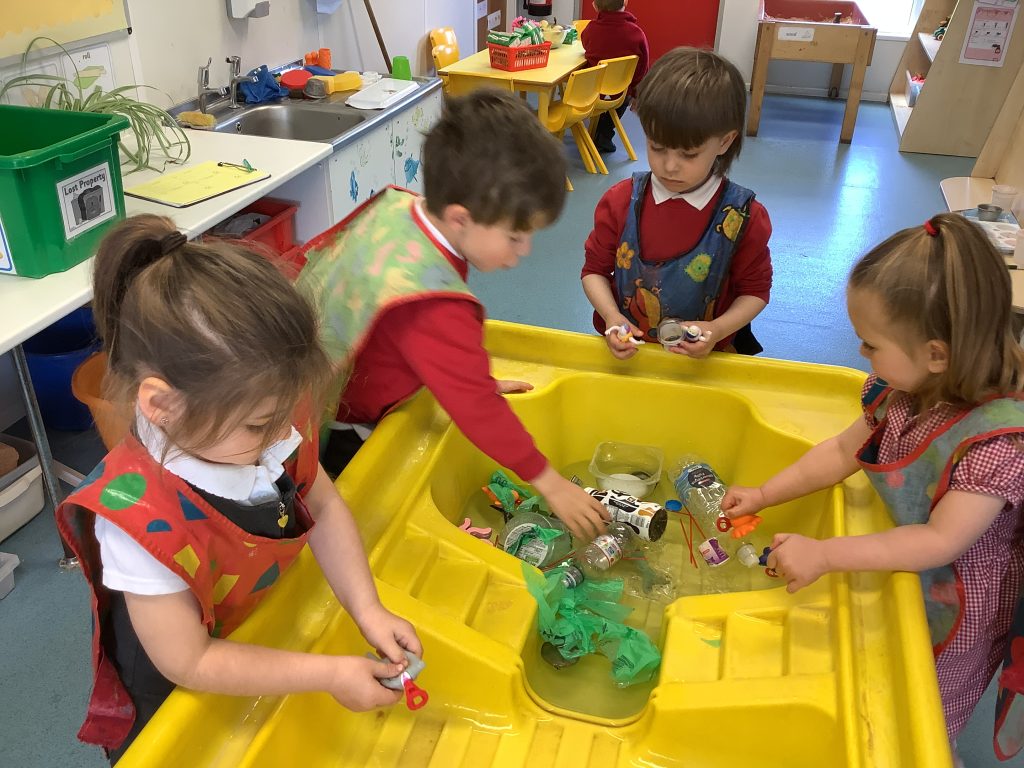
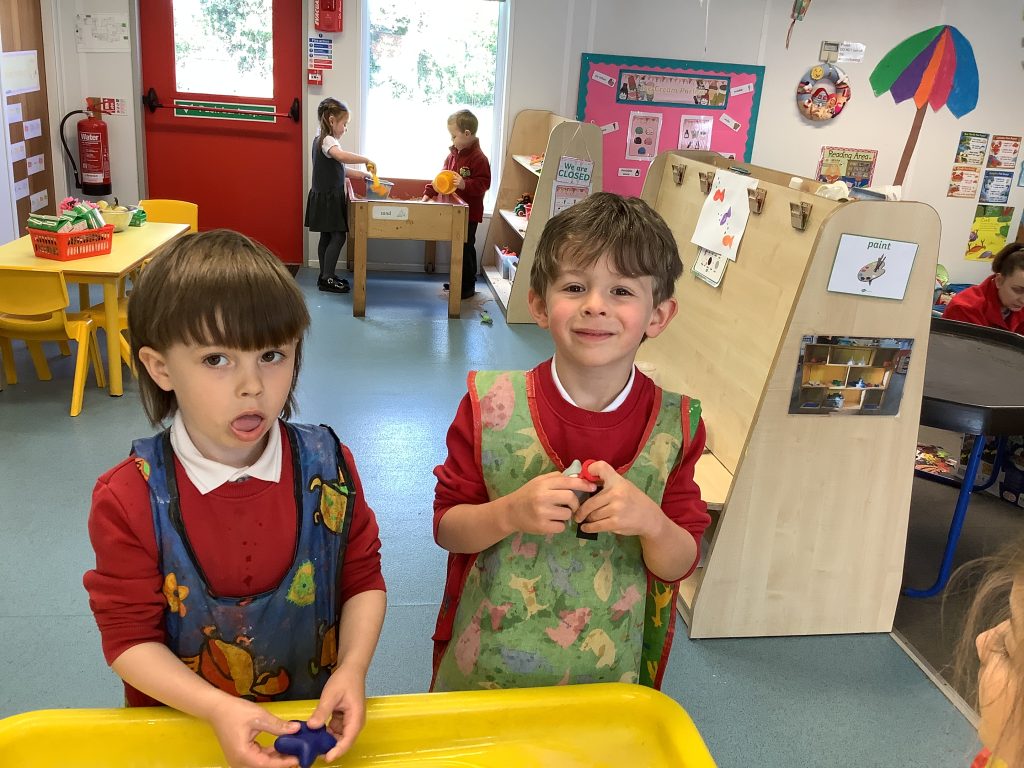
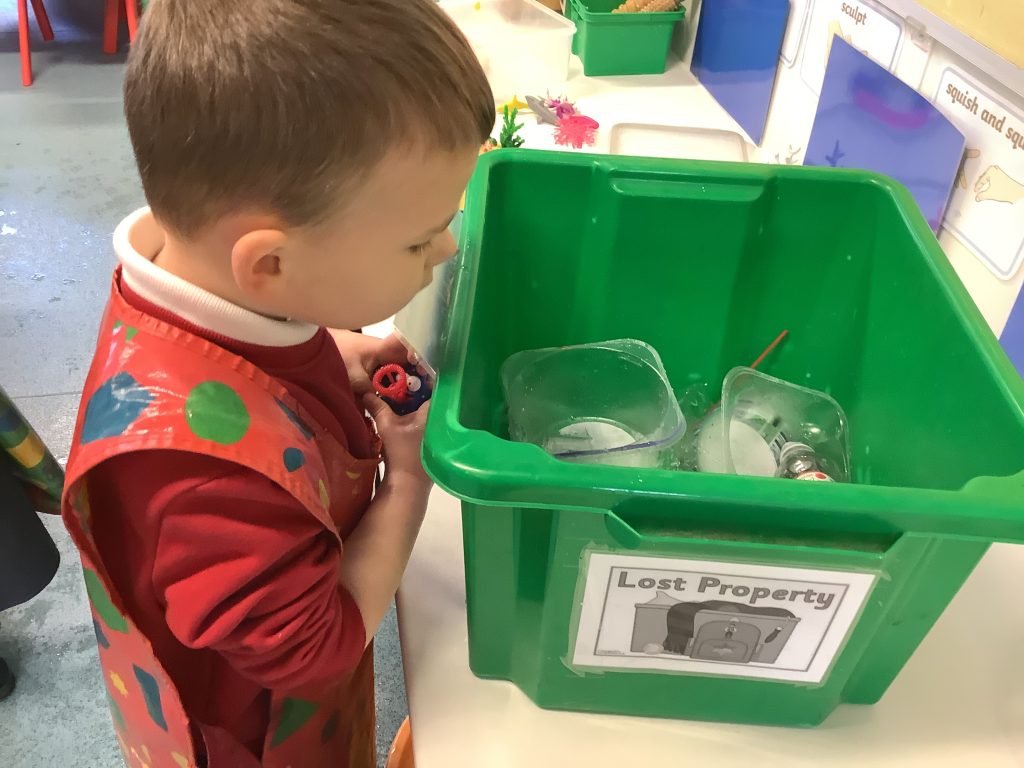
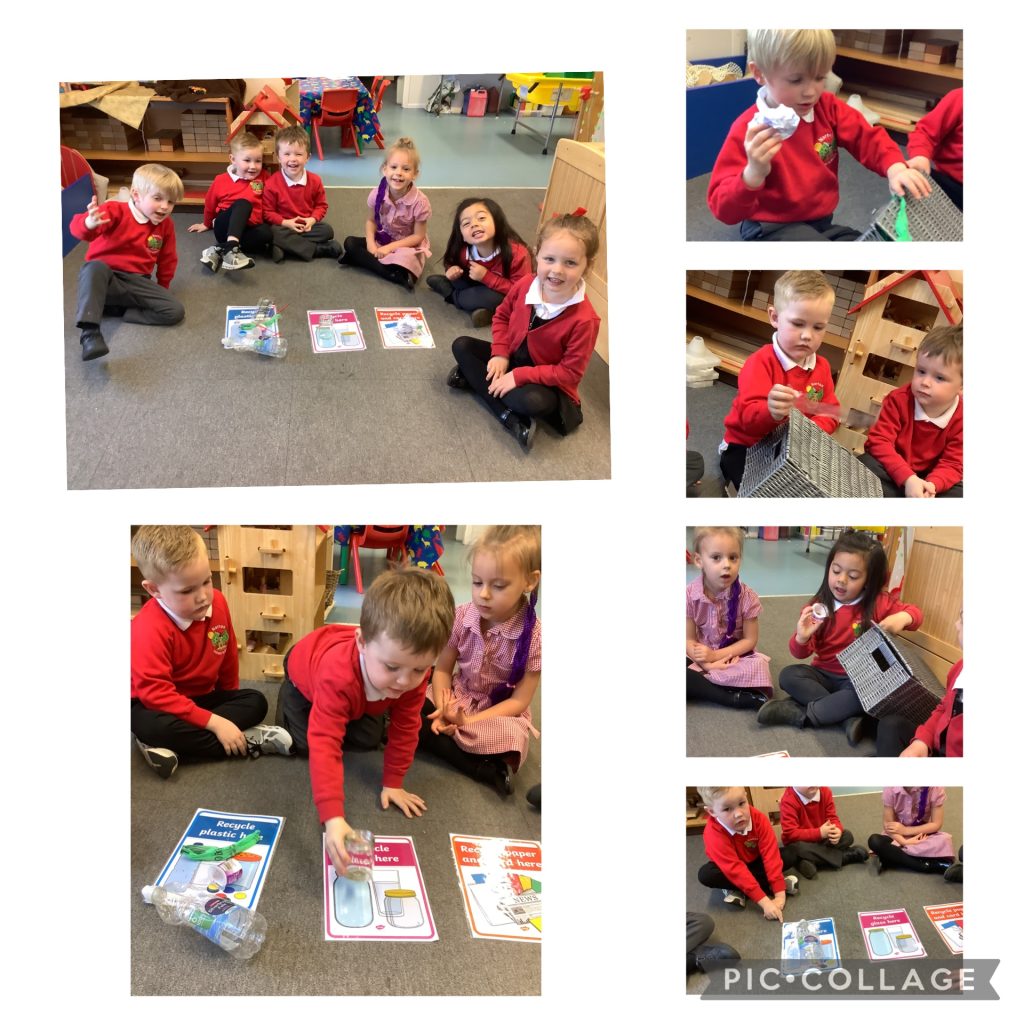
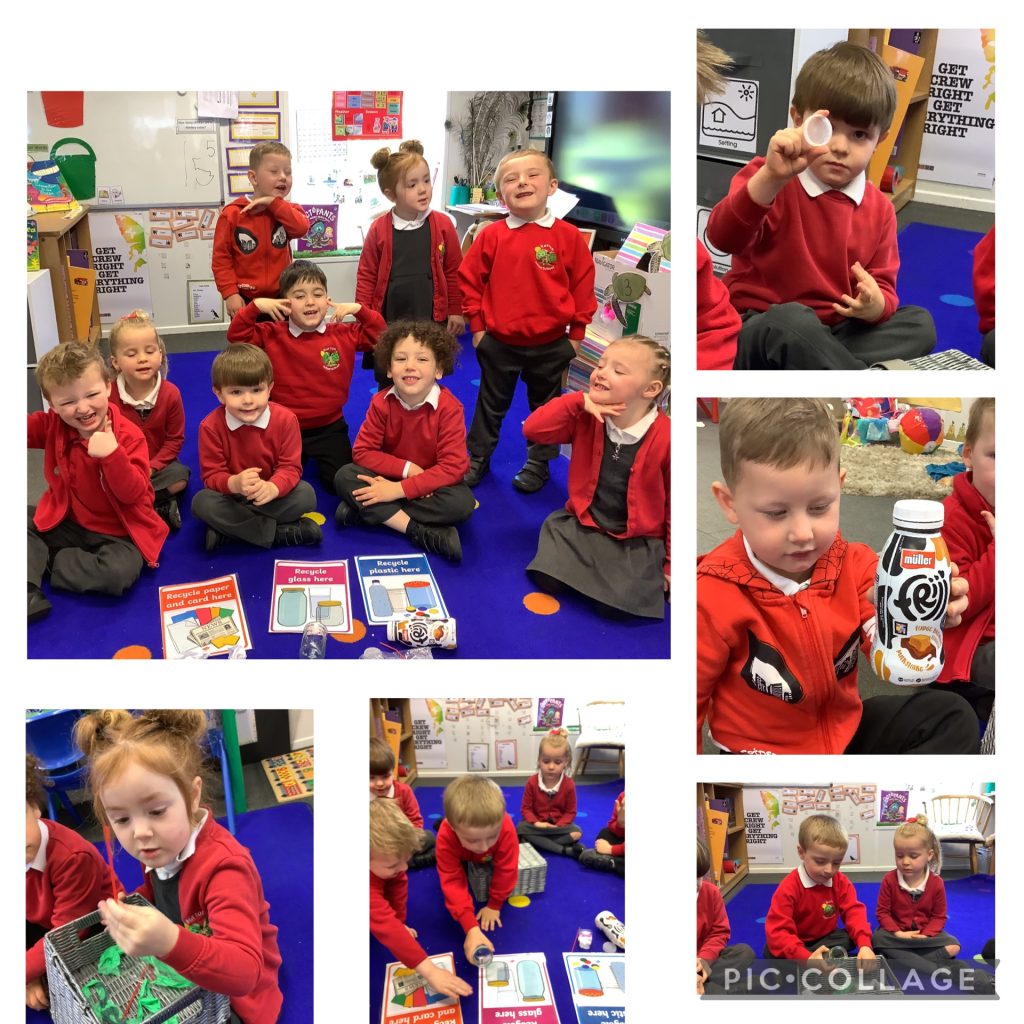
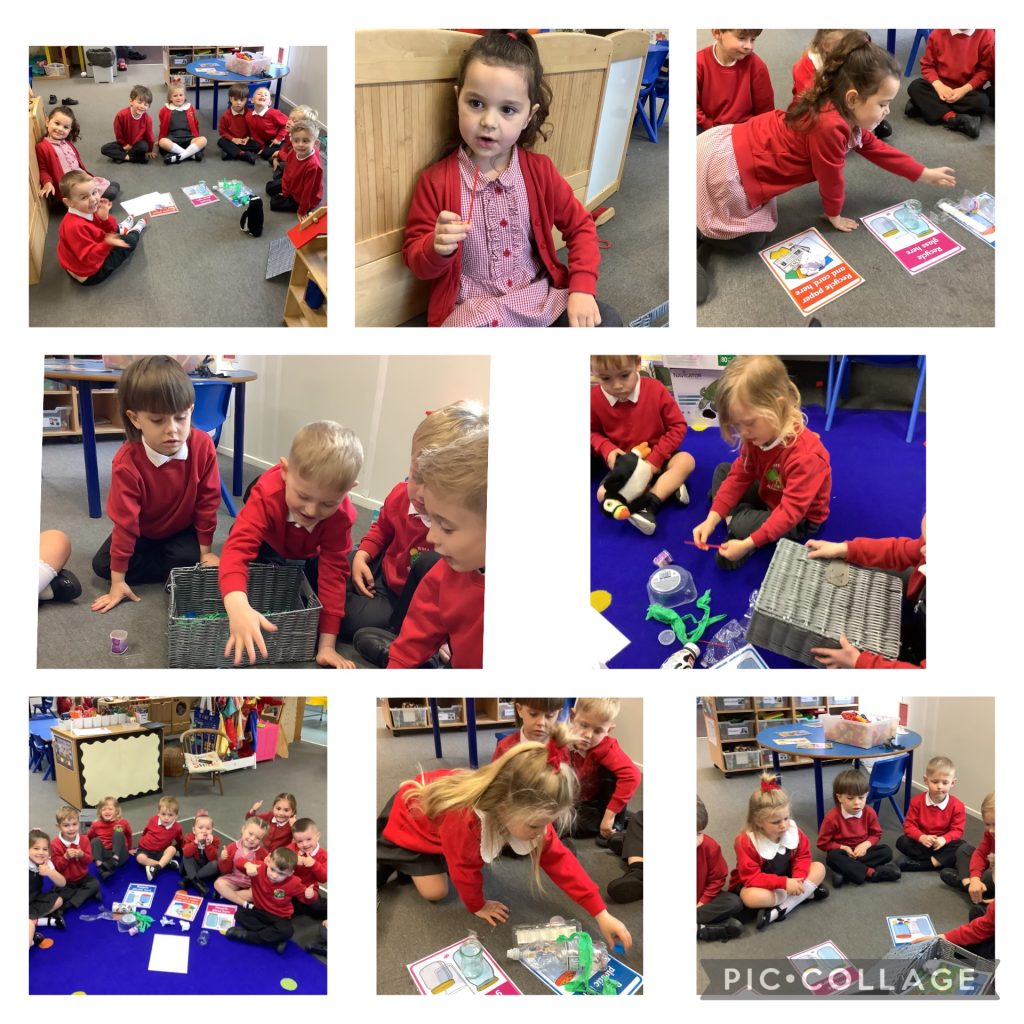
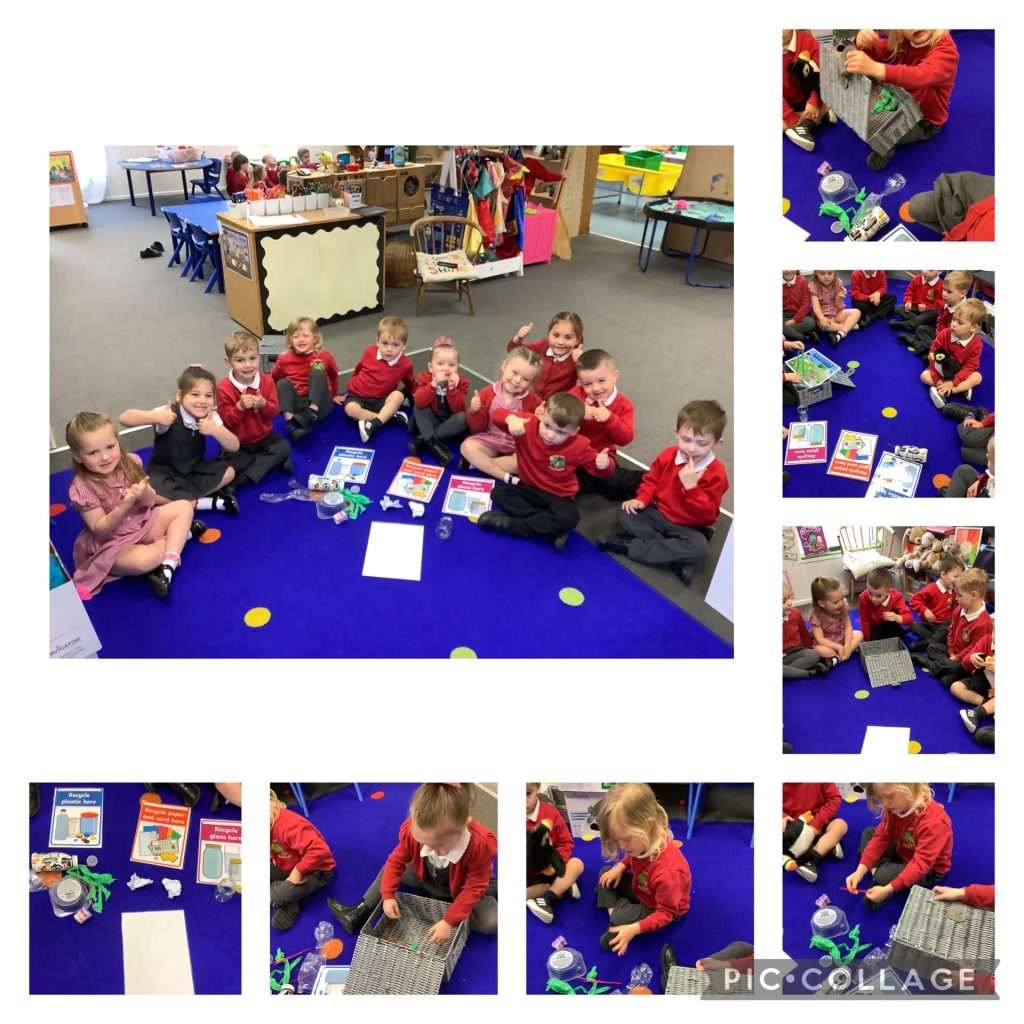
Our second exciting text of our continuing first case study; “How can we help save the ocean?” is “Harry Saves the Ocean” by NGK and Sylvia Fae. This week the children entered Nursery to their beloved beach role play area, being trashed by more plastic pollution! This consolidated all of their prior learning from last week as the began to think rubbish in the sea and as you can imagine the children were so disappointed, sad and angered! This time the children had the skills they needed to be able to help problem solve the solution and were very happy to help recycle the rubbish and plastics into the correct recycling bins.

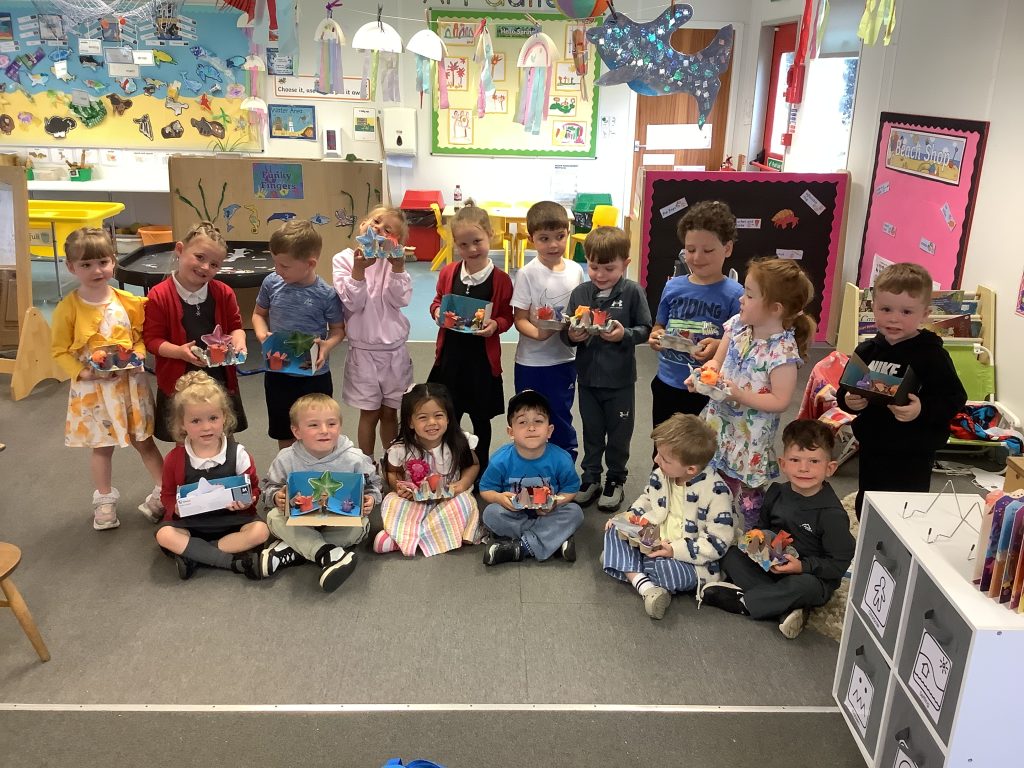
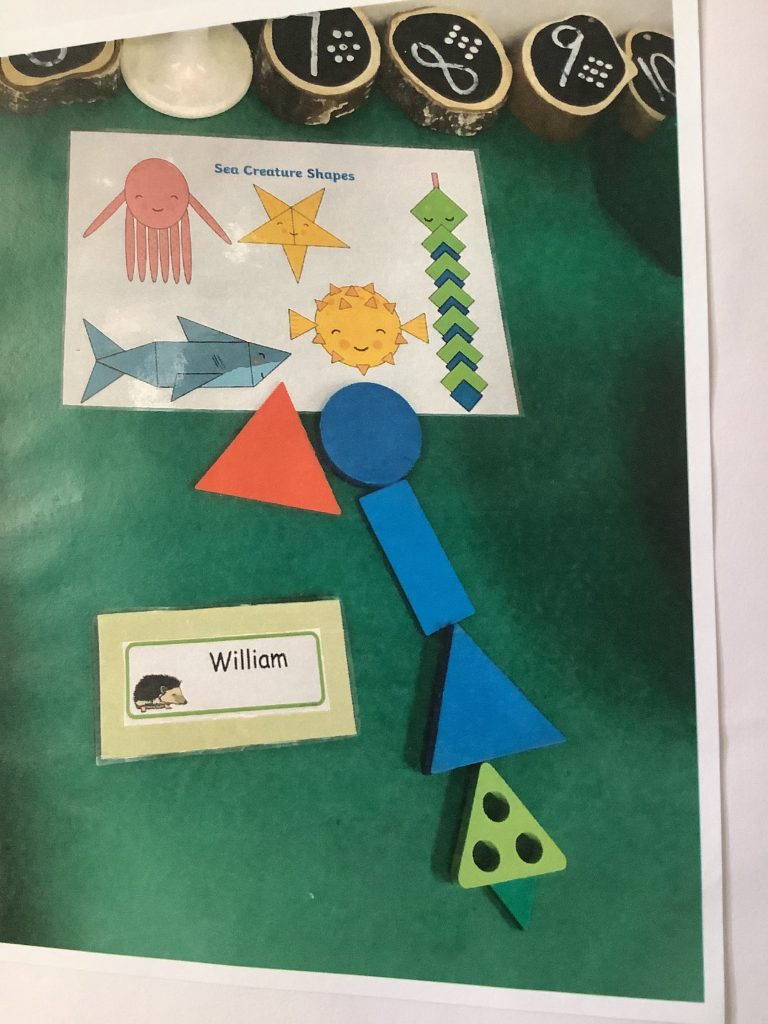
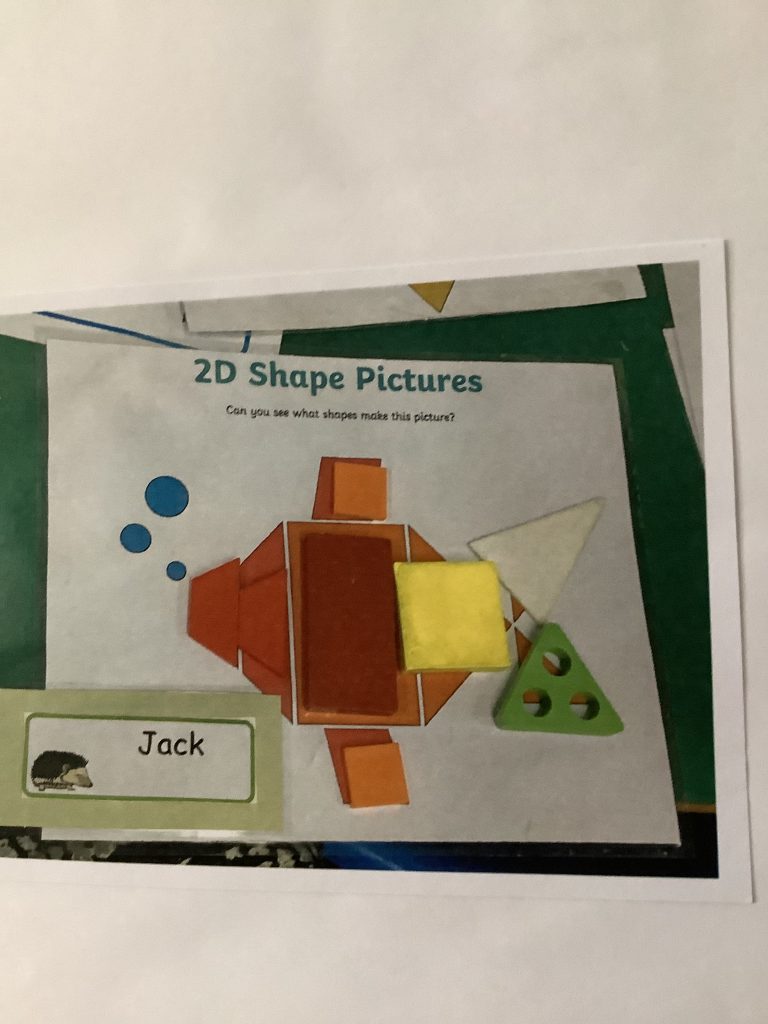
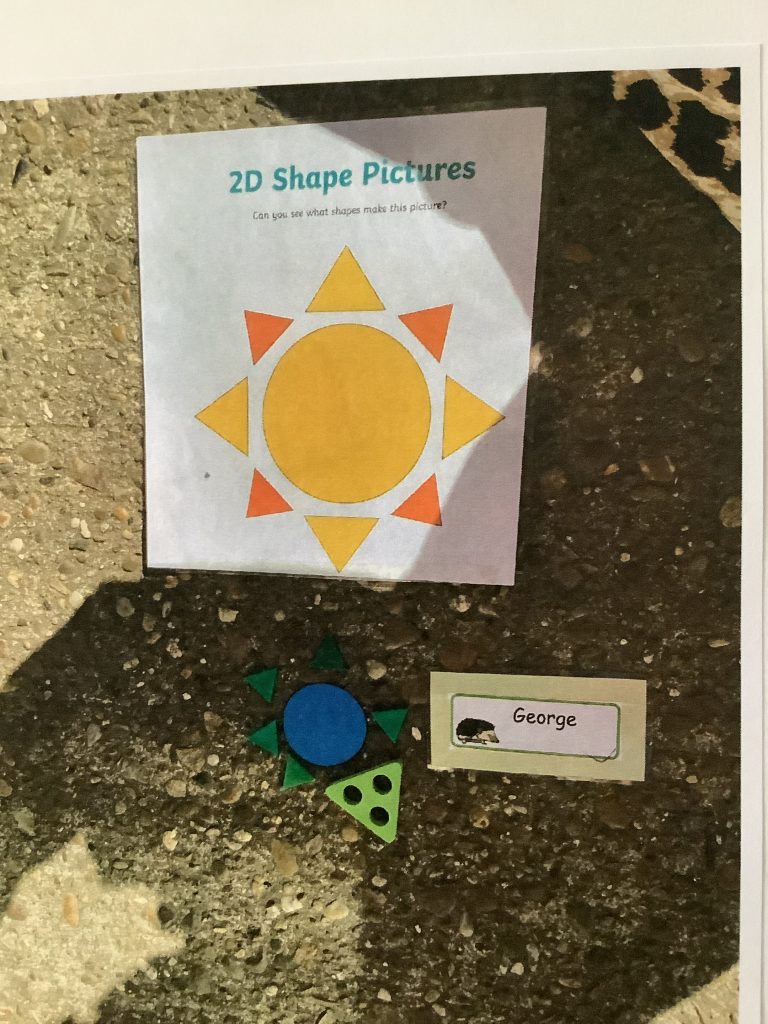
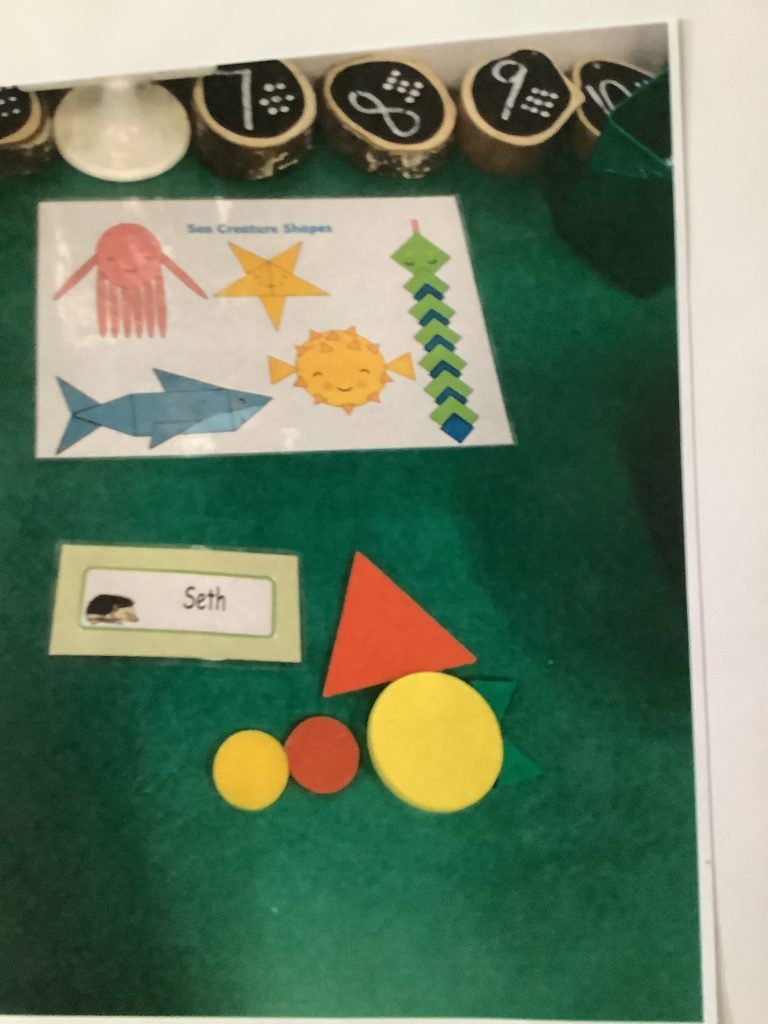
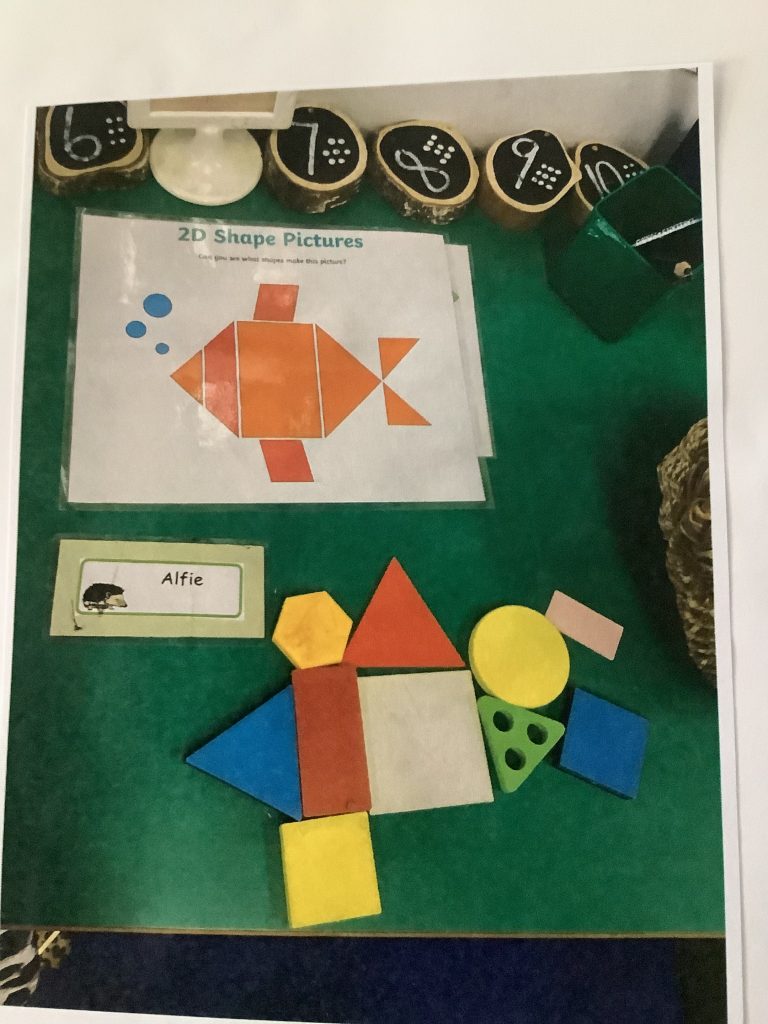
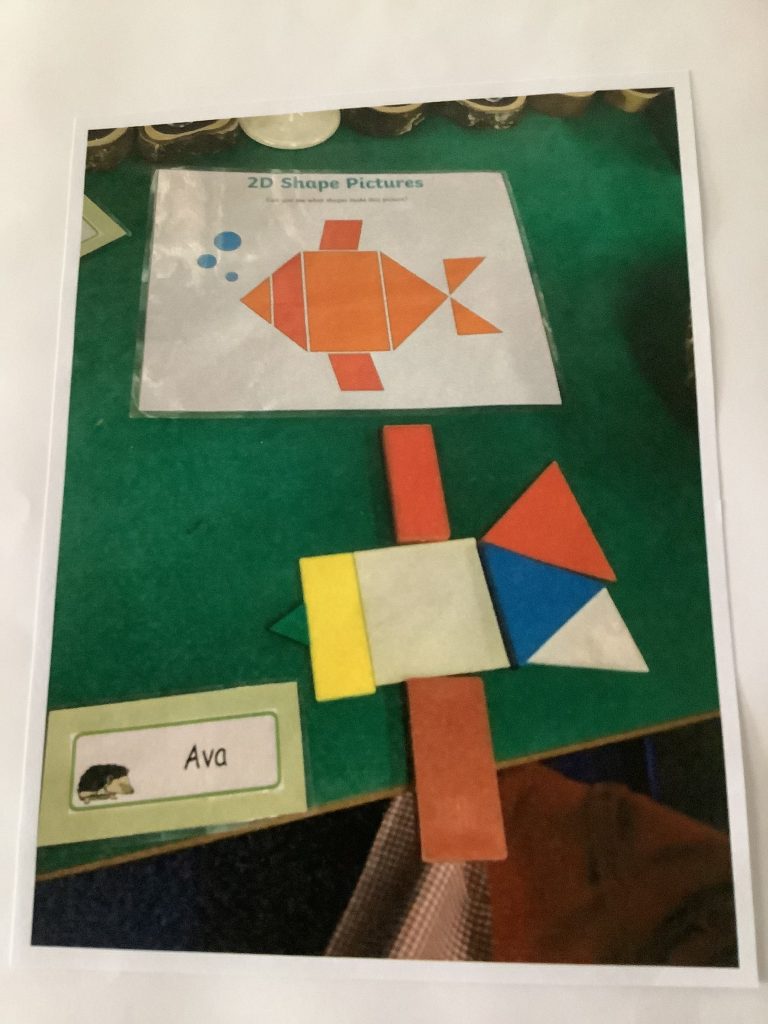
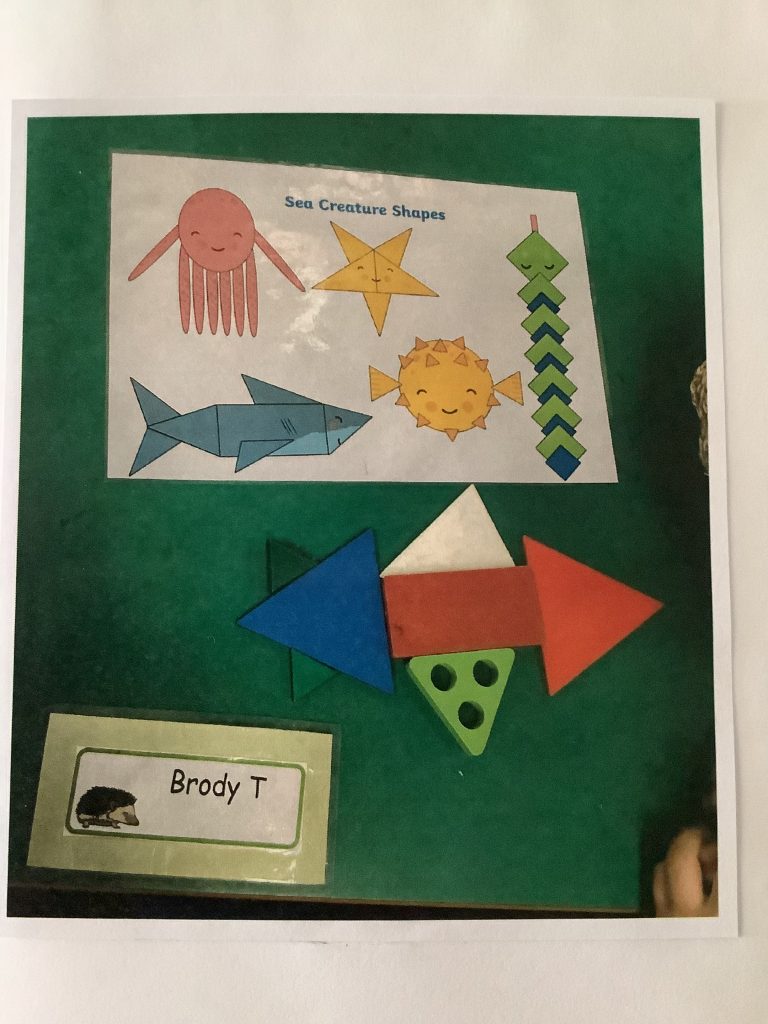
This week the children have been exploring the properties of 2d shapes and have been thinking about how they could use the shapes to create pictures of sea creatures. Here are some photos of their beautiful work.

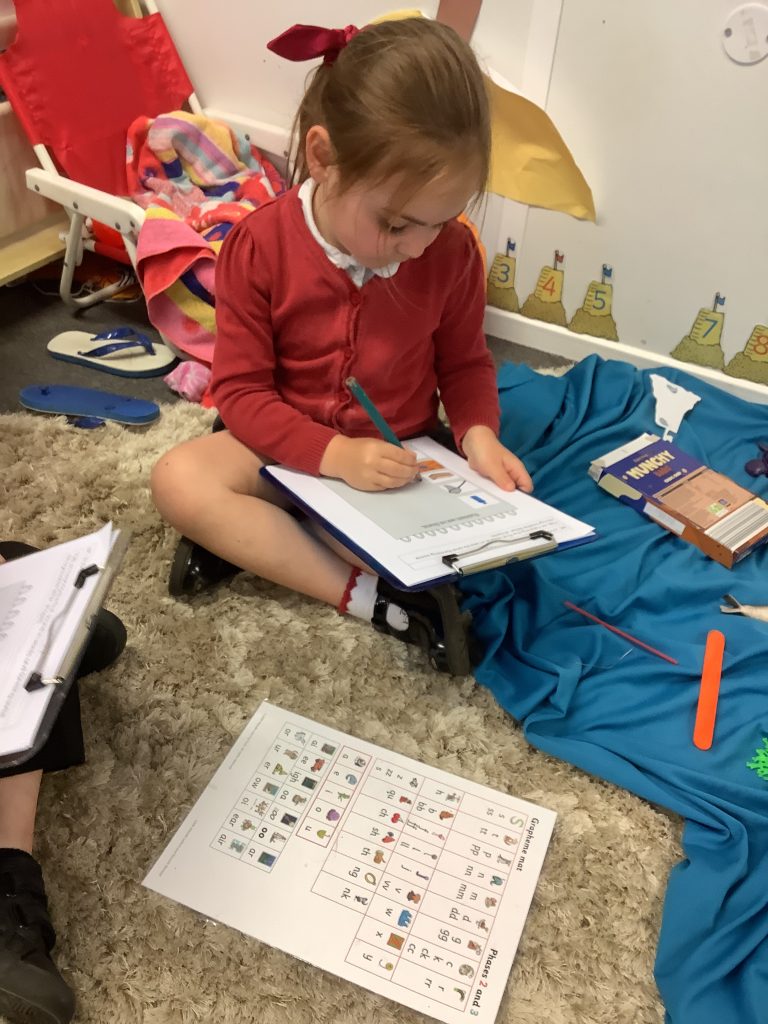
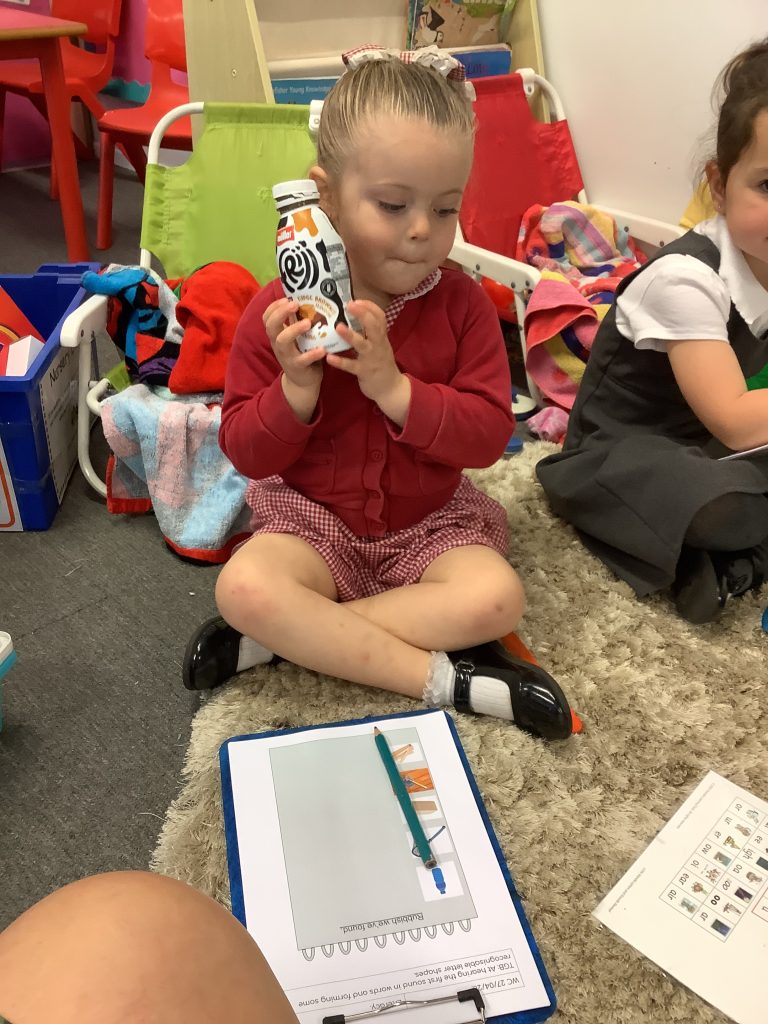
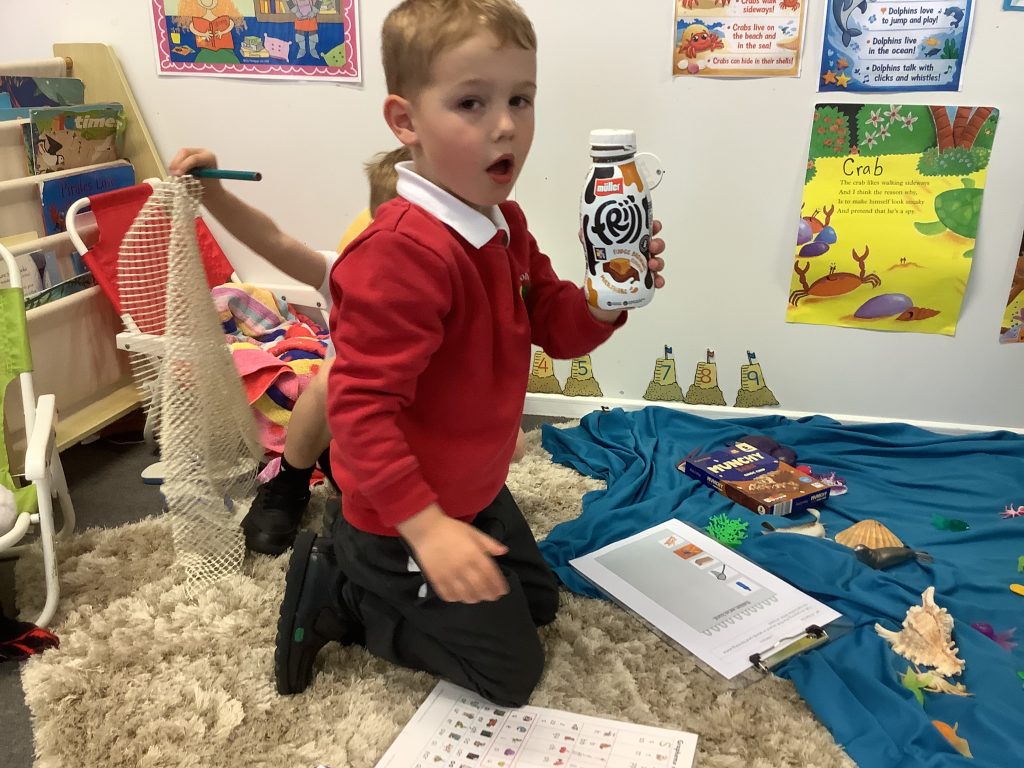
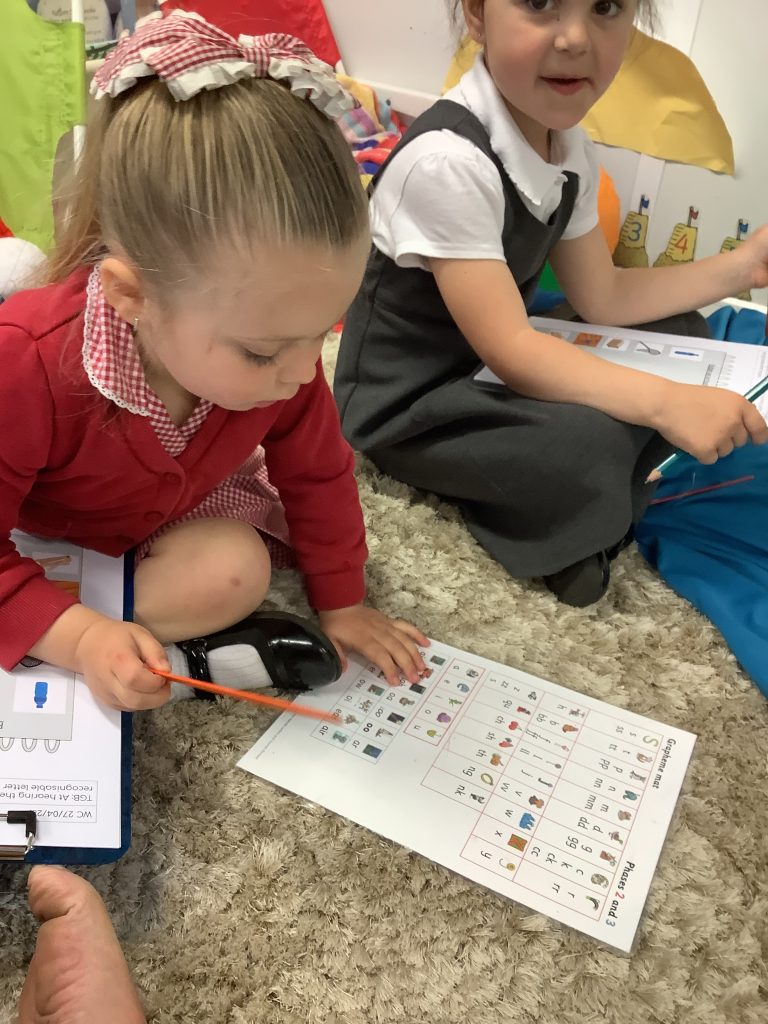
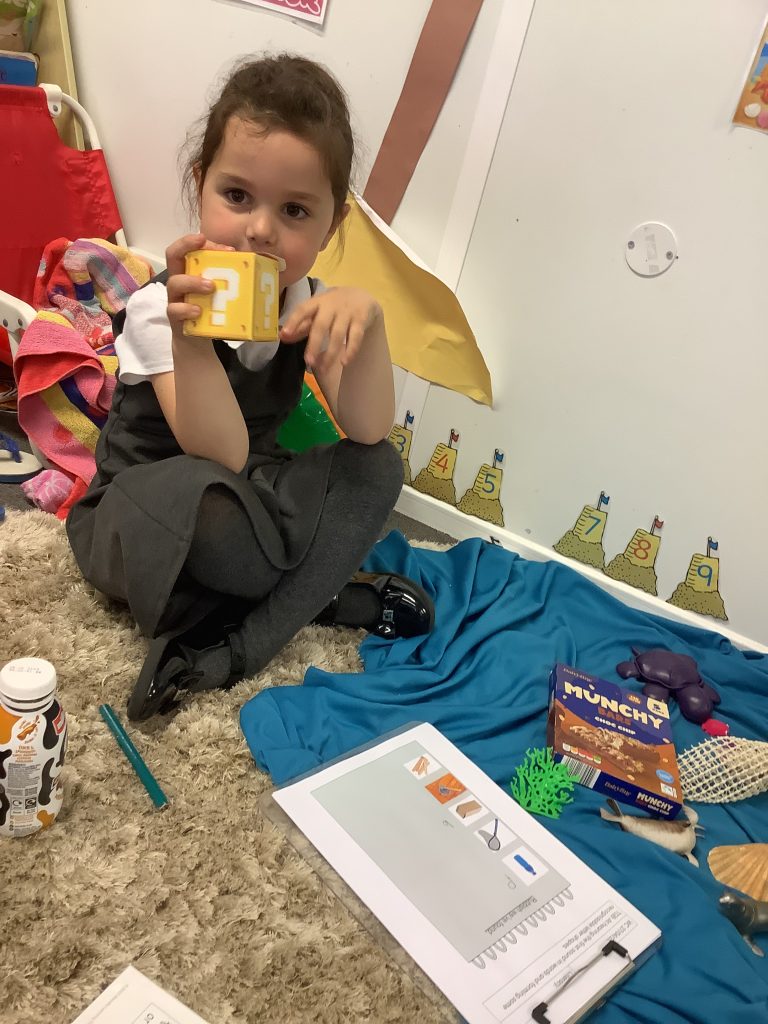
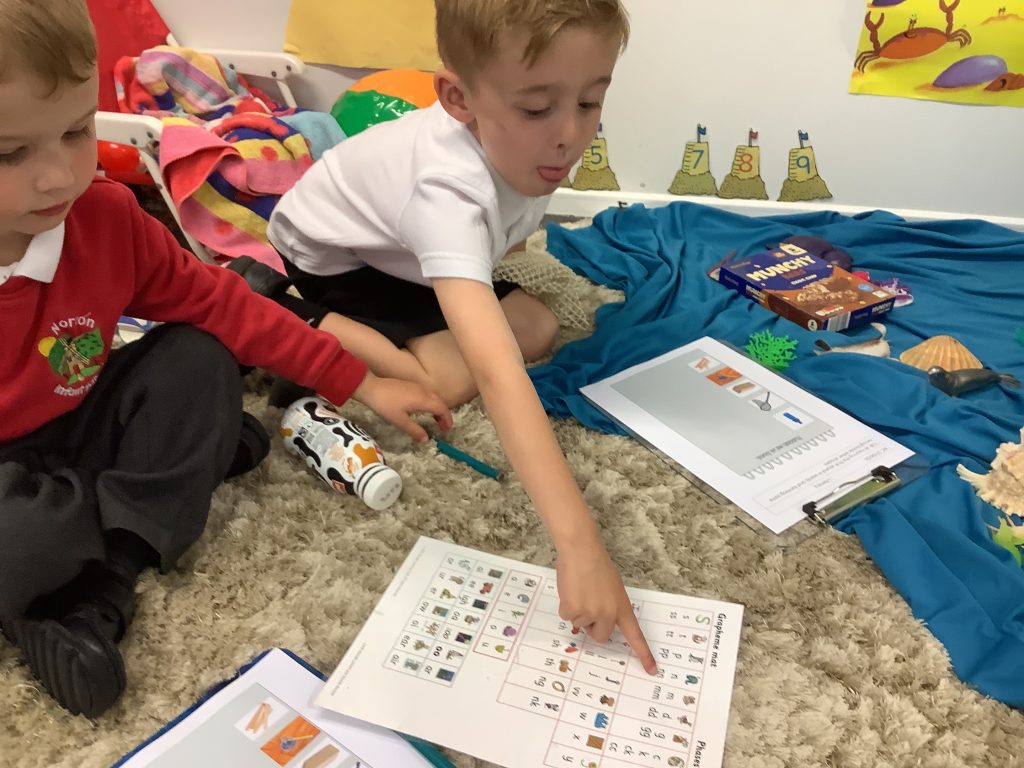
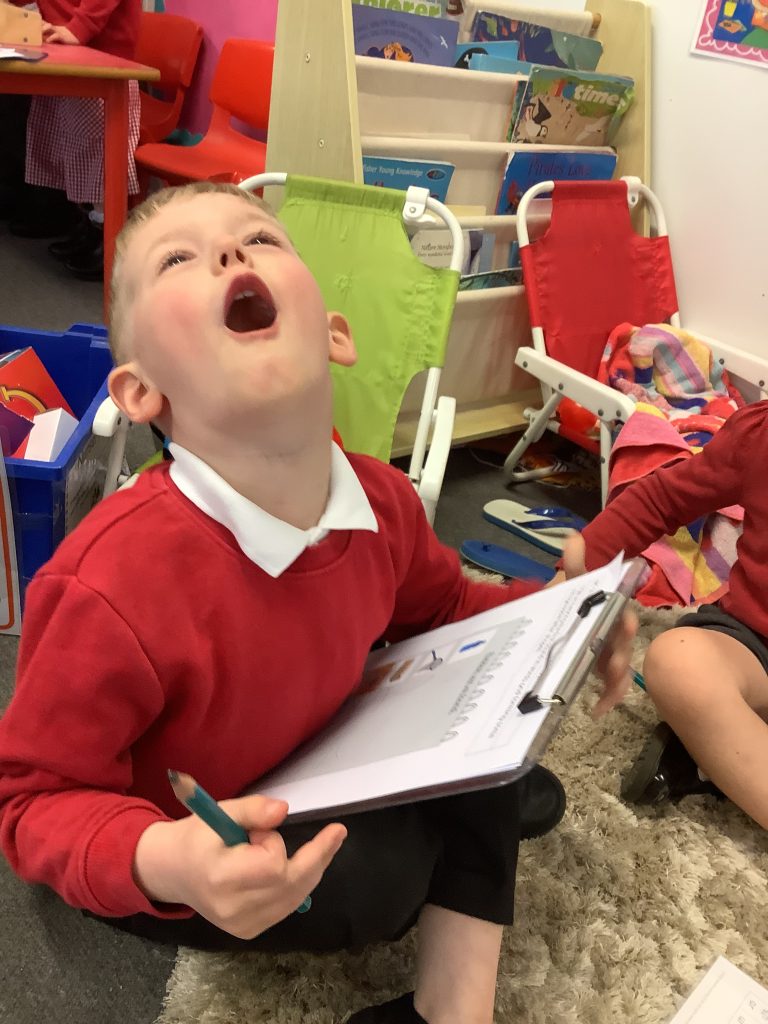
The children have also been writing lists of all the rubbish and packaging which they have found in the sea, by hearing and attempting to write initial sounds. They were working so hard on their listening skills and produced some beautiful mark making and letter shapes with support.

“Oh that’s rubbish!”

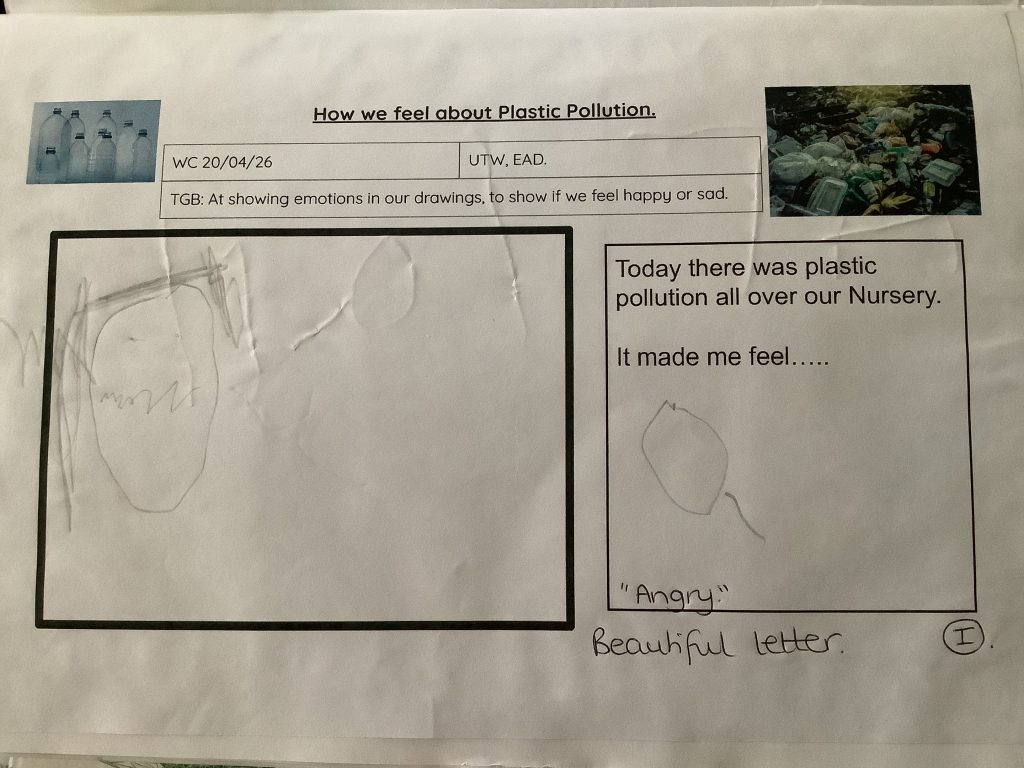
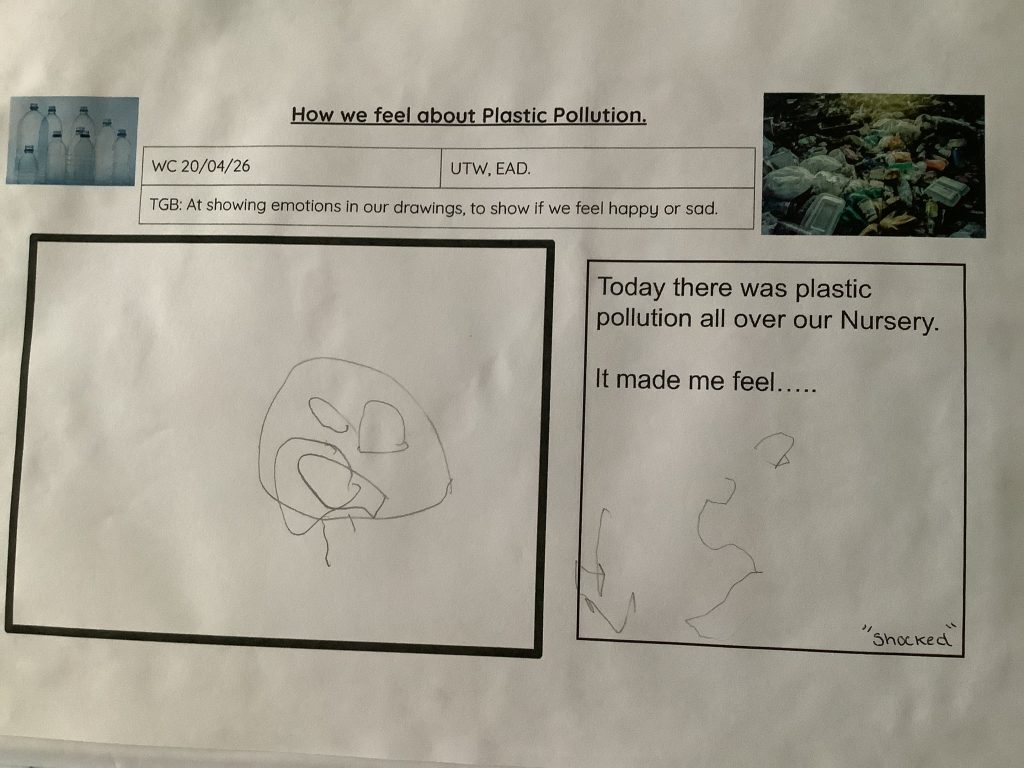
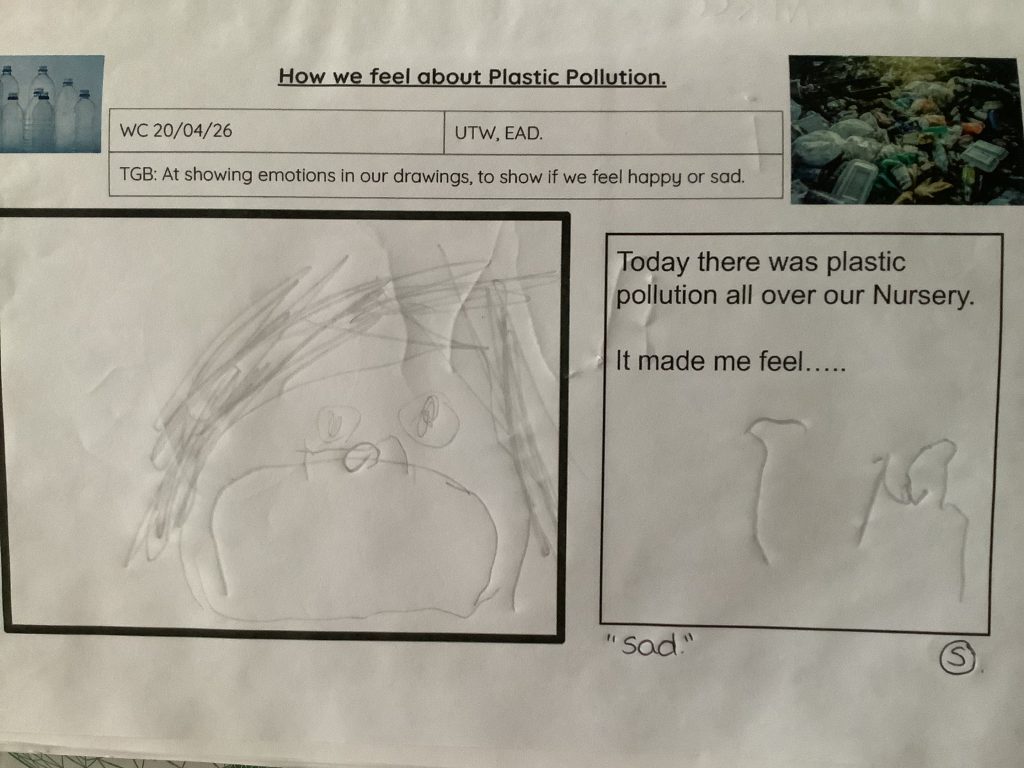
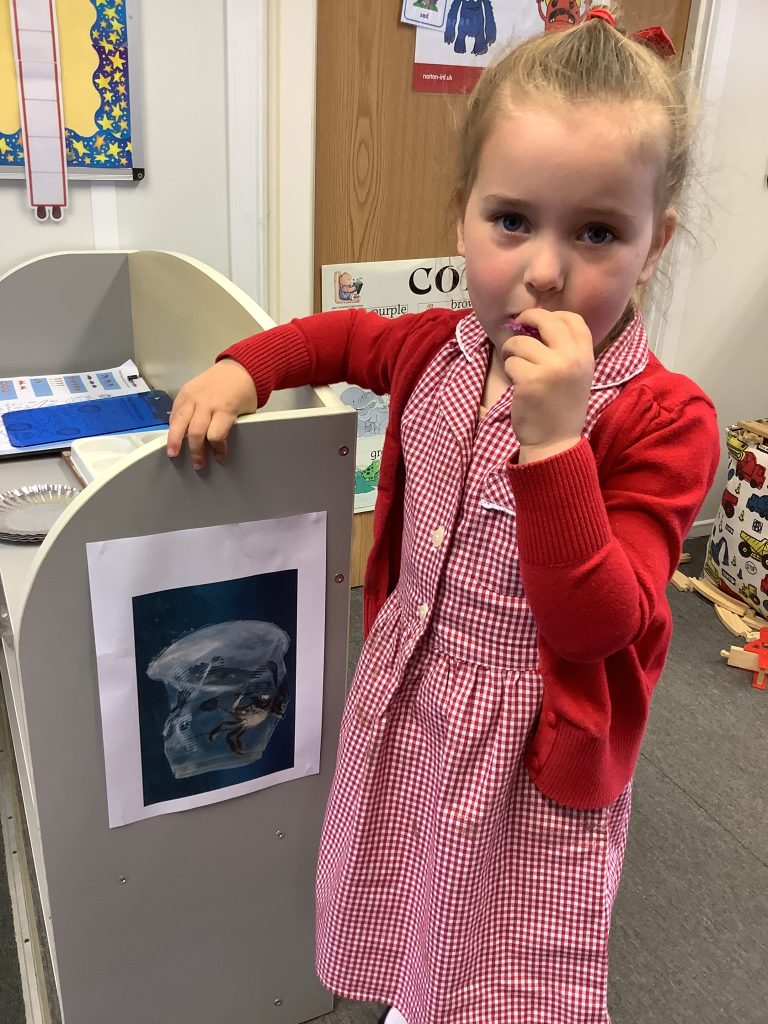
During our first week of case study one “How can we help save the ocean?” Nursery were outraged to discover that someone had been into Nursery and thrown rubbish, mainly plastic, all over our environment. The children were totally hooked into the case study immediately and shared some of their thoughts about how could we play and thrive in this environment? How did all of the rubbish make us feel? “Sad”, “Angry”, “Messy”, “Cluttered”, “Dirty”, “Shocked”, “Fuming”, “Cross”, “Upset” were some of the words that the children used.

They then drew faces using different emotions to share their feelings. Some children attempted to write initial sounds of feeling words.

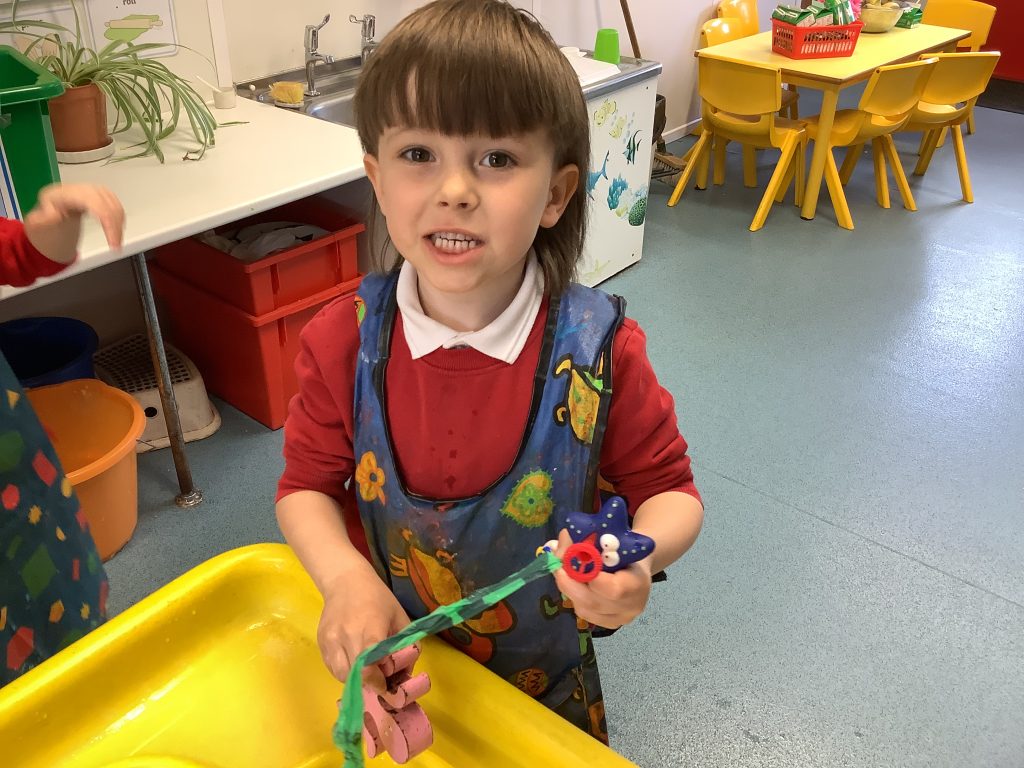
This led to us introducing our first key text “The Odd Fish” by Naomi Jones. A story about a fish who finds a lonely “odd fish” (a plastic bottle) who hasn’t got a family of it’s own and they go on a journey to find the odd fishes family, only to find more rubbish. We consolidated our learning by immersing our water tray and sea creatures in plastic. The children attempted to help the animals by putting all of the rubbish into a bin.

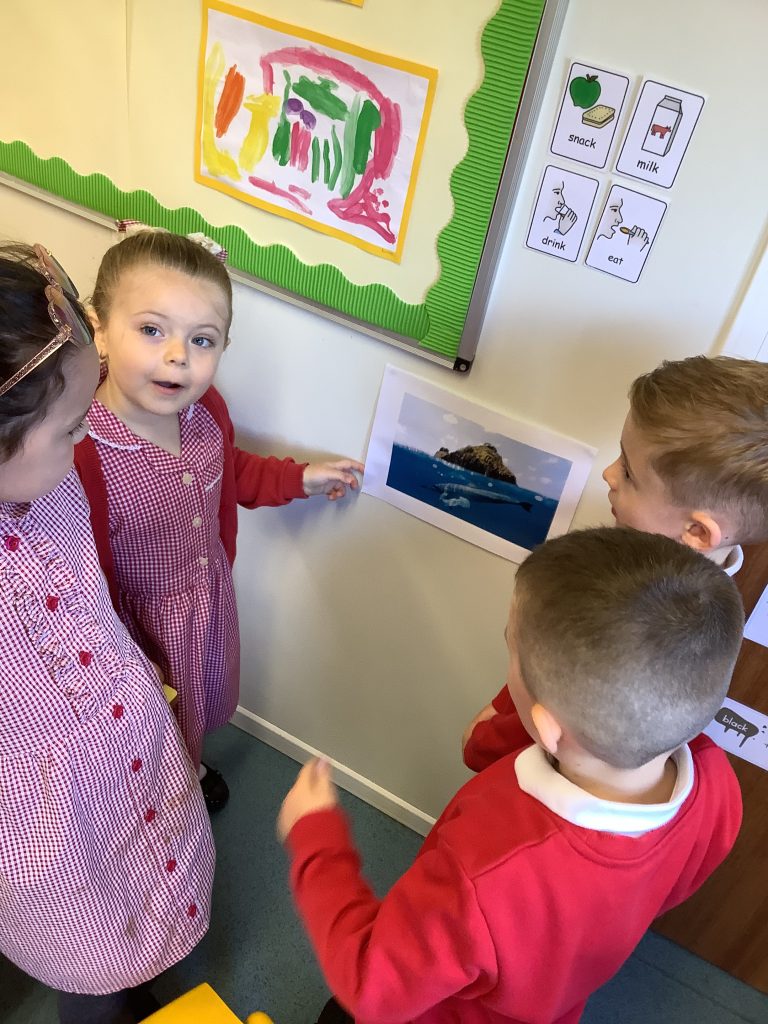
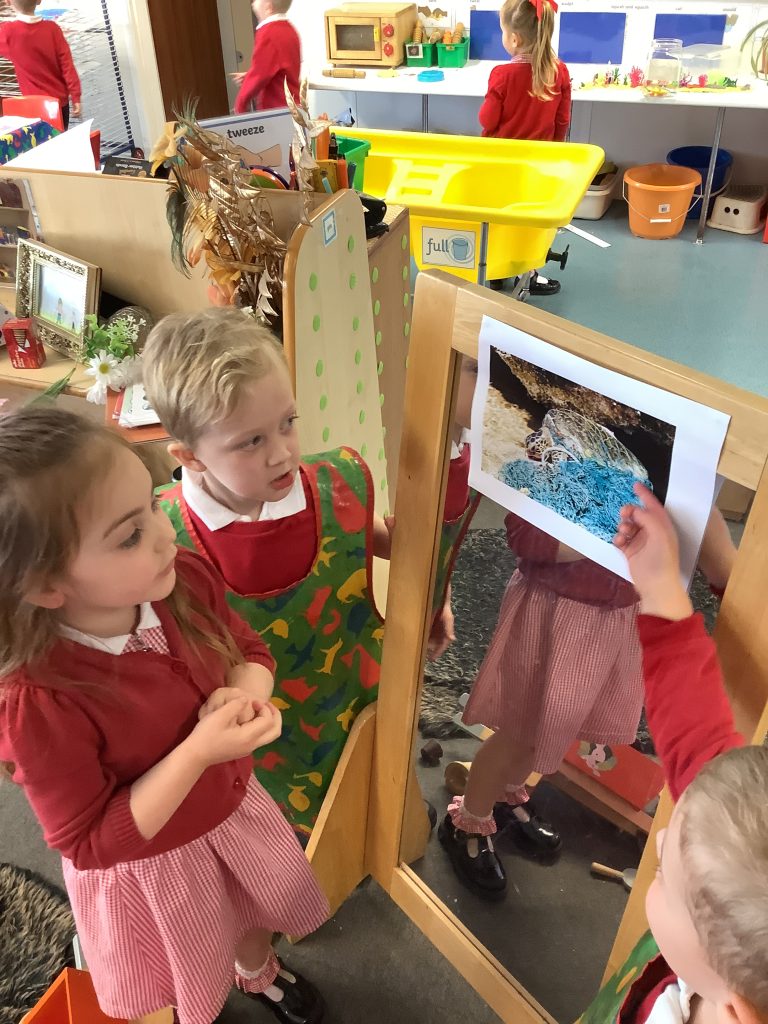
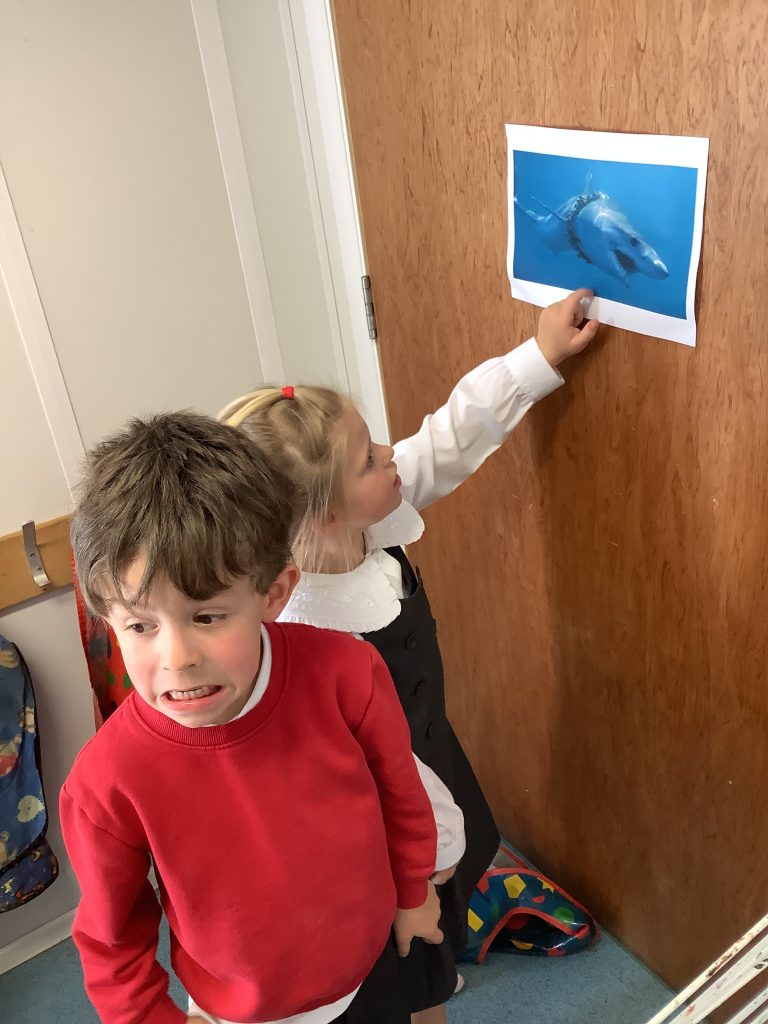
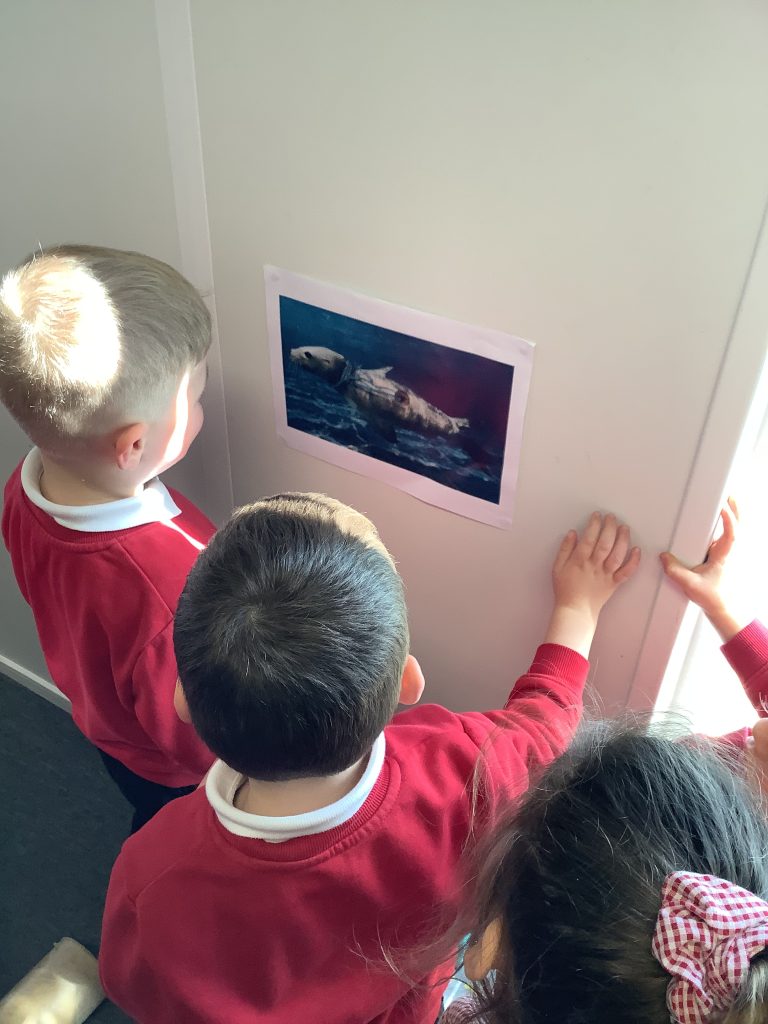
On “Wise Wednesday” the children went on a gallery walk to observes real life pictures of creatures trapped, stuck and tangled in plastic. From this the children were guided to created an anchor chart of all the reasons why plastic is not good for our seas and the environment.

As part of our thoughtful Thursday Crew we thought about ways in which we could help the creatures, by thinking about getting rid of the plastic and rubbish properly. The children were introduced to recycling and were shown how to sort materials and put them into the correct recycling bins. The children each had a turn at this and did a great job.

Being the Healthiest Version of Me – Healthy Eating Community Meeting

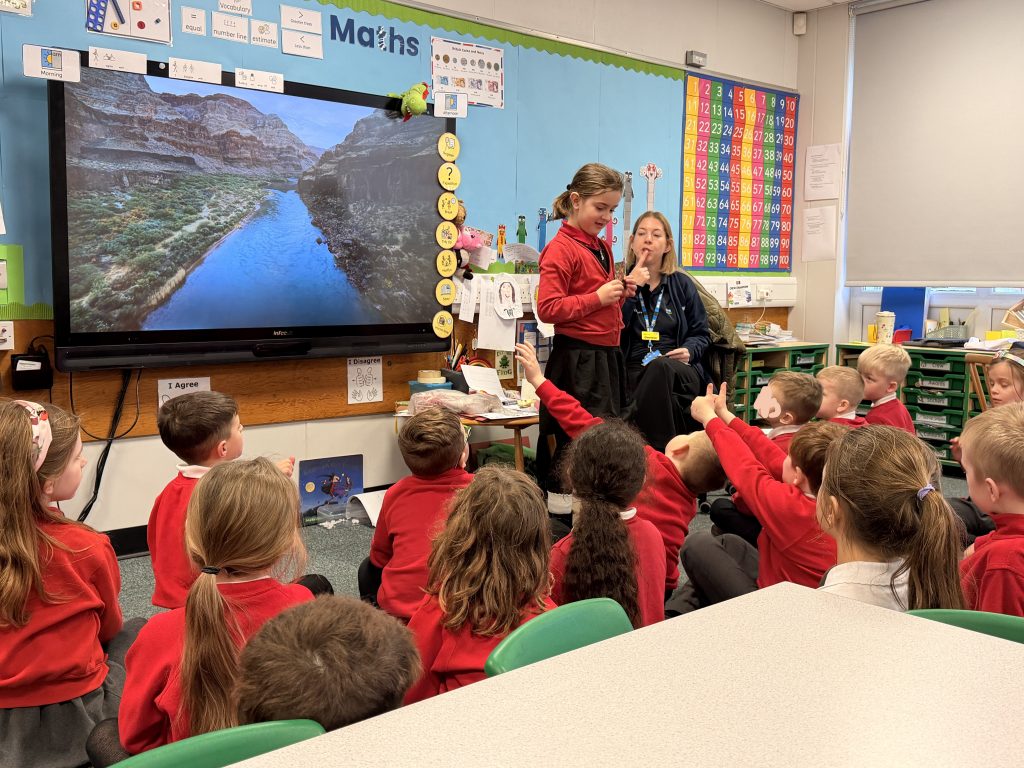
This week, we came together for a Key Stage 1 community meeting as part of our guiding question: How can I be the healthiest version of me?

During our time together, we focused on how the food we eat helps to keep our bodies strong, healthy and full of energy. To get us thinking, we began with a simple question—holding up an apple and a piece of chocolate:
“Which one helps our body grow strong?”
The children quickly recognised that while some foods are better for our bodies, we can still enjoy a balance. This helped us introduce an important message: healthy eating is about balance, not restriction.

Learning About Healthy Foods

We explored the different types of food our bodies need:

  •  Fruits and vegetables help keep us healthy
  •  Carbohydrates (like bread and pasta) give us energy
  •  Dairy helps build strong bones
  •  Protein supports growth and repair

The children enjoyed sharing their own ideas, talking about the healthy foods they already love and eat at home.

Healthy or Not?

We then played a quick game of “Healthy or Not?” where children responded to different foods using actions:

  • 👍 Hands on head = healthy most of the time
  • 👎 Hands on knees = sometimes foods

This was a great way to reinforce that some foods are everyday foods and some are sometimes foods—and that both have a place in a balanced diet.

Reflecting Together

We spent some time thinking about how healthy foods help our bodies. The children shared brilliant ideas about how food gives us energy, helps us grow, and keeps us feeling good.

We also linked this back to our wider learning:

If we want to be superheroes in our community, we need strong, healthy bodies!

 Making a Healthy Pledge

To finish our community meeting, each child made a simple, personal pledge about how they can make a healthy choice:

  •  Eat more fruit and vegetables
  •  Drink more water
  •  Try a new healthy food

This moment encouraged the children to take ownership of their choices and recognise that even small changes can make a big difference.

 Our Key Message

We reminded the children that being healthy doesn’t mean being perfect. Instead, it’s about making small, positive choices each day that help our bodies grow, stay strong, and feel their best.

We are so proud of how engaged and thoughtful the children were during this session. Ask your child about their healthy pledge—you might even be inspired to make one of your own!

Thank you for your continued support.

We’re on the Hook!

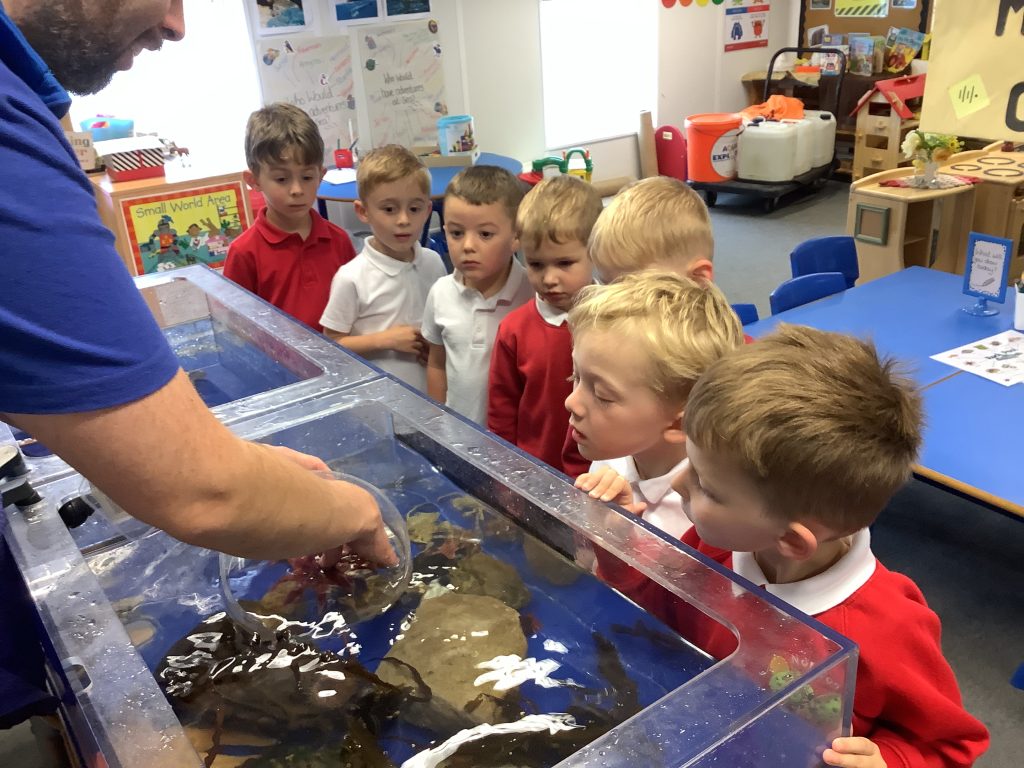
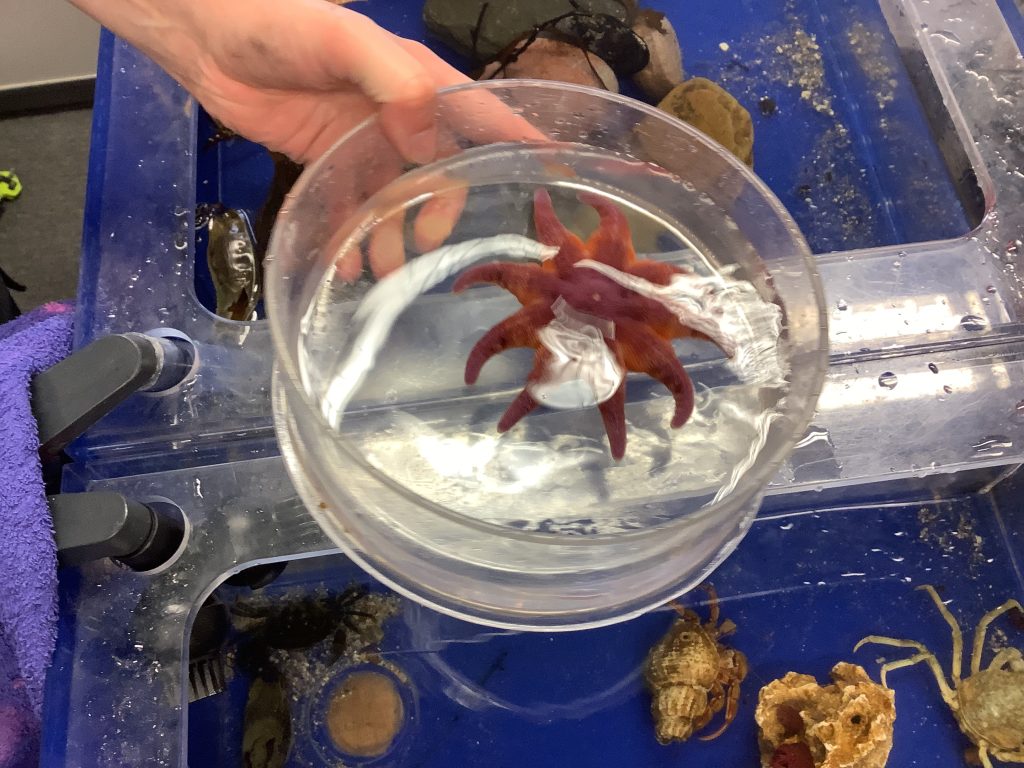
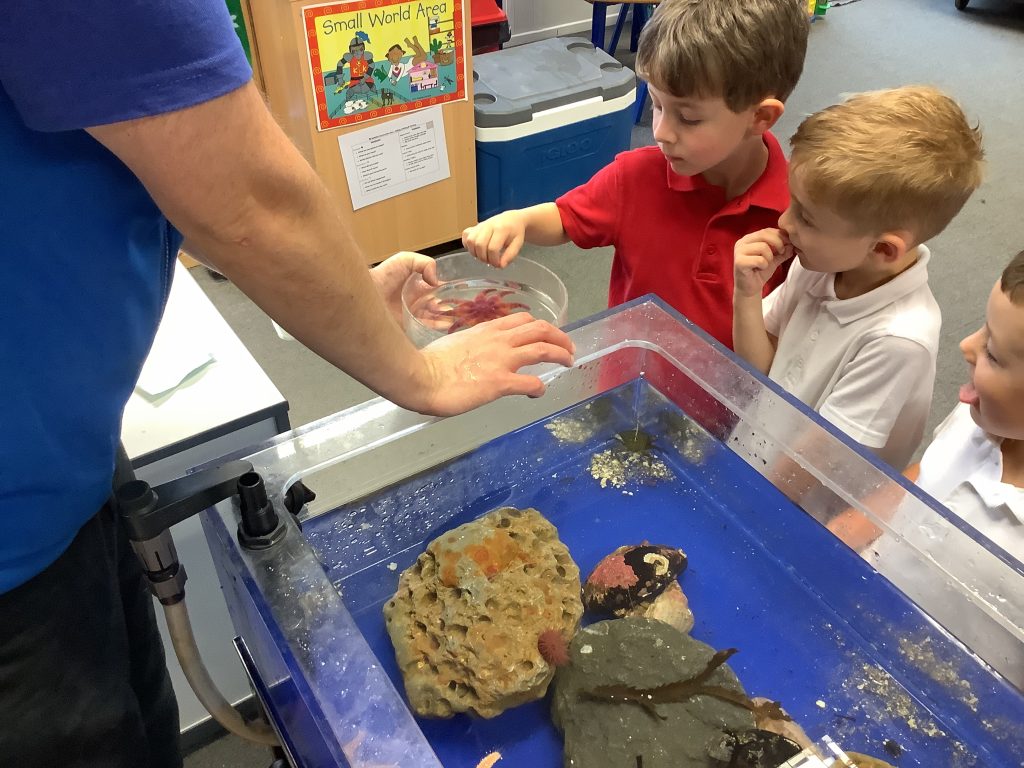
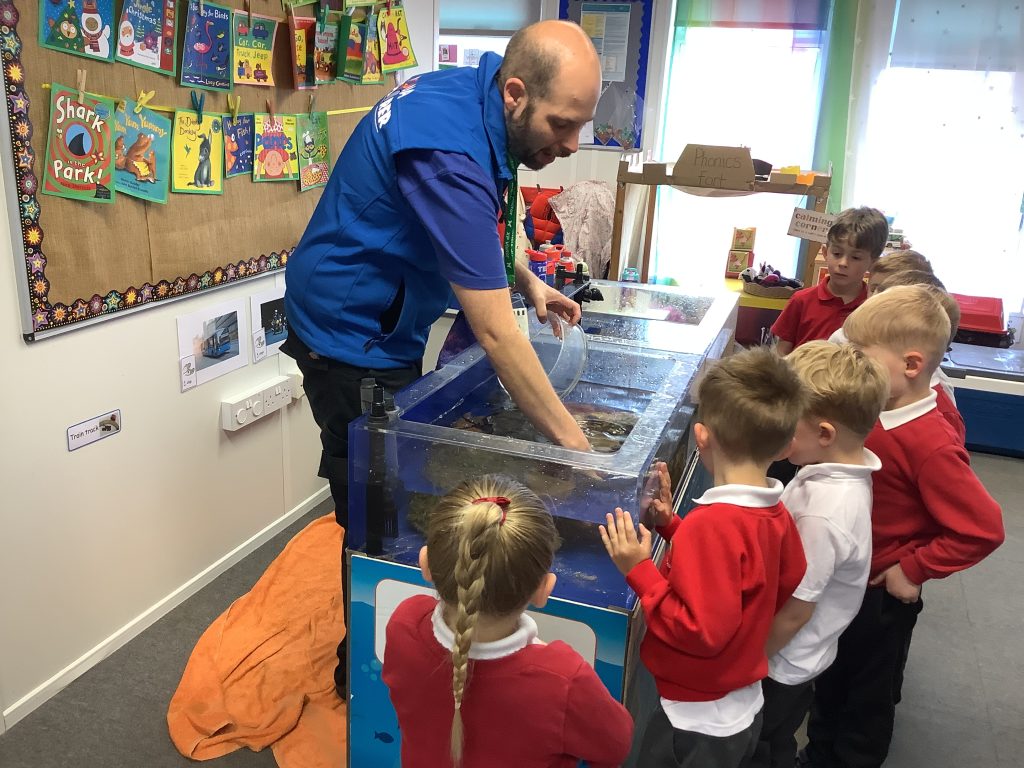
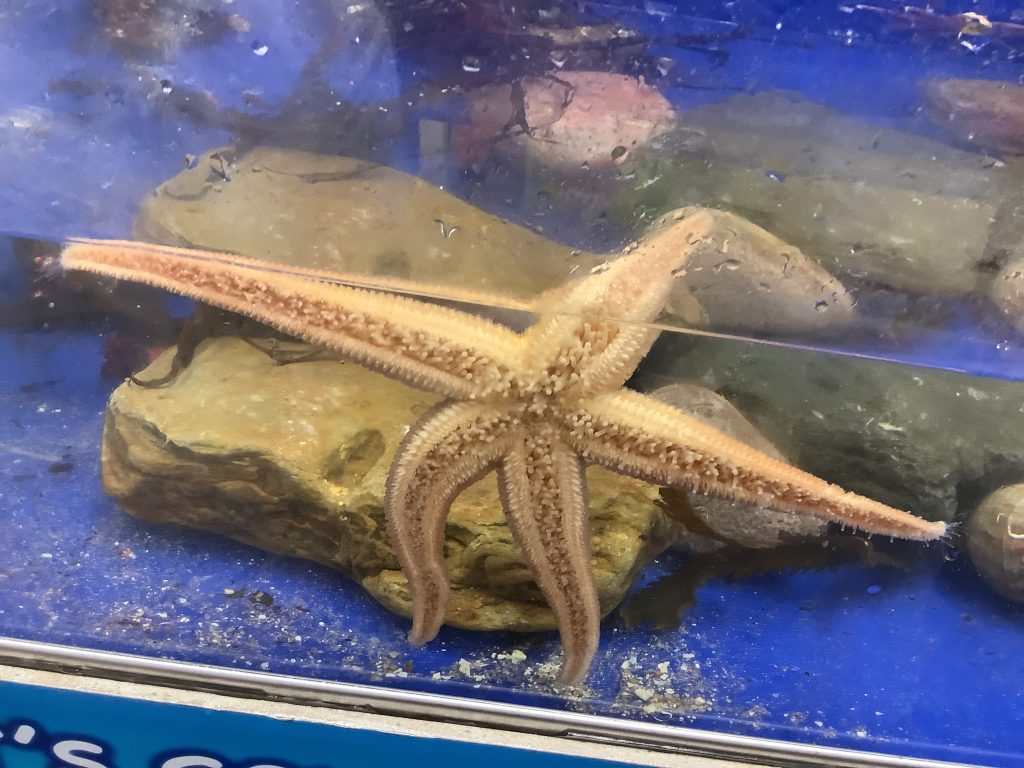
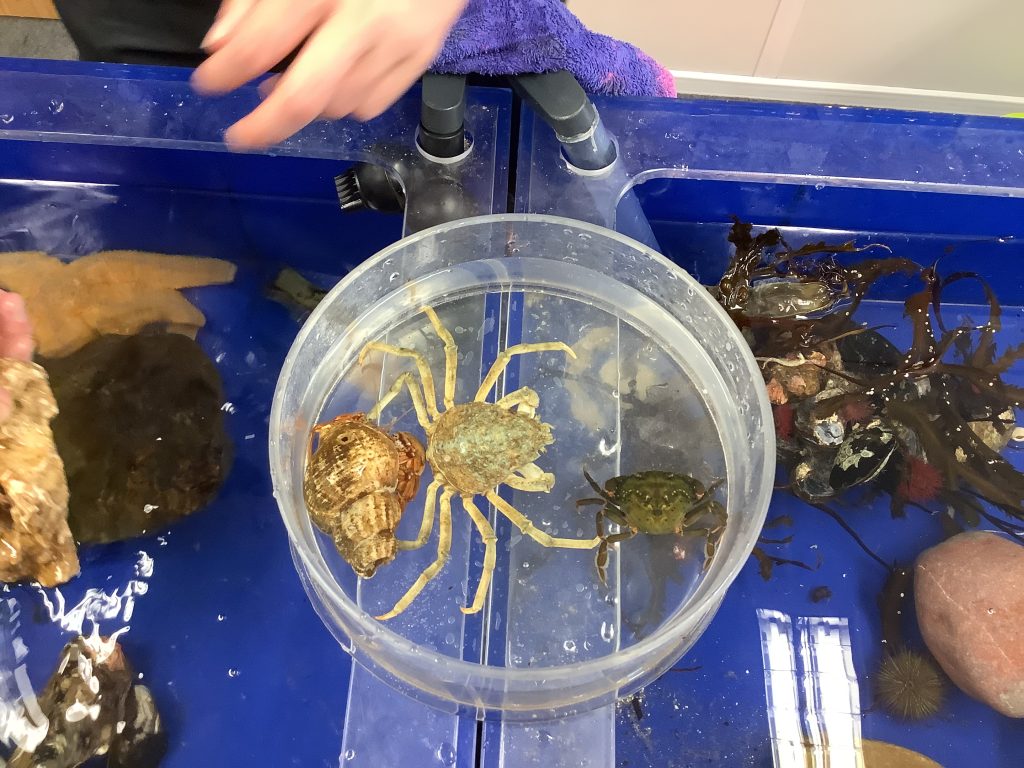
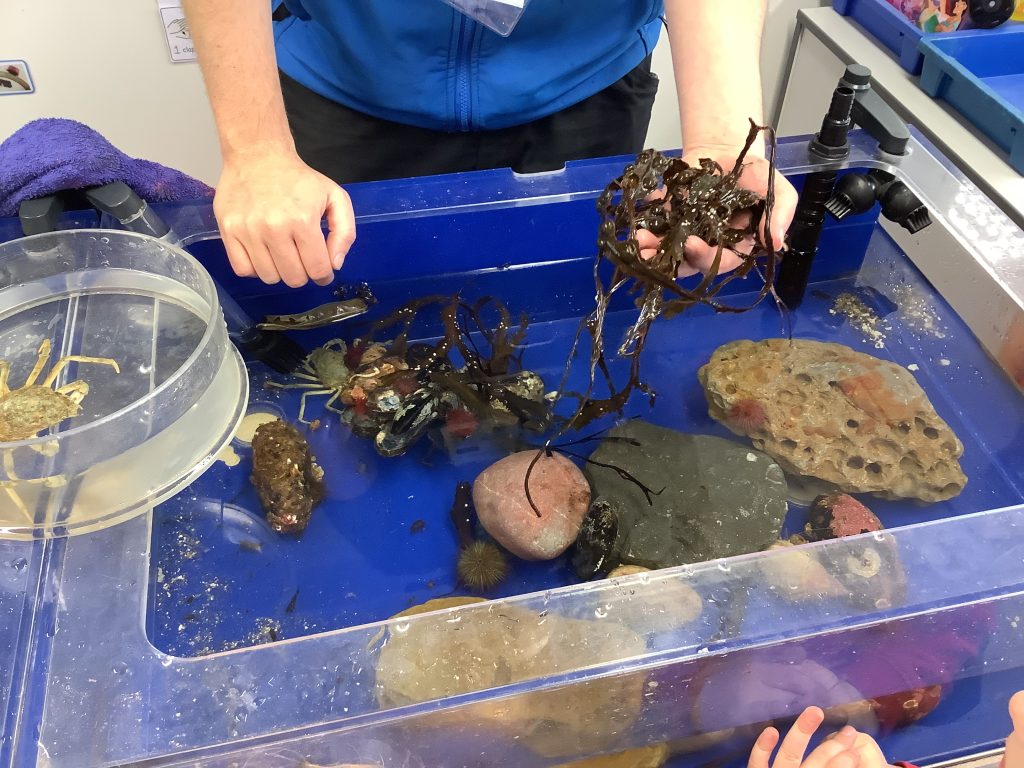
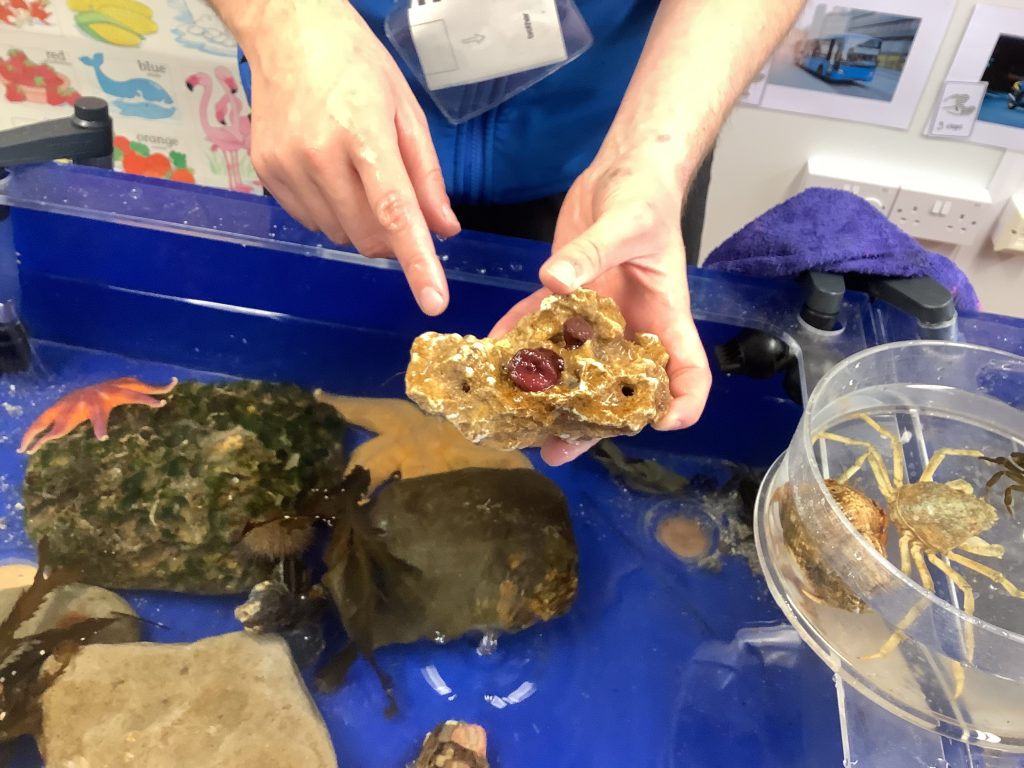
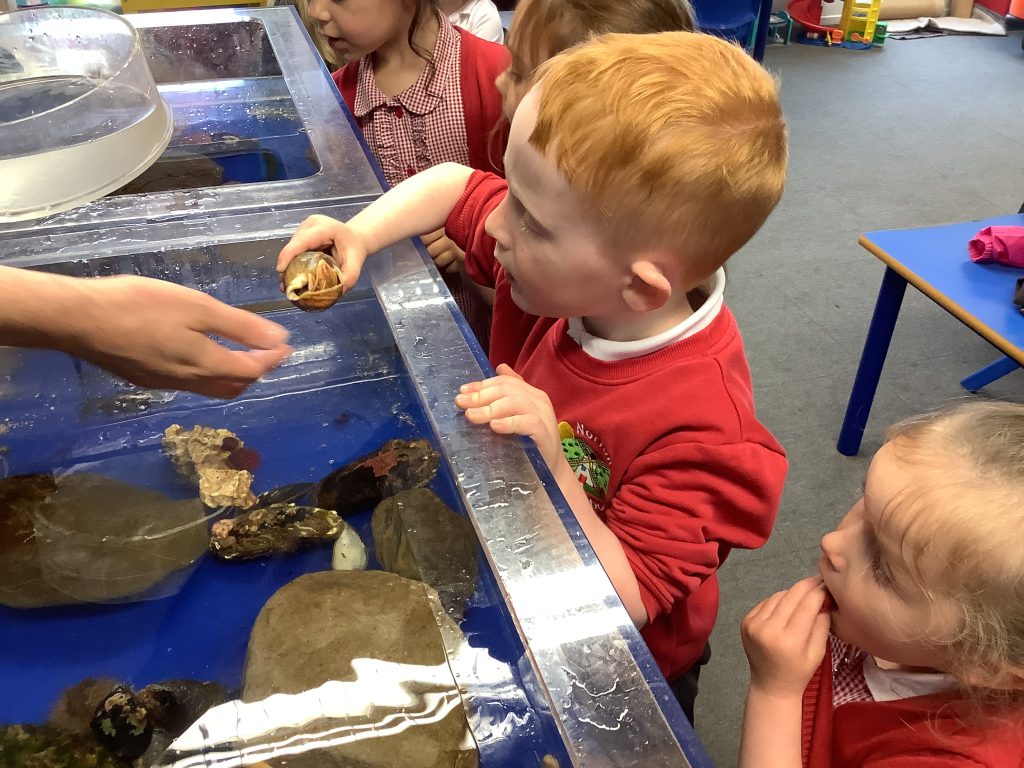
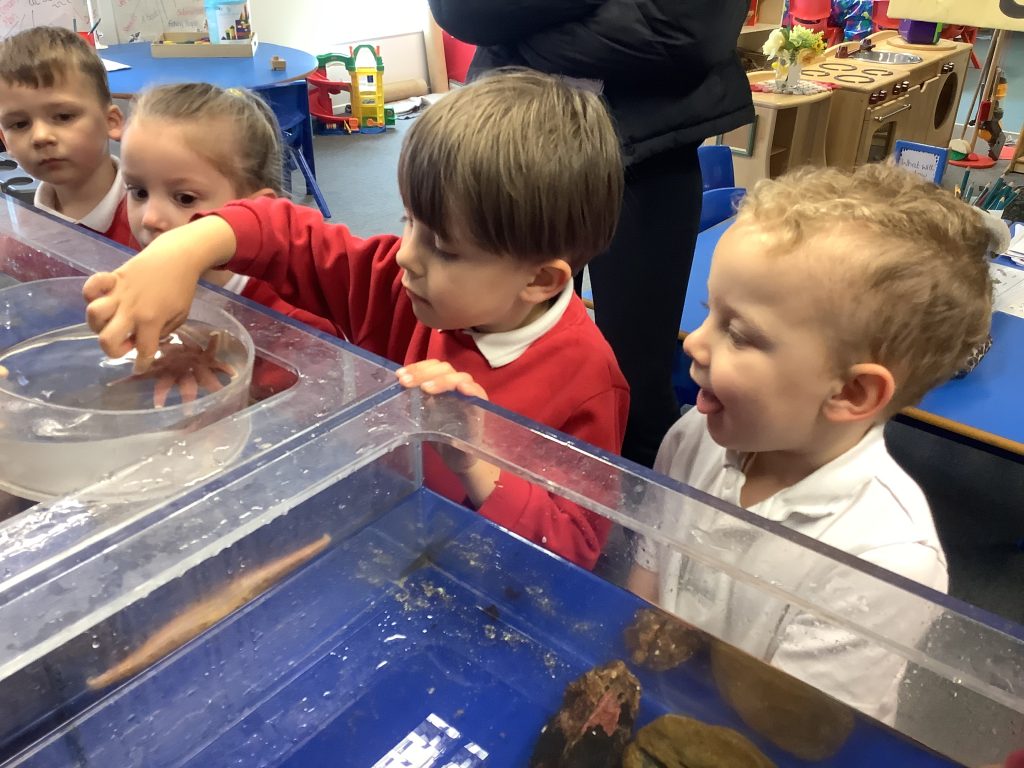
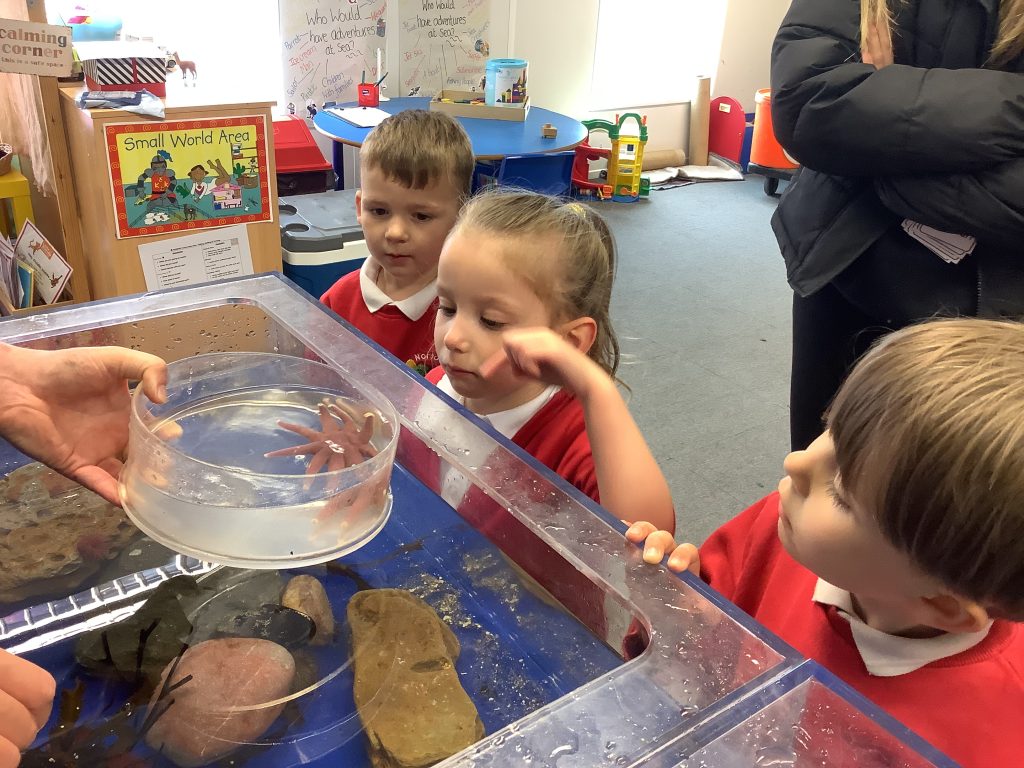
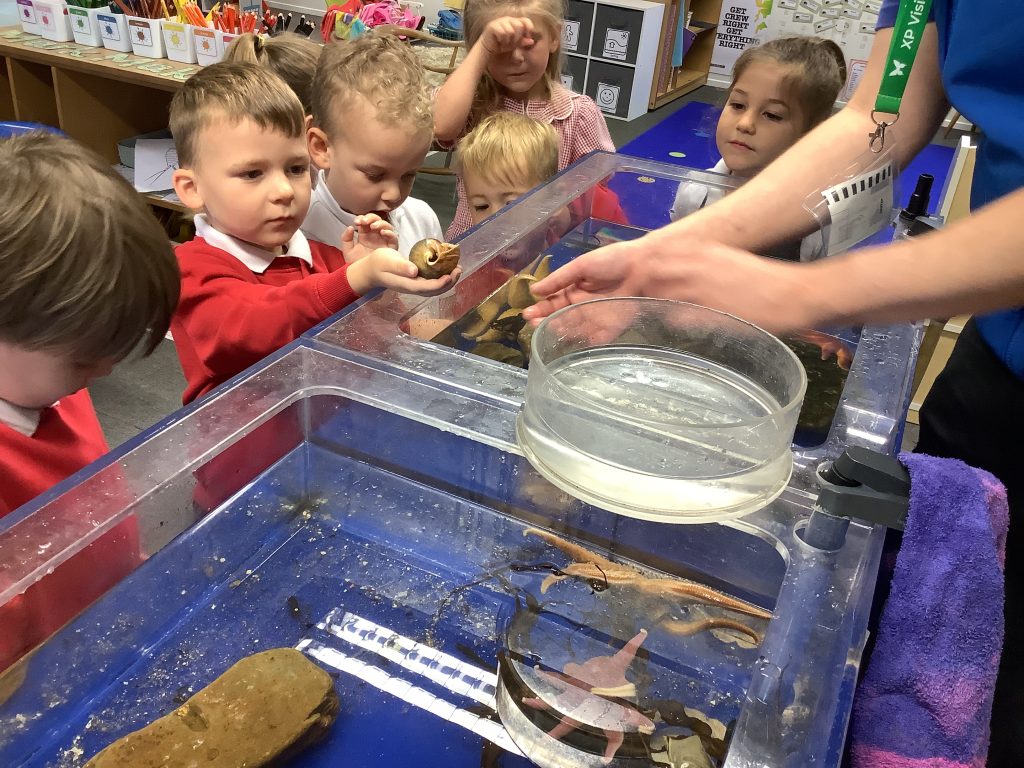
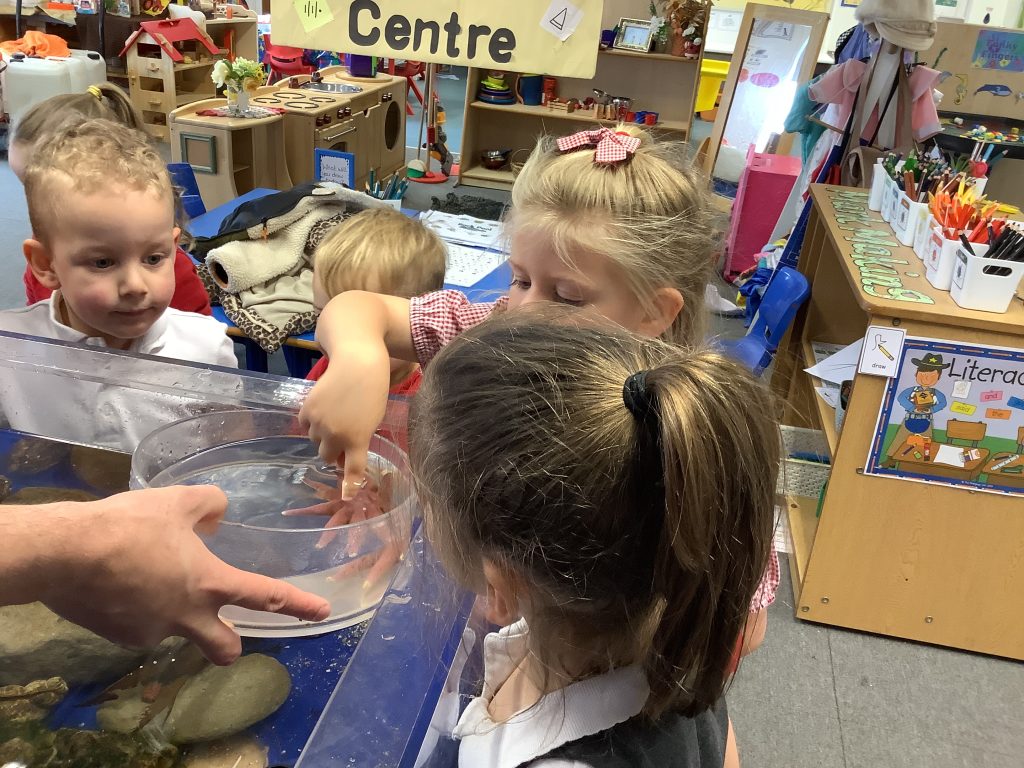
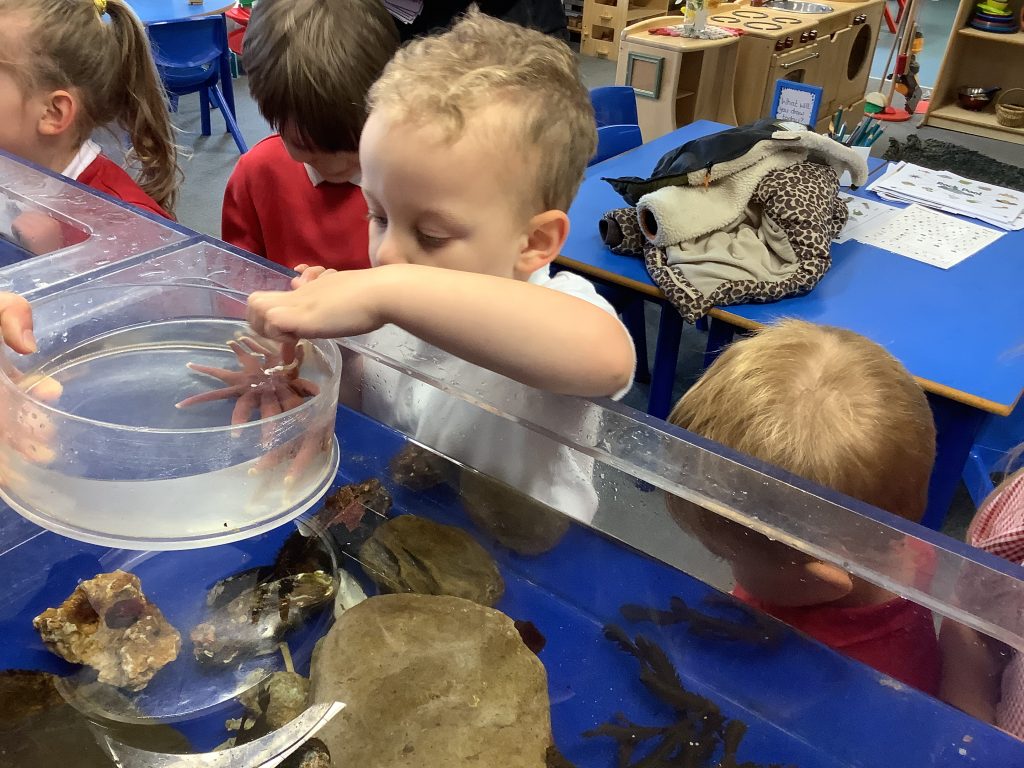
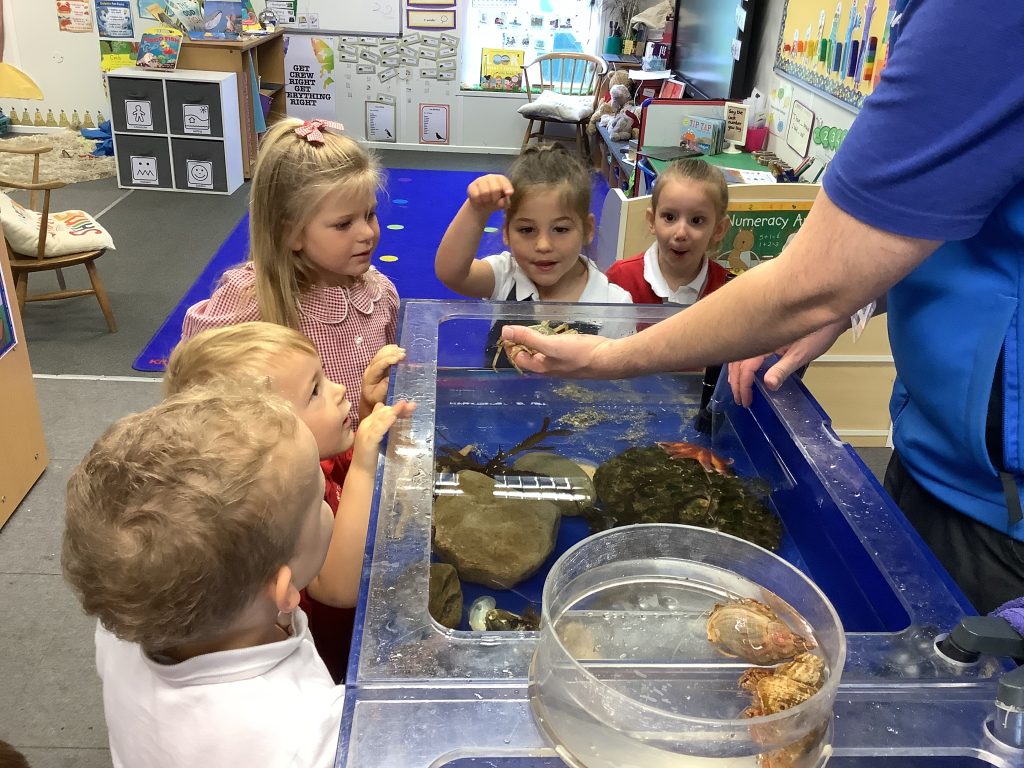
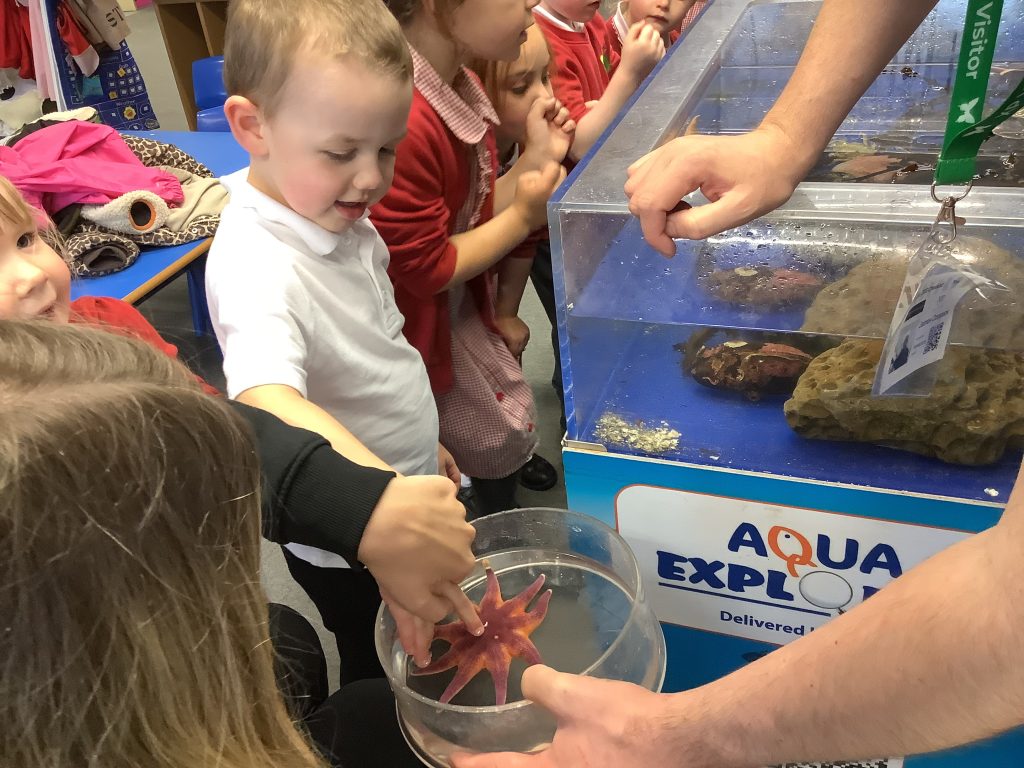
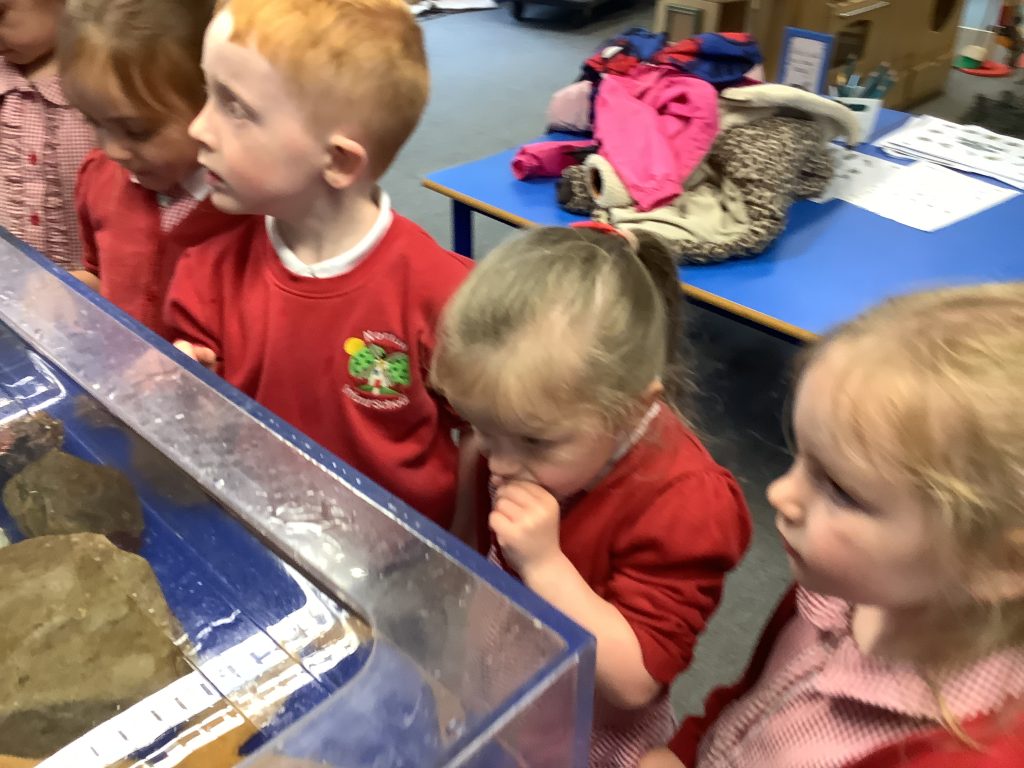
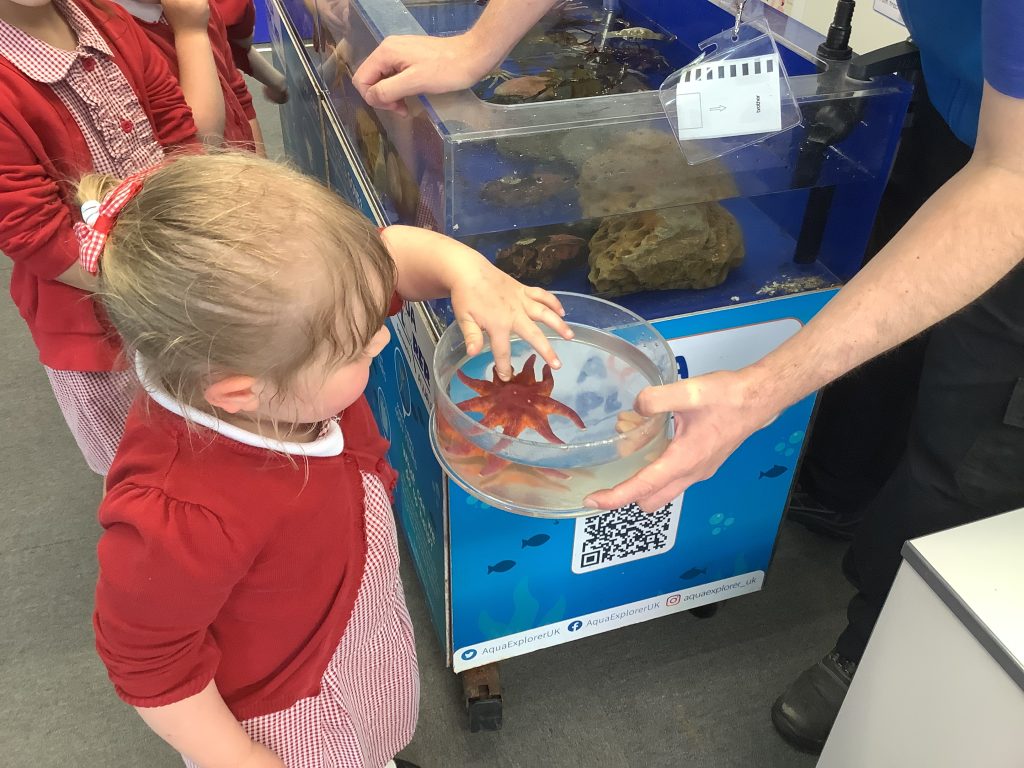
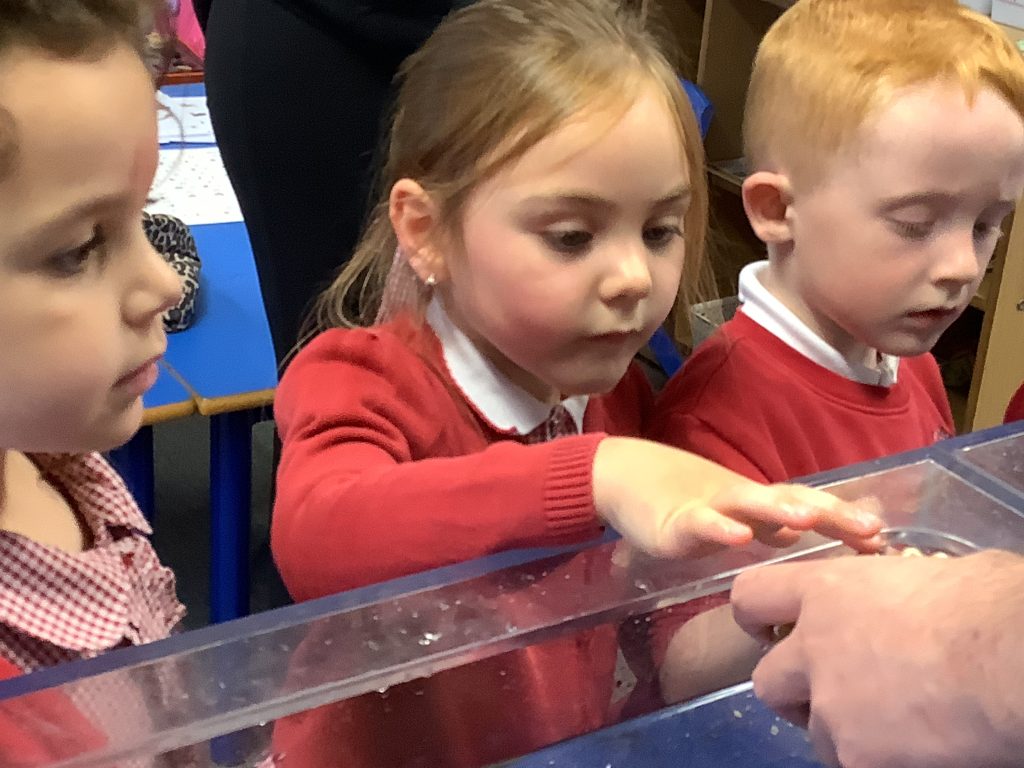
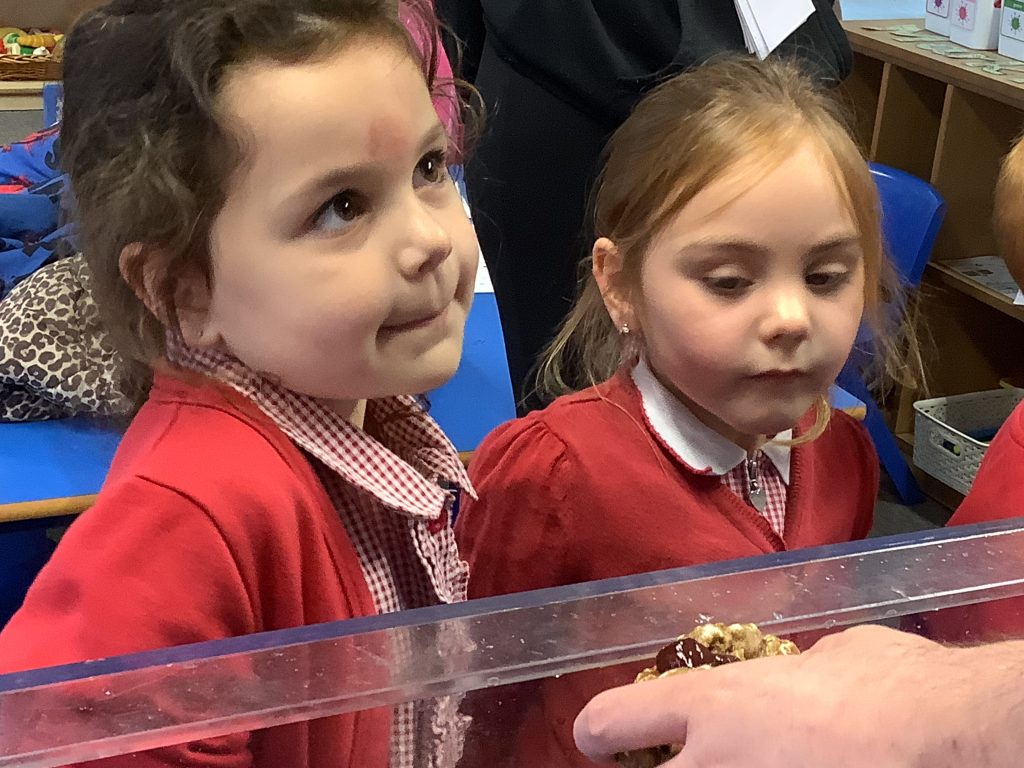
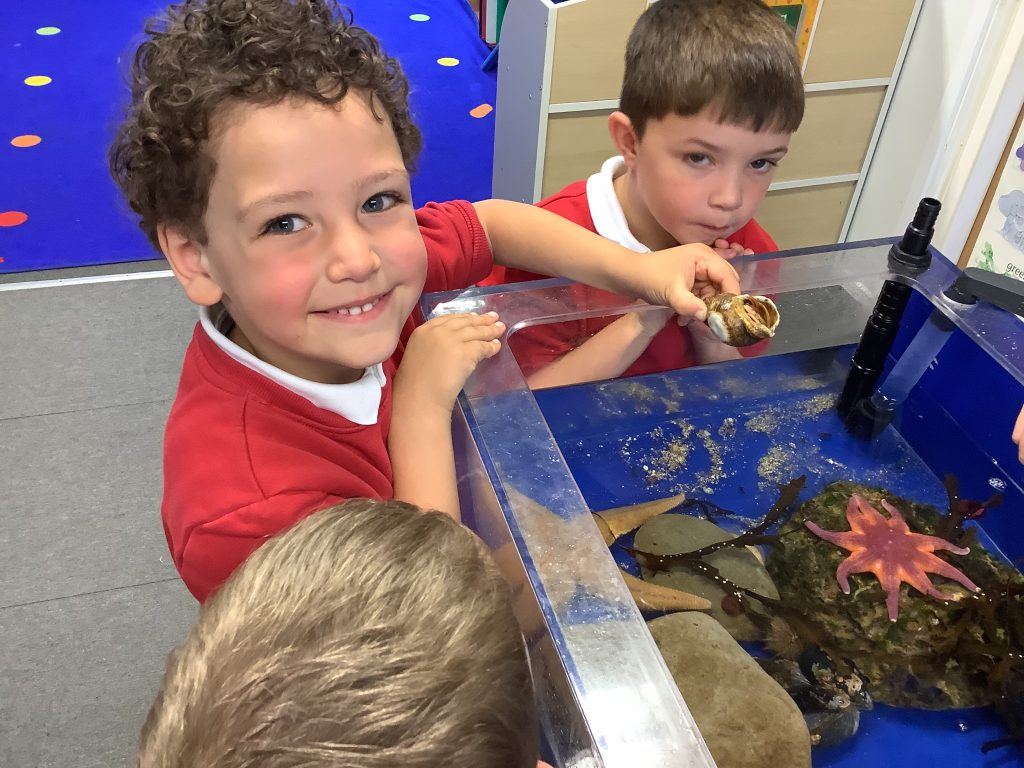
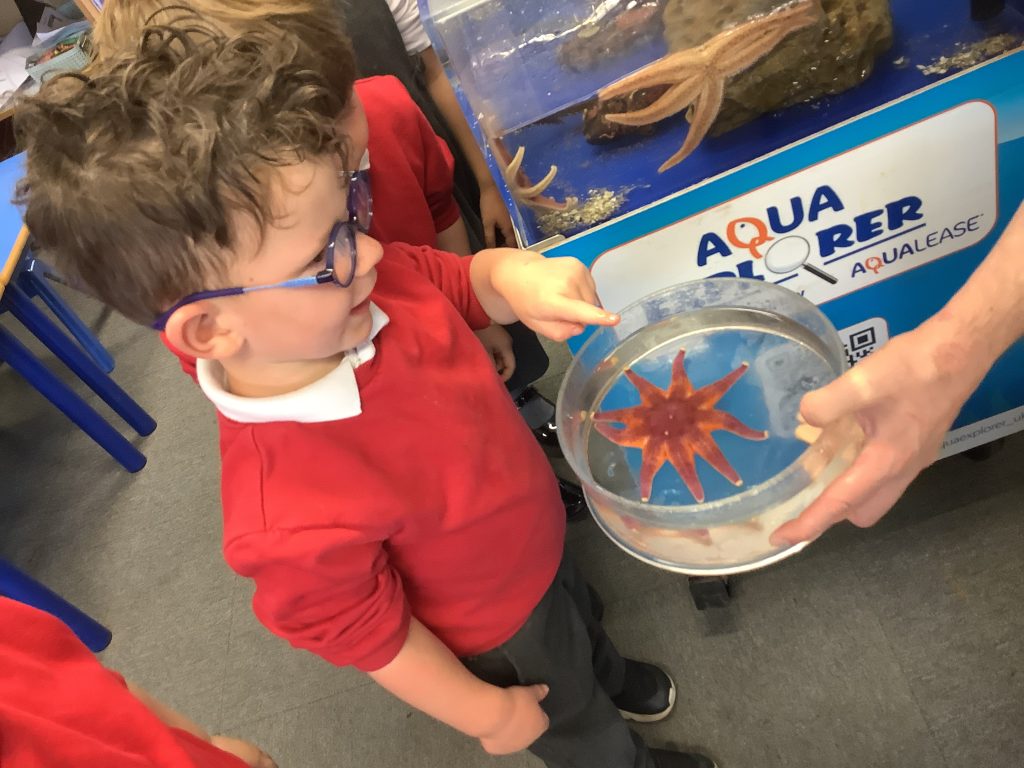
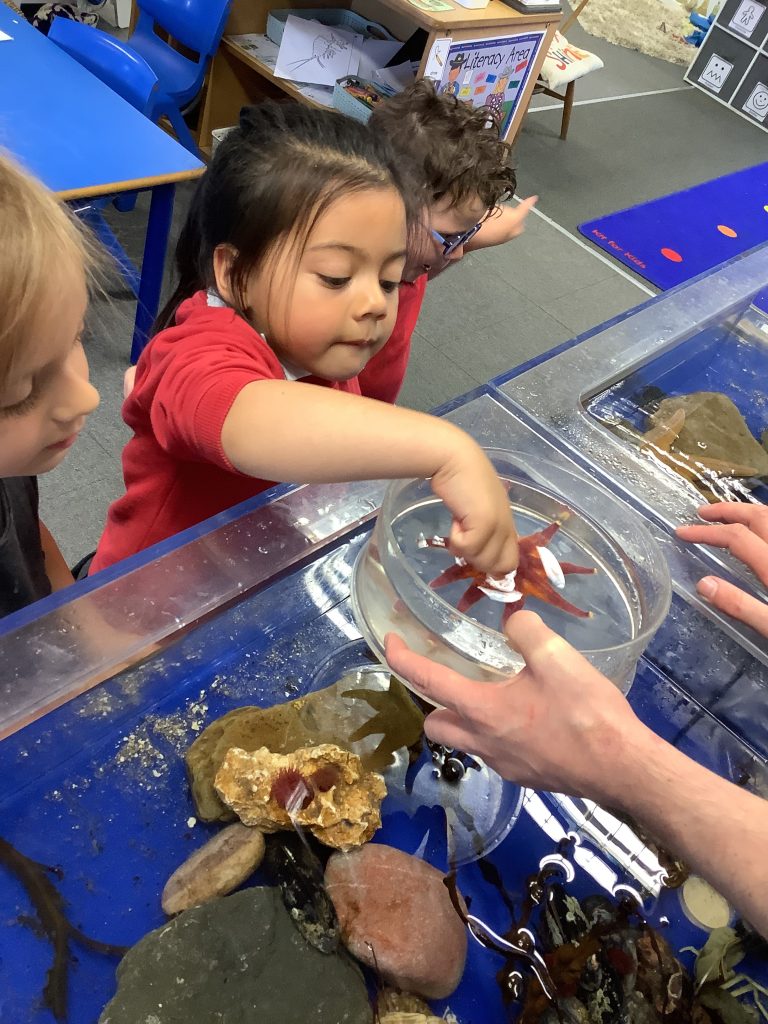
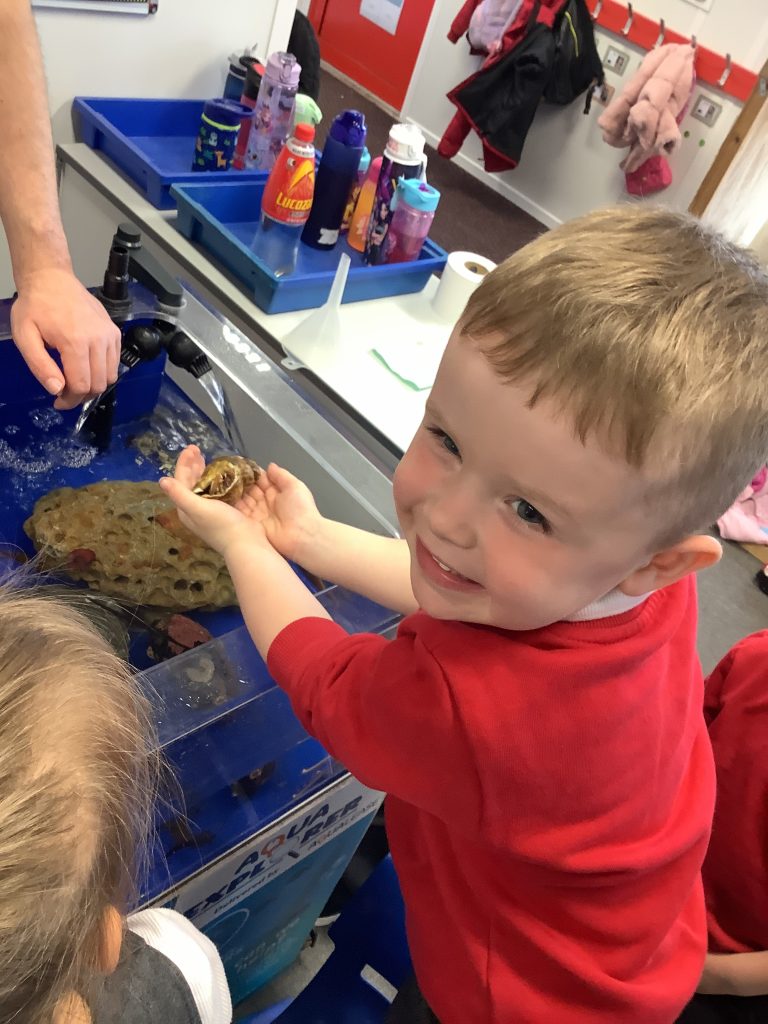
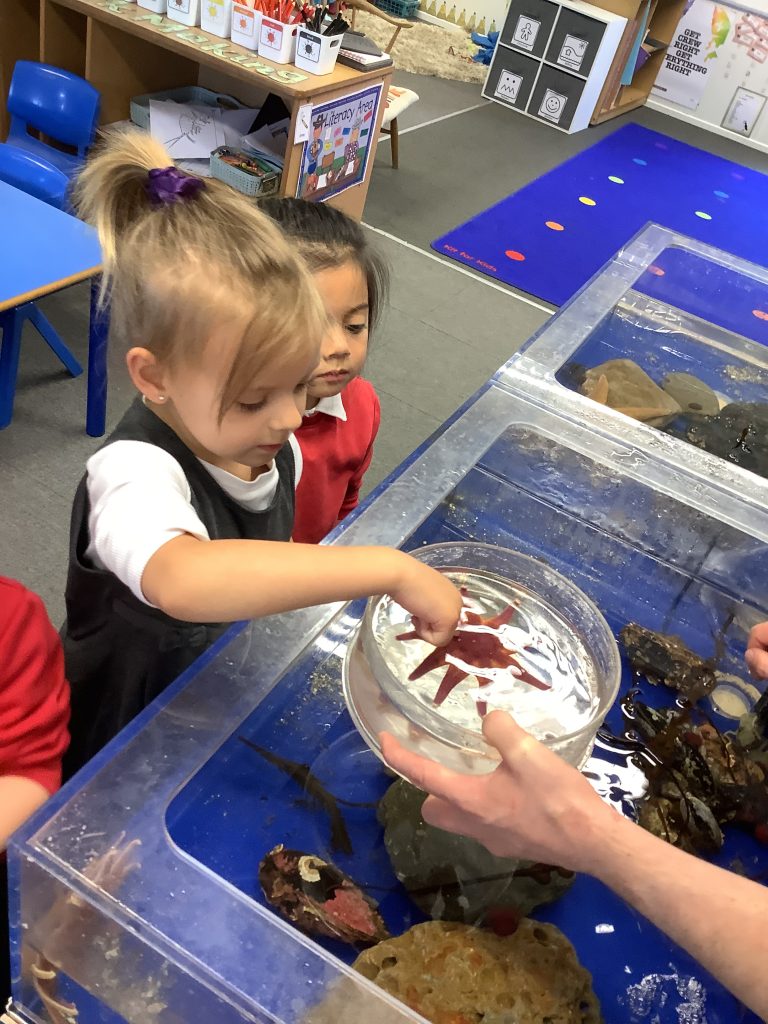
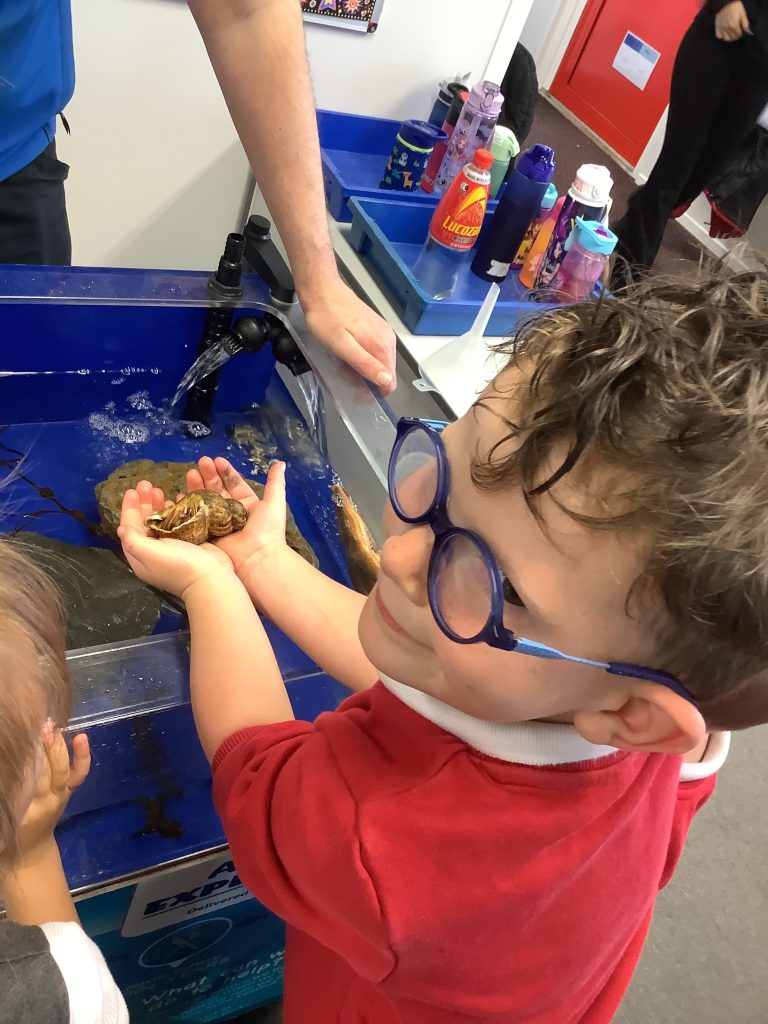
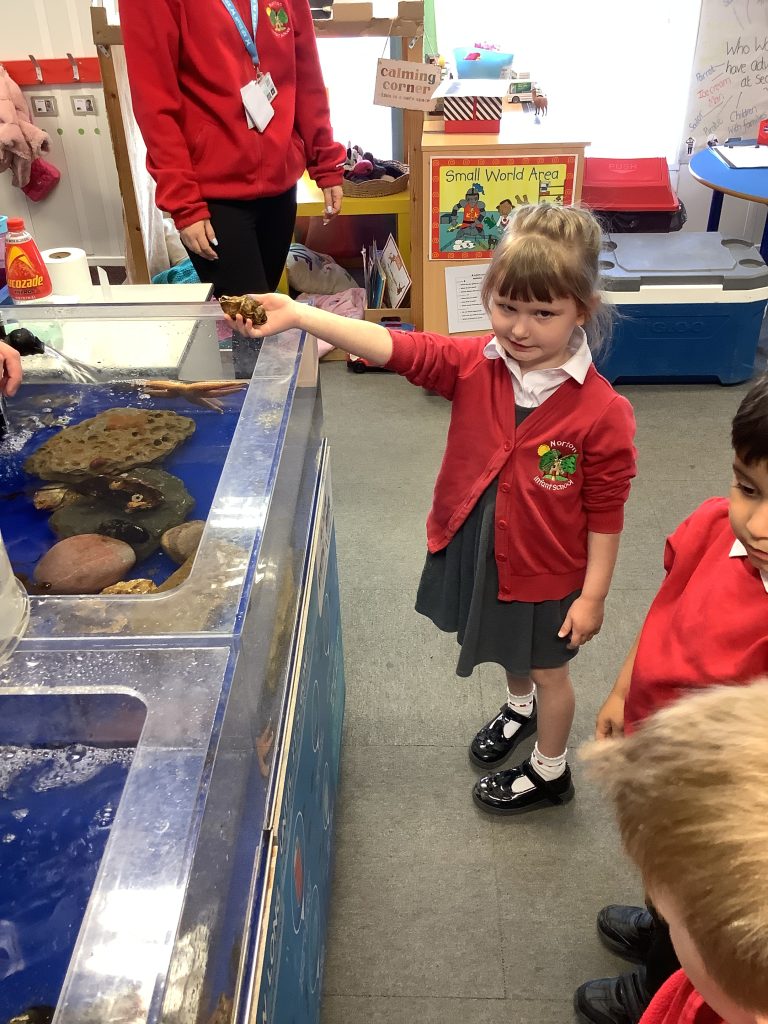
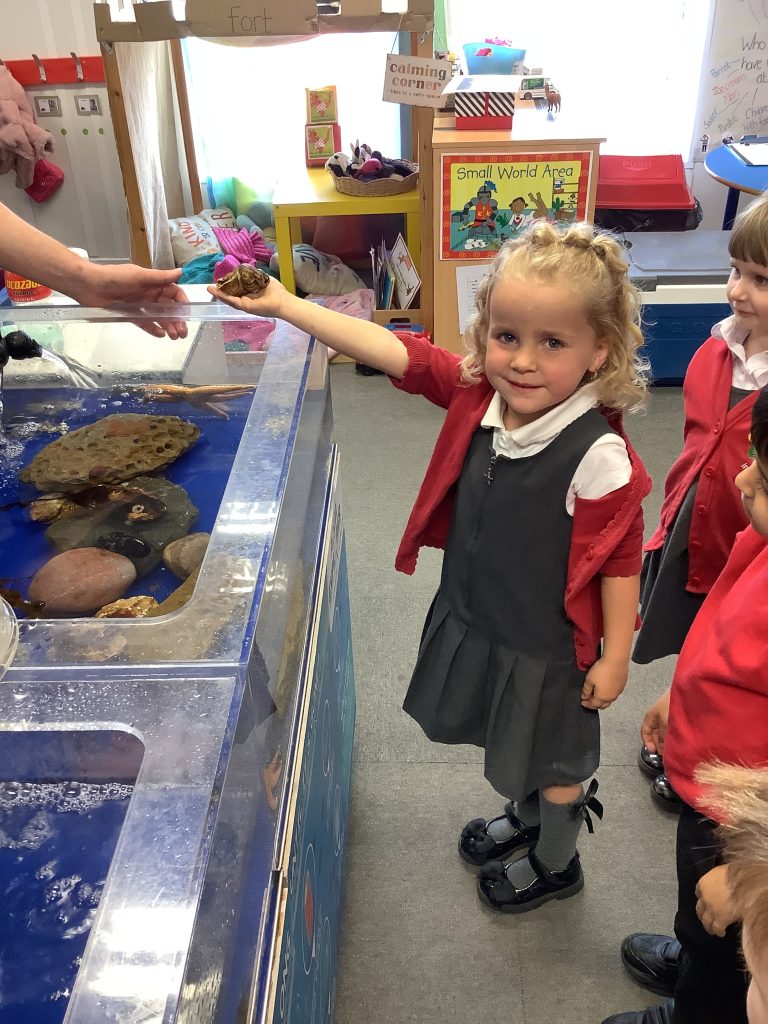
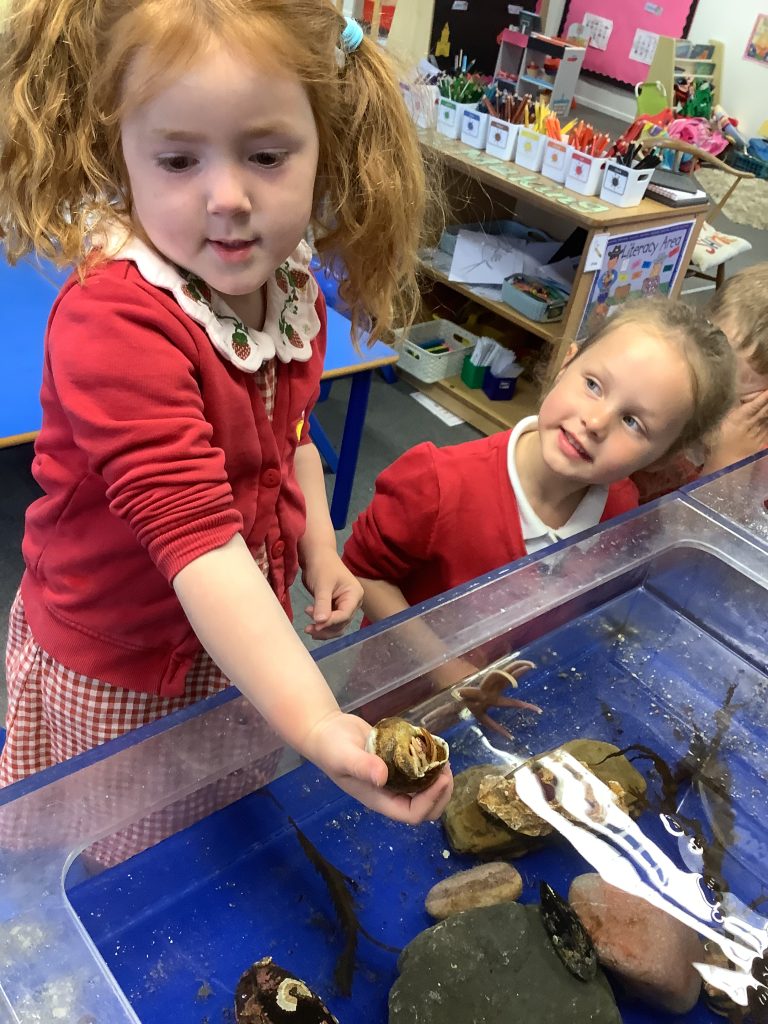
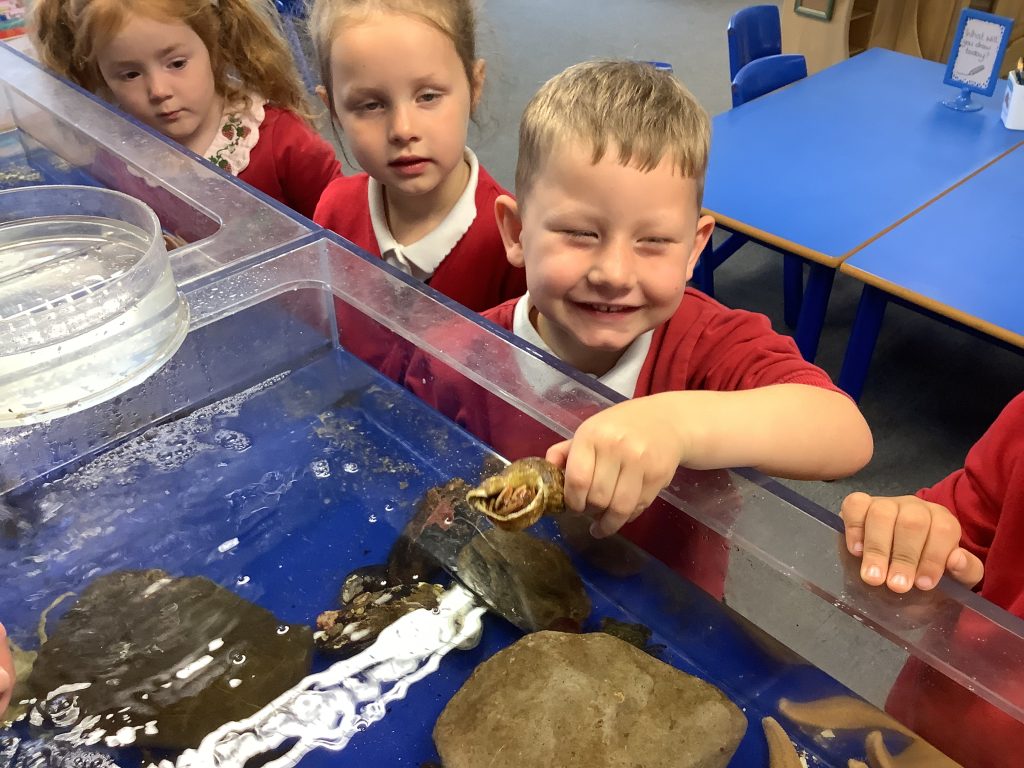
The whole of EYFS last week were well and truly hooked, lined and sunk into our new summer expedition “Seaside Explorers, what happens where the sea meets the shore?”

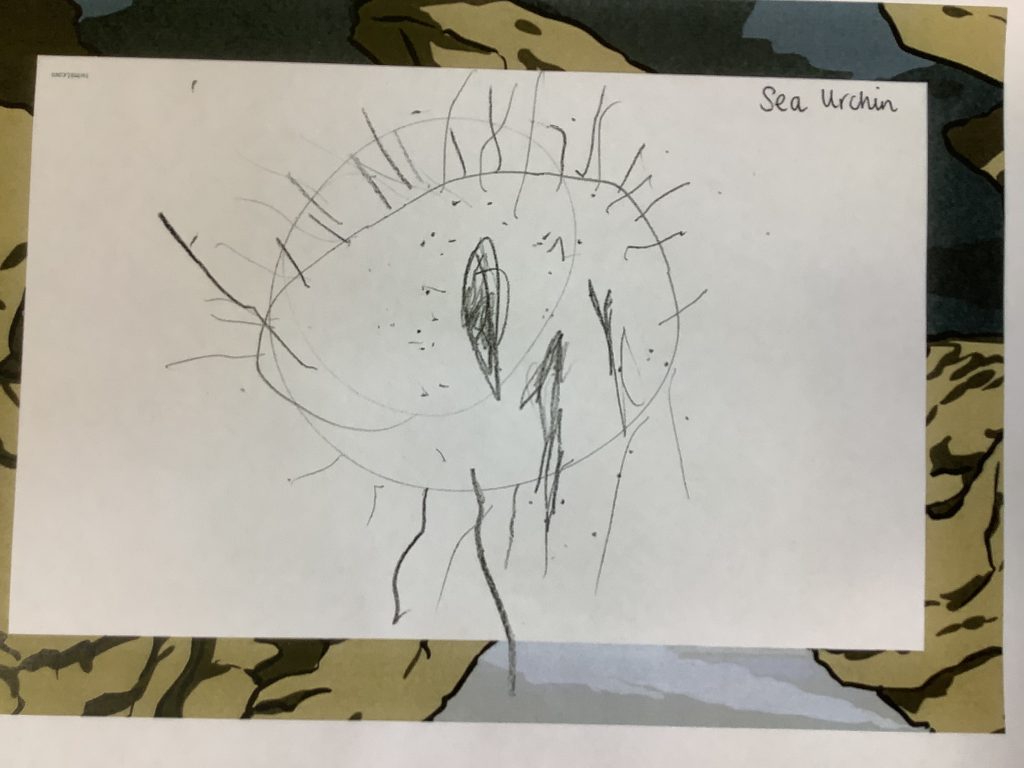
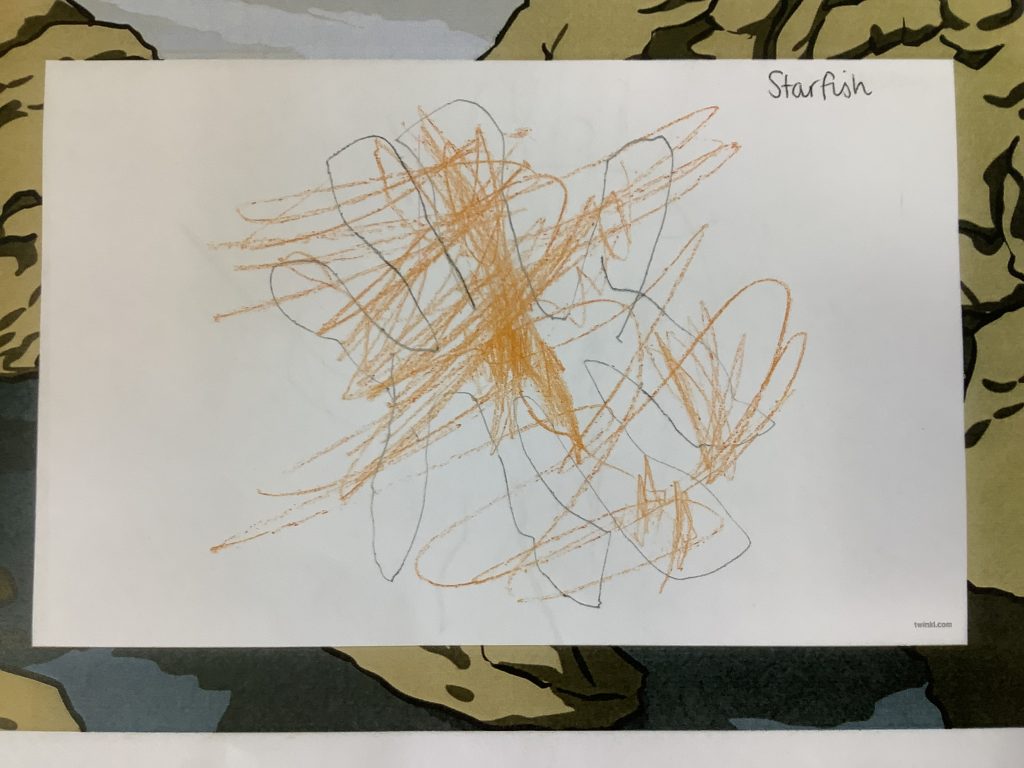
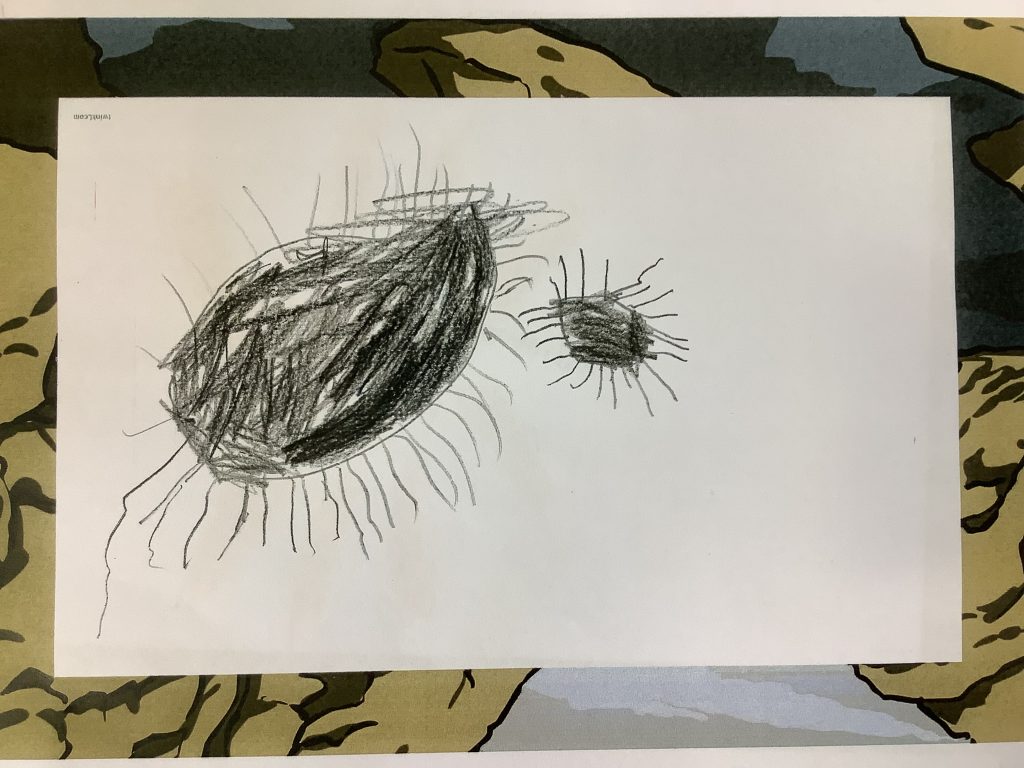
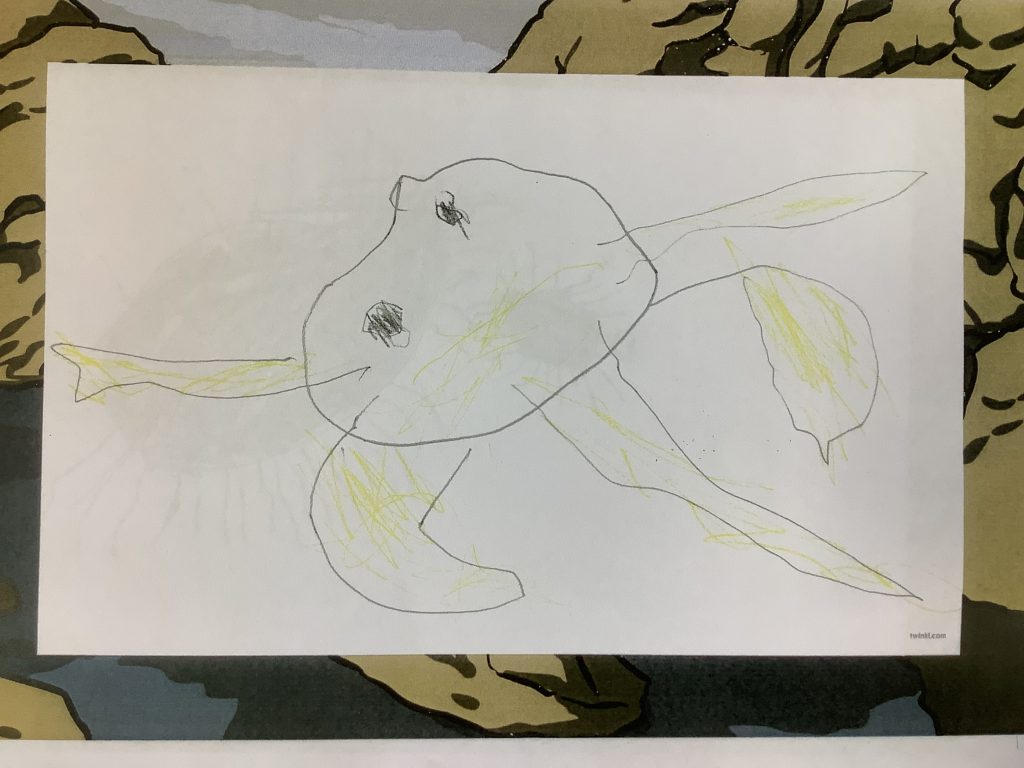
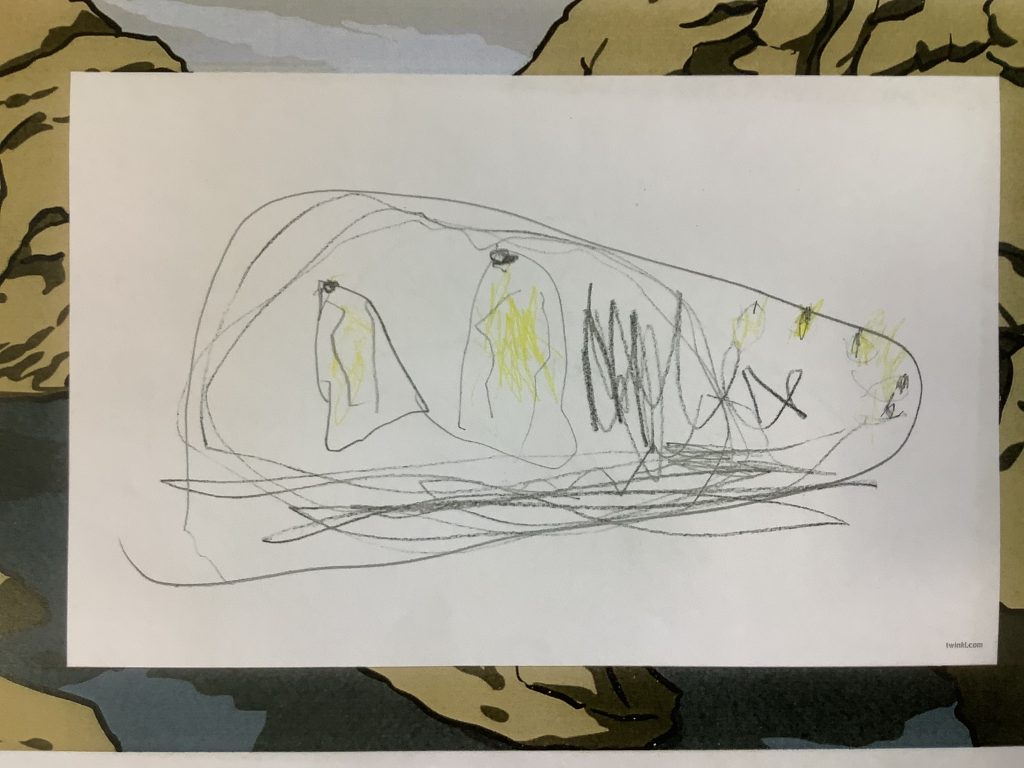
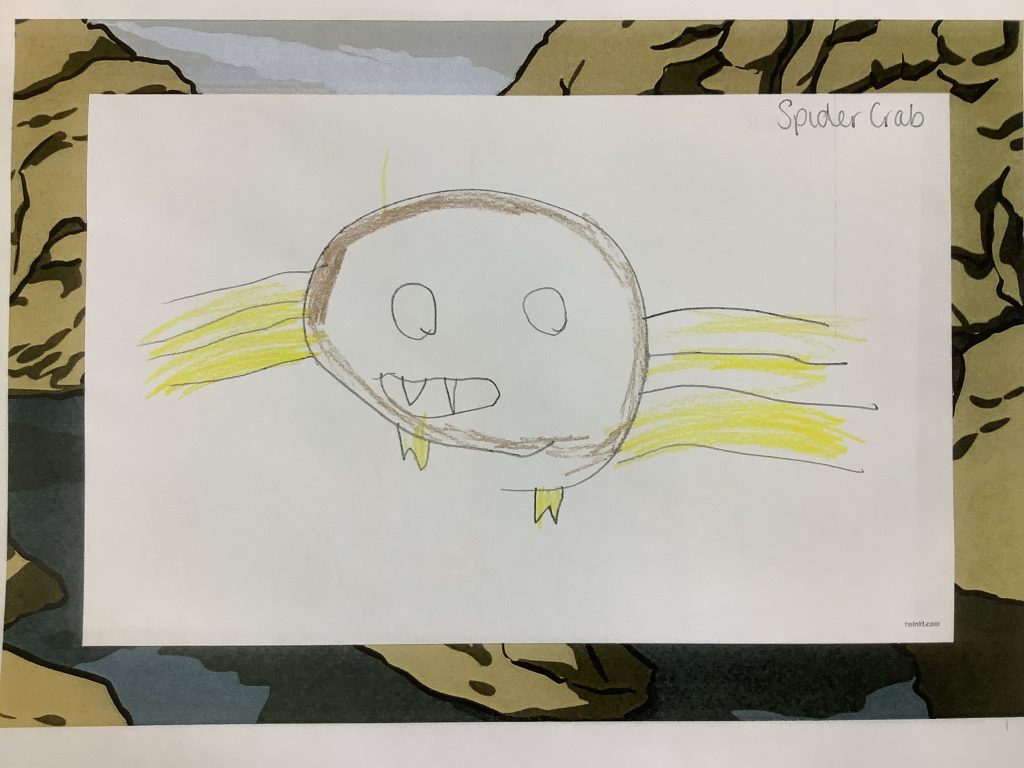
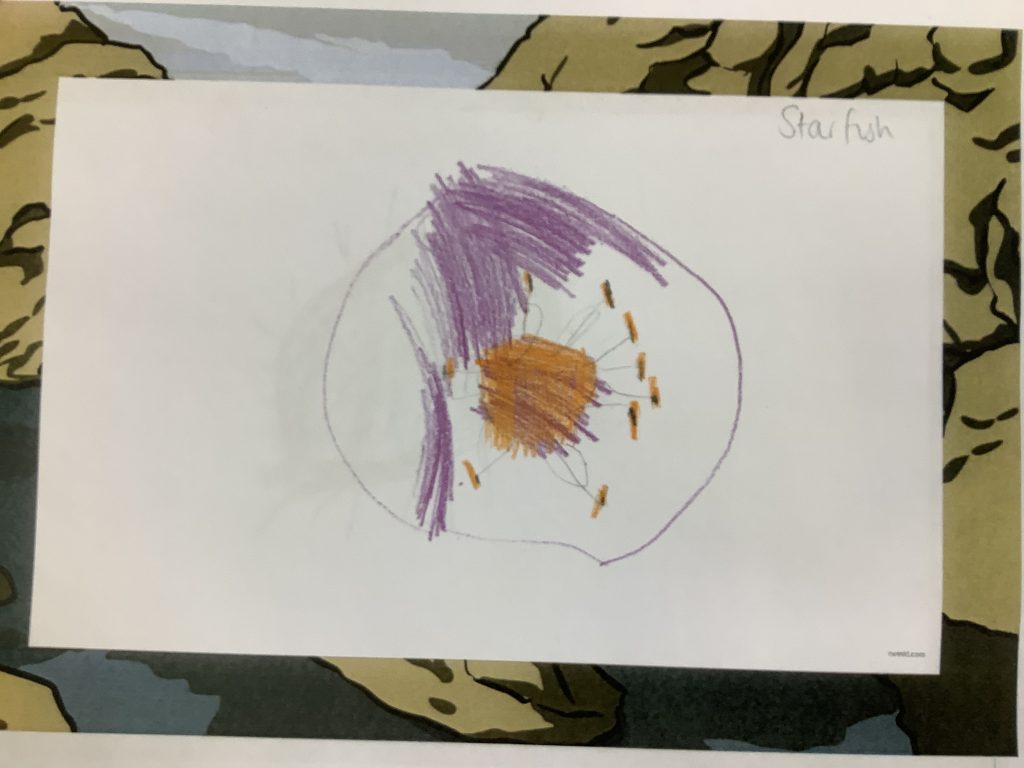
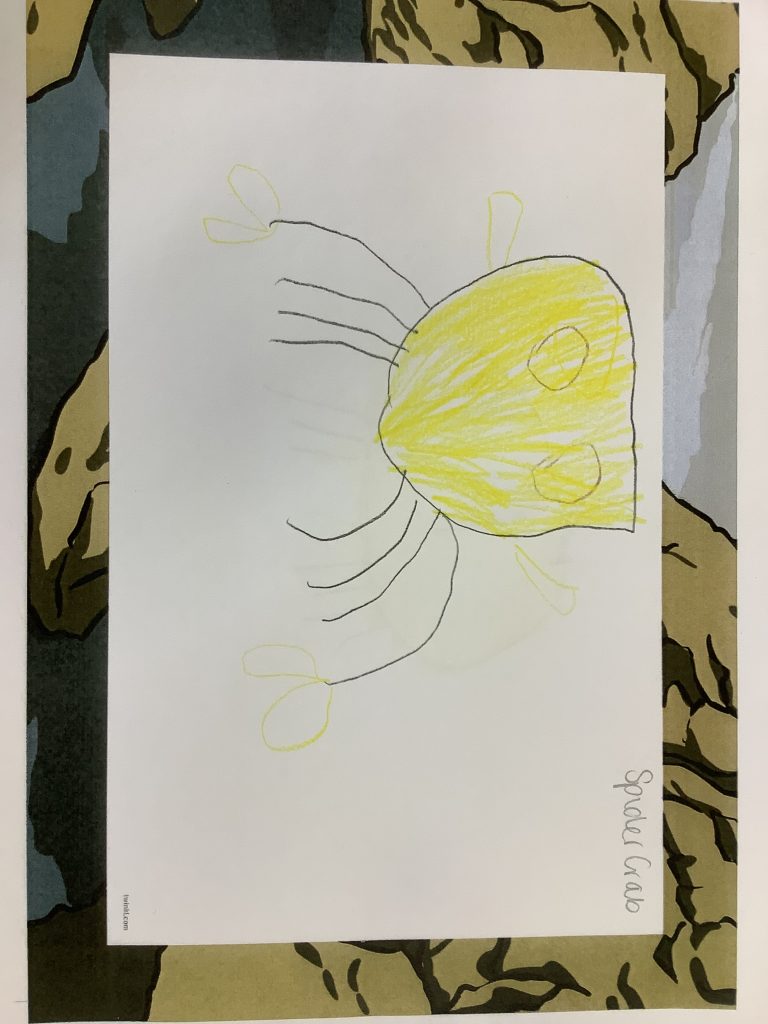
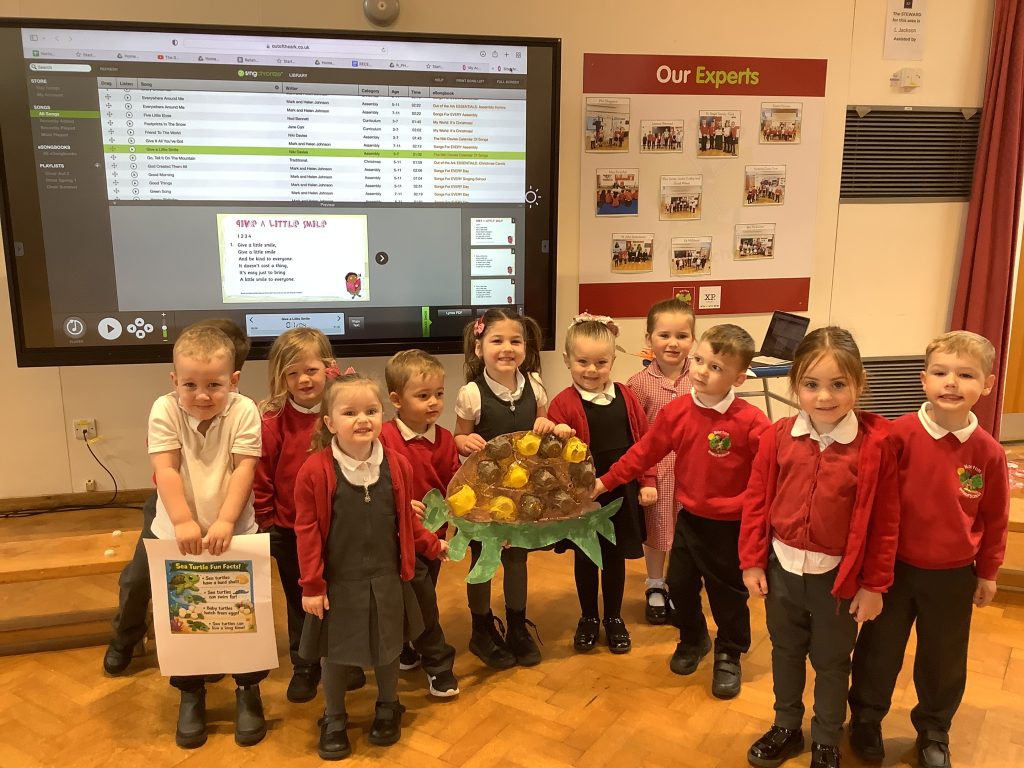
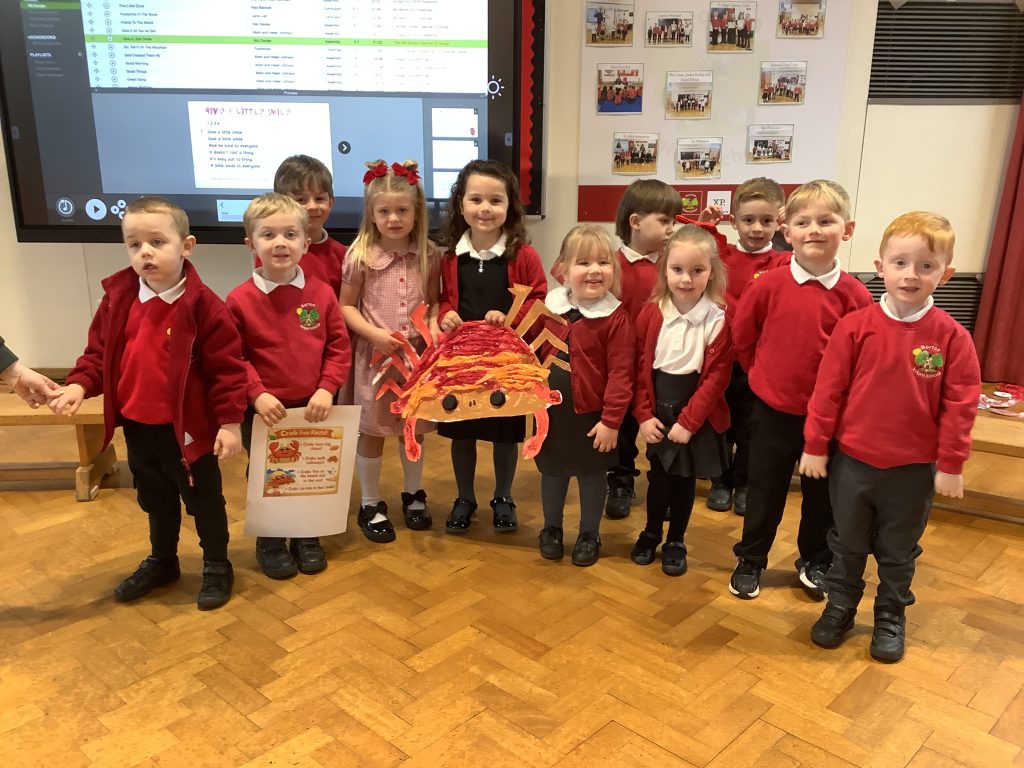
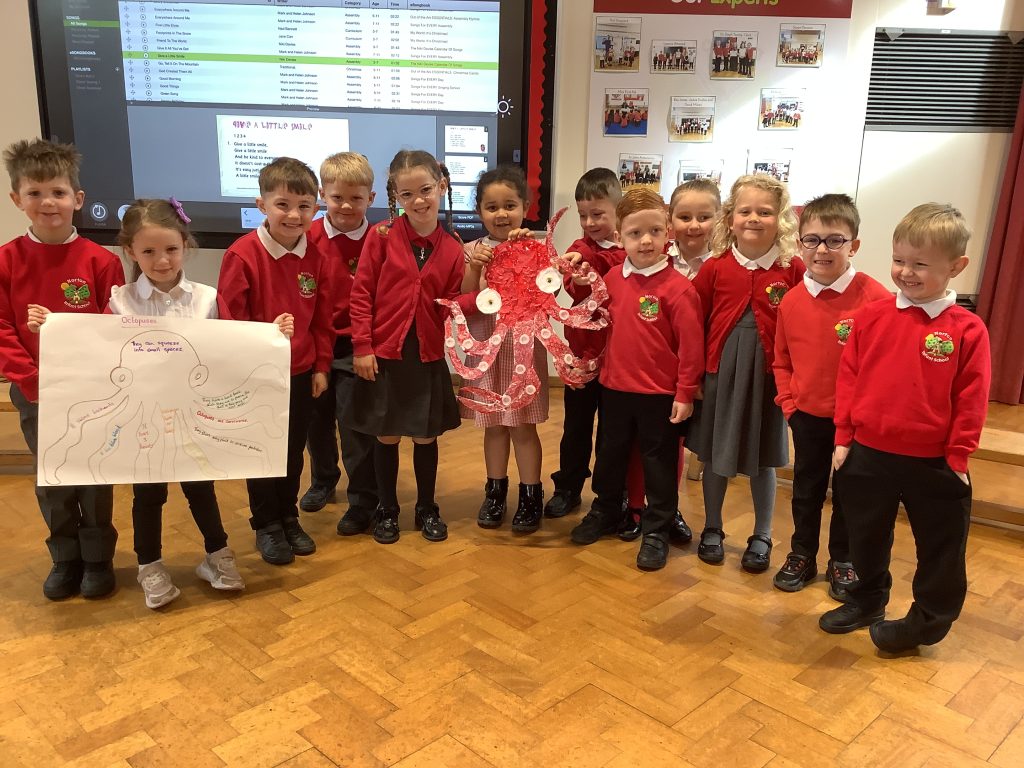
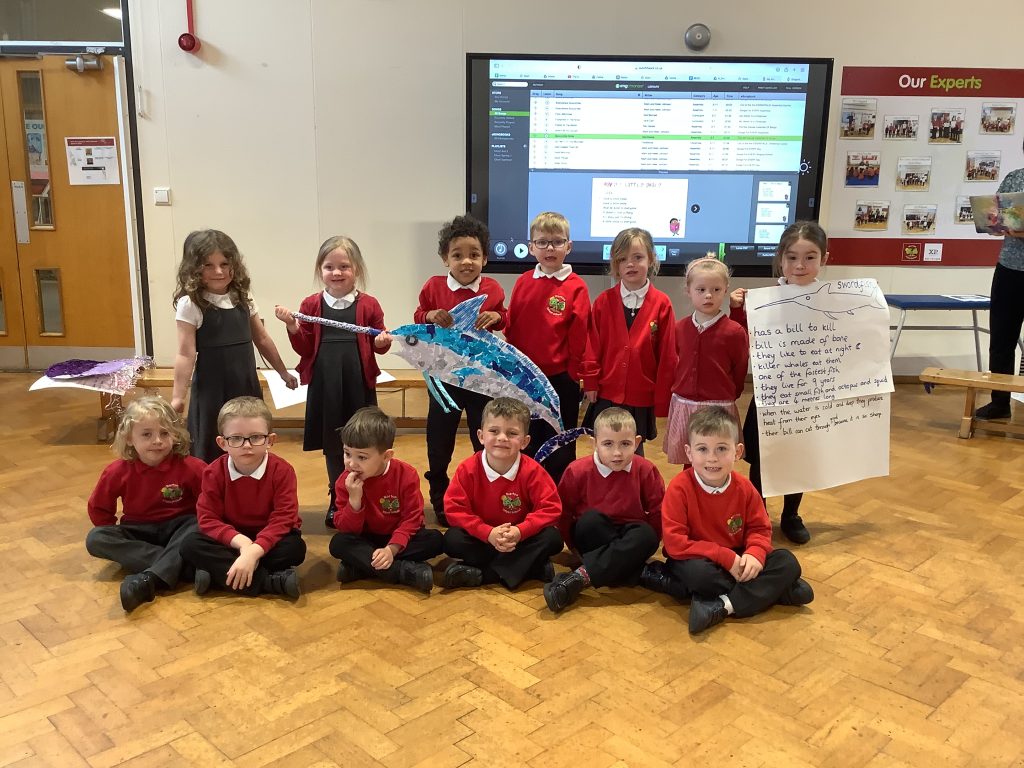
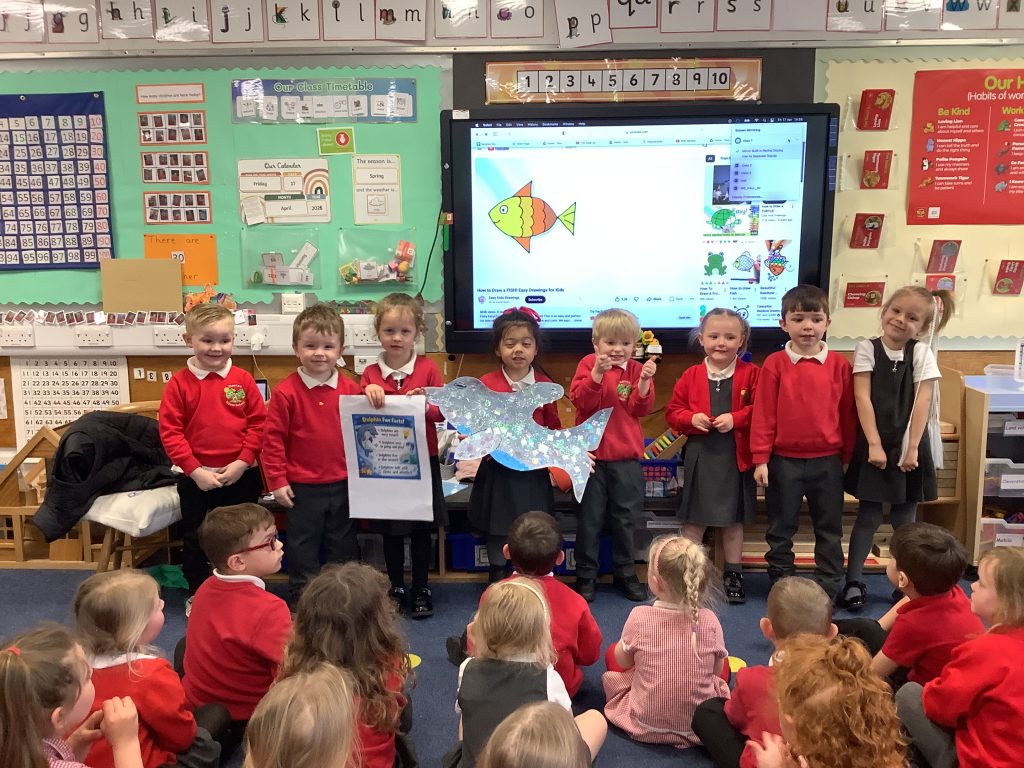
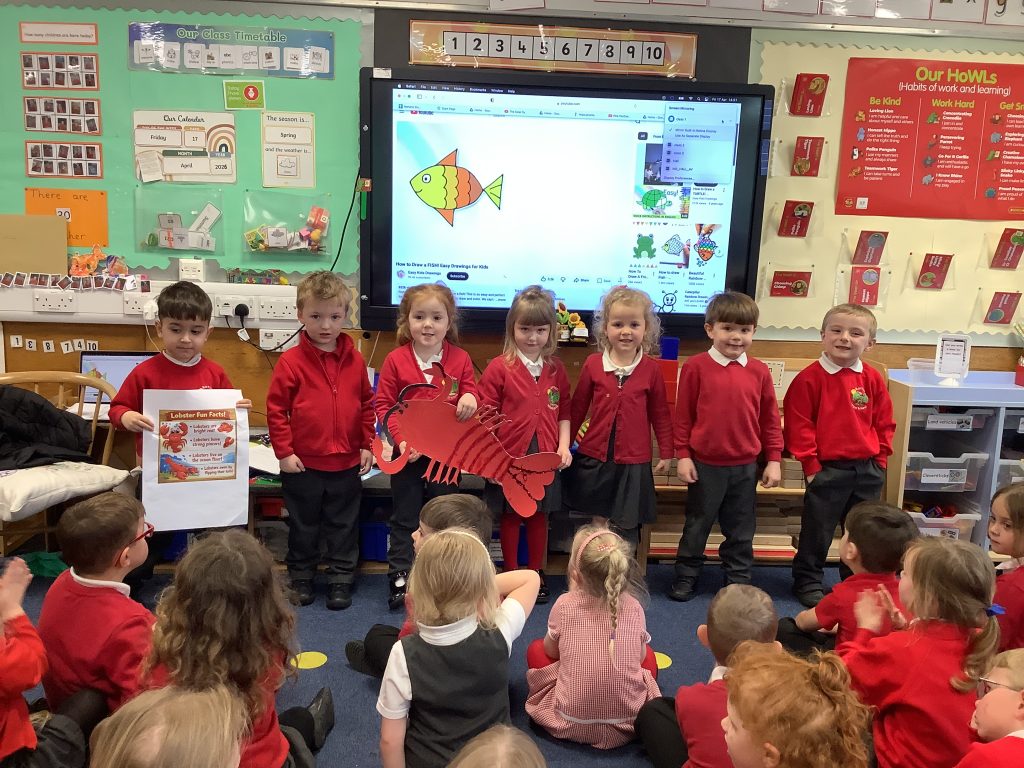
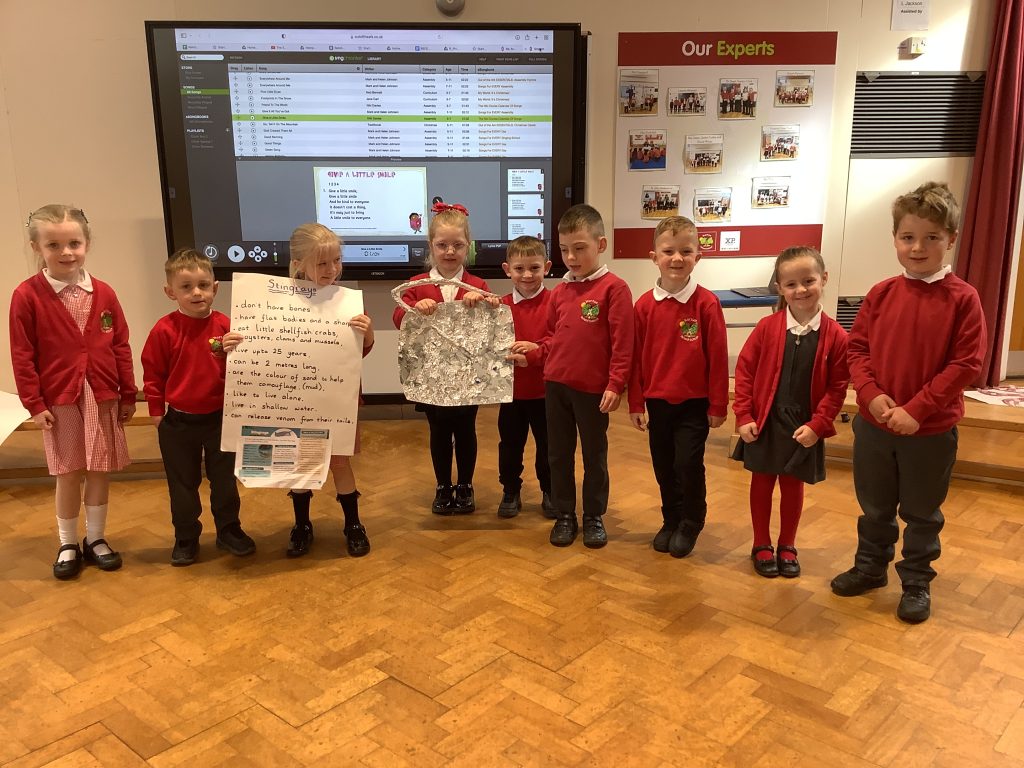
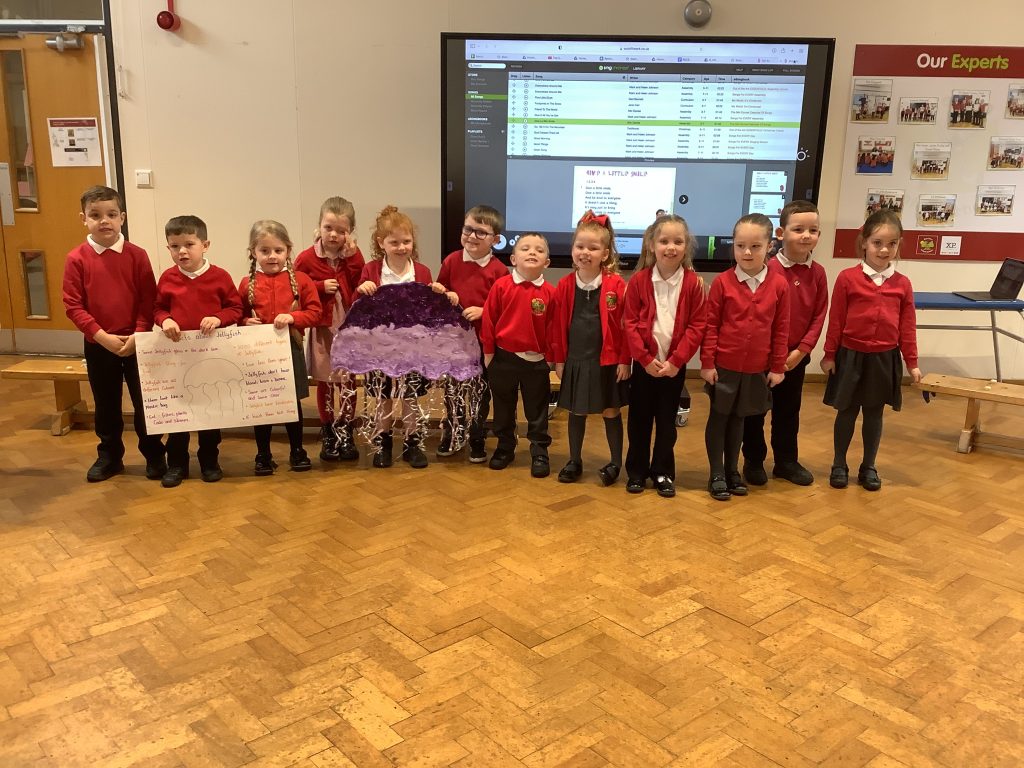
The children explored various sea creatures introduced to them through our hook text, “Commotion in the Ocean”. Each crew were given a sea creature to investigate and research, using the internet and supporting non fiction texts. The children then compiled fact files about their given sea creatures and created a large scale piece of artwork between them working collaboratively. They had lots of fun doing this and found out the most amazing facts! Each crew have employed all of their artistic talents to really think about how the creatures look and bring out the best in their features.

Both Nursery and Reception classes presented their sea creatures and fact files to each other in our weekly community meeting. They were so excited to share their interesting facts and spoke thoughtfully and beautifully about their creatures and the new knowledge that they now have! We can’t wait to dive deeper into our thrilling summer expedition. Just look at the quality and craftsmanship of our work, the children really were Go for it Gorillas!

Easter Traditions

Last week Nursery were exploring and for most being introduced to the real meaning of Easter for the first time. We told a child friendly traditional tale of Easter and the children explored themes of whether the treatment of Jesus was fair and kind? Were the people who hurt him “Loving Lions”? They were hooked into the story, using a Good Friday version of pass the parcel. The children pulled out items that were significant to the story and suggested what they maybe… They had some great ideas, grappling that a bamboo cross was “a sign” or “an arrow”. They suggested that the piece of red material was “a towel” or “scarf” and that a crown made from pipe cleaners was “a hat” or a “hula hoop”. They correctly identified bread and fish and stones.

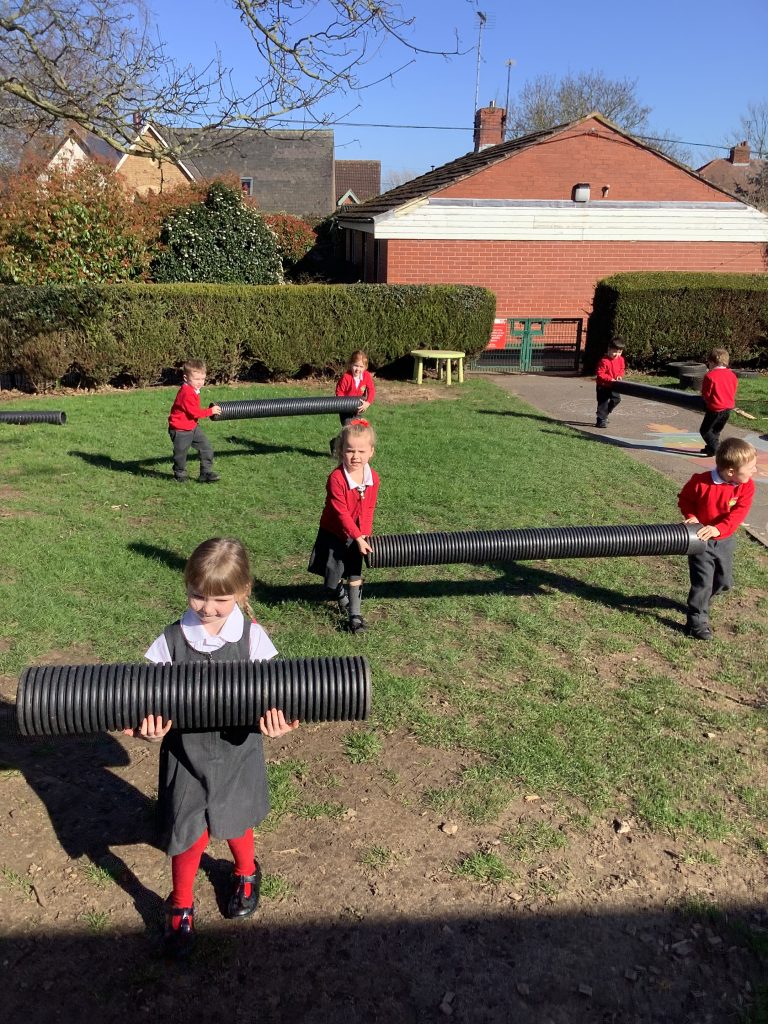
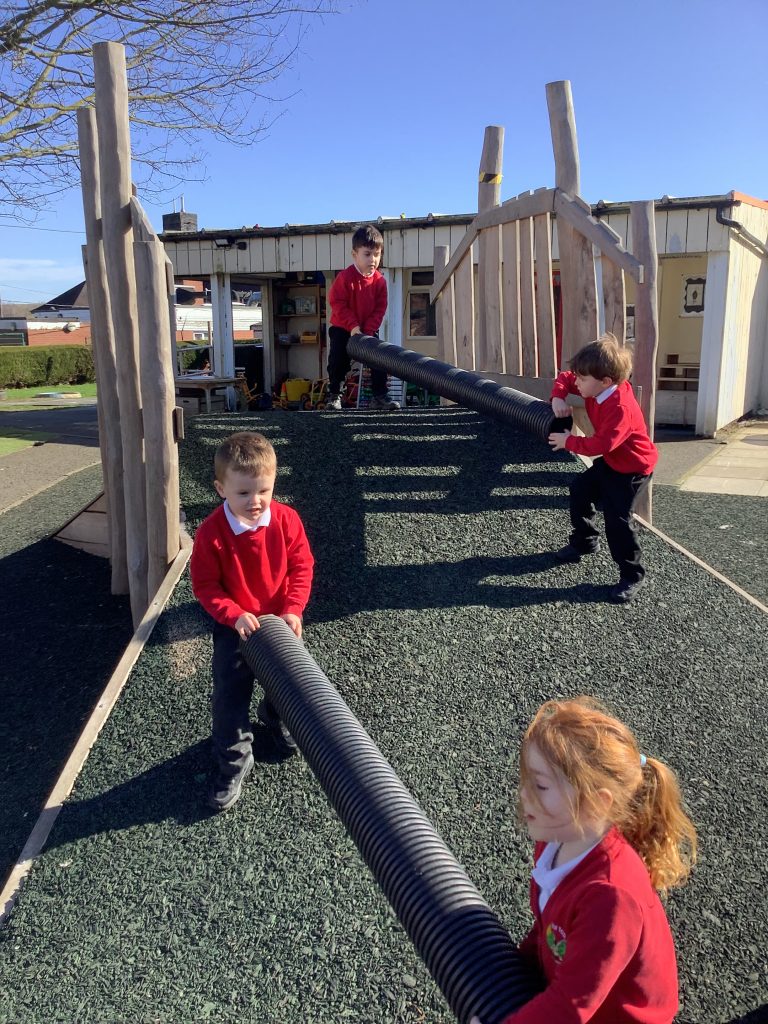
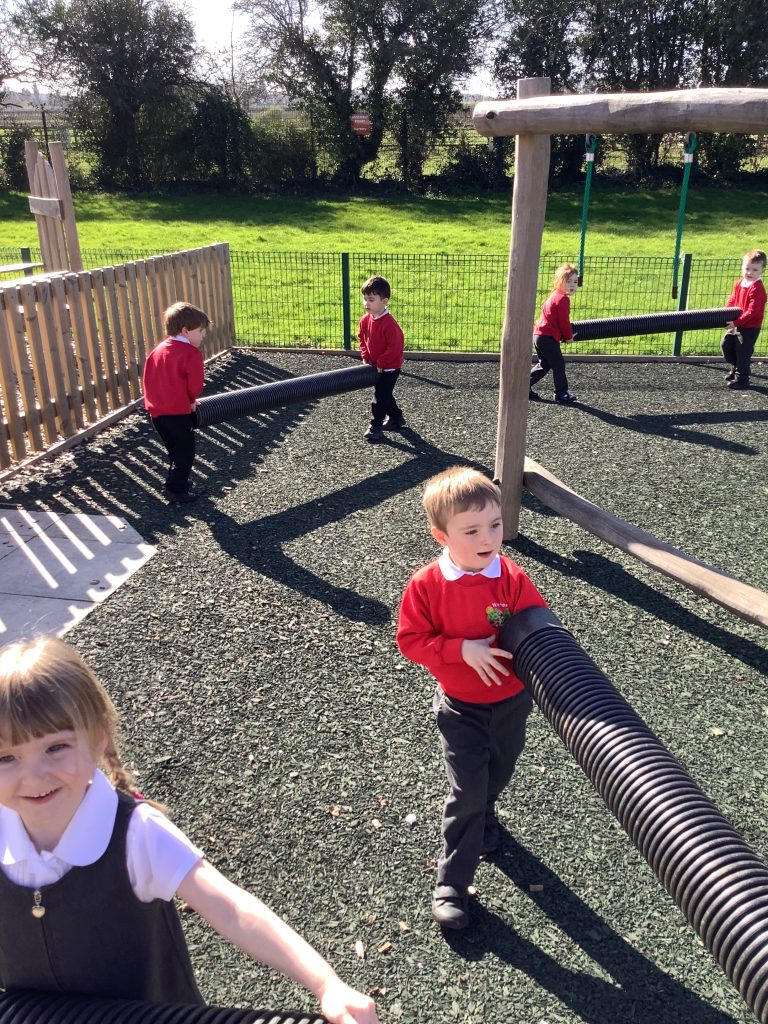
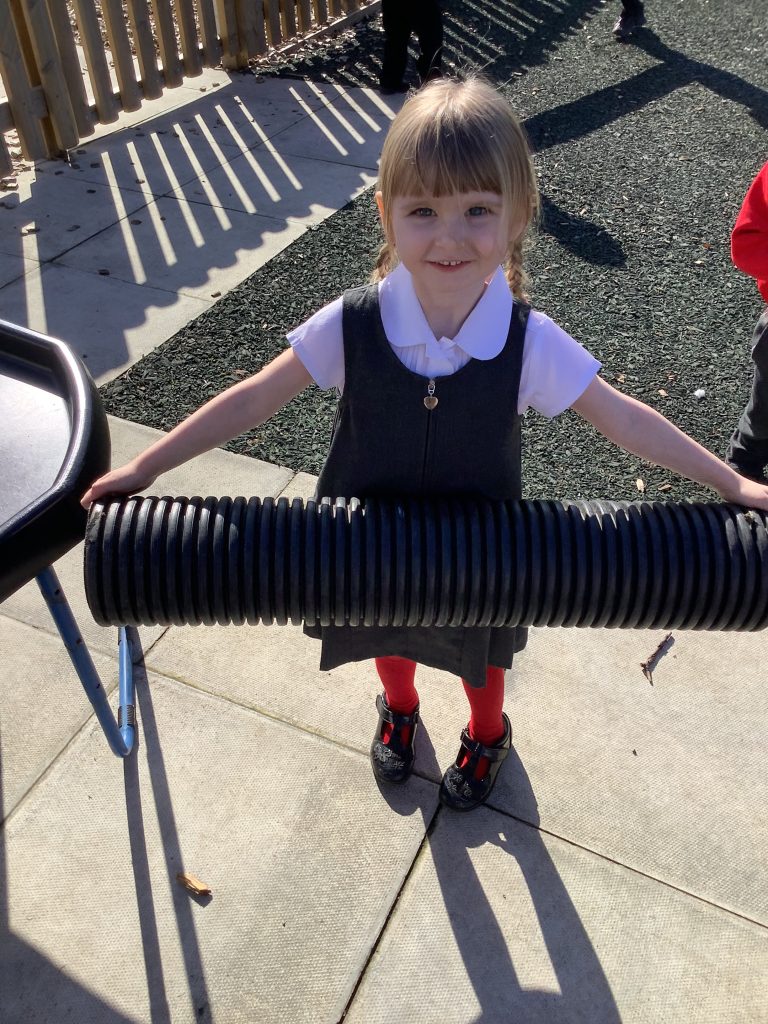
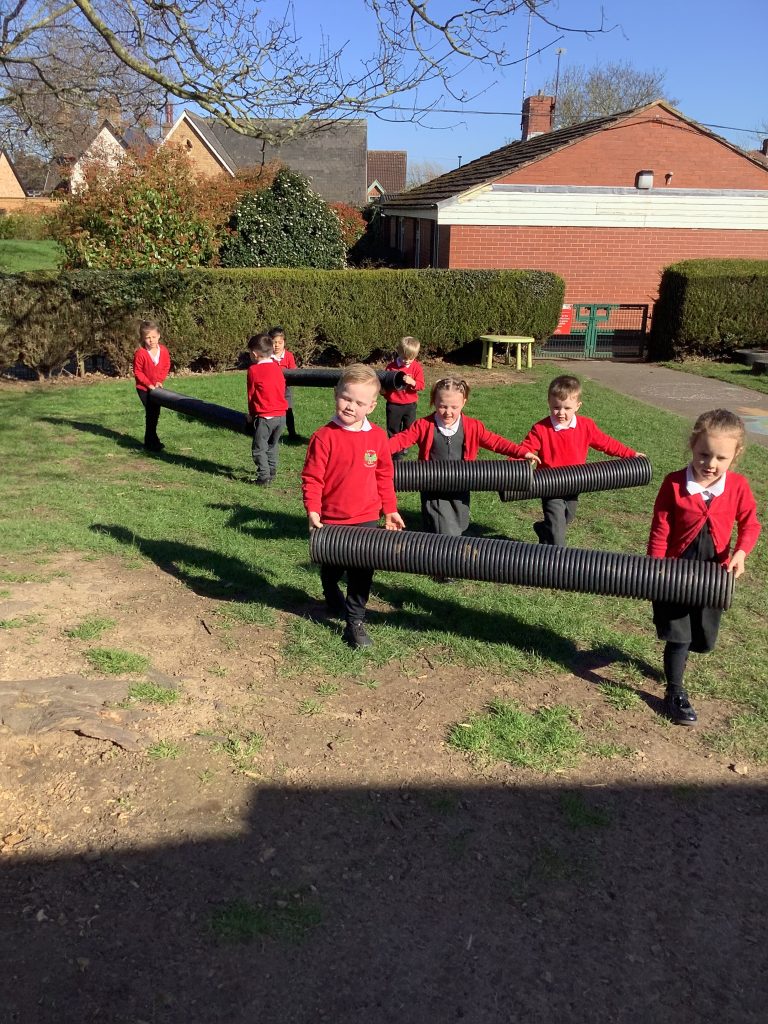
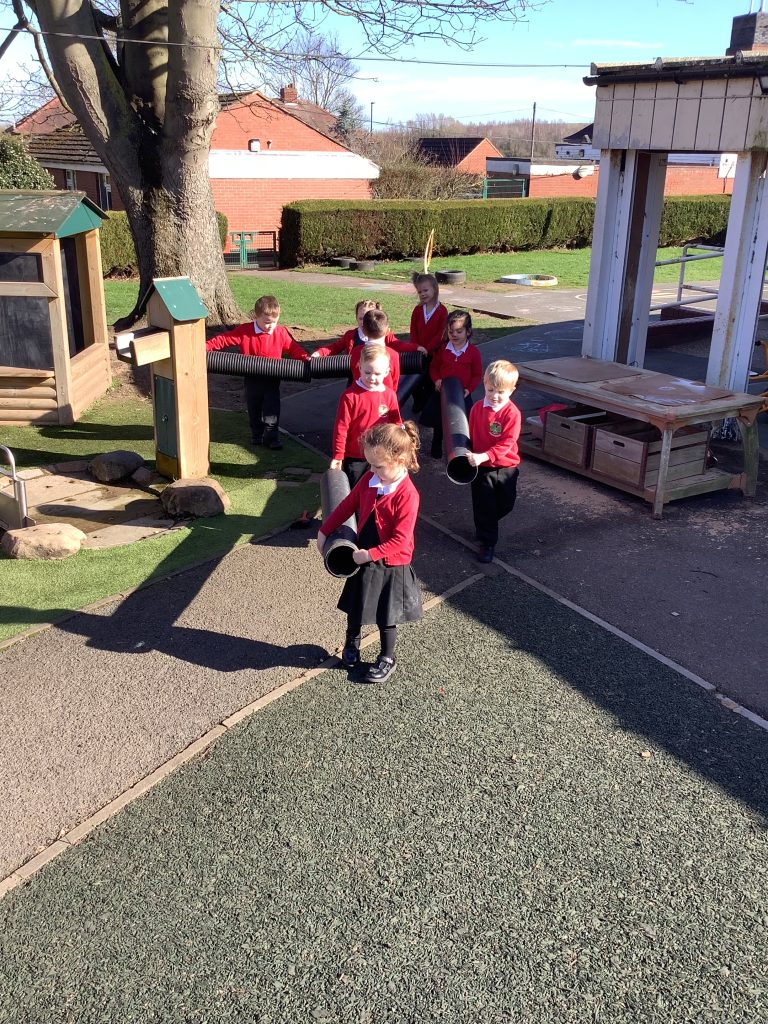
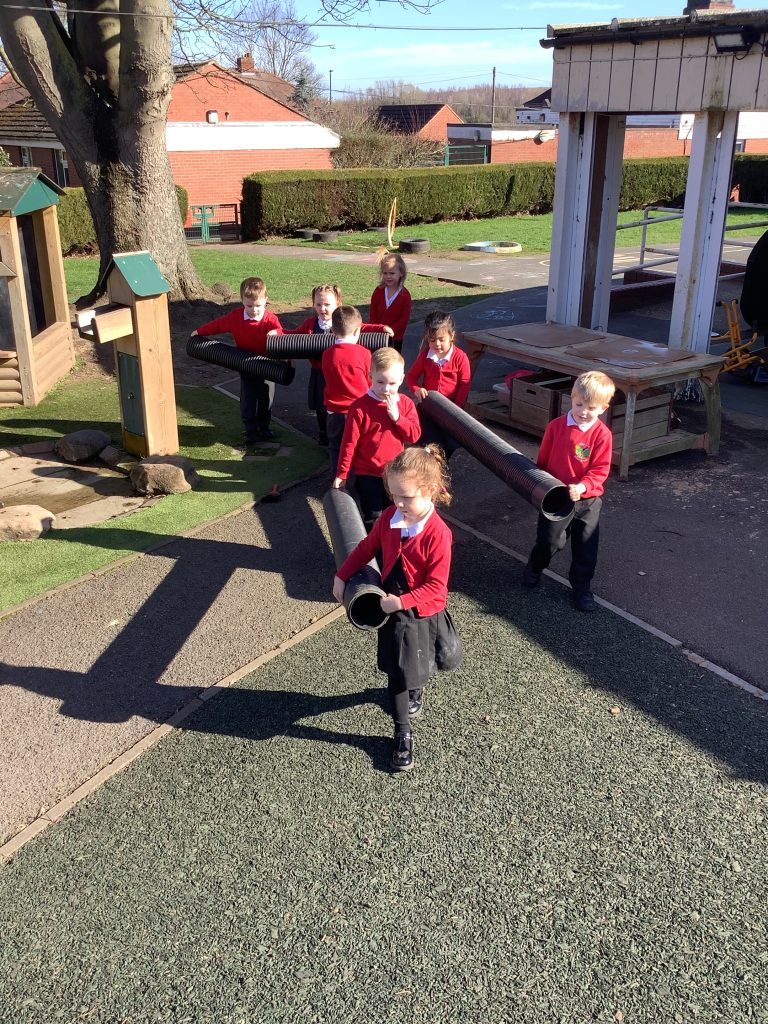
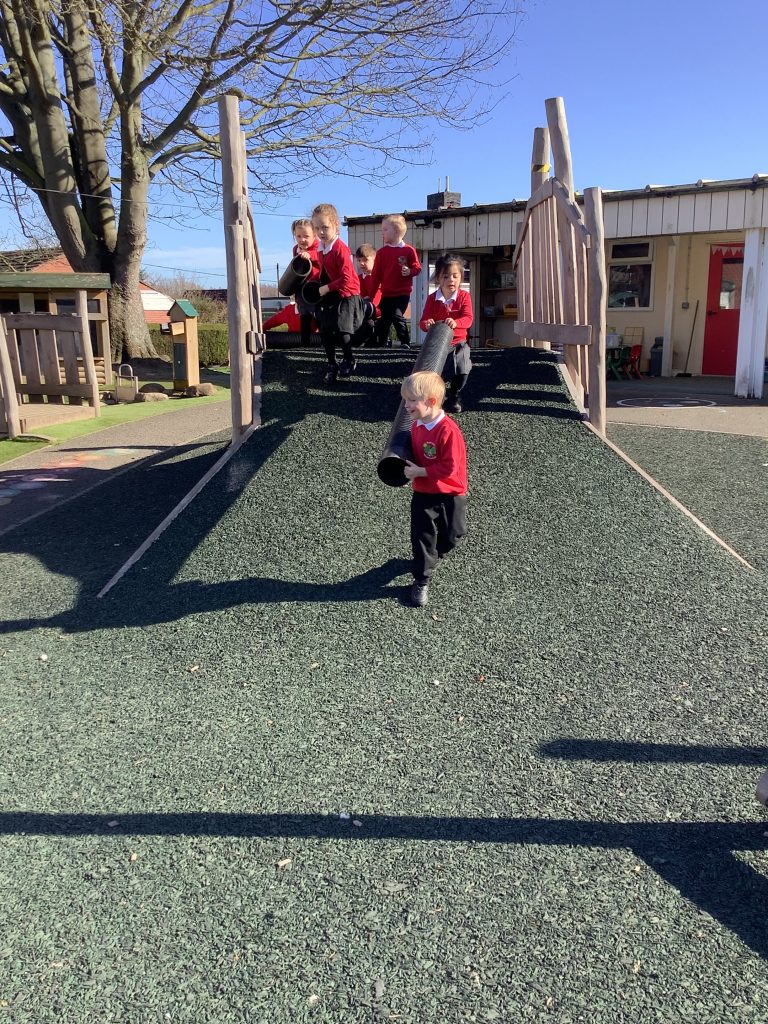
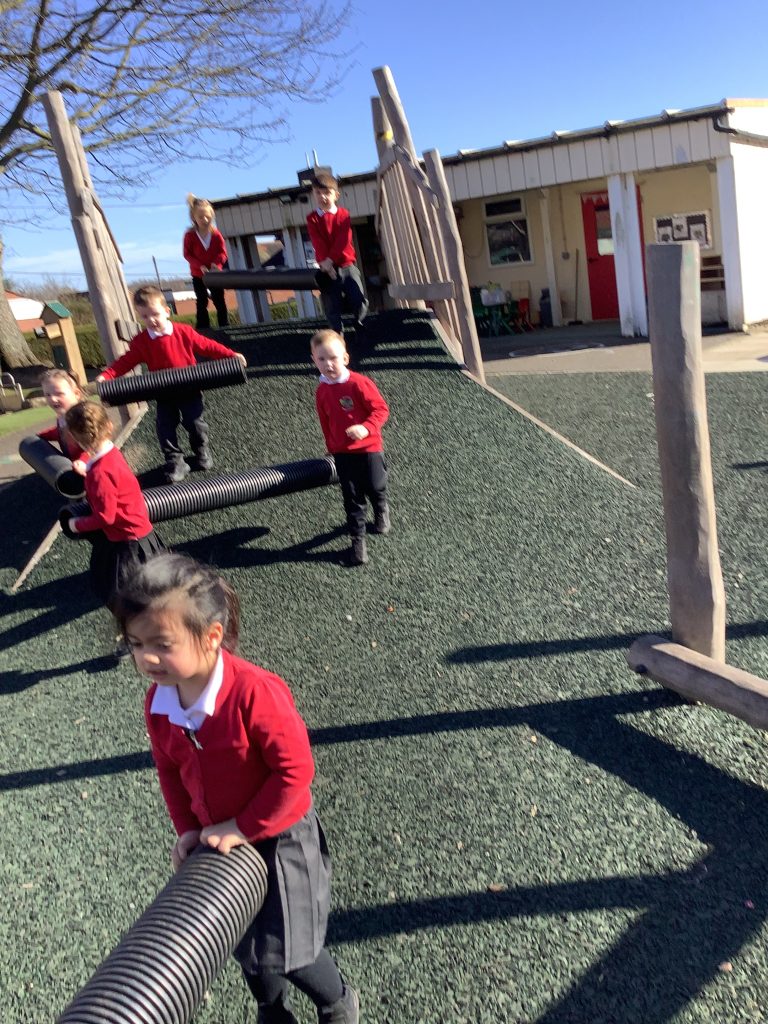
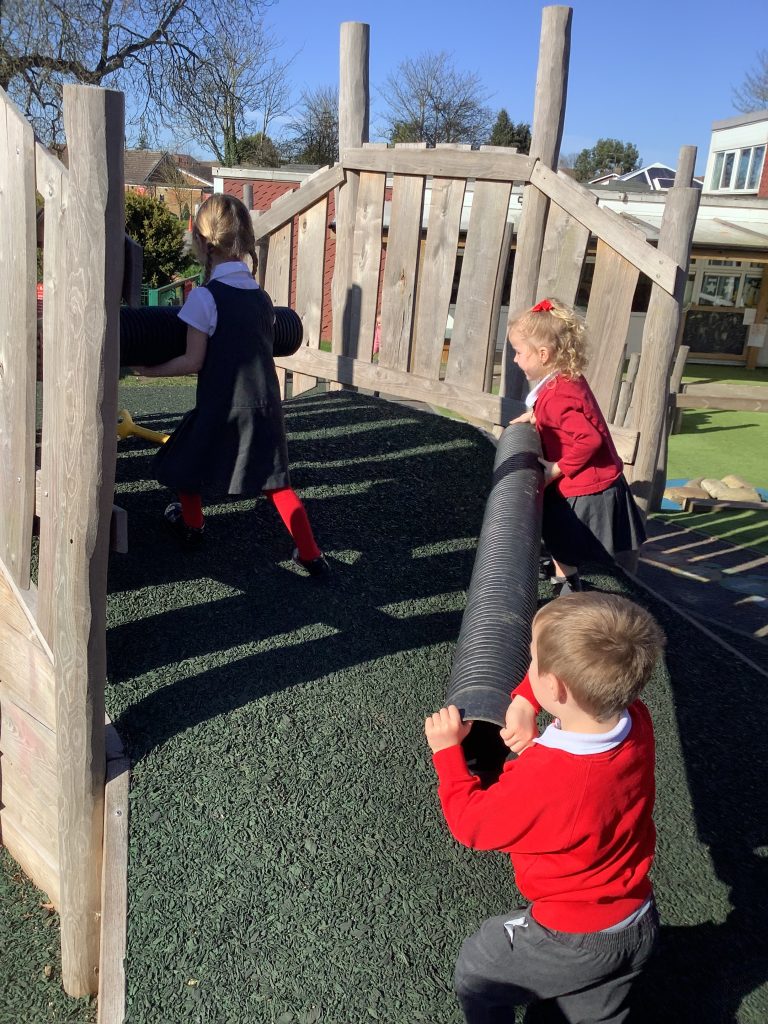
The children carried large construction tubes, testing their gross motor skills, around the outdoor area including up and over the hill. They worked in pairs mostly, being teamwork tigers. The tubes symbolised Jesus cross. The children offered some wonderful ideas around this activities, understanding that Jesus must have been “tired”, “aching”, “sore” and they found it “tricky”.

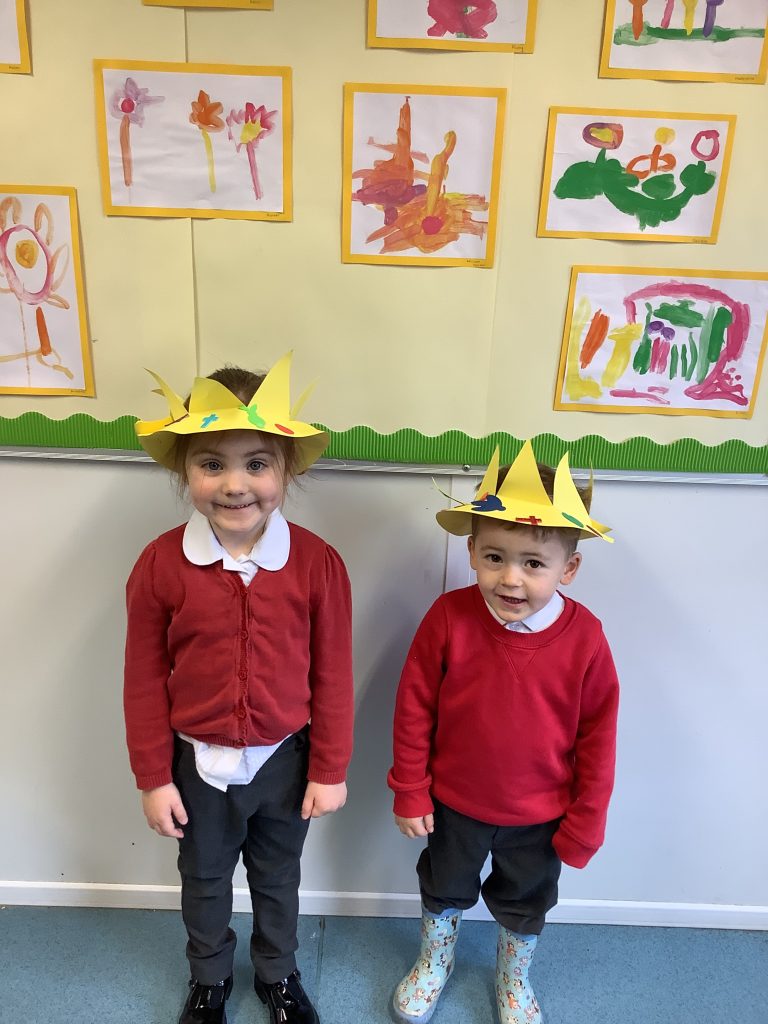
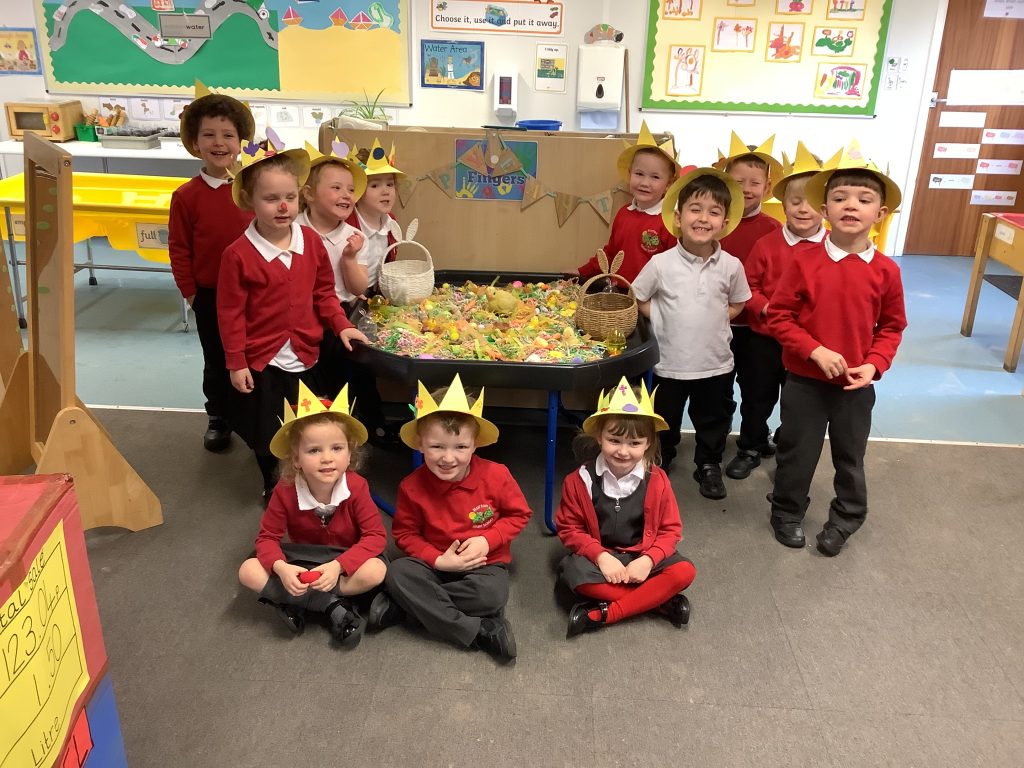
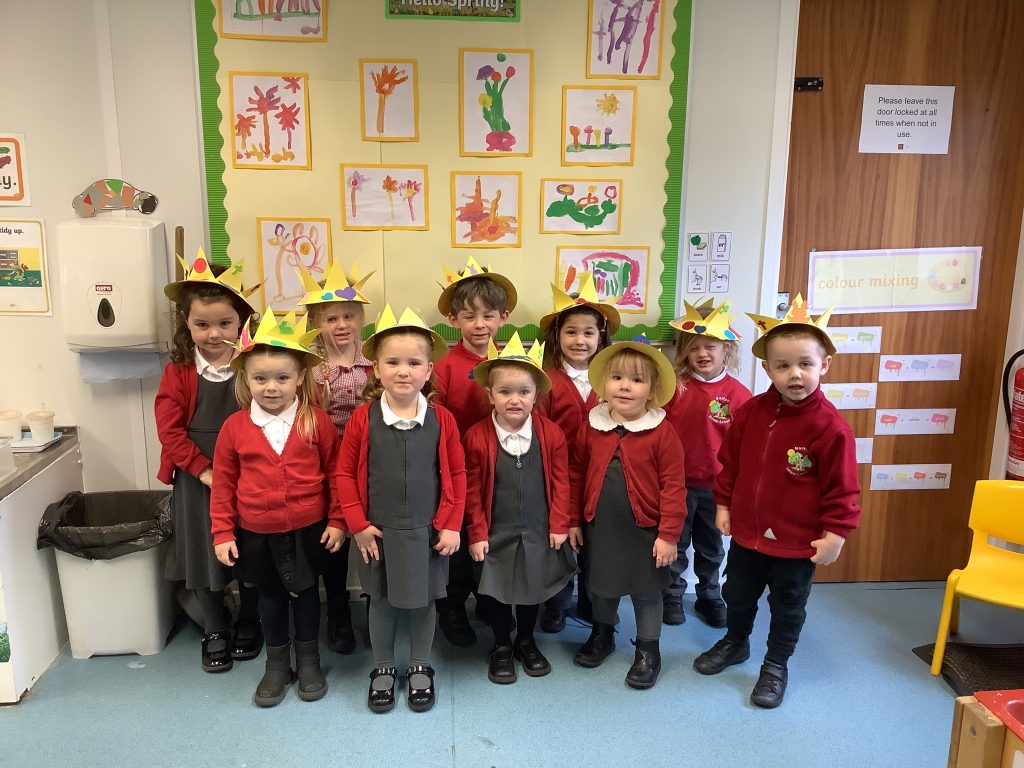
Throughout the week the children had the opportunity to create an Easter crown using craft materials.

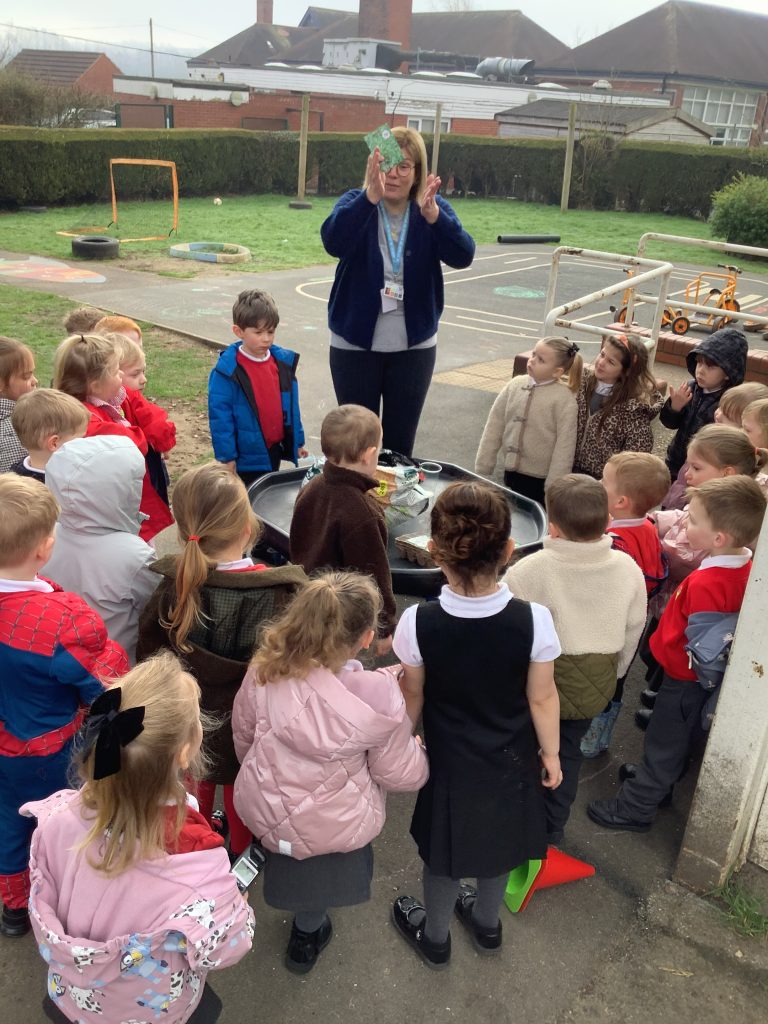
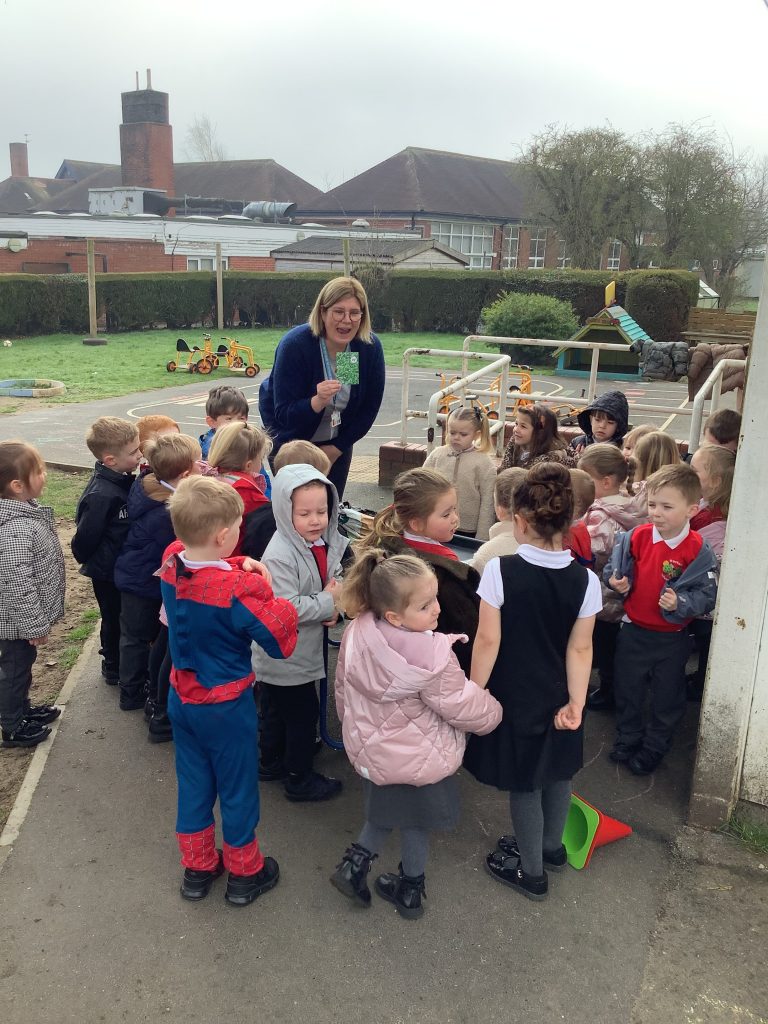
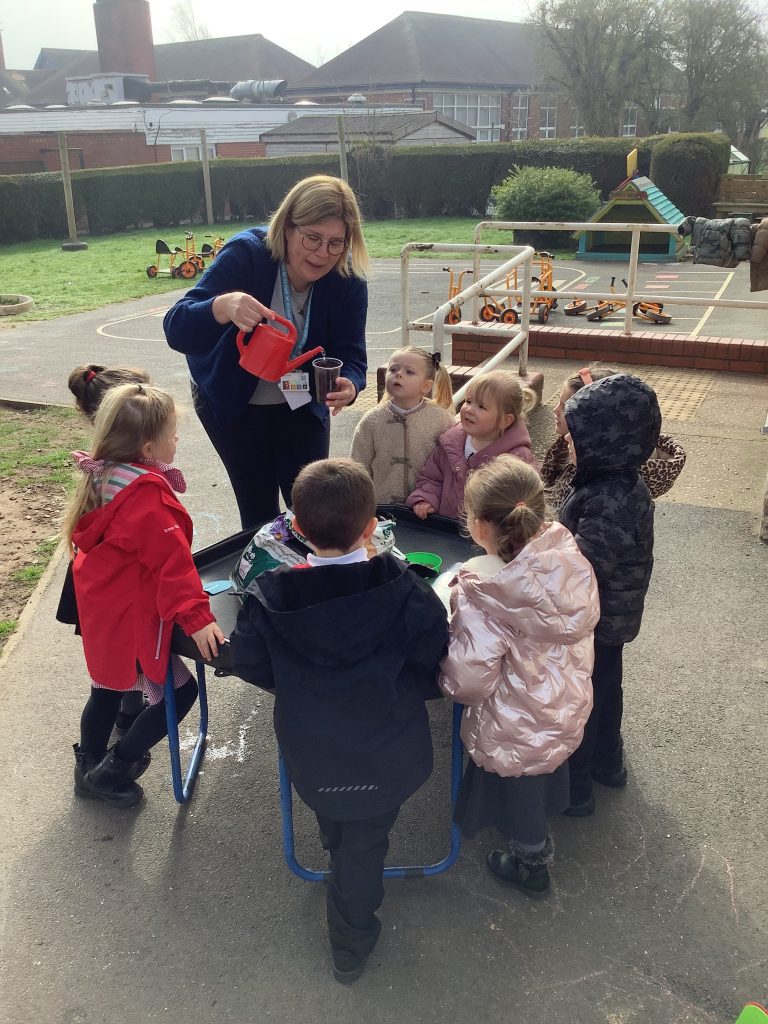
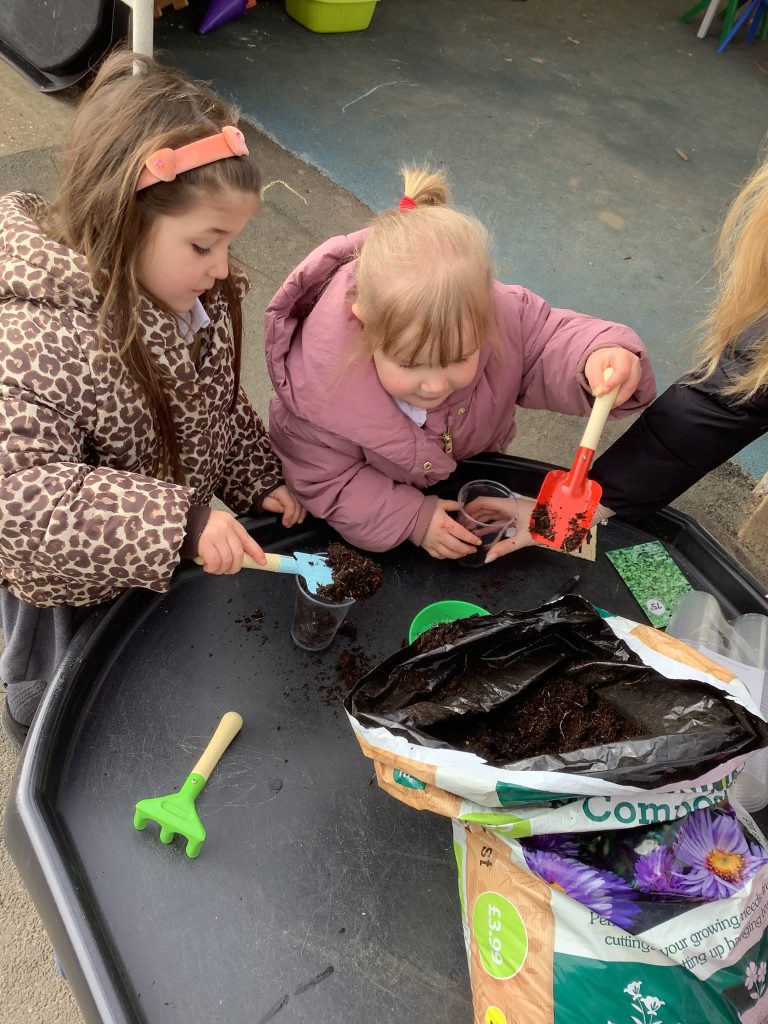
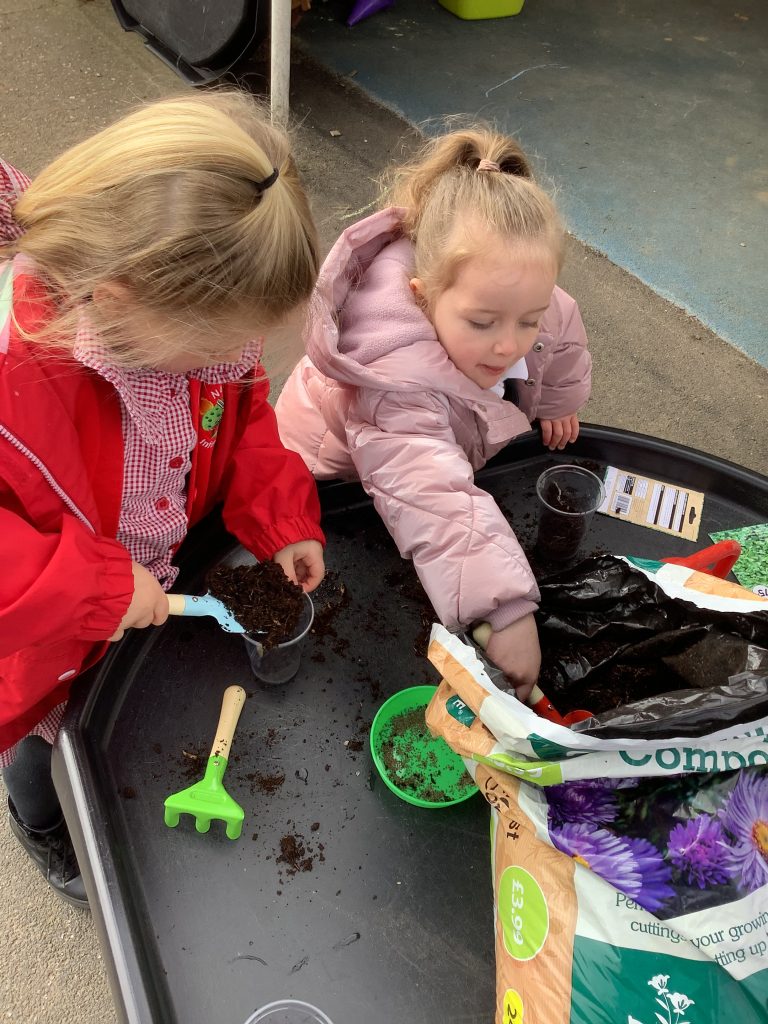
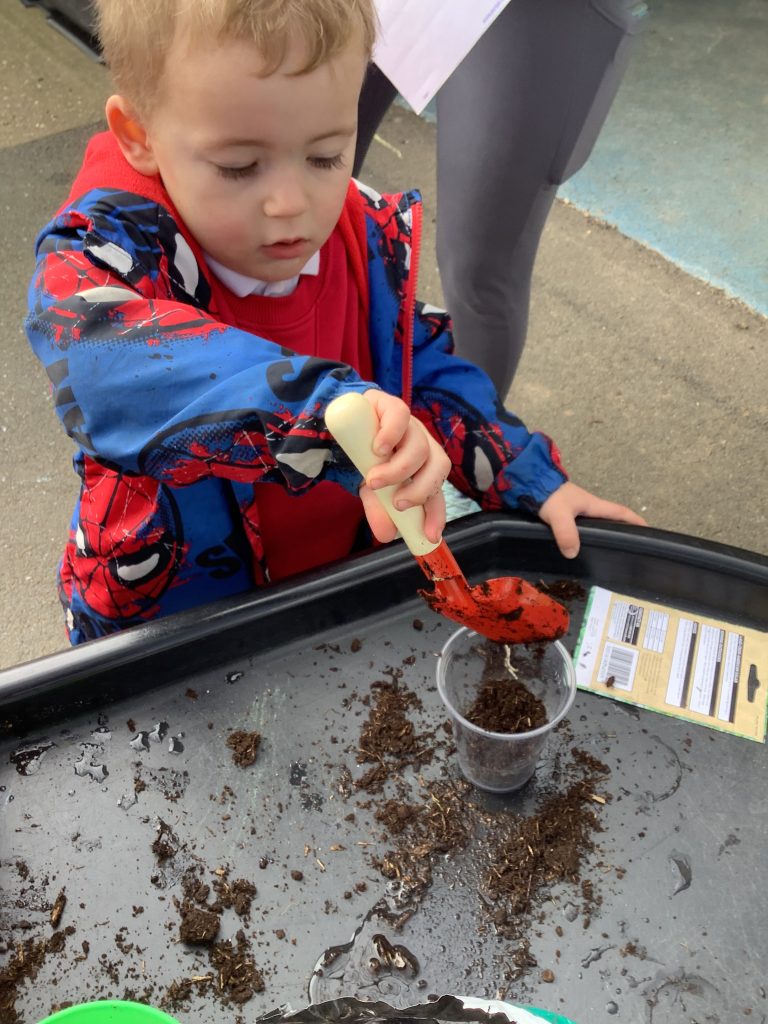
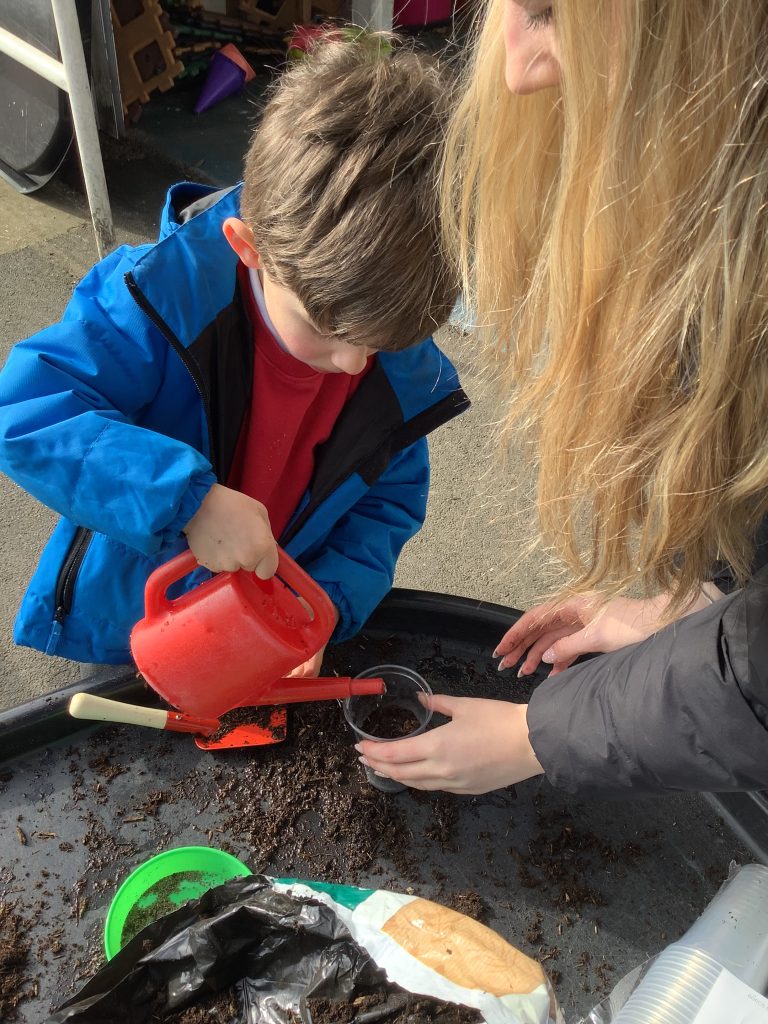
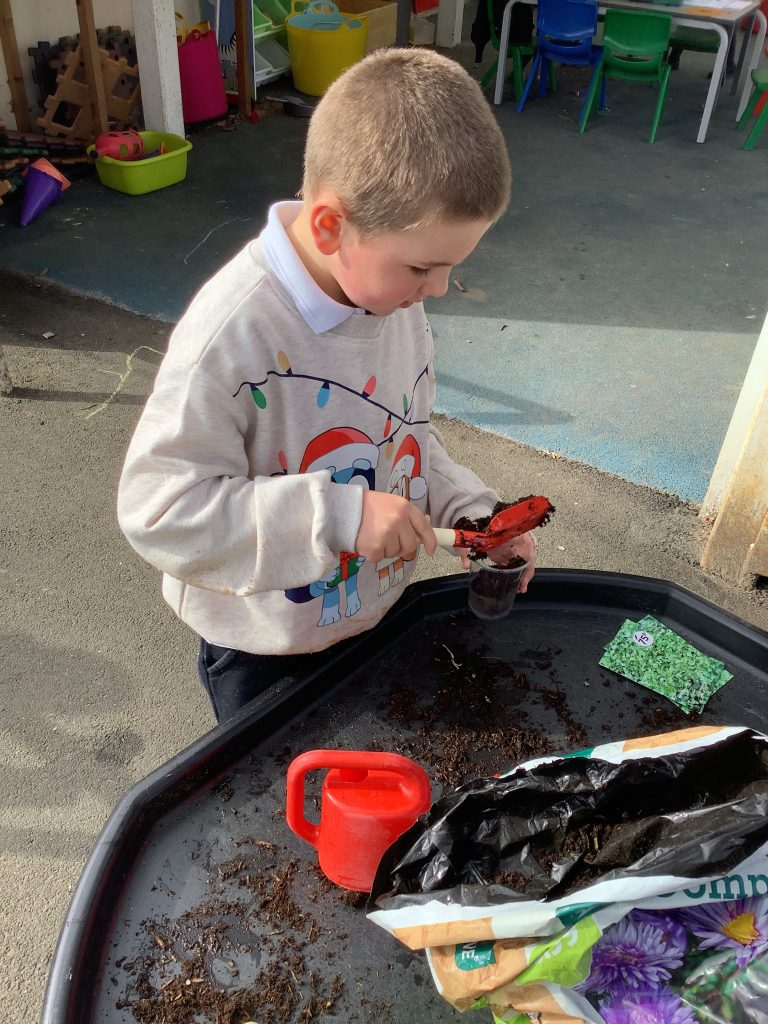
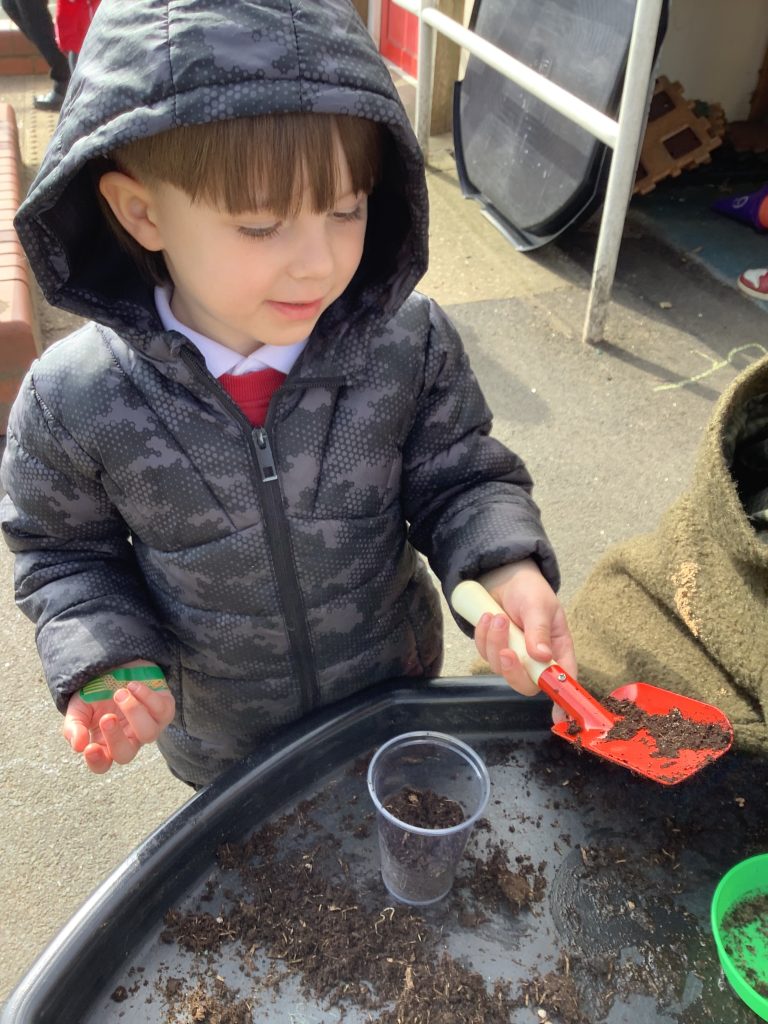
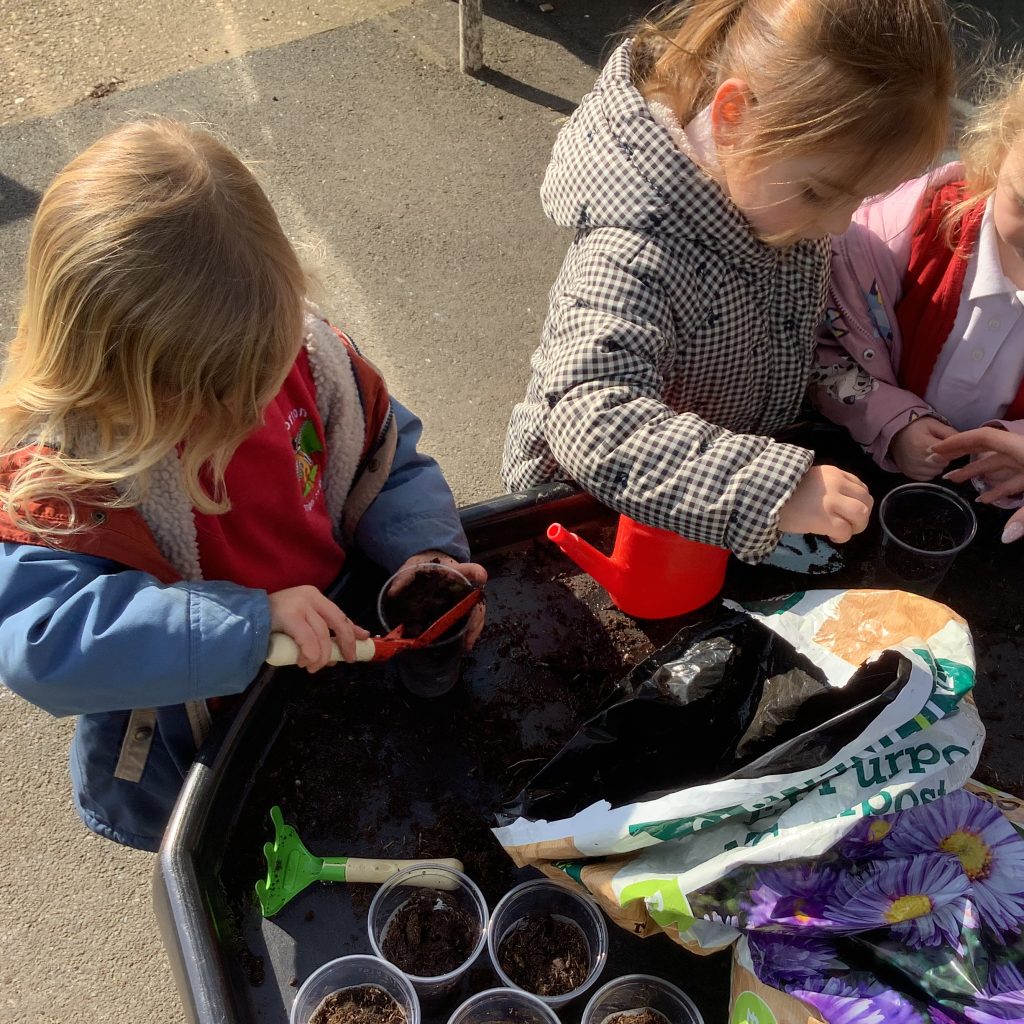
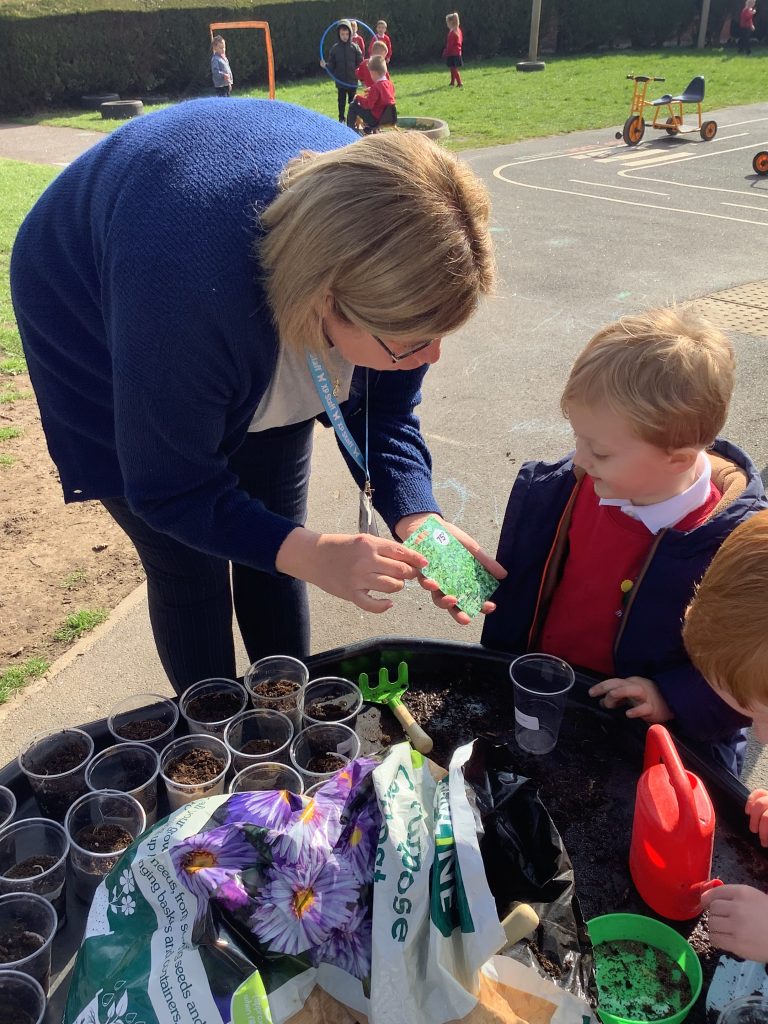
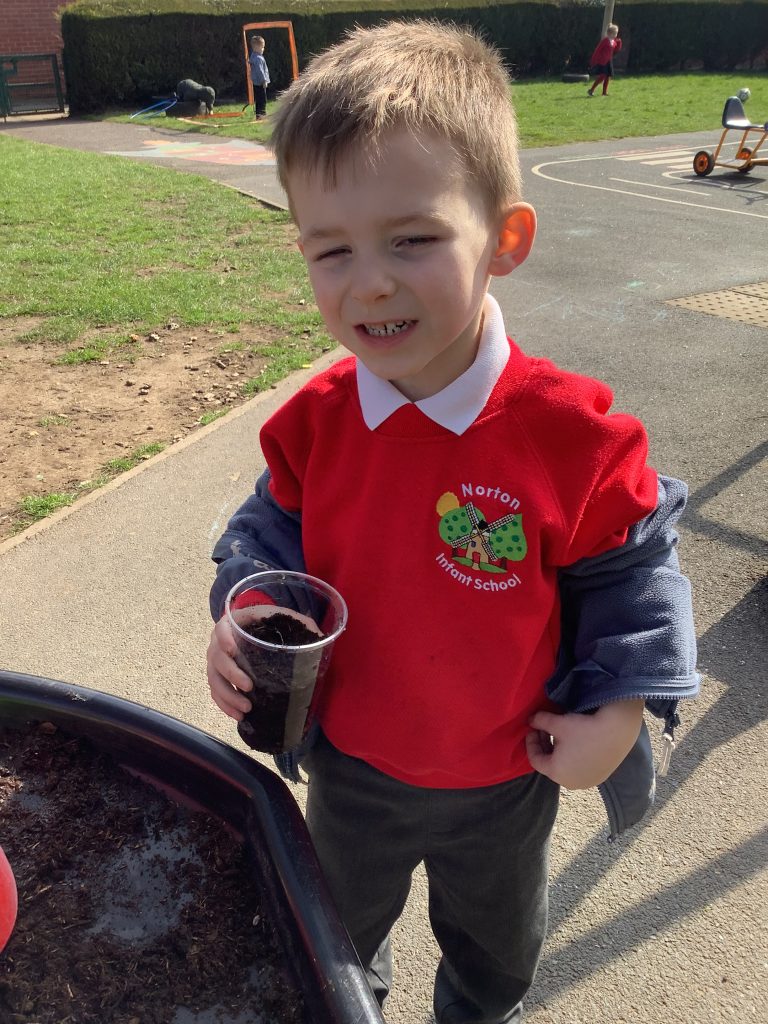
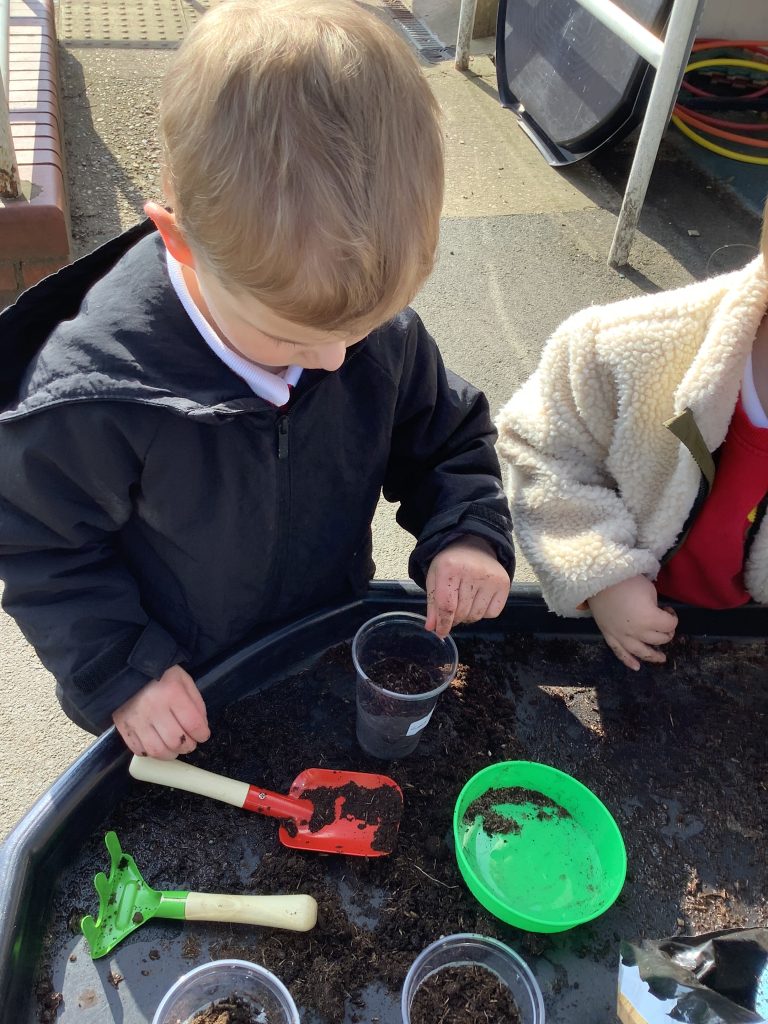
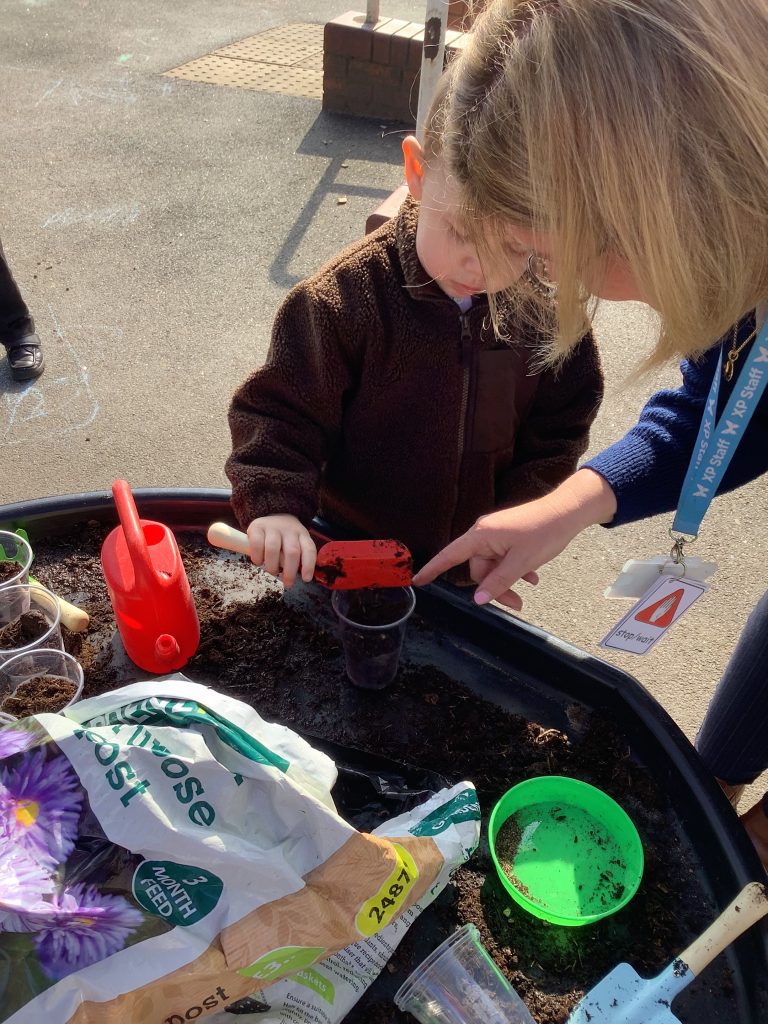
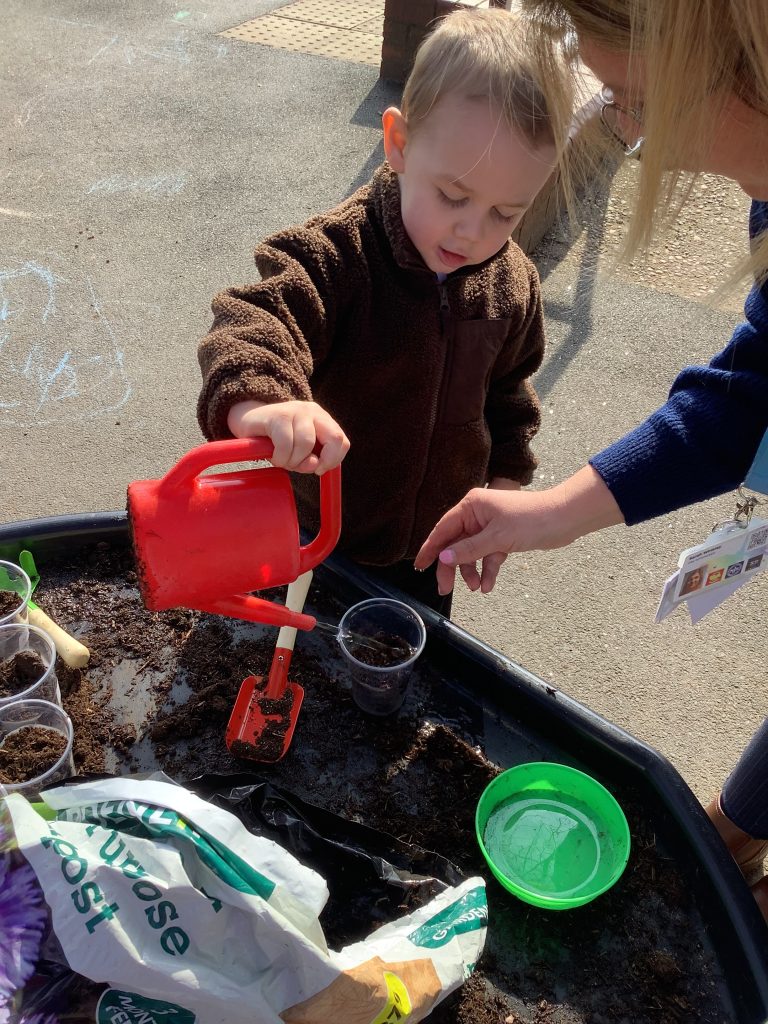
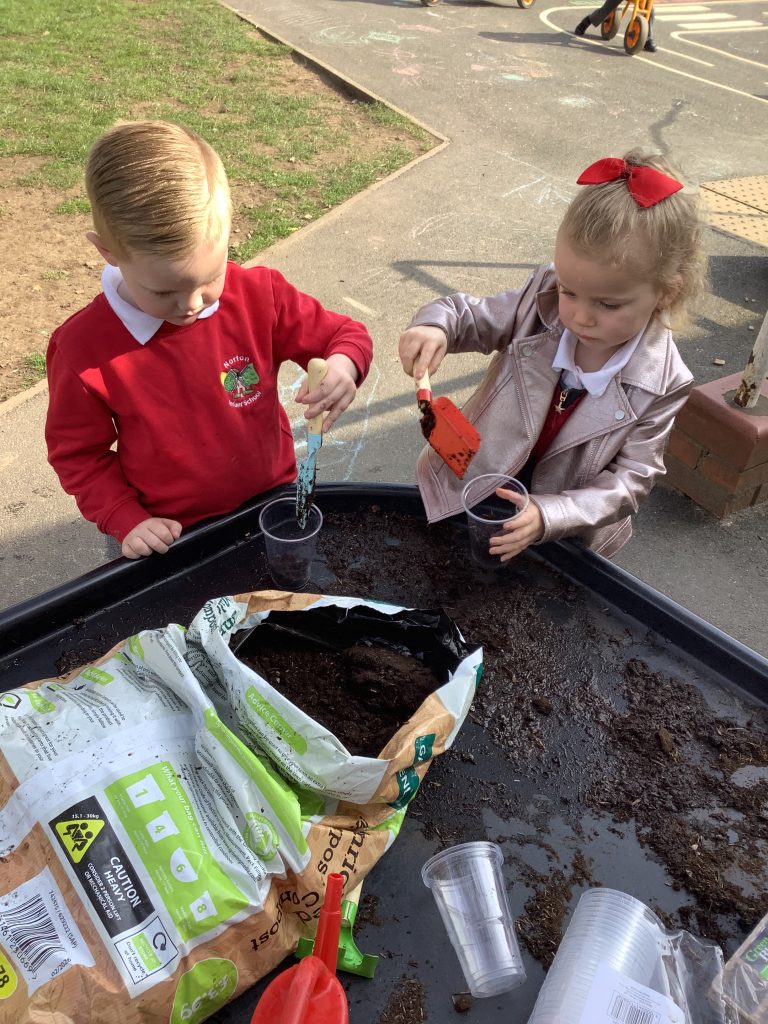
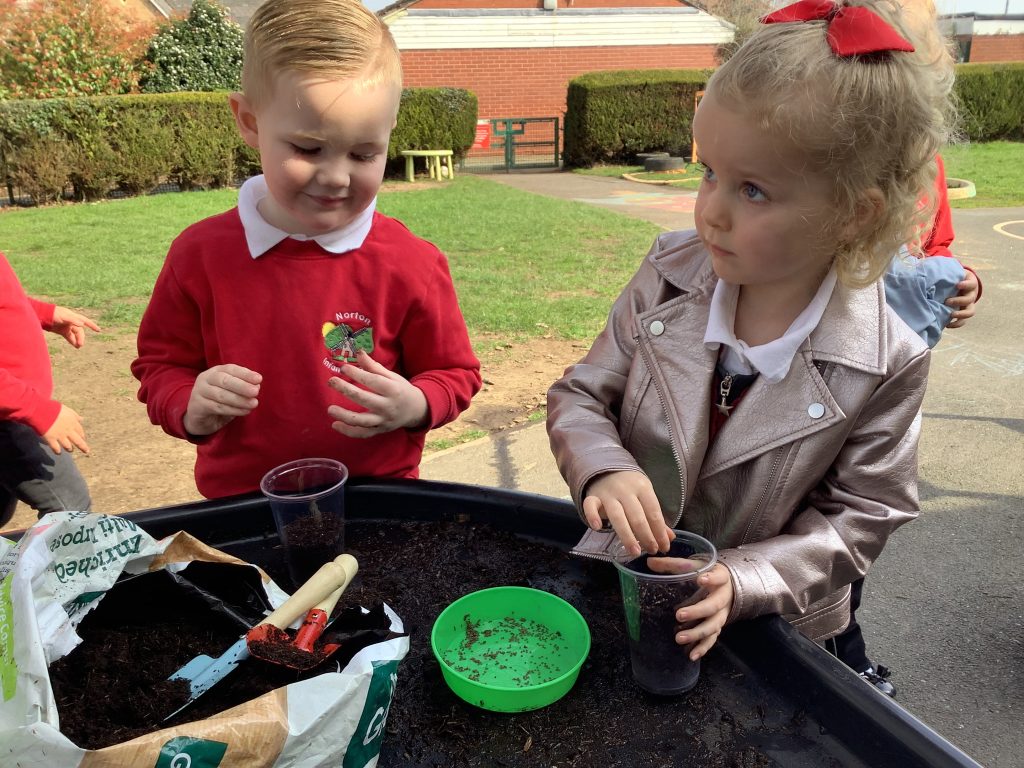
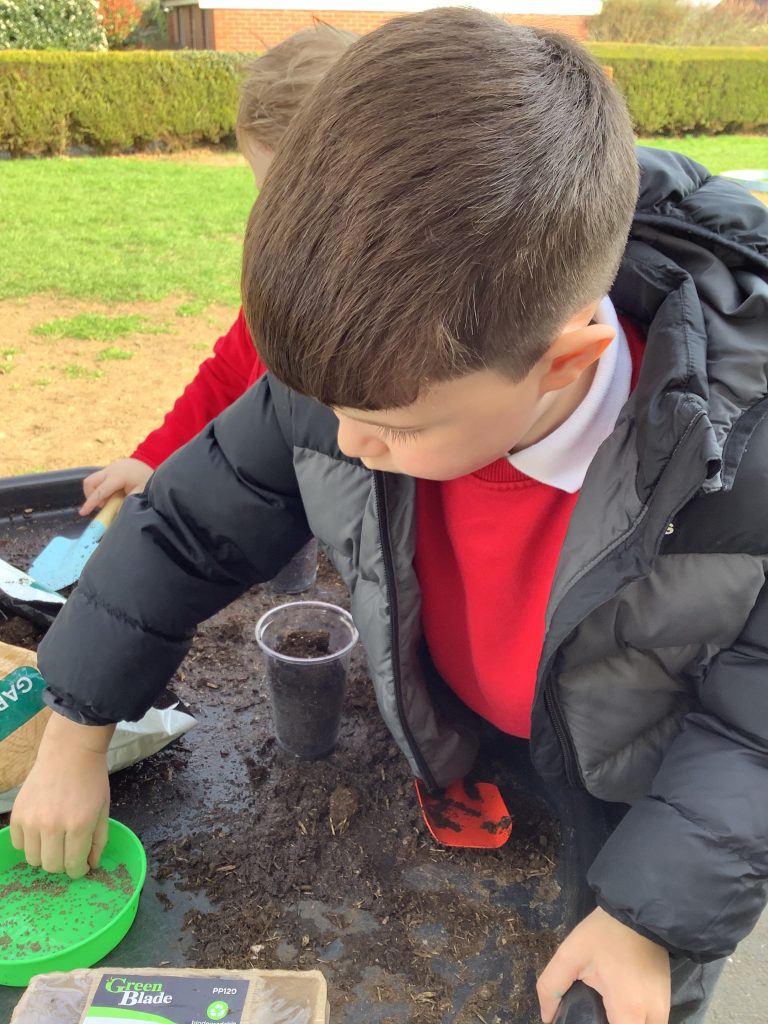
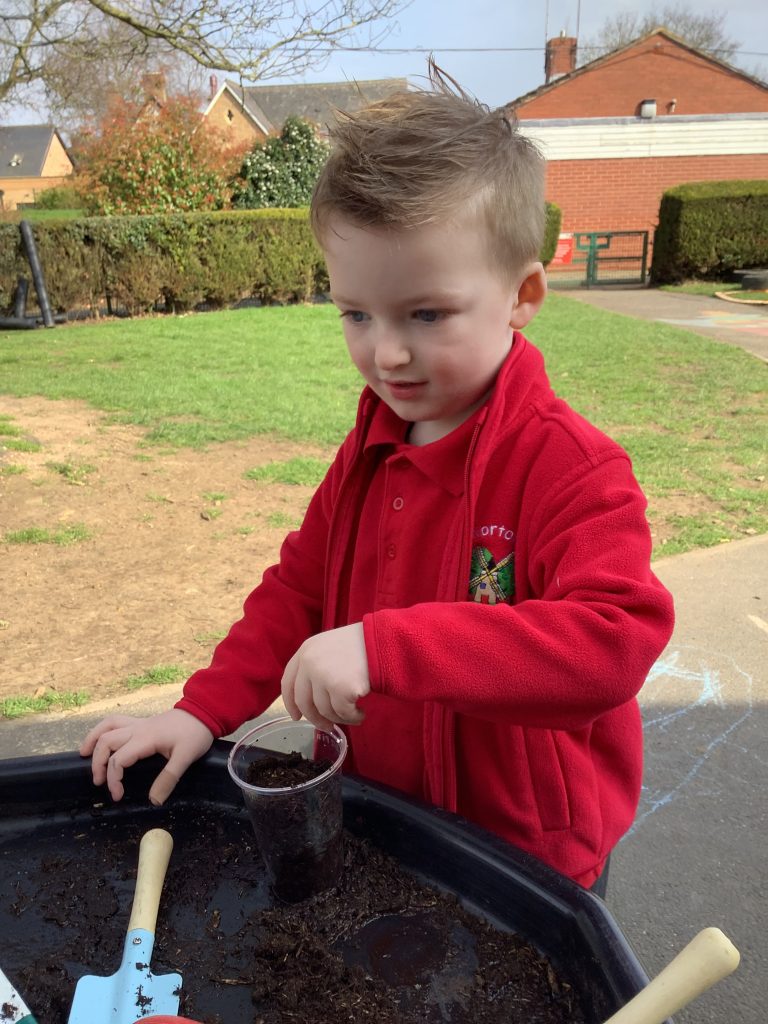
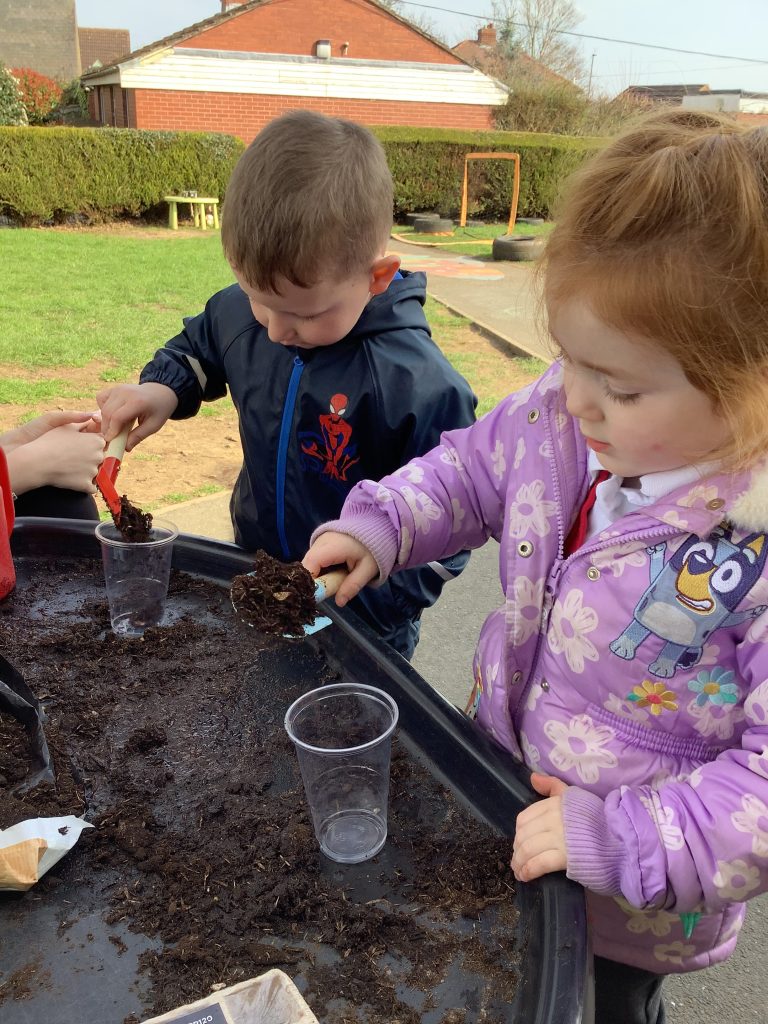
To activate and construct the idea of Easter being a time of new life, the children took part in some planting. They each took turns to plant their own cress seeds, learning what things plants need to survive and grow. The children really enjoyed this activity and were able to explain that plants need “sun”, “water”, “air”, “soil” or “muck” to grow.

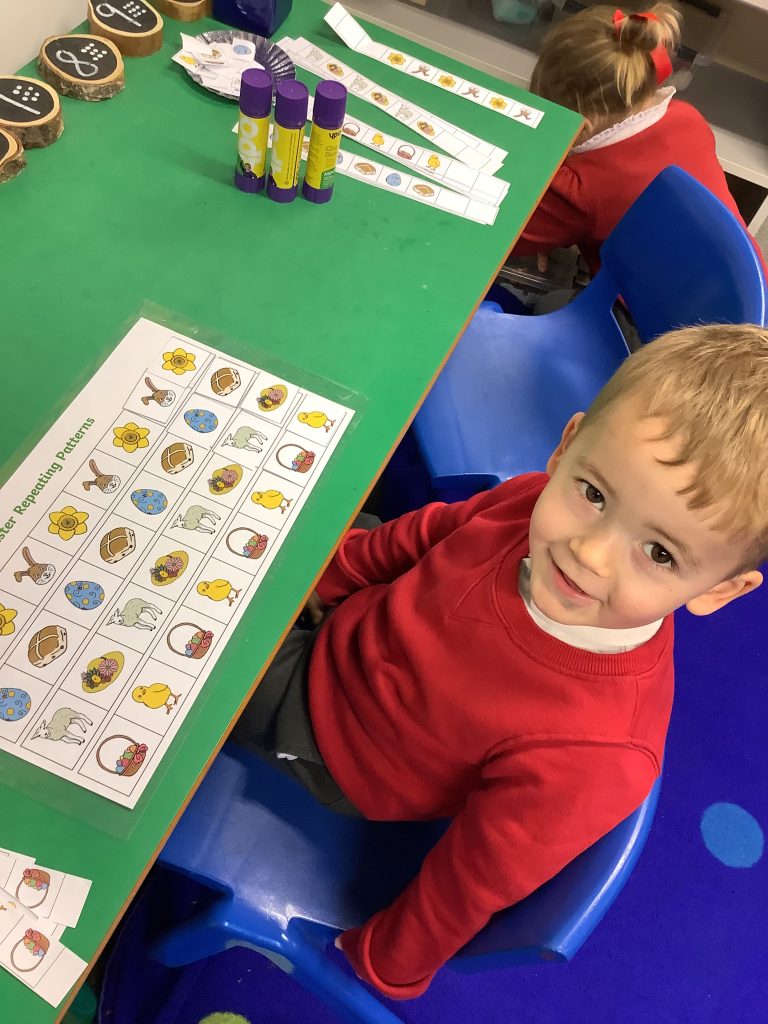
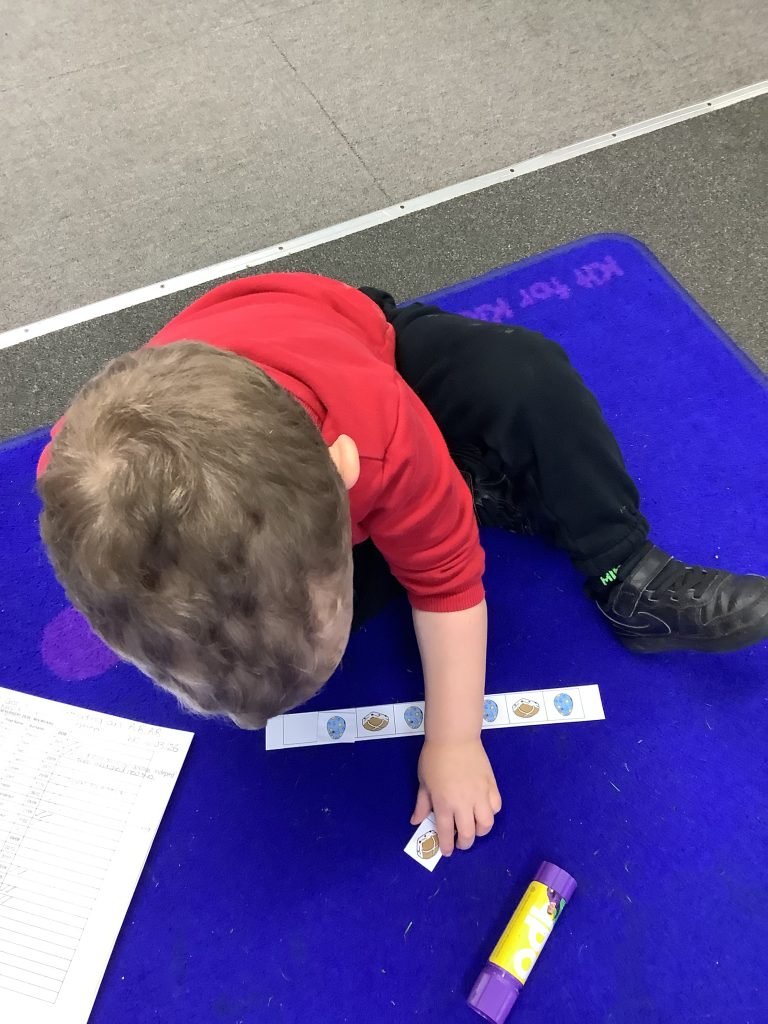
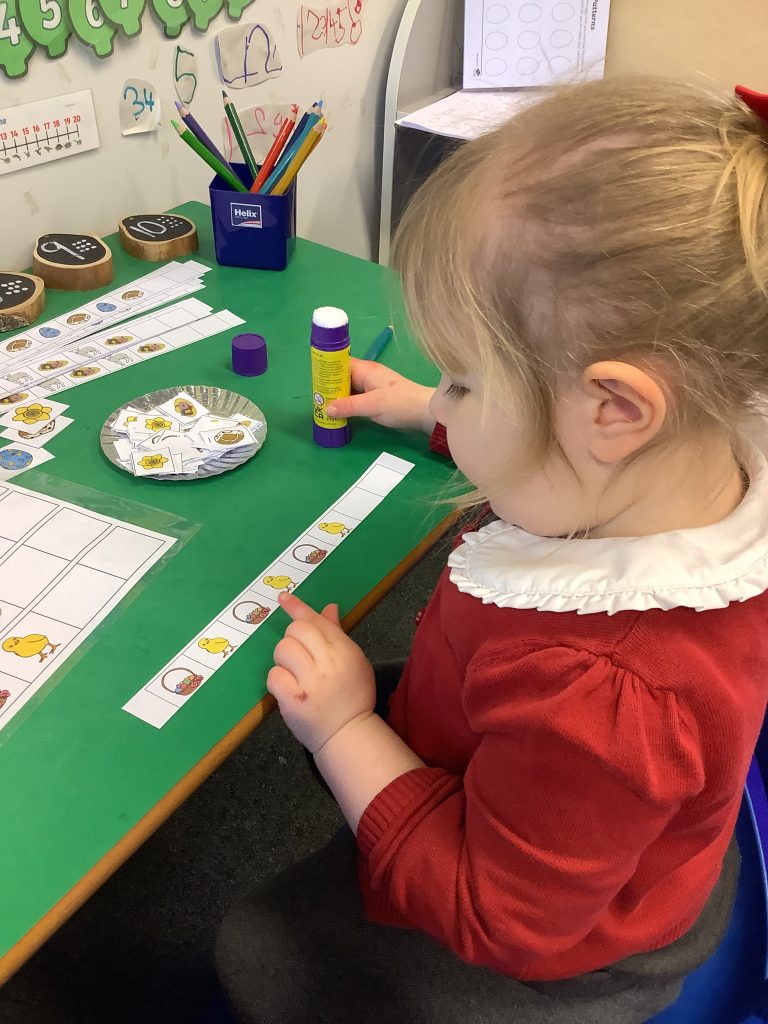
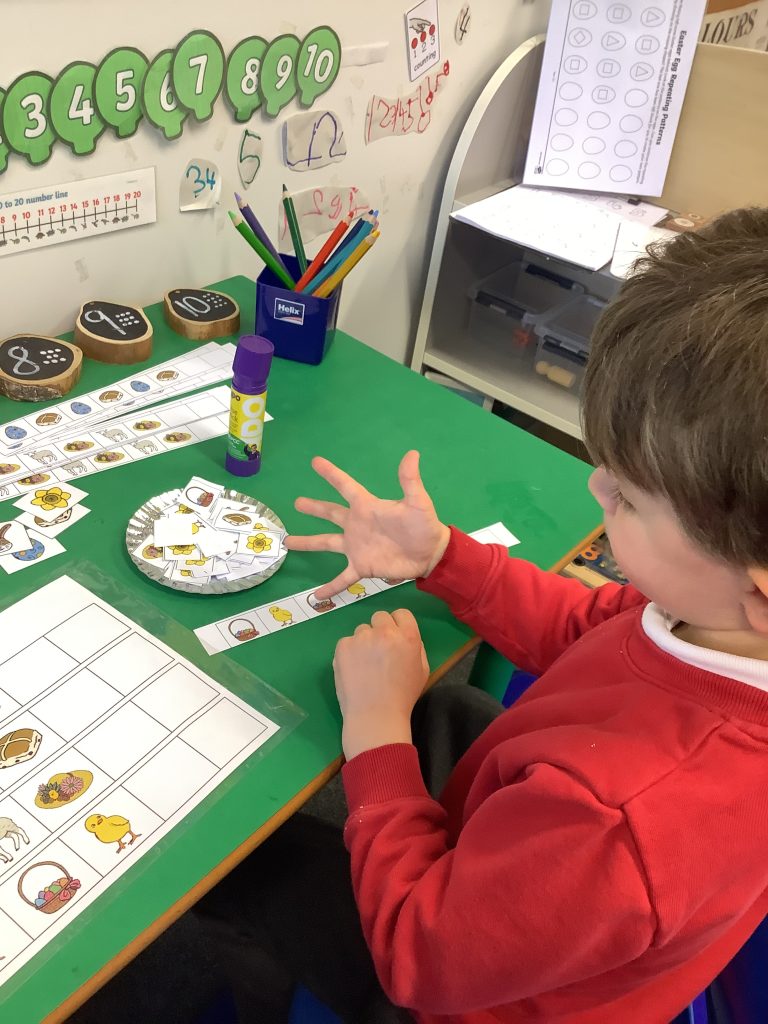
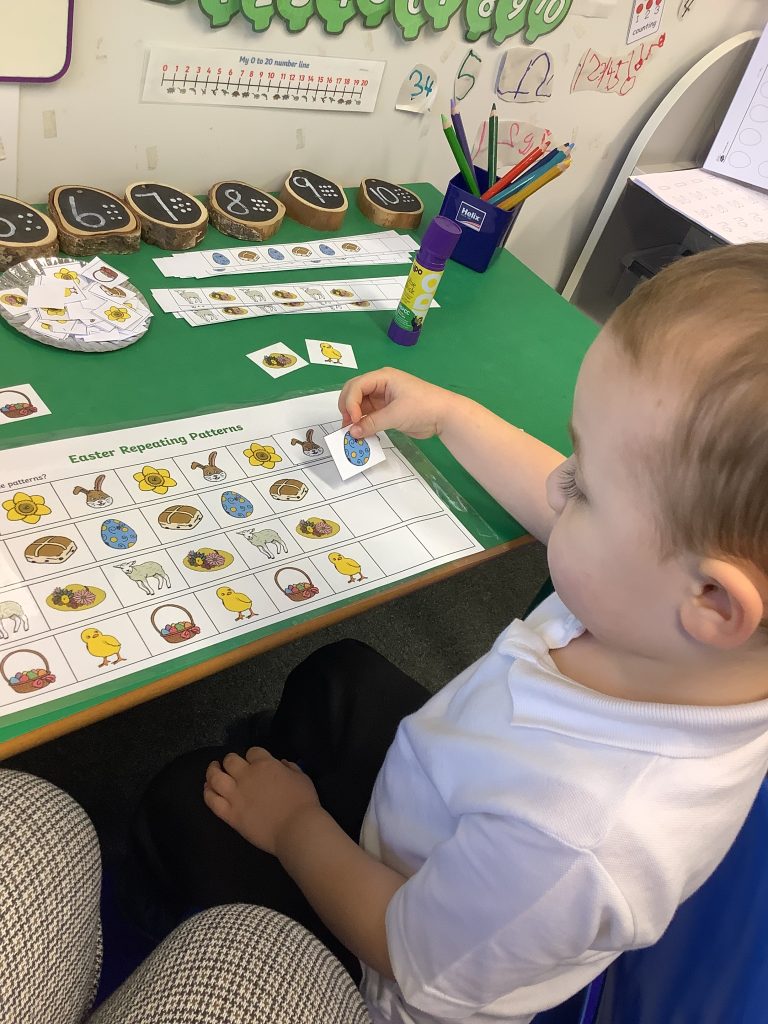
Our maths work also centred around traditional Easter and new life last week too as the children recapped on repeating patterns using traditional pictures and baby animals.

A Visit from the School Nursing Team

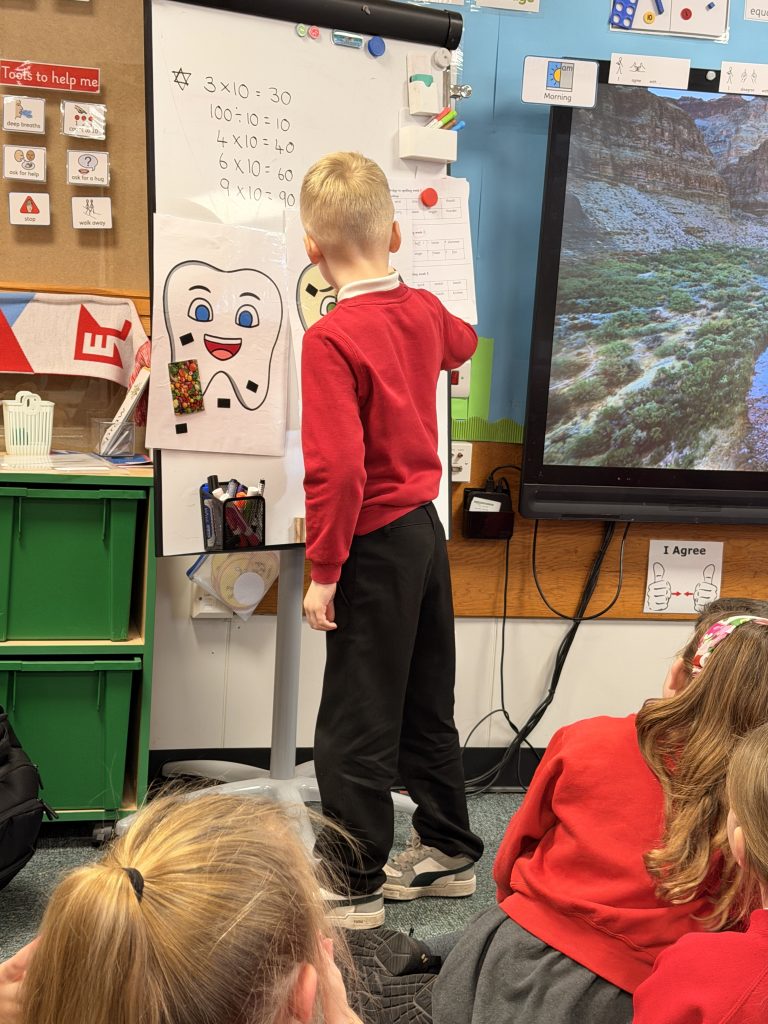
This morning, we were lucky to welcome the School Nursing Team into school for a special visit. They helped us learn all about what school nurses do and how they support children to stay healthy and well.

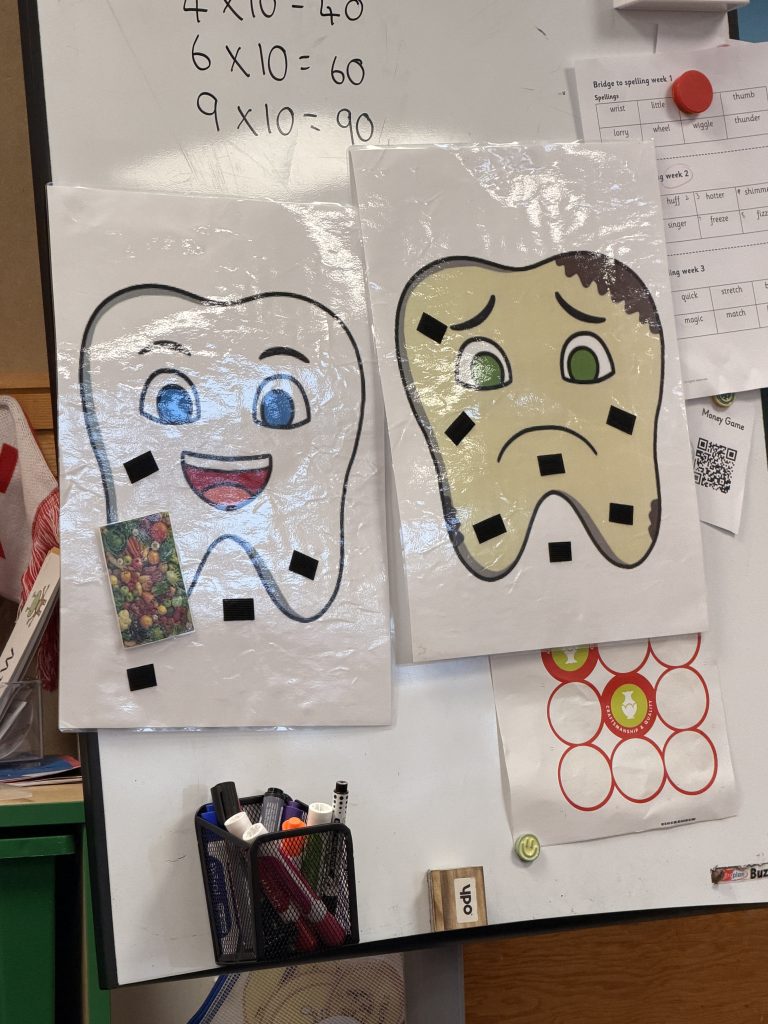
We spent time learning about our teeth, what their job is, and why they are so important. The children talked about how we can take the best care of our teeth, including brushing twice a day, choosing healthy foods, and visiting the dentist.

It was a really engaging session, with lots of great questions and thoughtful contributions from the children. A big thank you to the School Nursing Team for helping us learn how to look after our bodies and build healthy habits for the future. 🦷✨

“Heal the World… Make it a better place”.

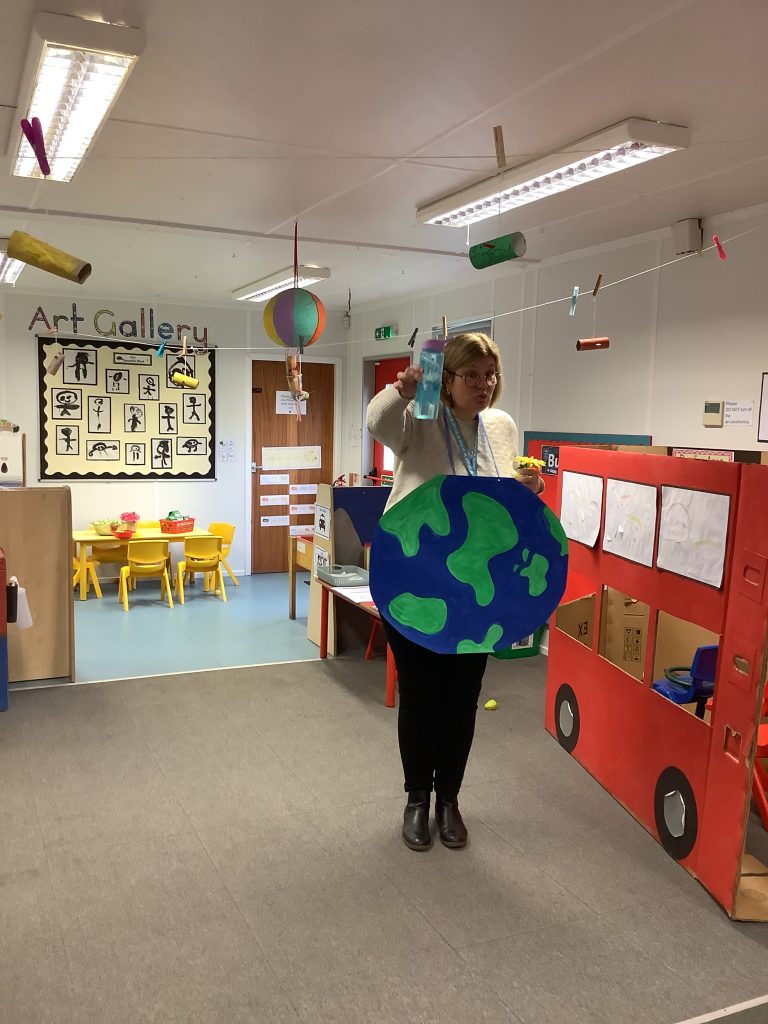
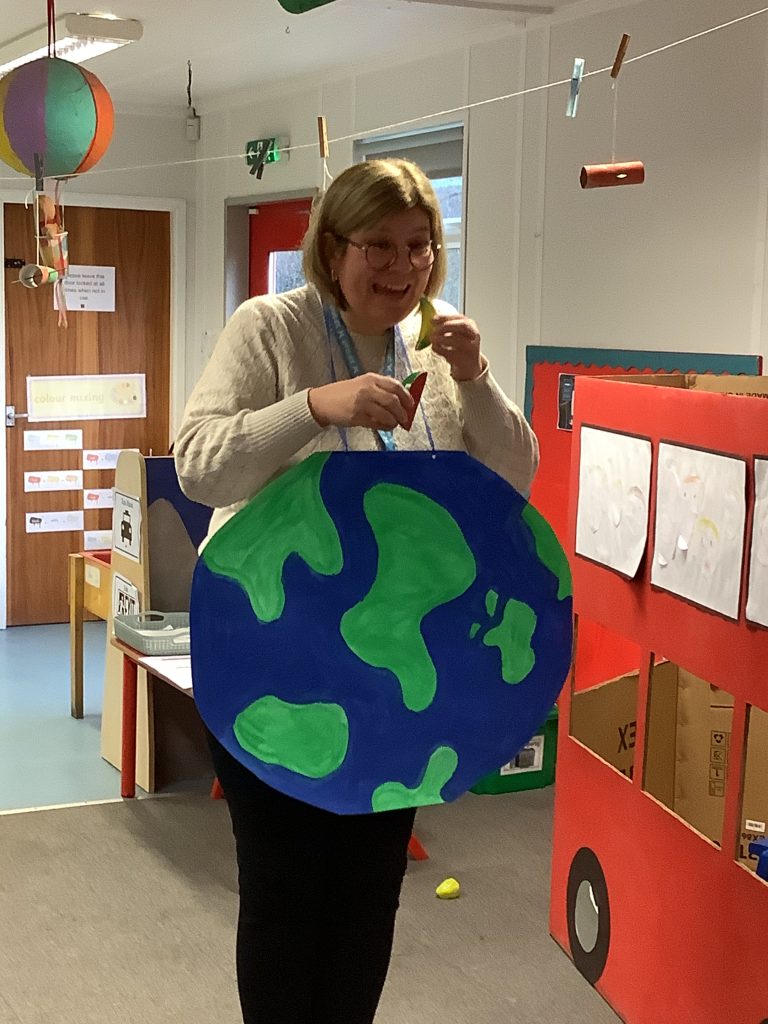
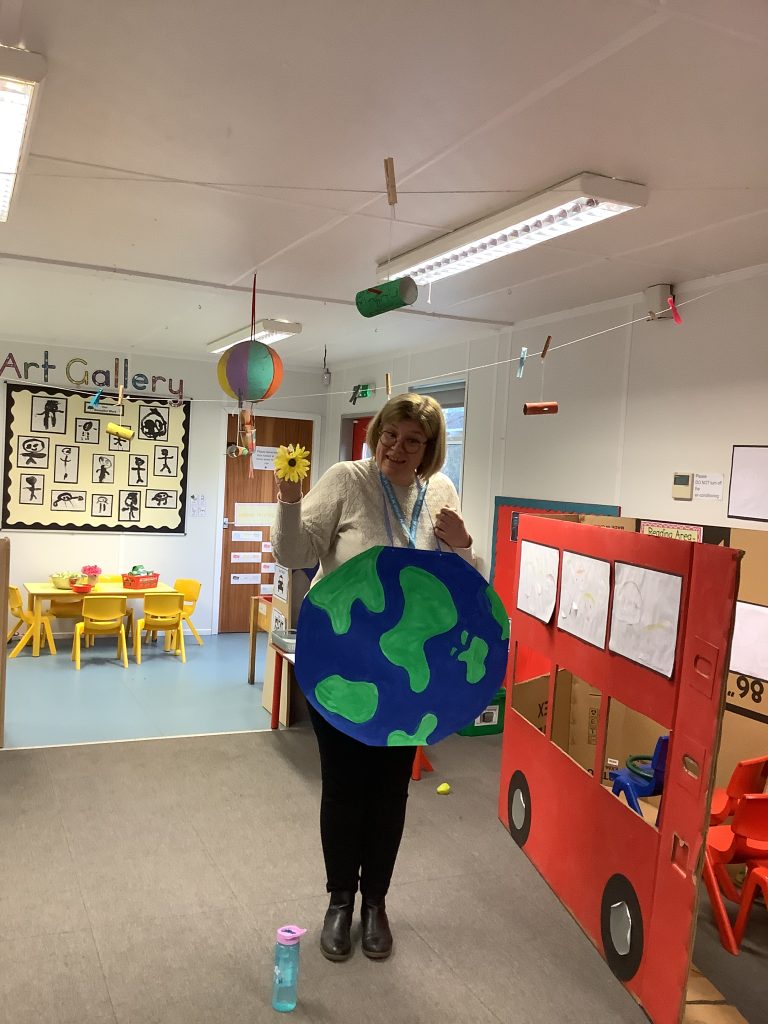
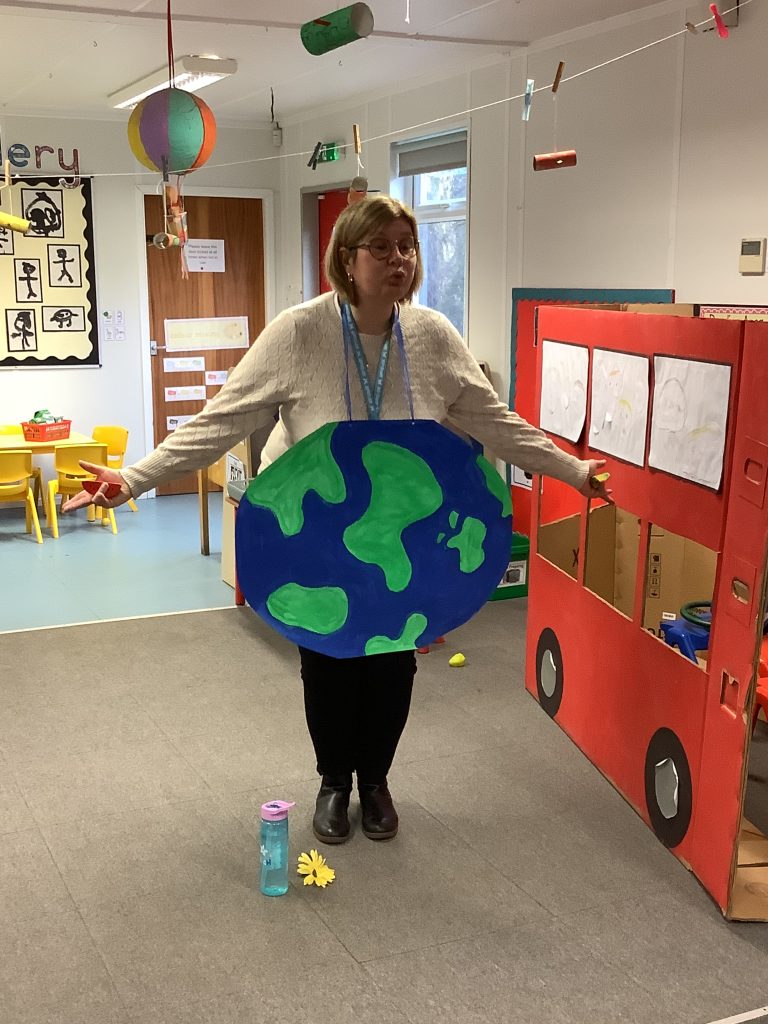
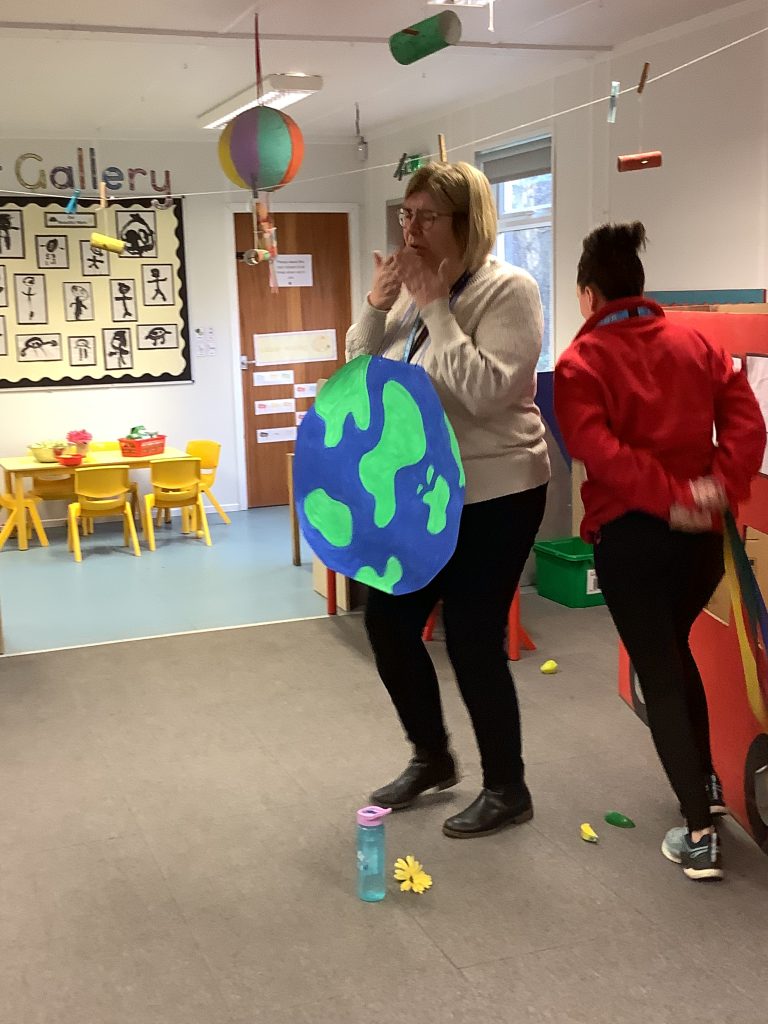
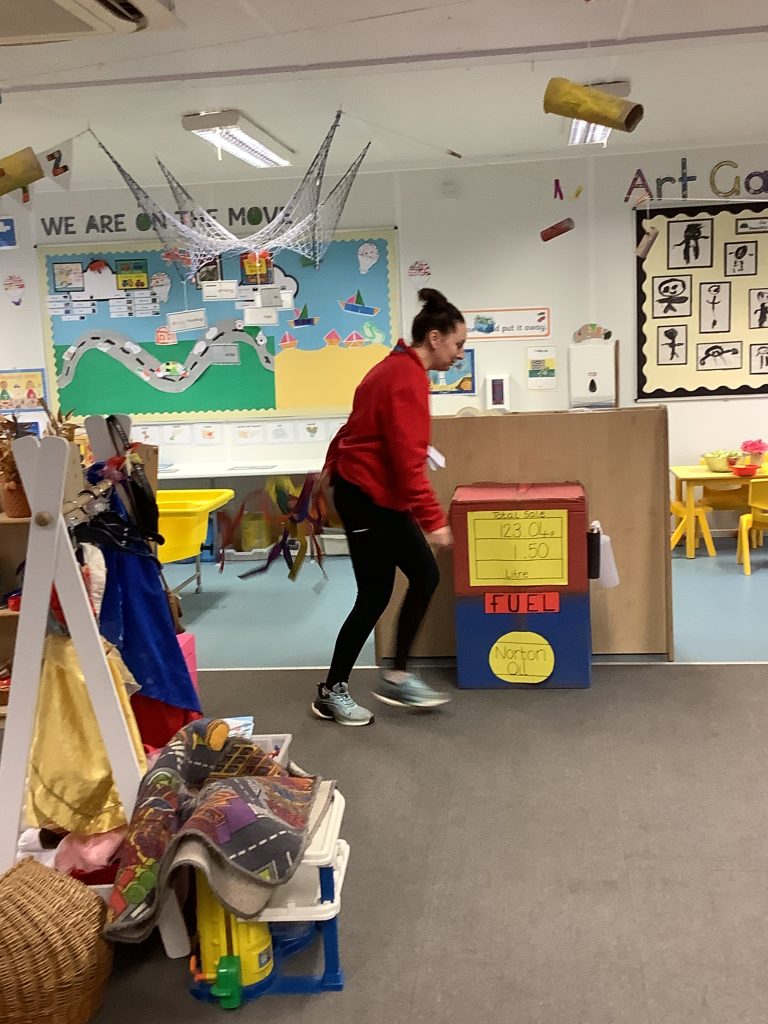
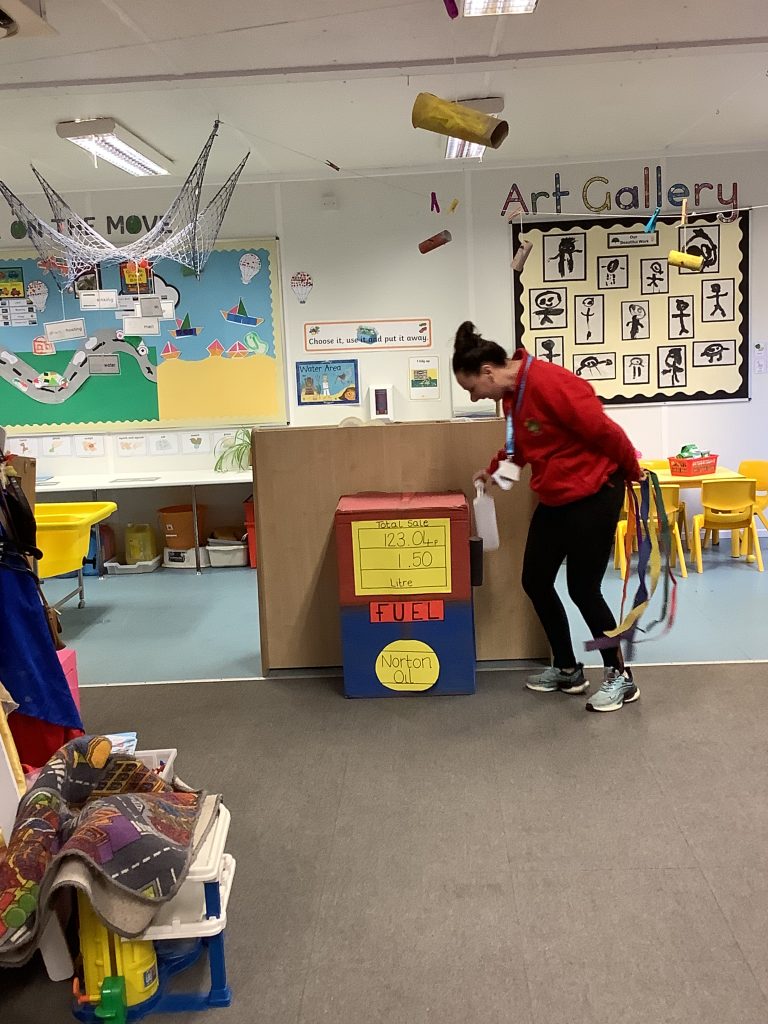
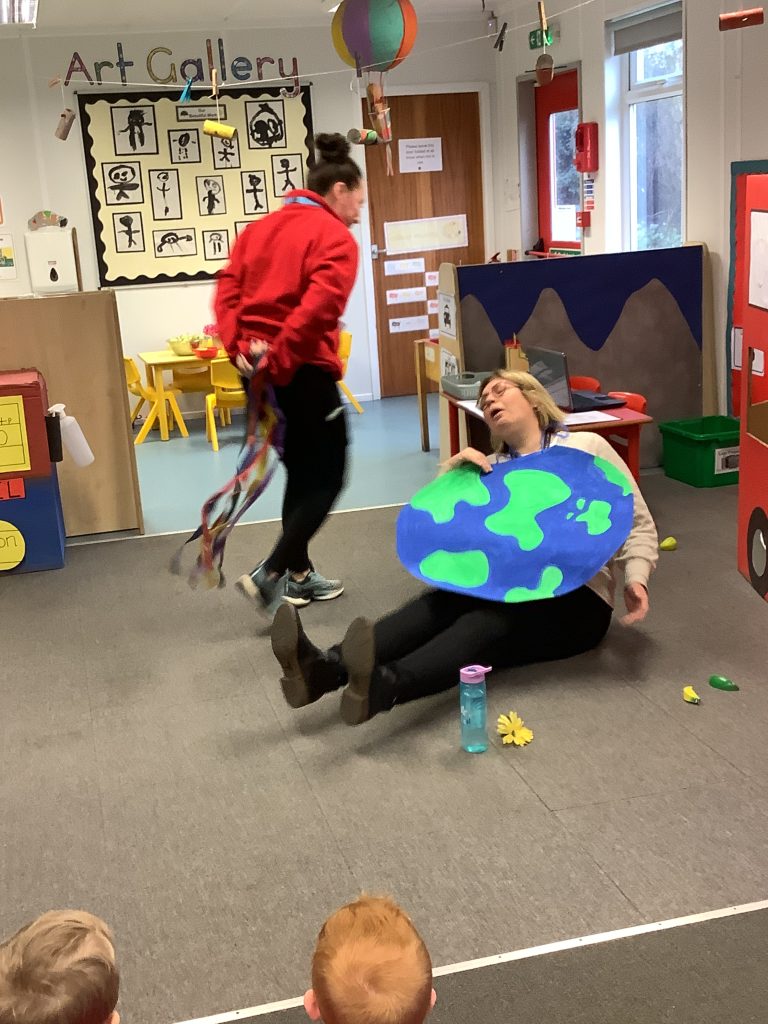
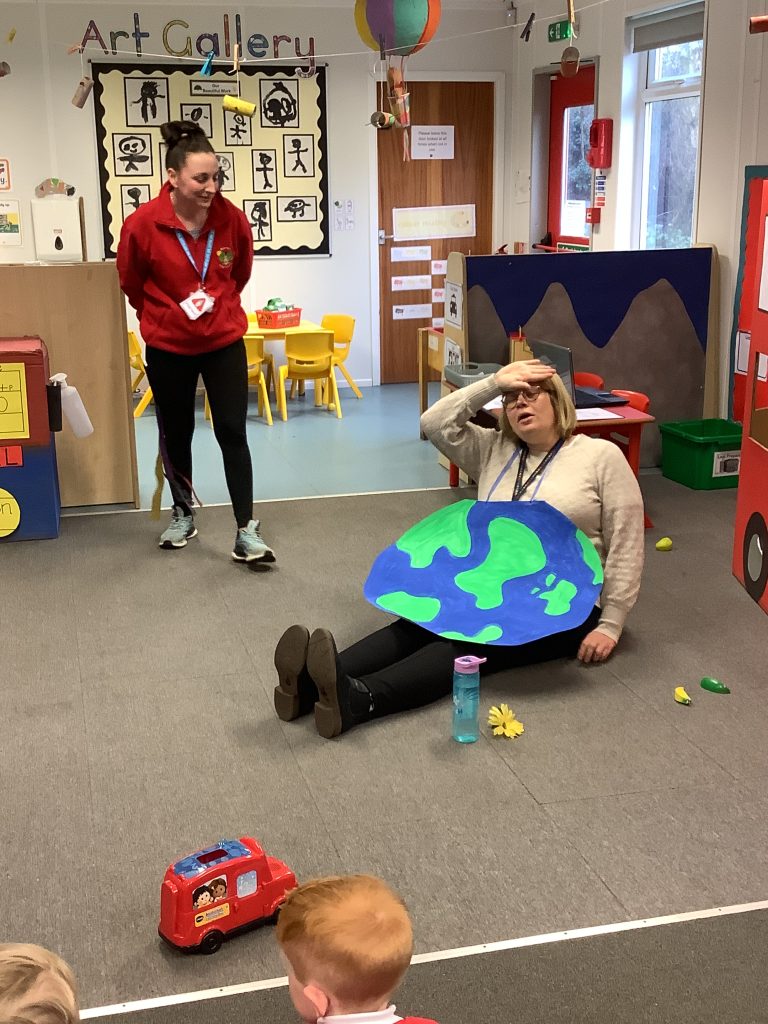
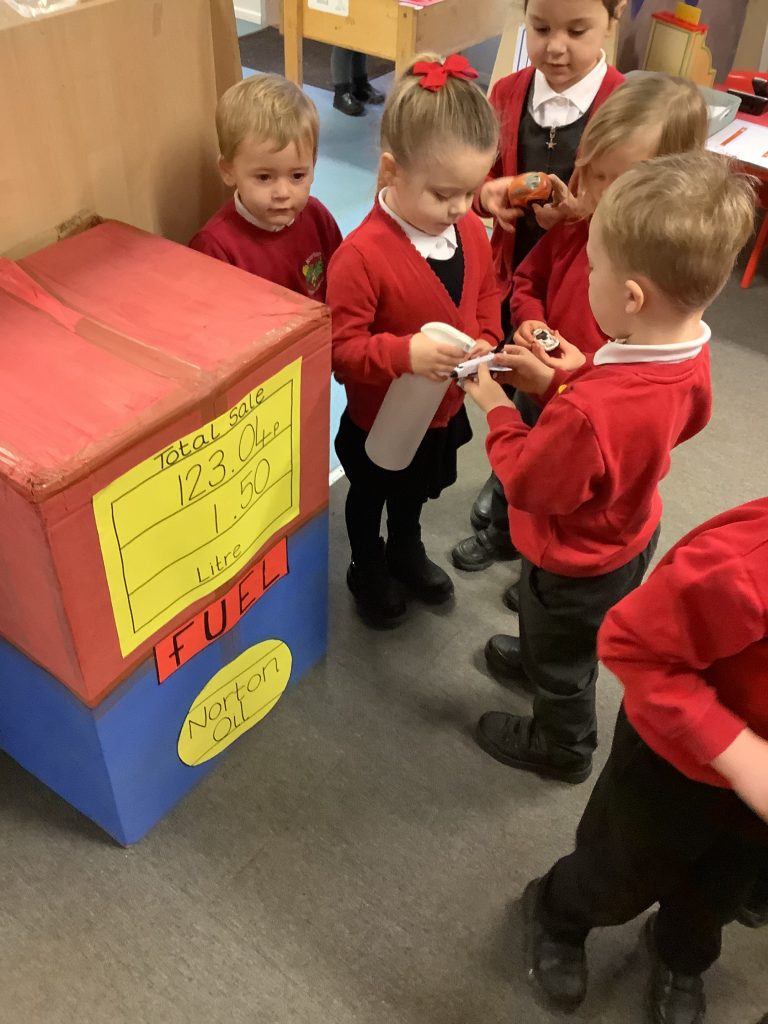
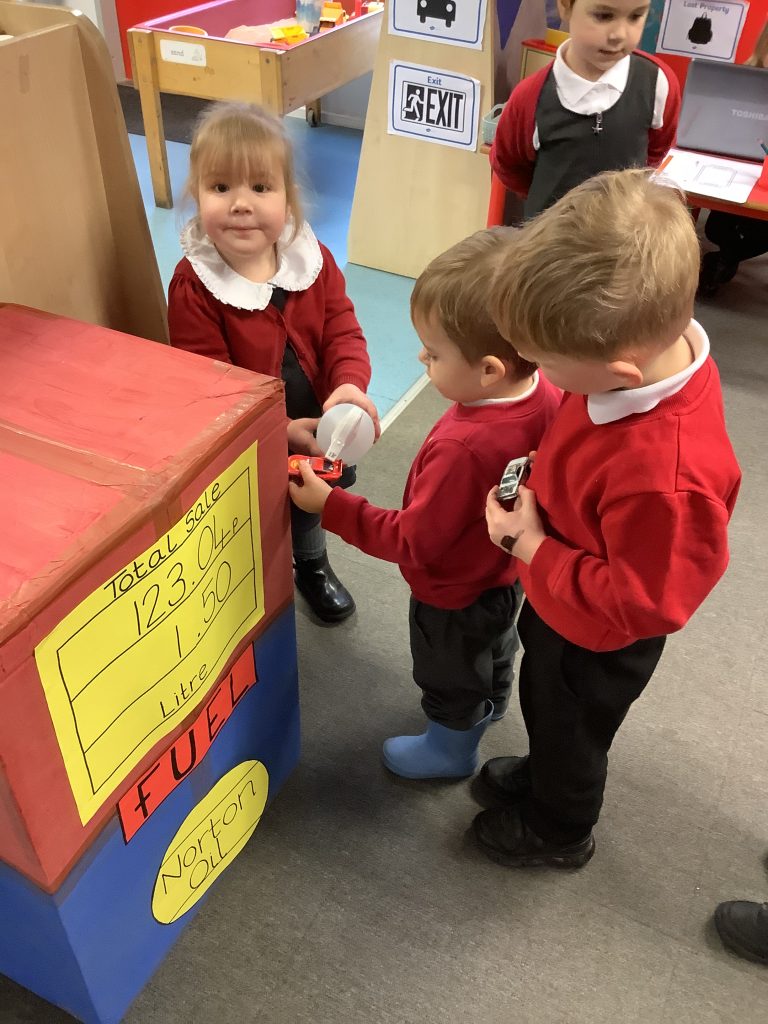
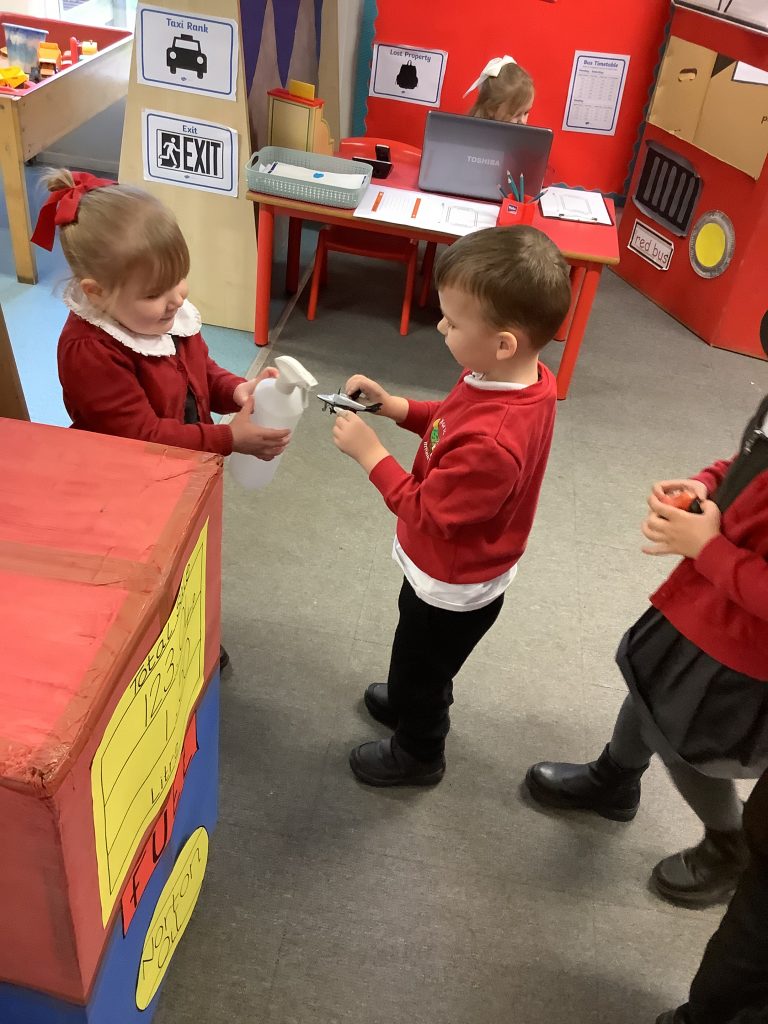
Yesterday Nursery were hooked into learning for our second case study, How Can we power our vehicles without damaging our world? Through the medium of role play. Nursery staff pretended to be planet earth and a car. The Earth explained to the children, all of the wonderful things that it gives to help us and animals live happy lives including; water, air and food.

Then along came a car, with its polluting clouds of fumes and smoke! It refuelled at the petrol station and was busy tootling around creating more and more pollution.

Sadly all of the cars smoke and fumes began to make the earth poorly…

The driver of the car, then stopped to think about how they could make a small change to help make a difference to the world and help the world to get better and for us to have cleaner air… By walking to places more.

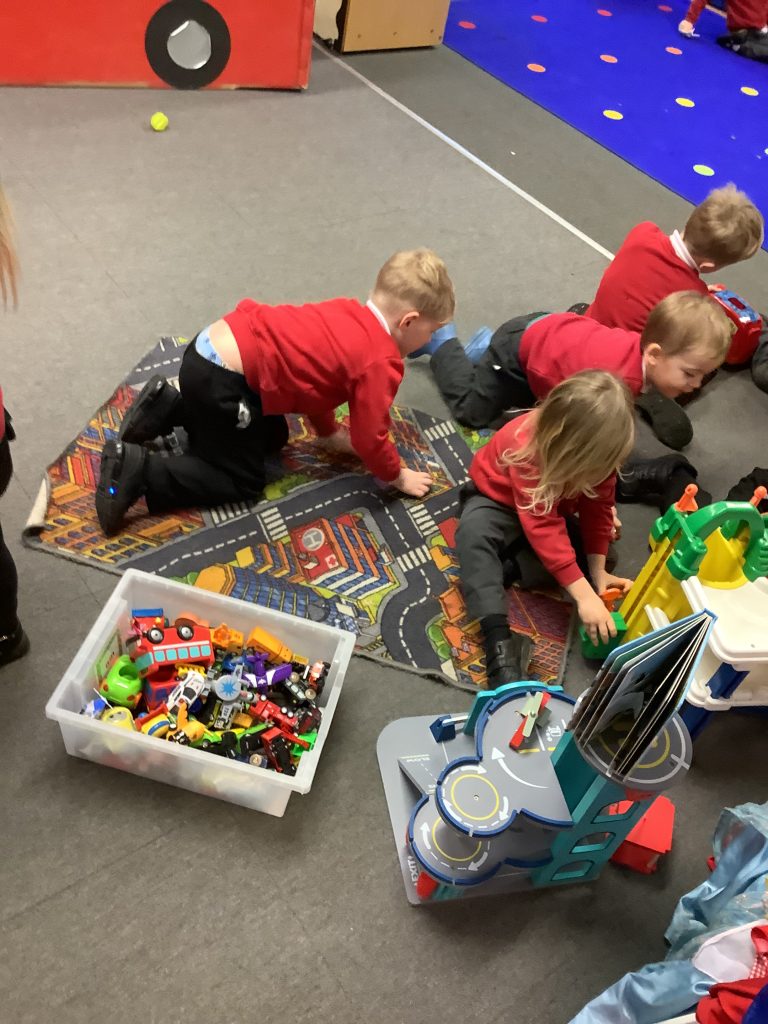
The children were so immersed in the roleplay, that they continued the role play in their free flow play, thinking about the fuels we use to power our vehicles and which vehicles used fuel to make them work? They talked about “diesel”, “petrol” and “electric” cars.

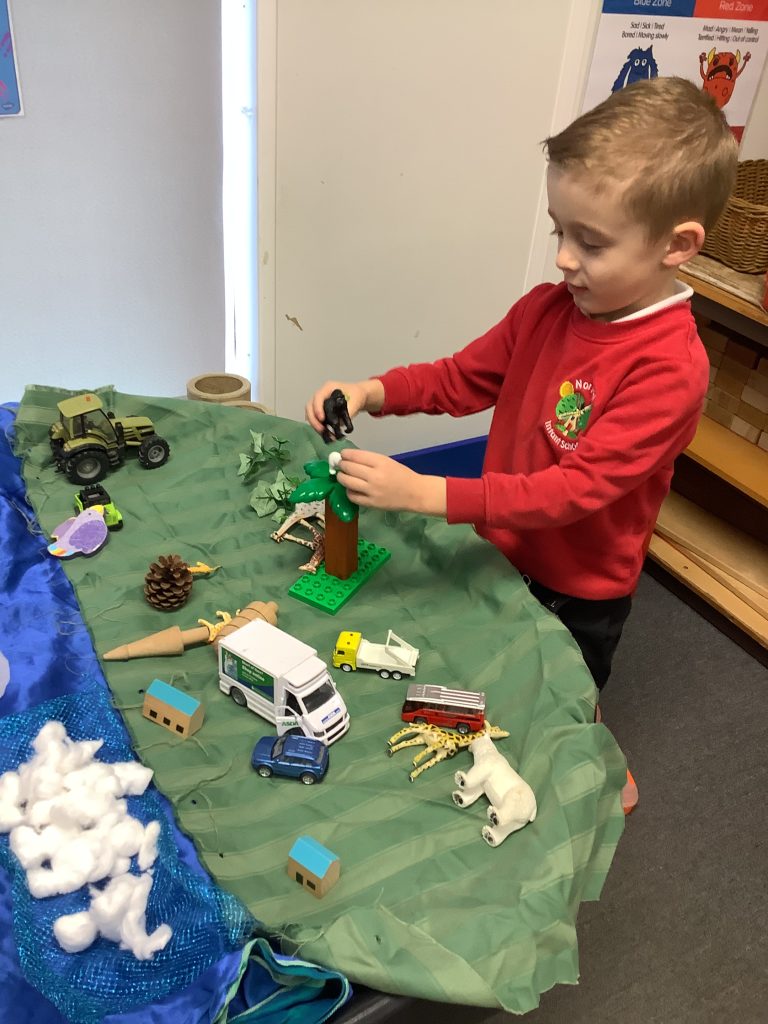
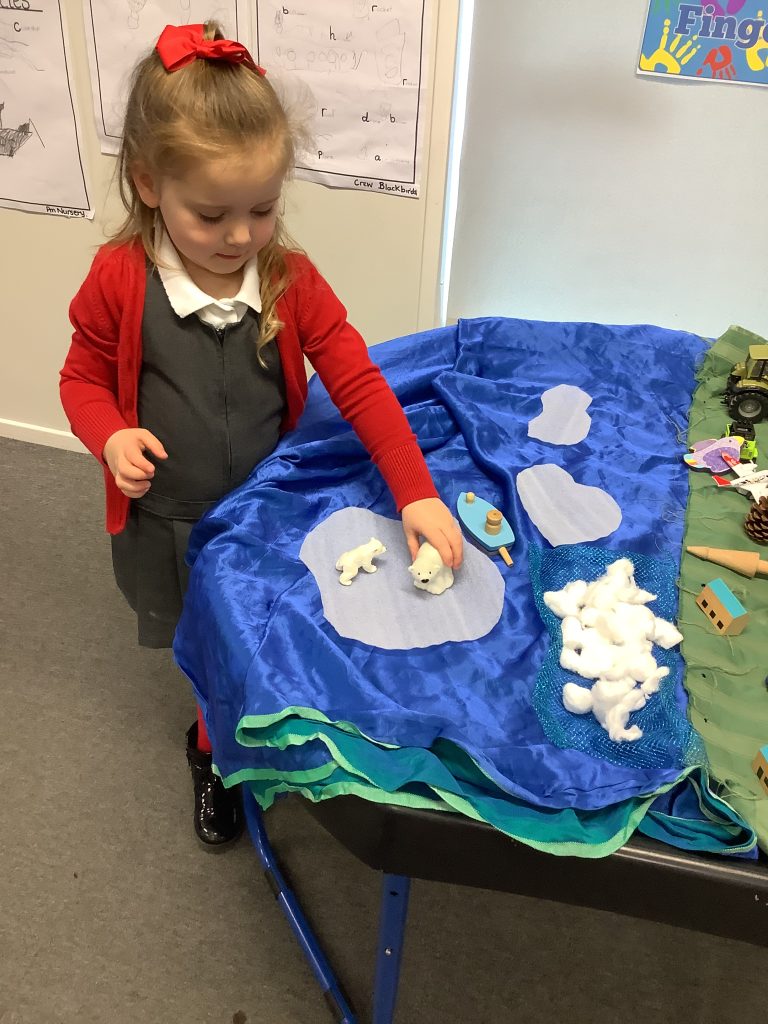
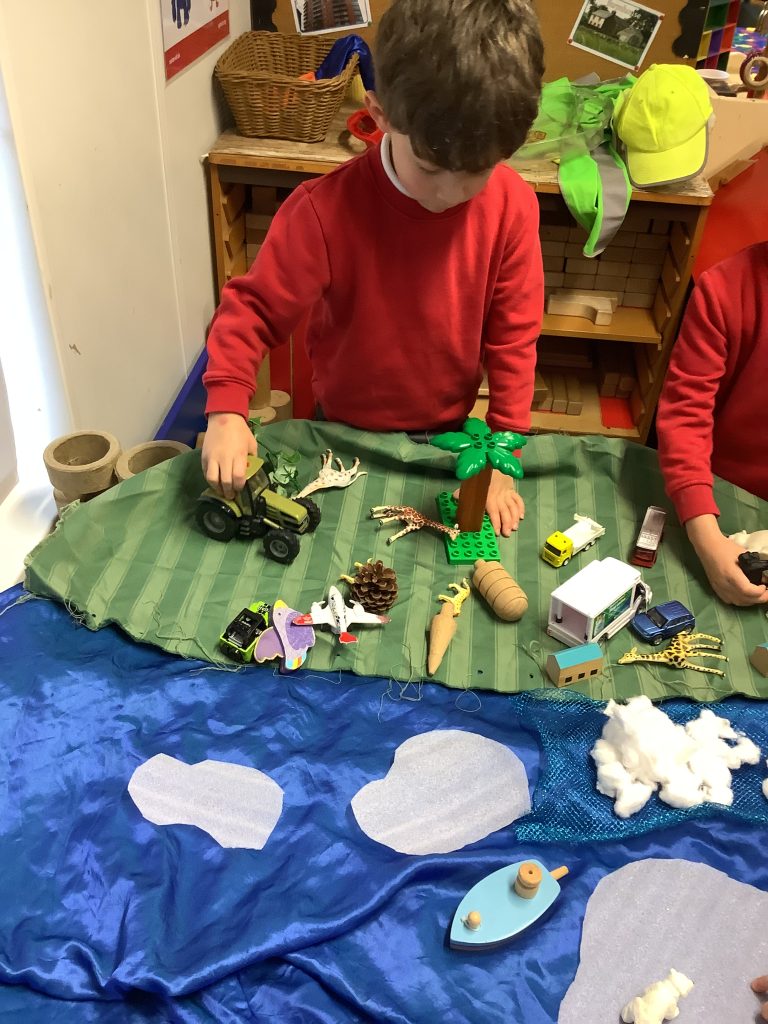
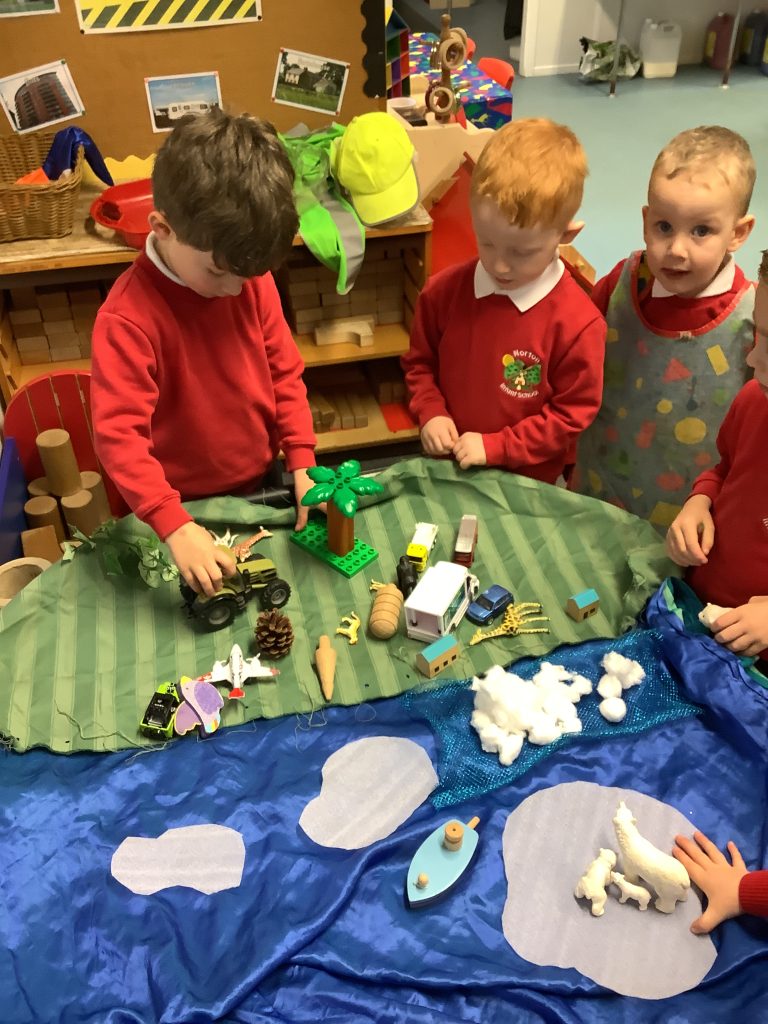
This week the children are also exploring a pollution play tray linked to our thoughts of saving the earth. They have began to explore what happens to the rainforests by large vehicles causing deforestation and how the warming gases and fumes make the ice caps melt that the polar bears live on.

Nursery have been inspired to think of small changes and little ways in which we can help, through our key text “Please Help Planet Earth” a Ladybird eco book. We have found that we can turn off taps, save electricity by turning off lights when we’re out of a room, we can recycle rubbish and place all rubbish in bins, we can plant flowers for the bees and butterflies, we can grow our own vegetables to save the rainforests from being turned into farms, we can help to feed the birds and most importantly we can walk to more places or take a bus or a train to help keep pollution fumes lower. Beautiful work Nursery!

Becoming Scientists in the Classroom

This week, the classroom has been full of excitement as the children began exploring our new science case study through practical, hands-on learning experiences.

Yesterday, the children worked collaboratively in their groups to make their own batches of play dough. Some mixtures were more successful than others, but every group had plenty of fun experimenting, problem-solving, and learning along the way. Today, we built on this by exploring how we can change the shape of our play dough, transforming it into a variety of different objects by twisting, rolling squashing and stretching.

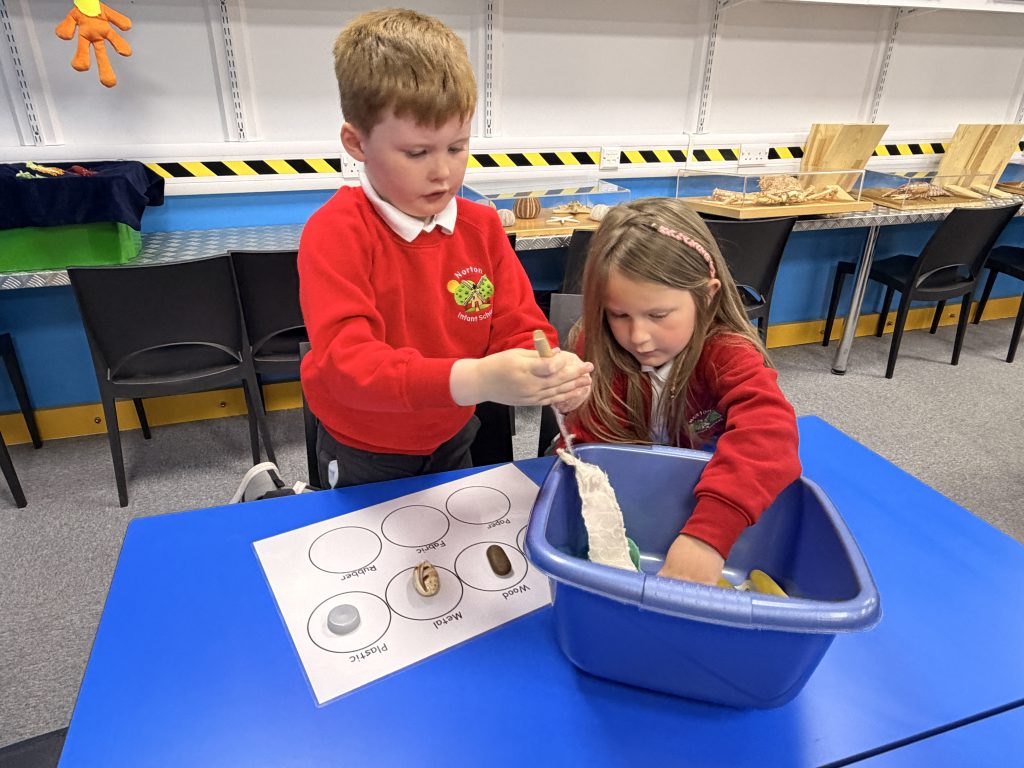
Alongside this, we have been investigating a range of other materials. The children have really impressed me with how quickly they are picking up and confidently using scientific vocabulary to describe the properties of materials. Words such as hard, smooth, see-through, waterproof, bendy, and rough are already becoming part of their everyday discussions and they have been using these properties to group materials.

It has been wonderful to see their curiosity, teamwork, and growing confidence as young scientists as they explore, experiment, and ask thoughtful questions about the world around them.

Thinking Like Scientists

This week, we discovered that for one of our case studies we are going to be scientists — and we wasted no time getting started!

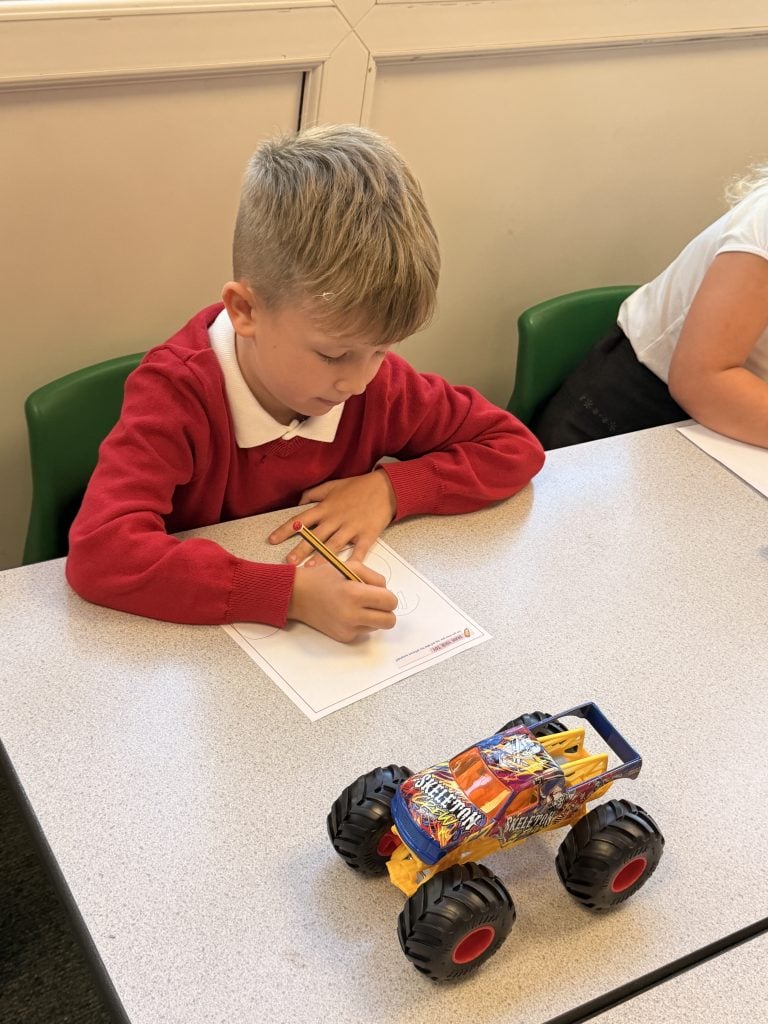
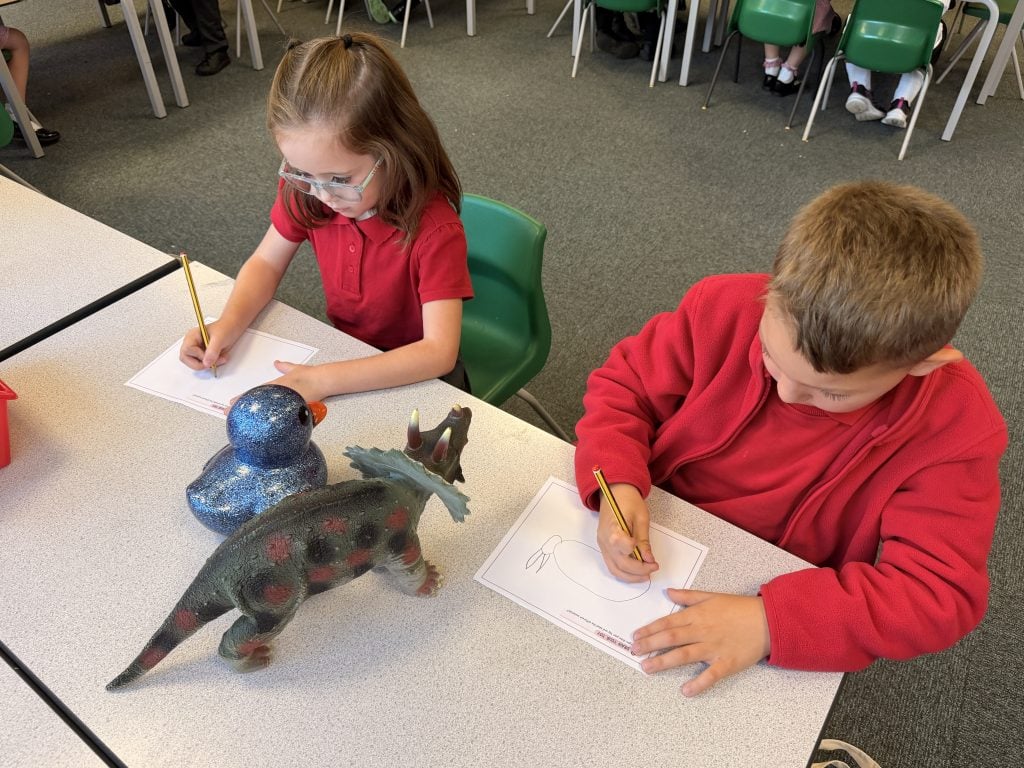
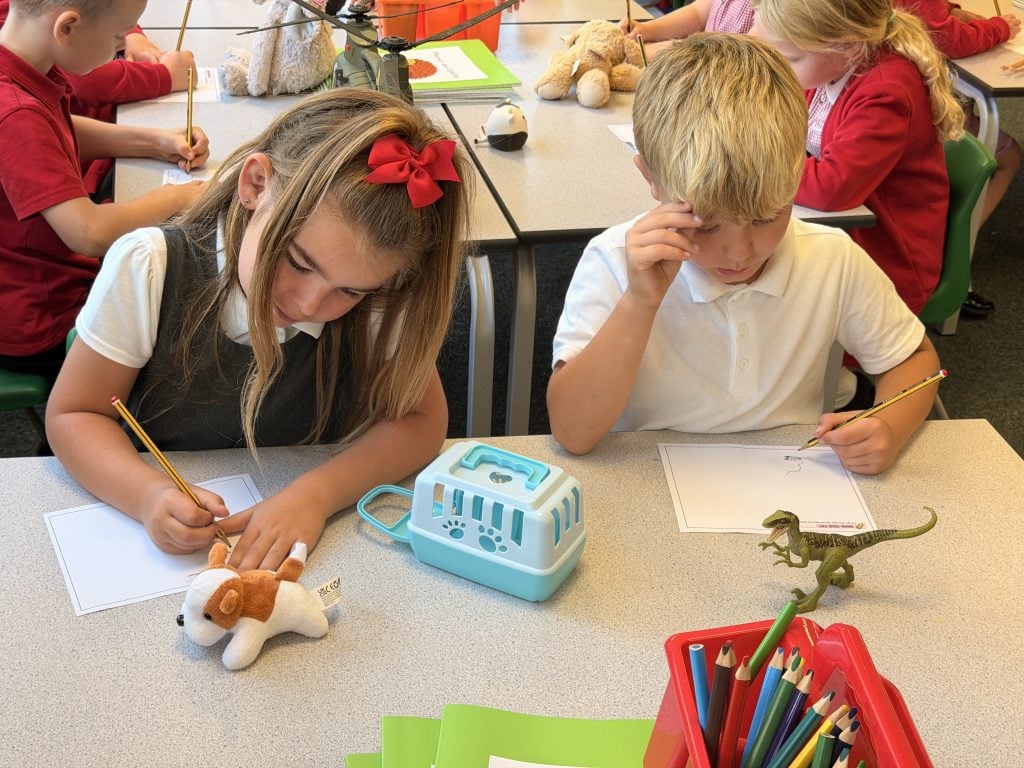
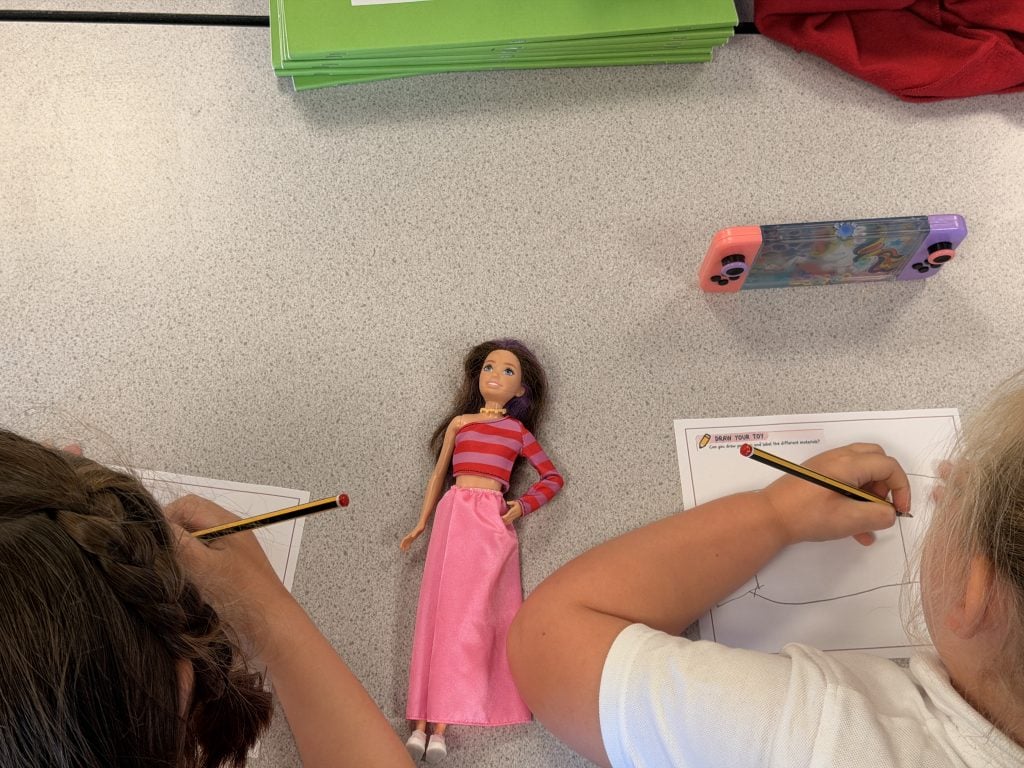
Yesterday, the children took part in a materials carousel, exploring a range of different materials. We focused on developing scientific vocabulary and identifying key properties such as hard, flexible, waterproof and smooth. The children handled each material carefully, talked about what they noticed and began to explain why different materials are suitable for different purposes.

Today, we applied that learning in a more practical way. Working together, the children explored a variety of different games, thinking carefully about what materials they were made from and why those materials had been chosen. There was lots of thoughtful discussion as children justified their ideas using the scientific vocabulary they had been learning.

Class Five don’t know it yet, but all of this research is going to play a really important role in our next expedition — and in shaping our final product. An exciting start to our scientific journey!

What is our world made of?

Today, our Year 2 children launched their new expedition, with an exciting, hands-on science afternoon.

We began with a story called The Little House Made of Everything, which helped children think about the different materials used in buildings and everyday objects. As we explored the house together, children discussed why walls are made from brick, why windows are made from glass, and what might happen if a house was made from just one material.

The children then took part in a Feel and Describe activity, where they explored a range of everyday materials including wood, plastic, metal, glass, rock and card. Using their sense of touch, they described how each material felt, using words such as hardsoftsmooth and rough.

Another activity challenged children to find out whether materials could change shape. They tested materials by squashing, bending, twisting and stretching them, and talked about which materials changed easily and which stayed the same.

One of the highlights was our Build a Job challenge. Children looked at real-life photos of houses, bridges, chairs and windows and decided which material would be best for each job. They shared their ideas confidently, explaining their choices using scientific language and clear reasoning.

To finish the afternoon, children explored their own classroom, identifying objects and naming the materials they were made from. This helped them connect their science learning to the place where they belong every day.

It was a fantastic start to our expedition — full of curiosity, thoughtful talk and hands-on learning. We’re excited to keep building on this as we continue to explore our community and the world around us.