Why is the seaside such a special place?

Last week Nursery began exploring and investigating their final case study, Why is the seaside such a special place? We began by reading our key text, “Look what I found at the seaside”. This was an age appropriate non fiction text that delved into all of the natural elements and fun that could be explored at the seaside, through a short story and supporting facts with exciting illustrations to engage the children. They thought carefully about what their experiences of the seaside have been and each child spoke about why the seaside is a special place to them and their families. Their answers were scribed into a speech bubble for them.

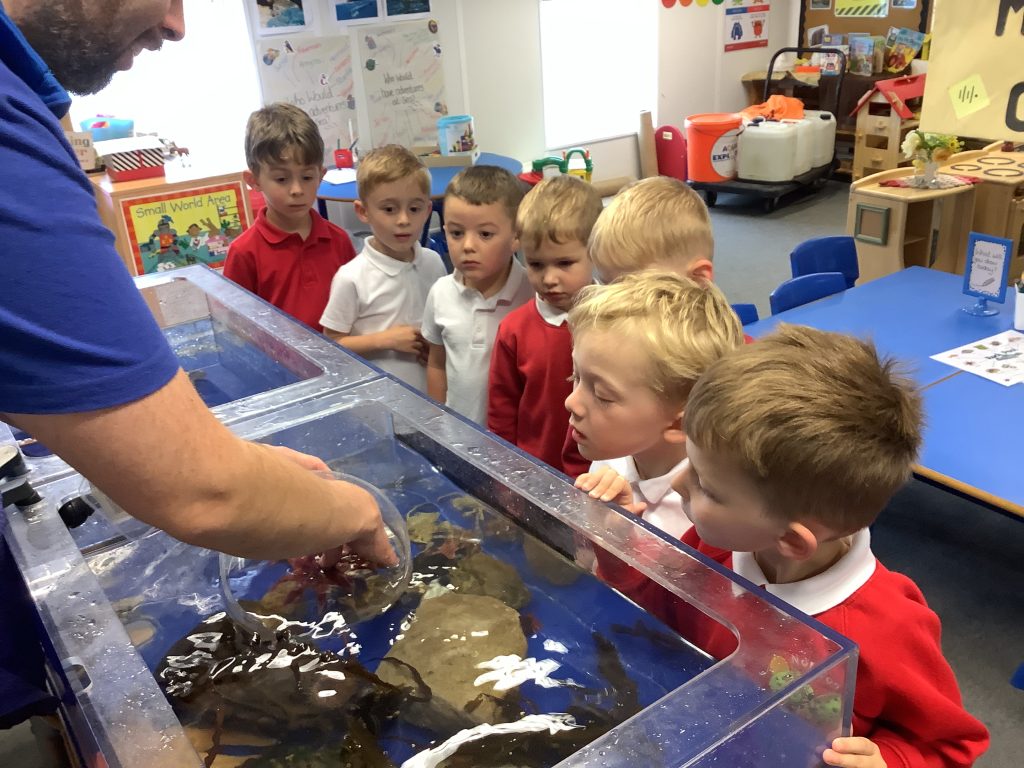
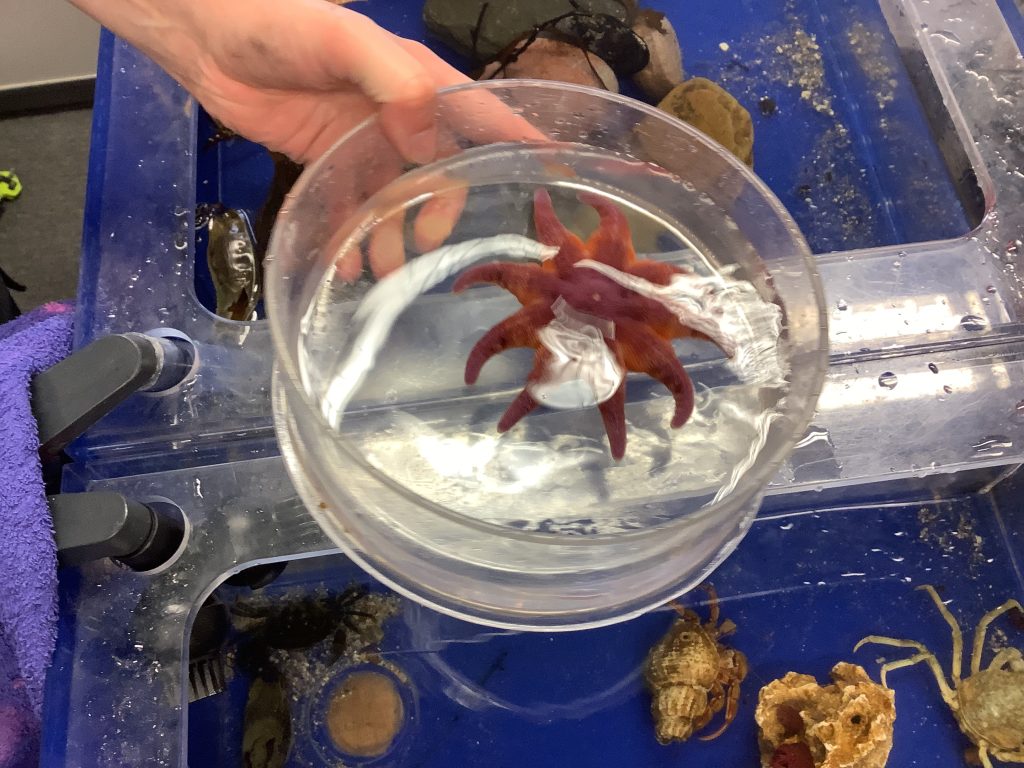
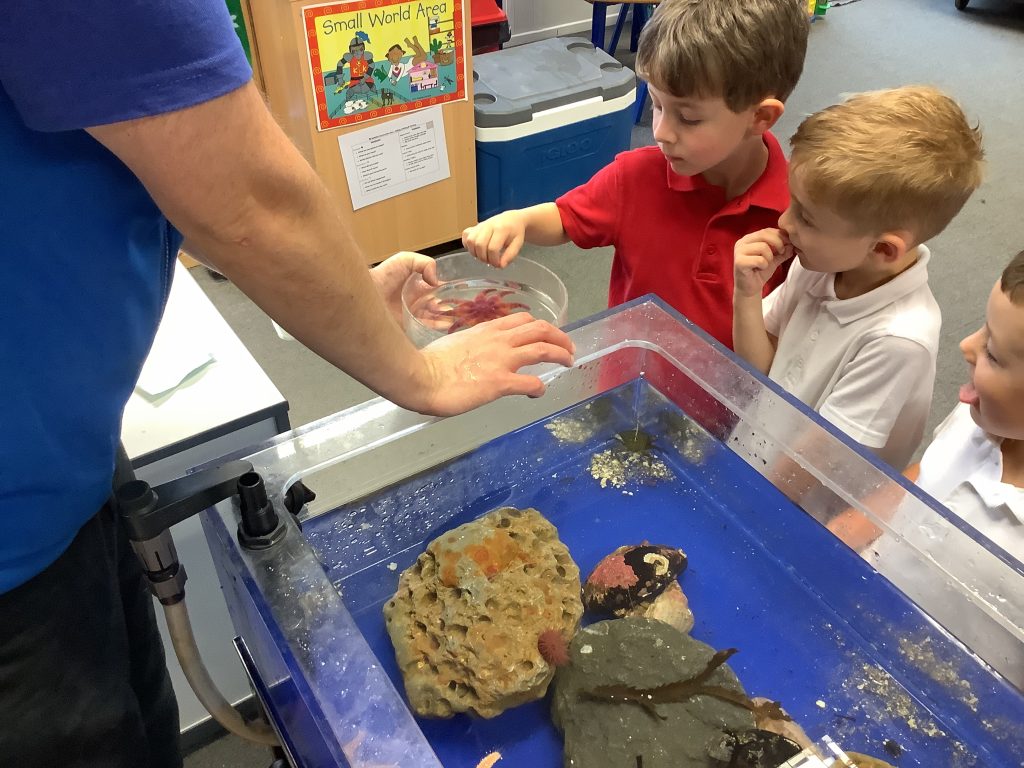
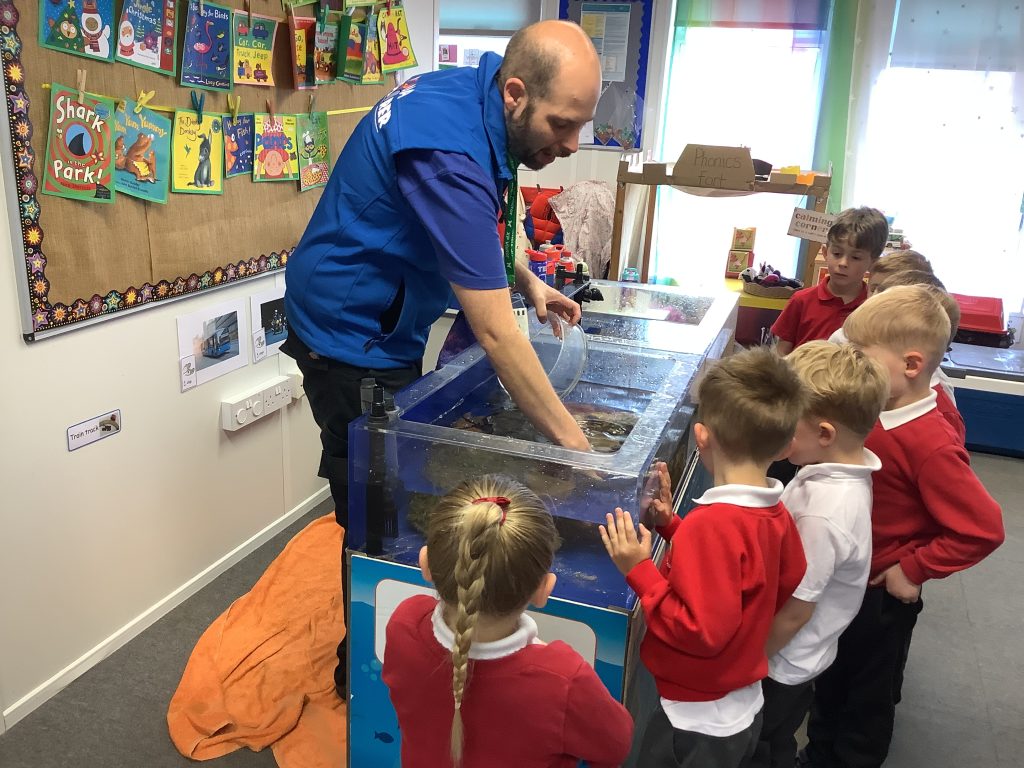
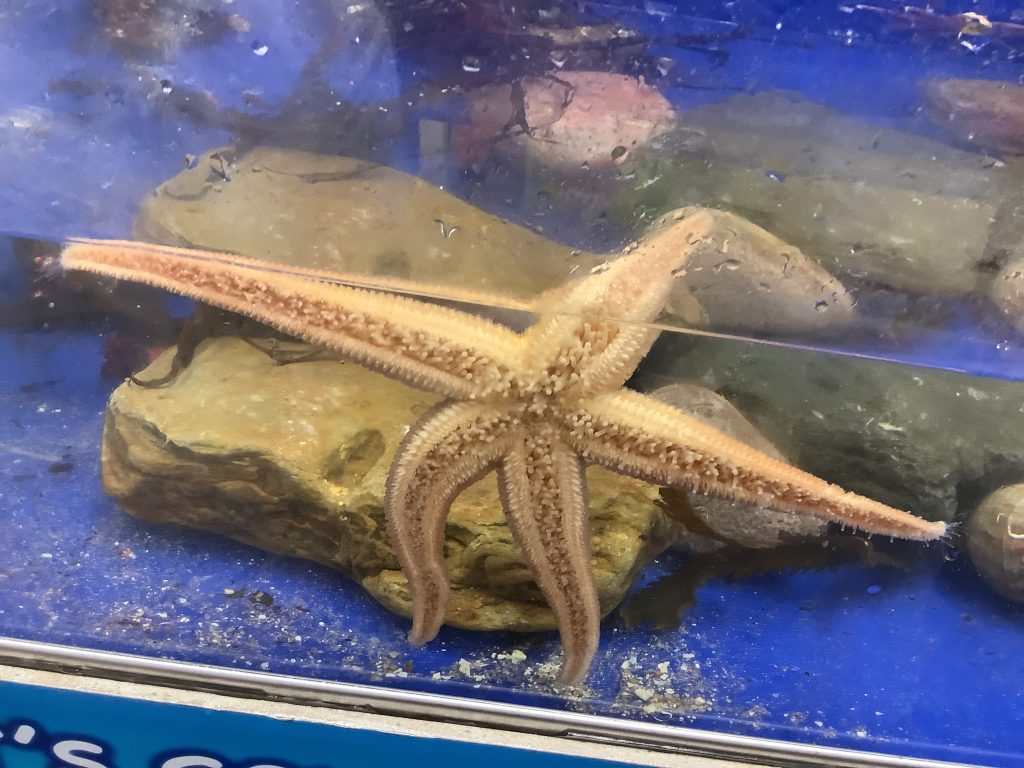
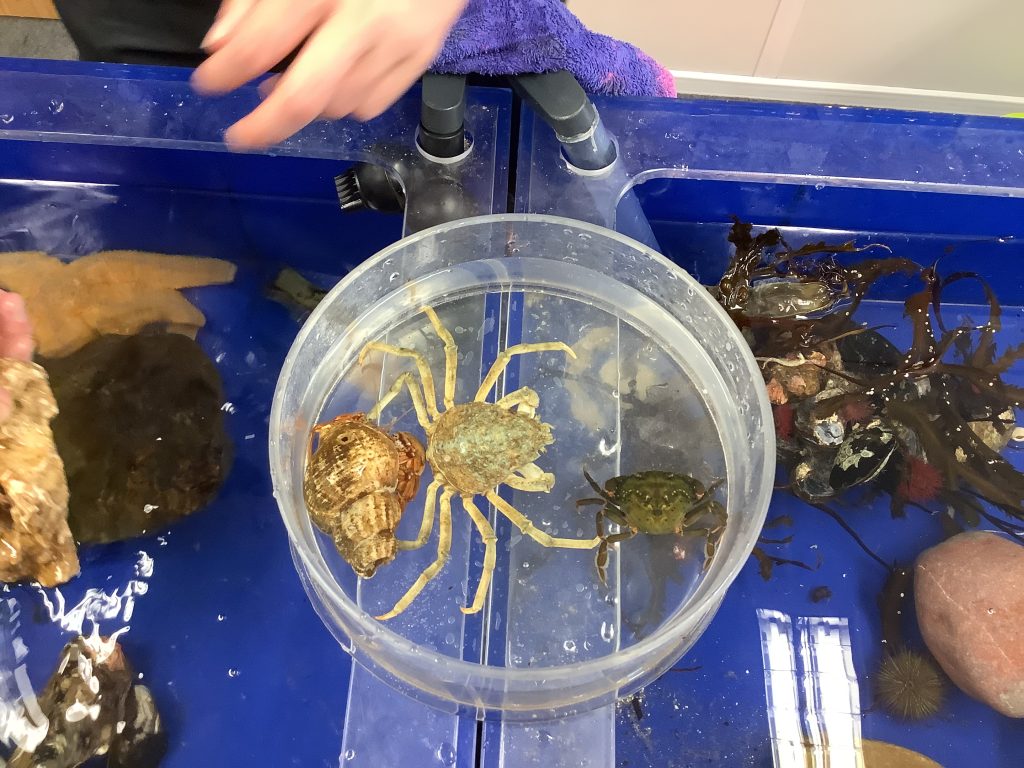
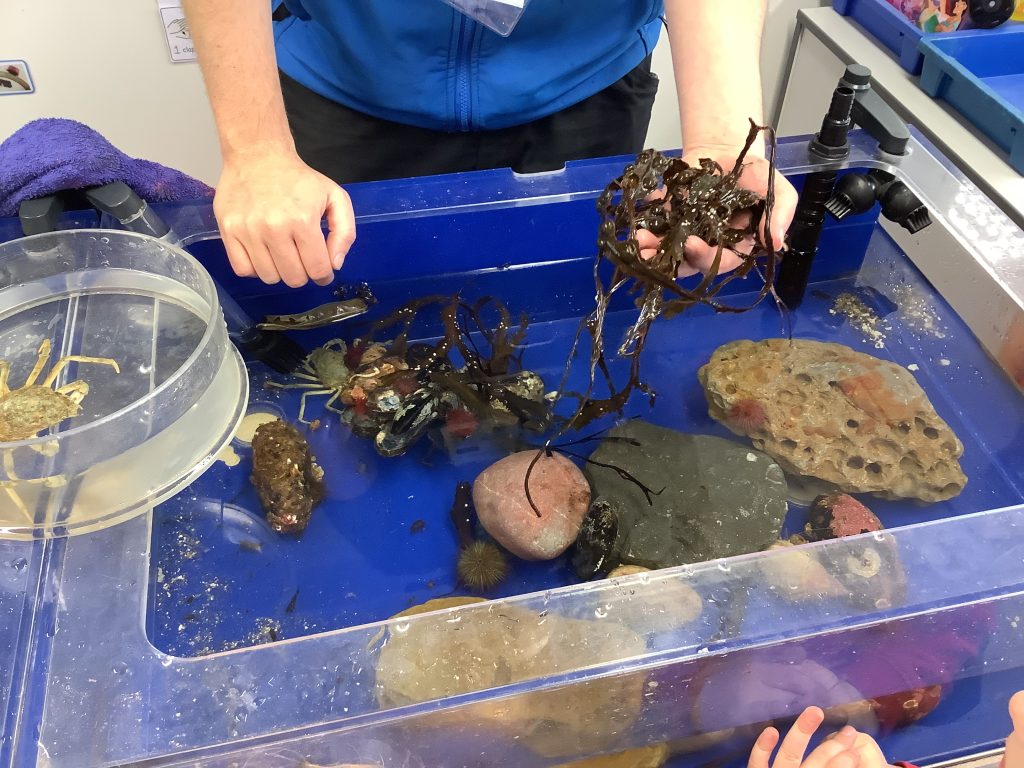
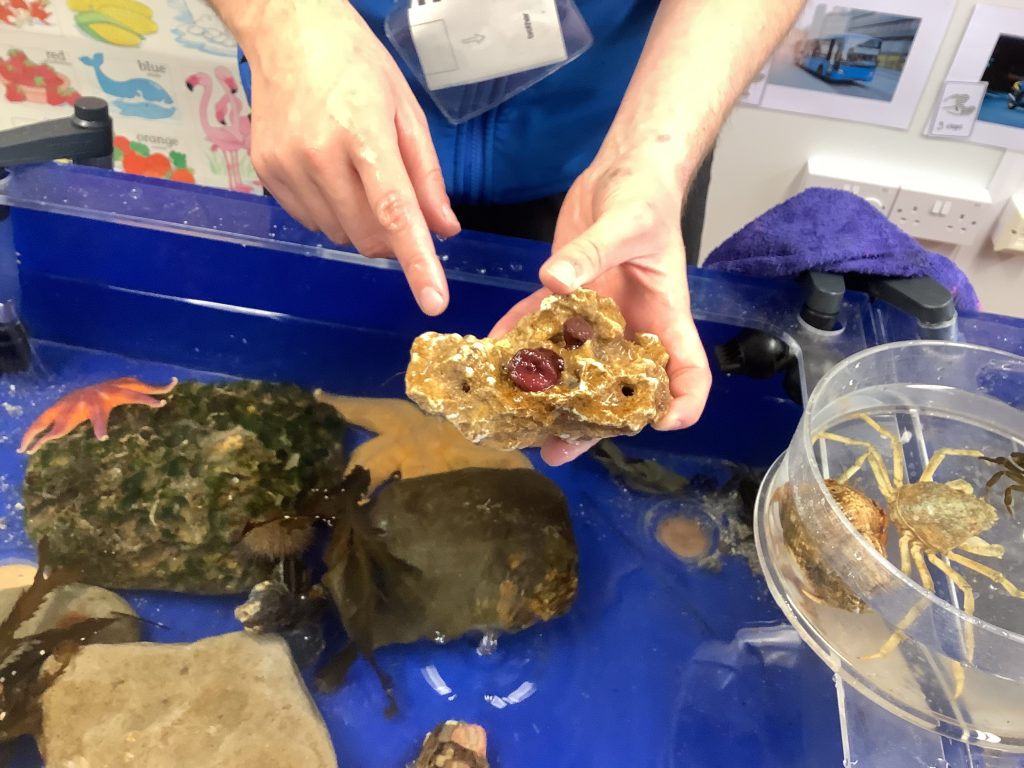
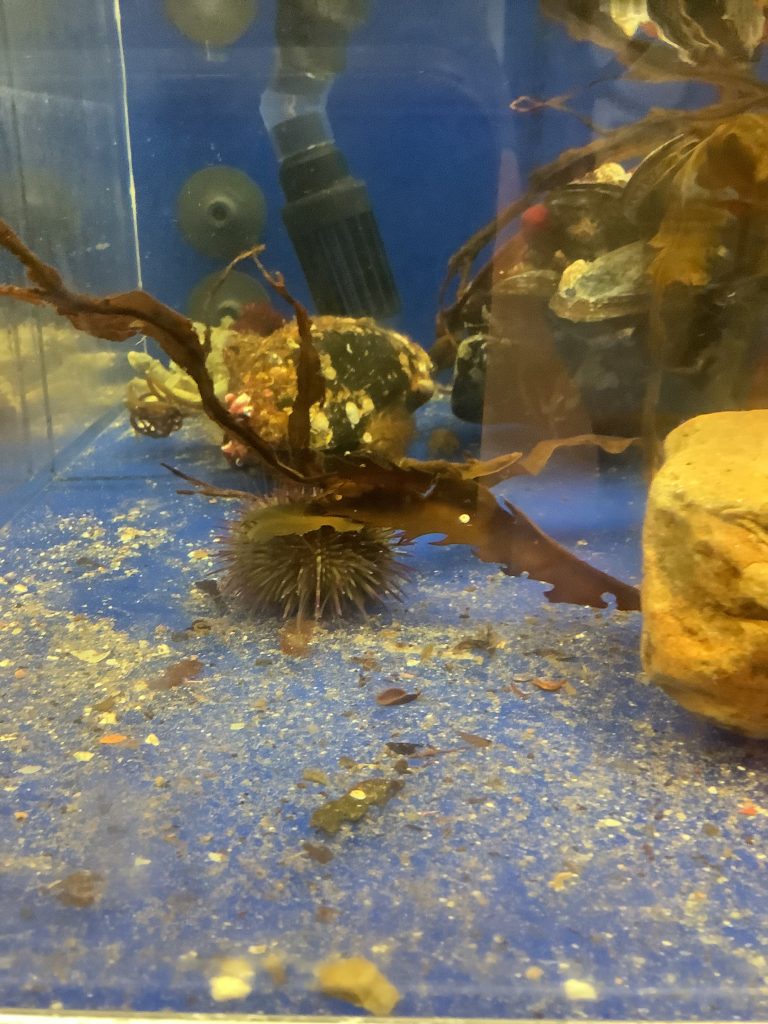
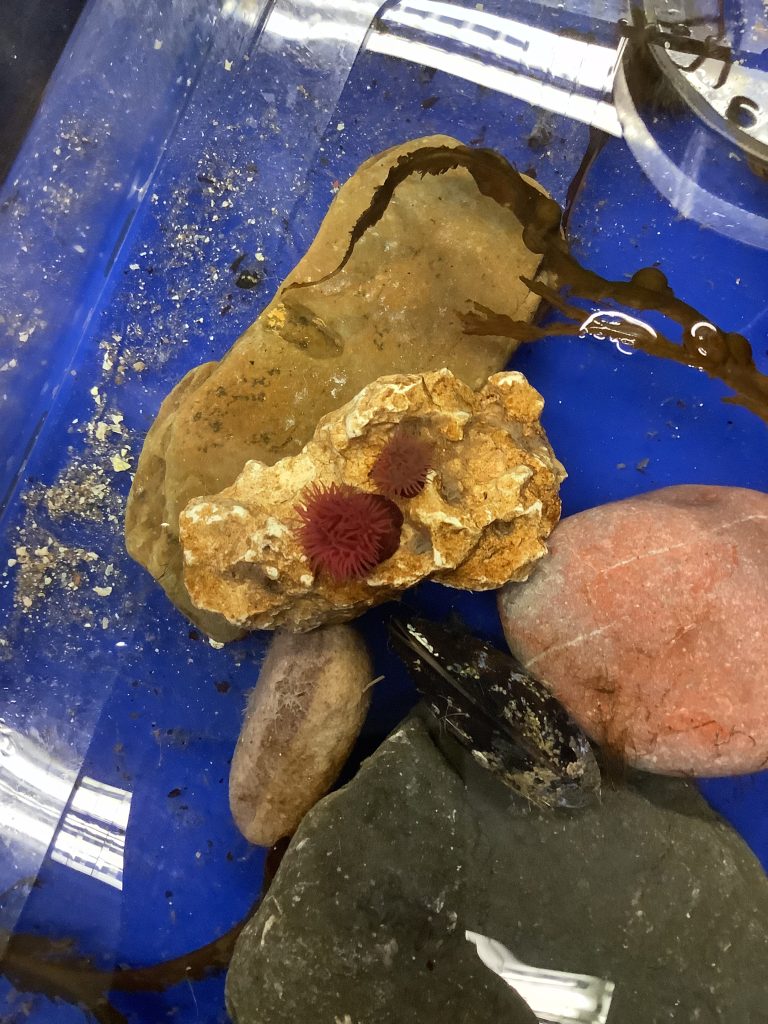
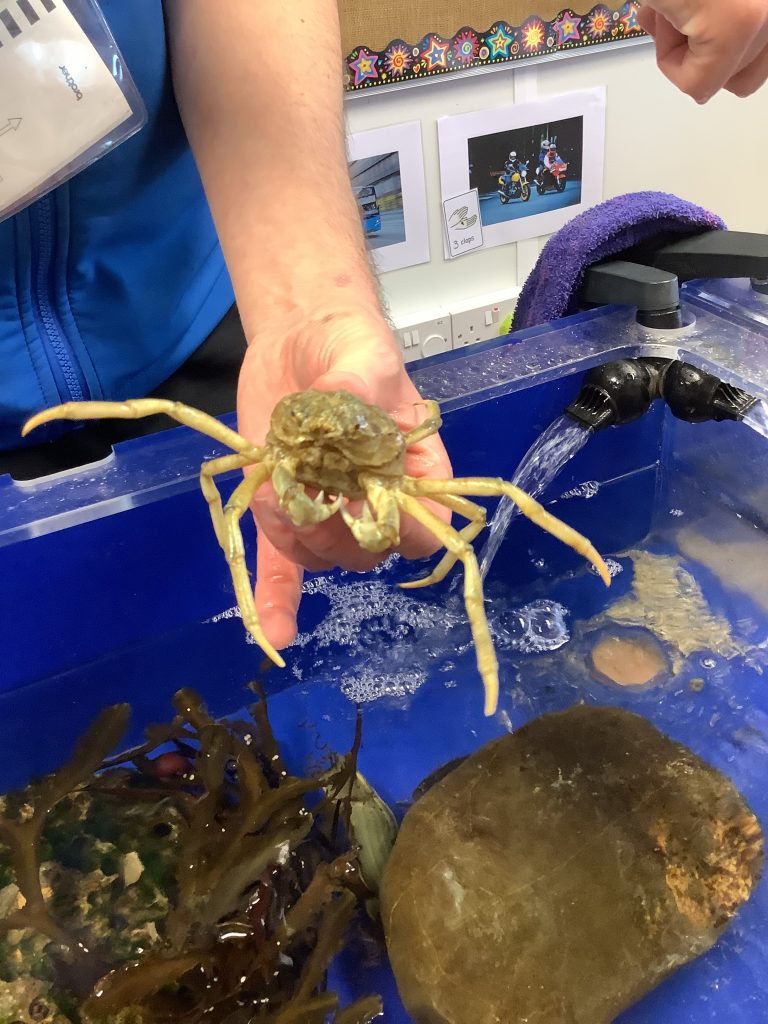
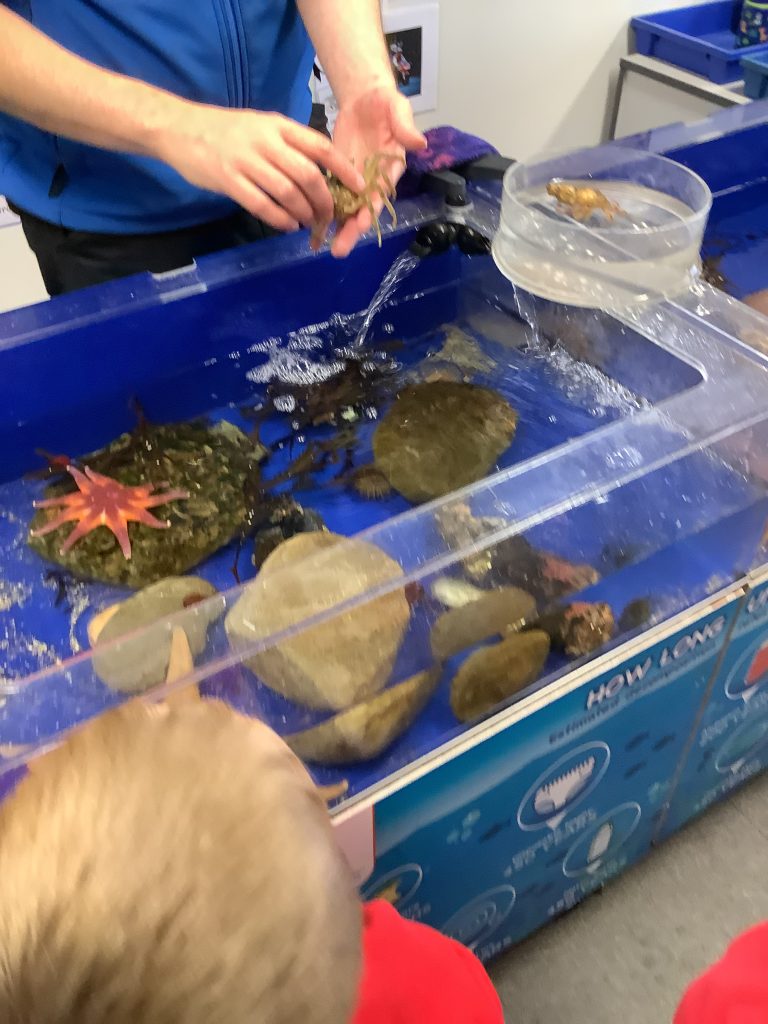
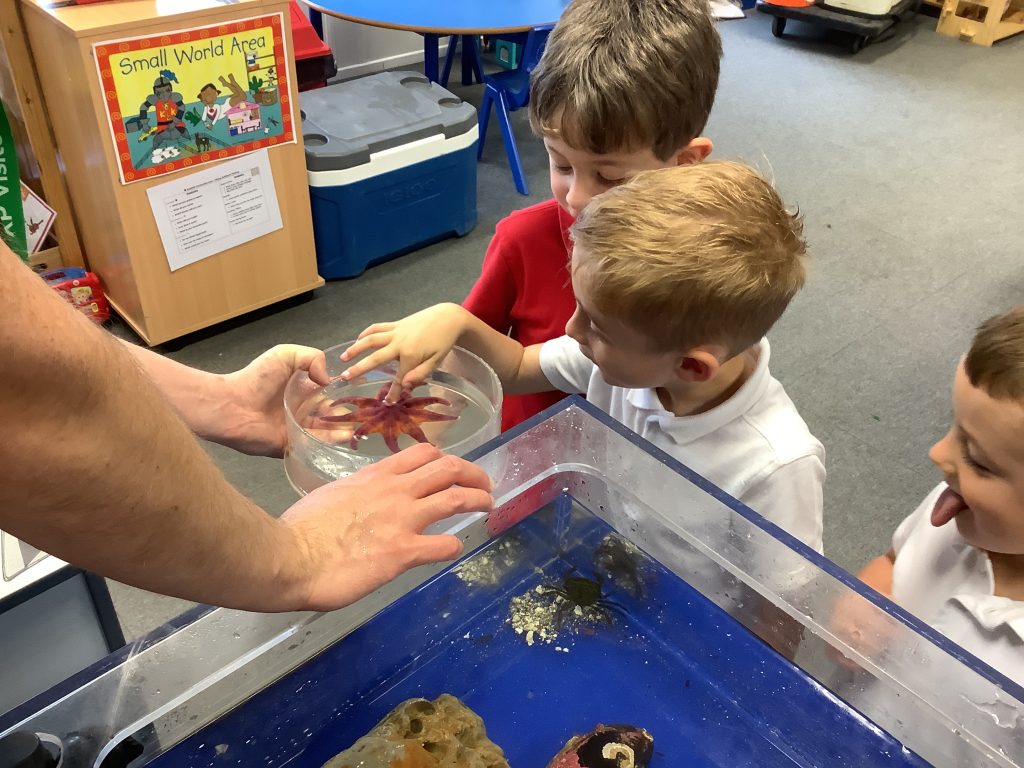
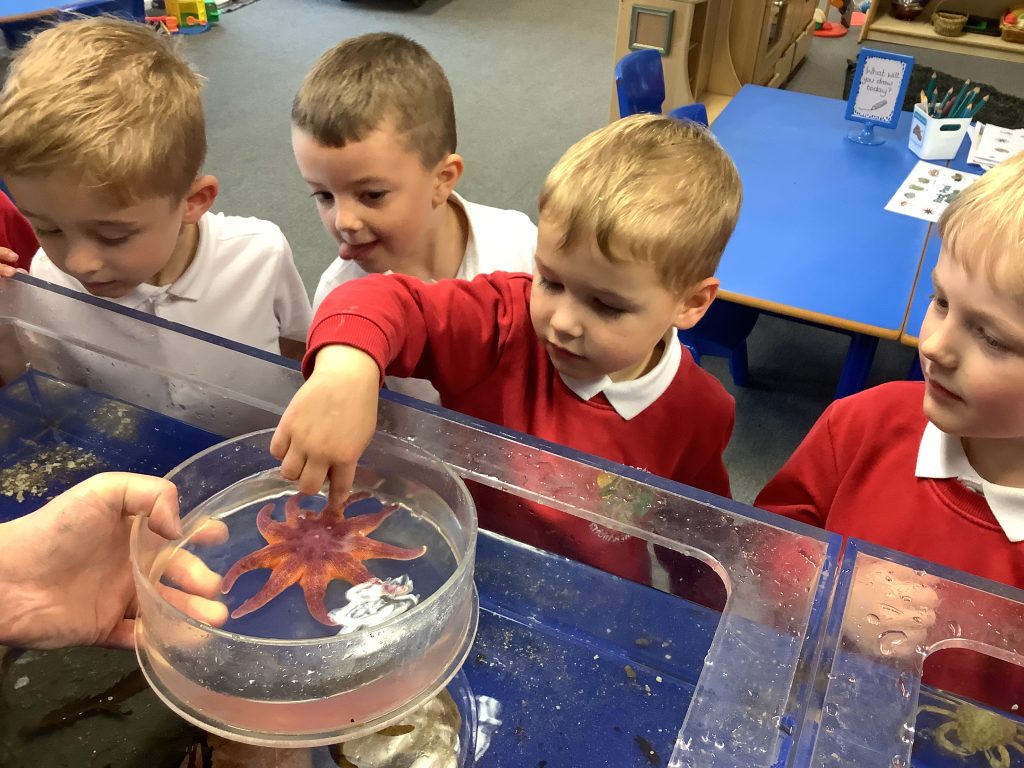
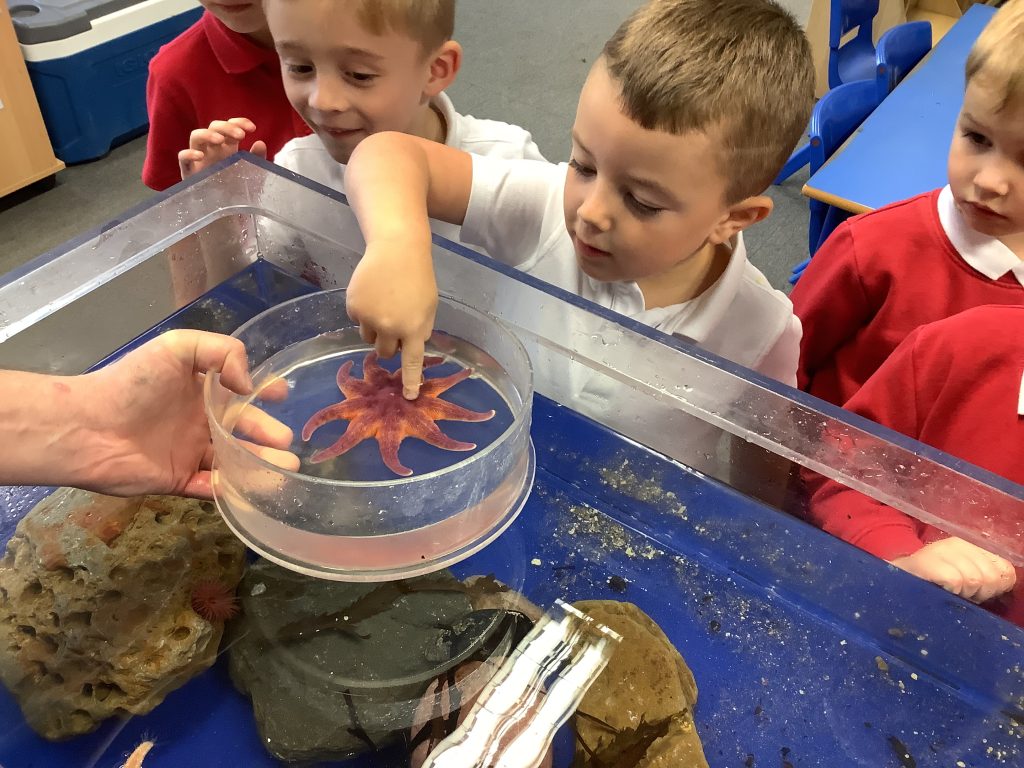
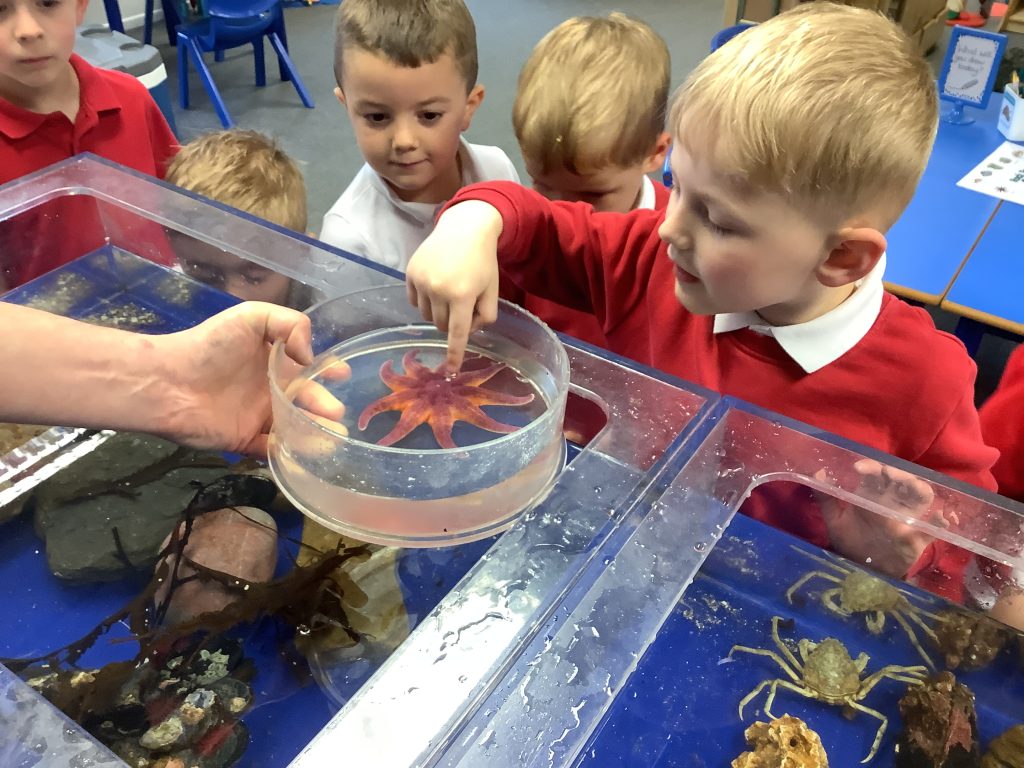
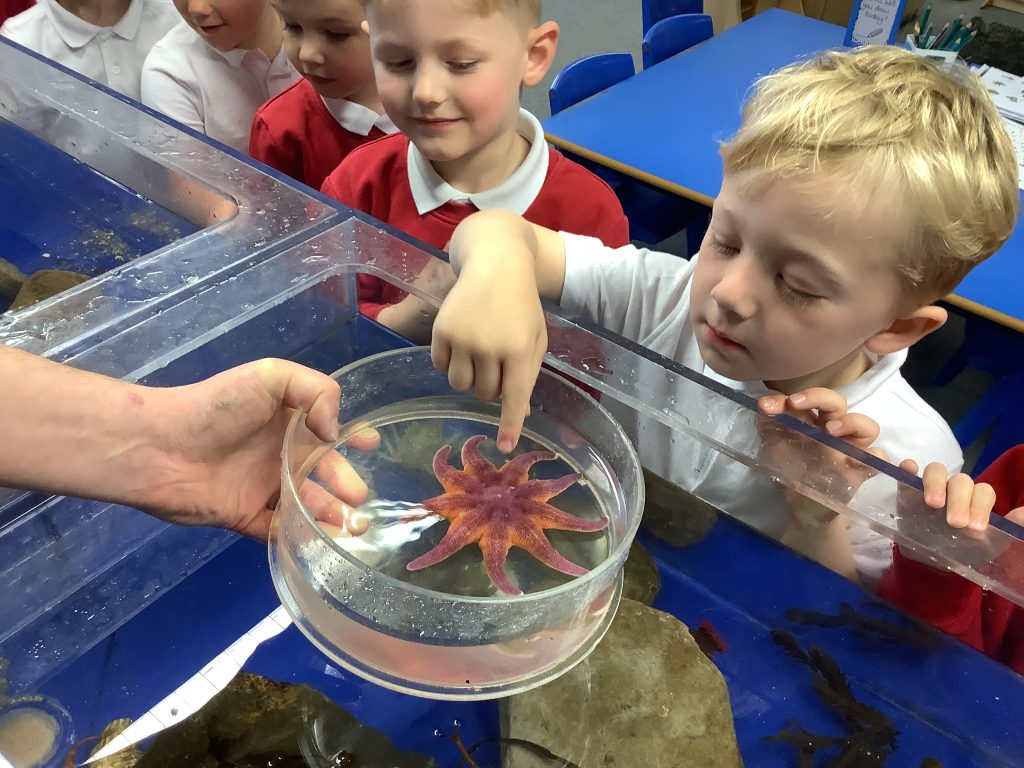
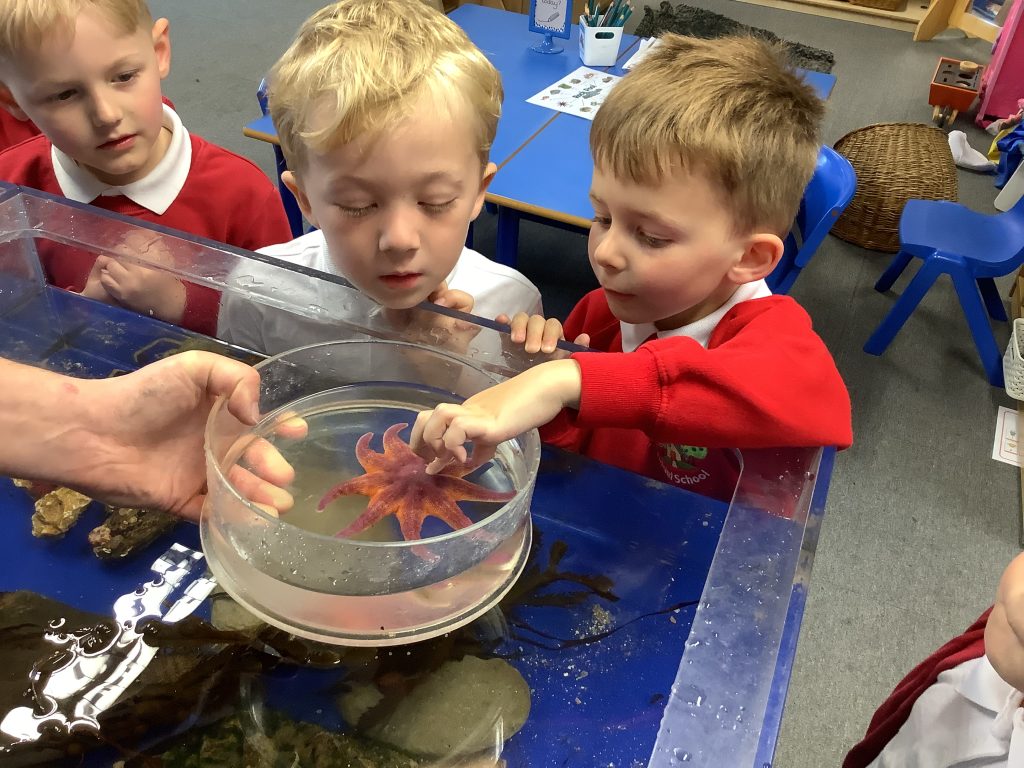
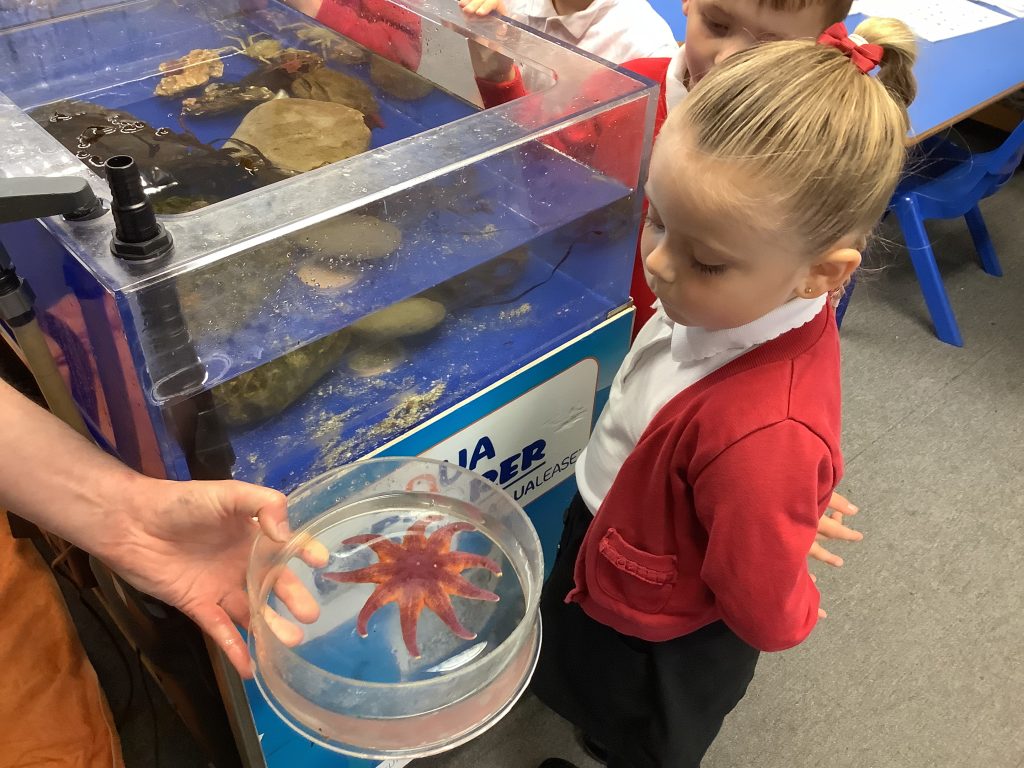
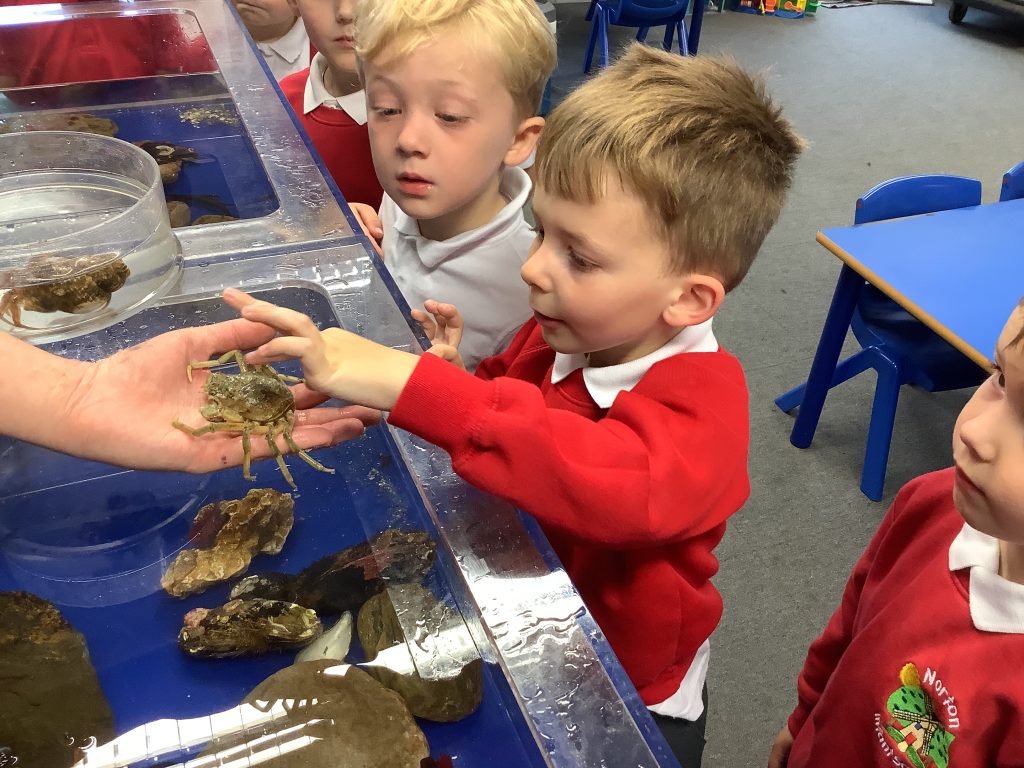
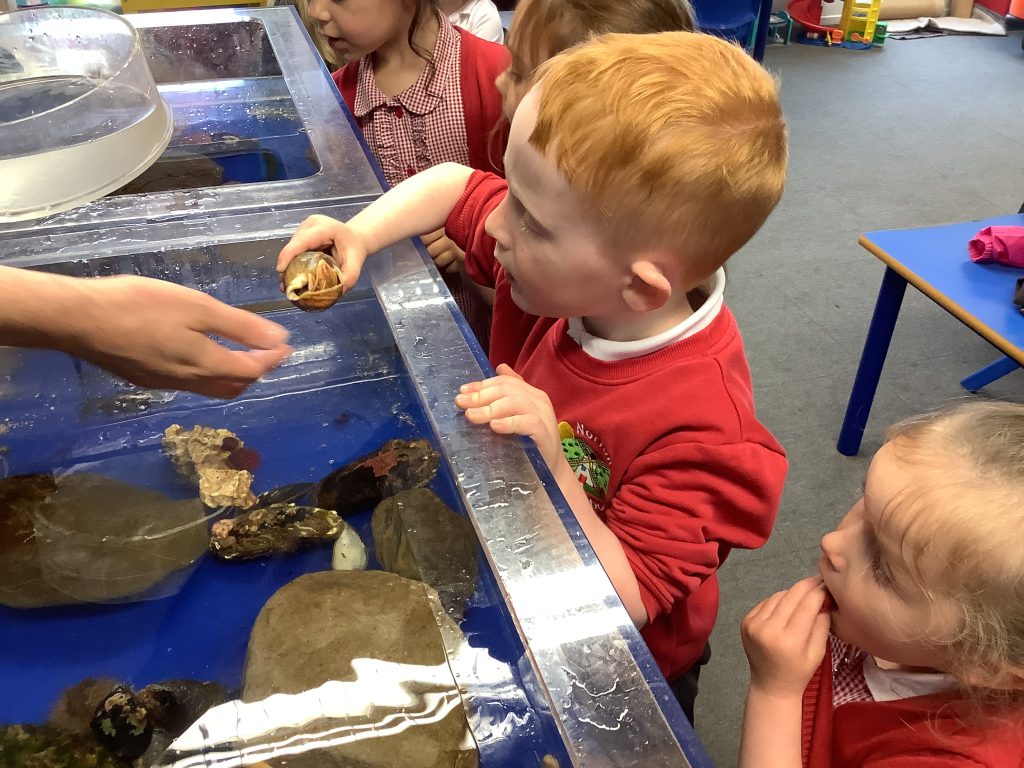
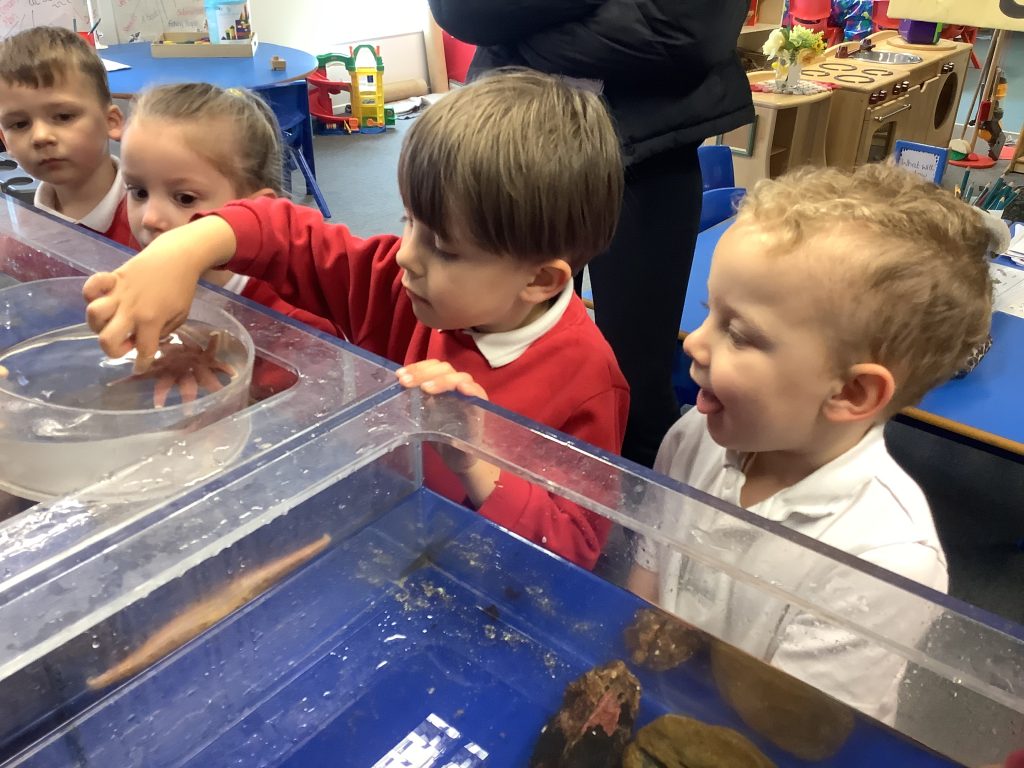
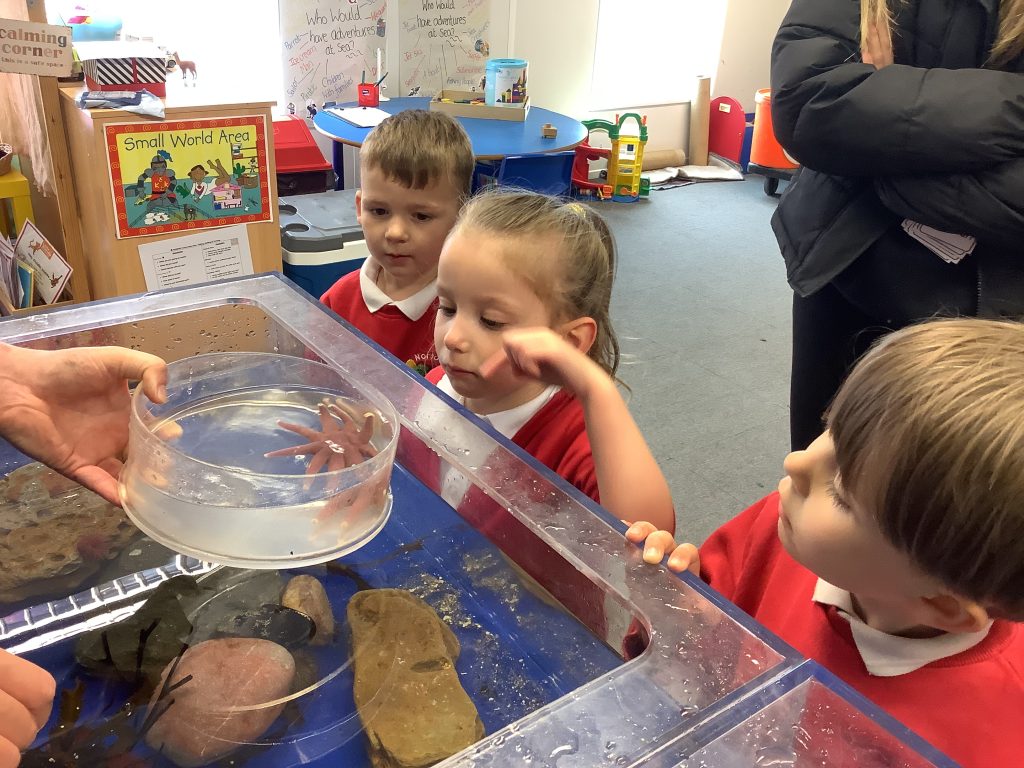
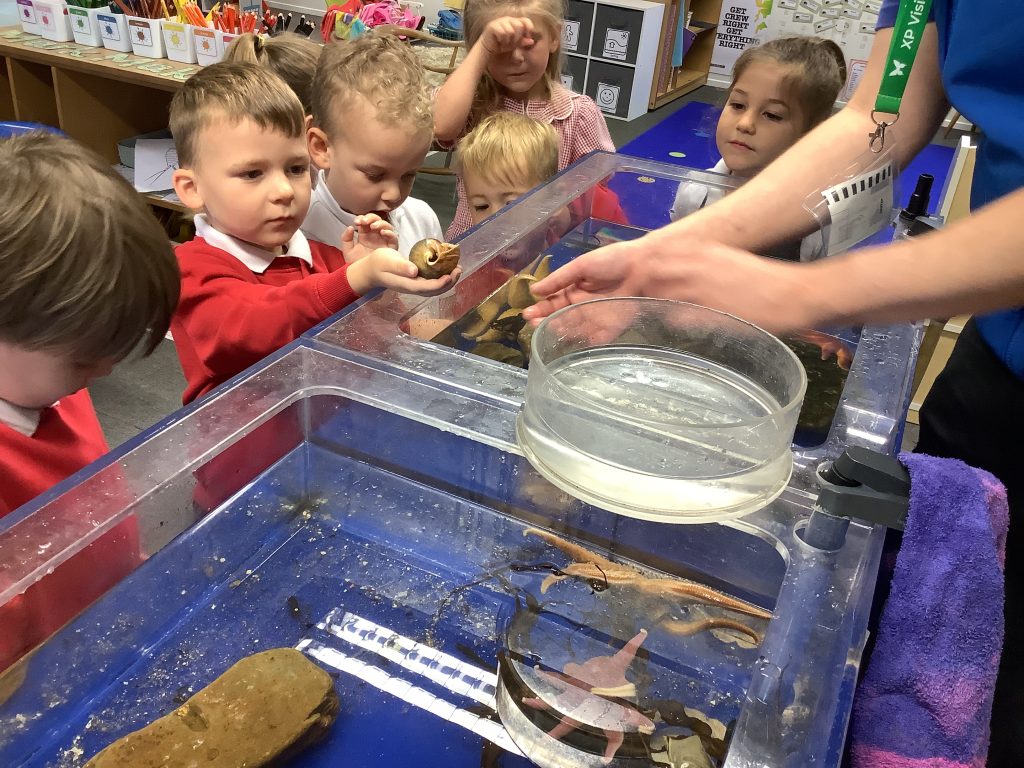
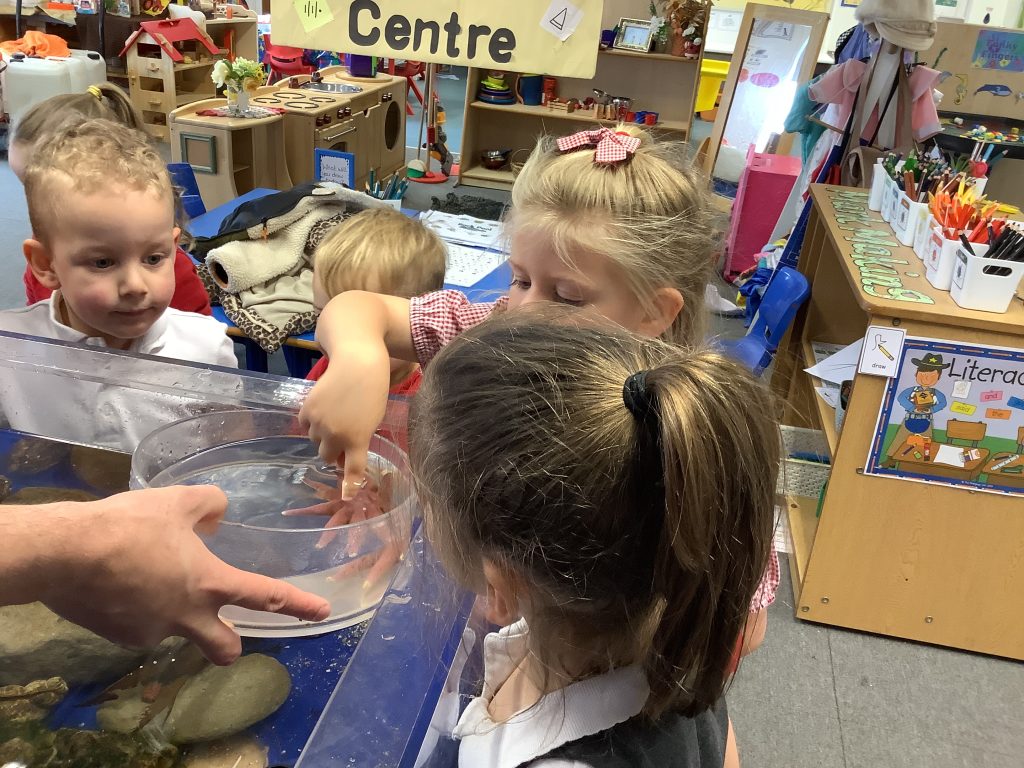
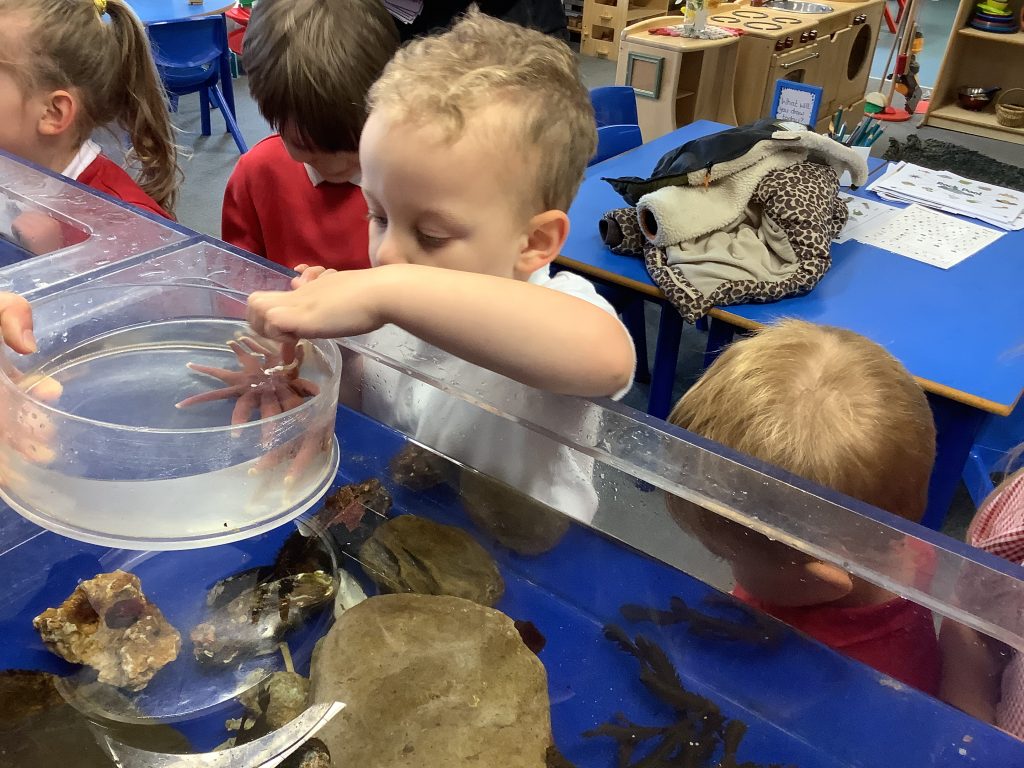
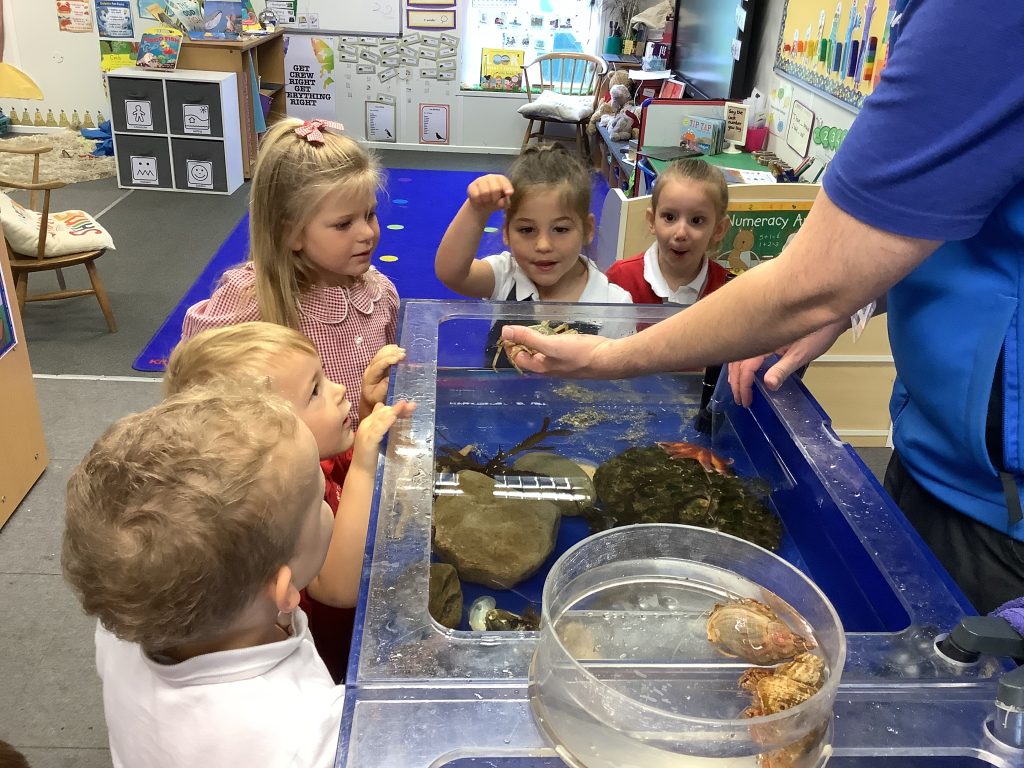
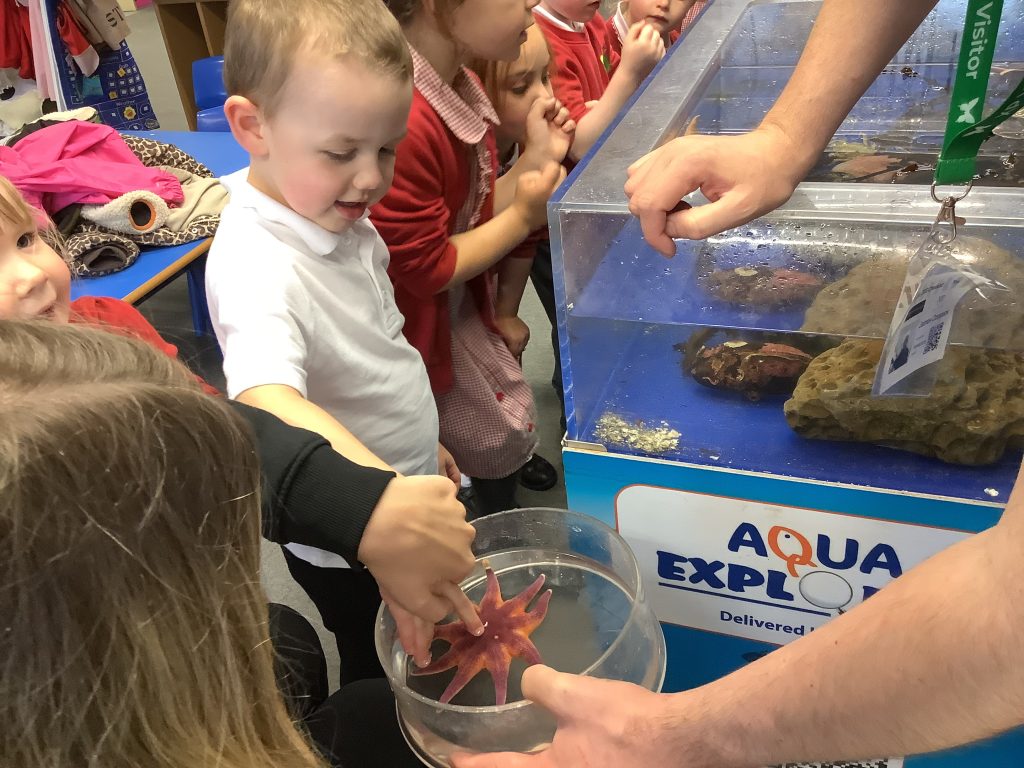
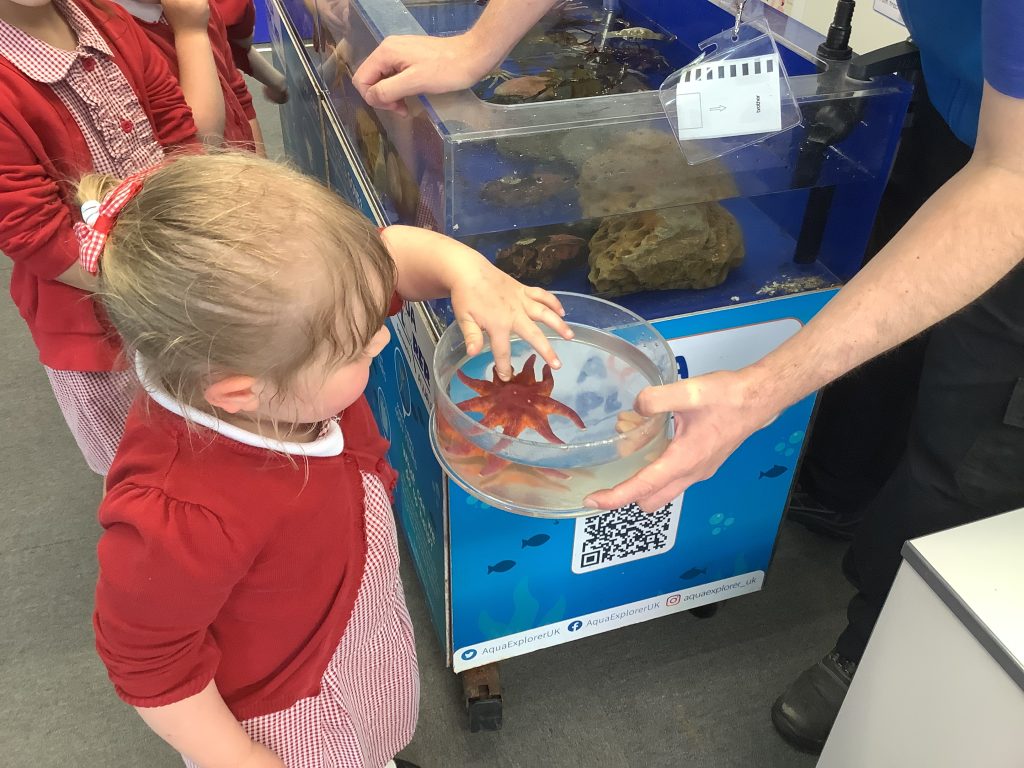
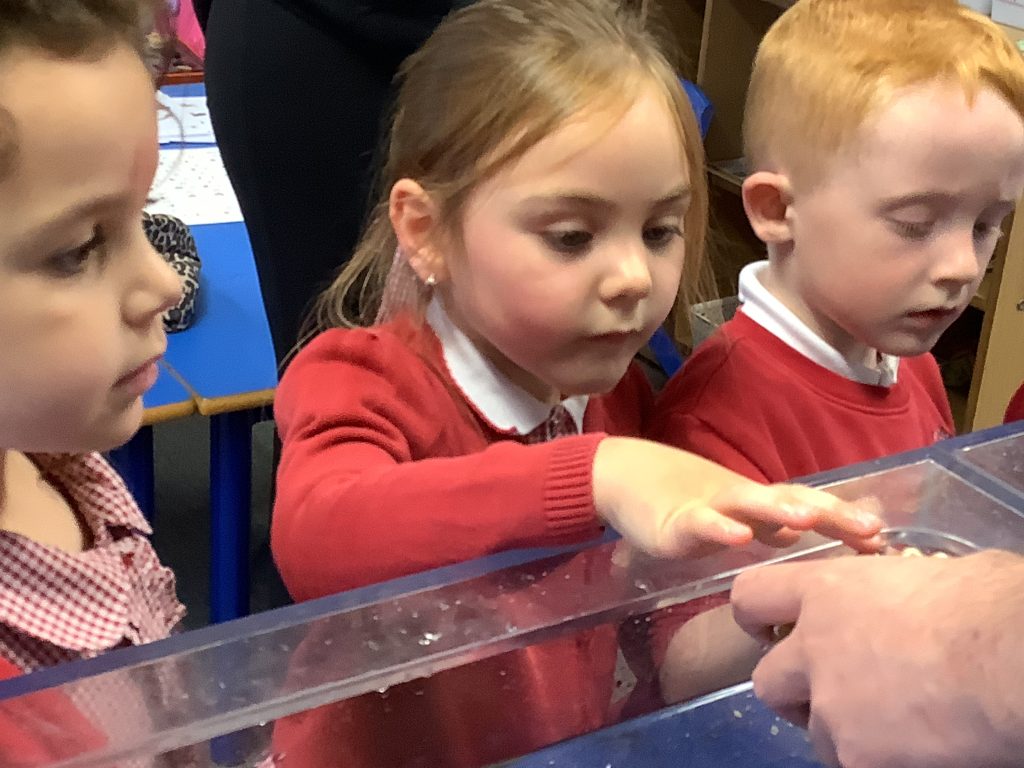
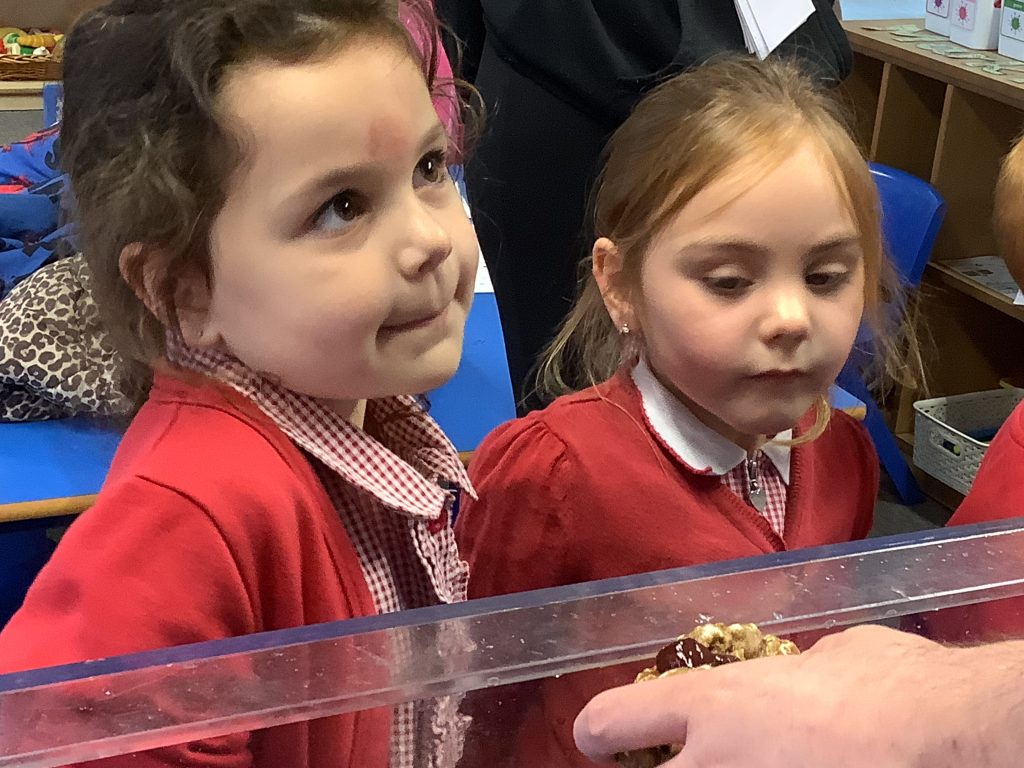
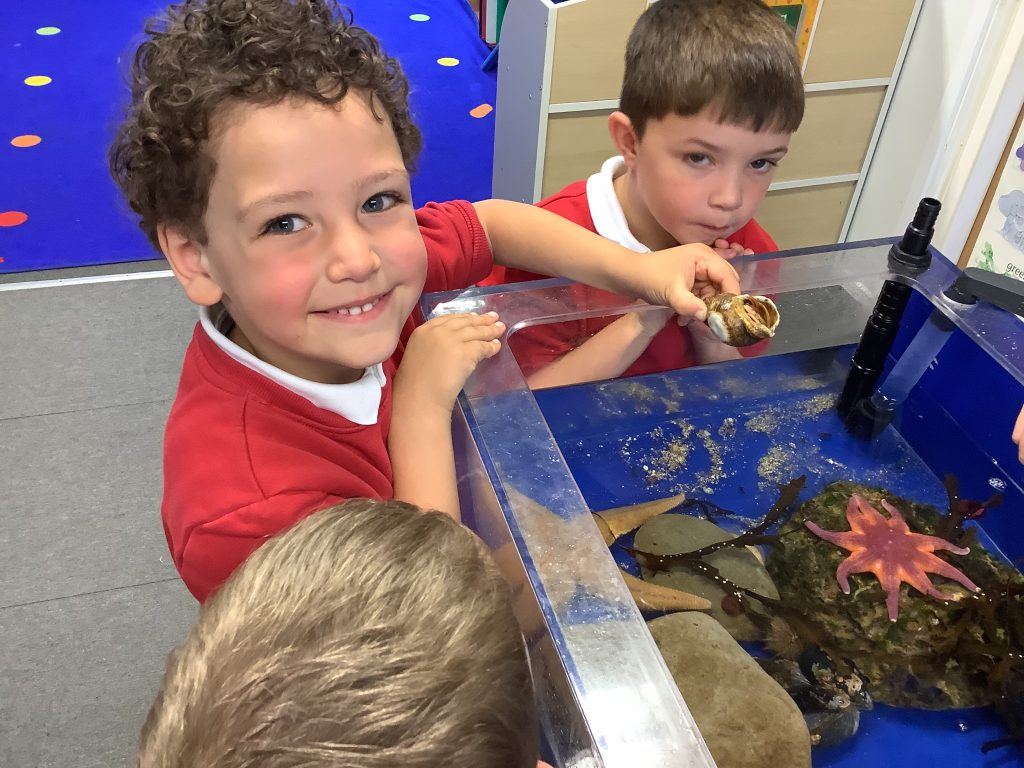
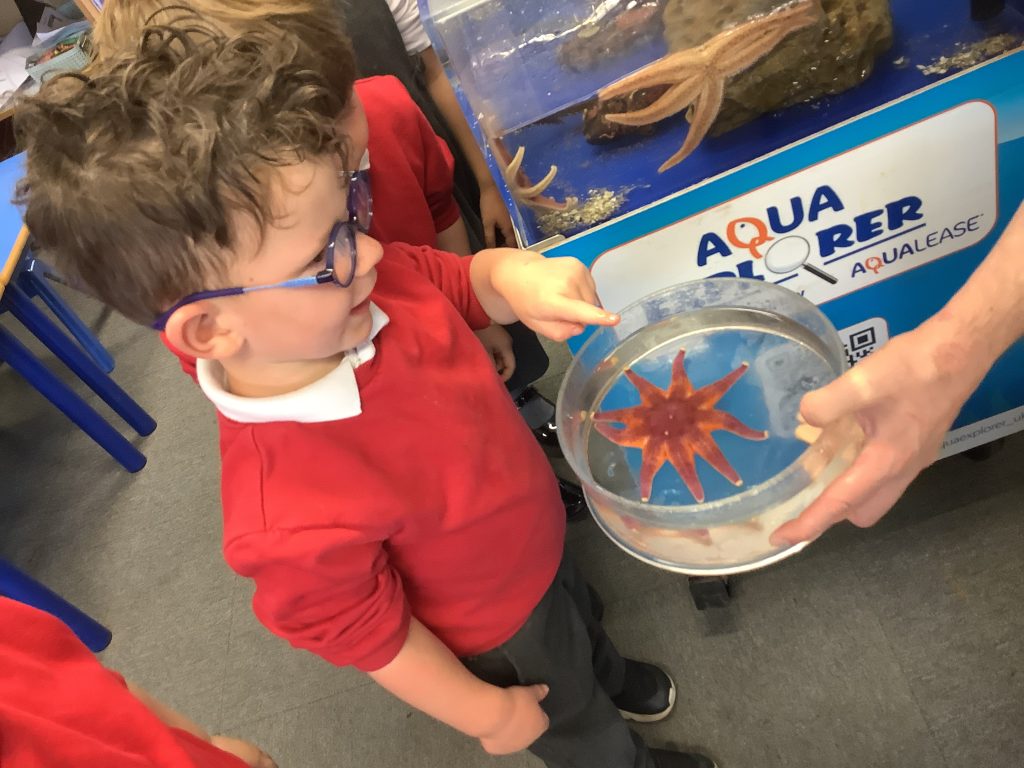
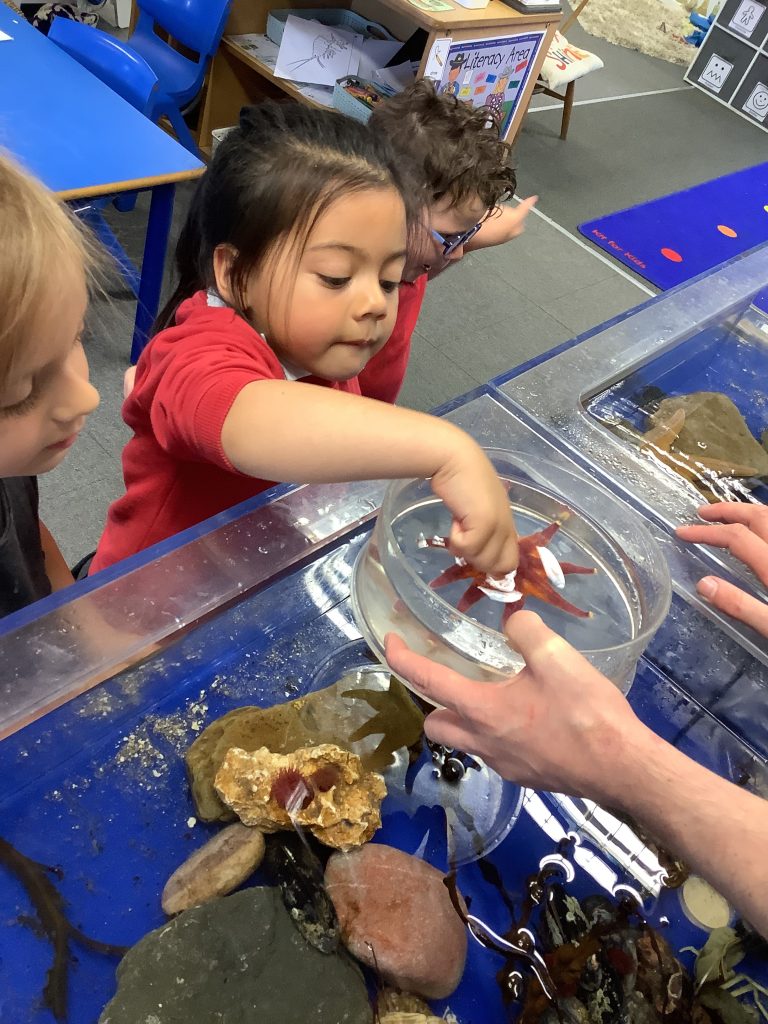
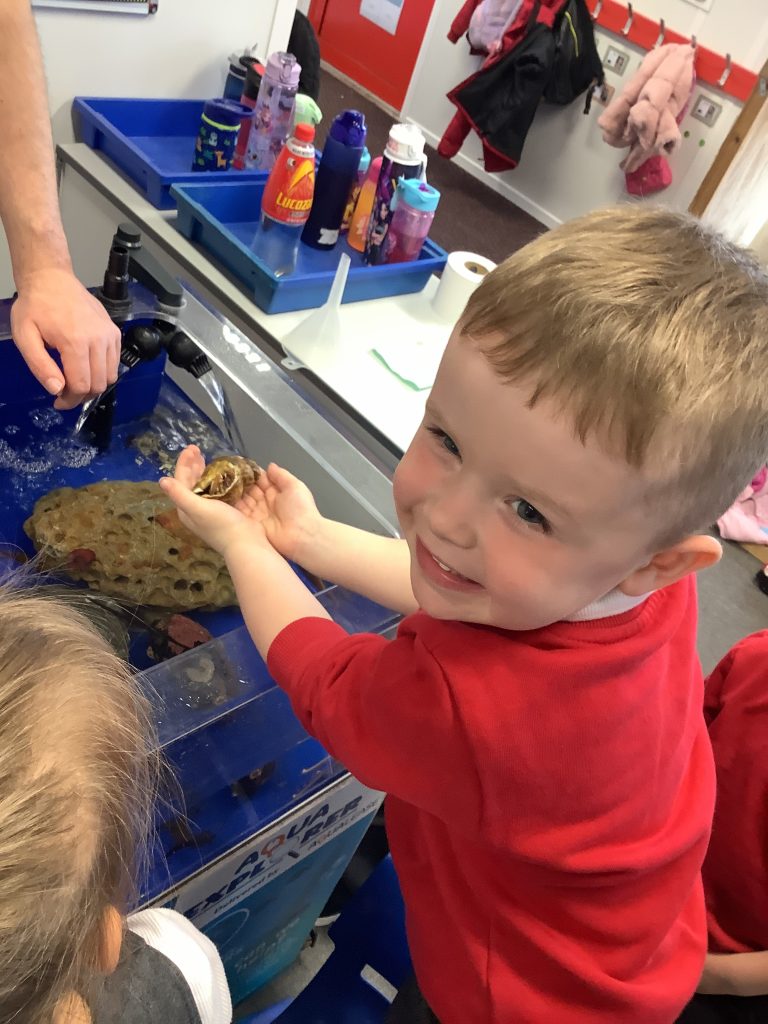
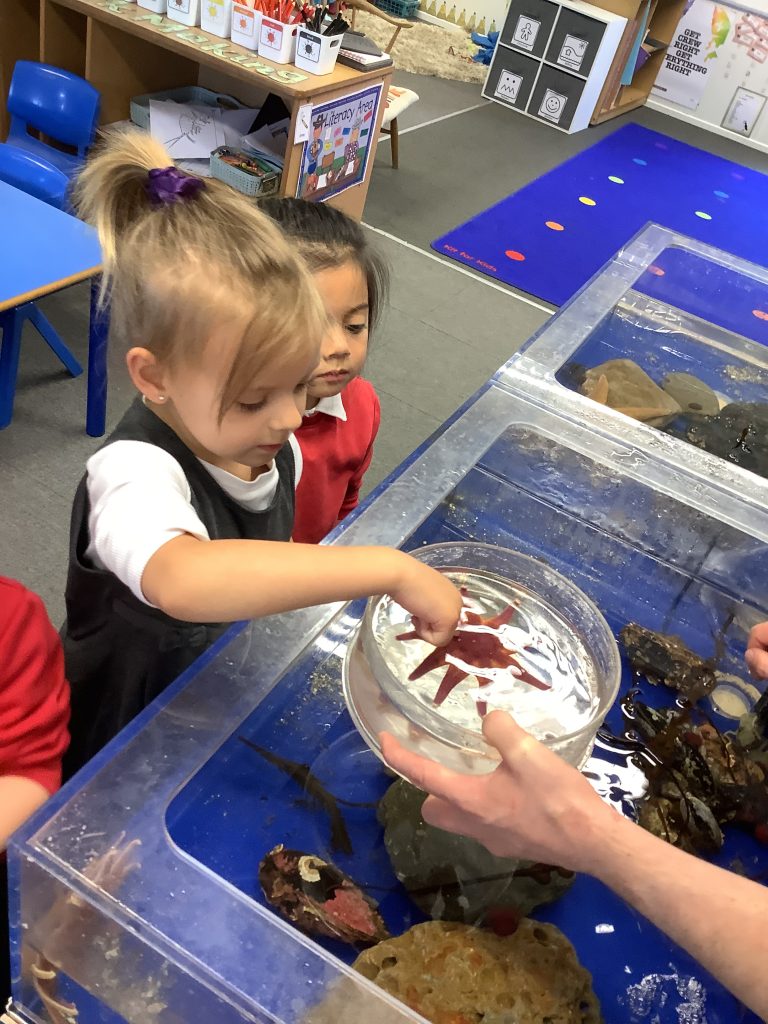
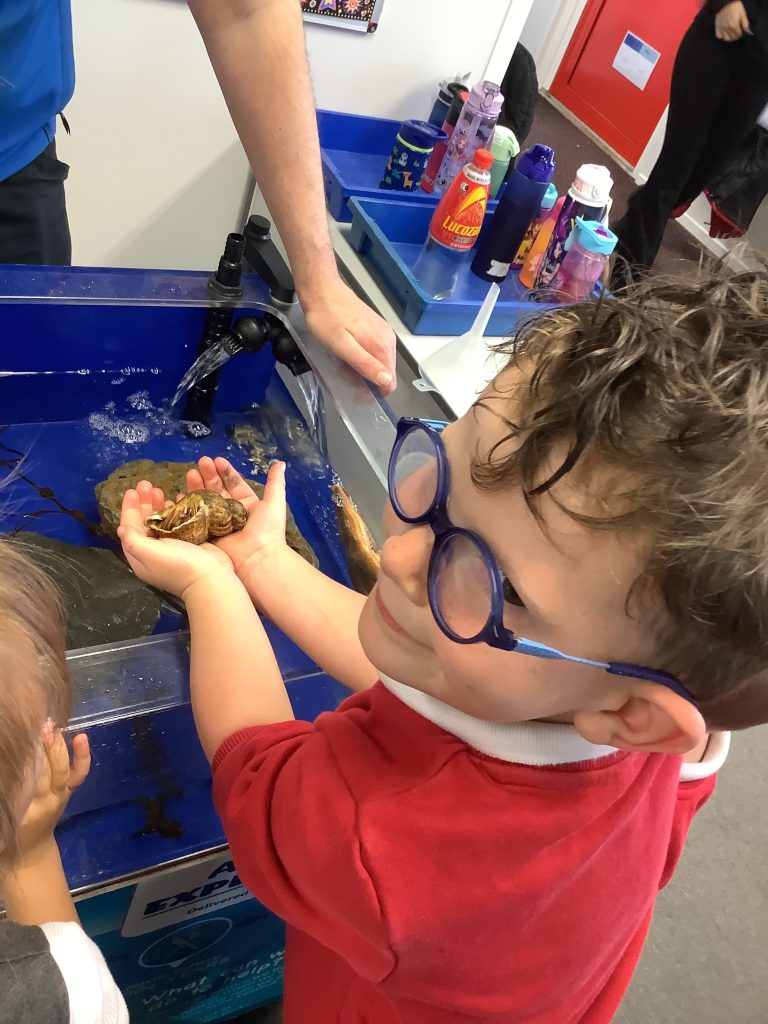
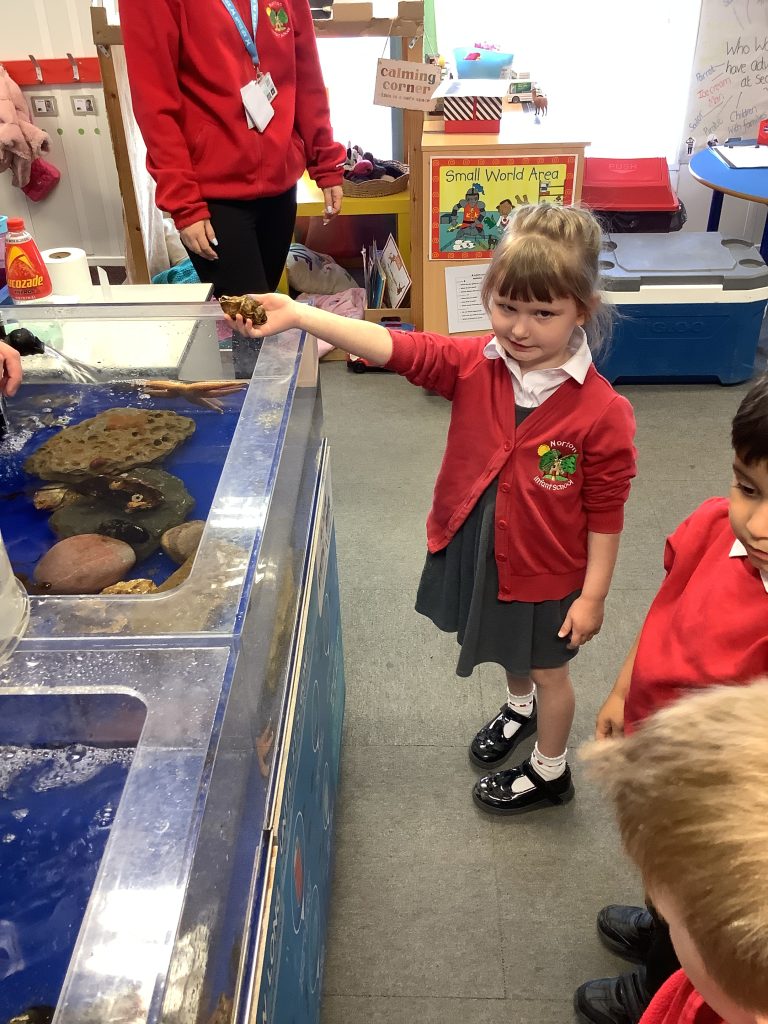
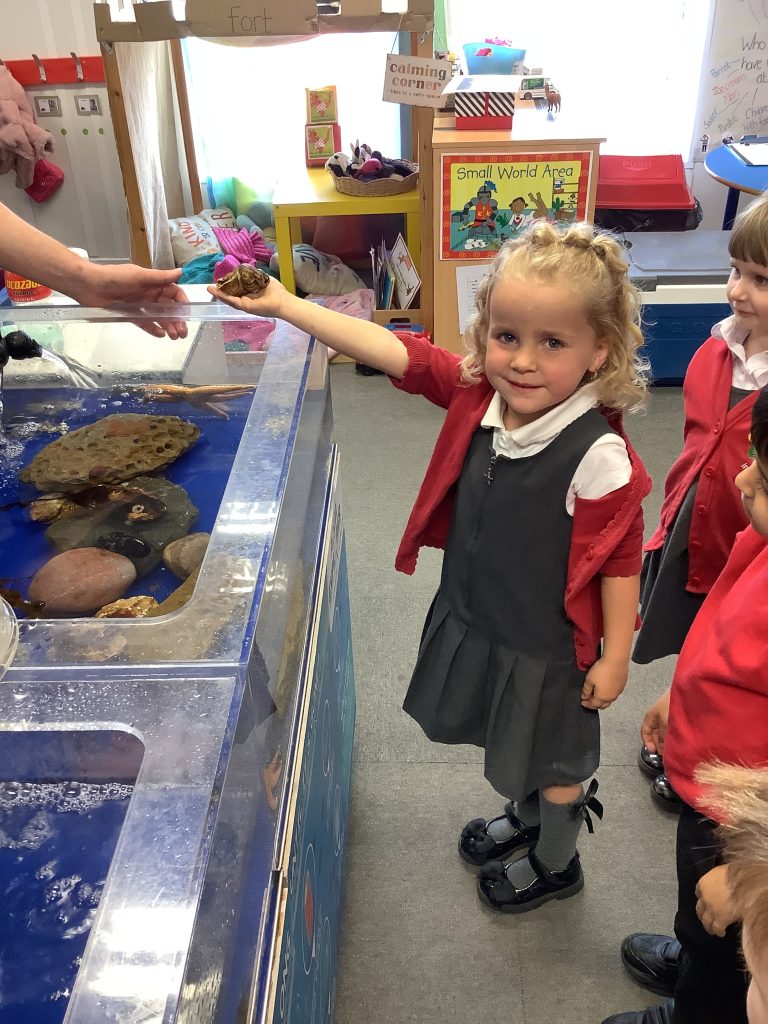
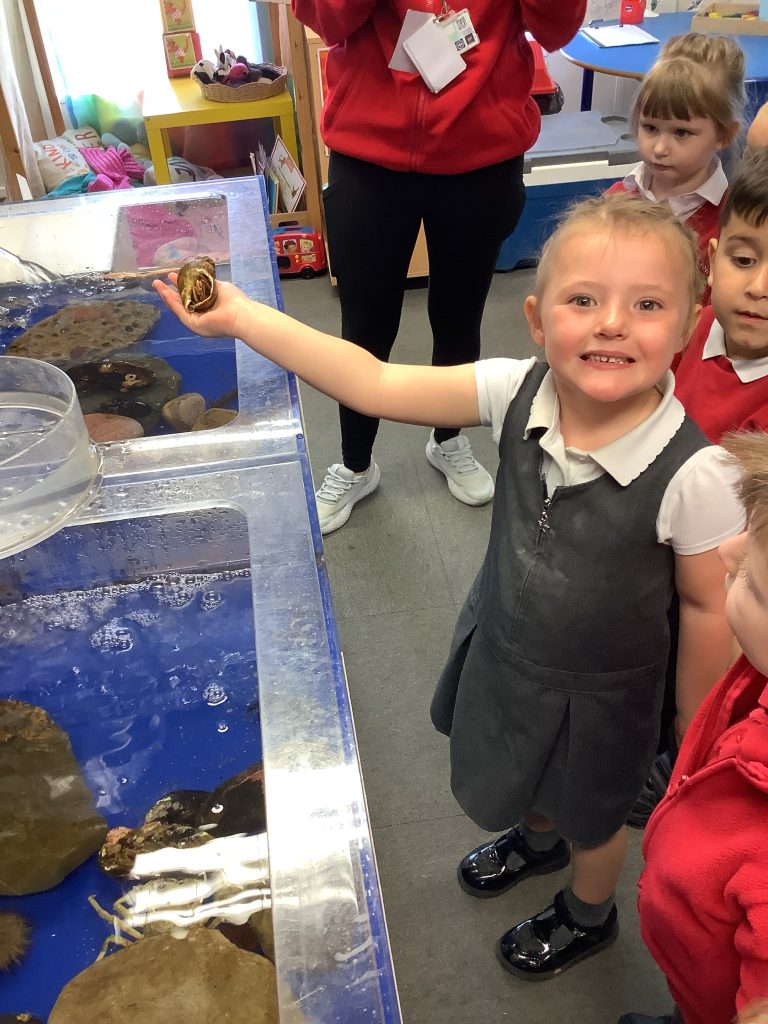
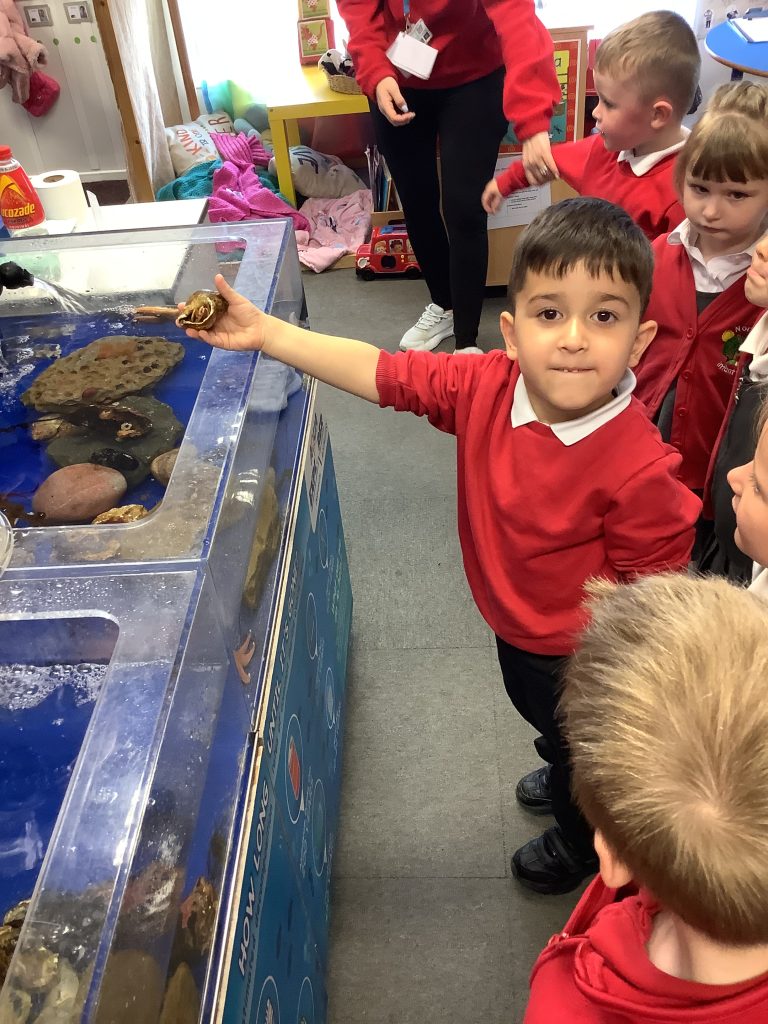
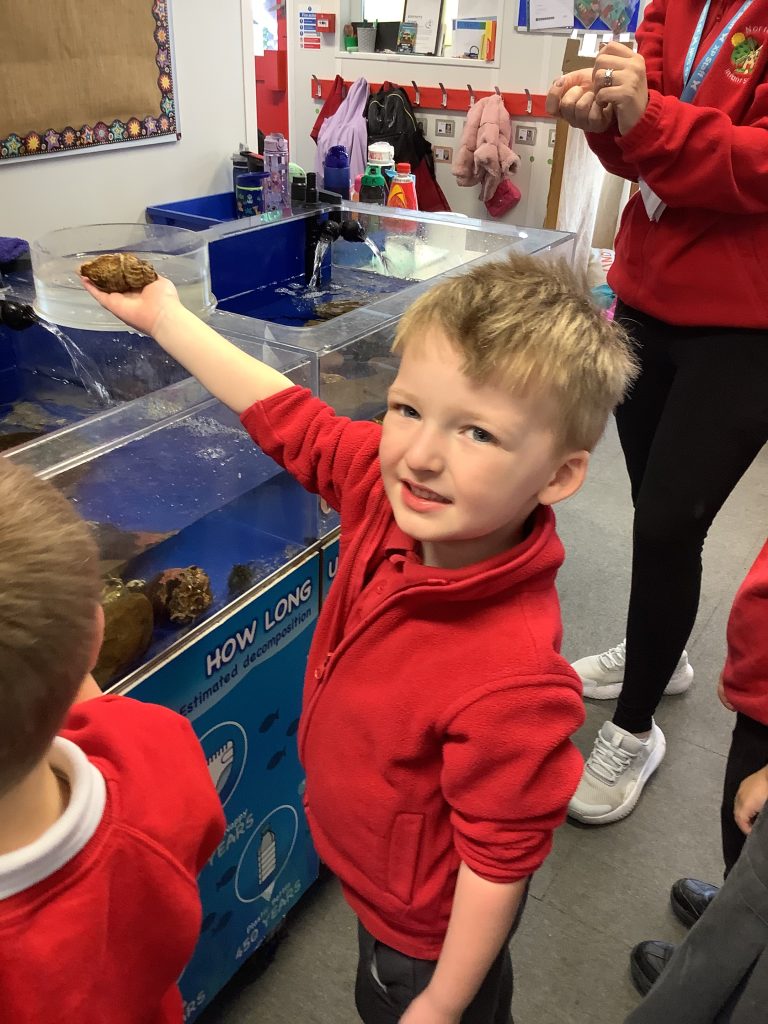
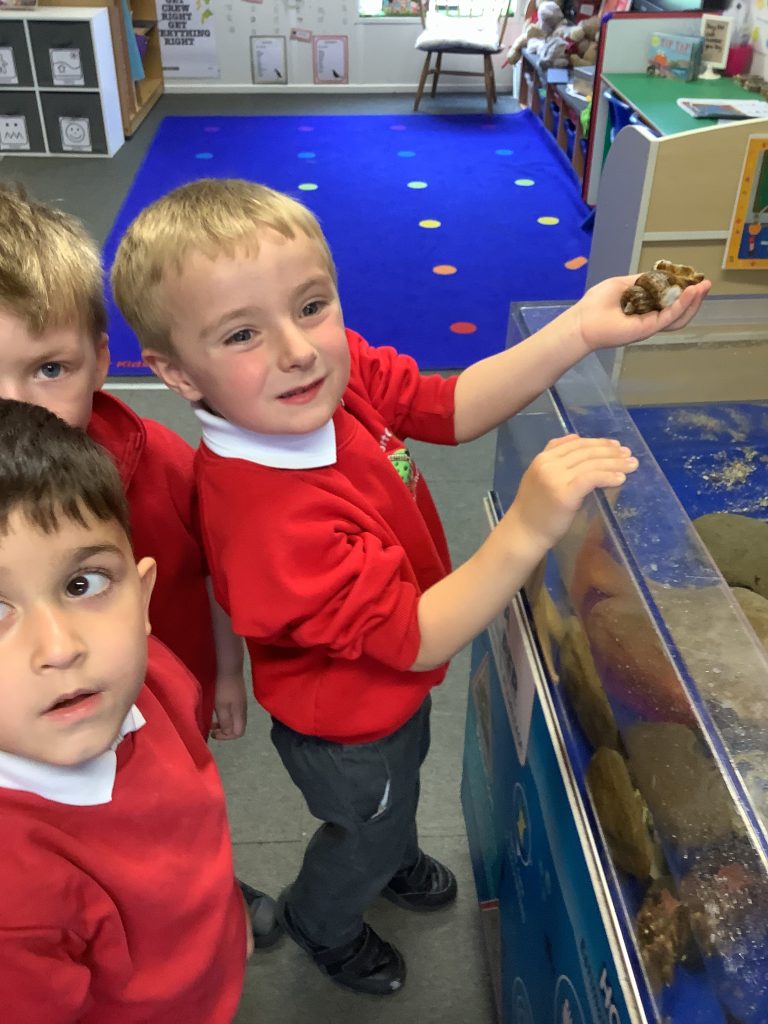
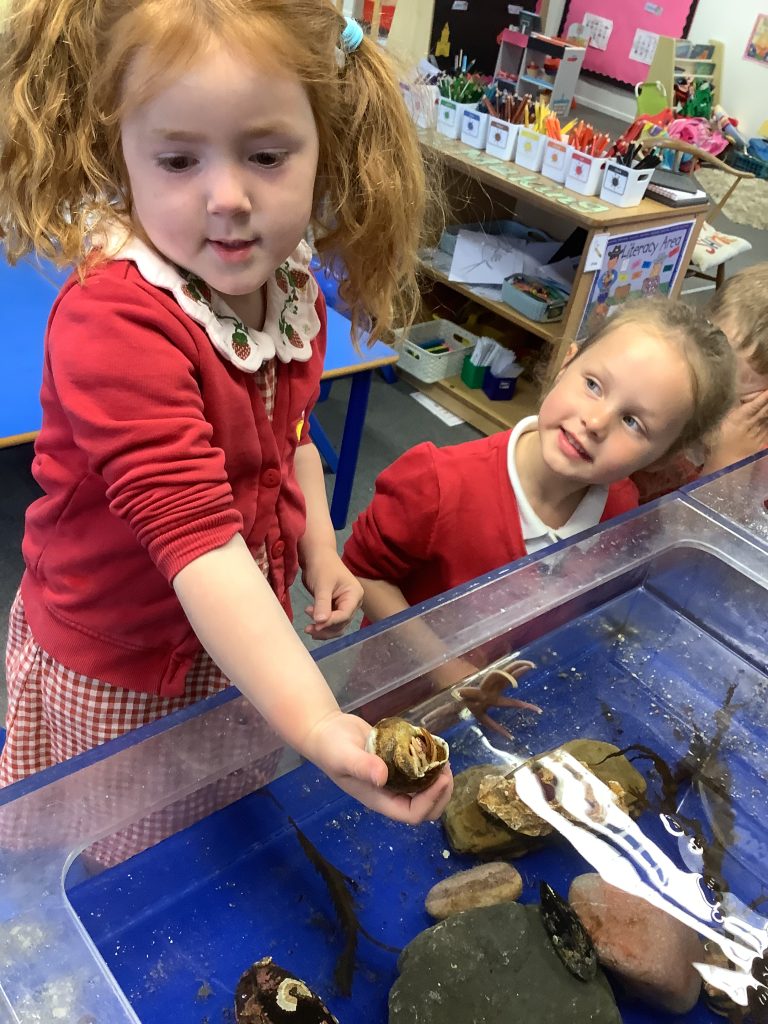
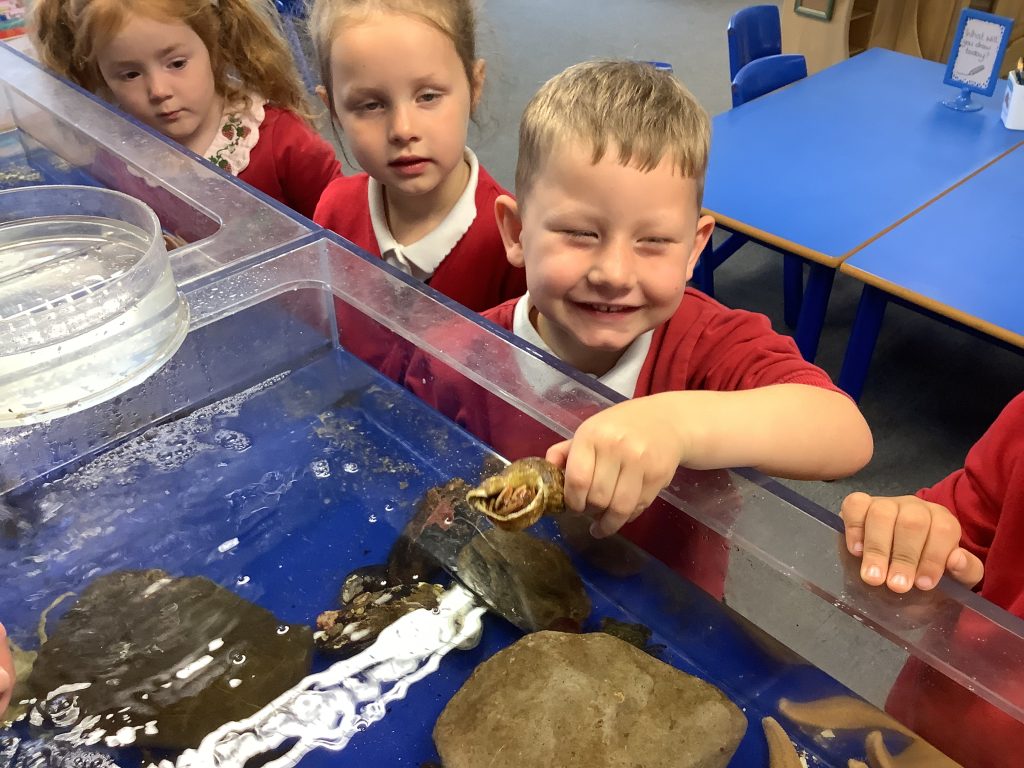
On Tuesday we had a very exciting visit from Aqua Explorers, who provided the children with a Rockpool experience – just for Nursery. James (our expert visitor) brought lots of sea creatures with him including; Mussels, Spider crab, Shore crab, Hermit crabs, mutiple starfish, A Purple Sunblazed Starfish, Sea Anemones and a couple of Sea Urchins.

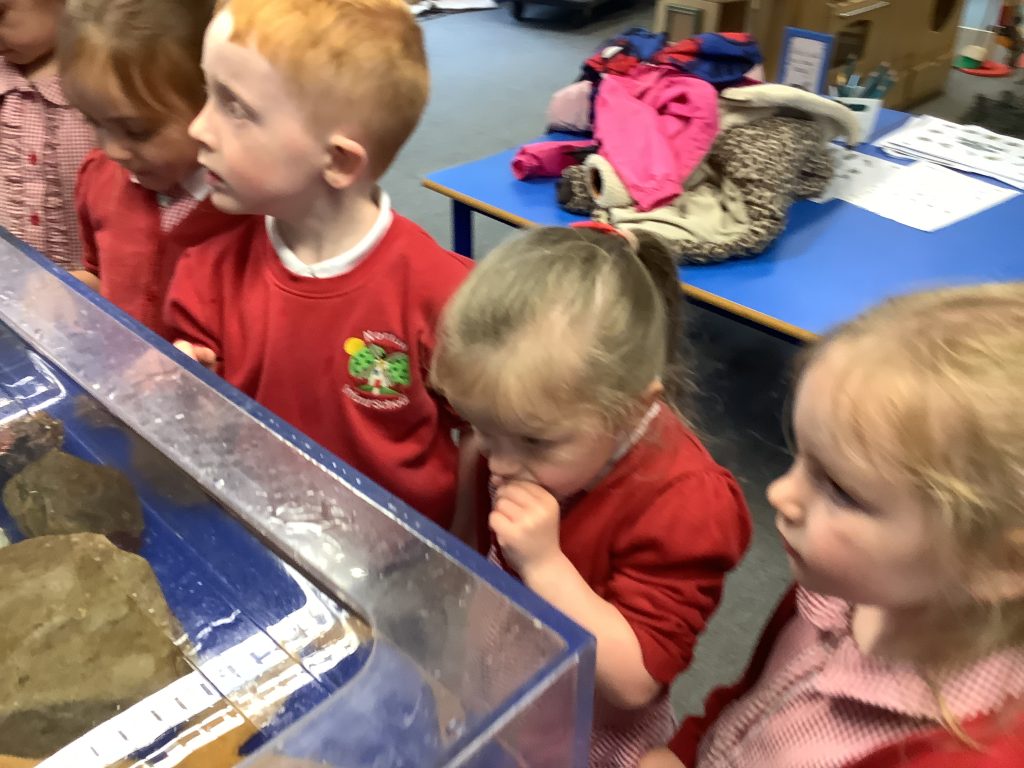
James explained to the children all about each sea creature and where they live and what they eat. The children were so engaged and asked some amazing questions throughout the experience. James was also blown away with the prior knowledge that the children had about some of the sea creatures when he asked them questions…. All of which has come from their learning throughout our expedition “What happens where the sea meets the shore?”

Each child was allowed and encouraged to touch some of the creatures. Most children were willing whilst others were trying to be brave, as it was a daunting prospect to touch an unfamiliar creature.

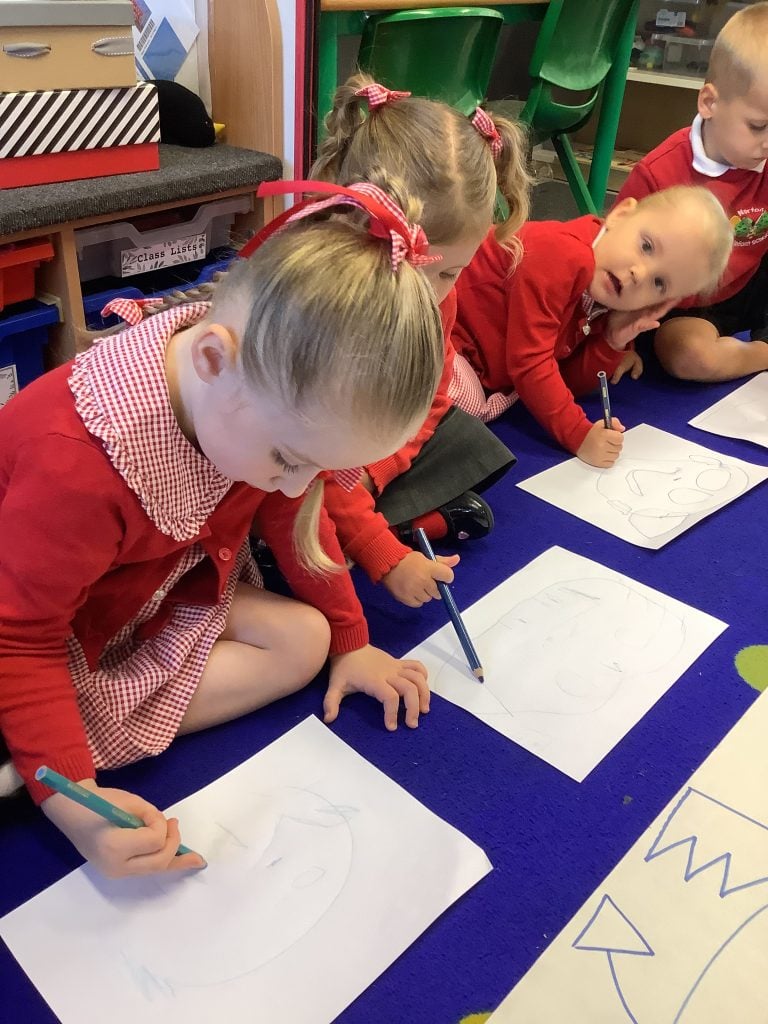
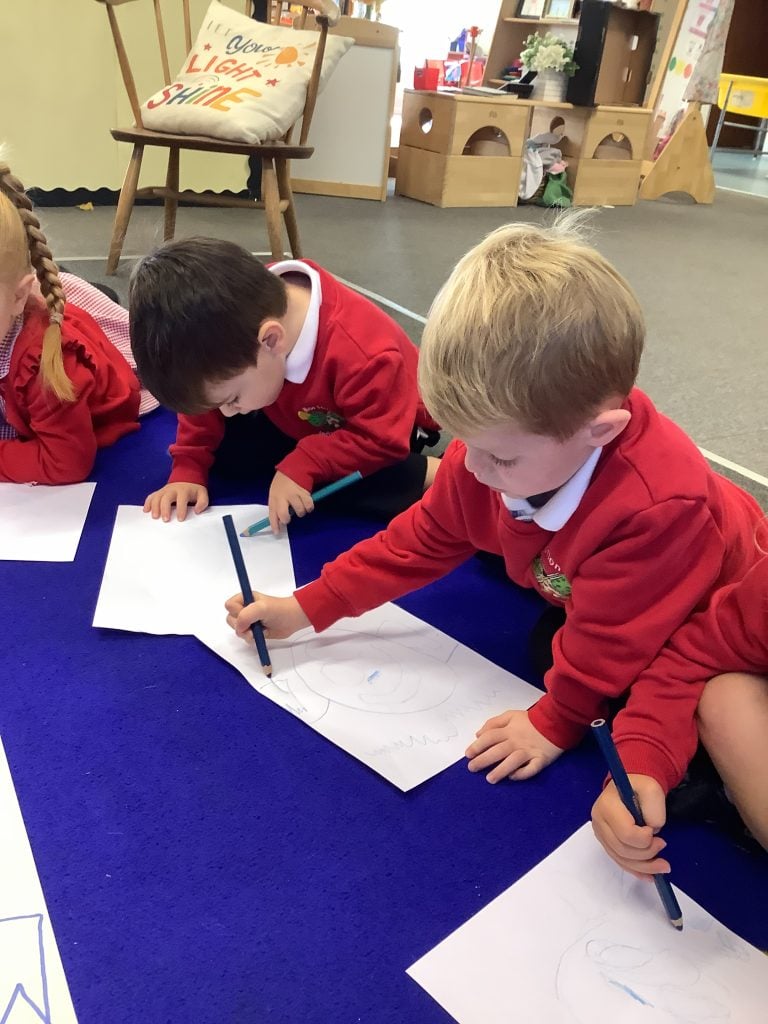
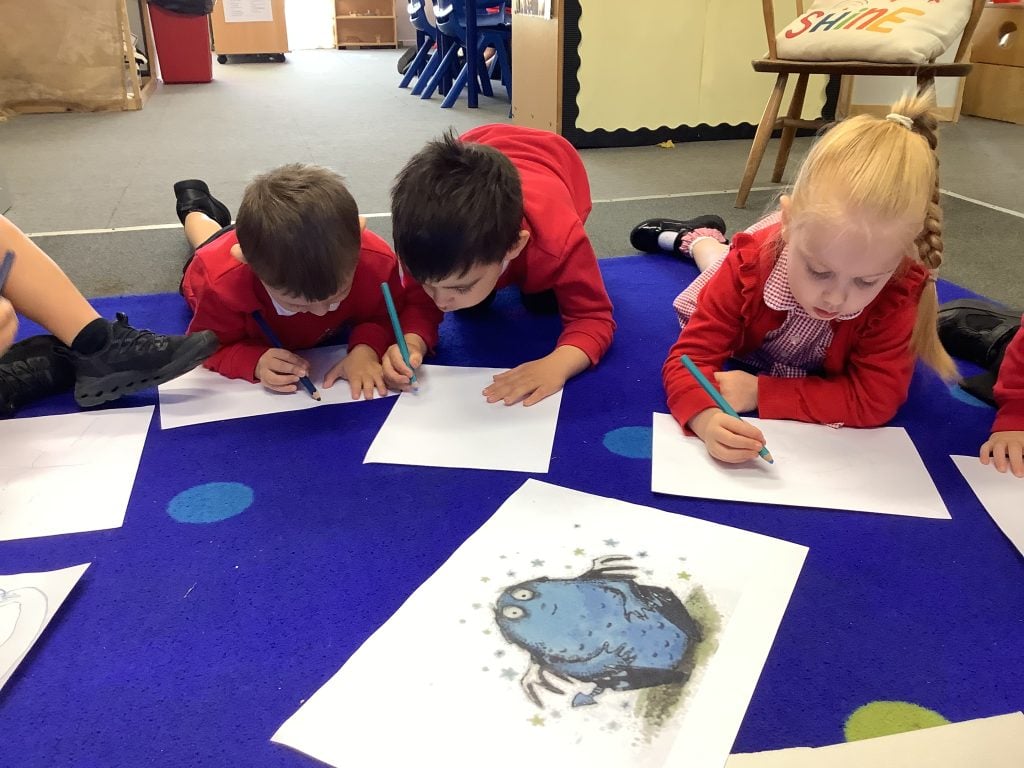
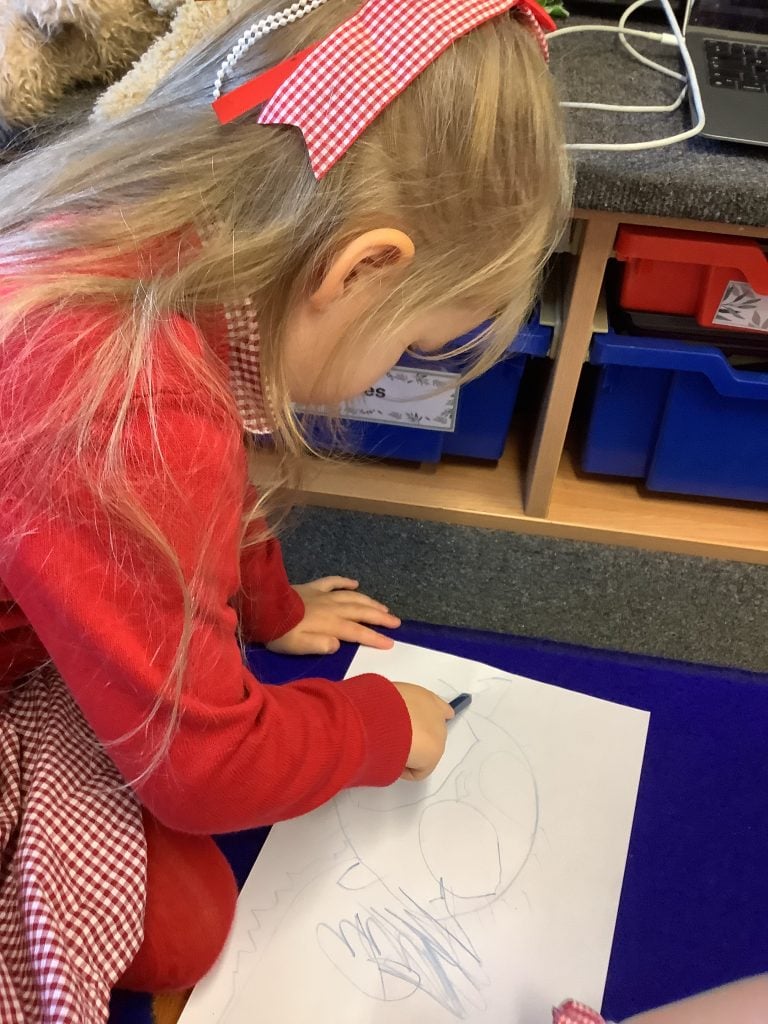
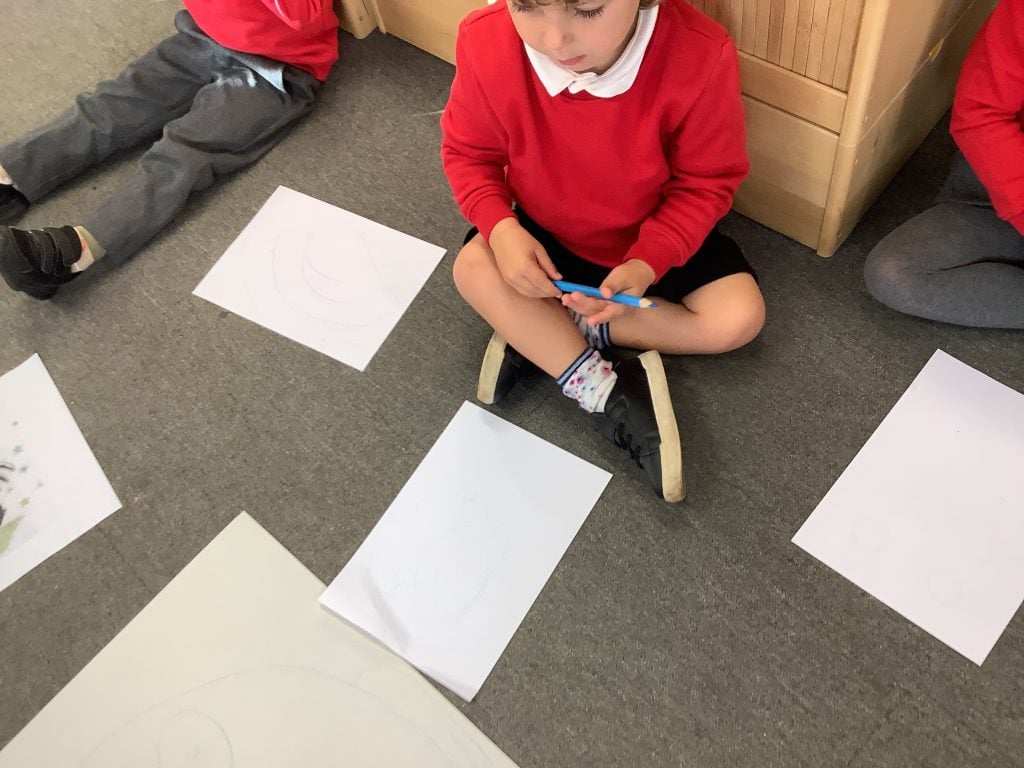
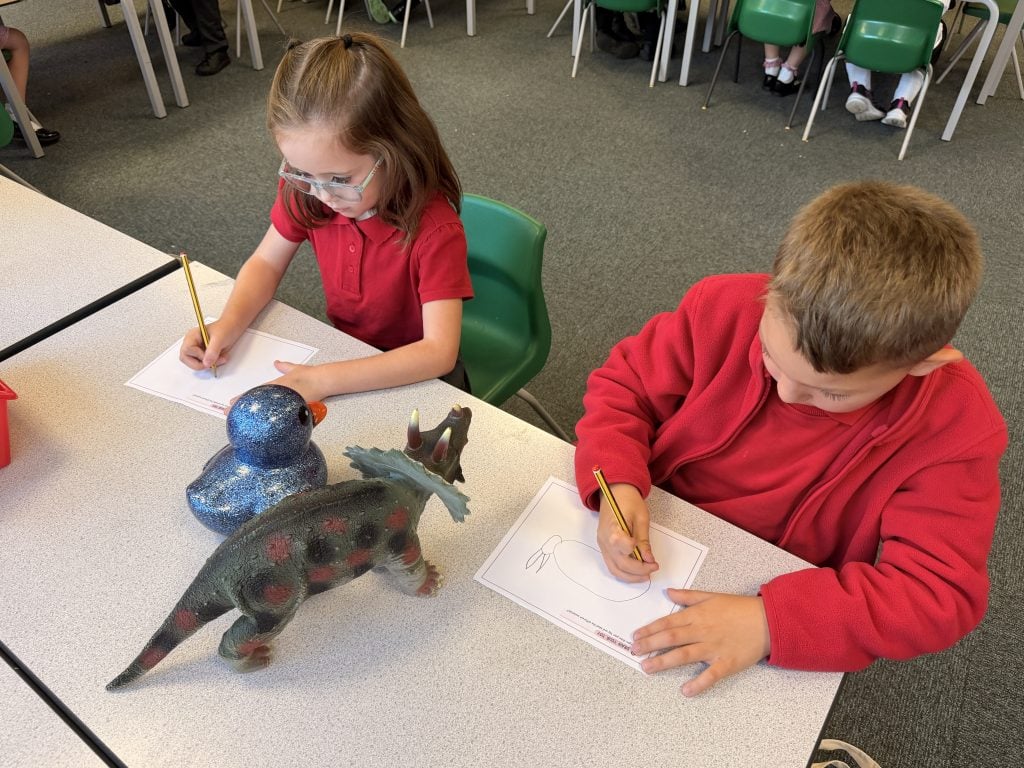
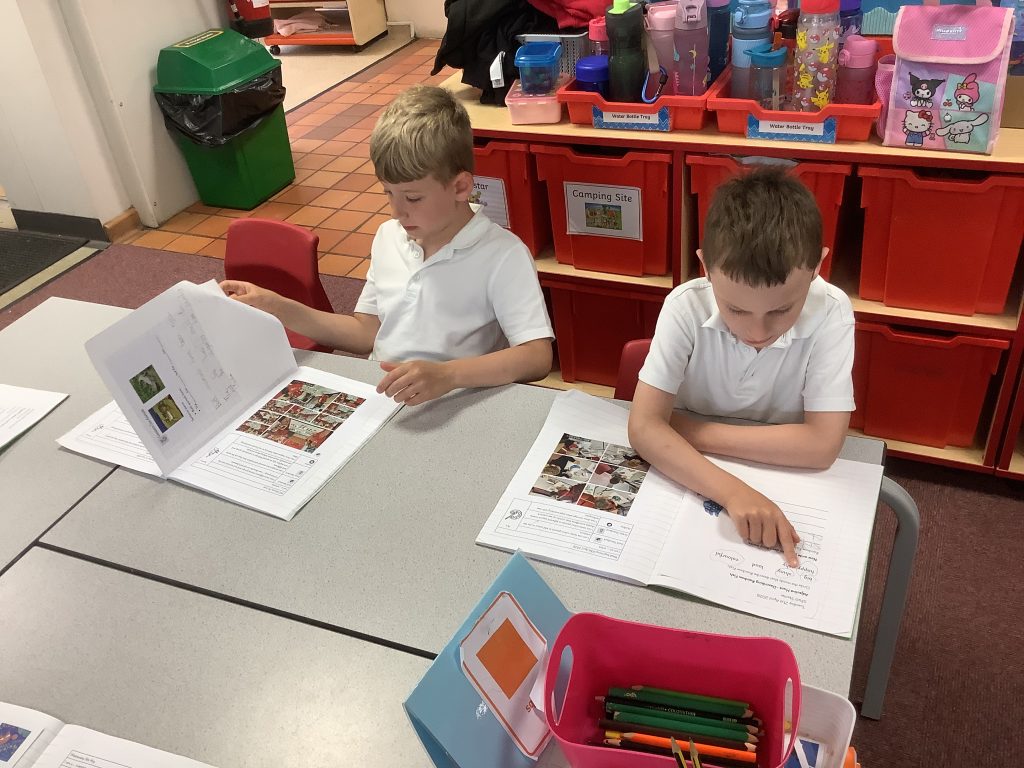
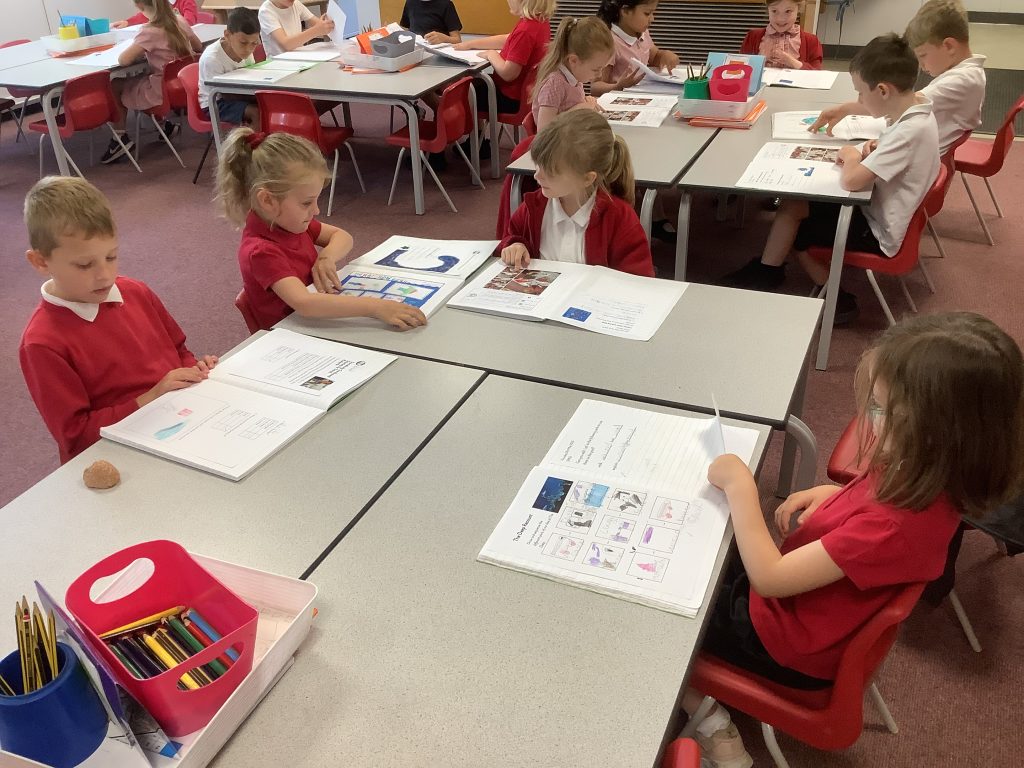
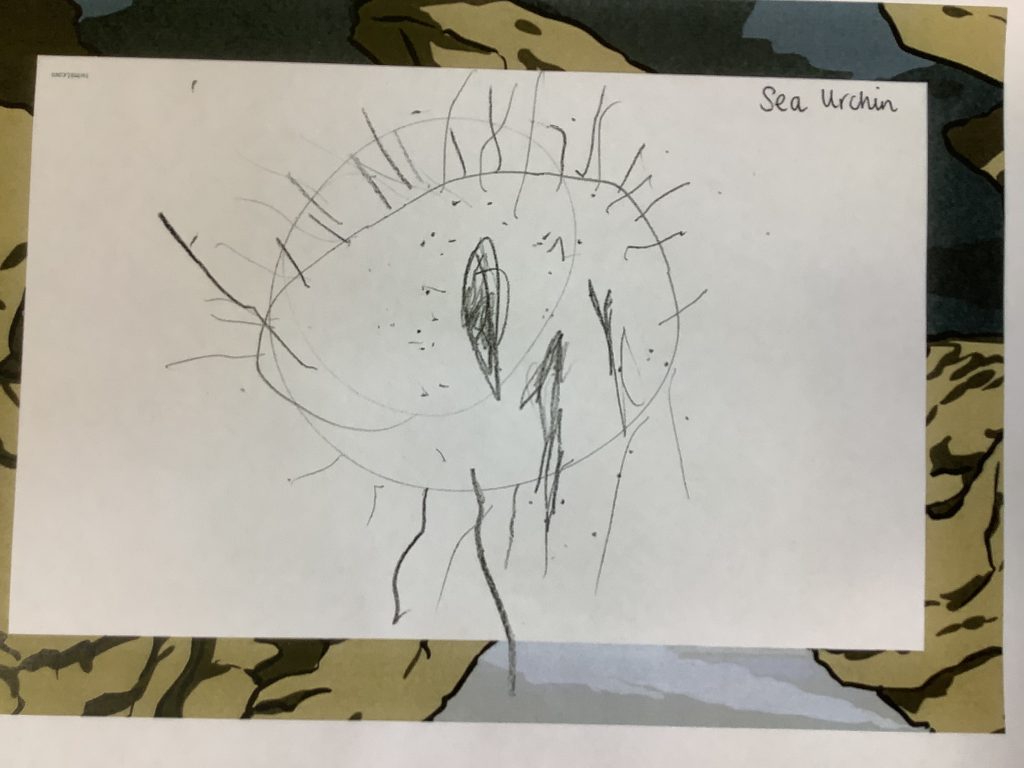
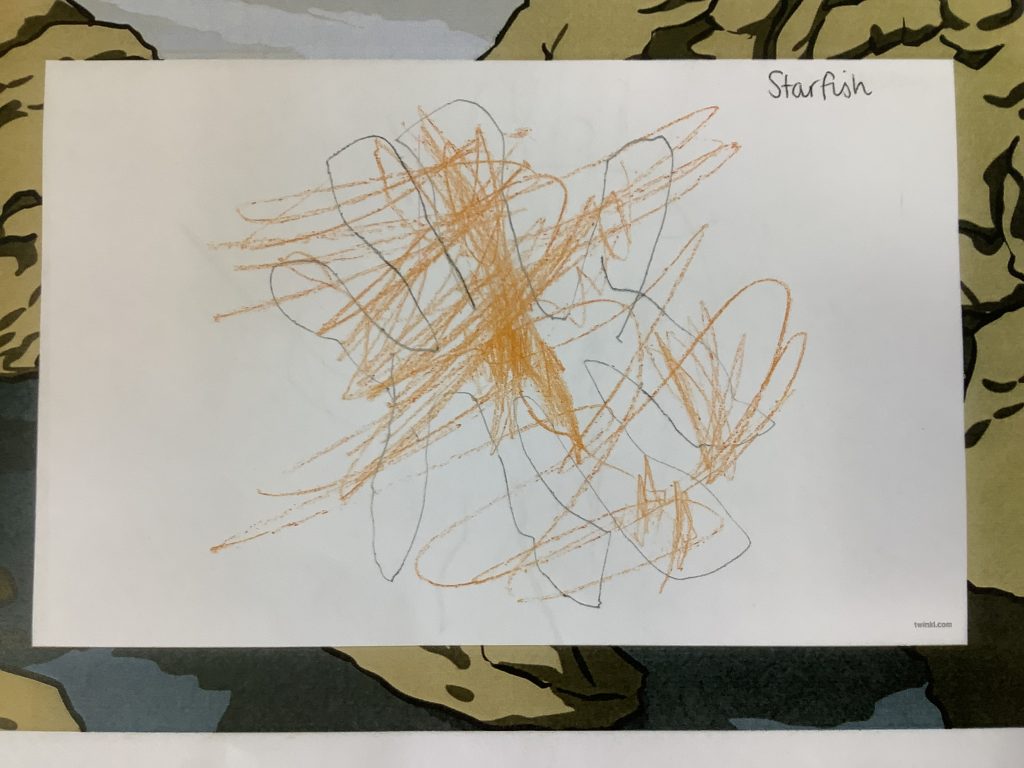
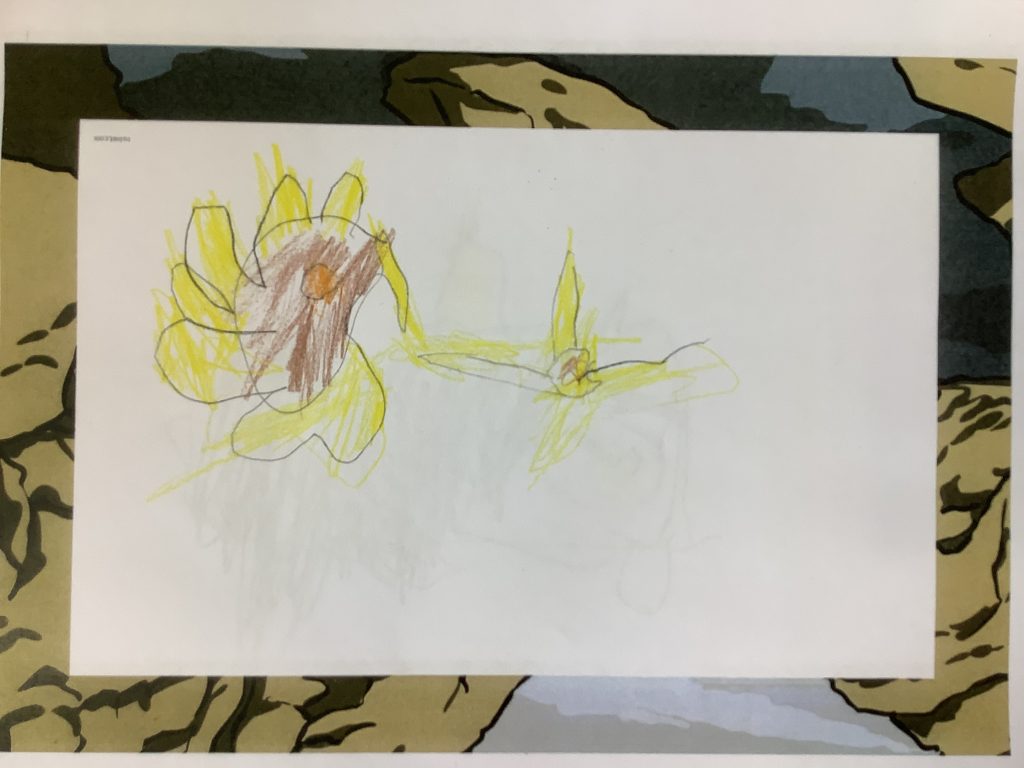
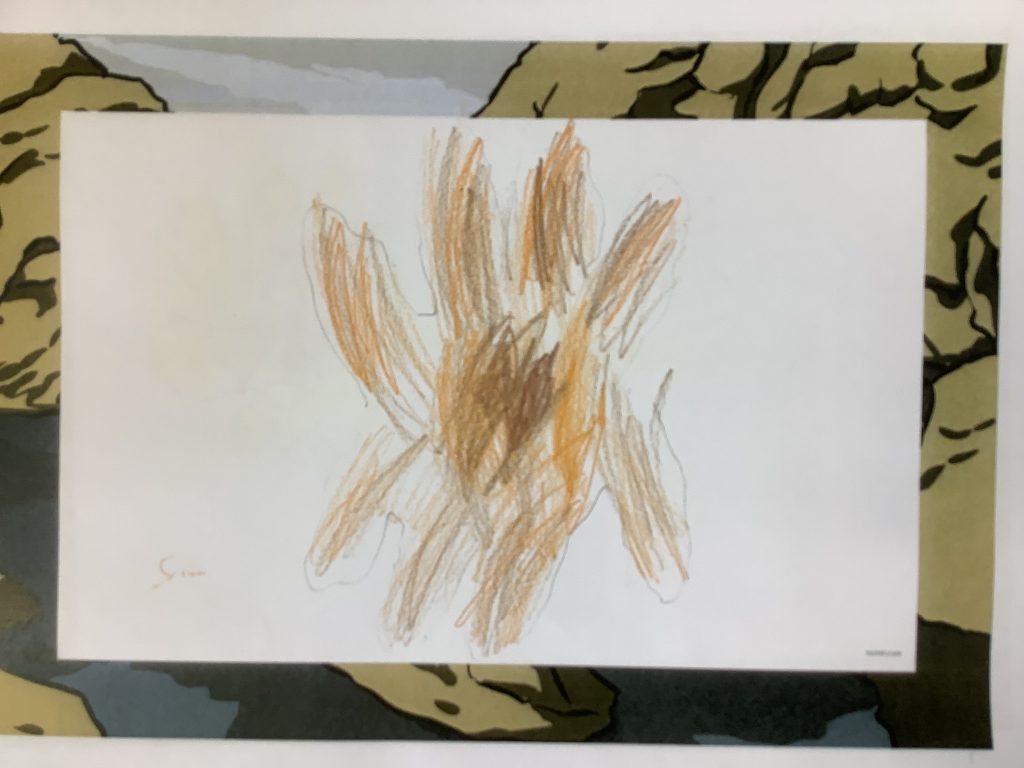
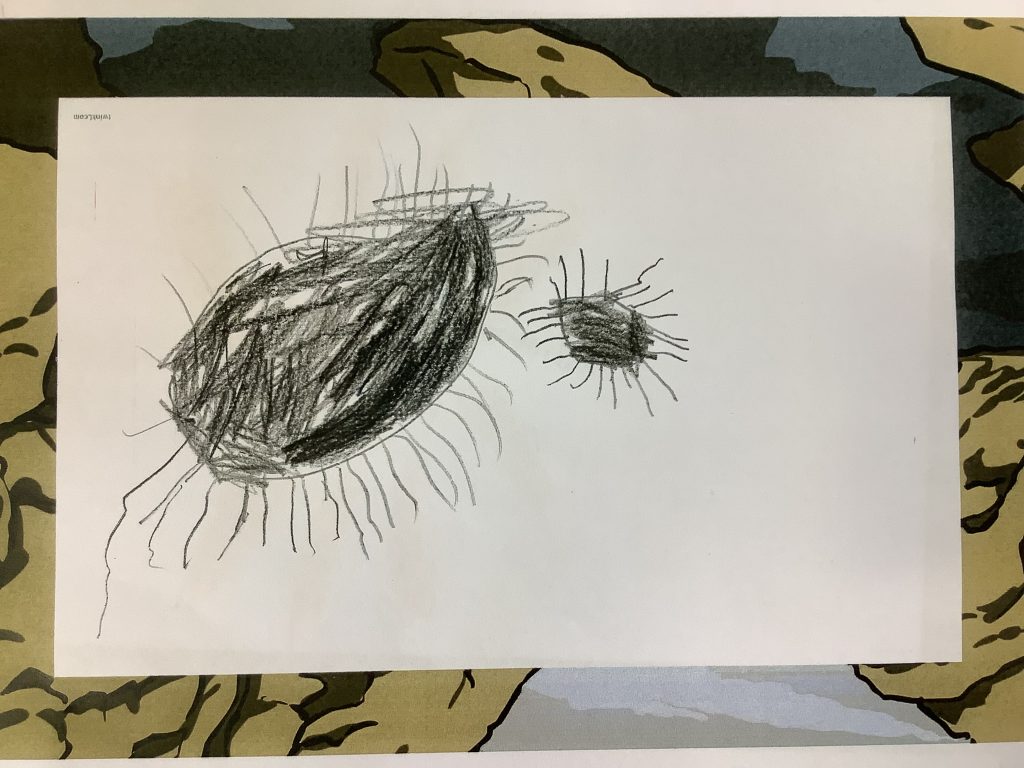
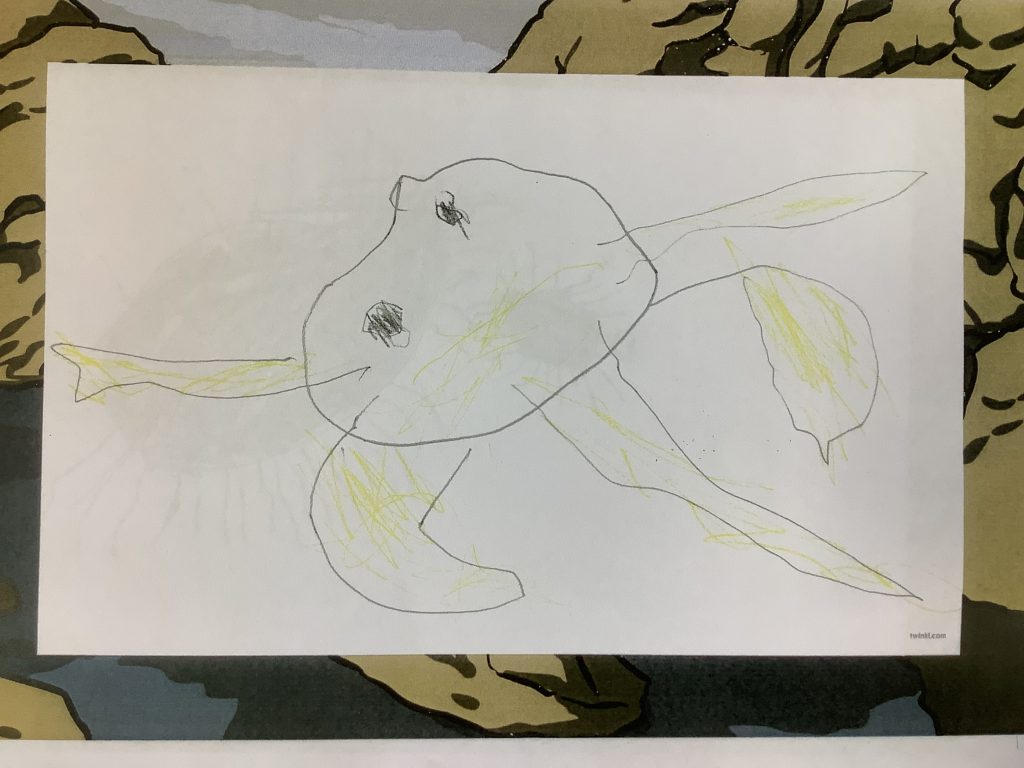
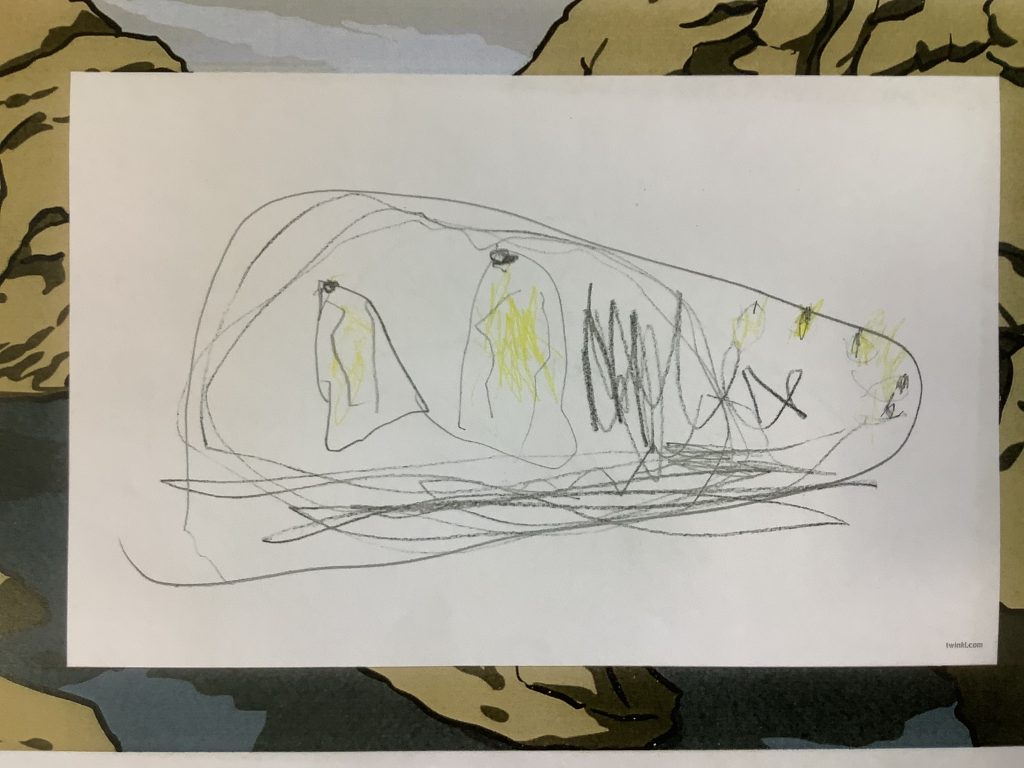
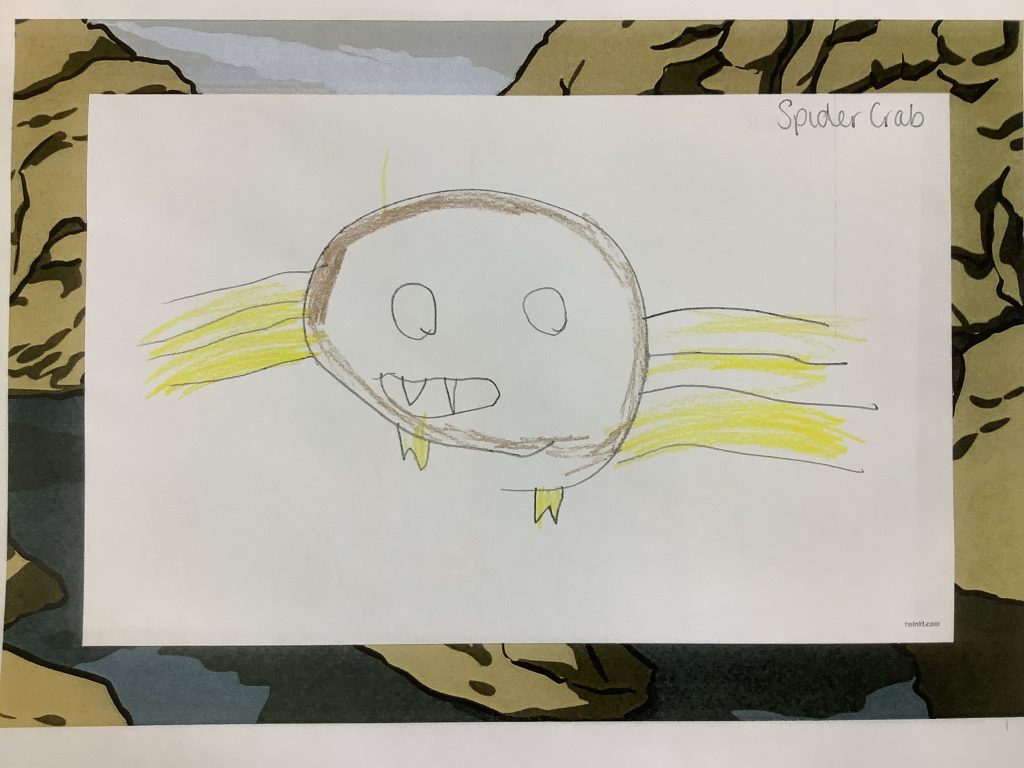
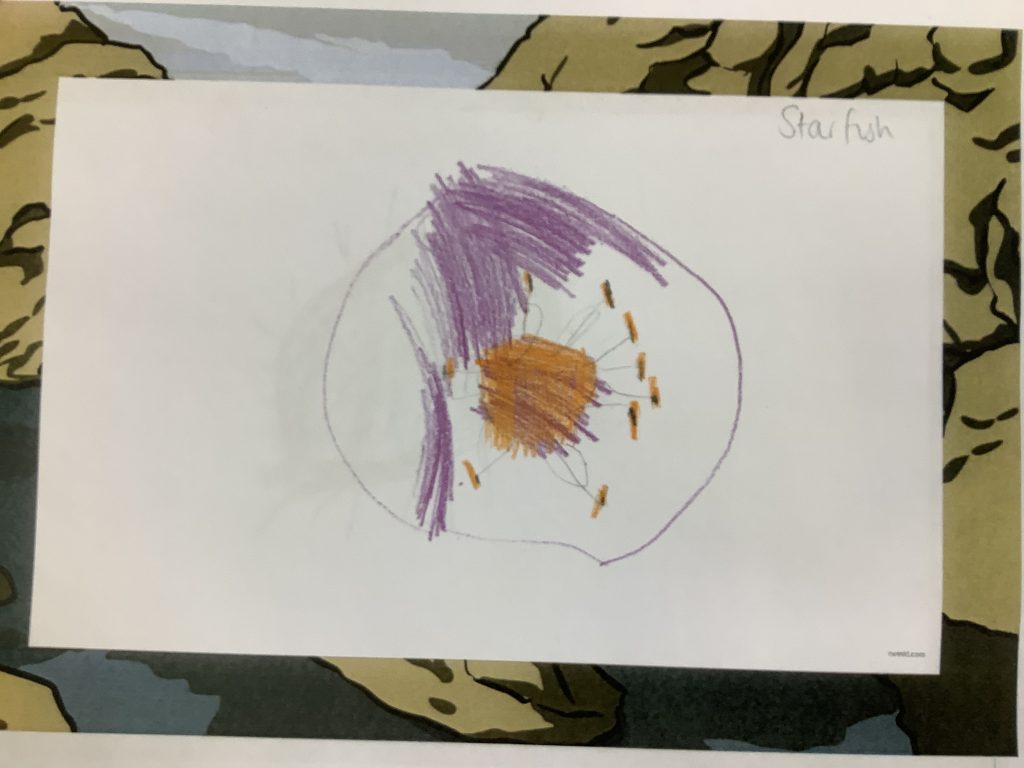
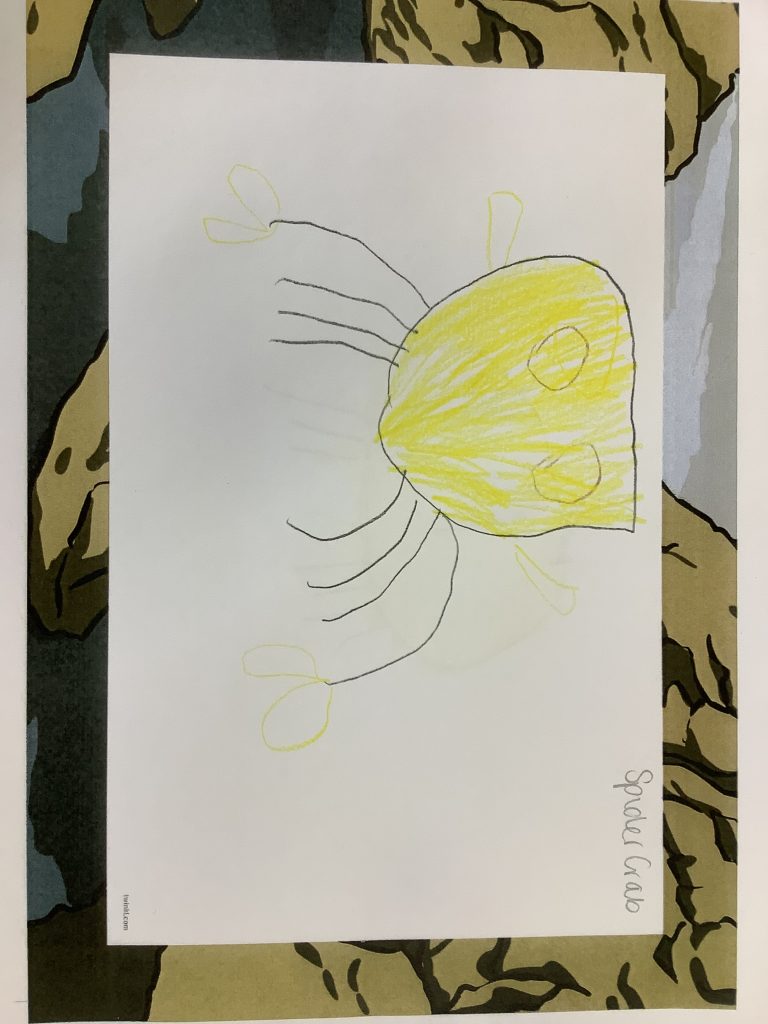
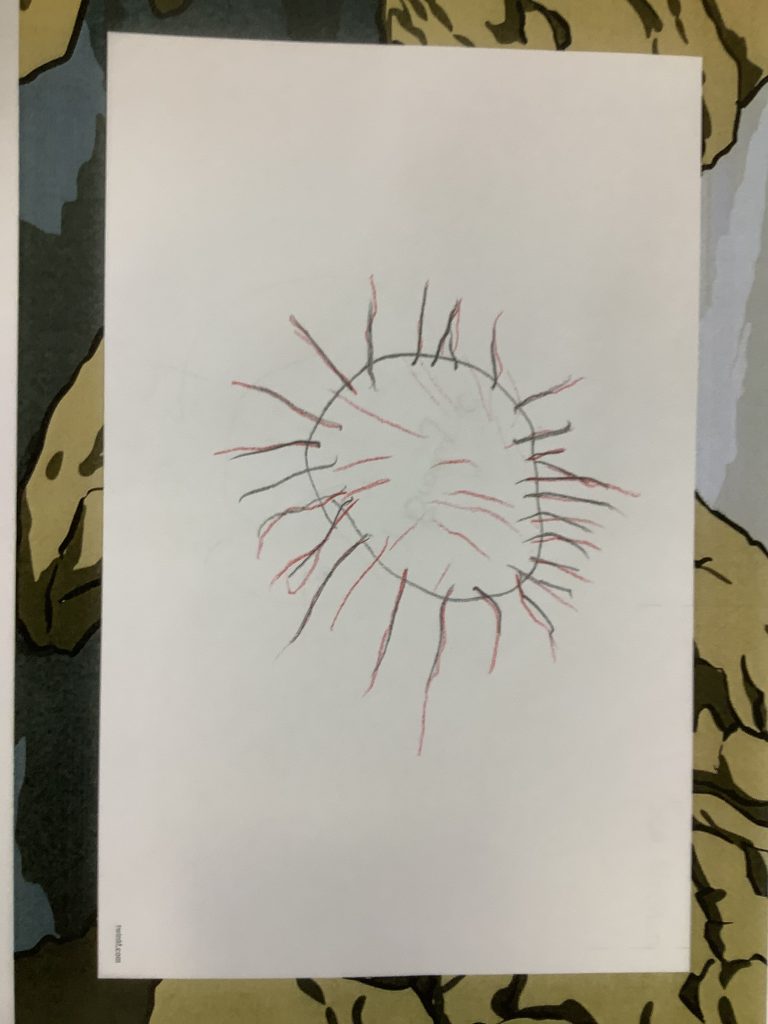
The following day the children used their experience and observation skills from memory and with photo support to draw the sea creatures. They did so well and included so much detail for the creatures features. Just look at their beautiful work!

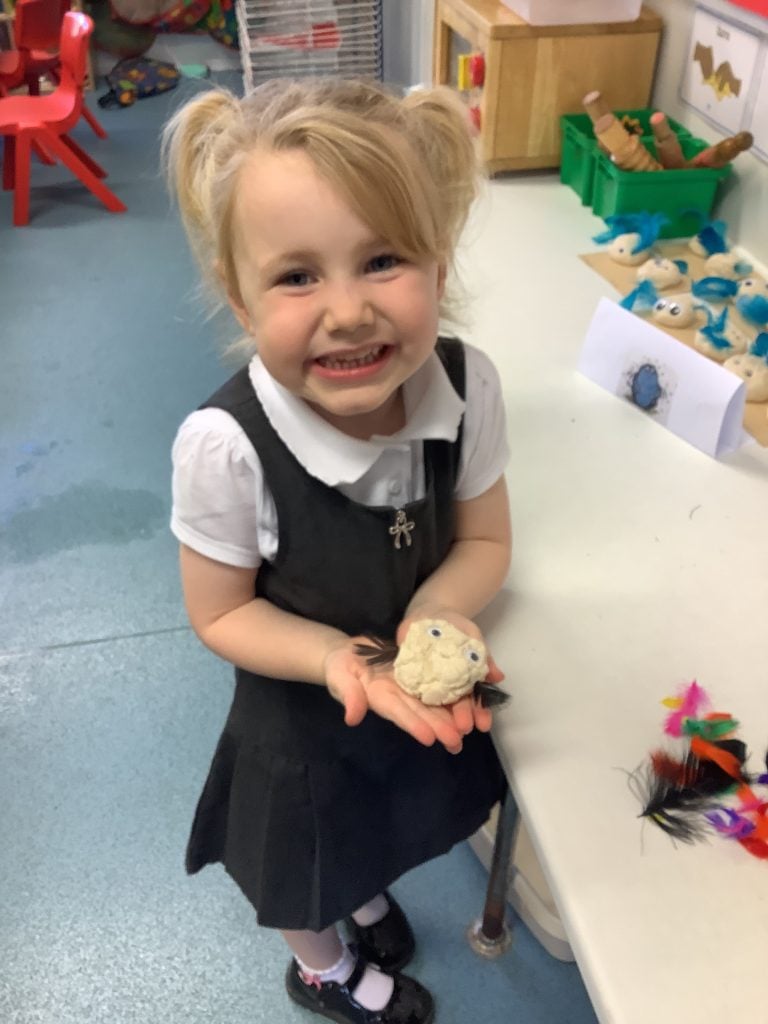
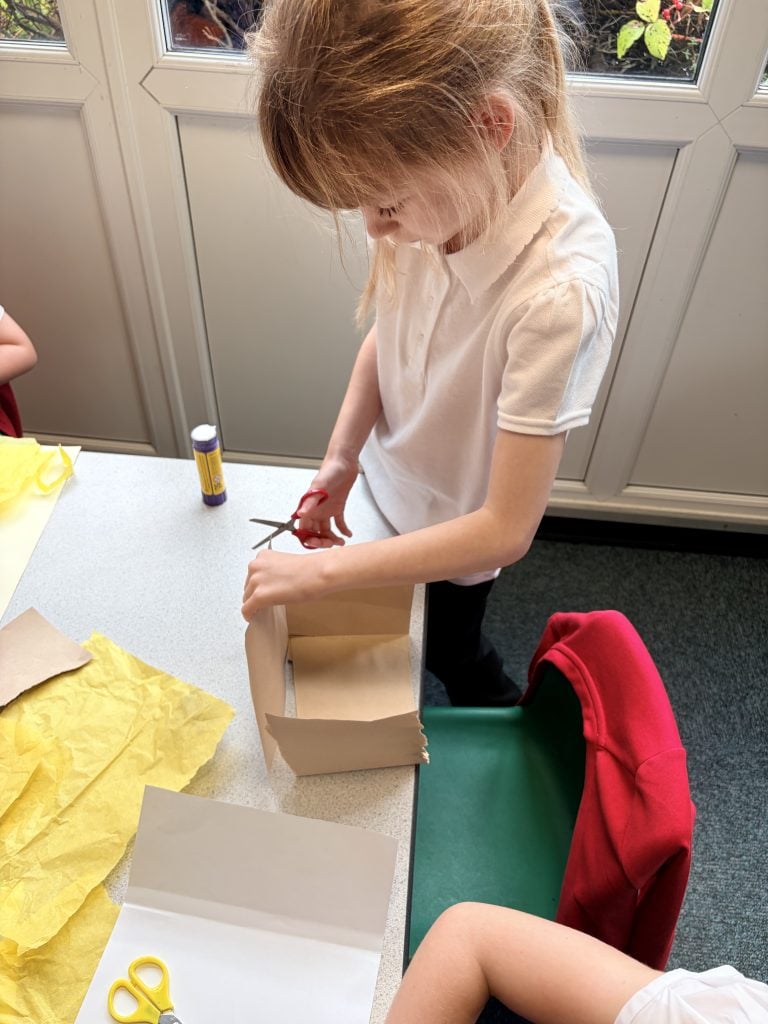
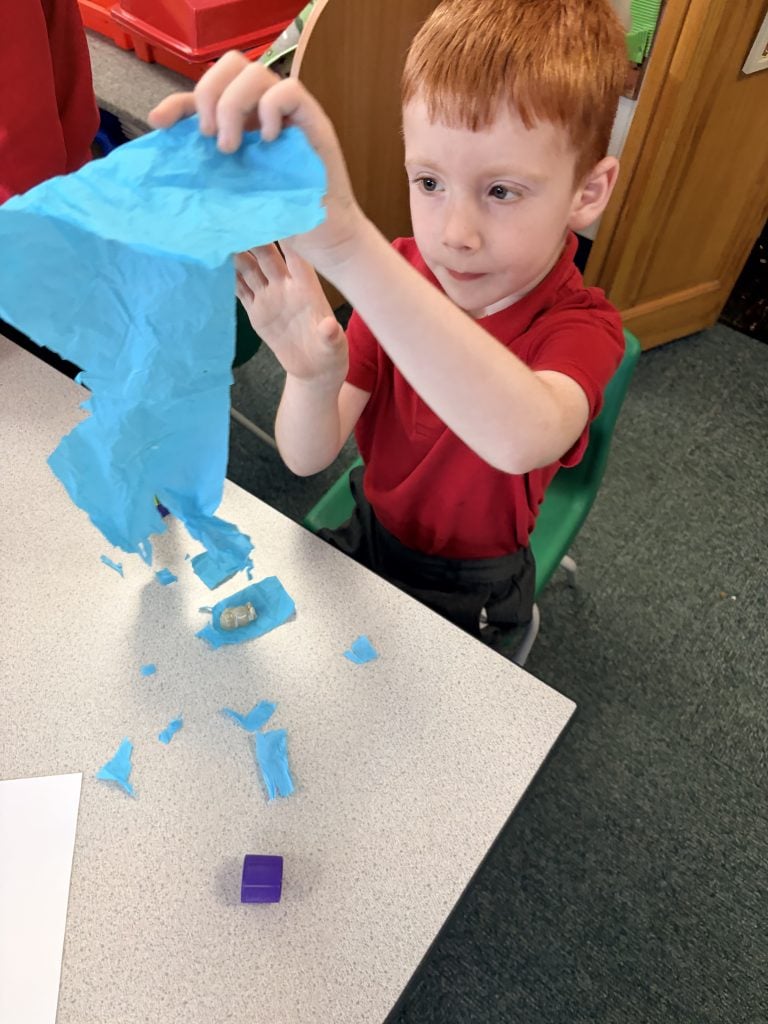
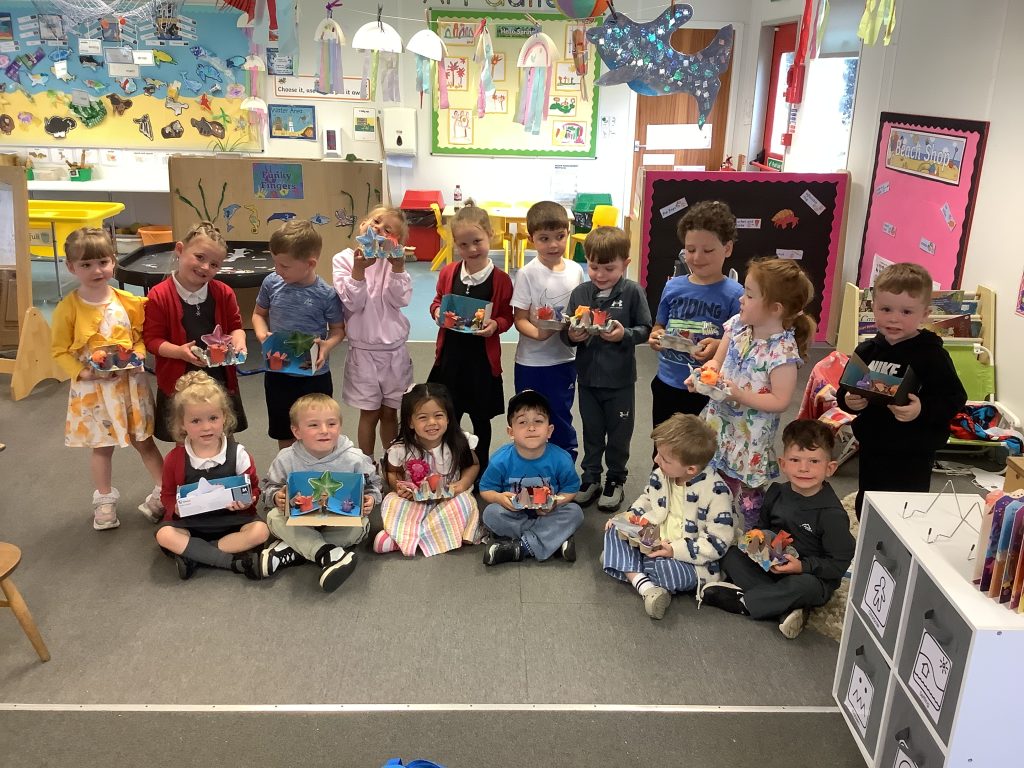
Finally to bring all of our lovely learning and the week to a close the children create cardboard box Rockpool models. They painted their boxes first and then used a variety of materials and artistic skills to create sea creatures. They made cardboard tube sea anemones, playdough sea urchins with cocktail sticks, either a starfish using folded paper or a crab using craft materials and pipe cleaners. One of the children in the afternoon nursery brought back brightly coloured seashells from their holidays as a gift for the children so we included those too. Aren’t they absolutely amazing!?! The children have shown real quality of craftsmanship here! Well done Nursery beautiful learning – I am so proud.

📚✨ Final Word Preparation ✨📚

Today, we spent time preparing for our upcoming Final Word, focusing on one of our most important learning habits: reflection.

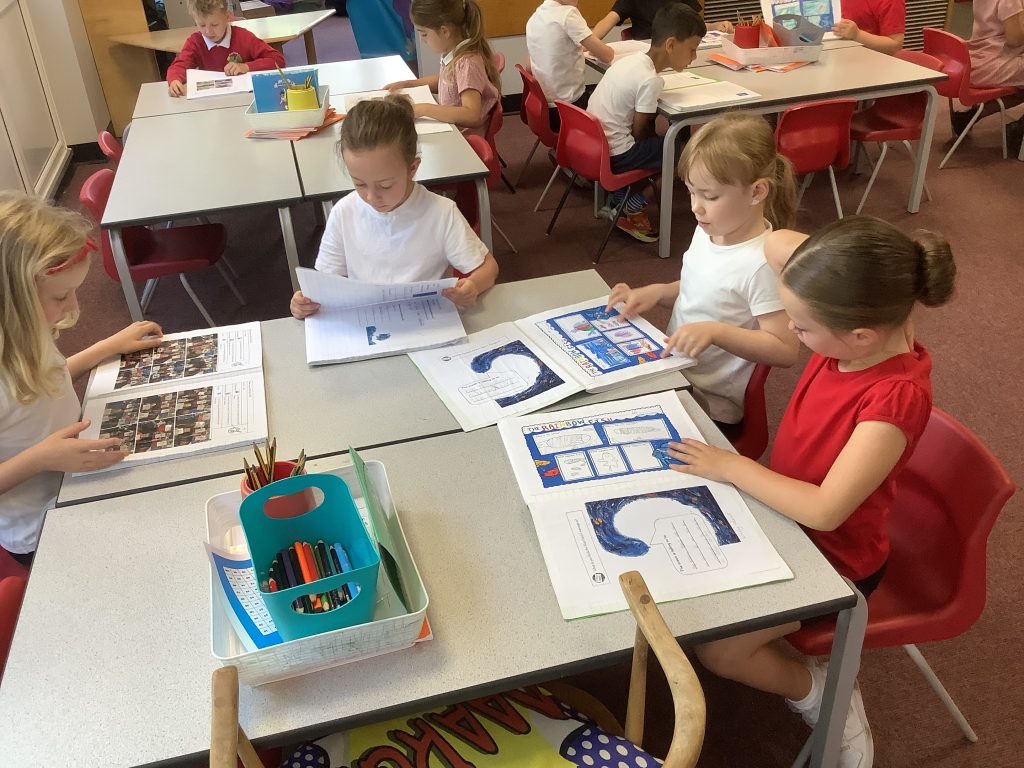
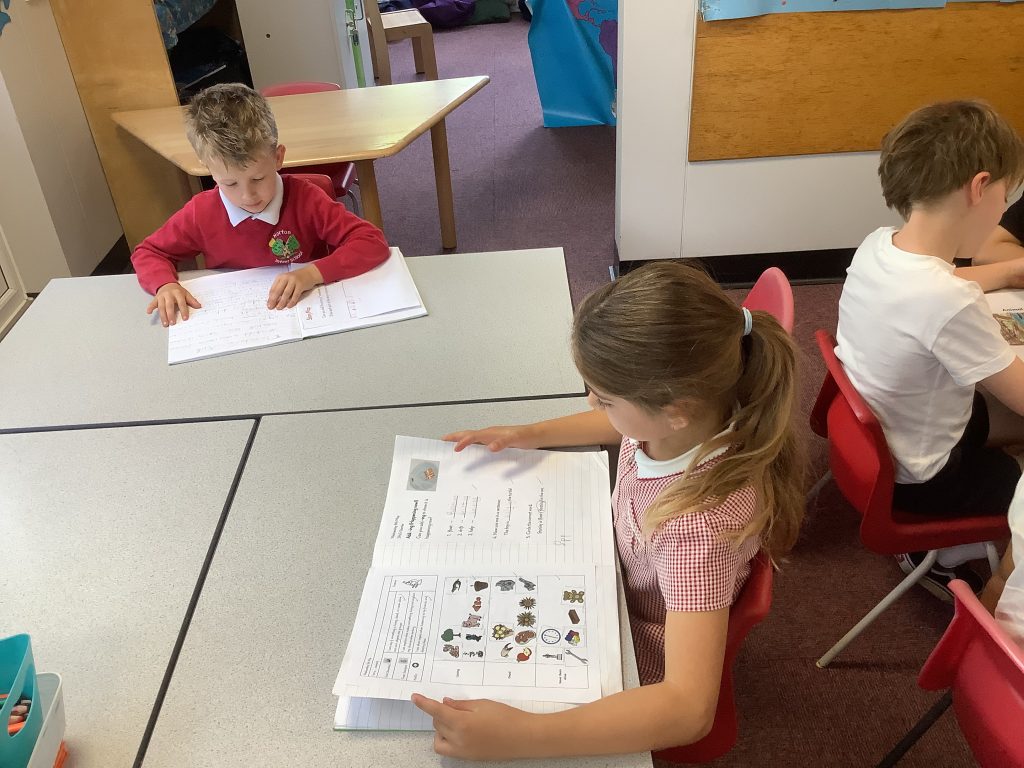
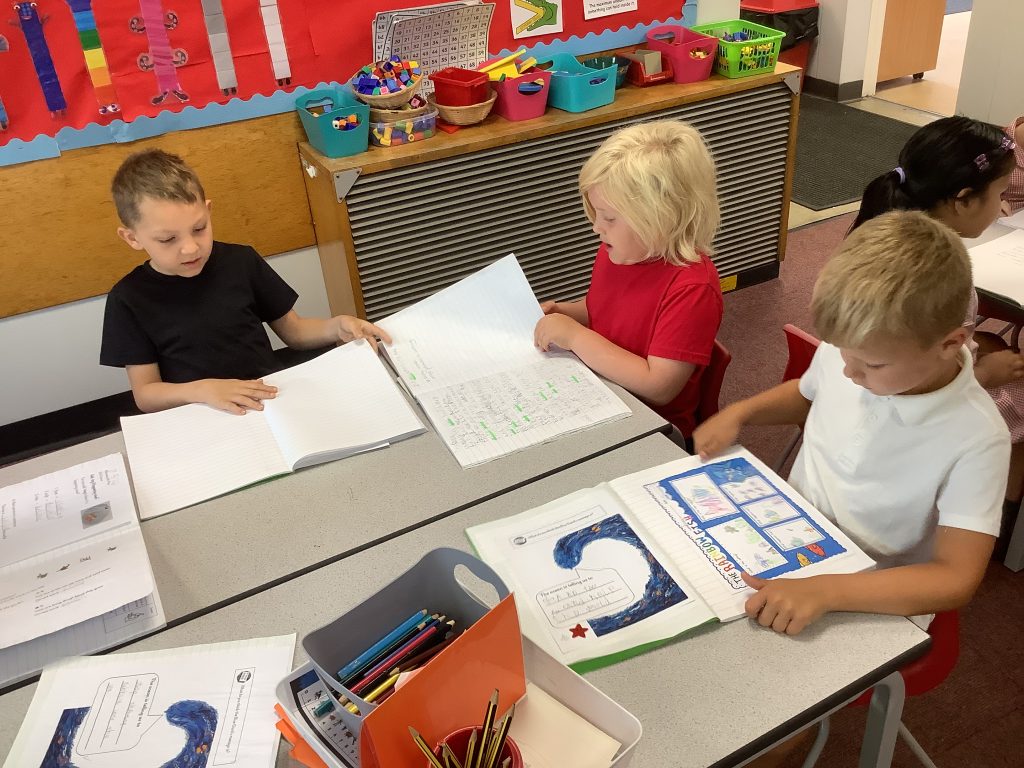
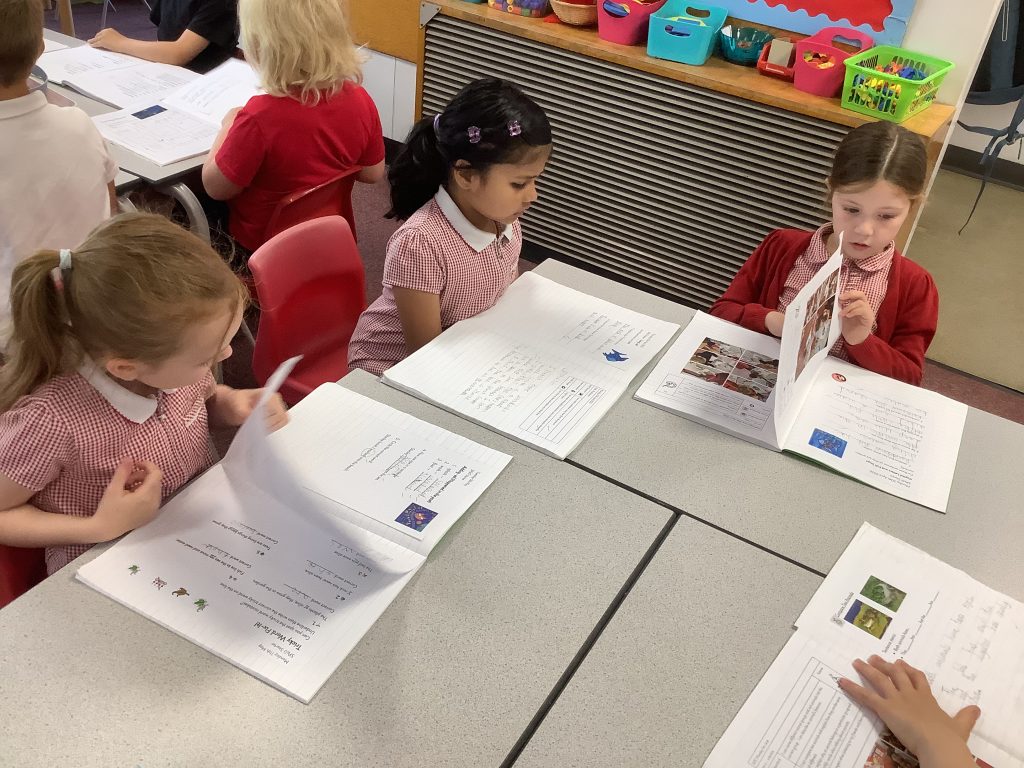
We journeyed back through all of the expeditions we have completed this year, revisiting beautiful pieces of work and remembering the learning experiences that helped us grow. The children were amazed to see the progress they have made, spotting improvements in their writing, artwork, presentation and overall craftsmanship.

As part of our preparation, the children worked together to support one another in selecting pieces of work to share with their families. Some chose work they are especially proud of, while others selected pieces that they found challenging and had to really grapple with before achieving success.

It was wonderful to hear the children talking so thoughtfully about their learning journey and celebrating how far they have come. We can’t wait for them to share these special pieces and reflections with you at Final Word! 🌟

World Cup Fever in Class 5!

Class 5 has been well and truly bitten by the World Cup bug!

As part of our Class 5 sweepstake, each child was allocated two countries to support throughout the tournament. We have spent time developing our research skills by finding out more about our countries, including where they are in the world, interesting facts about them and their football traditions.

Using our research, we then created our very own World Cup bunting display. We carefully studied each country’s flag, paying close attention to colours, shapes and patterns to ensure our designs were as accurate as possible. This challenged us to be precise and pay close attention to detail.

The classroom is now looking fantastic, with flags from around the world proudly displayed and lots of excitement as we follow the progress of our teams. We are looking forward to seeing how our countries perform and finding out who will be crowned World Cup champions!

Good luck to all of our Class 5 teams!

The Blue Planet — How Can I Impact the World?

Guiding Question: How can I impact the world?
Curriculum Seam: Protecting Our Planet
Year Groups: Key Stage 1 – Year 1 and Year 2
Subjects: Science, Geography and Art, with English woven throughout

The Story of the Expedition

Our expedition The Blue Planet — How Can I Impact the World? invited children to explore one of the most important environments on Earth: the world’s oceans. Through the lenses of Science, Geography and Art, pupils investigated the beauty and diversity of marine habitats while also confronting a growing global challenge — plastic pollution.

Throughout the expedition, children considered an important idea: even small actions can make a difference to our planet. Through storytelling, research, scientific investigation and creative expression, pupils learned how human behaviour affects the oceans and how they themselves could take action to help protect them.

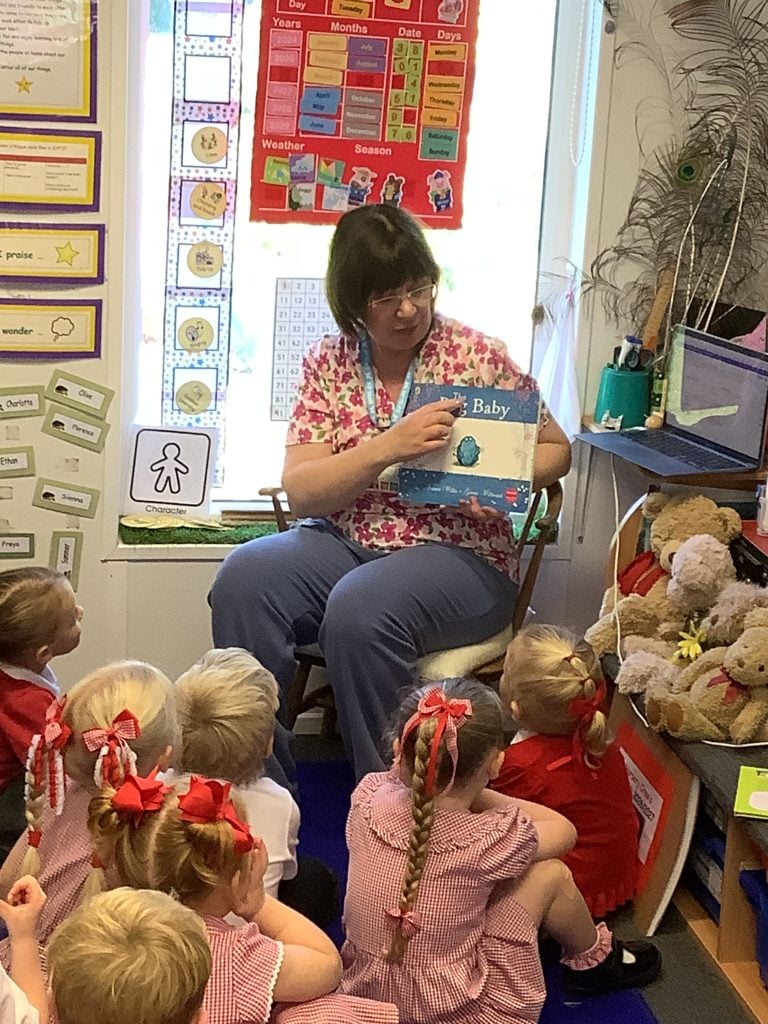
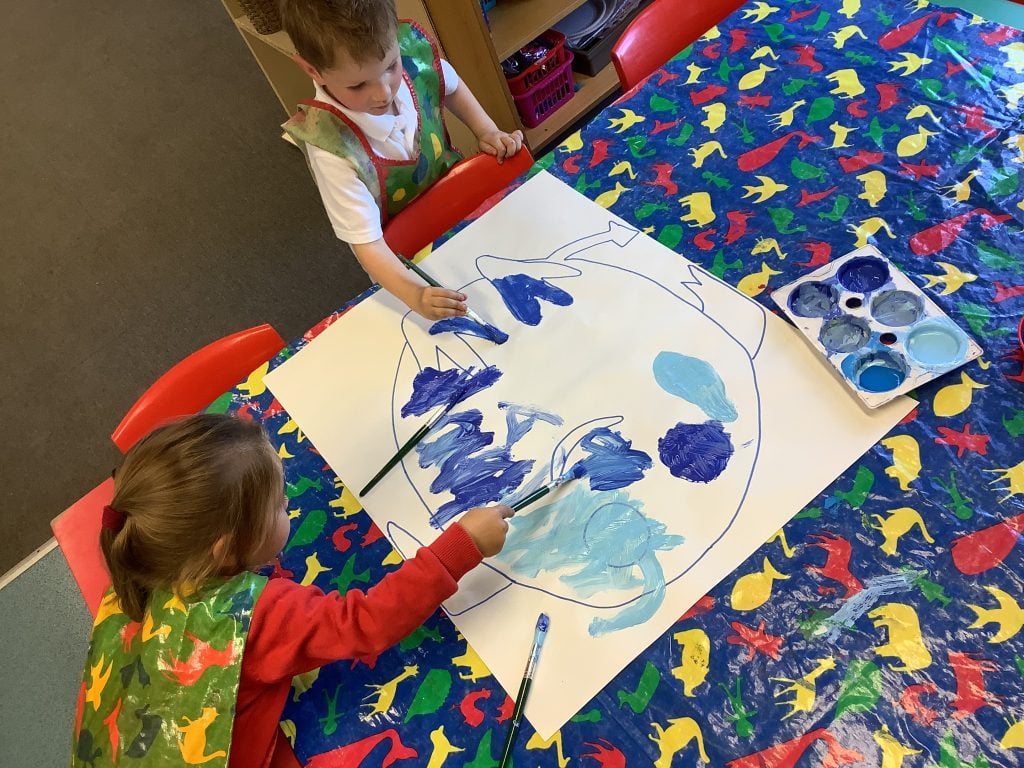
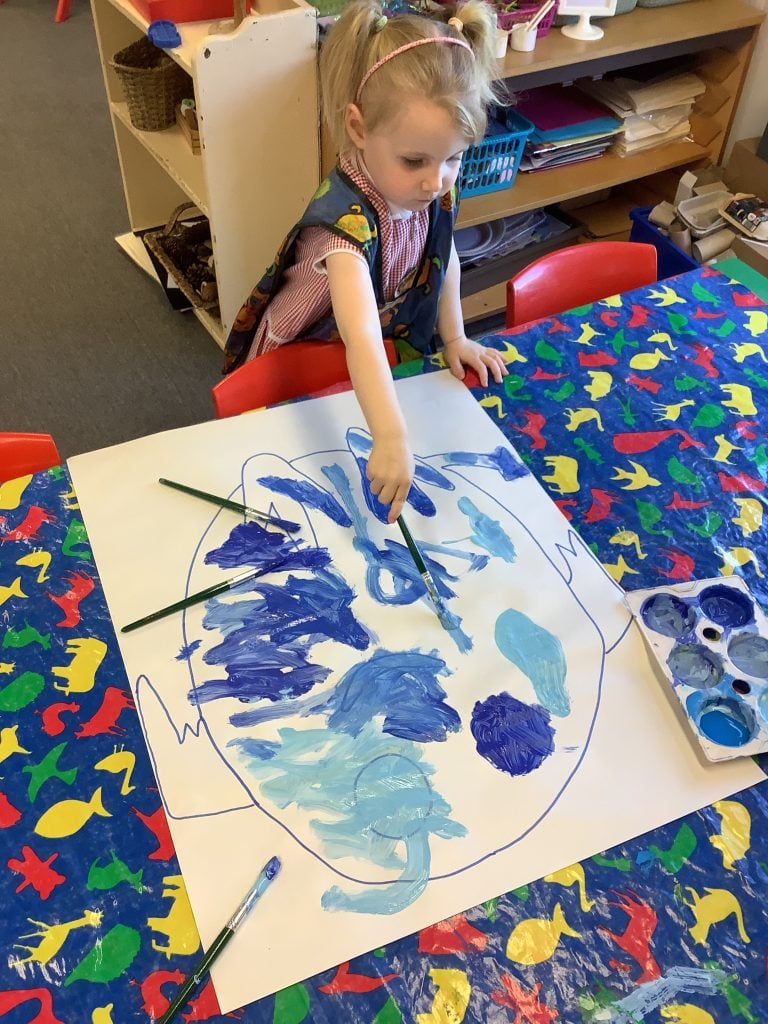
The expedition began with an immersive Hook Week built around the powerful story The Blue Giant. This text introduced children to the issue of pollution in the oceans and the devastating effects plastic waste can have on marine wildlife. Pupils compared images of clean and polluted oceans, discussed how litter travels from land to sea, and explored the responsibility humans have to care for the natural world.

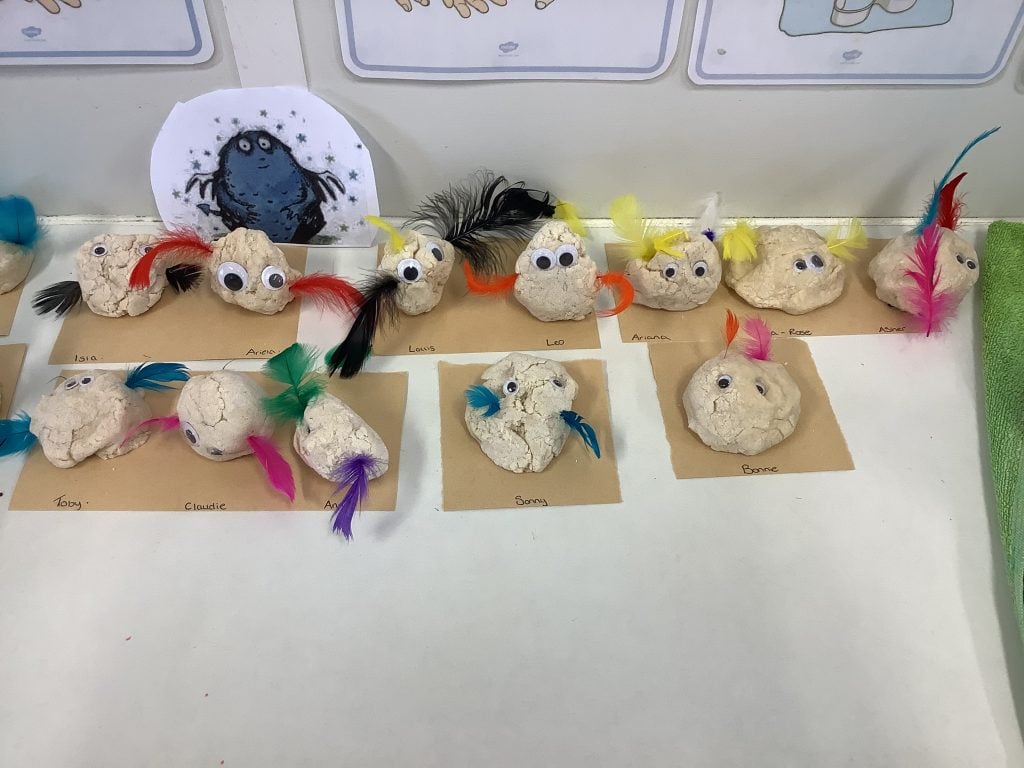
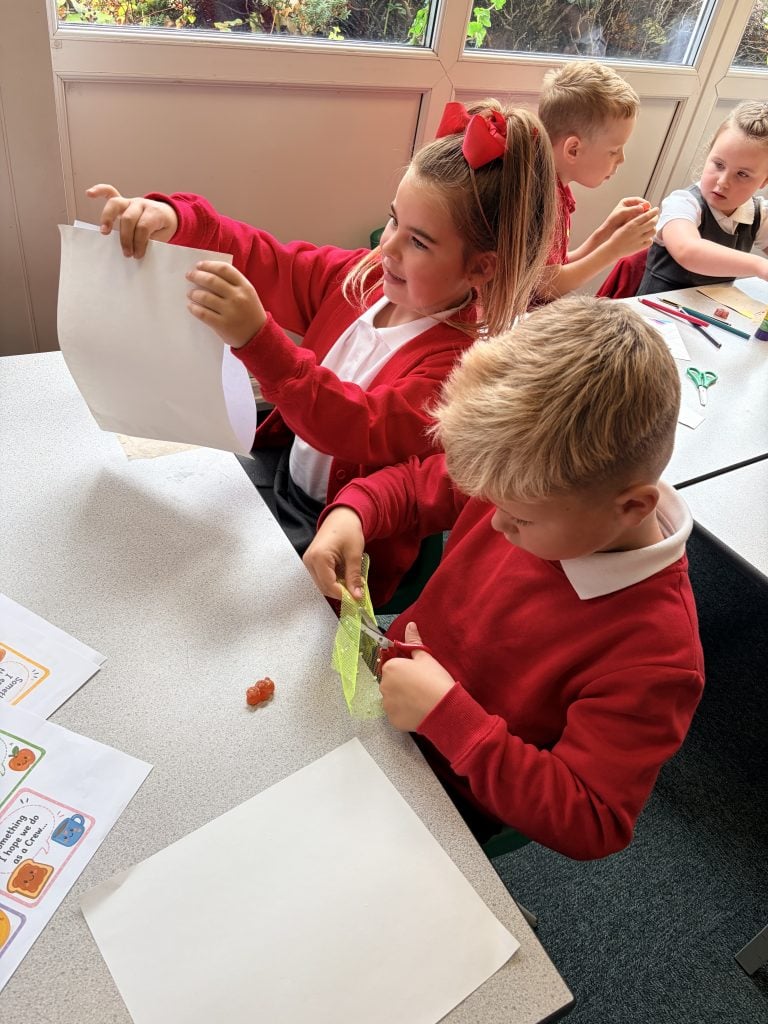
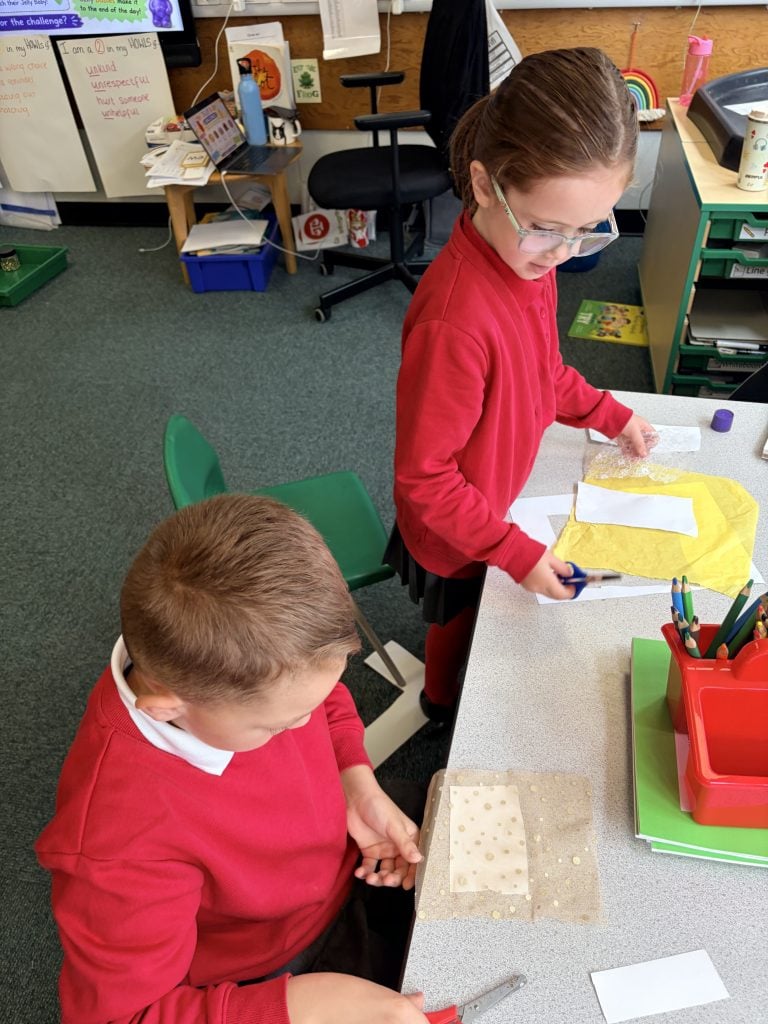
Immersion activities encouraged children to think creatively about environmental responsibility. Using recycled materials, they took part in a collaborative “scrap heap challenge,” transforming discarded objects into imaginative pieces of artwork inspired by the ocean. These activities helped children view waste differently and begin to understand how reducing and reusing materials can help protect the planet.

Throughout the expedition, pupils returned to the guiding question: How can I impact the world? By the end of the journey, children understood that protecting the environment is not only a global issue but also something they can influence through their everyday choices.

Case Studies: Science, Geography and Art

Science: Living Things and Their Ocean Habitats

The first case study focused on Science, where children explored the characteristics of living things and the habitats they depend upon to survive. Pupils investigated the differences between things that are living, dead and those that have never been alive before learning how animals are suited to the environments in which they live.

Through the context of ocean habitats, children identified and classified a wide range of animals including fish, mammals, reptiles, birds and invertebrates. They explored how animals obtain food and how simple food chains operate within marine ecosystems.

Scientific discussions helped children understand the basic needs of animals — including water, food and air — and how pollution can disrupt these needs. Pupils also investigated everyday materials, considering which materials break down in the natural environment and which remain in the ocean for long periods of time.

This learning helped children understand the real impact of plastic pollution on marine life and provided the scientific foundation needed to think critically about protecting ocean ecosystems.

Geography: Exploring the Blue Planet

Geography provided the global context for the expedition as children explored the Earth’s continents and oceans and developed an understanding of the world’s marine environments.

Using maps, atlases and globes, pupils identified and located the world’s seven continents and five oceans. They explored how oceans connect the world and support diverse habitats and wildlife.

Building on prior learning inspired by Paddington, children compared the United Kingdom with the contrasting non-European country of Peru. This comparison allowed pupils to explore similarities and differences between environments around the world and understand how geography influences the way people and animals live.

Through this geographical lens, children began to understand that ocean pollution is a global issue — one that connects communities across continents.

Art: Celebrating the Creatures of the Ocean

Art played a central role in allowing children to celebrate the beauty of marine life while also communicating the importance of protecting it.

Drawing on artistic skills developed in previous expeditions, pupils experimented with a wide range of creative techniques to represent sea creatures and underwater environments. They explored collage, mixed media, printing and painting, combining materials and textures to create vibrant and imaginative artwork.

Children investigated how artists use colour, texture and layering to represent underwater scenes. They responded to visual stimuli, explored ideas and refined their artistic choices as their work developed.

Through this process, pupils created a collection of sea creature artwork that captured both the diversity and fragility of ocean life. These pieces formed the visual identity of the expedition’s final product.

Fieldwork and Expert Experiences

A key moment in the expedition was a fieldwork visit to The Deep, one of the UK’s leading aquariums and marine education centres.

During the visit, children explored the aquarium independently, observing marine animals and learning about the habitats they depend upon. This real-world experience helped pupils connect classroom learning with living ecosystems.

Children also took part in the educational workshop “Caring for Our Oceans,” which focused on the impact of plastic pollution on marine life.

Through storytelling, pupils followed the journey of a killer whale travelling across the world’s oceans and encountering animals affected by pollution. Interactive activities allowed children to investigate how long different materials take to decompose in the ocean, explore how plastics move through marine food chains and record information using tally charts.

The workshop concluded with pupils becoming “Planet Protectors,” identifying practical actions they could take at home and at school to reduce their impact on ocean plastic.

English: Stories That Inspired Change

Literature played an important role throughout the expedition, helping children engage emotionally with the themes of environmental care and responsibility.

Alongside The Blue Giant, pupils explored the story Somebody Swallowed Stanley, which introduced the issue of plastic waste in the ocean through a narrative that was both accessible and thought-provoking.

Later in the expedition, children studied The Tin Forest as a model for descriptive storytelling about environments. Inspired by this text, pupils wrote their own imaginative setting descriptions titled “The Tin Ocean,” combining creative language with their knowledge of marine habitats and pollution.

These writing opportunities allowed children to express both their scientific understanding and their hopes for a healthier planet.

Final Product

The expedition culminated in the creation of a reusable water bottle designed by the children.

Each bottle featured a professionally printed label showcasing the pupils’ ocean-themed artwork. The designs celebrated the beauty of marine life while also promoting an important environmental message: reducing the use of single-use plastics.

By creating a practical, reusable product, the children demonstrated how creativity and design can help encourage more sustainable choices. The bottles were produced for sale, allowing the children’s message about protecting the oceans to extend beyond the classroom and into the wider community.

Presentation of Learning

The expedition culminated in a Planet Protectors Event, where children took on the role of teachers and shared their learning with their families.

During the event, families rotated around a series of stations led by the pupils themselves.

At the Ocean Food Chains station, children explained how plastic pollution can travel through marine food chains and affect ocean animals. At the Plastic Investigation station, families explored different materials and guessed how long they take to break down in the ocean.

At the Ocean Habitats station, pupils shared their knowledge about marine animals and explained the environments in which they live. Finally, at the Art Studio station, children worked alongside their families to create sea creatures using recycled materials, reinforcing the importance of reusing and reducing waste.

The evening concluded with families signing a Planet Protector Pledge Wall, committing to small changes they could make at home to reduce their use of single-use plastics.

This celebration allowed children to proudly share their learning while encouraging the wider community to think more carefully about how everyday choices can impact the planet.

Impact

The Blue Planet — How Can I Impact the World? helped children recognise their role as caretakers of the environment.

By exploring ocean habitats, investigating the effects of pollution and expressing their ideas through art and storytelling, pupils developed both knowledge and a growing sense of responsibility for the natural world.

Most importantly, the expedition helped children realise that protecting the planet is not something reserved for scientists or world leaders. Through small everyday actions — reducing waste, reusing materials and making thoughtful choices — every individual has the power to make a difference.

For our youngest learners, this expedition planted the seeds of environmental awareness and empowered them to believe that their actions, however small, can help protect our Blue Planet.

Can You Help George Escape?

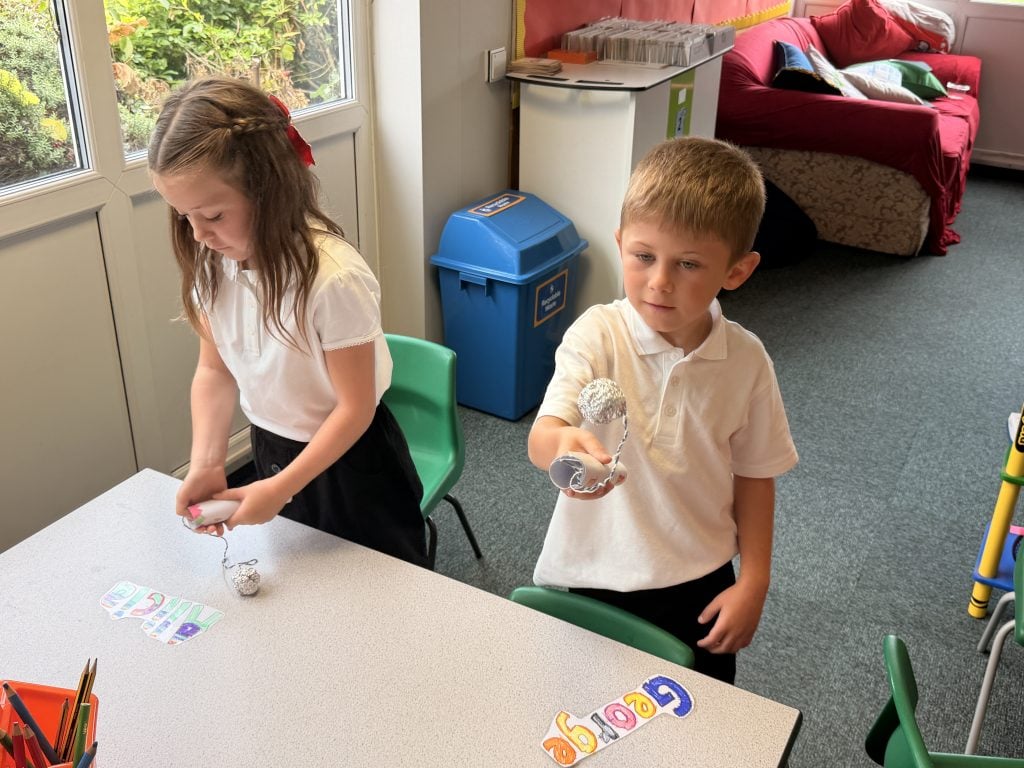
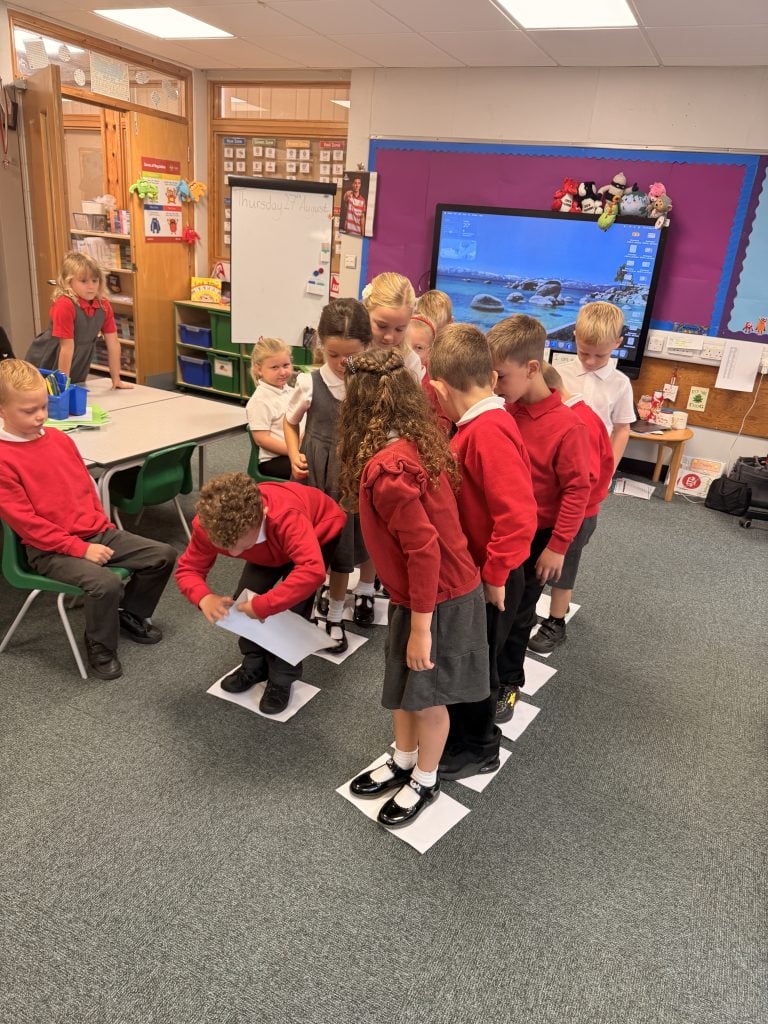
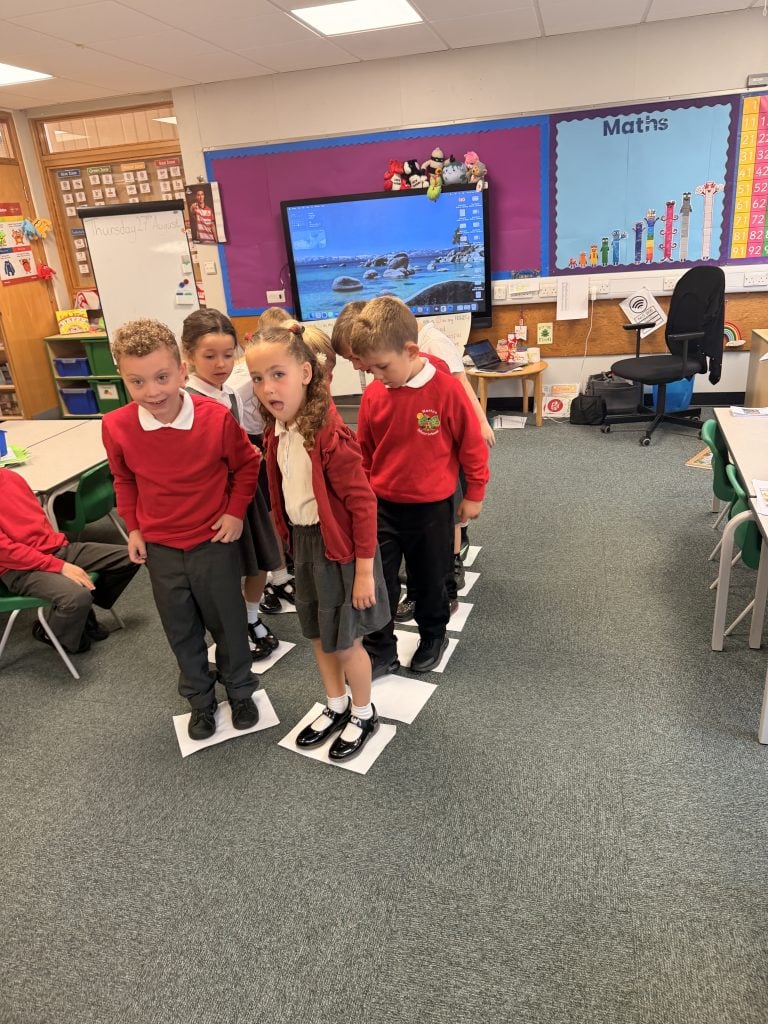
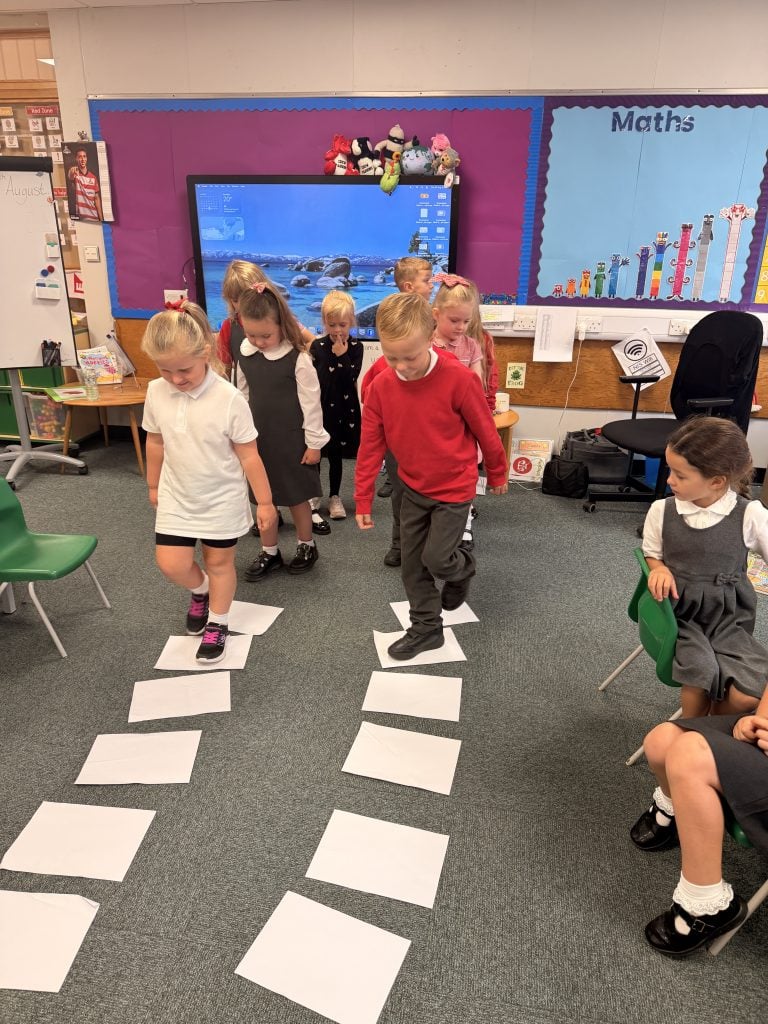
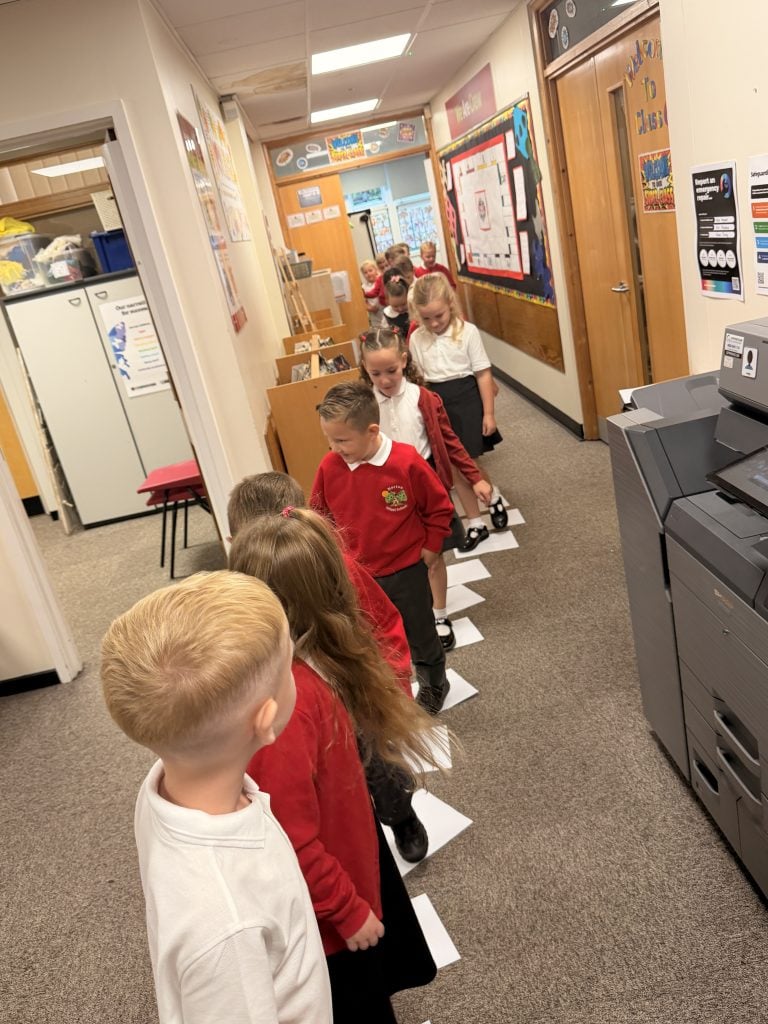
This week, Year 2 became mathematicians and detectives as we took part in a Maths Escape Room challenge!

Poor George the baker was working late one night in the cake shop when his mischievous colleague, Keirra, decided he needed a bit more fun in his life. She locked him inside the bakery and left a series of clues for him to solve. To help George escape, we had to work through five different mathematical challenges, collecting a number code from each one. At the end, we used all of the codes to unlock the final puzzle and set George free!

Along the way, we used lots of the maths skills we have been learning this year, including addition, subtraction, multiplication, division, telling the time and finding fractions. The challenges really made us think carefully and apply our knowledge in different ways.

What impressed me most, however, was not just the maths. I saw fantastic examples of compassion, respect and resilience as children worked alongside their partners. They listened to each other’s ideas, encouraged one another when challenges became tricky and persevered until they found the solutions.

It was wonderful to see so many children confidently using their mathematical knowledge while also demonstrating our character traits. Well done, mathematicians – George escaped thanks to your hard work and teamwork!

Being the Healthiest Version of Me – Healthy Eating Community Meeting

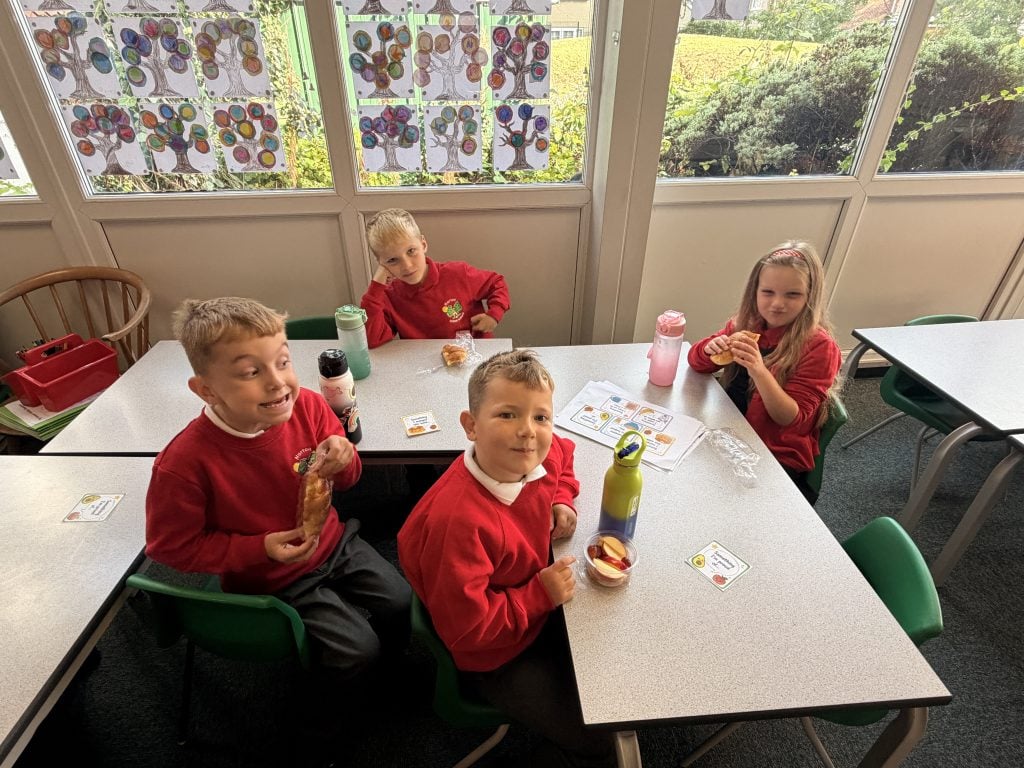
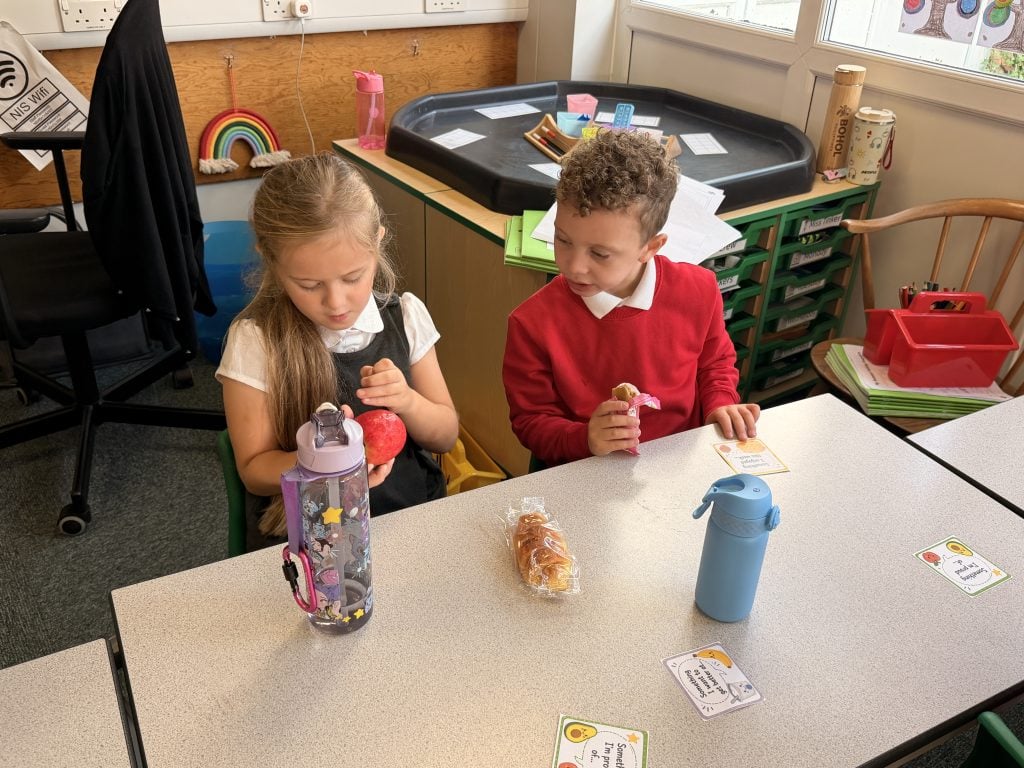
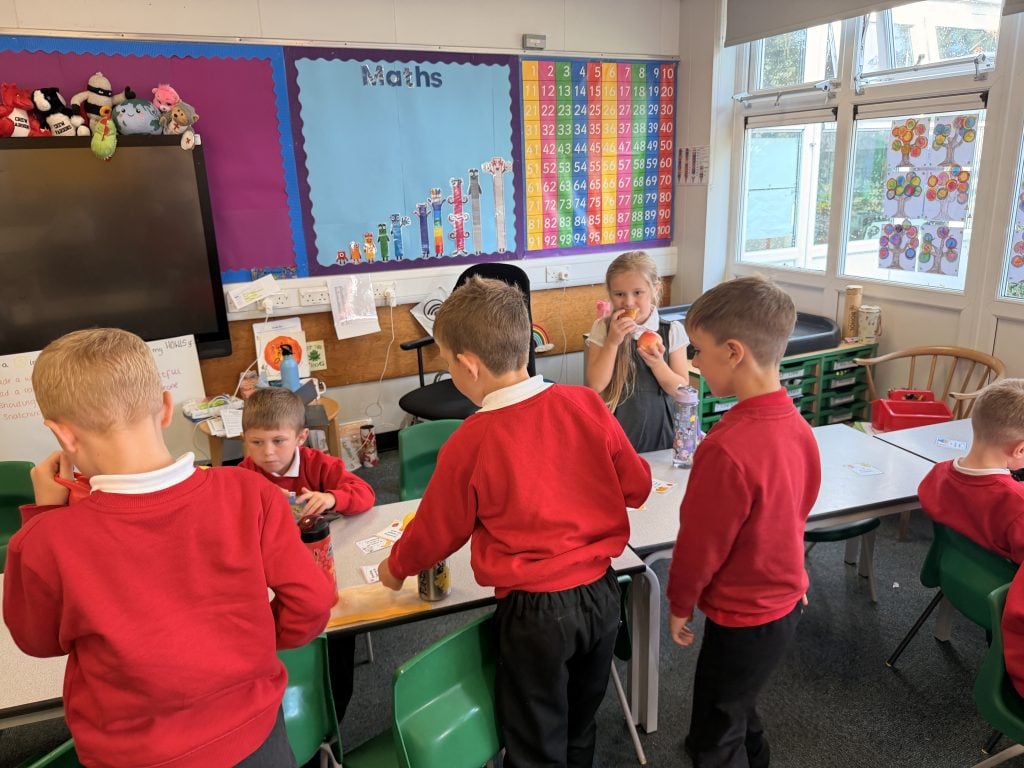
This week, we came together for a Key Stage 1 community meeting as part of our guiding question: How can I be the healthiest version of me?

During our time together, we focused on how the food we eat helps to keep our bodies strong, healthy and full of energy. To get us thinking, we began with a simple question—holding up an apple and a piece of chocolate:
“Which one helps our body grow strong?”
The children quickly recognised that while some foods are better for our bodies, we can still enjoy a balance. This helped us introduce an important message: healthy eating is about balance, not restriction.

Learning About Healthy Foods

We explored the different types of food our bodies need:

  •  Fruits and vegetables help keep us healthy
  •  Carbohydrates (like bread and pasta) give us energy
  •  Dairy helps build strong bones
  •  Protein supports growth and repair

The children enjoyed sharing their own ideas, talking about the healthy foods they already love and eat at home.

Healthy or Not?

We then played a quick game of “Healthy or Not?” where children responded to different foods using actions:

  • 👍 Hands on head = healthy most of the time
  • 👎 Hands on knees = sometimes foods

This was a great way to reinforce that some foods are everyday foods and some are sometimes foods—and that both have a place in a balanced diet.

Reflecting Together

We spent some time thinking about how healthy foods help our bodies. The children shared brilliant ideas about how food gives us energy, helps us grow, and keeps us feeling good.

We also linked this back to our wider learning:

If we want to be superheroes in our community, we need strong, healthy bodies!

 Making a Healthy Pledge

To finish our community meeting, each child made a simple, personal pledge about how they can make a healthy choice:

  •  Eat more fruit and vegetables
  •  Drink more water
  •  Try a new healthy food

This moment encouraged the children to take ownership of their choices and recognise that even small changes can make a big difference.

 Our Key Message

We reminded the children that being healthy doesn’t mean being perfect. Instead, it’s about making small, positive choices each day that help our bodies grow, stay strong, and feel their best.

We are so proud of how engaged and thoughtful the children were during this session. Ask your child about their healthy pledge—you might even be inspired to make one of your own!

Thank you for your continued support.

Class Six Are Artist Extraordinaires 🎨

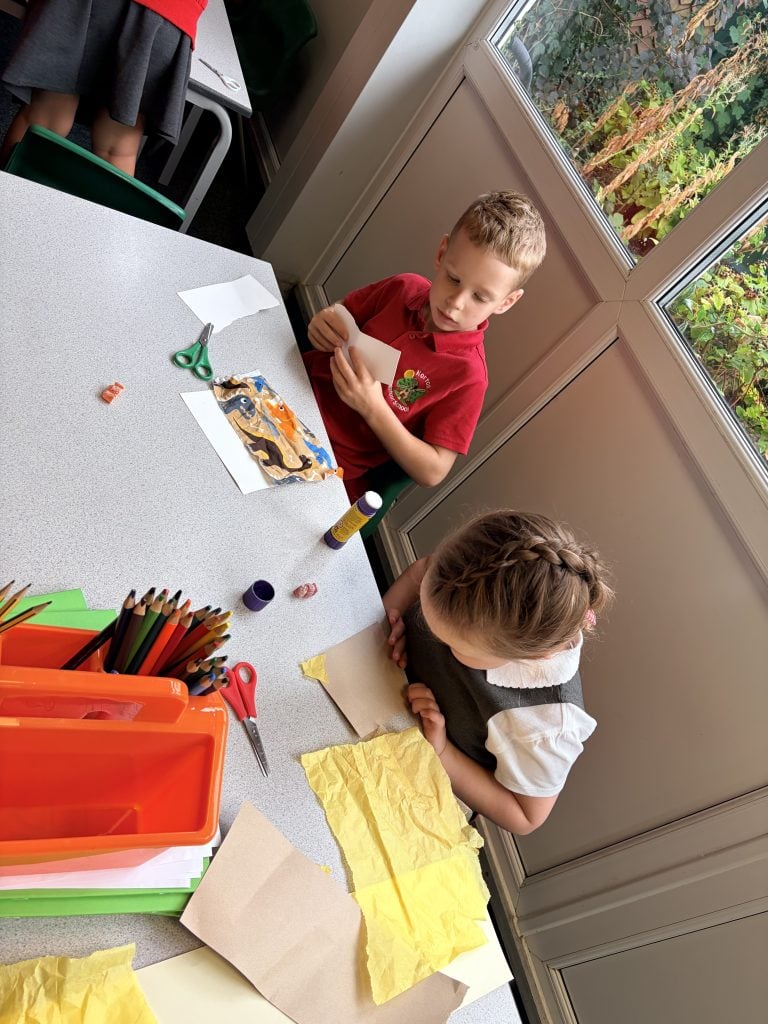
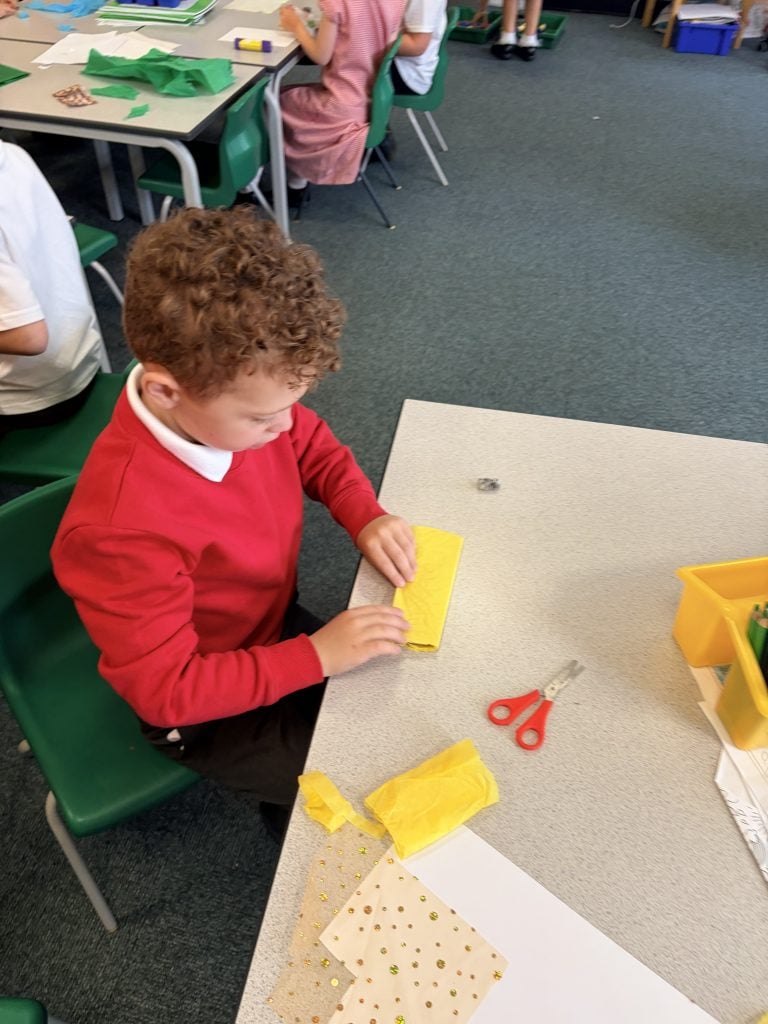
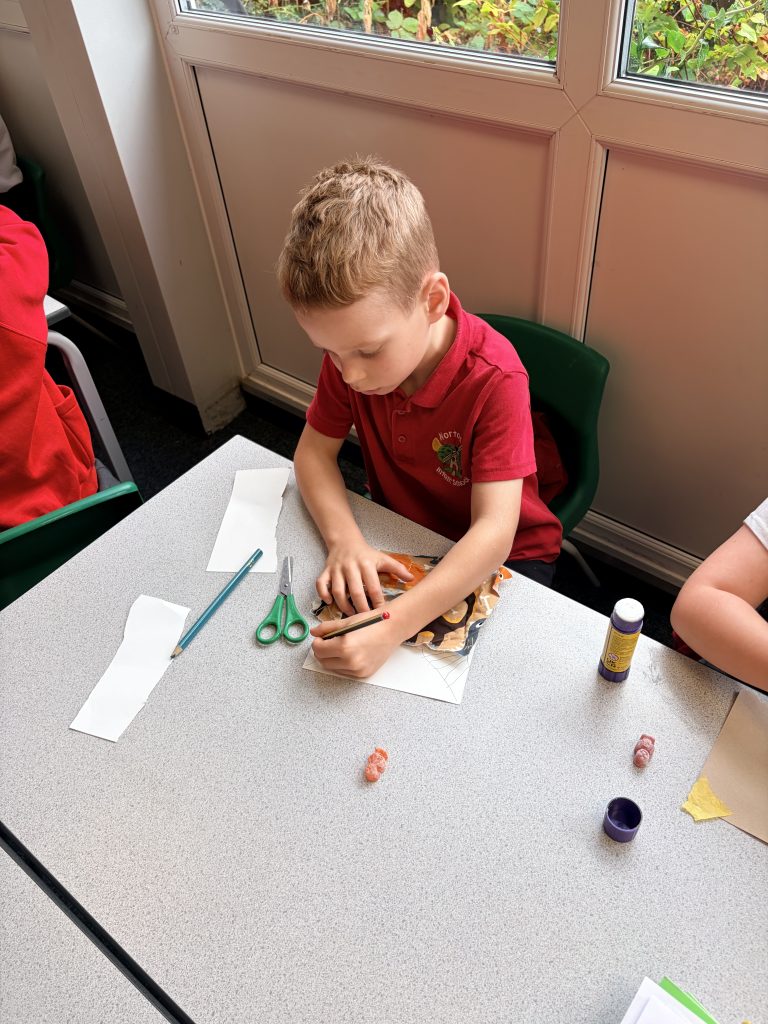
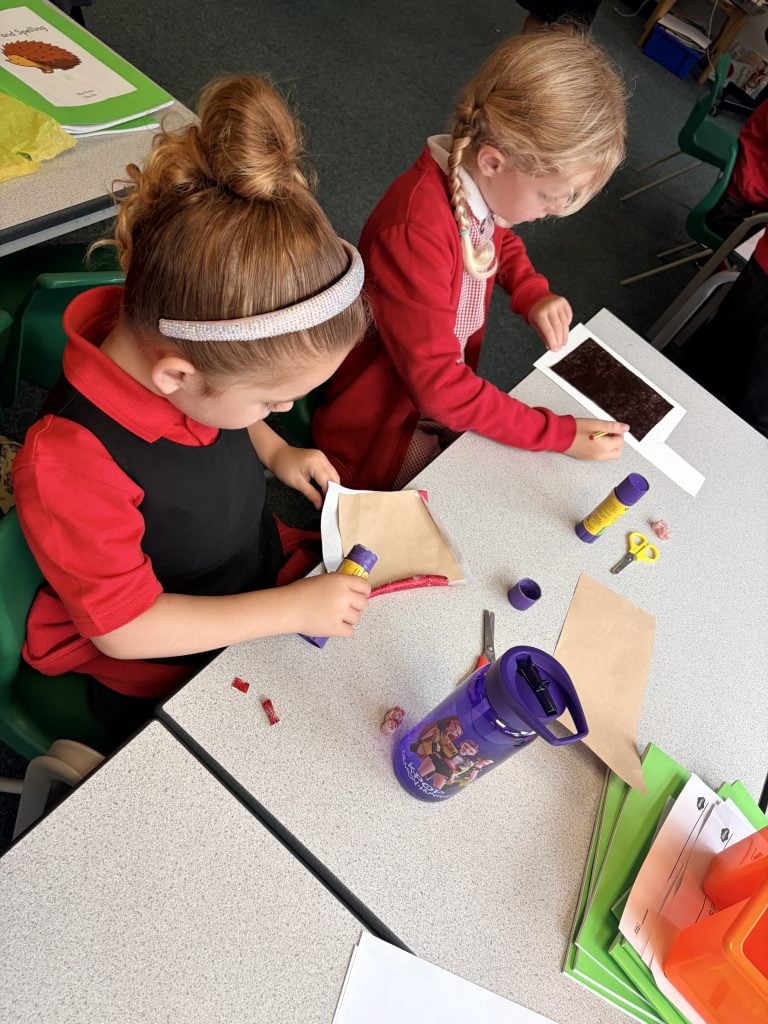
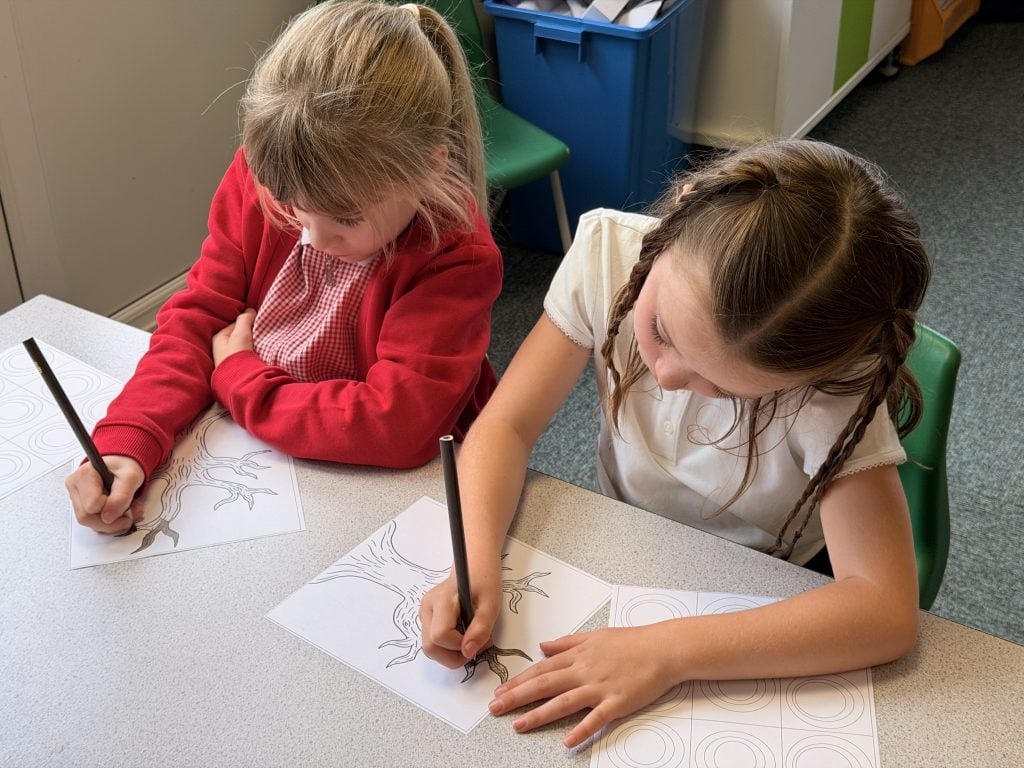
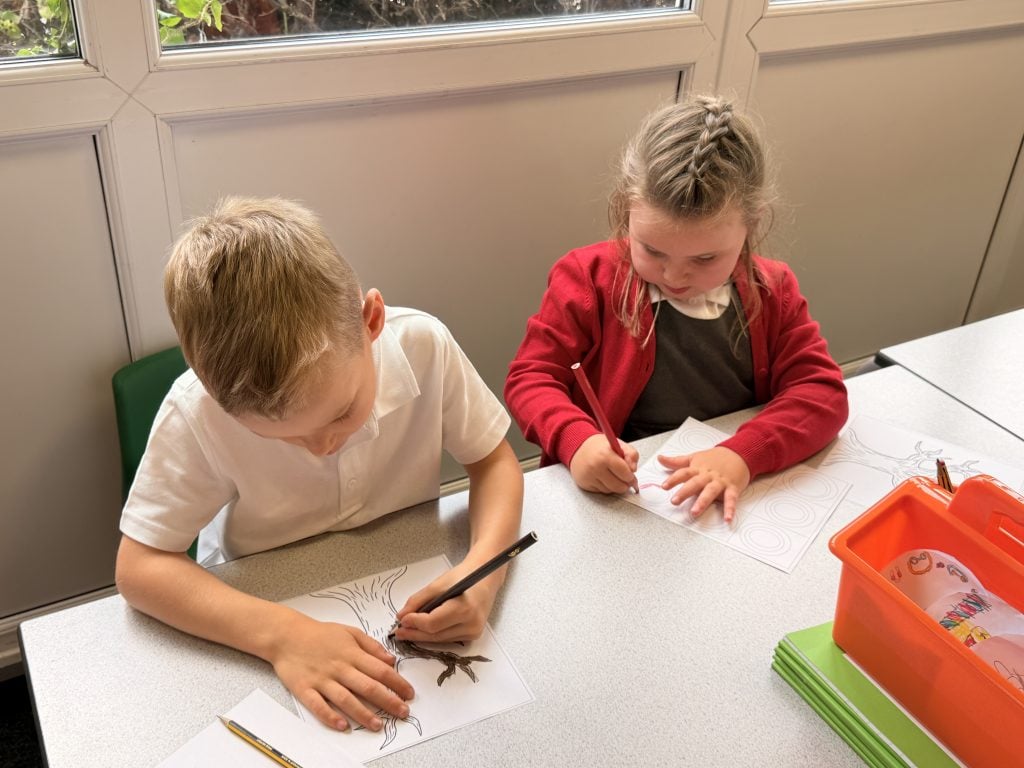
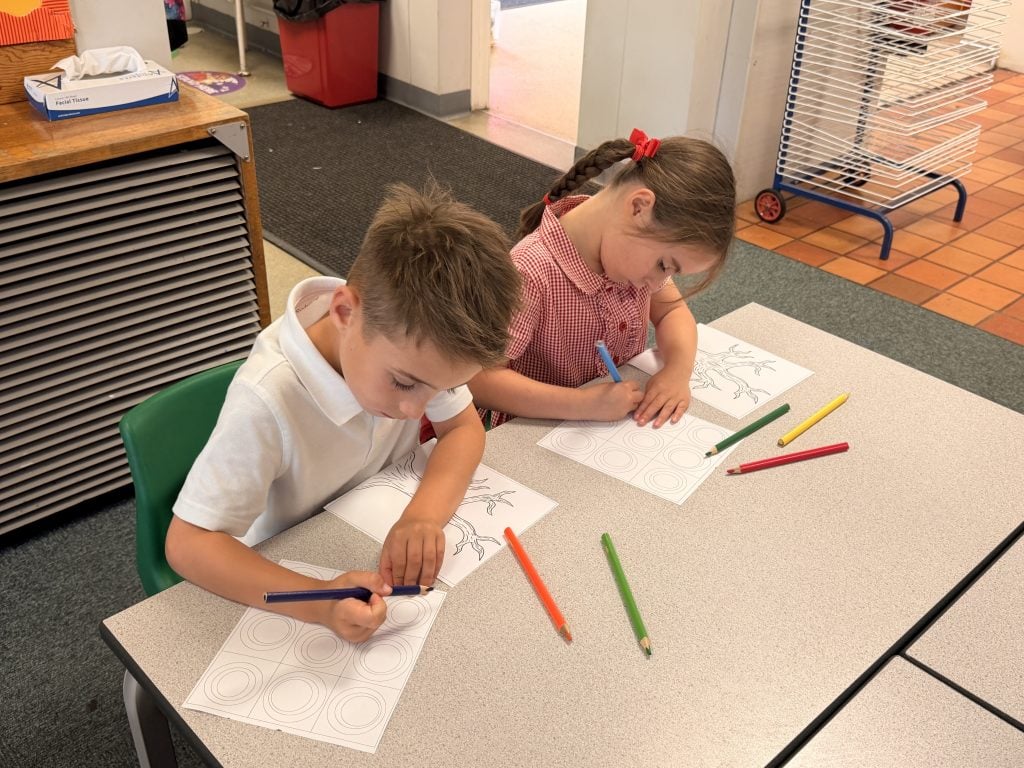
Last week we dove head first into our art case study. We spent the week working with different mediums to create a range of different pieces of artwork from our sea creature outlines. We started the week with pastels, making bright, colourful pop-art style pieces of art.

On Tuesday we moved onto sketching, we spent a lot of time thinking about tone, shading and creating patterns with our sketching pencils.

On Wednesday we worked with watercolour pencils. We spent a lot of time thinking about which colours work well together, how light/ dark we should make our colours and how we can effectively blend our colours together.

On Thursday we had a blast working with printing! We worked with everything from cotton buds and dice to pieces of lego and sponges.

We are so proud of the artwork we created last week in Class Six!!
Our Power, Our Planet – Earth Day Community Meeting

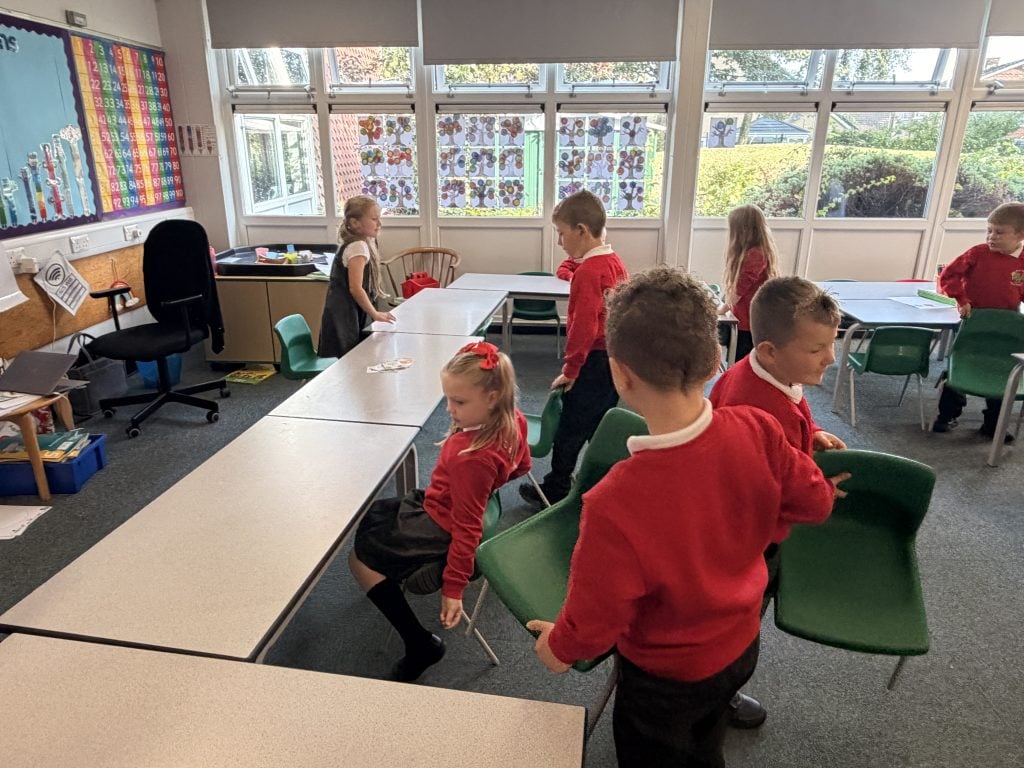
This week, we came together for a special Key Stage 1 community meeting to celebrate Earth Day. This year’s theme, Our Power, Our Planet, helped us to think about how even the smallest actions can make a big difference to the world around us.

During our time together, we explored what is happening to our planet and talked about pollution—what it is, where it comes from, and how it can harm our environment. The children shared thoughtful ideas about what they already know and noticed how everyday choices can impact the Earth.

We also introduced the idea of renewable energy, helping children to understand that there are cleaner, more sustainable ways to power our world, such as using the sun and wind.

A big focus of our discussion was on what we can do to help. We talked about:

  • Using less plastic
  • Reducing, reusing and recycling
  • Taking care of our environment in simple, everyday ways

Making a Pledge

To finish our community meeting, each child made a personal Earth Day pledge. This was a really special moment, as the children reflected on how they could take action.

Each child placed a counter into the pledge they wanted to focus on:

  • Turning off taps and not wasting water
  • Making sure rubbish and recycling go in the correct bins
  • Walking, scooting or cycling more often

This simple act helped the children to feel empowered—showing them that they can make a difference.

Our Key Message

We reminded the children that looking after our planet doesn’t have to mean making huge changes. Instead, it’s about lots of small, positive actions that, together, have a powerful impact.

By working together, we can all play our part in caring for our world—because it truly is our power, and our planet.

Thank you for your continued support in helping us grow responsible, thoughtful global citizens.

🎨 Class 5 Artists – Sketching Like the Greats!
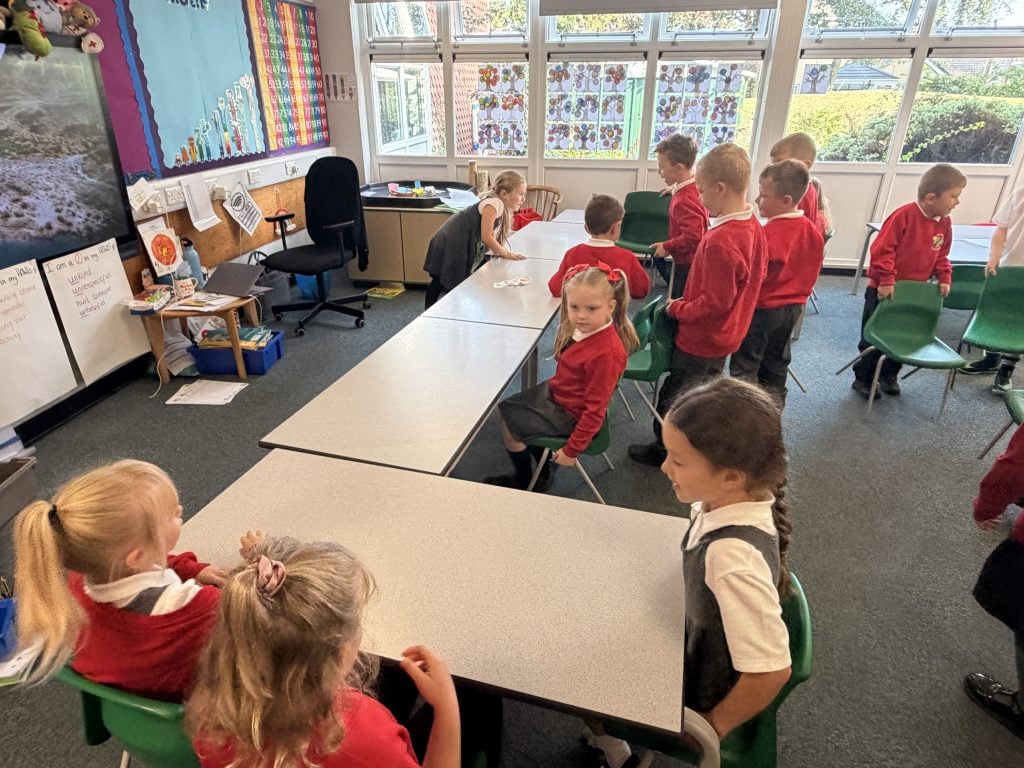
This afternoon, Class 5 fully embraced their role as artists as we continued exploring our guiding question:
The Blue Planet: How Can I Impact the World?

We began by reminding ourselves of our exciting final product — a reusable water bottle featuring our very own artwork. The children were buzzing with purpose, knowing their designs will help promote looking after our planet 🌍

✏️ Inspired by Beatrix Potter

We started by learning about the wonderful Beatrix Potter — a famous artist and writer who loved sketching animals using pencil. We noticed how carefully she observed real creatures and used soft, delicate lines to bring them to life.

Inspired by her work, we practised using our art pencils to create a range of tones, from light shading to darker, bolder marks. We then explored different patterns and textures, thinking about how these could help add detail to our own artwork.

👀 Thinking Like Artists

Next, we became art critics! We carefully studied a selection of model sketches and asked ourselves:
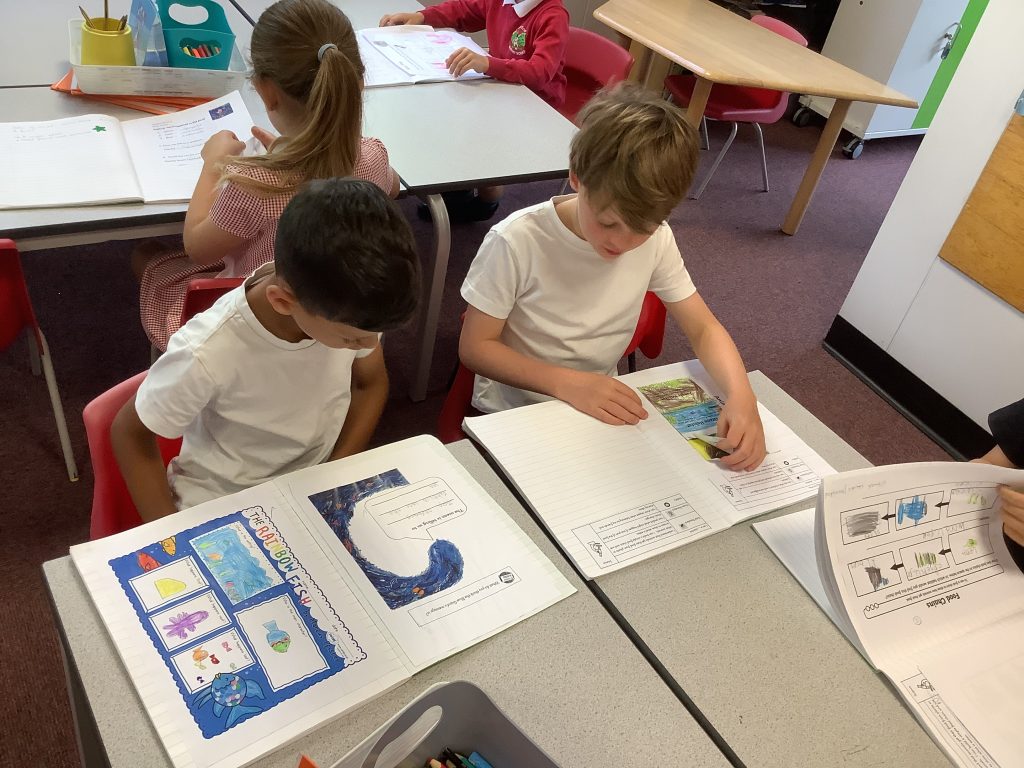
  • How has the artist used shading?
  • Where are the darker and lighter areas?
  • What techniques do we like and want to try ourselves?

One of the examples was Mrs Parsons’ own artwork… but the challenge was set — could we do even better?

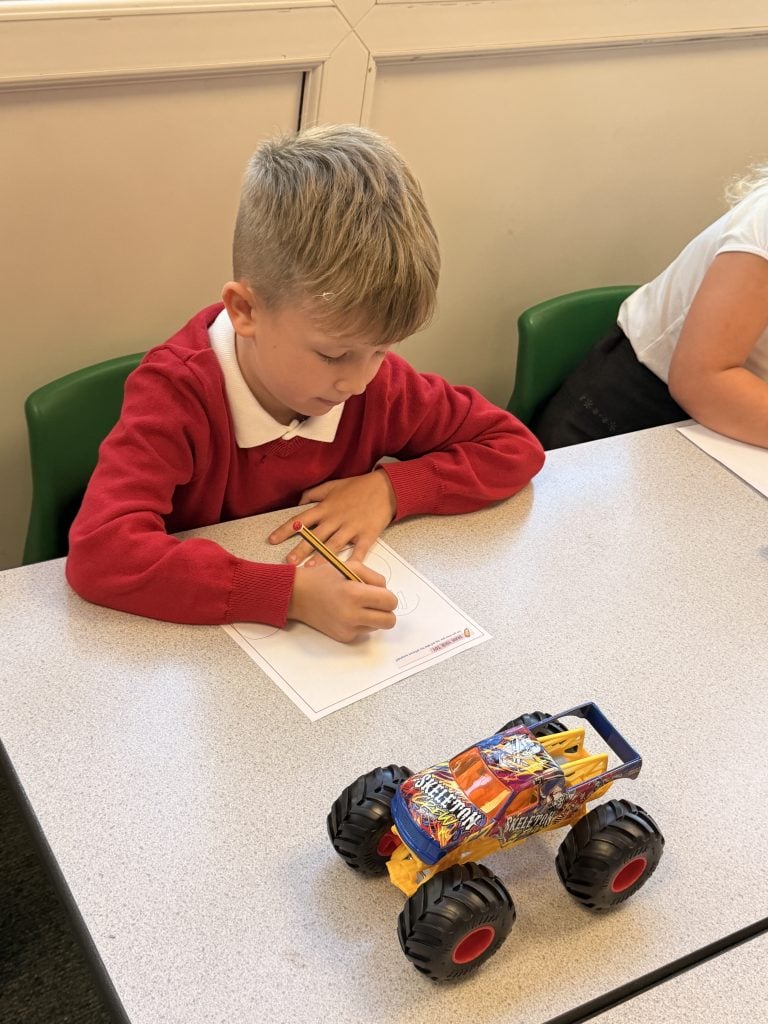
Finally, we took our sea creature outlines and began transforming them into beautiful, detailed pieces using all our new sketching skills.

The concentration in the room was incredible — children carefully adding shading, experimenting with tone, and bringing their sea creatures to life. Every piece is unique, thoughtful, and full of creativity.

We are so proud of the effort and artistic flair shown today — we can’t wait to see these designs printed onto our reusable water bottles! 💧✨


We’re on the Hook!

The whole of EYFS last week were well and truly hooked, lined and sunk into our new summer expedition “Seaside Explorers, what happens where the sea meets the shore?”

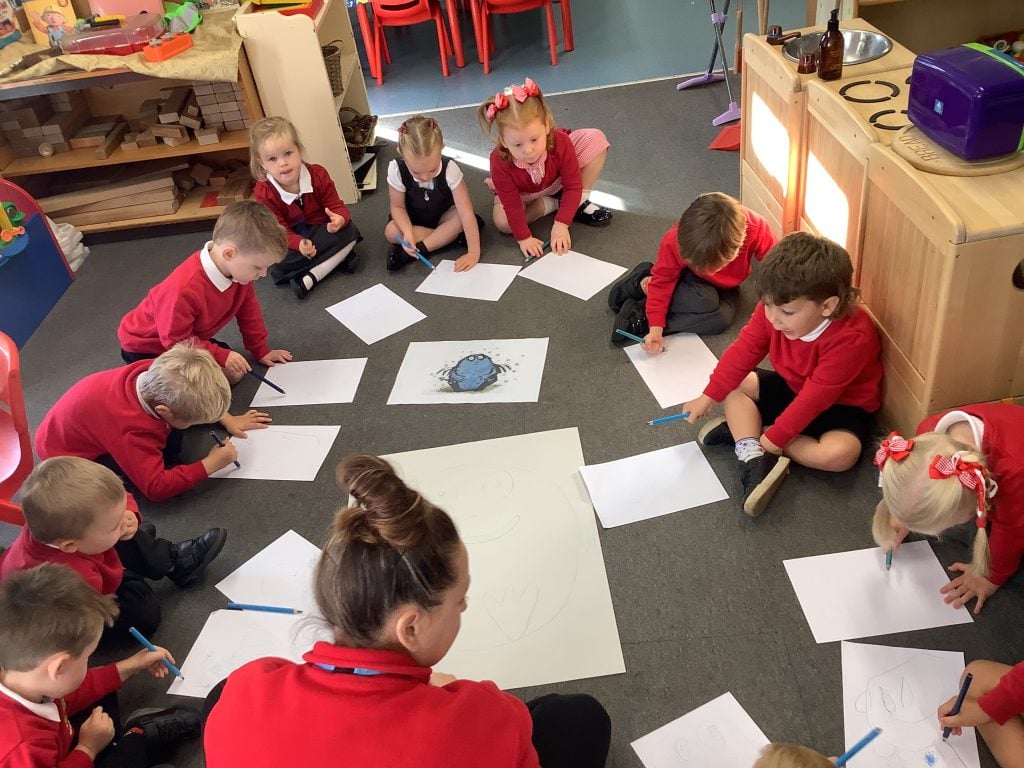
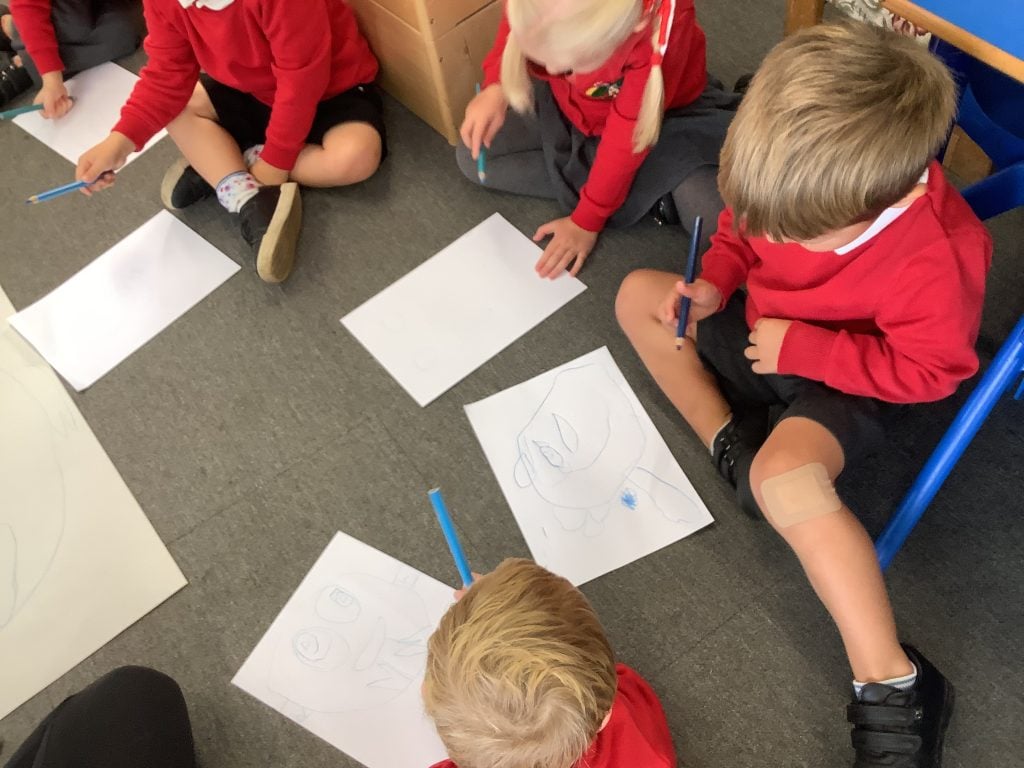
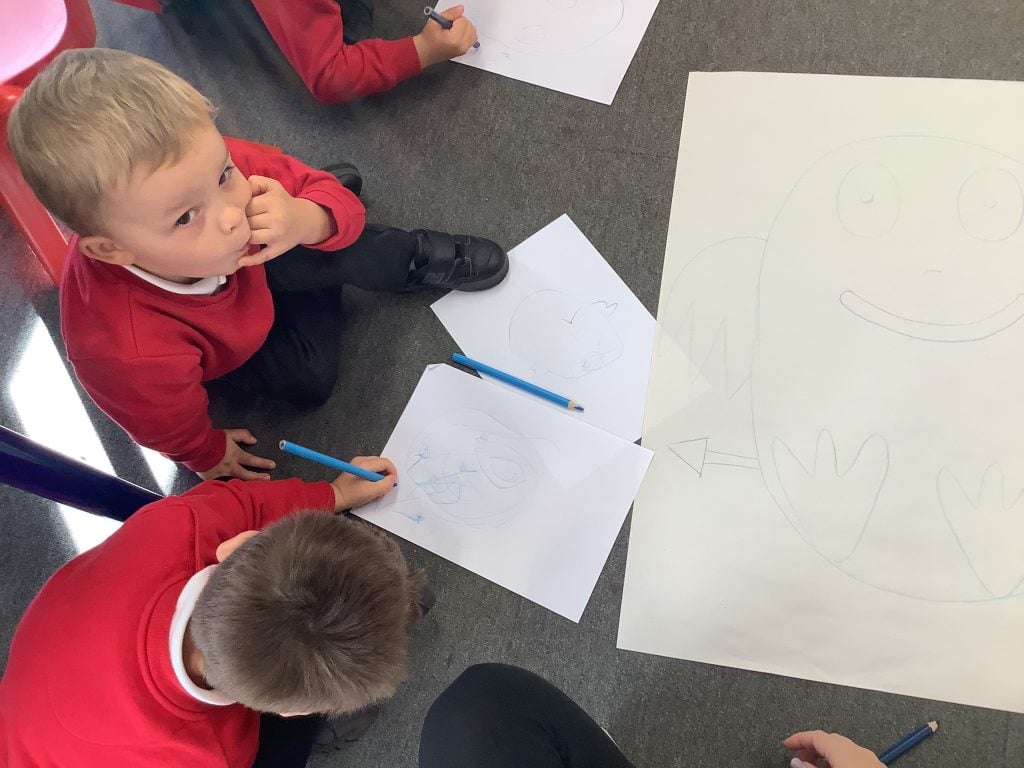
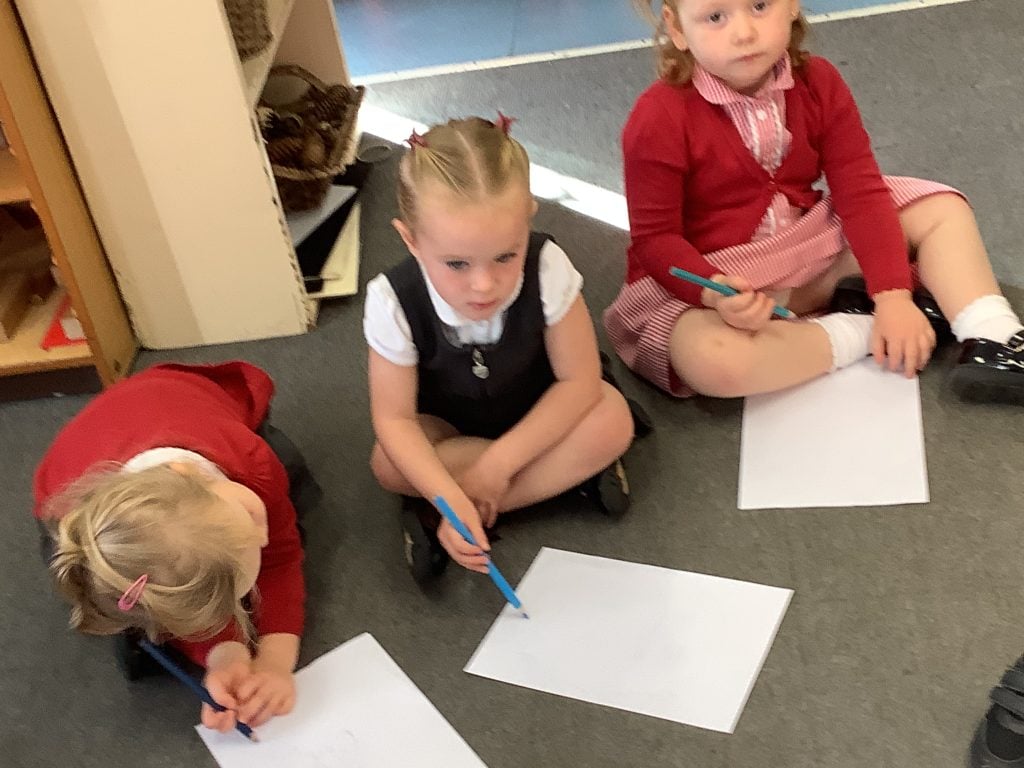
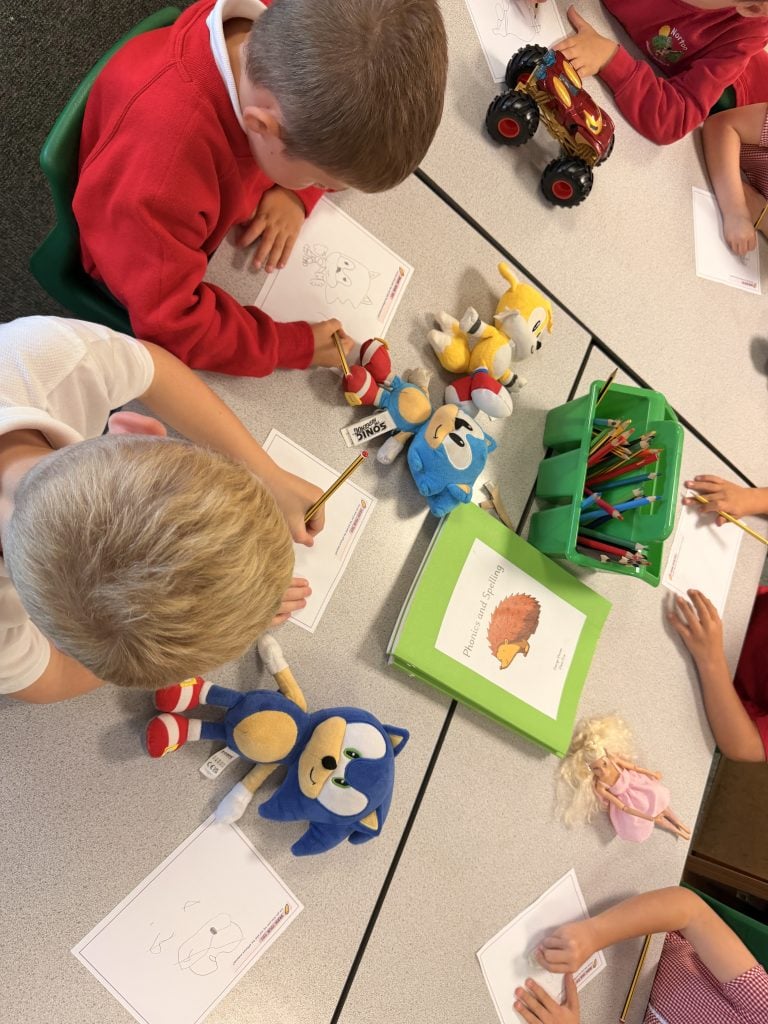
The children explored various sea creatures introduced to them through our hook text, “Commotion in the Ocean”. Each crew were given a sea creature to investigate and research, using the internet and supporting non fiction texts. The children then compiled fact files about their given sea creatures and created a large scale piece of artwork between them working collaboratively. They had lots of fun doing this and found out the most amazing facts! Each crew have employed all of their artistic talents to really think about how the creatures look and bring out the best in their features.

Both Nursery and Reception classes presented their sea creatures and fact files to each other in our weekly community meeting. They were so excited to share their interesting facts and spoke thoughtfully and beautifully about their creatures and the new knowledge that they now have! We can’t wait to dive deeper into our thrilling summer expedition. Just look at the quality and craftsmanship of our work, the children really were Go for it Gorillas!