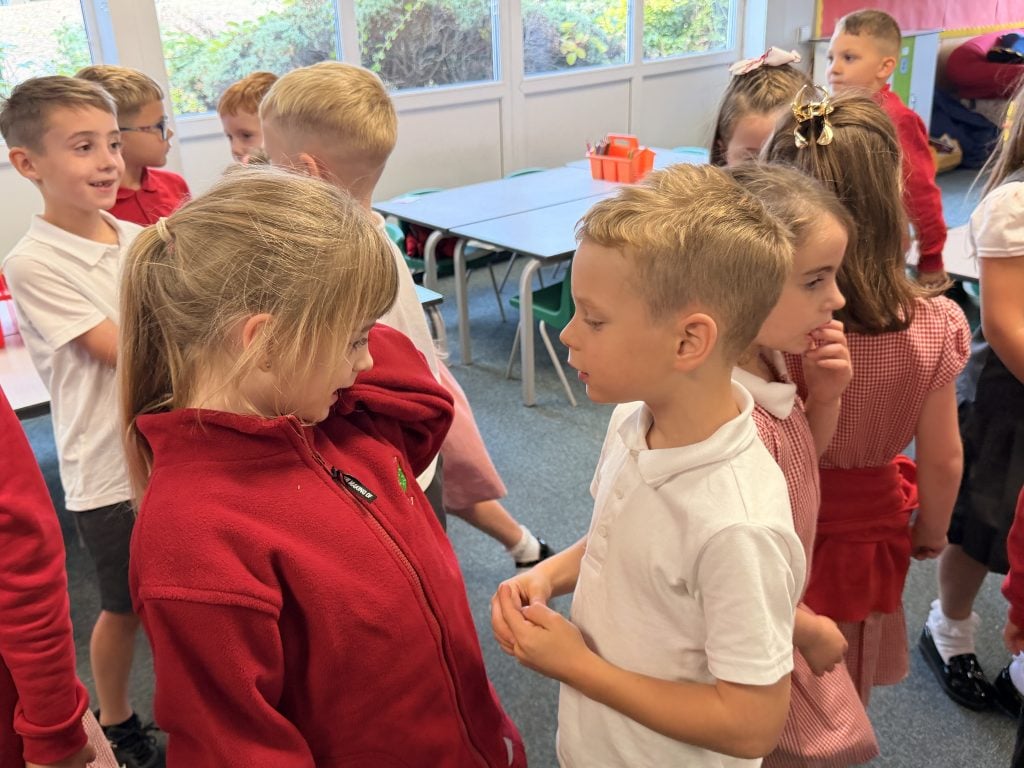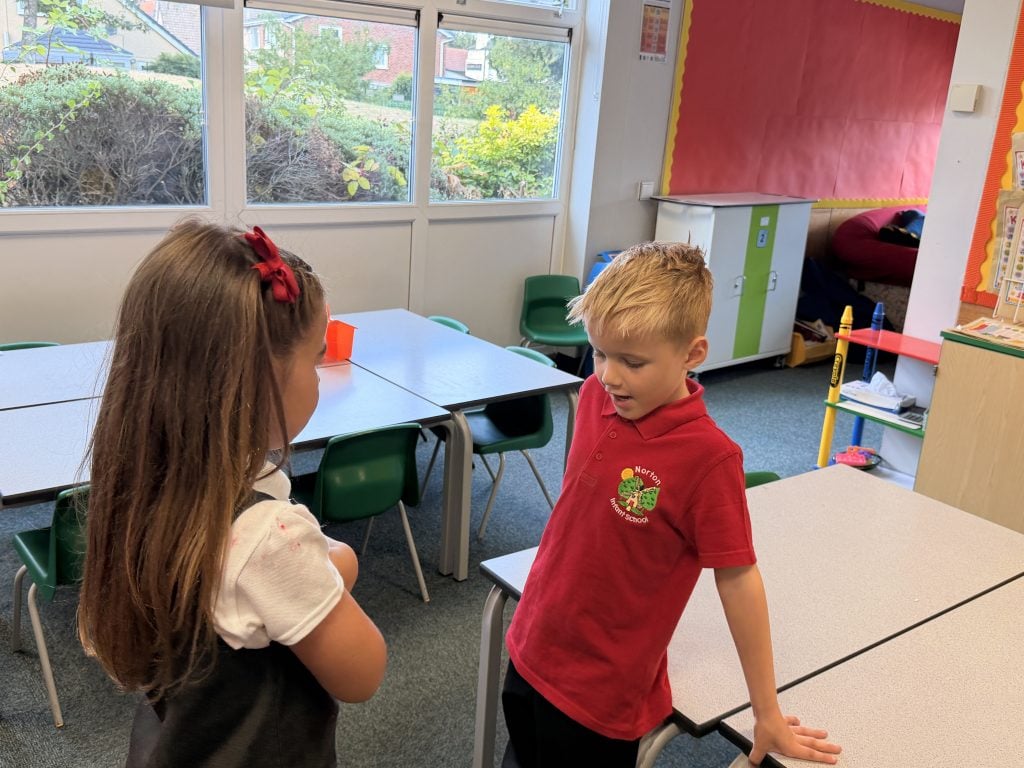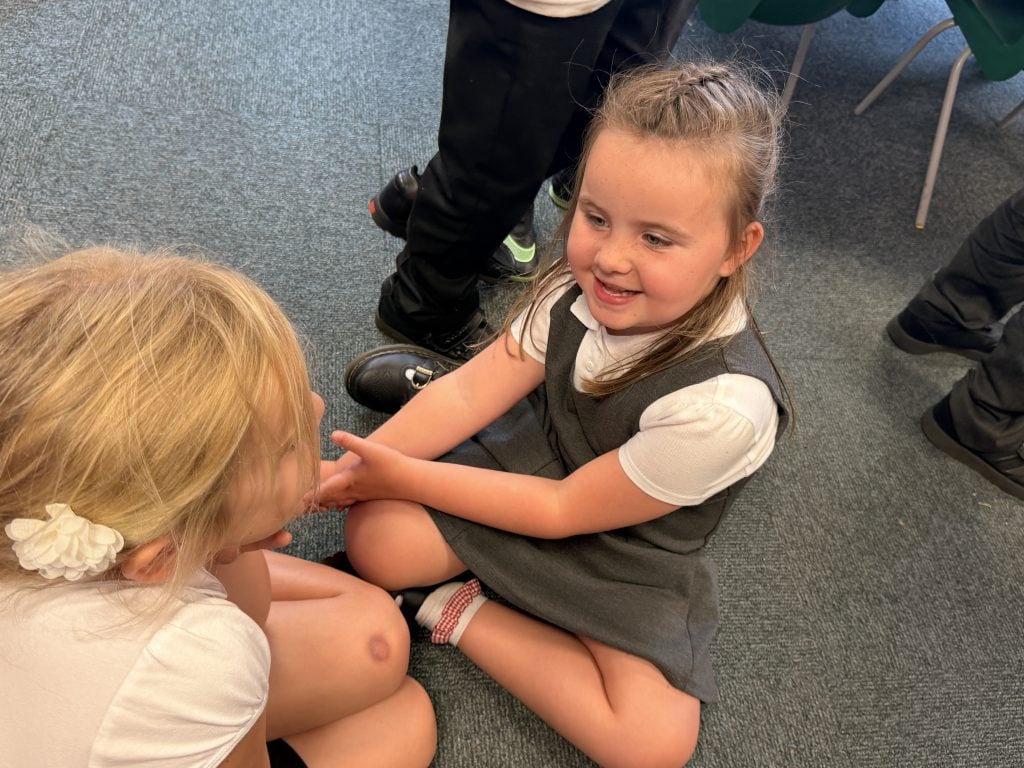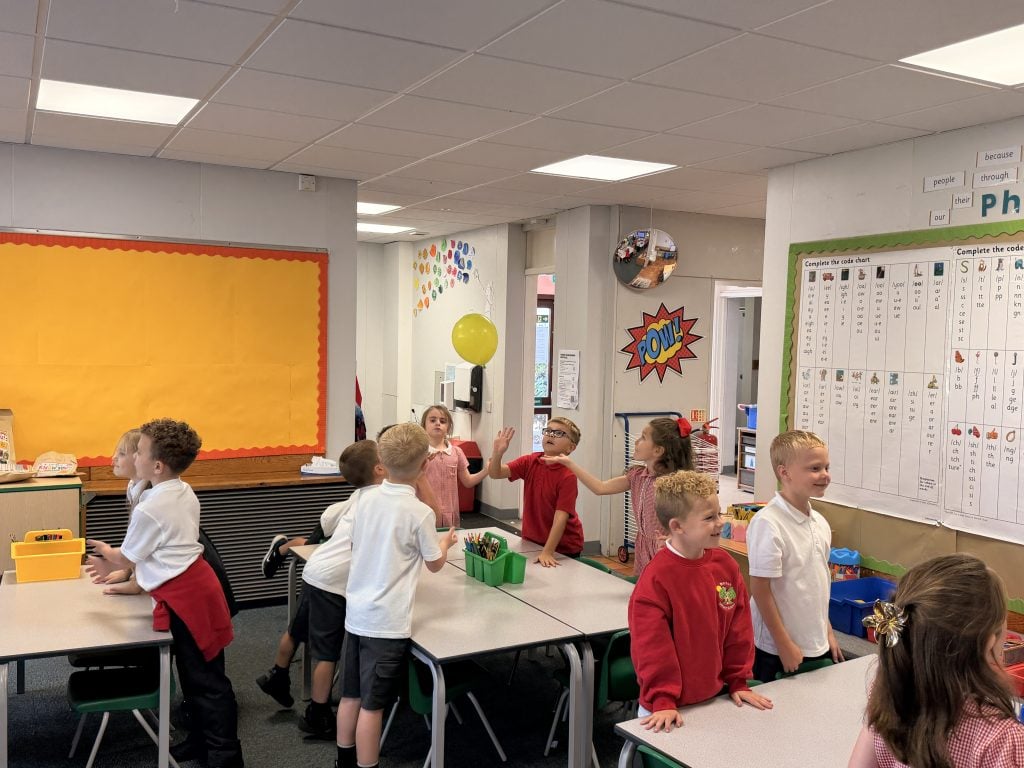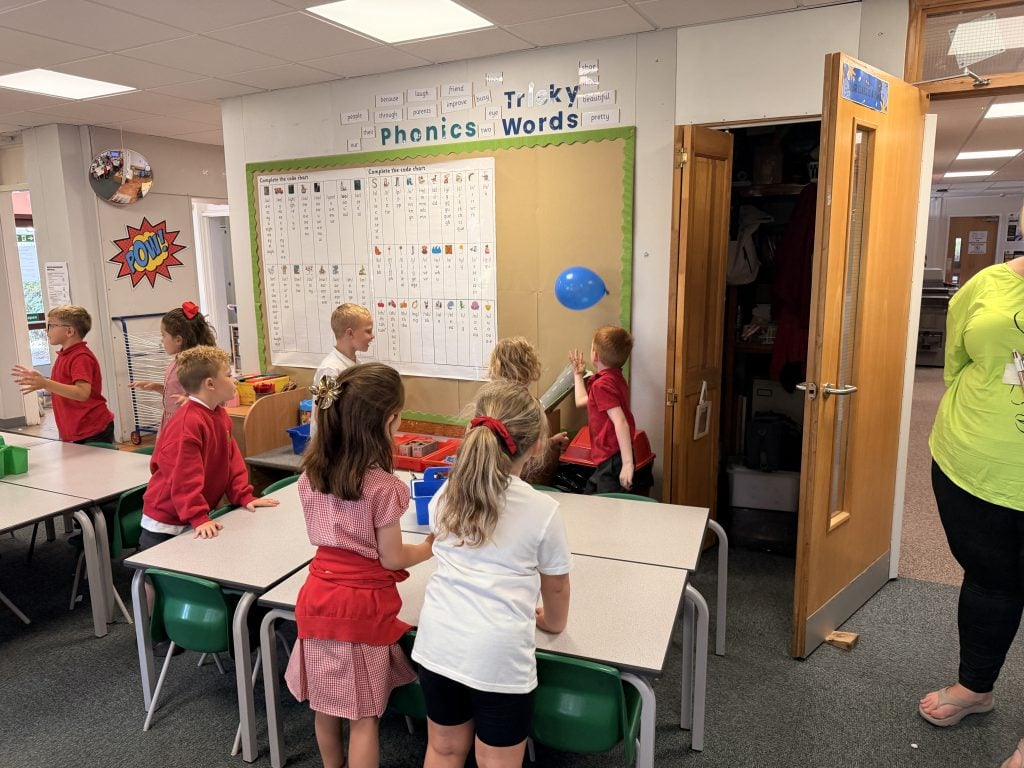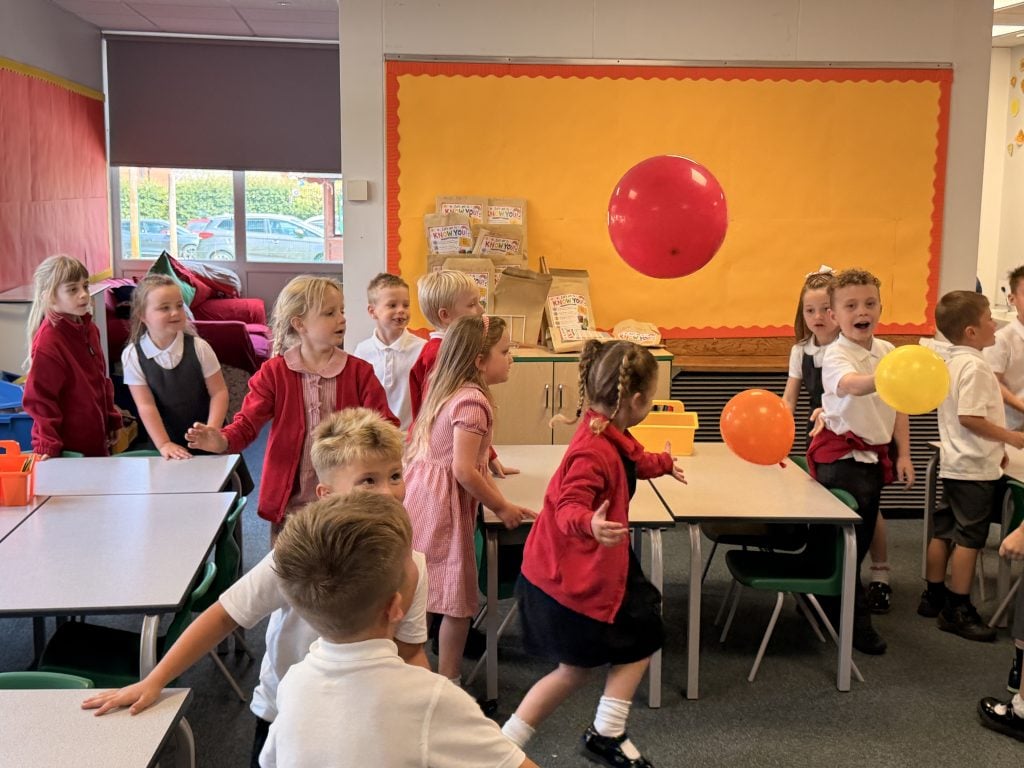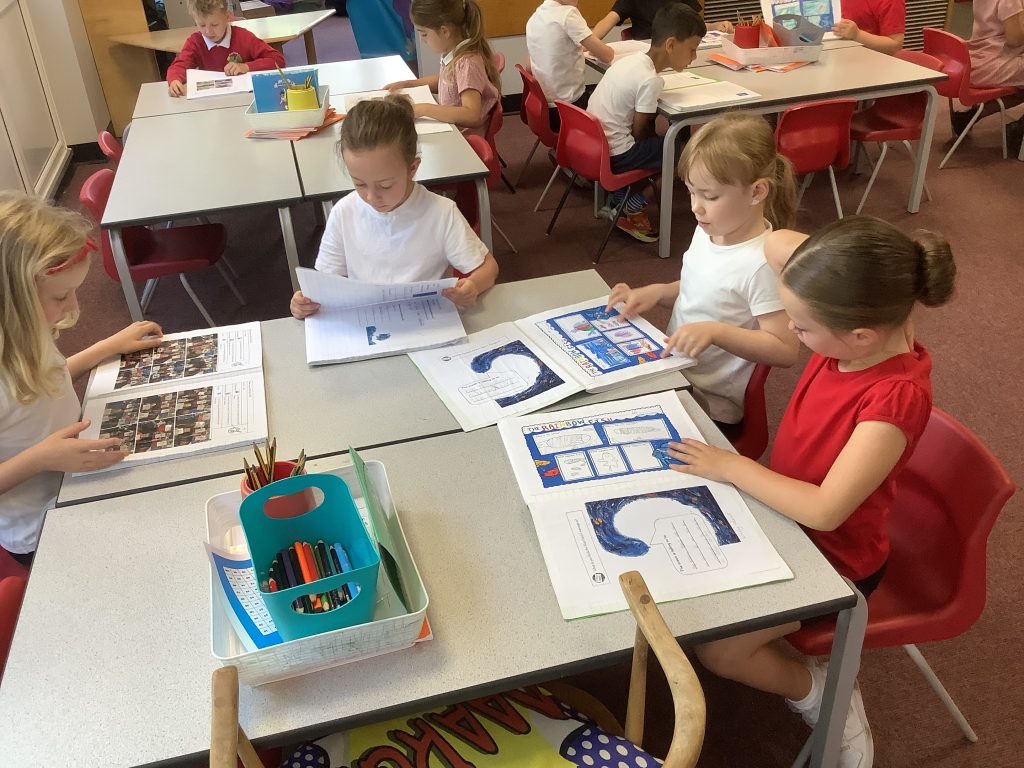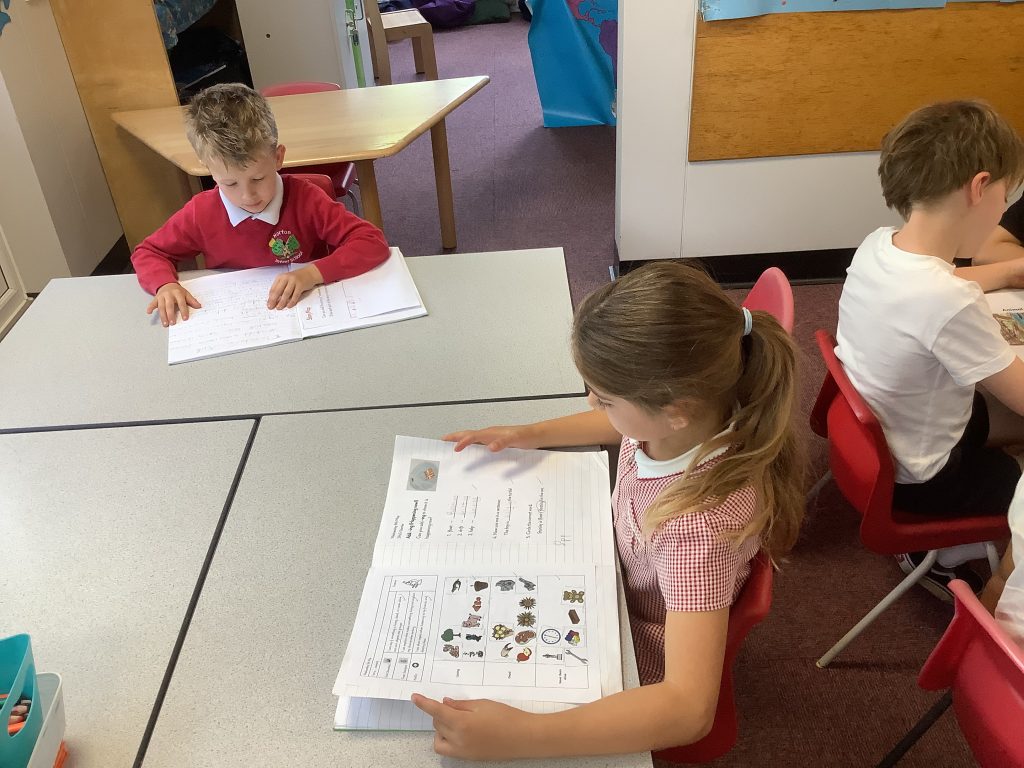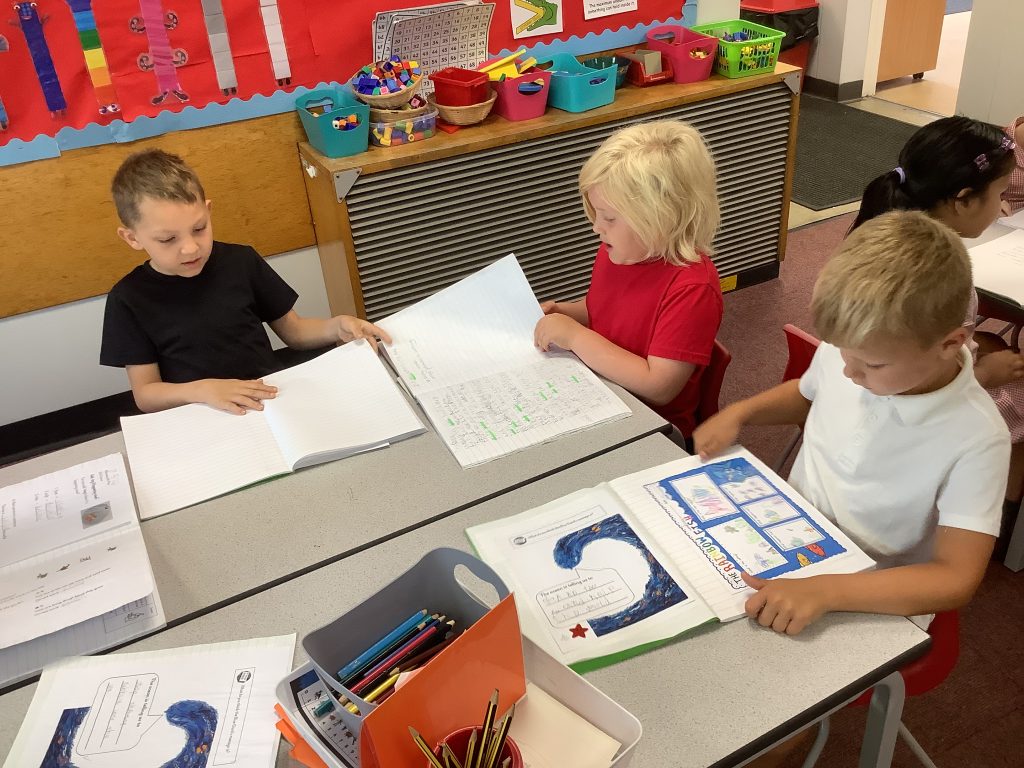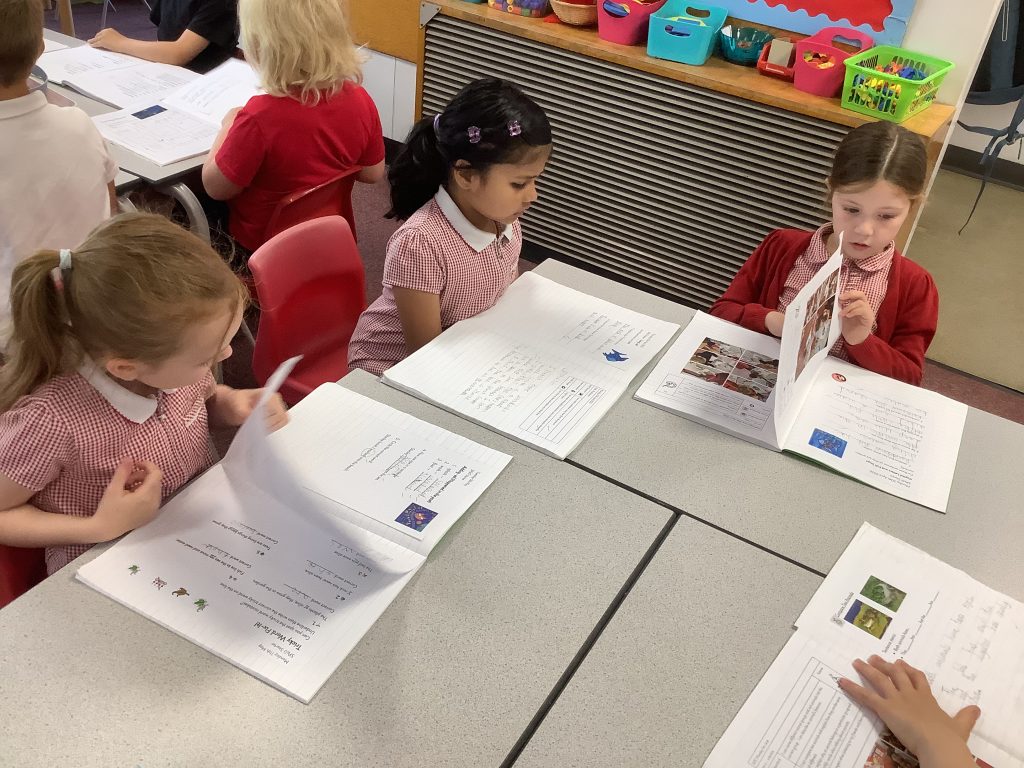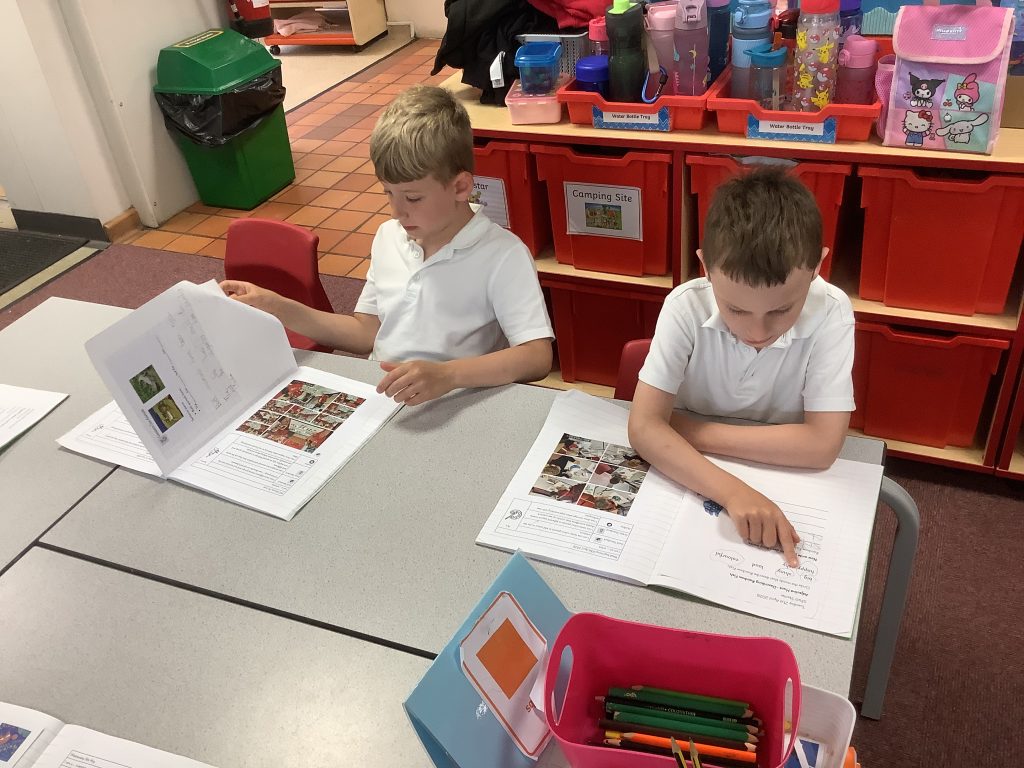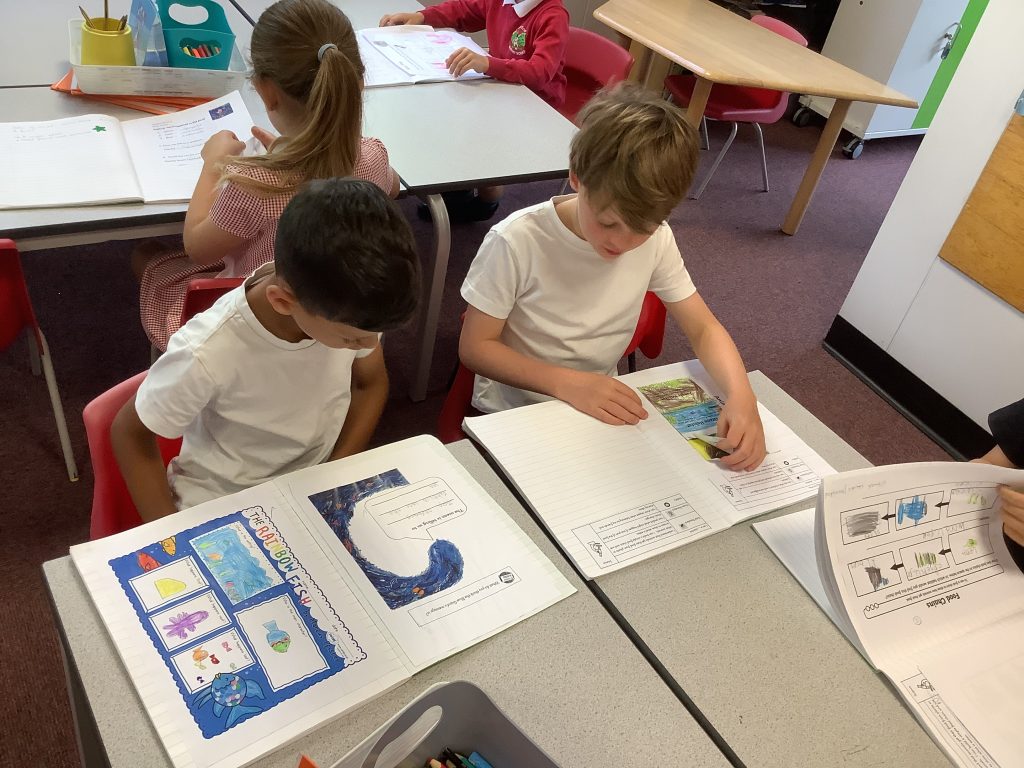
“Oh that’s rubbish!”

During our first week of case study one “How can we help save the ocean?” Nursery were outraged to discover that someone had been into Nursery and thrown rubbish, mainly plastic, all over our environment. The children were totally hooked into the case study immediately and shared some of their thoughts about how could we play and thrive in this environment? How did all of the rubbish make us feel? “Sad”, “Angry”, “Messy”, “Cluttered”, “Dirty”, “Shocked”, “Fuming”, “Cross”, “Upset” were some of the words that the children used.

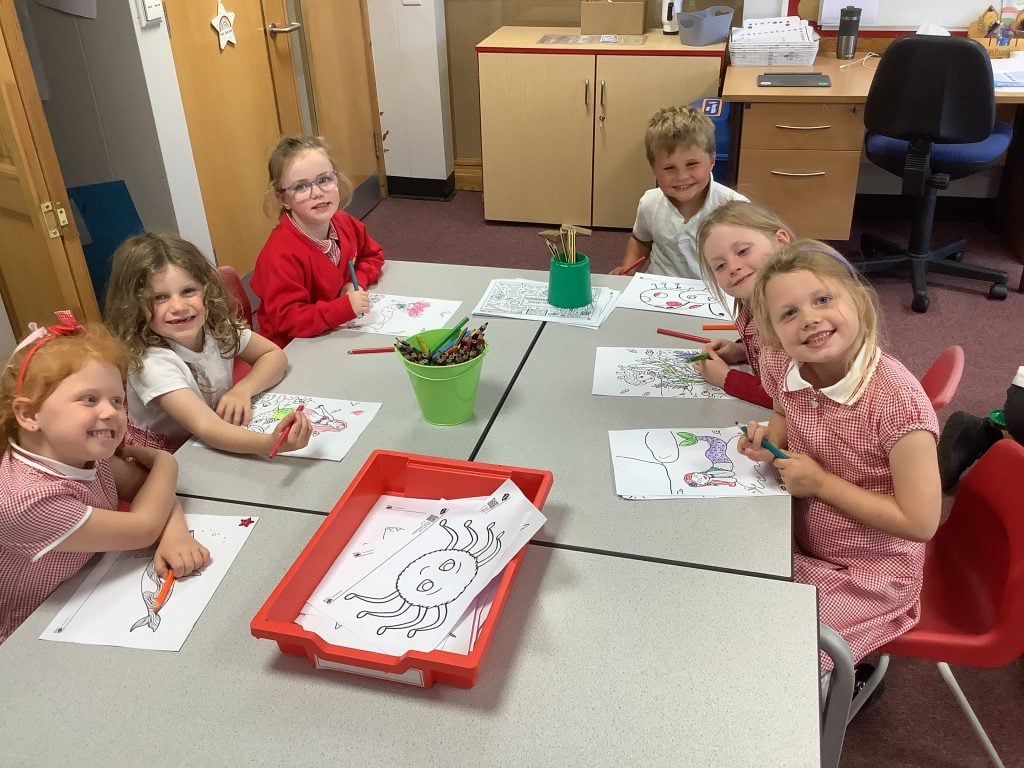
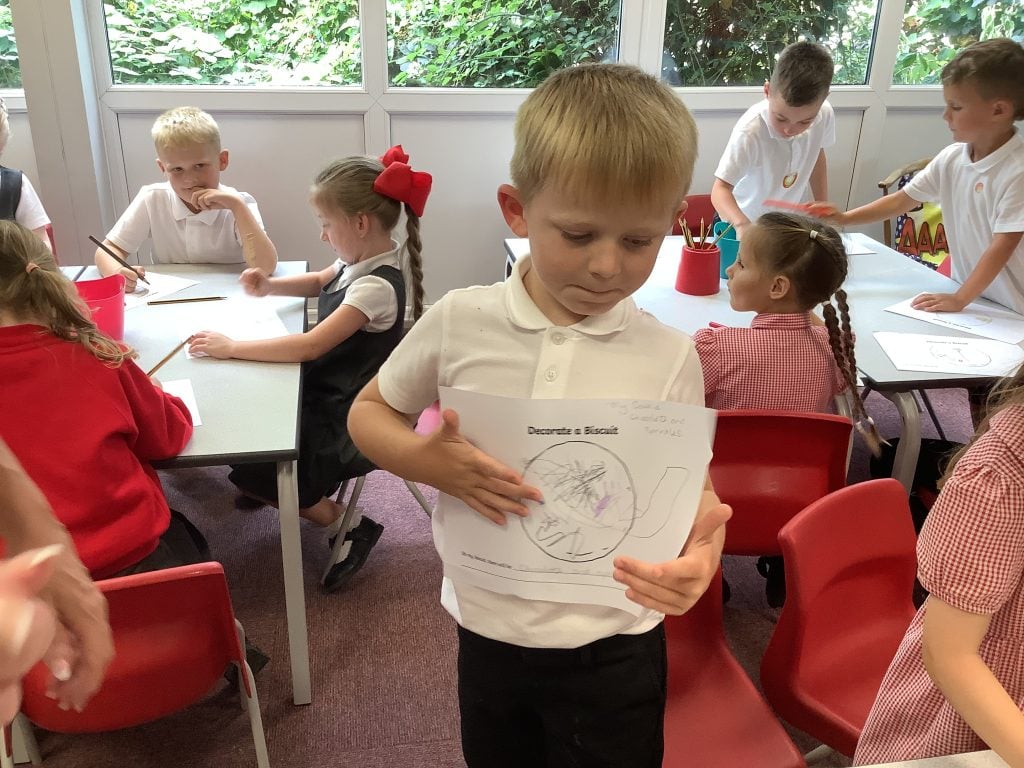
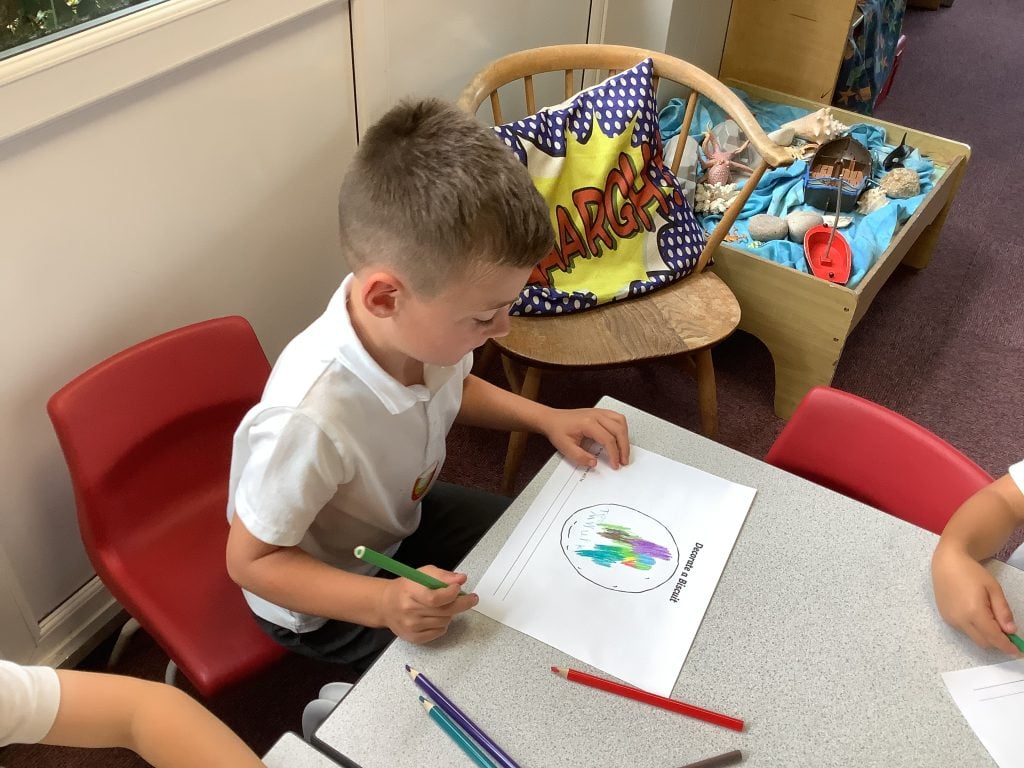
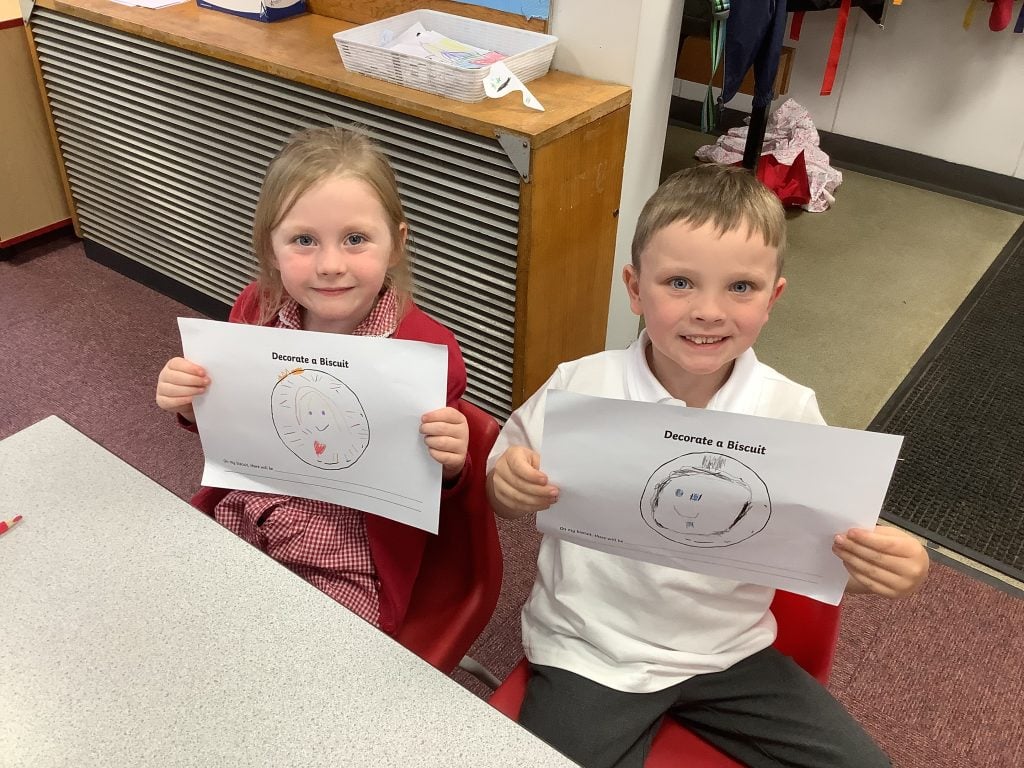
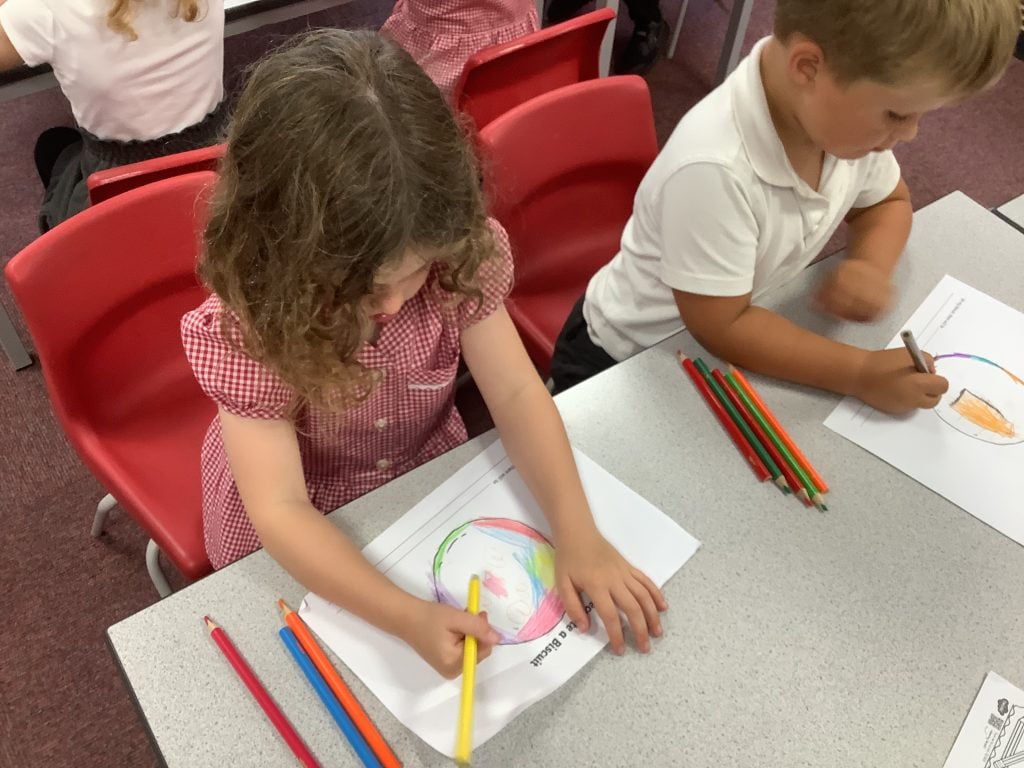
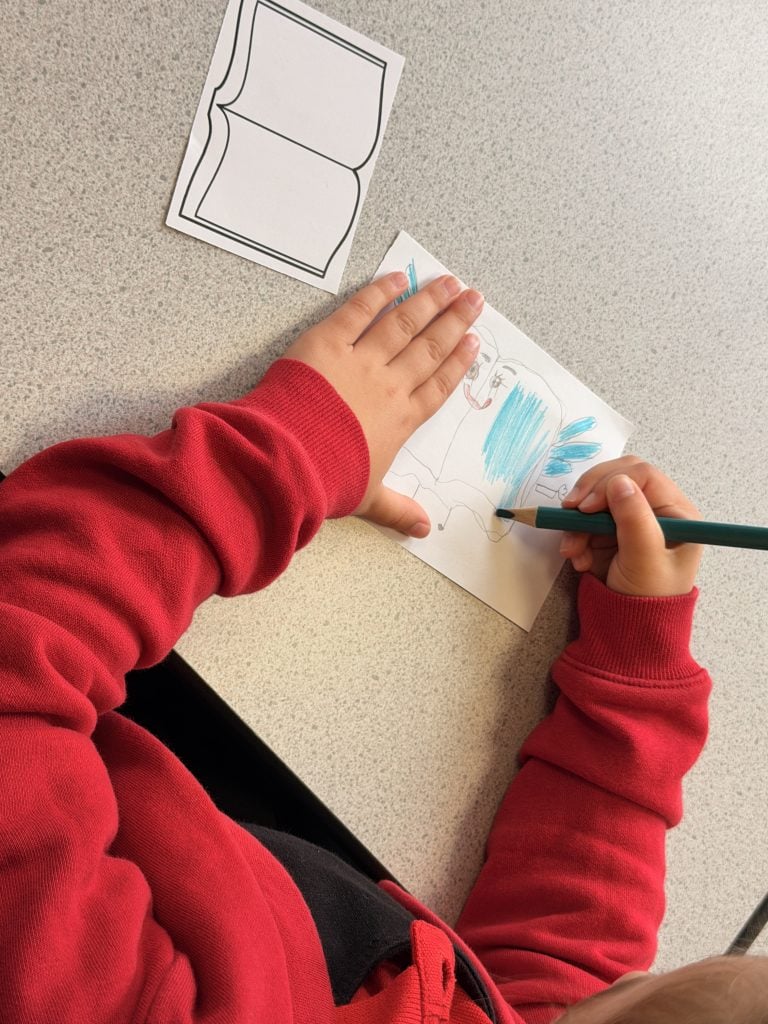
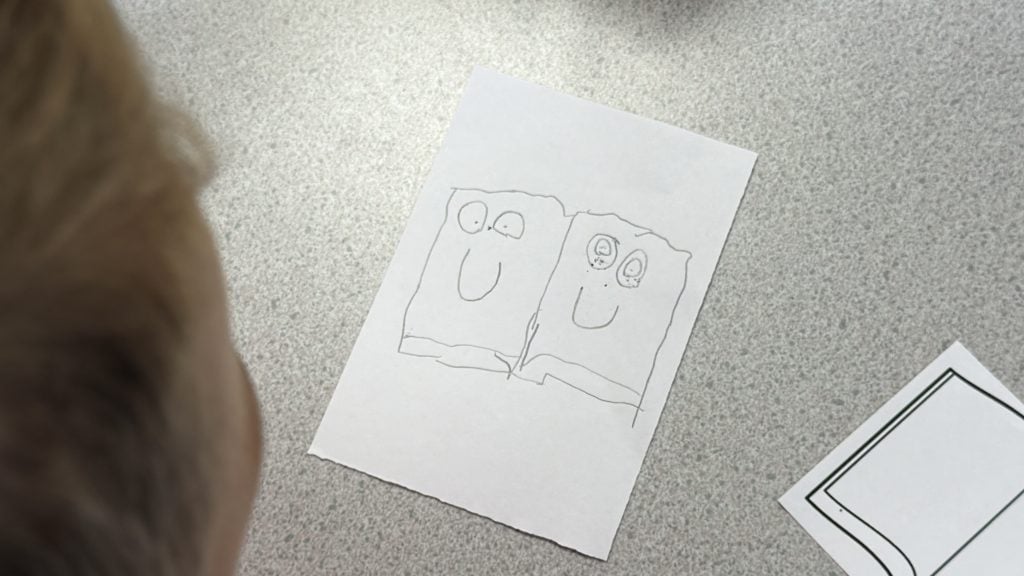
They then drew faces using different emotions to share their feelings. Some children attempted to write initial sounds of feeling words.

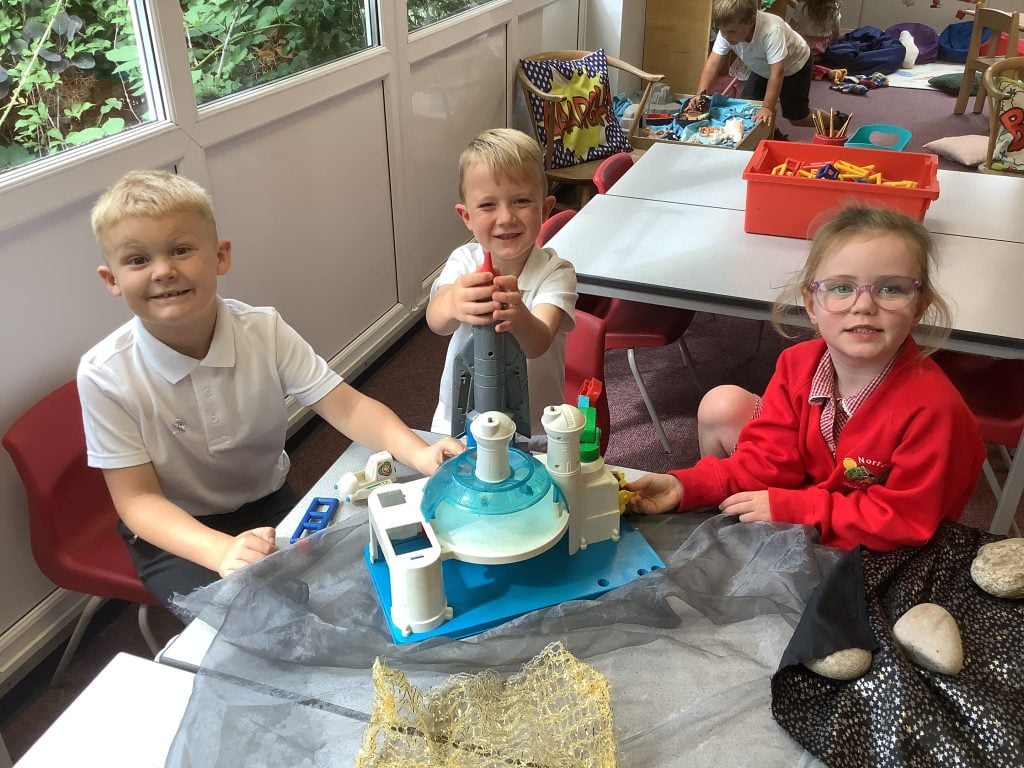
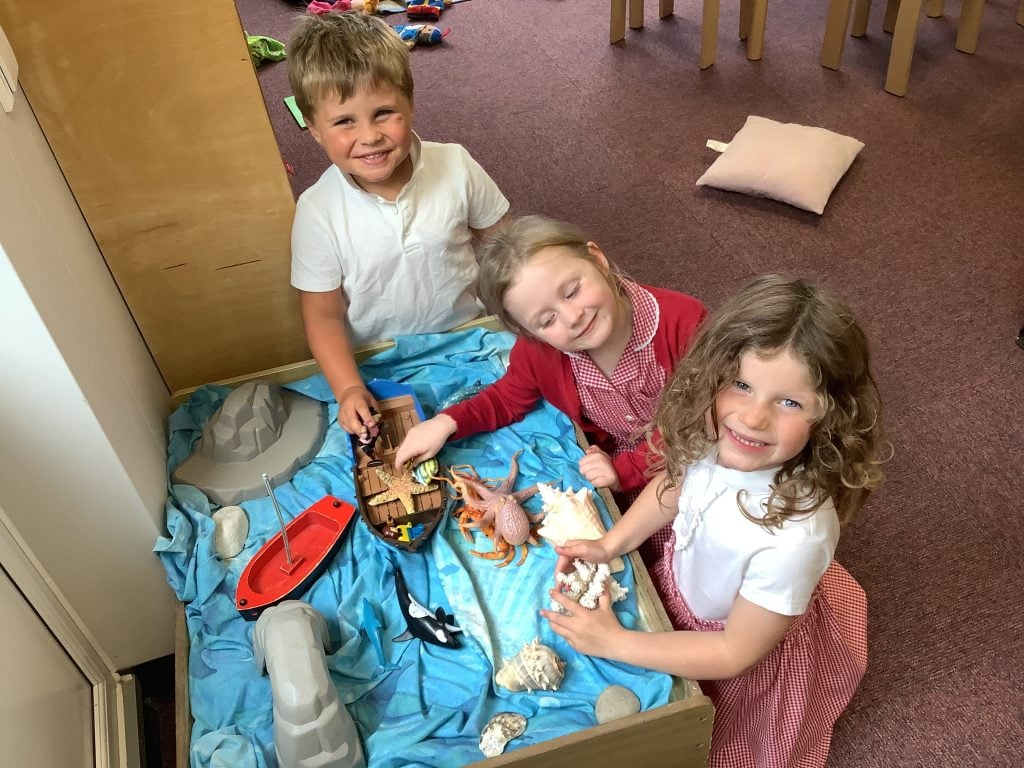
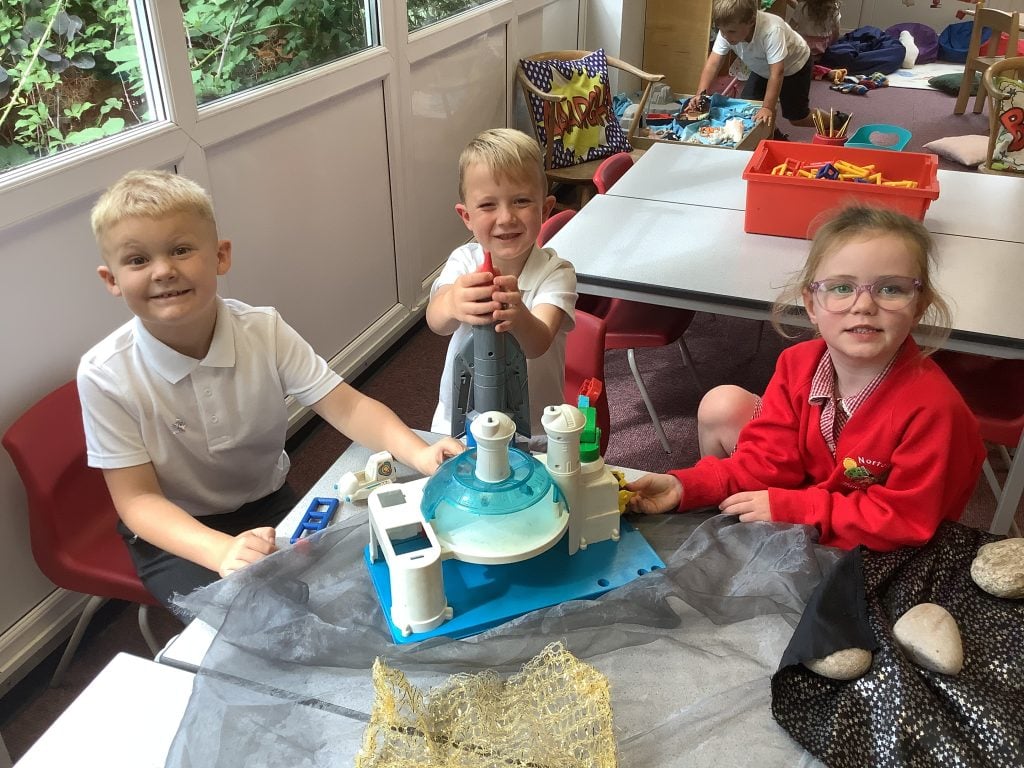
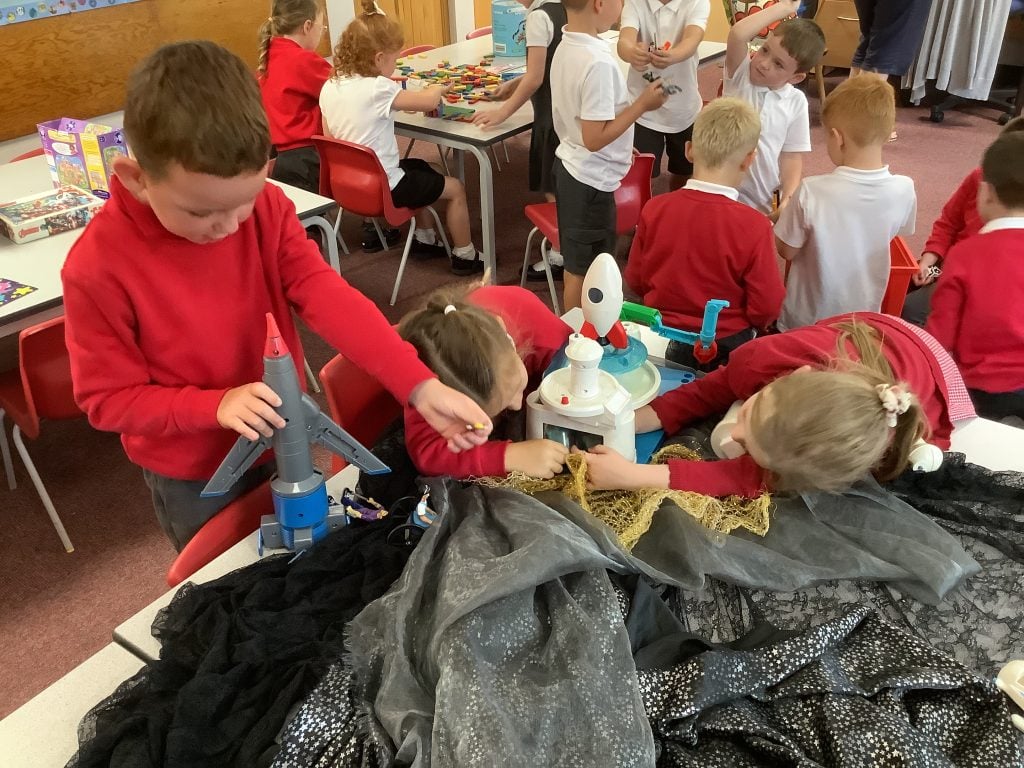
This led to us introducing our first key text “The Odd Fish” by Naomi Jones. A story about a fish who finds a lonely “odd fish” (a plastic bottle) who hasn’t got a family of it’s own and they go on a journey to find the odd fishes family, only to find more rubbish. We consolidated our learning by immersing our water tray and sea creatures in plastic. The children attempted to help the animals by putting all of the rubbish into a bin.

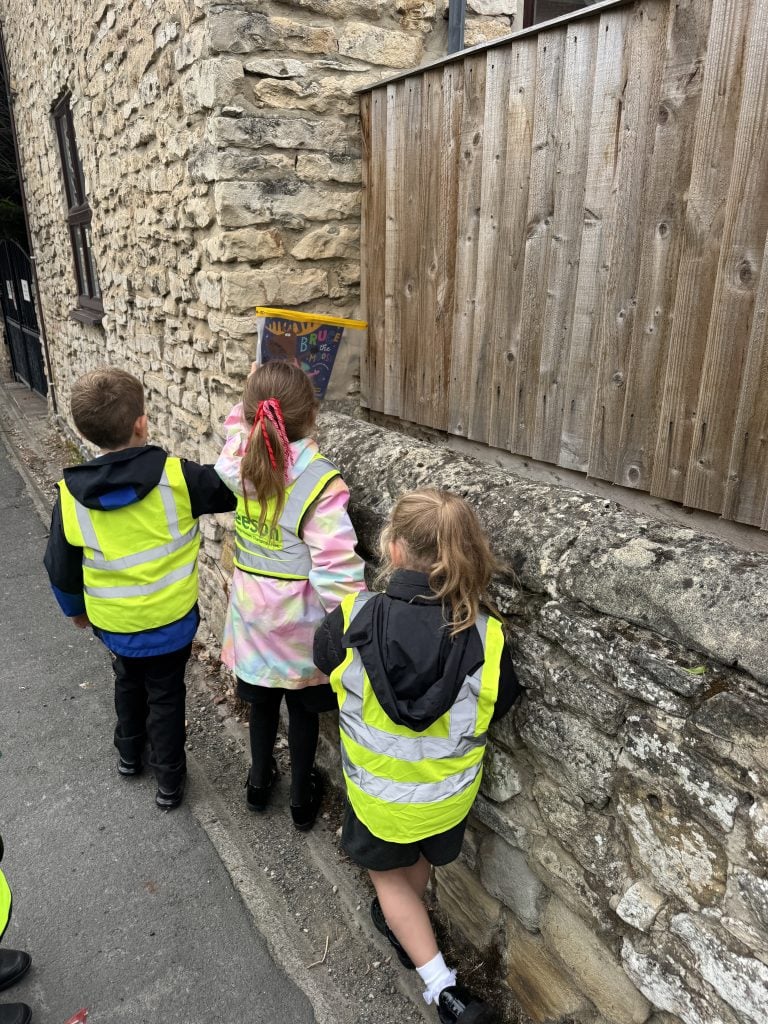
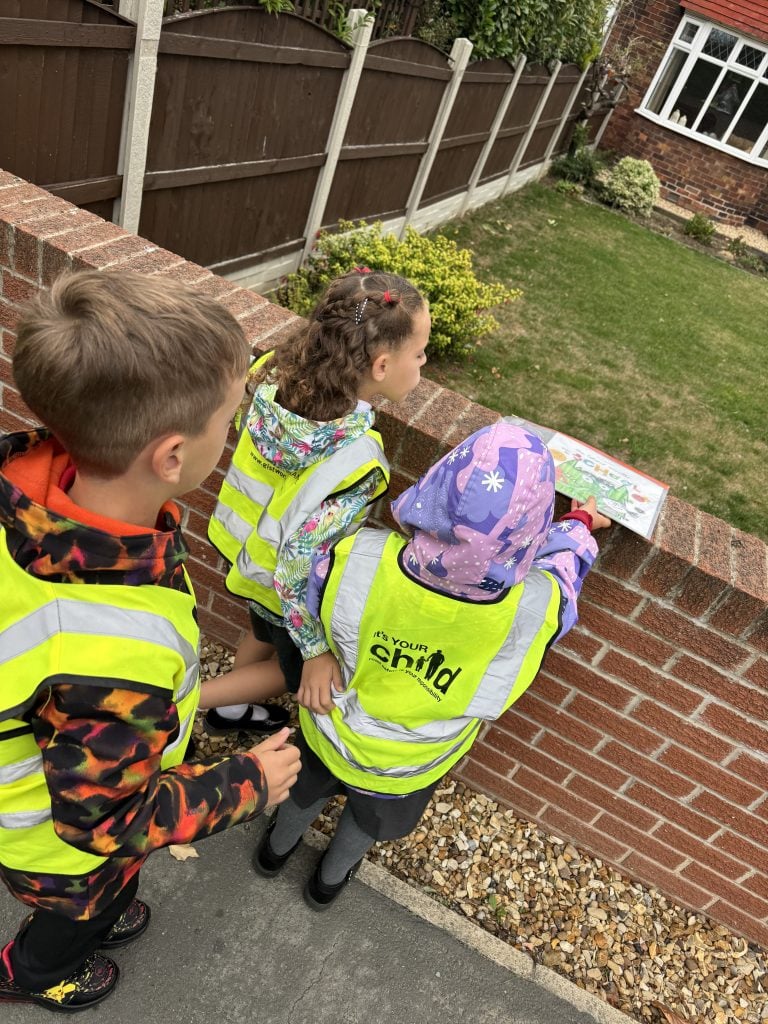
On “Wise Wednesday” the children went on a gallery walk to observes real life pictures of creatures trapped, stuck and tangled in plastic. From this the children were guided to created an anchor chart of all the reasons why plastic is not good for our seas and the environment.

As part of our thoughtful Thursday Crew we thought about ways in which we could help the creatures, by thinking about getting rid of the plastic and rubbish properly. The children were introduced to recycling and were shown how to sort materials and put them into the correct recycling bins. The children each had a turn at this and did a great job.

Sleep & Feeling Ready – Supporting Healthy Routines in KS1

This week in our Key Stage 1 community meeting, we explored another important part of our guiding question: How can I be the healthiest version of me?

Our focus was on something simple but powerful—sleep—and how it helps our brains and bodies feel ready for the day ahead.

Why Sleep Matters

We began by thinking about how it feels when we are really tired. The children shared lots of honest and relatable ideas—feeling grumpy, slow, a little bit silly, and sometimes finding it hard to concentrate.

This helped us understand an important message:

Sleep helps our brains and bodies get ready for a new day.

Tired vs Well-Rested

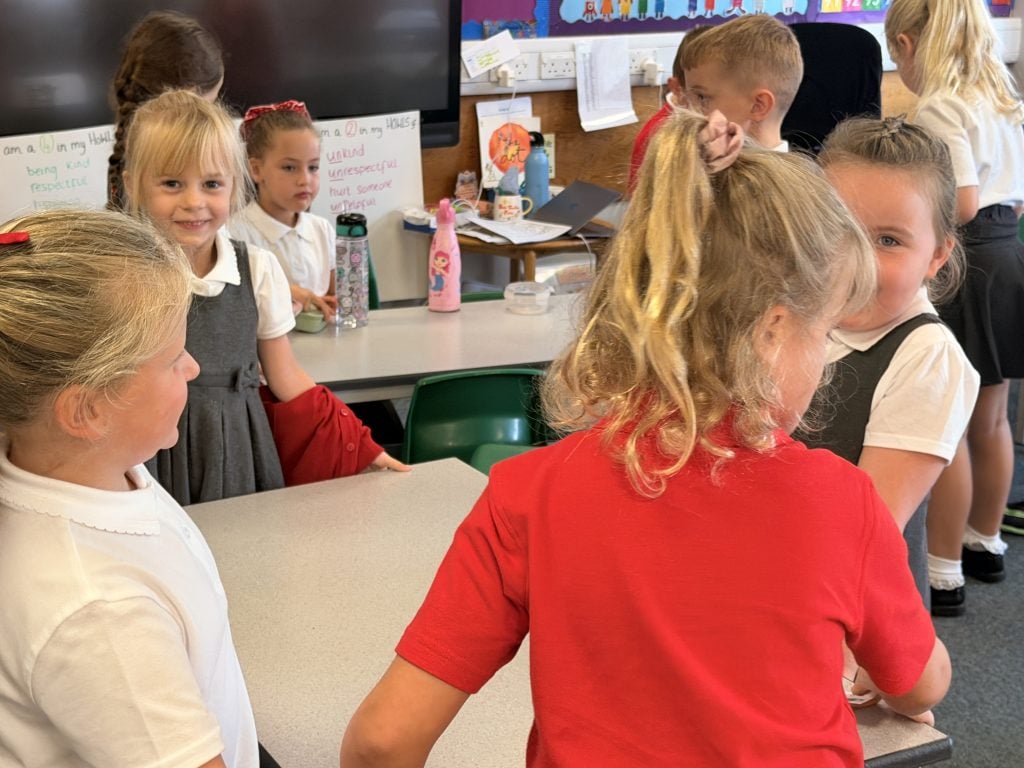
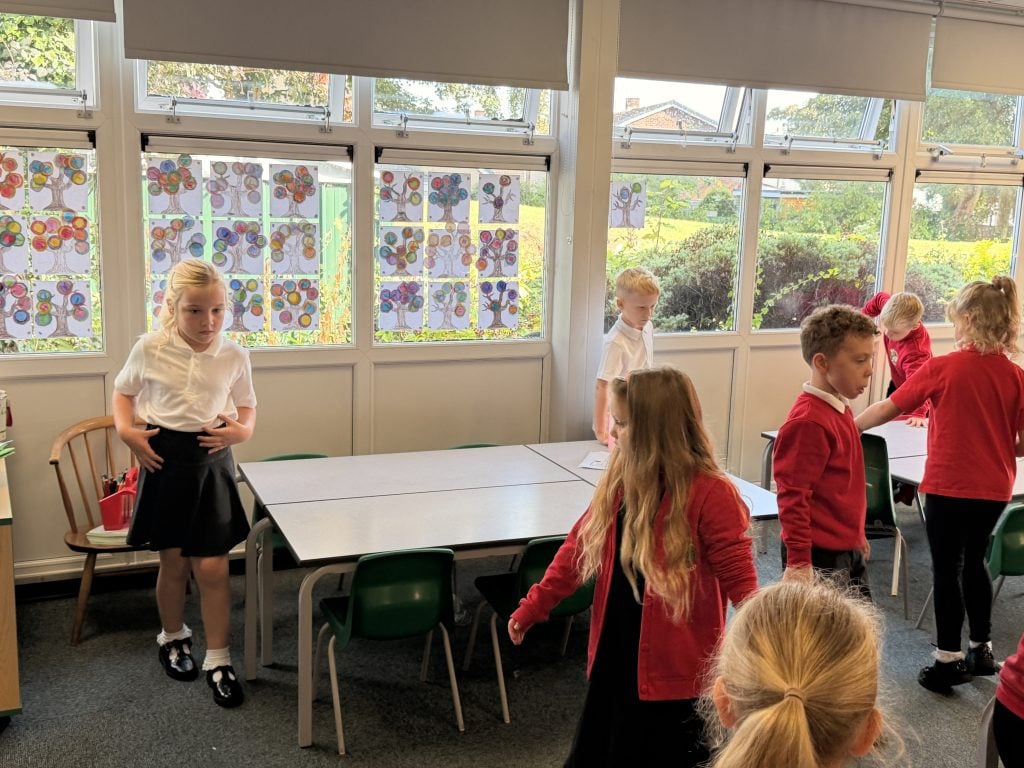
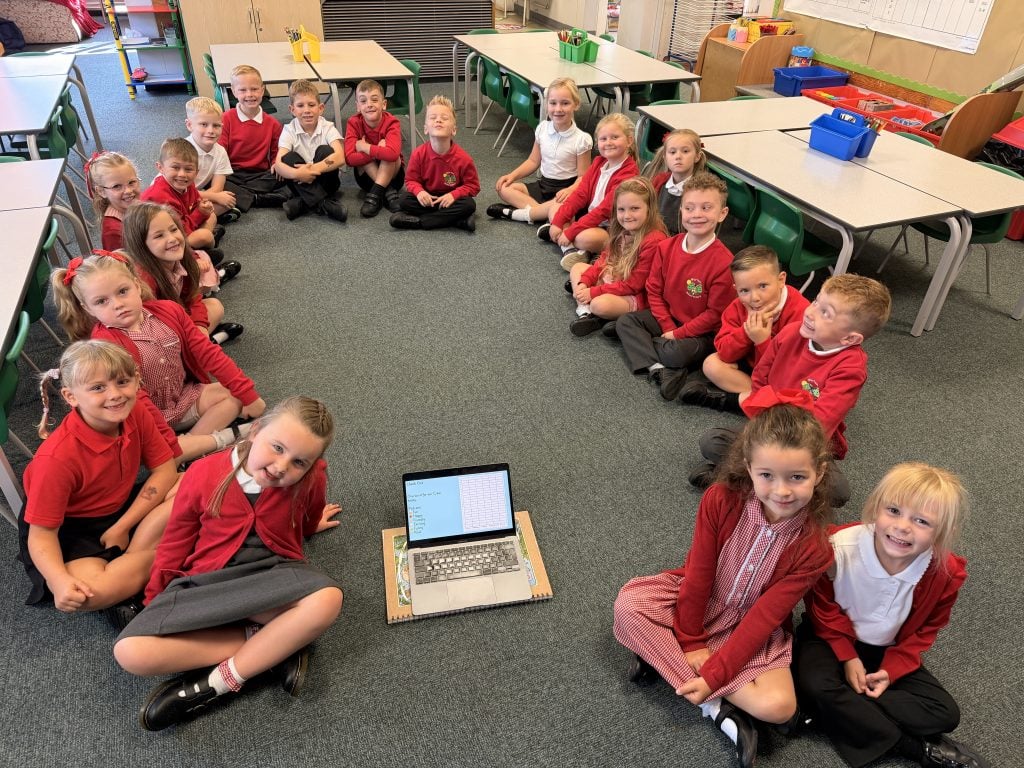
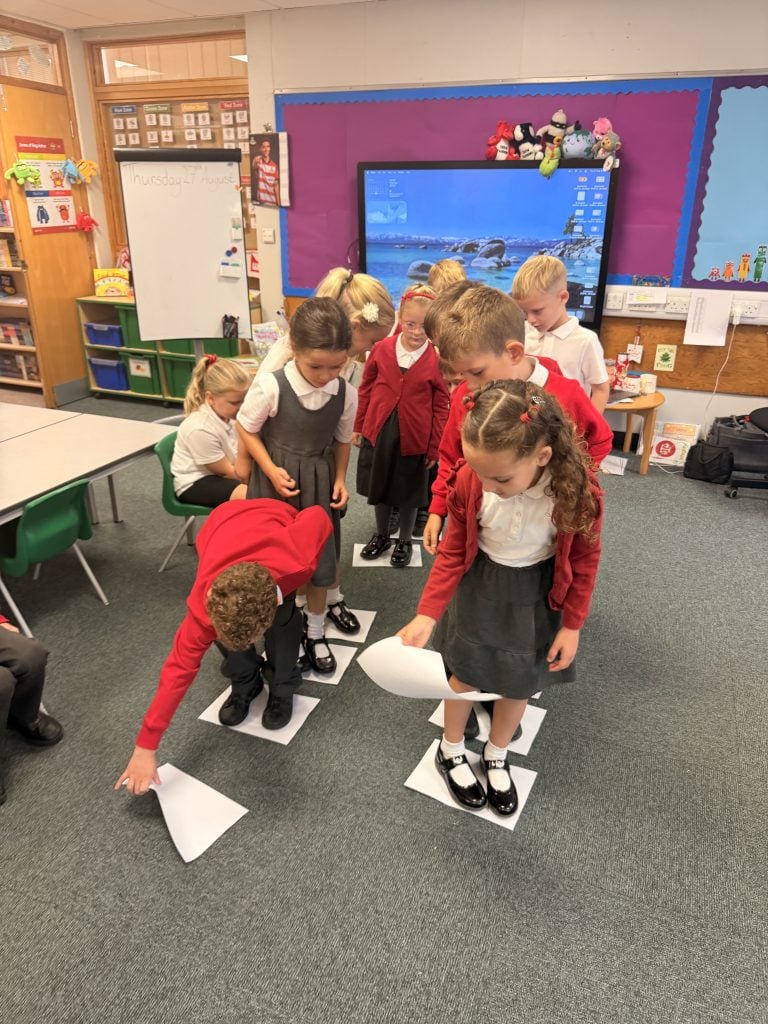
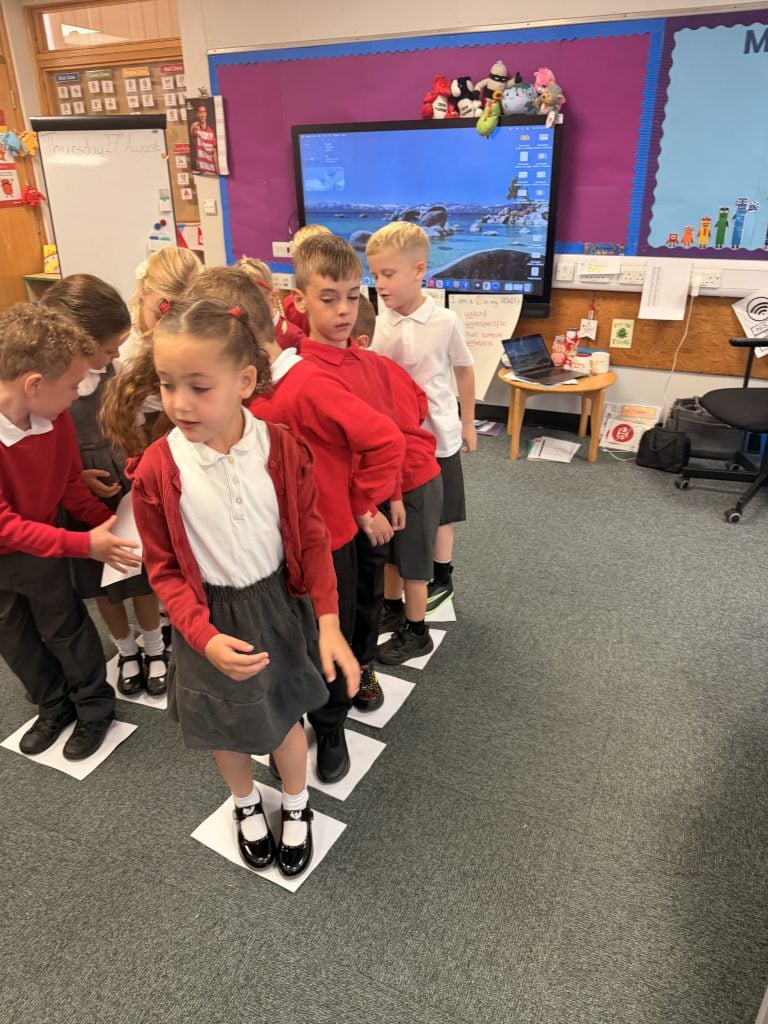
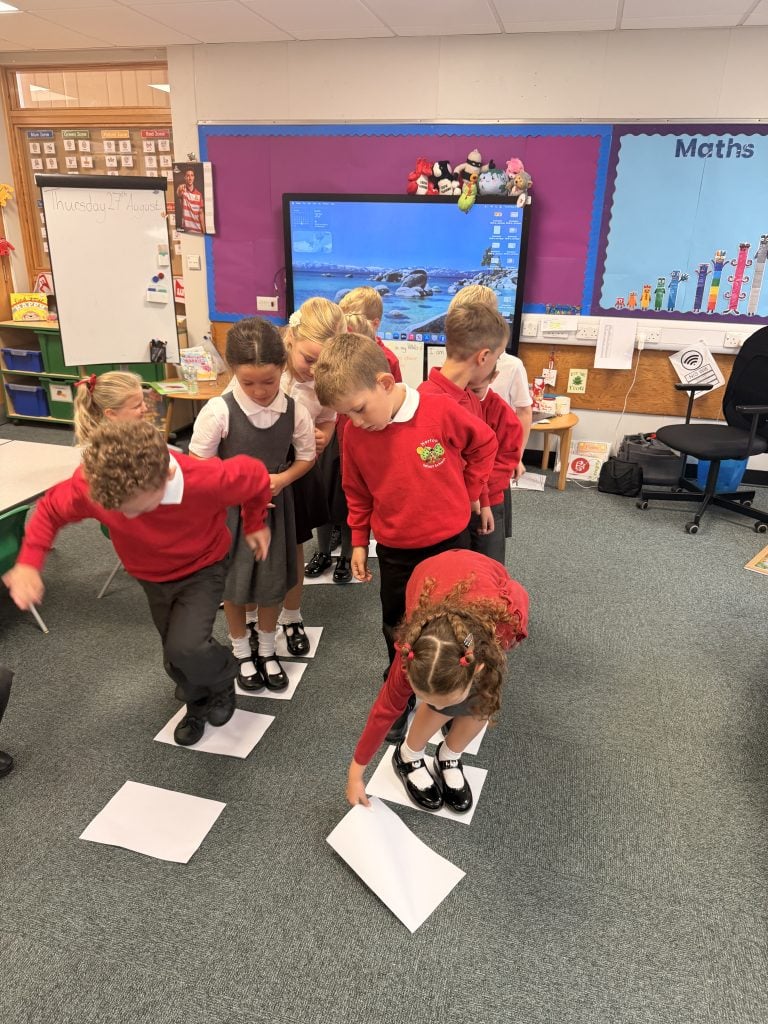
To bring this to life, we acted out two different learners:

  • One who was tired—yawning, not listening, struggling to focus
  • One who was well-rested—standing tall, smiling, ready to learn

The children quickly noticed the difference and were able to explain why sleep helps us to be focused, kind, and ready for school.

What Happens When We Sleep?

We talked about what sleep does for our bodies in a simple, child-friendly way:

  • Helps our brain grow and learn
  • Supports our mood (less grumpy!)
  • Gives us energy
  • Keeps our bodies healthy

We described sleep as a way of recharging our brains—just like an iPad charging overnight!

Building Healthy Bedtime Habits

We then discussed what helps us get a good night’s sleep. The children shared some fantastic ideas, including:

  • Having a calm bedtime routine (such as a bath or story) 
  • Turning off screens before bed 
  • Going to bed at a similar time each night 
  • Creating a calm, quiet space 

It was lovely to hear how many children already have positive routines in place.

A Moment of Calm

We finished by practising a simple breathing technique to help our bodies feel calm and ready:

  • Breathe in slowly
  • Hold
  • Breathe out gently

This is something the children can use at home as part of their bedtime routine or whenever they need a moment to reset.

Our Key Message

We reminded the children that sleep is one of the best ways to help us feel ready for school. When we are well-rested, we can learn better, feel happier, and be the best version of ourselves.

We were so impressed with how thoughtfully the children engaged in this conversation. Why not ask your child what helps them feel ready for school—you might discover some great ideas to try at home together!

Thank you for your continued support.

Our Power, Our Planet – Earth Day Community Meeting

This week, we came together for a special Key Stage 1 community meeting to celebrate Earth Day. This year’s theme, Our Power, Our Planet, helped us to think about how even the smallest actions can make a big difference to the world around us.

During our time together, we explored what is happening to our planet and talked about pollution—what it is, where it comes from, and how it can harm our environment. The children shared thoughtful ideas about what they already know and noticed how everyday choices can impact the Earth.

We also introduced the idea of renewable energy, helping children to understand that there are cleaner, more sustainable ways to power our world, such as using the sun and wind.

A big focus of our discussion was on what we can do to help. We talked about:

  • Using less plastic
  • Reducing, reusing and recycling
  • Taking care of our environment in simple, everyday ways

Making a Pledge

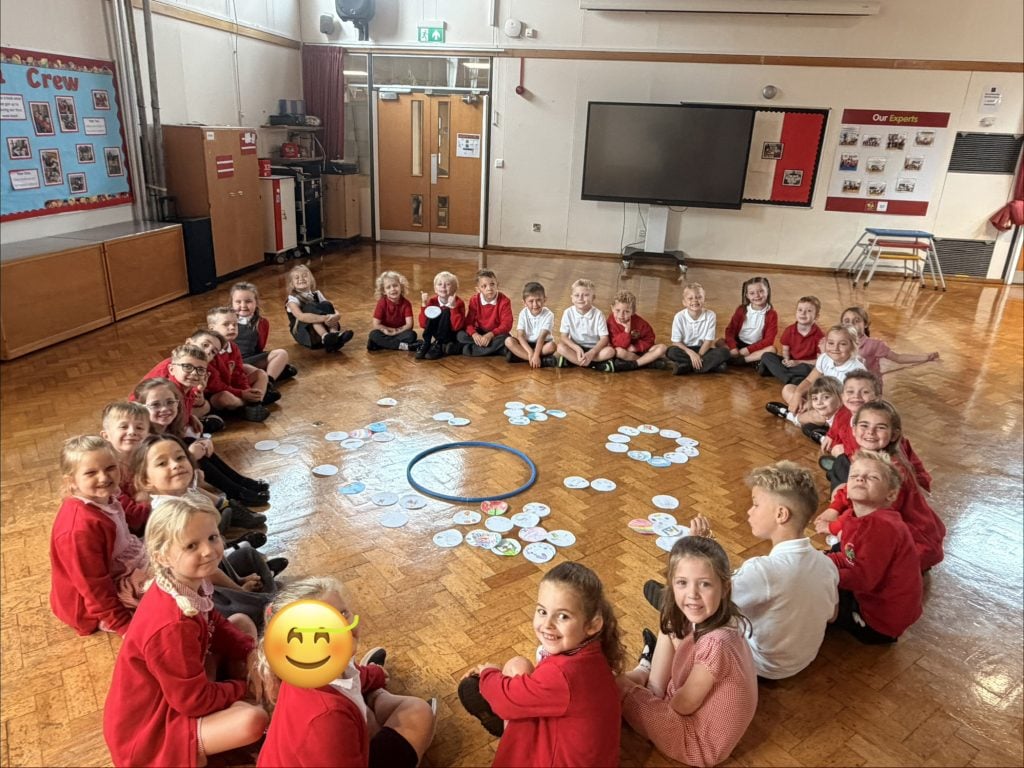
To finish our community meeting, each child made a personal Earth Day pledge. This was a really special moment, as the children reflected on how they could take action.

Each child placed a counter into the pledge they wanted to focus on:

  • Turning off taps and not wasting water
  • Making sure rubbish and recycling go in the correct bins
  • Walking, scooting or cycling more often

This simple act helped the children to feel empowered—showing them that they can make a difference.

Our Key Message

We reminded the children that looking after our planet doesn’t have to mean making huge changes. Instead, it’s about lots of small, positive actions that, together, have a powerful impact.

By working together, we can all play our part in caring for our world—because it truly is our power, and our planet.

Thank you for your continued support in helping us grow responsible, thoughtful global citizens.

🌍 Earth Day Crew 🌍

This morning in crew we were thinking all things Earth Day. The seam running through our expedition this term is “protecting our planet” and so the timing of Earth Day during our expedition was absolutely perfect. We started our crew session with discussions about what we can do to help protect our planet – thinking about turning off lights, picking up litter, using reusable water bottles and using the same shopping bags all the time.

We then started to think about what the ways that we were going to try and really make a difference. Thinking of four ways we are going to try and help the planet.

Finding Our Happy – Supporting Emotional Wellbeing in KS1

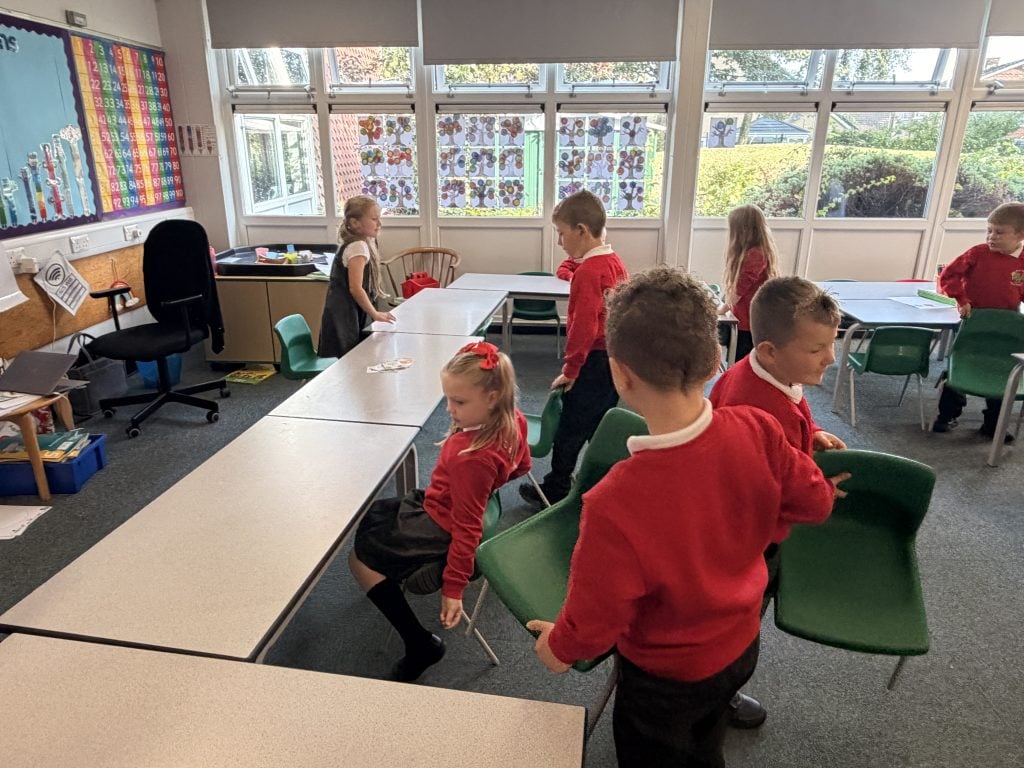
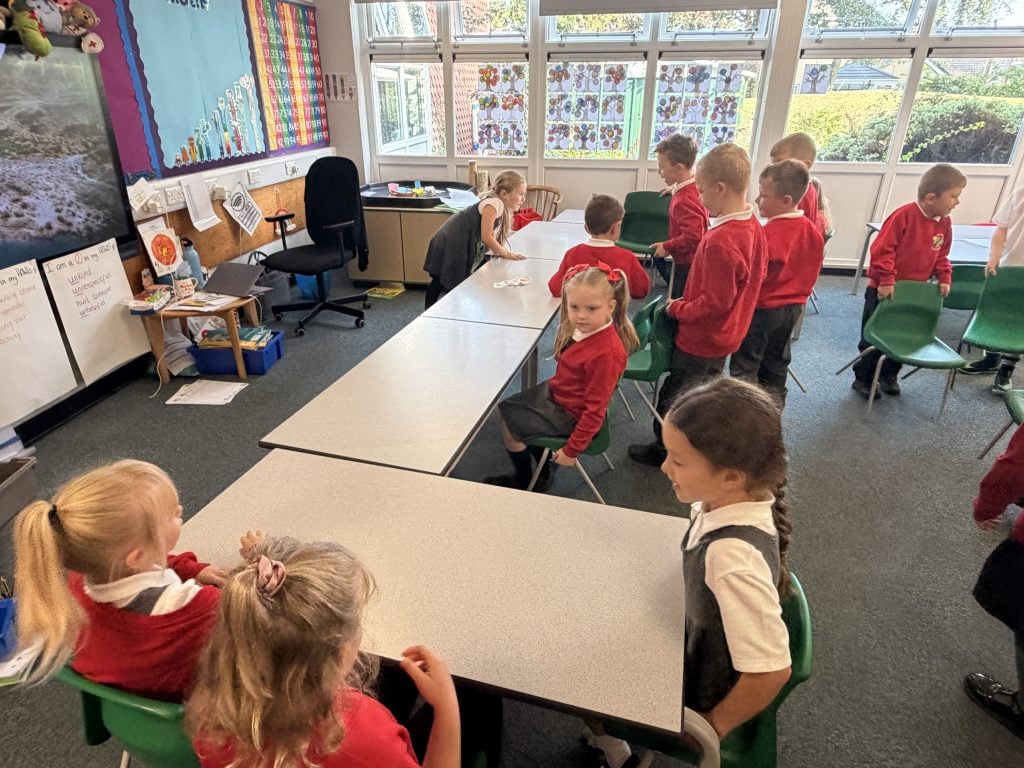
This week in Key Stage 1, we came together for a short community meeting built around the beautiful book Find Your Happy. Through this story, we explored something really important: understanding our feelings and knowing what to do when they feel big.

At school, the children are very familiar with the Zones of Regulation, which help us to recognise and name how we are feeling:

  • Blue Zone – sad, tired, or unwell
  • Green Zone – calm, happy, ready to learn
  • Yellow Zone – excited, worried, or a bit wobbly
  • Red Zone – angry, overwhelmed, or out of control

During the community meeting, we talked about how we all move through these zones every day—and that’s completely normal. The key message we shared is that all feelings are okay, but we can learn ways to help ourselves feel safe, calm, and ready again.

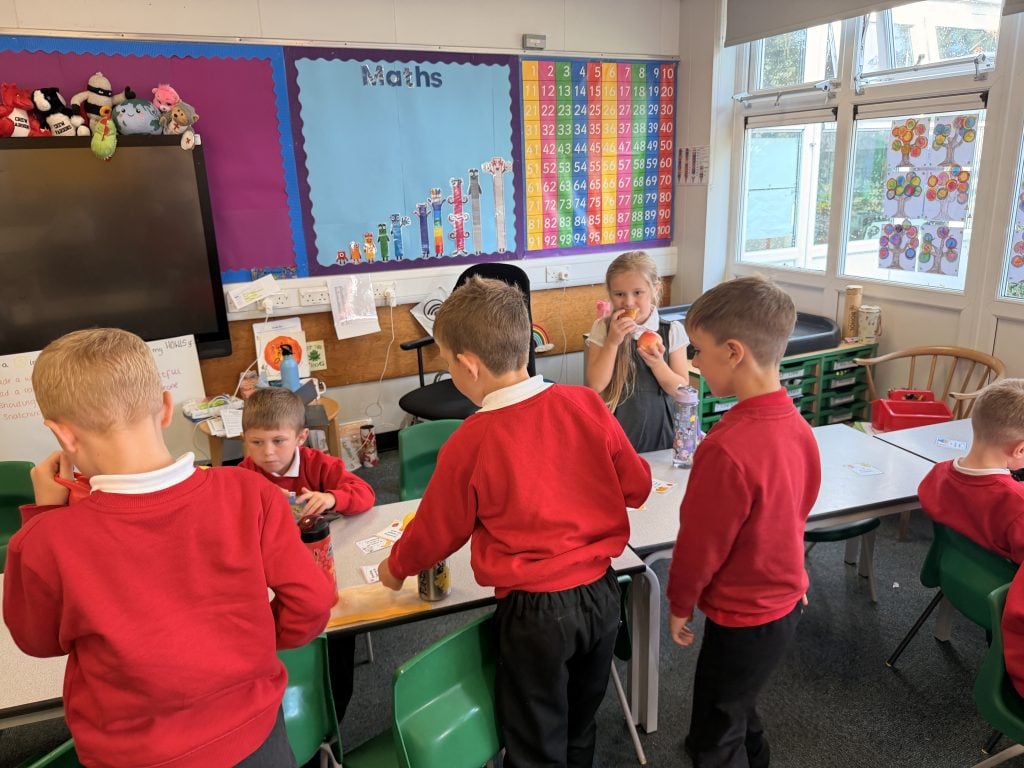
Using Find Your Happy, we explored how the character experiences different emotions and discovers simple strategies to feel better. We then practised some of these together:

  • Breathing techniques – “smell the flower, blow out the candle”
  • Relaxing our bodies – tightening and releasing muscles
  • Thinking of something that makes us smile

These small strategies can make a big difference, especially when children are feeling in the yellow or red zones.

How you can support at home

You might like to continue these conversations at home by:

  • Asking your child which “zone” they are in
  • Talking about what helps them feel calm or happy
  • Practising simple breathing together
  • Reminding them that it’s okay to feel all emotions

By using a shared language between school and home, we can help children to better understand themselves and build the skills they need to manage their feelings with confidence.

Our key message

We reminded the children that being in the green zone all the time isn’t the goal—because that’s not realistic for any of us! Instead, it’s about learning how to recognise our feelings and find our way back to feeling safe and ready.

We are so proud of how thoughtfully the children engaged with this important message. Ask them about how they “find their happy”—you might even learn a new strategy yourself!

Thank you for your continued support.

Mindful Monday

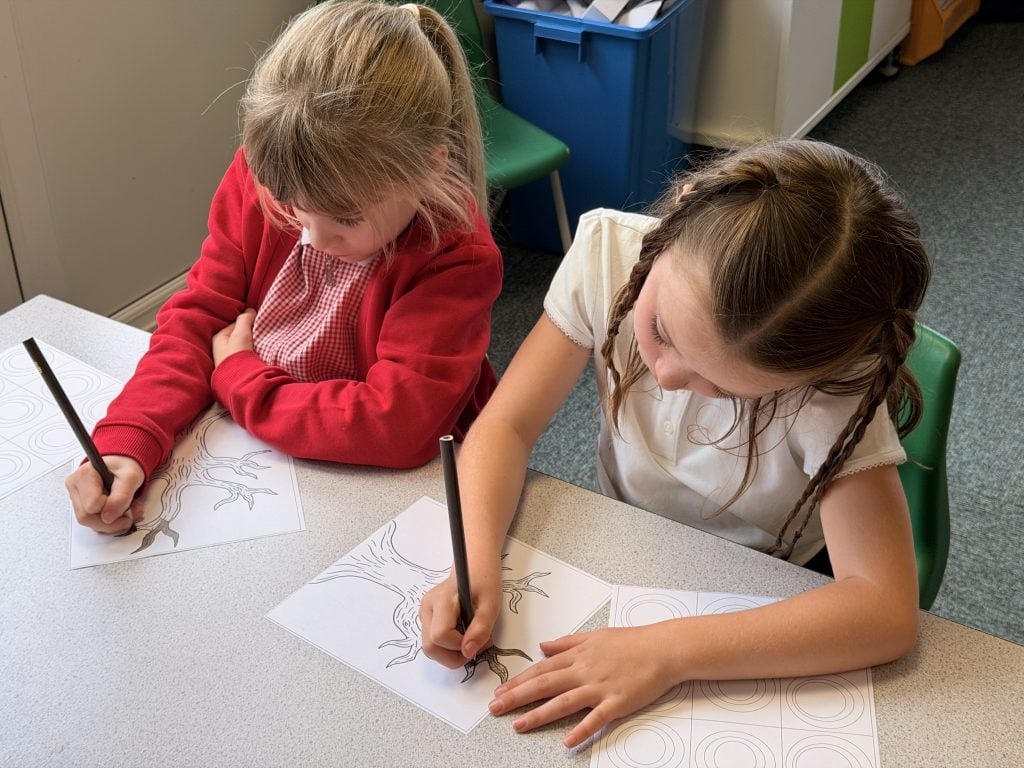
Today in Crew Nursery kicked back with a follow up activity to world book day. They each attempted a Fairytale character Hide and Seek. The children looked for traditional characters and counted how many times they could spot them. Most children attempted to write numbers or make marks to represent what they had found. Amazing work and lots of fun!

📚 World Book Day 2026 📚

This year our World Book Day had a Dr Seuss theme – a cat in the hat inspired crazy hat! Boy did the children deliver!! We had everything from gardens to space helmets and minions to globes – the children’s hats absolutely blew our socks off! 👒🎩

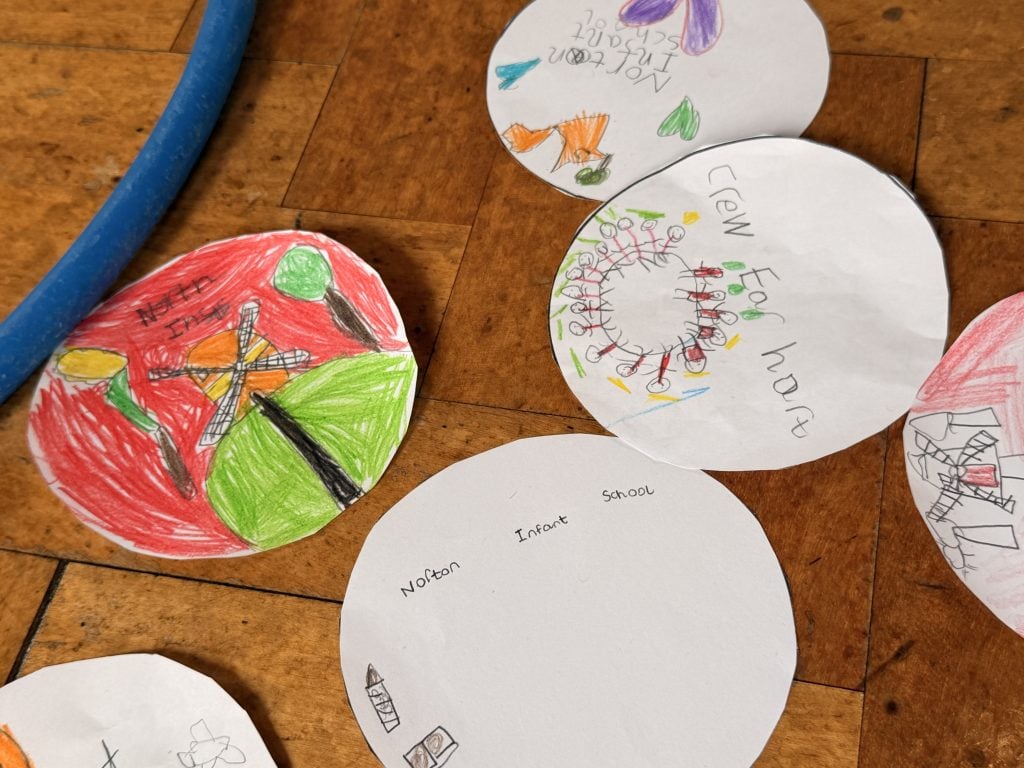
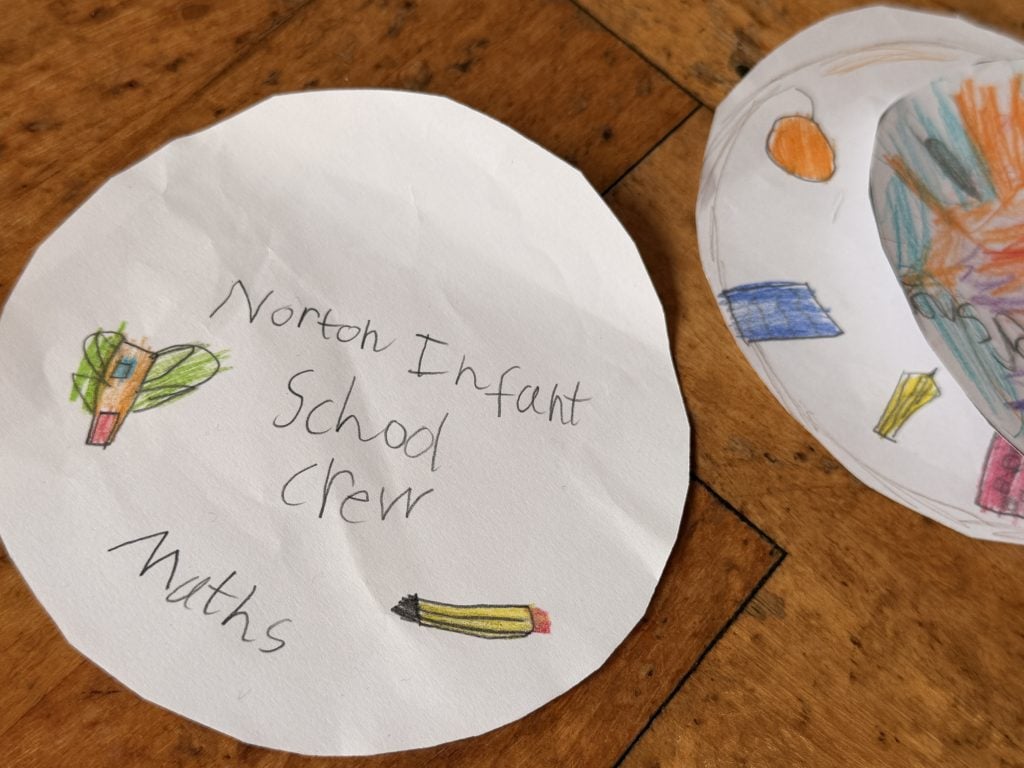
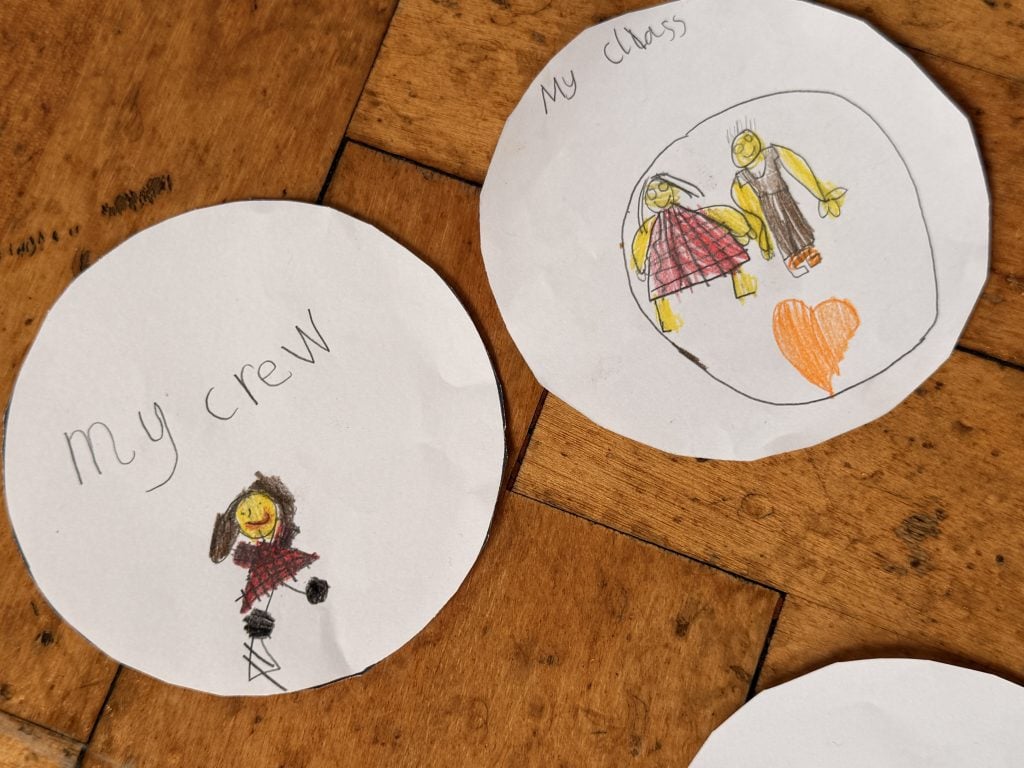
In crew this morning, Y2 created their very own crew murals inspired by their favourite books. We took time thinking of a way to represent our favourite books, drawing them and then sticking them all together to create our collaborative artwork.

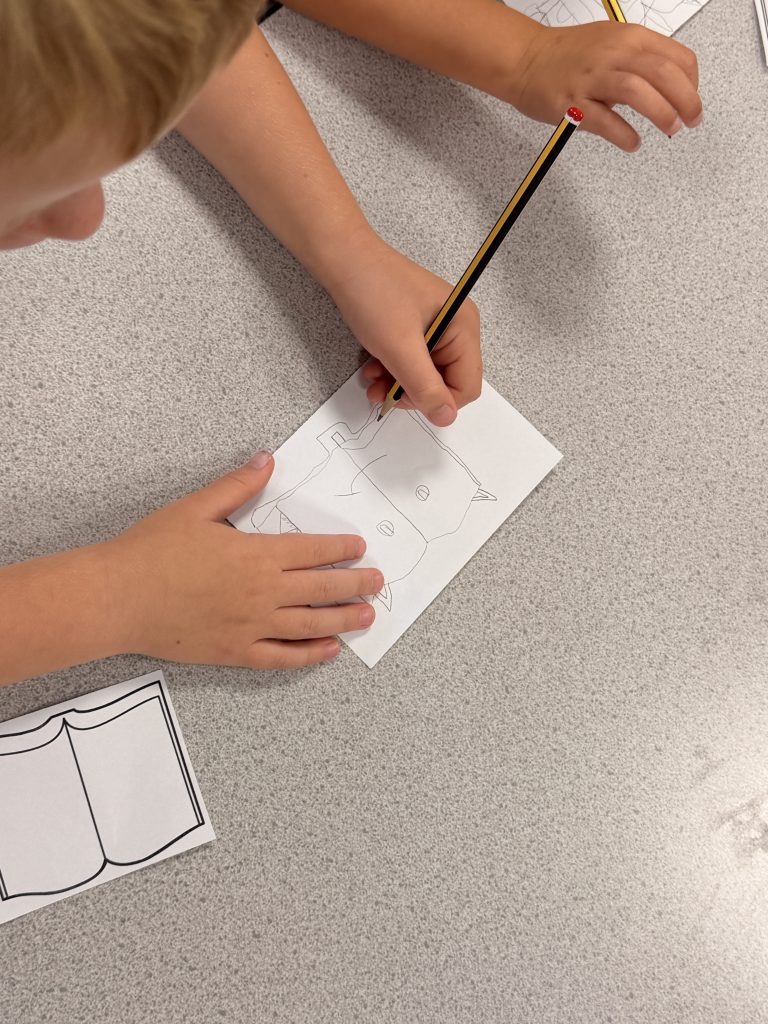
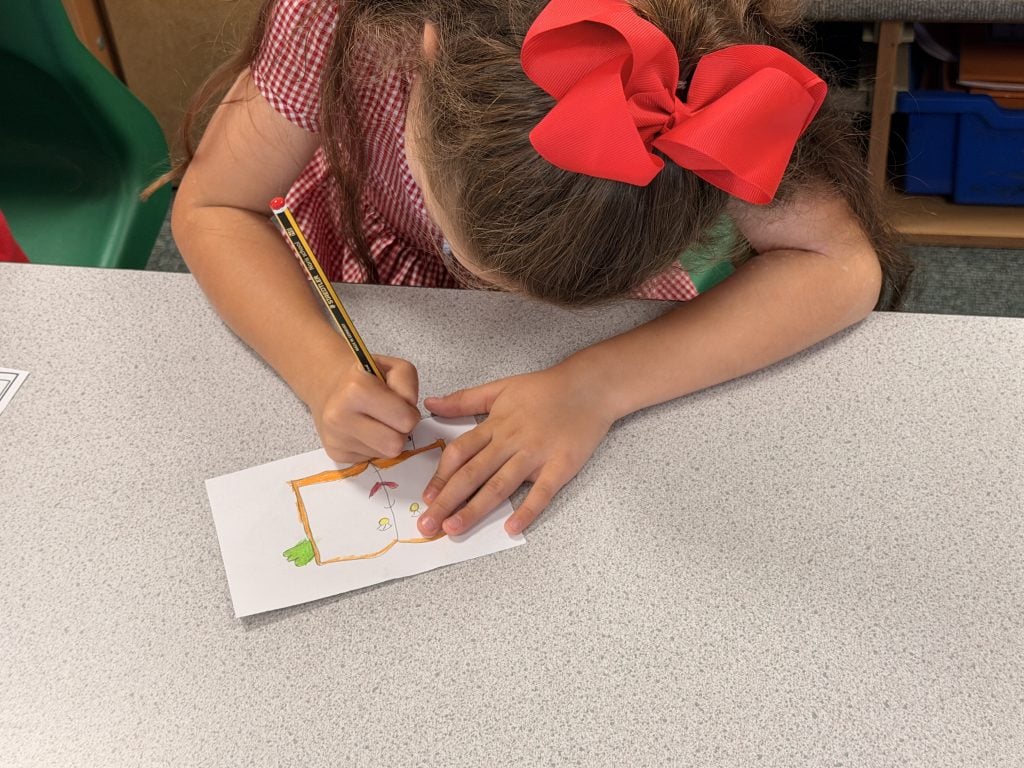
We also spent some time with The Cat in the Hat himself this morning – we watched the story and then had a go at drawing our very own Cat in the Hats. What a great day!!!

A Cup of Compliments

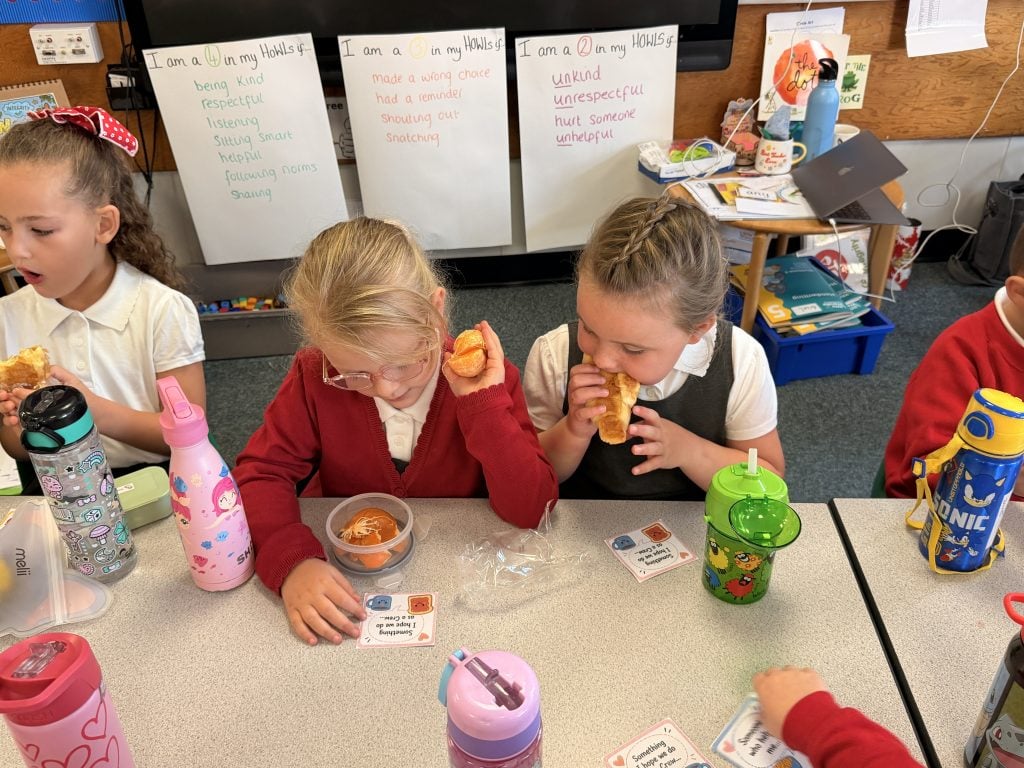
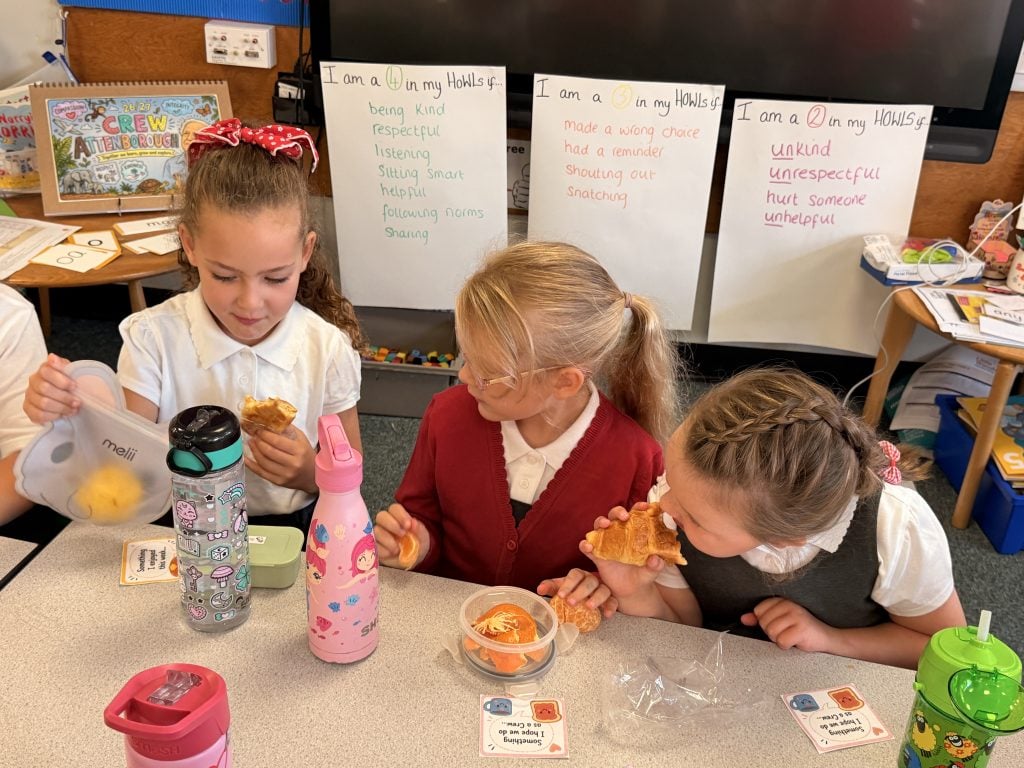
Over the last few weeks in our “Wise Wednesday” crew sessions, Crew Hamilton have been thinking all about our mental health and having a positive mental attitude. This morning we spent our crew session filling each other’s cups with compliments. Some highlights included:

It was lovely to see all the amazing things that the children had noticed in each other.

Building Belonging Through Story: A Powerful Community Meeting

There are moments in school life that remind us why community matters so much.

This week, our Community Meeting was one of those moments.

We gathered together to share the beautiful and thought-provoking picture book The Invisible Boy by Trudy Ludwig. It’s a gentle but powerful story about Brian, a quiet boy who often feels unseen by his classmates. Through simple illustrations and subtle storytelling, we watch how small acts of kindness begin to bring colour into his world — quite literally.

Why This Story?

In our setting, we place huge value on belonging. Before children can truly thrive academically, they must feel safe, valued and visible. The Invisible Boy gave us a shared language to explore:

  • What does it feel like to be left out?
  • How do small actions make a big difference?
  • What does kindness look like in practice?
  • How can we notice those who might feel “invisible”?

The story created a calm, reflective atmosphere. You could have heard a pin drop.

Respectful Conversations in Action

What made the meeting so powerful wasn’t just the story — it was the discussion that followed.

Children spoke with honesty and empathy. They listened carefully to one another. They disagreed thoughtfully. They built on each other’s ideas.

At one point, as we reflected on how Brian was treated, a child confidently said:

“Well that wouldn’t happen at our school.”

Another child added simply:

“They aren’t being kind.”

Sometimes the clearest insights are the most powerful. The children recognised unkindness immediately. They were able to name it. They understood it.

Some children reflected on times they had felt invisible. Others spoke about moments when someone had made them feel included. Many identified simple actions they could take — inviting someone to join a game, noticing who is alone at lunchtime, using kind words.

From Words to Action

Stories give us a mirror and a window — a mirror to see ourselves, and a window to understand others. This Community Meeting reminded us that creating a culture of belonging is not about grand gestures. It is about noticing. Inviting. Including.

If we want every child to feel seen, it starts with each of us.

A smile.
A kind word.
An invitation.

Sometimes the smallest actions bring the brightest colour.

Crew, Collaboration, Critique and Teamwork Tigers!

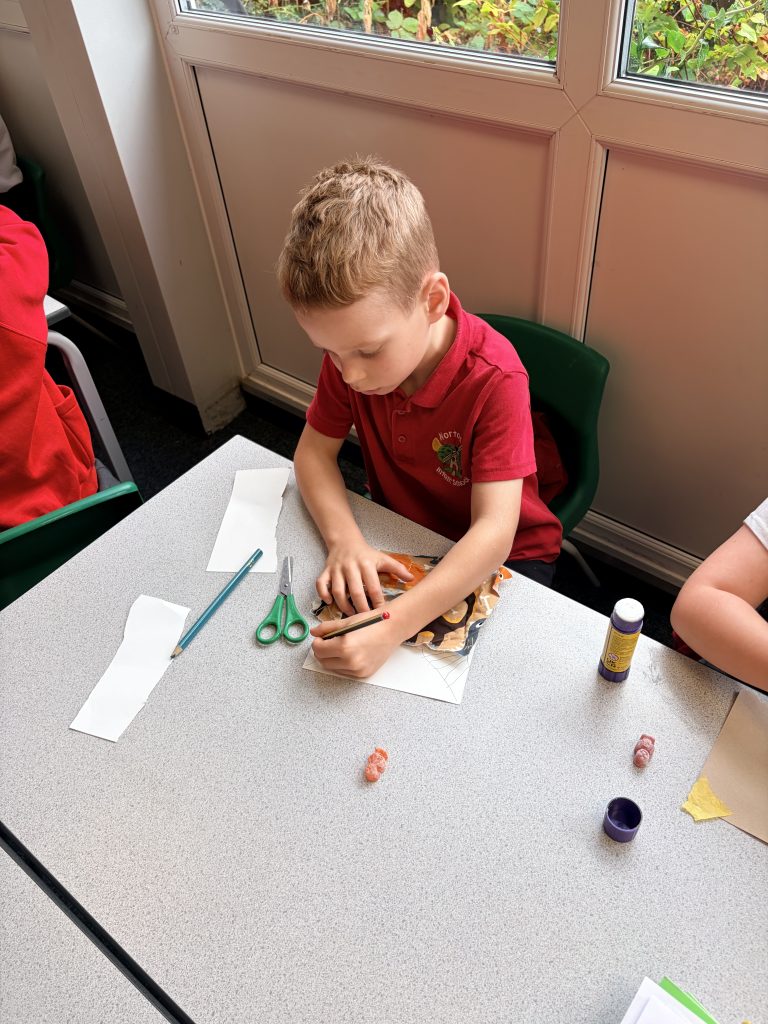
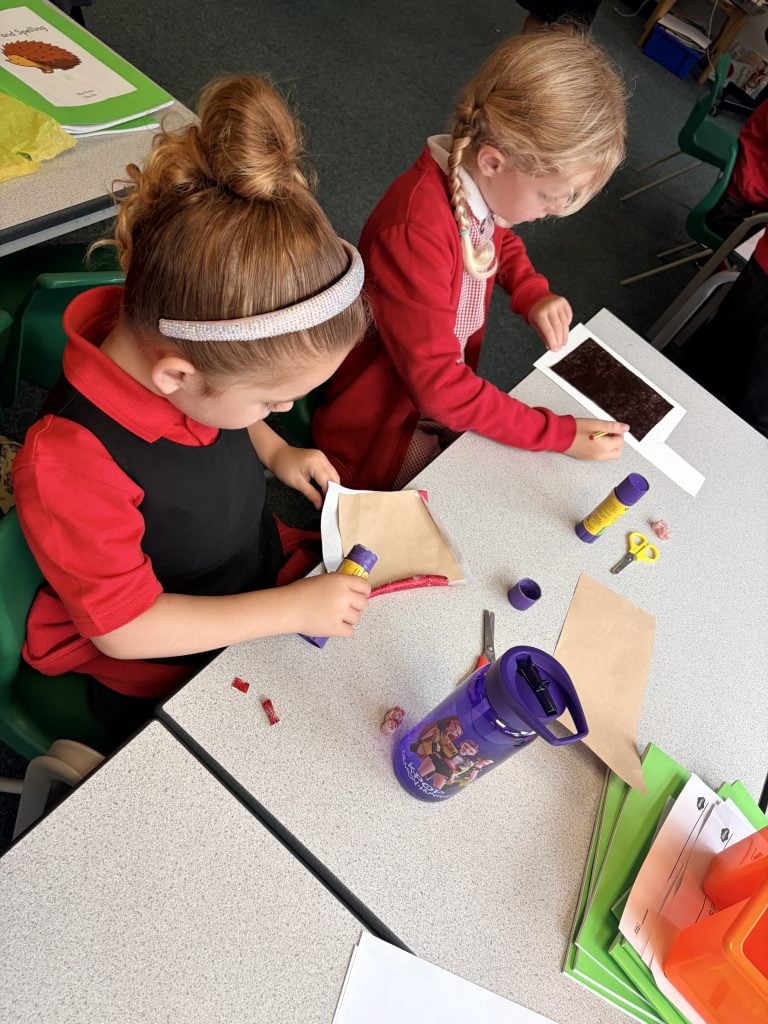
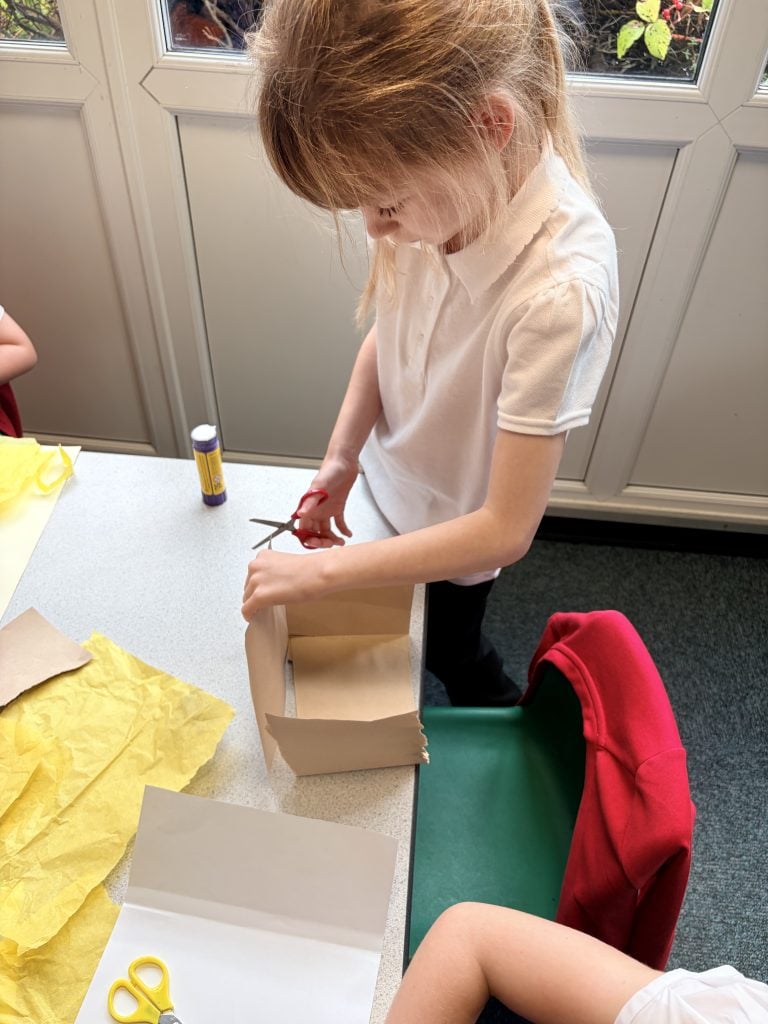
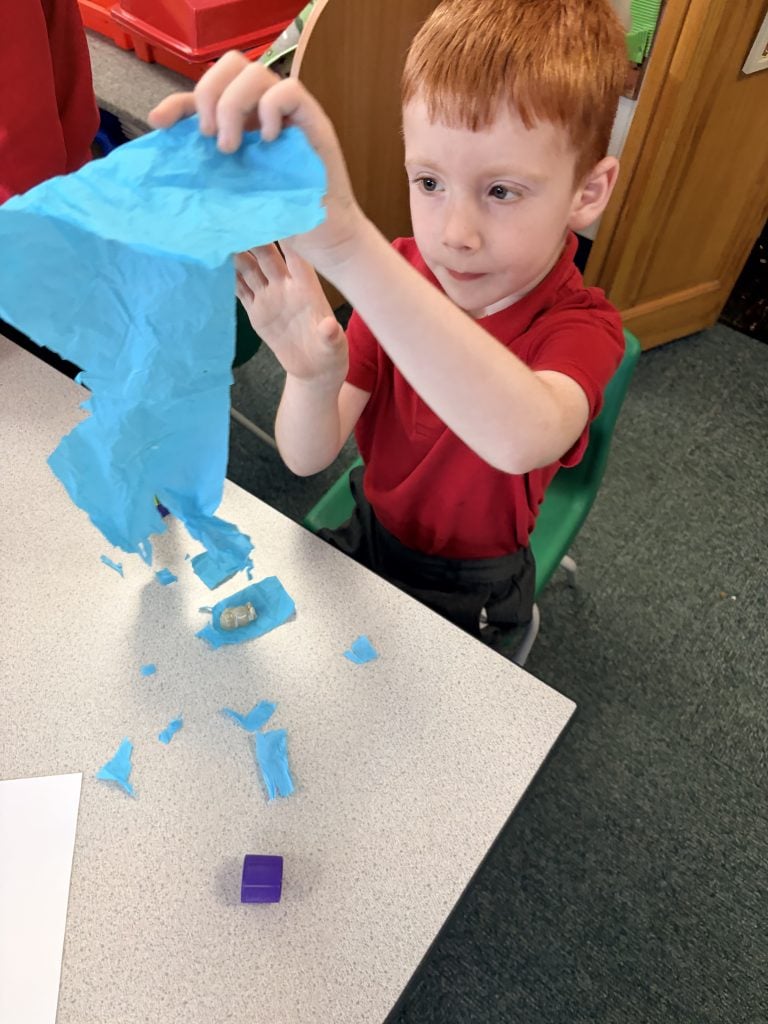
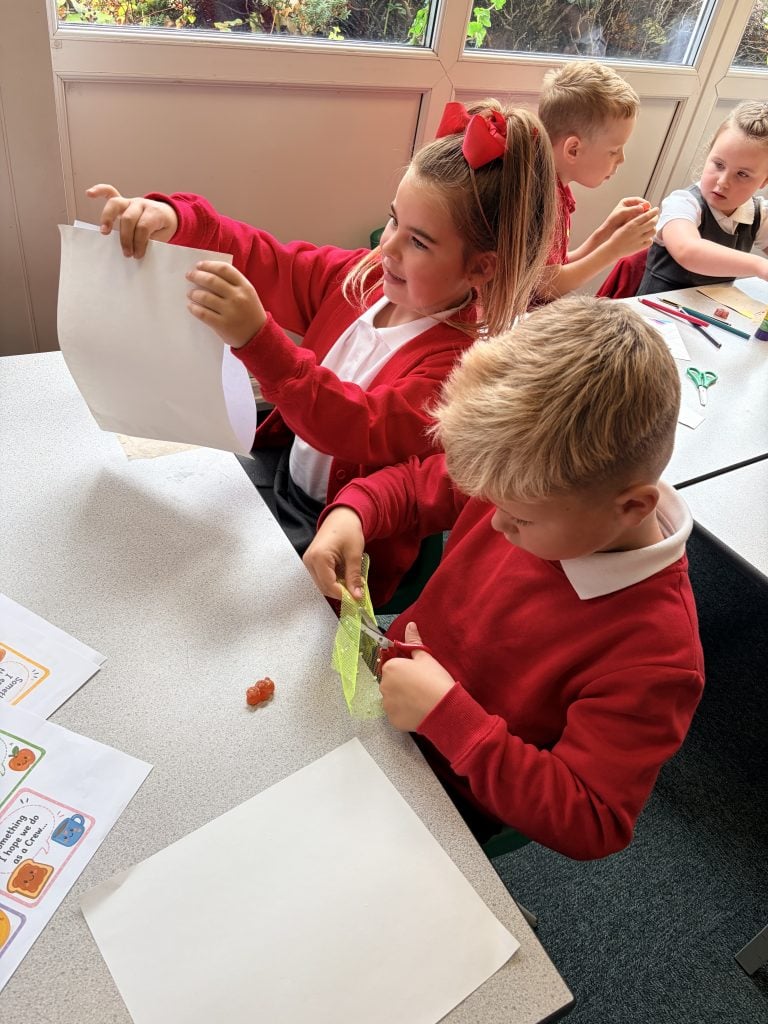
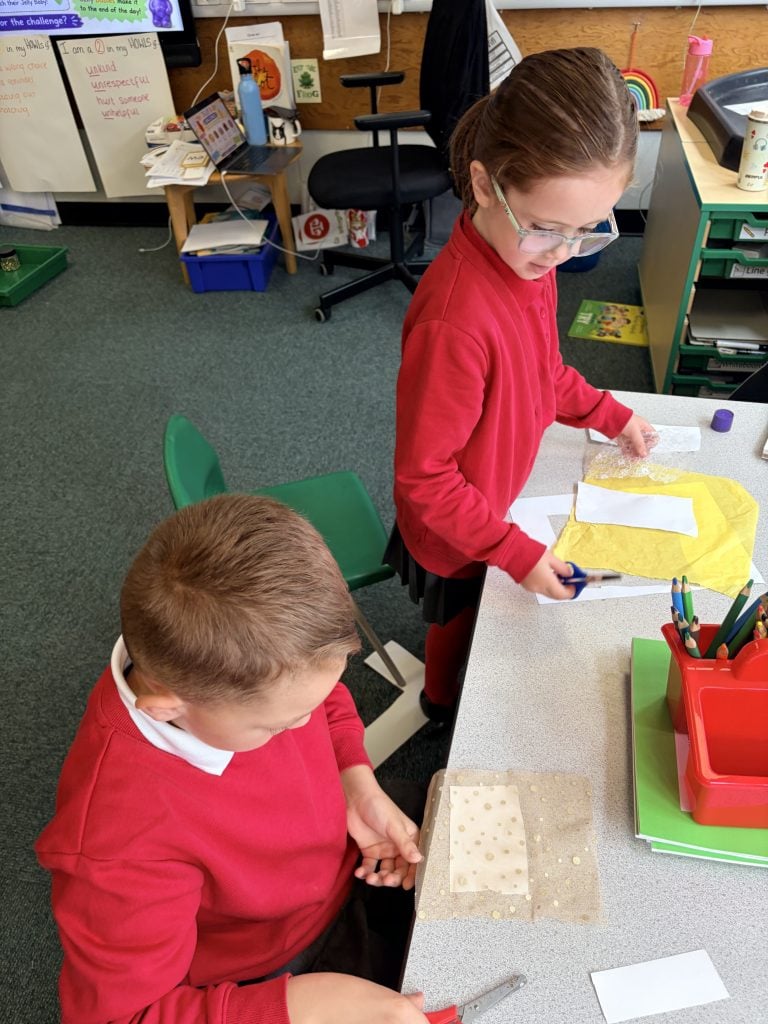
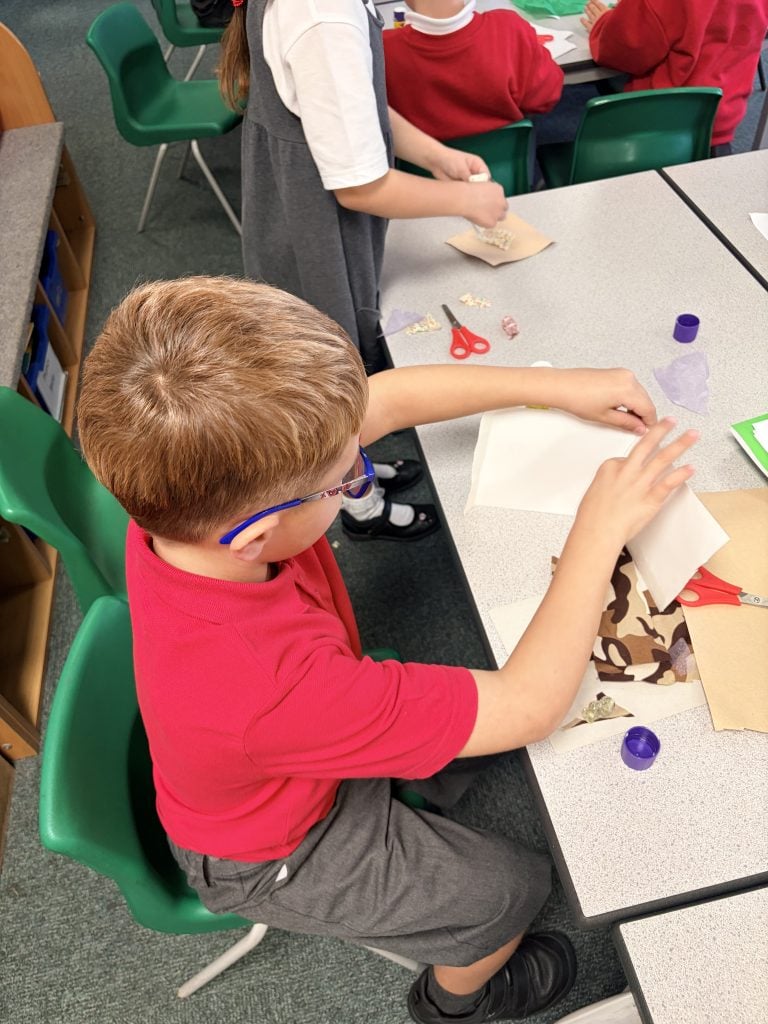
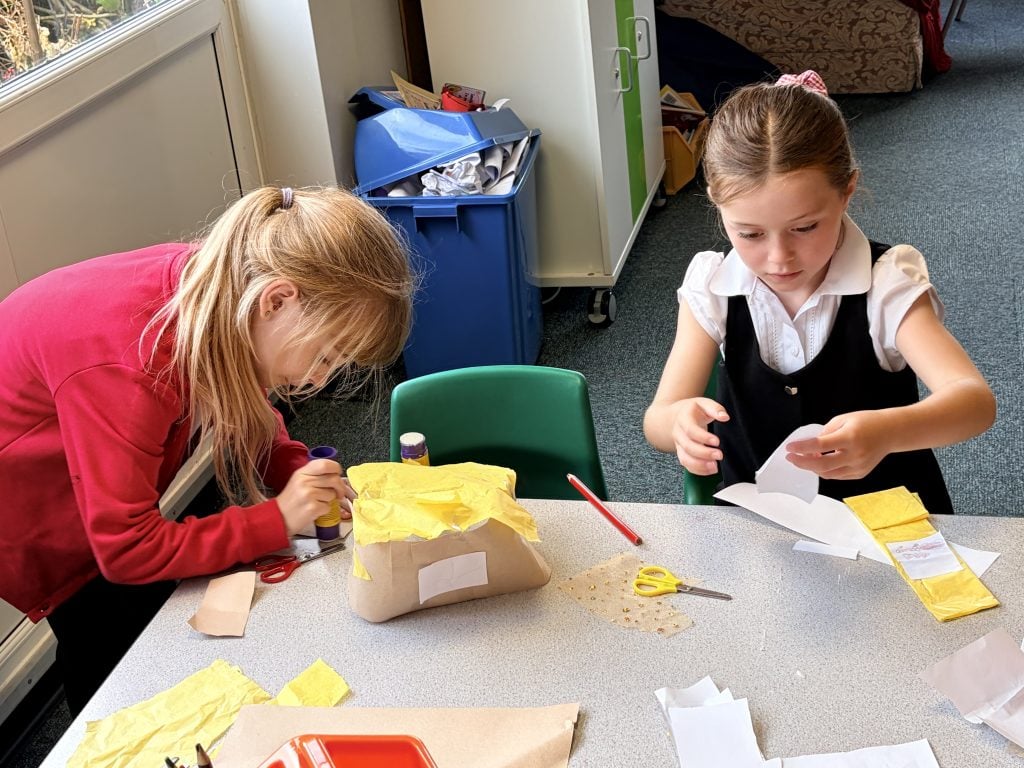
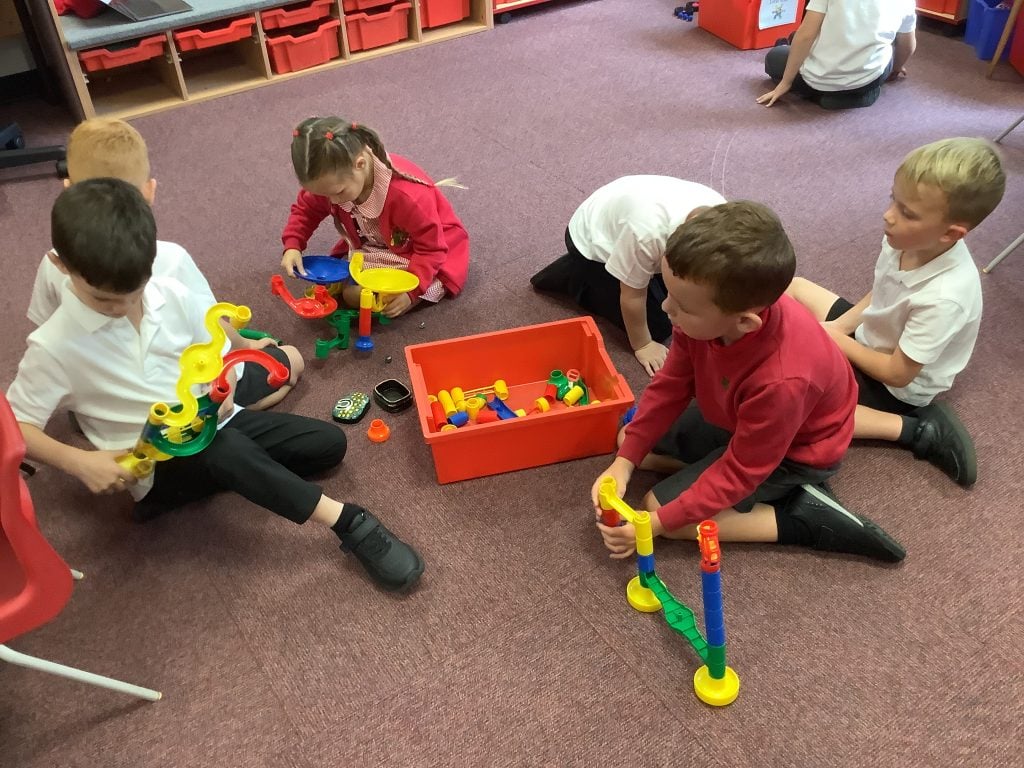
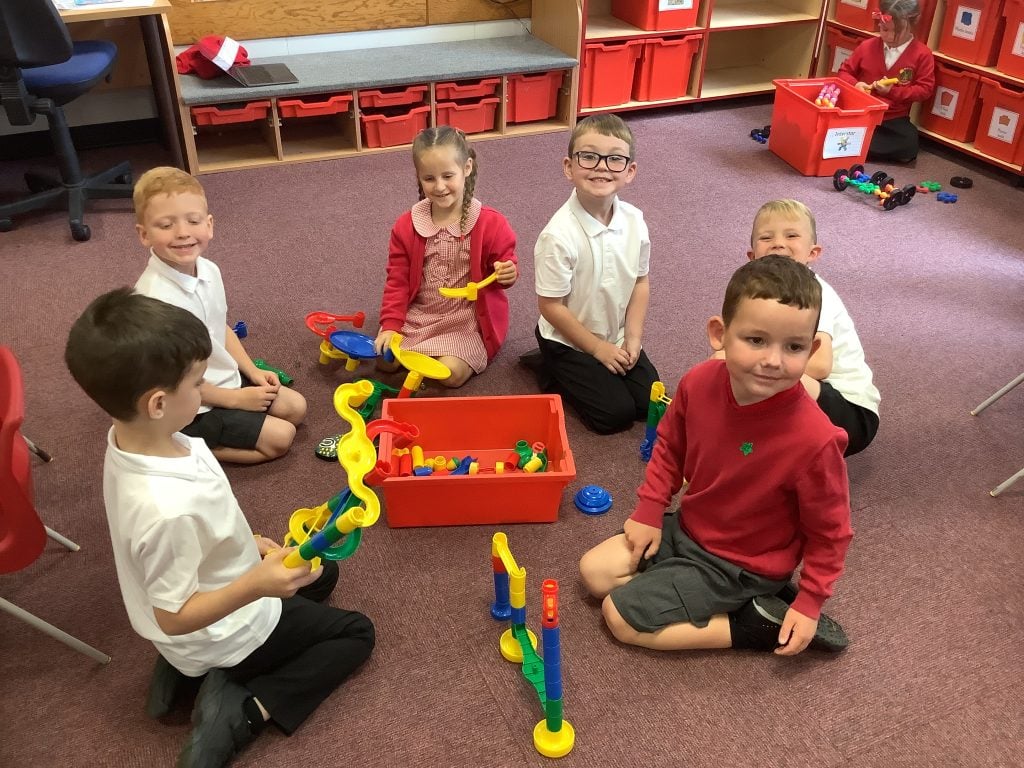
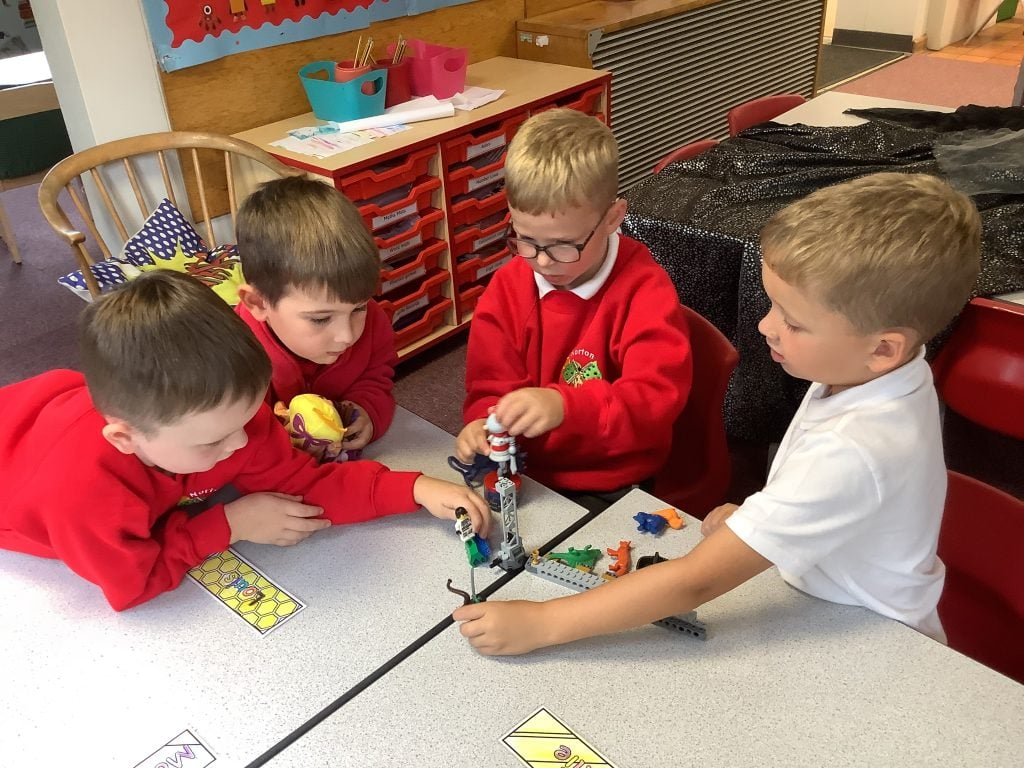
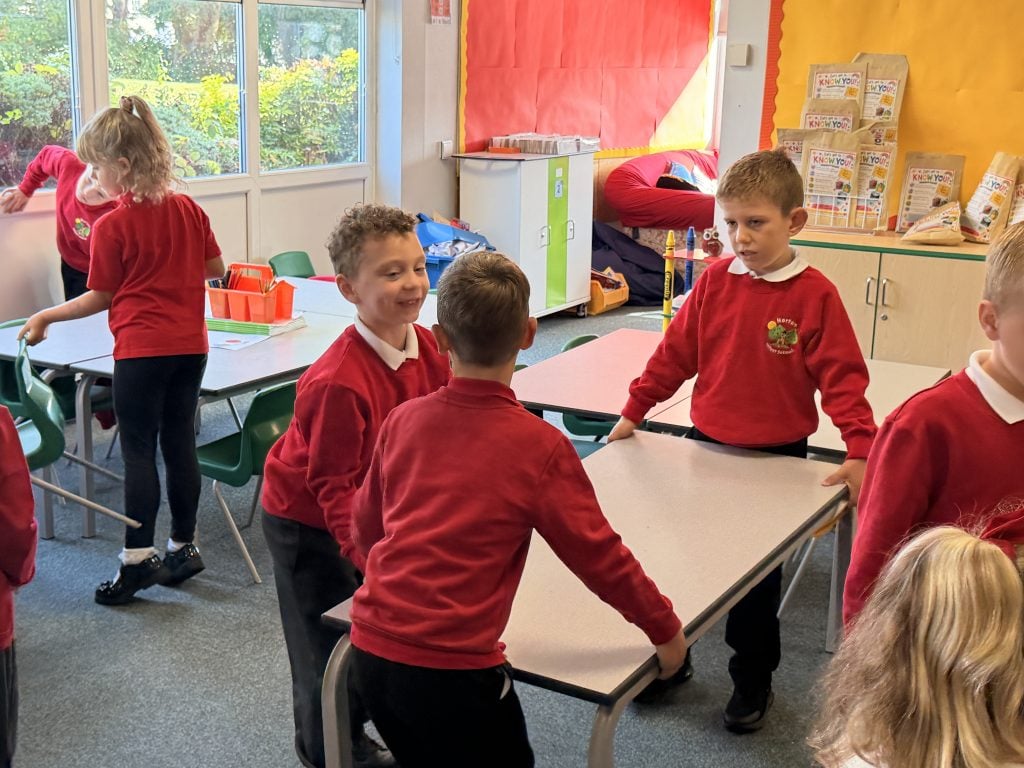
The last two weeks have seen the children in Early Years making large scale models of vehicles towards their final product for our expedition, “We are on the move – Would you travel by wheels, wings or other things?” Each child designed their own eco-friendly vehicle and the designs were judged by Miss Tunney. There was one winner from each crew and the children of that crew have began to work collaboratively to create and make their chosen design. The children have worked so hard to make decisions together, exchanging and suggesting ideas of how they could make their vehicles the best that they can be. Carefully choosing which materials would be the best to make their model out of, giving special thought to the eco friendly parts, such as batteries, solar panels, turbines, tanks, sails and propellers! They even took part in a simple vote to help make decisions, by placing a lolly stick on the materials of their choice.

Today as a hook to continuing to finish our vehicles the children took turns to look at each crews model. That crew presented what their model was, how it was powered and why it was good for the planet? The other crew offered critique of what they liked about the model firstly and then suggested what the model was missing to be complete. We had some lovely ideas to help enhance the models, suggestions included, “ A control panel”, “A steering wheel”, “A door”, “seats for the pilot”, “A tank” (to hold the power source), “a button to open the door”, “Windows”, “More wheels” and much more! This is an advanced skill for such young children and with careful scaffolding the children were beginning to understand the concept of critique – Well done Nursery.