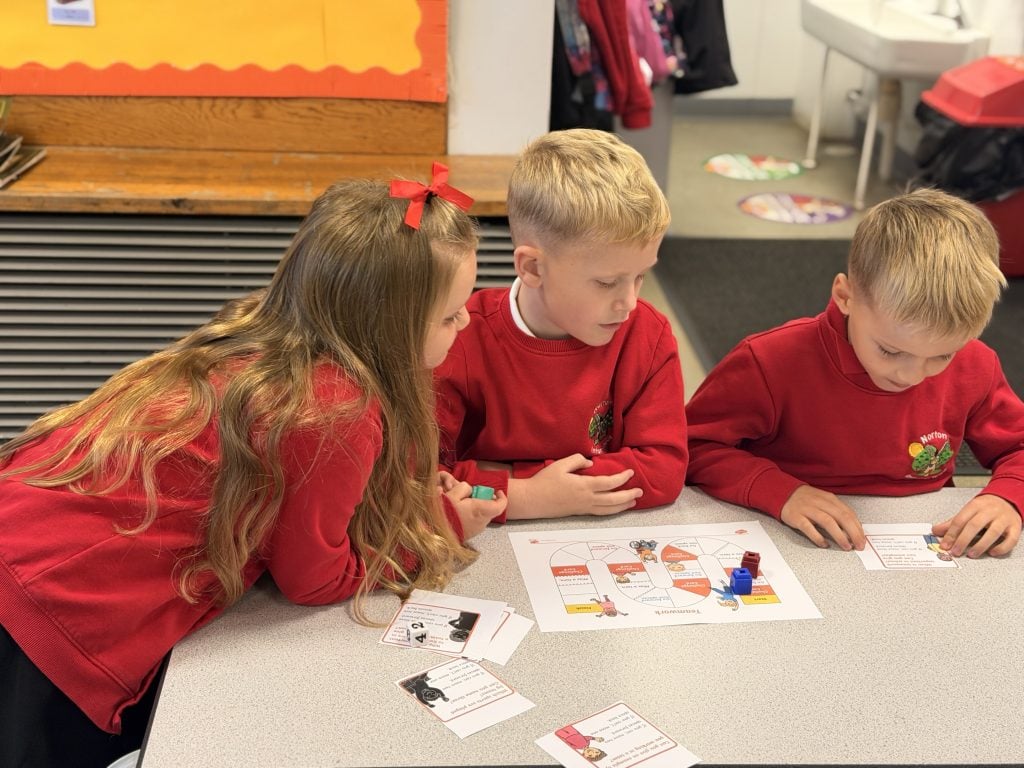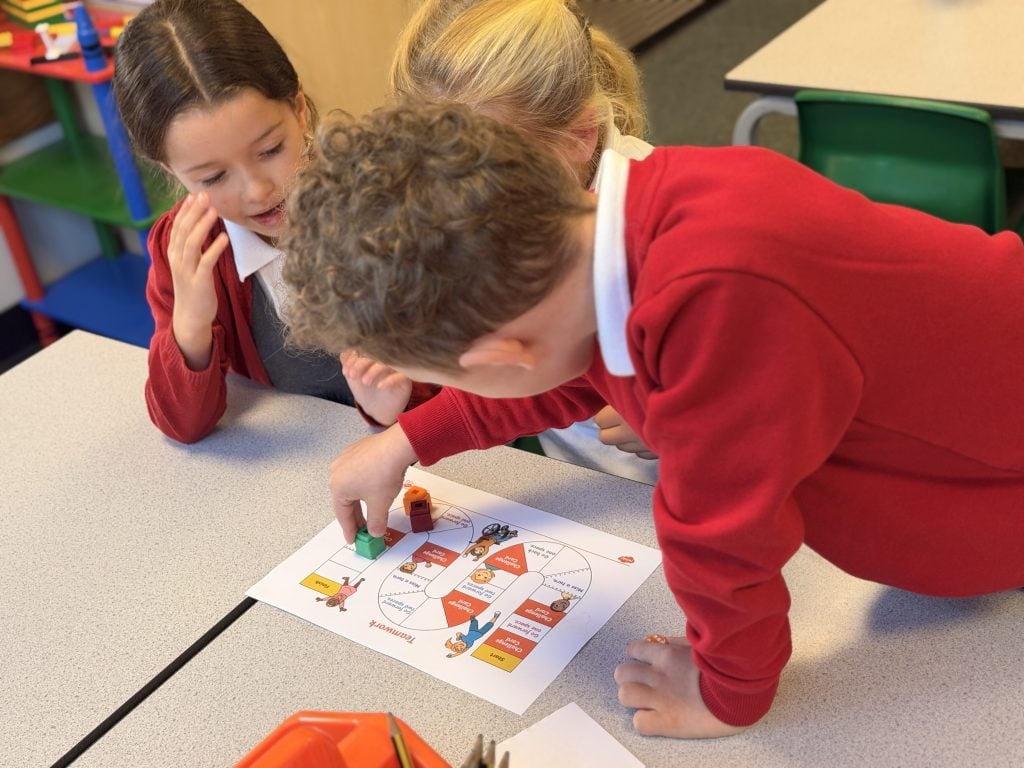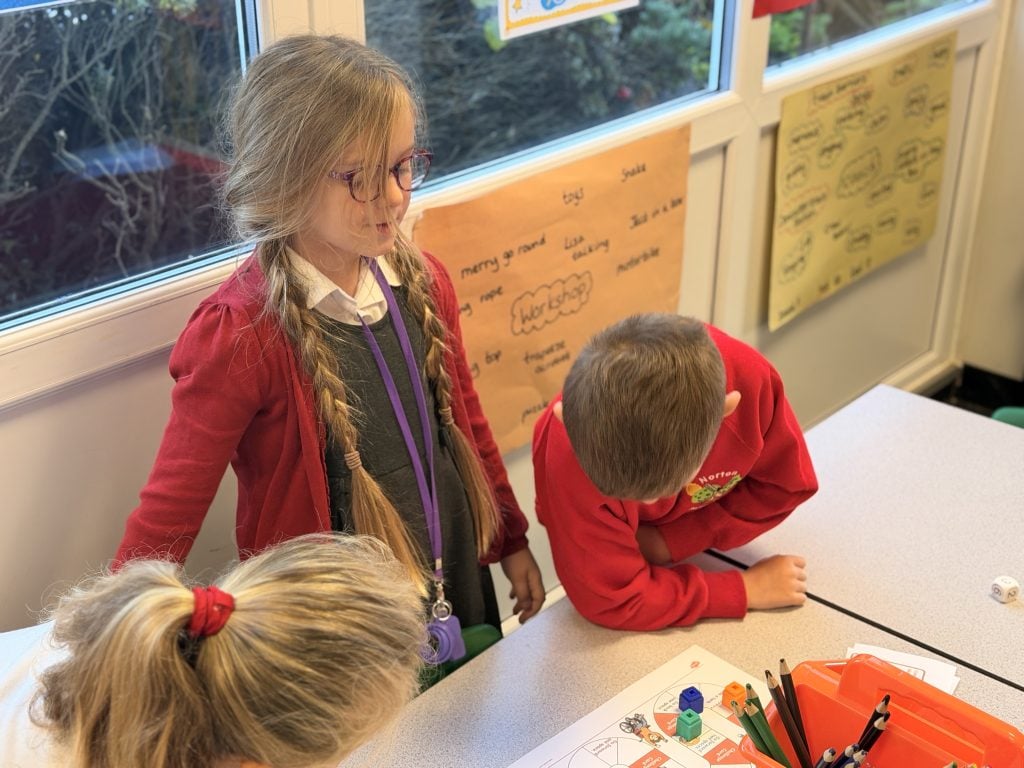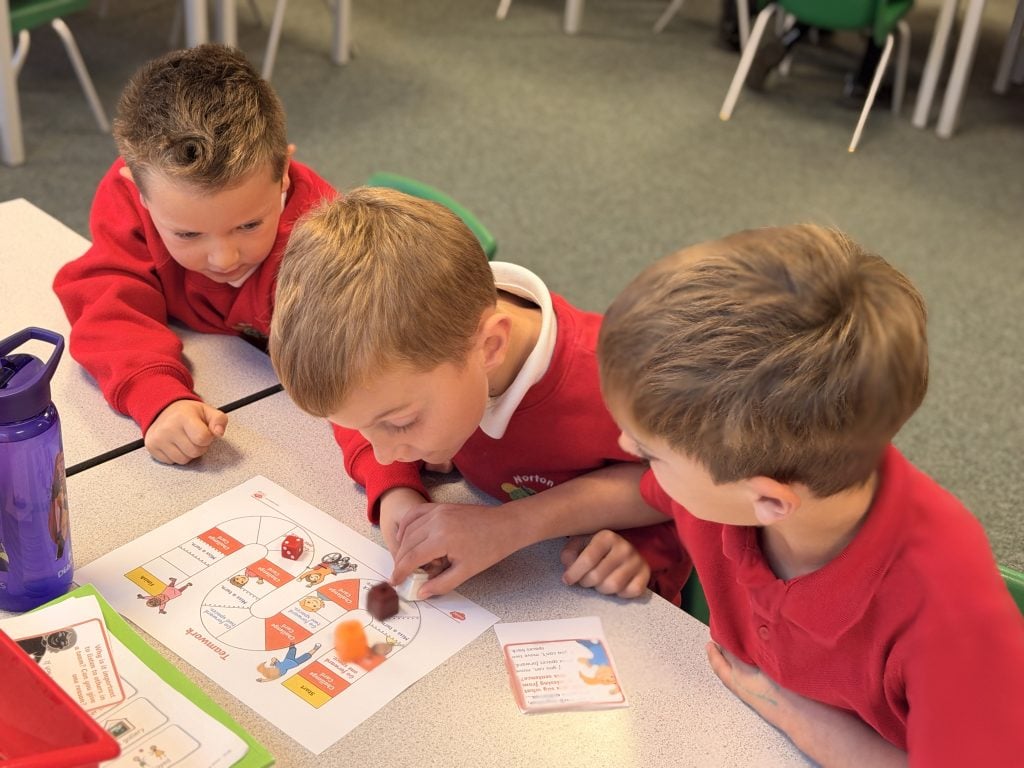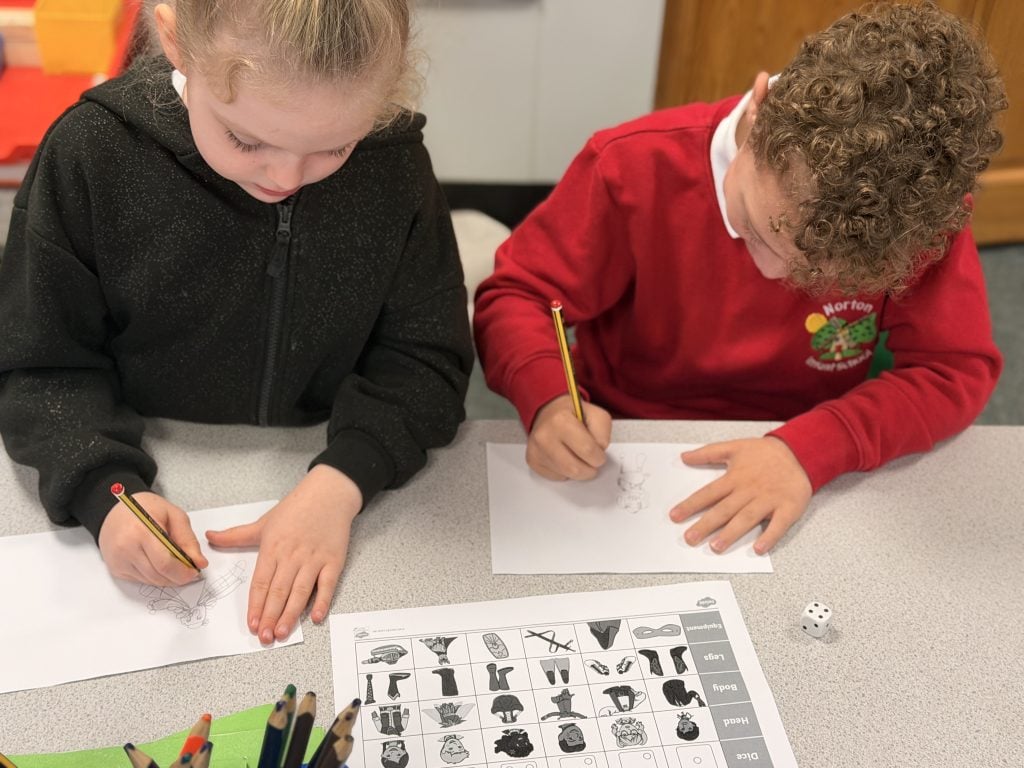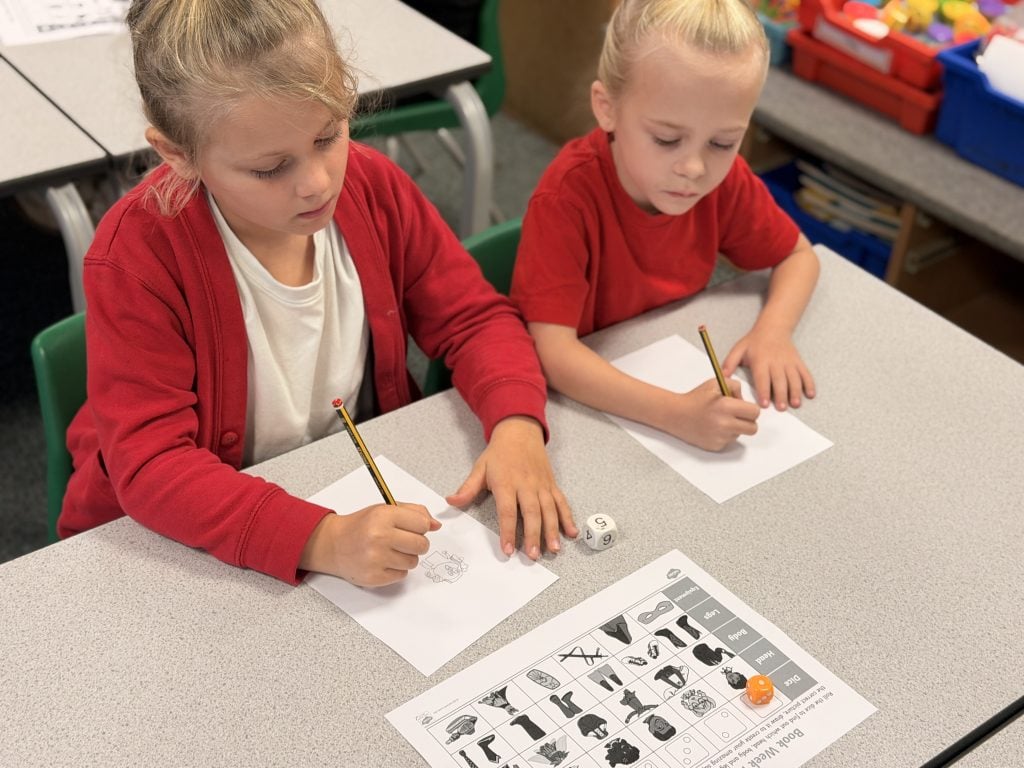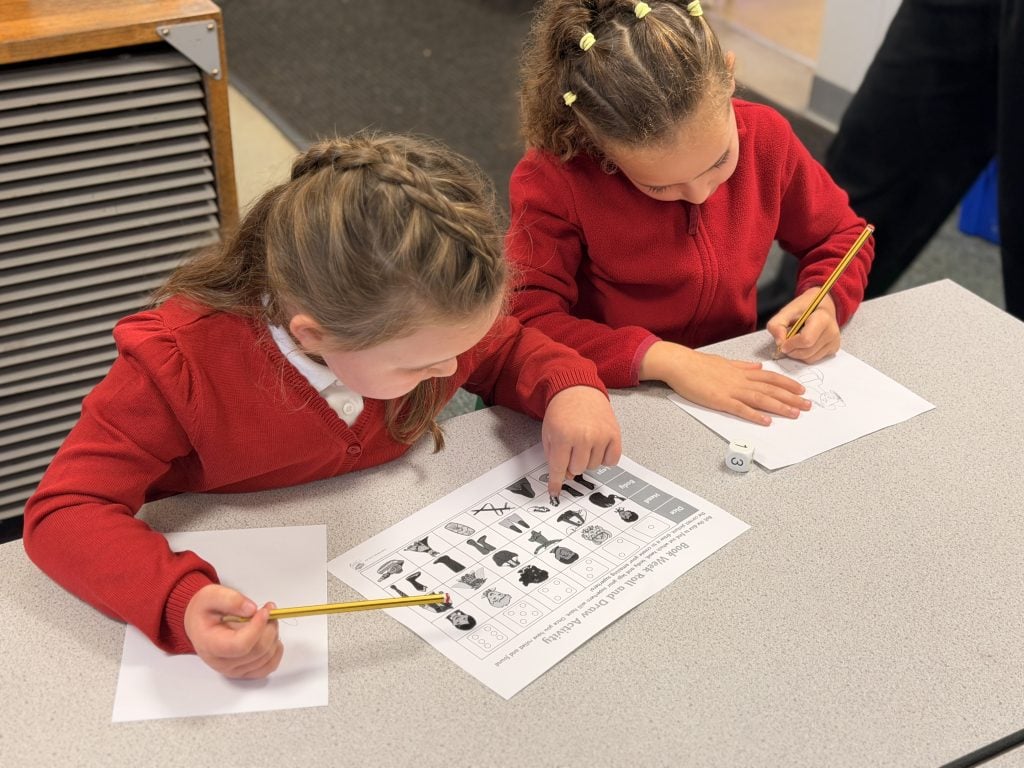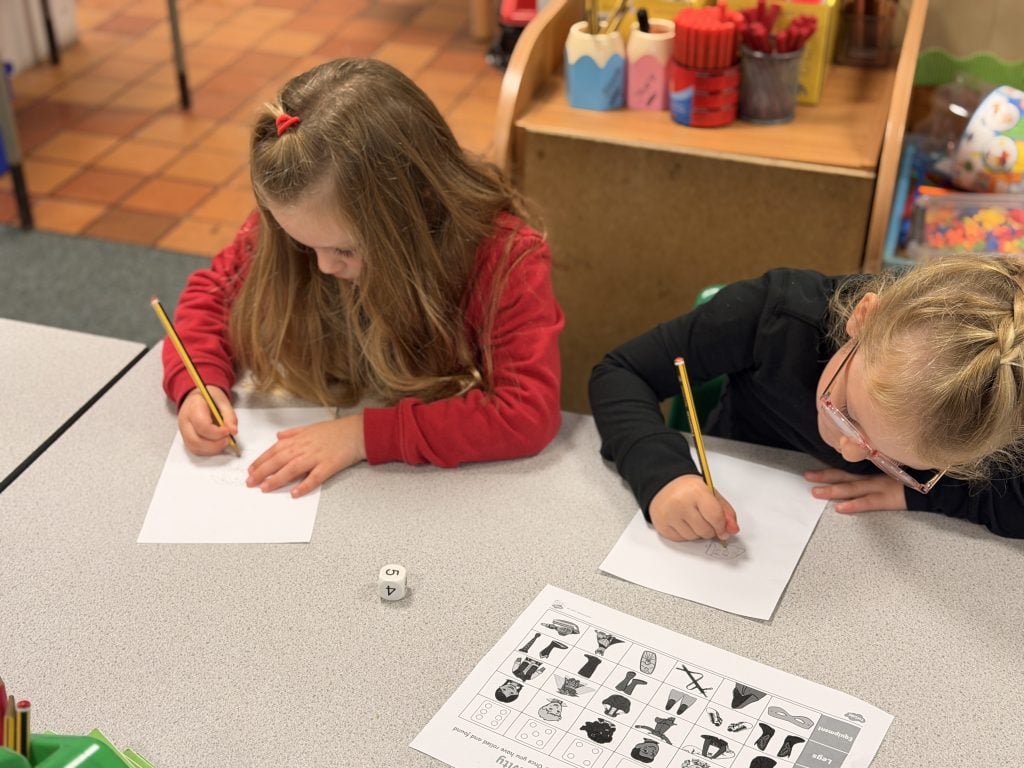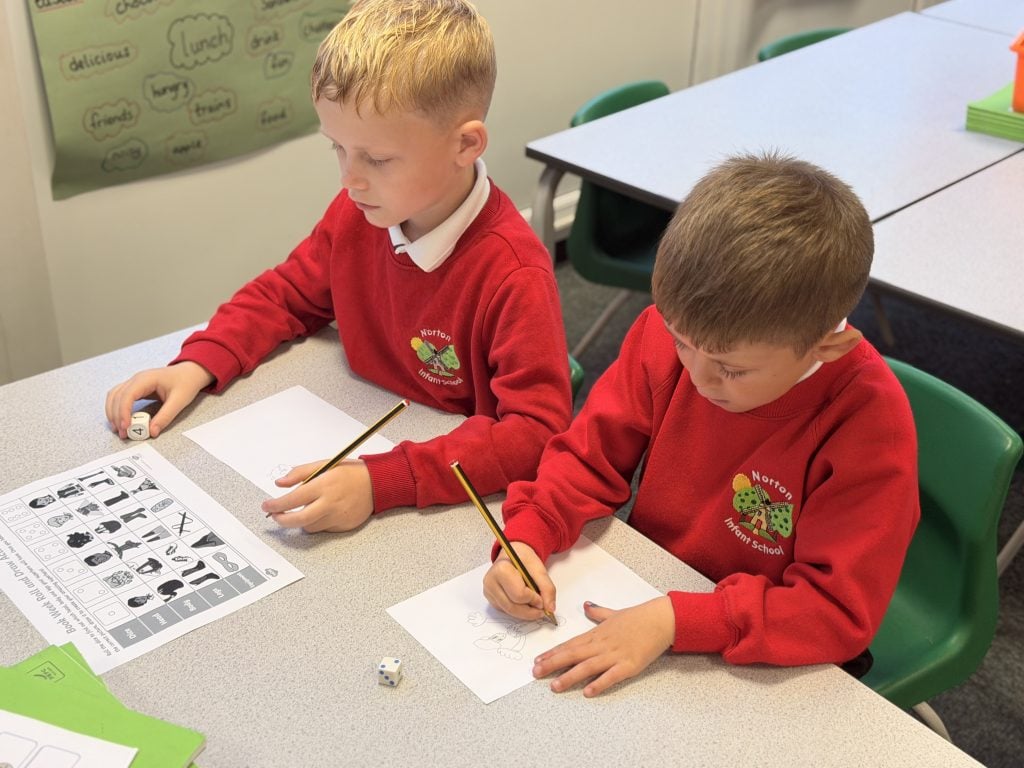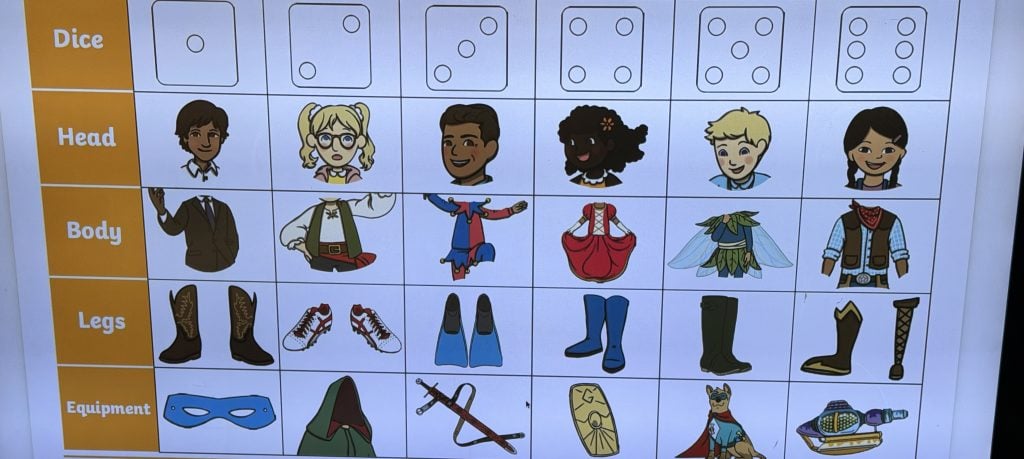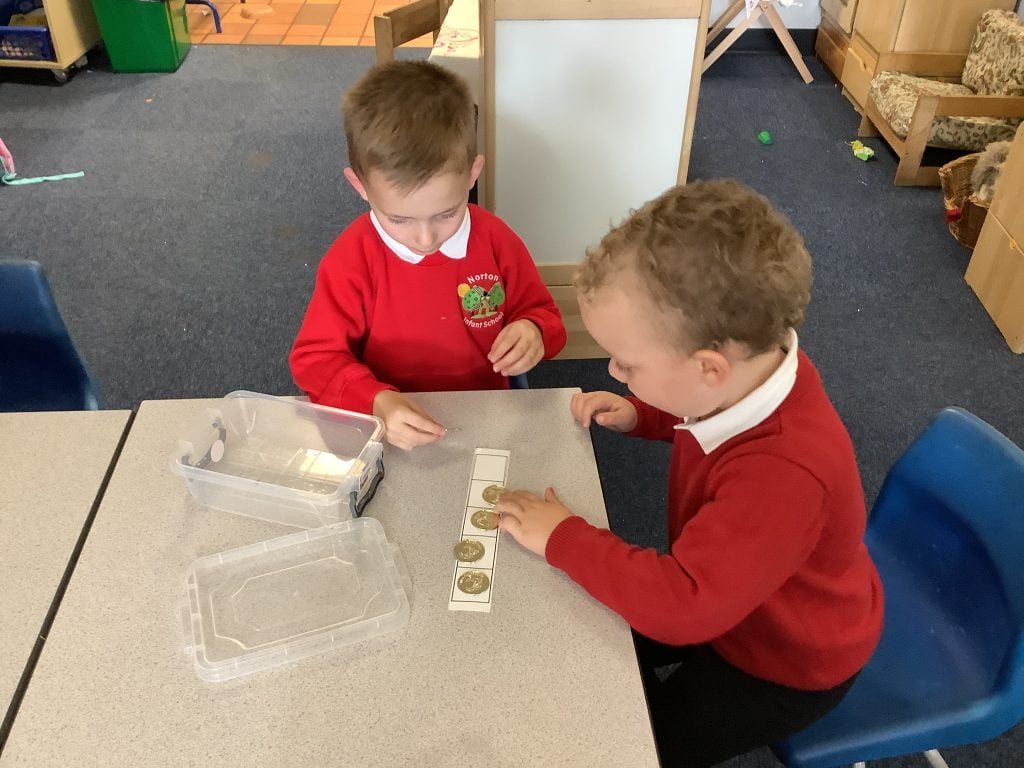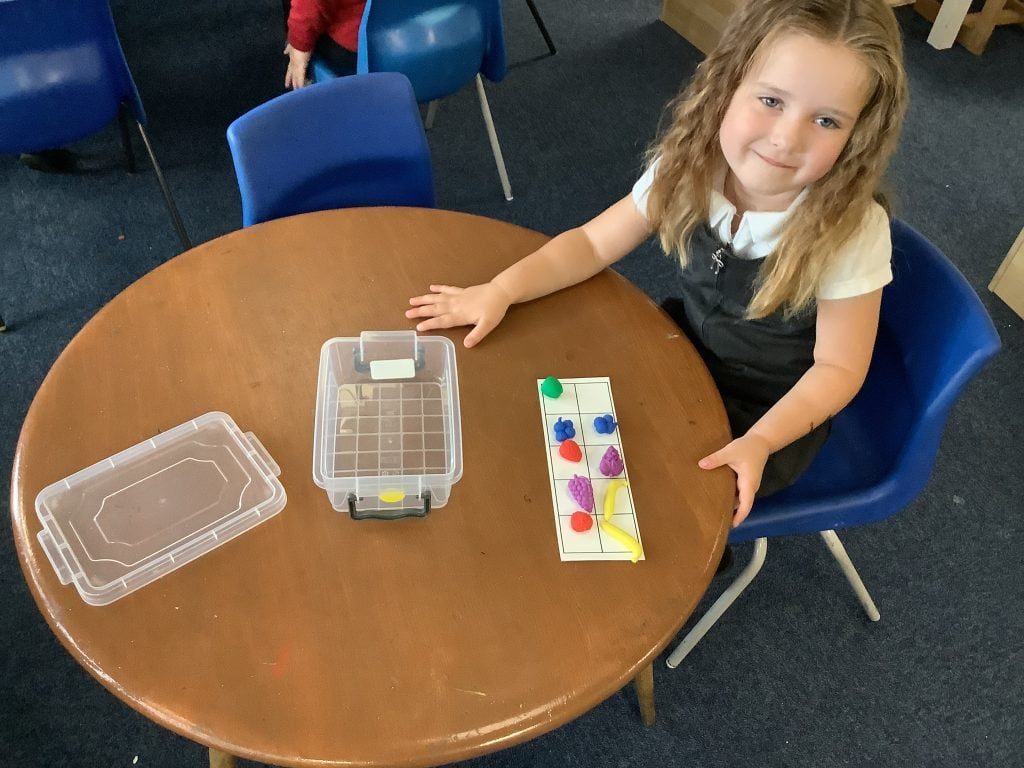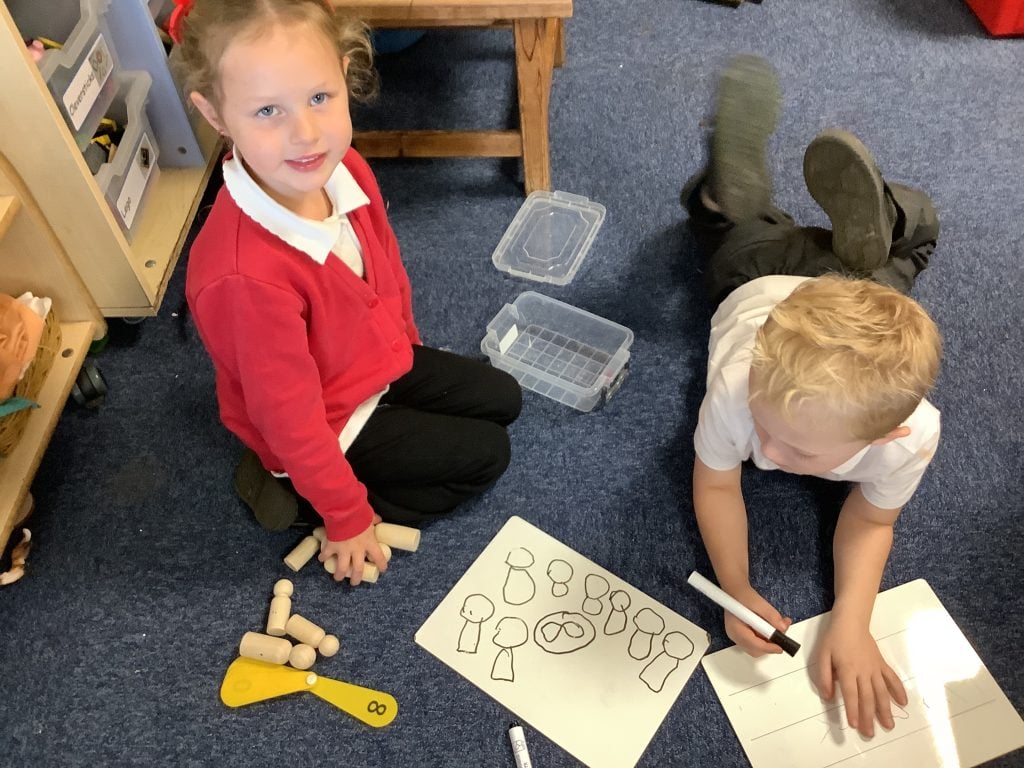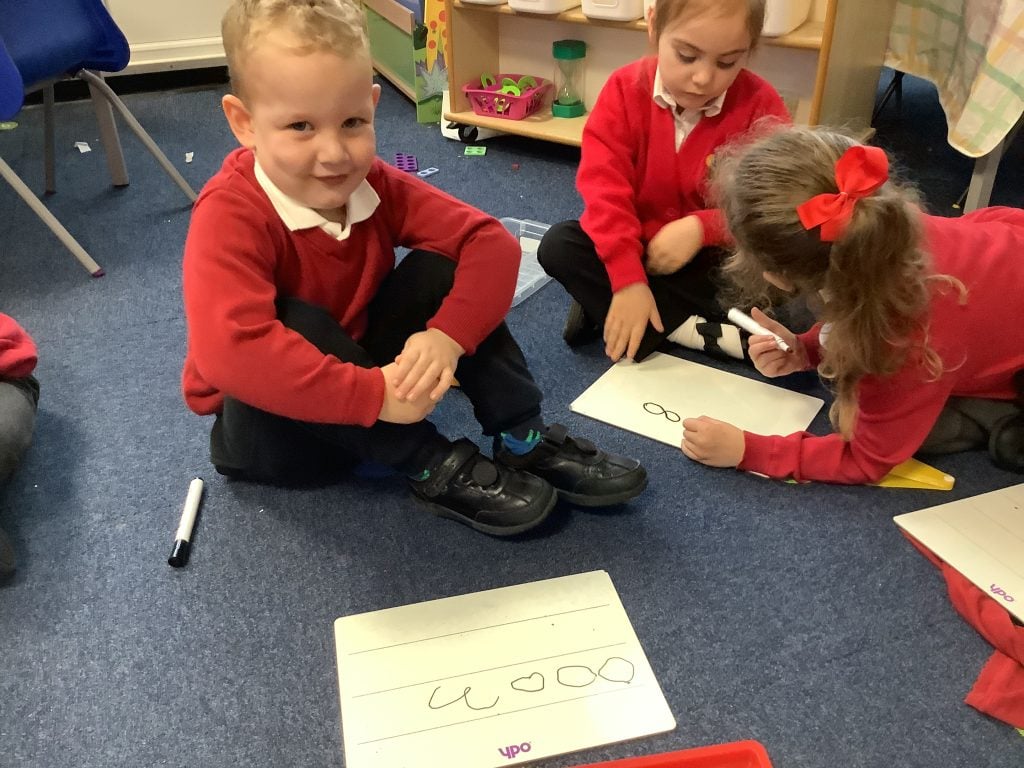
This week, we revisited one of our big guiding questions: What is a game?
The children began by thinking deeply about what makes a game a game. Is it the board? The rules? The players? The competition? The challenge? Together, we explored the component parts of games and generated a long list of materials we might need — boards, dice, counters, cards, questions, instructions and packaging.
Then came a lovely moment of realisation: when all of those parts come together successfully, they create one very important outcome — fun.
Explaining Our Learning
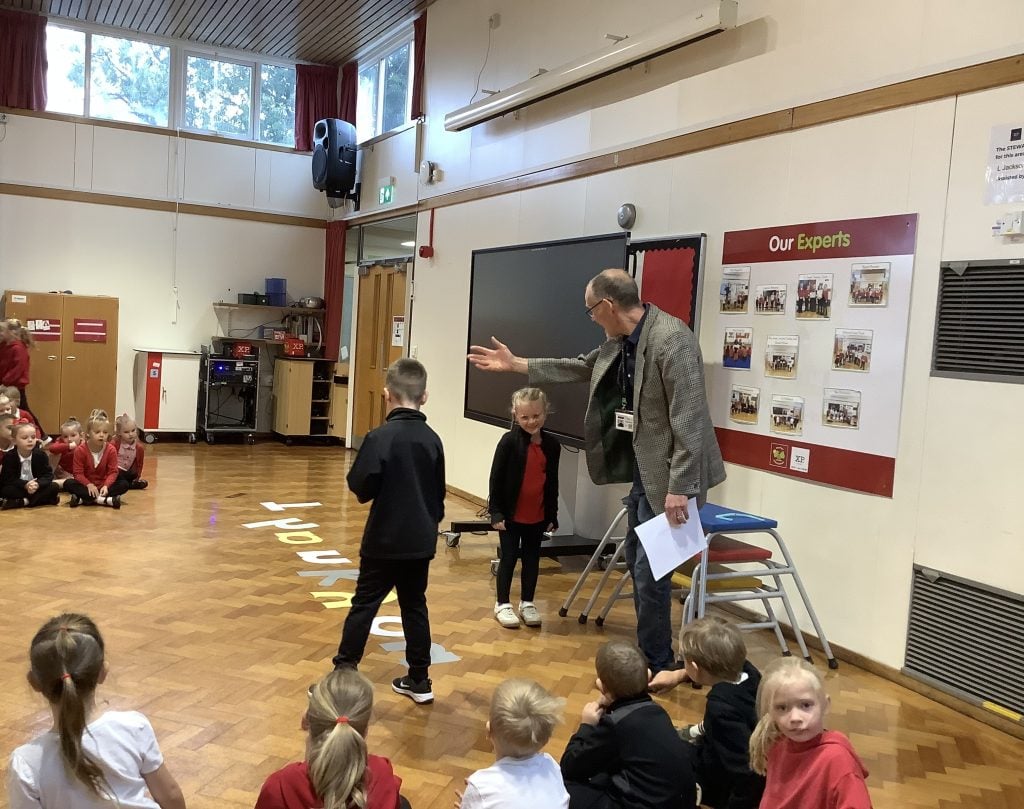
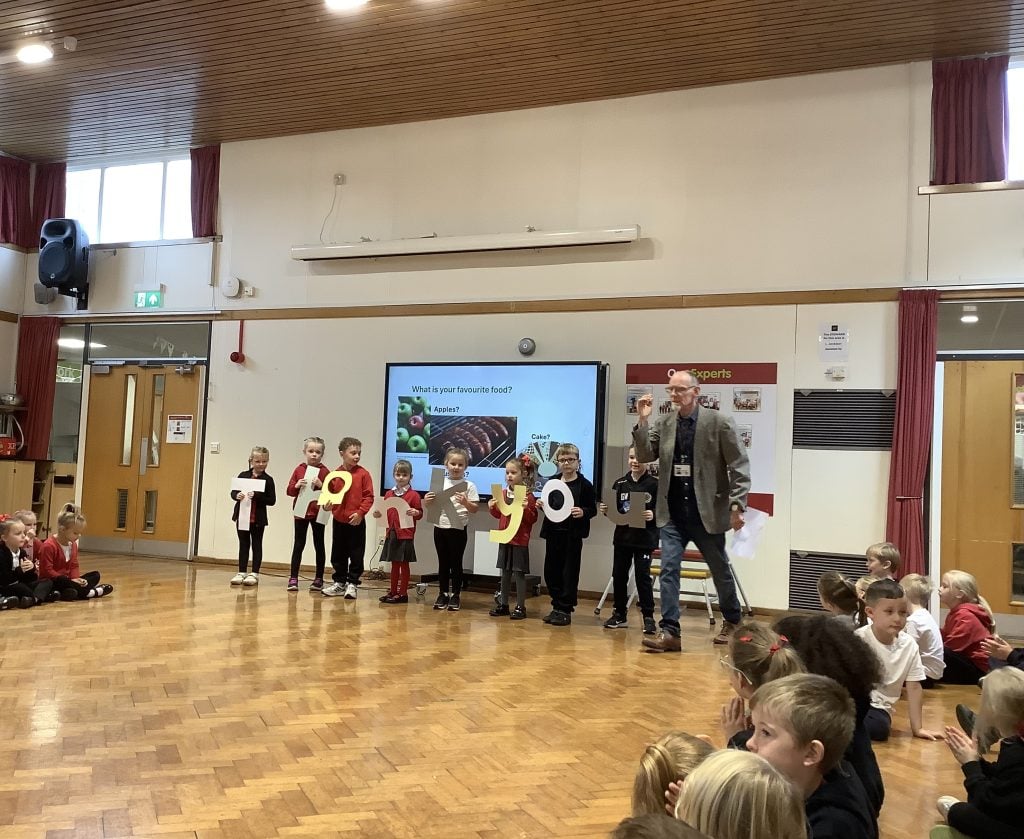
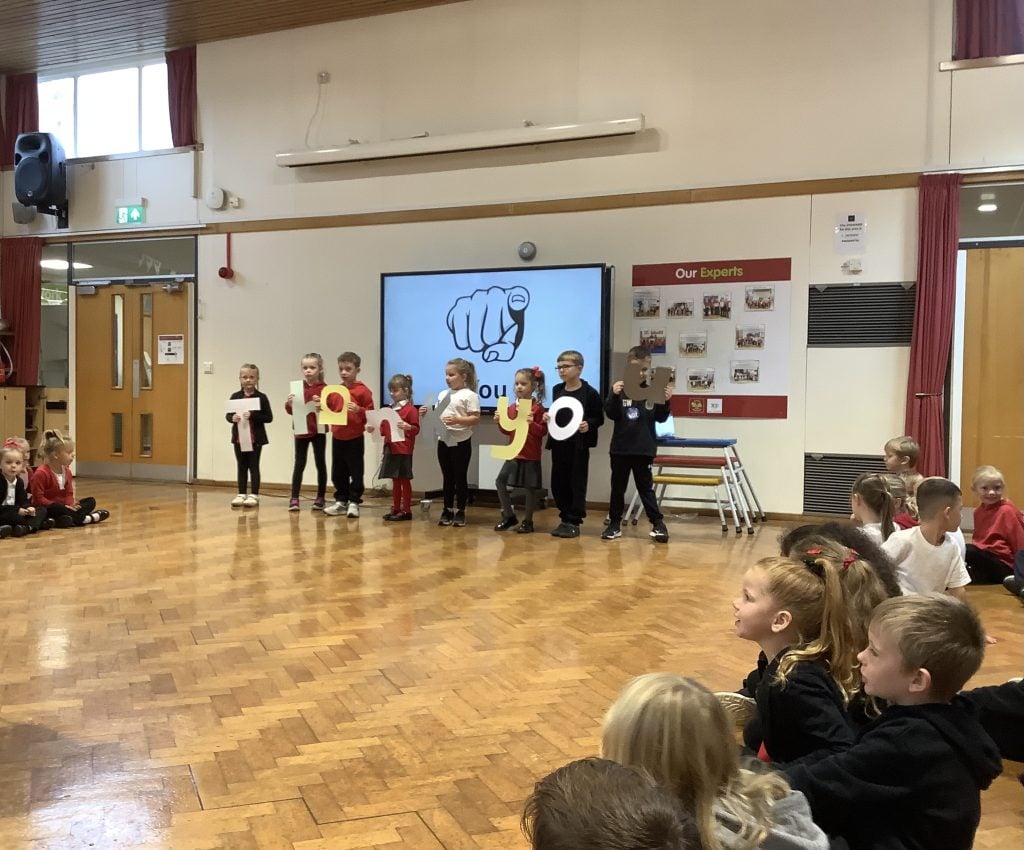
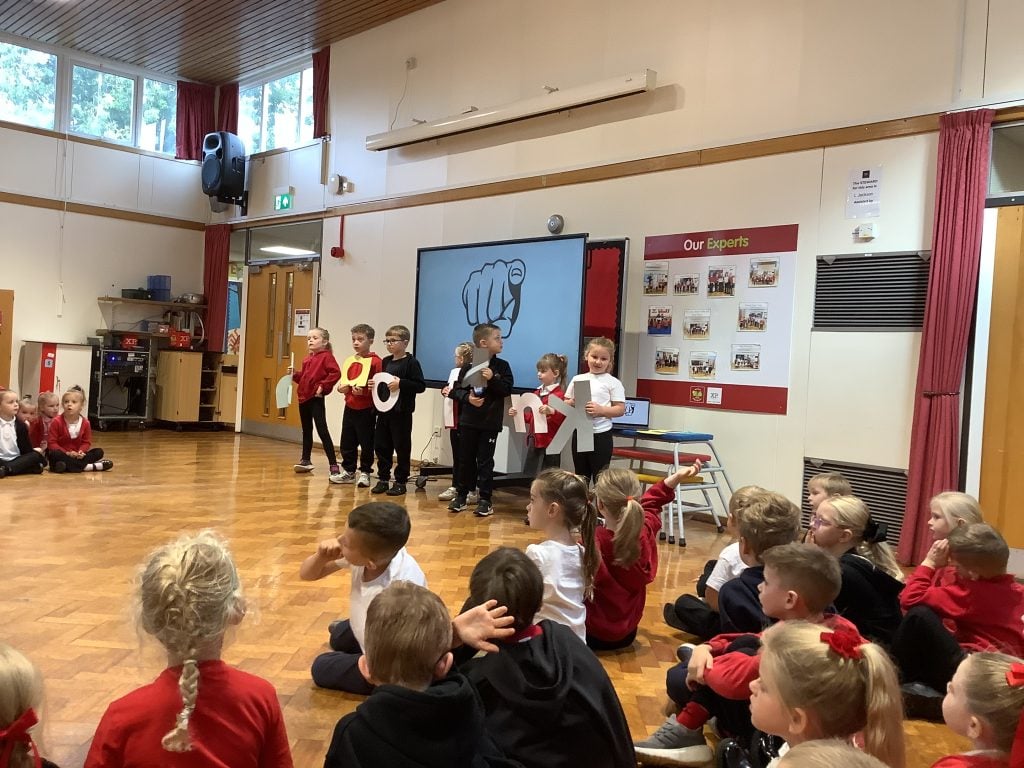
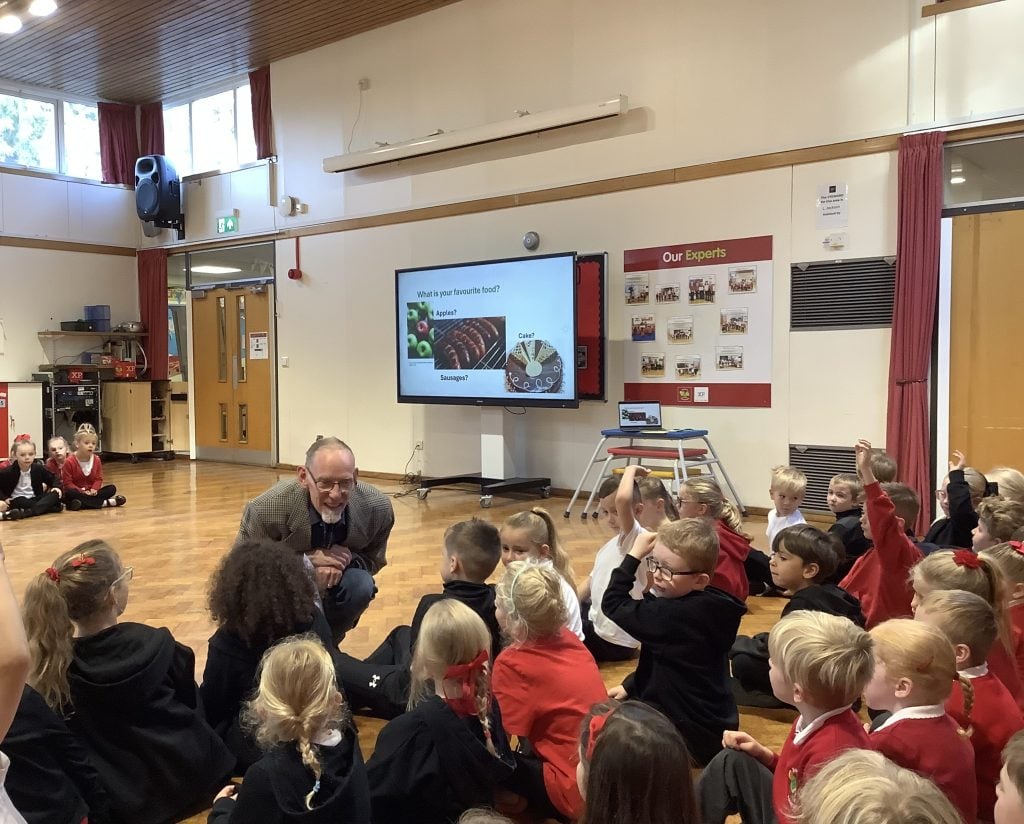
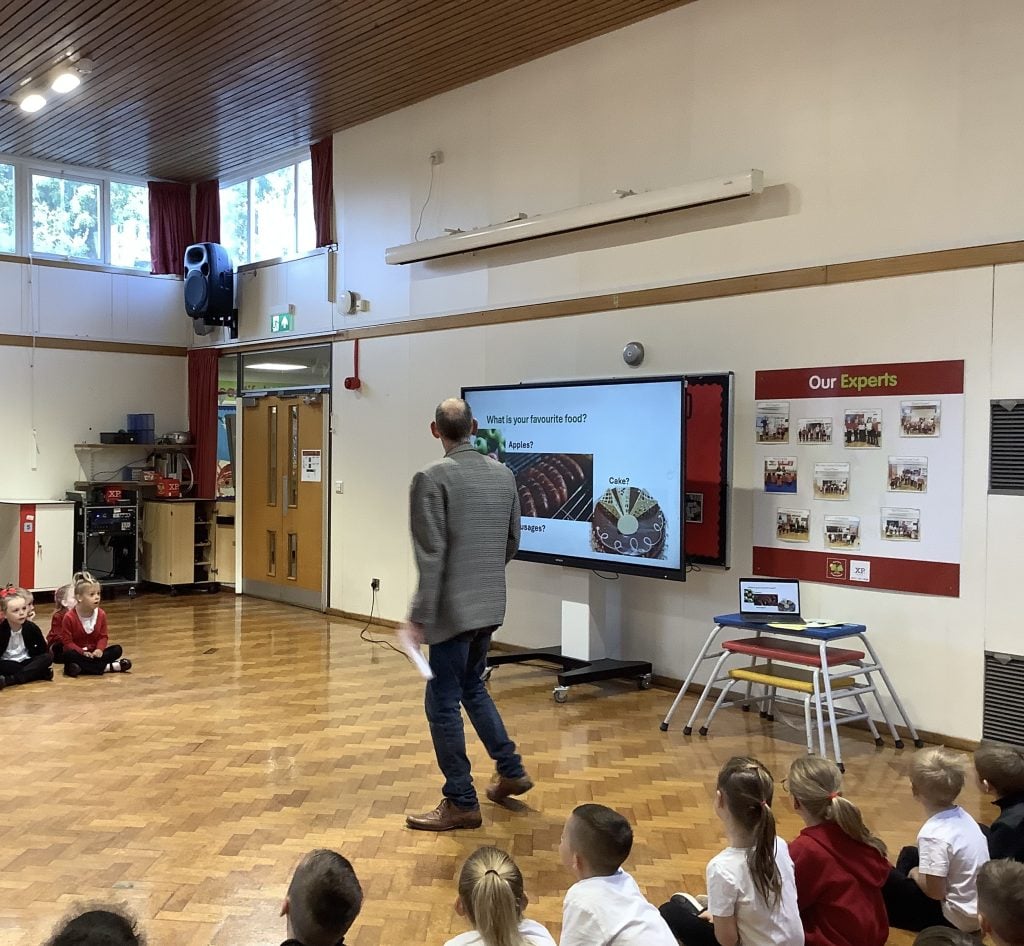
We were proud to welcome Chris Backe in to work with us. The children confidently explained what our board game is about and why we have been learning so much about Doncaster’s landmarks, geography and history. It was wonderful to see them articulate the purpose behind their learning — not just what they had done, but why it mattered.
Having a real expert in the room helped to reinforce that this work is authentic. The children are not just completing a task; they are designing something meaningful for a real audience.
Making Thoughtful Design Choices
Next, the children designed their own game cards and carefully placed them into plastic pouches. This wasn’t just a practical step — it was a design decision.
We discussed:
- Durability — game cards need to last.
- Protection — they will be handled many times.
- Material choice — why plastic, rather than paper or fabric, would be most suitable.
It was fantastic to see the children thinking like designers and manufacturers, considering the properties of materials and the long-term use of their product.

Creating, Testing and Adapting
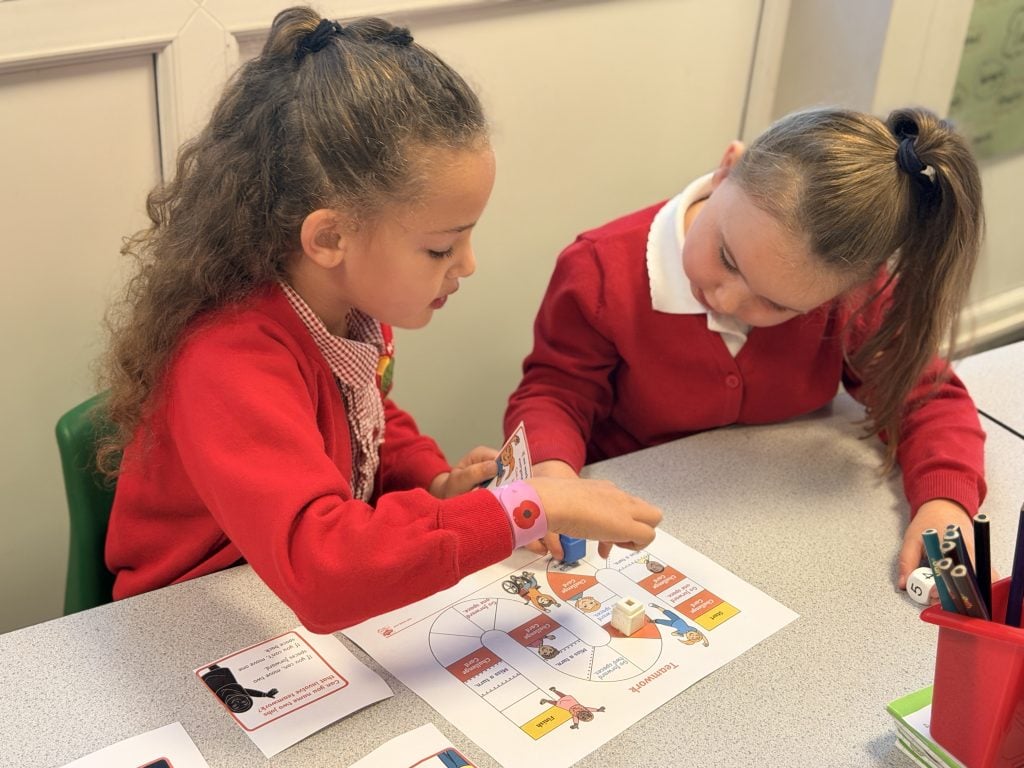
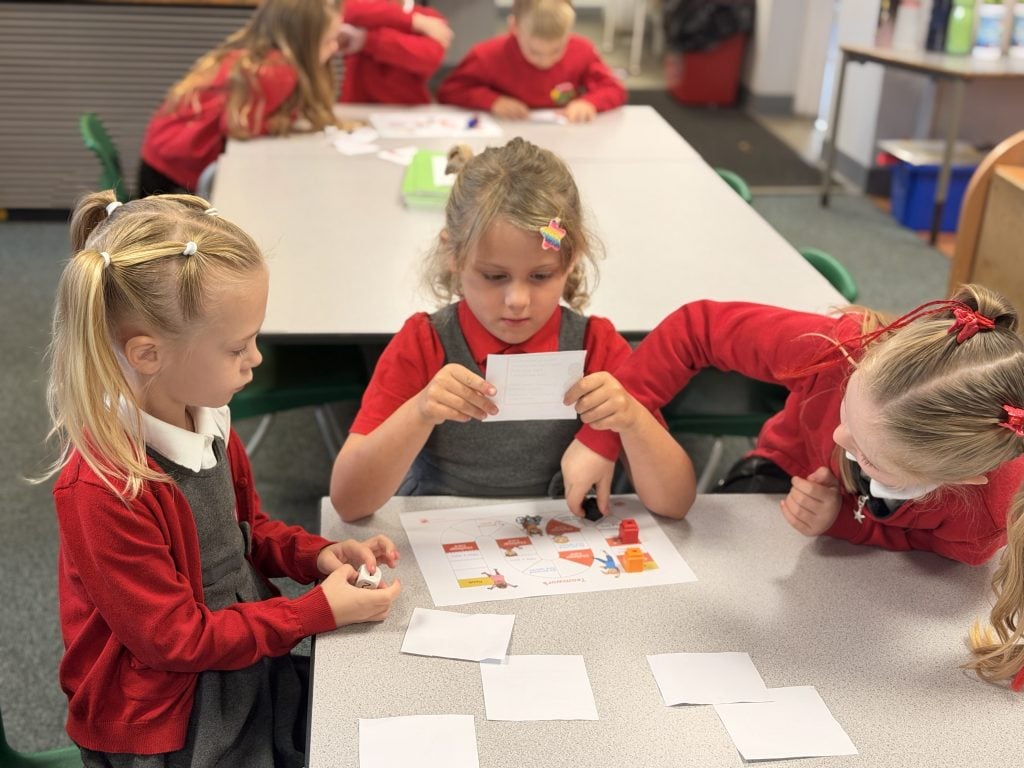
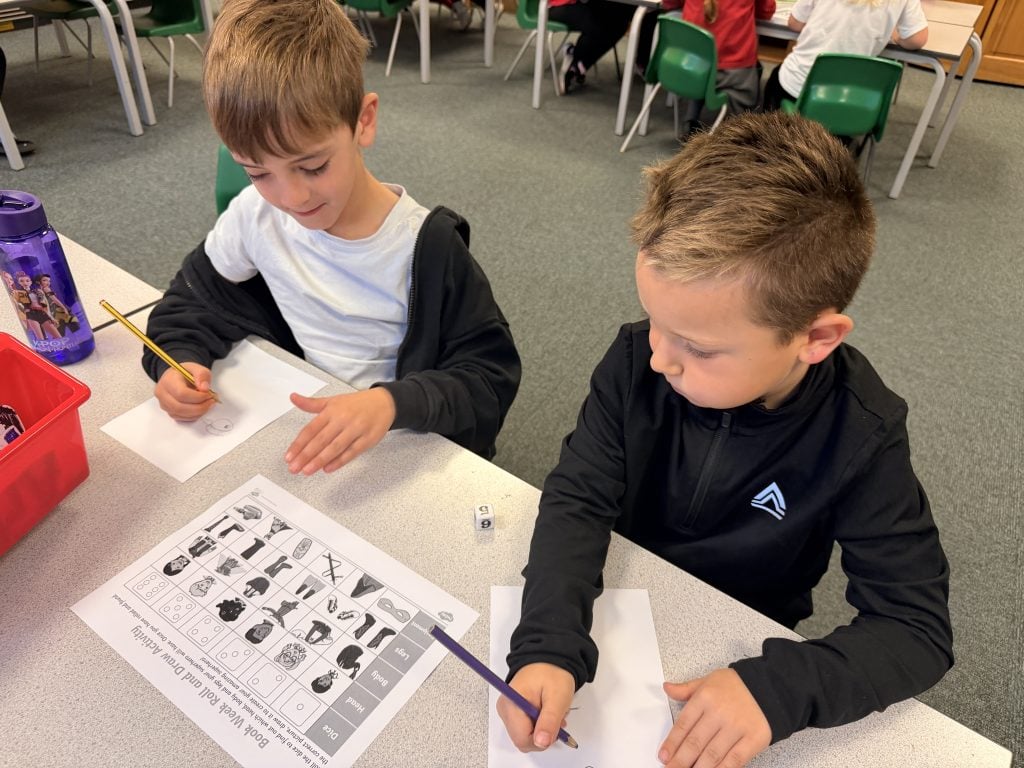
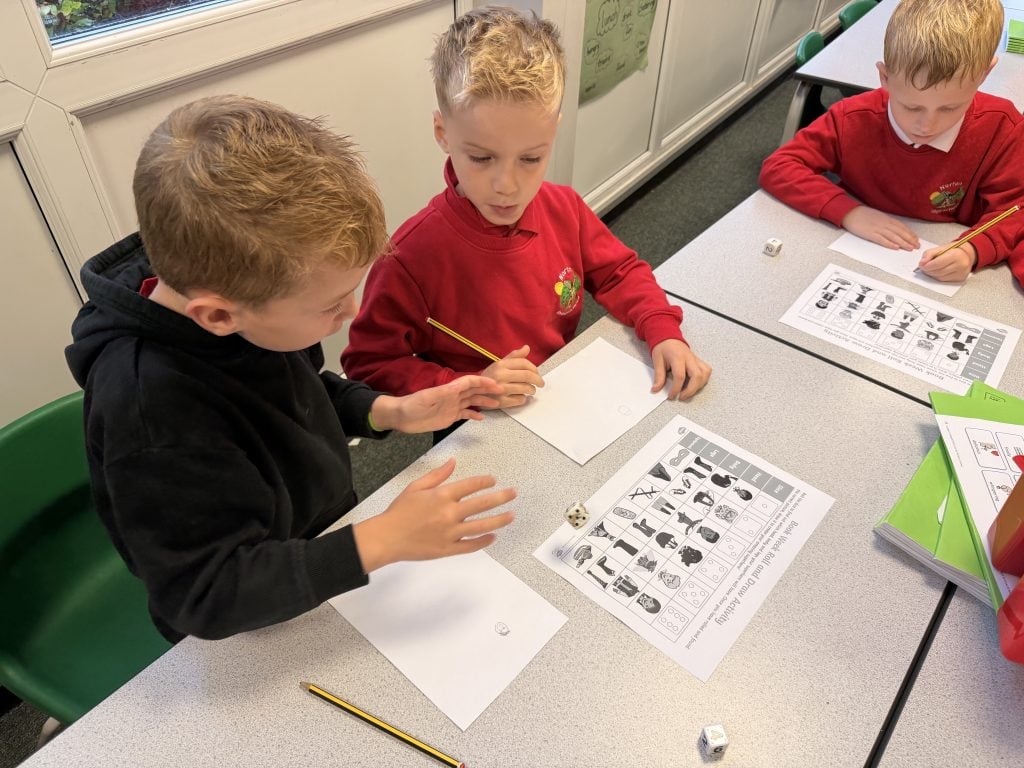
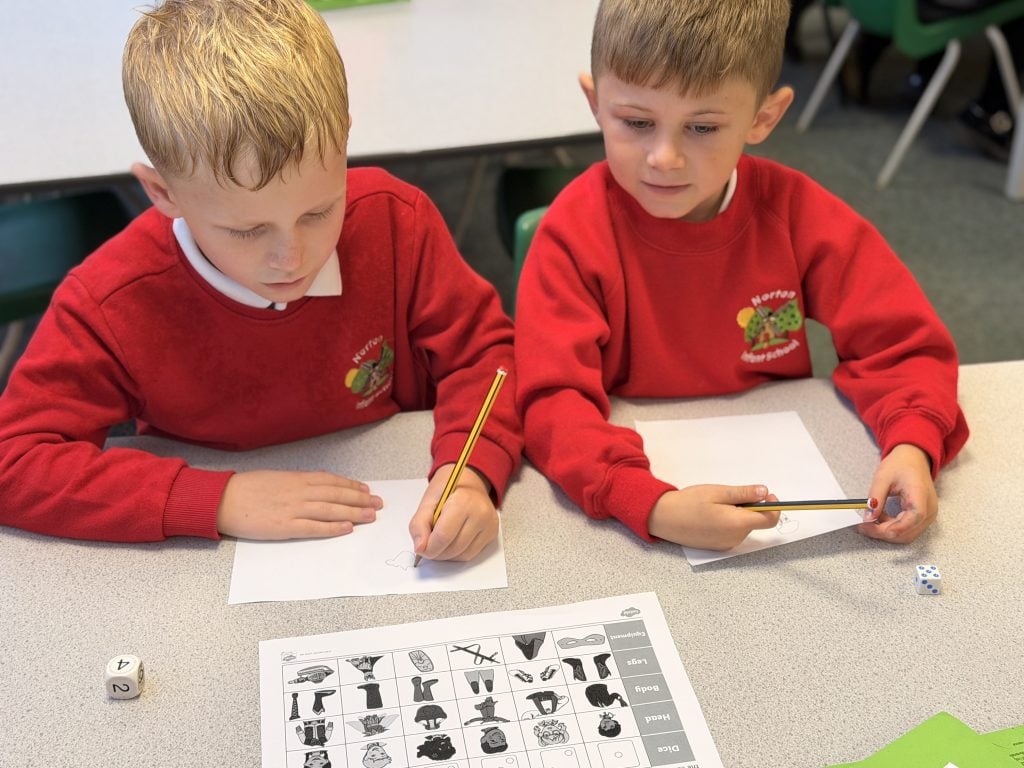
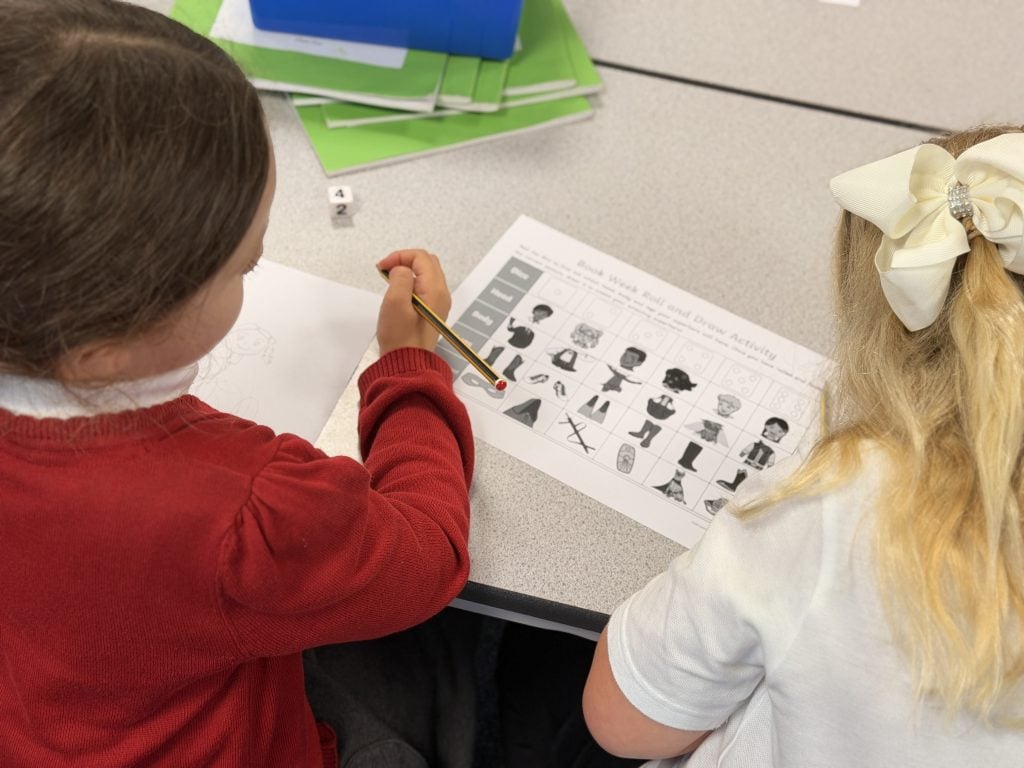
The children then moved on to designing their own boards. This involved creativity, teamwork and — importantly — adaptability.
As they began to play their games, they quickly realised that rules sometimes need refining. Some games were too easy. Some were too tricky. Some needed clearer instructions. Rather than seeing this as a problem, the children embraced it as part of the design process.
They:
- Tested their ideas.
- Adapted their rules.
- Improved their layouts.
- Refined their thinking.
This kind of iterative design process is exactly what real game designers do.
Learning with Purpose
We were incredibly lucky to spend the morning refamiliarising ourselves with Doncaster landmarks, supported by a real expert guiding our thinking. This helped the children ensure their questions, illustrations and gameplay accurately reflected the place we call home.
Throughout the session, the children demonstrated:
- Collaboration
- Critical thinking
- Creativity
- Pride in their local area
Most importantly, they showed that when knowledge, skill and imagination come together — it really does create something special.
We can’t wait to share the finished games with you soon! 🎉