Staying Clean & Safe – Looking After Ourselves and Others

This week in our Key Stage 1 community meeting, we explored another important part of our guiding question: How can I be the healthiest version of me? Our focus was on hygiene and how simple daily actions—like washing our hands—can help keep us healthy and protect the people around us.

Understanding Germs

We began by thinking about why we wash our hands. The children shared great ideas, which led us to talk about something we can’t see but that is all around us—germs!

We explained that:

  • Germs are tiny and invisible
  • They can make us poorly
  • They spread very easily from person to person

To help bring this idea to life, we described germs as being like invisible glitter—they can quickly travel from our hands onto surfaces and other people without us even noticing.


Stopping the Spread

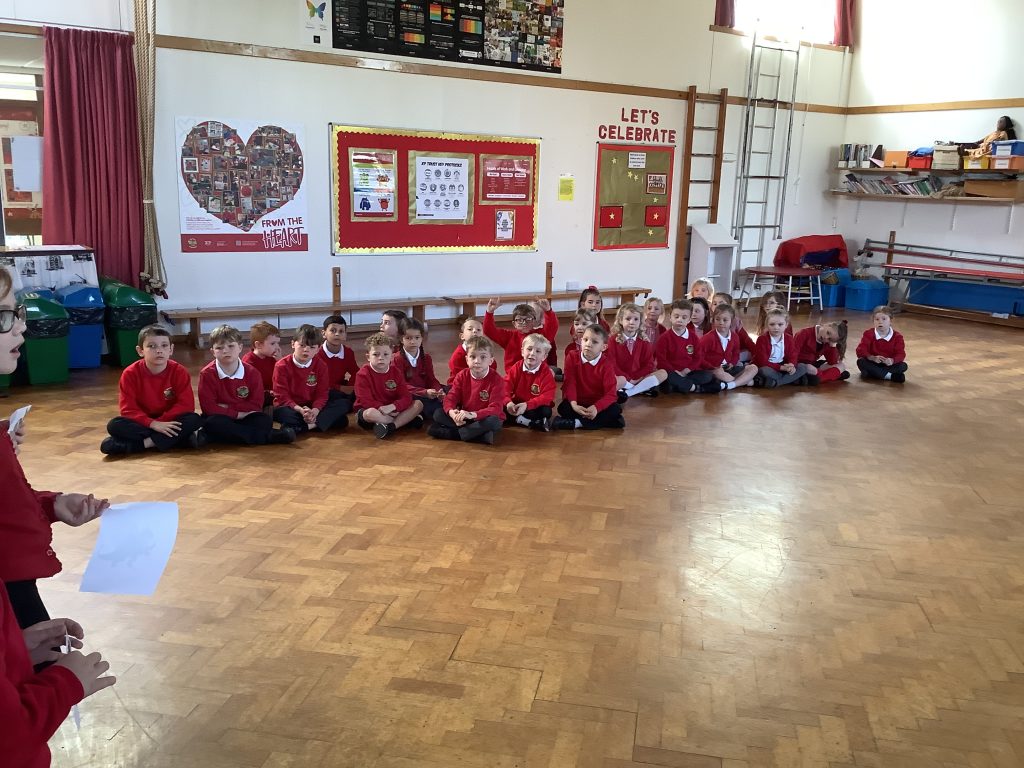
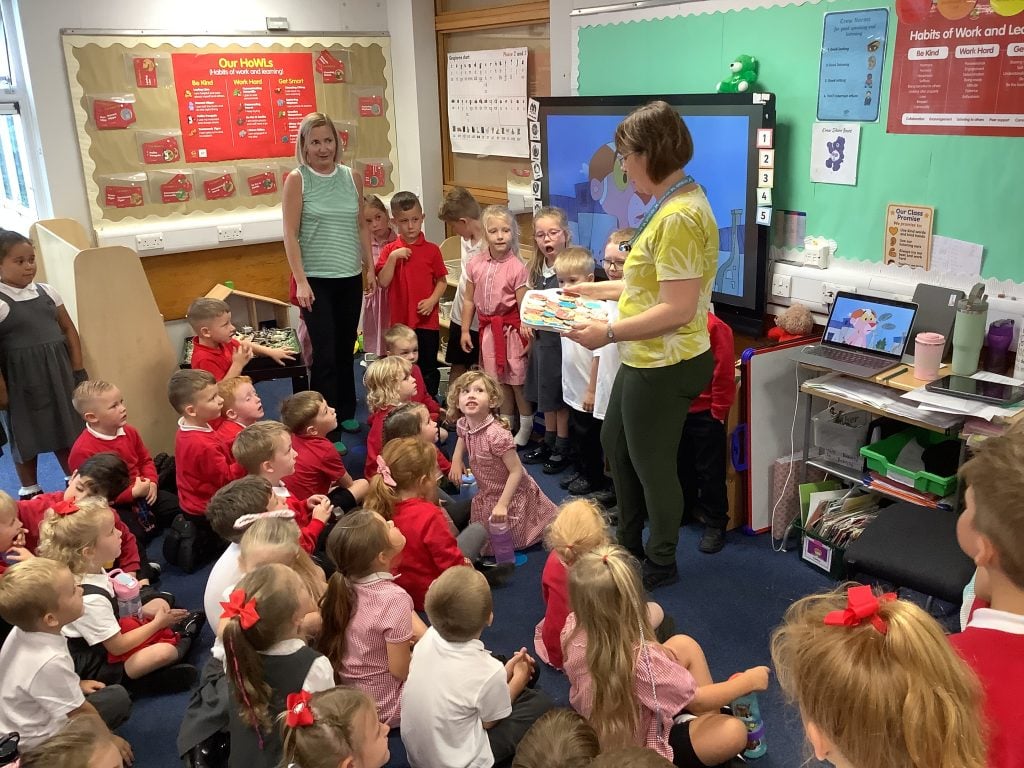
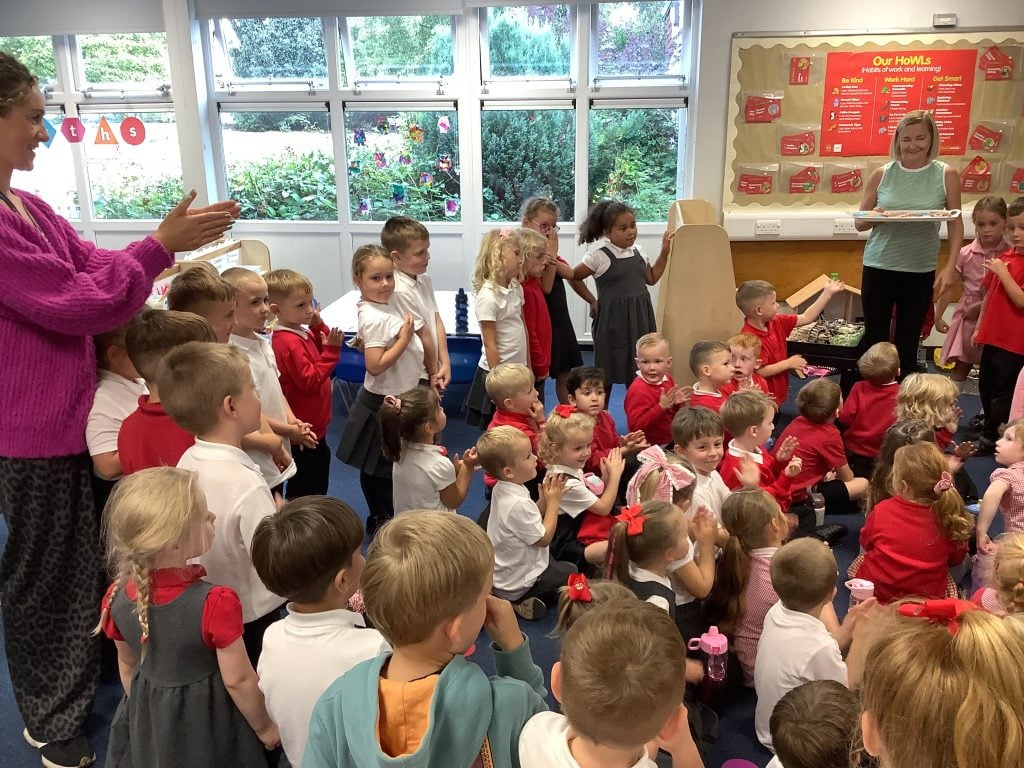
Through a short role-play, the children explored how germs spread and how we can stop them.

We acted out what happens when someone sneezes into their hands and then touches objects or other people—and quickly realised how easily germs can travel. We then practised a better way: sneezing into our elbow, helping to keep those around us safe.

We also compared handwashing habits, thinking about who is making safe choices and why.

When Should We Wash Our Hands?

The children shared lots of important times when handwashing matters, including:

  • After using the toilet 
  • Before eating 
  • After coughing or sneezing 
  • After playing outside 

It was fantastic to see how much the children already know about keeping themselves clean and safe.

Why Hygiene Matters

We talked about why these small actions are so important:

  • They help keep us healthy
  • They protect others around us
  • They stop germs from spreading

We linked this to our wider school community, reminding the children:

When we look after ourselves, we are also looking after everyone else.

Making Safe Choices

To finish, we played a quick game of “Safe or Not?”, where the children used thumbs up or down to show whether actions were helping to stop germs spreading. This was a fun and effective way to reinforce our learning.

Our Key Message

We reminded the children that small actions can make a big difference. Simple habits like washing our hands properly and sneezing into our elbow help to keep everyone safe, healthy, and ready to learn.

We were so impressed with the children’s understanding and engagement during this session. Ask your child what they remember about stopping germs—you might hear about “invisible glitter”!

Thank you for your continued support.
Sleep & Feeling Ready – Supporting Healthy Routines in KS1

This week in our Key Stage 1 community meeting, we explored another important part of our guiding question: How can I be the healthiest version of me?

Our focus was on something simple but powerful—sleep—and how it helps our brains and bodies feel ready for the day ahead.

Why Sleep Matters

We began by thinking about how it feels when we are really tired. The children shared lots of honest and relatable ideas—feeling grumpy, slow, a little bit silly, and sometimes finding it hard to concentrate.

This helped us understand an important message:

Sleep helps our brains and bodies get ready for a new day.

Tired vs Well-Rested

To bring this to life, we acted out two different learners:

  • One who was tired—yawning, not listening, struggling to focus
  • One who was well-rested—standing tall, smiling, ready to learn

The children quickly noticed the difference and were able to explain why sleep helps us to be focused, kind, and ready for school.

What Happens When We Sleep?

We talked about what sleep does for our bodies in a simple, child-friendly way:

  • Helps our brain grow and learn
  • Supports our mood (less grumpy!)
  • Gives us energy
  • Keeps our bodies healthy

We described sleep as a way of recharging our brains—just like an iPad charging overnight!

Building Healthy Bedtime Habits

We then discussed what helps us get a good night’s sleep. The children shared some fantastic ideas, including:

  • Having a calm bedtime routine (such as a bath or story) 
  • Turning off screens before bed 
  • Going to bed at a similar time each night 
  • Creating a calm, quiet space 

It was lovely to hear how many children already have positive routines in place.

A Moment of Calm

We finished by practising a simple breathing technique to help our bodies feel calm and ready:

  • Breathe in slowly
  • Hold
  • Breathe out gently

This is something the children can use at home as part of their bedtime routine or whenever they need a moment to reset.

Our Key Message

We reminded the children that sleep is one of the best ways to help us feel ready for school. When we are well-rested, we can learn better, feel happier, and be the best version of ourselves.

We were so impressed with how thoughtfully the children engaged in this conversation. Why not ask your child what helps them feel ready for school—you might discover some great ideas to try at home together!

Thank you for your continued support.
RE-St.George’s Day

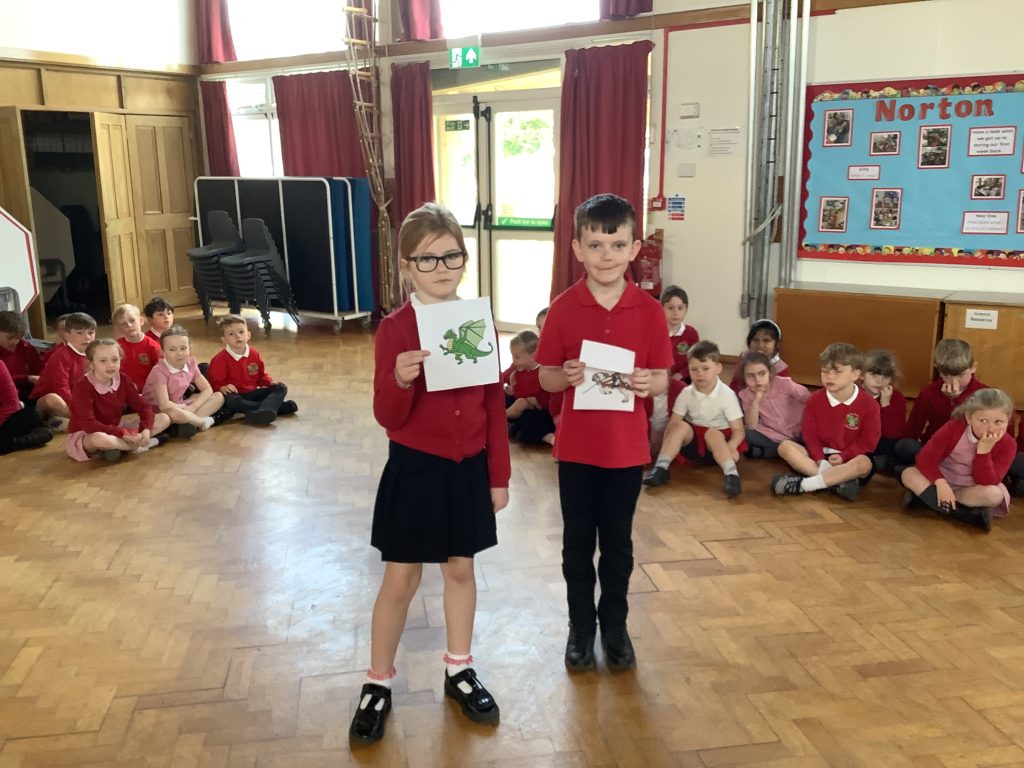
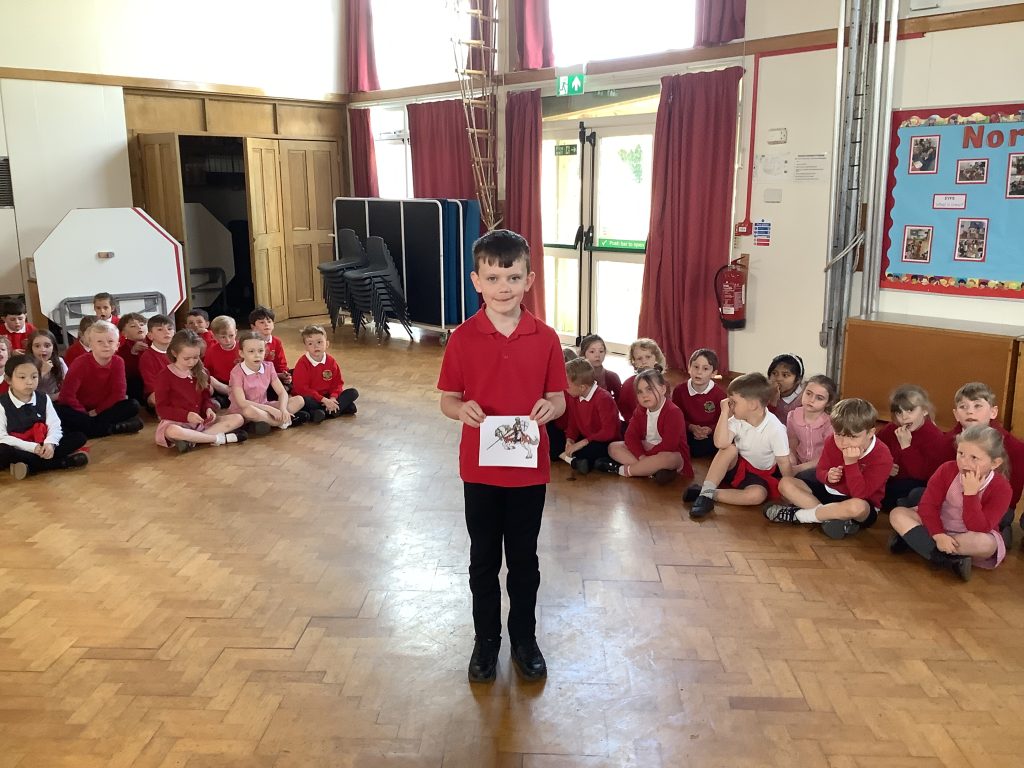
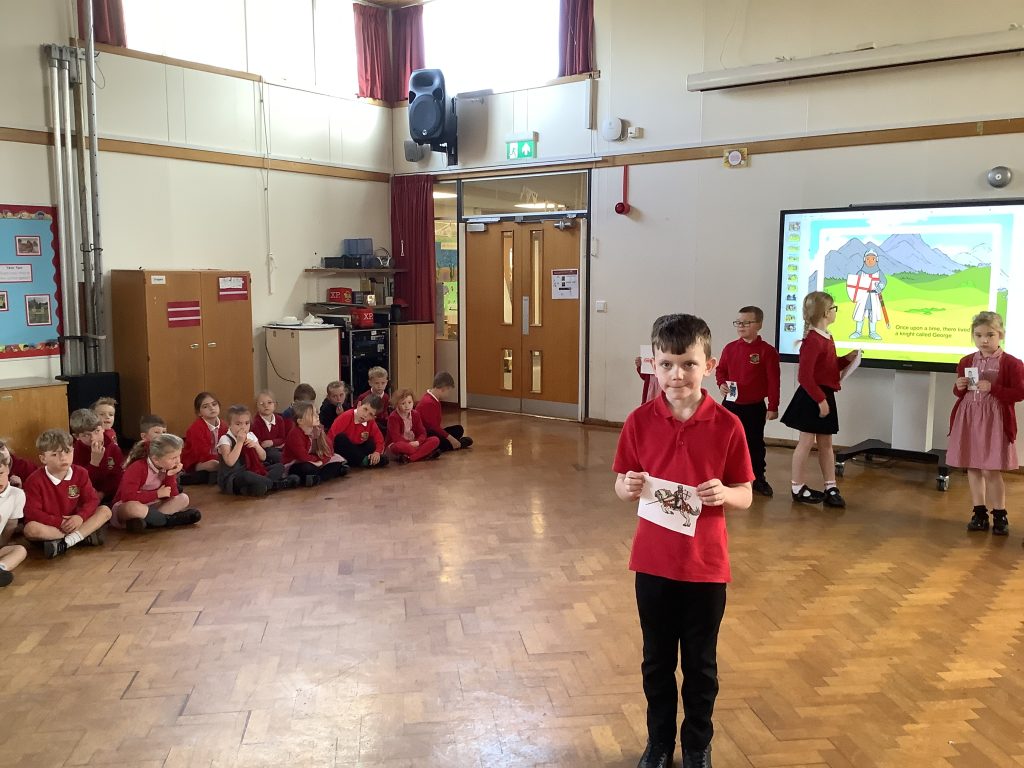
This week, we celebrated St. George’s Day at our school. The children took part in a special assembly where they listened to a retelling of the story of St. George. We really enjoyed learning about the legend and its meaning.

Our Power, Our Planet – Earth Day Community Meeting

This week, we came together for a special Key Stage 1 community meeting to celebrate Earth Day. This year’s theme, Our Power, Our Planet, helped us to think about how even the smallest actions can make a big difference to the world around us.

During our time together, we explored what is happening to our planet and talked about pollution—what it is, where it comes from, and how it can harm our environment. The children shared thoughtful ideas about what they already know and noticed how everyday choices can impact the Earth.

We also introduced the idea of renewable energy, helping children to understand that there are cleaner, more sustainable ways to power our world, such as using the sun and wind.

A big focus of our discussion was on what we can do to help. We talked about:

  • Using less plastic
  • Reducing, reusing and recycling
  • Taking care of our environment in simple, everyday ways

Making a Pledge

To finish our community meeting, each child made a personal Earth Day pledge. This was a really special moment, as the children reflected on how they could take action.

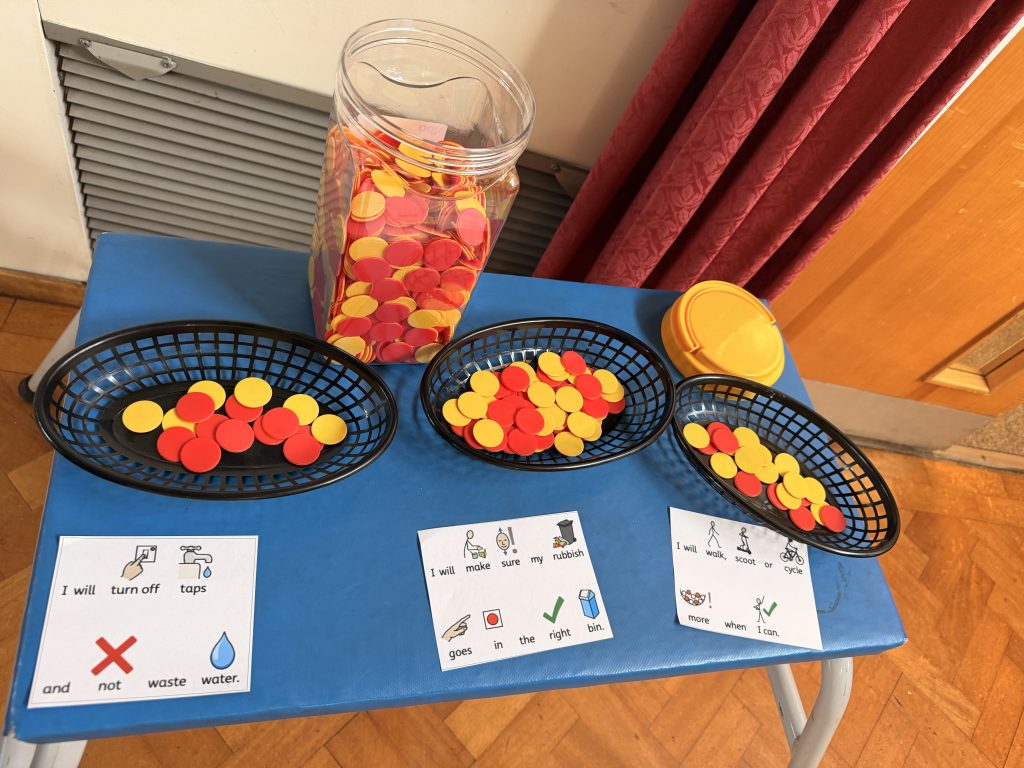
Each child placed a counter into the pledge they wanted to focus on:

  • Turning off taps and not wasting water
  • Making sure rubbish and recycling go in the correct bins
  • Walking, scooting or cycling more often

This simple act helped the children to feel empowered—showing them that they can make a difference.

Our Key Message

We reminded the children that looking after our planet doesn’t have to mean making huge changes. Instead, it’s about lots of small, positive actions that, together, have a powerful impact.

By working together, we can all play our part in caring for our world—because it truly is our power, and our planet.

Thank you for your continued support in helping us grow responsible, thoughtful global citizens.

Finding Our Happy – Supporting Emotional Wellbeing in KS1

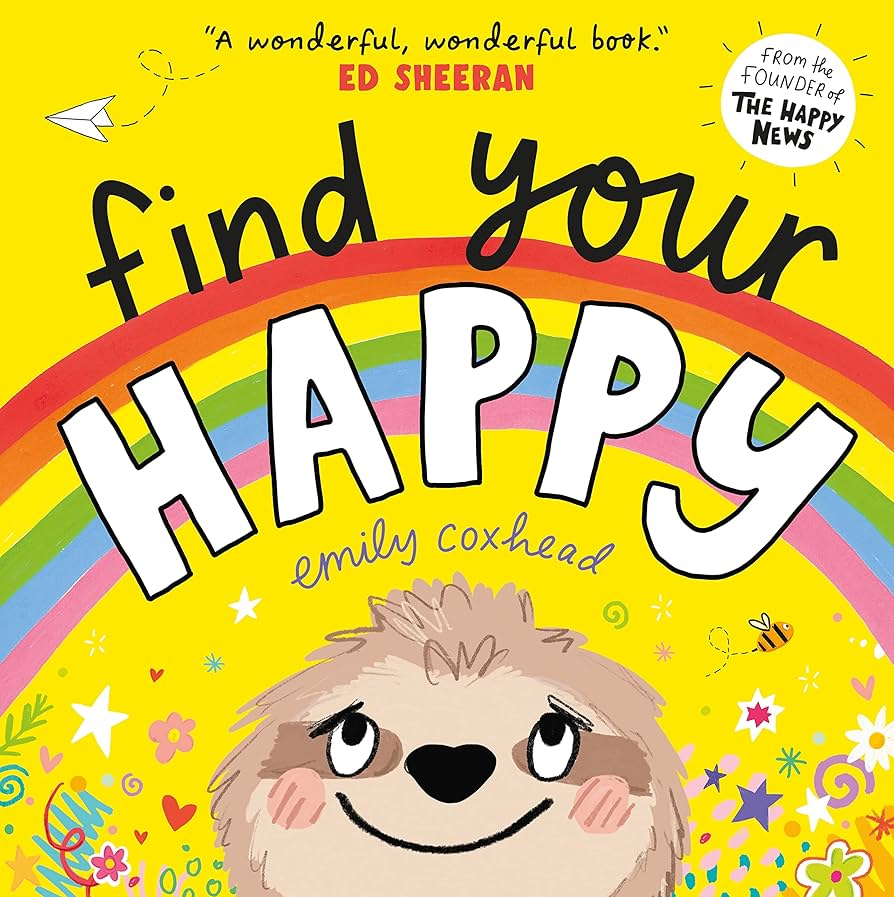
This week in Key Stage 1, we came together for a short community meeting built around the beautiful book Find Your Happy. Through this story, we explored something really important: understanding our feelings and knowing what to do when they feel big.

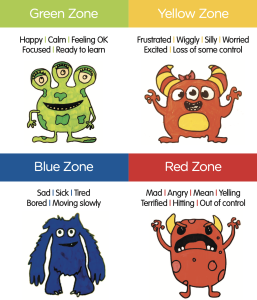
At school, the children are very familiar with the Zones of Regulation, which help us to recognise and name how we are feeling:

  • Blue Zone – sad, tired, or unwell
  • Green Zone – calm, happy, ready to learn
  • Yellow Zone – excited, worried, or a bit wobbly
  • Red Zone – angry, overwhelmed, or out of control

During the community meeting, we talked about how we all move through these zones every day—and that’s completely normal. The key message we shared is that all feelings are okay, but we can learn ways to help ourselves feel safe, calm, and ready again.

Using Find Your Happy, we explored how the character experiences different emotions and discovers simple strategies to feel better. We then practised some of these together:

  • Breathing techniques – “smell the flower, blow out the candle”
  • Relaxing our bodies – tightening and releasing muscles
  • Thinking of something that makes us smile

These small strategies can make a big difference, especially when children are feeling in the yellow or red zones.

How you can support at home

You might like to continue these conversations at home by:

  • Asking your child which “zone” they are in
  • Talking about what helps them feel calm or happy
  • Practising simple breathing together
  • Reminding them that it’s okay to feel all emotions

By using a shared language between school and home, we can help children to better understand themselves and build the skills they need to manage their feelings with confidence.

Our key message

We reminded the children that being in the green zone all the time isn’t the goal—because that’s not realistic for any of us! Instead, it’s about learning how to recognise our feelings and find our way back to feeling safe and ready.

We are so proud of how thoughtfully the children engaged with this important message. Ask them about how they “find their happy”—you might even learn a new strategy yourself!

Thank you for your continued support.
RE- Holi Festival

This week our school assembly was all about the wonderful festival of Holi. We learned that Holi is a colourful spring festival celebrated by many people around the world.

During the assembly, we listened to the story of Holika and Prahlad, which teaches an important lesson about good winning over evil.

One of the most exciting parts of our assembly was when we got to throw colourful powder to wish good luck and happiness to everyone. It was so much fun seeing all the bright colours everywhere! We also decorated a tree using bright spring colours. It looked beautiful and reminded us that Holi is also about welcoming spring, new beginnings, and spreading joy.

Building Belonging Through Story: A Powerful Community Meeting

There are moments in school life that remind us why community matters so much.

This week, our Community Meeting was one of those moments.

We gathered together to share the beautiful and thought-provoking picture book The Invisible Boy by Trudy Ludwig. It’s a gentle but powerful story about Brian, a quiet boy who often feels unseen by his classmates. Through simple illustrations and subtle storytelling, we watch how small acts of kindness begin to bring colour into his world — quite literally.

Why This Story?

In our setting, we place huge value on belonging. Before children can truly thrive academically, they must feel safe, valued and visible. The Invisible Boy gave us a shared language to explore:

  • What does it feel like to be left out?
  • How do small actions make a big difference?
  • What does kindness look like in practice?
  • How can we notice those who might feel “invisible”?

The story created a calm, reflective atmosphere. You could have heard a pin drop.

Respectful Conversations in Action

What made the meeting so powerful wasn’t just the story — it was the discussion that followed.

Children spoke with honesty and empathy. They listened carefully to one another. They disagreed thoughtfully. They built on each other’s ideas.

At one point, as we reflected on how Brian was treated, a child confidently said:

“Well that wouldn’t happen at our school.”

Another child added simply:

“They aren’t being kind.”

Sometimes the clearest insights are the most powerful. The children recognised unkindness immediately. They were able to name it. They understood it.
Some children reflected on times they had felt invisible. Others spoke about moments when someone had made them feel included. Many identified simple actions they could take — inviting someone to join a game, noticing who is alone at lunchtime, using kind words.

From Words to Action

Stories give us a mirror and a window — a mirror to see ourselves, and a window to understand others. This Community Meeting reminded us that creating a culture of belonging is not about grand gestures. It is about noticing. Inviting. Including.

If we want every child to feel seen, it starts with each of us.

A smile.
A kind word.
An invitation.

Sometimes the smallest actions bring the brightest colour.

RE- Chinese New Year Festival

We have had a wonderful time learning all about Chinese New Year. We have been exploring the traditions and celebrations linked to this special festival and discovering how it is celebrated around the world. The children enjoyed reading a story to learn about the animals in the Chinese Zodiac. As part of our creative activities, we made fantastic dragon masks and colourful lanterns. In PE, we took part in our very own dragon dance.

Our Beautiful Work

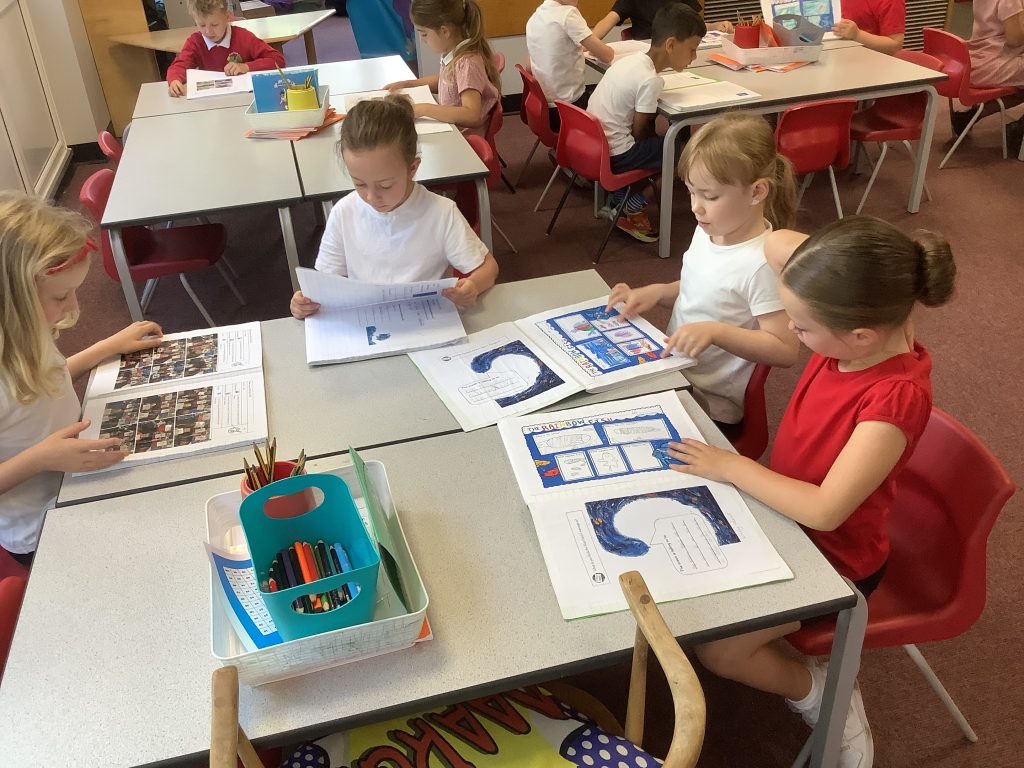
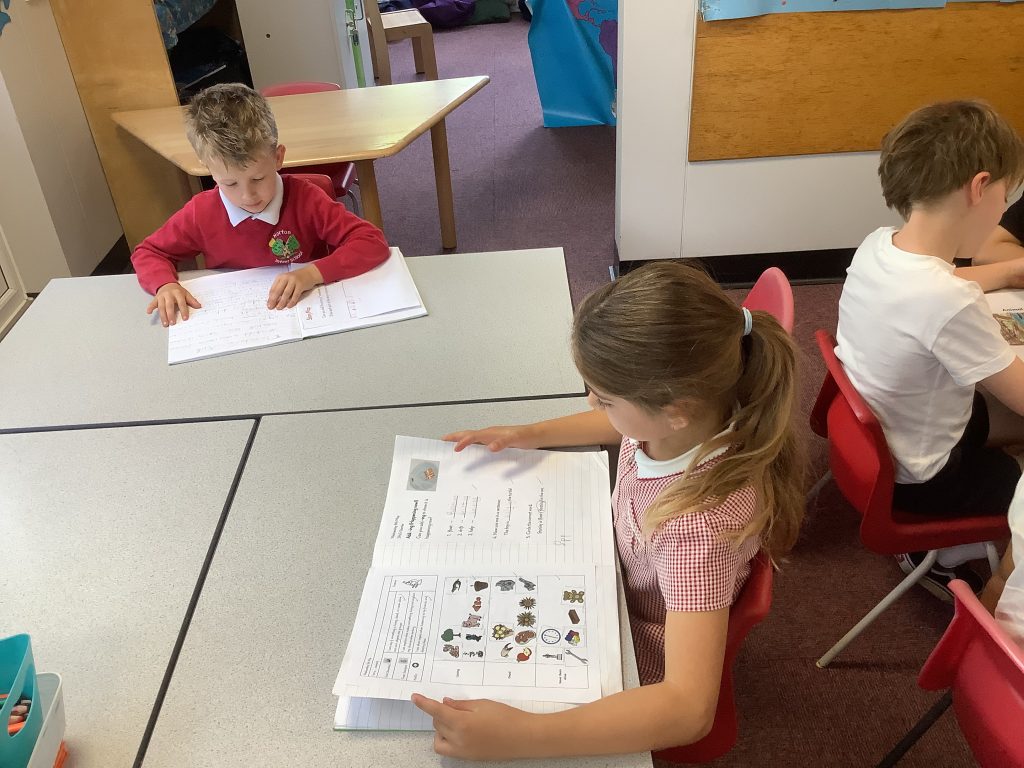
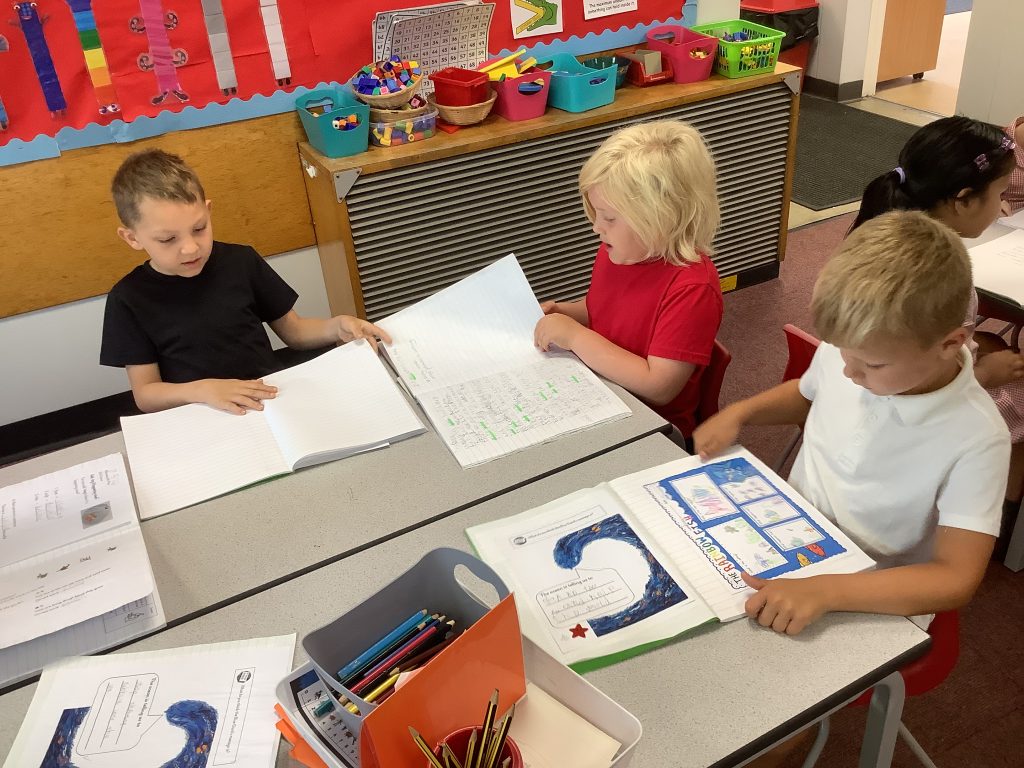
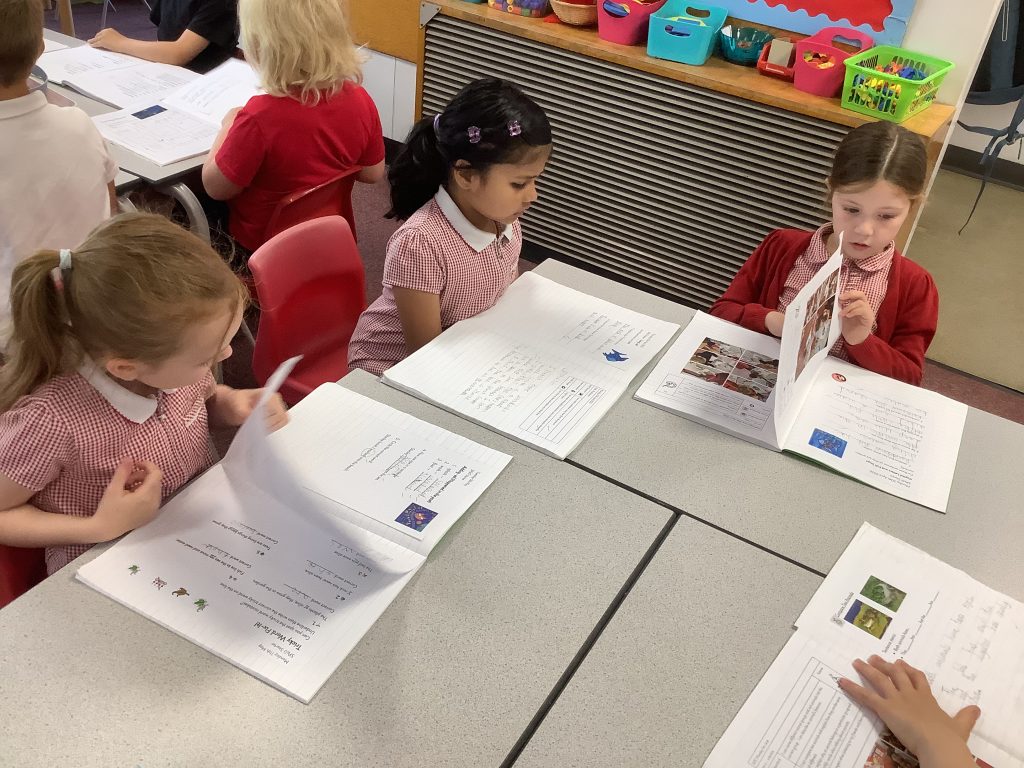
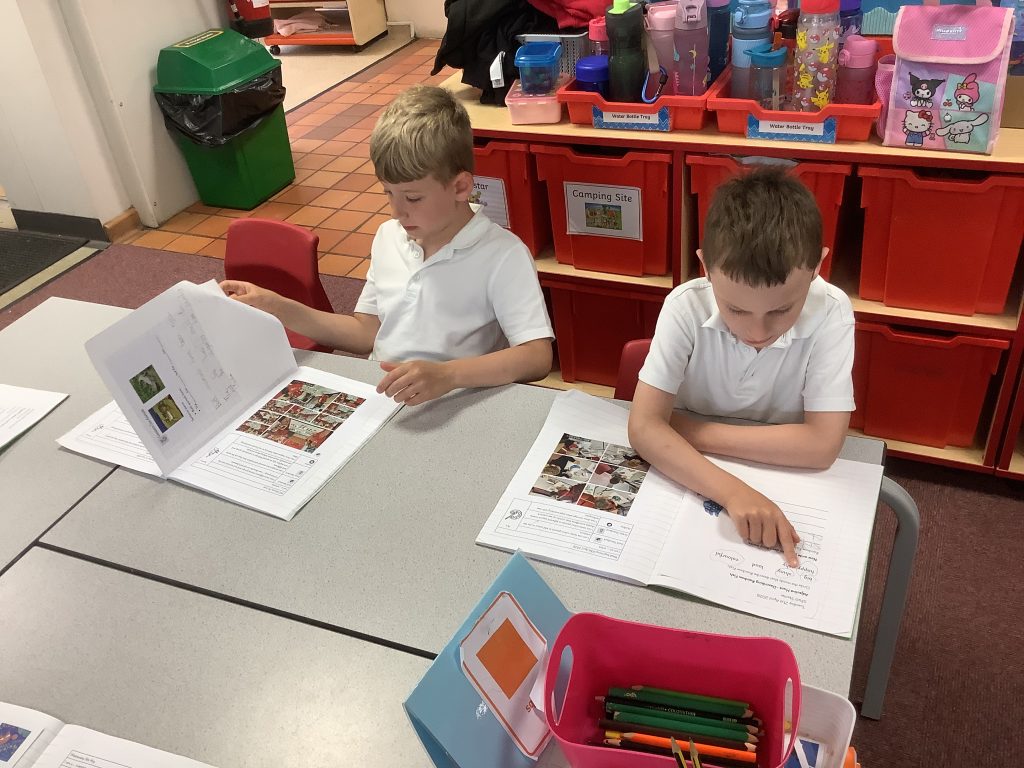
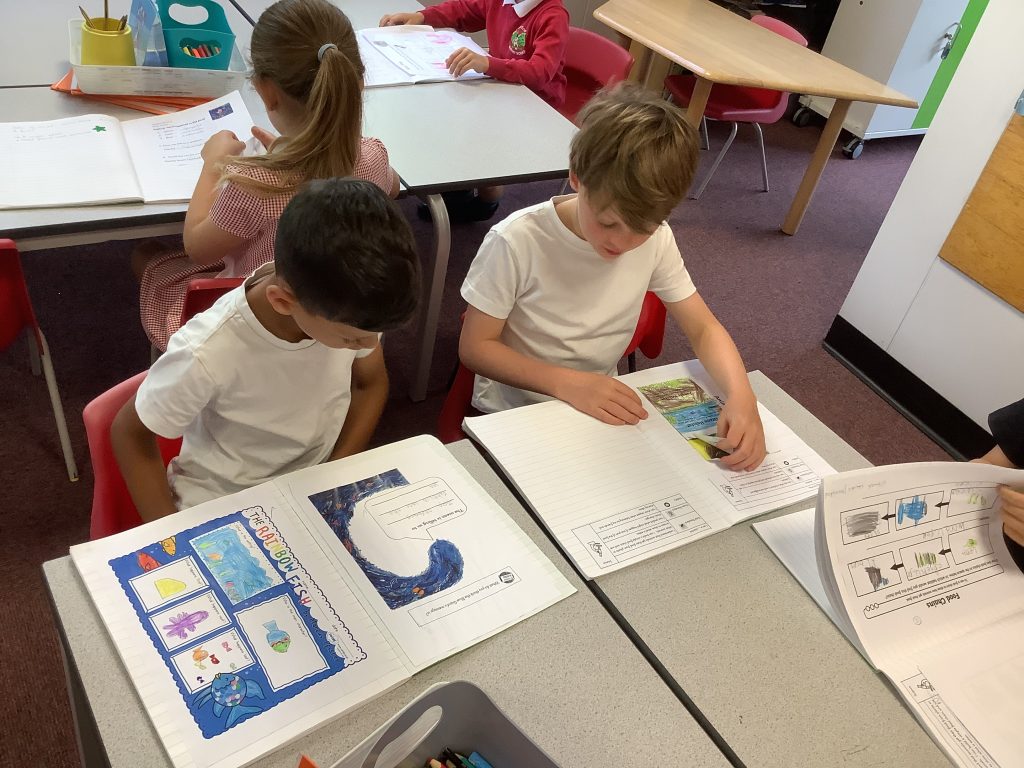
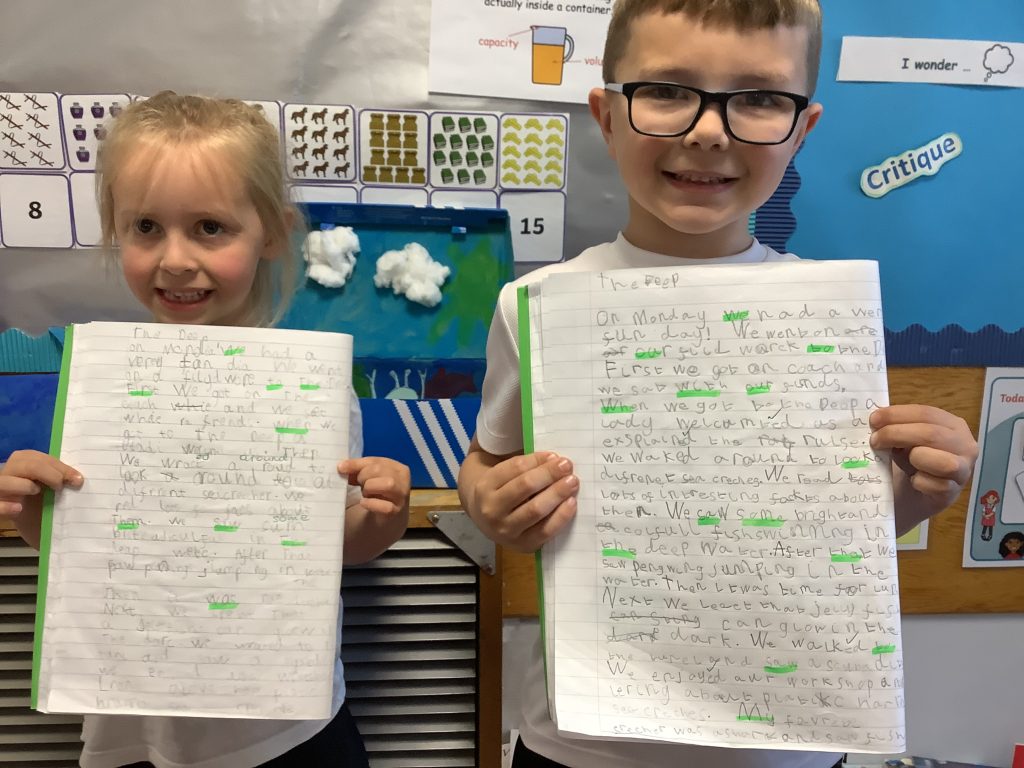
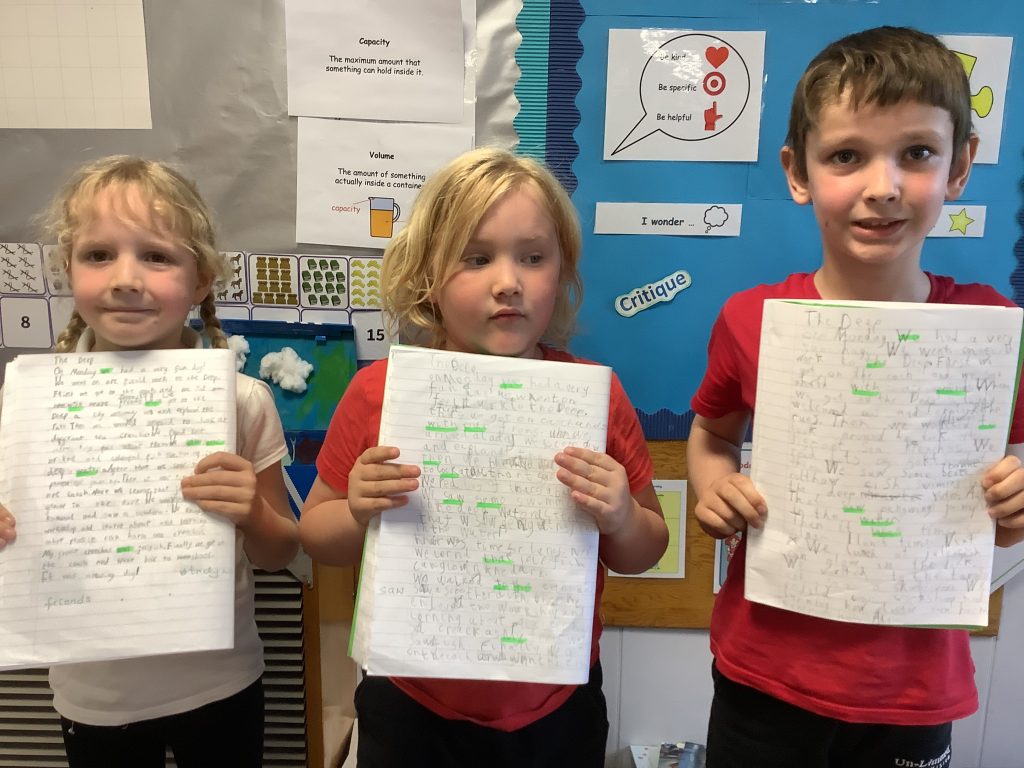
This week we became explorers, artists, and writers! We studied famous landmarks such as Doncaster Minster and the Frenchgate Shopping Centre. We researched key facts and learned about their history, purpose, and importance to the local community. The children used this information to write some interesting facts, showing pride in their knowledge of Doncaster. We also became artists and carefully sketched landmarks using observation skills. After sketching, we used watercolours to bring our drawings to life.

Children’s Mental Health Week: This Is My Place

This week, we came together for a special community meeting to mark Children’s Mental Health Week, an annual awareness week launched by the children’s mental health charity Place2Be. Celebrated every February since 2015, the week exists to empower, equip and give a voice to all children and young people across the UK.

Children’s Mental Health Week 2026 takes place from 9–15 February, and this year’s theme is “This Is My Place.”

The theme highlights how important a sense of belonging is for our mental health and wellbeing. Feeling that we have a place — in our friendships, in school, and in our wider community — is a basic human need. When we talked about where our place is, many of us shared that it was our home, our school and our classrooms, and it was lovely to recognise that we have so many different places where we feel safe, valued and able to belong.

When children feel that they belong, it supports their emotional wellbeing, helps them to feel confident and valued, and empowers them to contribute positively to the world around them. To know our place and really feel part of our environment can have powerful and long-lasting impacts on our mental and physical health, education and relationships.

This year, Children’s Mental Health Week encourages peers, families, schools and communities to work together to create inclusive and nurturing environments, where every child can truly say, “This is my place.”

During our community meeting, we shared a story about a small yellow bird named Sunny, who was learning to sing. Sunny flew to the playground but felt too shy to join in when other birds were busy playing and laughing. Feeling small and unsure, Sunny sat quietly on a branch. A kind squirrel named Mira noticed Sunny sitting alone, came to sit alongside them, and gently listened to one small chirp. Mira invited Sunny to join others — a robin and a rabbit — and helped Sunny learn just one new note. The next day, Sunny sang a little louder, simply because someone had said hello.

The story gave us a powerful reminder of how small acts of kindness and inclusion can make a big difference.

We then spent time working in pairs, introducing ourselves to someone new and sharing our interests, as well as something we liked about each other. These moments of connection helped reinforce the message that everyone belongs and that our differences are something to celebrate.

To end our meeting, we sang “This Is Me” together — a beautiful and uplifting moment that perfectly captured the spirit of the week.

As a community, we also made a simple pledge. This week, everyone will try at least one of the following:

  • Say hello to someone you don’t usually talk to
  • Share a toy, crayon, or turn in a game
  • Invite someone to join your group

We are proud of the way our children listened, reflected and supported one another. By making small, thoughtful choices each day, we can all help to create a place where everyone feels welcome, valued and able to say, “This is my place.” 💛