Finding Our Happy – Supporting Emotional Wellbeing in KS1

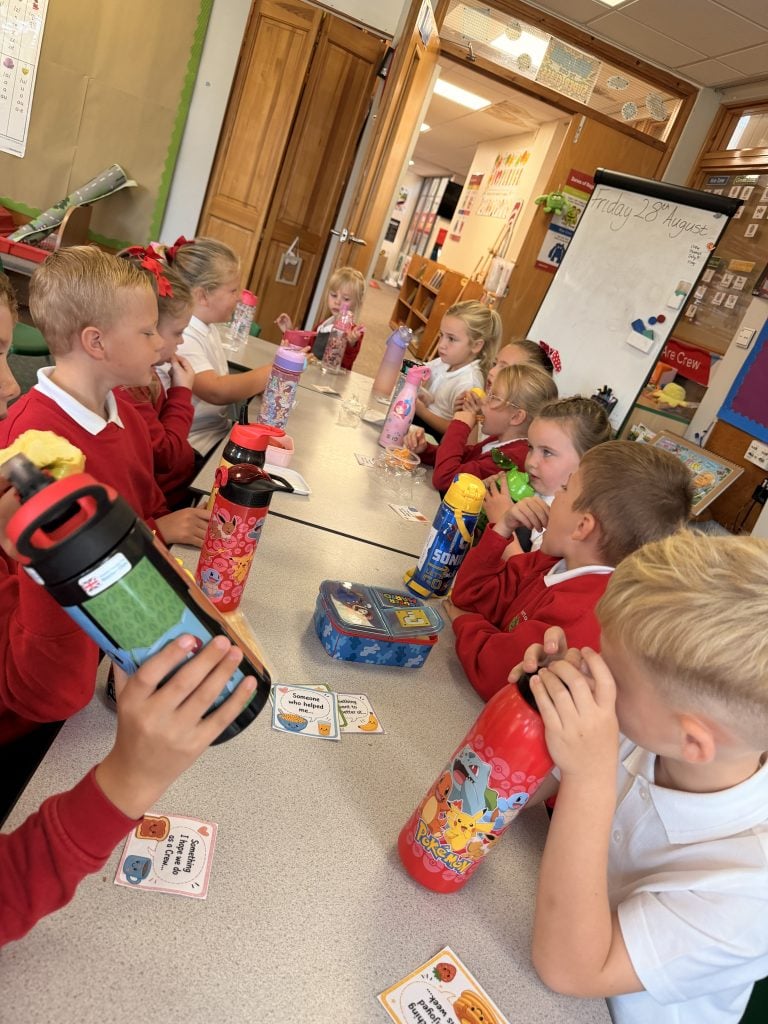
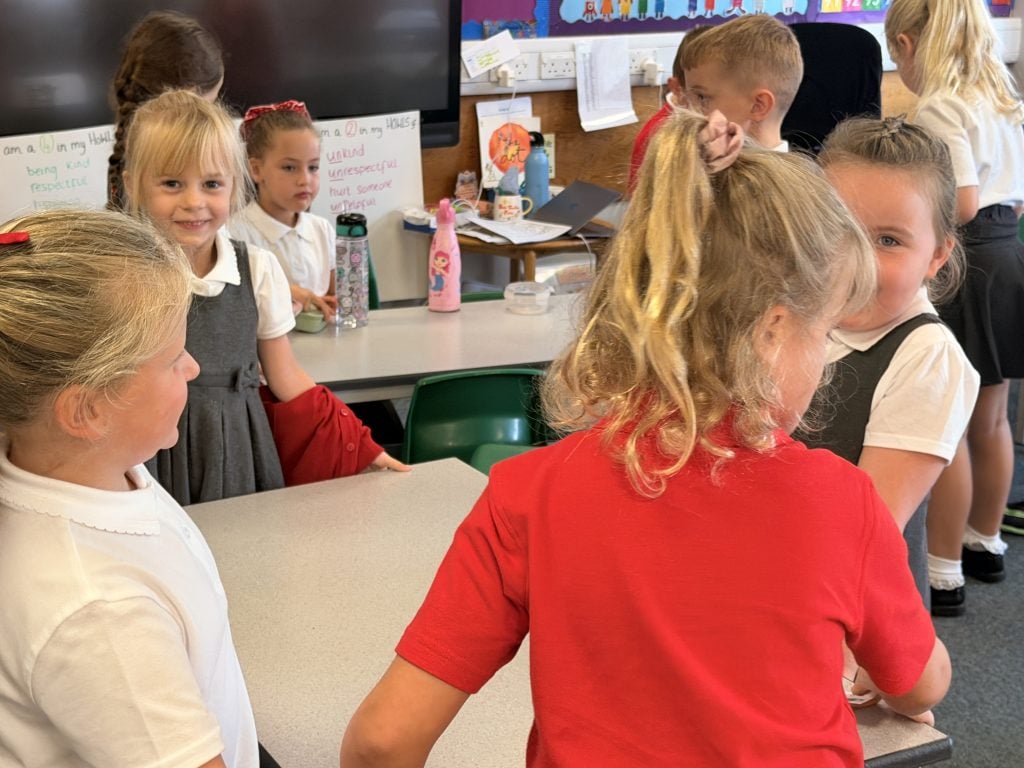
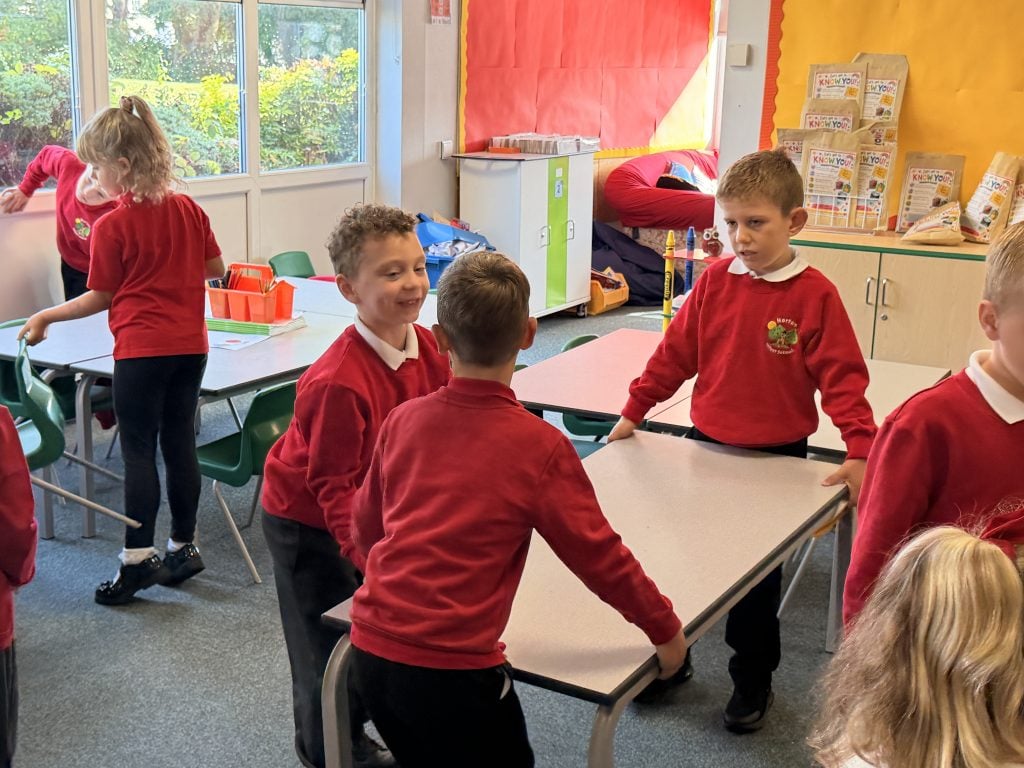
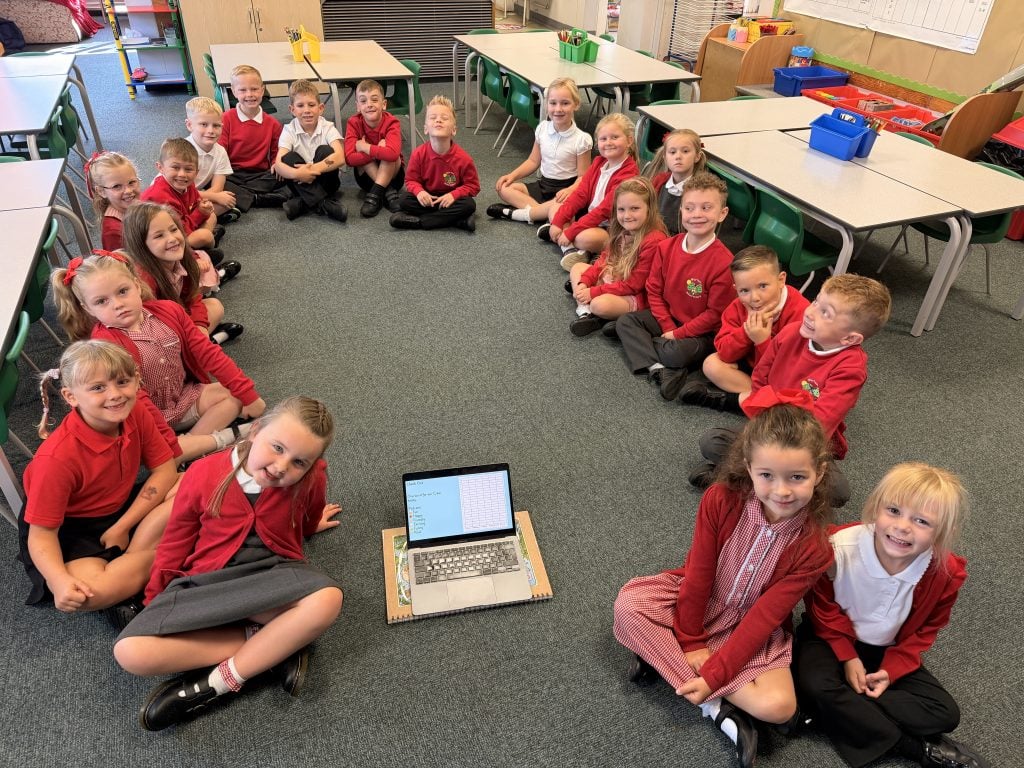
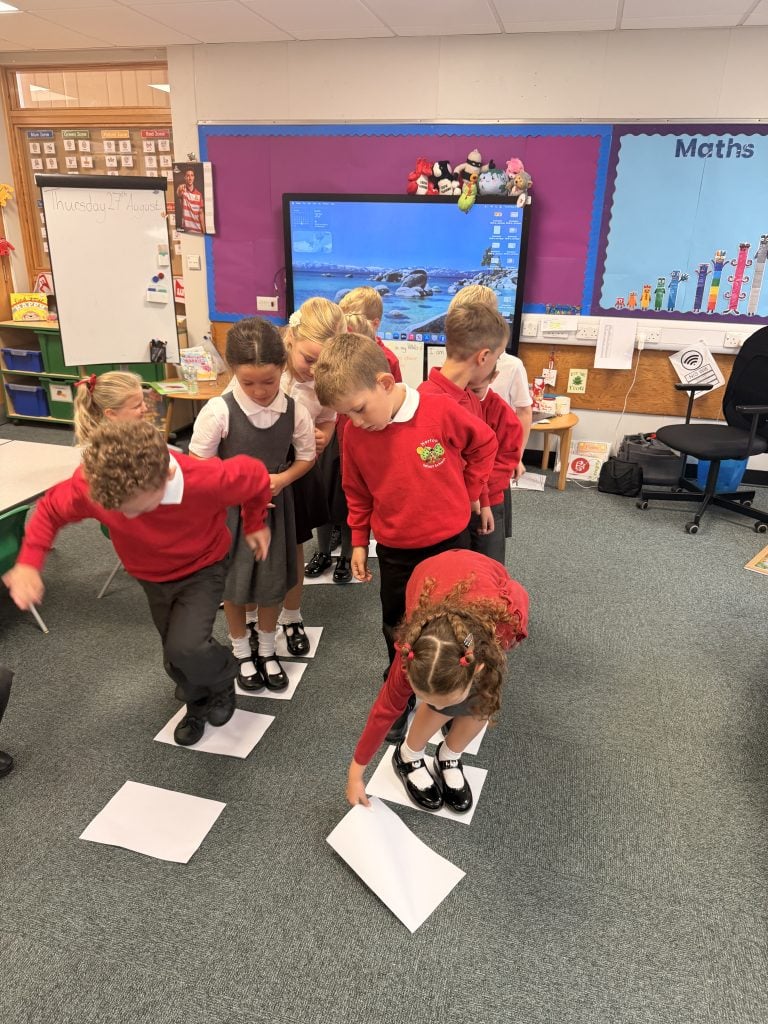
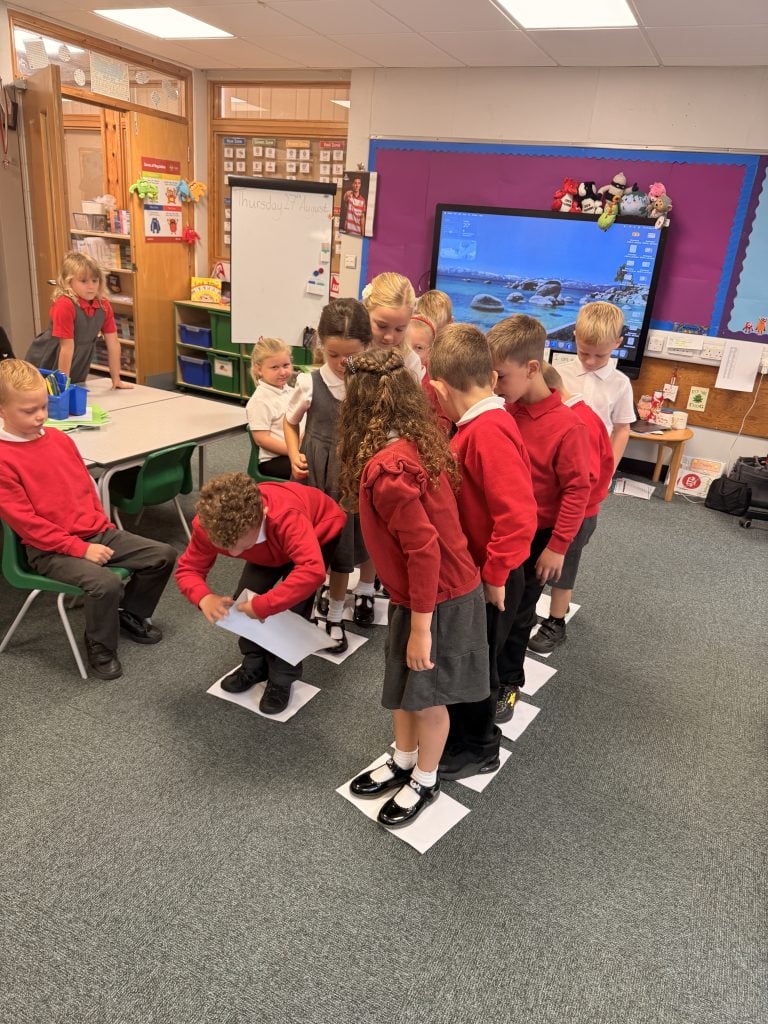
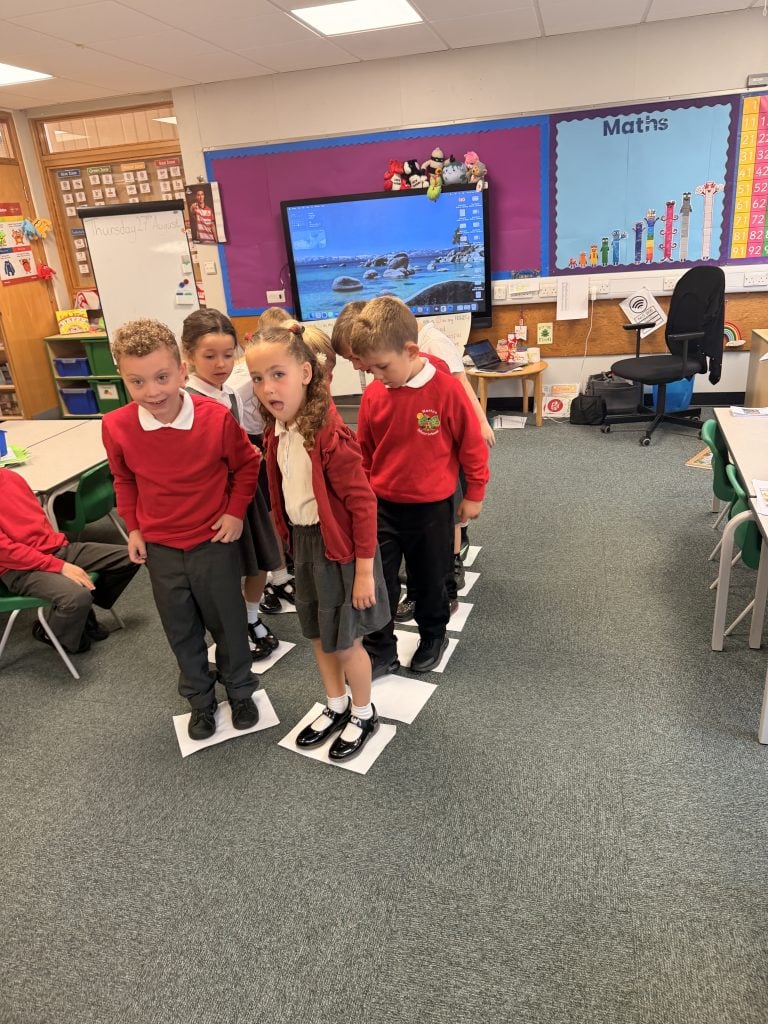
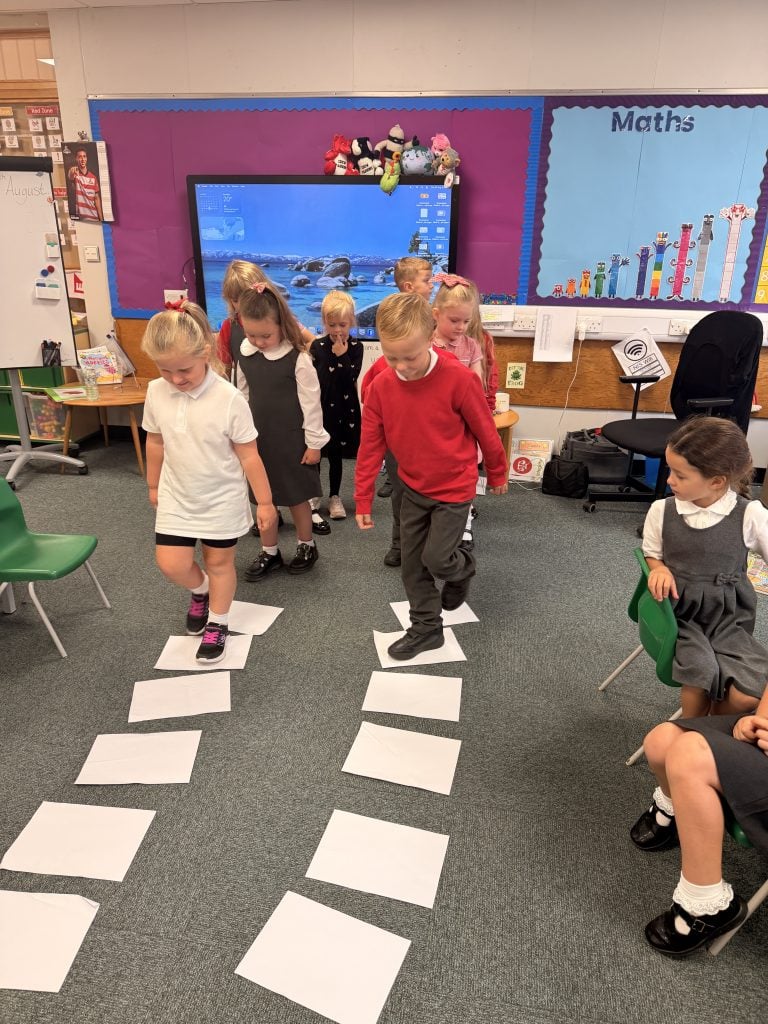
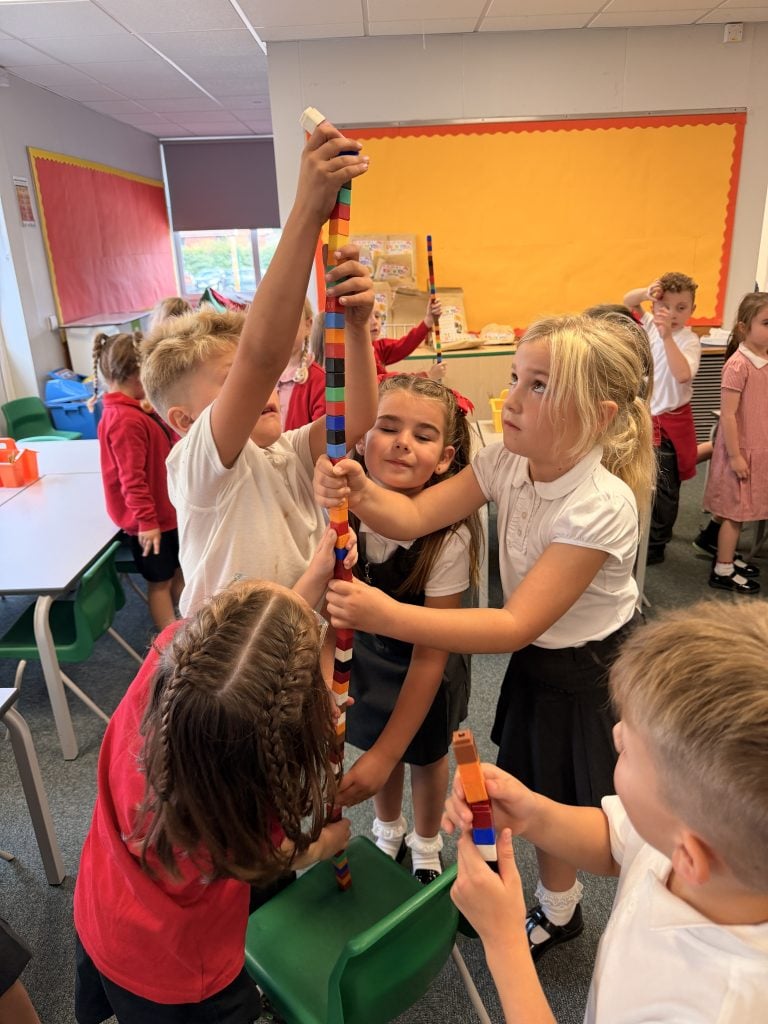
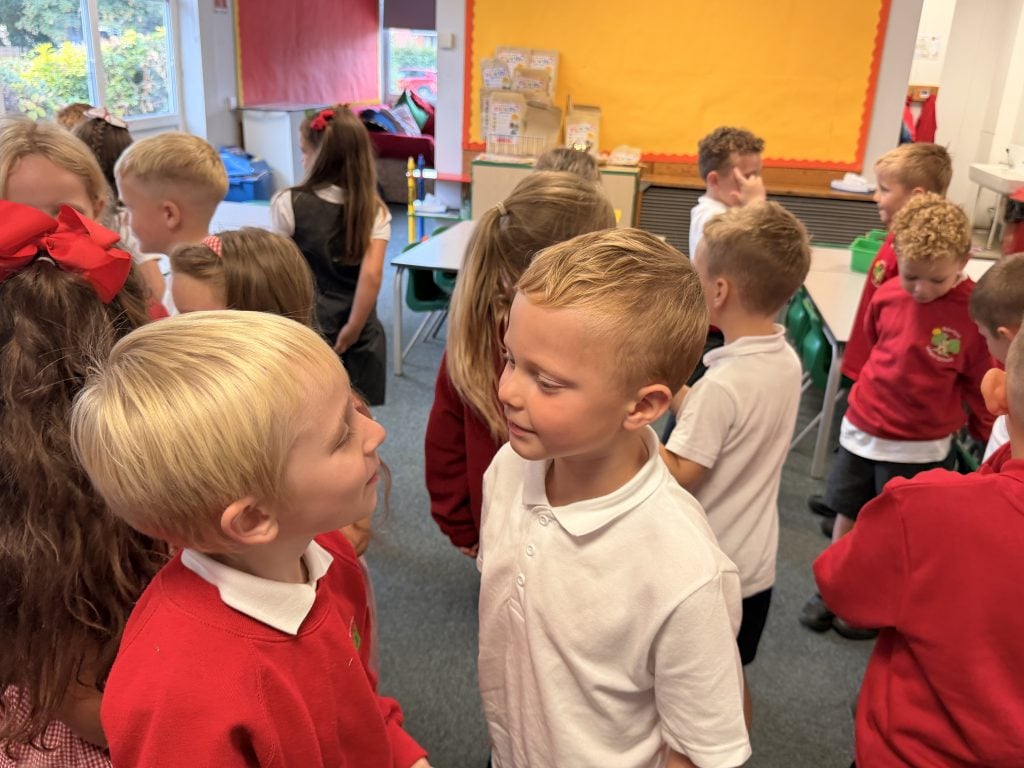
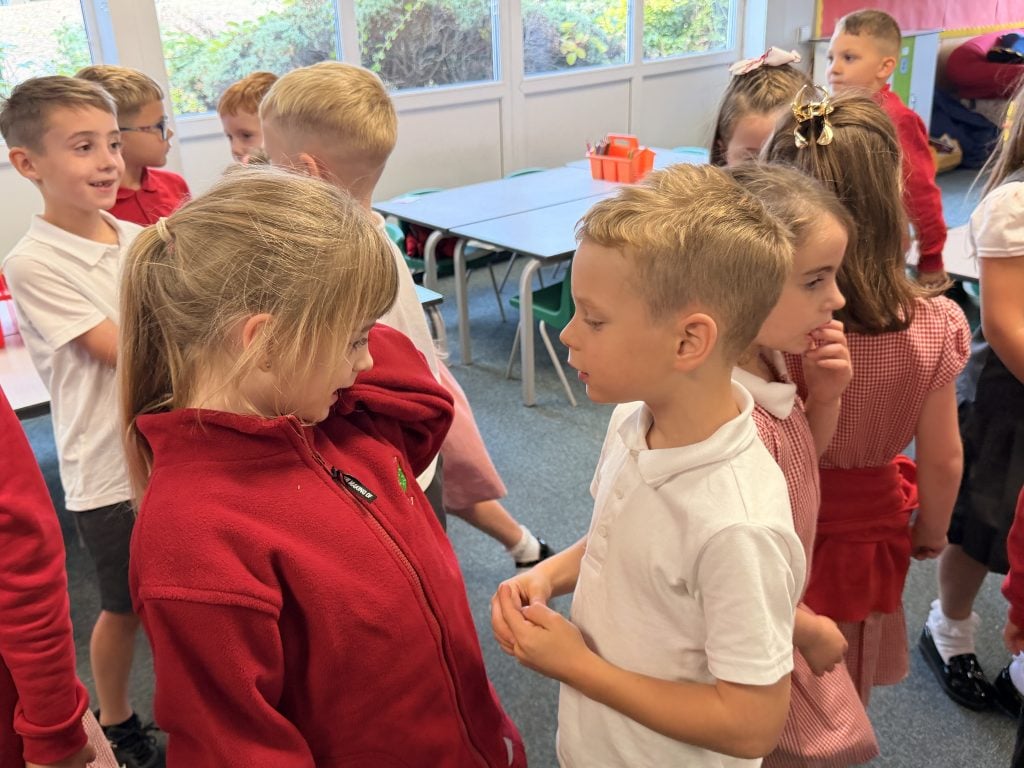
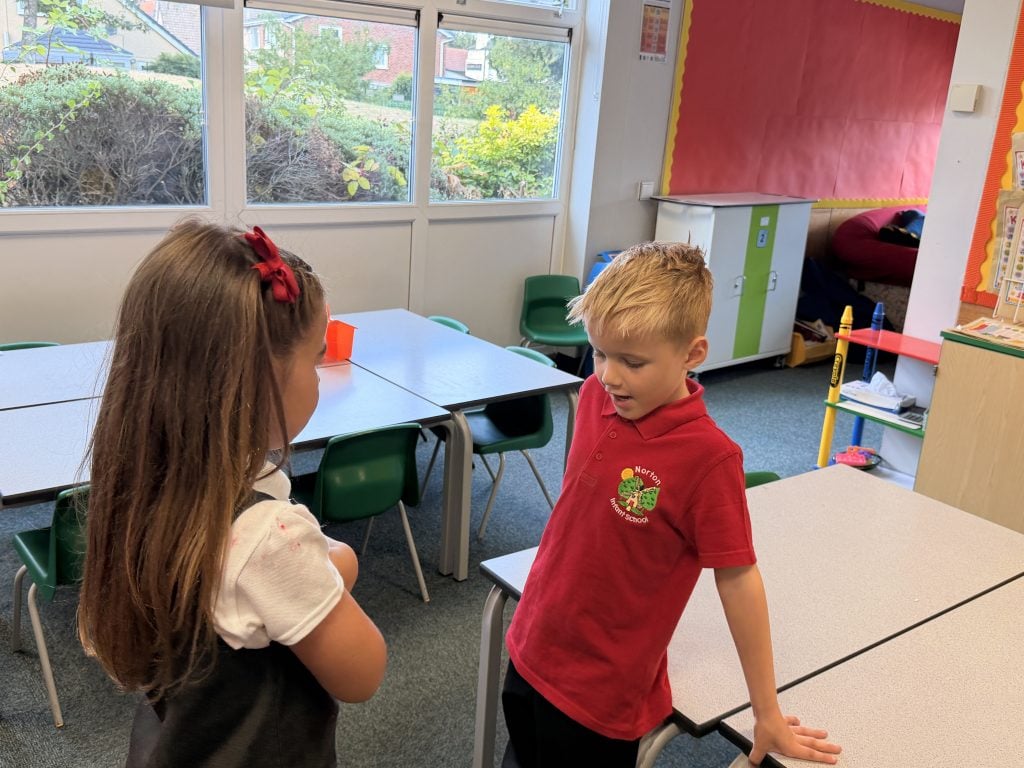
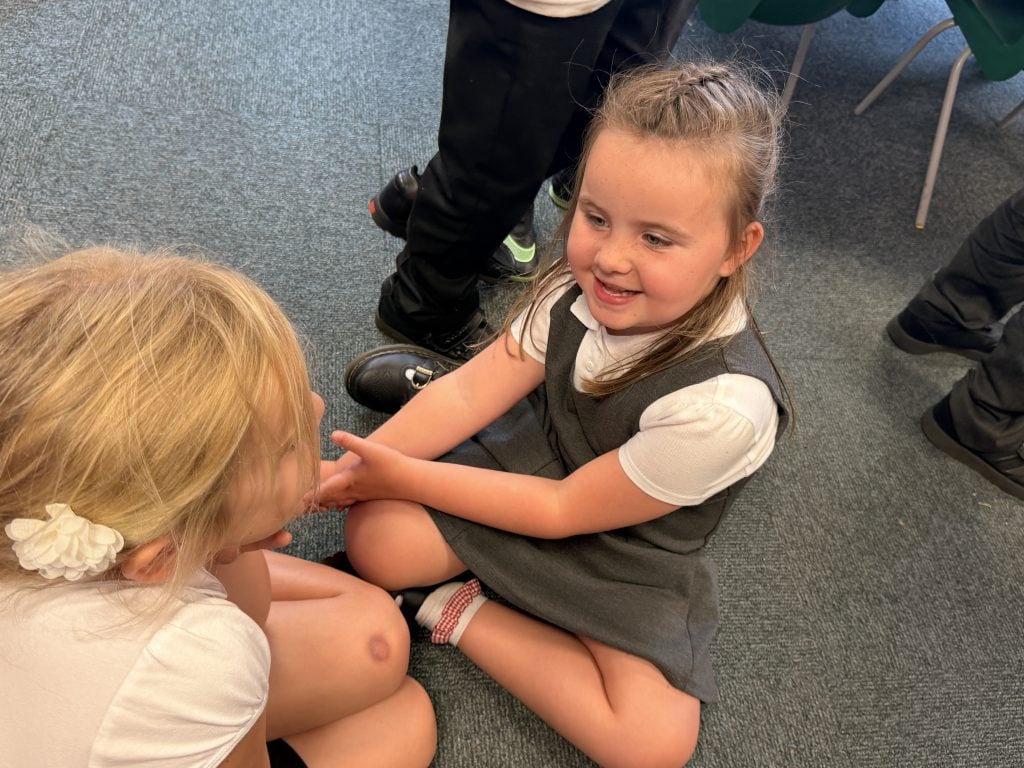
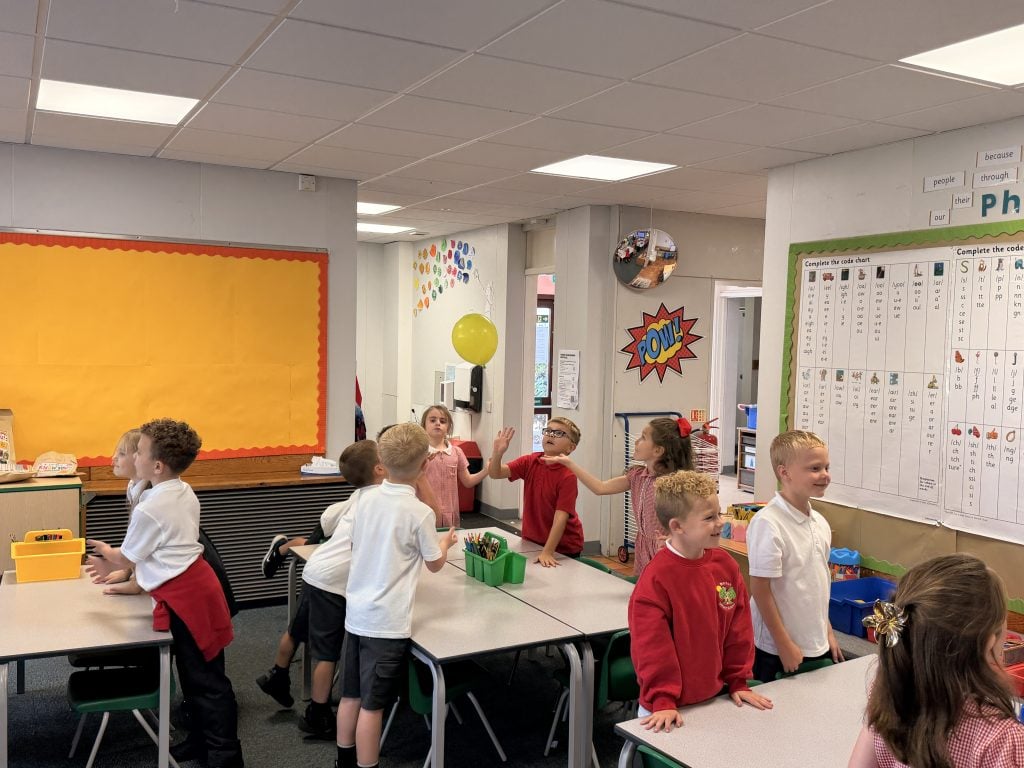
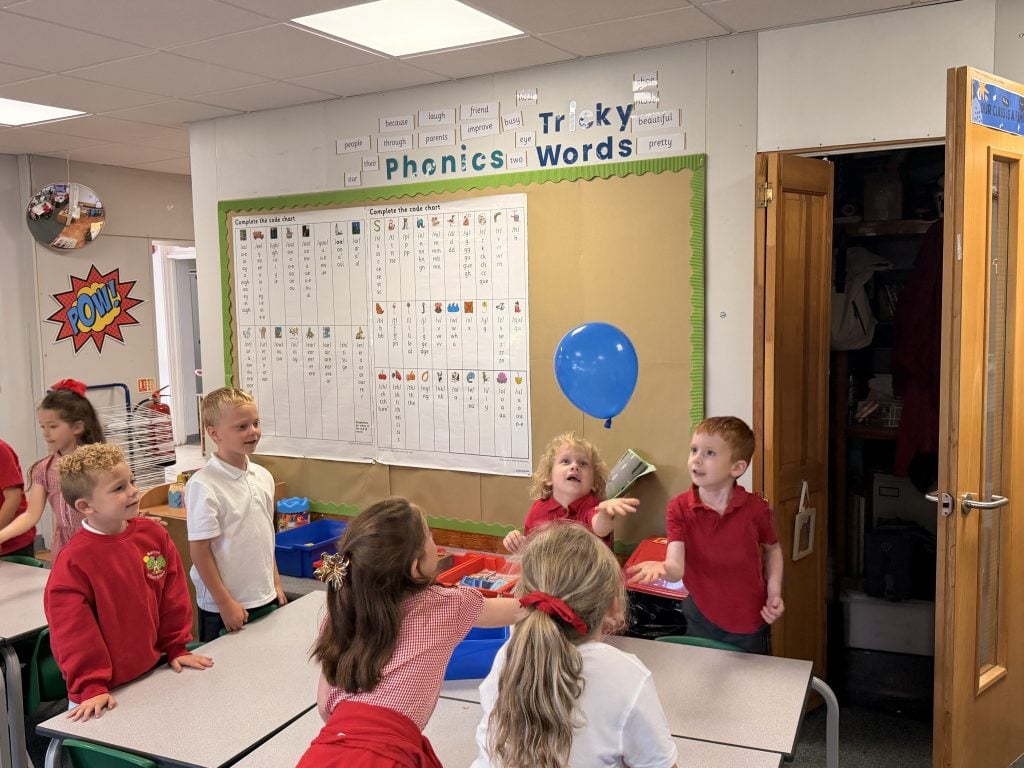
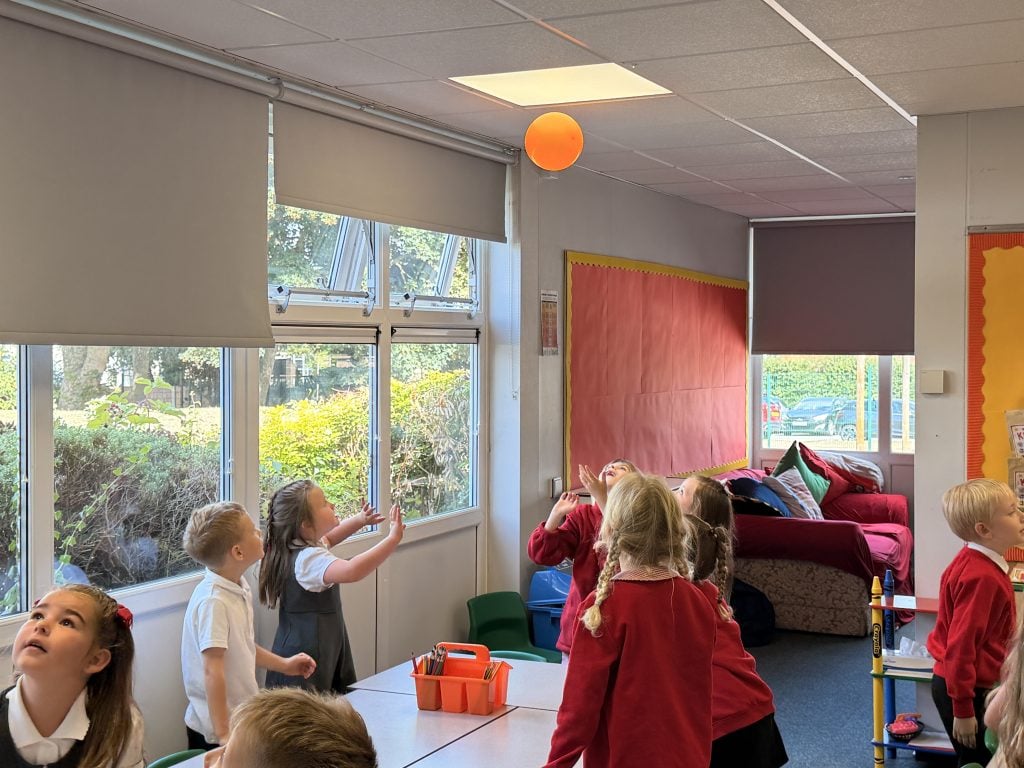
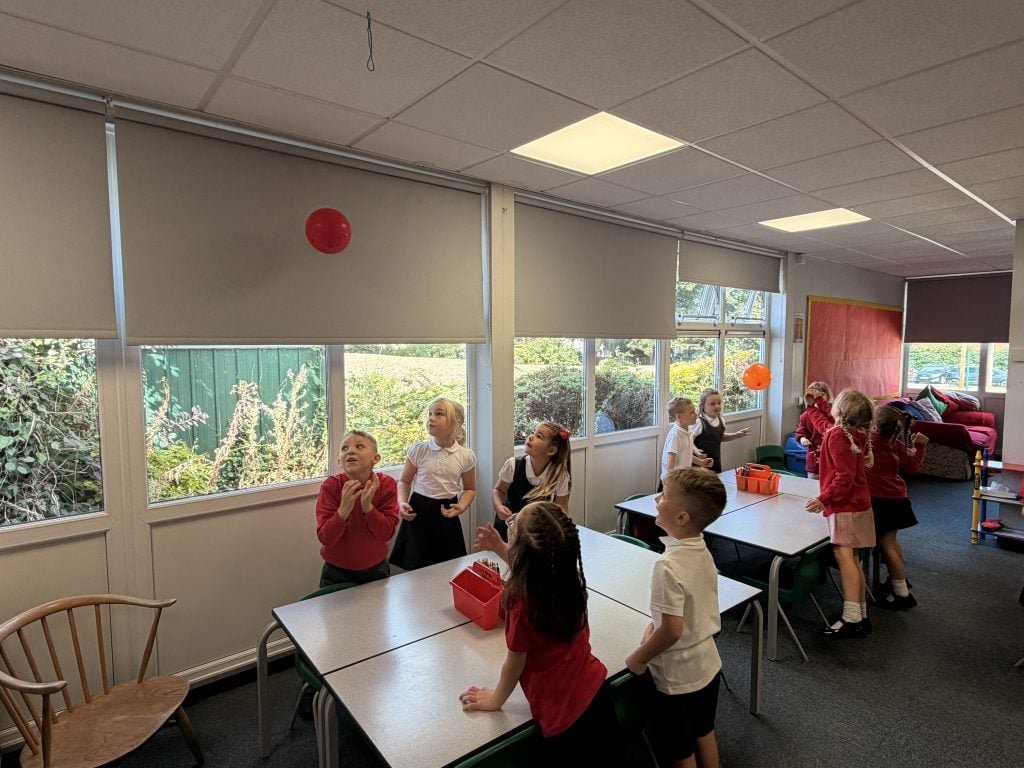
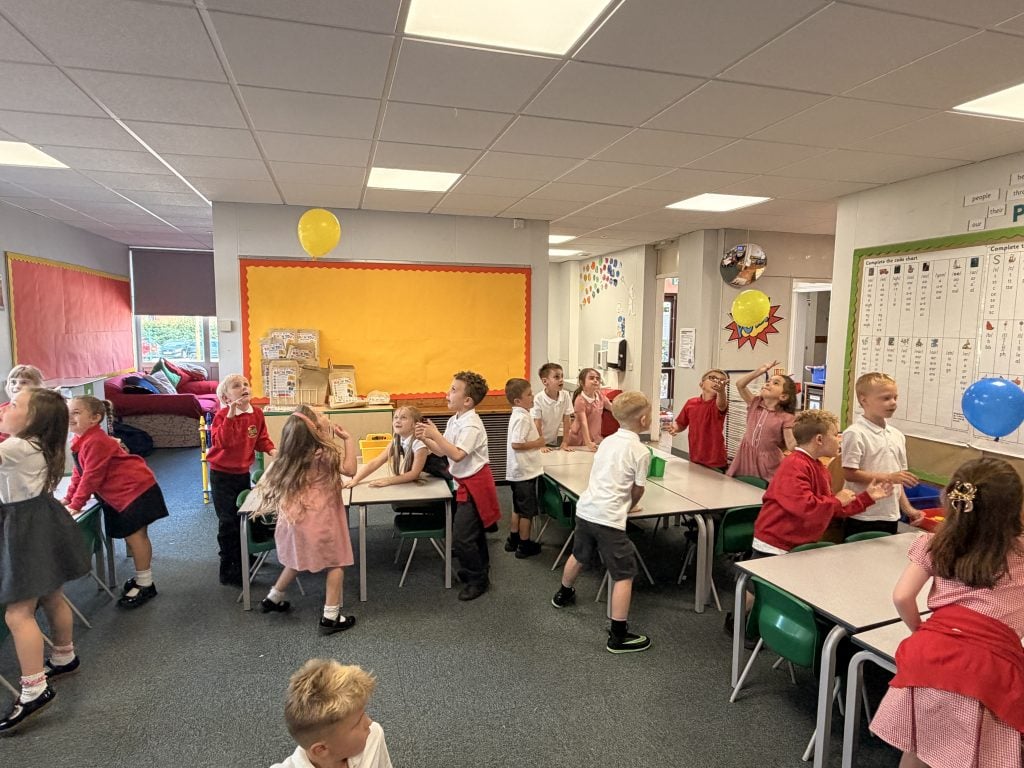
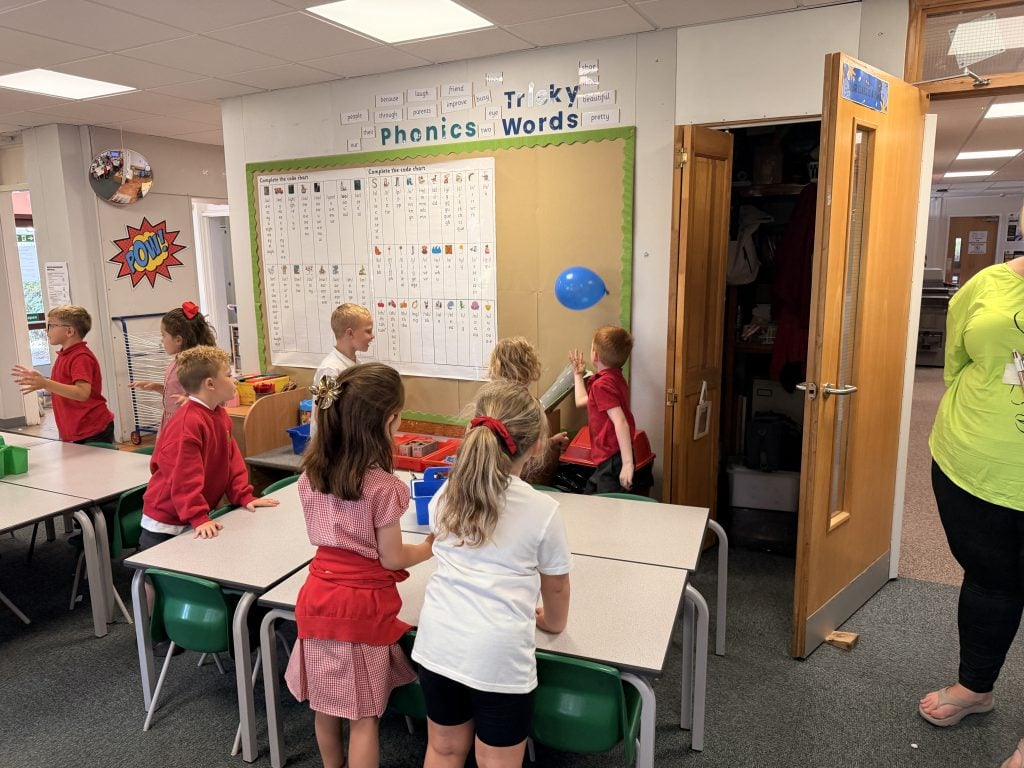
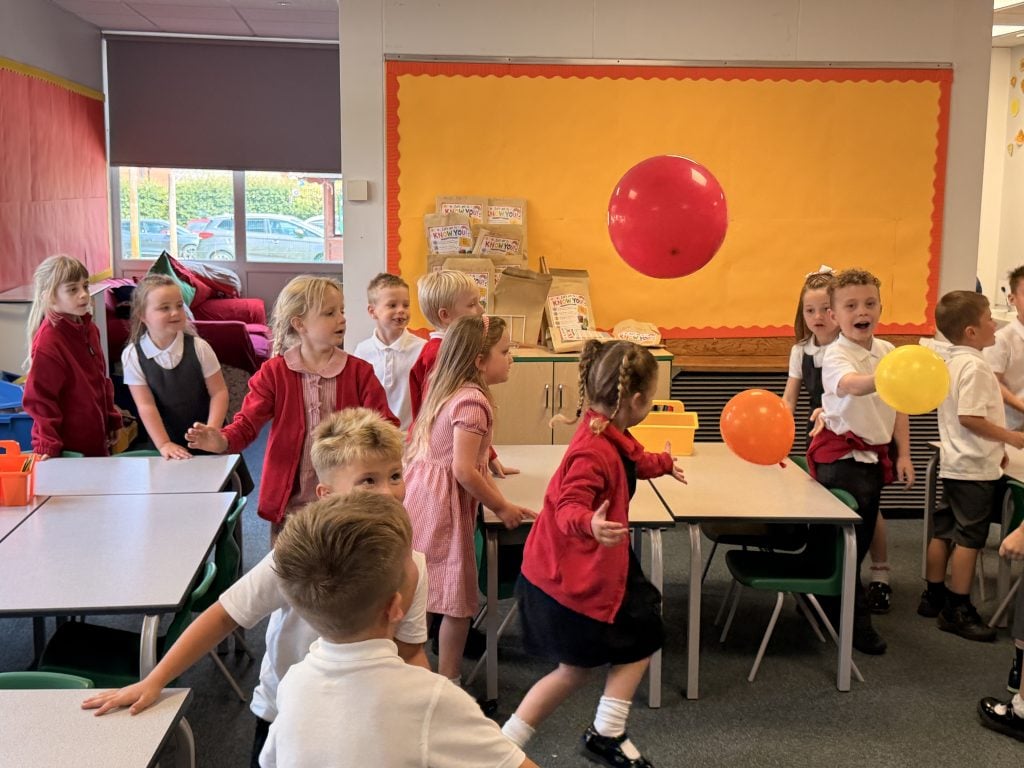
This week in Key Stage 1, we came together for a short community meeting built around the beautiful book Find Your Happy. Through this story, we explored something really important: understanding our feelings and knowing what to do when they feel big.

At school, the children are very familiar with the Zones of Regulation, which help us to recognise and name how we are feeling:

  • Blue Zone – sad, tired, or unwell
  • Green Zone – calm, happy, ready to learn
  • Yellow Zone – excited, worried, or a bit wobbly
  • Red Zone – angry, overwhelmed, or out of control

During the community meeting, we talked about how we all move through these zones every day—and that’s completely normal. The key message we shared is that all feelings are okay, but we can learn ways to help ourselves feel safe, calm, and ready again.

Using Find Your Happy, we explored how the character experiences different emotions and discovers simple strategies to feel better. We then practised some of these together:

  • Breathing techniques – “smell the flower, blow out the candle”
  • Relaxing our bodies – tightening and releasing muscles
  • Thinking of something that makes us smile

These small strategies can make a big difference, especially when children are feeling in the yellow or red zones.

How you can support at home

You might like to continue these conversations at home by:

  • Asking your child which “zone” they are in
  • Talking about what helps them feel calm or happy
  • Practising simple breathing together
  • Reminding them that it’s okay to feel all emotions

By using a shared language between school and home, we can help children to better understand themselves and build the skills they need to manage their feelings with confidence.

Our key message

We reminded the children that being in the green zone all the time isn’t the goal—because that’s not realistic for any of us! Instead, it’s about learning how to recognise our feelings and find our way back to feeling safe and ready.

We are so proud of how thoughtfully the children engaged with this important message. Ask them about how they “find their happy”—you might even learn a new strategy yourself!

Thank you for your continued support.

📚 World Book Day 2026 📚

This year our World Book Day had a Dr Seuss theme – a cat in the hat inspired crazy hat! Boy did the children deliver!! We had everything from gardens to space helmets and minions to globes – the children’s hats absolutely blew our socks off! 👒🎩

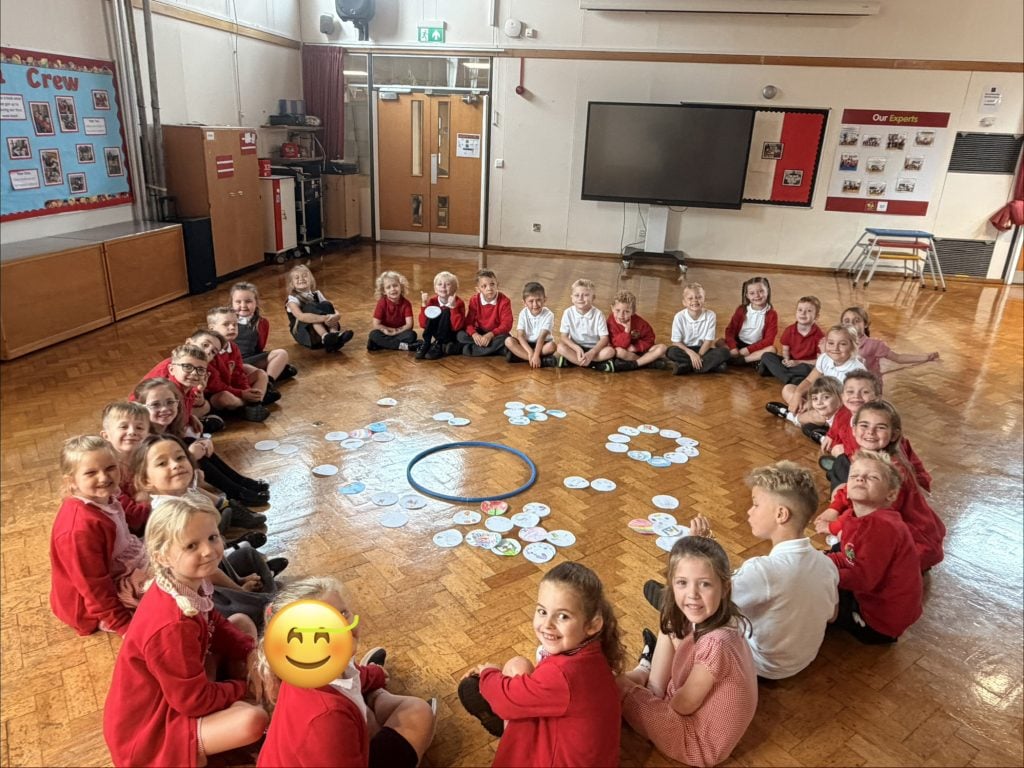
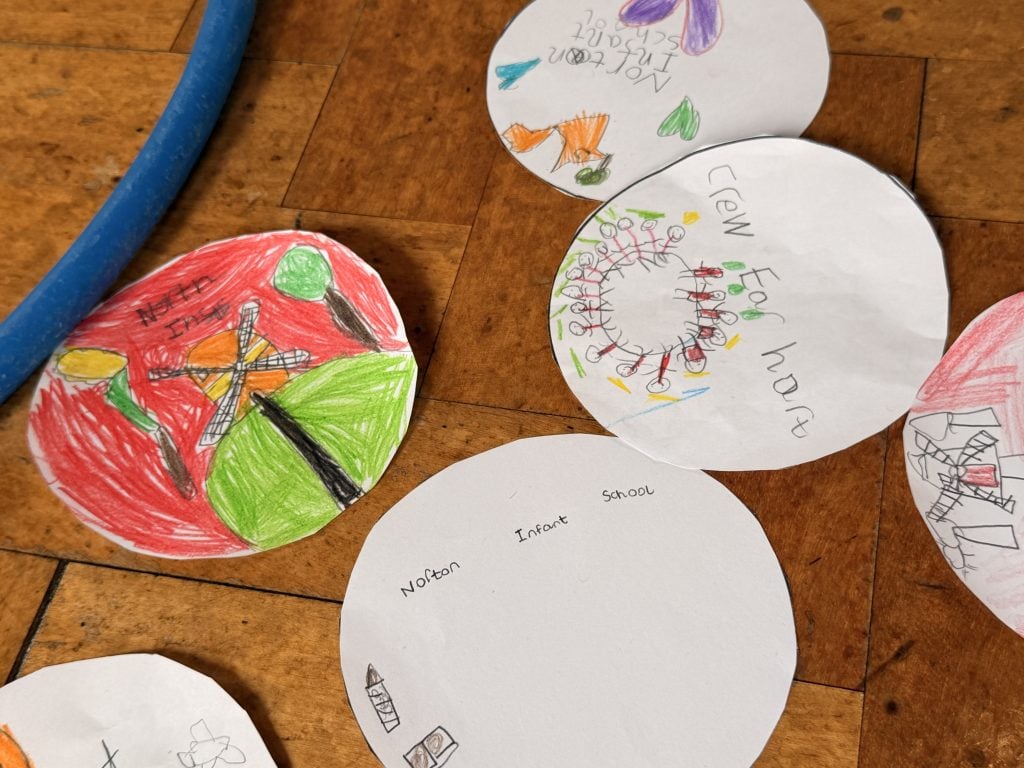
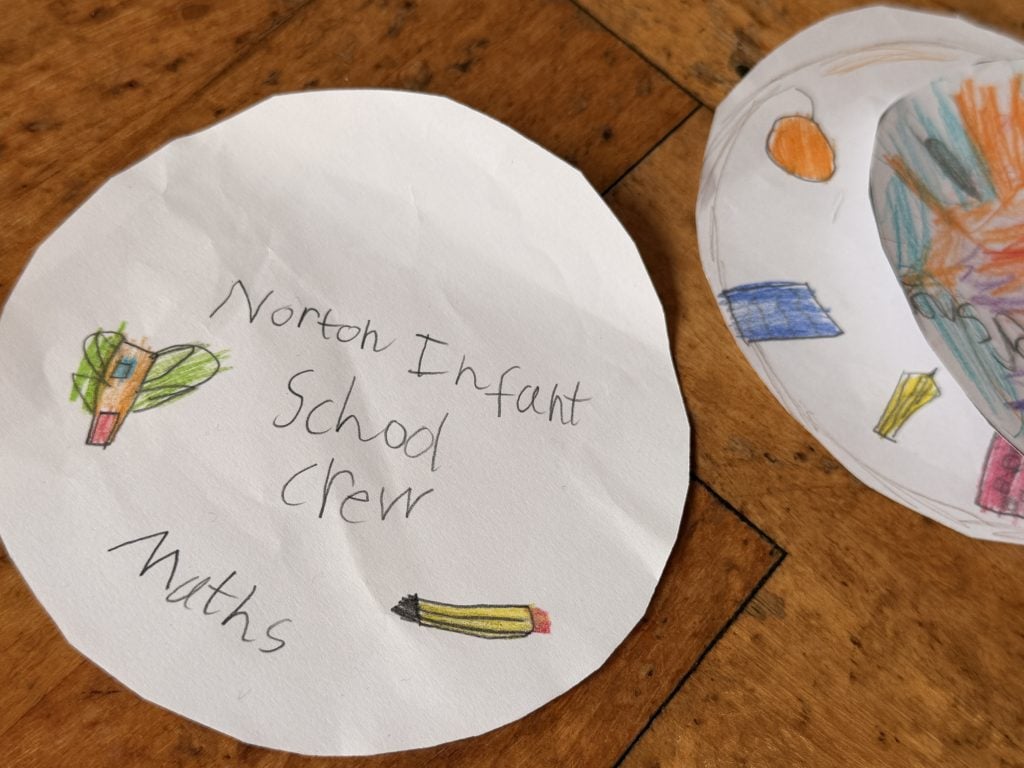
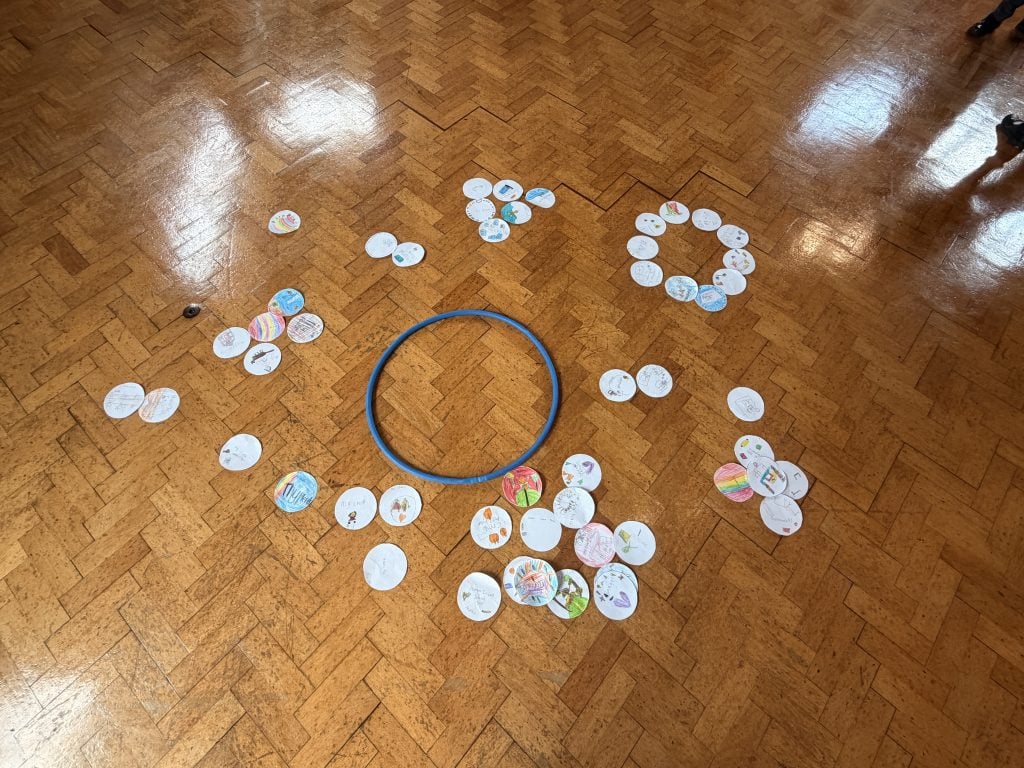
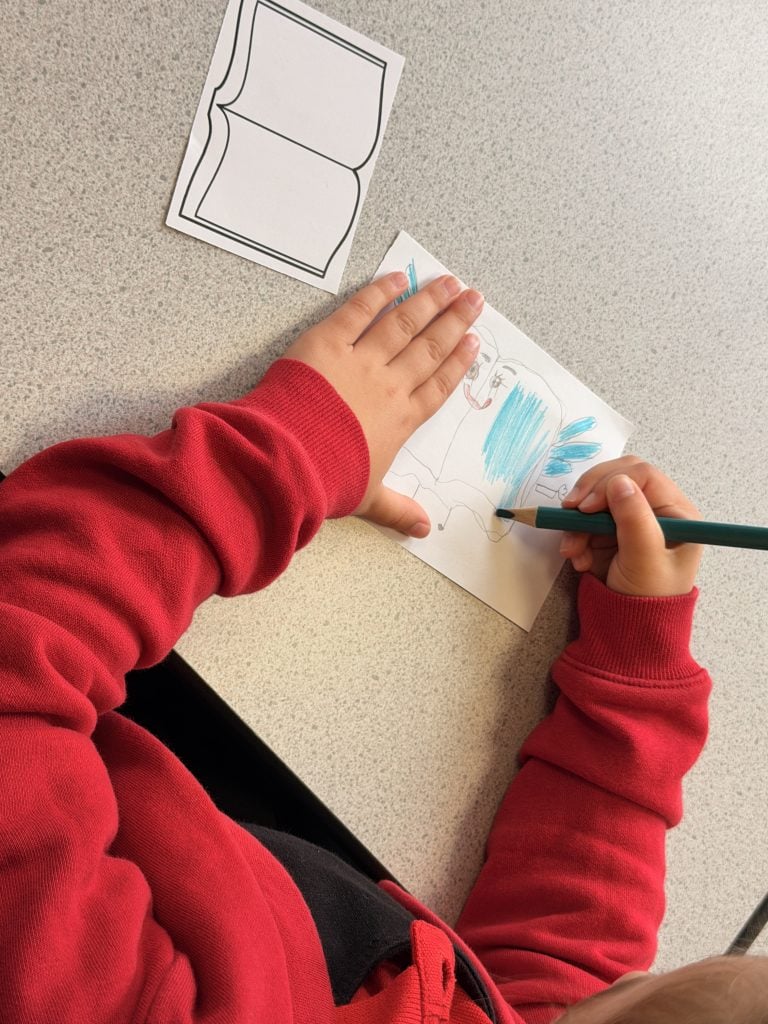
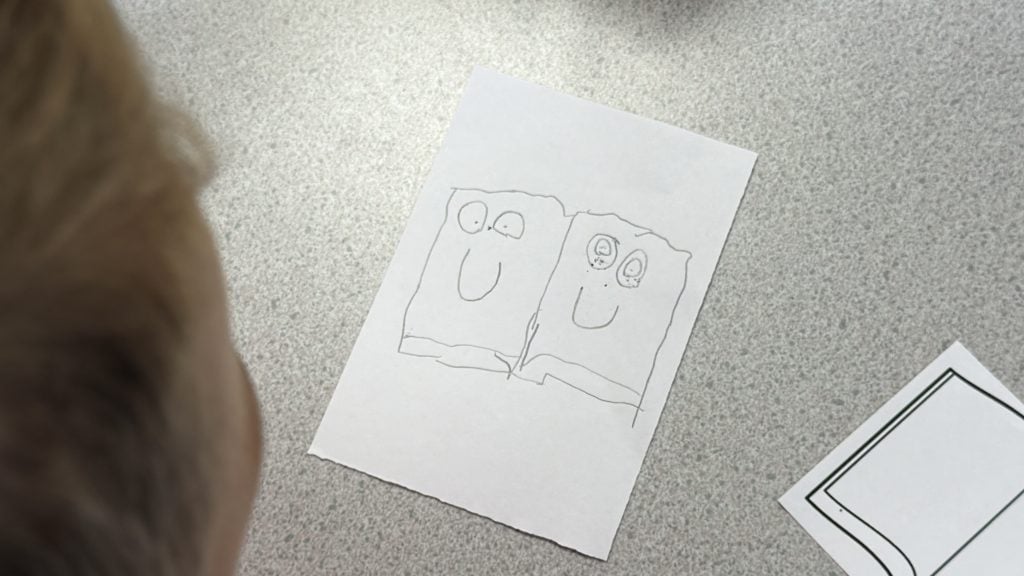
In crew this morning, Y2 created their very own crew murals inspired by their favourite books. We took time thinking of a way to represent our favourite books, drawing them and then sticking them all together to create our collaborative artwork.

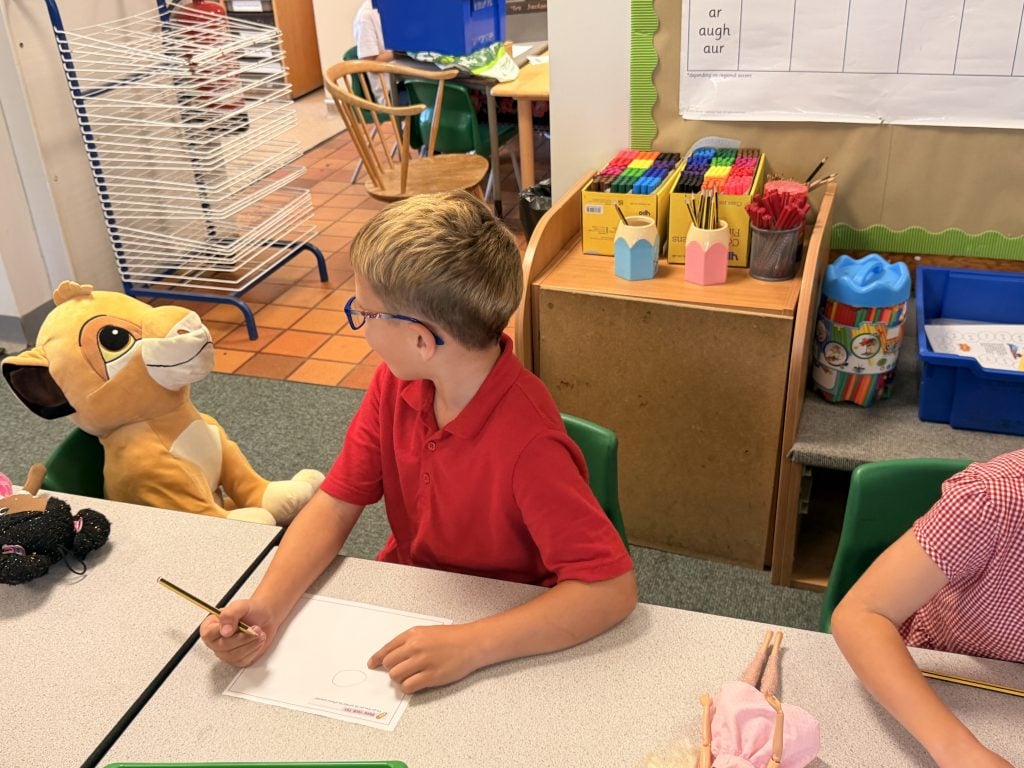
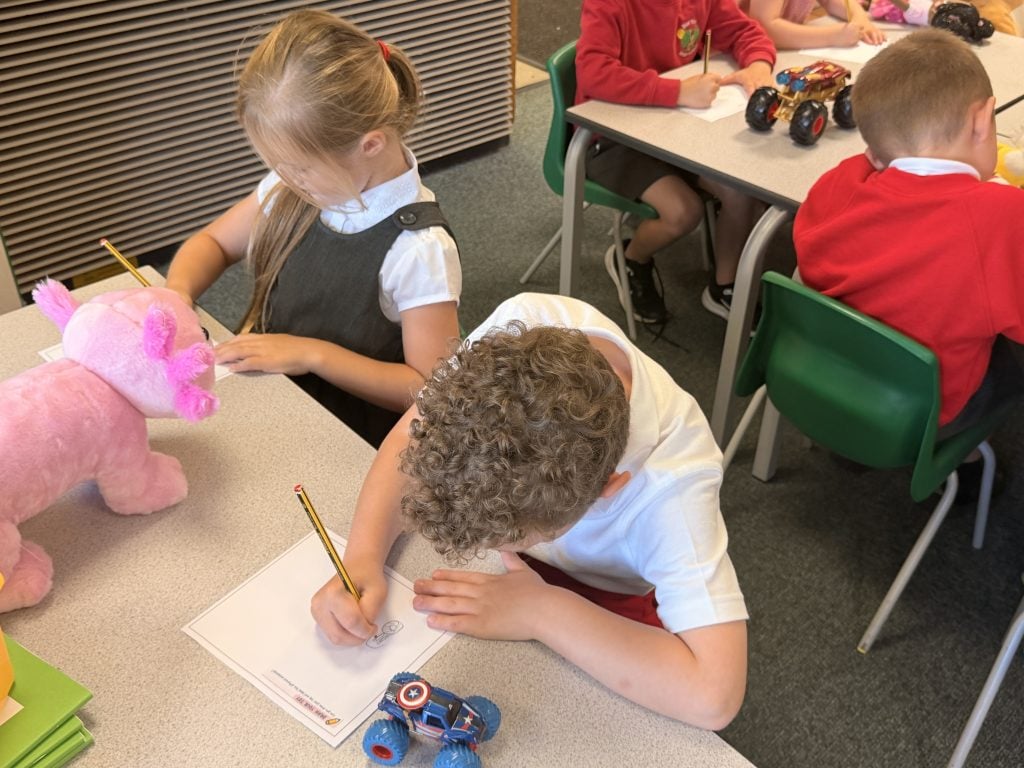
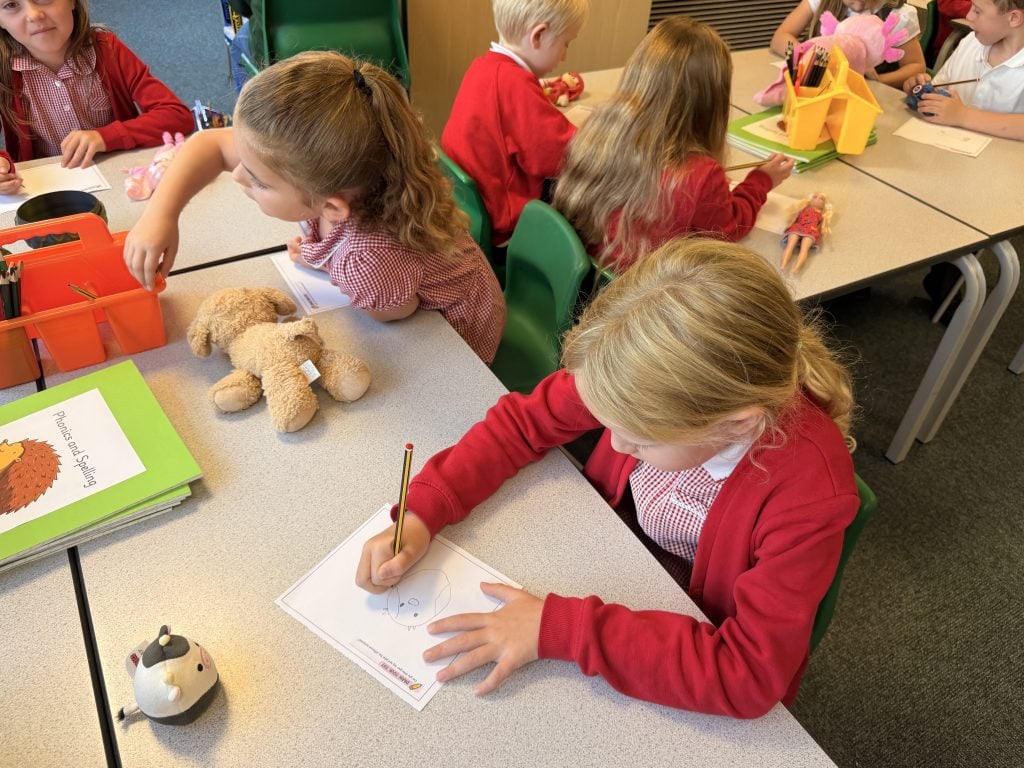
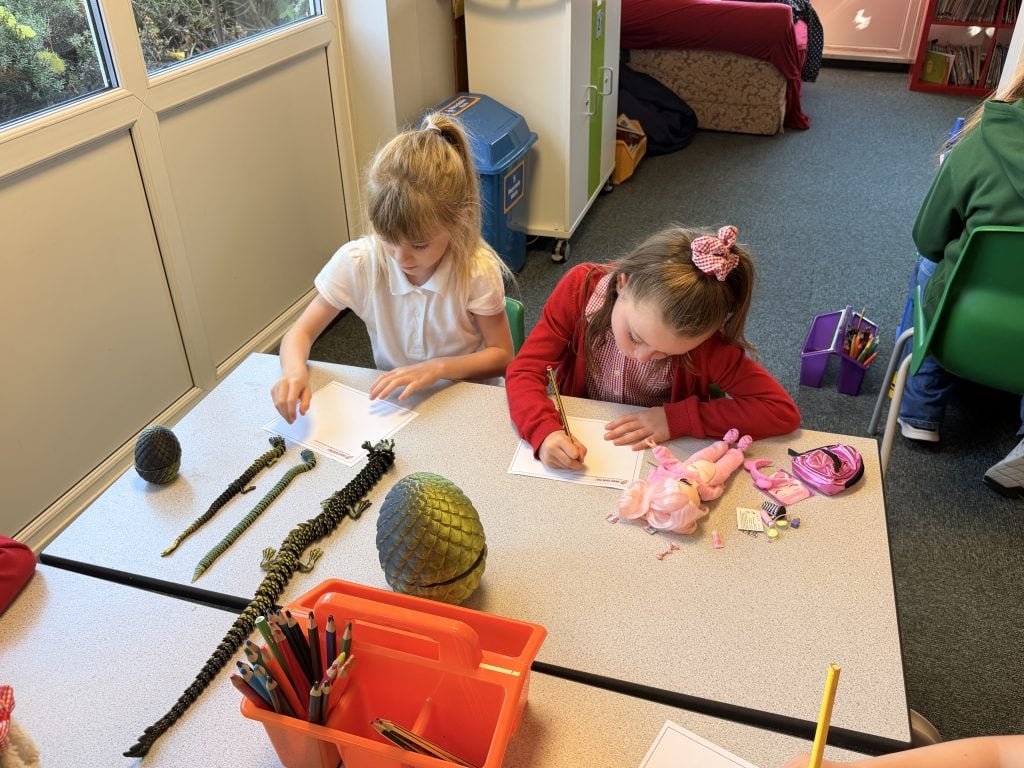
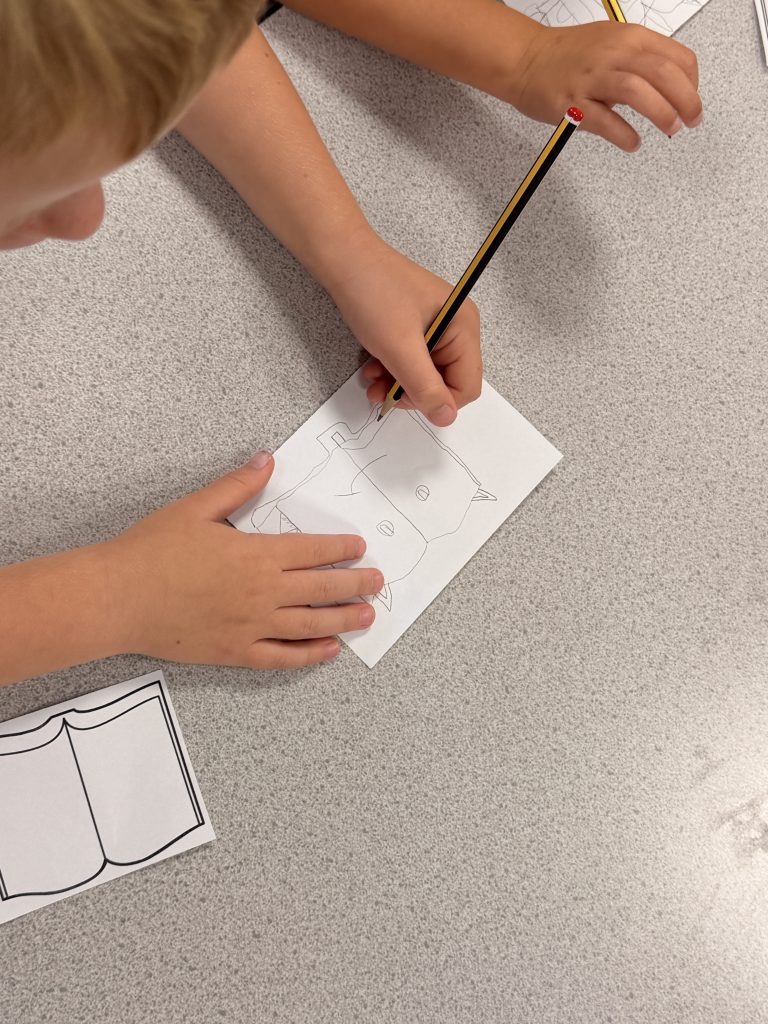
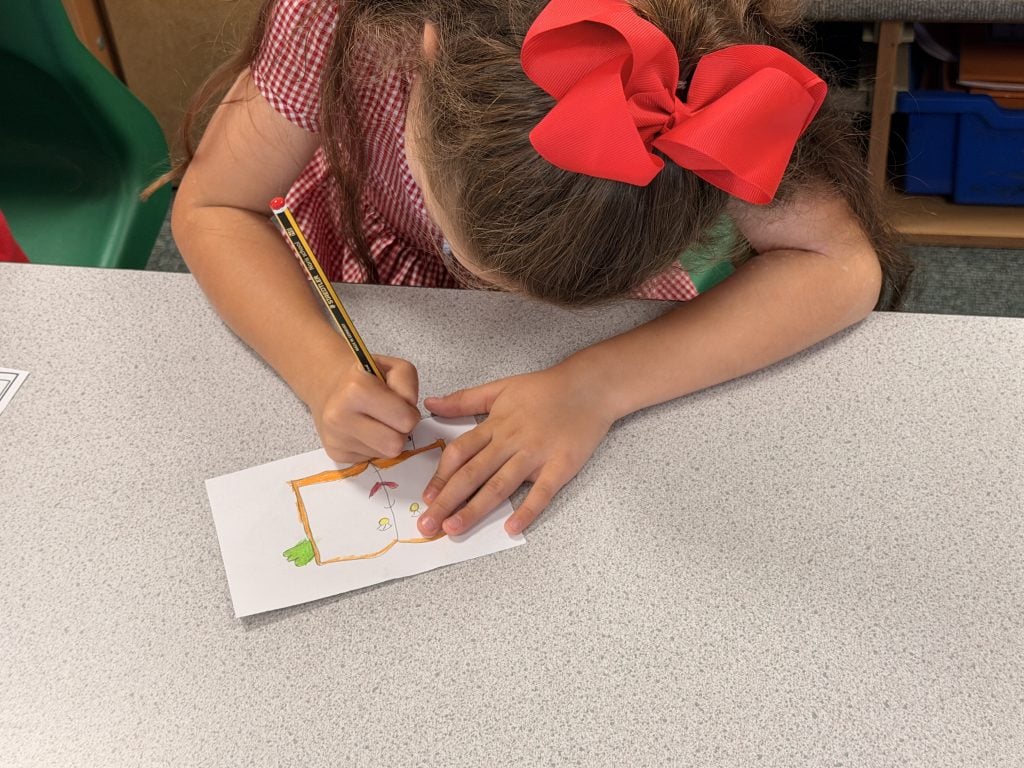
We also spent some time with The Cat in the Hat himself this morning – we watched the story and then had a go at drawing our very own Cat in the Hats. What a great day!!!

A Cup of Compliments

Over the last few weeks in our “Wise Wednesday” crew sessions, Crew Hamilton have been thinking all about our mental health and having a positive mental attitude. This morning we spent our crew session filling each other’s cups with compliments. Some highlights included:

It was lovely to see all the amazing things that the children had noticed in each other.

Building Belonging Through Story: A Powerful Community Meeting

There are moments in school life that remind us why community matters so much.

This week, our Community Meeting was one of those moments.

We gathered together to share the beautiful and thought-provoking picture book The Invisible Boy by Trudy Ludwig. It’s a gentle but powerful story about Brian, a quiet boy who often feels unseen by his classmates. Through simple illustrations and subtle storytelling, we watch how small acts of kindness begin to bring colour into his world — quite literally.

Why This Story?

In our setting, we place huge value on belonging. Before children can truly thrive academically, they must feel safe, valued and visible. The Invisible Boy gave us a shared language to explore:

  • What does it feel like to be left out?
  • How do small actions make a big difference?
  • What does kindness look like in practice?
  • How can we notice those who might feel “invisible”?

The story created a calm, reflective atmosphere. You could have heard a pin drop.

Respectful Conversations in Action

What made the meeting so powerful wasn’t just the story — it was the discussion that followed.

Children spoke with honesty and empathy. They listened carefully to one another. They disagreed thoughtfully. They built on each other’s ideas.

At one point, as we reflected on how Brian was treated, a child confidently said:

“Well that wouldn’t happen at our school.”

Another child added simply:

“They aren’t being kind.”

Sometimes the clearest insights are the most powerful. The children recognised unkindness immediately. They were able to name it. They understood it.

Some children reflected on times they had felt invisible. Others spoke about moments when someone had made them feel included. Many identified simple actions they could take — inviting someone to join a game, noticing who is alone at lunchtime, using kind words.

From Words to Action

Stories give us a mirror and a window — a mirror to see ourselves, and a window to understand others. This Community Meeting reminded us that creating a culture of belonging is not about grand gestures. It is about noticing. Inviting. Including.

If we want every child to feel seen, it starts with each of us.

A smile.
A kind word.
An invitation.

Sometimes the smallest actions bring the brightest colour.

Becoming Story Up-Levelling Experts! ✏️📖

Today we carried on preparing to write our own hunt story!

We revisited what adjectivesverbs and onomatopoeia are and why they make our writing more exciting. Then we split into three teams, each focusing on one type of word. As we listened again to We’re Going on a Bear Hunt by Michael Rosen, we became word detectives, spotting examples in the text to add to our anchor chart.

Next, we helped Mrs Parsons up level a very simple sentence. We added powerful adjectives, exciting verbs and even some onomatopoeia to make it come alive! Some of us even realised we could use commas to make our sentences flow even better — very impressive!

After that, we used our steps to success to improve our own sentences. We became “feature finders”, highlighting where we had used each writing feature — and adding more if we thought we could make it even better.

We now have lots of exciting new vocabulary and brilliant up-levelling skills ready for when we start planning and writing our own Doncaster hunt story! 🐾

Measuring in Metres! 📏

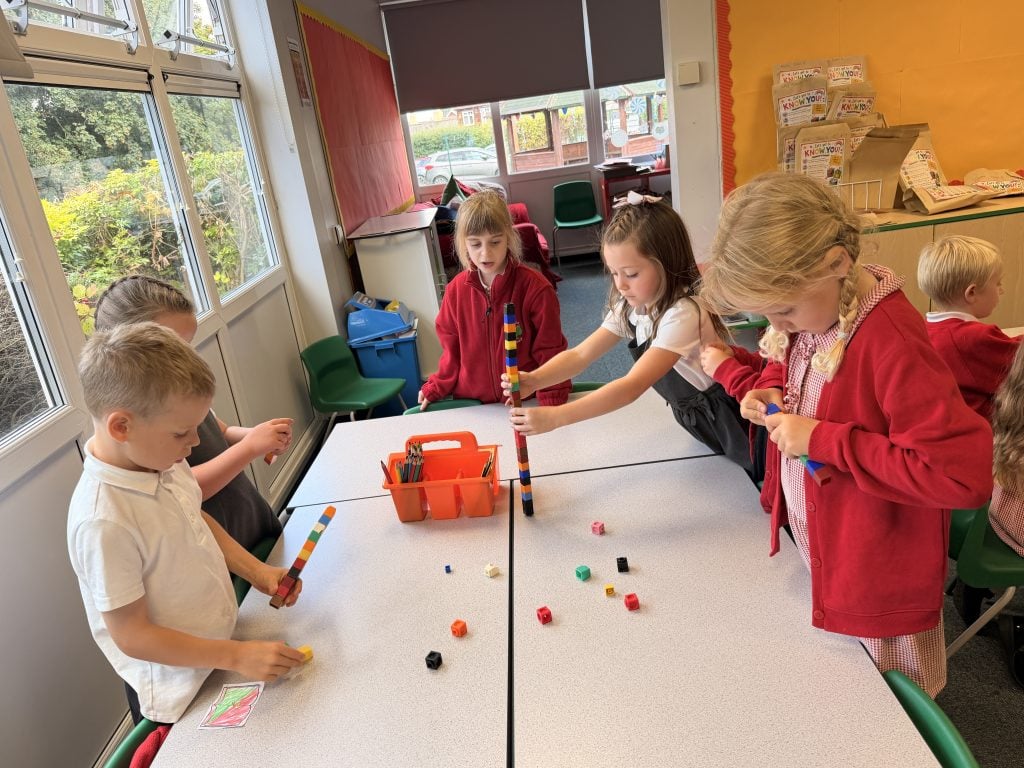
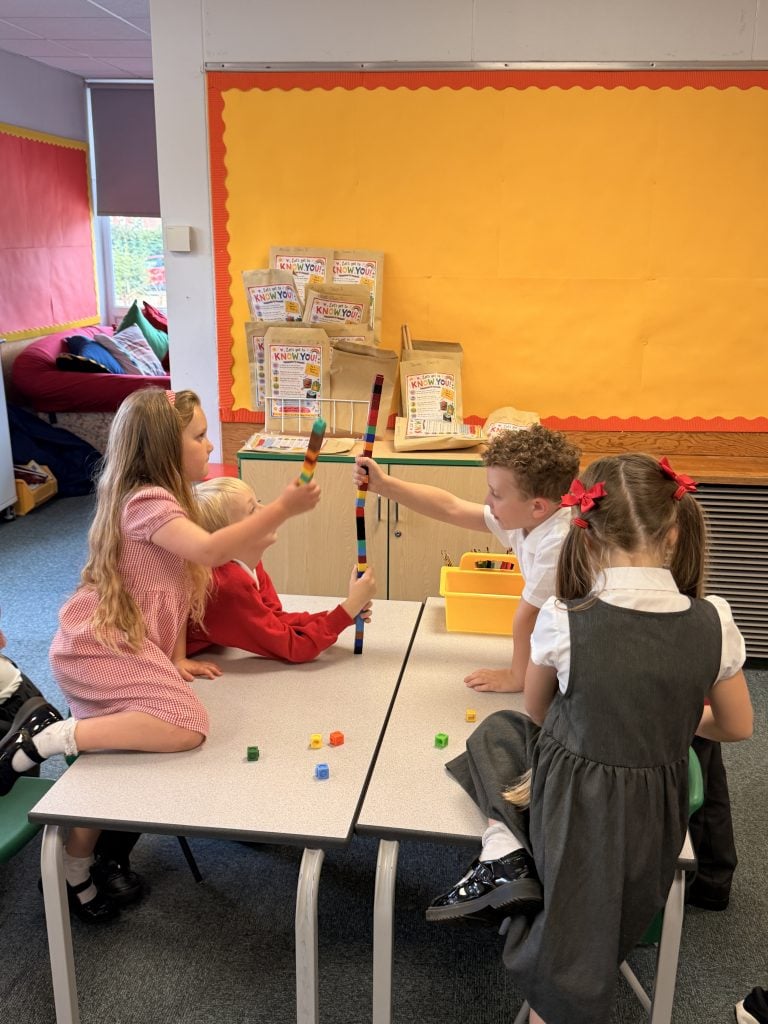
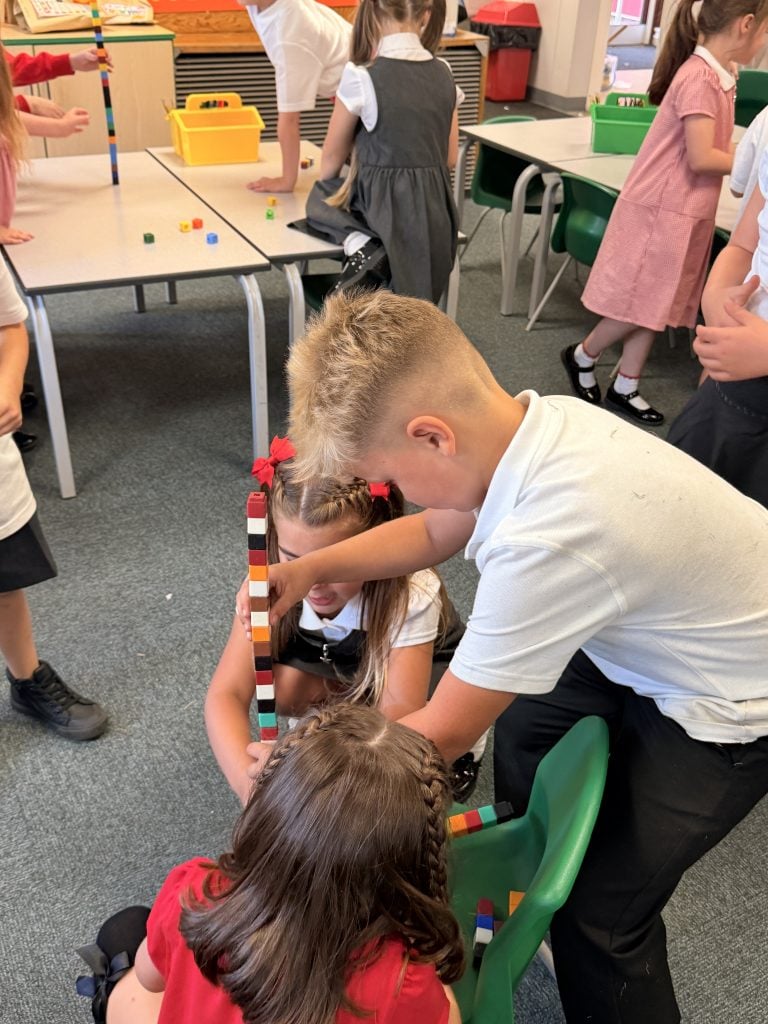
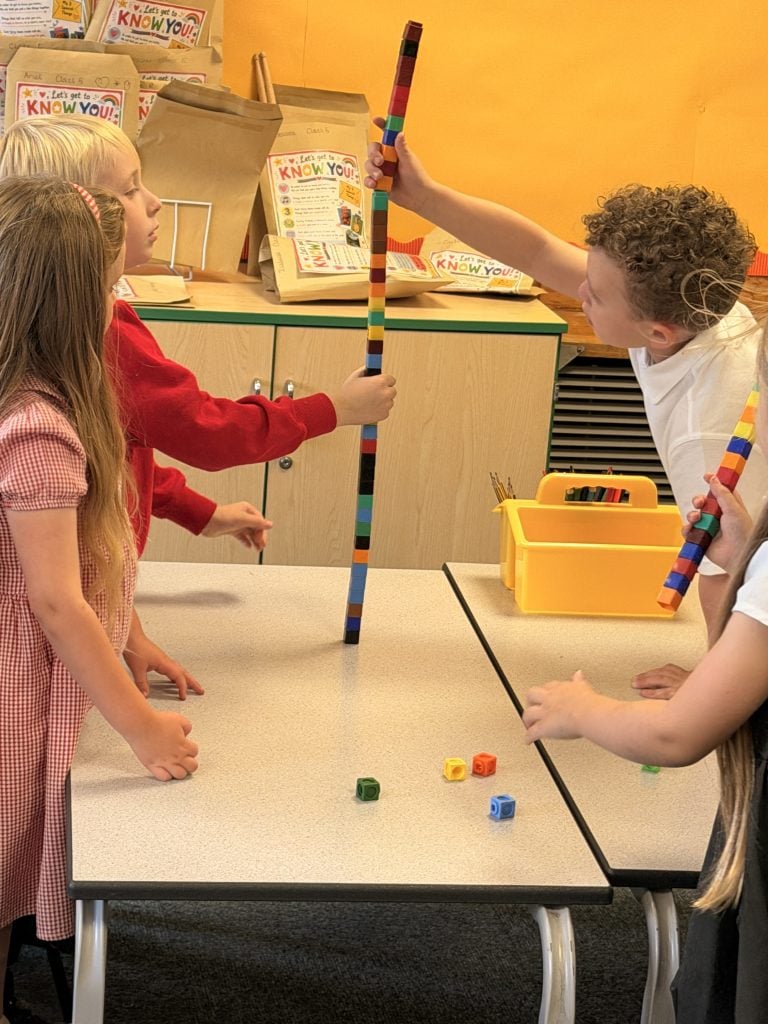
Today we built on our learning about length and height by moving on from centimetres to metres!

We explored our classroom to measure different objects to the nearest metre. We had to think carefully about how long a metre really is and decide which tool would help us measure accurately.

Some of us even challenged ourselves further by measuring more precisely, working out the exact height or length in metres and centimetres. That took lots of careful reading of the scale and brilliant teamwork!

We’re becoming real measuring experts — one metre at a time!

On the Hunt for Story Ideas! 🐾

This week we have started thinking about writing our very own story!

To help us, we are using a story we already know really well — We’re Going on a Bear Hunt by Michael Rosen. We were so impressed with how brilliantly everyone remembered the story from Reception. The actions, the repeated phrases, the order of events — amazing!

First, we worked together to practise our sequencing skills, making sure we could put the story in the correct order. Then we really challenged ourselves with a reading comprehension to test our understanding. We had to think carefully and look back at the text to help us.

Finally, we zoomed in on some of the powerful vocabulary in the story — words that might help make our own writing exciting and descriptive.

Now we are getting ready to plan our own hunt story… but this time it will be set in Doncaster, using all the landmarks we have been learning about!

The big question is… I wonder what animal might be in our hunt? 🐾👀

Rulers at the ready …

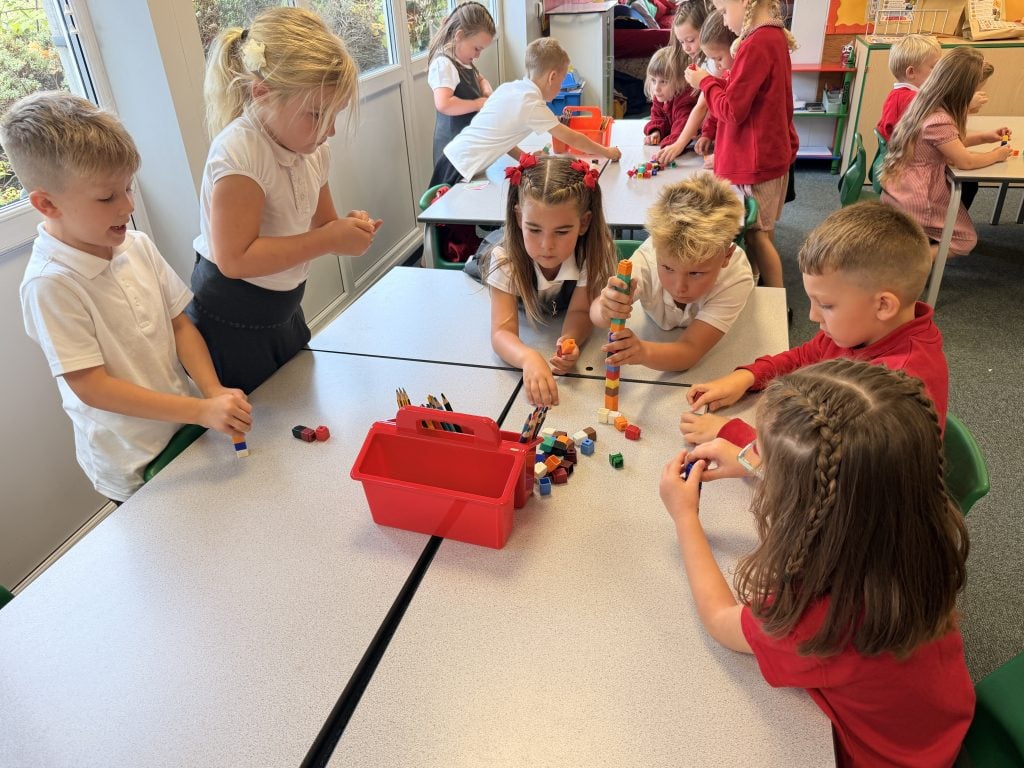
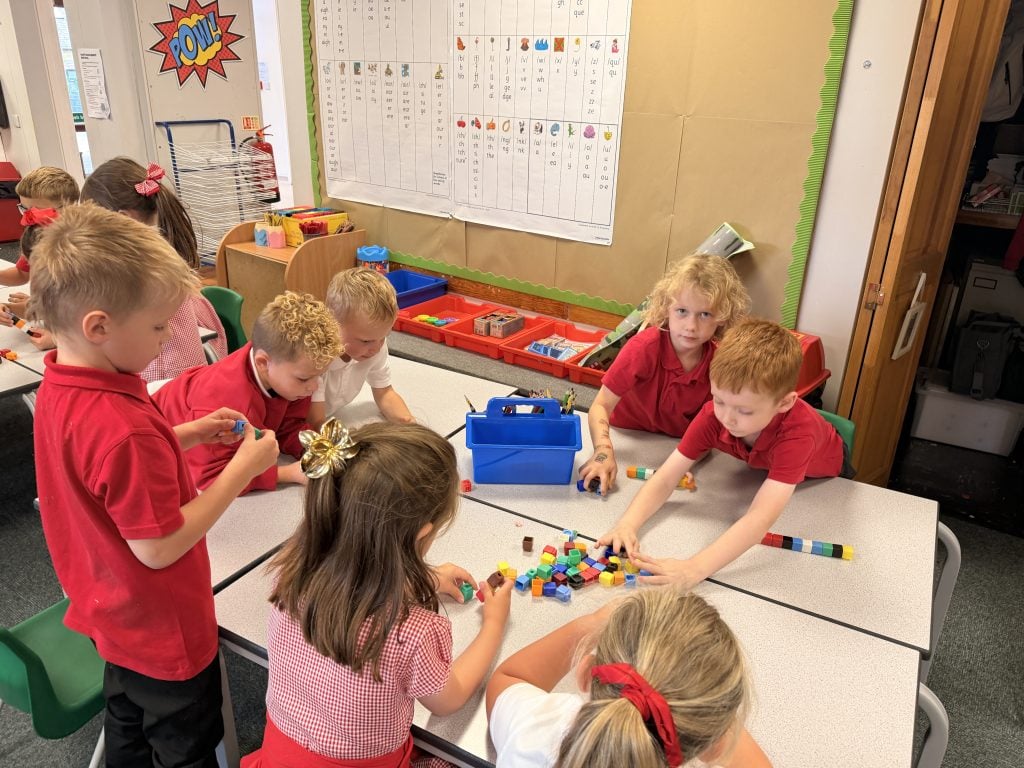
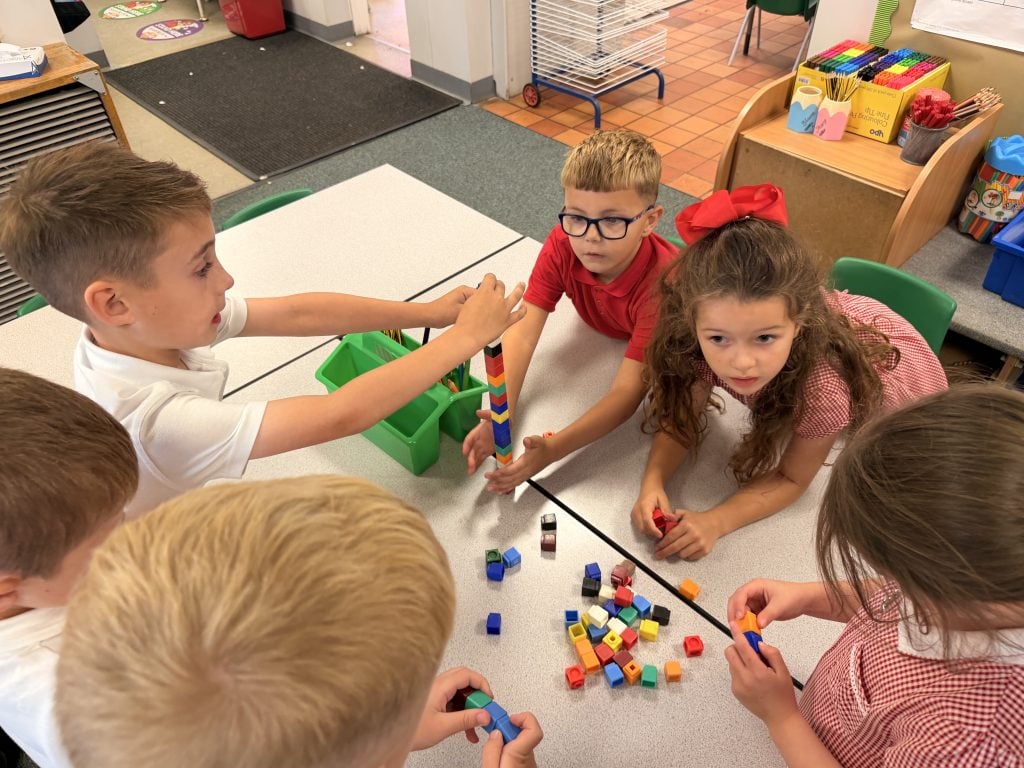
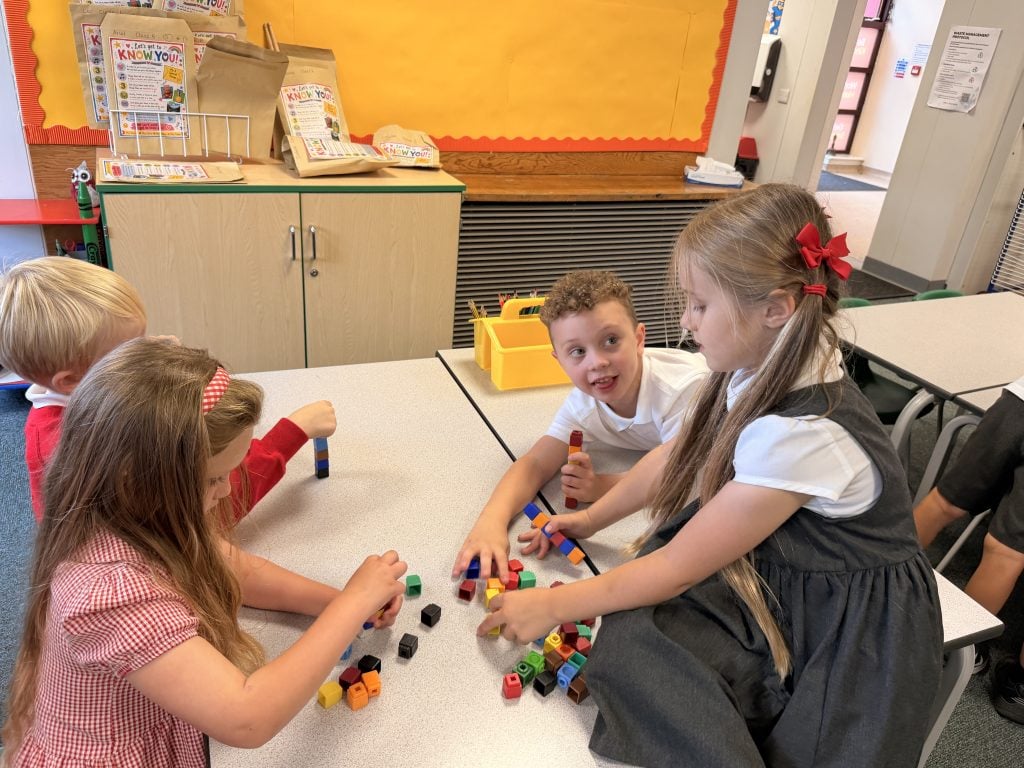
This week we started our brand new maths unit all about length and height — and we’ve had a great first lesson!

We practised using rulers carefully to measure and draw lines. We had to remember to start at zero, line the ruler up straight and read the numbers carefully. It was a bit tricky at first, but we didn’t give up!

There was lots of resilience in the room and some brilliant teamwork, with children helping each other to check their measurements and fix little mistakes. We love how everyone kept trying, even when it felt challenging.

A huge shout-out to Tiny the turtle, who showed fantastic determination and got his measuring question right — we were super proud! 🐢✨

We can’t wait to keep growing our measuring skills over the next few weeks!

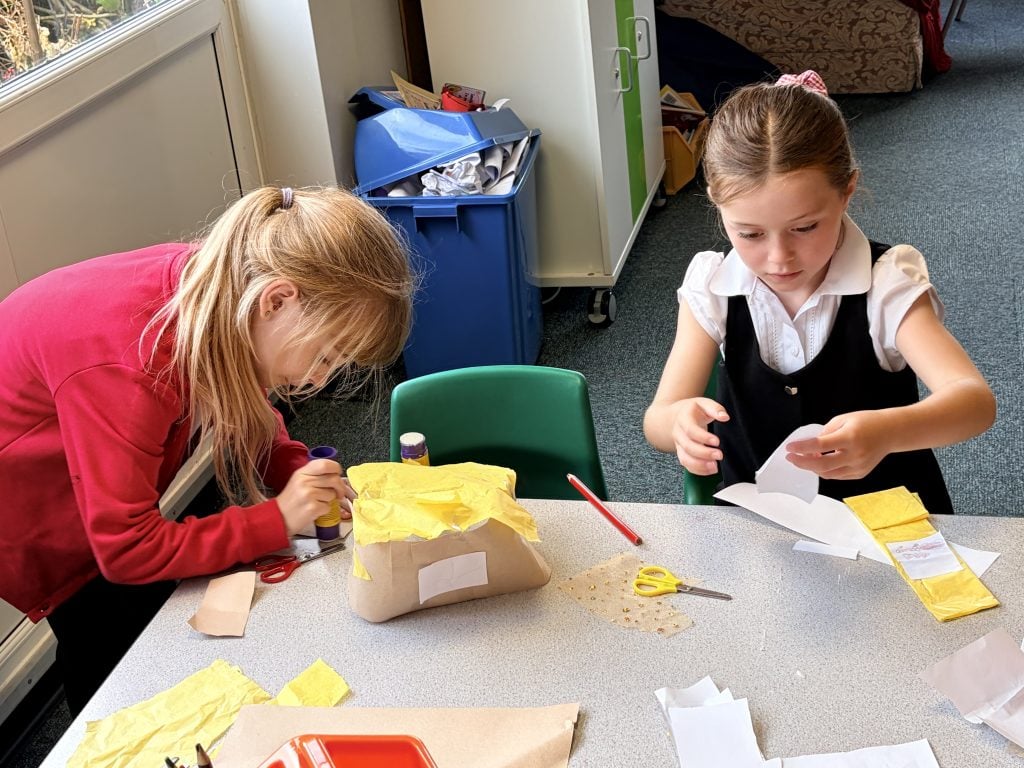
Designing, Developing and Defining ‘Fun’ 🎲

This week, we revisited one of our big guiding questions: What is a game?

The children began by thinking deeply about what makes a game a game. Is it the board? The rules? The players? The competition? The challenge? Together, we explored the component parts of games and generated a long list of materials we might need — boards, dice, counters, cards, questions, instructions and packaging.

Then came a lovely moment of realisation: when all of those parts come together successfully, they create one very important outcome — fun.

Explaining Our Learning

We were proud to welcome Chris Backe in to work with us. The children confidently explained what our board game is about and why we have been learning so much about Doncaster’s landmarks, geography and history. It was wonderful to see them articulate the purpose behind their learning — not just what they had done, but why it mattered.

Having a real expert in the room helped to reinforce that this work is authentic. The children are not just completing a task; they are designing something meaningful for a real audience.

Making Thoughtful Design Choices

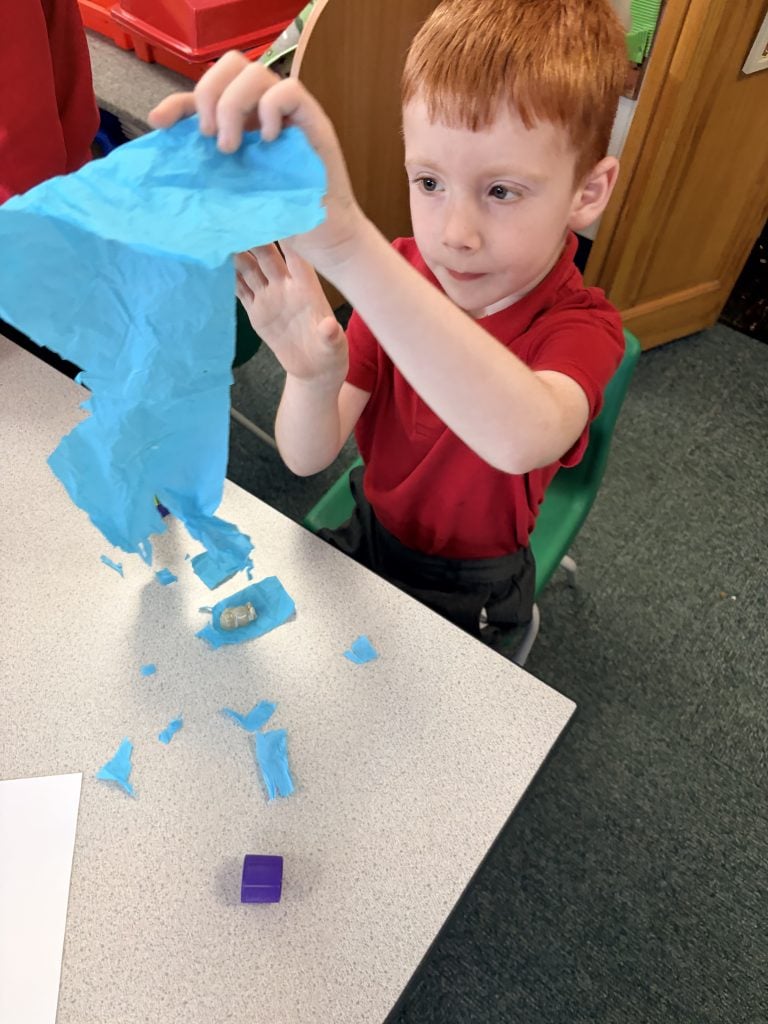
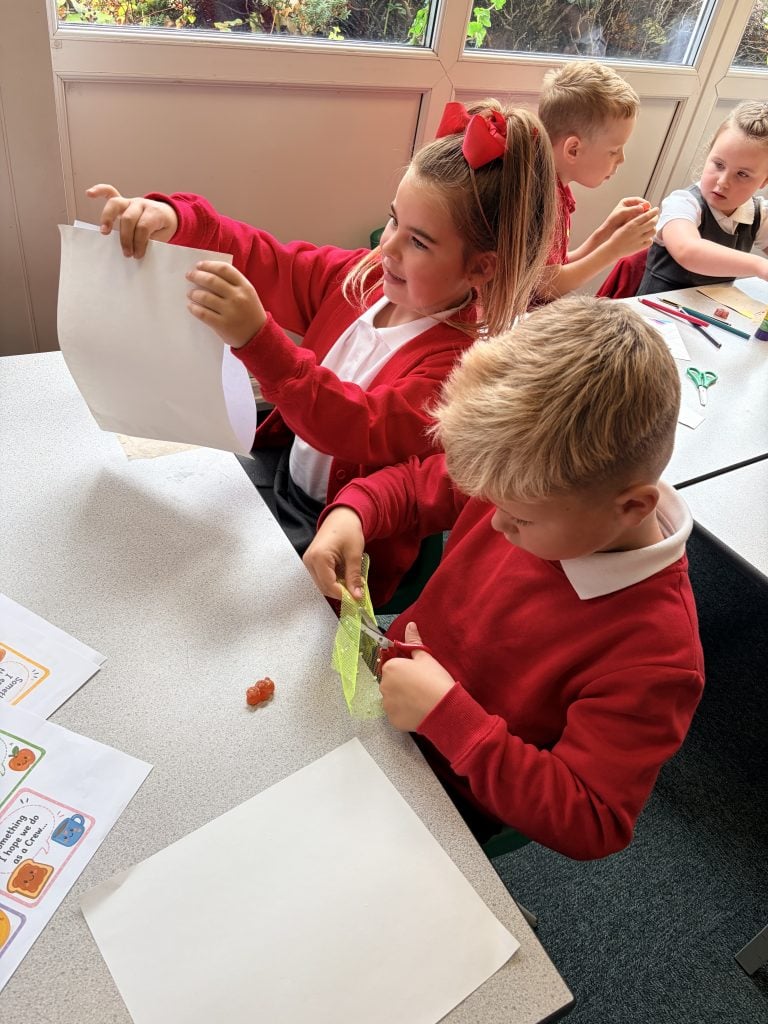
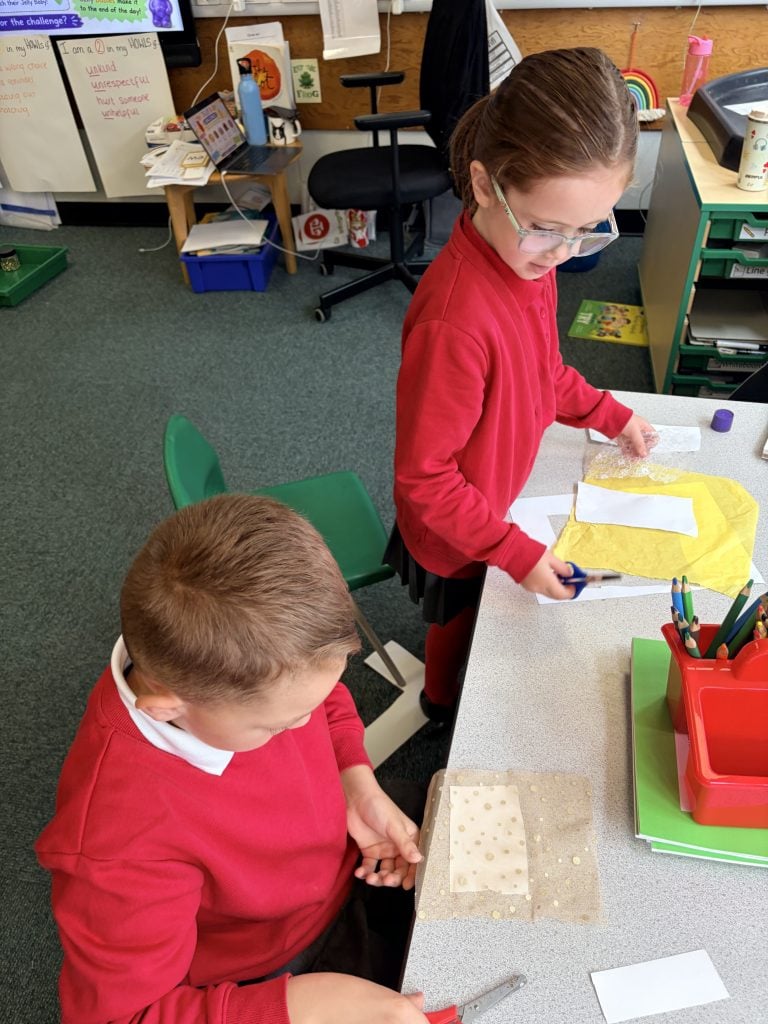
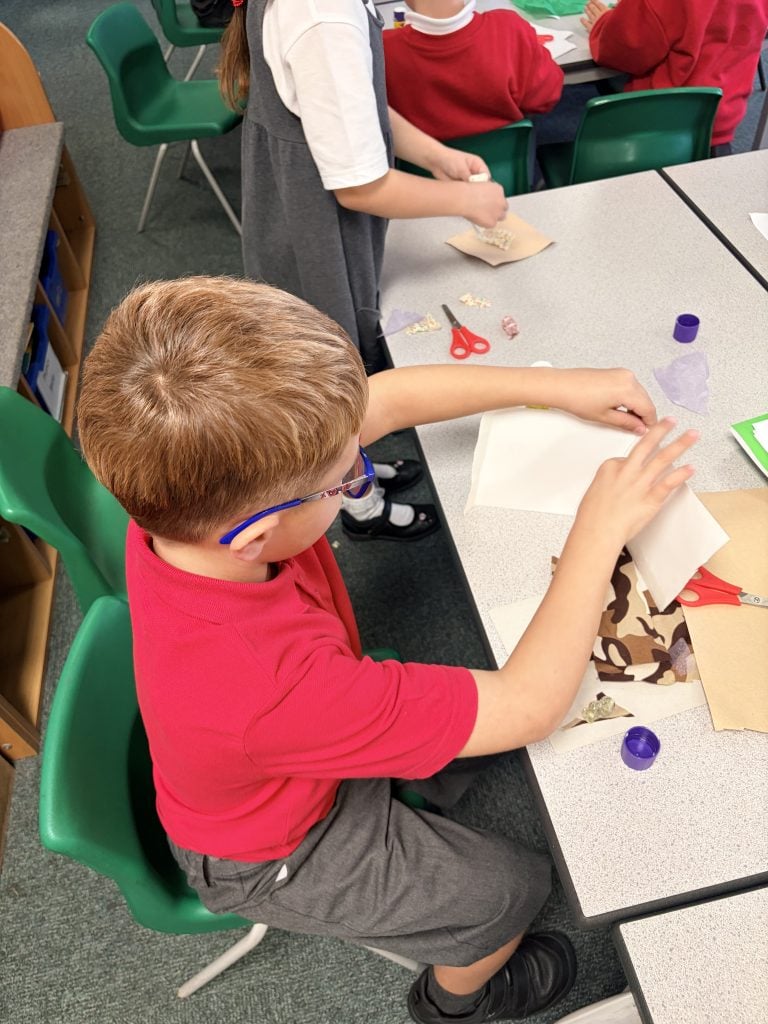
Next, the children designed their own game cards and carefully placed them into plastic pouches. This wasn’t just a practical step — it was a design decision.

We discussed:

  • Durability — game cards need to last.
  • Protection — they will be handled many times.
  • Material choice — why plastic, rather than paper or fabric, would be most suitable.

It was fantastic to see the children thinking like designers and manufacturers, considering the properties of materials and the long-term use of their product.

Creating, Testing and Adapting

The children then moved on to designing their own boards. This involved creativity, teamwork and — importantly — adaptability.

As they began to play their games, they quickly realised that rules sometimes need refining. Some games were too easy. Some were too tricky. Some needed clearer instructions. Rather than seeing this as a problem, the children embraced it as part of the design process.

They:

  • Tested their ideas.
  • Adapted their rules.
  • Improved their layouts.
  • Refined their thinking.

This kind of iterative design process is exactly what real game designers do.

Learning with Purpose

We were incredibly lucky to spend the morning refamiliarising ourselves with Doncaster landmarks, supported by a real expert guiding our thinking. This helped the children ensure their questions, illustrations and gameplay accurately reflected the place we call home.

Throughout the session, the children demonstrated:

  • Collaboration
  • Critical thinking
  • Creativity
  • Pride in their local area

Most importantly, they showed that when knowledge, skill and imagination come together — it really does create something special.

We can’t wait to share the finished games with you soon! 🎉

Celebrating Chinese New Year in Class 5

This week, we have been learning all about Chinese New Year and how it is celebrated. We found out that this year is the Year of the Horse and enjoyed learning about the animals in the Chinese zodiac. We also discovered which year we were born in, and lots of us were excited to find out we were born in the Year of the Pig or the Year of the Dog!

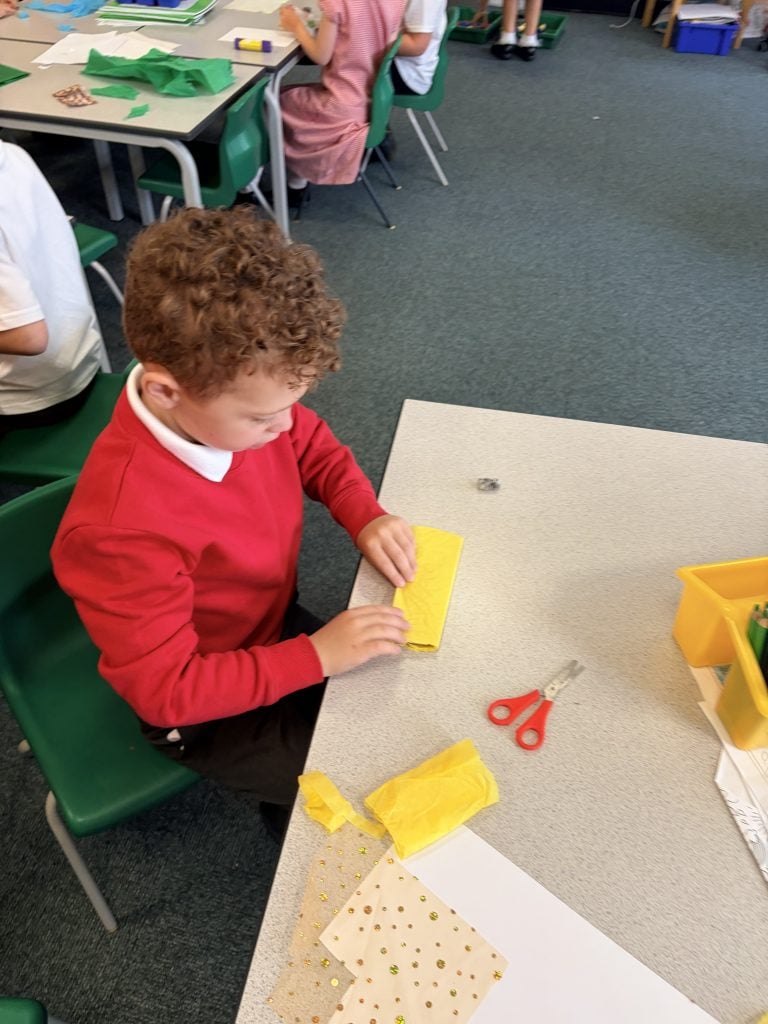
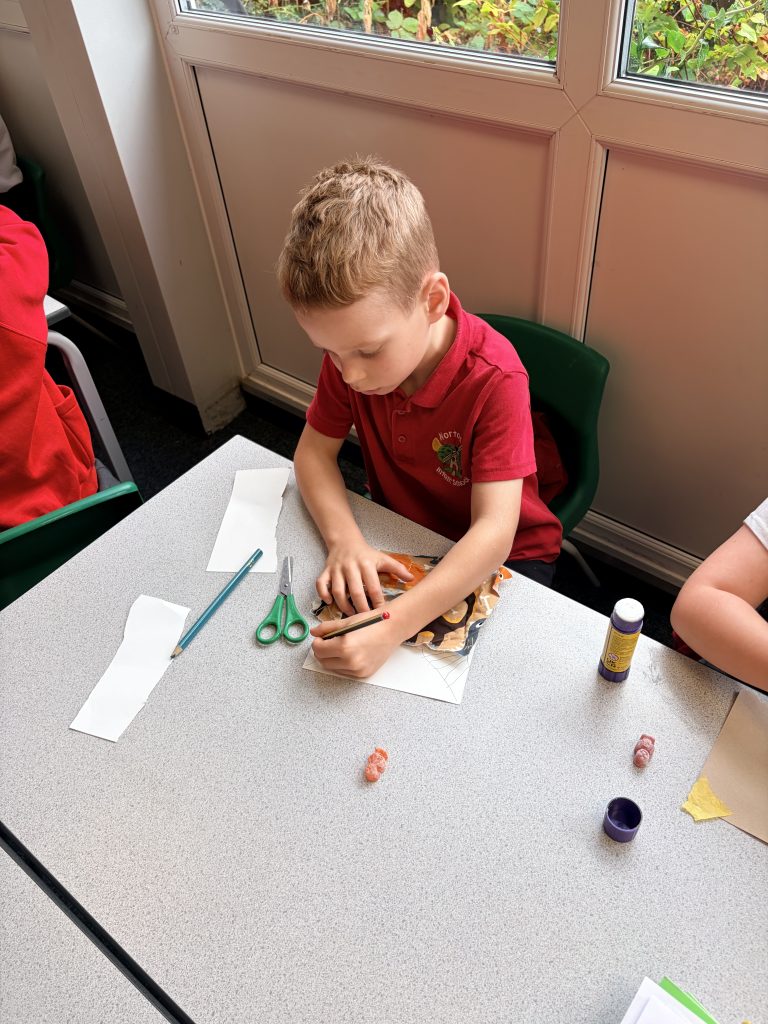
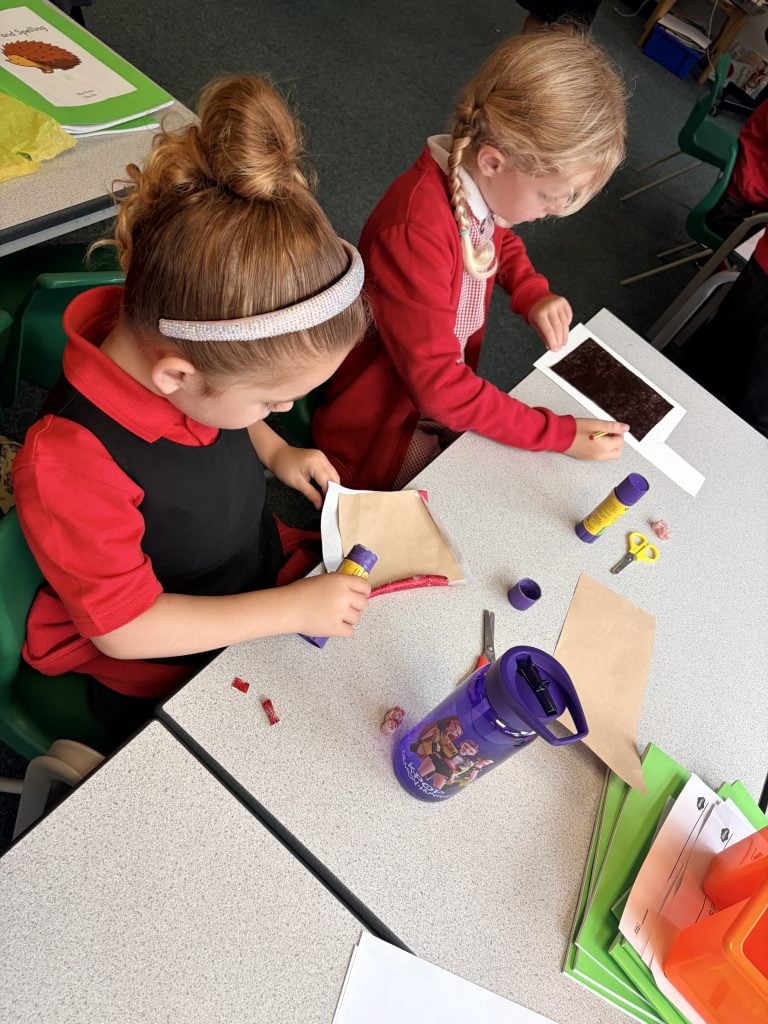
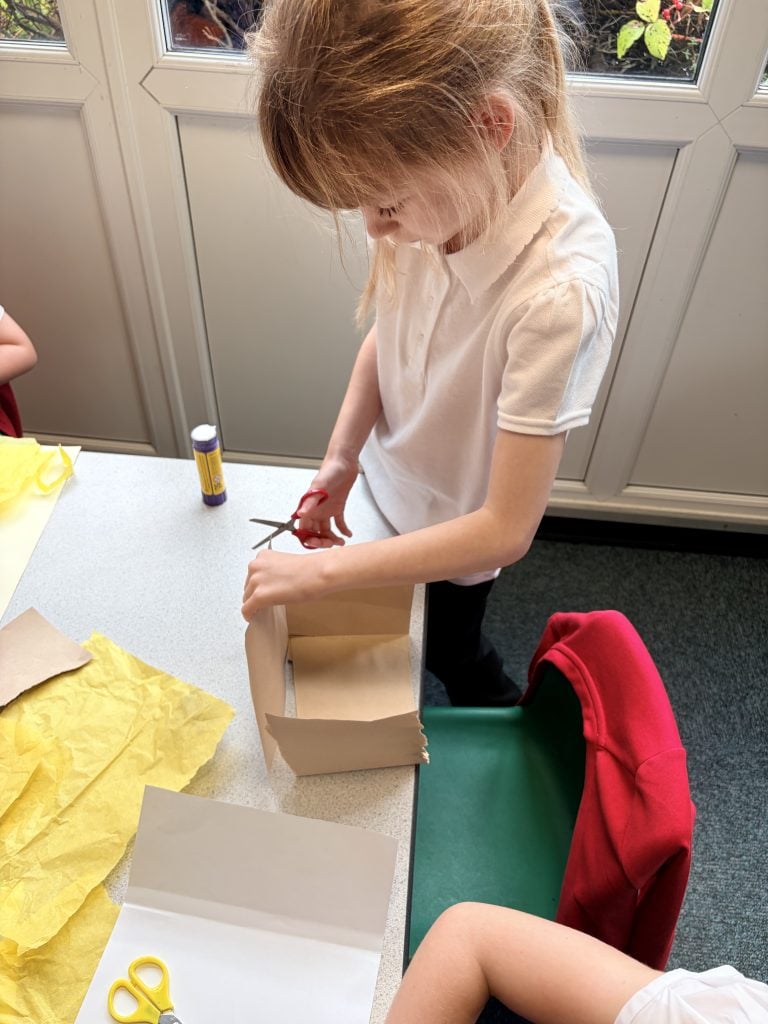
This morning, we tried something new by practising our handwriting in Mandarin. We had a go at writing Happy New Year  and talked about how different the characters look compared to the letters we usually write. We also made beautiful Chinese lanterns using bright colours and patterns, which we were very proud of.

It has been a fun and interesting way to learn about another culture, and the classroom has been full of excitement as we celebrated Chinese New Year together. 🐎🏮