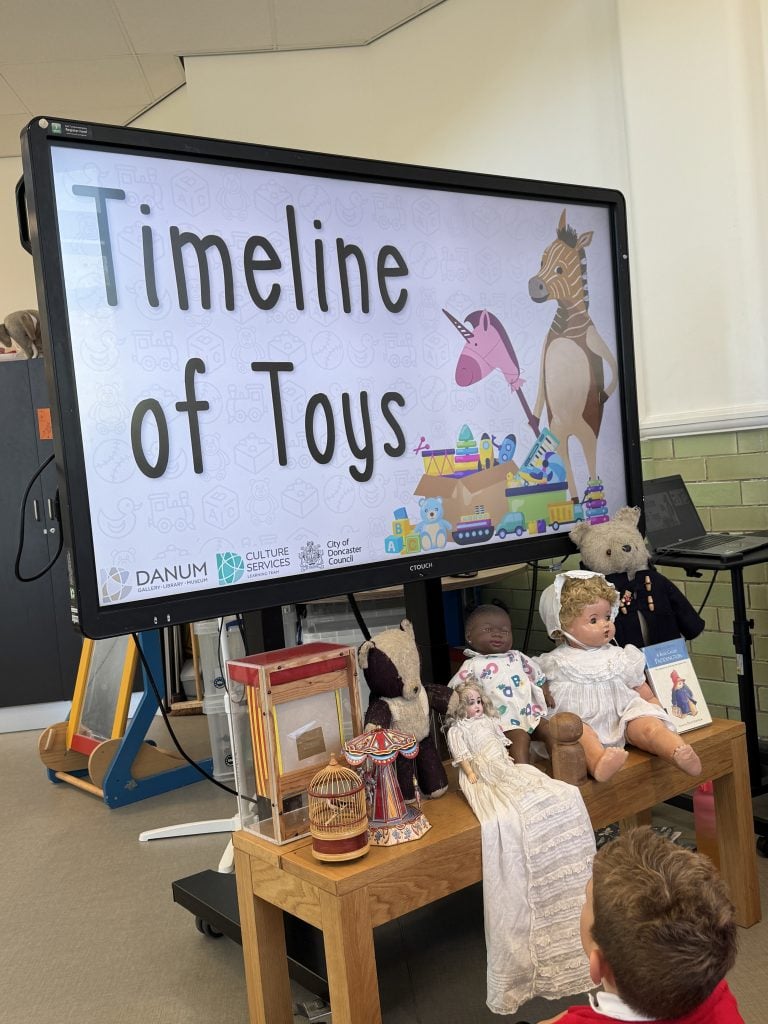
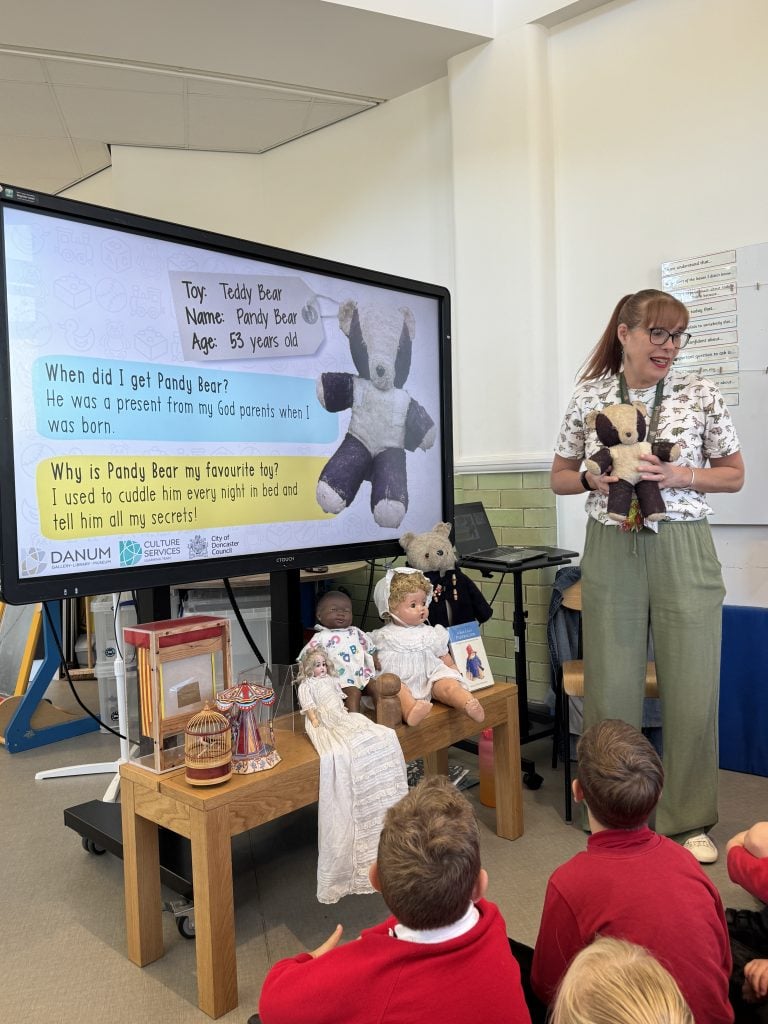
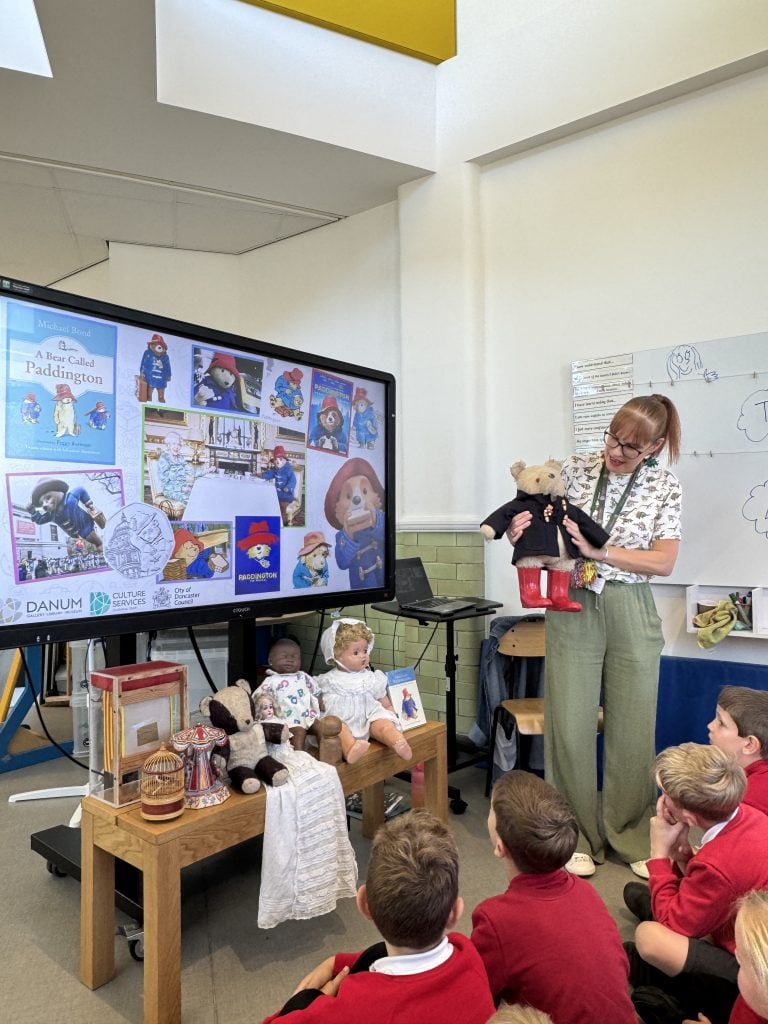
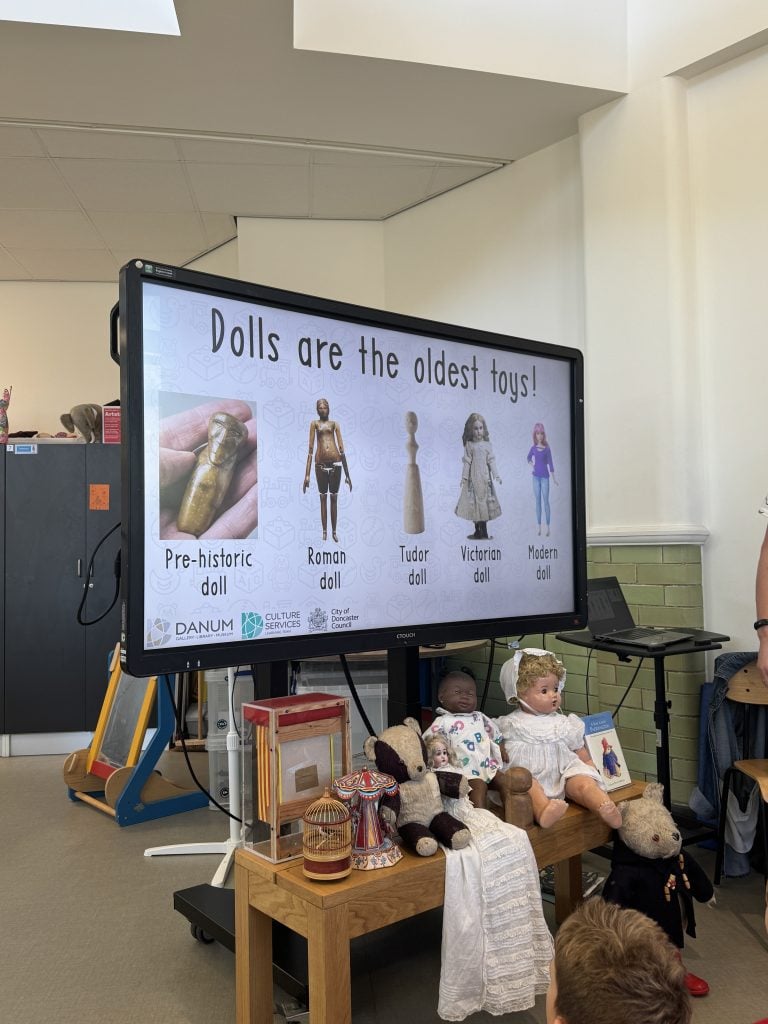
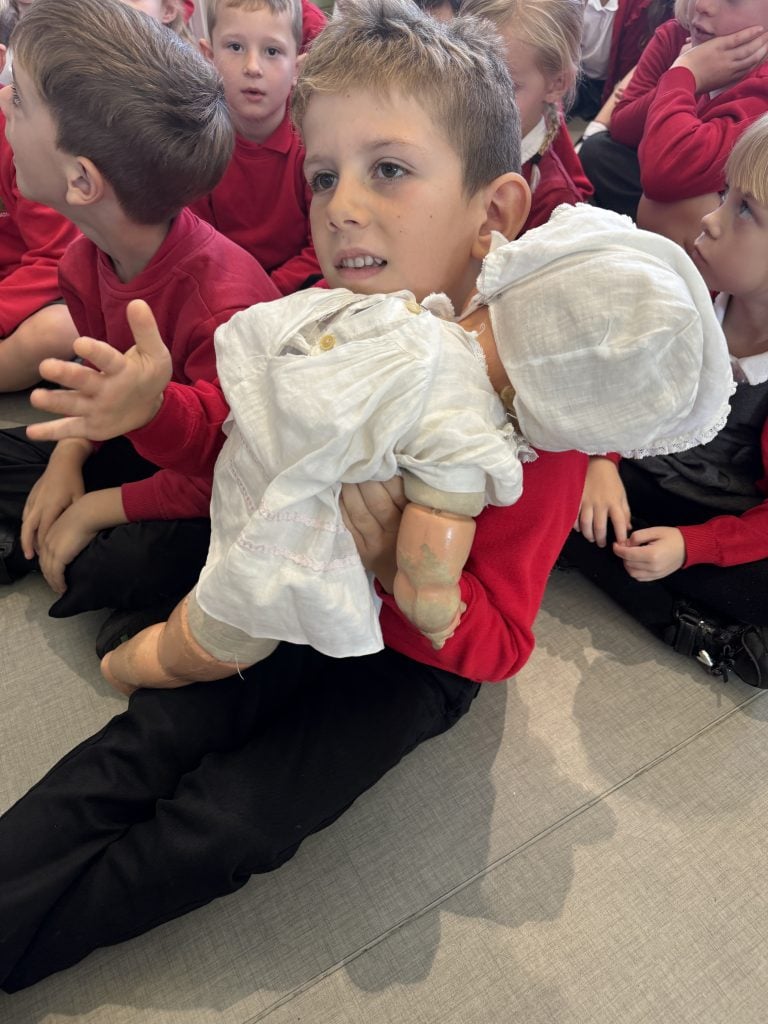
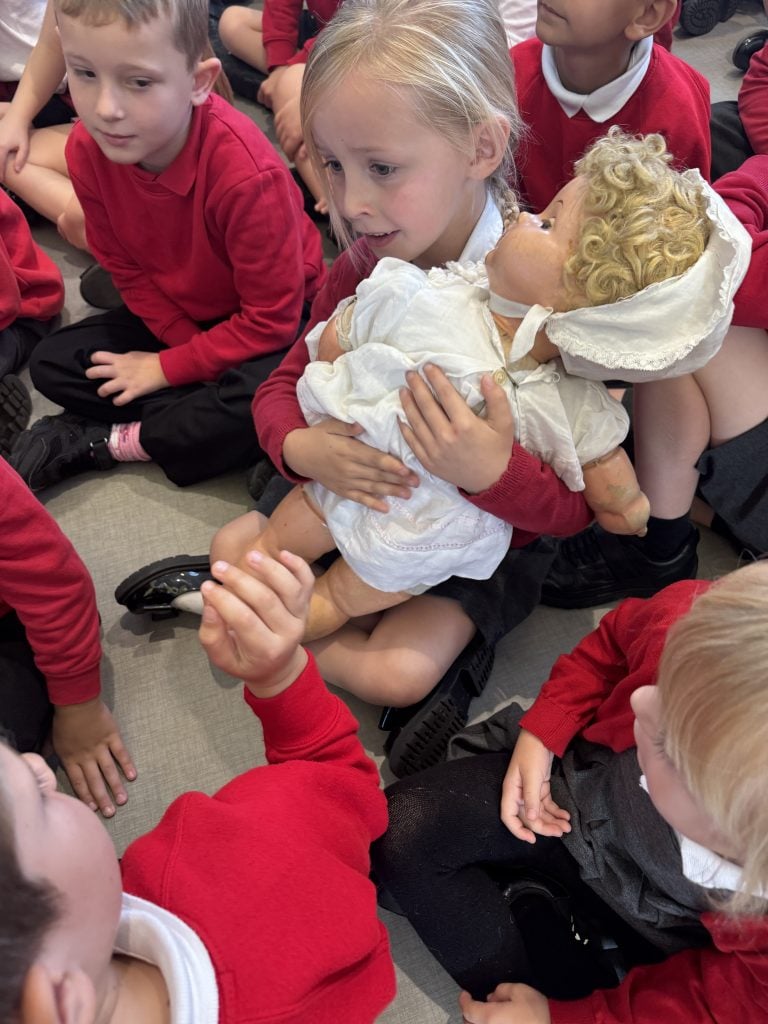
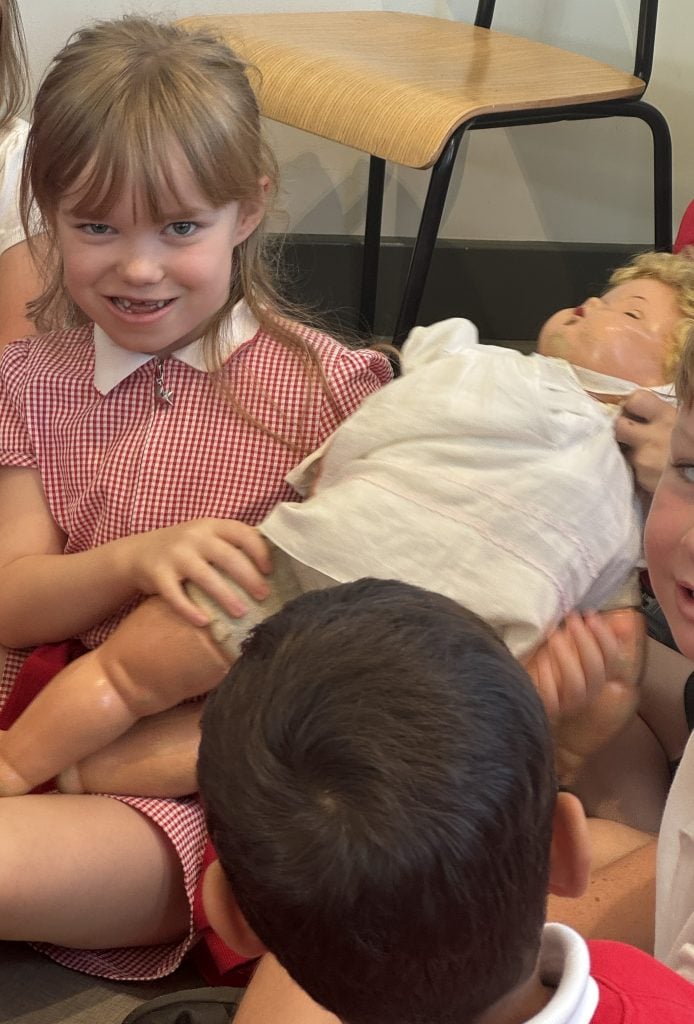
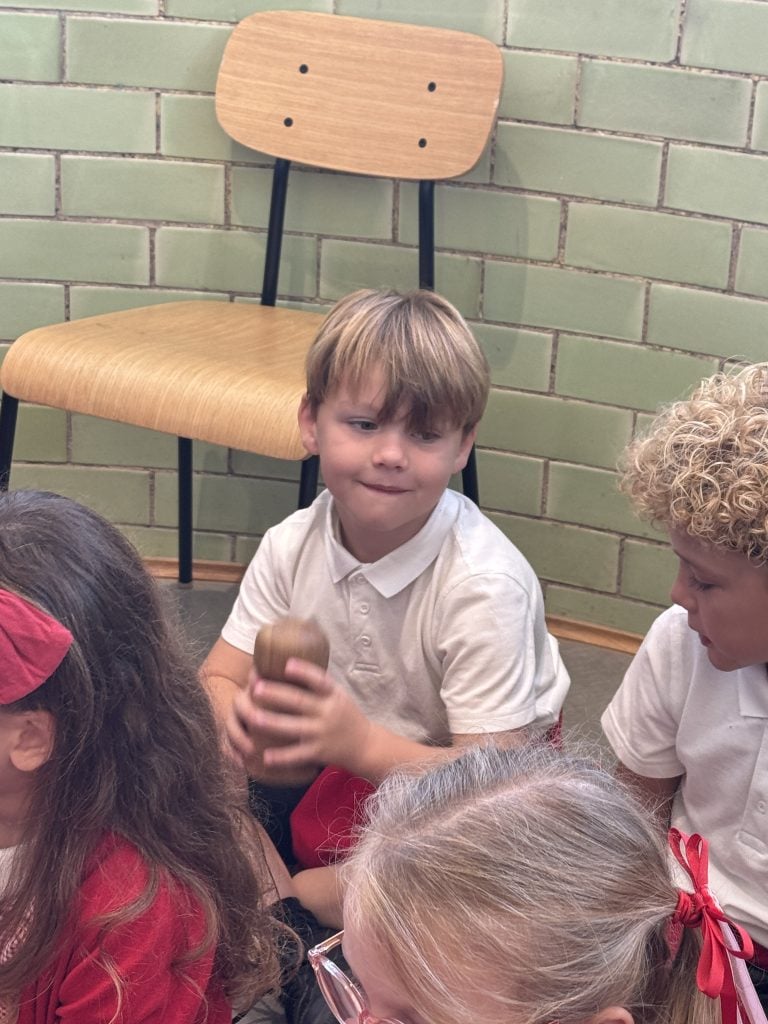
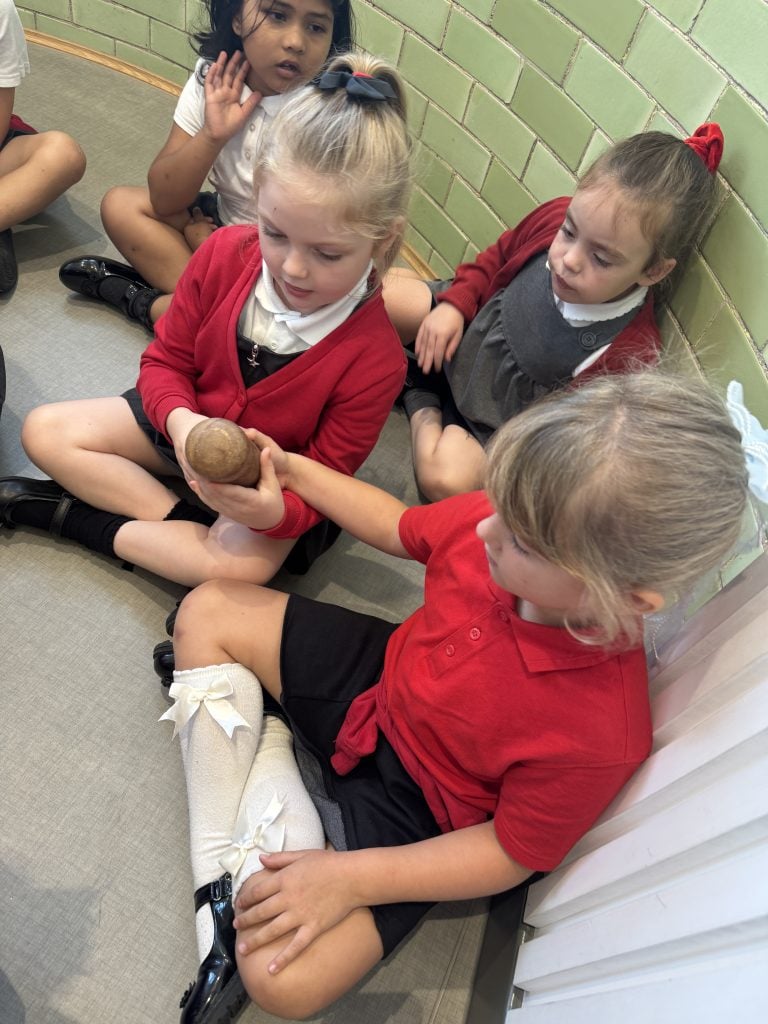
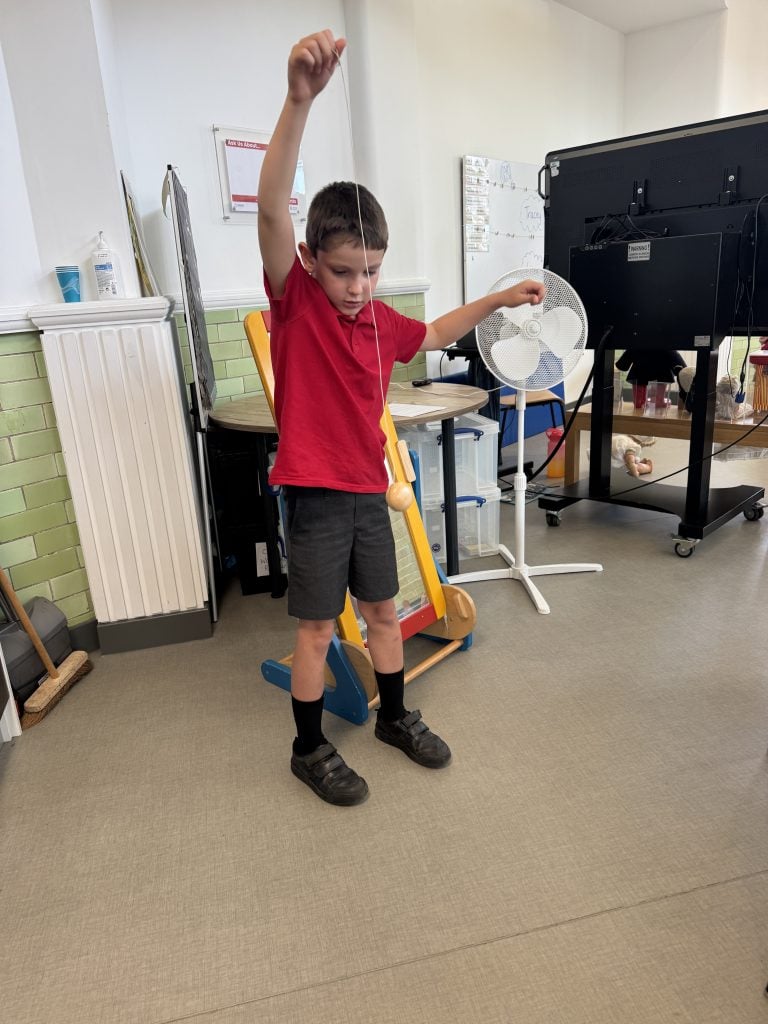
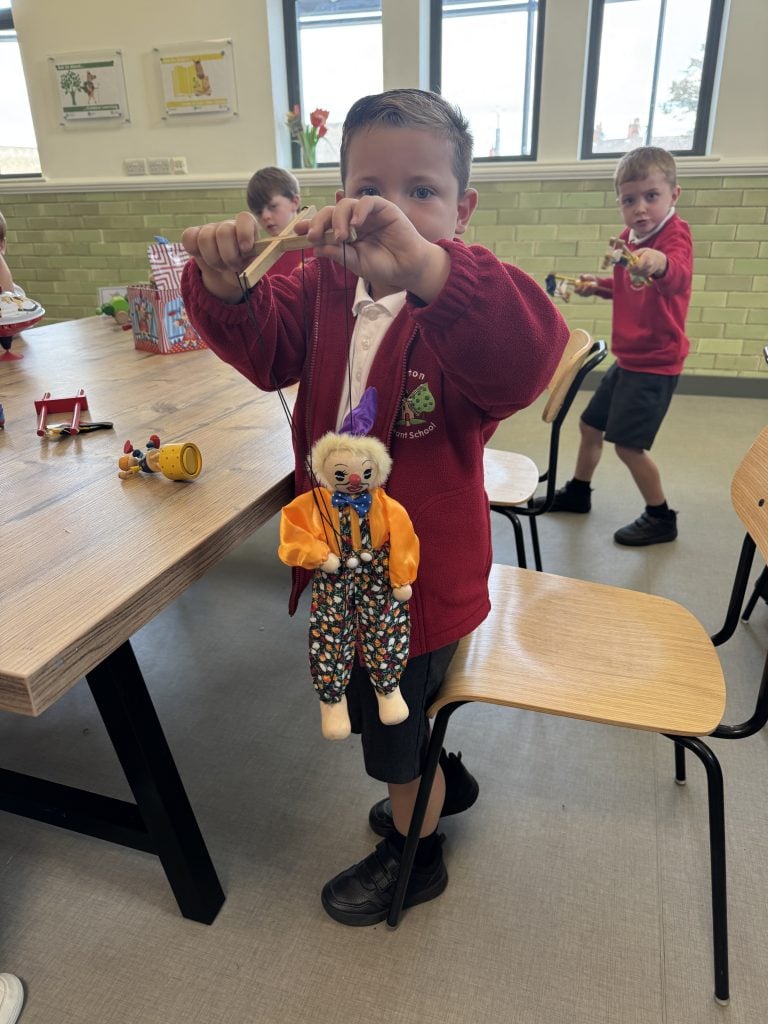
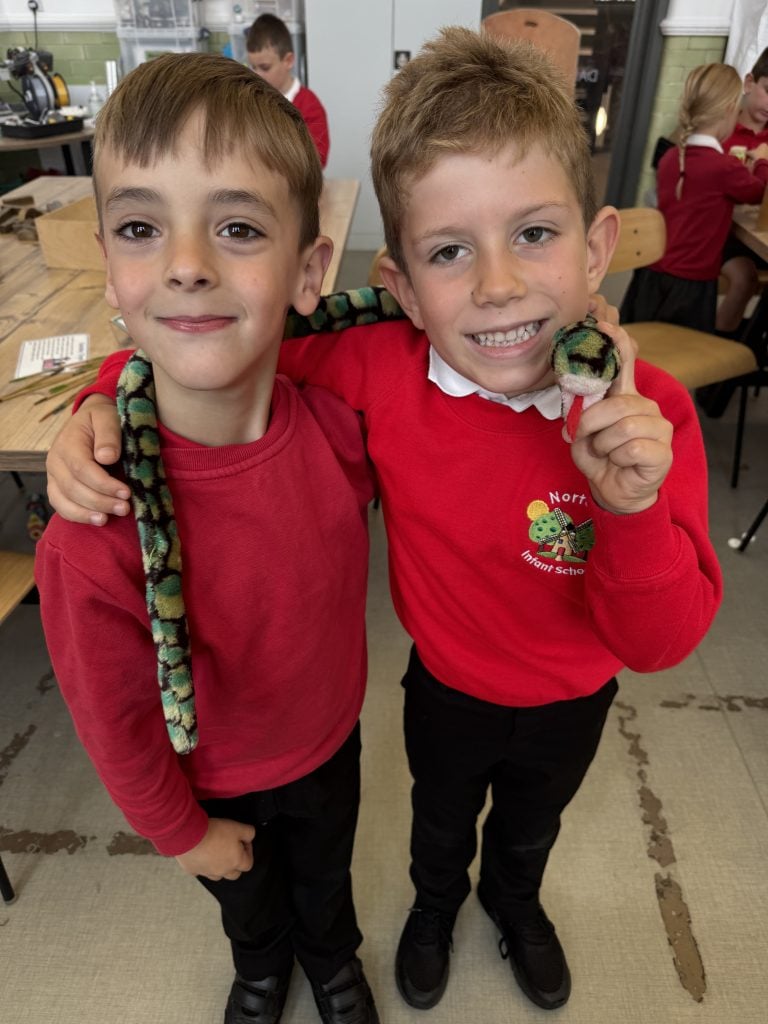
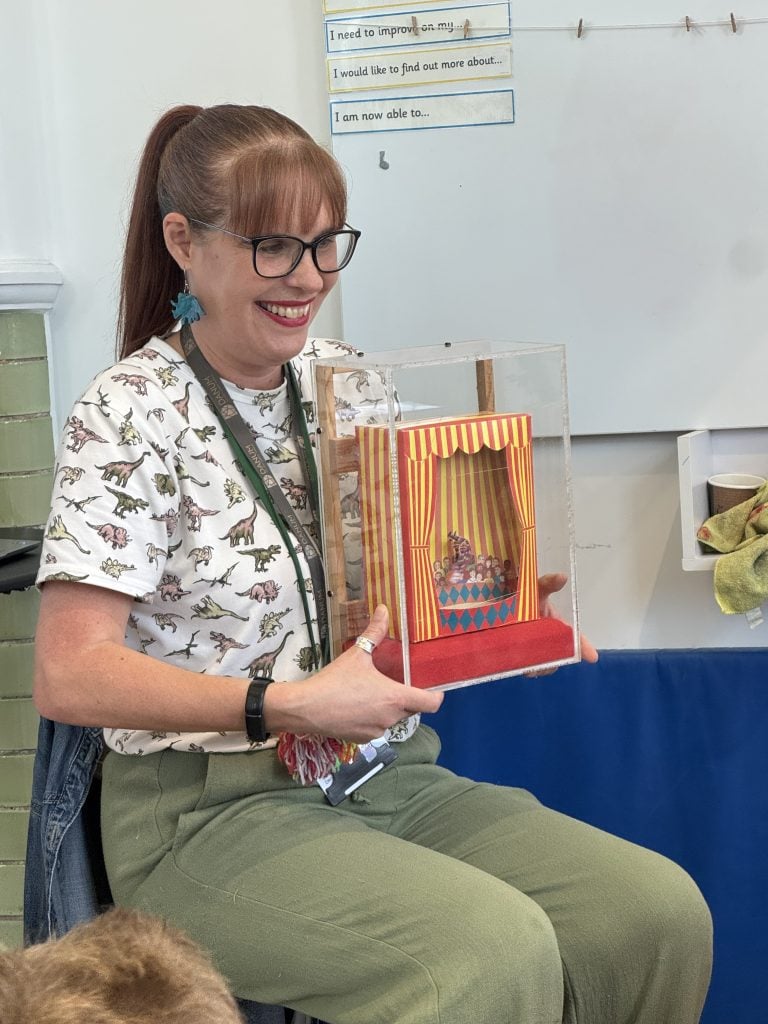
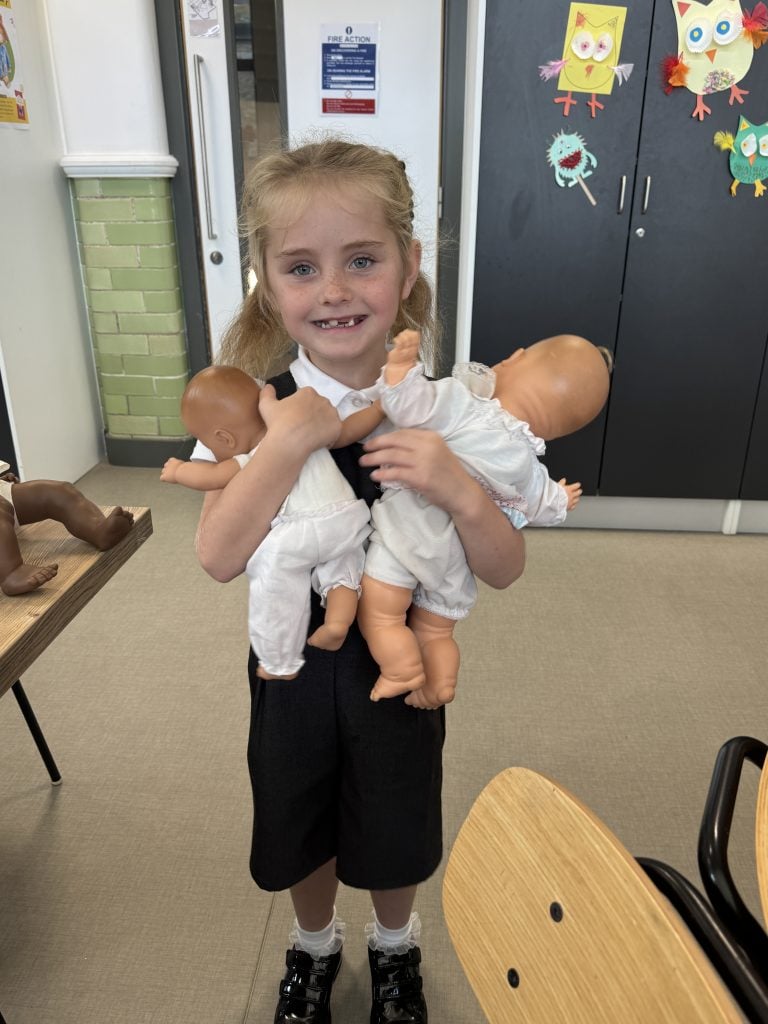
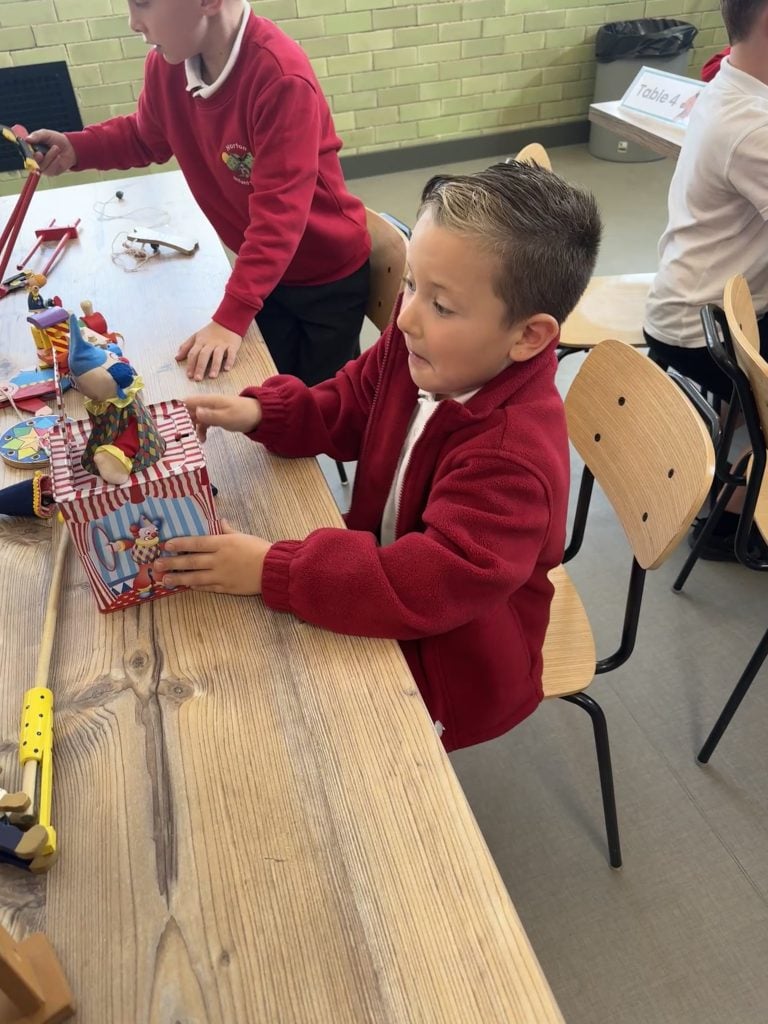
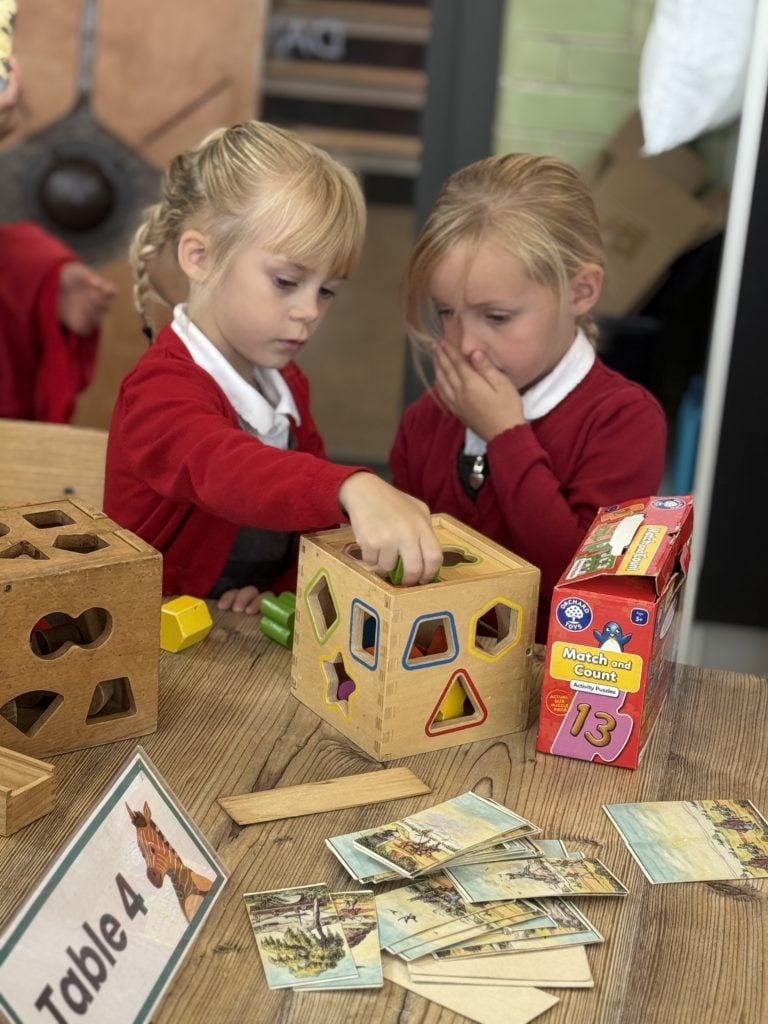
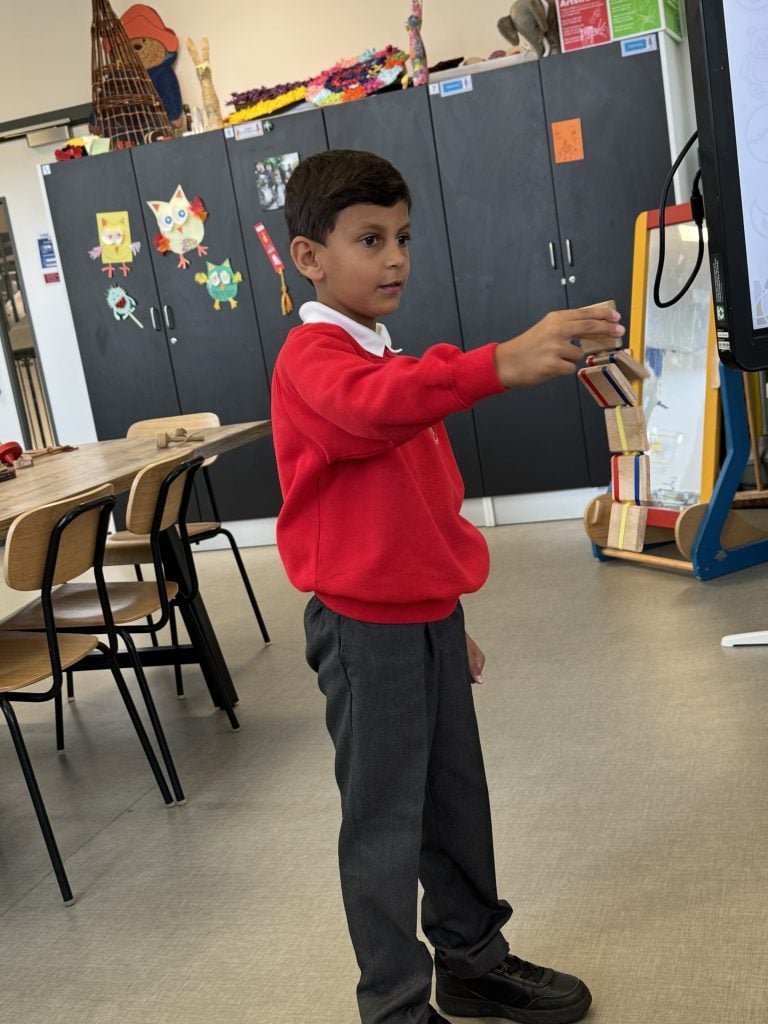
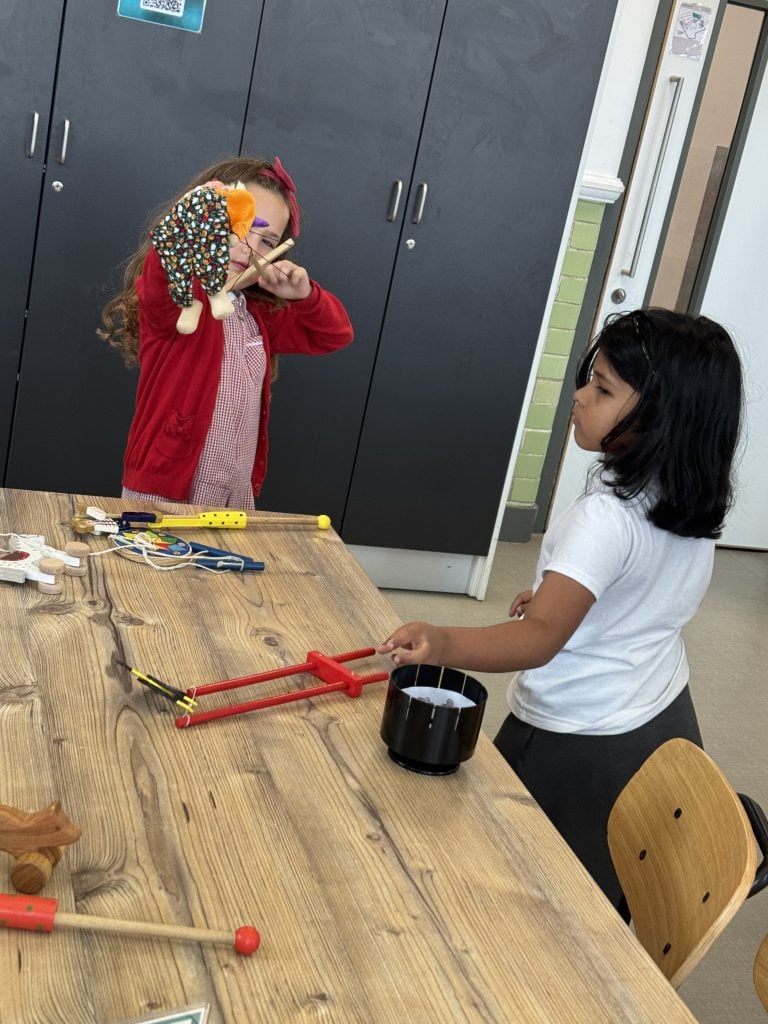
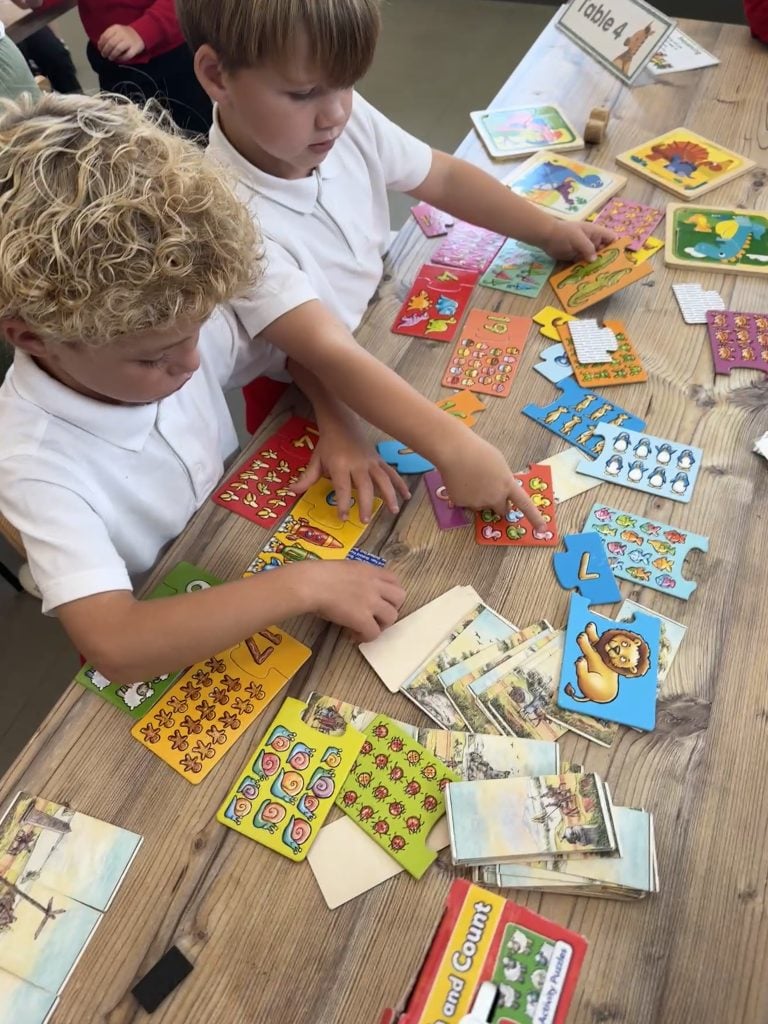
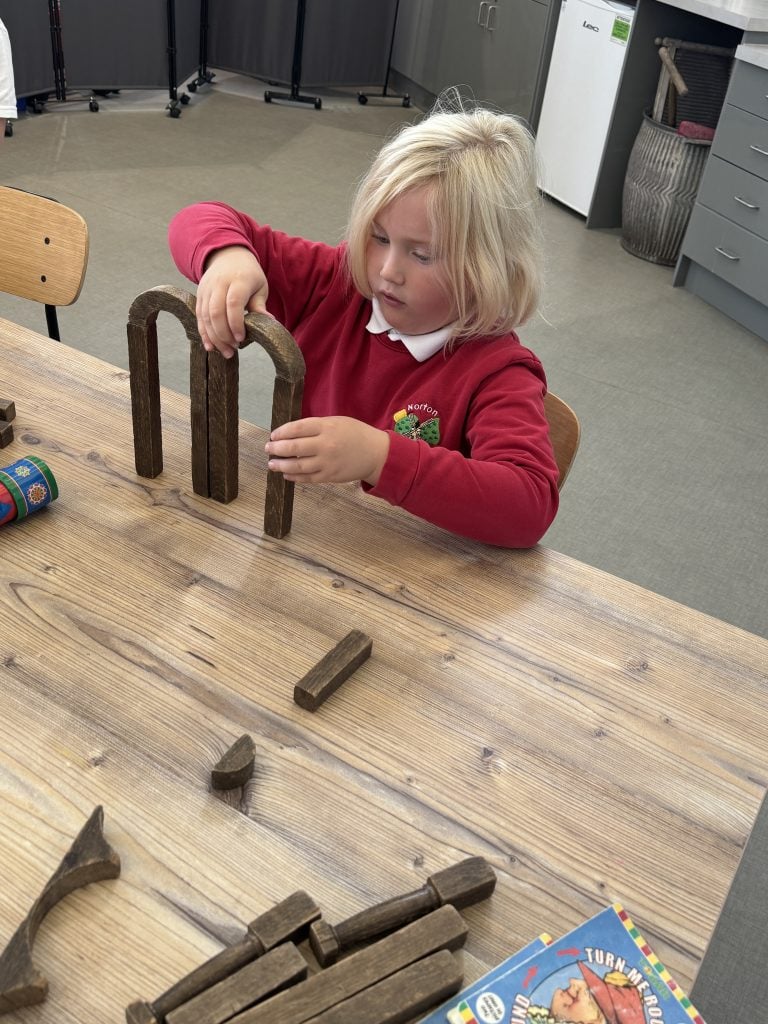
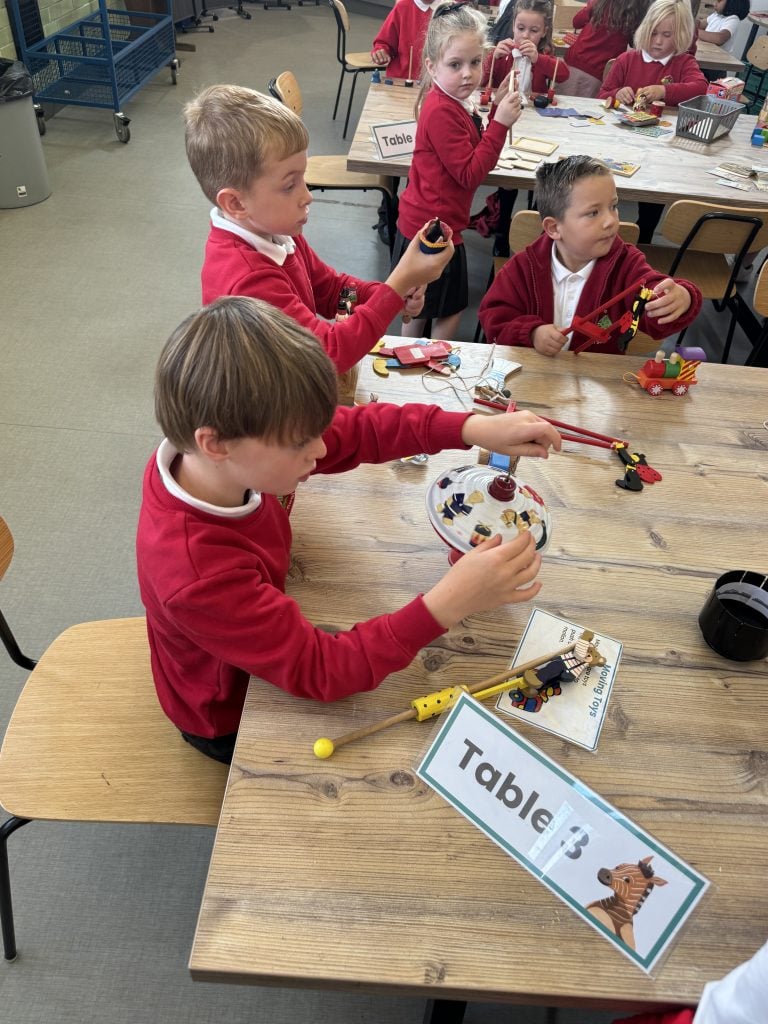
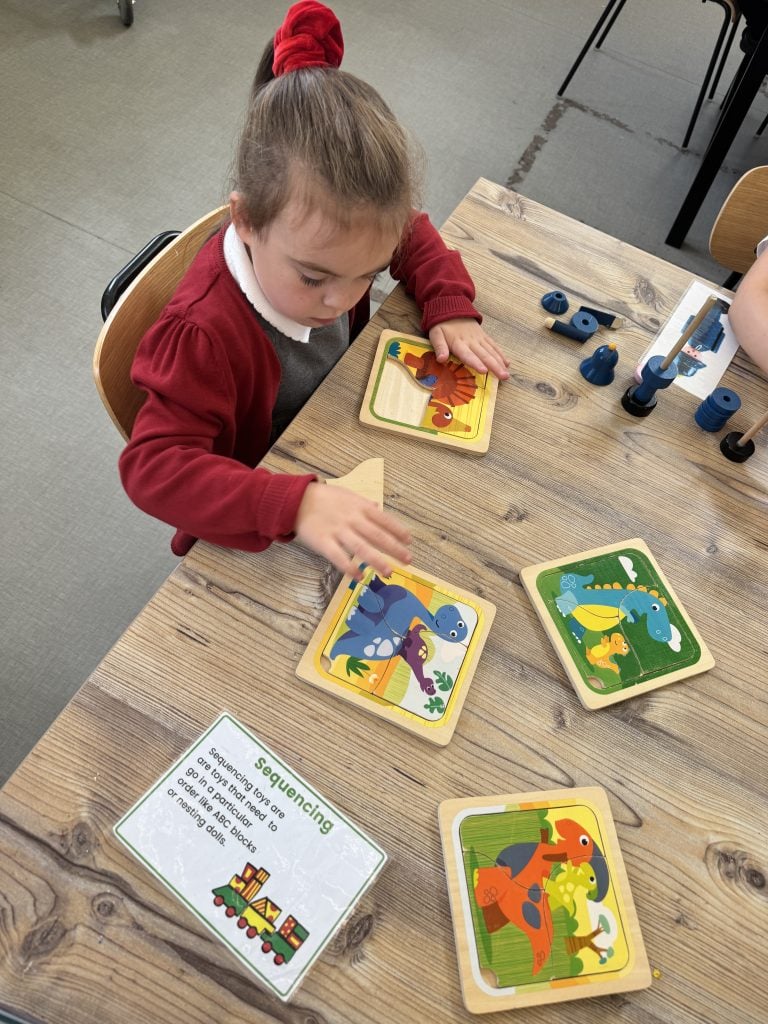
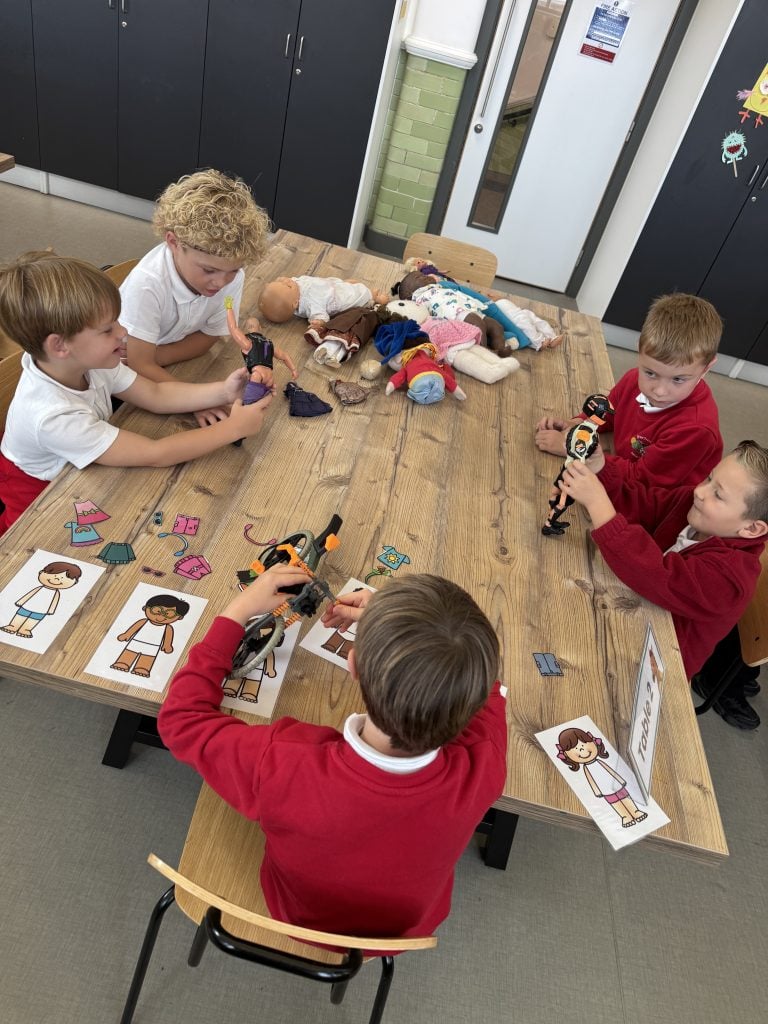
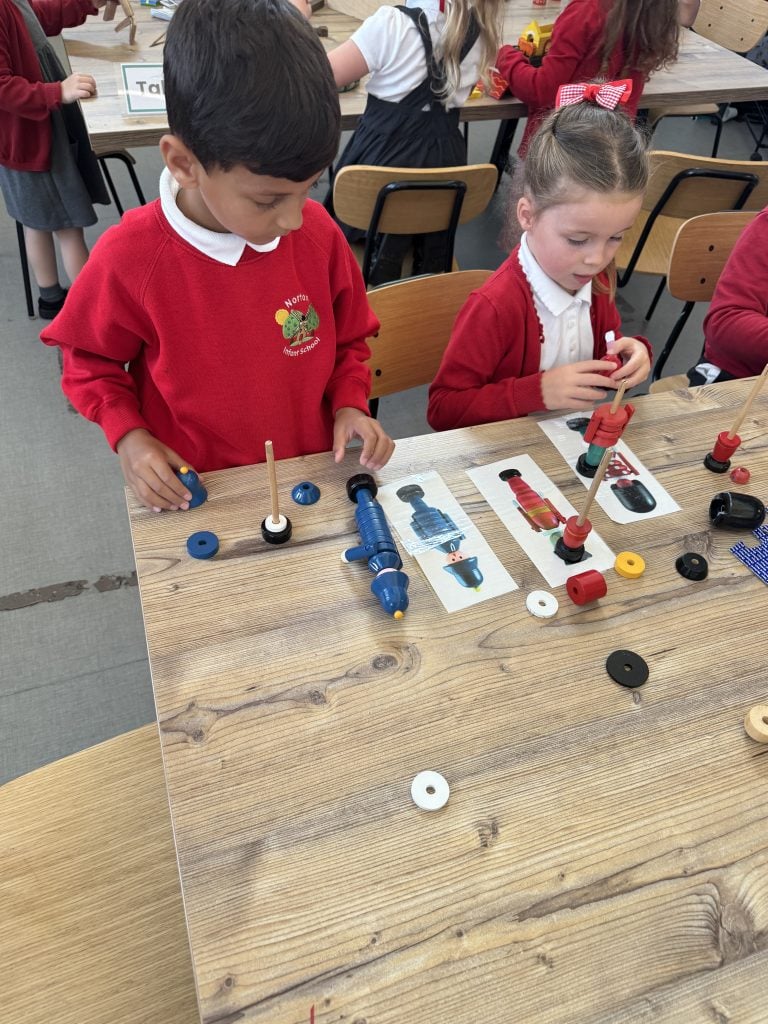
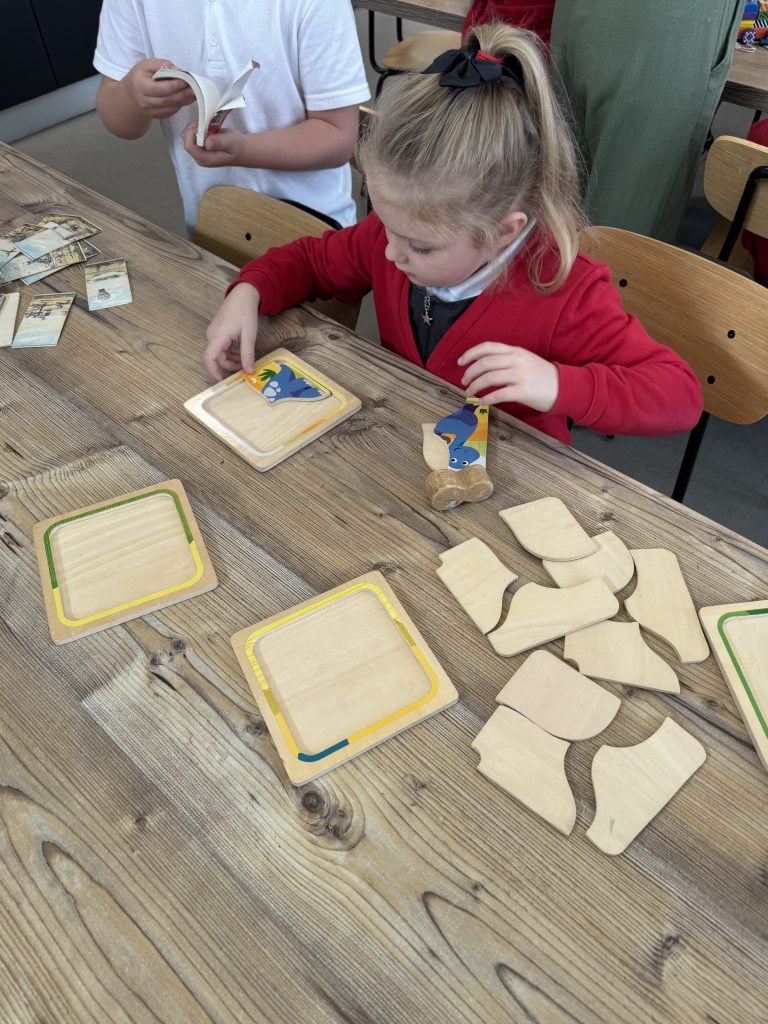
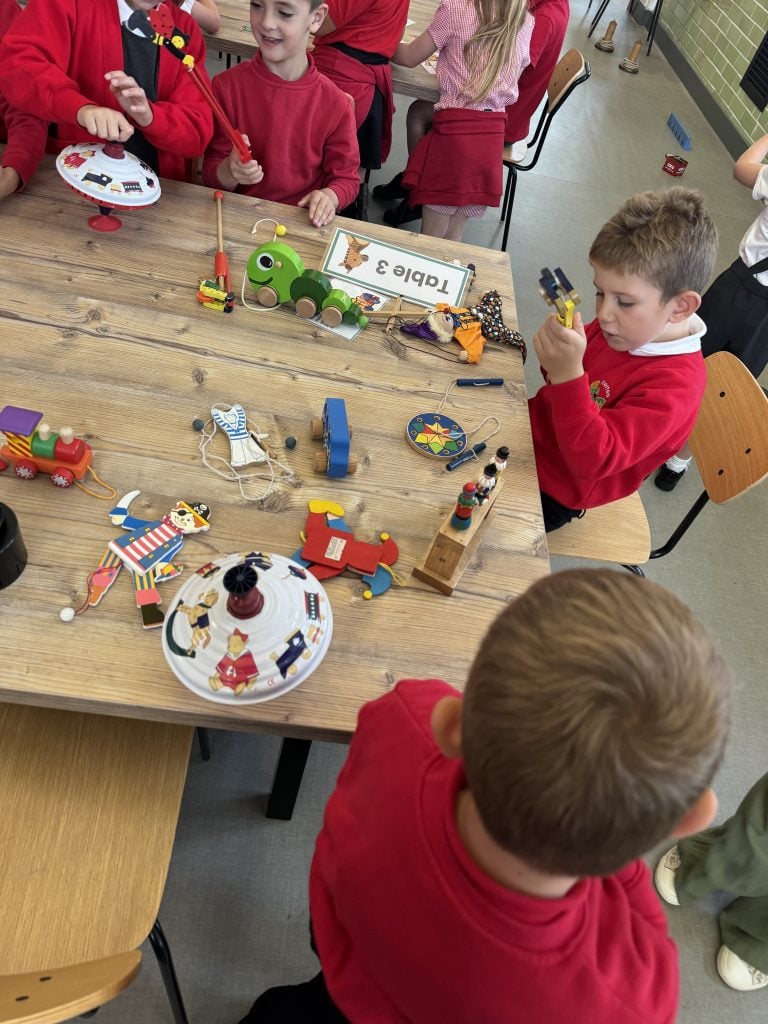
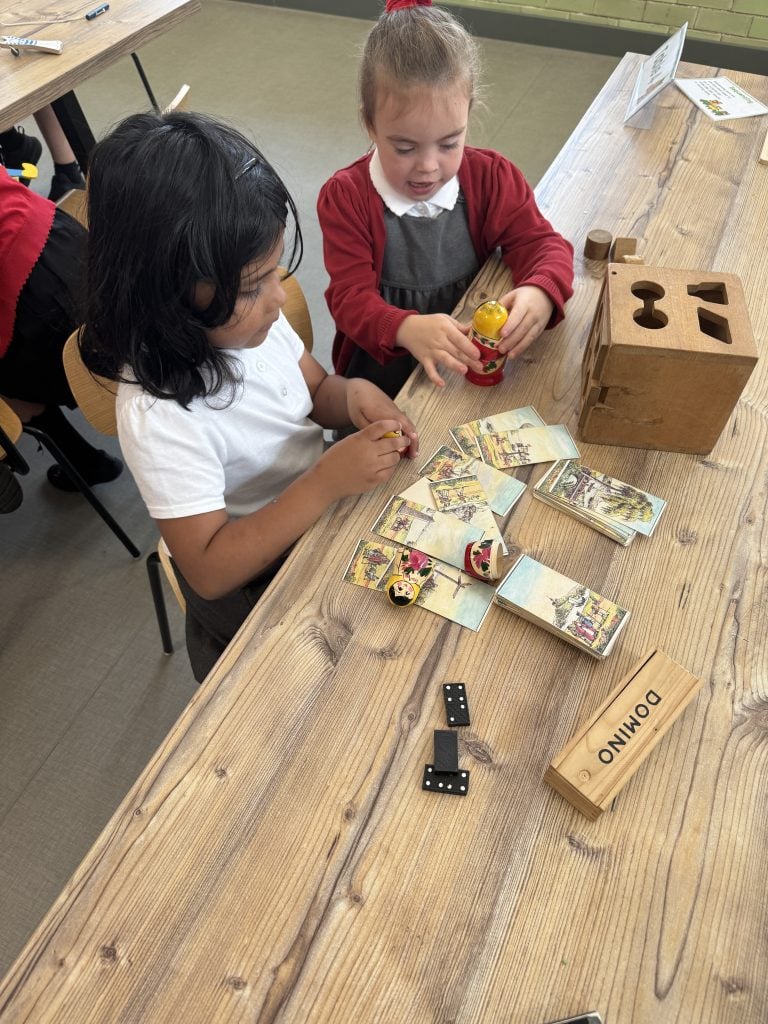
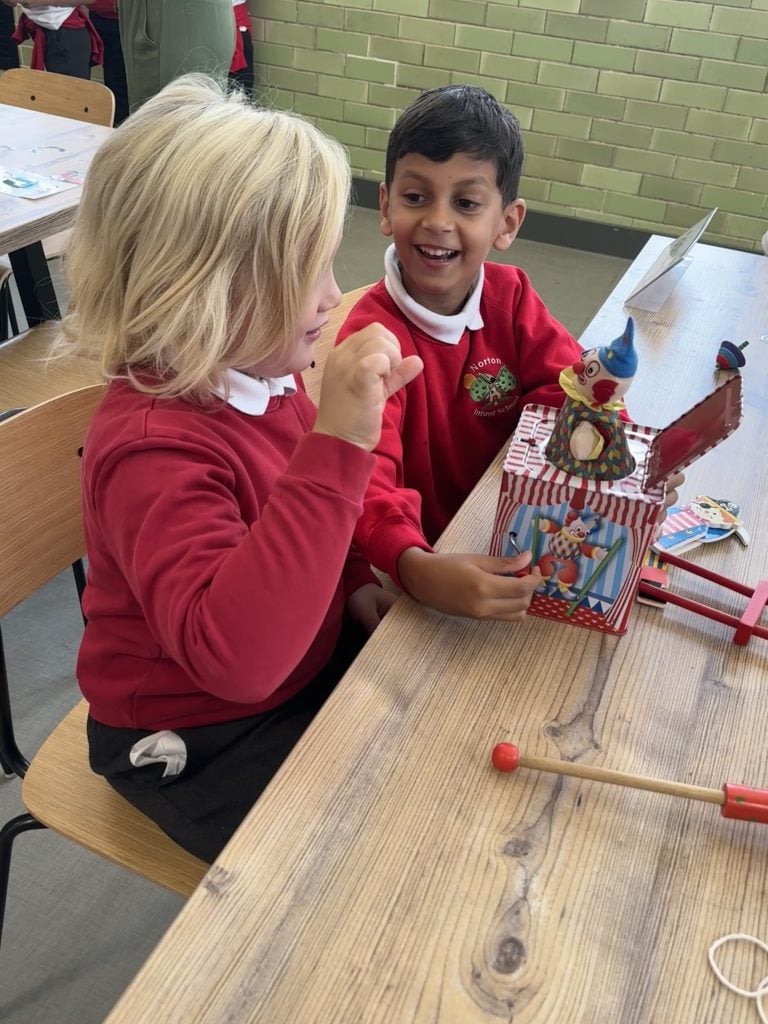
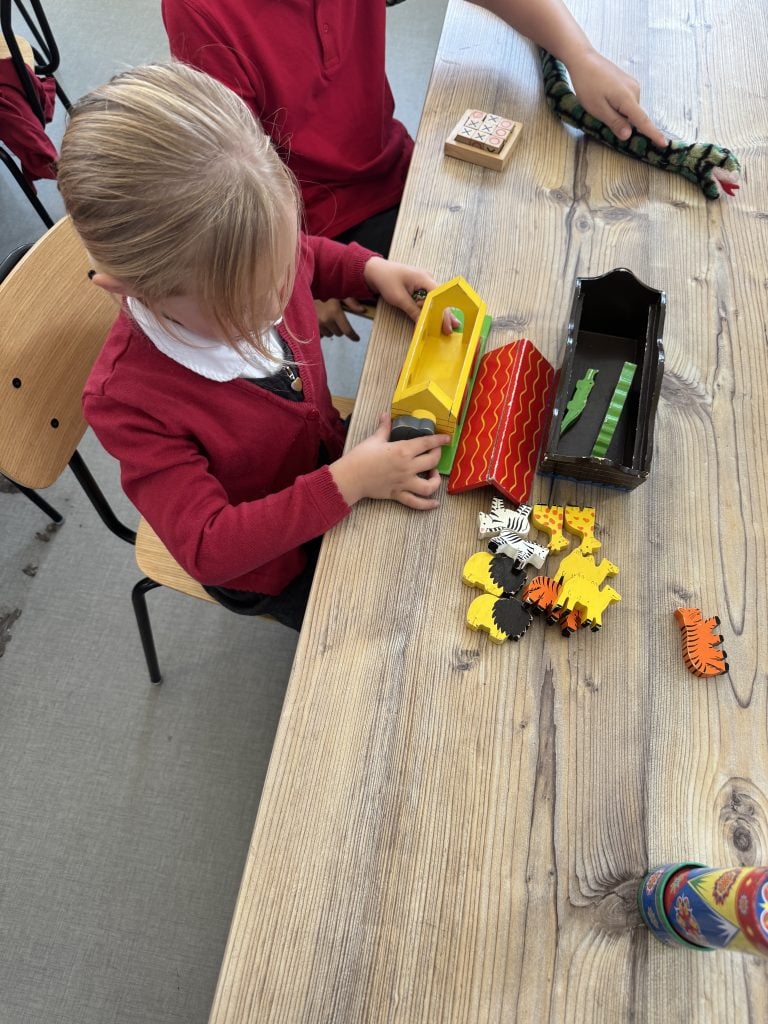
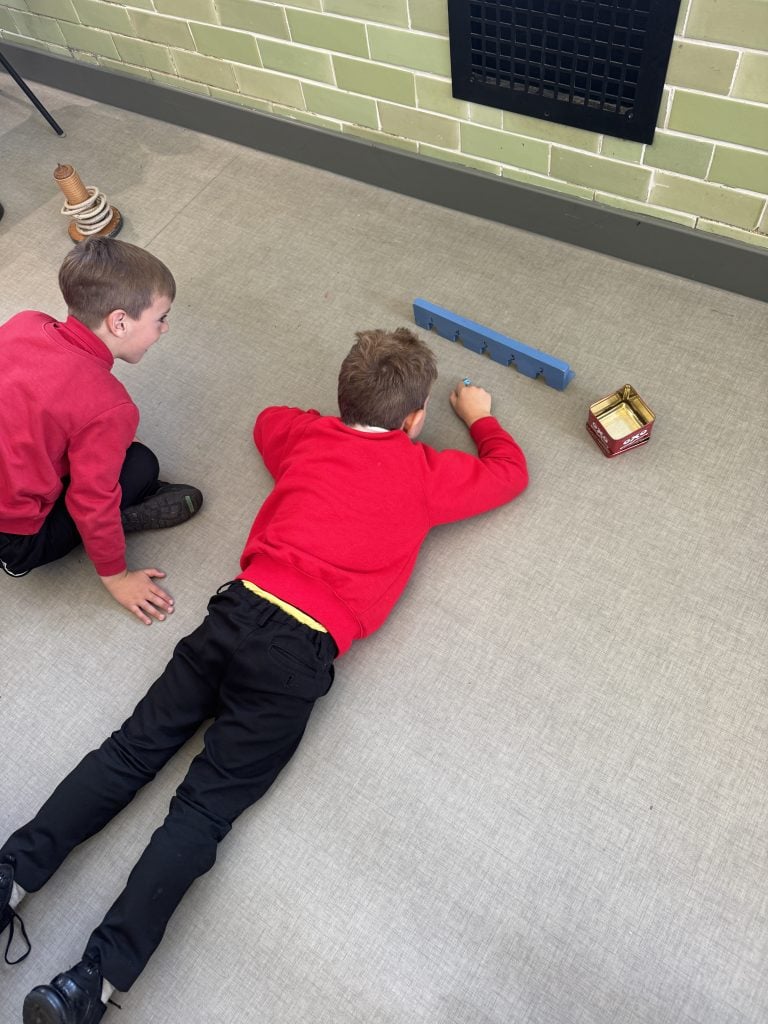
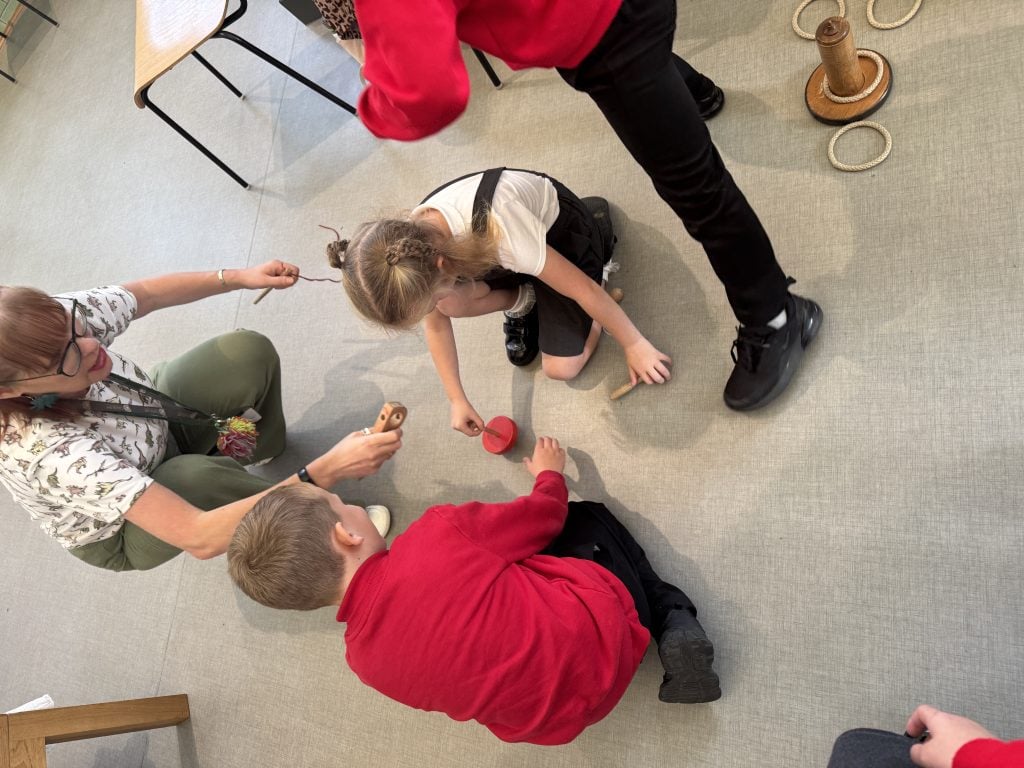
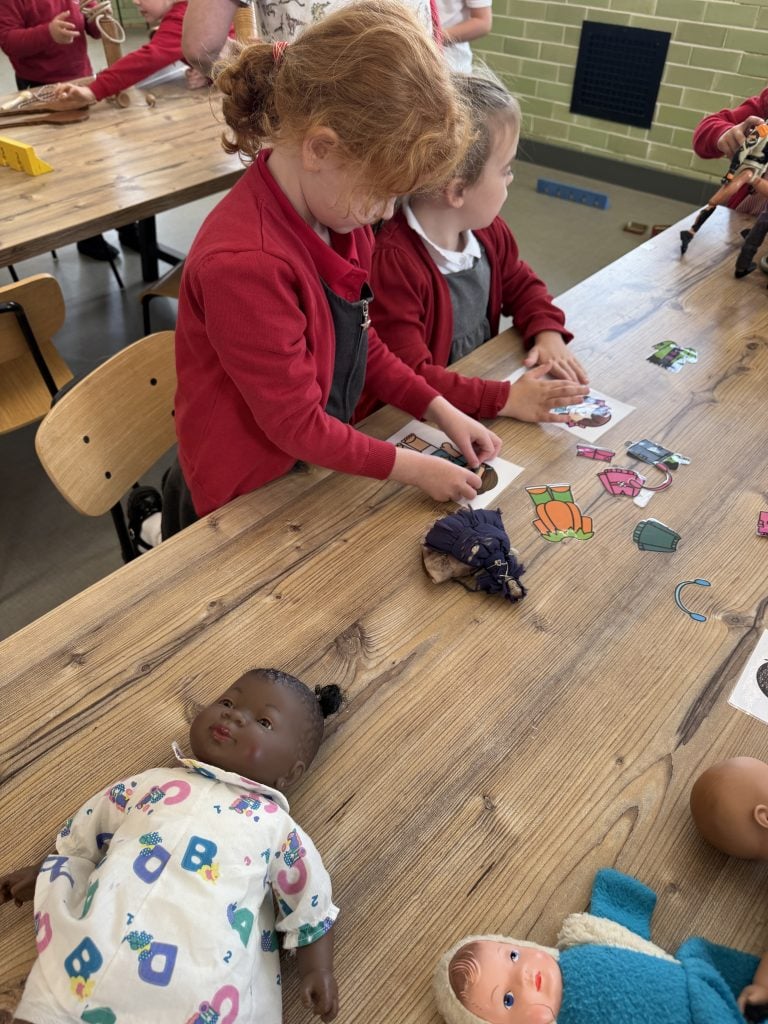
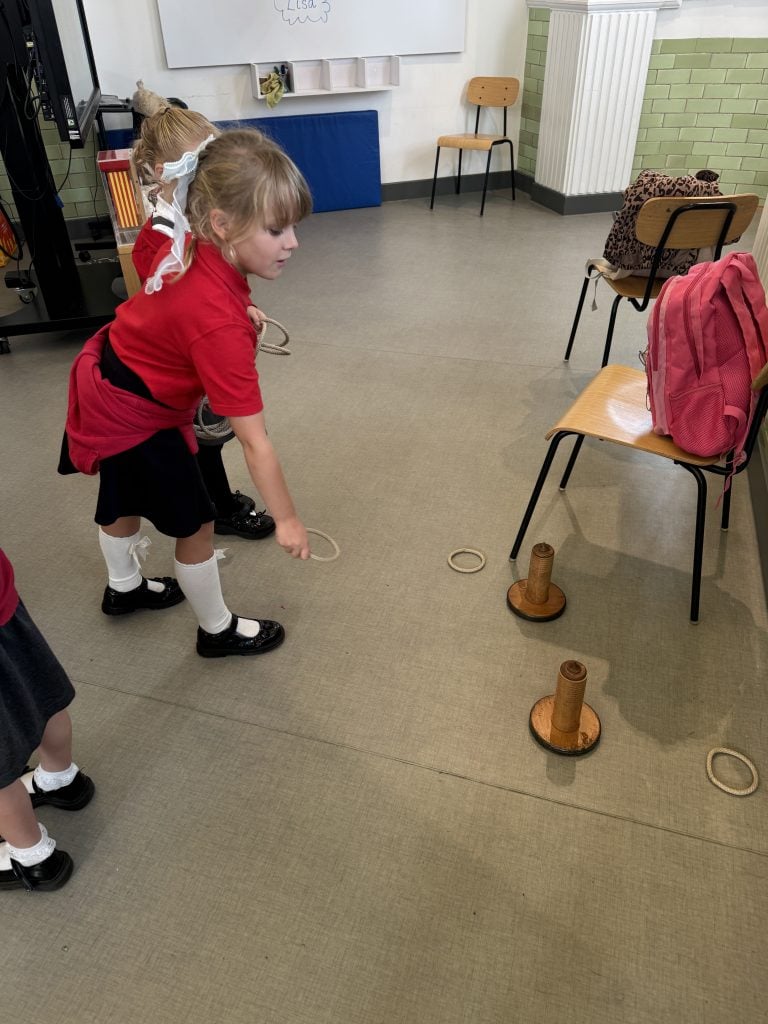
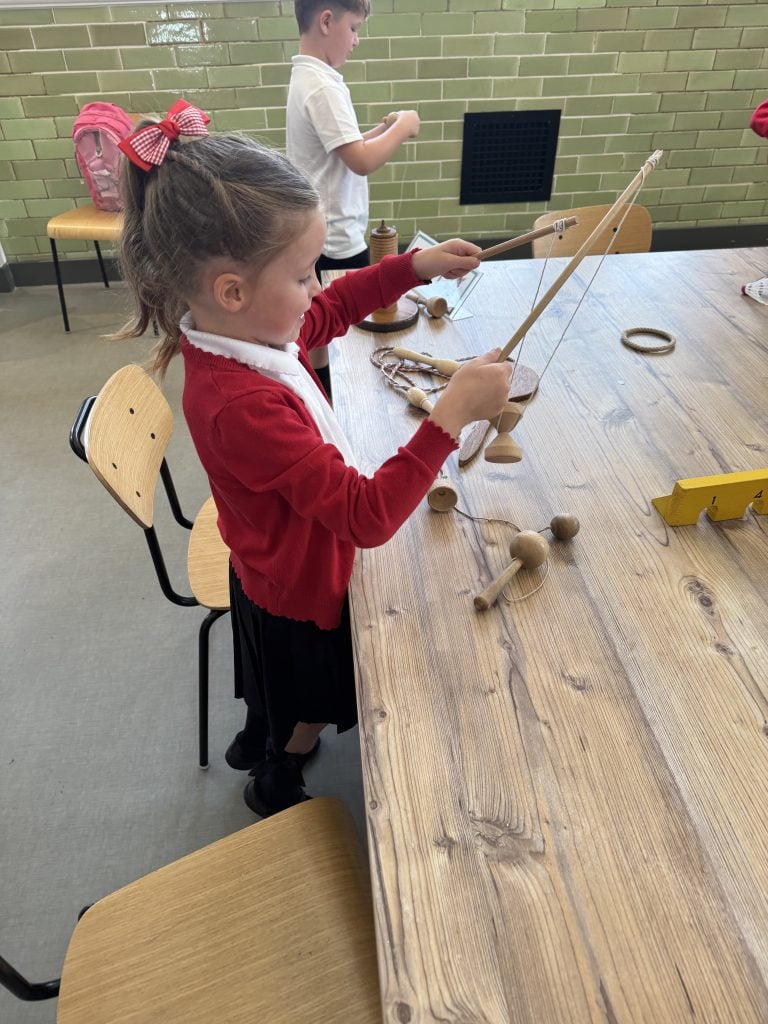
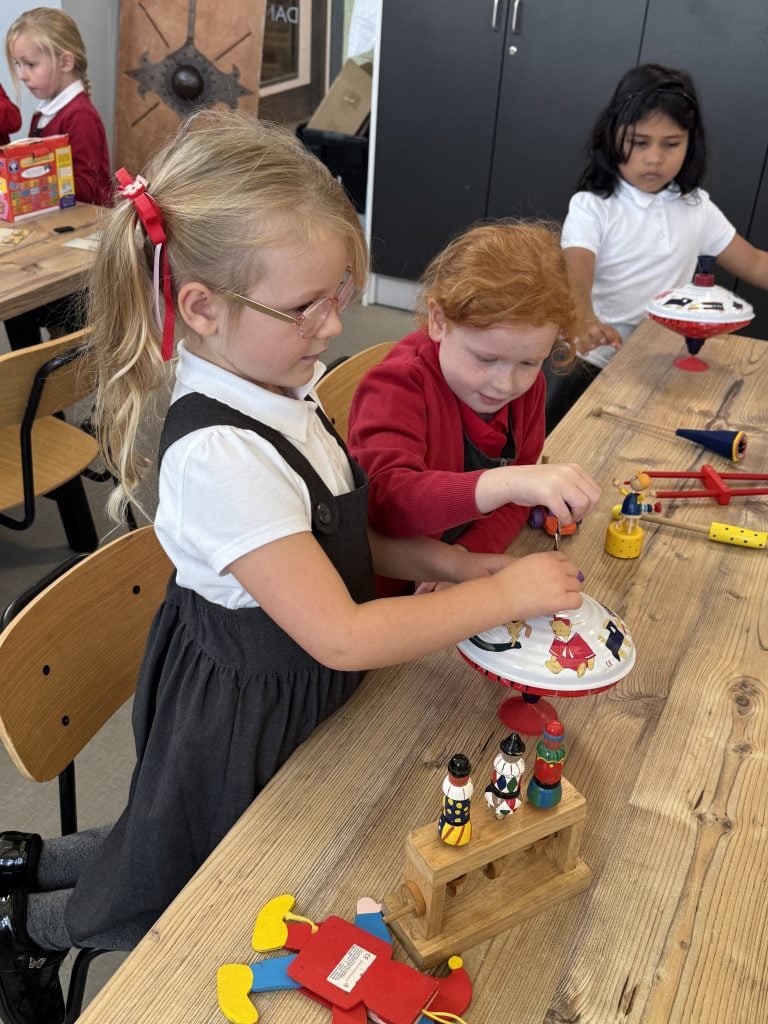
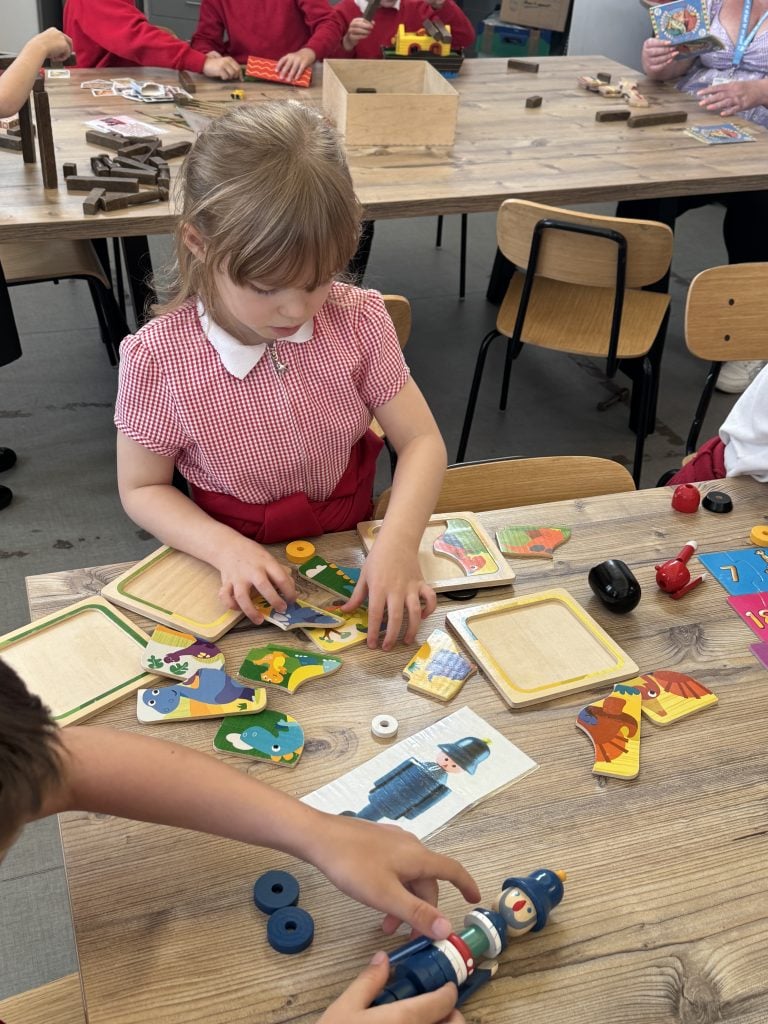
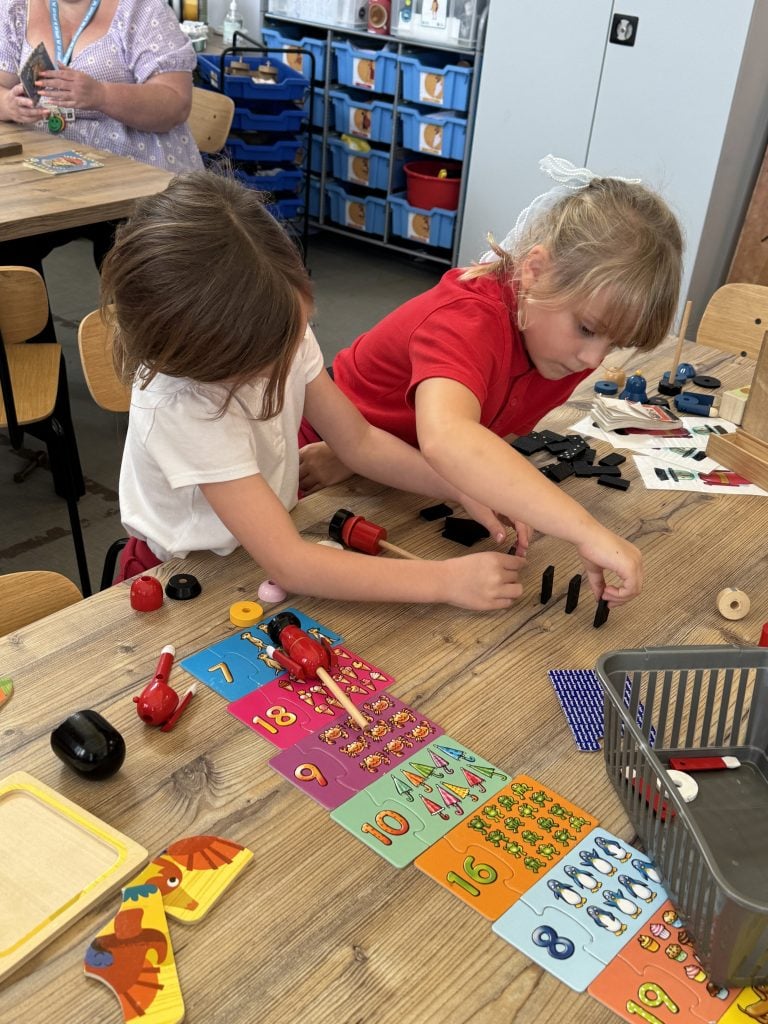
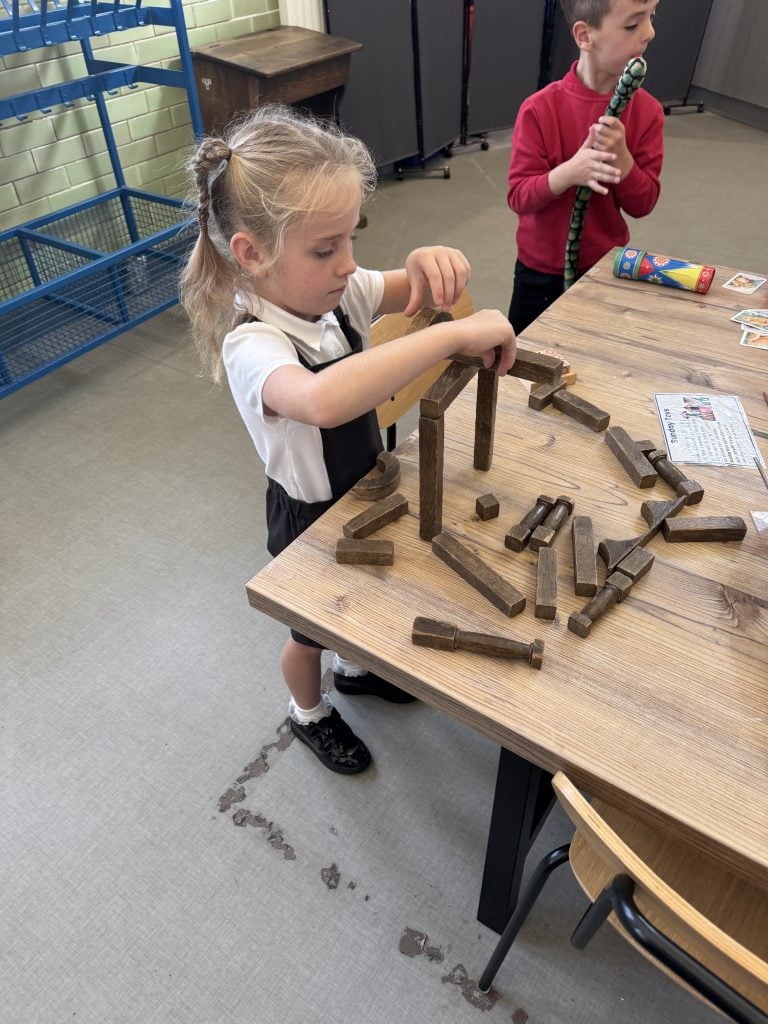
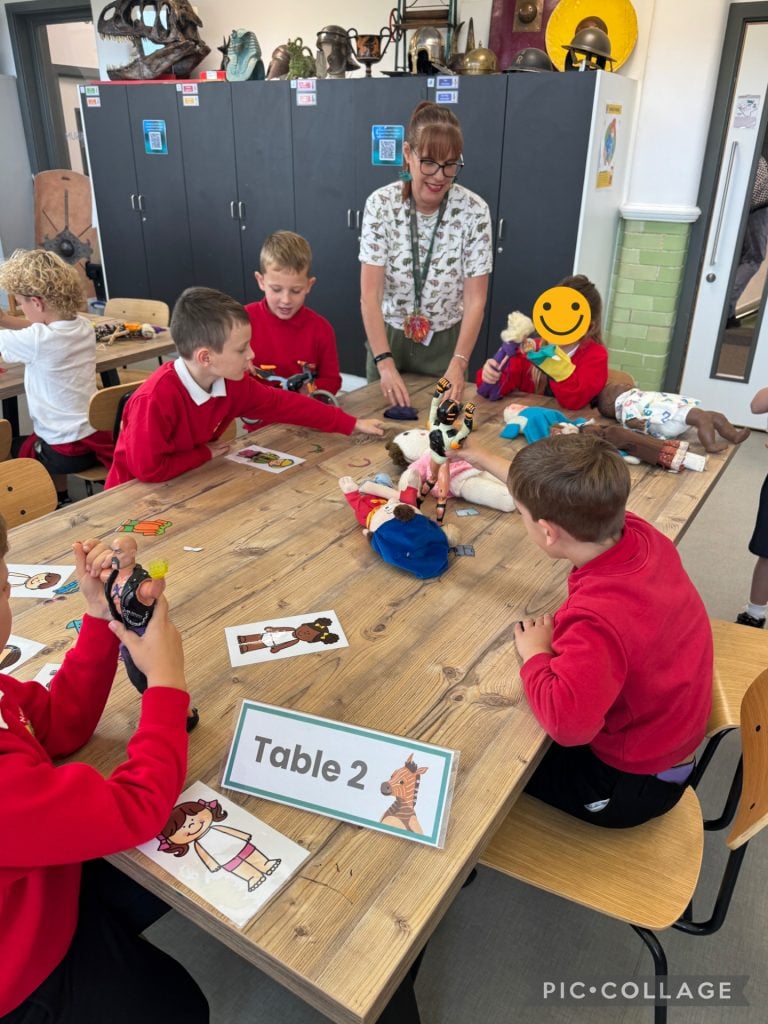
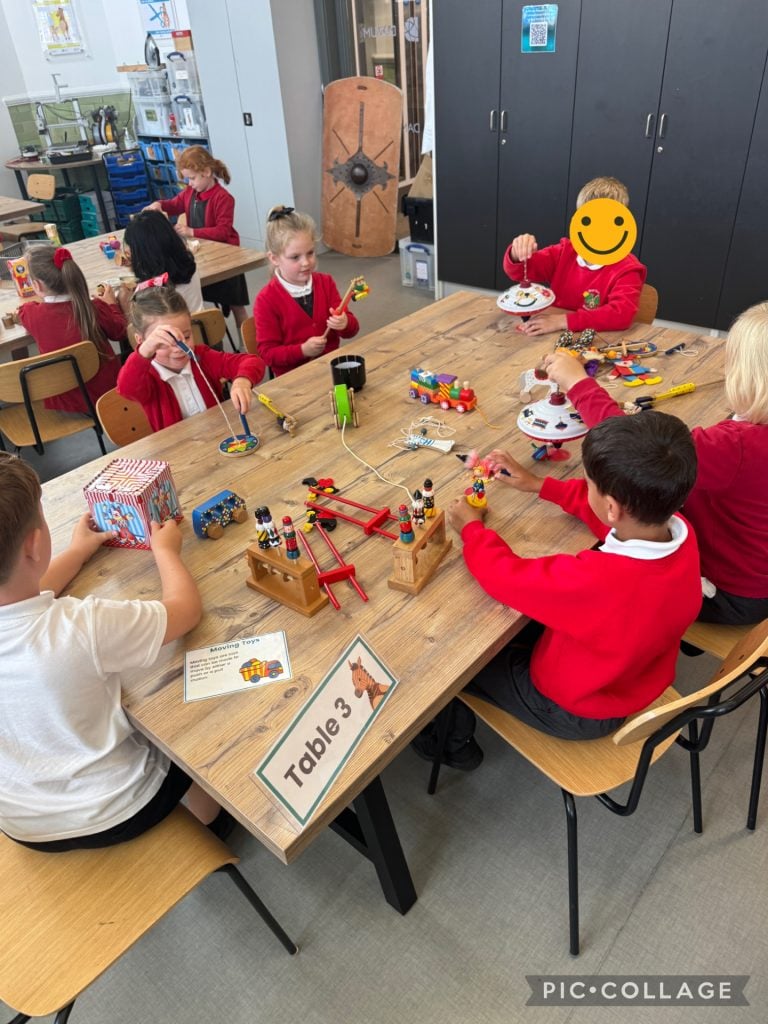
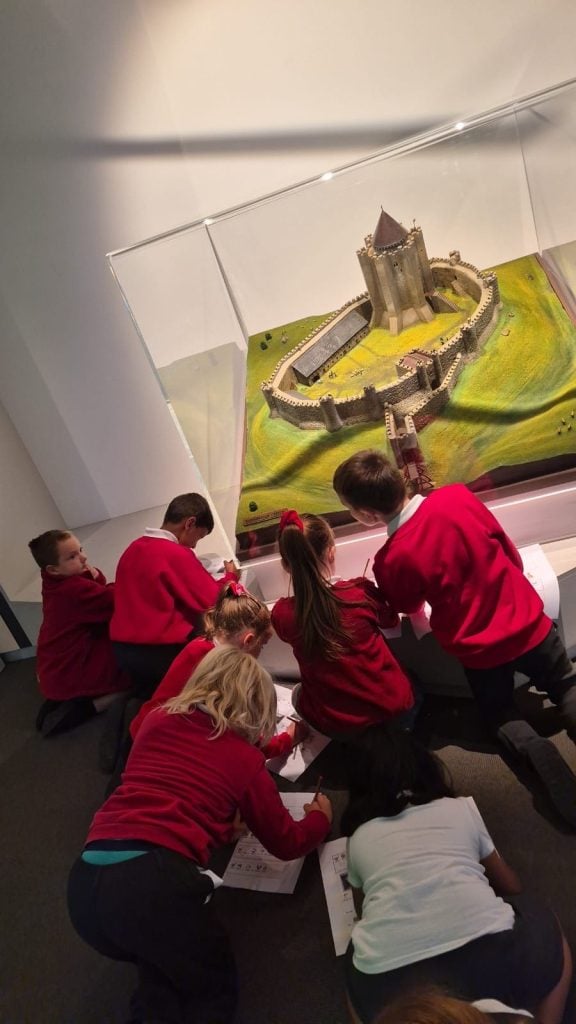
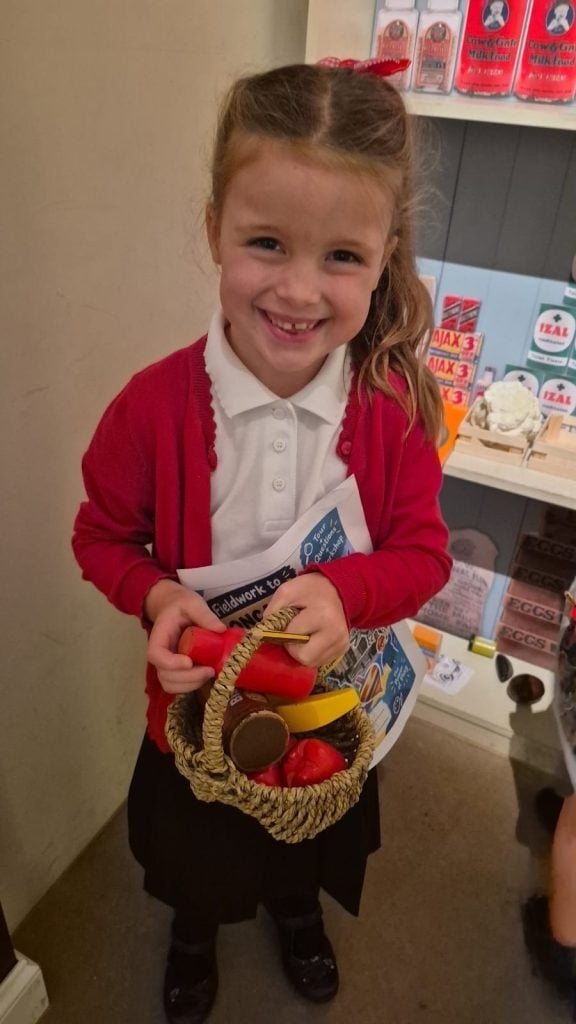
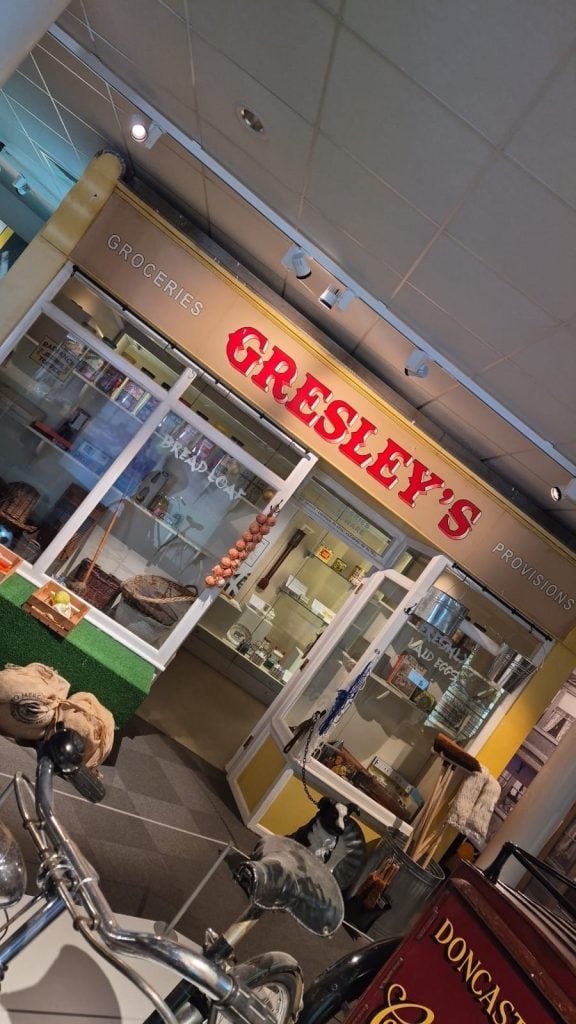
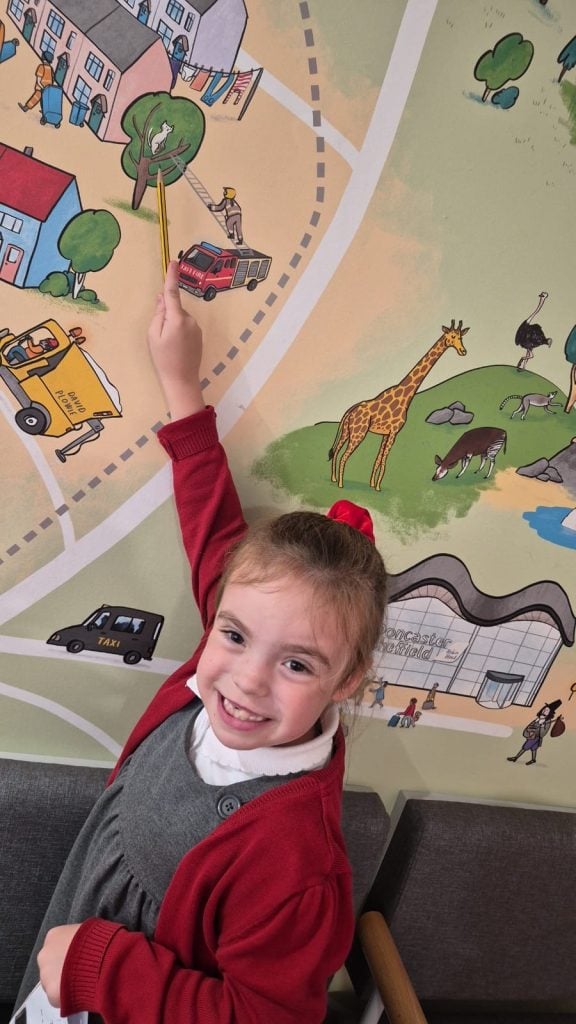
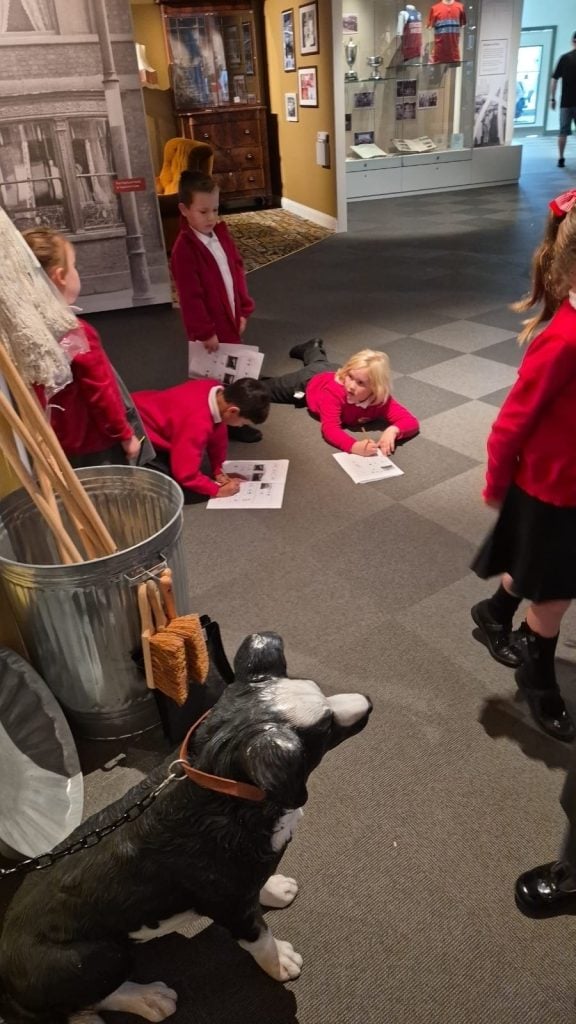
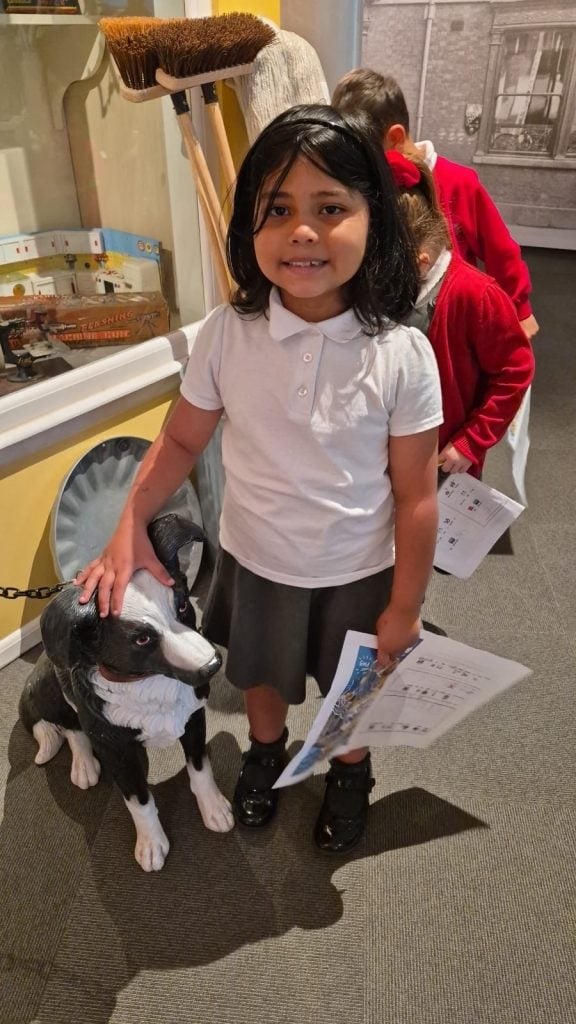
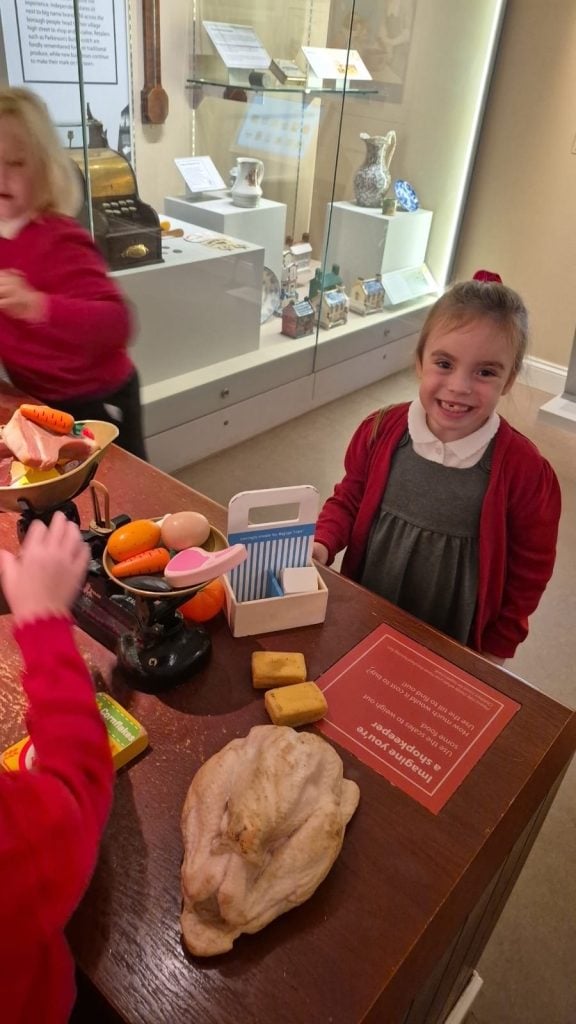
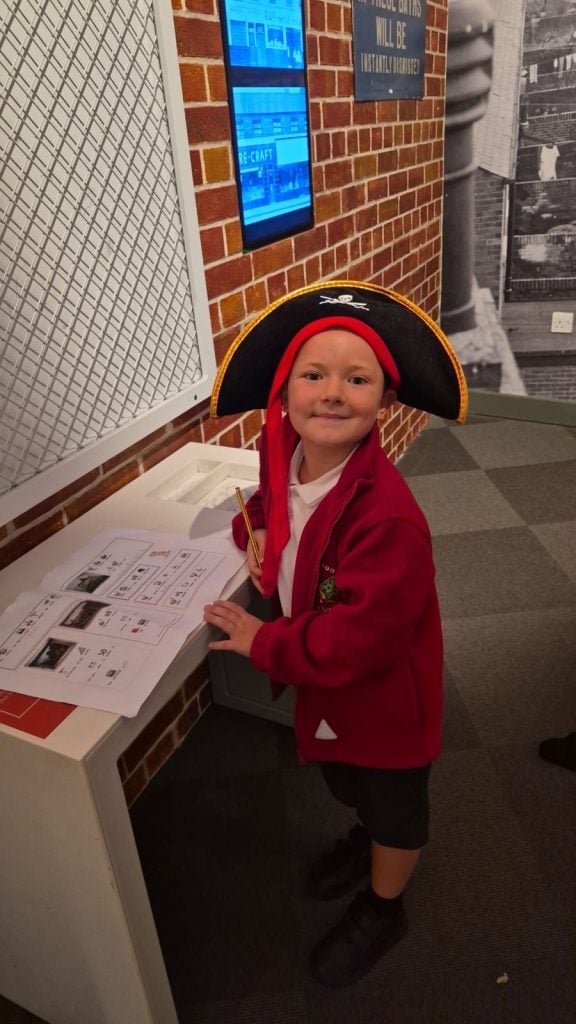
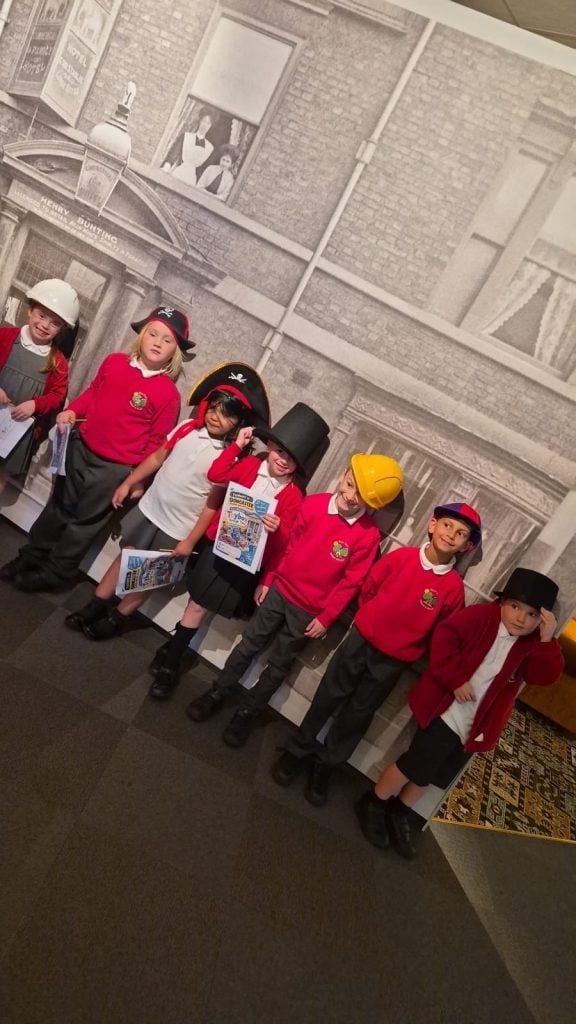
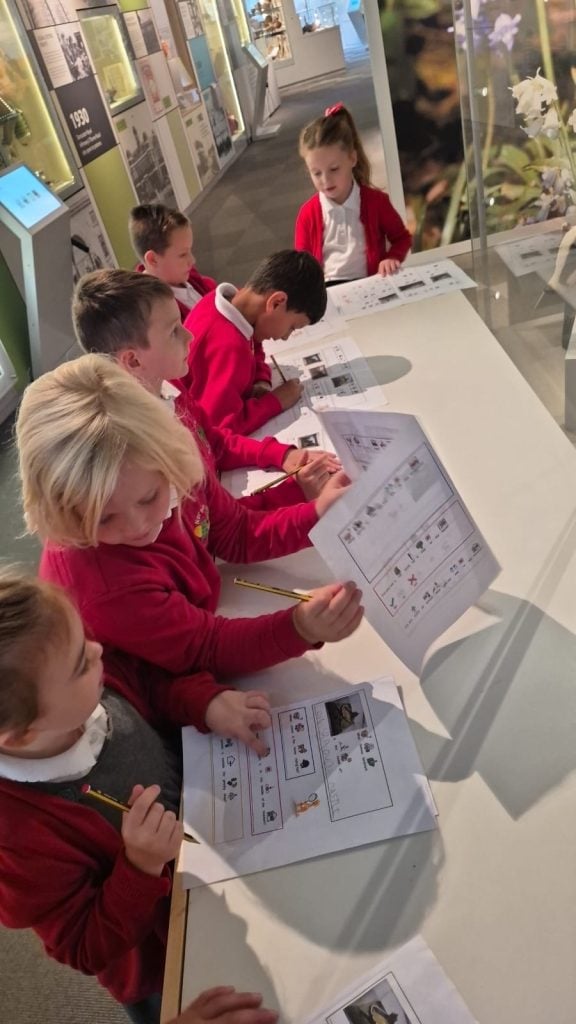
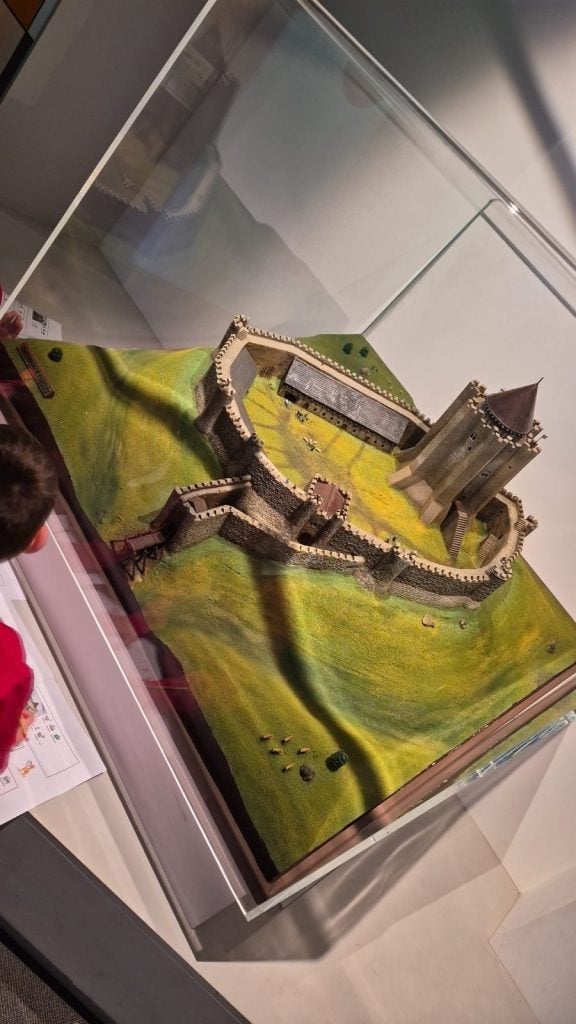
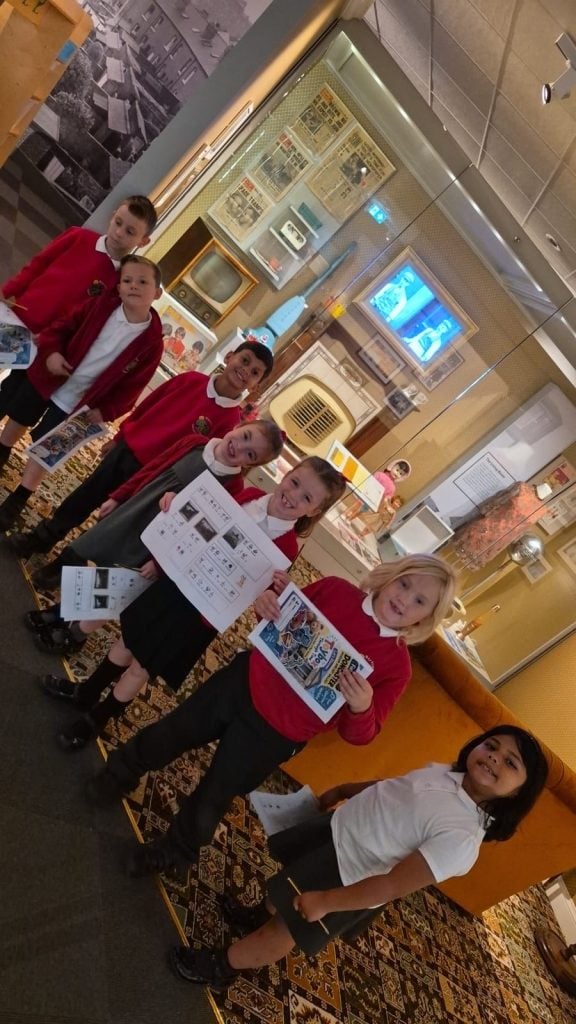
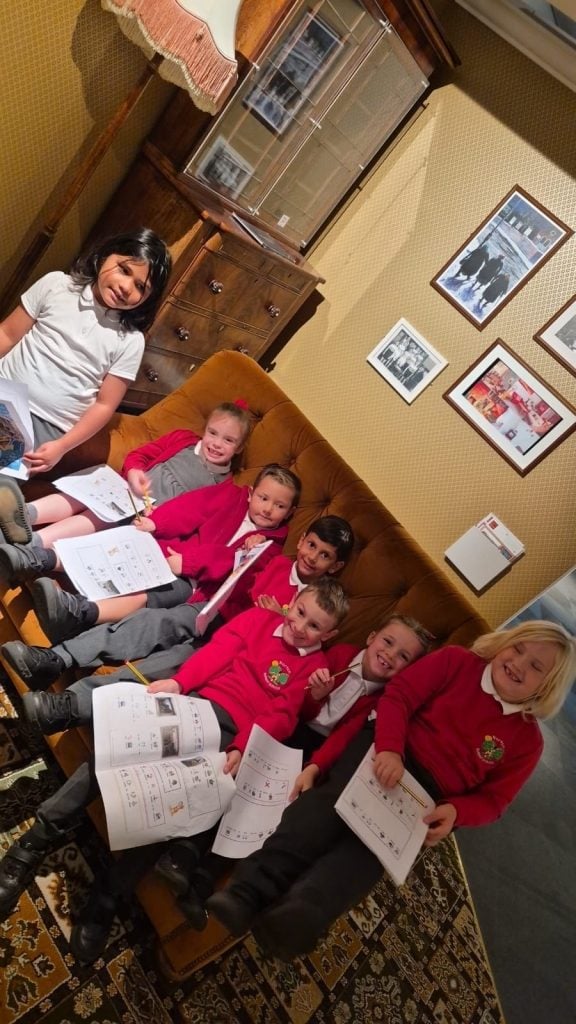
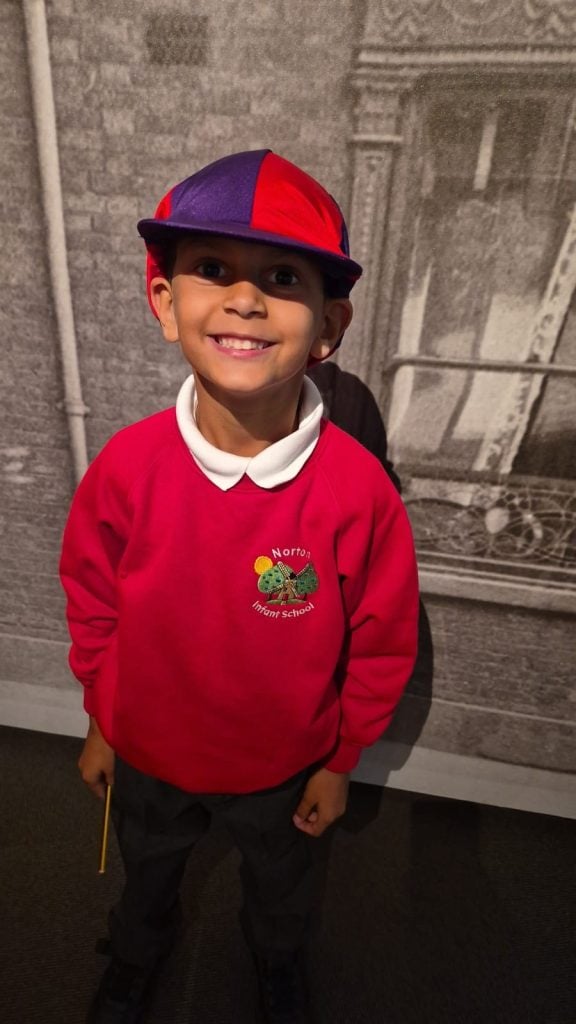
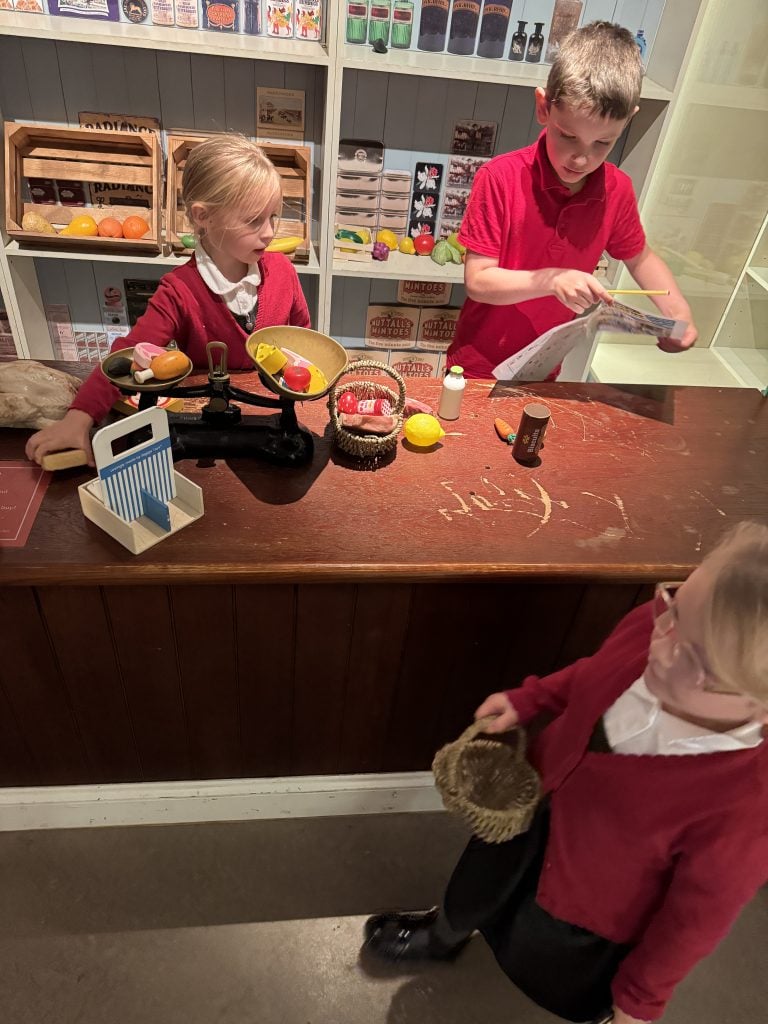
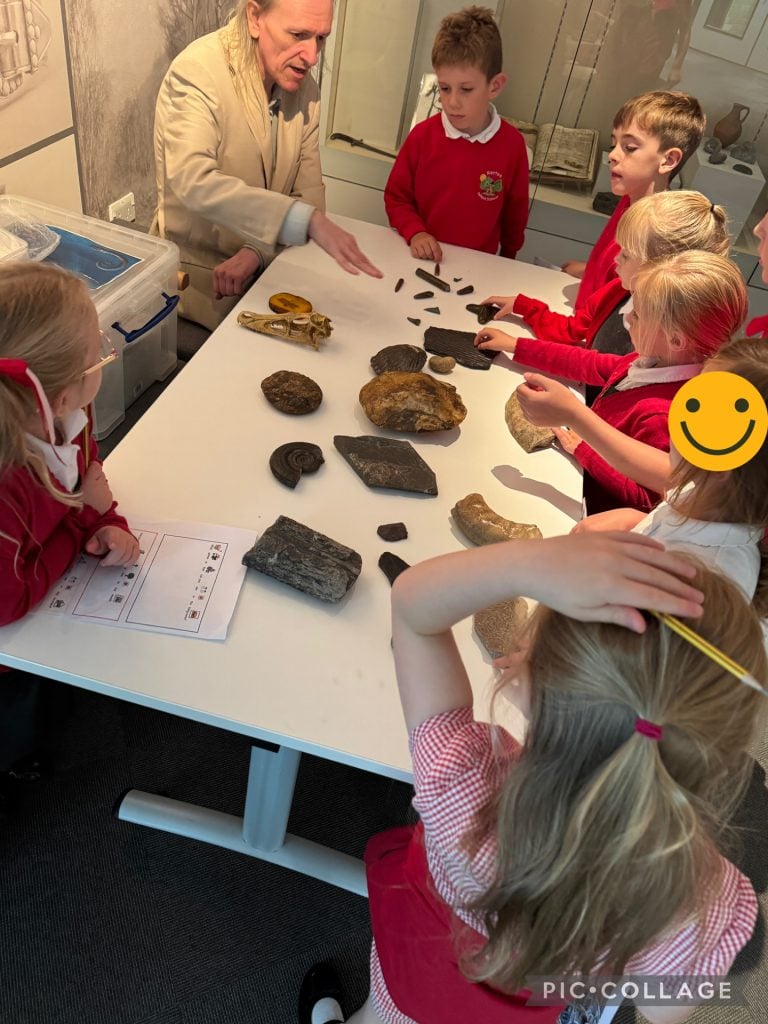
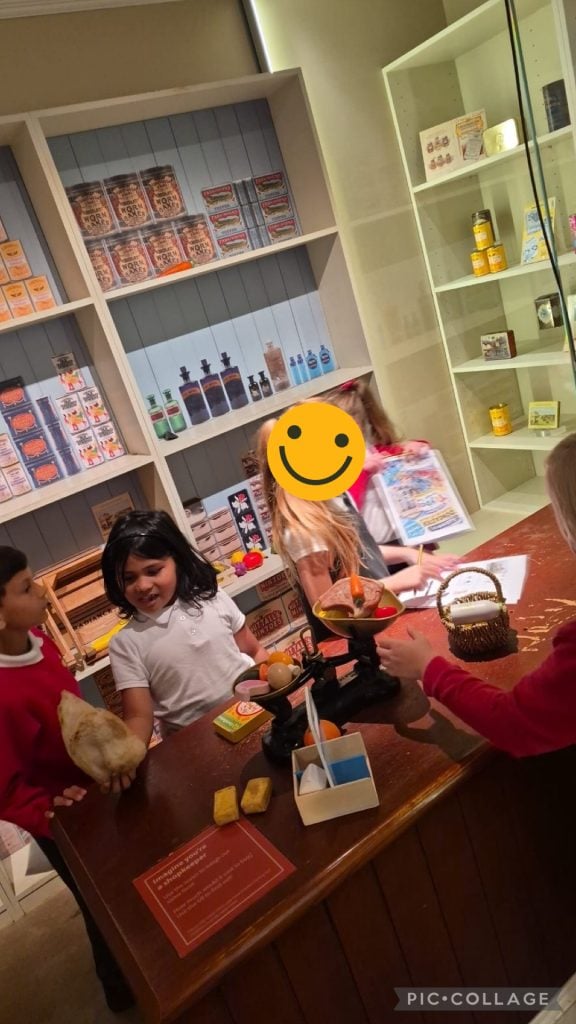
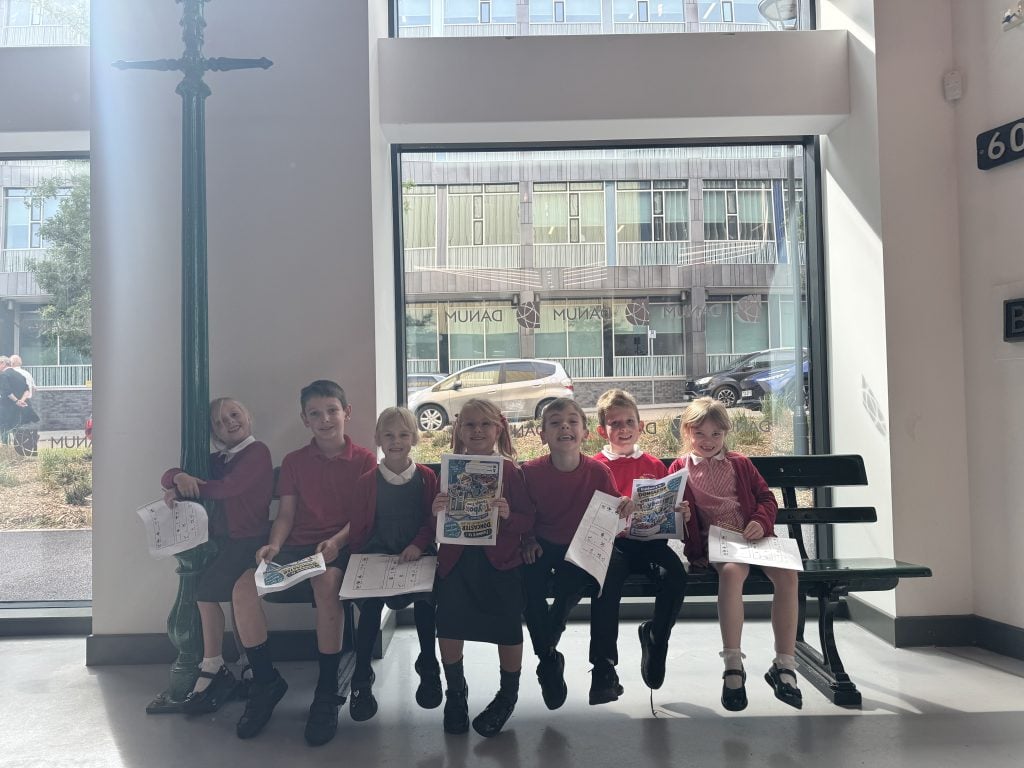
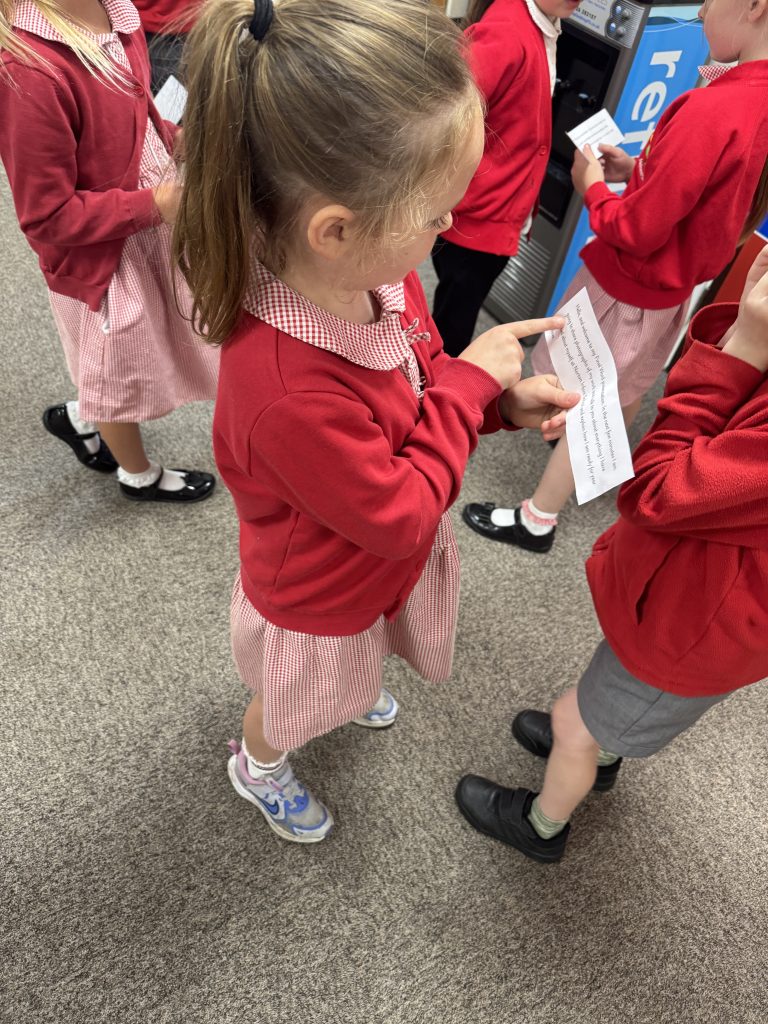
Yesterday Y2 undertook amazing fieldwork to Doncaster Gallery, Library and Museum where we dove head first into toys through time.
Throughout the morning, Class Six spent their time in the Timeline Of Toys workshop. We discovered what the oldest toy ever was, how the teddy bear got its name and even about Doncaster’s special link to Paddington Bear. After all of our amazing learning we even got to explore and play with lots of different toys – we covered everything from diablos and pick up sticks to stacking dolls and marbles. We had the best morning!
In the afternoon, we spent our time wandering around the museum and art gallery. We look at fossils, dinosaur eggs, oil paintings and even a real life sun bear!
The children were all absolutely amazing, they listened, showed respect and were incredible mascots for our school. They should be incredibly proud of themselves! We are so so proud of them!!
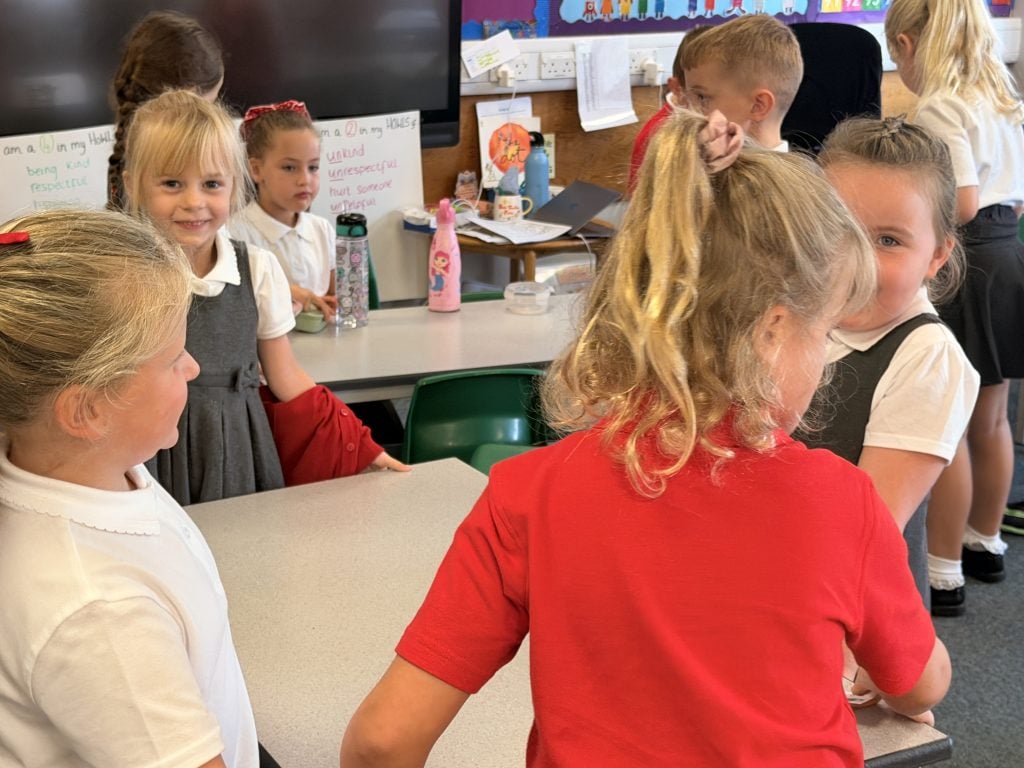
This week, we completed our first Crew walkthroughs of the year — and what a wonderful opportunity it was to see our children and Crew Leaders already building such positive, caring and purposeful Crew communities.
Across NIS, we saw lots of examples of children belonging, caring for one another, working hard and growing their character. It was fantastic to see the care and attention being given to Crew time and the way our children are already beginning to understand what it means to be part of a Crew.
🐻 Our Care Bear Crews
Our Care Bear Crews showed some wonderful examples of positive communication, kindness and support.
We saw Crew Leaders using thoughtful prompts and communication to help children share their ideas and participate, alongside lots of kind, caring and supportive interactions. These small moments are so important in helping our children to feel that Crew is a safe and welcoming place where they are valued and listened to.
🪶 Crew Backshall
Crew Backshall showed a fantastic understanding of what makes a beautiful Crew circle.
The children were encouraged to think carefully about how they sat together and how they could make sure everyone could see and hear one another. One child explained:
“If our legs are crossed and knees are slightly touching we can make a perfect circle where we can see each other.”
What a brilliant explanation! 🌟
This is exactly the kind of ownership we want to see developing in Crew — children understanding not just what we do, but why it matters. The children were also encouraged to think about the care and attention they give to themselves, each other and their Crew.
💛 Crew Nightingale & Crew Earhart
There was a lovely warm and welcoming feel in both Crew Nightingale and Crew Earhart.
We saw children making clear connections between their actions, our character traits and HoWLs, with these being explained and discussed in a way that helped children understand what they look like in practice.
We particularly loved seeing children writing Golden Tickets for one another, celebrating the amazing character traits and HoWLs they have already seen their friends demonstrating this year. ✨
What a wonderful way to notice the positive things happening around us and remind each other that our character is something we build together.
🎨 Crew Parks & Crew Simmonds
In Crew Parks and Crew Simmonds, we saw children being encouraged to work hard and take pride in creating beautiful work.
It was lovely to see children being supported to think about the quality of what they produce and to recognise that beautiful work doesn’t happen by accident — it takes care, effort, perseverance and pride.
🌟 We are only just getting started!
Our first walkthroughs have given us lots to celebrate. Most importantly, they showed that our children are already beginning to understand that Crew is about more than sitting together.
It is about listening to one another, caring for one another, celebrating each other’s strengths, working hard, showing our character and making sure that everyone belongs.
A huge well done to all of our Crew Leaders and, most importantly, to our wonderful children for the fantastic start they have made to Crew this year.
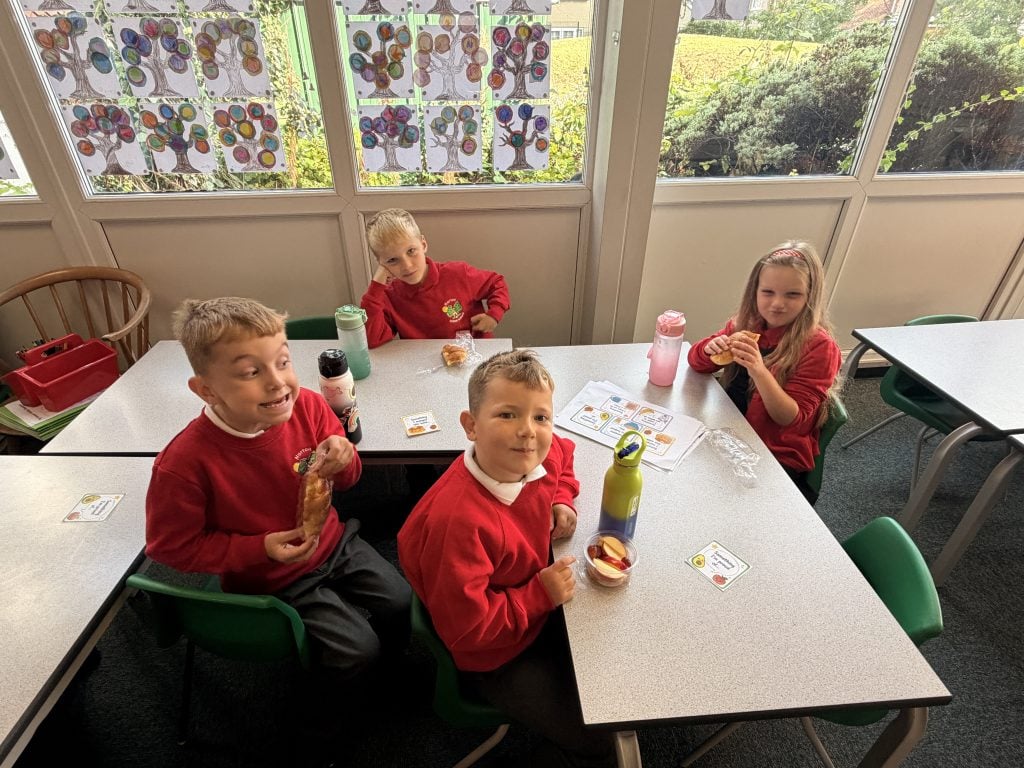
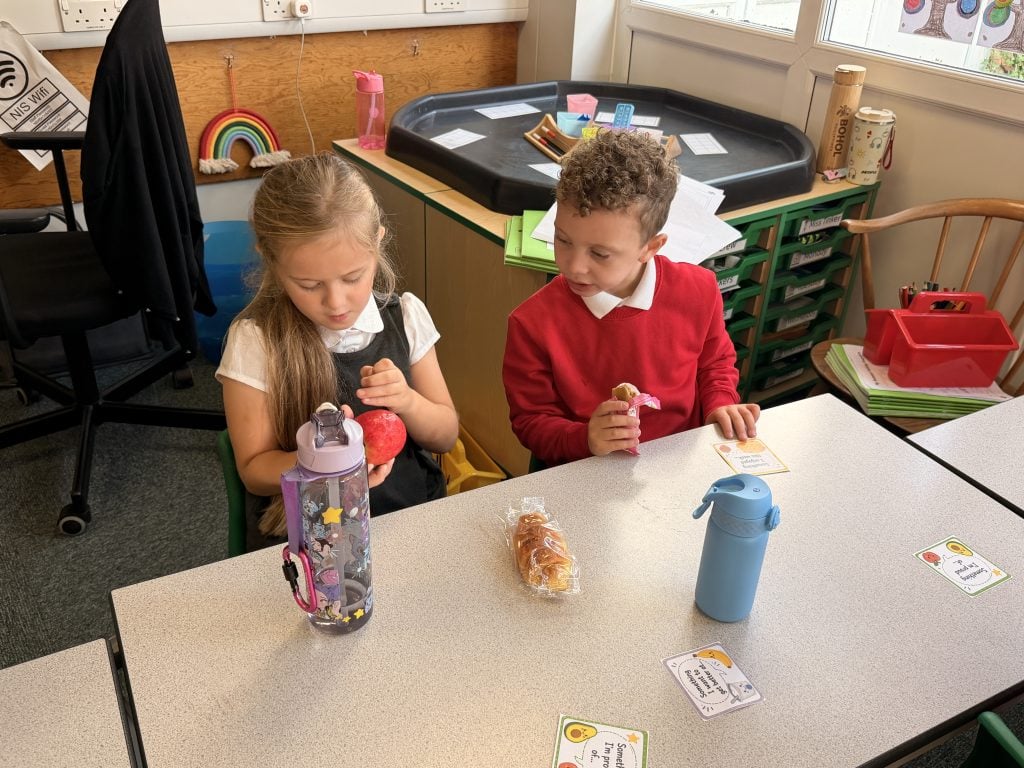
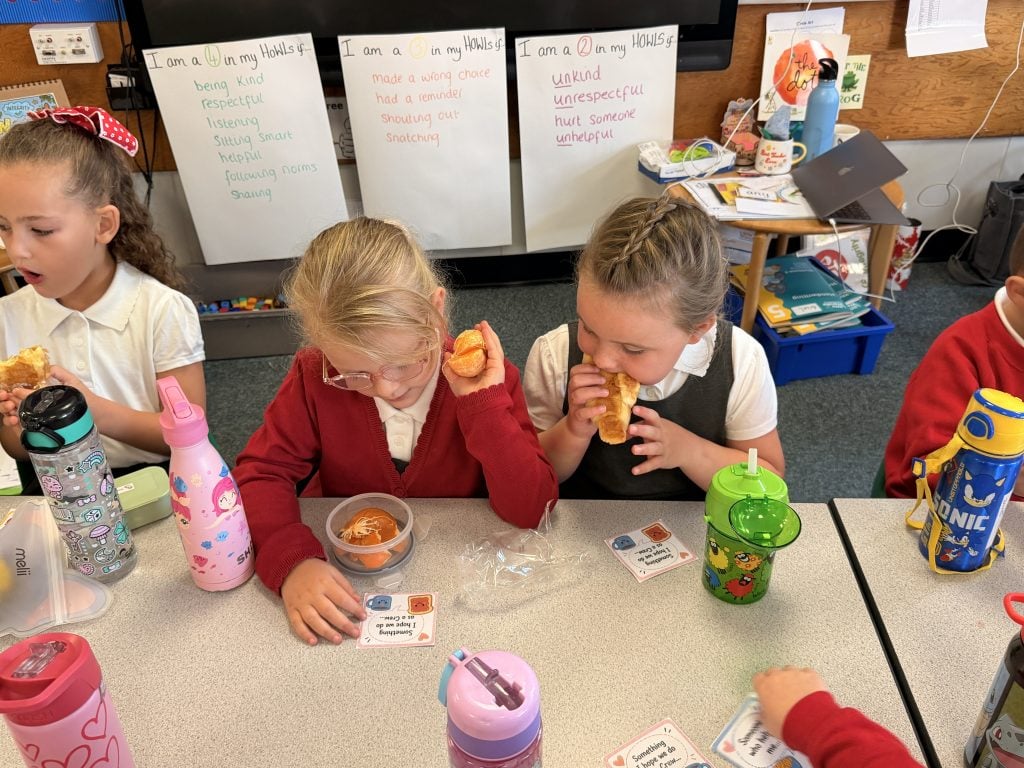
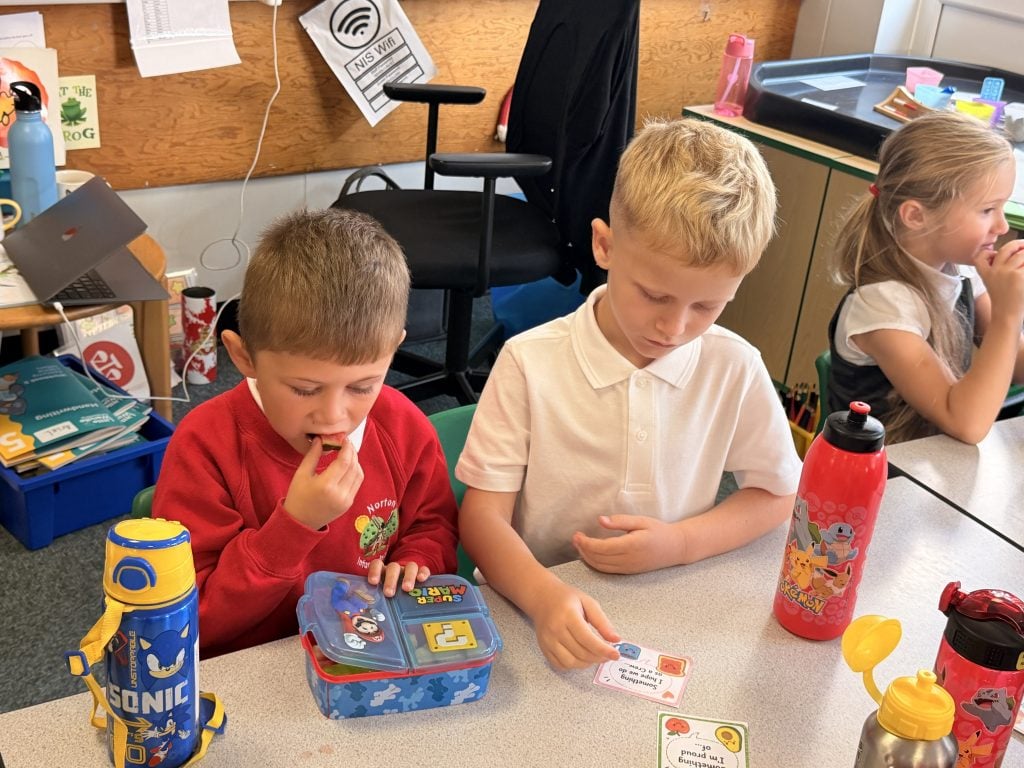
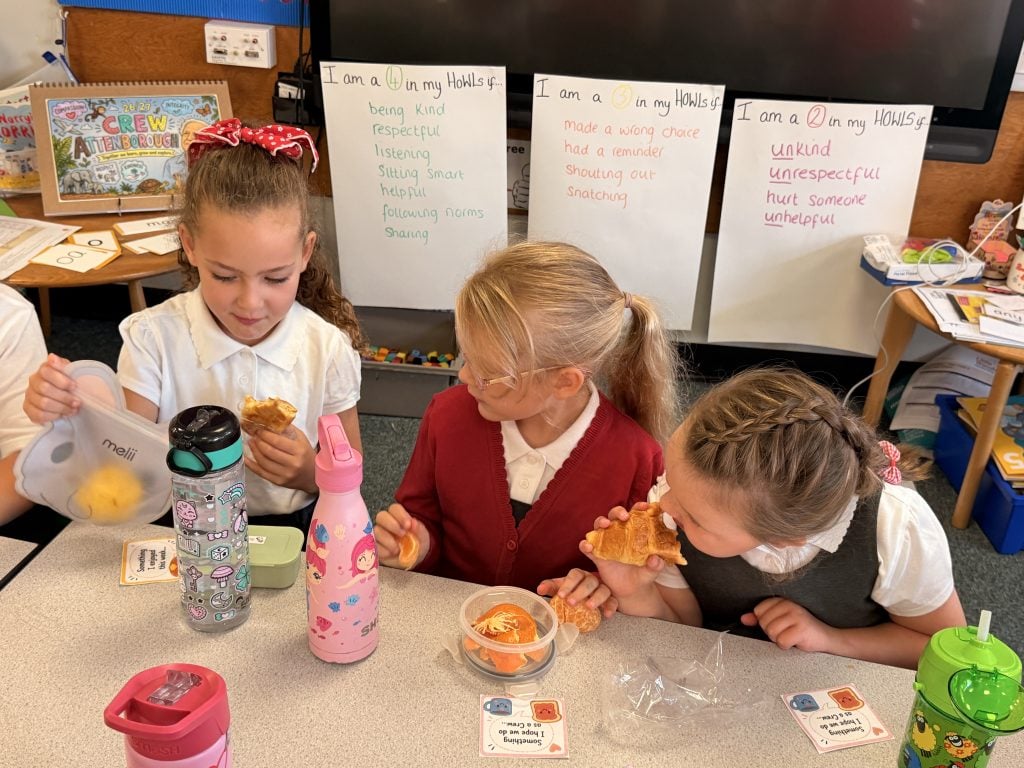
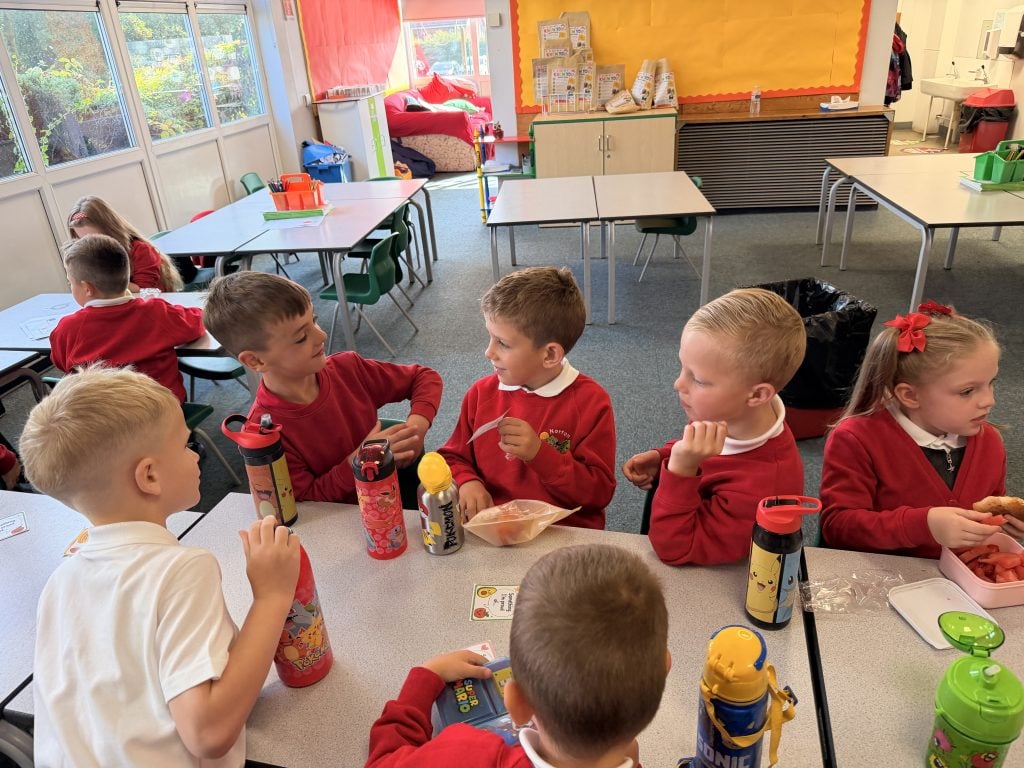
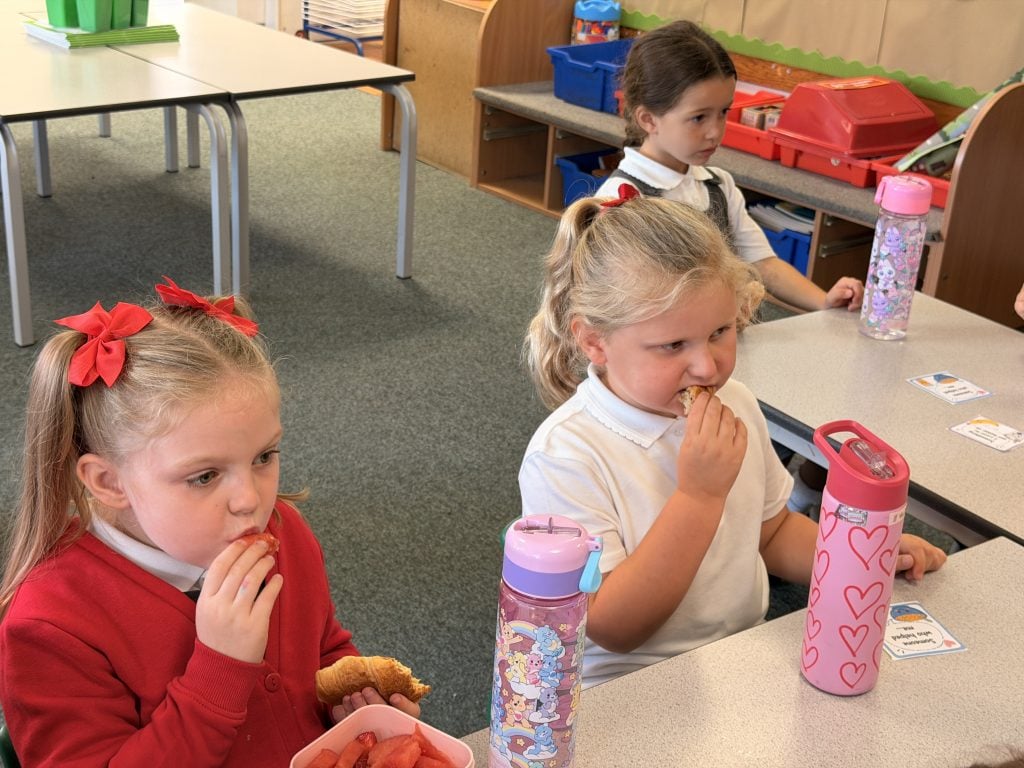
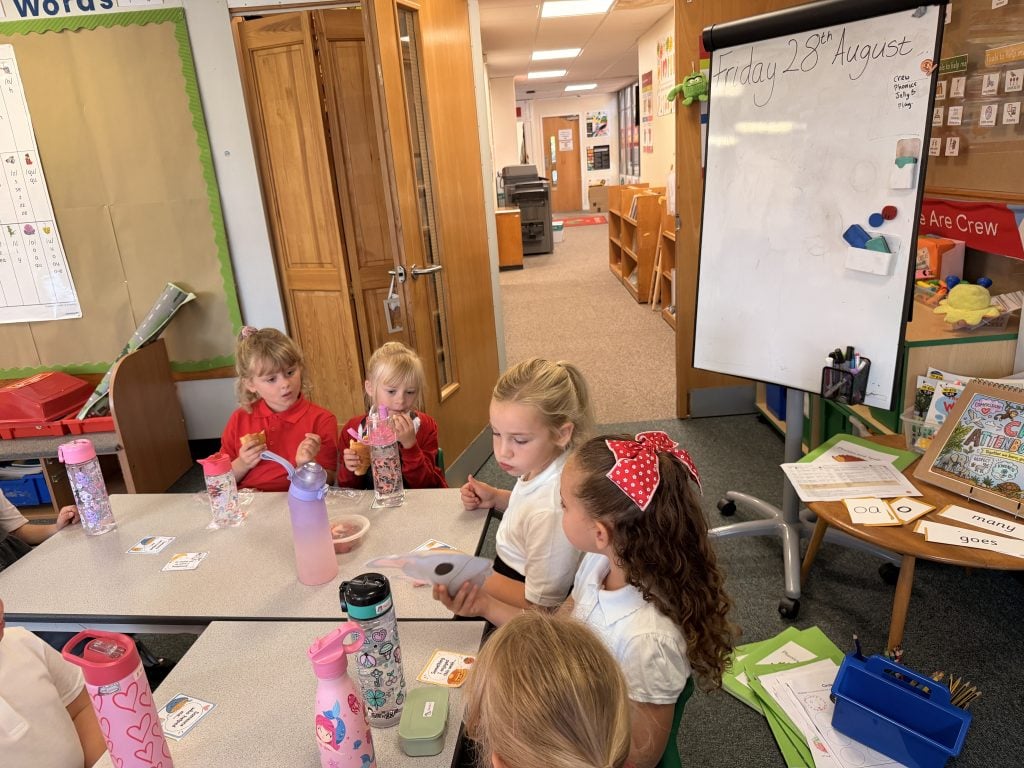
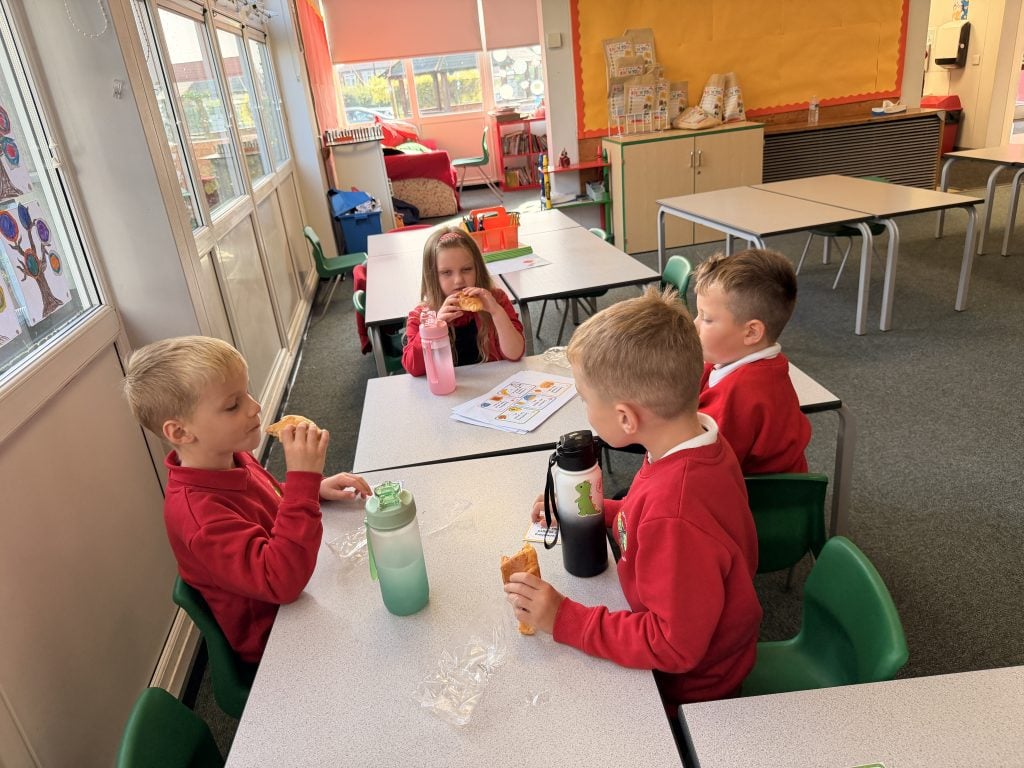
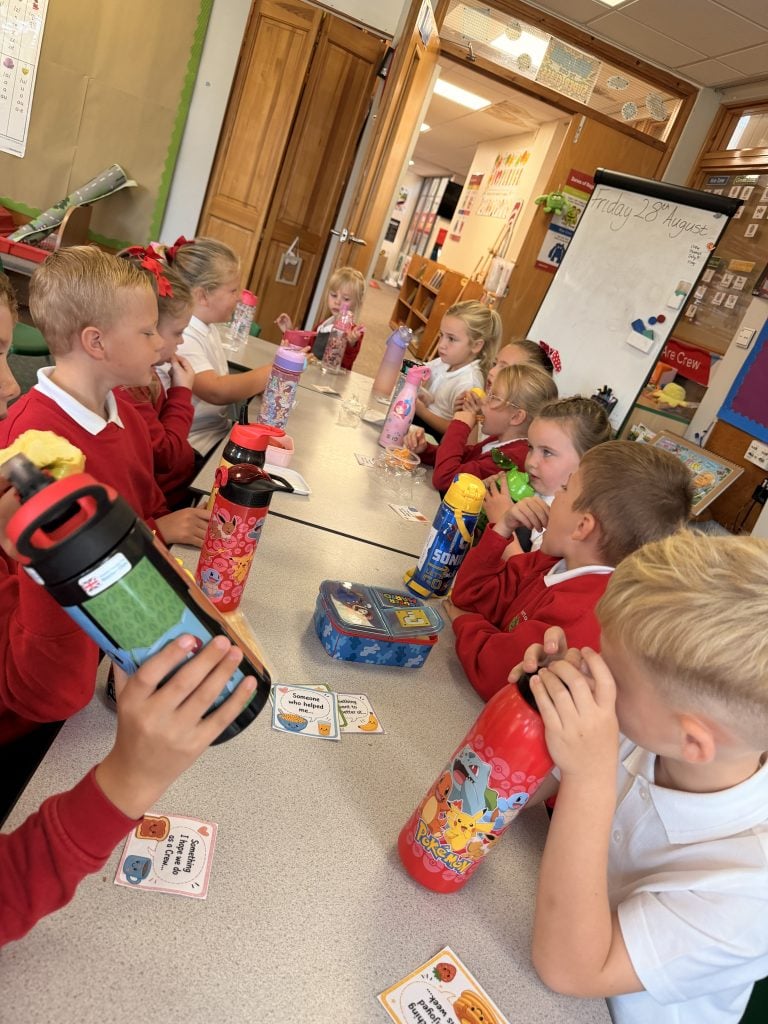
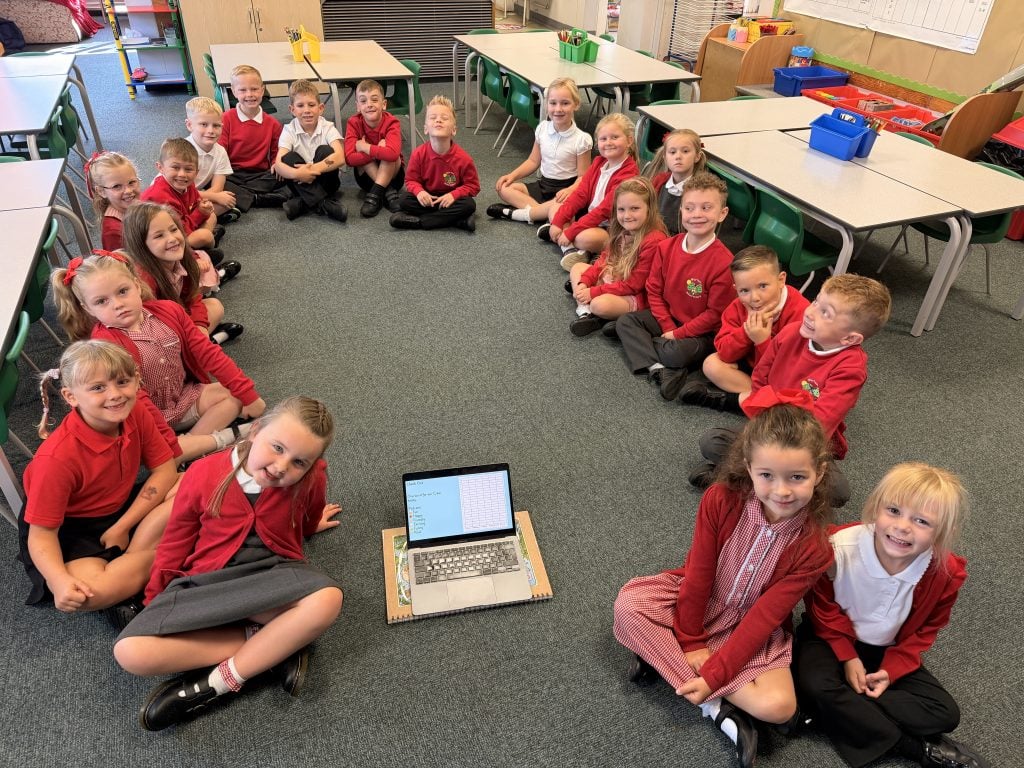
What better way to finish our first week together than with a Crew Breakfast! ❤️
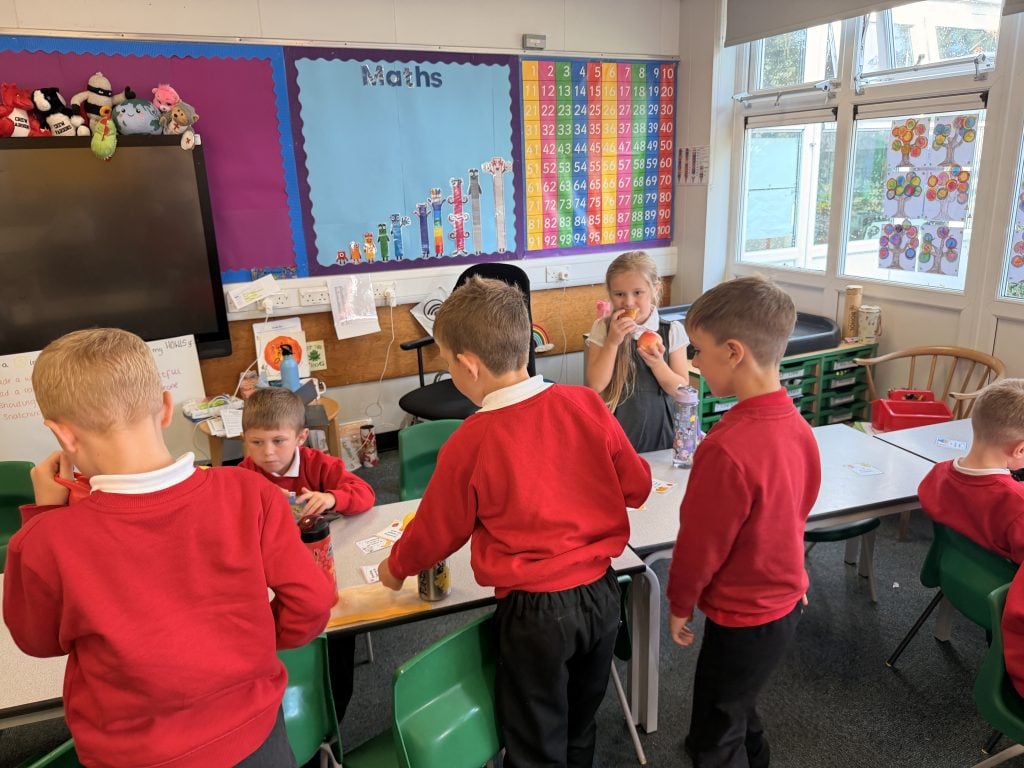
We spent the morning sitting together, chatting, sharing food and continuing to get to know one another. It was such a lovely opportunity to slow down, enjoy each other’s company and celebrate what has been a brilliant first week in Year Two.
But what made our breakfast extra special wasn’t the food… it was the crew thinking that happened all around it.
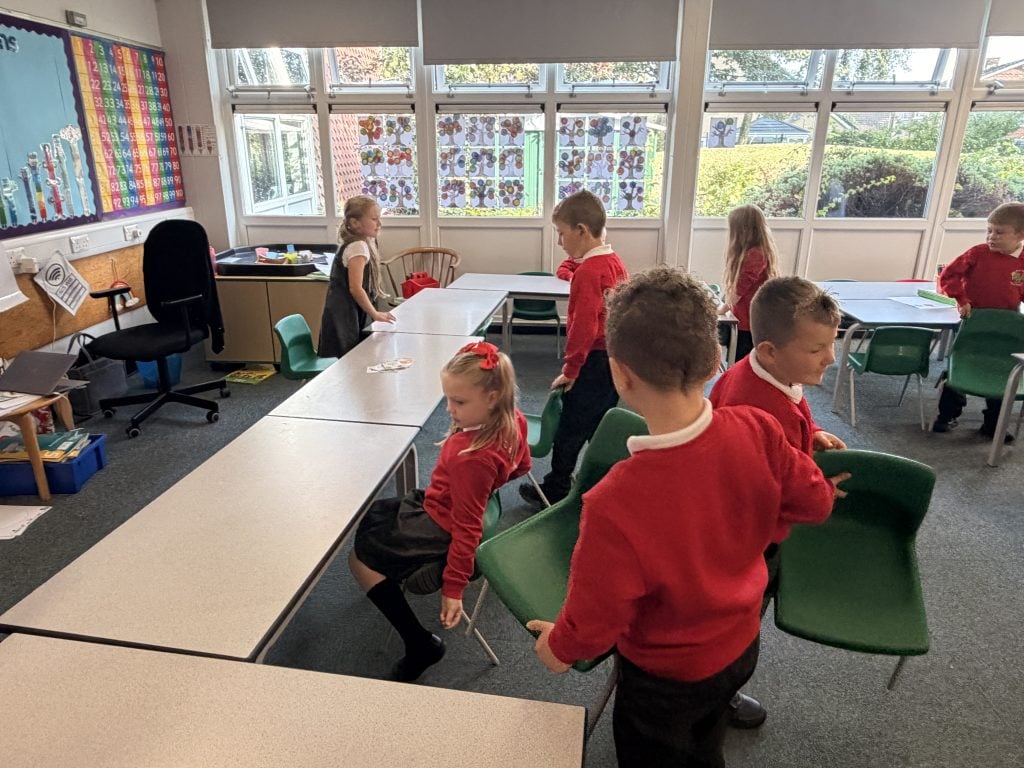
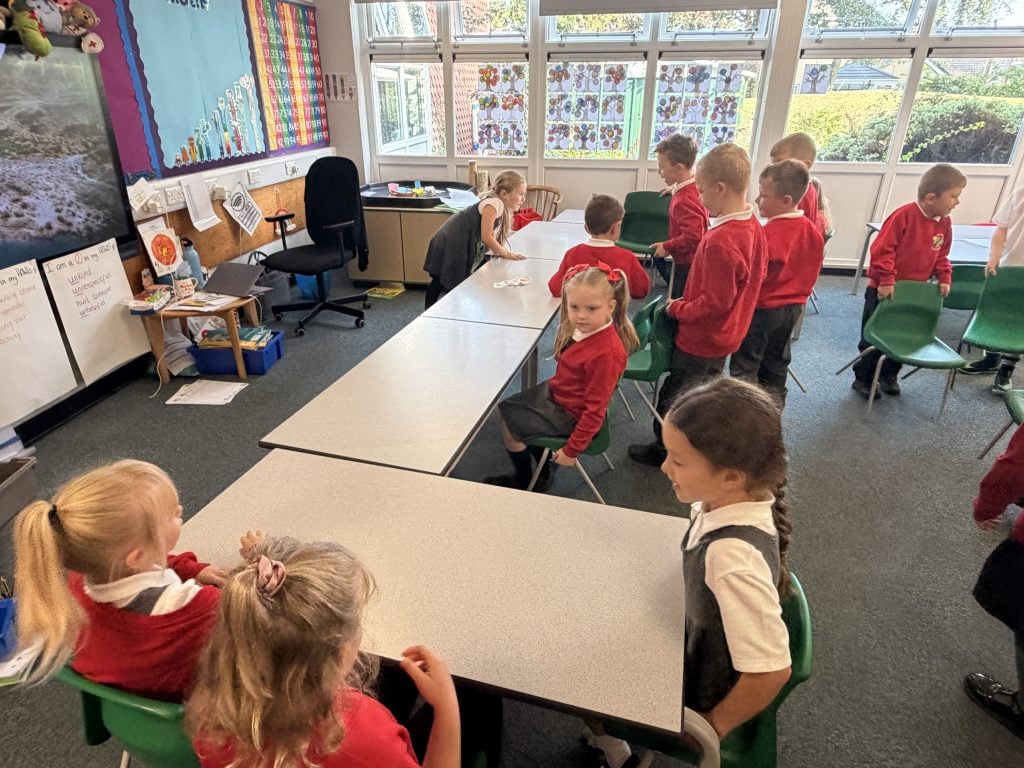
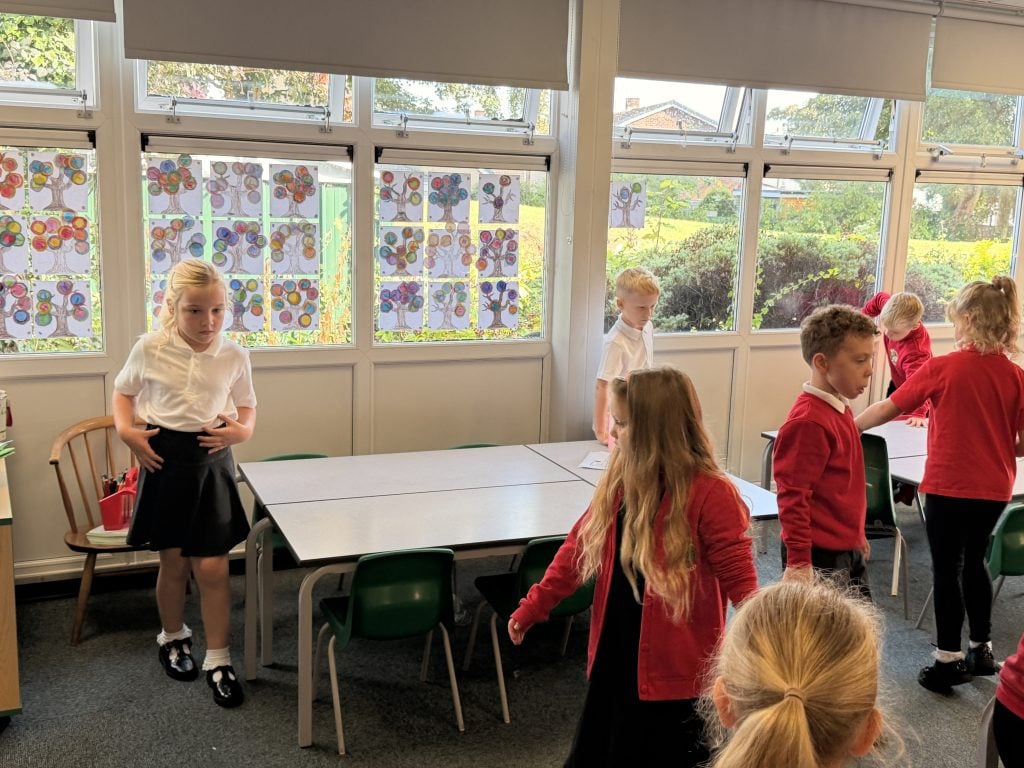
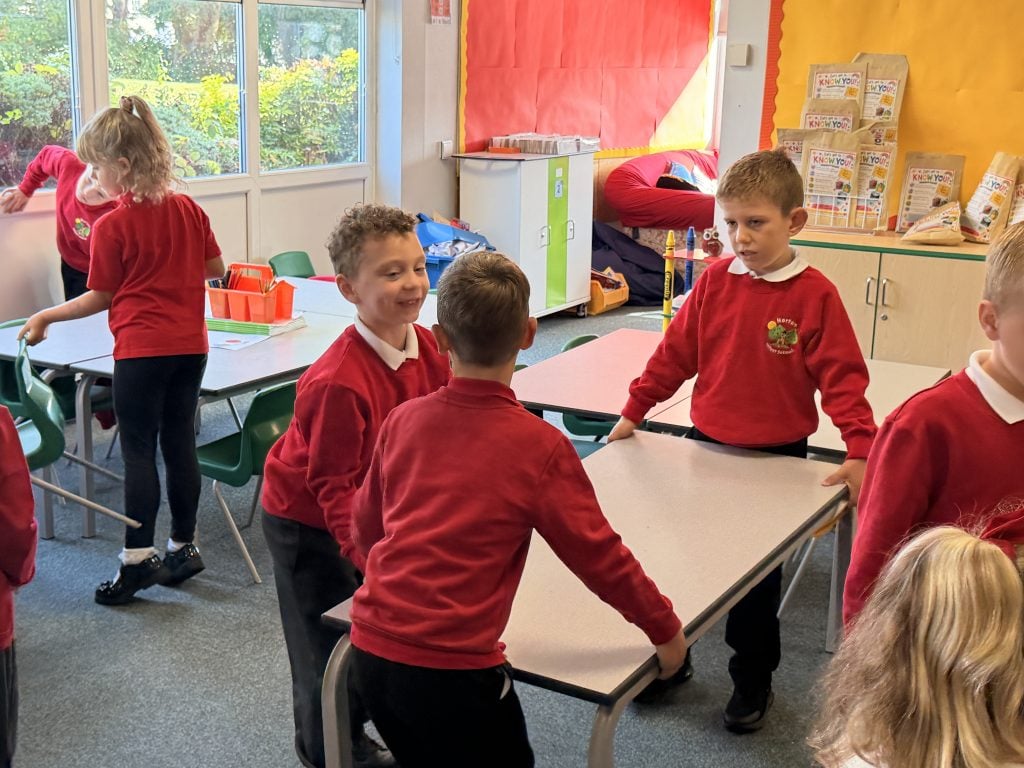
The children decided that we needed to all sit together so that nobody was left out. Without being asked, they organised themselves, moved furniture around and worked together to create one big space where we could all be together. 🥰
And when breakfast was finished, they didn’t just leave it for someone else to sort. They worked together to degunge the classroom, put everything back and rearrange the furniture ready for the next part of our day.
These might seem like little things, but they are exactly the things we want our crew to be about — looking out for one another, taking responsibility, working together and making sure everyone belongs.
What a start to the year! 🌟
I couldn’t be prouder of Crew Attenborough and I can’t wait to see where our journey together takes us. 💚
What a brilliant first week back for Crew Attenborough! 💚
We have spent lots of time getting to know one another, learning what makes our crew special and, most importantly, beginning to understand what it really means to work as a team.
We have tackled lots of crew challenges, including one where we had to build the tallest tower we could. It was fantastic to hear the children thinking carefully about how they could work together. One child summed it up perfectly:
“We need to work together or we won’t do it.”
Another noticed just how important communication was:
“We did some good communicating to help us.”
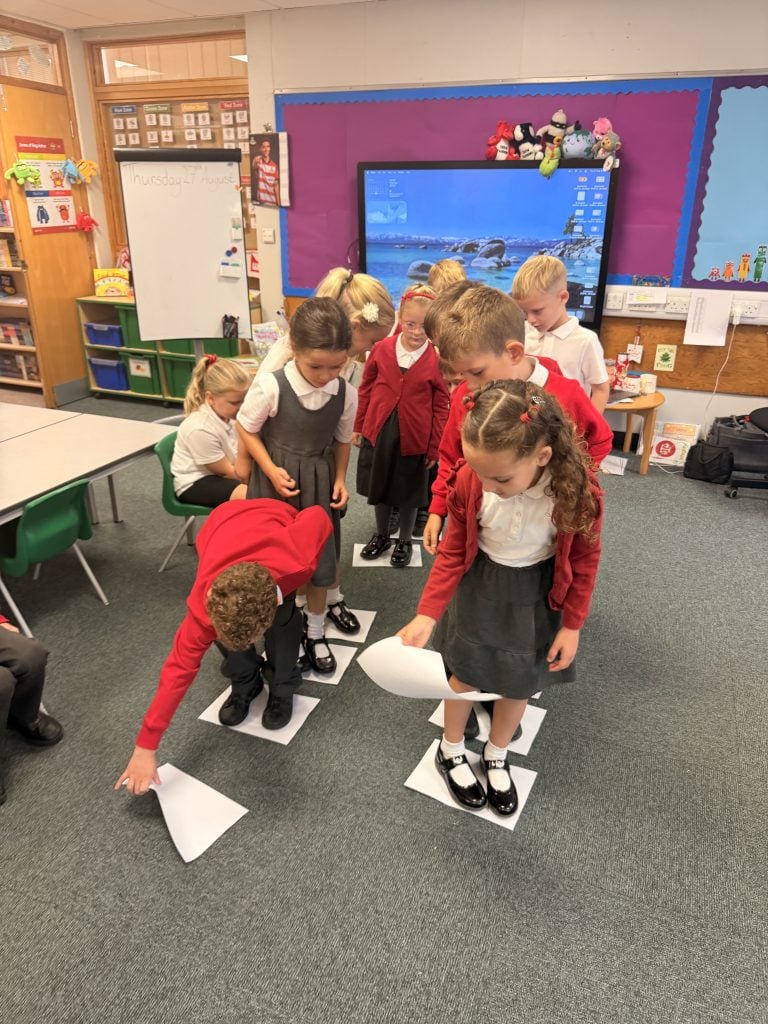
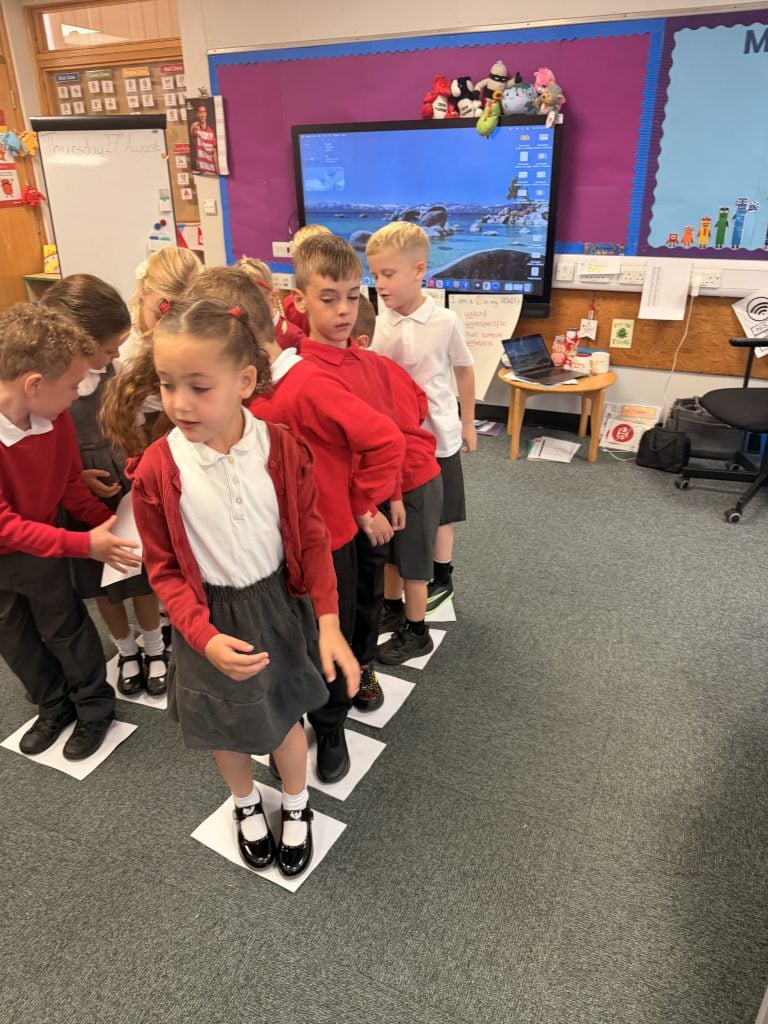
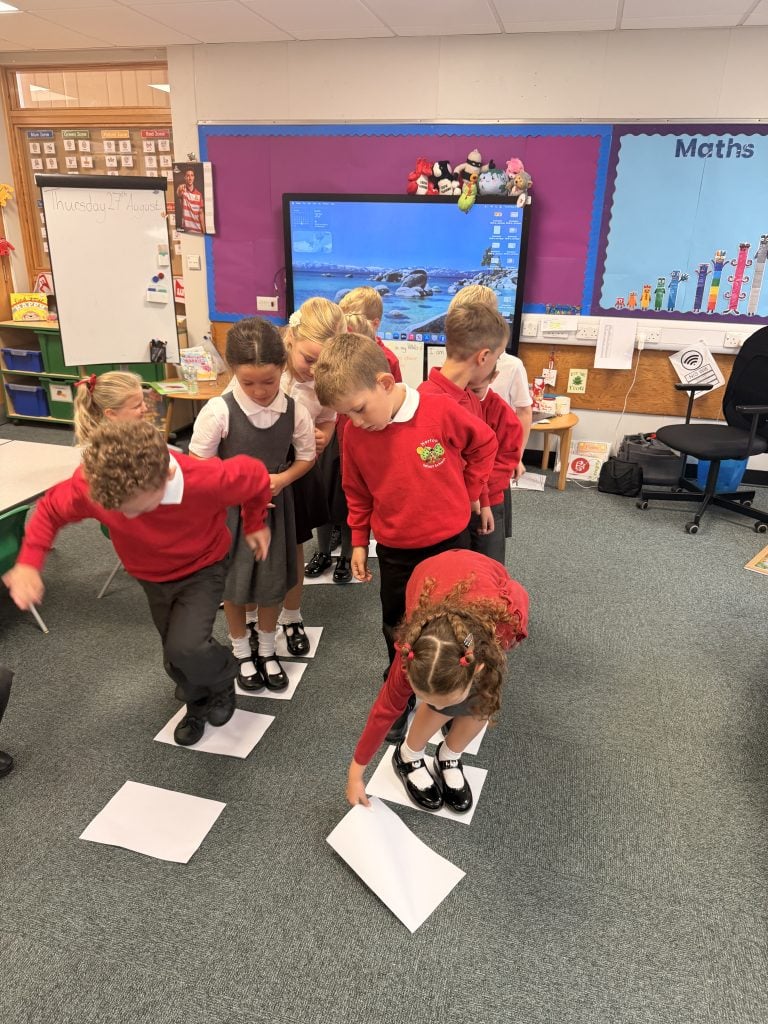
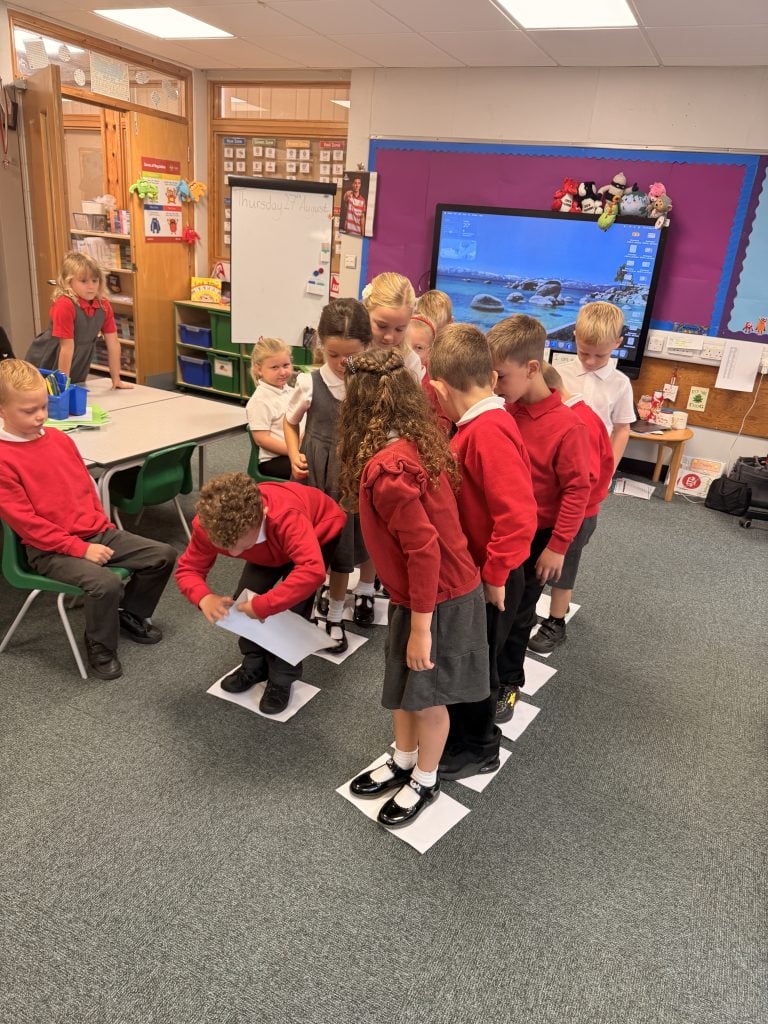
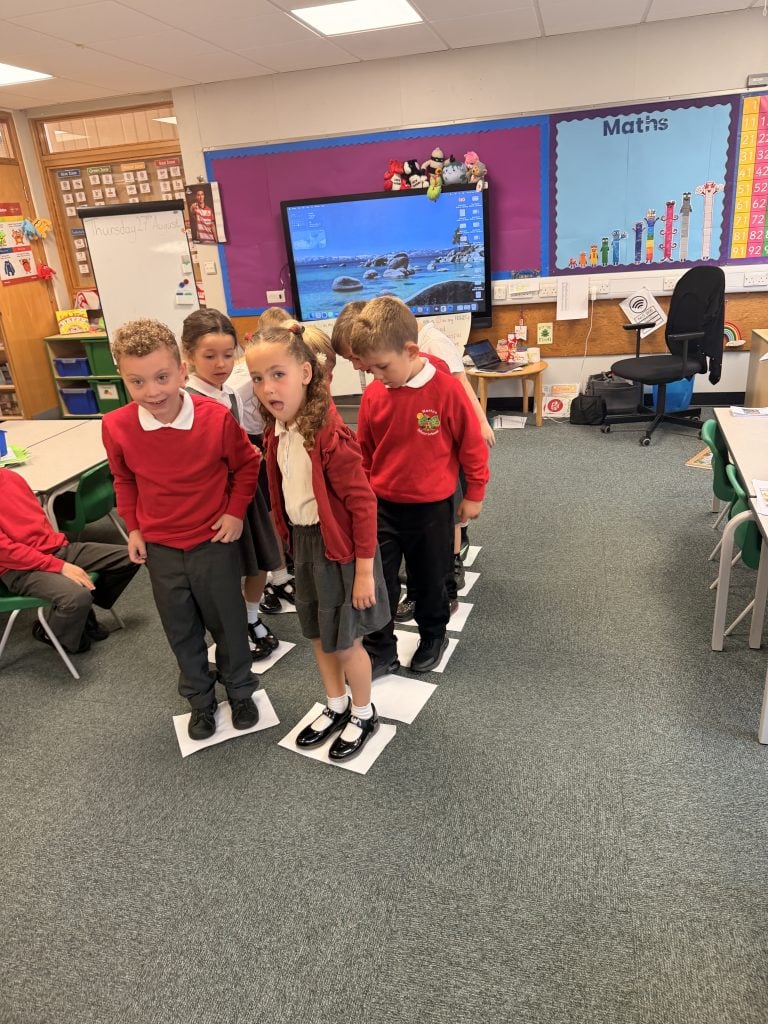
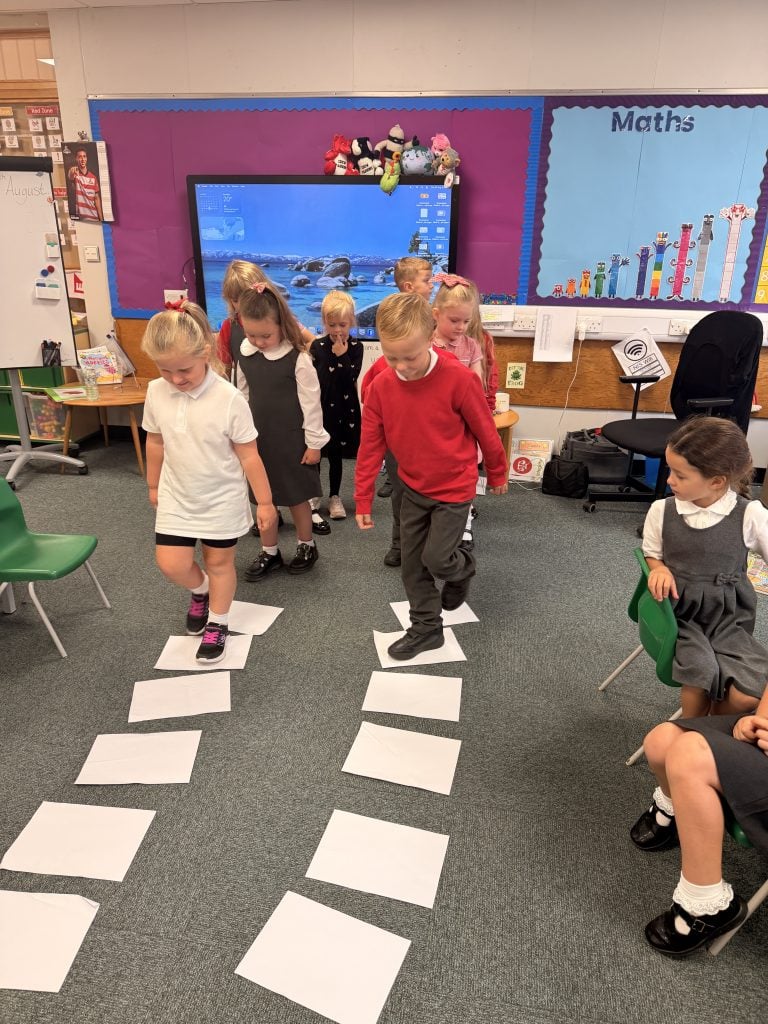
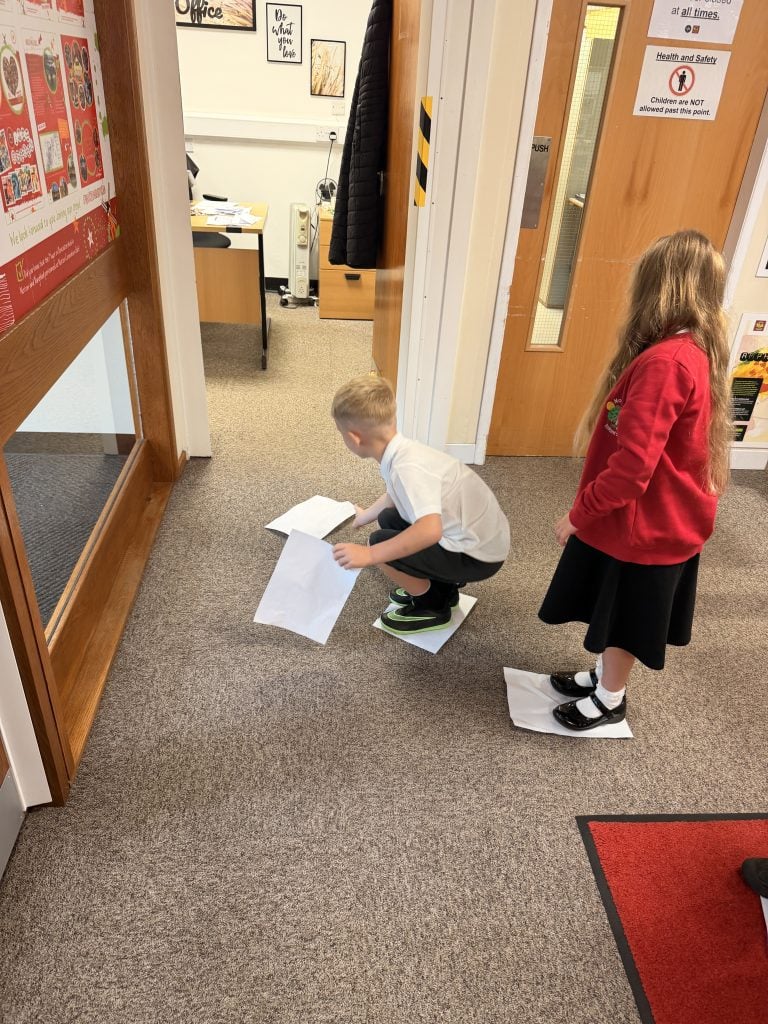
And today, our collaboration skills were REALLY put to the test… because the floor turned to lava! 🌋
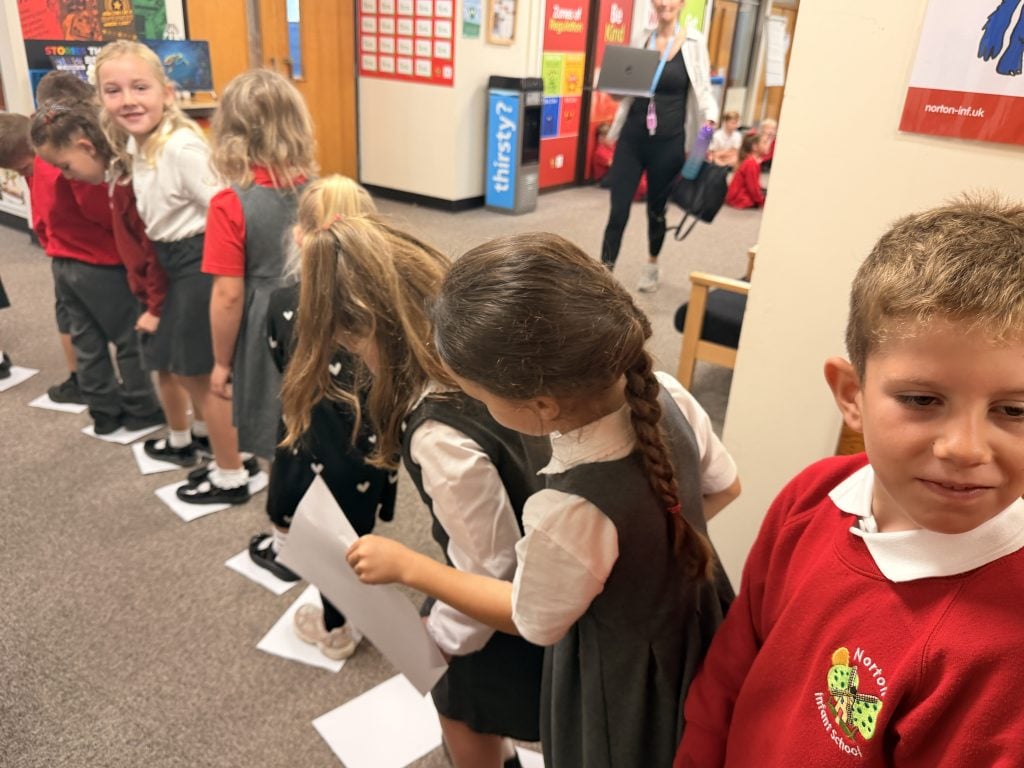
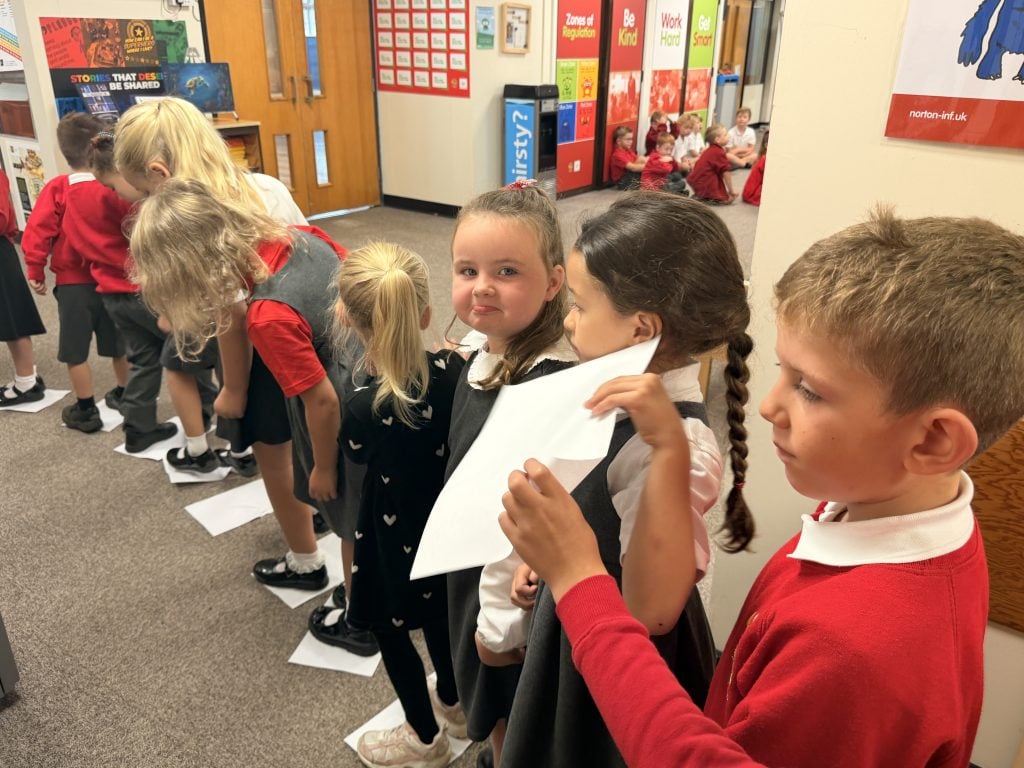
Working in small teams, the children had to figure out how to get safely across our classroom using only the stepping stones. Just when they thought they had cracked it, Mrs Parsons made things even trickier…
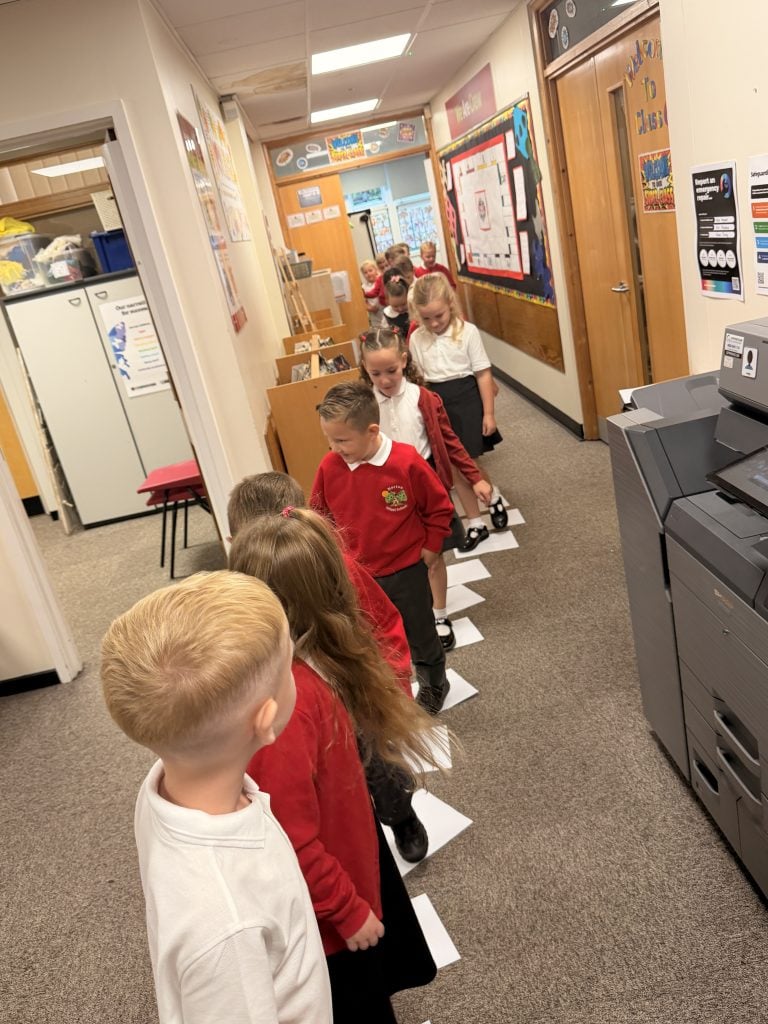
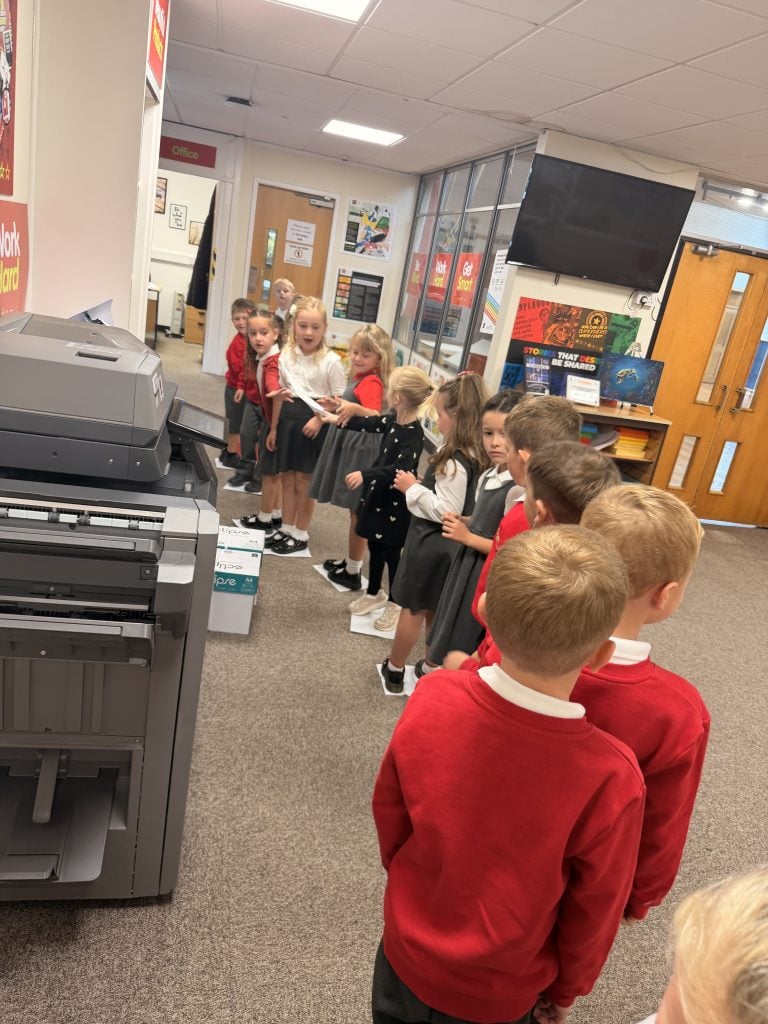
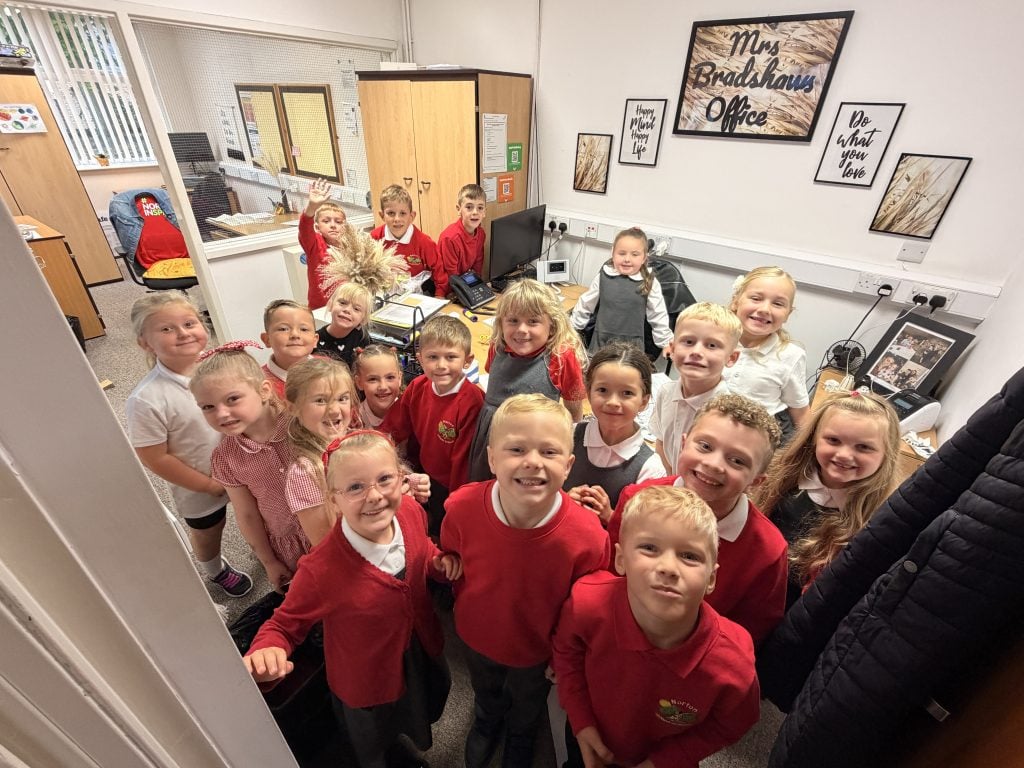
The floor was lava all the way to Mrs Bradshaw’s office! 😱
There was lots of problem-solving, communicating, encouraging, changing plans and, most importantly, persevering when things didn’t go quite right.
Step by step, the children worked together to pass the stepping stones all the way from Class Five, along the corridor and safely to Mrs Bradshaw’s office. And, of course, we couldn’t resist a sneaky little photo when we finally made it! 📸
What a brilliant way to finish our first week. We are already seeing the beginnings of a crew who listen to one another, encourage each other, solve problems together and don’t give up when something feels tricky.
We wonder what Crew Attenborough will be able to achieve when we really start working as one crew… 🌿💚
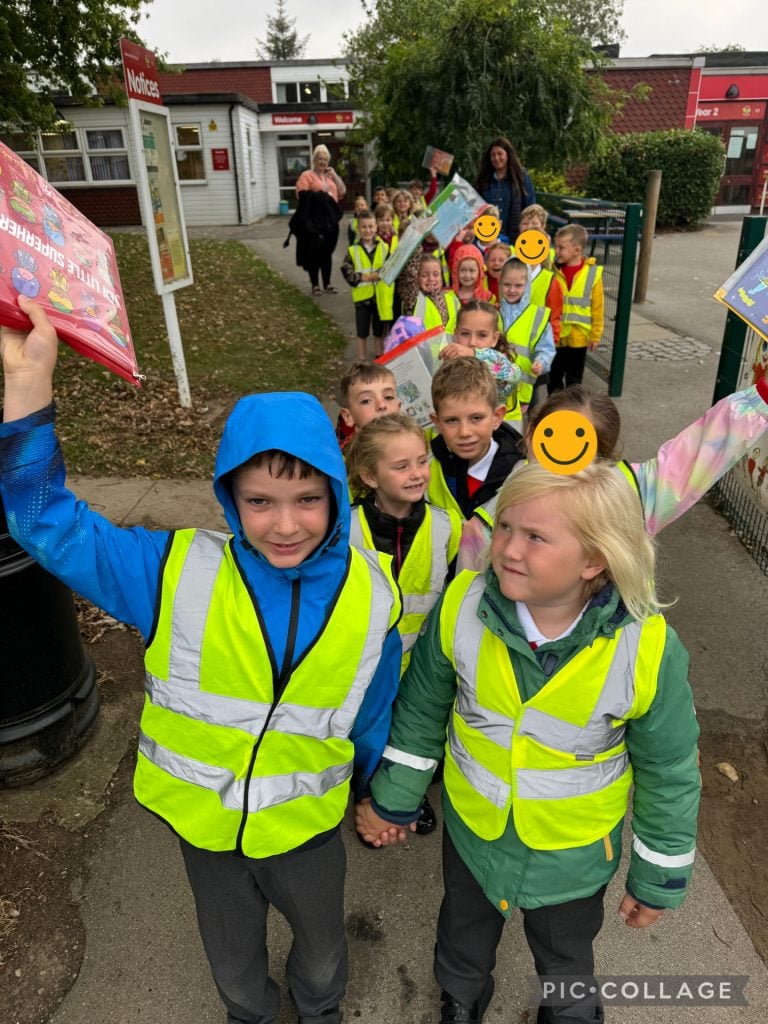
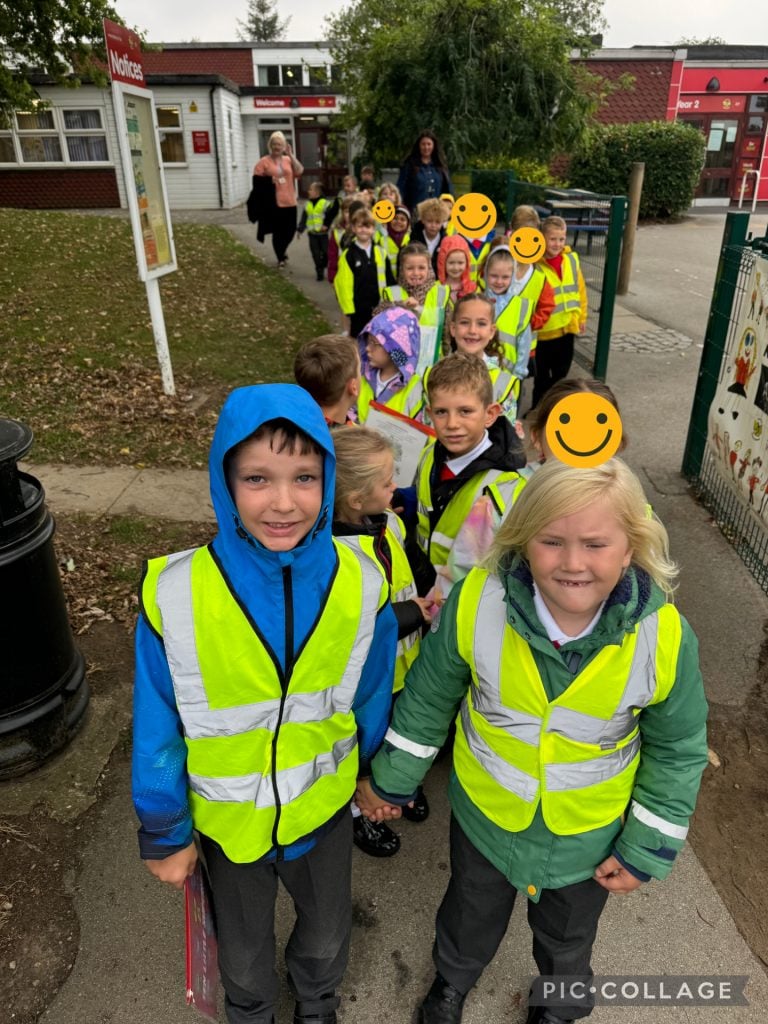
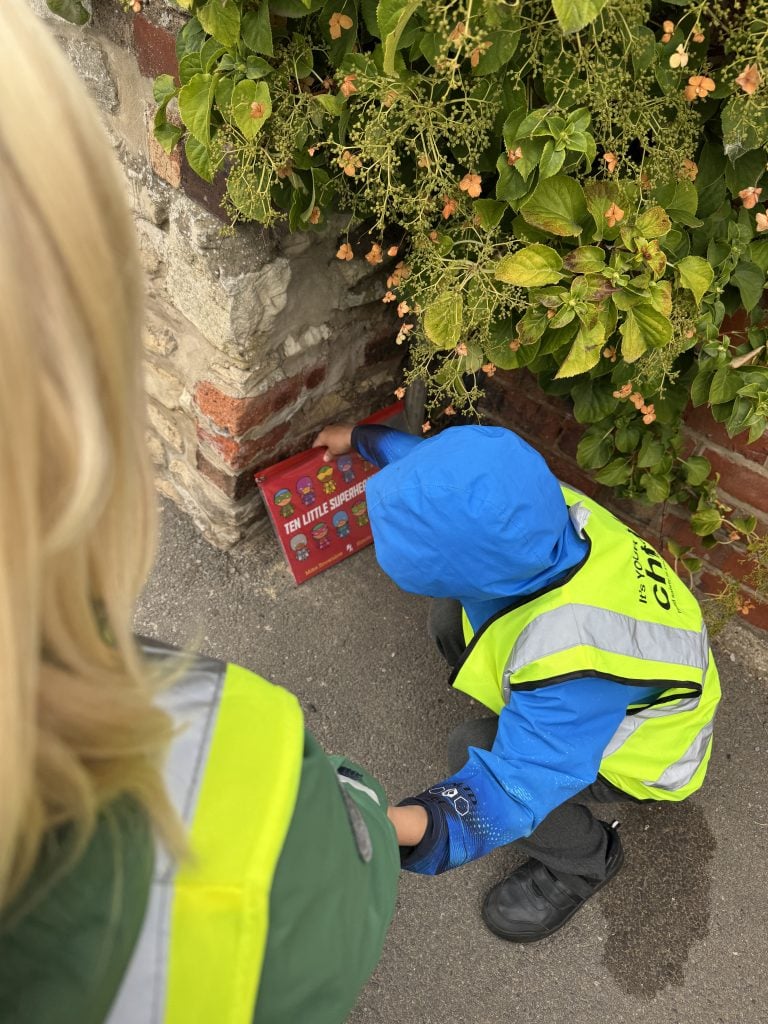
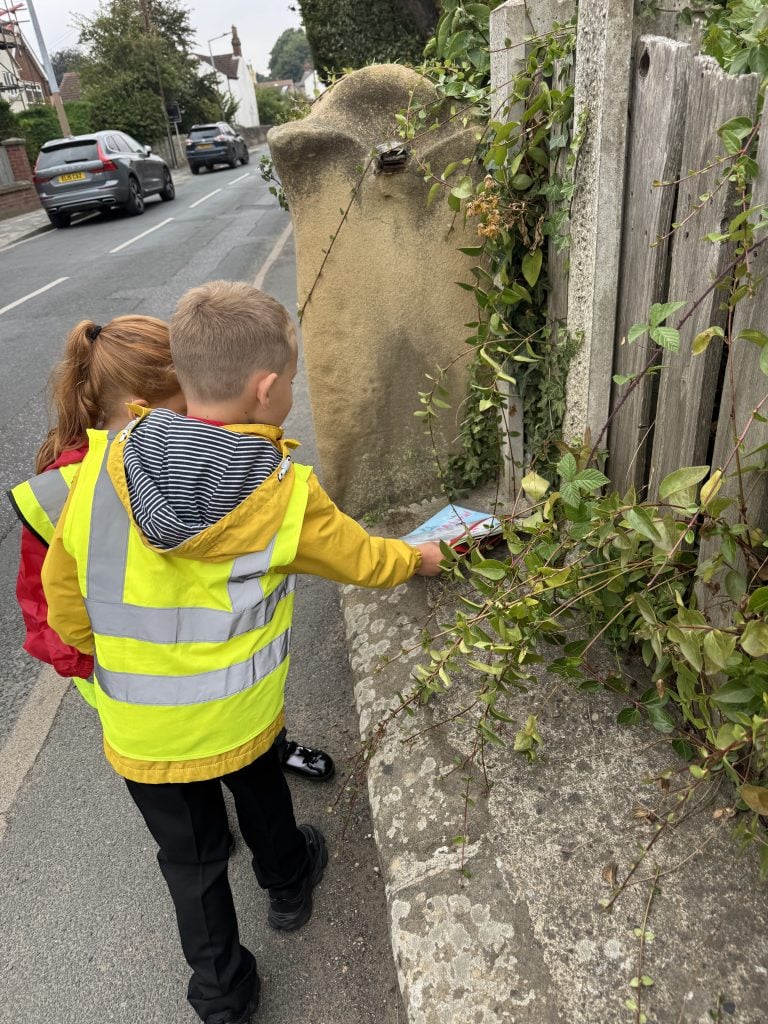
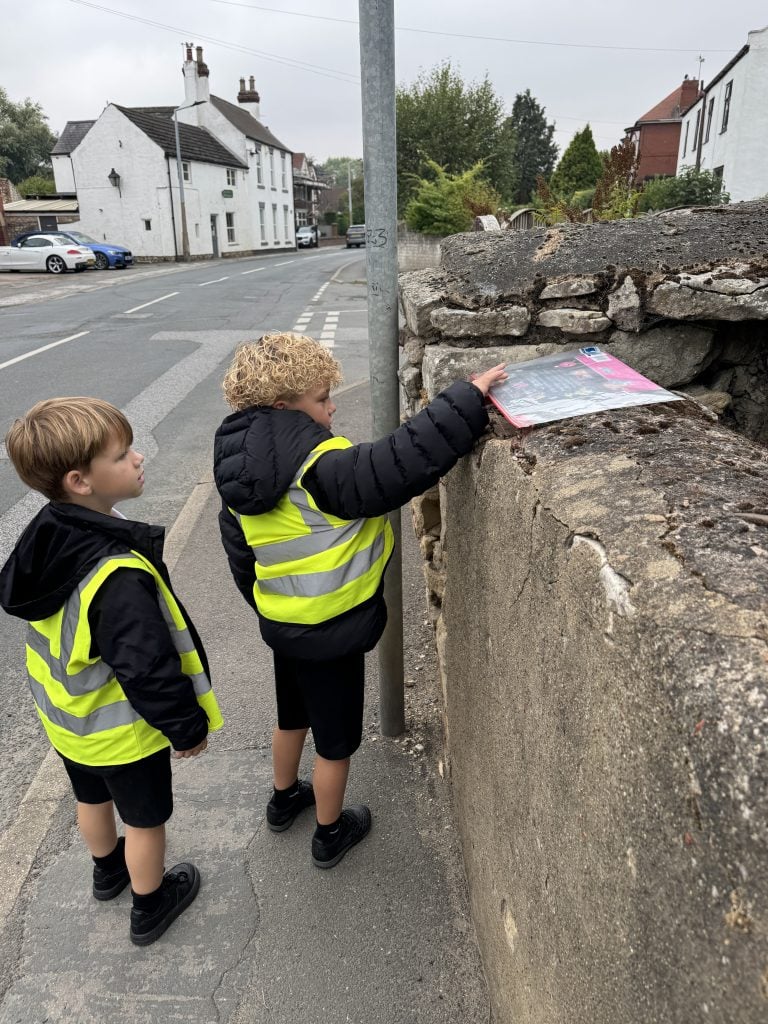
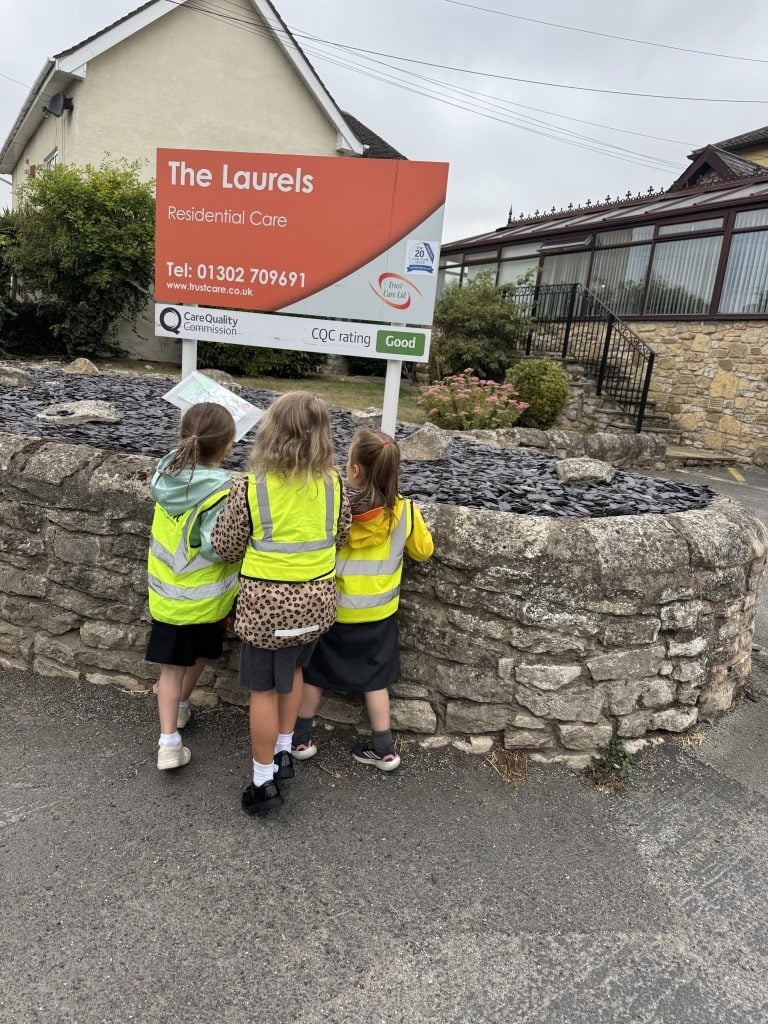
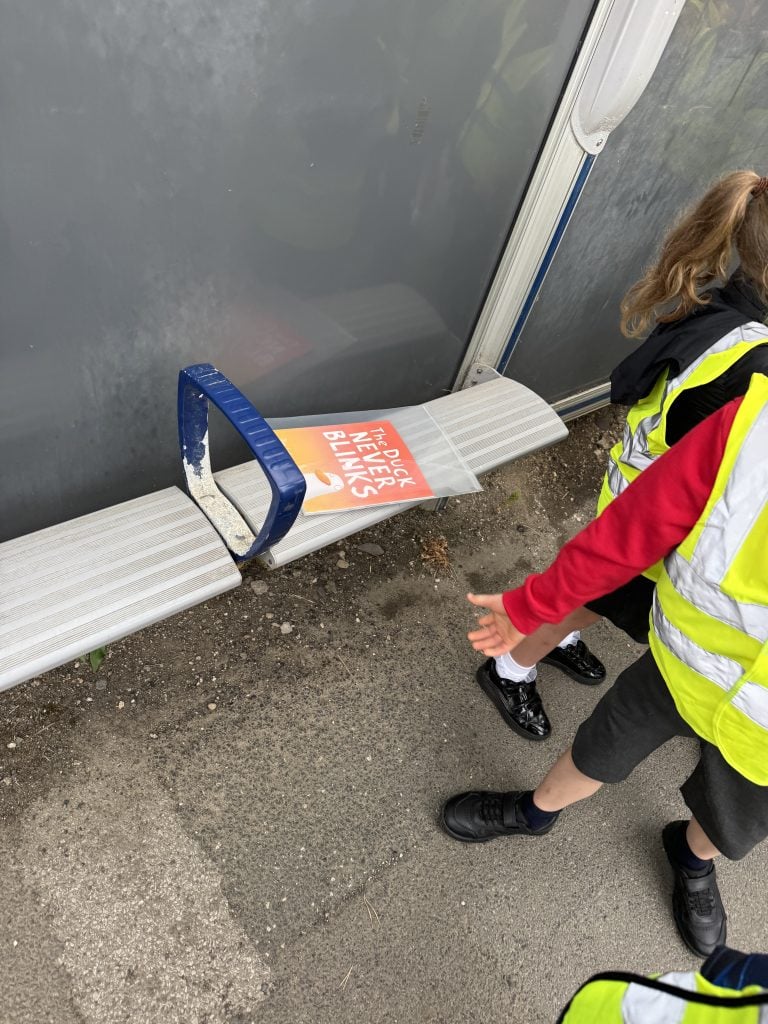
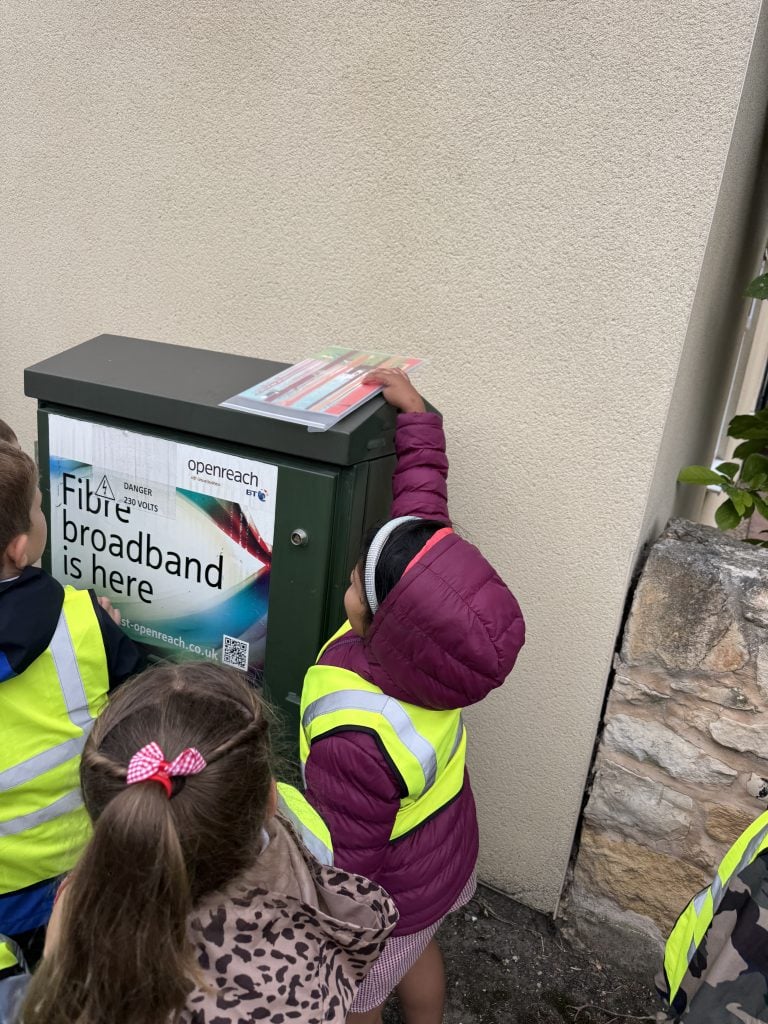
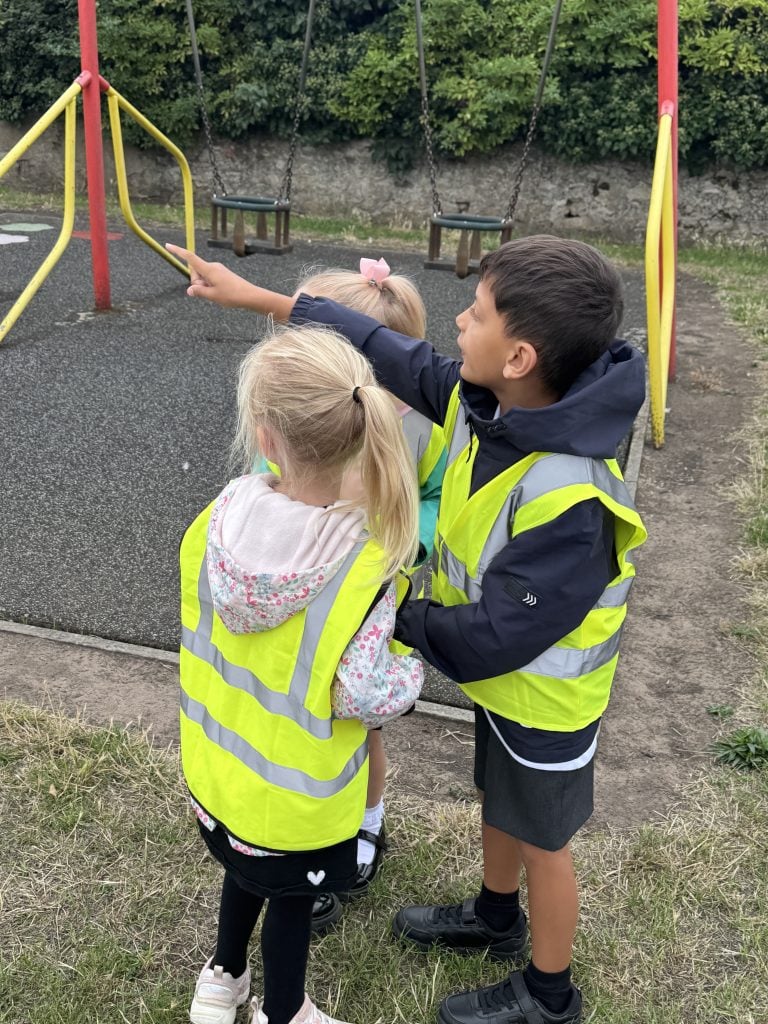
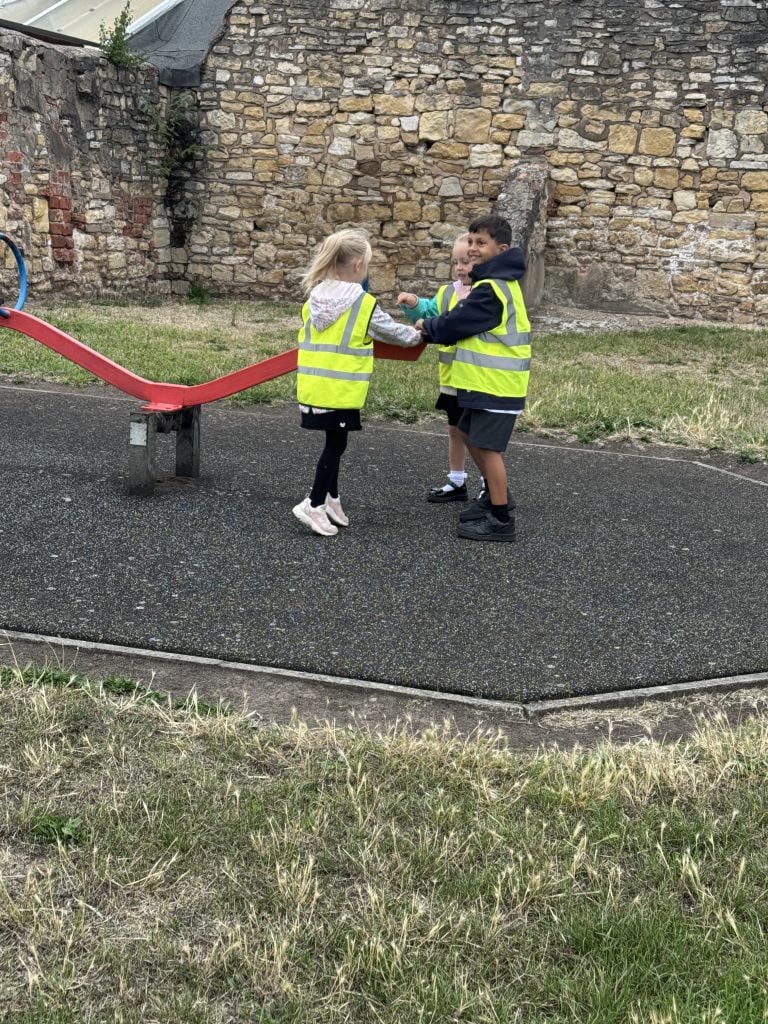
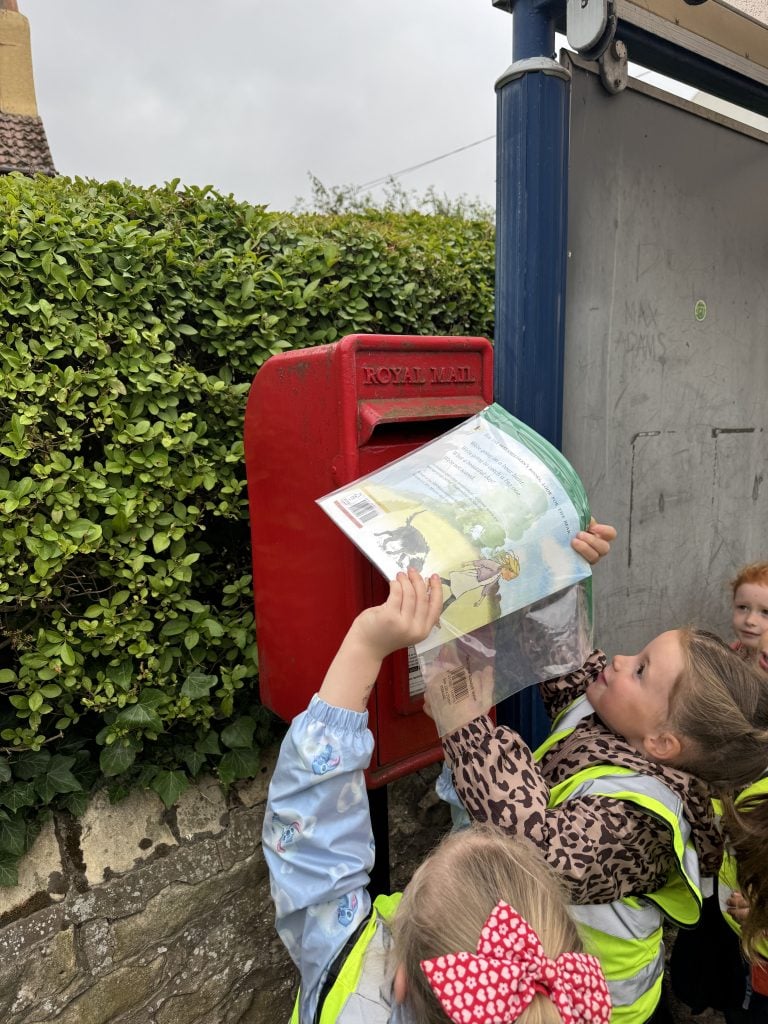
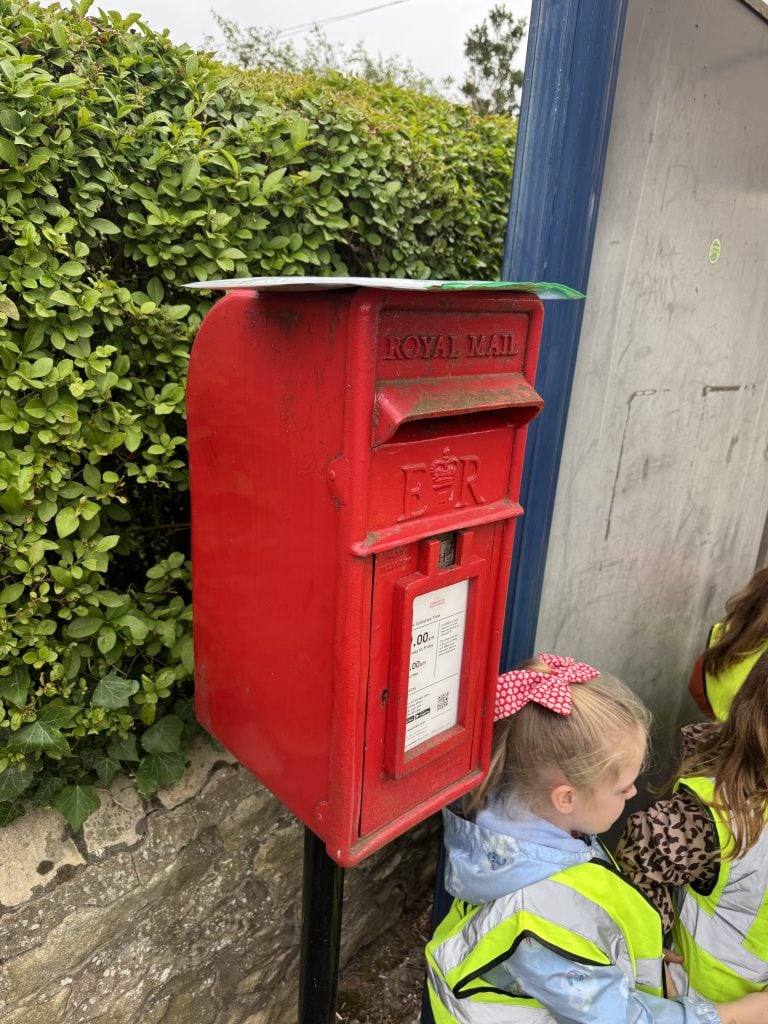
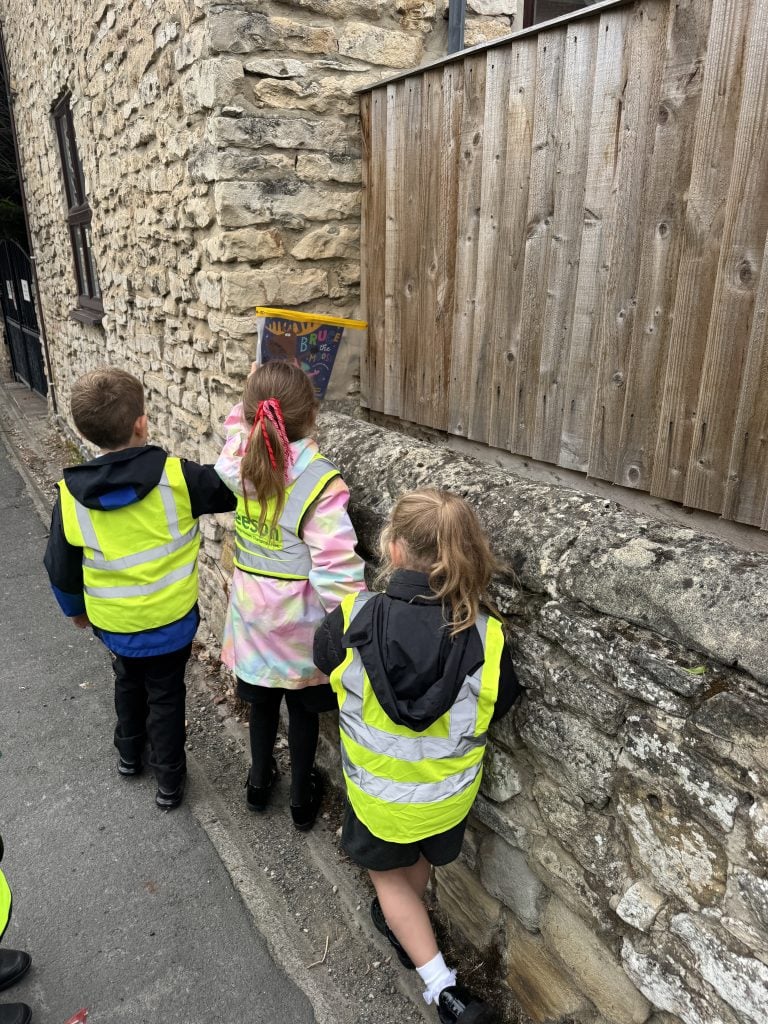
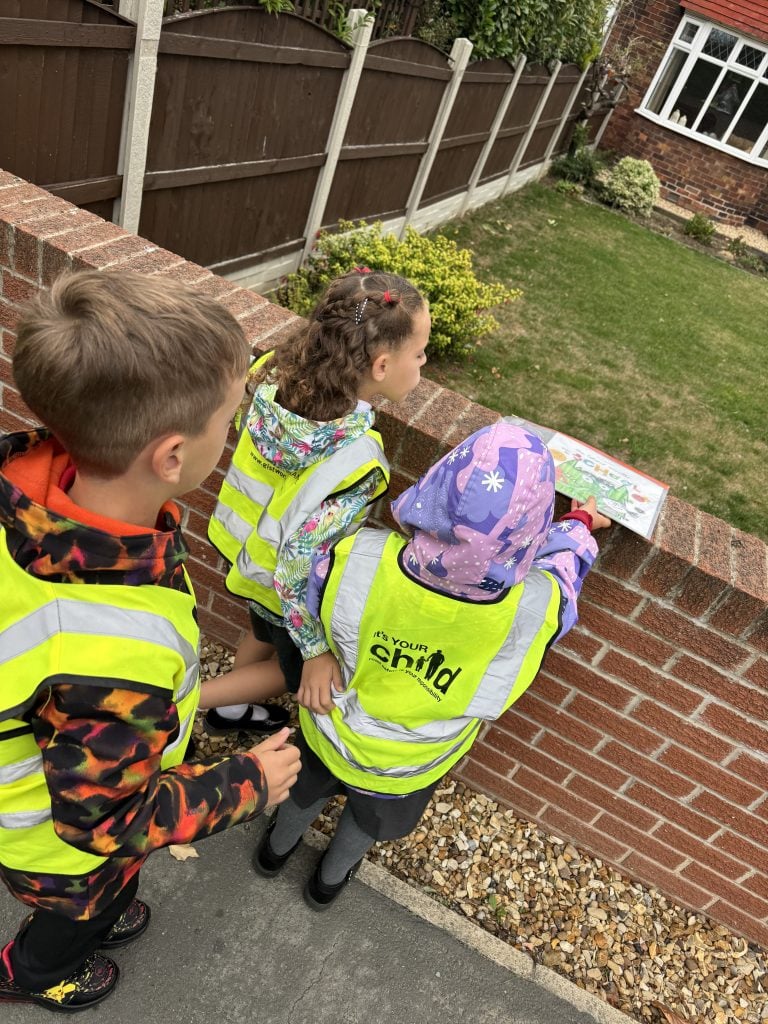
This week Class Six have been thinking about the question “does Crew stop at the school gates?”. As part of this, we have been thinking about what we can do to help our local community and we decided we were going to be Book Fairies!
All week the children have been working really hard. They have been showing respect when listening to the stories and even spent time designing and redrafting their very own Book Fairies.
This morning we have been out on a walk around Norton hiding lots of books! If you are out and about around Norton today, or even walking home from school, make sure you keep an eye out for a book to take home and read!
What a beautiful way to begin our first Community Meeting together! Our children sat so beautifully, listening carefully and modelling our character trait of respect. It was lovely to see them showing each other that they were ready to listen, learn and share.
We shared the wonderful story Try, which reminds us that things don’t always work the first time. The message is simple but powerful: when something feels difficult, we don’t have to give up — we can keep trying, learn from what happens and have another go. 🌱
This led us into a conversation about heroes. At first, our heroes were the ones we might expect — Hulk, Superman and other superheroes with incredible powers! 🦸♂️🦸♀️
But then our thinking began to change…
We wondered: Does a hero have to have superpowers?
Could someone be a hero because they are kind? Because they help someone? Because they keep going when something is tricky? Because they stand up for someone else? Because they make a difference in their community?
And perhaps most importantly… could we be heroes too? 💛
It was wonderful to watch the children move from thinking about heroes as characters with superpowers to recognising that ordinary people can do extraordinary things through their choices, their courage, their kindness and the way they look after others.
What a lovely first Community Meeting — and what a brilliant start to our year together. 🌟
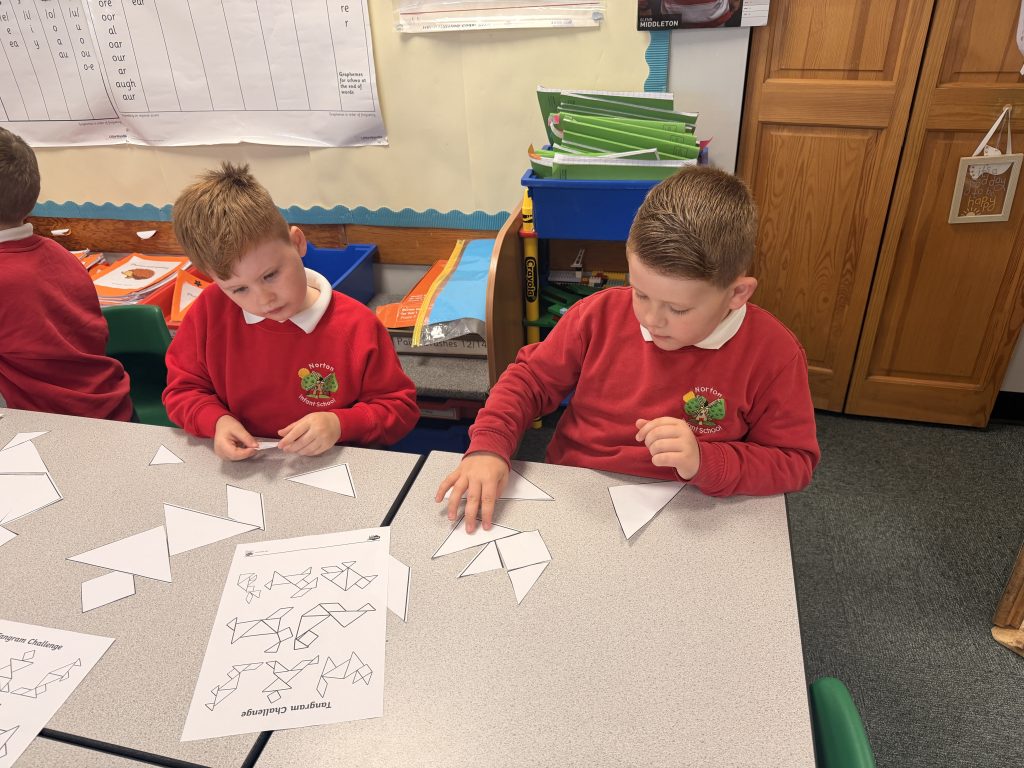
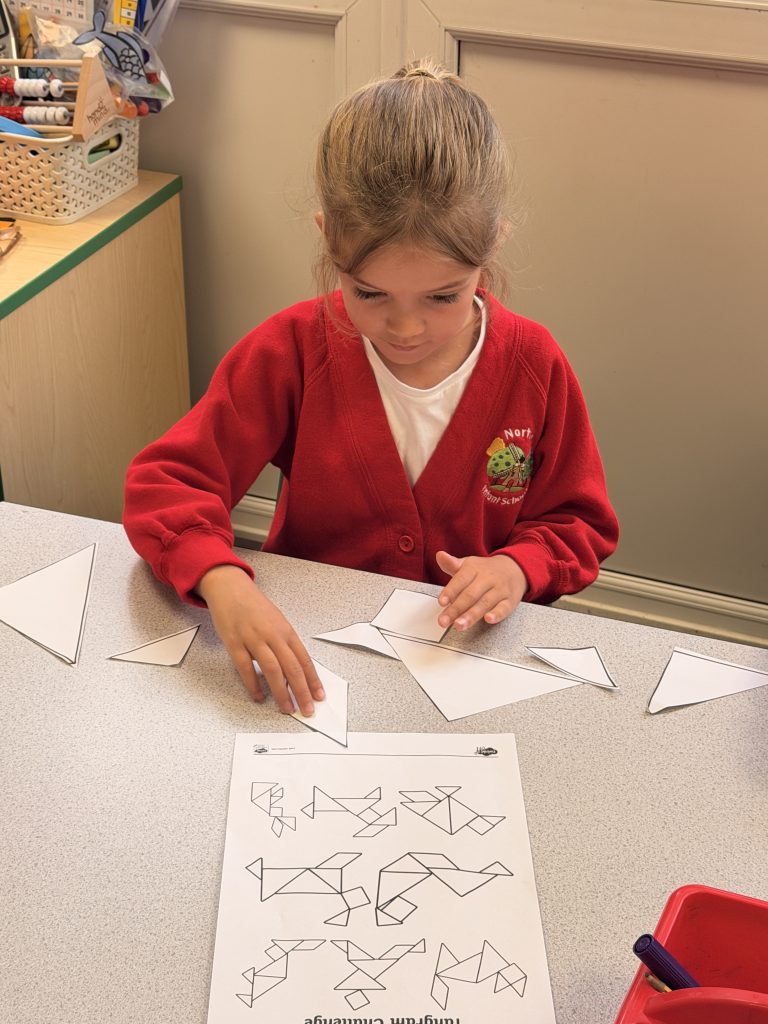
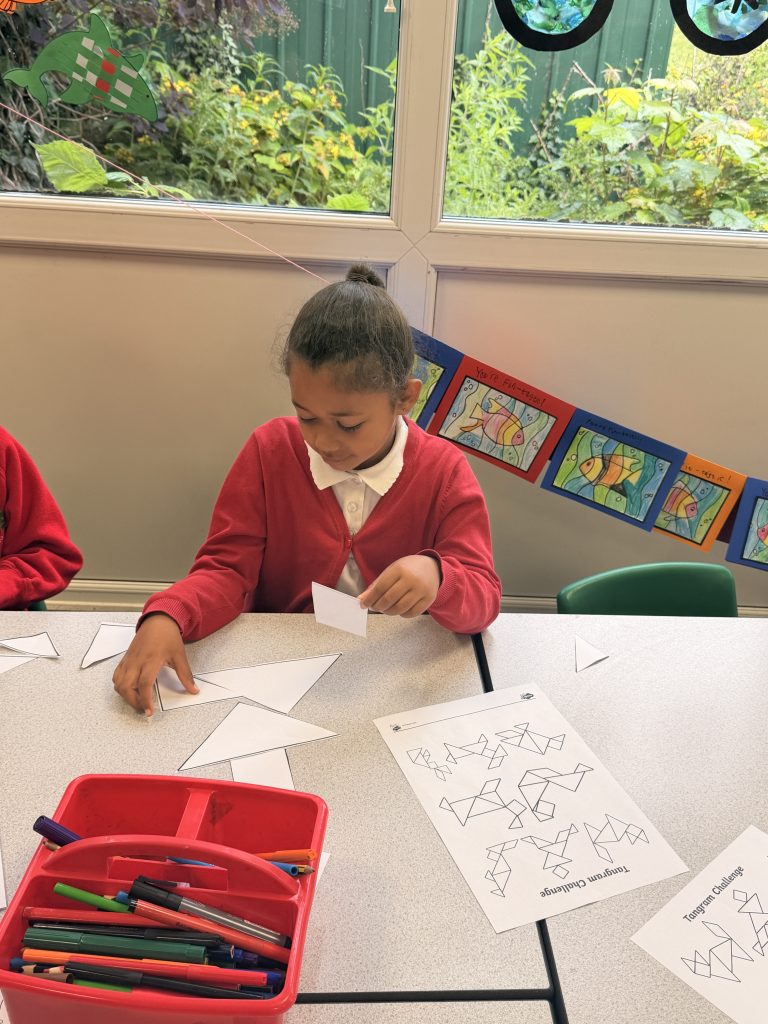
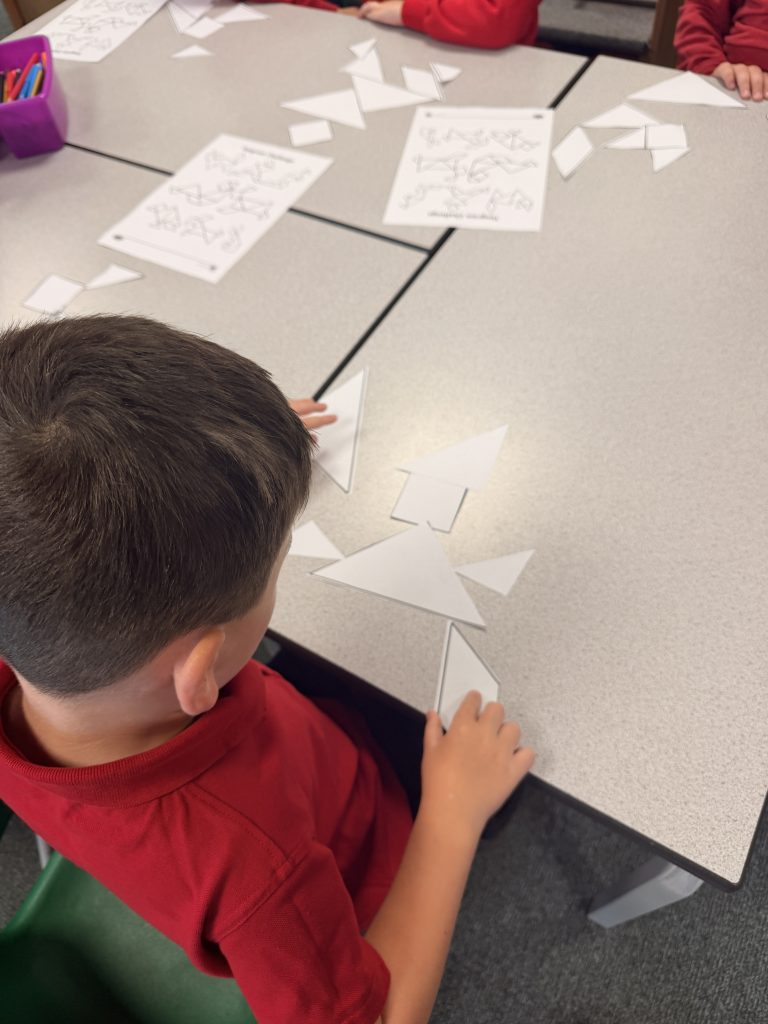
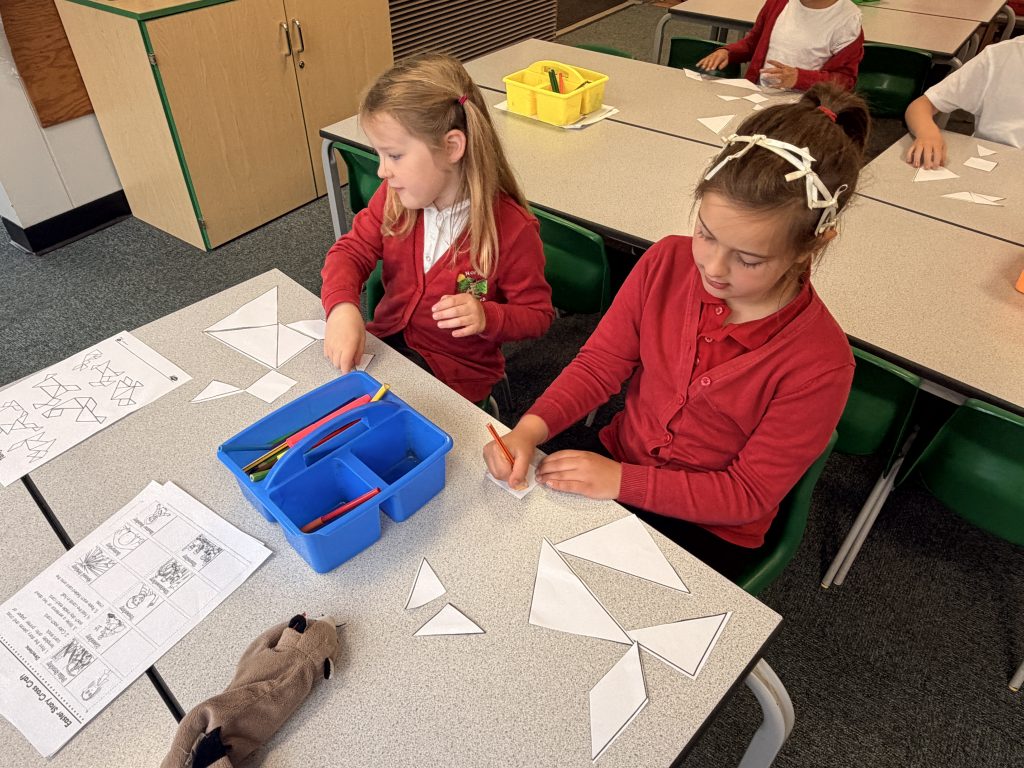
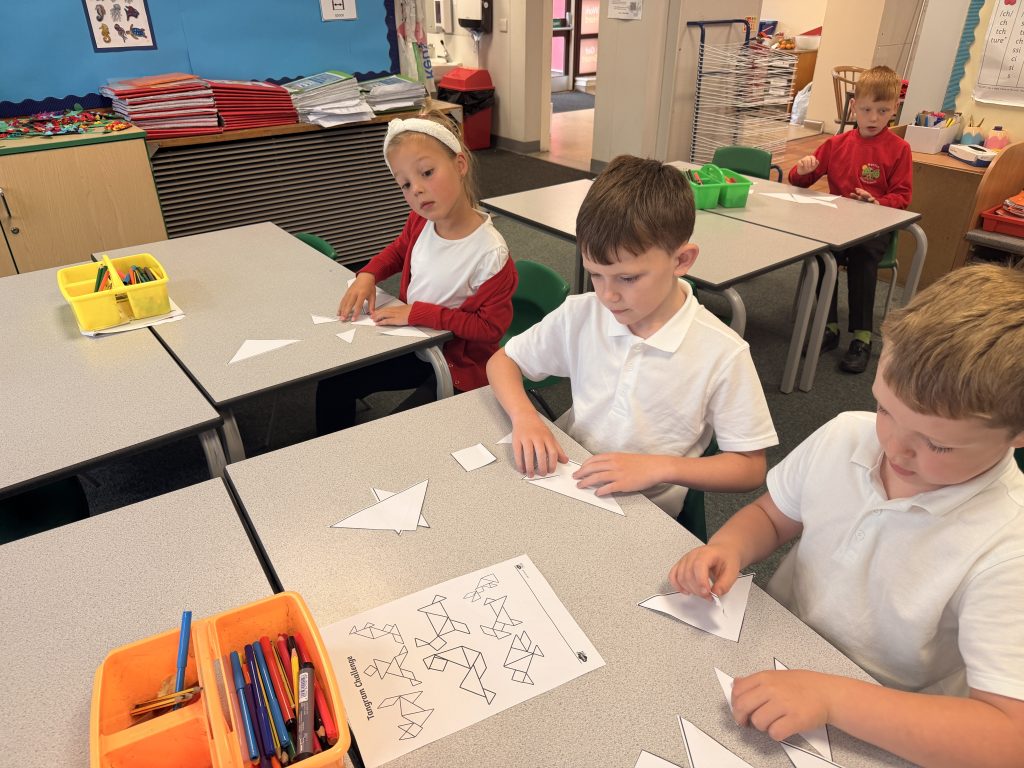
Resilience was out in full force this morning in Crew Parkinson!
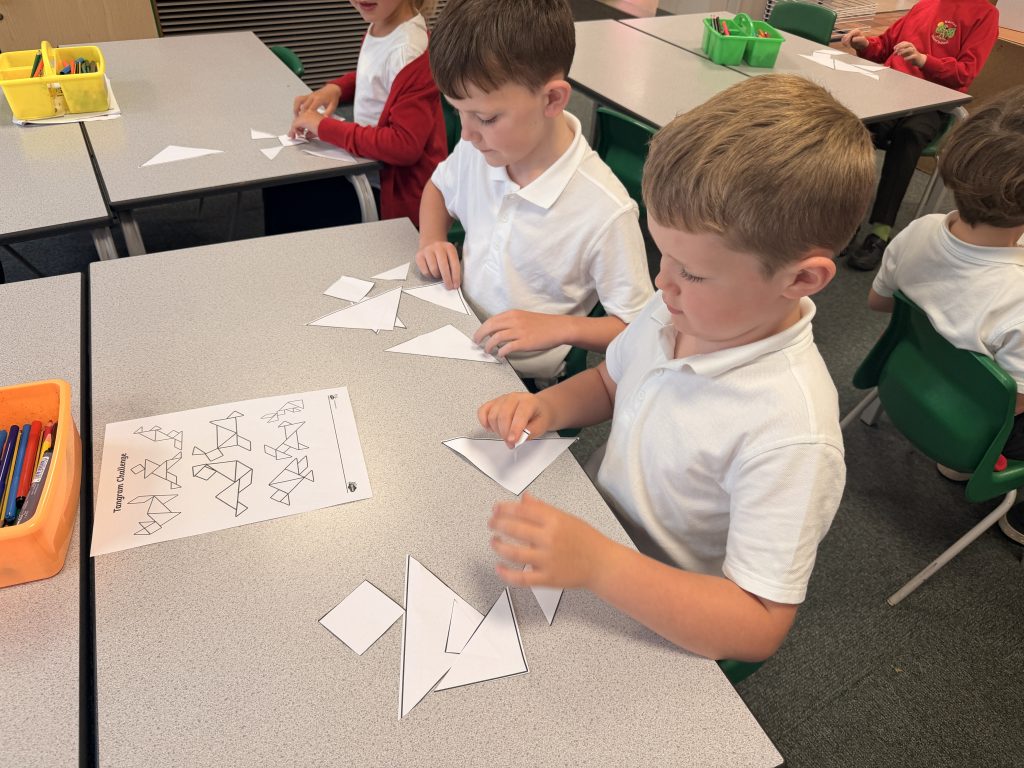
Our children were challenged to create different animals using tangram puzzles. It wasn’t always easy, and there were plenty of moments where we had to persevere, rethink our ideas and try a different approach. The children showed fantastic determination as they grappled with the challenge and refused to give up when the pieces didn’t quite fit the first time.
Once everyone had chosen their favourite animal design, we set about transforming it into our own tangram puzzle. The children carefully added colour and features to bring their creations to life, thinking about how they could make them both attractive and challenging for others to solve.
Next week, we’ll be sharing our puzzles with our crew mates and putting each other’s problem-solving skills to the test. We can’t wait to see who can crack the challenges that have been created!
A wonderful morning of creativity, perseverance and teamwork—well done, Crew Parkinson! 🧩✨
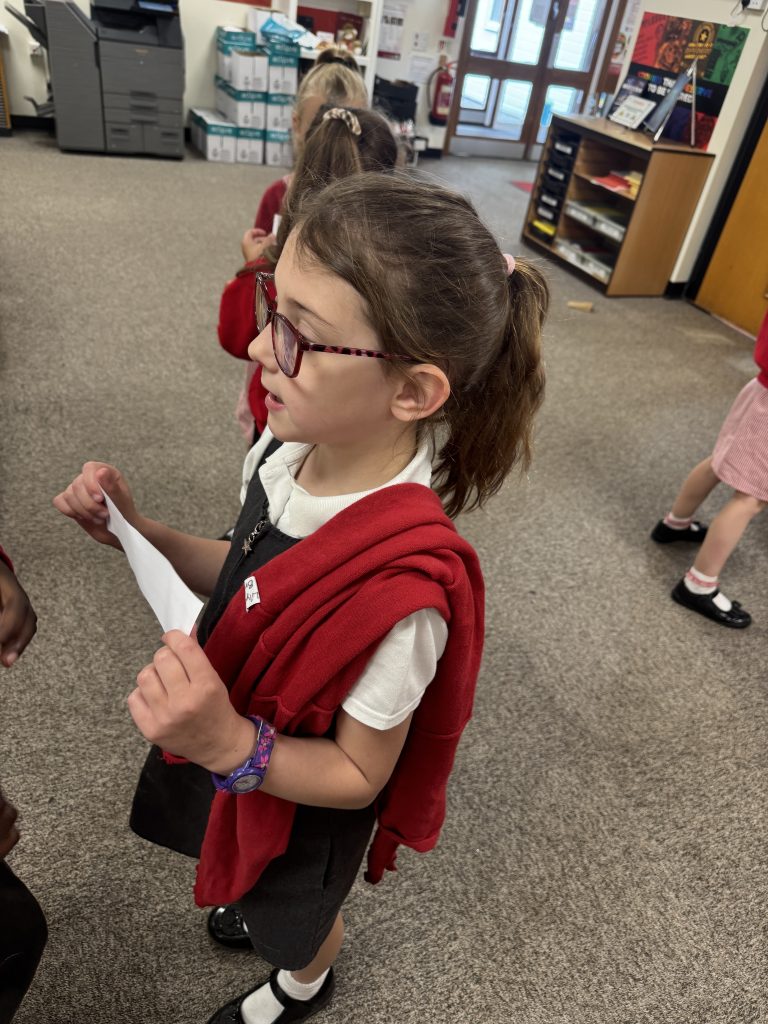
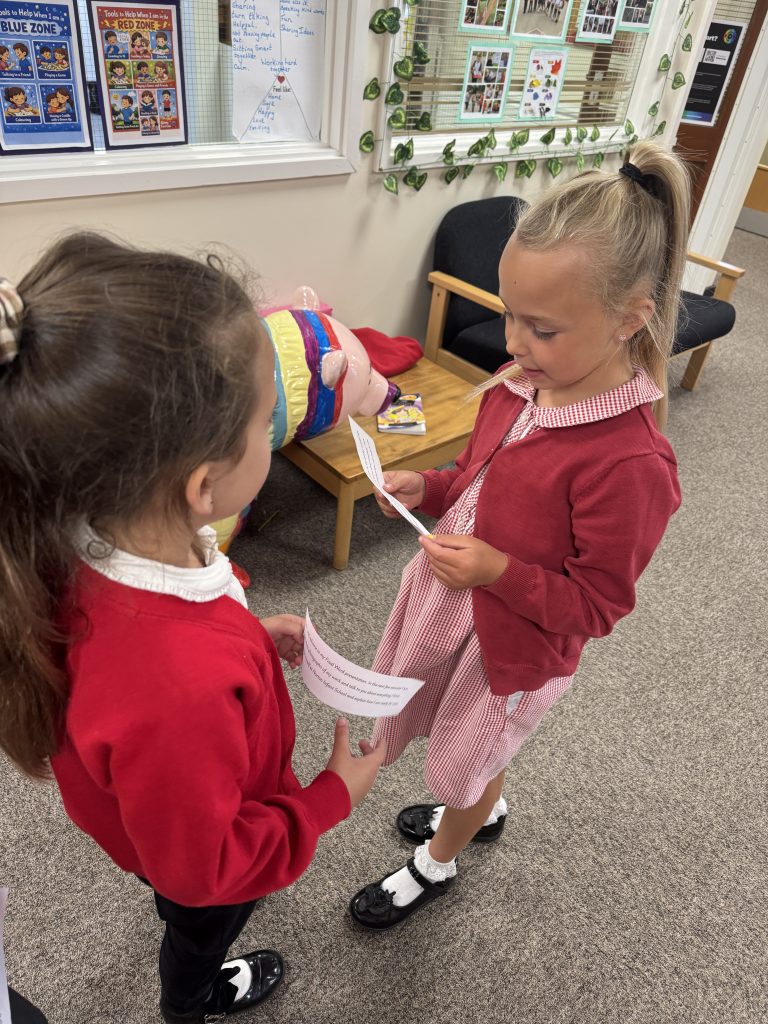
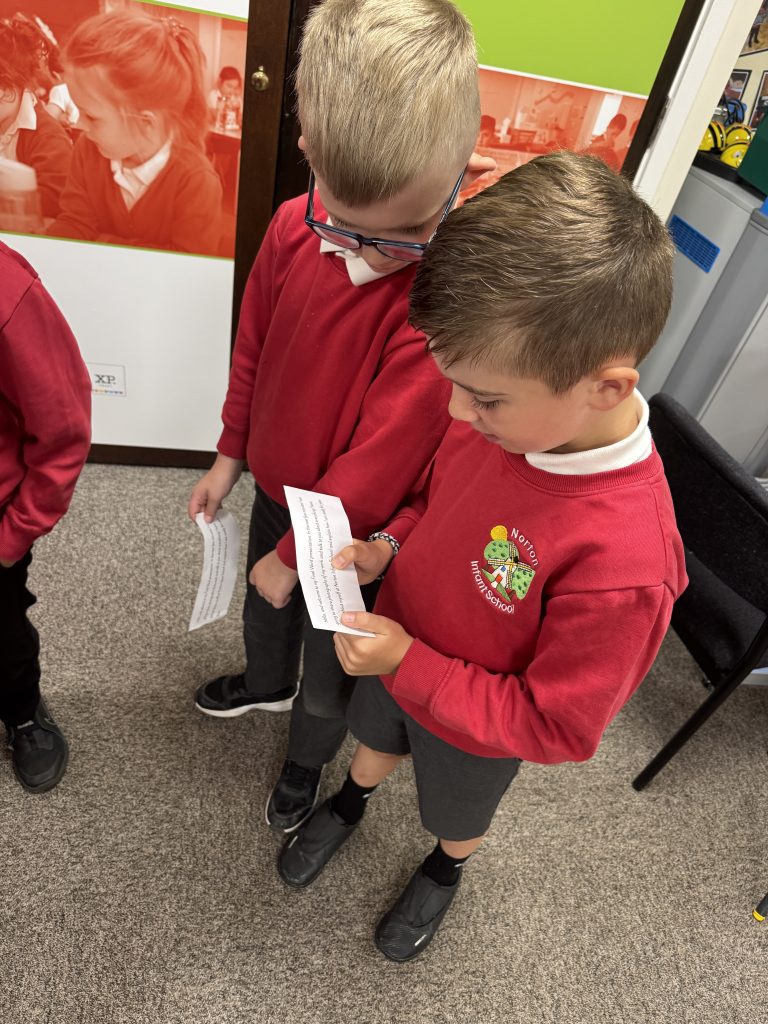
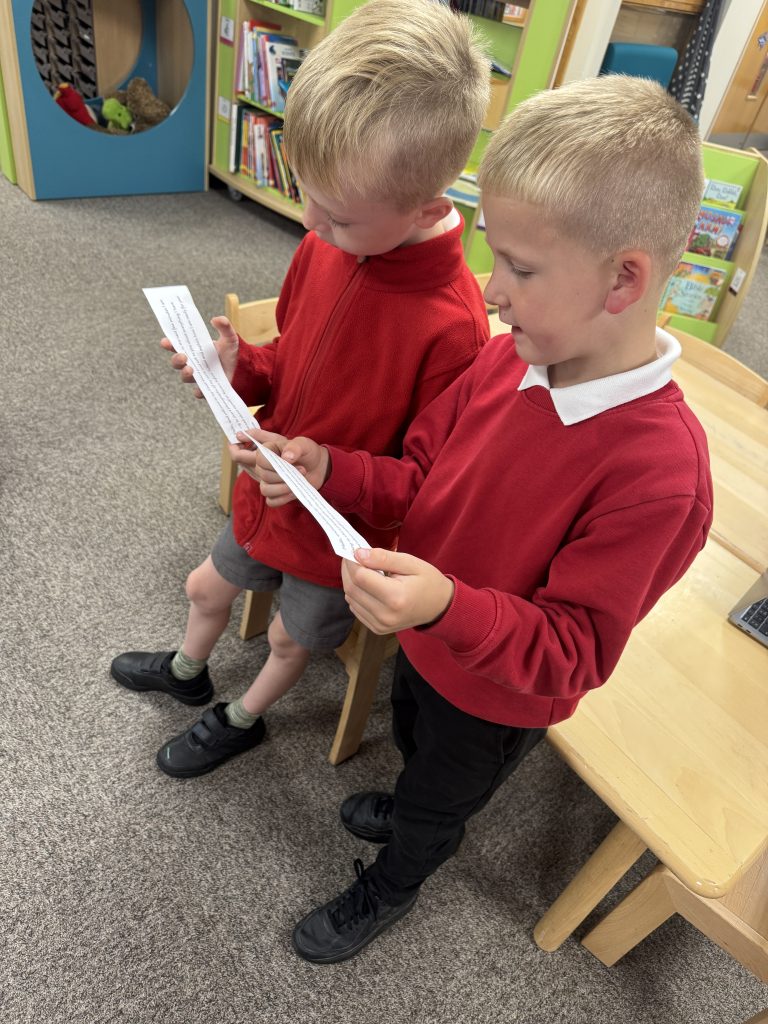
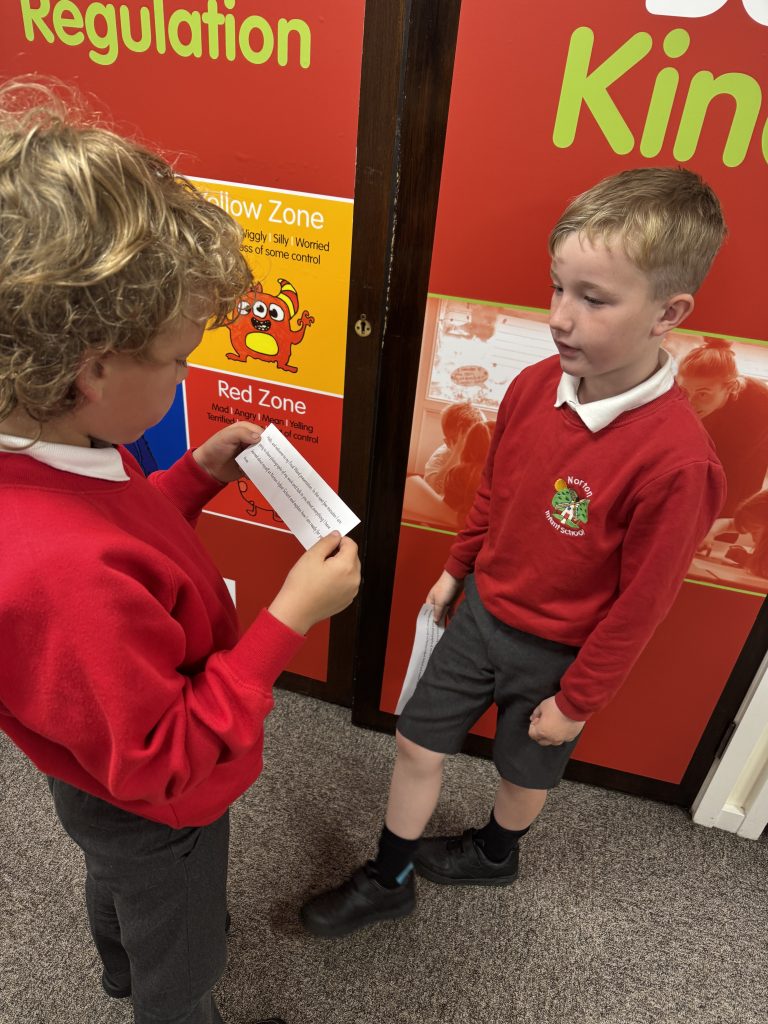
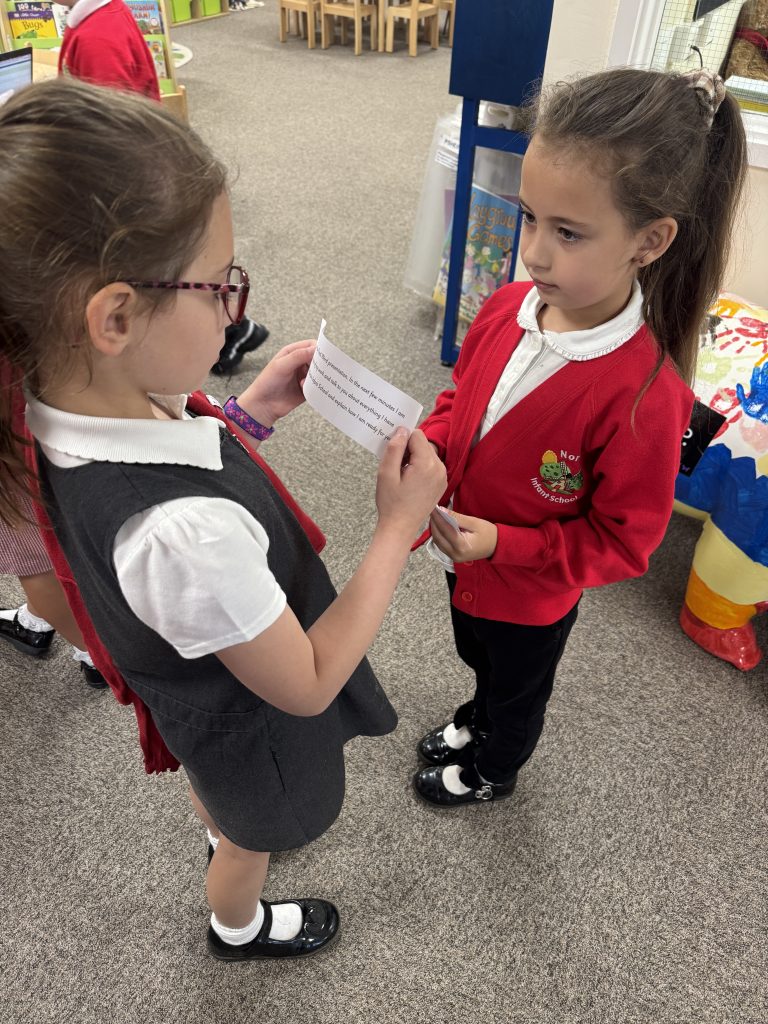
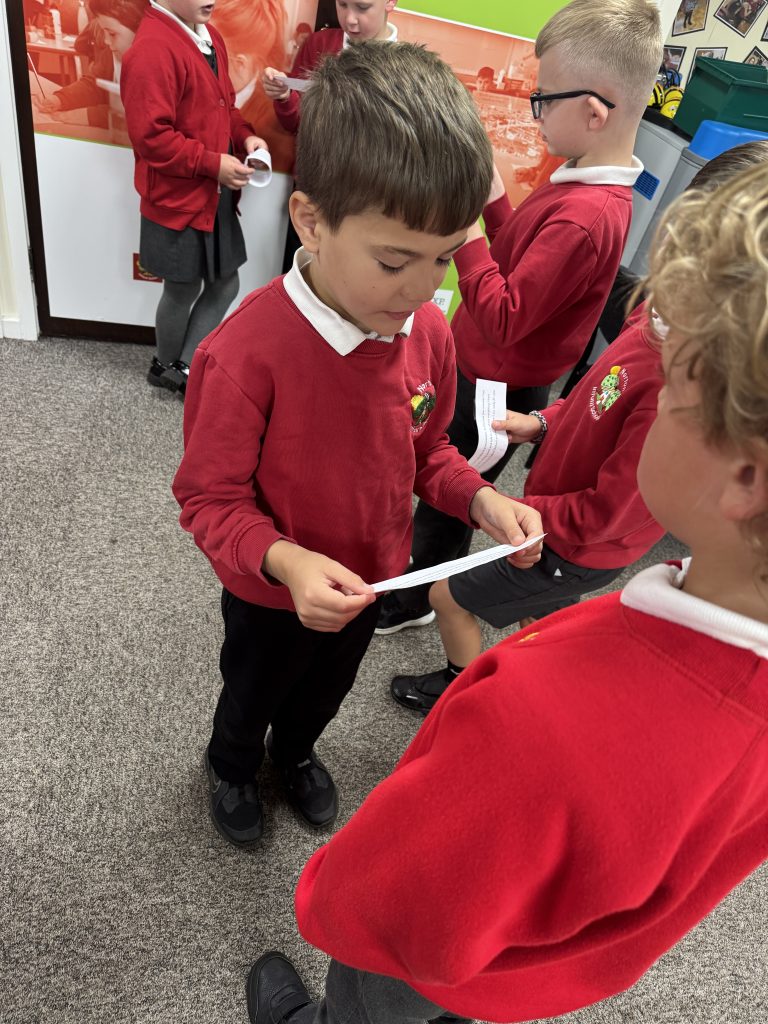
This morning Y2 have officially started with our Final Word preparations. We have been practicing our introductions and starting to think about what we are really proud of. We can’t wait to share our presentations with you!
This week in our Key Stage 1 community meeting, we explored another important part of our guiding question: How can I be the healthiest version of me? Our focus was on hygiene and how simple daily actions—like washing our hands—can help keep us healthy and protect the people around us.
Understanding Germs
We began by thinking about why we wash our hands. The children shared great ideas, which led us to talk about something we can’t see but that is all around us—germs!
We explained that:
Germs are tiny and invisible
They can make us poorly
They spread very easily from person to person
To help bring this idea to life, we described germs as being like invisible glitter—they can quickly travel from our hands onto surfaces and other people without us even noticing.
Stopping the Spread
Through a short role-play, the children explored how germs spread and how we can stop them.
We acted out what happens when someone sneezes into their hands and then touches objects or other people—and quickly realised how easily germs can travel. We then practised a better way: sneezing into our elbow, helping to keep those around us safe.
We also compared handwashing habits, thinking about who is making safe choices and why.
When Should We Wash Our Hands?
The children shared lots of important times when handwashing matters, including:
After using the toilet
Before eating
After coughing or sneezing
After playing outside
It was fantastic to see how much the children already know about keeping themselves clean and safe.
Why Hygiene Matters
We talked about why these small actions are so important:
They help keep us healthy
They protect others around us
They stop germs from spreading
We linked this to our wider school community, reminding the children:
When we look after ourselves, we are also looking after everyone else.
Making Safe Choices
To finish, we played a quick game of “Safe or Not?”, where the children used thumbs up or down to show whether actions were helping to stop germs spreading. This was a fun and effective way to reinforce our learning.
Our Key Message
We reminded the children that small actions can make a big difference. Simple habits like washing our hands properly and sneezing into our elbow help to keep everyone safe, healthy, and ready to learn.
We were so impressed with the children’s understanding and engagement during this session. Ask your child what they remember about stopping germs—you might hear about “invisible glitter”!
This week in our Key Stage 1 community meeting, we explored another important part of our guiding question: How can I be the healthiest version of me?
Our focus was on something simple but powerful—sleep—and how it helps our brains and bodies feel ready for the day ahead.
Why Sleep Matters
We began by thinking about how it feels when we are really tired. The children shared lots of honest and relatable ideas—feeling grumpy, slow, a little bit silly, and sometimes finding it hard to concentrate.
This helped us understand an important message:
Sleep helps our brains and bodies get ready for a new day.
Tired vs Well-Rested
To bring this to life, we acted out two different learners:
One who was tired—yawning, not listening, struggling to focus
One who was well-rested—standing tall, smiling, ready to learn
The children quickly noticed the difference and were able to explain why sleep helps us to be focused, kind, and ready for school.
What Happens When We Sleep?
We talked about what sleep does for our bodies in a simple, child-friendly way:
Helps our brain grow and learn
Supports our mood (less grumpy!)
Gives us energy
Keeps our bodies healthy
We described sleep as a way of recharging our brains—just like an iPad charging overnight!
Building Healthy Bedtime Habits
We then discussed what helps us get a good night’s sleep. The children shared some fantastic ideas, including:
Having a calm bedtime routine (such as a bath or story)
Turning off screens before bed
Going to bed at a similar time each night
Creating a calm, quiet space
It was lovely to hear how many children already have positive routines in place.
A Moment of Calm
We finished by practising a simple breathing technique to help our bodies feel calm and ready:
Breathe in slowly
Hold
Breathe out gently
This is something the children can use at home as part of their bedtime routine or whenever they need a moment to reset.
Our Key Message
We reminded the children that sleep is one of the best ways to help us feel ready for school. When we are well-rested, we can learn better, feel happier, and be the best version of ourselves.
We were so impressed with how thoughtfully the children engaged in this conversation. Why not ask your child what helps them feel ready for school—you might discover some great ideas to try at home together!