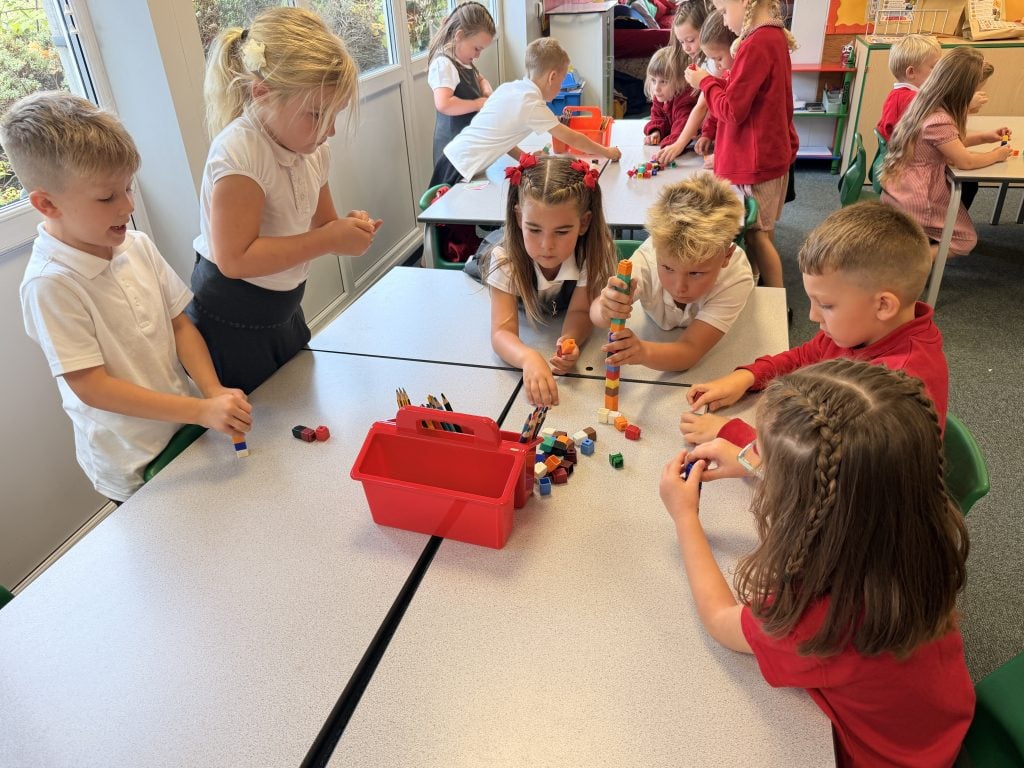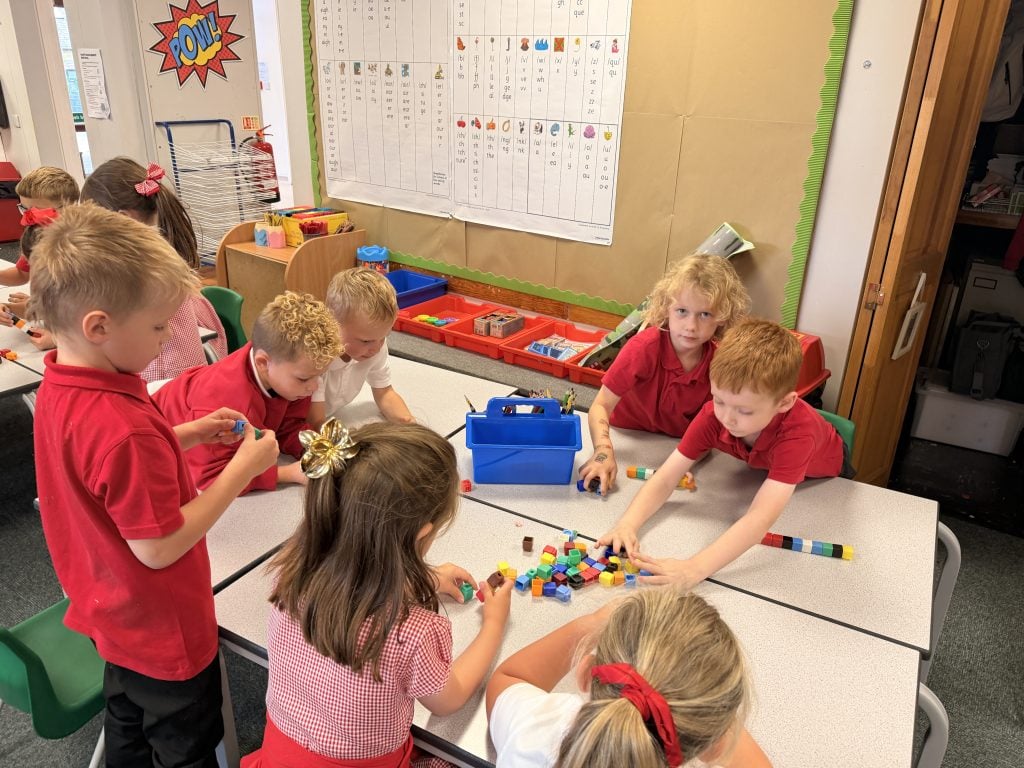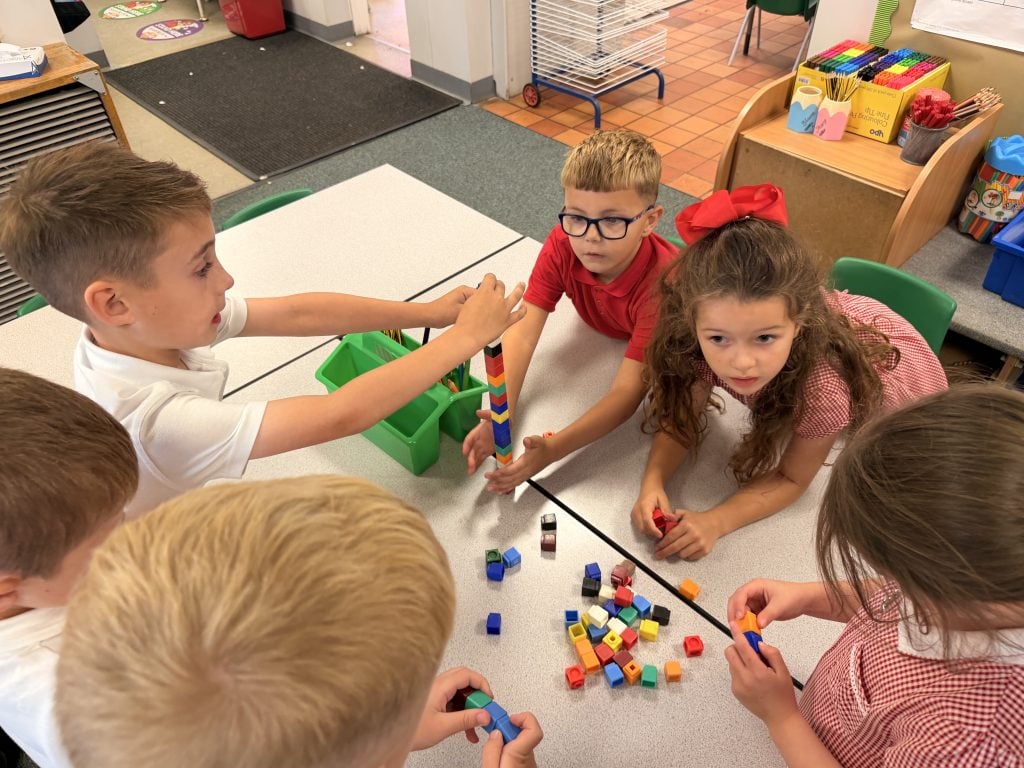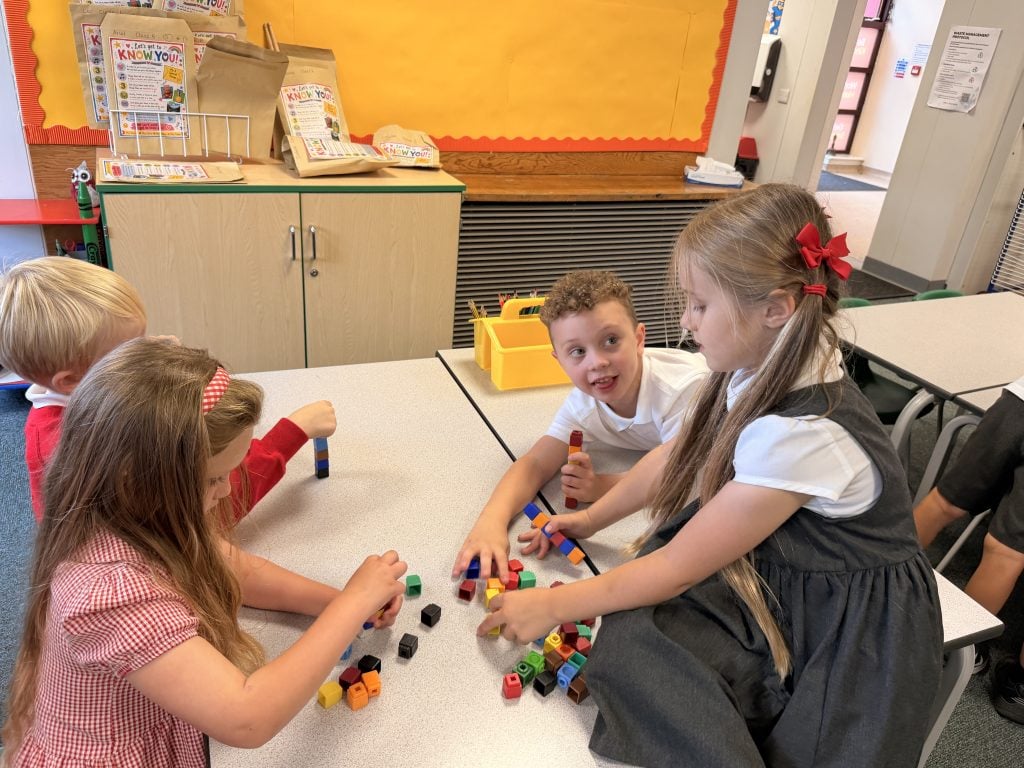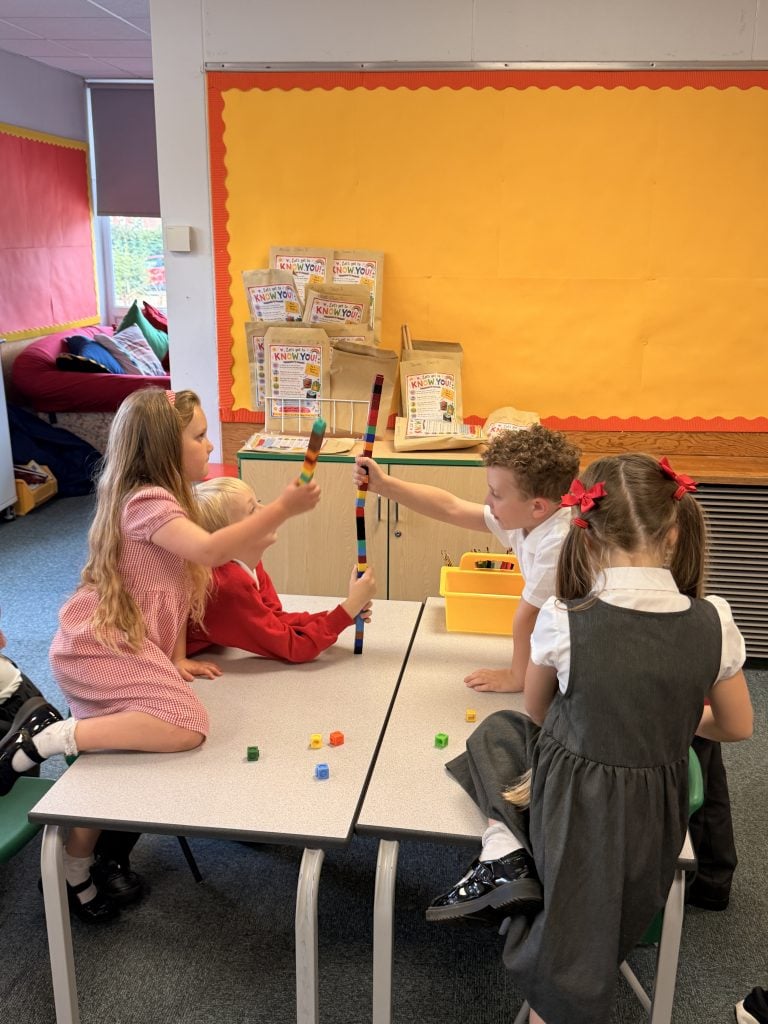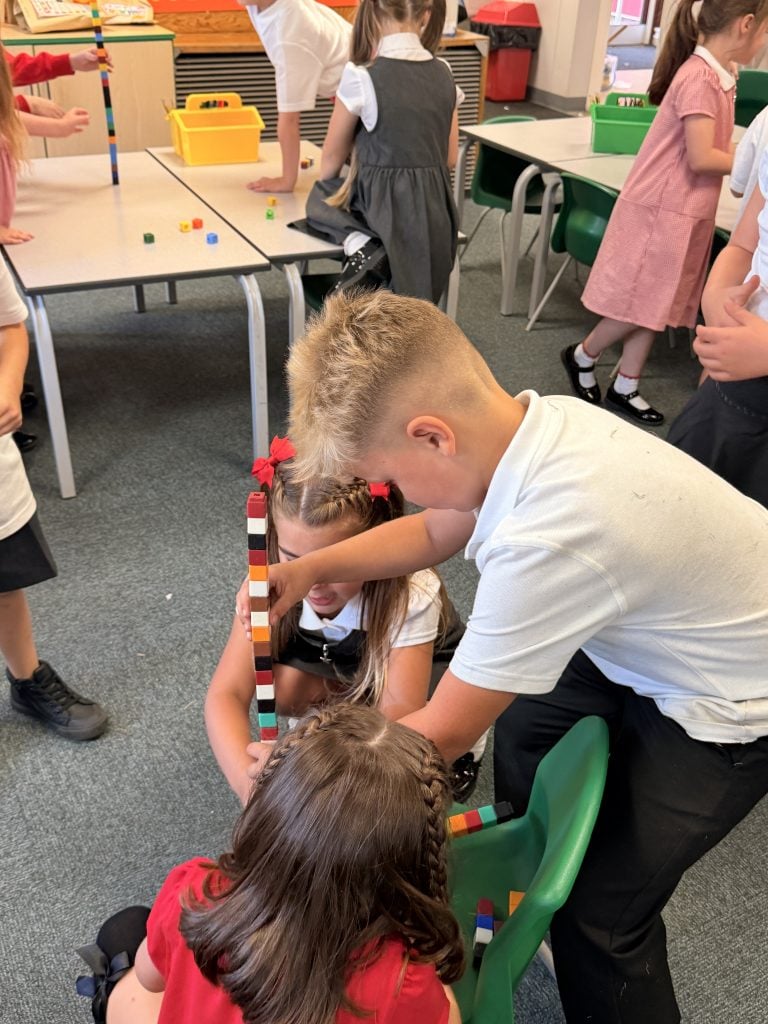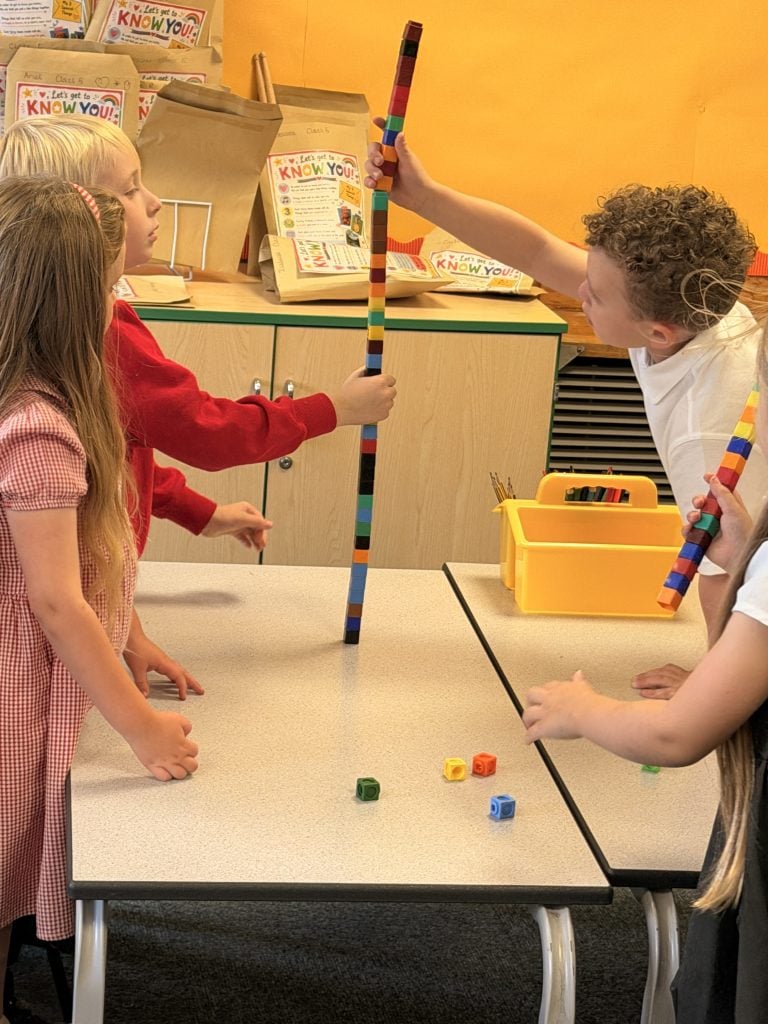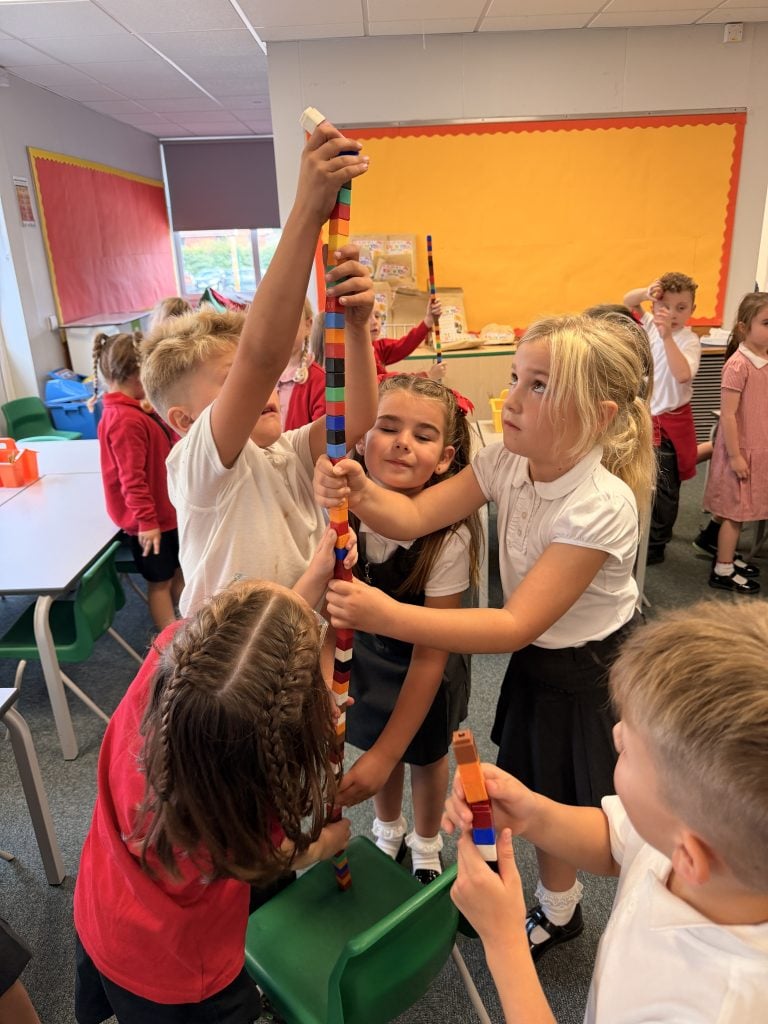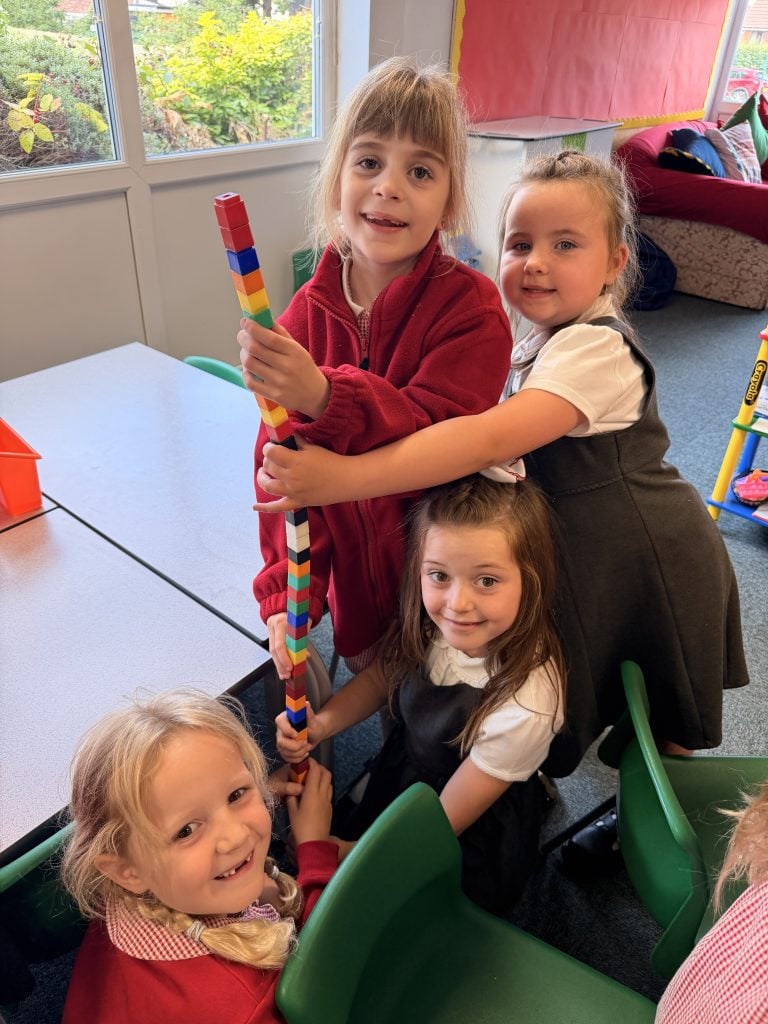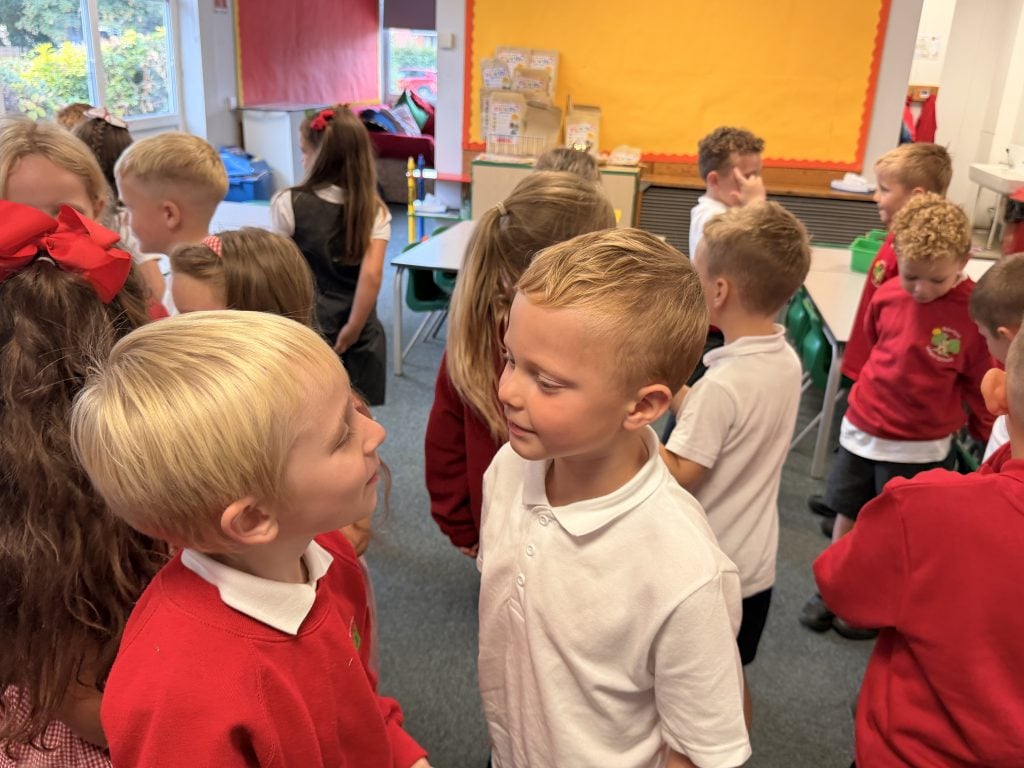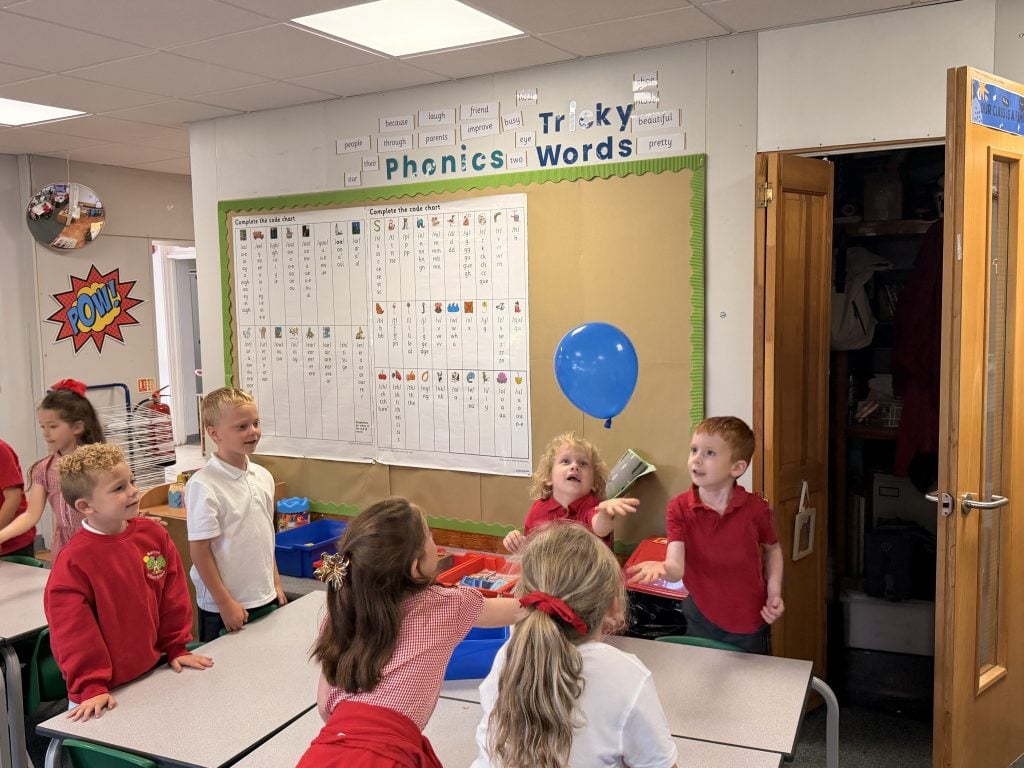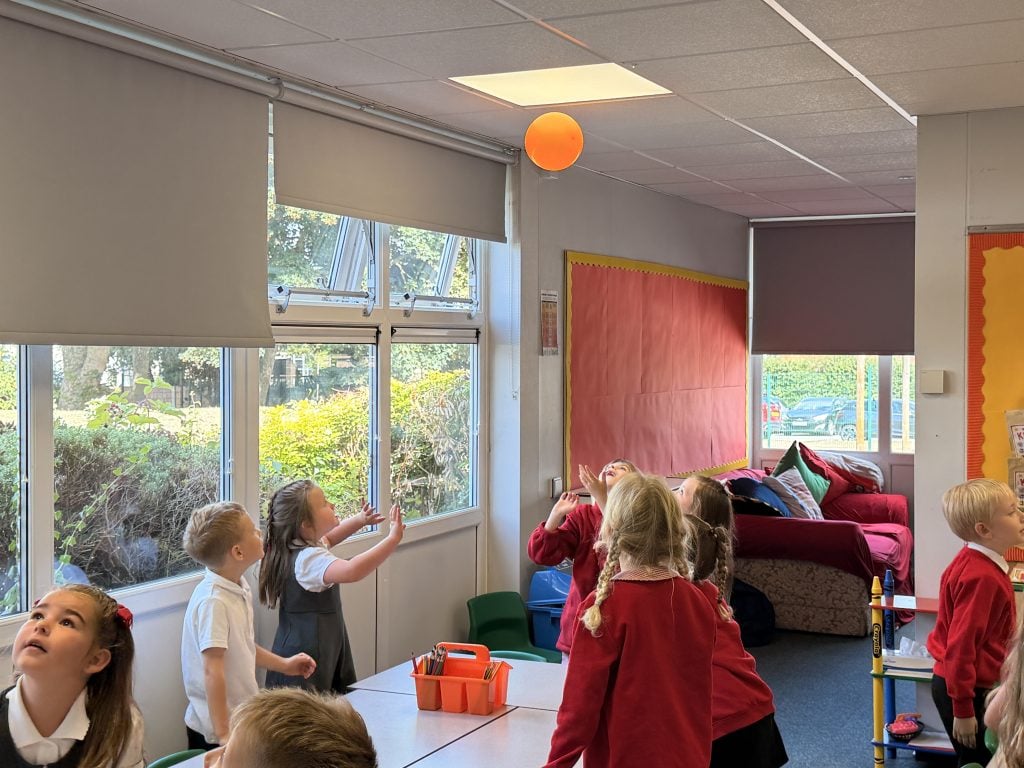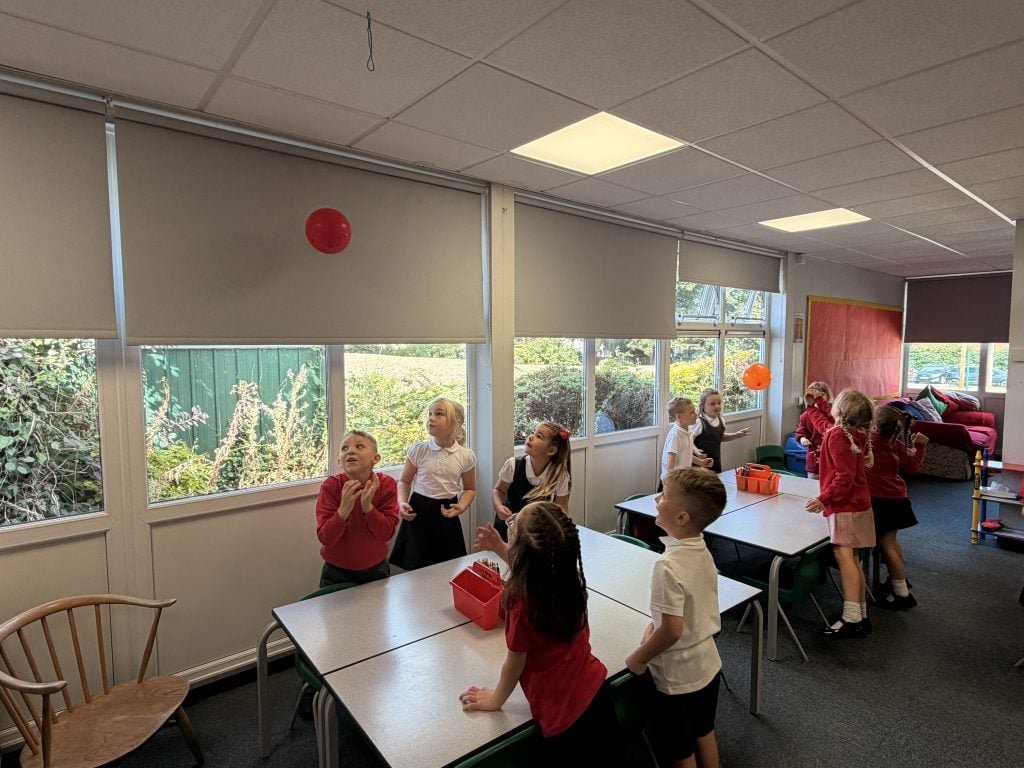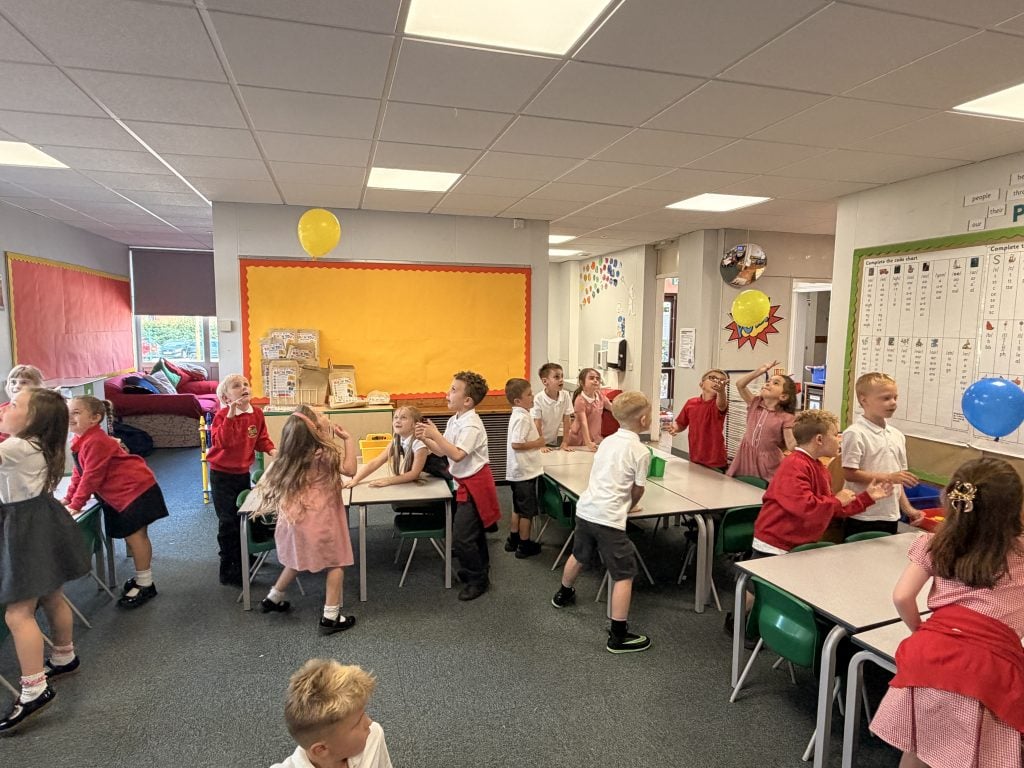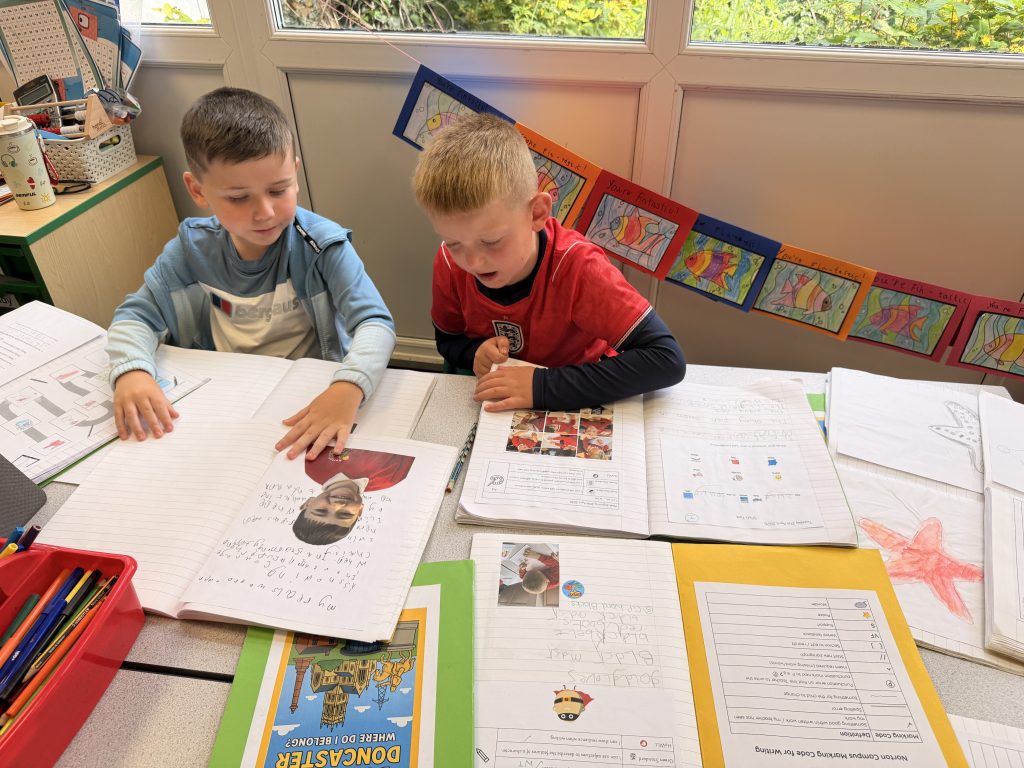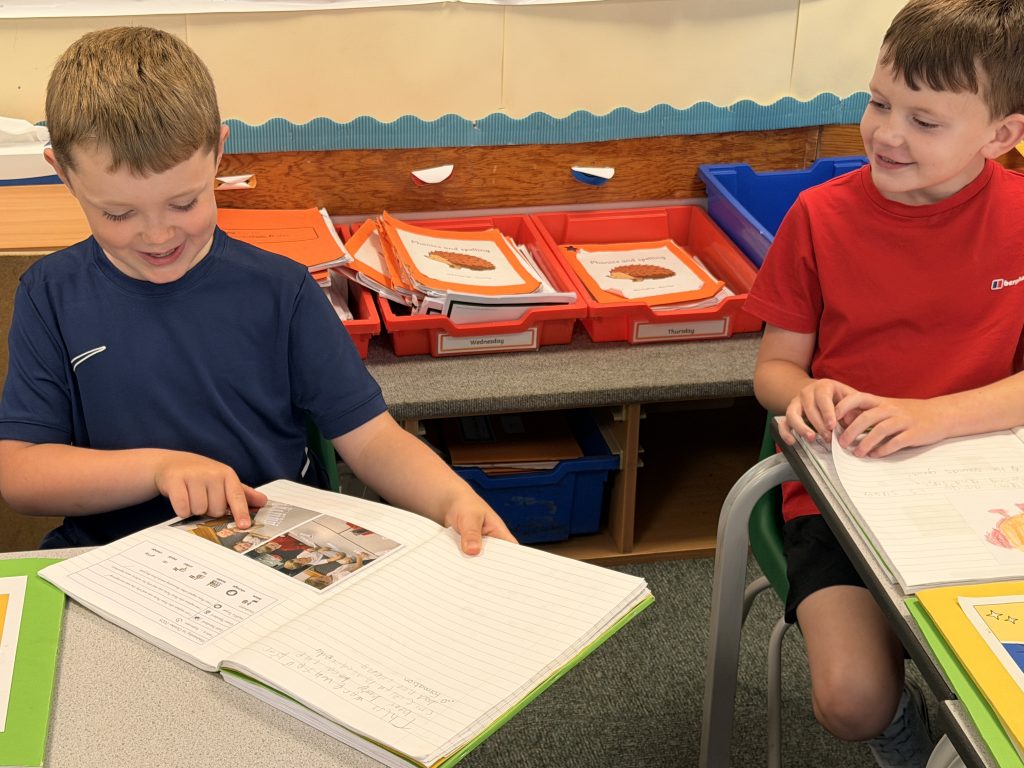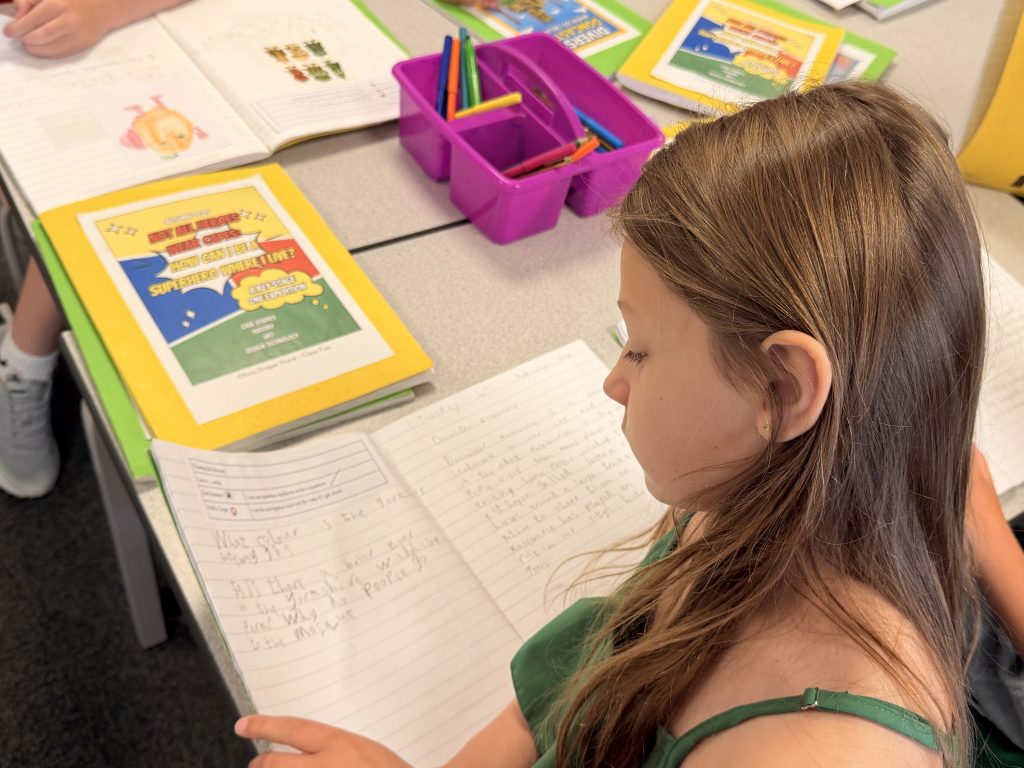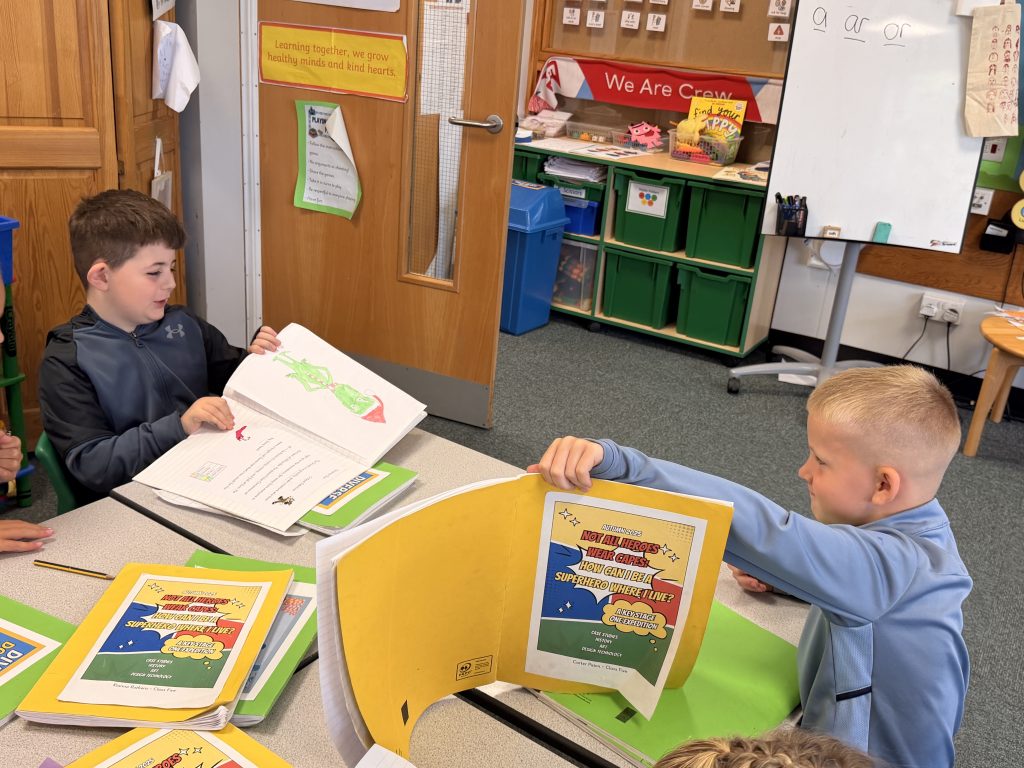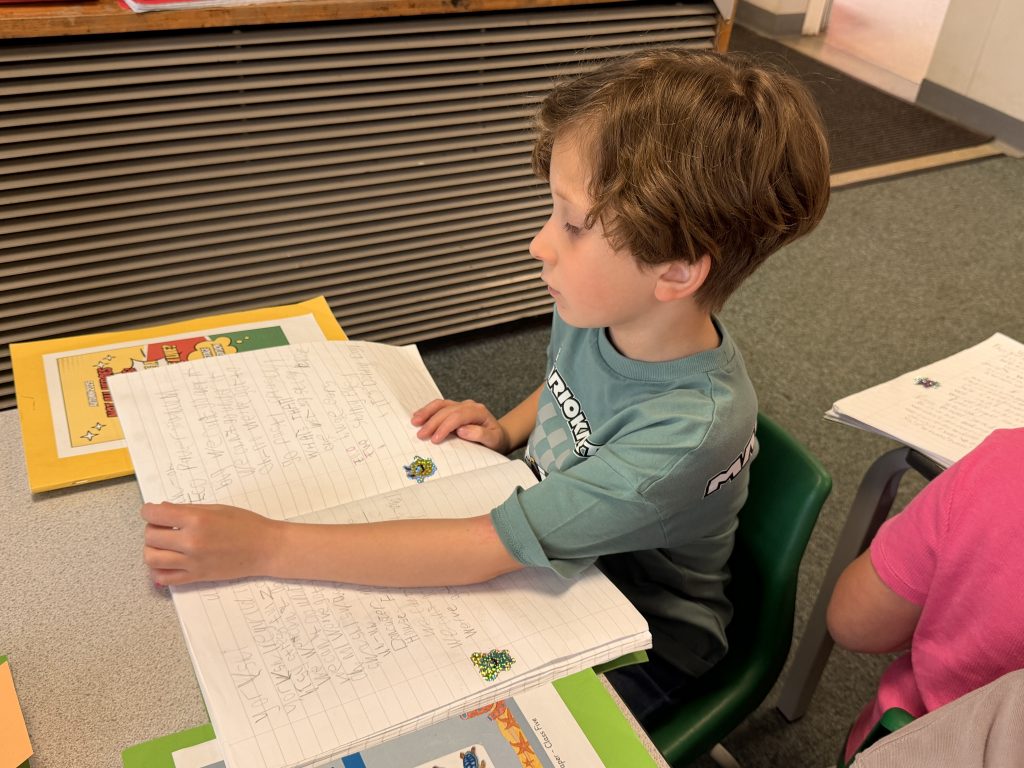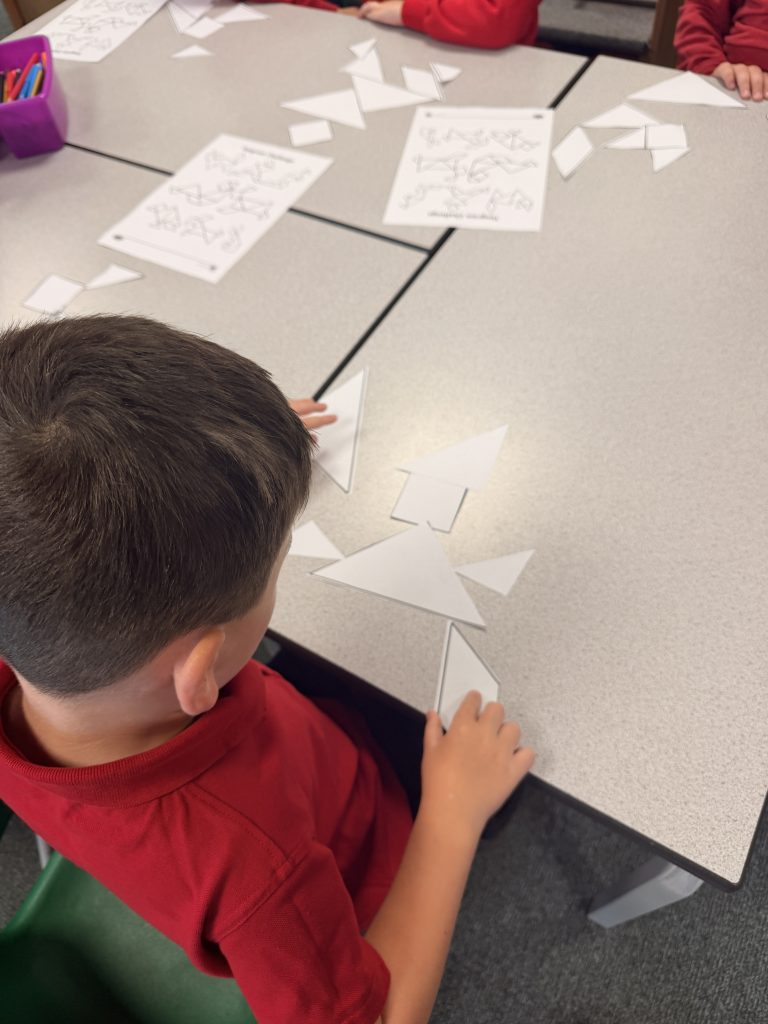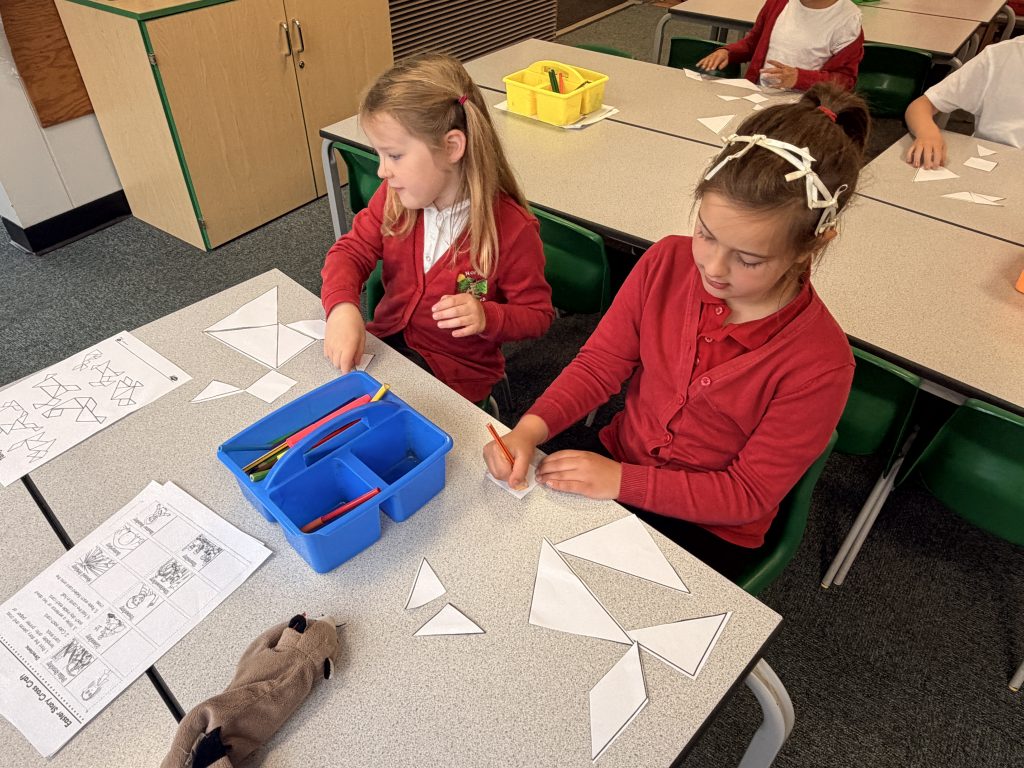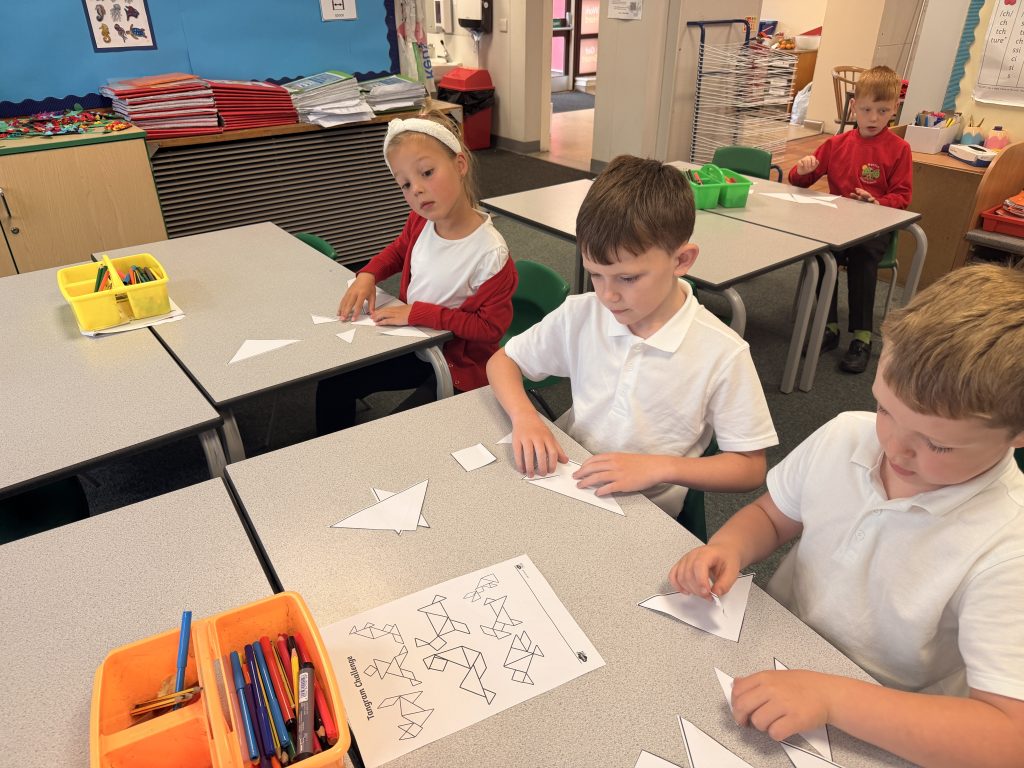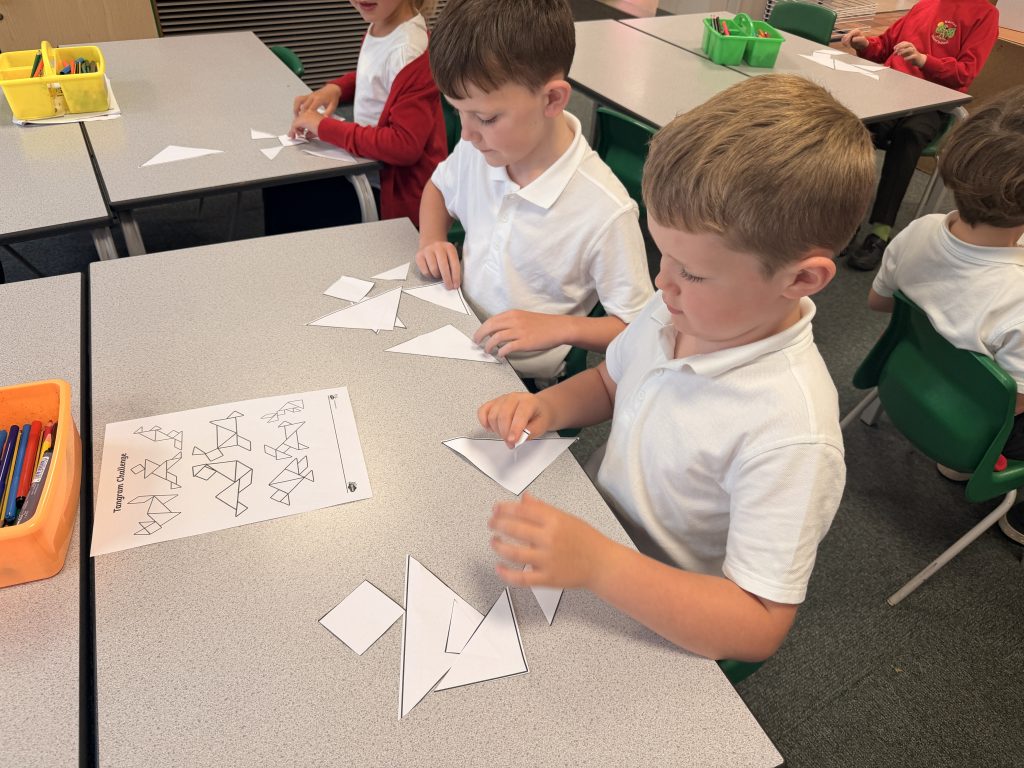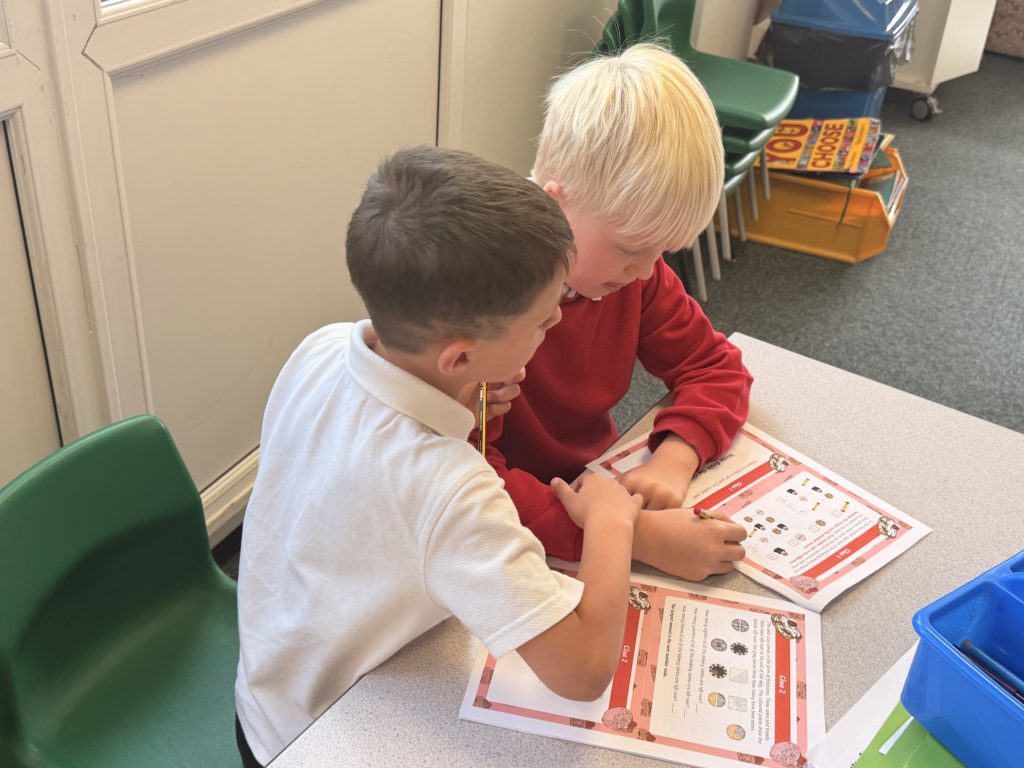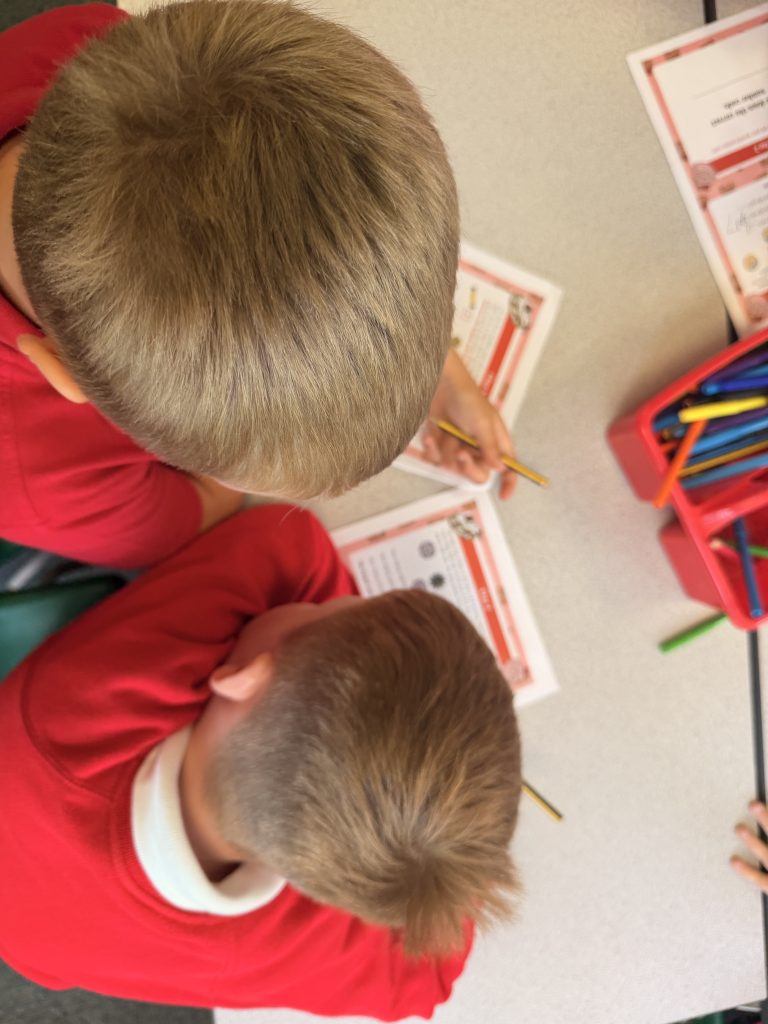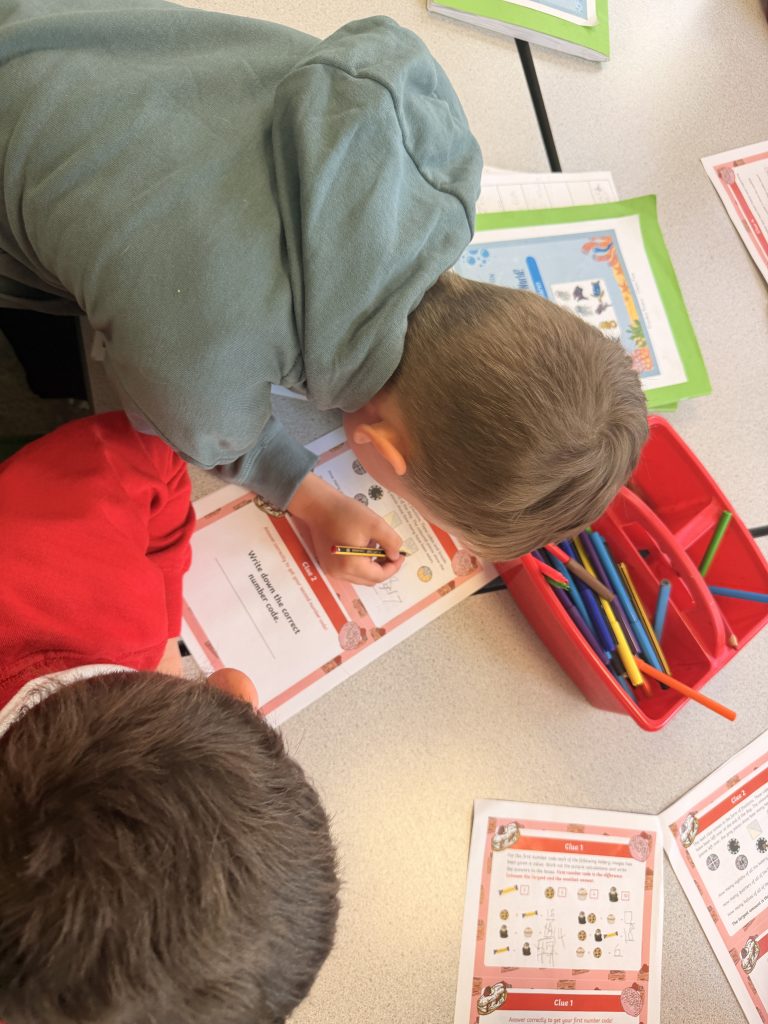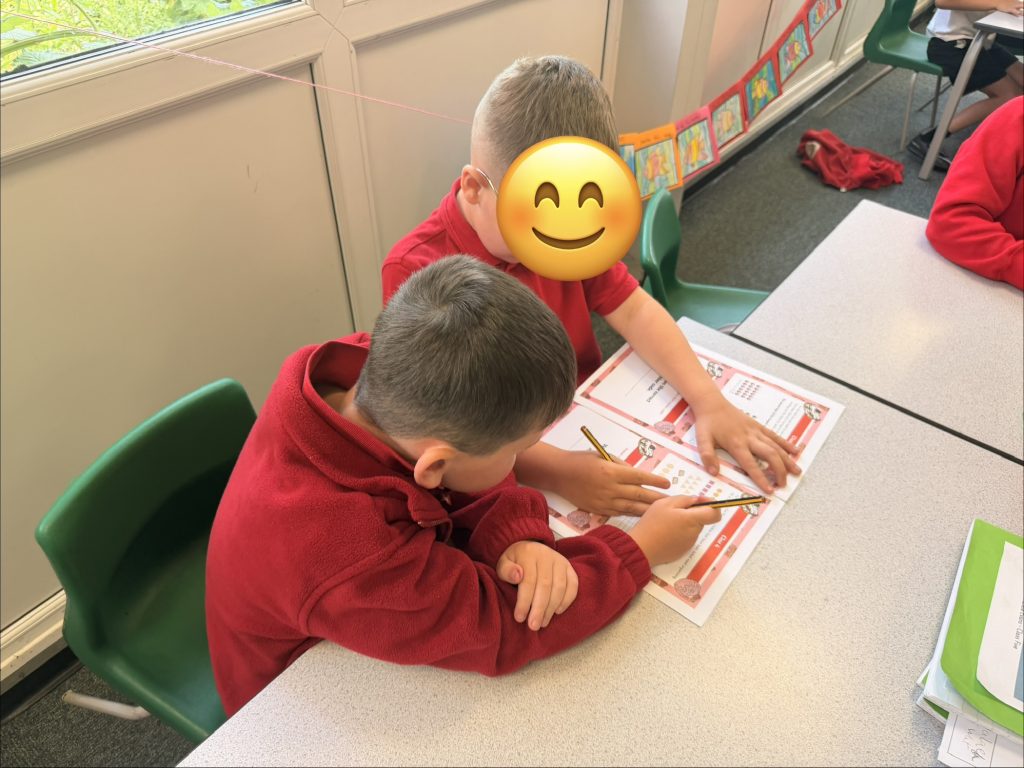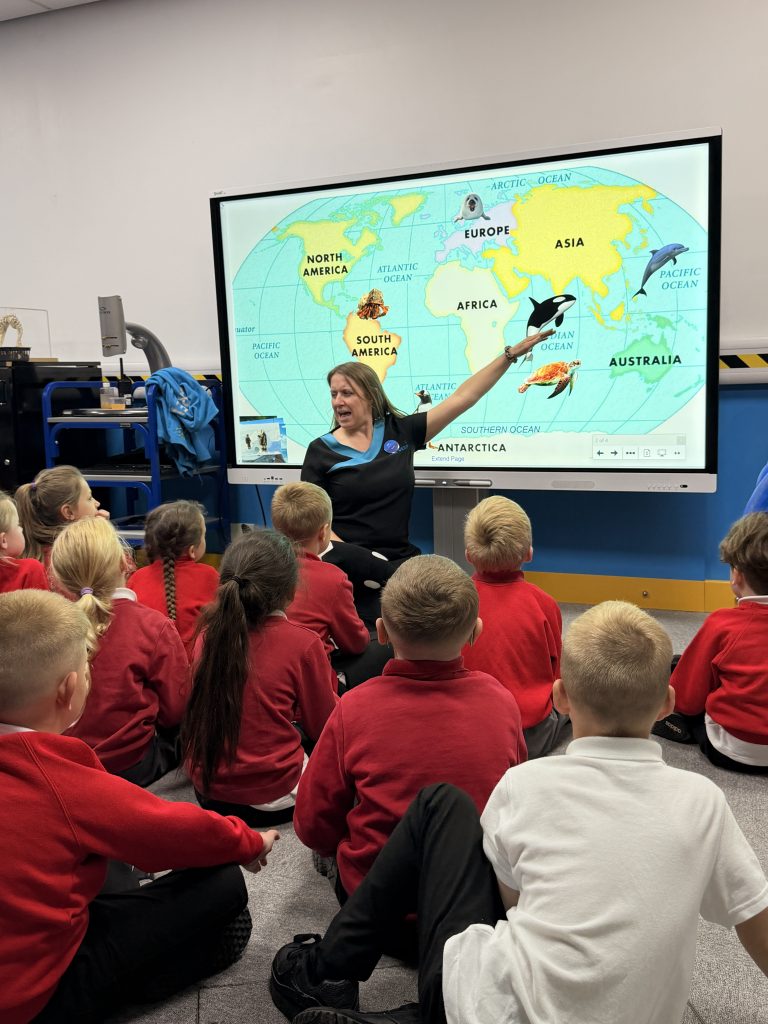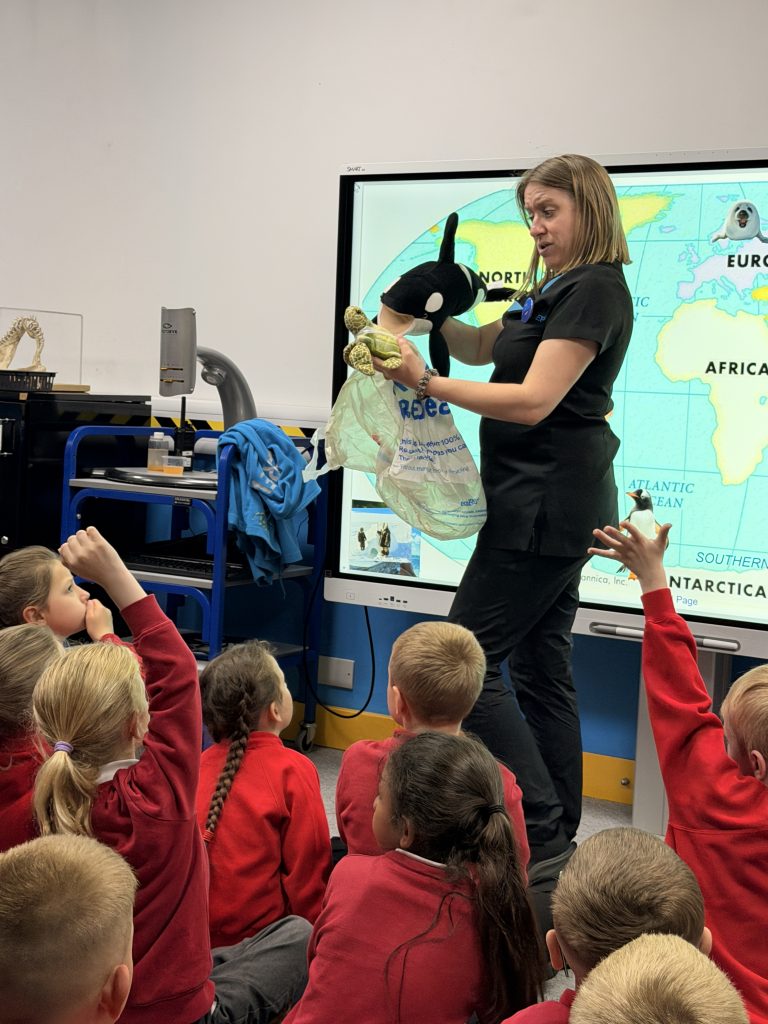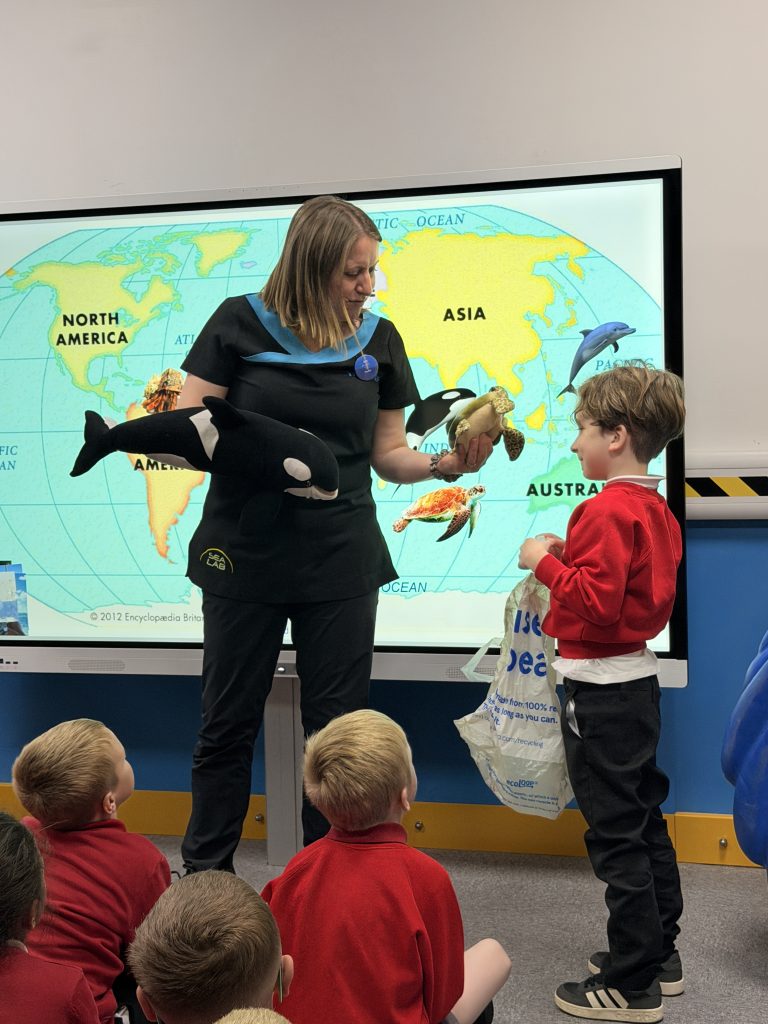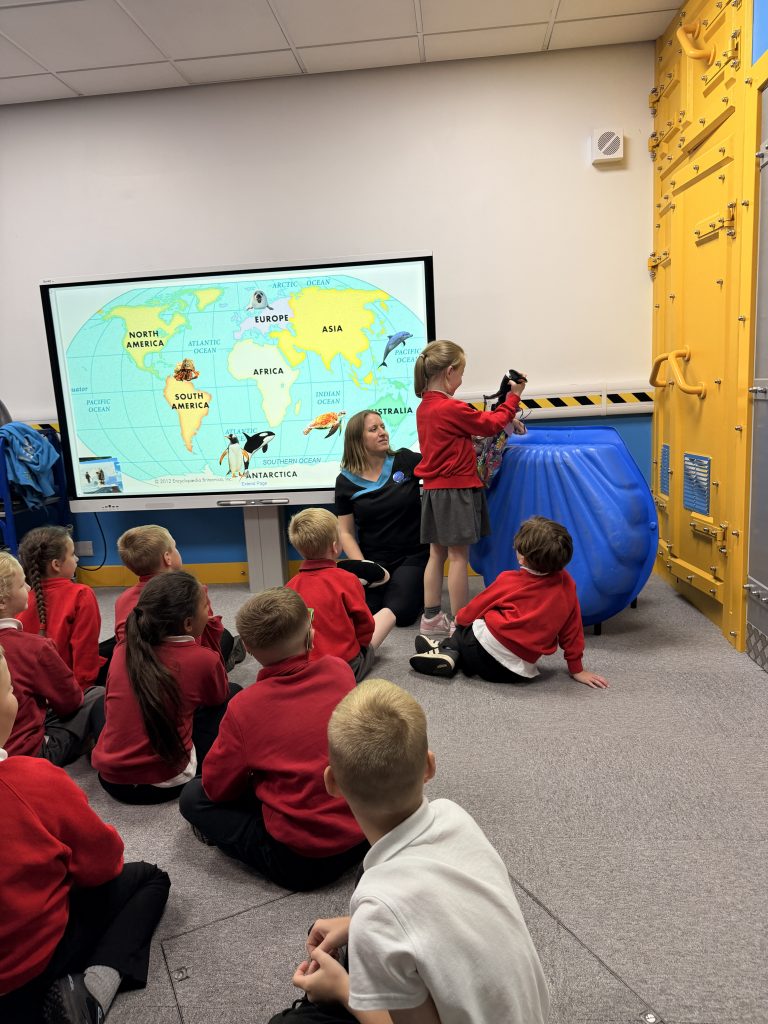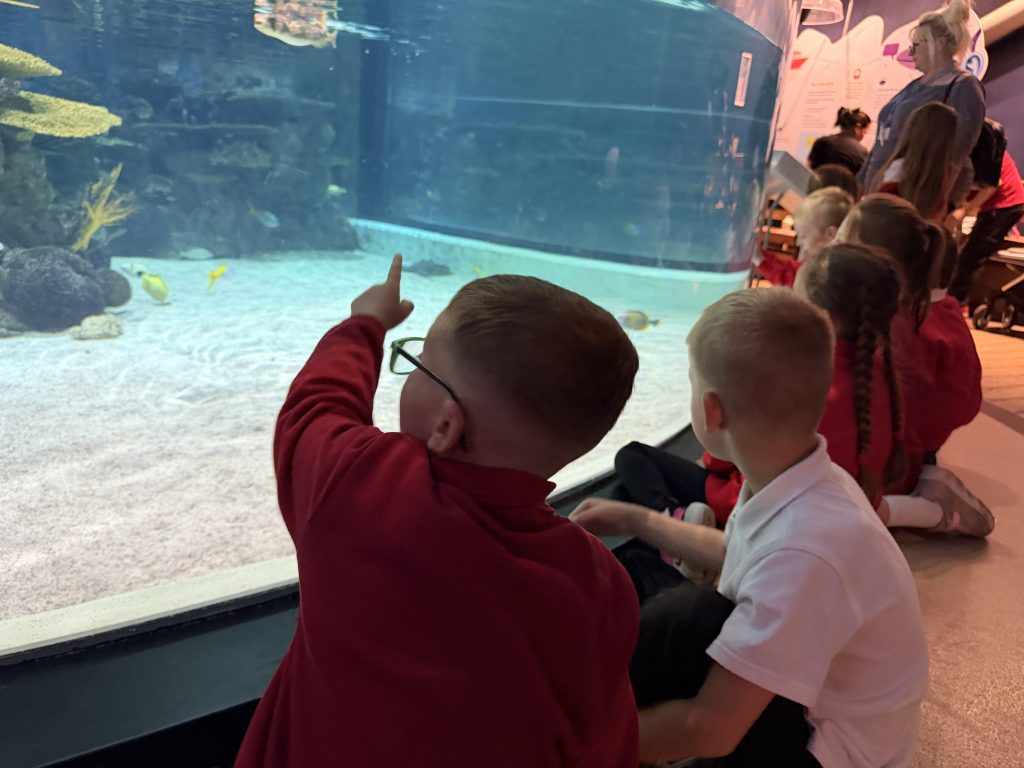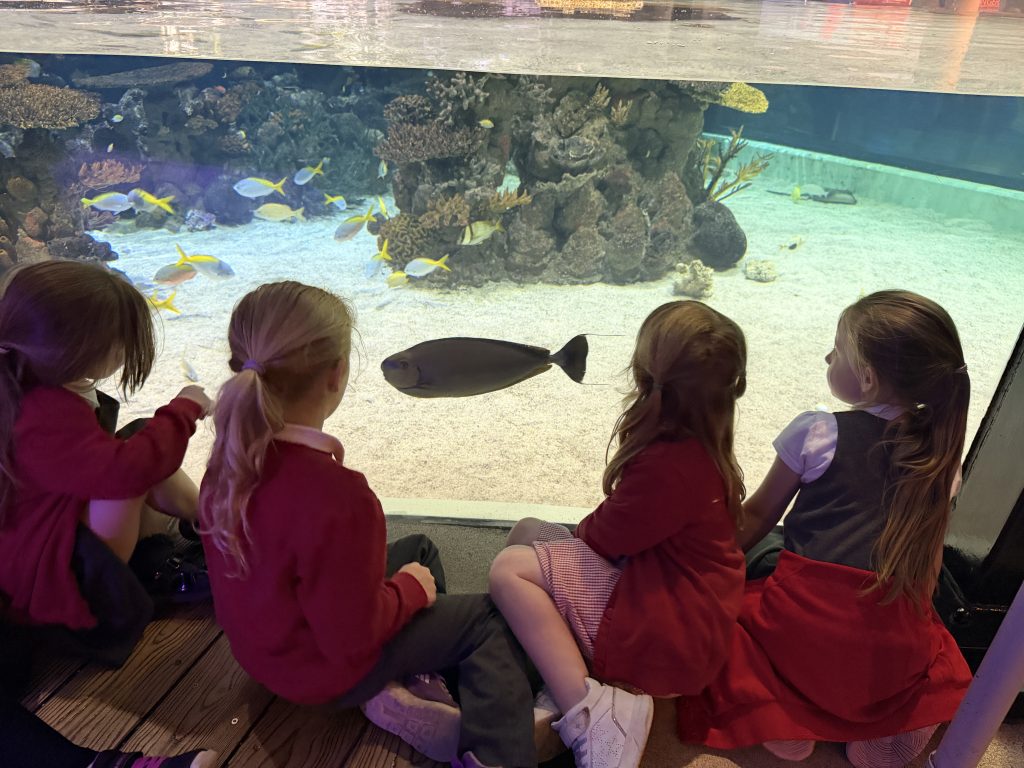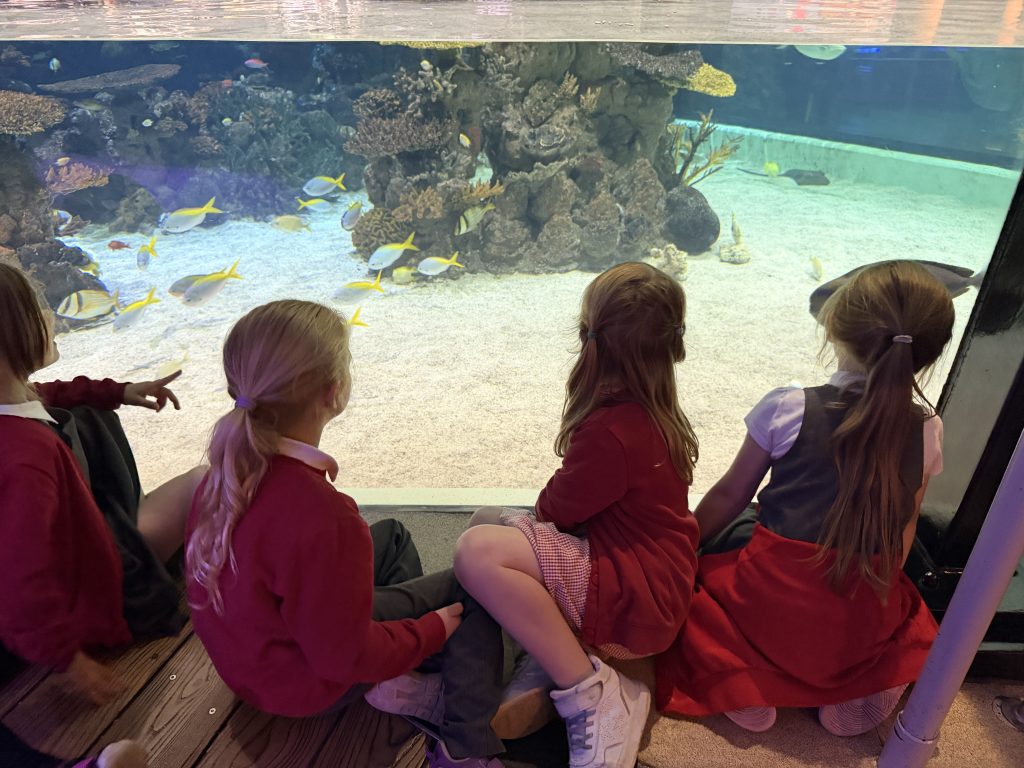
This week we started our brand new maths unit all about length and height — and we’ve had a great first lesson!
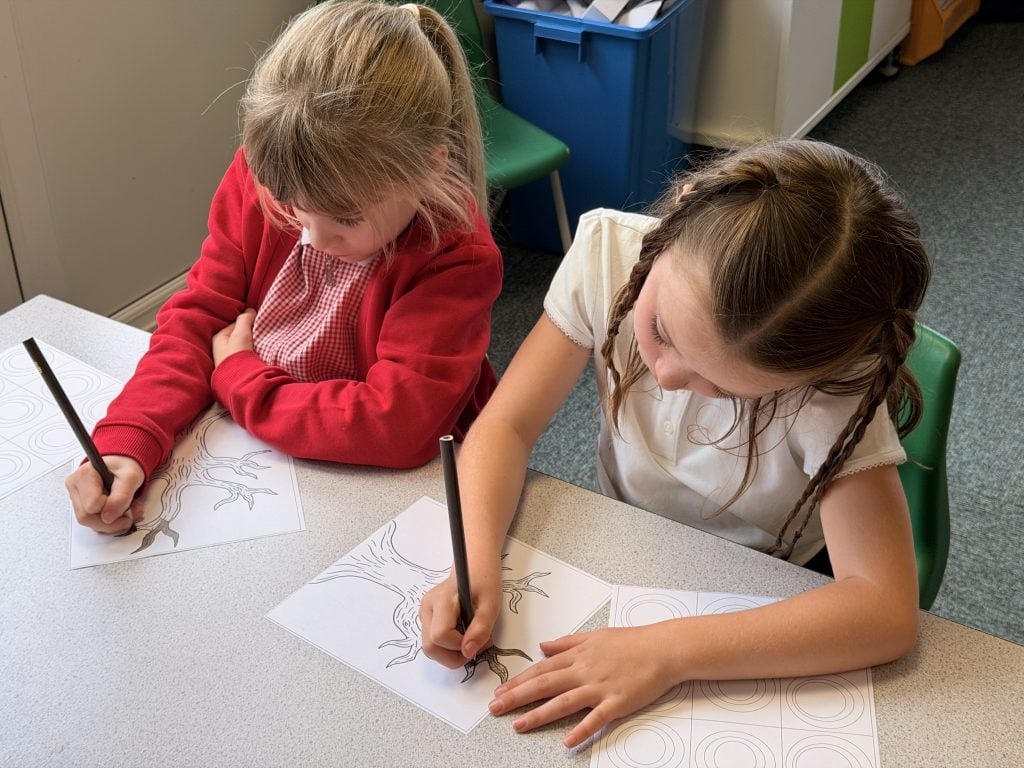
We practised using rulers carefully to measure and draw lines. We had to remember to start at zero, line the ruler up straight and read the numbers carefully. It was a bit tricky at first, but we didn’t give up!
There was lots of resilience in the room and some brilliant teamwork, with children helping each other to check their measurements and fix little mistakes. We love how everyone kept trying, even when it felt challenging.
A huge shout-out to Tiny the turtle, who showed fantastic determination and got his measuring question right — we were super proud! 🐢✨
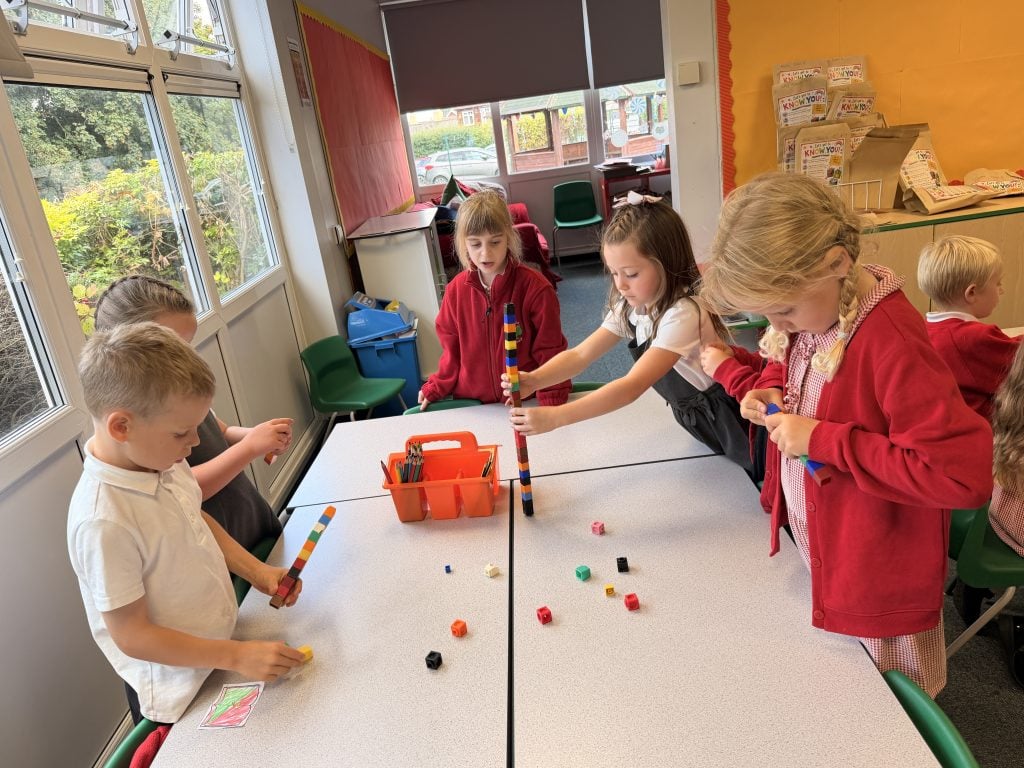
We can’t wait to keep growing our measuring skills over the next few weeks!
This week, we revisited one of our big guiding questions: What is a game?
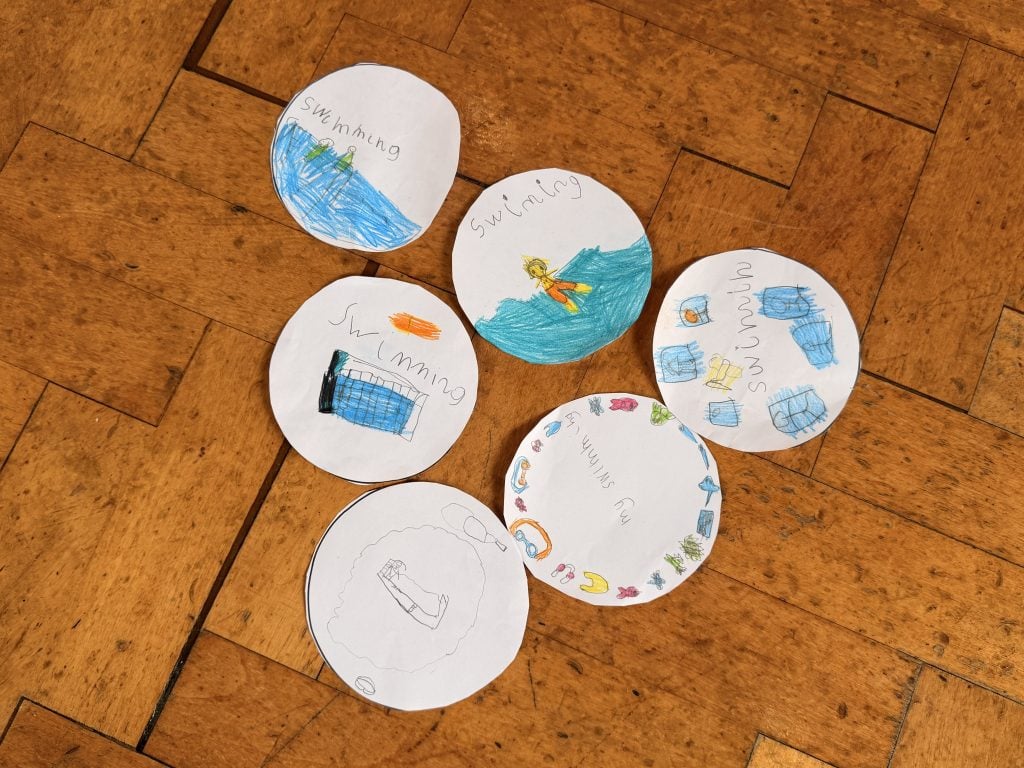
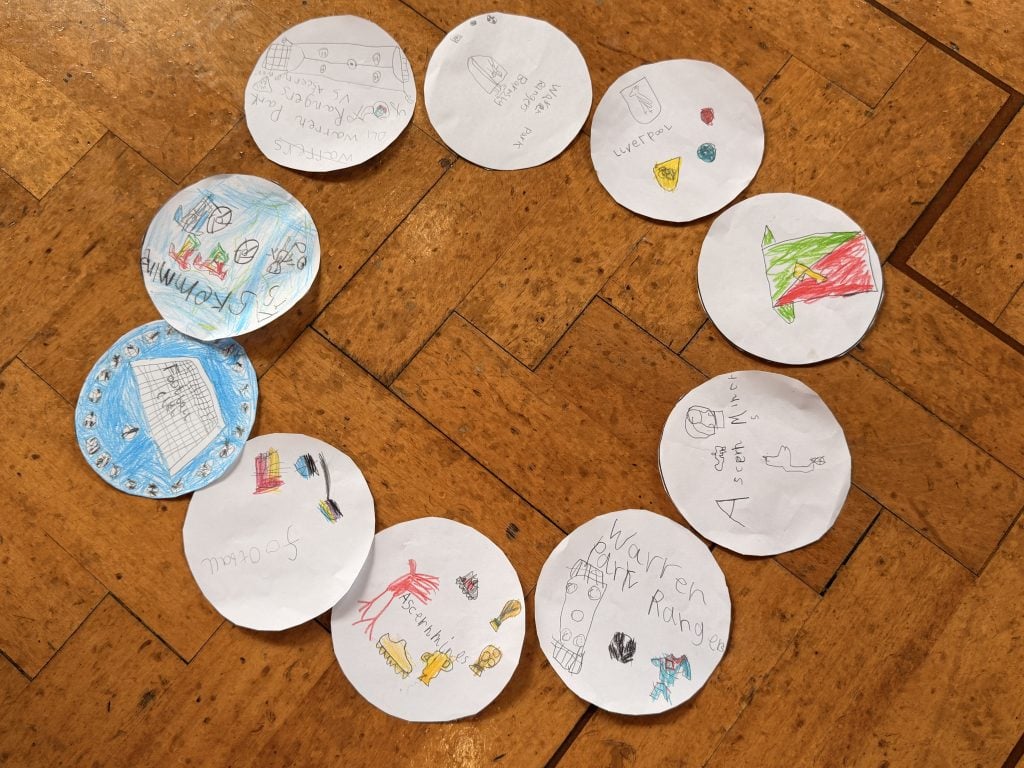
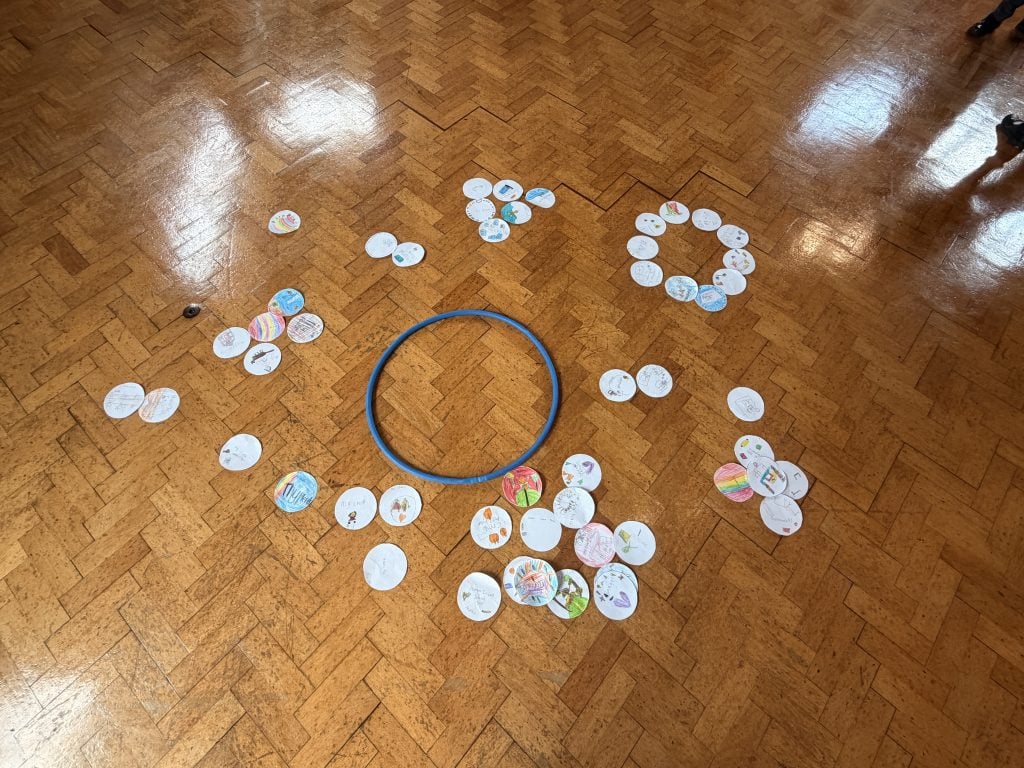
The children began by thinking deeply about what makes a game a game. Is it the board? The rules? The players? The competition? The challenge? Together, we explored the component parts of games and generated a long list of materials we might need — boards, dice, counters, cards, questions, instructions and packaging.
Then came a lovely moment of realisation: when all of those parts come together successfully, they create one very important outcome — fun.
Explaining Our Learning
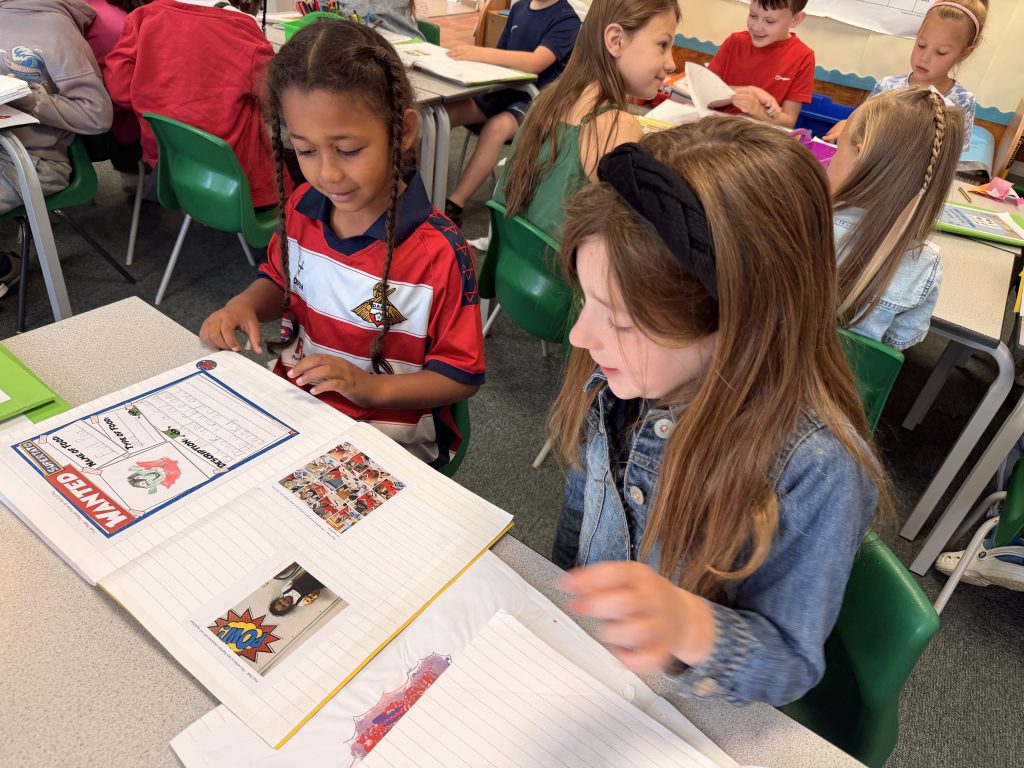
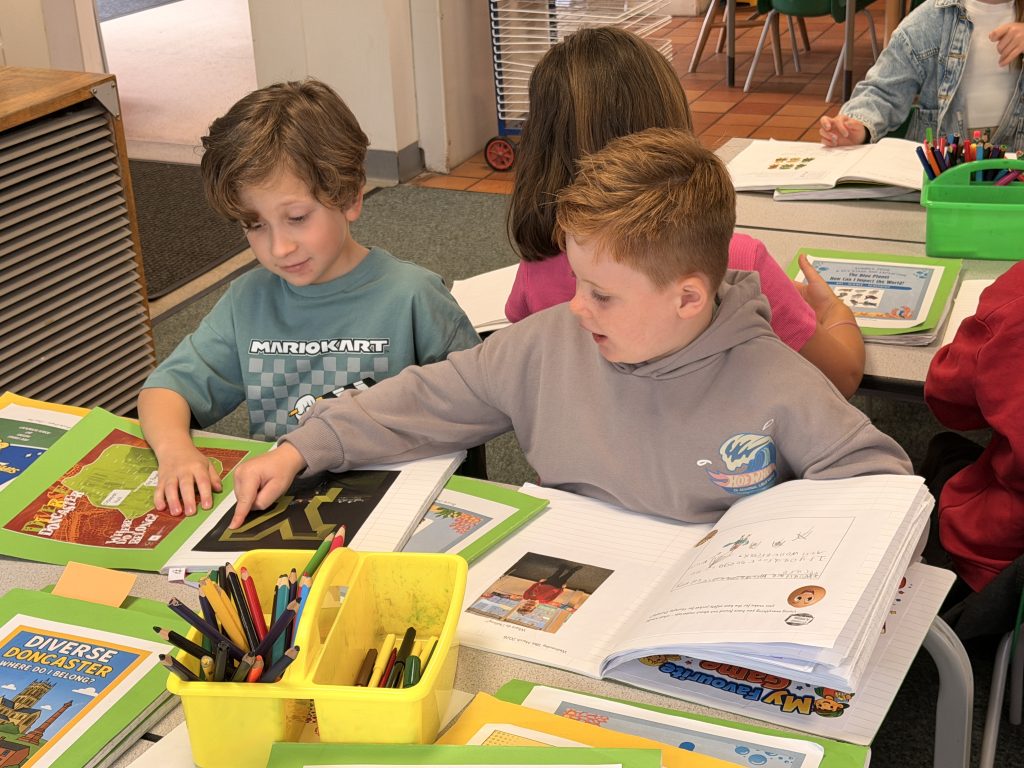
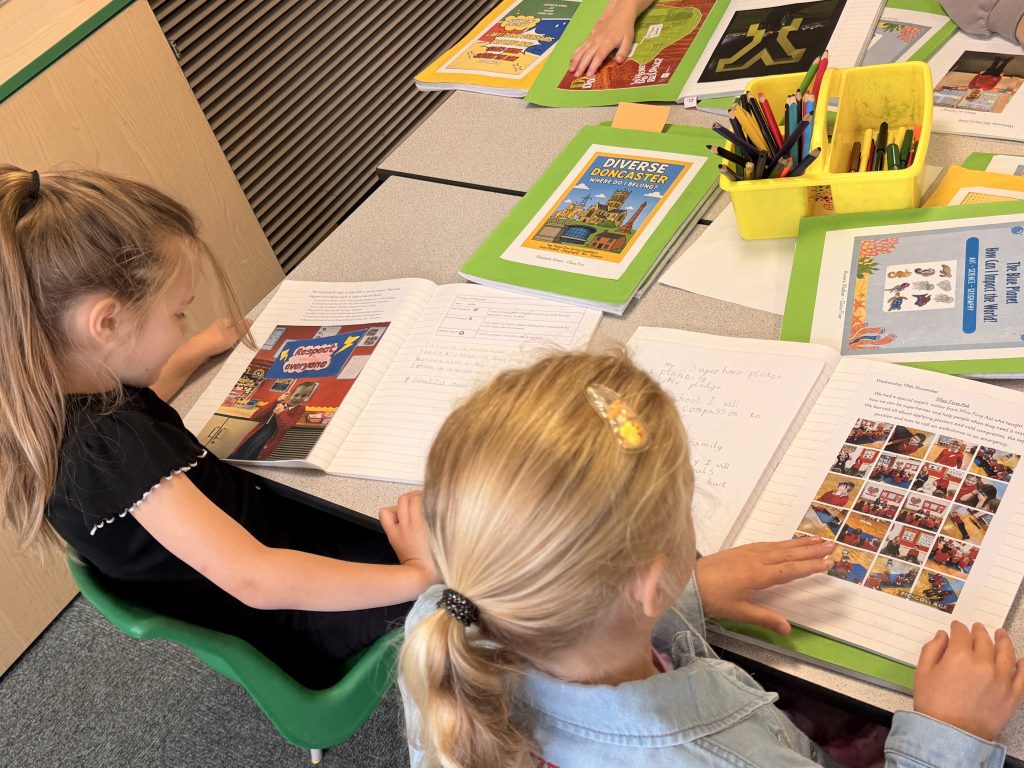
We were proud to welcome Chris Backe in to work with us. The children confidently explained what our board game is about and why we have been learning so much about Doncaster’s landmarks, geography and history. It was wonderful to see them articulate the purpose behind their learning — not just what they had done, but why it mattered.
Having a real expert in the room helped to reinforce that this work is authentic. The children are not just completing a task; they are designing something meaningful for a real audience.
Making Thoughtful Design Choices
Next, the children designed their own game cards and carefully placed them into plastic pouches. This wasn’t just a practical step — it was a design decision.
We discussed:
Durability — game cards need to last.
Protection — they will be handled many times.
Material choice — why plastic, rather than paper or fabric, would be most suitable.
It was fantastic to see the children thinking like designers and manufacturers, considering the properties of materials and the long-term use of their product.
Creating, Testing and Adapting
The children then moved on to designing their own boards. This involved creativity, teamwork and — importantly — adaptability.
As they began to play their games, they quickly realised that rules sometimes need refining. Some games were too easy. Some were too tricky. Some needed clearer instructions. Rather than seeing this as a problem, the children embraced it as part of the design process.
They:
Tested their ideas.
Adapted their rules.
Improved their layouts.
Refined their thinking.
This kind of iterative design process is exactly what real game designers do.
Learning with Purpose
We were incredibly lucky to spend the morning refamiliarising ourselves with Doncaster landmarks, supported by a real expert guiding our thinking. This helped the children ensure their questions, illustrations and gameplay accurately reflected the place we call home.
Throughout the session, the children demonstrated:
Collaboration
Critical thinking
Creativity
Pride in their local area
Most importantly, they showed that when knowledge, skill and imagination come together — it really does create something special.
We can’t wait to share the finished games with you soon! 🎉
This week, we have been learning all about Chinese New Year and how it is celebrated. We found out that this year is the Year of the Horse and enjoyed learning about the animals in the Chinese zodiac. We also discovered which year we were born in, and lots of us were excited to find out we were born in the Year of the Pig or the Year of the Dog!
This morning, we tried something new by practising our handwriting in Mandarin. We had a go at writing Happy New Year and talked about how different the characters look compared to the letters we usually write. We also made beautiful Chinese lanterns using bright colours and patterns, which we were very proud of.
It has been a fun and interesting way to learn about another culture, and the classroom has been full of excitement as we celebrated Chinese New Year together. 🐎🏮
This morning, we were lucky to welcome the School Nursing Team into school for a special visit. They helped us learn all about what school nurses do and how they support children to stay healthy and well.
We spent time learning about our teeth, what their job is, and why they are so important. The children talked about how we can take the best care of our teeth, including brushing twice a day, choosing healthy foods, and visiting the dentist.
It was a really engaging session, with lots of great questions and thoughtful contributions from the children. A big thank you to the School Nursing Team for helping us learn how to look after our bodies and build healthy habits for the future. 🦷✨
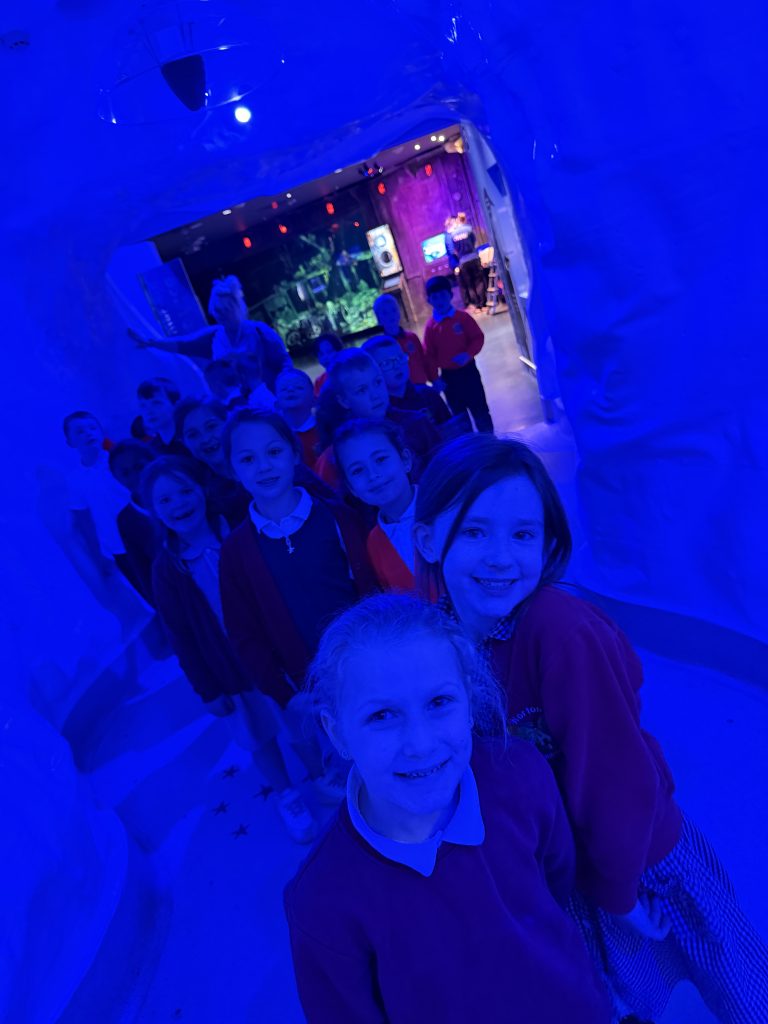
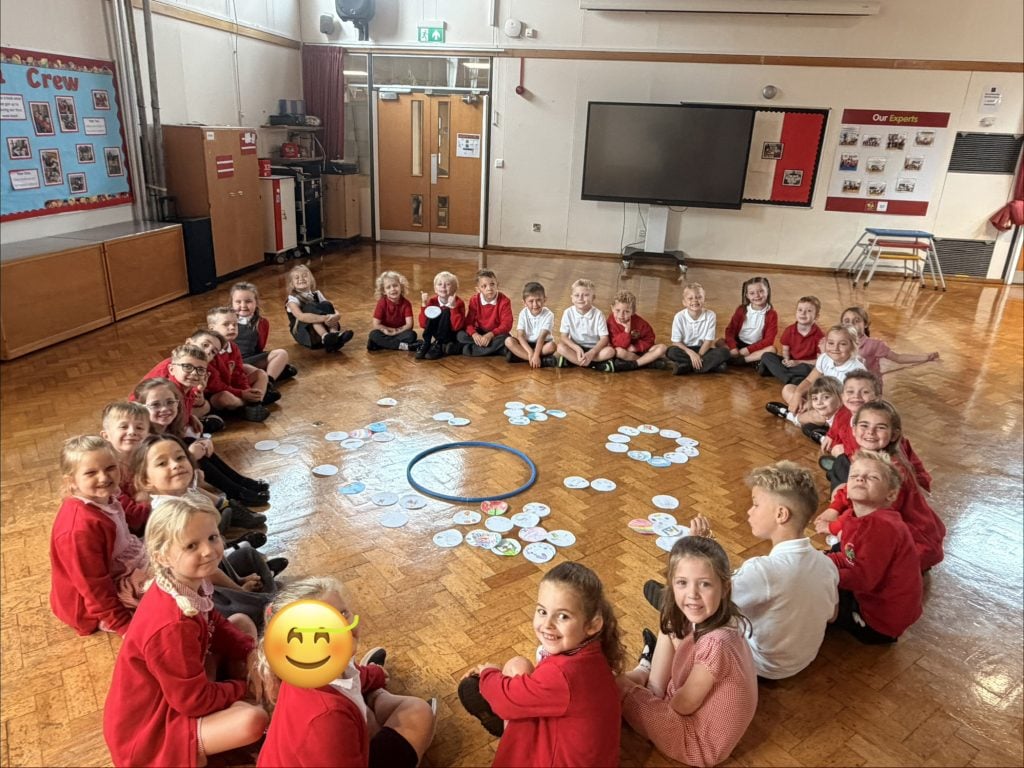
This week, we came together for a special community meeting to mark Children’s Mental Health Week, an annual awareness week launched by the children’s mental health charity Place2Be. Celebrated every February since 2015, the week exists to empower, equip and give a voice to all children and young people across the UK.
Children’s Mental Health Week 2026 takes place from 9–15 February, and this year’s theme is “This Is My Place.”
The theme highlights how important a sense of belonging is for our mental health and wellbeing. Feeling that we have a place — in our friendships, in school, and in our wider community — is a basic human need. When we talked about where our place is, many of us shared that it was our home, our school and our classrooms, and it was lovely to recognise that we have so many different places where we feel safe, valued and able to belong.
When children feel that they belong, it supports their emotional wellbeing, helps them to feel confident and valued, and empowers them to contribute positively to the world around them. To know our place and really feel part of our environment can have powerful and long-lasting impacts on our mental and physical health, education and relationships.
This year, Children’s Mental Health Week encourages peers, families, schools and communities to work together to create inclusive and nurturing environments, where every child can truly say, “This is my place.”
During our community meeting, we shared a story about a small yellow bird named Sunny, who was learning to sing. Sunny flew to the playground but felt too shy to join in when other birds were busy playing and laughing. Feeling small and unsure, Sunny sat quietly on a branch. A kind squirrel named Mira noticed Sunny sitting alone, came to sit alongside them, and gently listened to one small chirp. Mira invited Sunny to join others — a robin and a rabbit — and helped Sunny learn just one new note. The next day, Sunny sang a little louder, simply because someone had said hello.
The story gave us a powerful reminder of how small acts of kindness and inclusion can make a big difference.
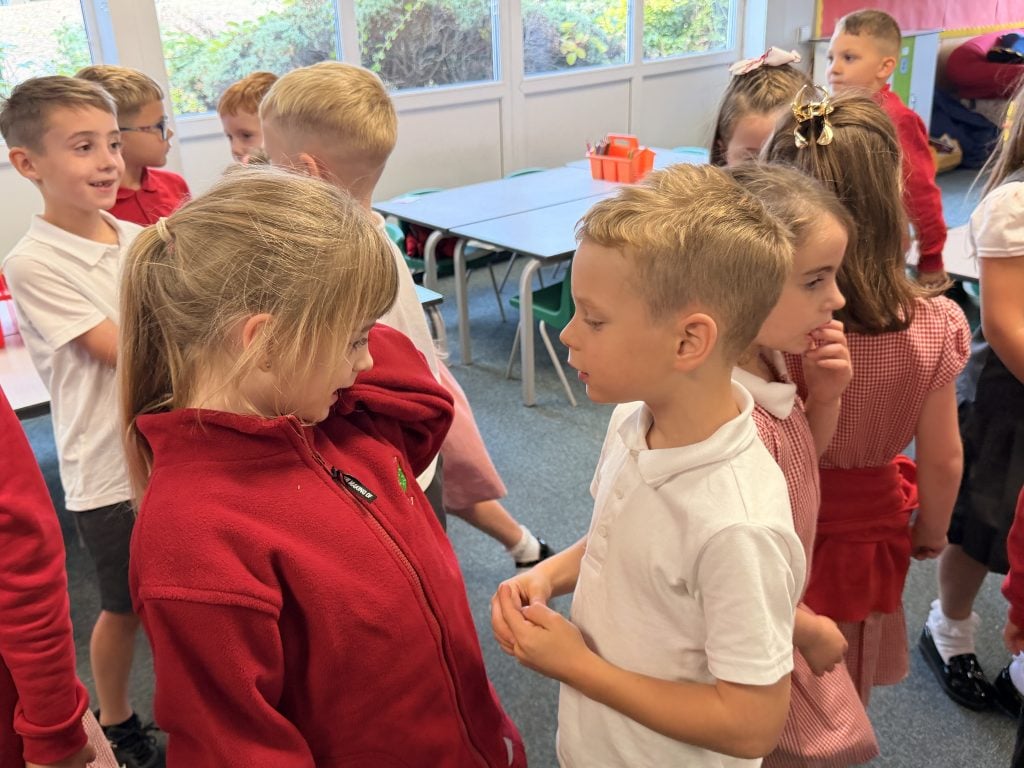
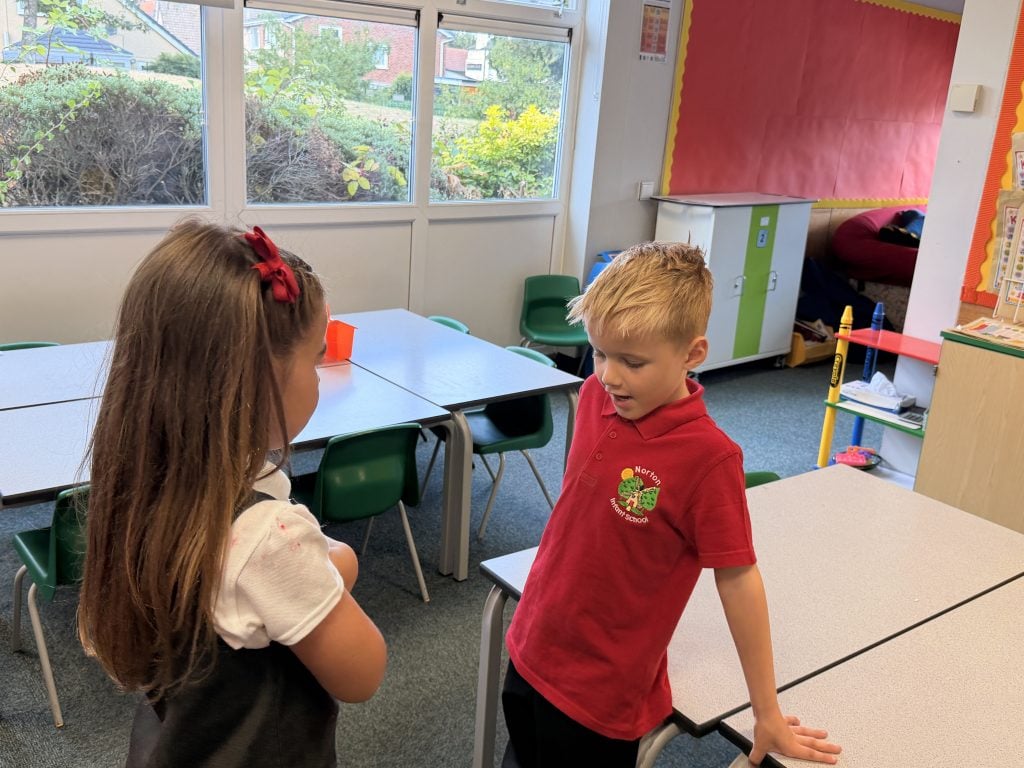
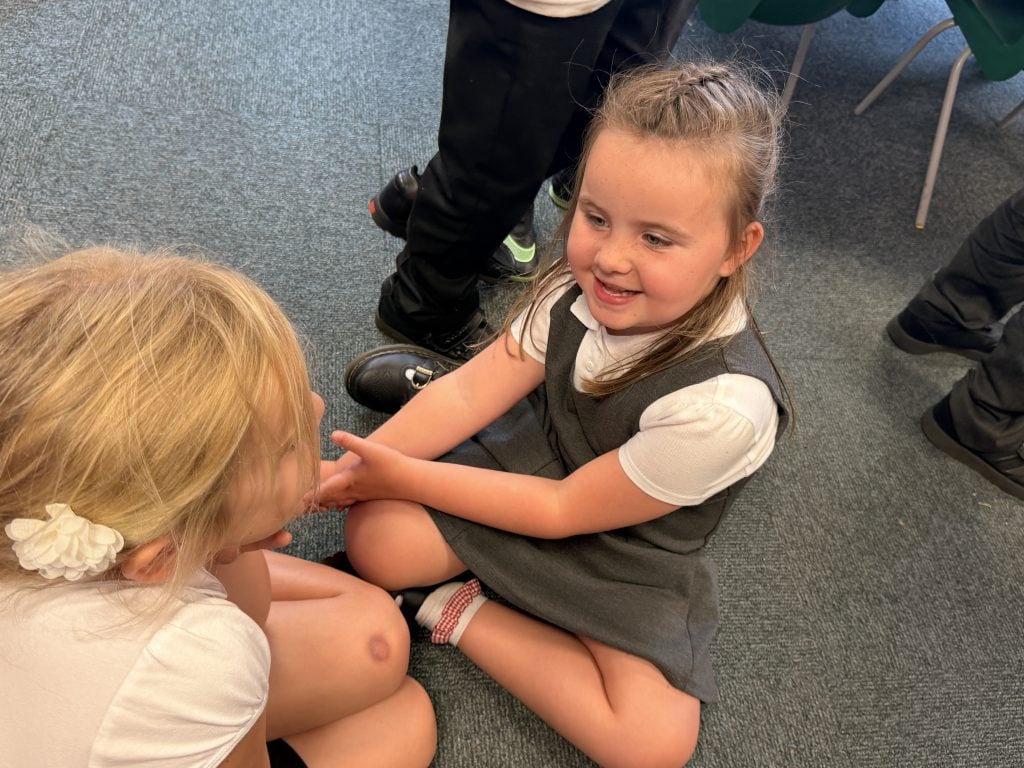
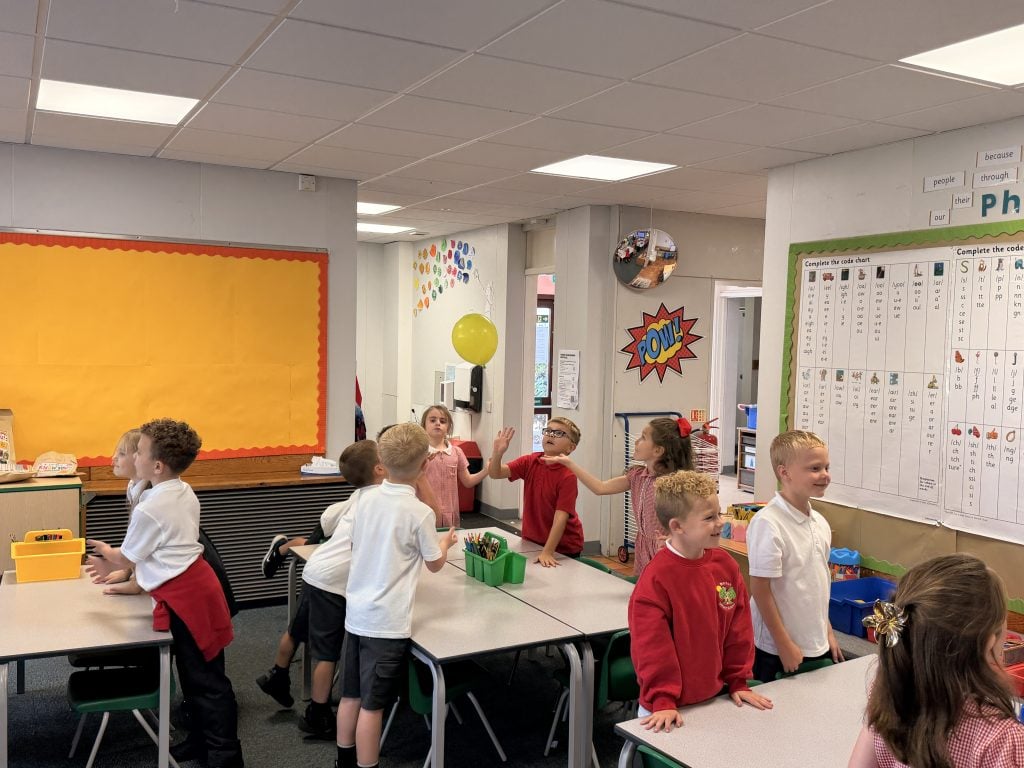
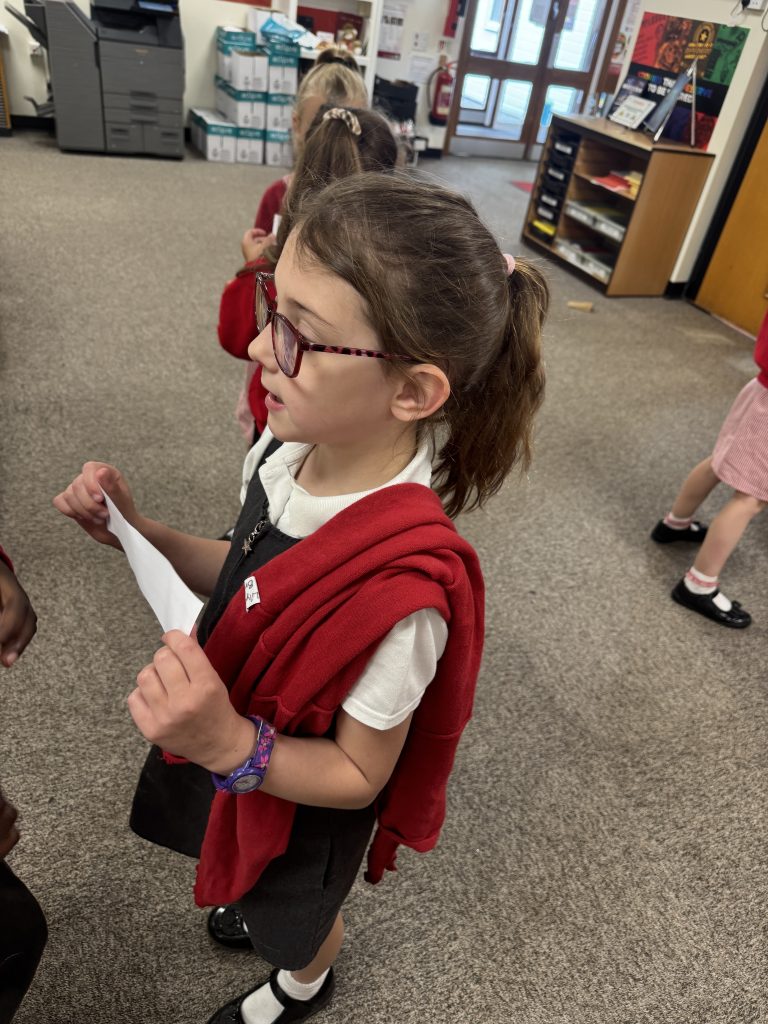
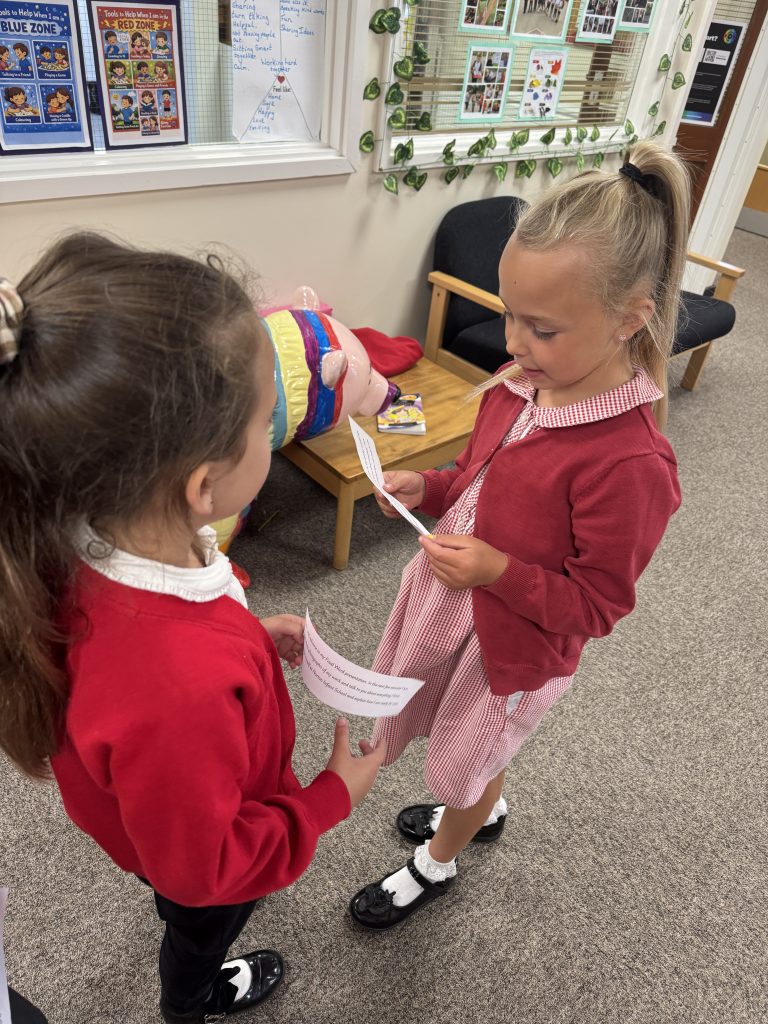
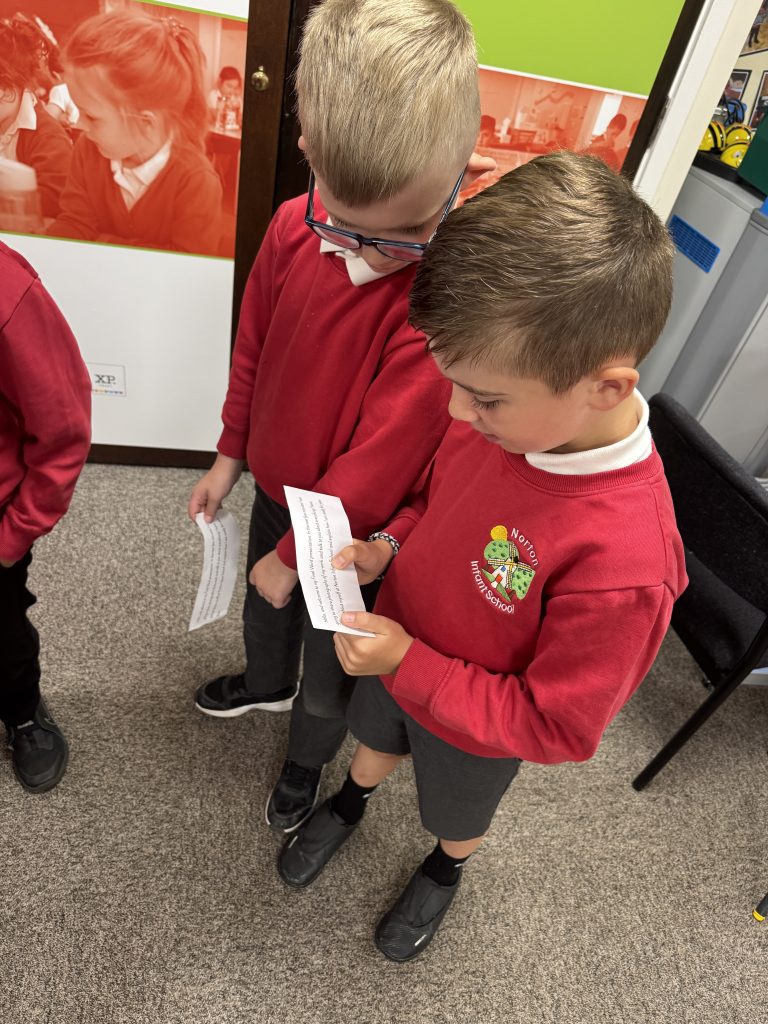
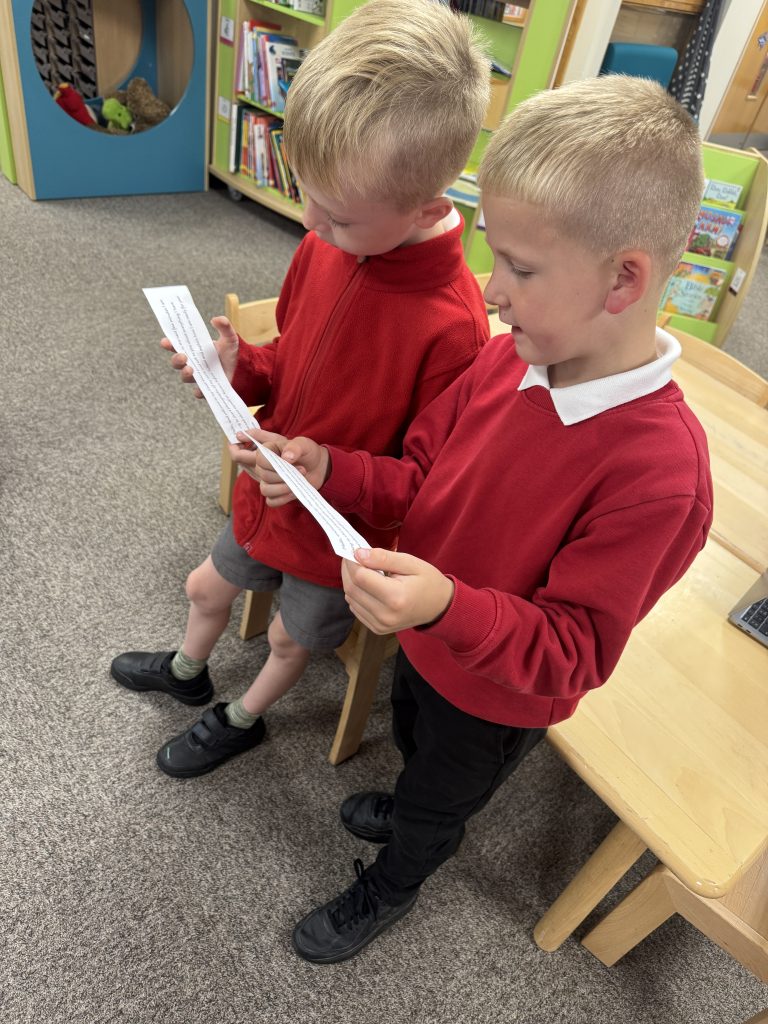
We then spent time working in pairs, introducing ourselves to someone new and sharing our interests, as well as something we liked about each other. These moments of connection helped reinforce the message that everyone belongs and that our differences are something to celebrate.
To end our meeting, we sang “This Is Me” together — a beautiful and uplifting moment that perfectly captured the spirit of the week.
As a community, we also made a simple pledge. This week, everyone will try at least one of the following:
Say hello to someone you don’t usually talk to
Share a toy, crayon, or turn in a game
Invite someone to join your group
We are proud of the way our children listened, reflected and supported one another. By making small, thoughtful choices each day, we can all help to create a place where everyone feels welcome, valued and able to say, “This is my place.” 💛
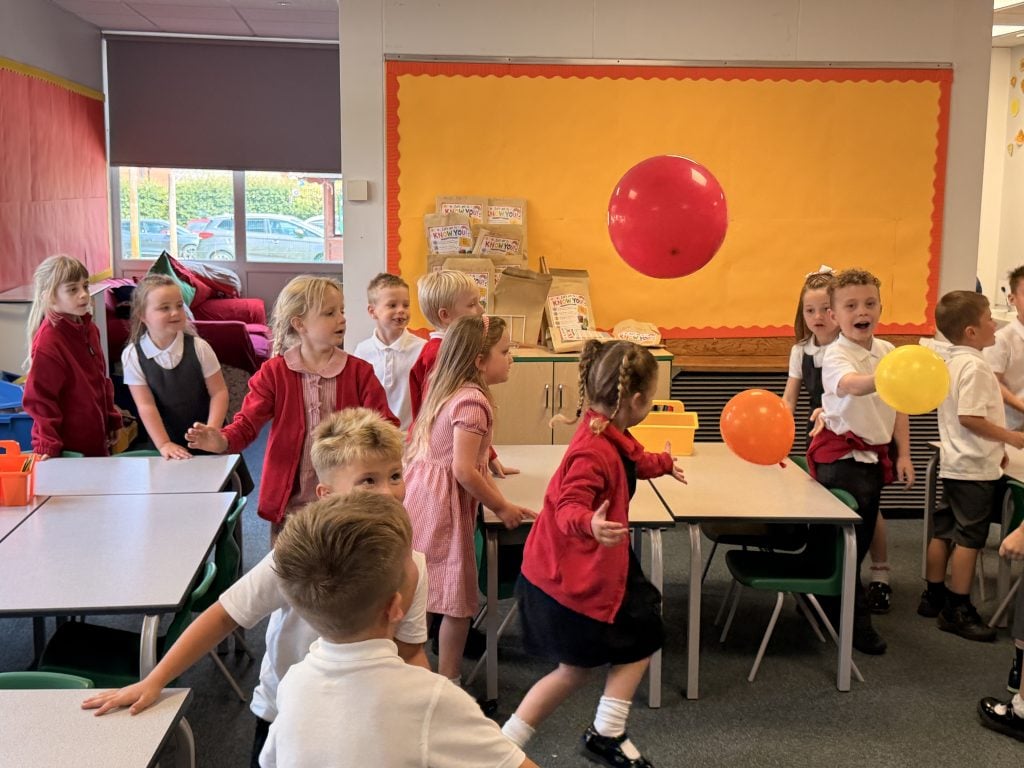
What an amazing day we had at our KS1 Sponsored Dance-a-thon on Friday 30th January! The children brought the energy, the smiles and some seriously impressive dance moves — and we are so proud of every single one of them.
Thanks to your incredible generosity and support, we are thrilled to share that we have raised an incredible £1,060… and counting! 🤩 This fantastic total will go directly towards the cost of producing the children’s very own KS1 Doncaster Board Games, helping us keep the final cost as low as possible for everyone. We are also continuing to work with sponsors and supporters to make this project even bigger and better.
💃 How did we dance the day away?
We kicked off the morning in style with a high-energy Zumba session in the hall, led by Mrs Ponsonby and Mrs Murray, which certainly got hearts pumping and feet moving!
Throughout the day, each class took part in a range of fun, creative dance activities, including:
🧊 Ice Dancing and 🎲 DiceDancing games in the classroom
🖐️ Fingerdancing to explore movement through different music styles
✏️ Pencildancing, where children drew how the music made them feel
🤸 A dance–themed PE lesson to finish the structured part of the day
🎉 And of course… partydancesduringGoldenTime to end on a high!
Children took turns dancing so that everycrew was represented throughout the day, showing teamwork, resilience and lots of encouragement for one another. We were also lucky to have some grown ups join in the fun, adding to the excitement and buzz around school.
🎲 Why it matters
All the money raised will support our KS1DoncasterBoardGame Project, where children are designing and creating their own board game inspired by locallandmarks. The final game will be professionally produced so that all KS1 children can enjoy playing it — a brilliant example of learning, creativity and community coming together.
💛 Thank you
A huge thank you to all our families for your sponsorship, encouragement and enthusiasm. Every single contribution is helping to bring the children’s ideas to life — and days like this remind us just how powerful learning can be when it’s joyful, active and shared.
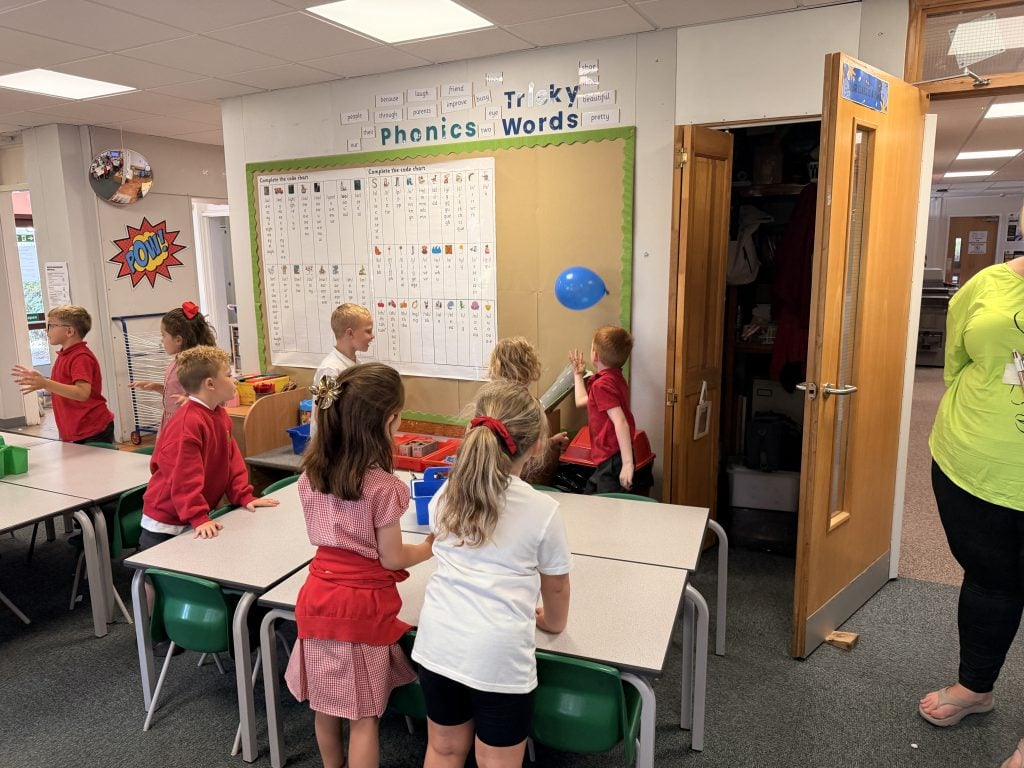
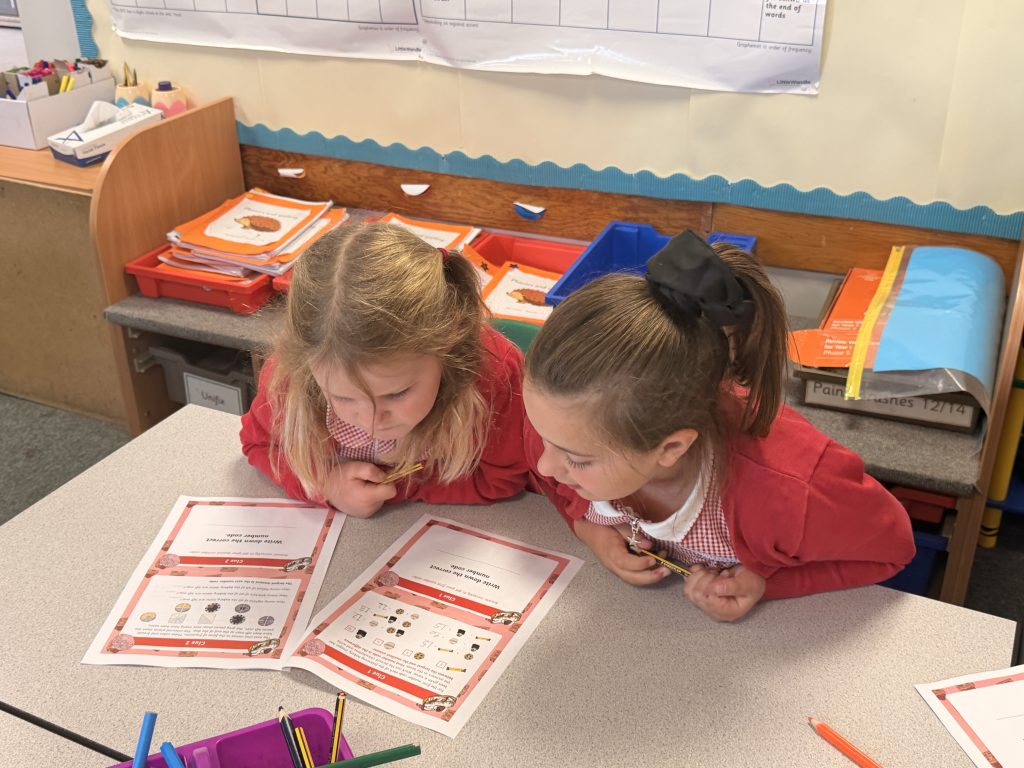
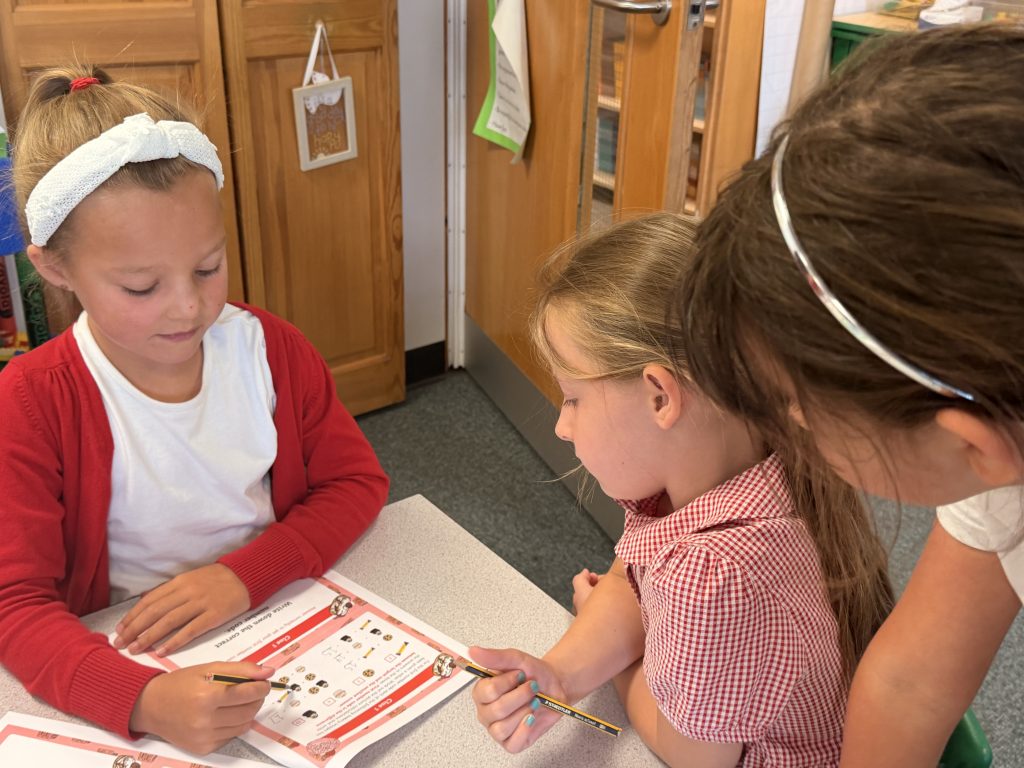
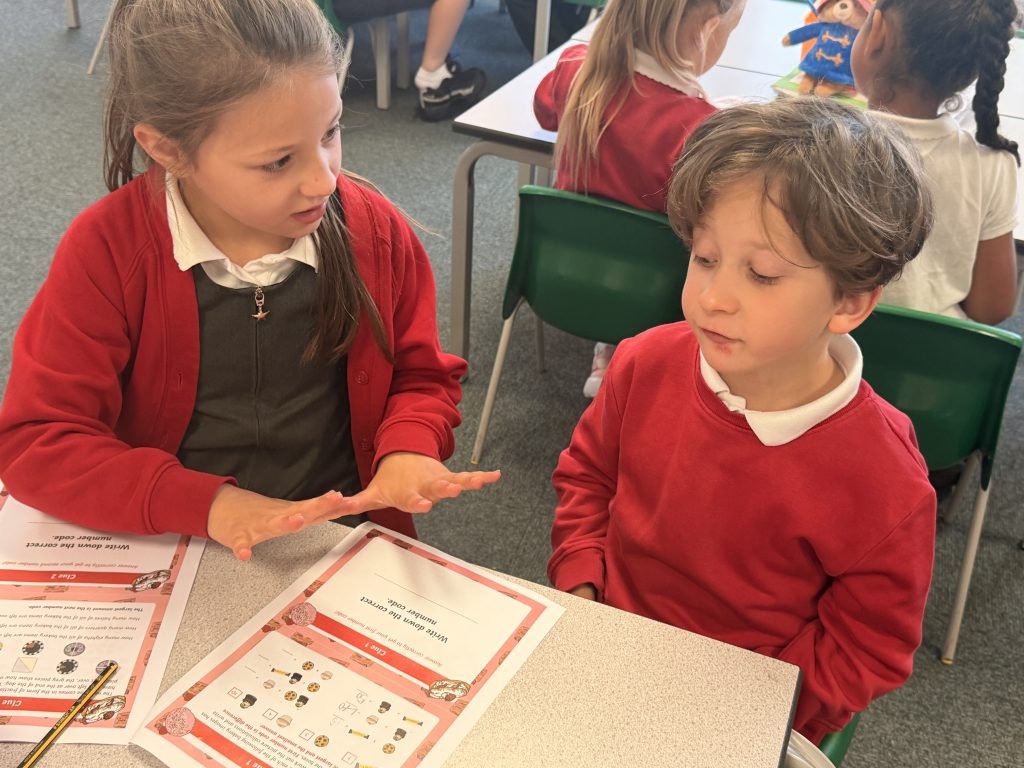
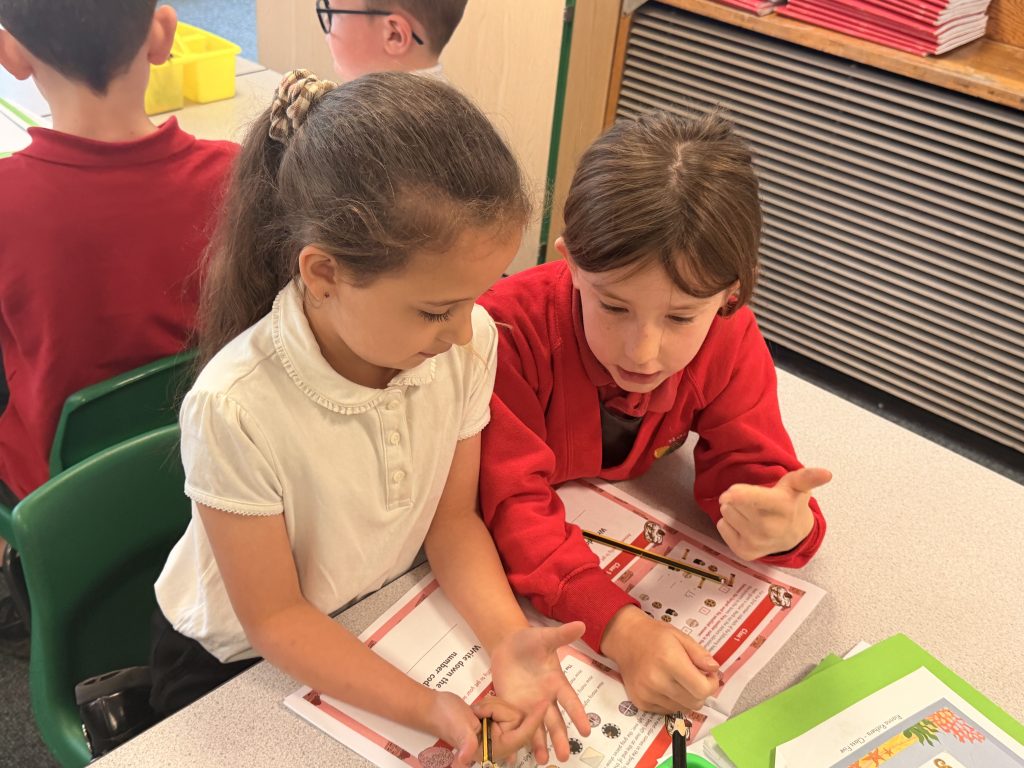
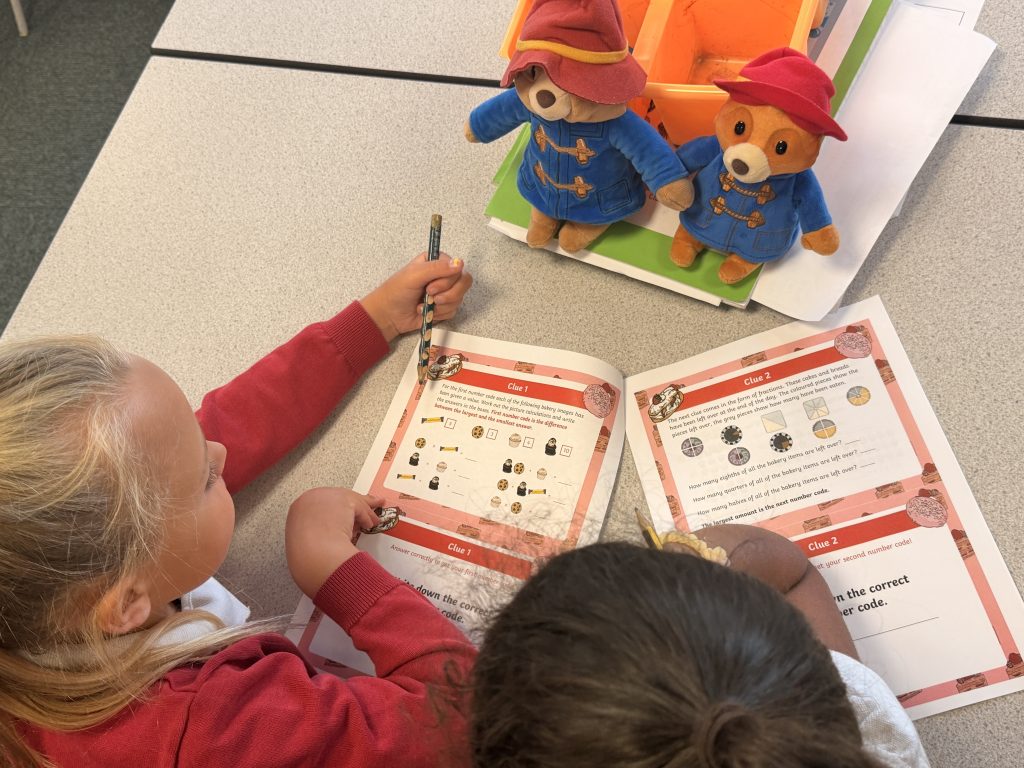
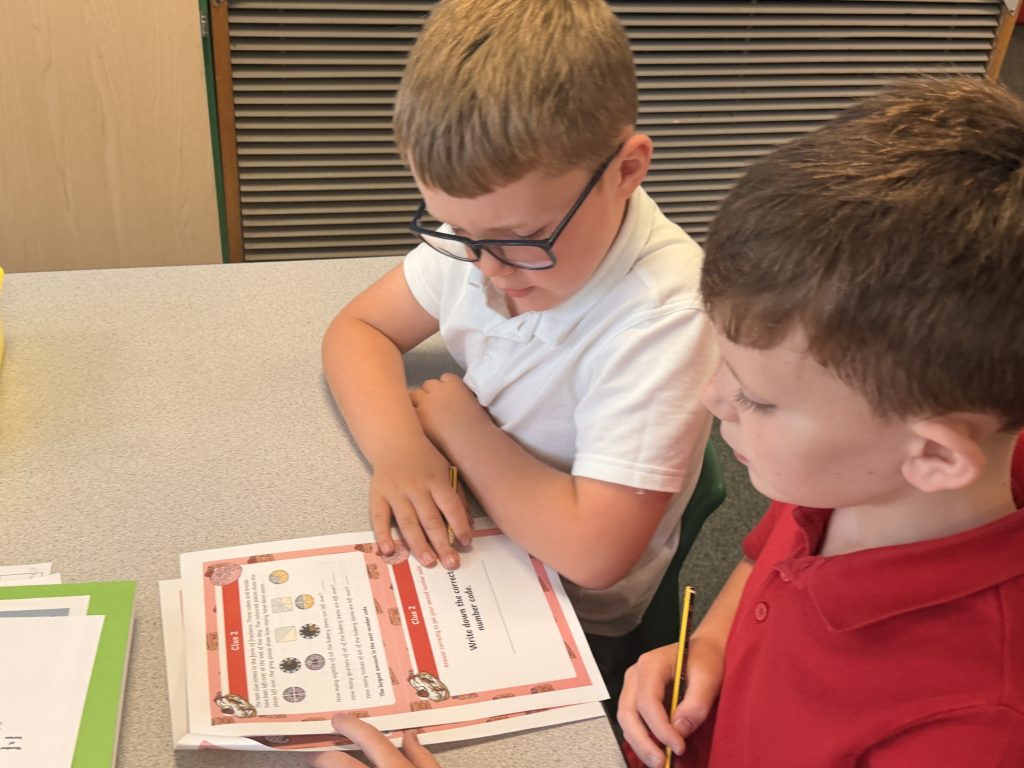
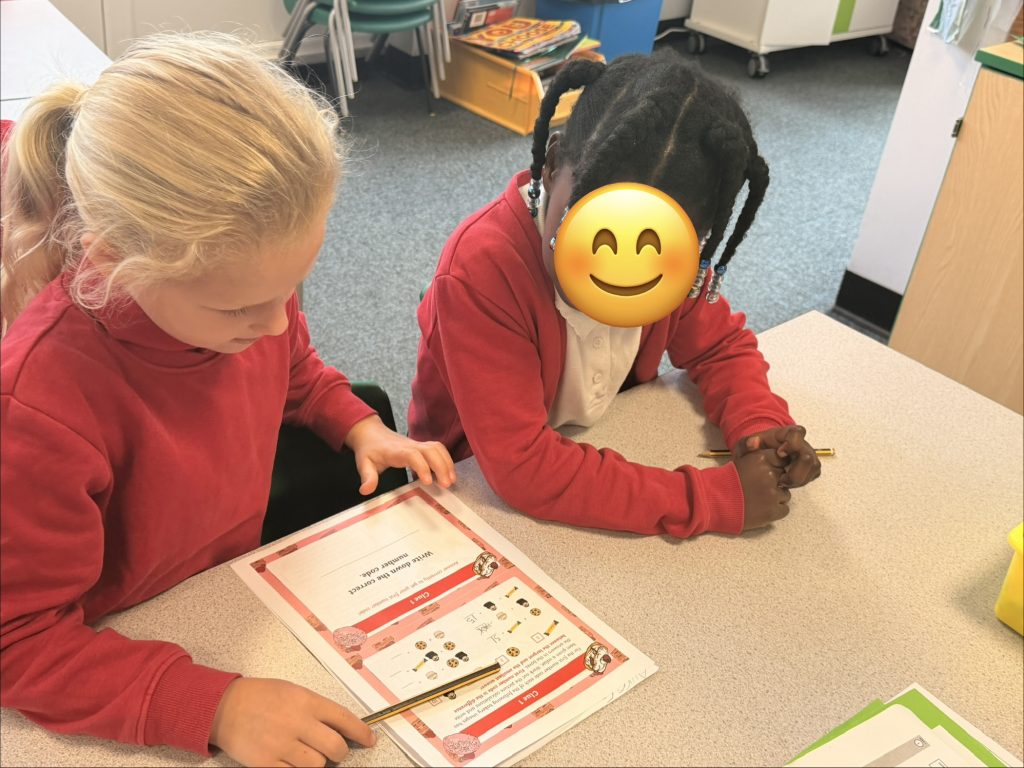
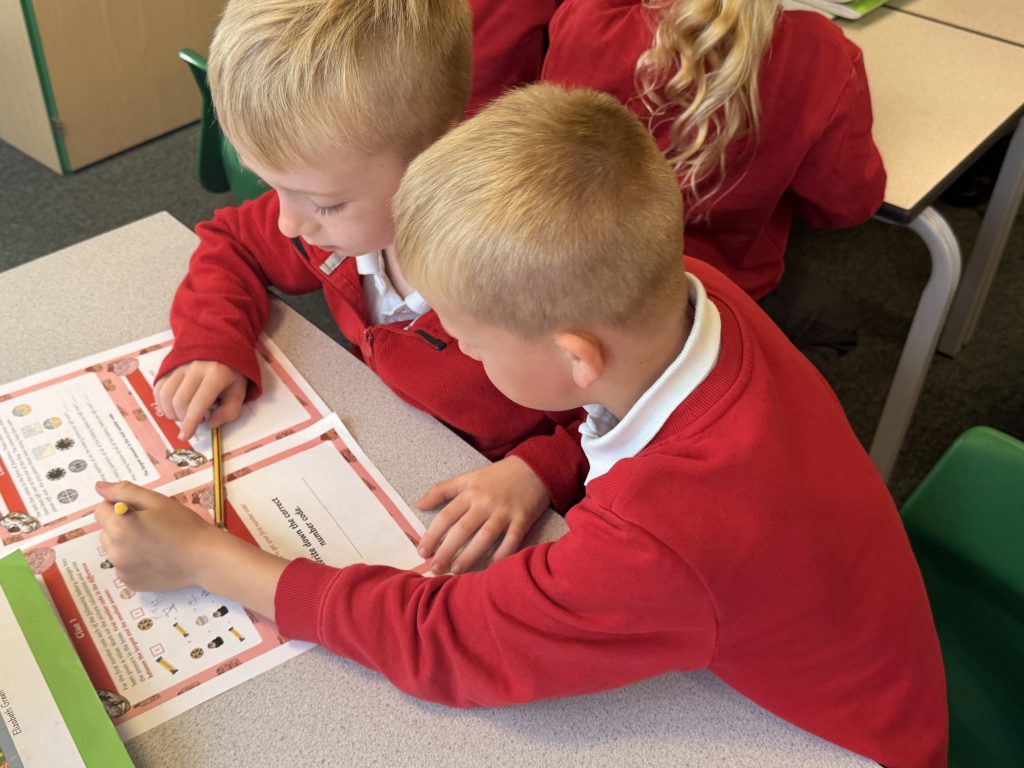
🏰Today we put our problem solving brains to the test as we worked in teams to take part in a maths escape room. We had to complete all the different missions to reveal the magic spell and free our school from the dragon! 🐉
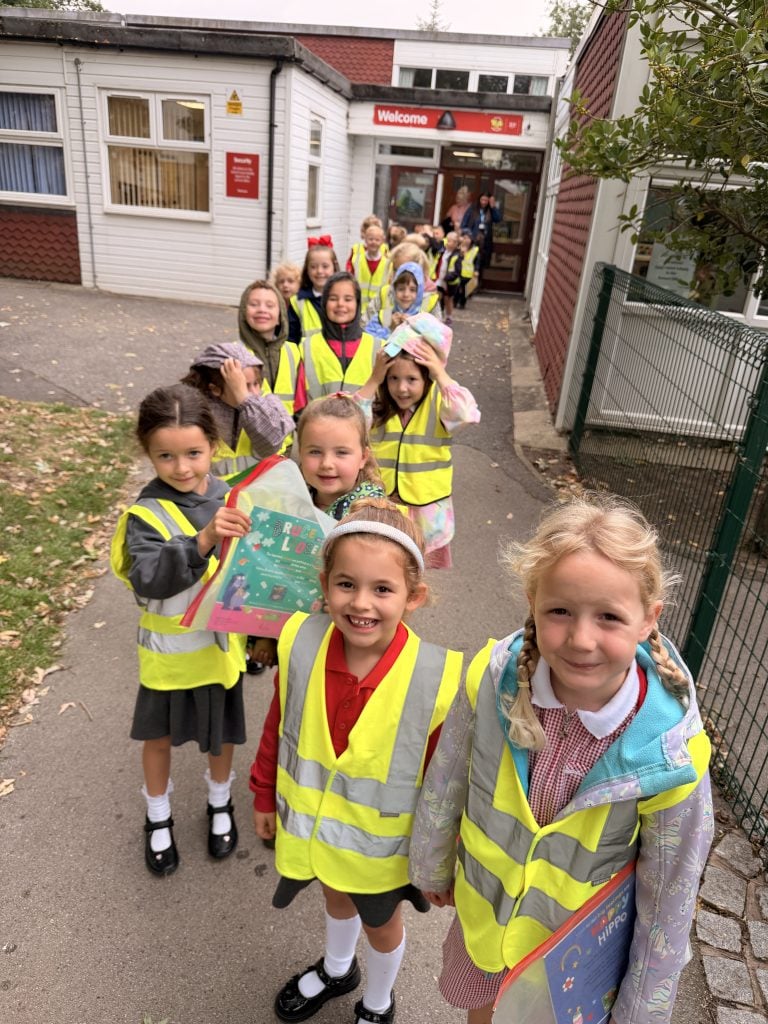
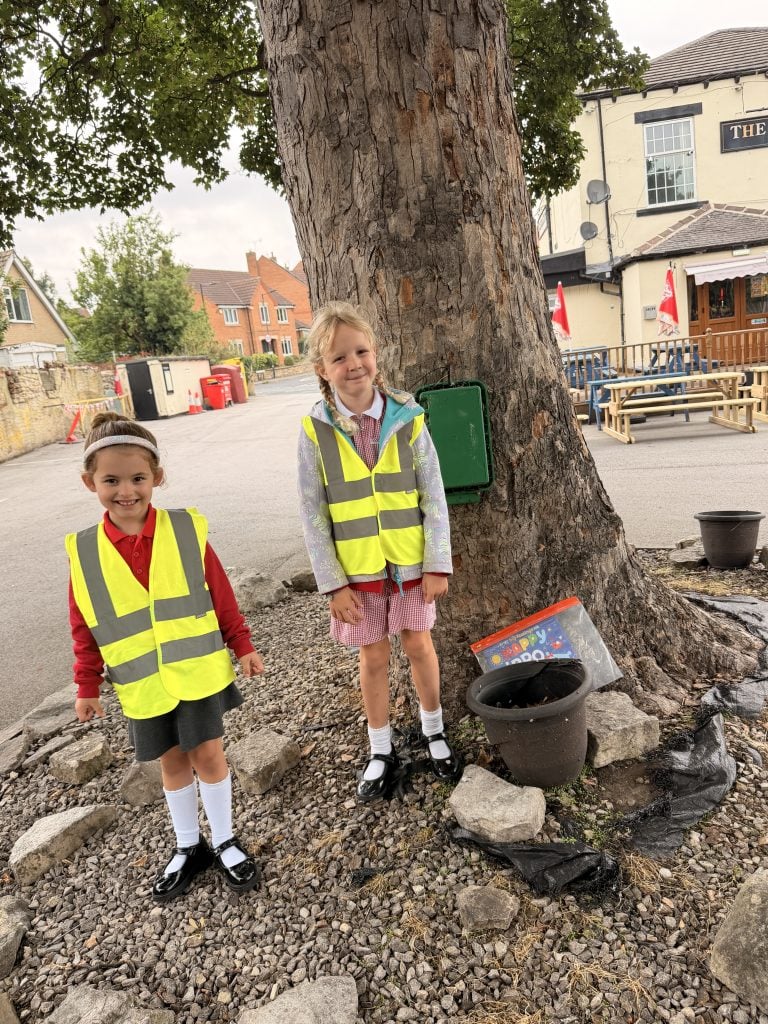
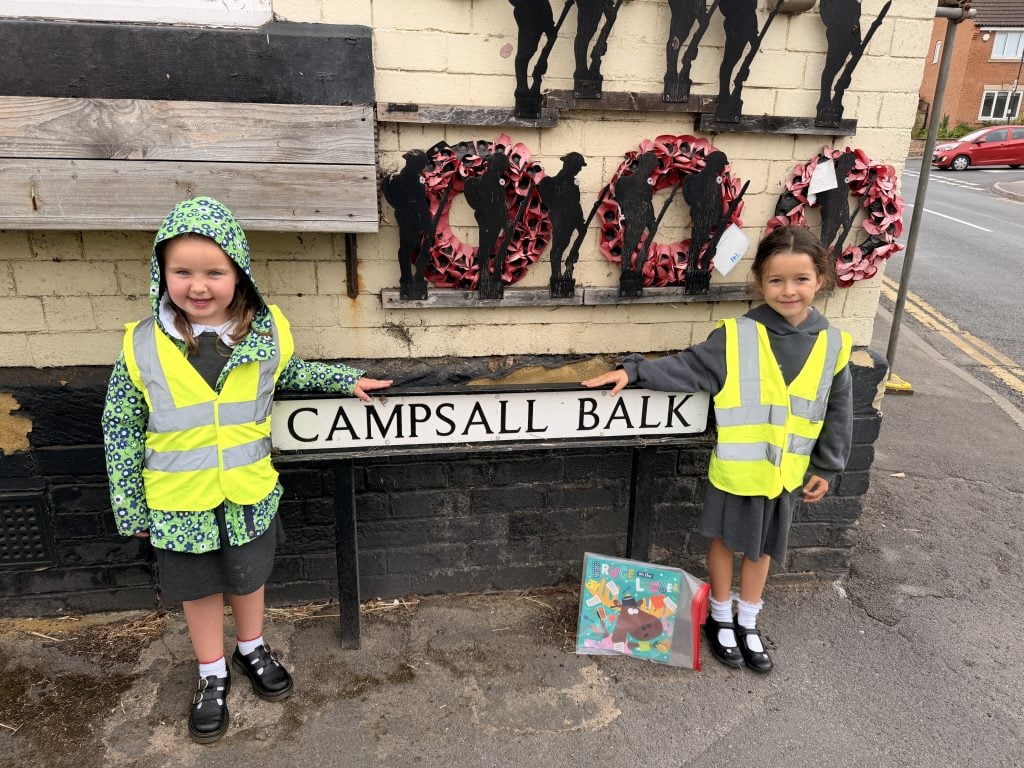
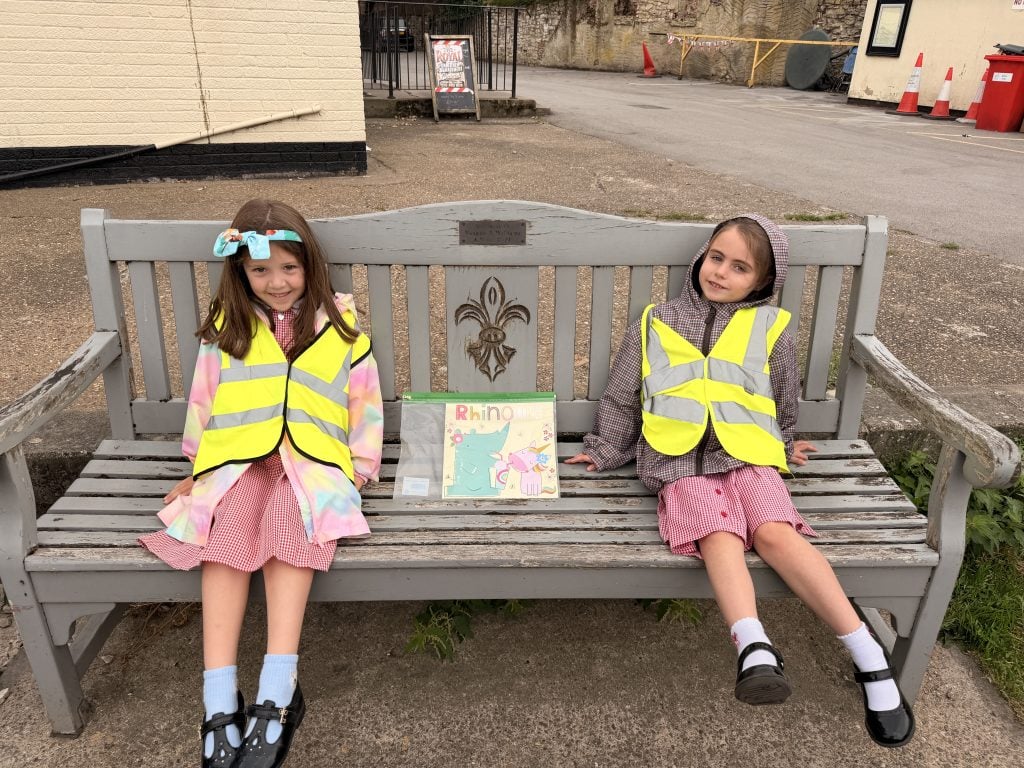
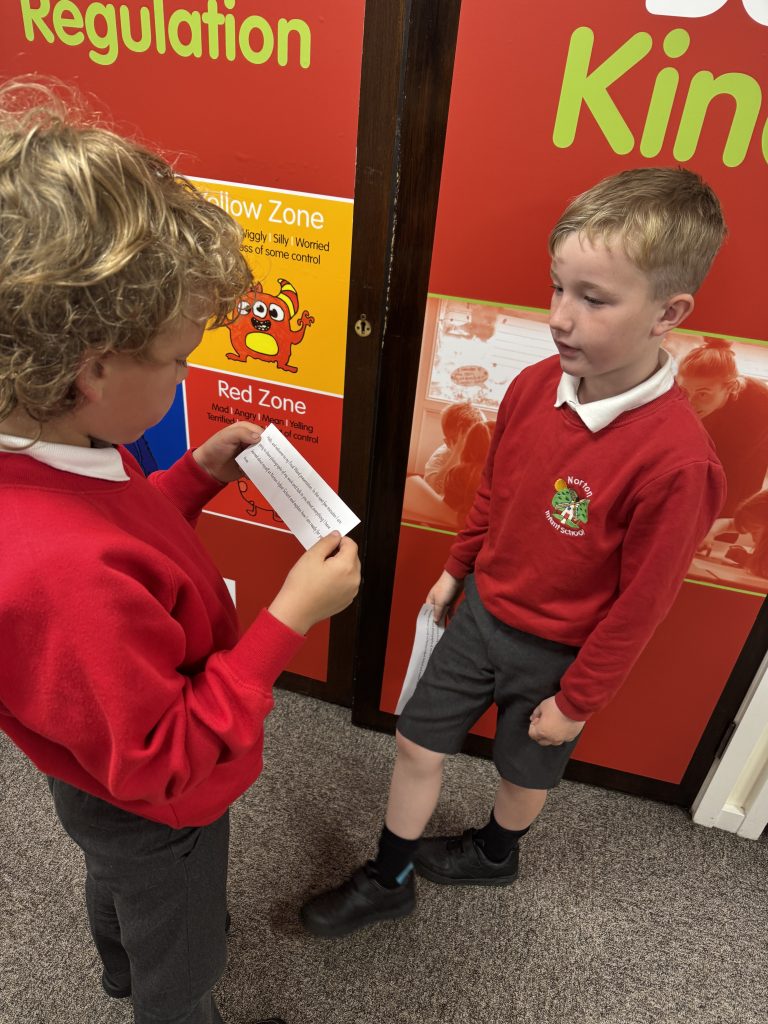
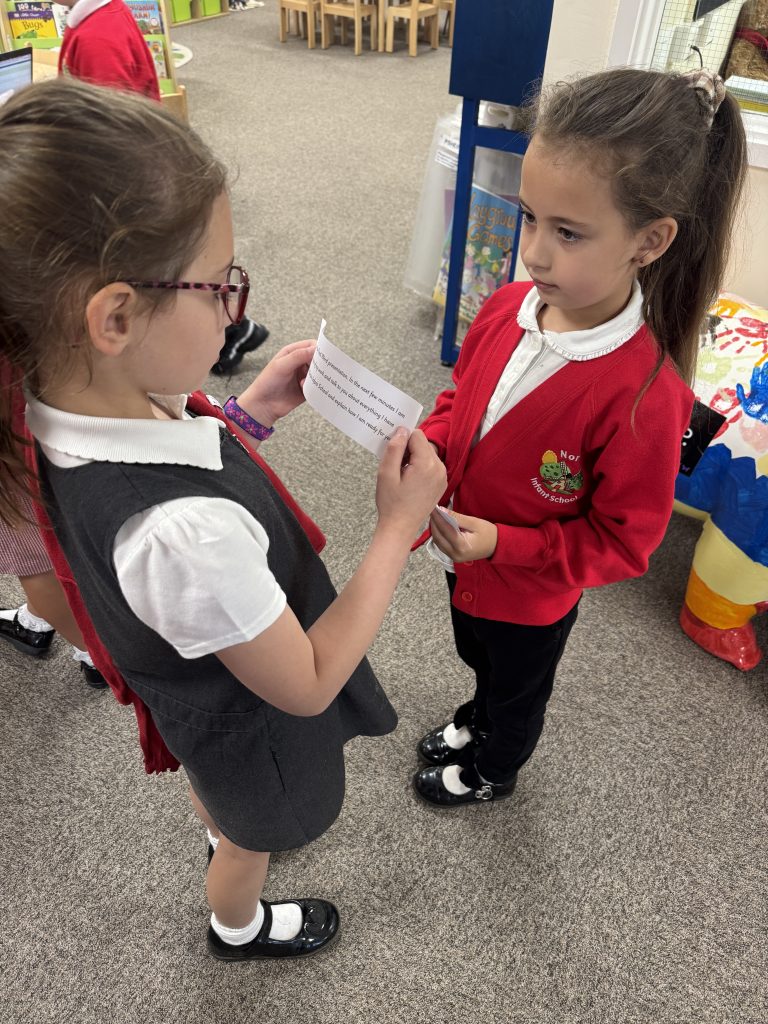
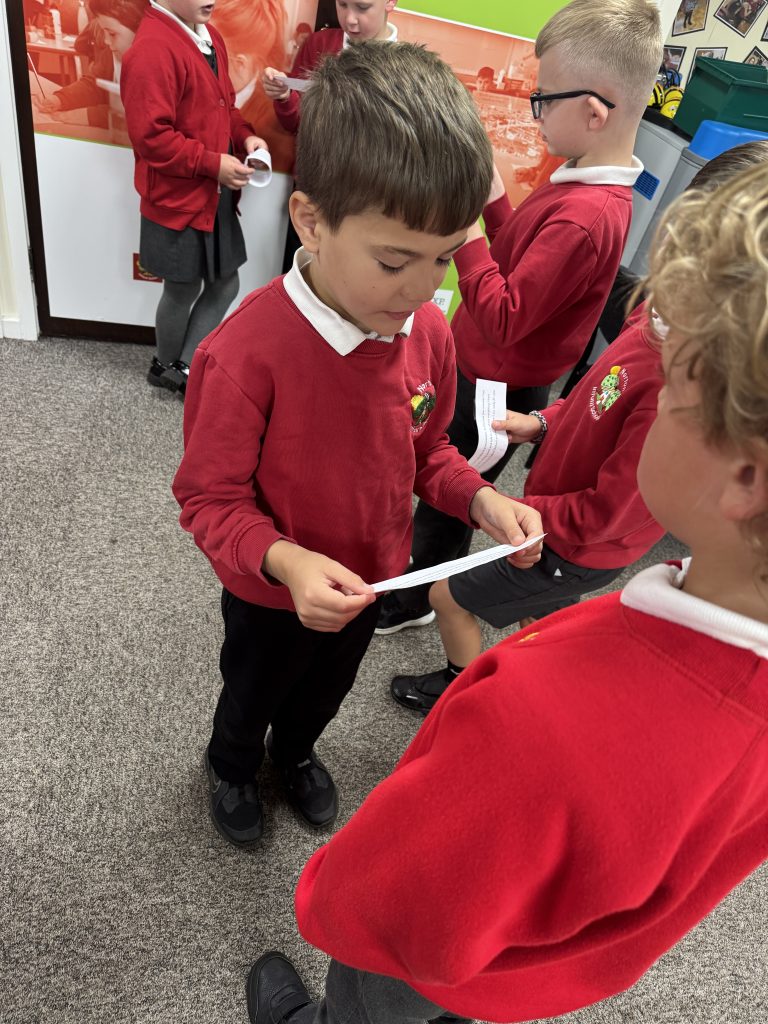
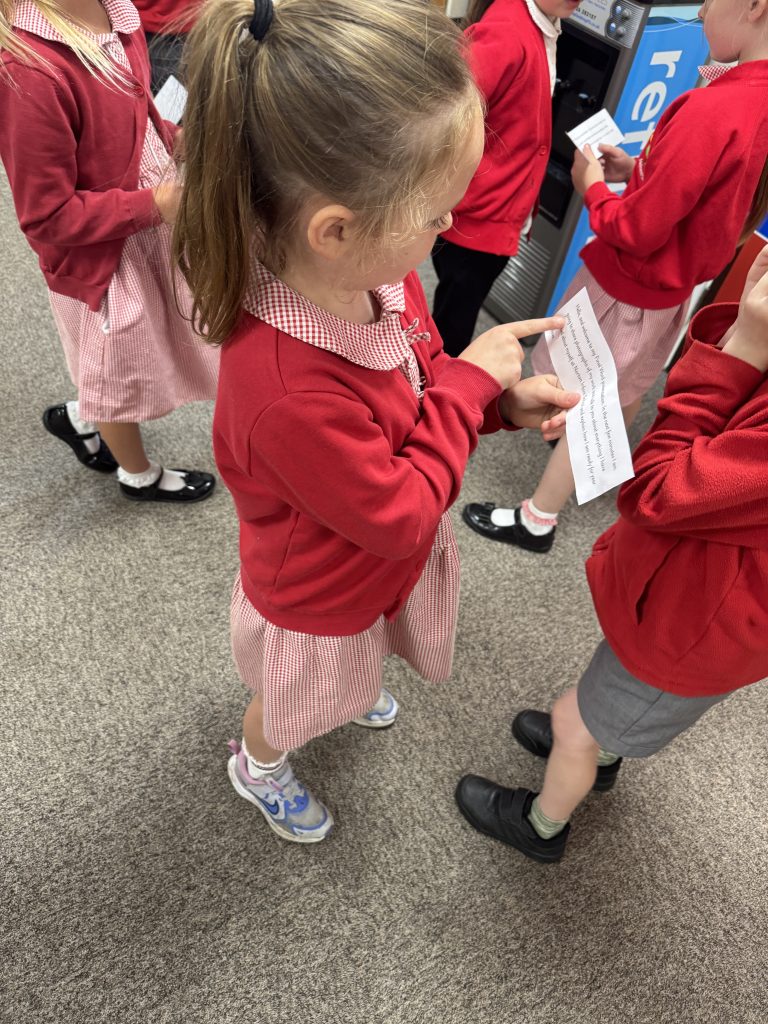
This week Crew Hamilton got out and about in the school grounds. We followed arrows on the floor, stoped at crosses and counted our steps to find a range of letters that we needed to unscramble to crack the secret code.
Today, Class 5 built on yesterday’s learning by taking part in purposeful critique. With sketchbooks open and first drafts in front of us, we carefully revisited our work and gave feedback that was kind, helpful and specific. Everyone listened thoughtfully, asked questions and showed real respect for each other’s ideas.
Using this critique, we then began our second drafts. You could see pupils making deliberate changes — adjusting shapes, refining lines and thinking carefully about composition. The improvements were thoughtful and intentional, showing just how powerful feedback can be when it is used well.
We also transferred these critique skills into our writing, as we began our non-chronological reports about Conisbrough Castle. Just like in our artwork, we edited and improved as we went along, rereading our sentences, making changes and strengthening our work in real time. This process required honesty and integrity, and the children supported one another brilliantly, offering feedback with care and respect.
Class 5 continue to show that critique isn’t about pointing out mistakes — it’s about helping each other grow, whether as artists, writers or as a crew.
This week, Class 5 revisited Austin’s Butterfly, focusing on the power of critique and redrafting. We reminded ourselves what makes great critique truly helpful — it should always be kind, specific and supportive, with the clear purpose of helping each other improve.
Before putting pencil to paper, we spent time looking carefully at Conisbrough Castle through an artist’s eye. We asked thoughtful questions together: What shapes can we see? What do the lines need to look like? Would our sketchbooks work better in landscape or portrait?
These discussions helped us slow down, observe more closely and make deliberate choices before we began.
We then got busy on our first drafts. They are strong starts — thoughtful, detailed and full of effort — but we know they aren’t perfect yet. That’s exactly where the learning lives. Tomorrow, we’re looking forward to giving and receiving careful critique, using each other’s feedback to refine our work and create even stronger second drafts.
Class 5 are learning that great art (and great learning) doesn’t happen in one go — it happens through reflection, feedback and the courage to improve.