Designing, Developing and Defining ‘Fun’ 🎲

This week, we revisited one of our big guiding questions: What is a game?

The children began by thinking deeply about what makes a game a game. Is it the board? The rules? The players? The competition? The challenge? Together, we explored the component parts of games and generated a long list of materials we might need — boards, dice, counters, cards, questions, instructions and packaging.

Then came a lovely moment of realisation: when all of those parts come together successfully, they create one very important outcome — fun.

Explaining Our Learning

We were proud to welcome Chris Backe in to work with us. The children confidently explained what our board game is about and why we have been learning so much about Doncaster’s landmarks, geography and history. It was wonderful to see them articulate the purpose behind their learning — not just what they had done, but why it mattered.

Having a real expert in the room helped to reinforce that this work is authentic. The children are not just completing a task; they are designing something meaningful for a real audience.

Making Thoughtful Design Choices

Next, the children designed their own game cards and carefully placed them into plastic pouches. This wasn’t just a practical step — it was a design decision.

We discussed:

  • Durability — game cards need to last.
  • Protection — they will be handled many times.
  • Material choice — why plastic, rather than paper or fabric, would be most suitable.

It was fantastic to see the children thinking like designers and manufacturers, considering the properties of materials and the long-term use of their product.

Creating, Testing and Adapting

The children then moved on to designing their own boards. This involved creativity, teamwork and — importantly — adaptability.

As they began to play their games, they quickly realised that rules sometimes need refining. Some games were too easy. Some were too tricky. Some needed clearer instructions. Rather than seeing this as a problem, the children embraced it as part of the design process.

They:

  • Tested their ideas.
  • Adapted their rules.
  • Improved their layouts.
  • Refined their thinking.

This kind of iterative design process is exactly what real game designers do.

Learning with Purpose

We were incredibly lucky to spend the morning refamiliarising ourselves with Doncaster landmarks, supported by a real expert guiding our thinking. This helped the children ensure their questions, illustrations and gameplay accurately reflected the place we call home.

Throughout the session, the children demonstrated:

  • Collaboration
  • Critical thinking
  • Creativity
  • Pride in their local area

Most importantly, they showed that when knowledge, skill and imagination come together — it really does create something special.

We can’t wait to share the finished games with you soon! 🎉

RE- Chinese New Year Festival

We have had a wonderful time learning all about Chinese New Year. We have been exploring the traditions and celebrations linked to this special festival and discovering how it is celebrated around the world. The children enjoyed reading a story to learn about the animals in the Chinese Zodiac. As part of our creative activities, we made fantastic dragon masks and colourful lanterns. In PE, we took part in our very own dragon dance.

Celebrating Chinese New Year in Class 5

This week, we have been learning all about Chinese New Year and how it is celebrated. We found out that this year is the Year of the Horse and enjoyed learning about the animals in the Chinese zodiac. We also discovered which year we were born in, and lots of us were excited to find out we were born in the Year of the Pig or the Year of the Dog!

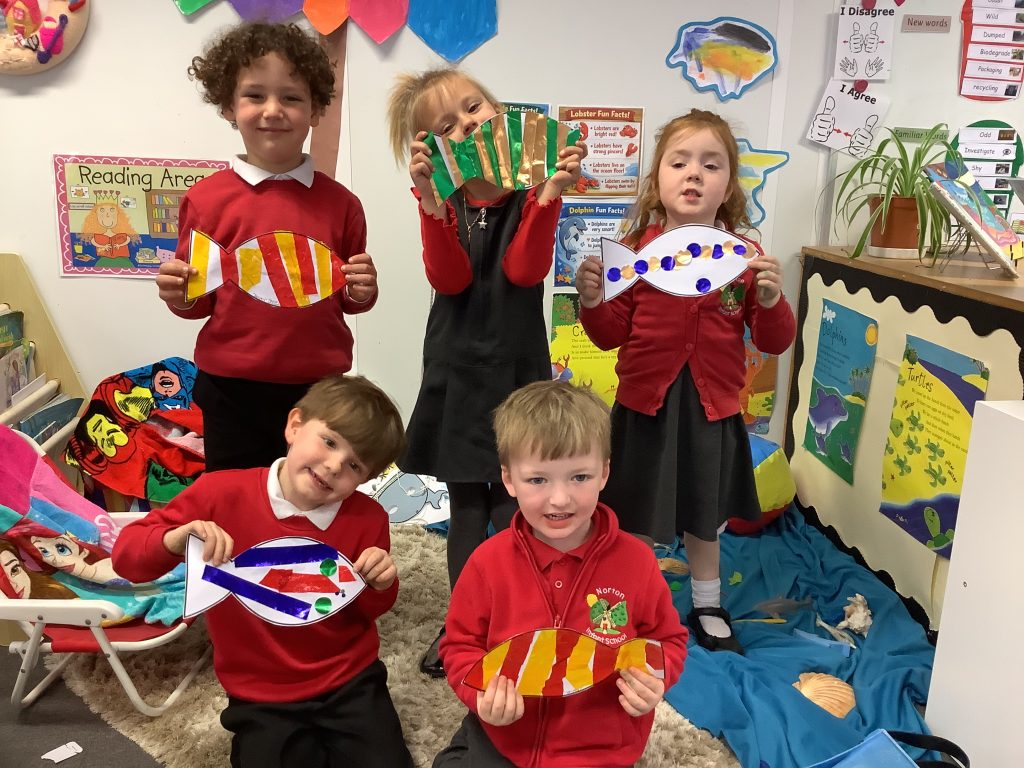
This morning, we tried something new by practising our handwriting in Mandarin. We had a go at writing Happy New Year  and talked about how different the characters look compared to the letters we usually write. We also made beautiful Chinese lanterns using bright colours and patterns, which we were very proud of.

It has been a fun and interesting way to learn about another culture, and the classroom has been full of excitement as we celebrated Chinese New Year together. 🐎🏮

A Visit from the School Nursing Team

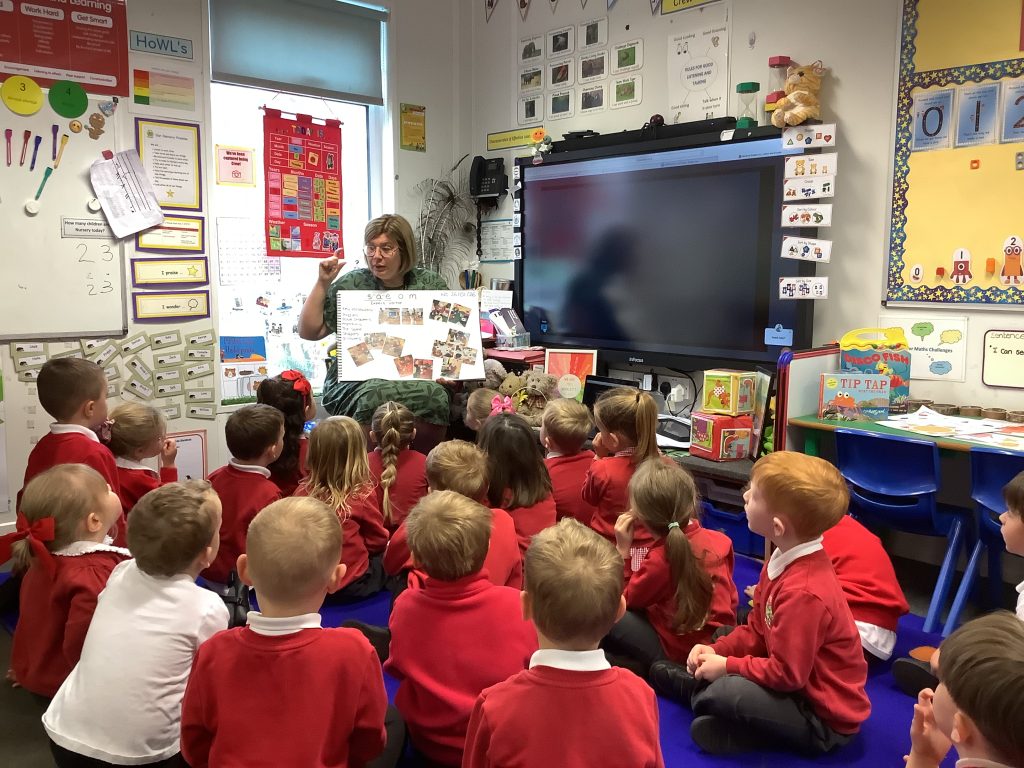
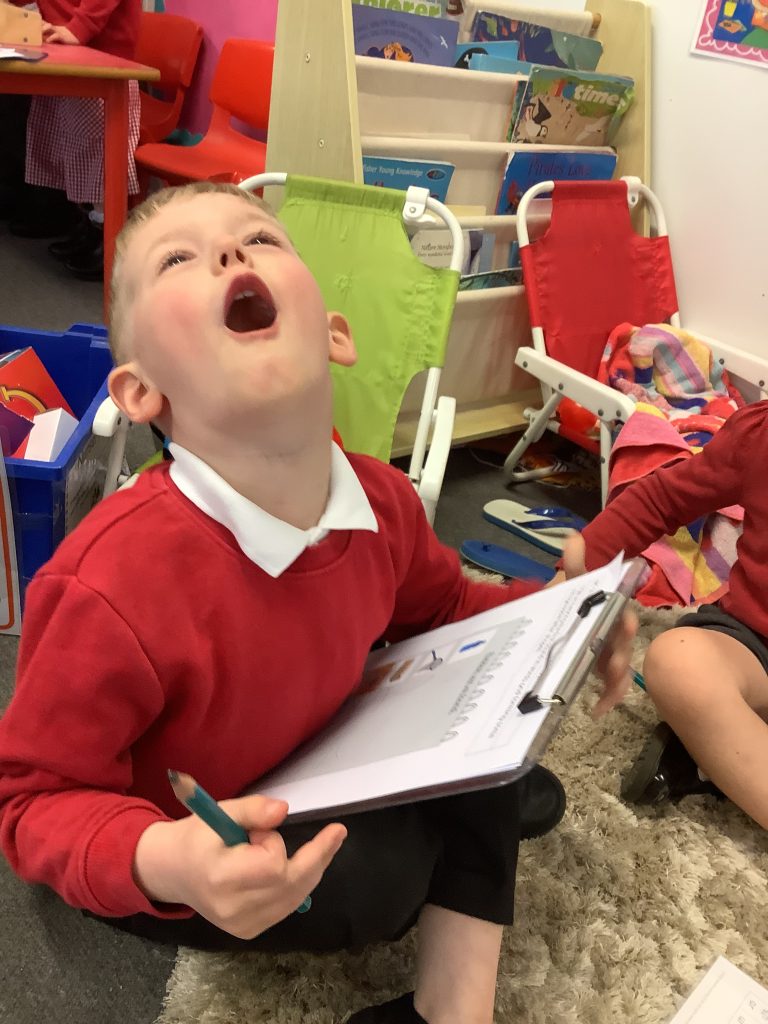
This morning, we were lucky to welcome the School Nursing Team into school for a special visit. They helped us learn all about what school nurses do and how they support children to stay healthy and well.

We spent time learning about our teeth, what their job is, and why they are so important. The children talked about how we can take the best care of our teeth, including brushing twice a day, choosing healthy foods, and visiting the dentist.

It was a really engaging session, with lots of great questions and thoughtful contributions from the children. A big thank you to the School Nursing Team for helping us learn how to look after our bodies and build healthy habits for the future. 🦷✨

Our Beautiful Work

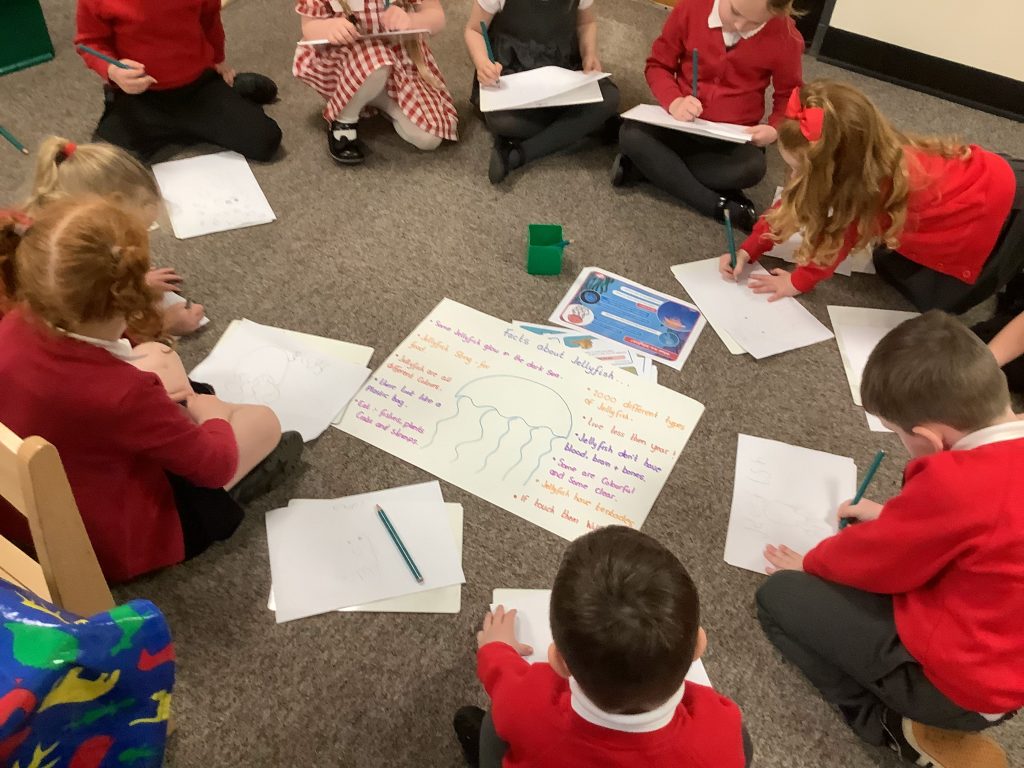
This week we became explorers, artists, and writers! We studied famous landmarks such as Doncaster Minster and the Frenchgate Shopping Centre. We researched key facts and learned about their history, purpose, and importance to the local community. The children used this information to write some interesting facts, showing pride in their knowledge of Doncaster. We also became artists and carefully sketched landmarks using observation skills. After sketching, we used watercolours to bring our drawings to life.

Unlocking a Book’s Potential: How One Story Inspired a World of Learning

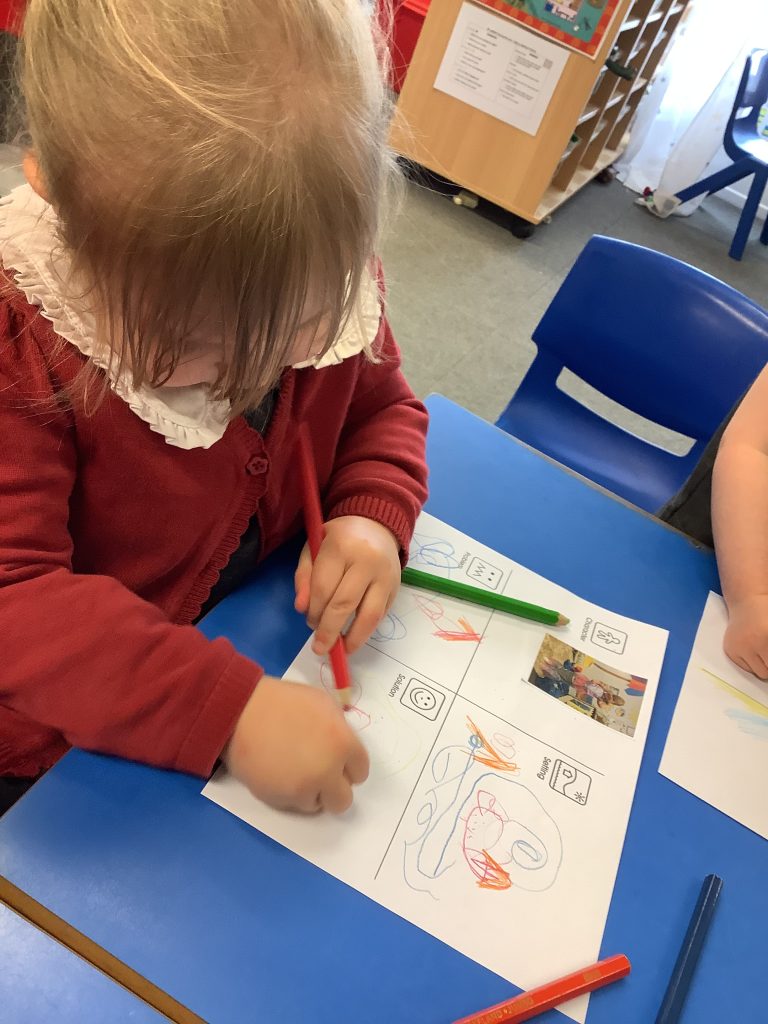
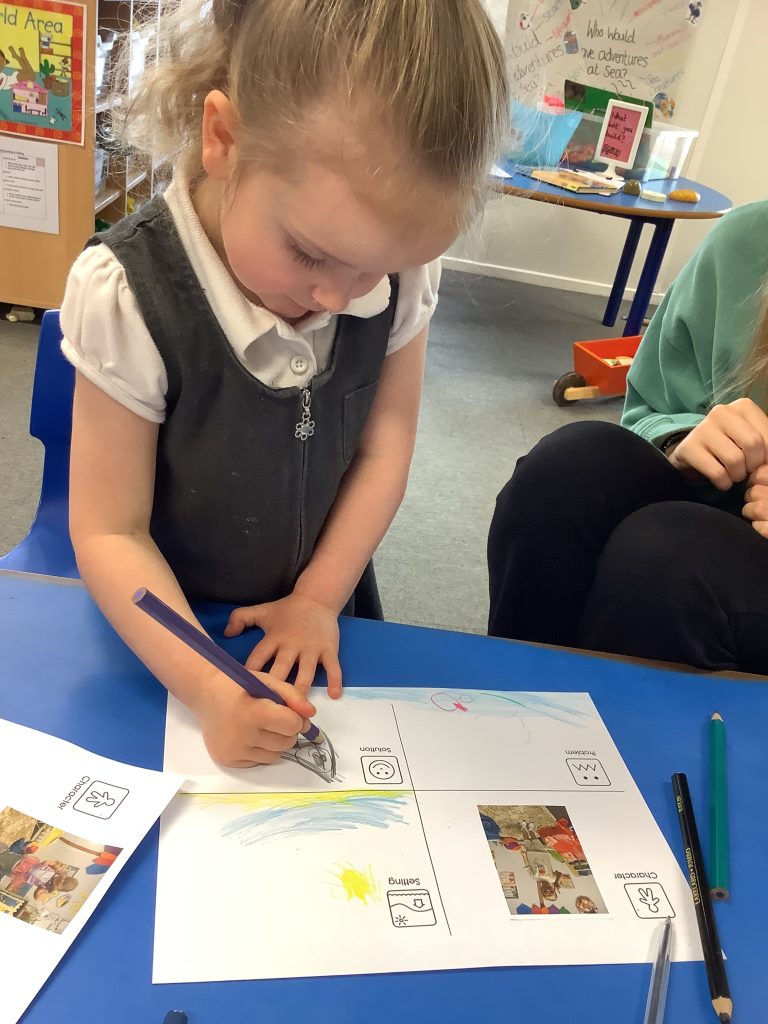
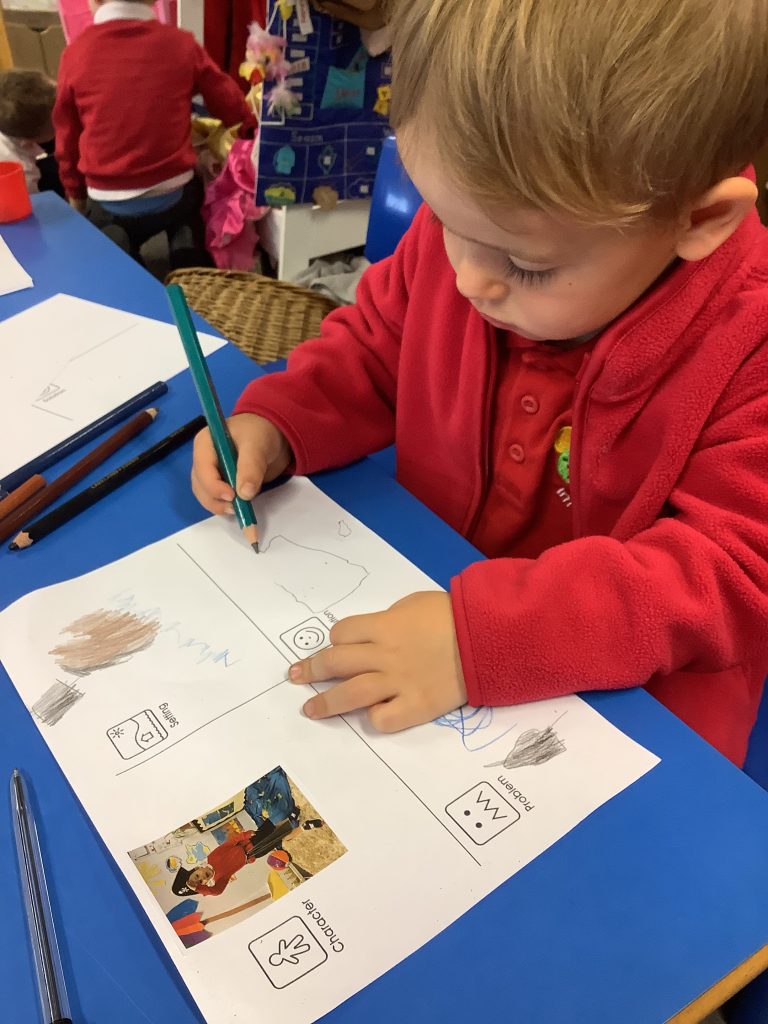
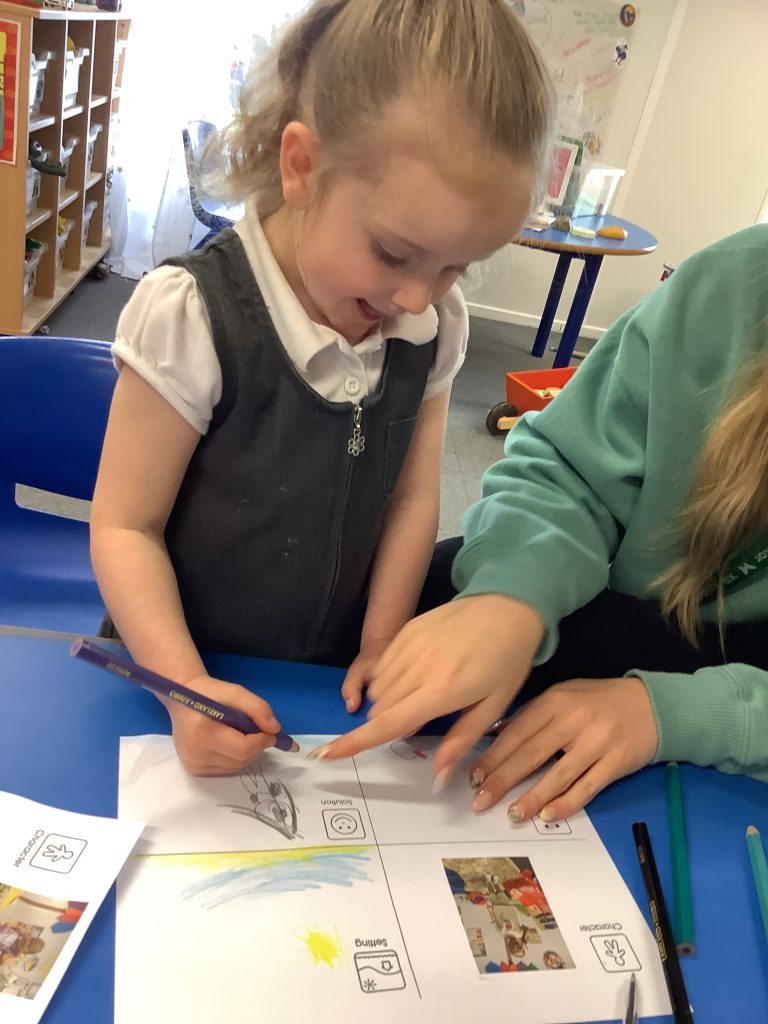
Our recent focus text, The Boy Who Sailed the World, has provided a wonderful springboard for creativity, language development and imagination in the classroom. By exploring the story together, the children were able to dive deeply into the language, themes and experiences within the book, turning one text into many rich learning opportunities. We began by unpicking the vocabulary from the story, helping the children to understand and use new and exciting words. This supported their comprehension and gave them confidence to talk about the story in their own words.

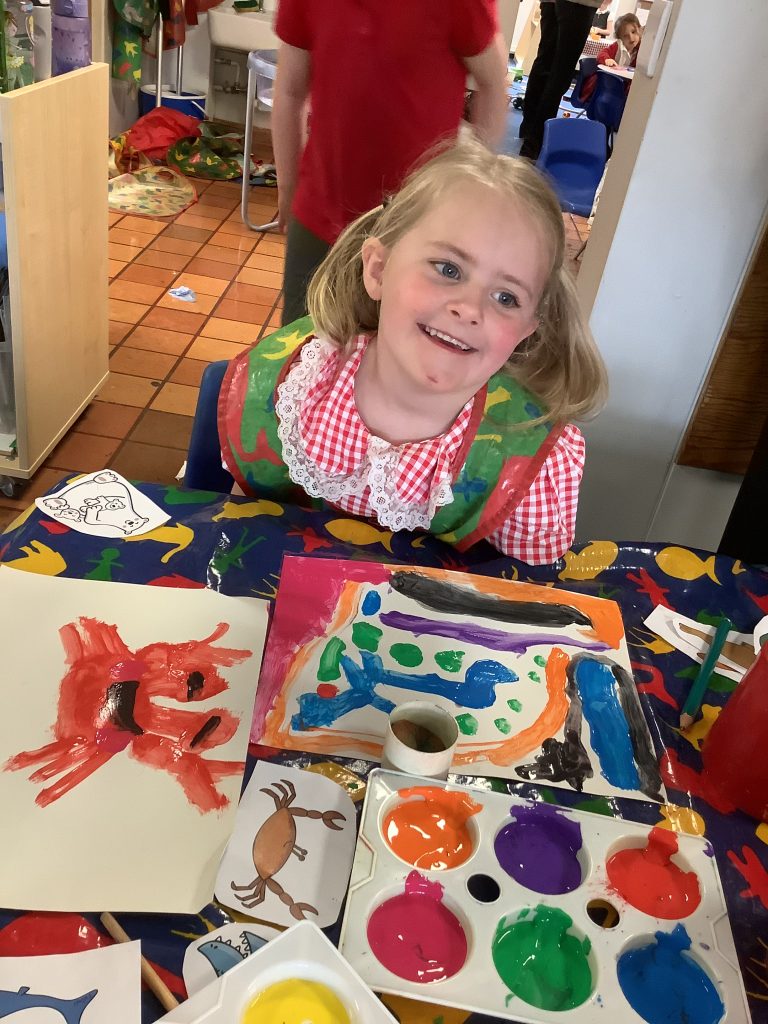
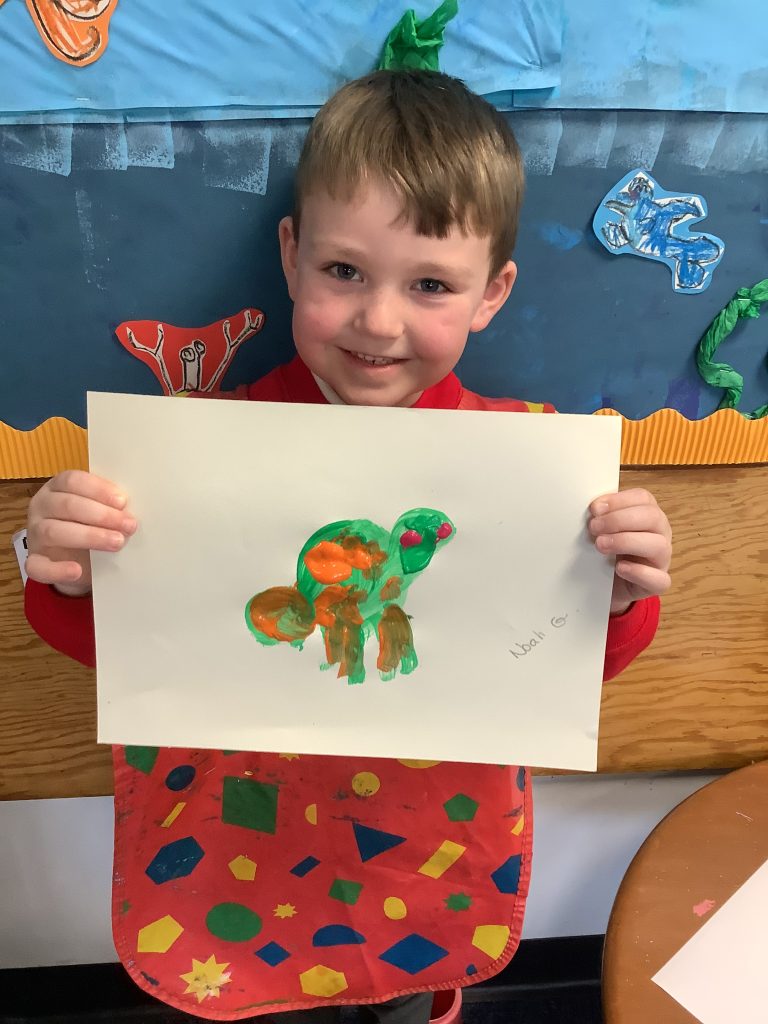
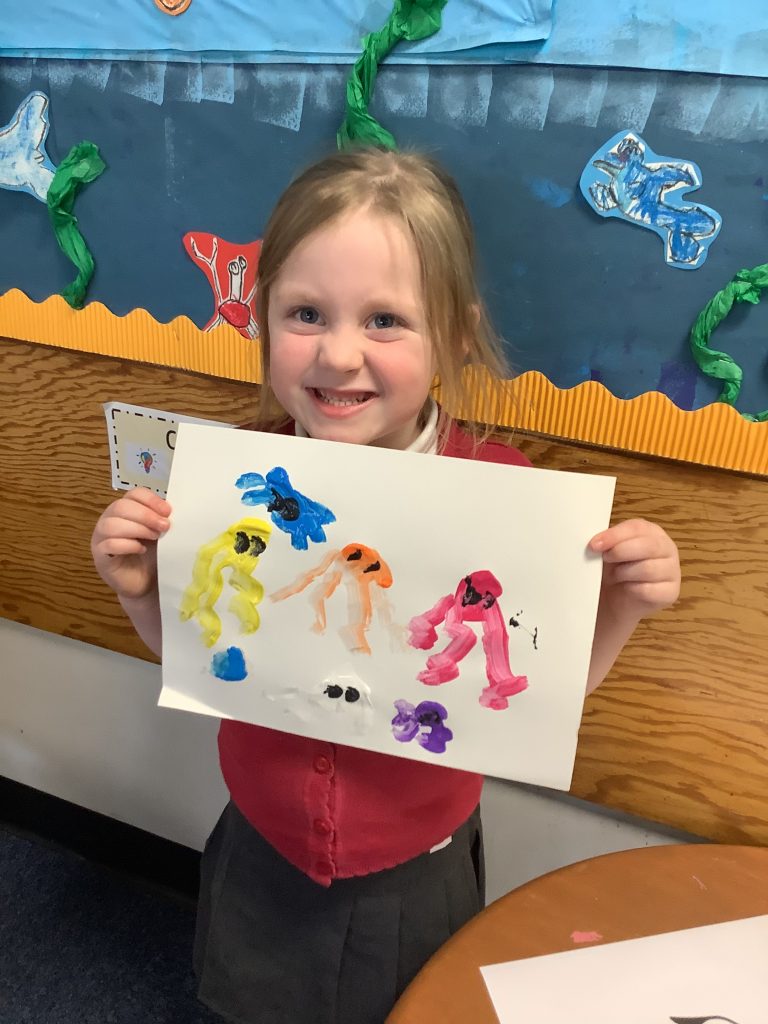
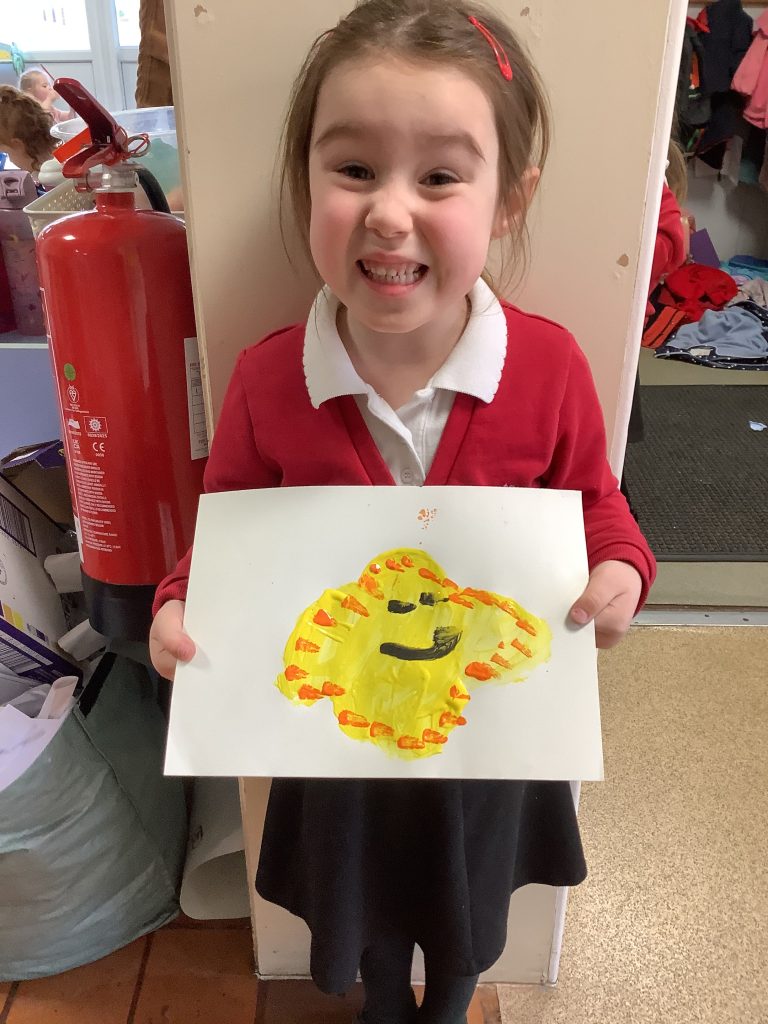
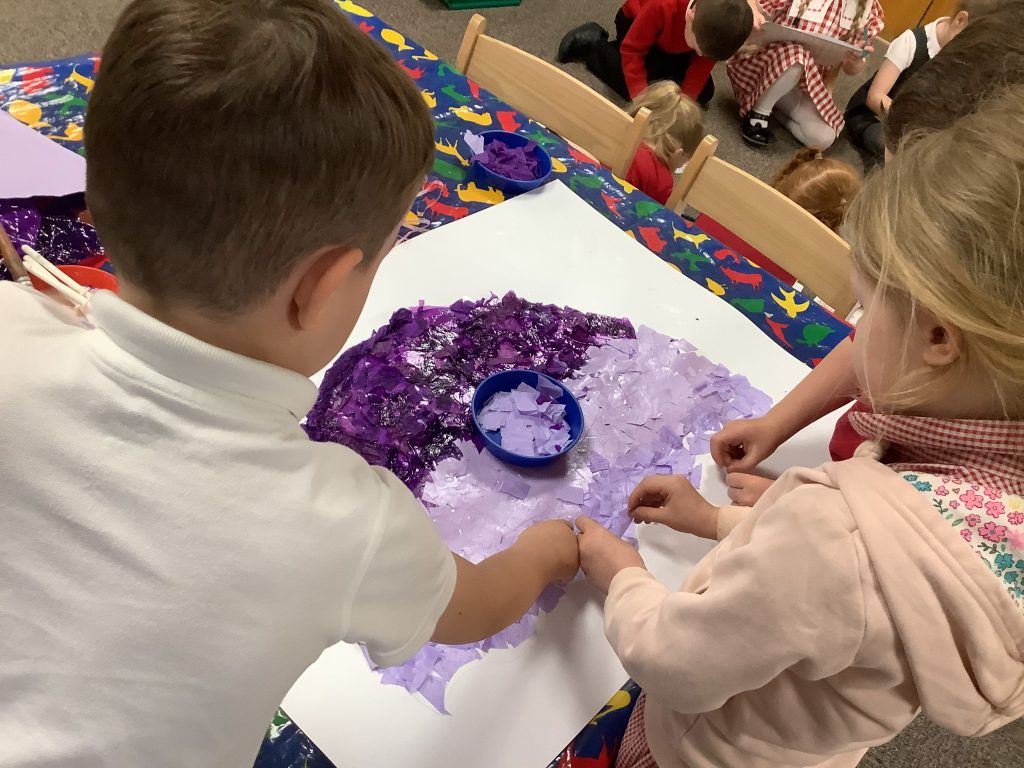
One moment that truly captured the children’s imaginations was the magical sunset described in the book. Inspired by this, we created our own sunsets through art. The children experimented with mixing colours, exploring how different shades blend and change. The results were truly beautiful, with each piece reflecting the children’s creativity and growing confidence as artists.

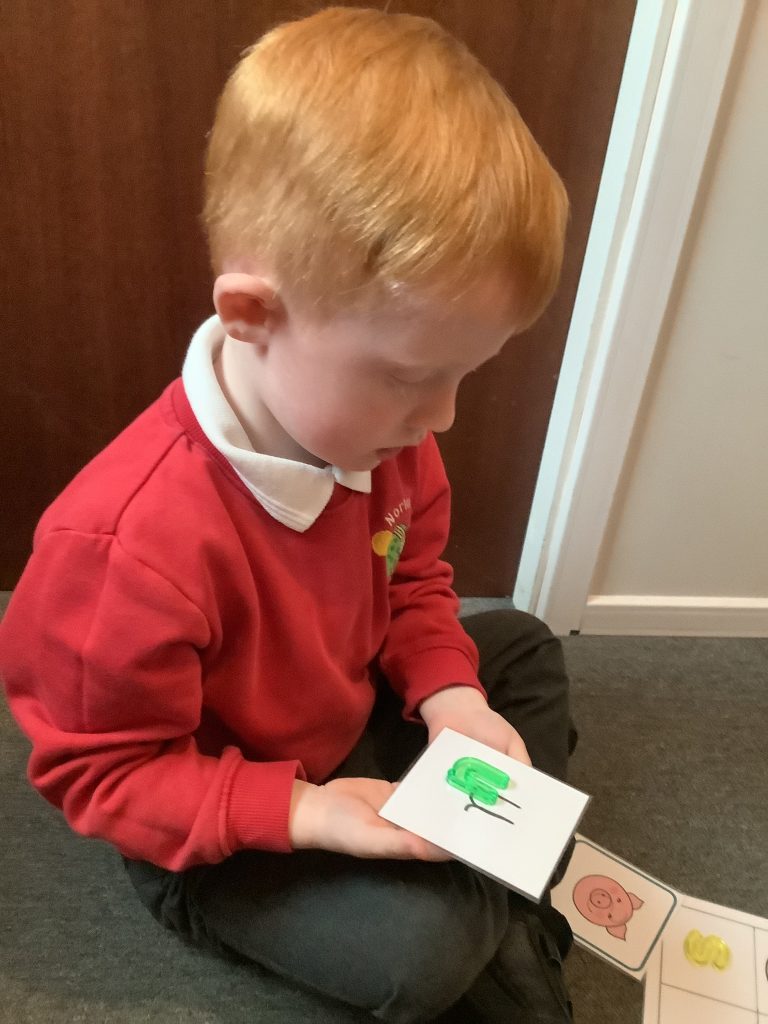
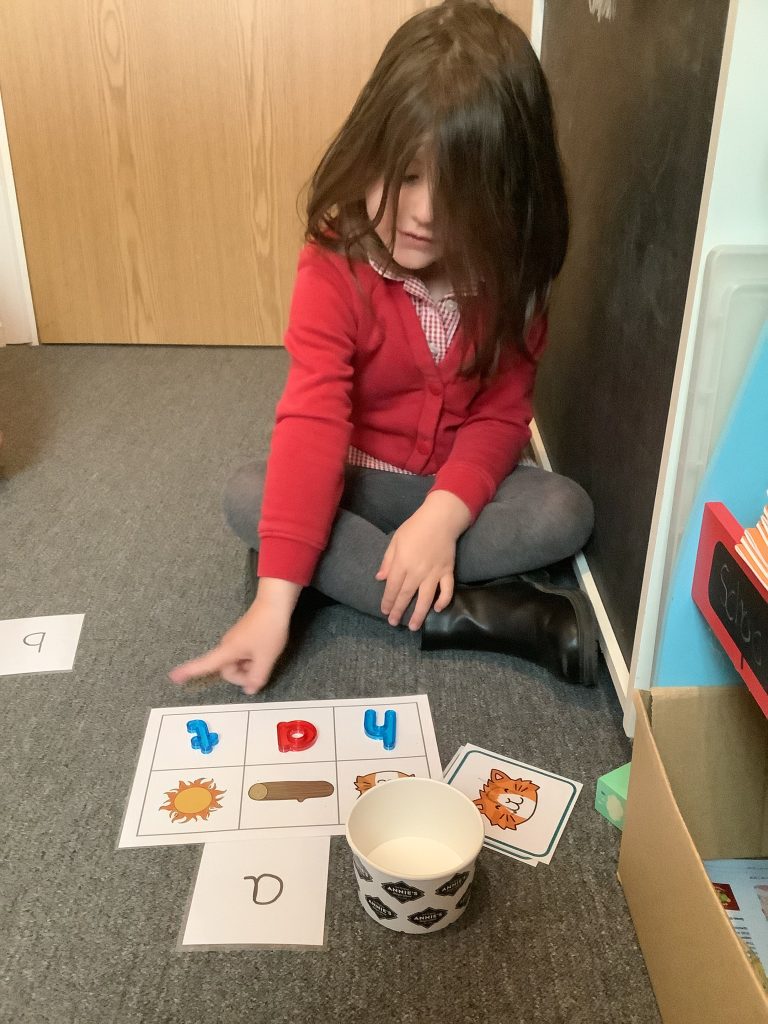
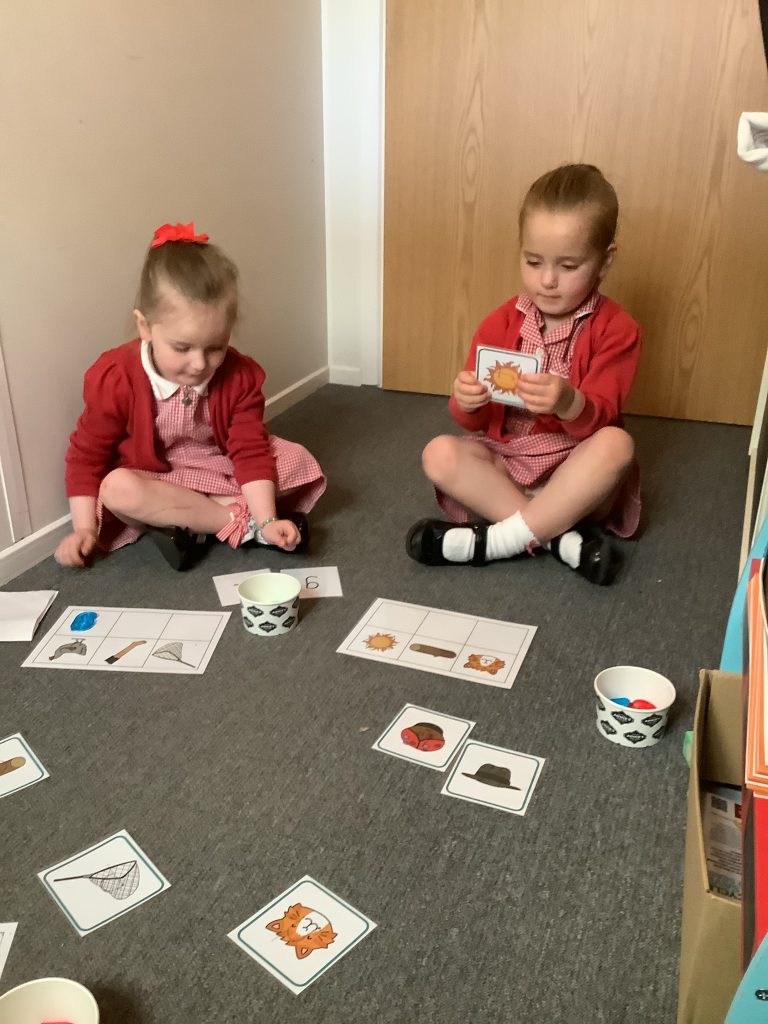
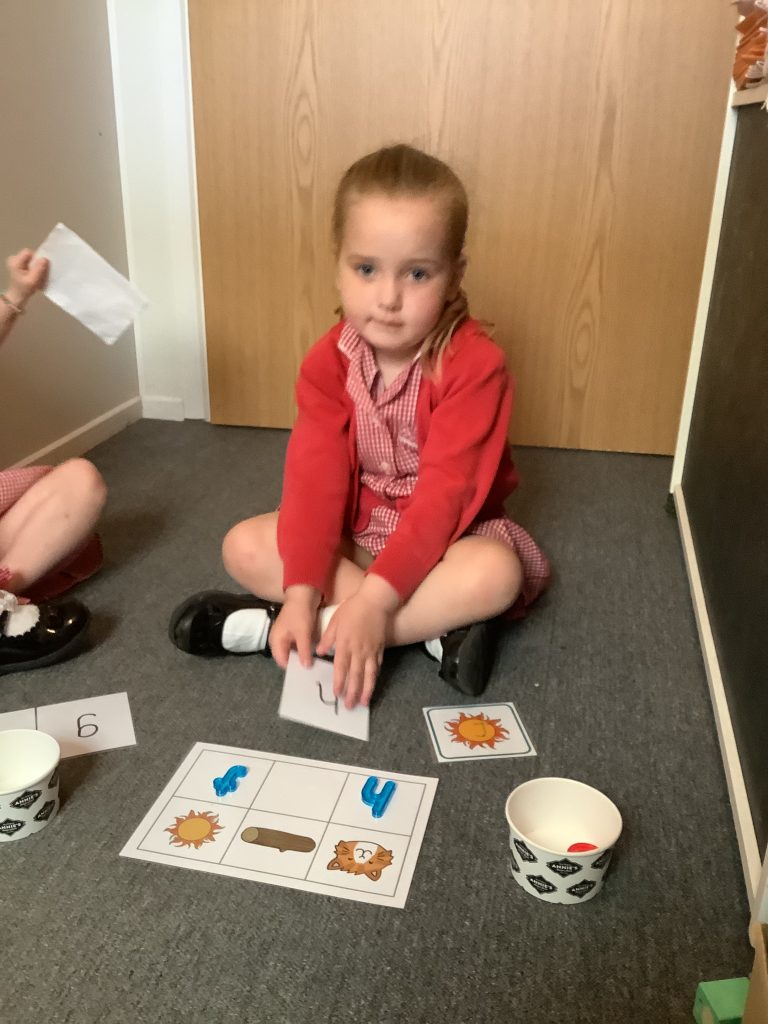
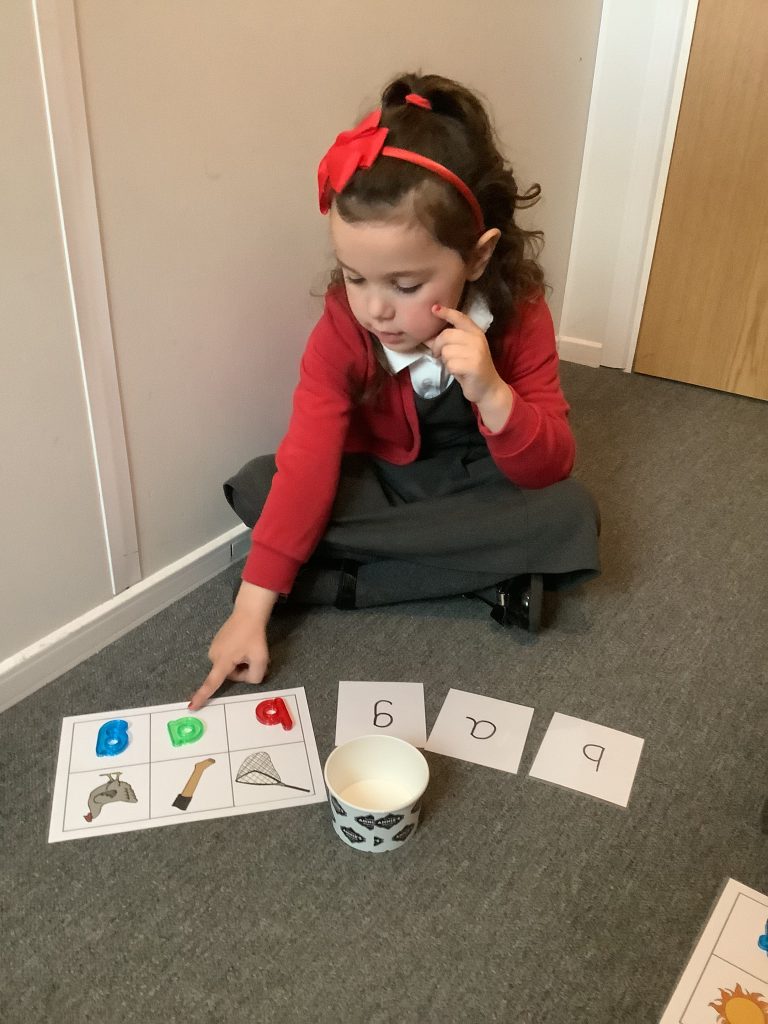
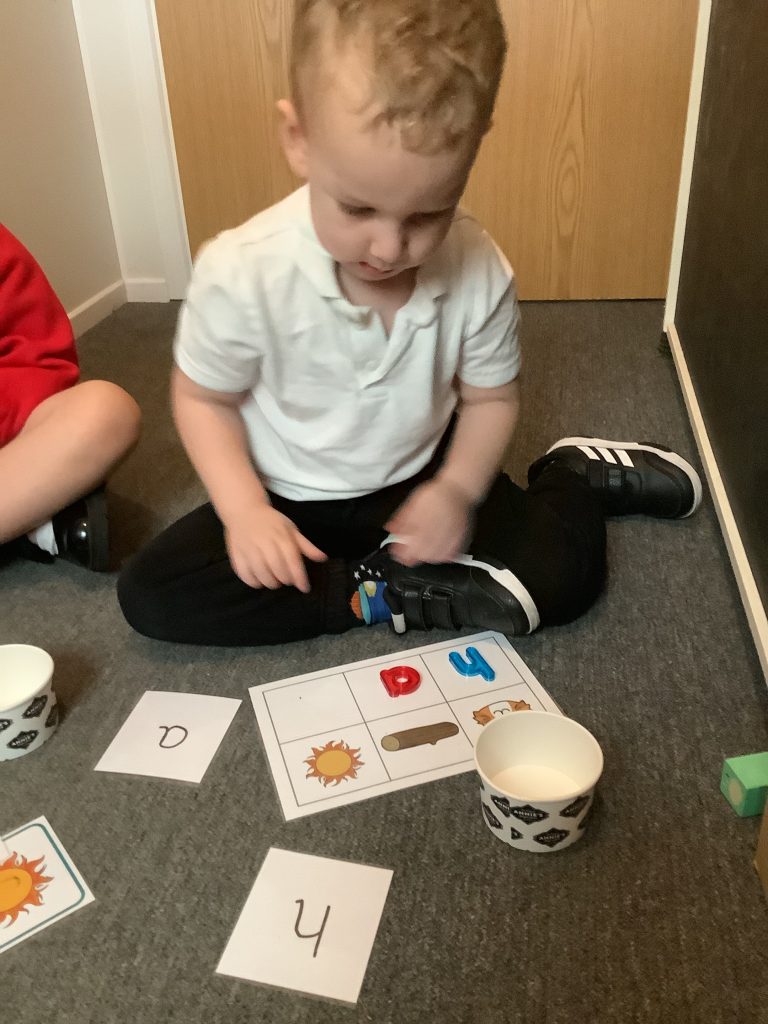
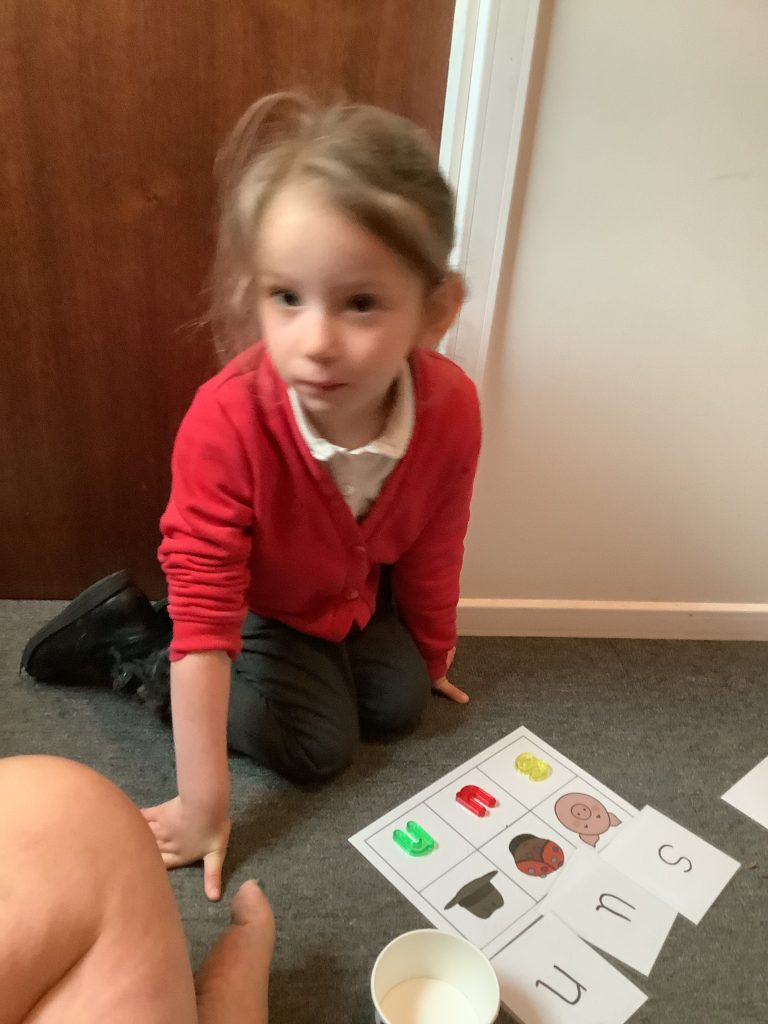
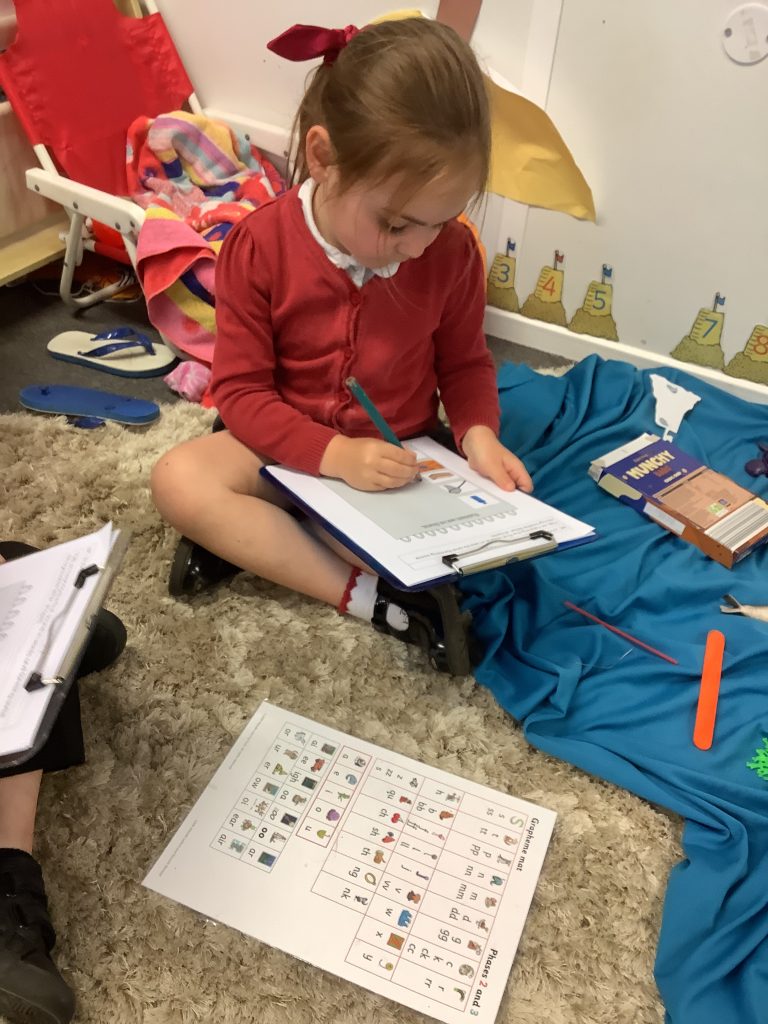
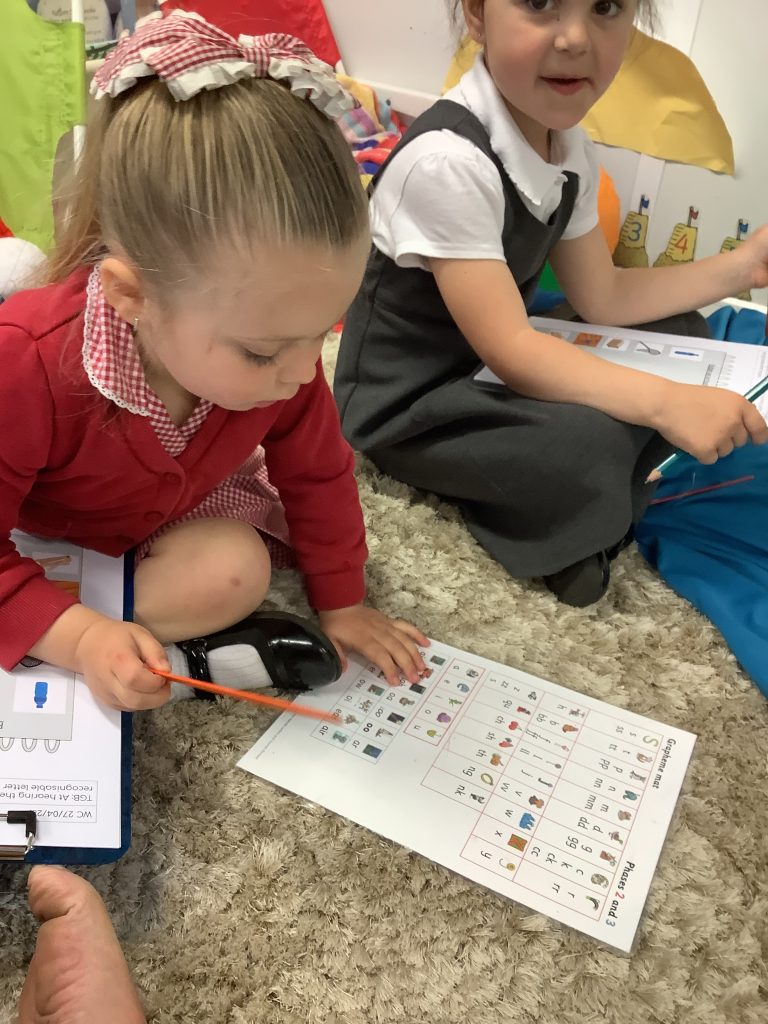
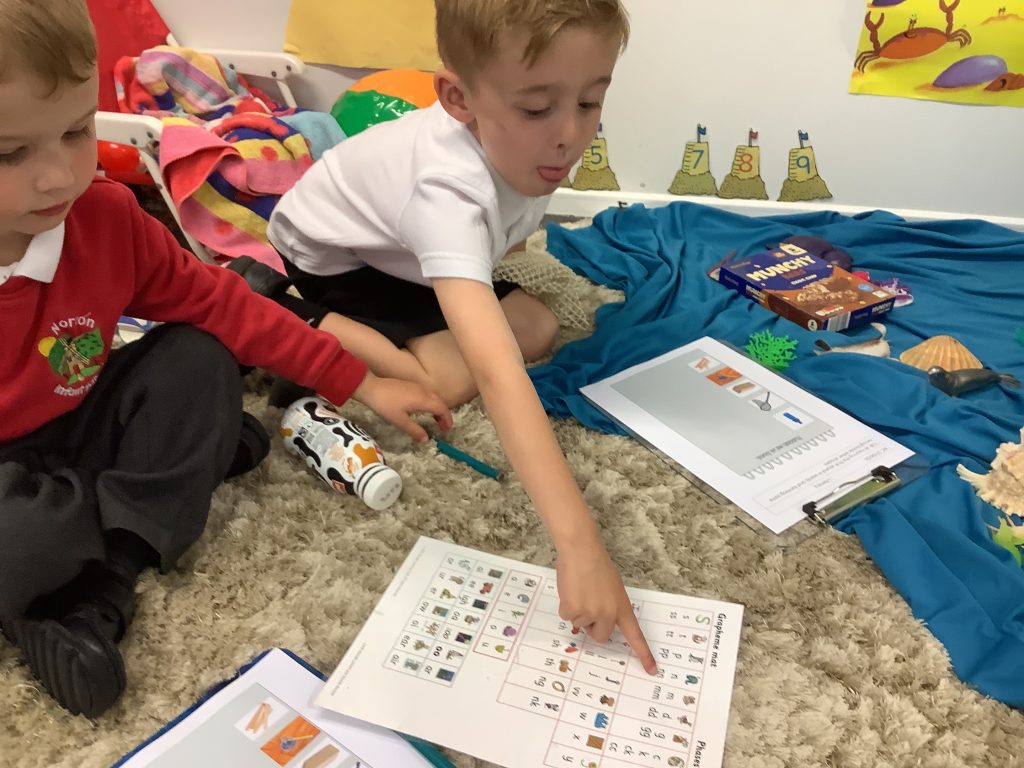
In our writing, we focused on the sentence: “The boat can sail.” The children used their phonics knowledge to segment each word and write the sentence independently. It was fantastic to see them applying their learning so carefully, and taking pride in forming their letters neatly and beautifully on the lines.

As the story continues, the boy stumbles upon an island home where he discovers new friends. This led perfectly into our Creative Chameleon Crew session, where the children used their imaginations to think about what they might find on their own island homes. Their ideas were imaginative and varied — from friendly animals and hidden treasures to colourful houses and exciting adventures.

This text has shown us just how powerful a single story can be. Through reading, art, writing, phonics and imaginative play, the children have developed a wide range of skills while staying fully engaged and inspired. We are so proud of their enthusiasm, creativity and the progress they are making every day.

Building Number Sense Through Counting Collections

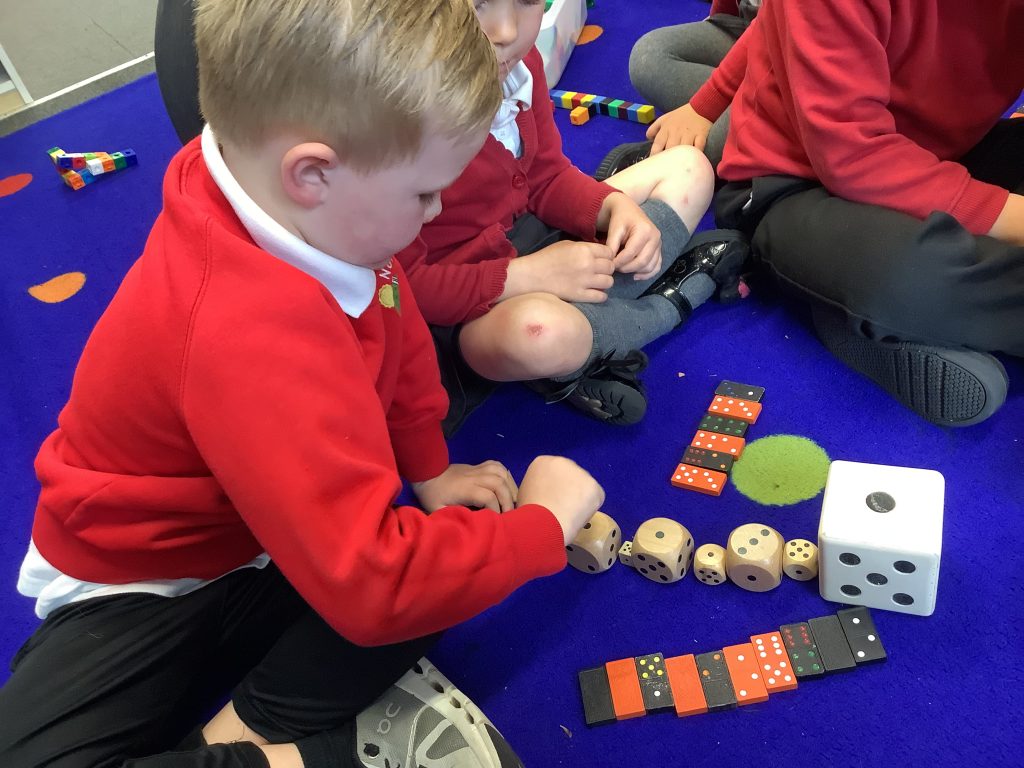
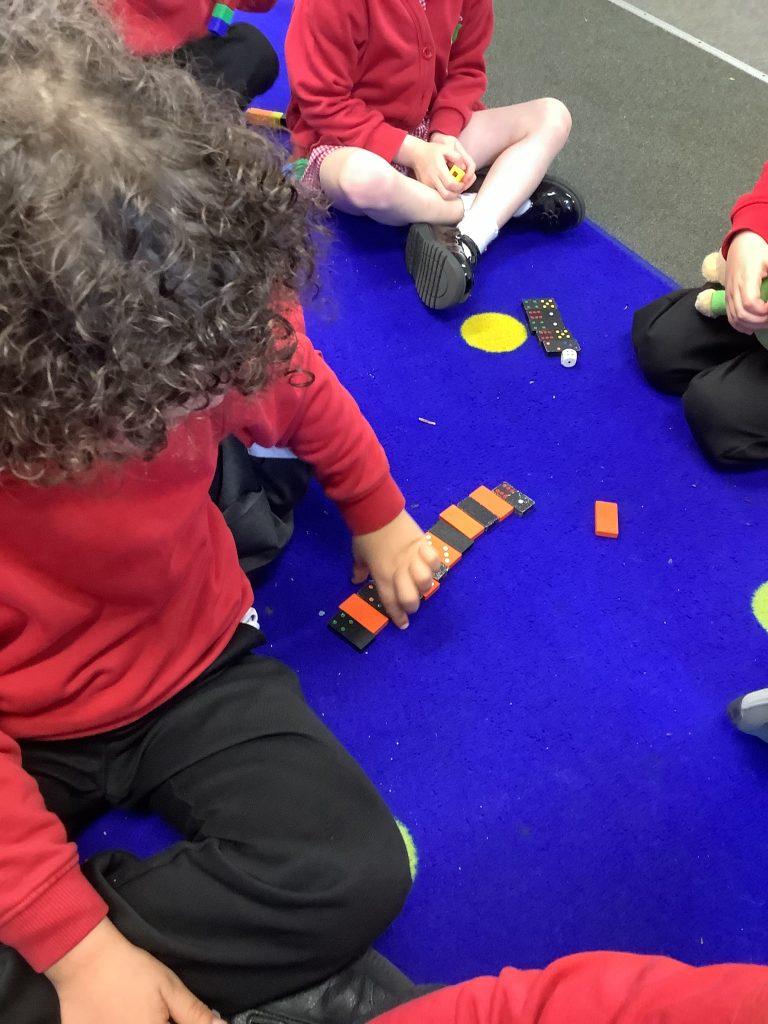
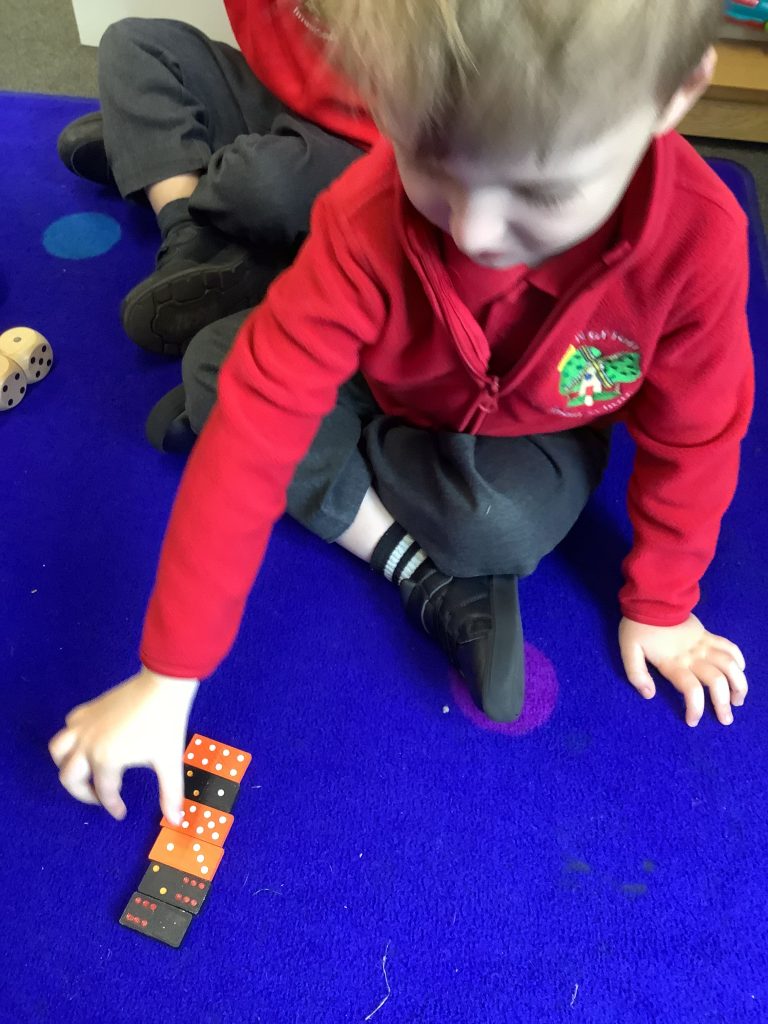
In our recent Counting Collections sessions, we’ve been focusing on the composition of numbers — understanding how numbers can be broken into parts and put back together. It has been fantastic to see the children applying this in their counting, often splitting their collections into two groups and recording their thinking with simple number sentences.

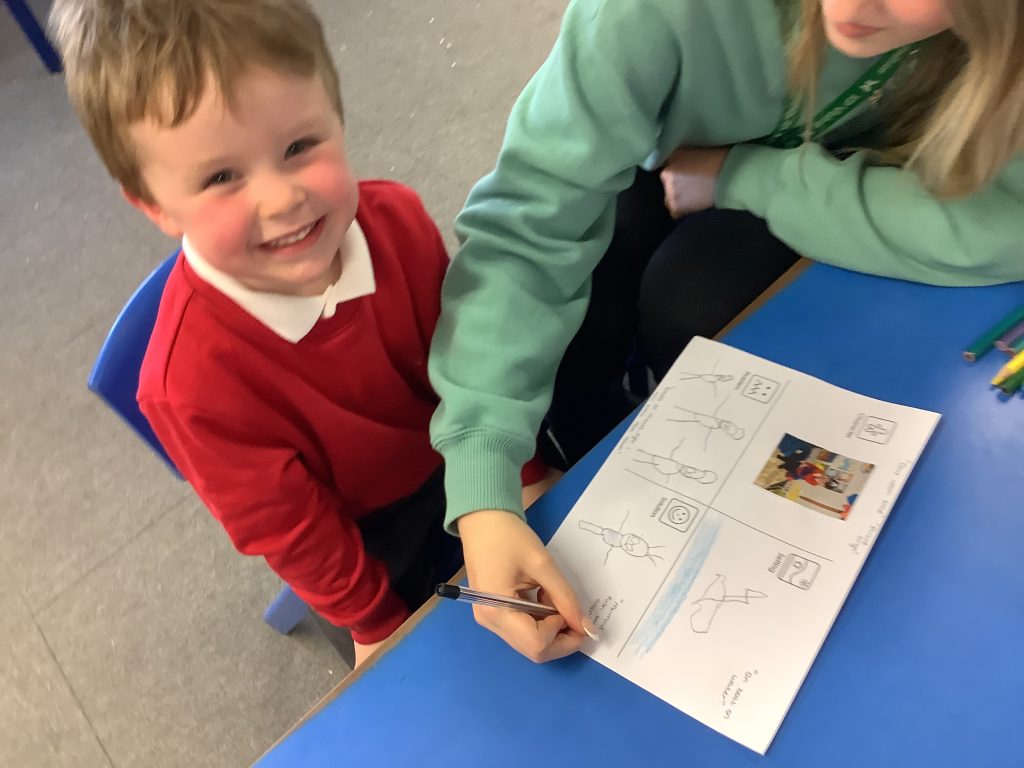
I have been especially impressed with their mathematical mark making. The children are confidently using numbers, symbols, and drawings to represent their ideas, showing a deepening understanding of how numbers work. We are very proud of the progress they are making and their growing confidence as young mathematicians.

Children’s Mental Health Week: This Is My Place

This week, we came together for a special community meeting to mark Children’s Mental Health Week, an annual awareness week launched by the children’s mental health charity Place2Be. Celebrated every February since 2015, the week exists to empower, equip and give a voice to all children and young people across the UK.

Children’s Mental Health Week 2026 takes place from 9–15 February, and this year’s theme is “This Is My Place.”

The theme highlights how important a sense of belonging is for our mental health and wellbeing. Feeling that we have a place — in our friendships, in school, and in our wider community — is a basic human need. When we talked about where our place is, many of us shared that it was our home, our school and our classrooms, and it was lovely to recognise that we have so many different places where we feel safe, valued and able to belong.

When children feel that they belong, it supports their emotional wellbeing, helps them to feel confident and valued, and empowers them to contribute positively to the world around them. To know our place and really feel part of our environment can have powerful and long-lasting impacts on our mental and physical health, education and relationships.
This year, Children’s Mental Health Week encourages peers, families, schools and communities to work together to create inclusive and nurturing environments, where every child can truly say, “This is my place.”

During our community meeting, we shared a story about a small yellow bird named Sunny, who was learning to sing. Sunny flew to the playground but felt too shy to join in when other birds were busy playing and laughing. Feeling small and unsure, Sunny sat quietly on a branch. A kind squirrel named Mira noticed Sunny sitting alone, came to sit alongside them, and gently listened to one small chirp. Mira invited Sunny to join others — a robin and a rabbit — and helped Sunny learn just one new note. The next day, Sunny sang a little louder, simply because someone had said hello.
The story gave us a powerful reminder of how small acts of kindness and inclusion can make a big difference.

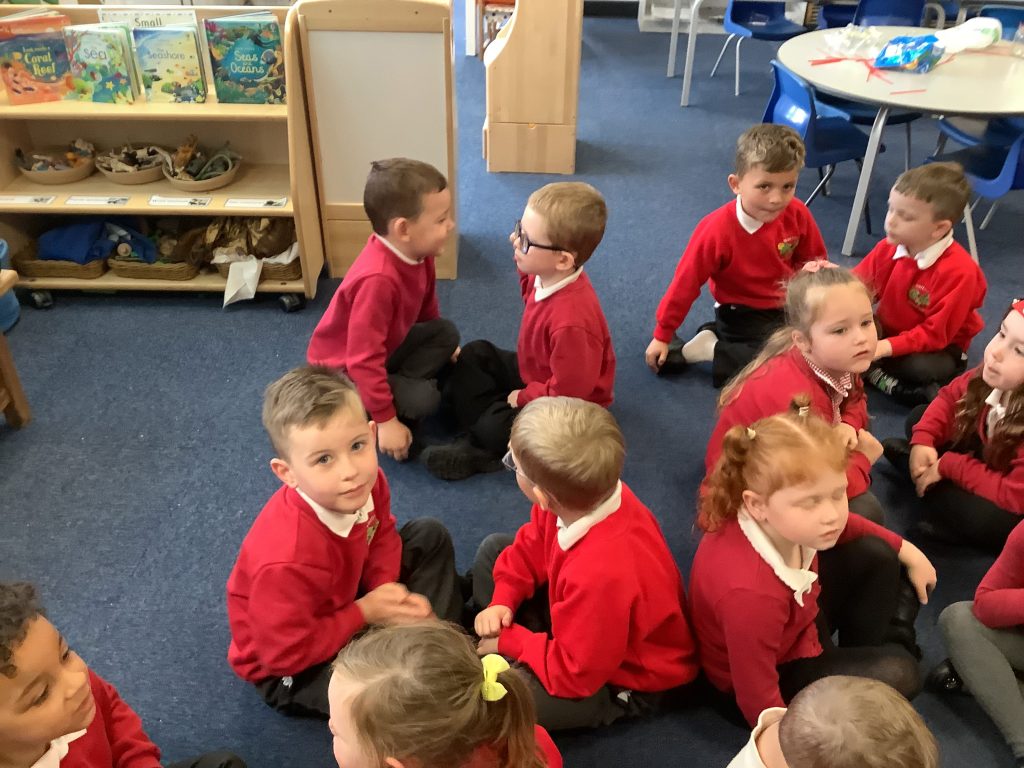
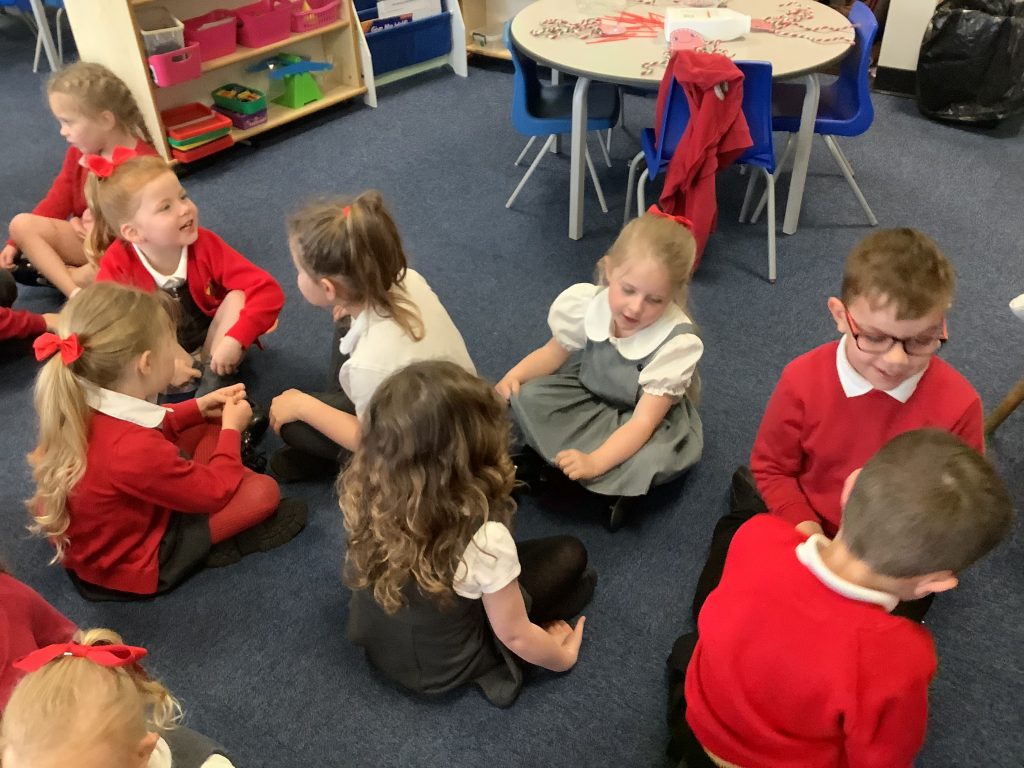
We then spent time working in pairs, introducing ourselves to someone new and sharing our interests, as well as something we liked about each other. These moments of connection helped reinforce the message that everyone belongs and that our differences are something to celebrate.

To end our meeting, we sang “This Is Me” together — a beautiful and uplifting moment that perfectly captured the spirit of the week.

As a community, we also made a simple pledge. This week, everyone will try at least one of the following:

  • Say hello to someone you don’t usually talk to
  • Share a toy, crayon, or turn in a game
  • Invite someone to join your group

We are proud of the way our children listened, reflected and supported one another. By making small, thoughtful choices each day, we can all help to create a place where everyone feels welcome, valued and able to say, “This is my place.” 💛

Navigating Our Way to a Secret Message!

What a refreshing start to the day in Year 1 for Crew Nightingale! Despite the chilly air, our crew wrapped up warm and headed outdoors for an exciting morning of navigation and direction-following.

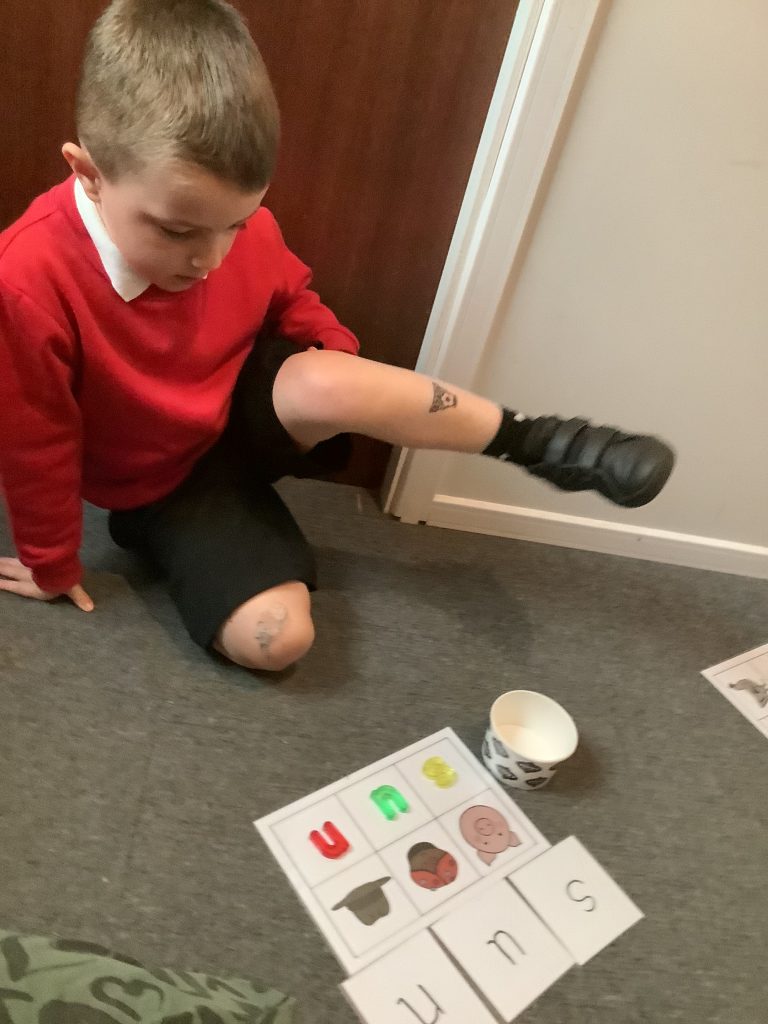
The challenge was all about listening carefully, counting steps, and following directions to collect sounds along the way. Every step mattered and careful counting was essential to make sure no sound was missed! As we moved confidently through the activity, teamwork and focus were on full display.

Once all the sounds were gathered, the real magic happened. The letters came together to reveal a secret message that made everyone smile: “We Are Crew!”

A brilliant morning of learning, movement, and collaboration – well done, Crew Nightingale and thank you to Mrs Jackson for making outdoor crew so much fun! 🌟

“Heal the World… Make it a better place”.

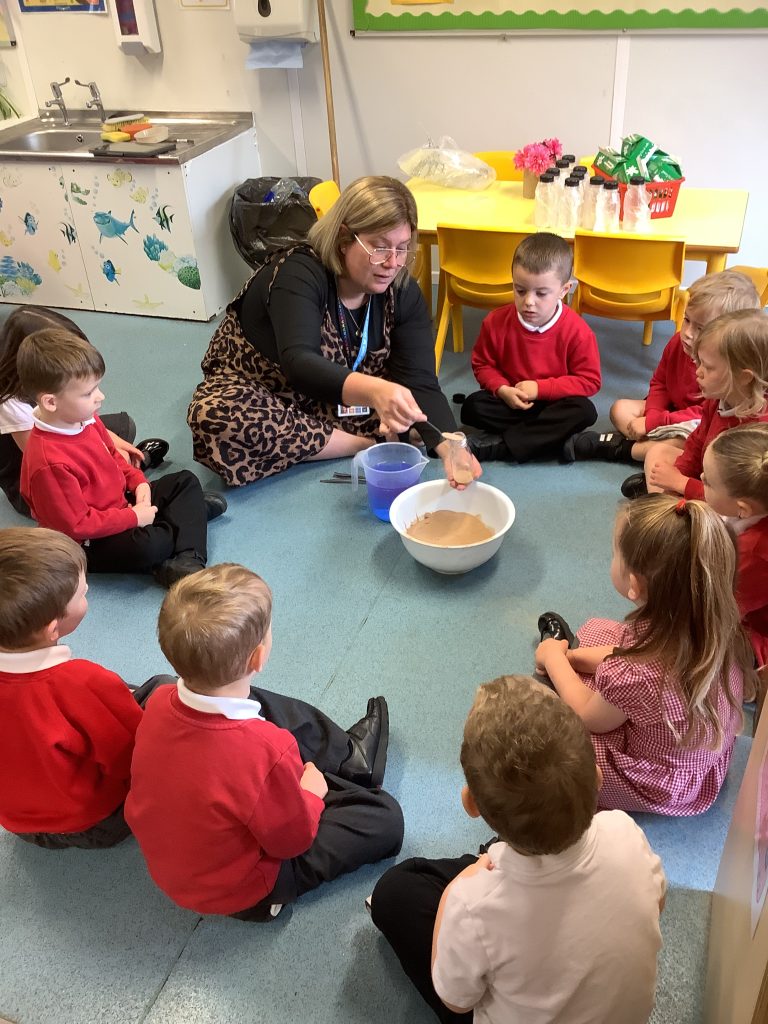
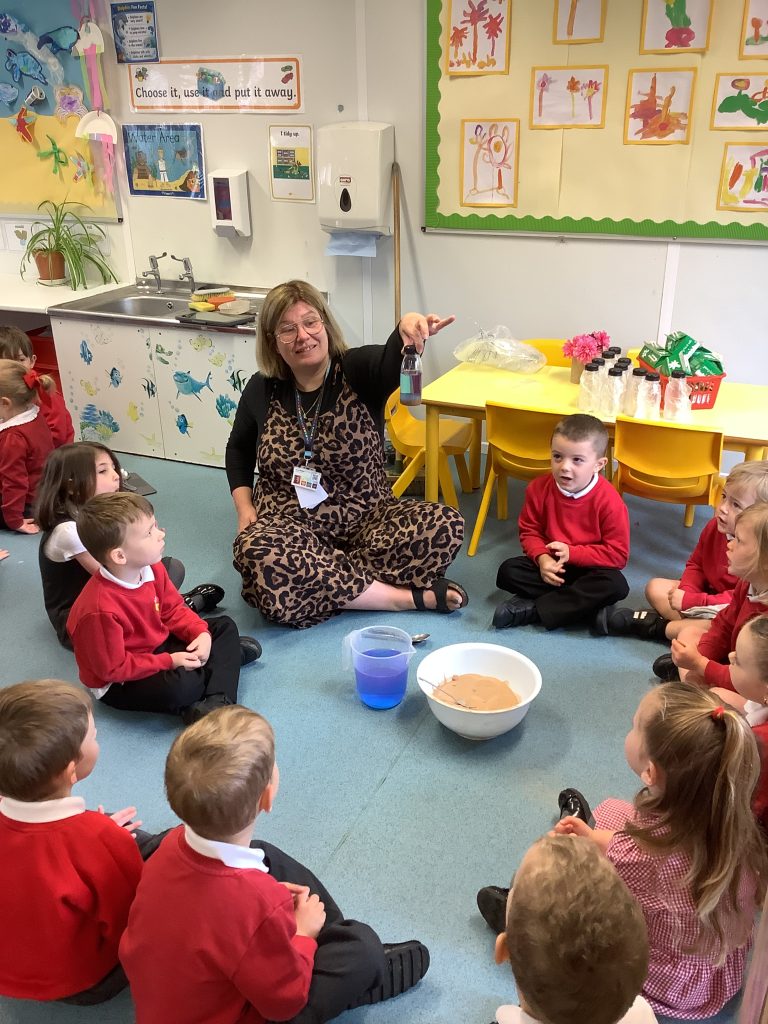
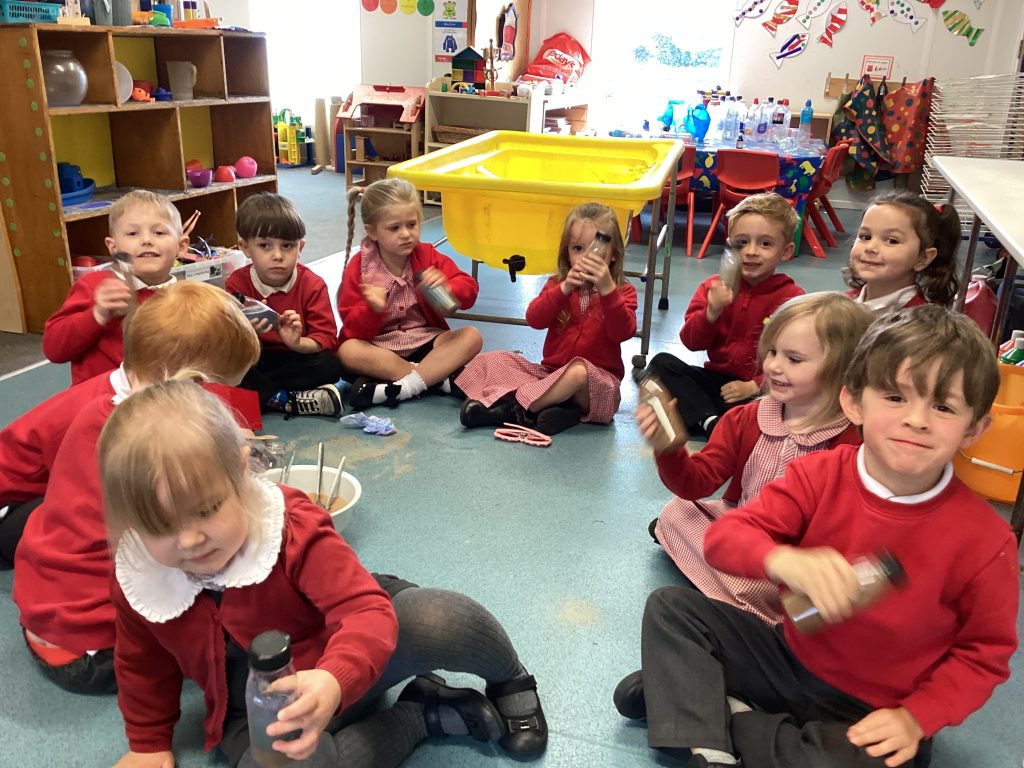
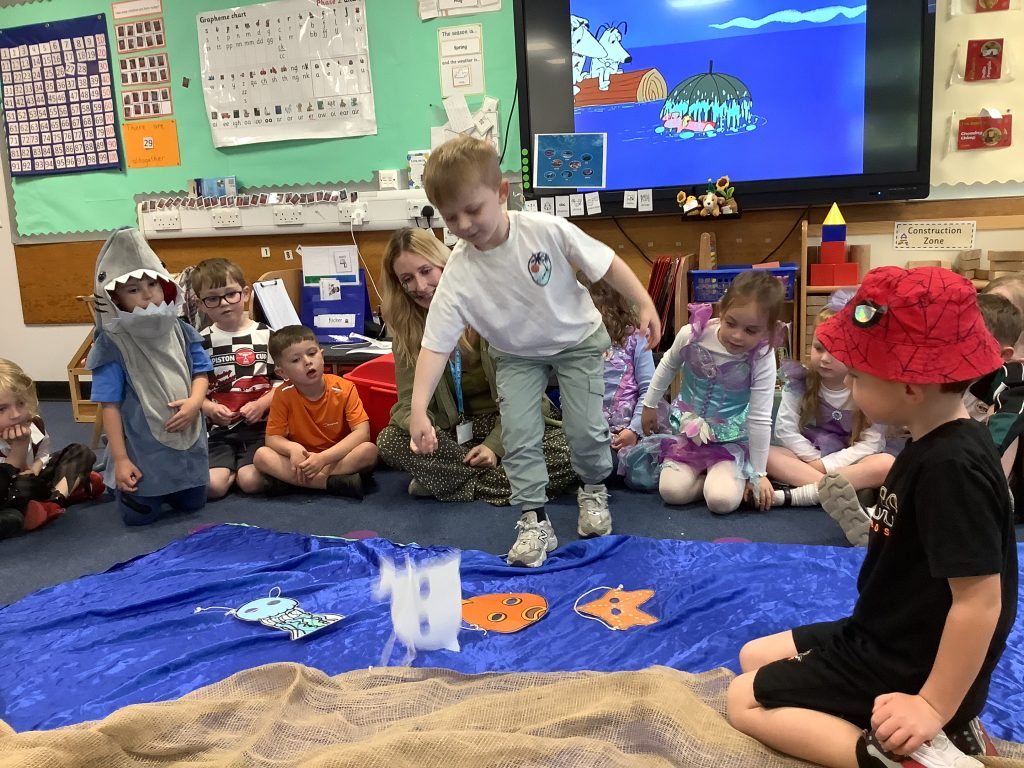
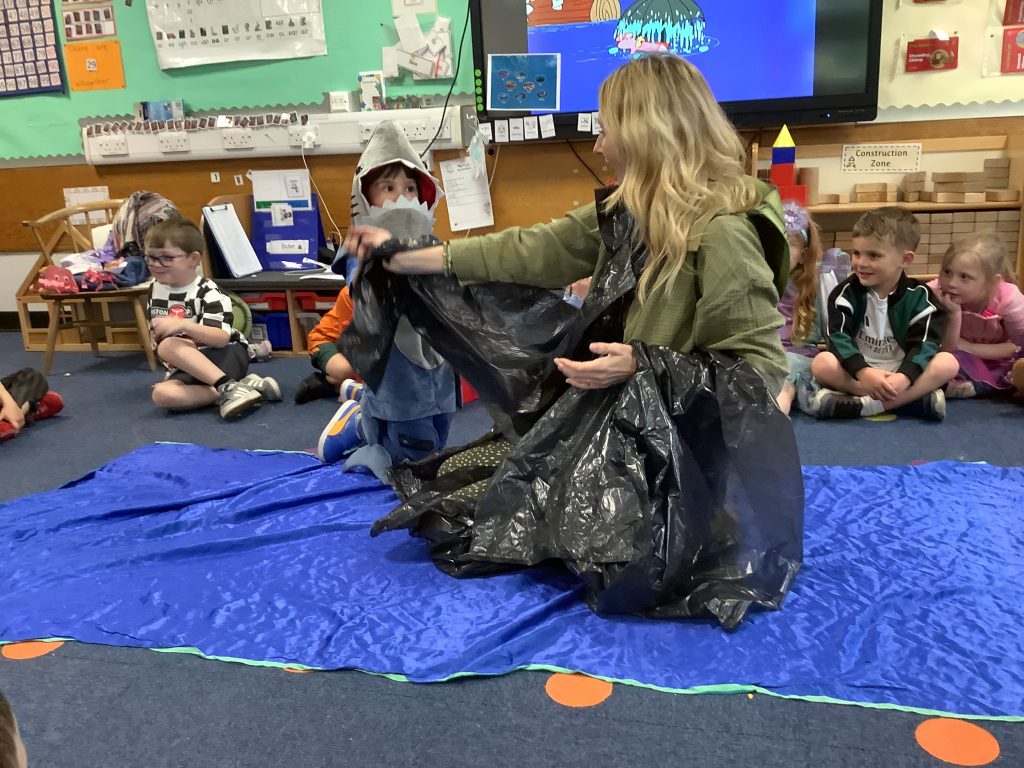
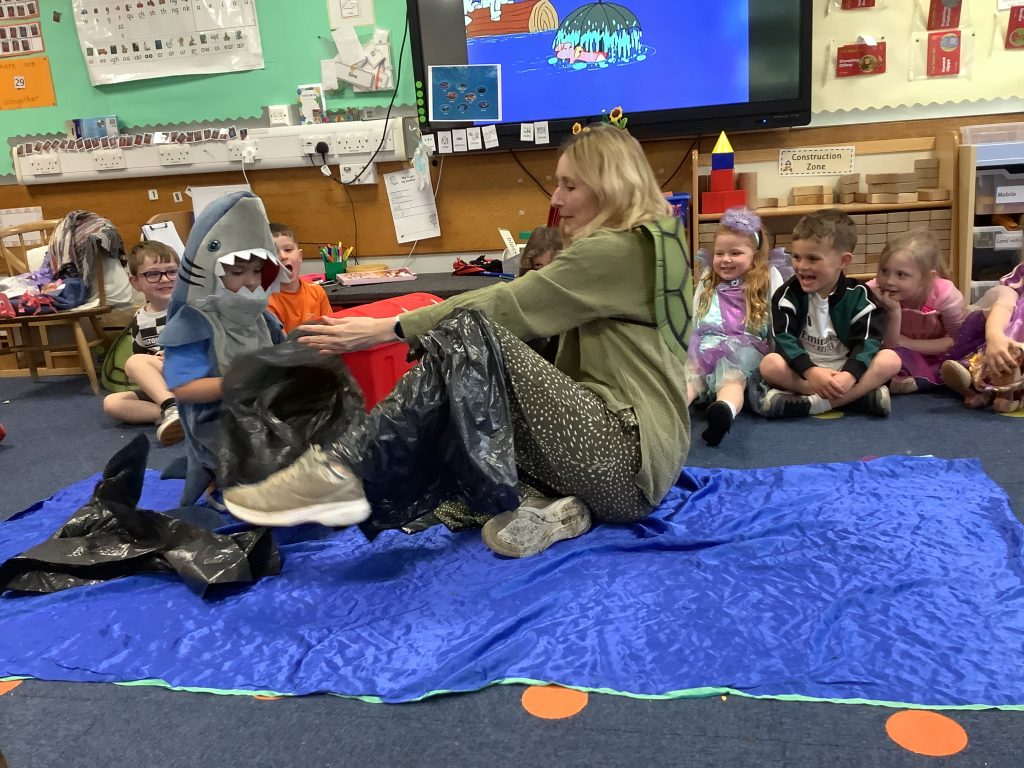
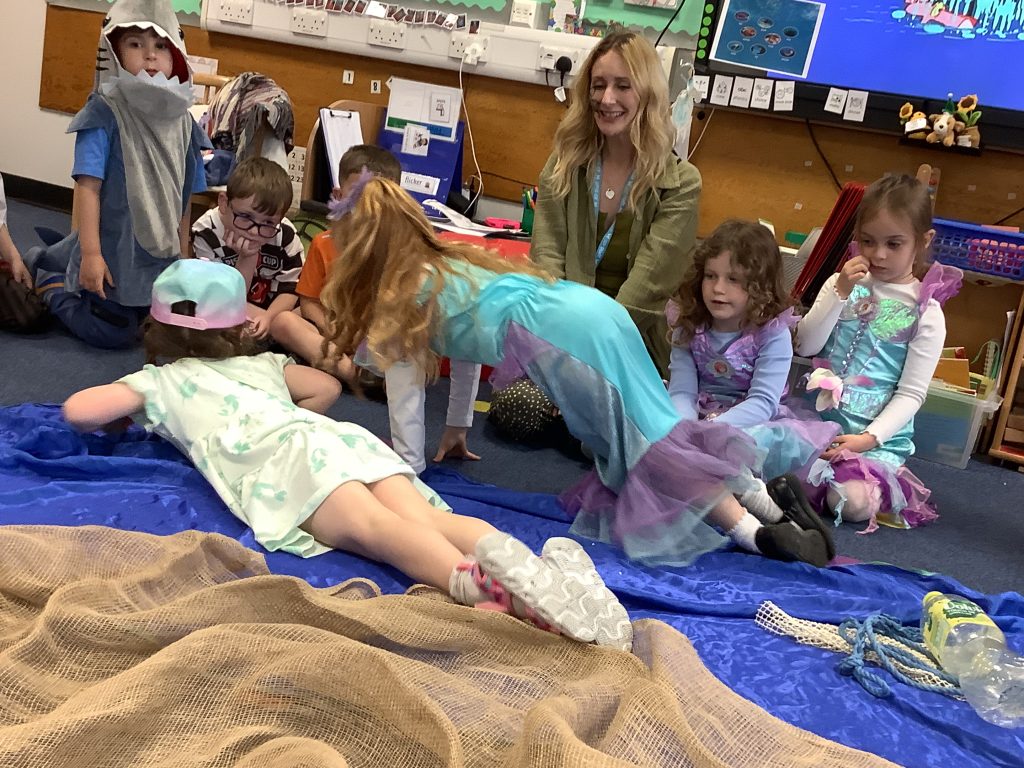
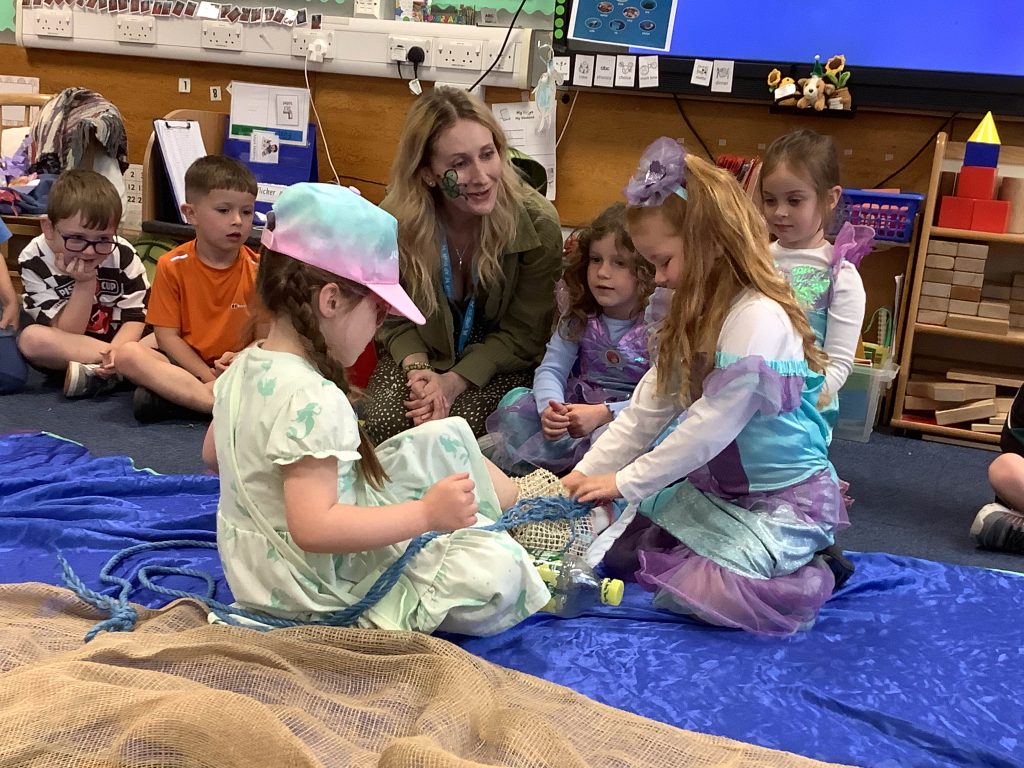
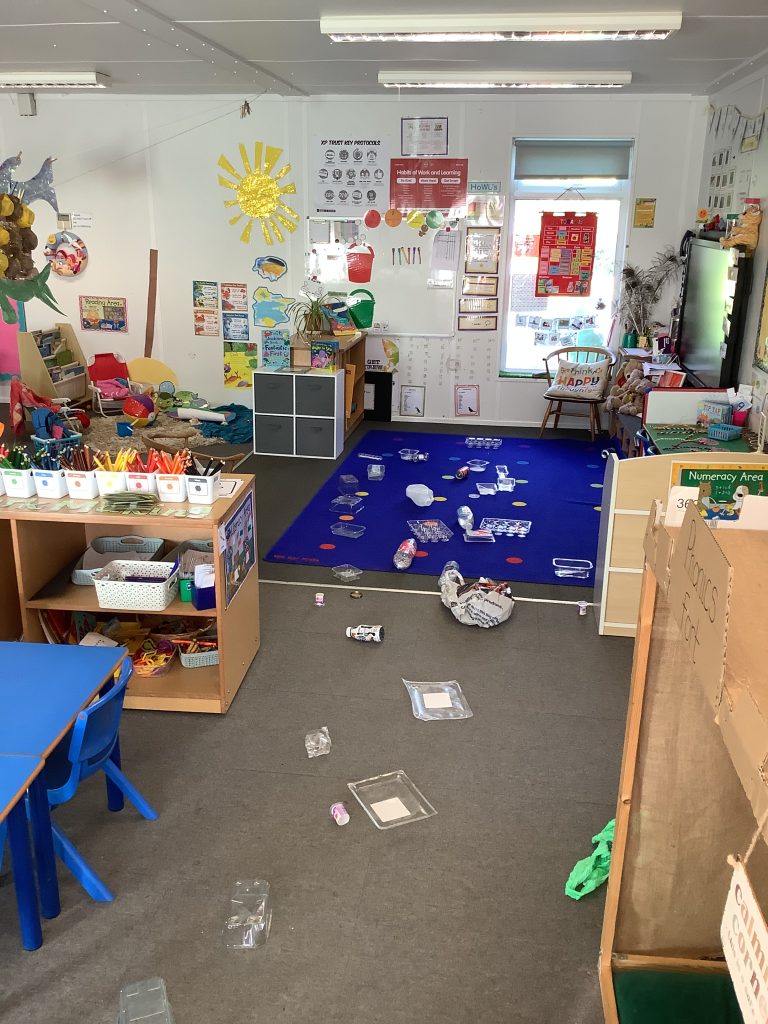
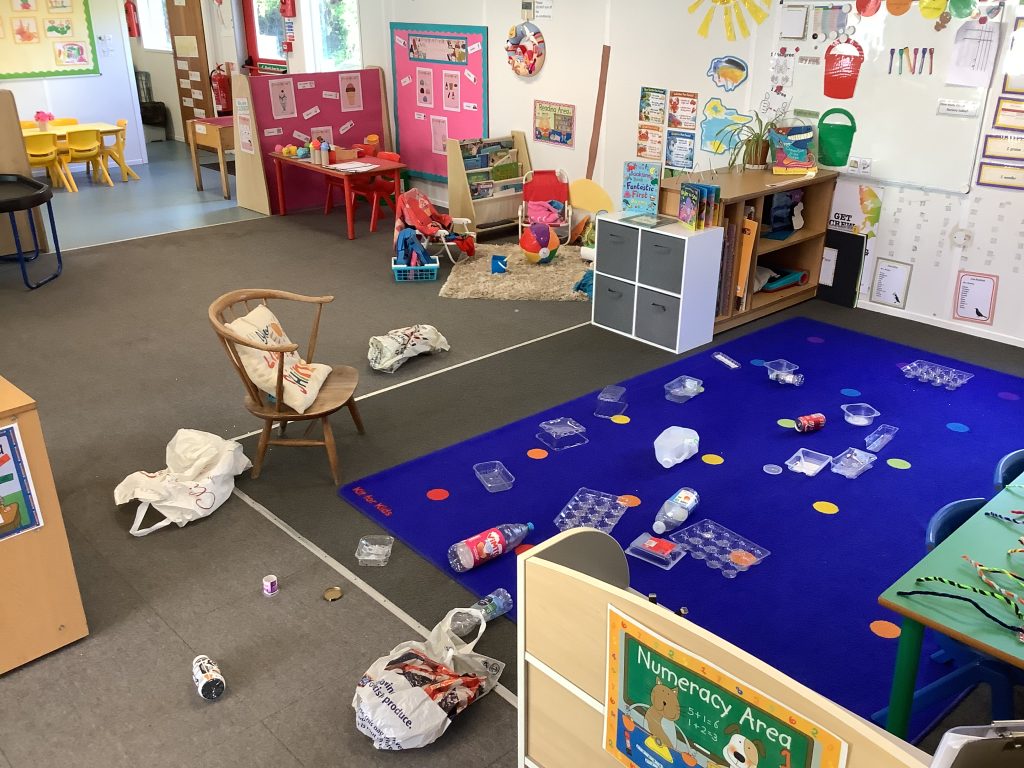
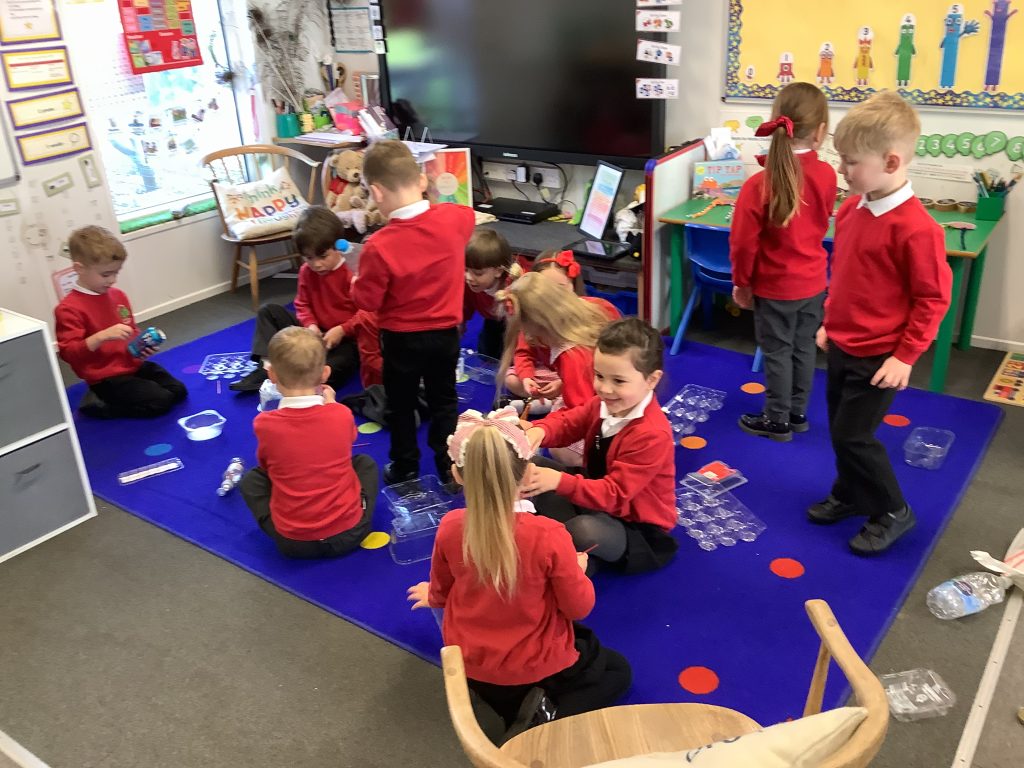
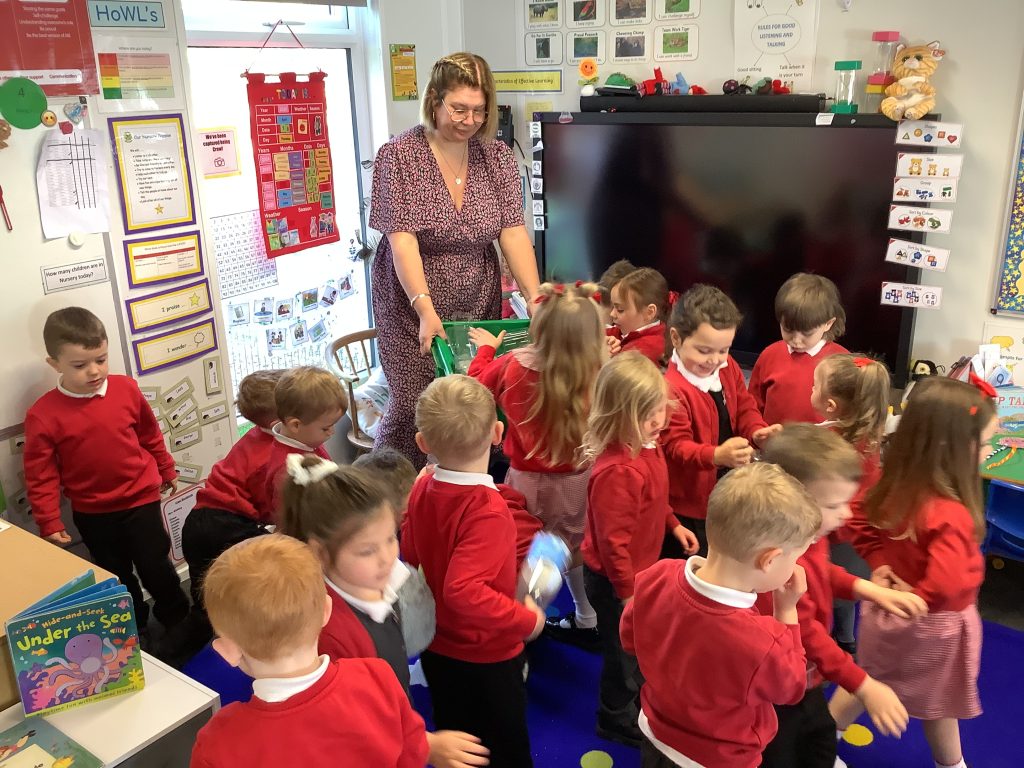
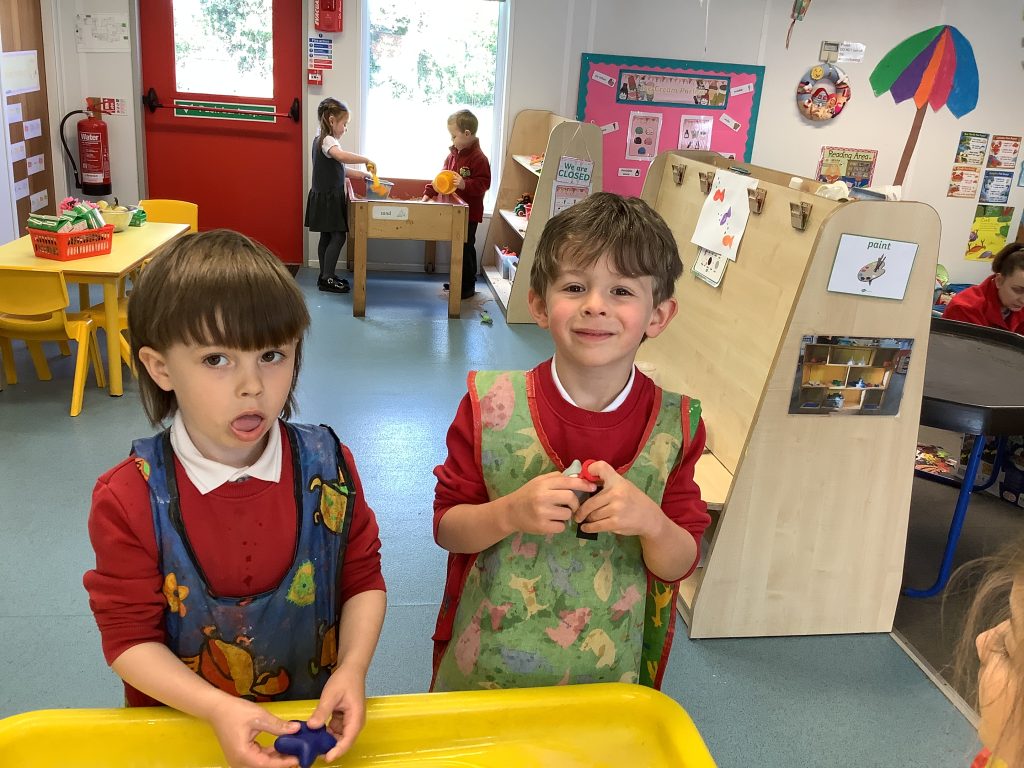
Yesterday Nursery were hooked into learning for our second case study, How Can we power our vehicles without damaging our world? Through the medium of role play. Nursery staff pretended to be planet earth and a car. The Earth explained to the children, all of the wonderful things that it gives to help us and animals live happy lives including; water, air and food.

Then along came a car, with its polluting clouds of fumes and smoke! It refuelled at the petrol station and was busy tootling around creating more and more pollution.

Sadly all of the cars smoke and fumes began to make the earth poorly…

The driver of the car, then stopped to think about how they could make a small change to help make a difference to the world and help the world to get better and for us to have cleaner air… By walking to places more.

The children were so immersed in the roleplay, that they continued the role play in their free flow play, thinking about the fuels we use to power our vehicles and which vehicles used fuel to make them work? They talked about “diesel”, “petrol” and “electric” cars.

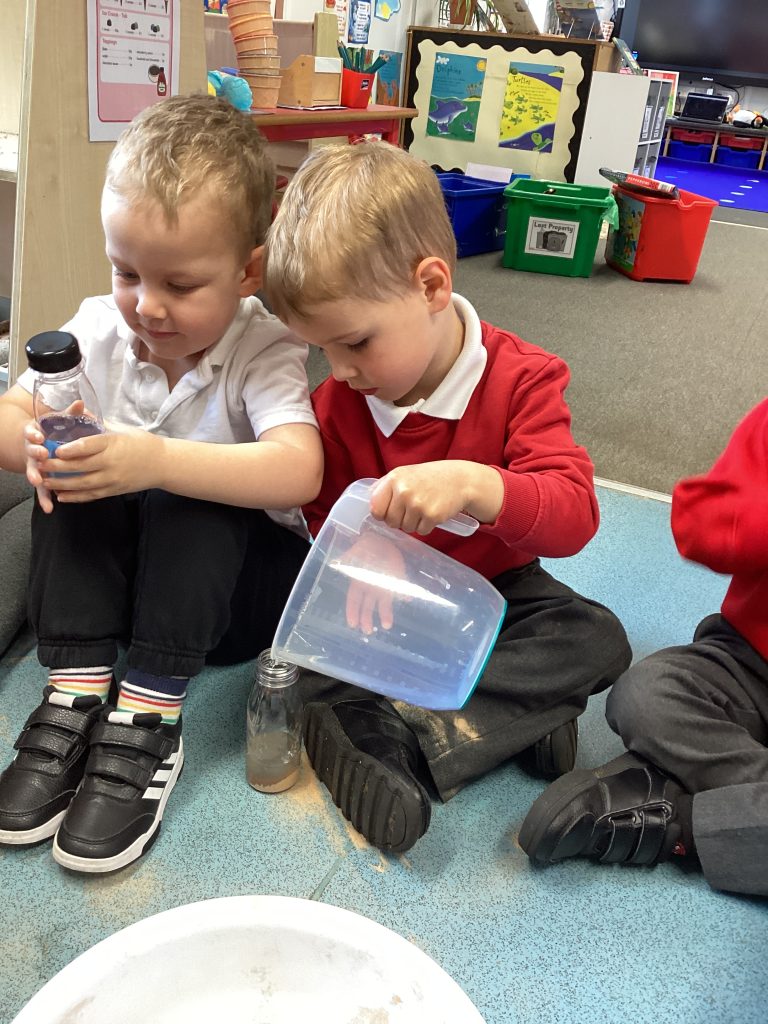
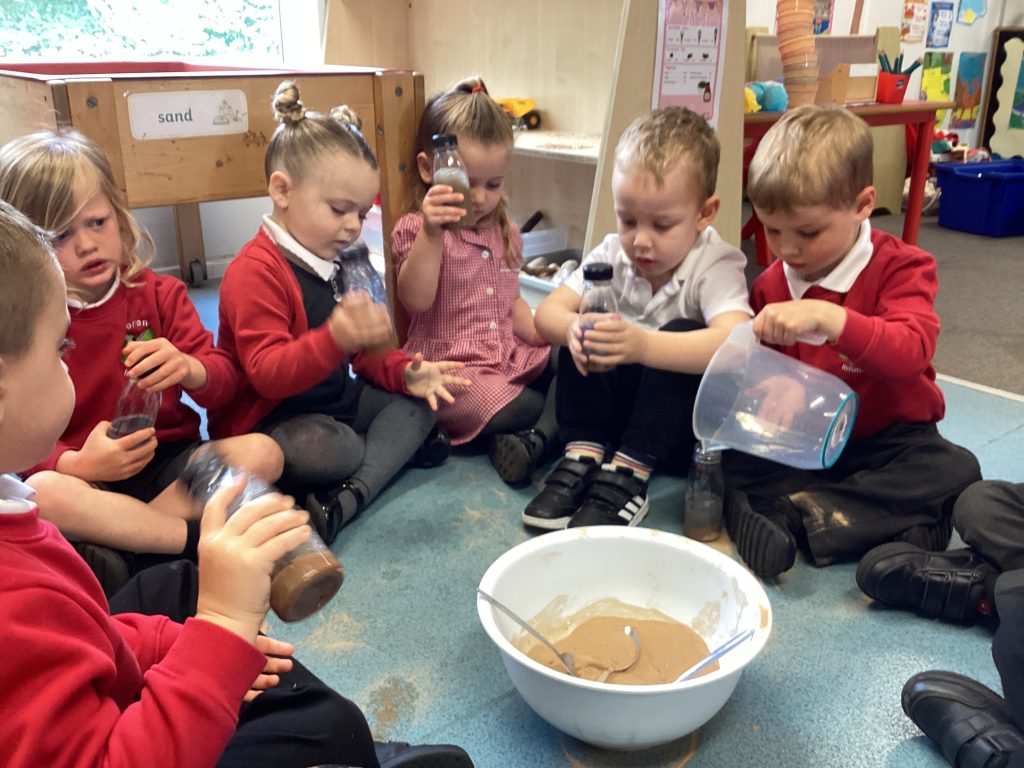
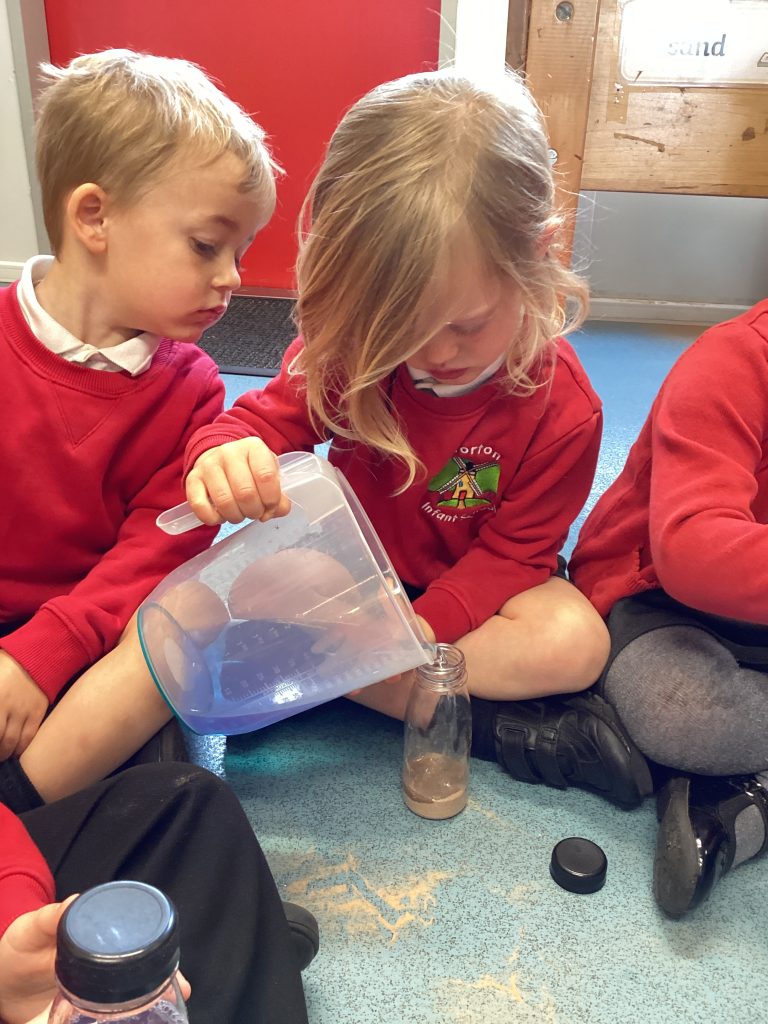
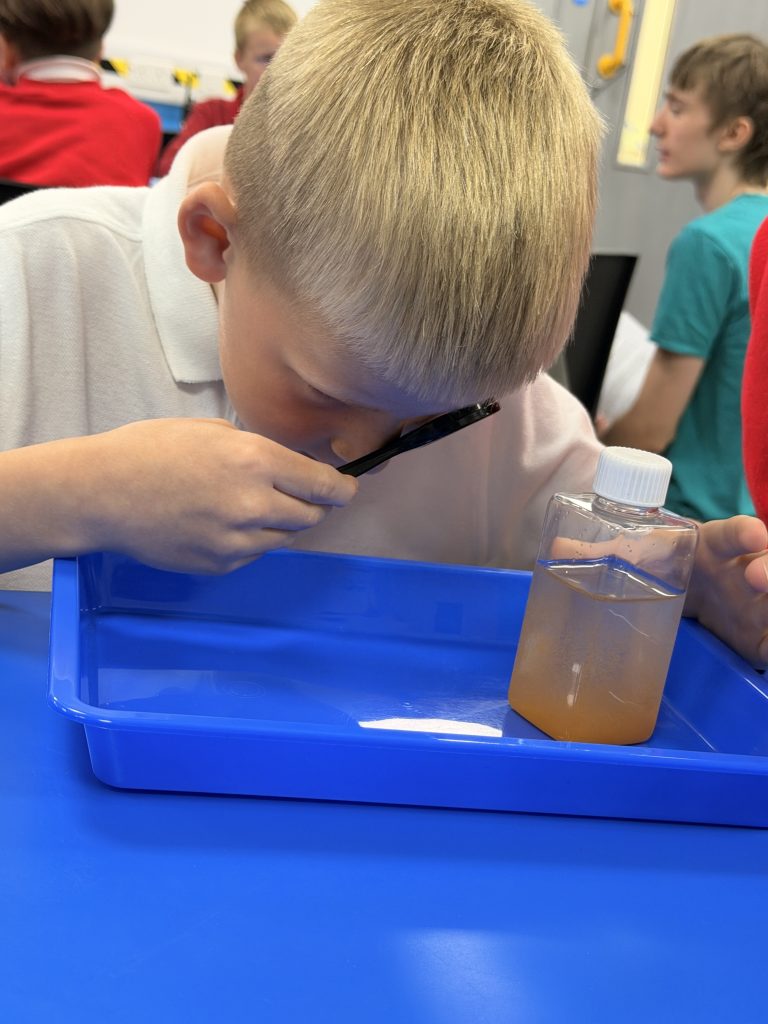
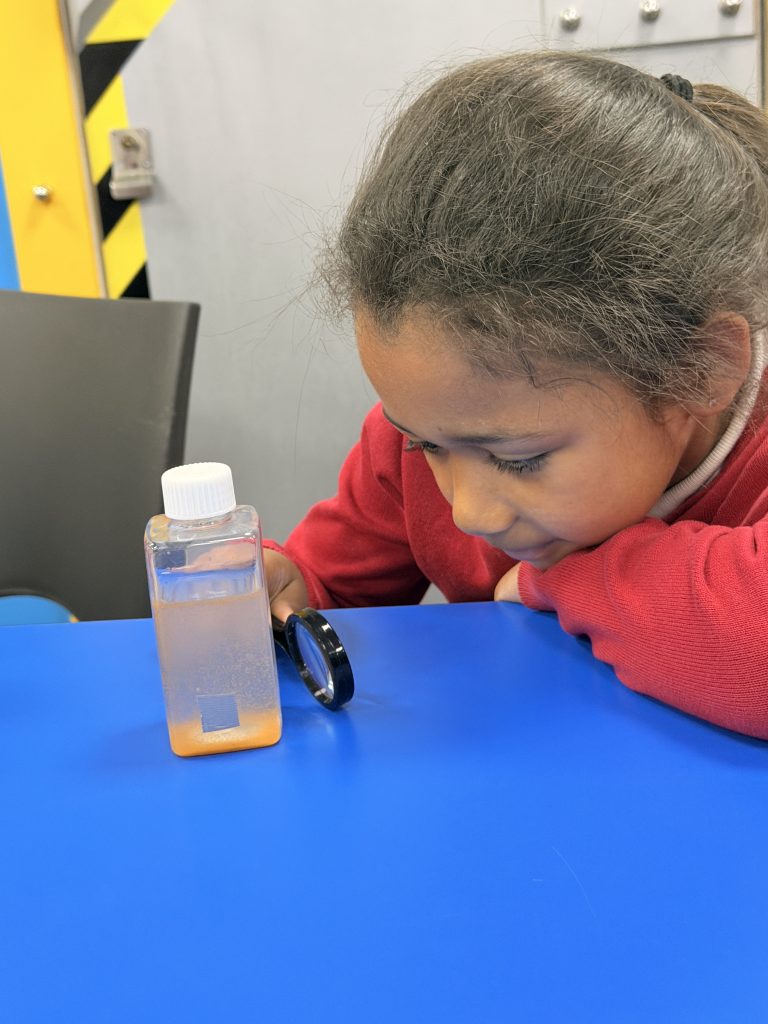
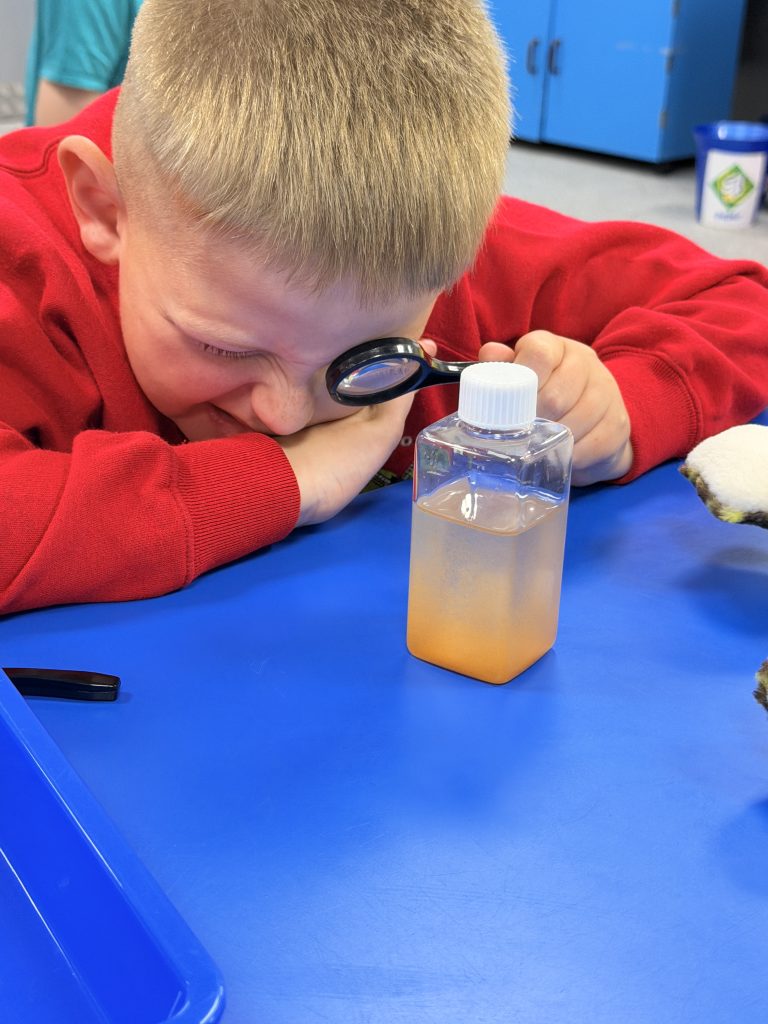
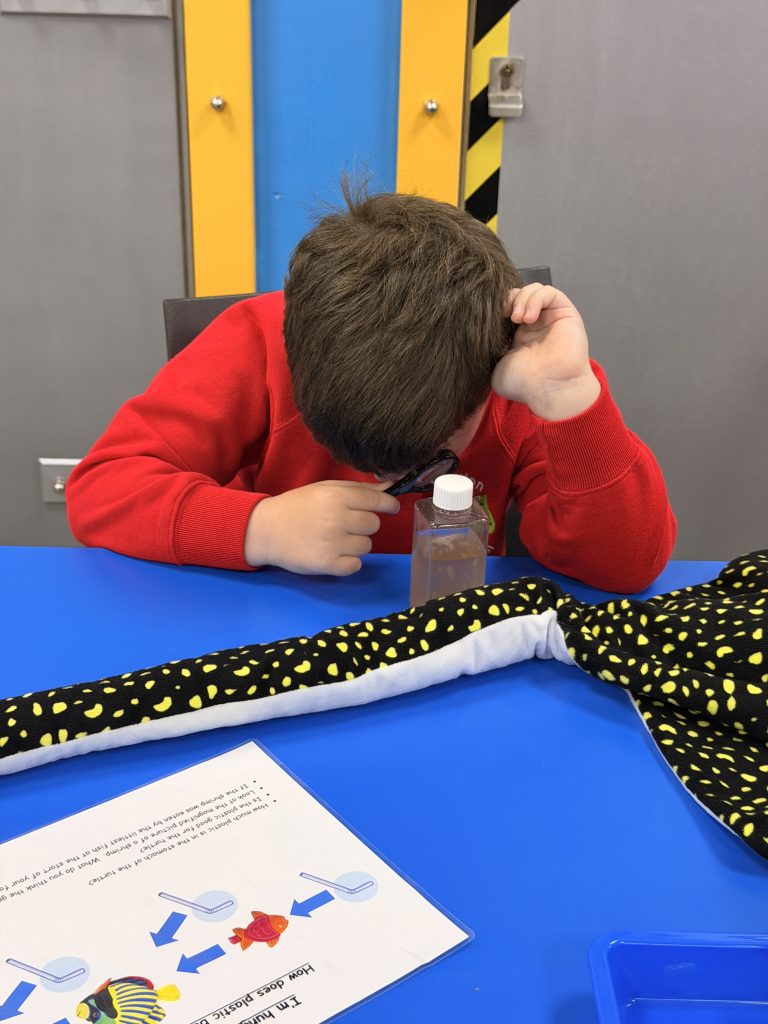
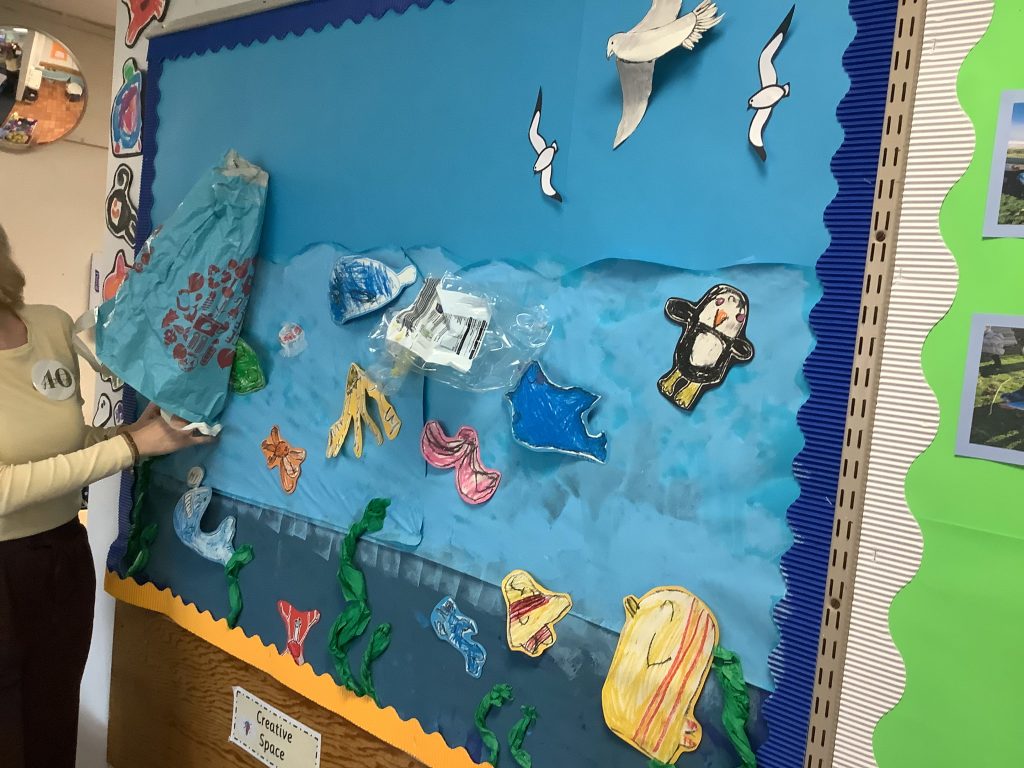
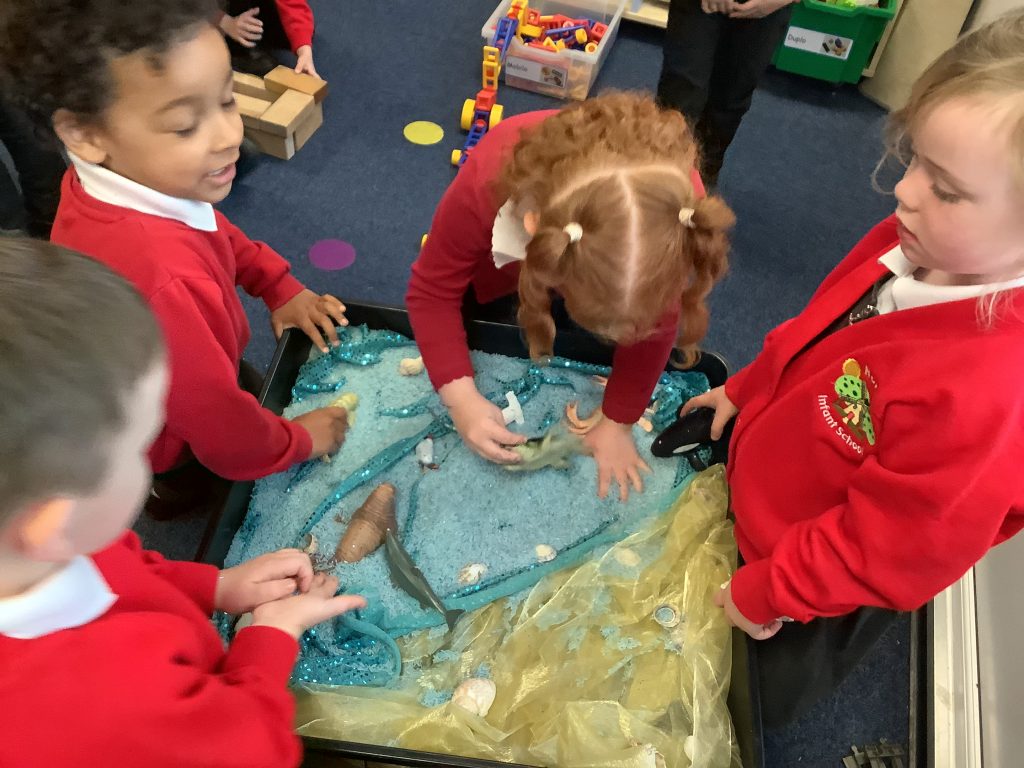
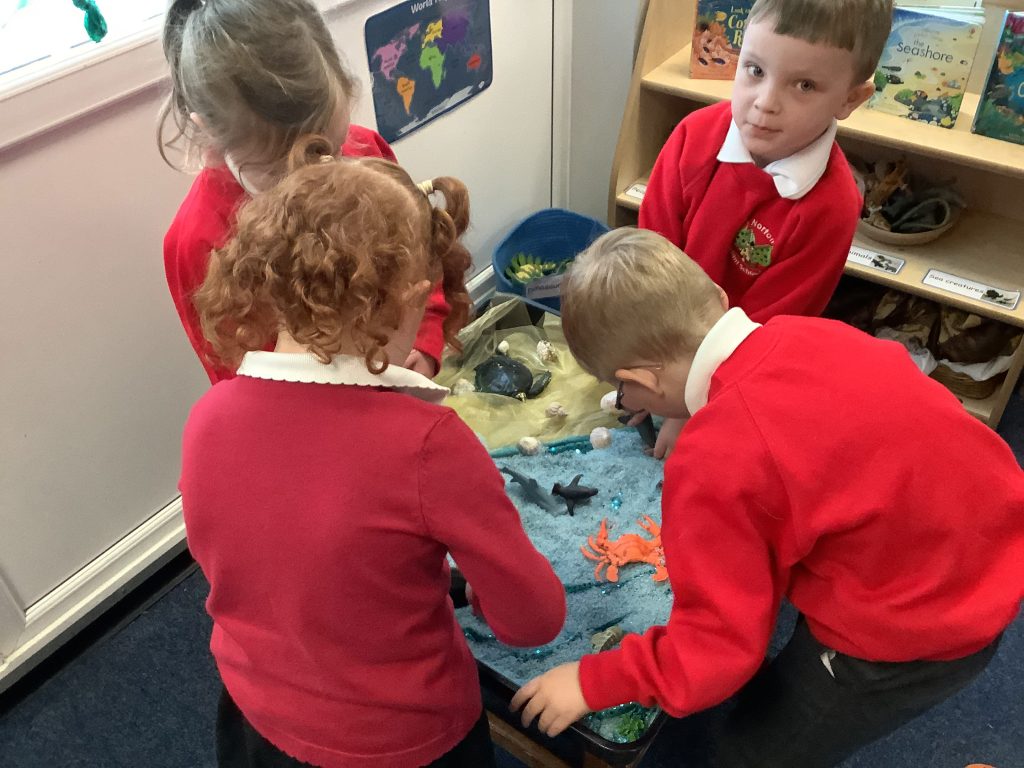
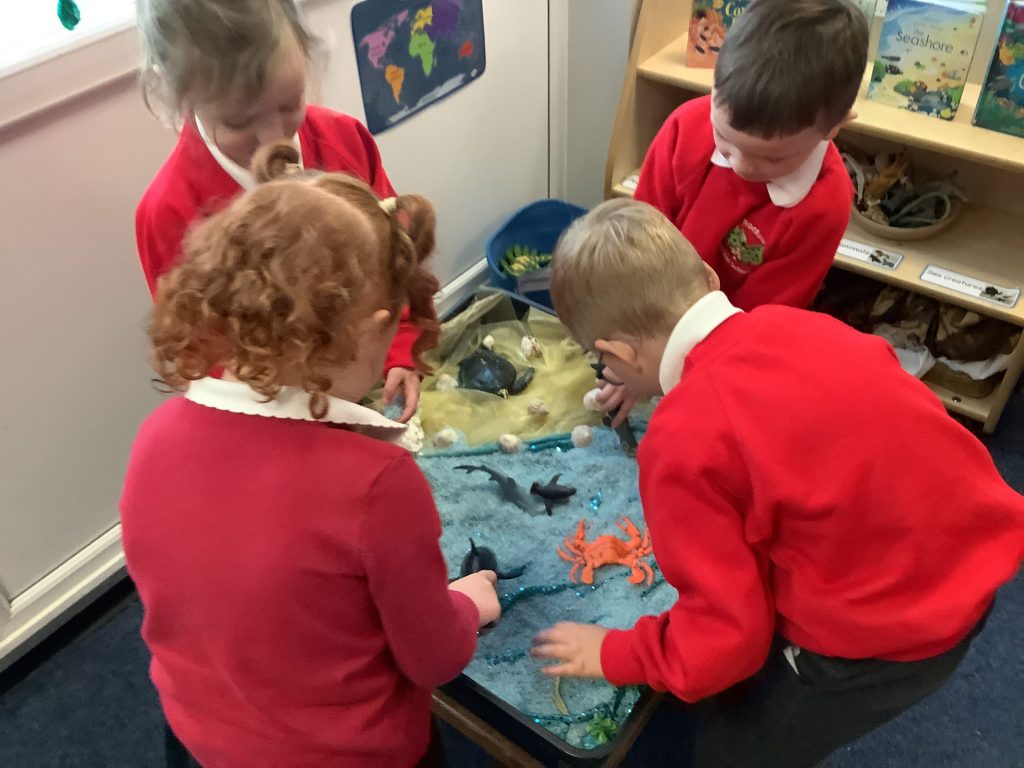
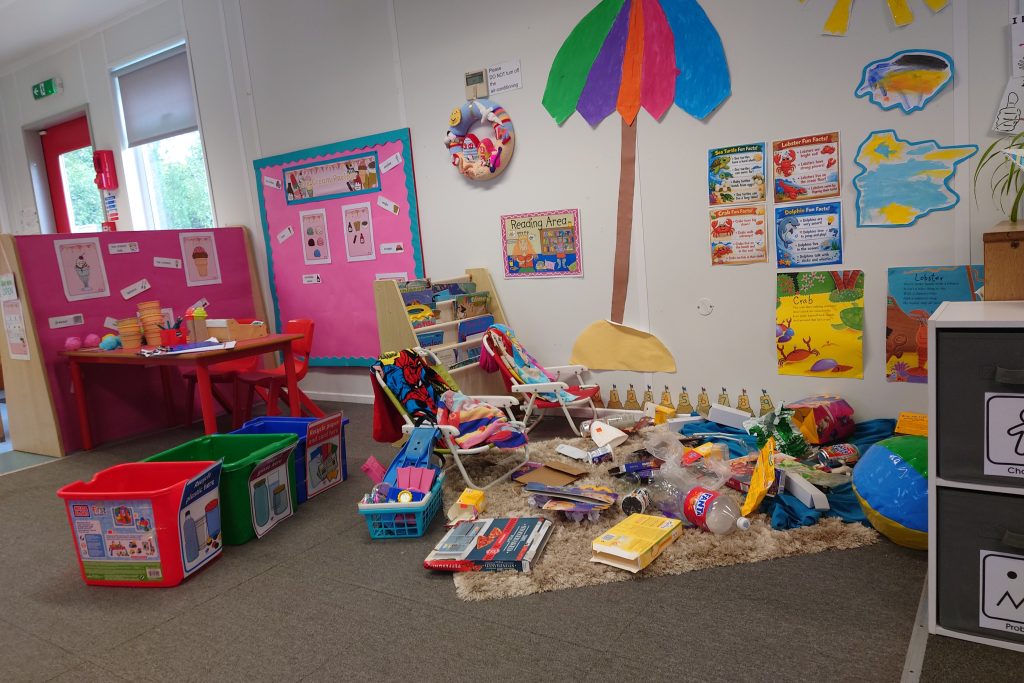
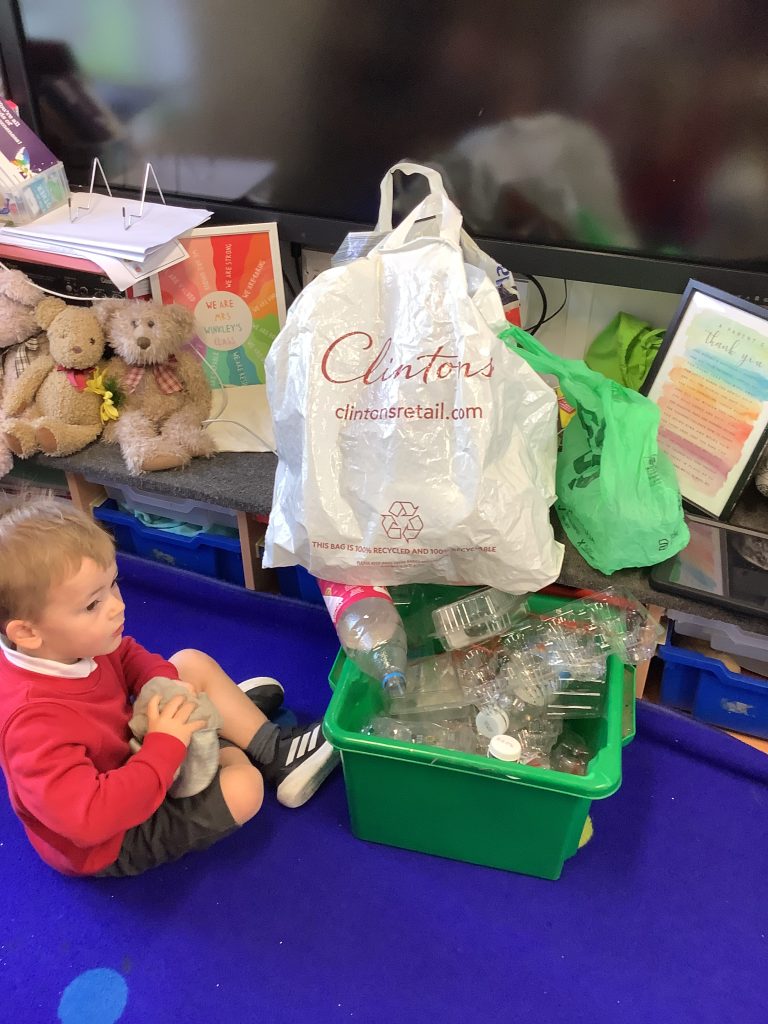
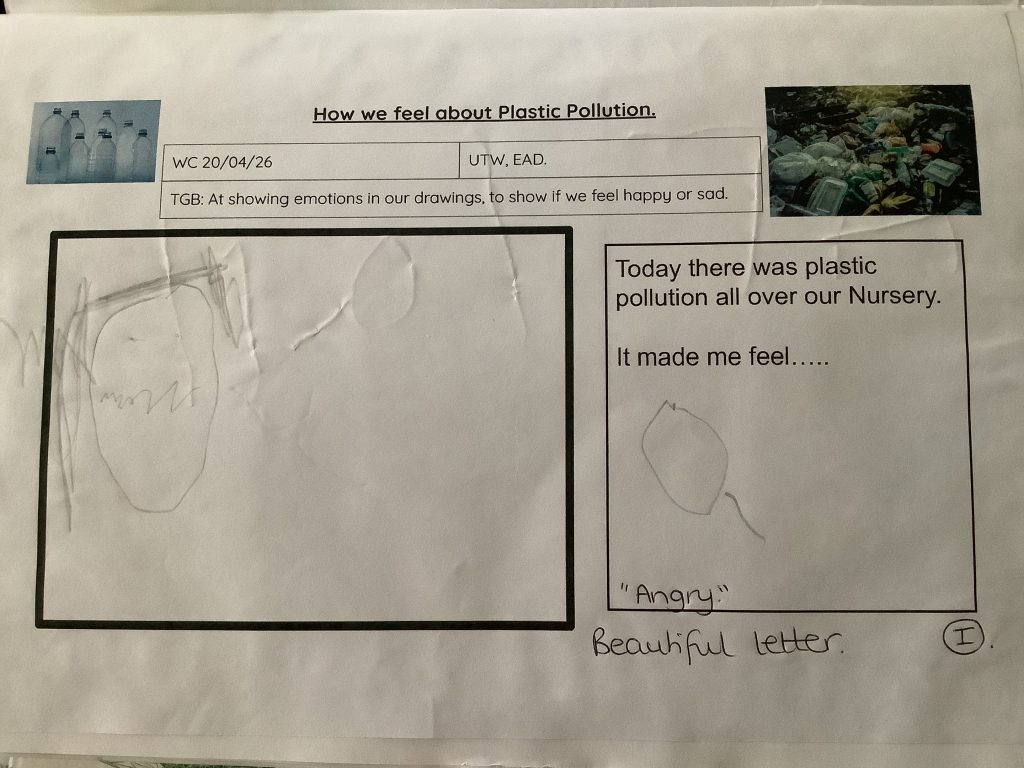
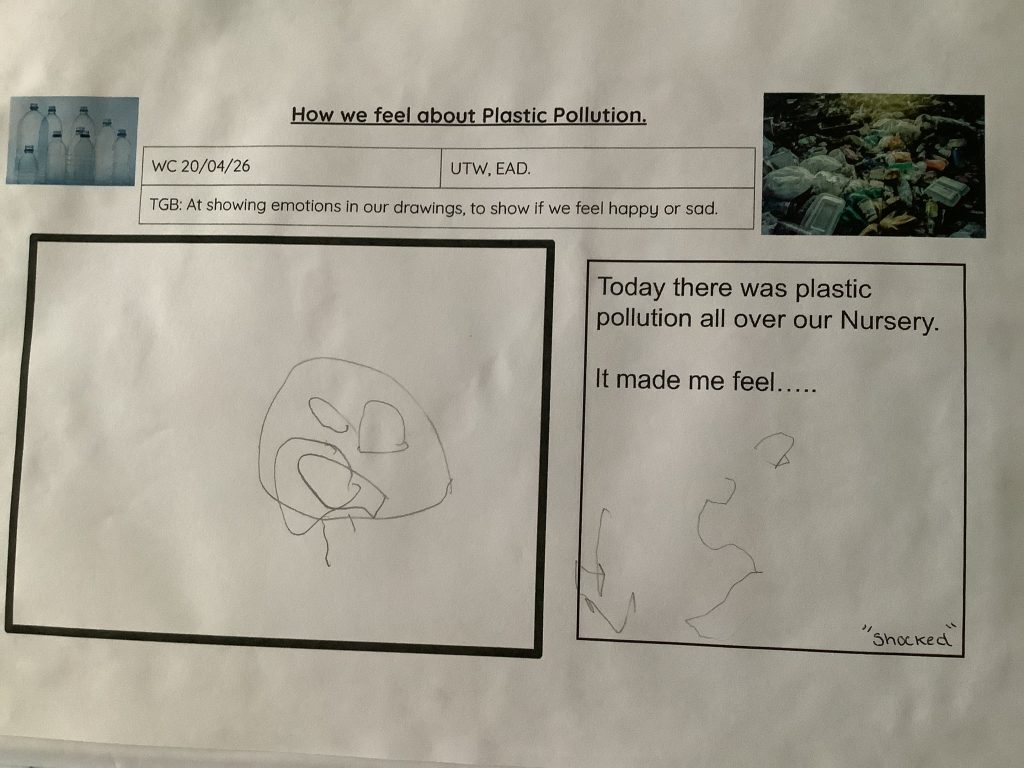
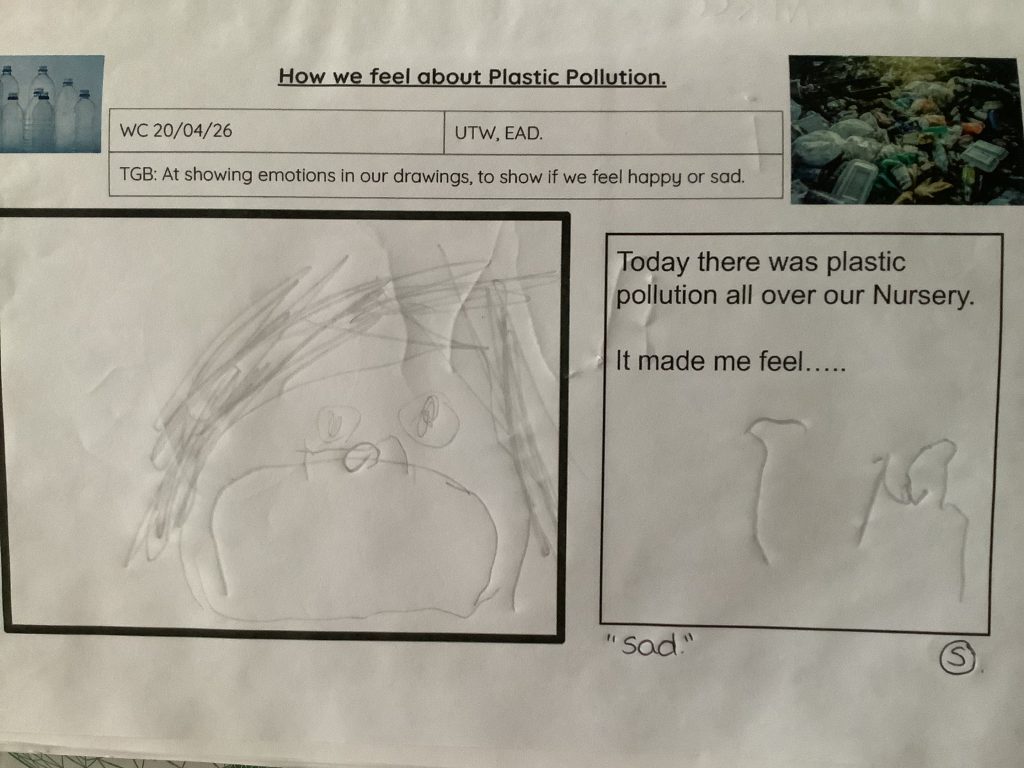
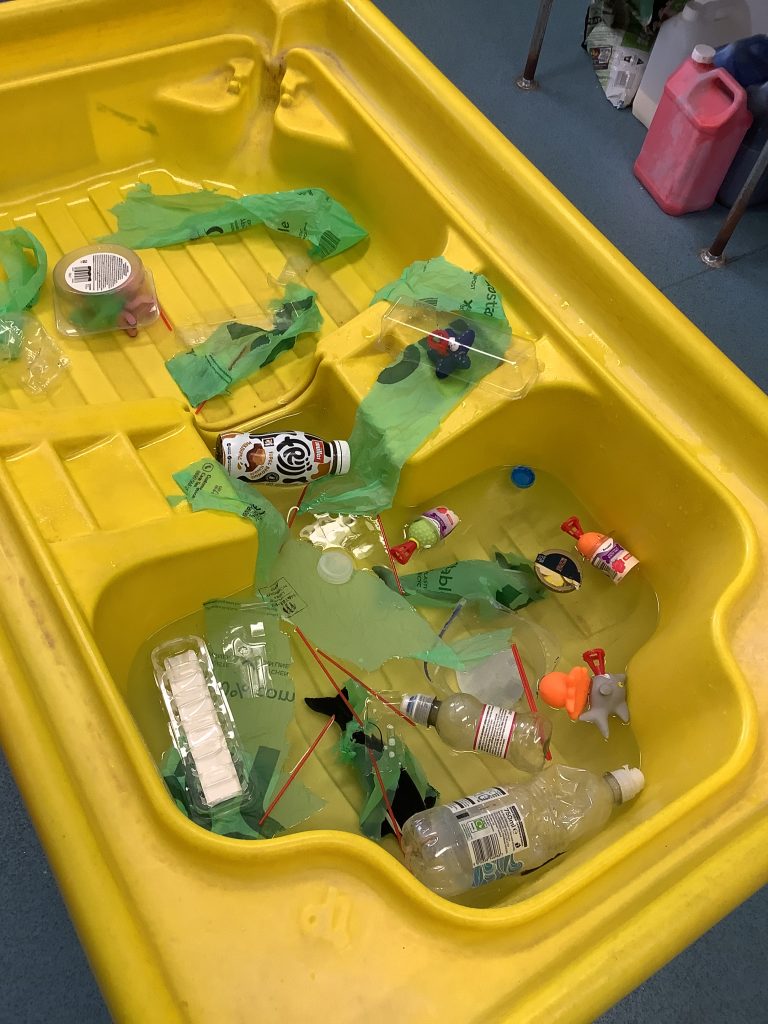
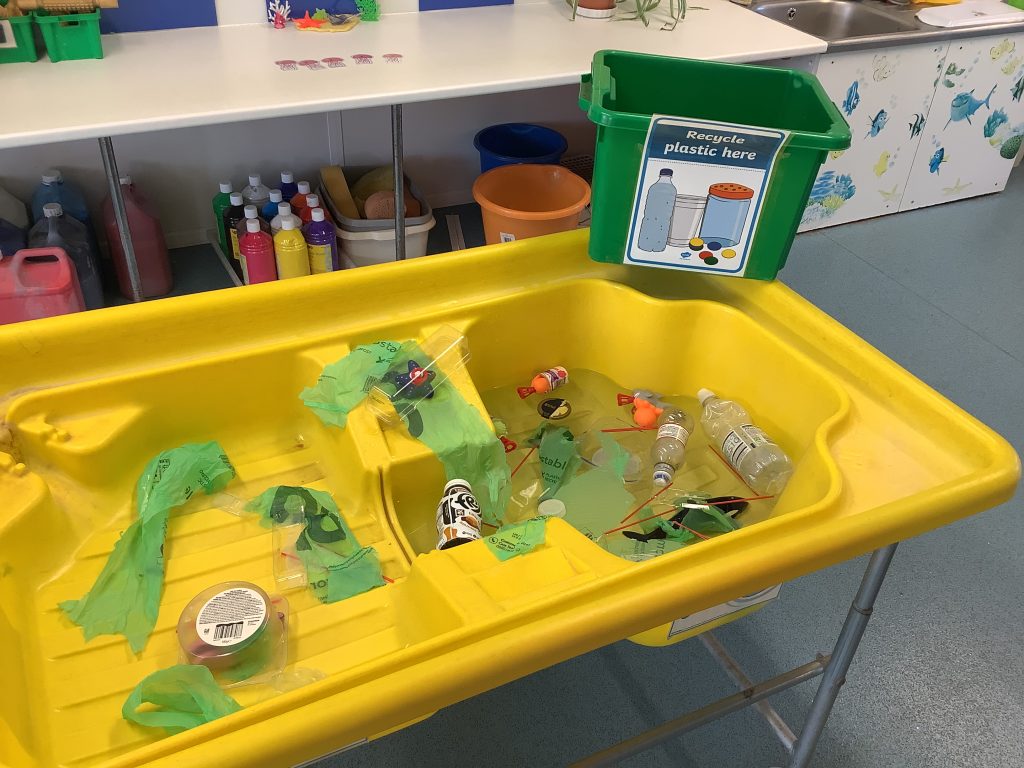
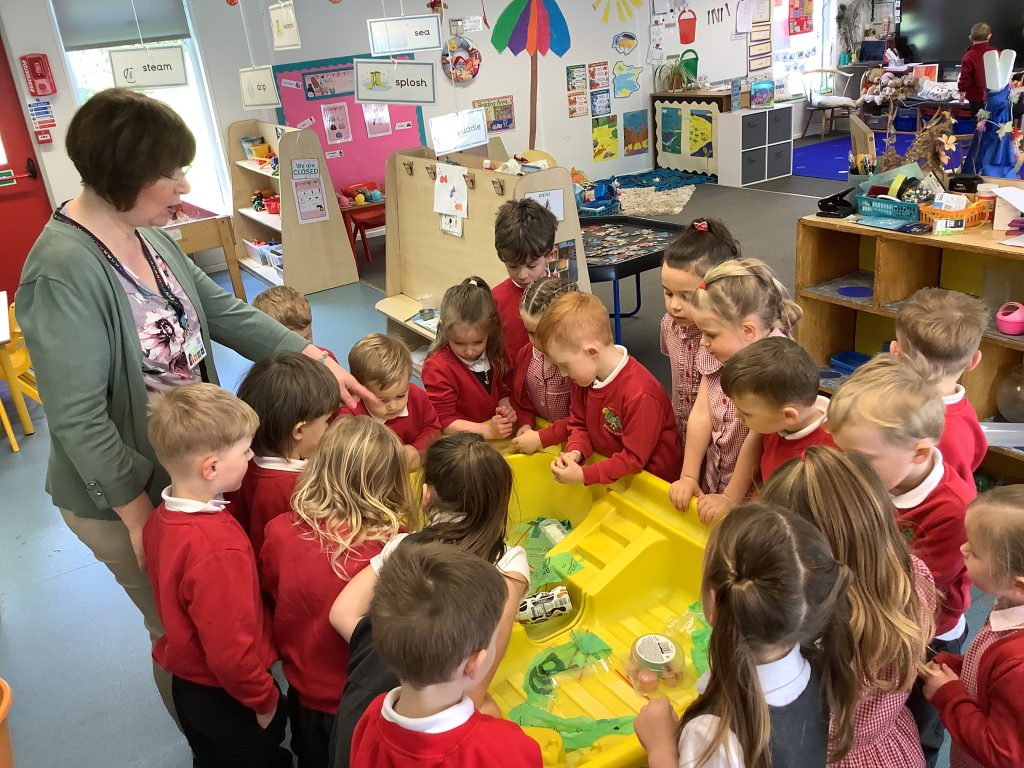
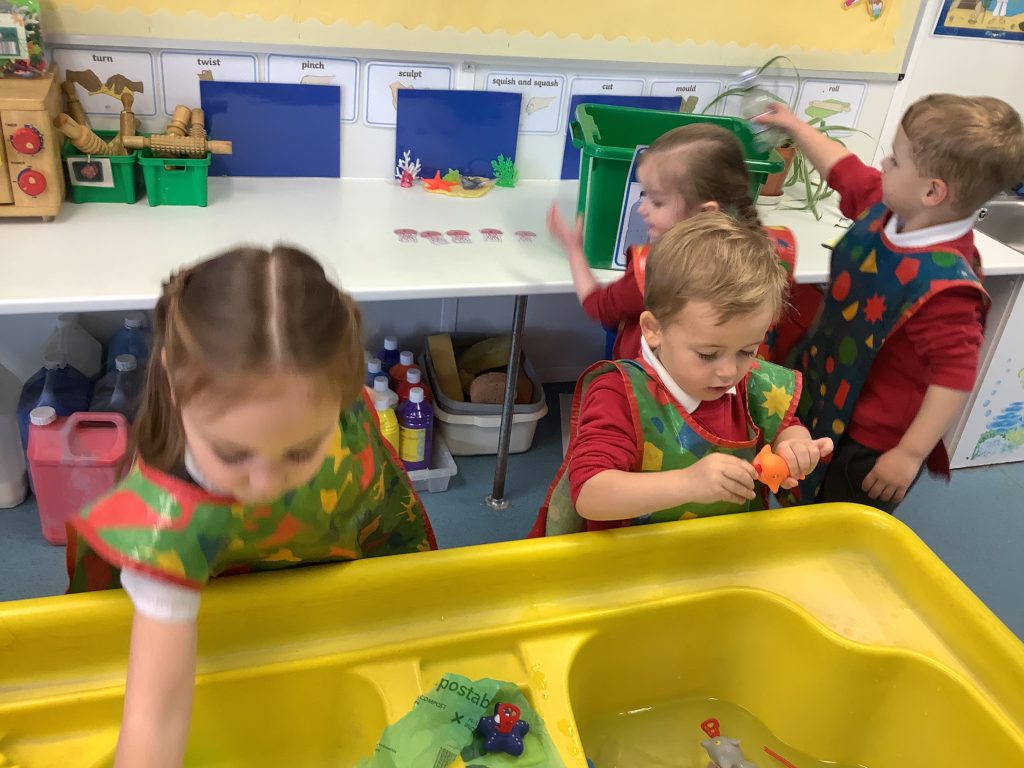
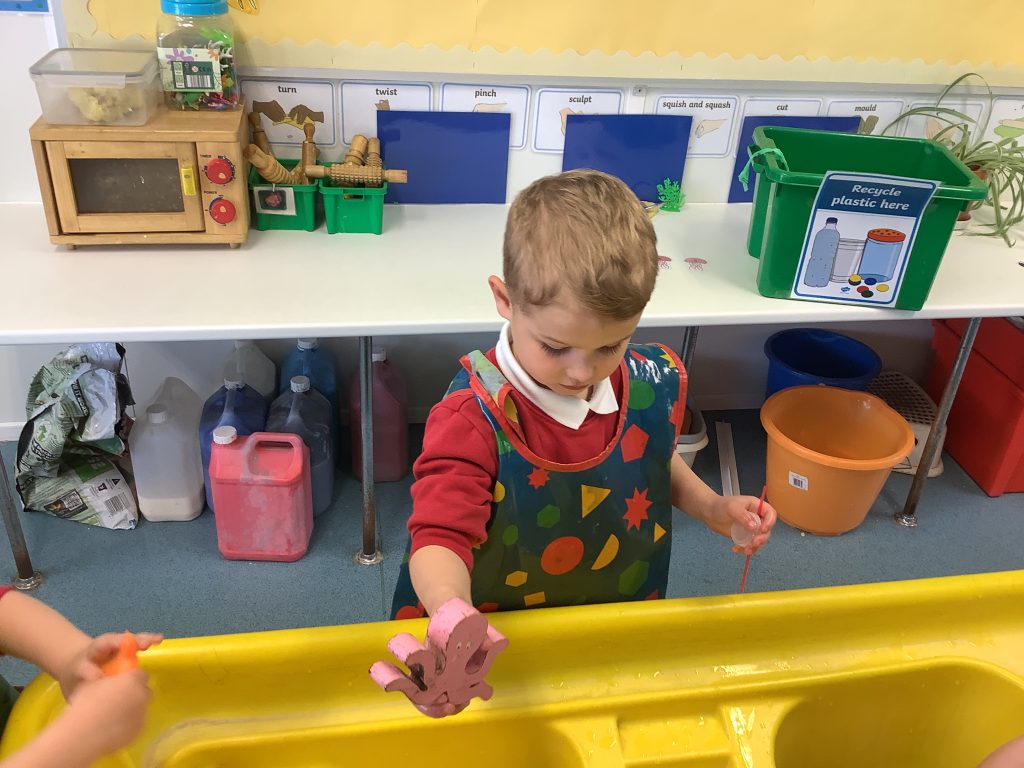
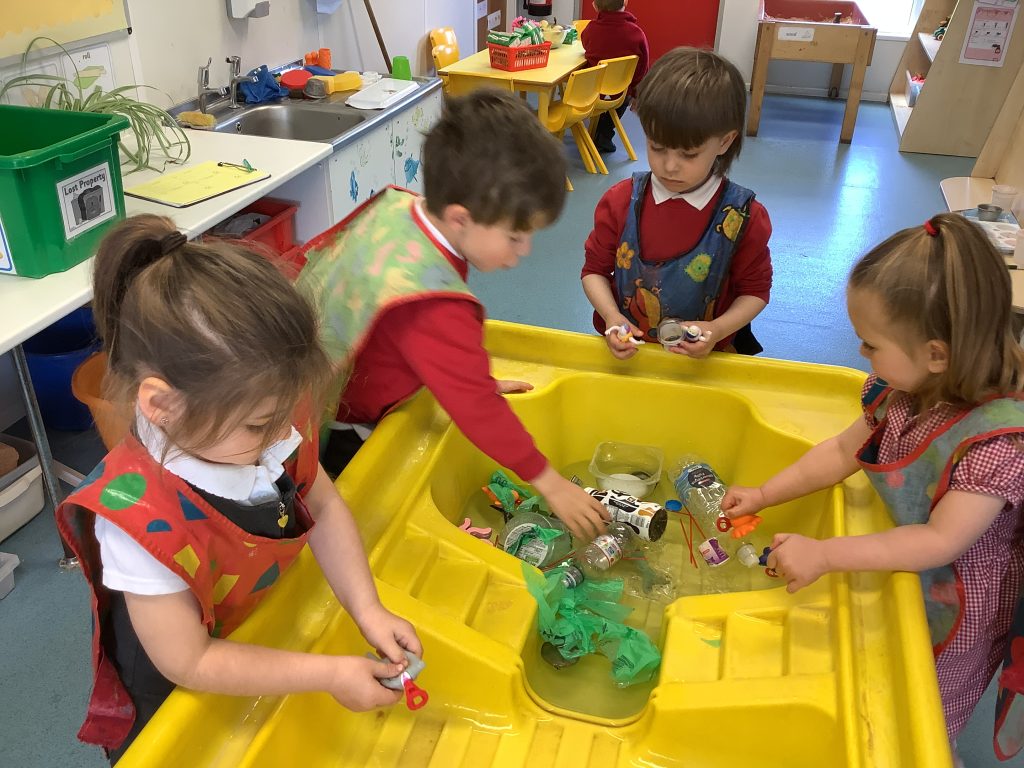
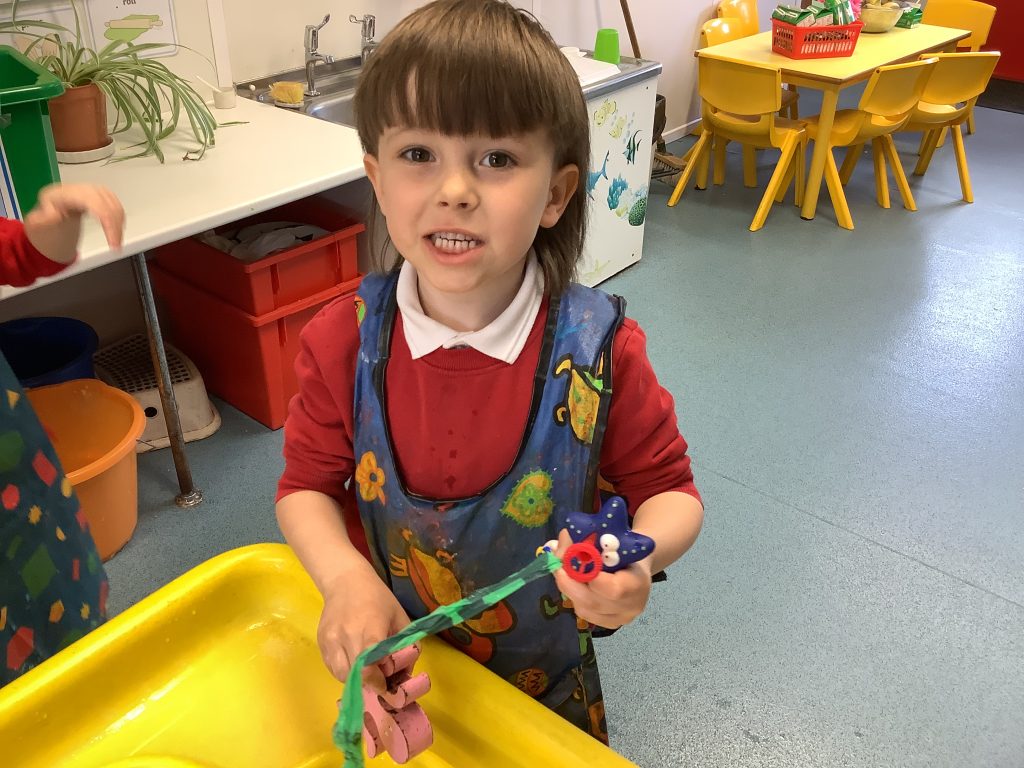
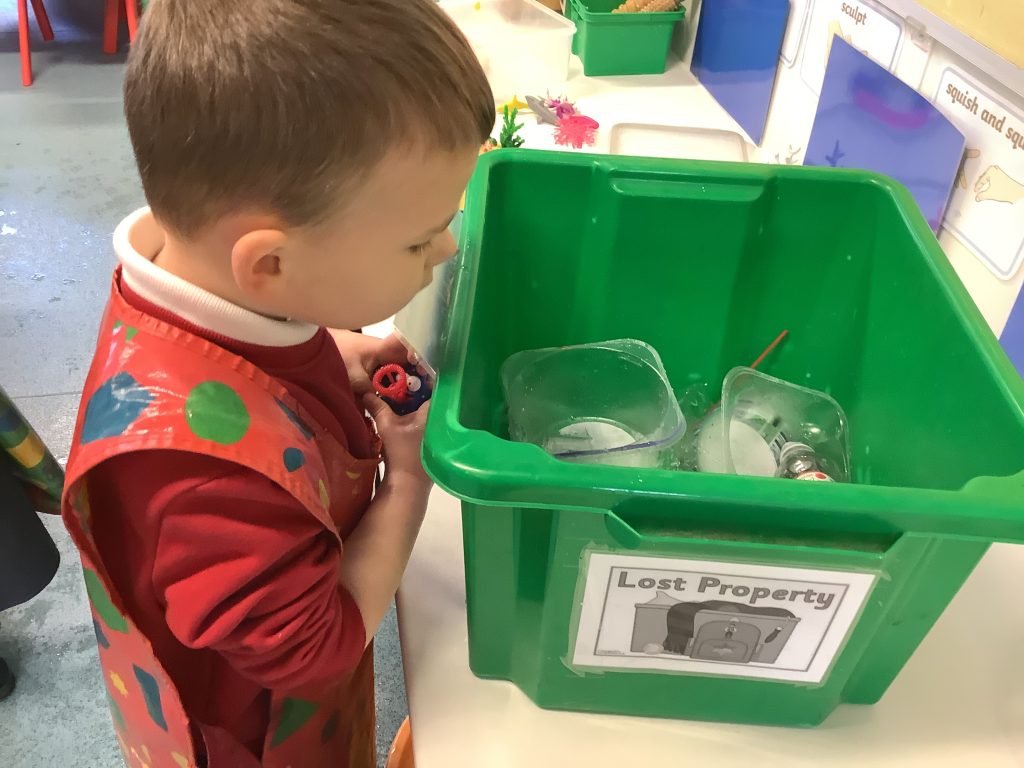
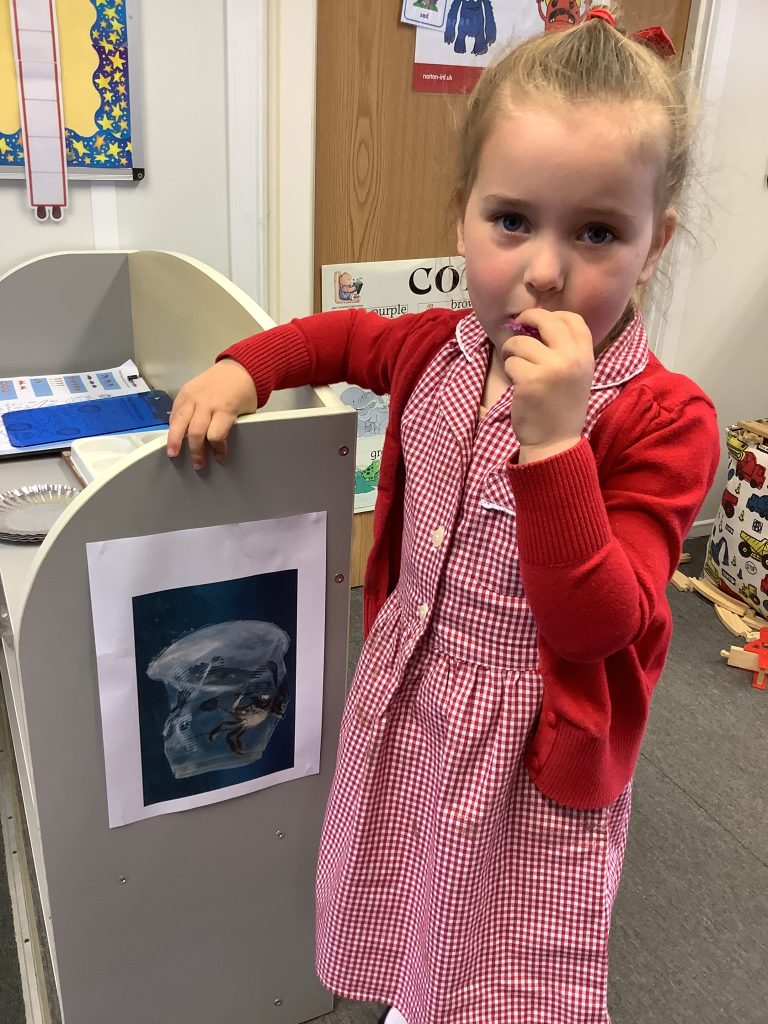
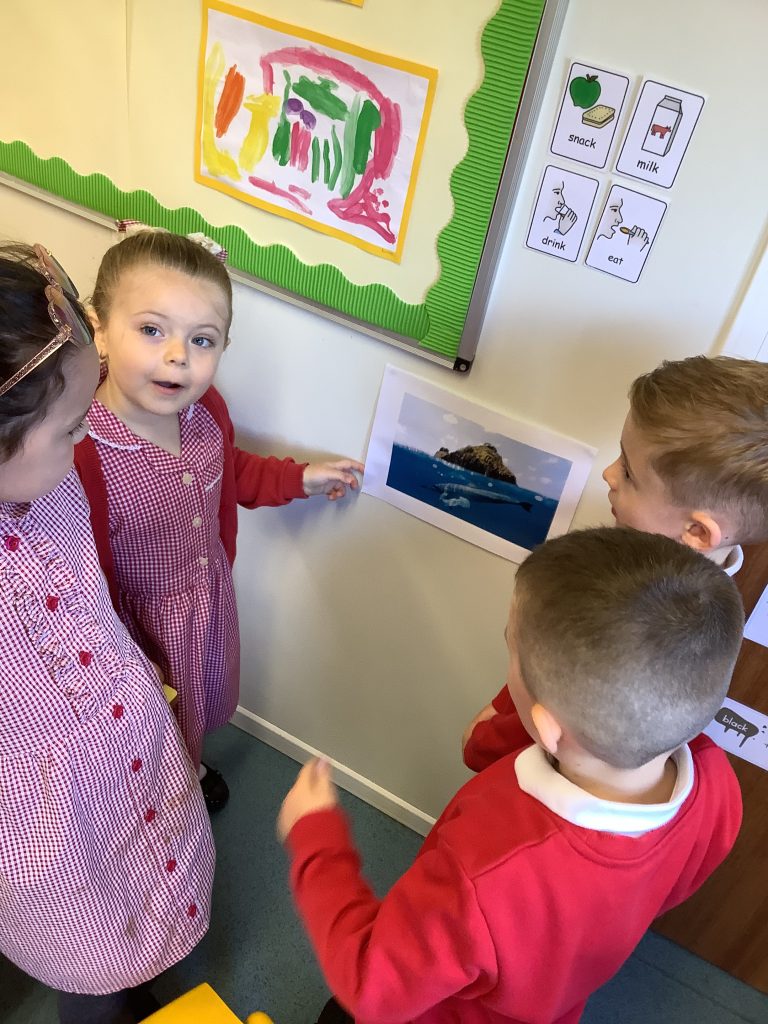
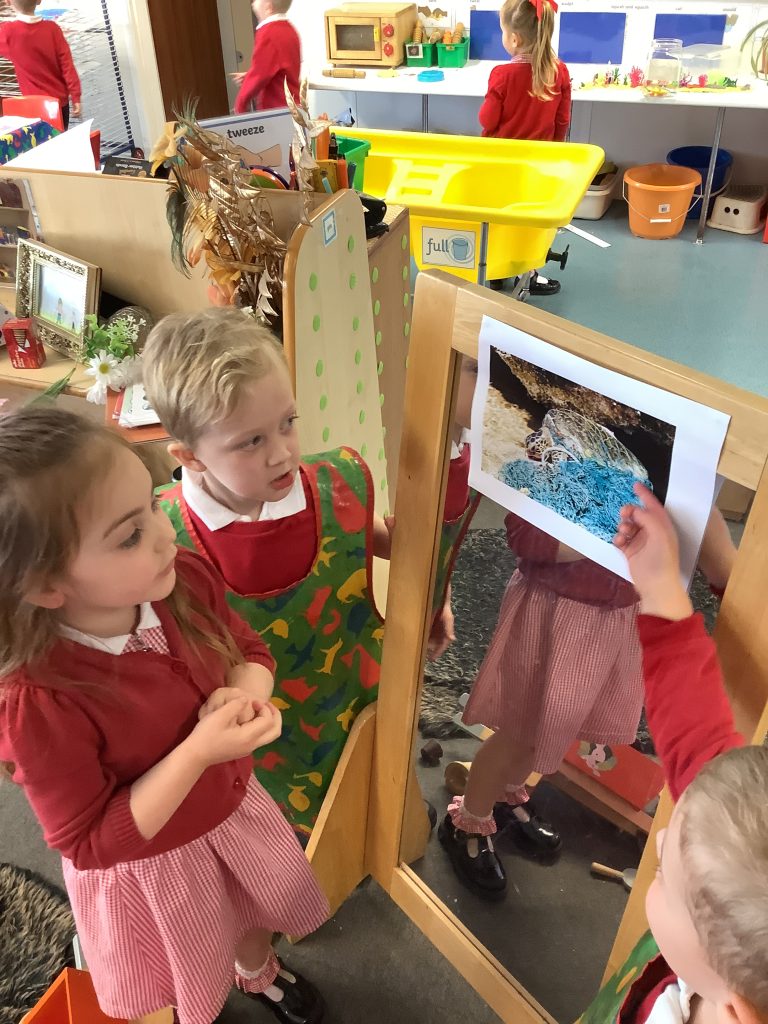
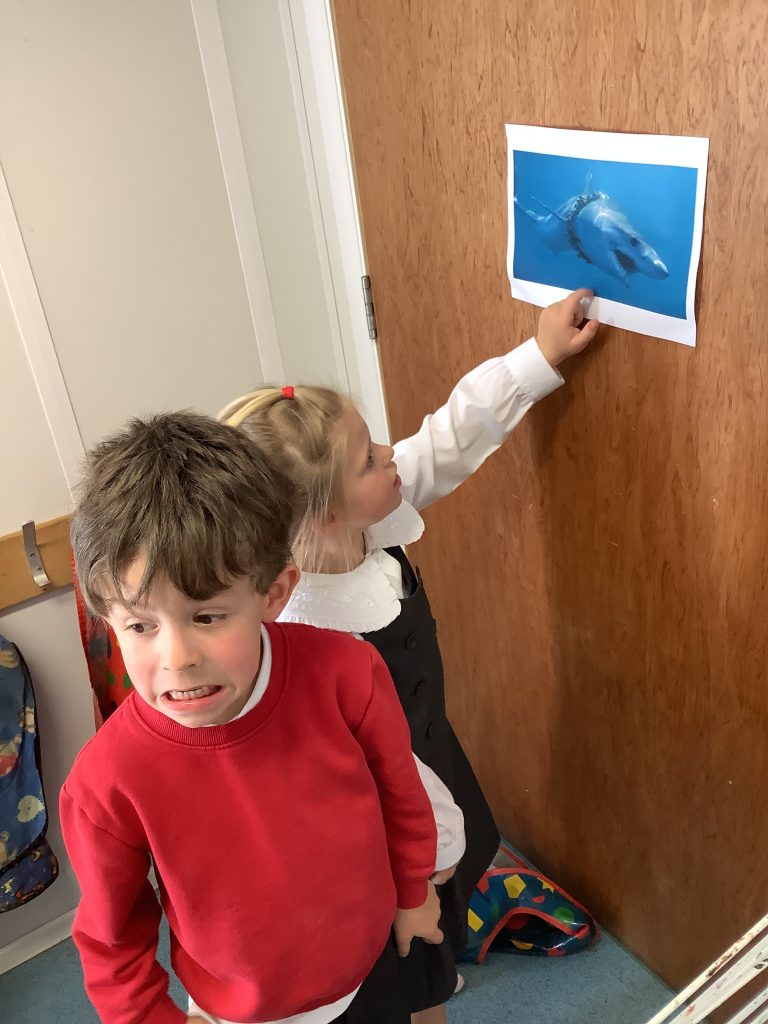
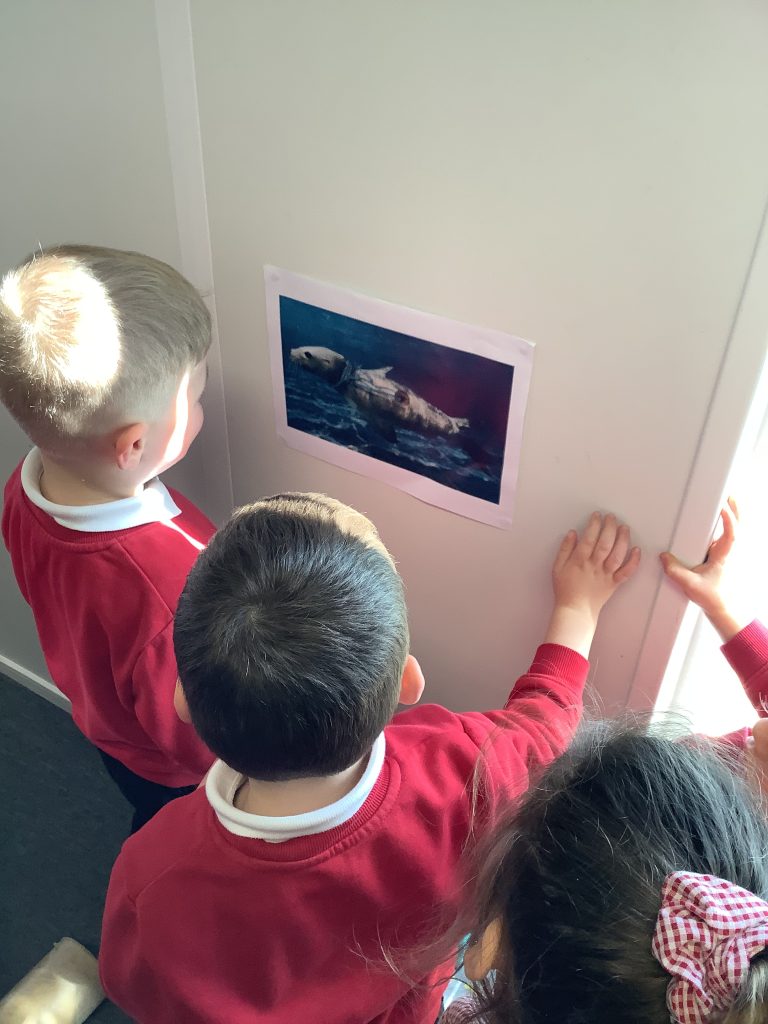
This week the children are also exploring a pollution play tray linked to our thoughts of saving the earth. They have began to explore what happens to the rainforests by large vehicles causing deforestation and how the warming gases and fumes make the ice caps melt that the polar bears live on.

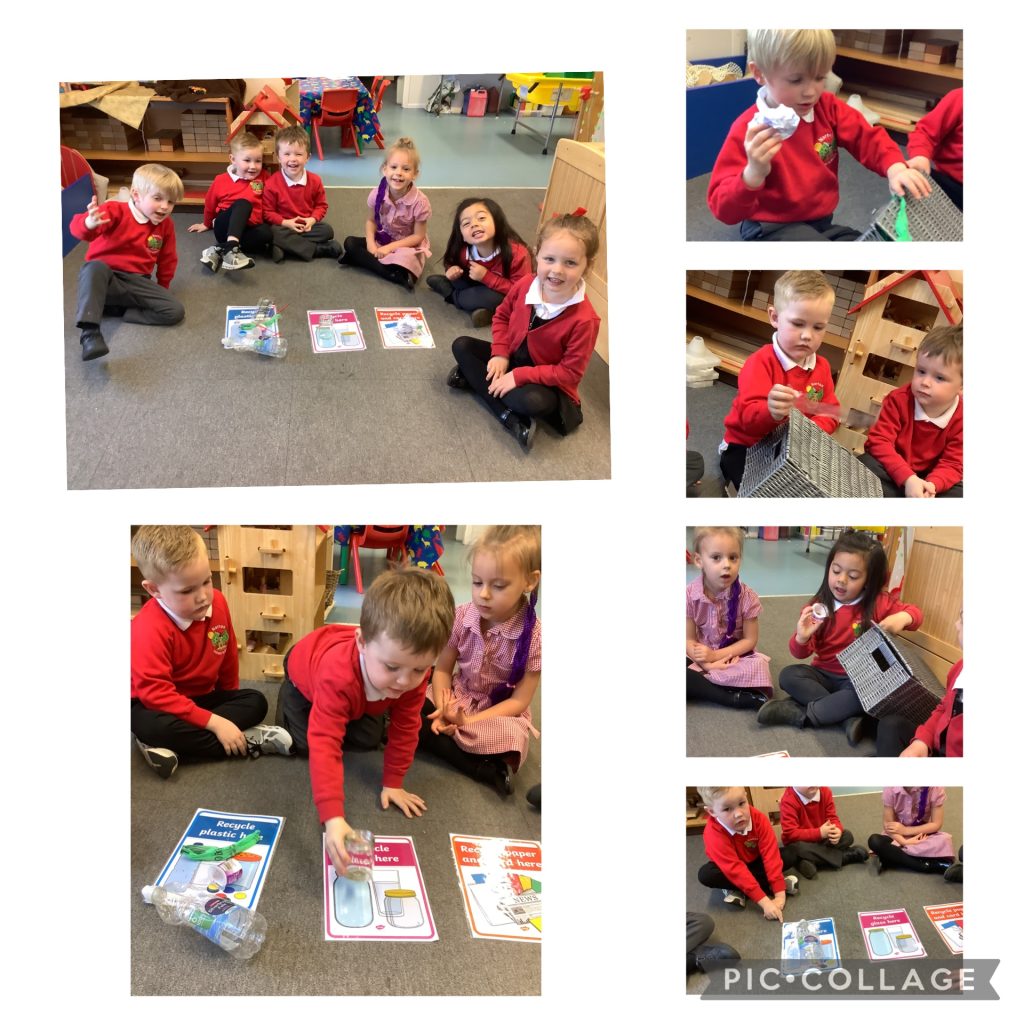
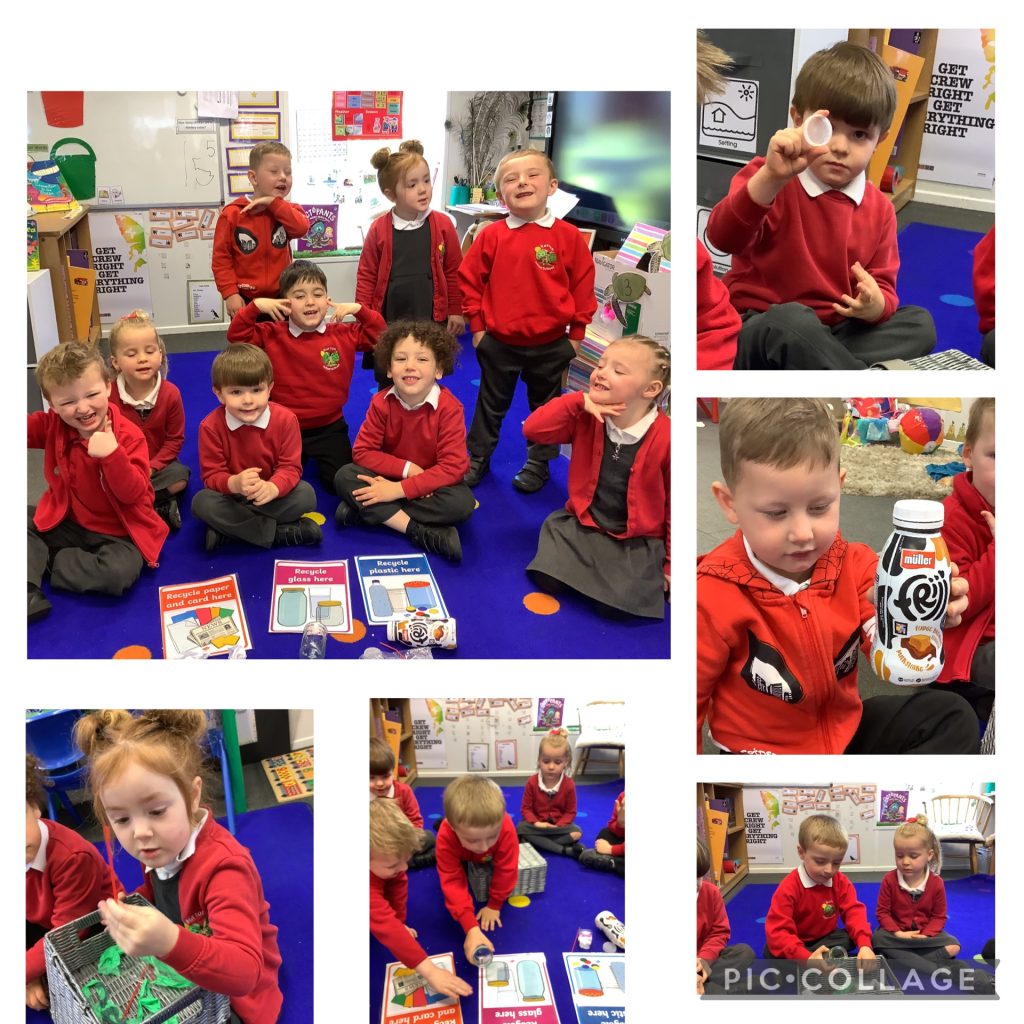
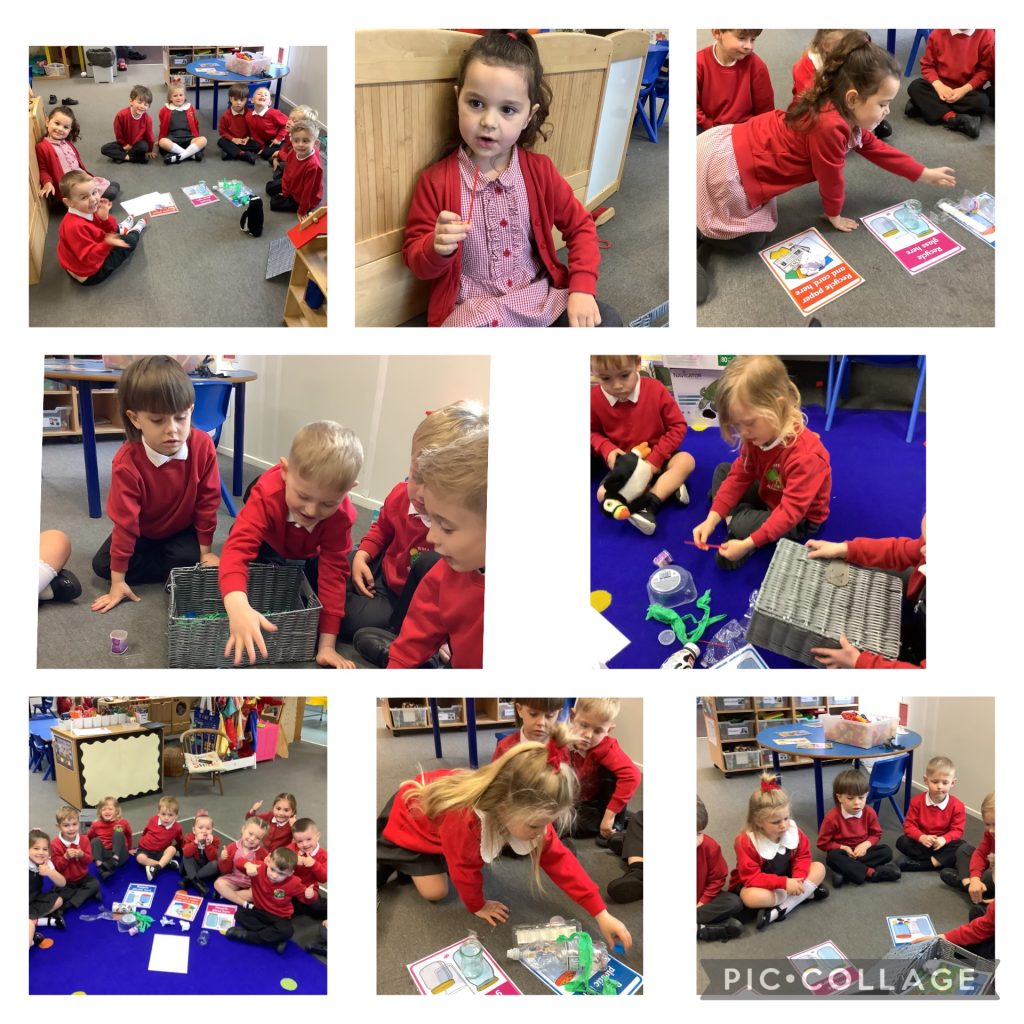
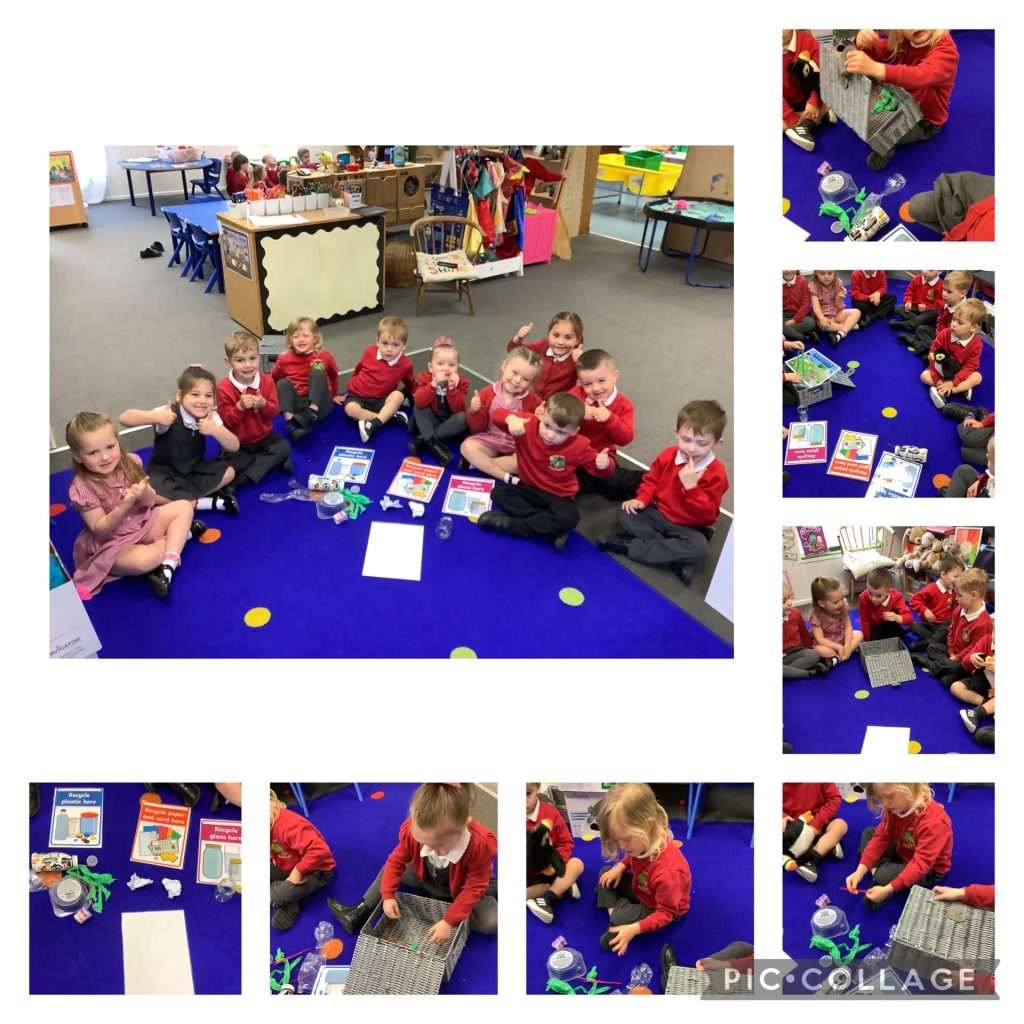
Nursery have been inspired to think of small changes and little ways in which we can help, through our key text “Please Help Planet Earth” a Ladybird eco book. We have found that we can turn off taps, save electricity by turning off lights when we’re out of a room, we can recycle rubbish and place all rubbish in bins, we can plant flowers for the bees and butterflies, we can grow our own vegetables to save the rainforests from being turned into farms, we can help to feed the birds and most importantly we can walk to more places or take a bus or a train to help keep pollution fumes lower. Beautiful work Nursery!