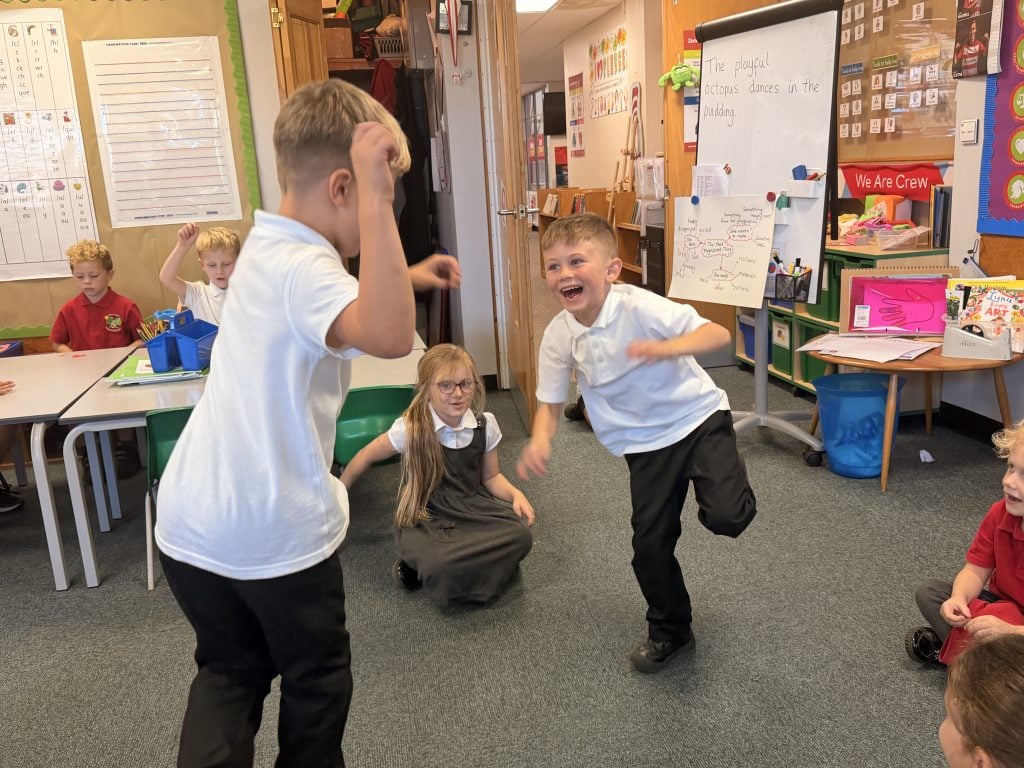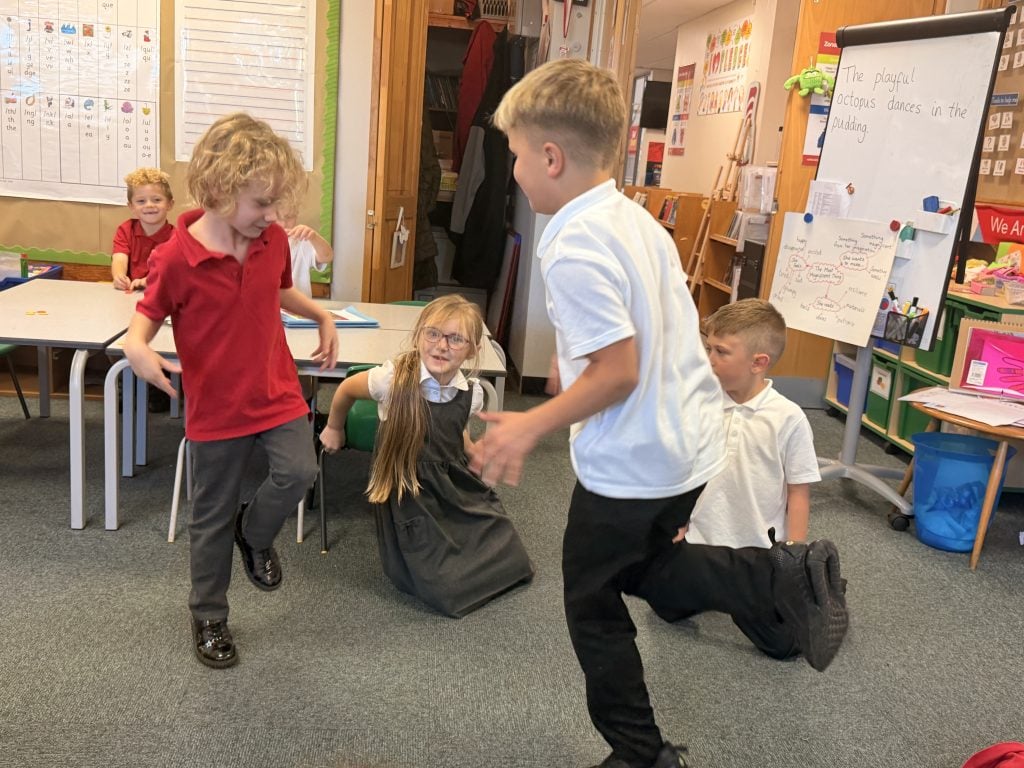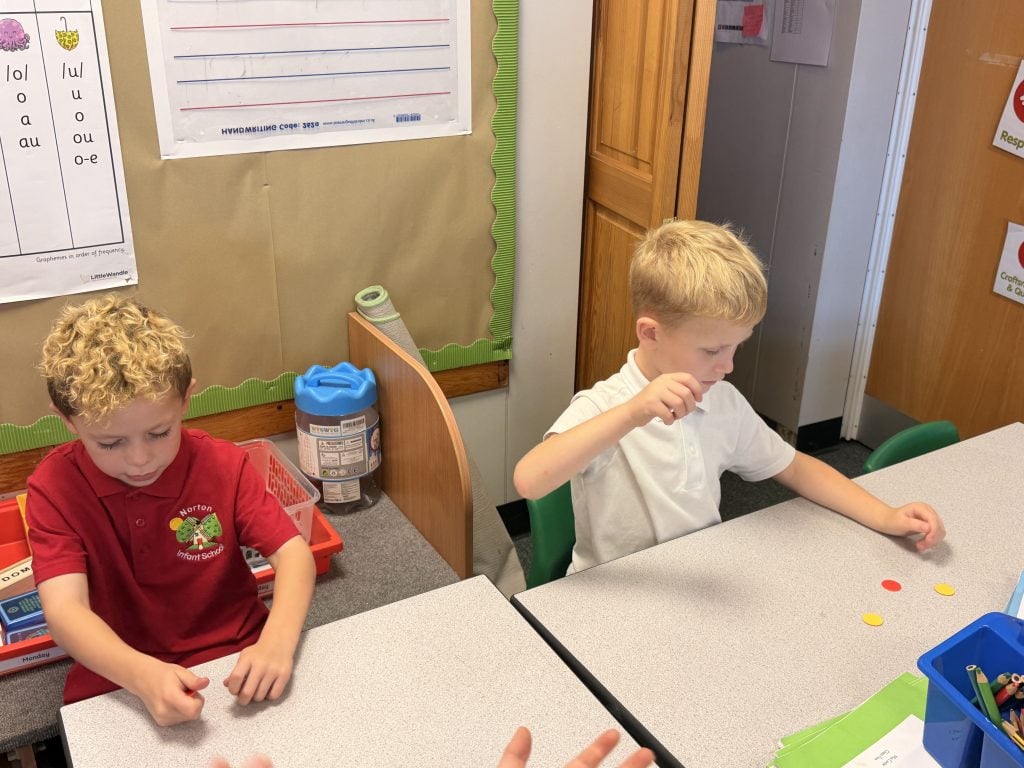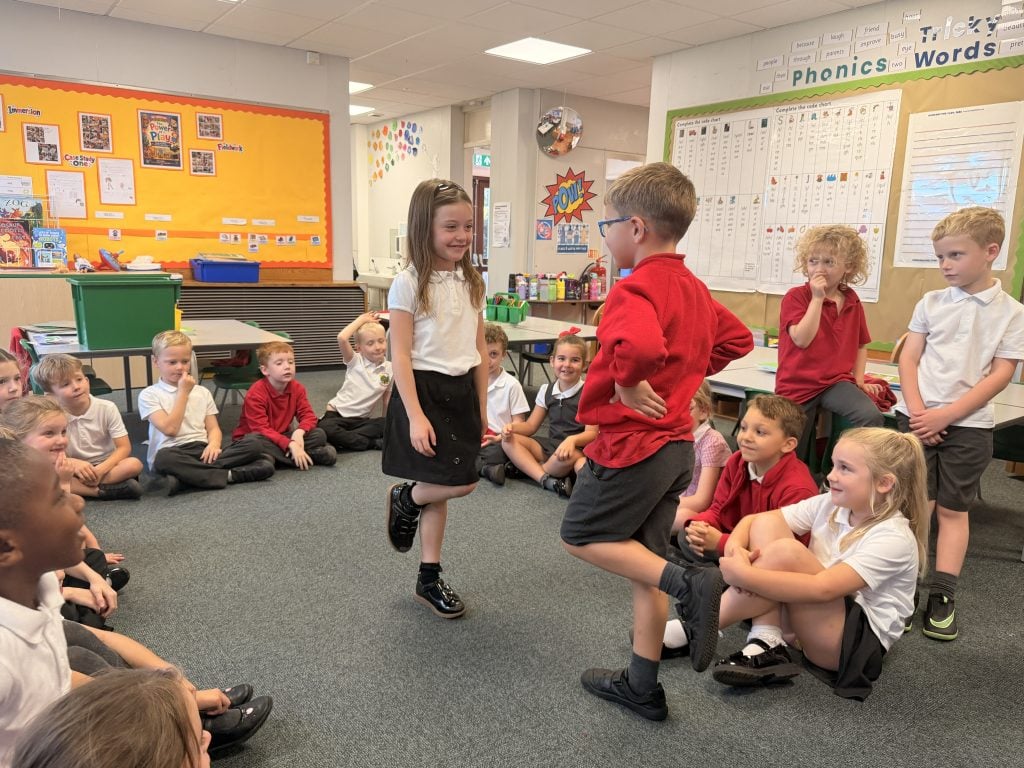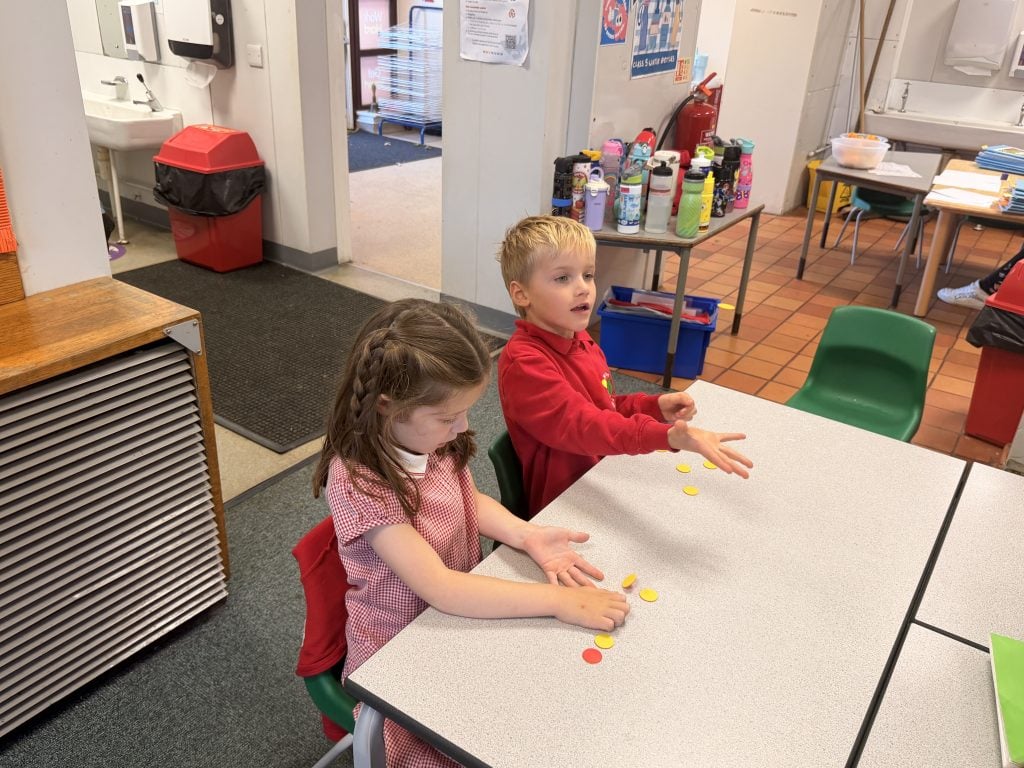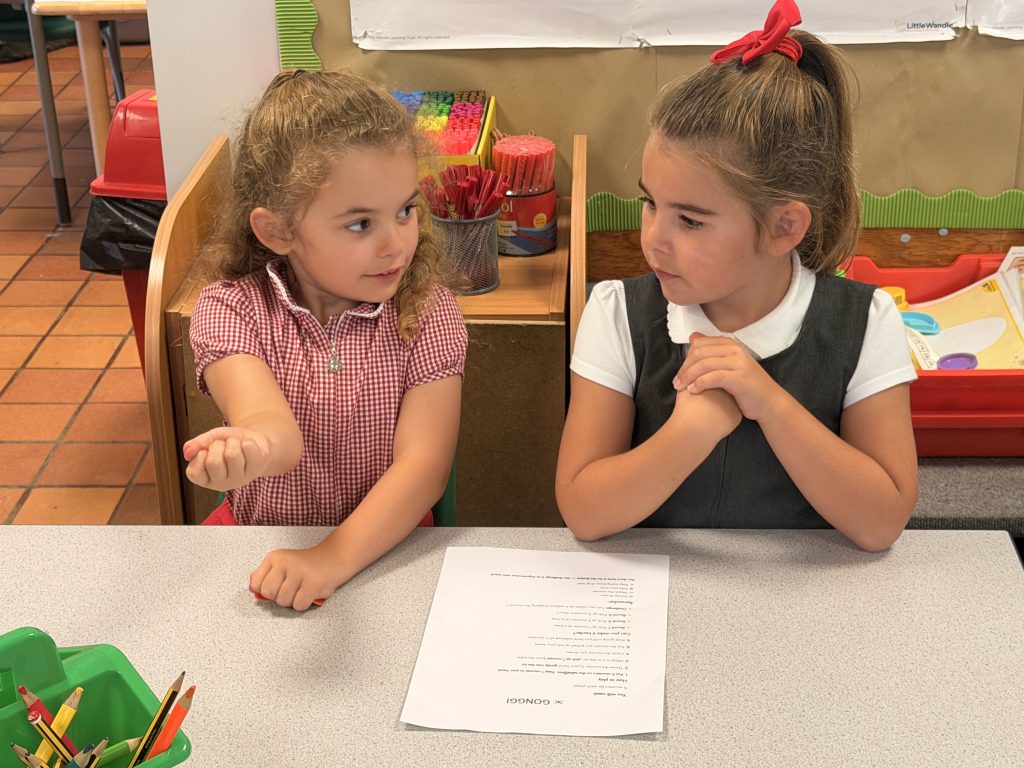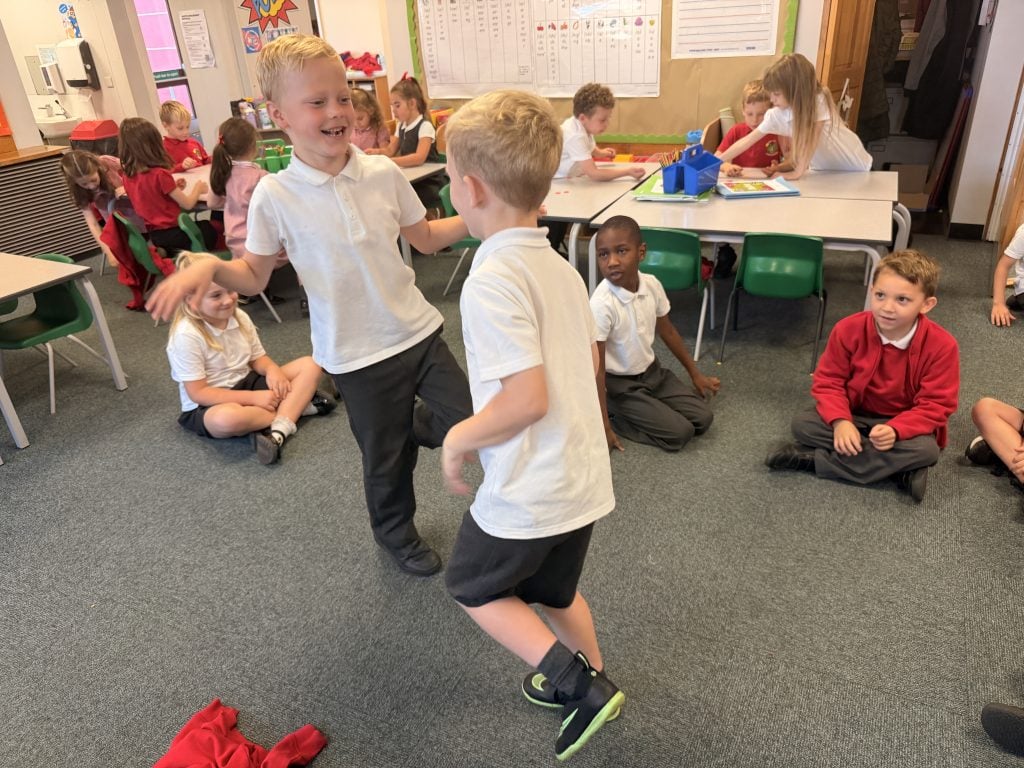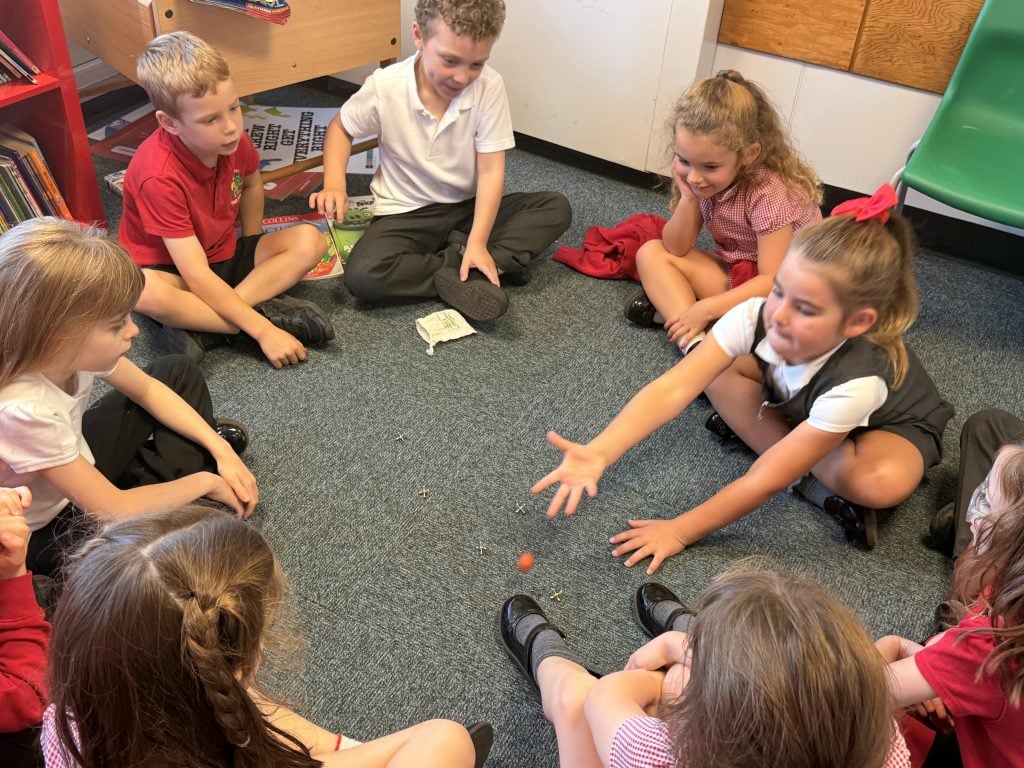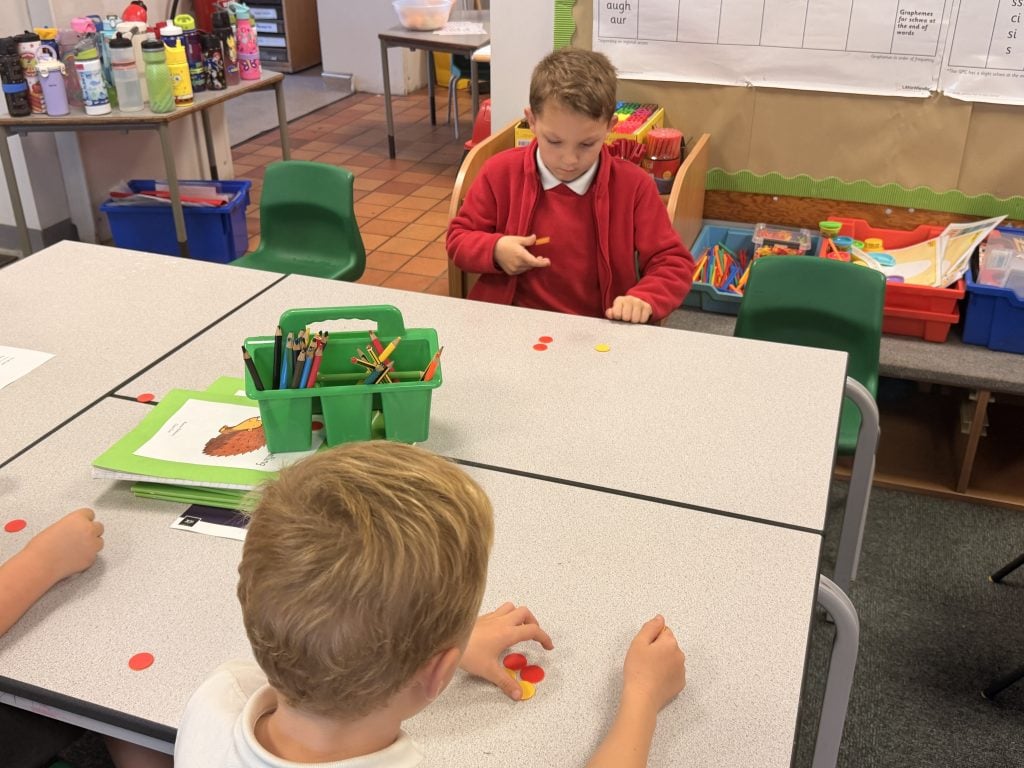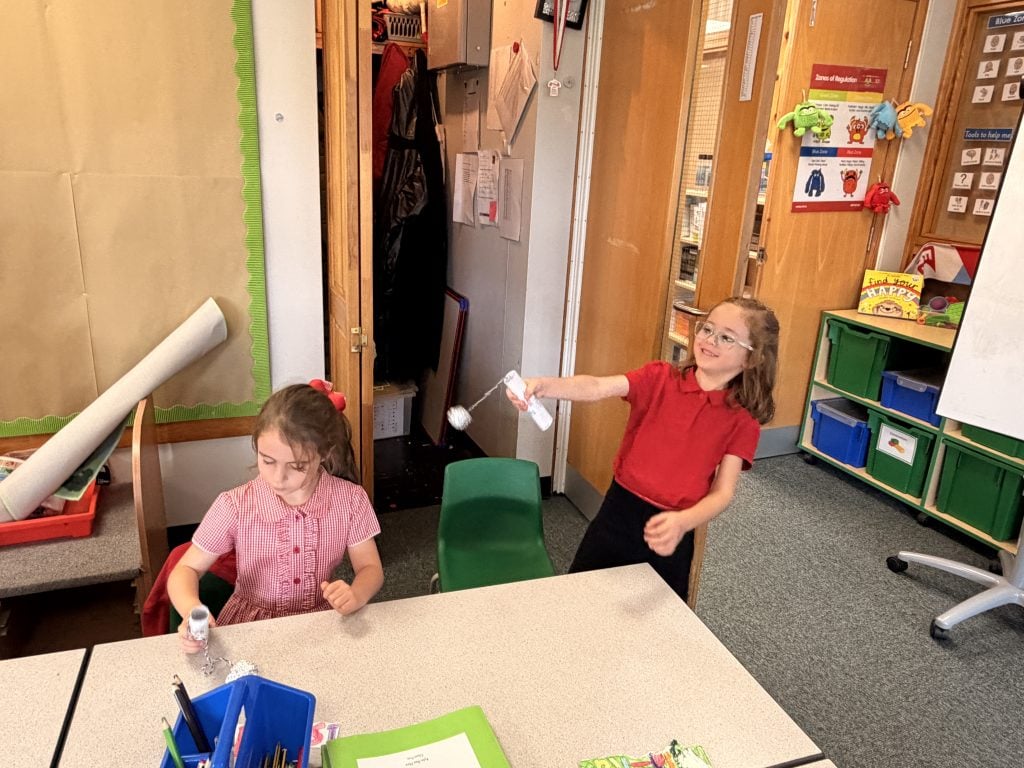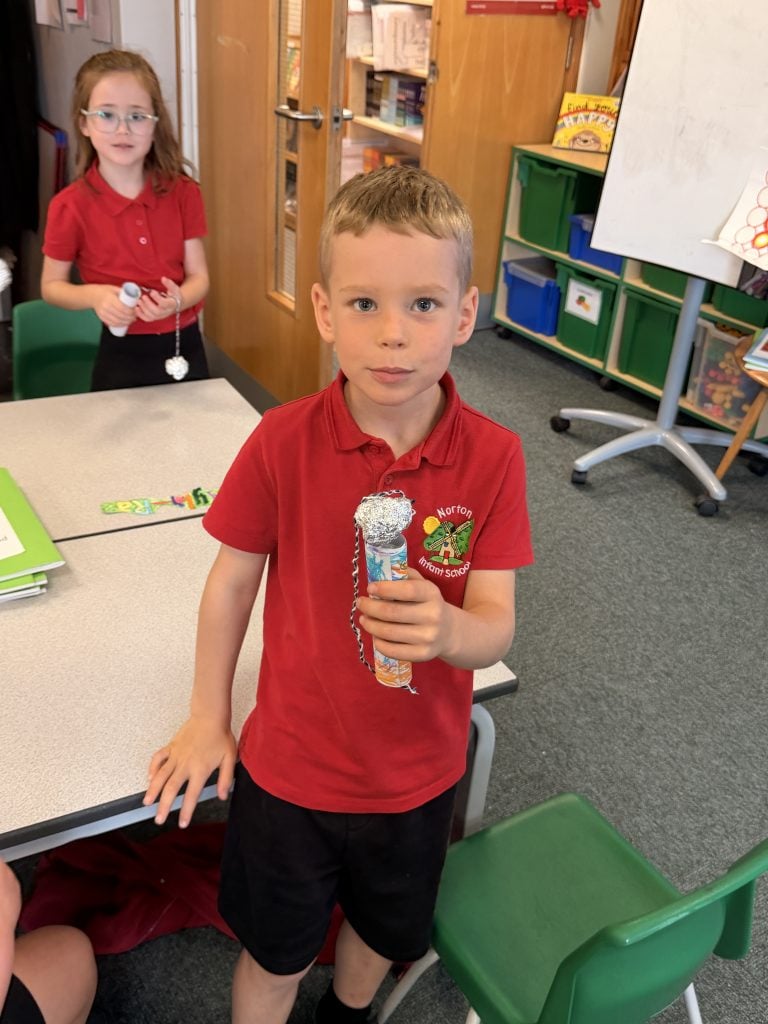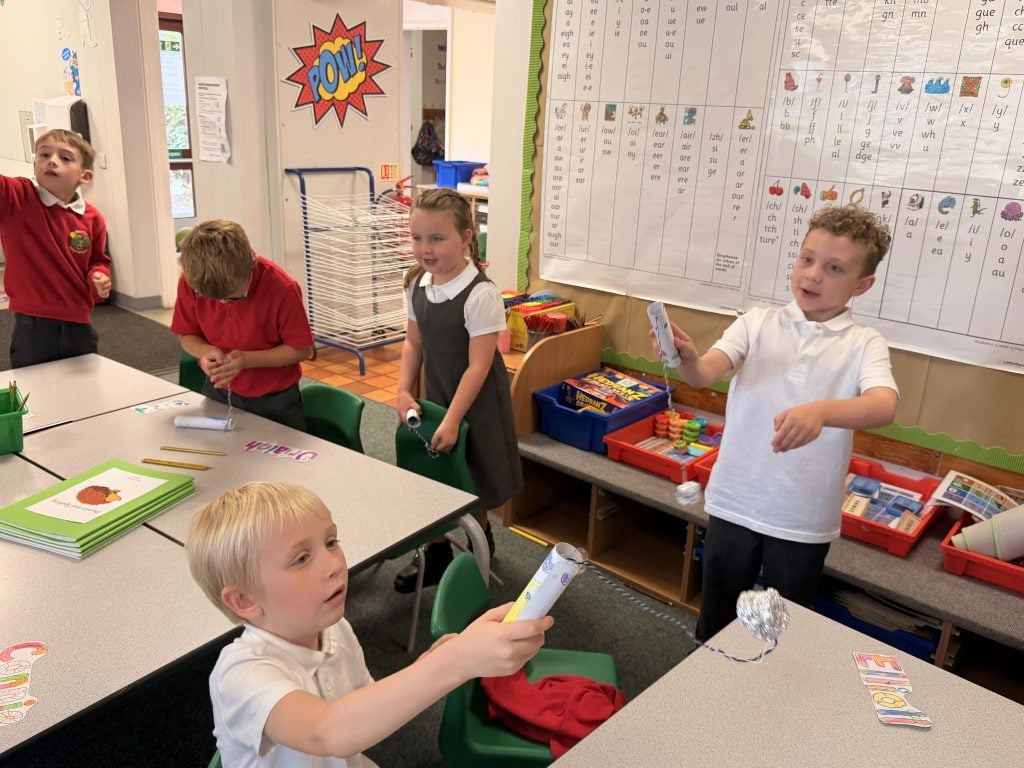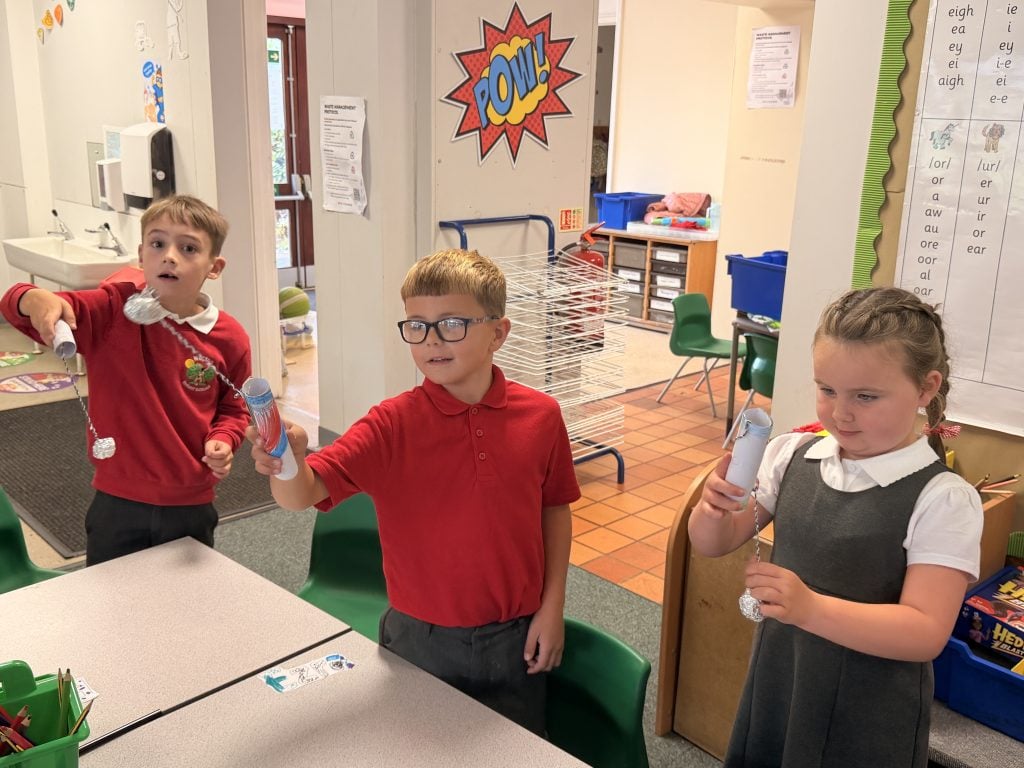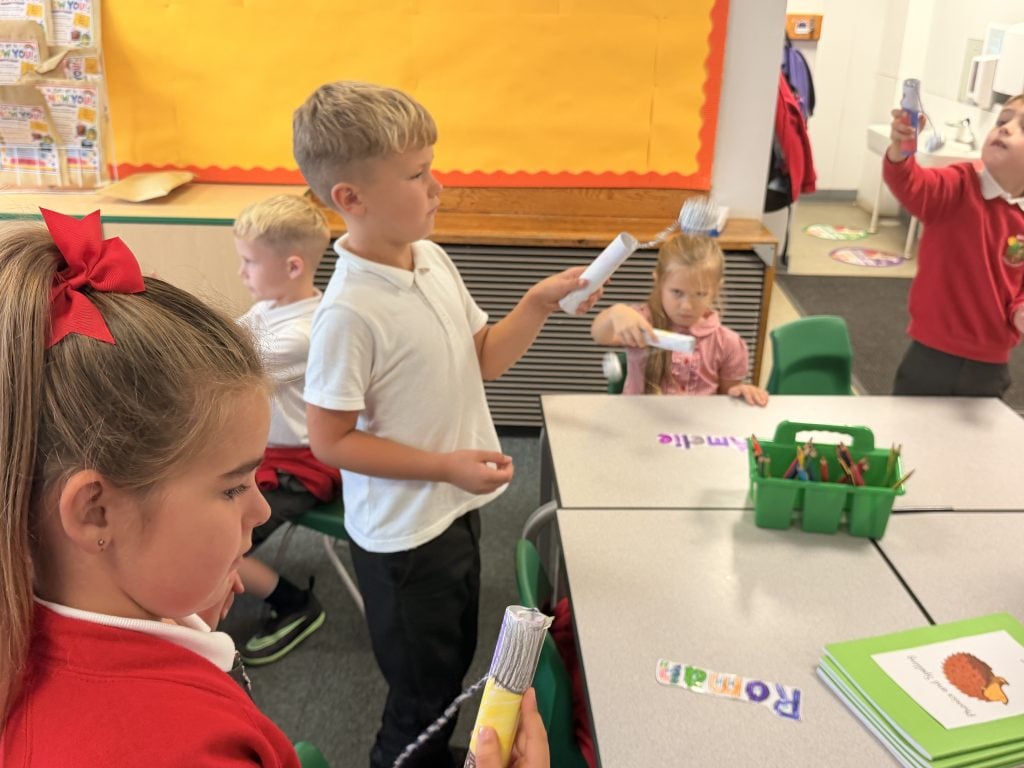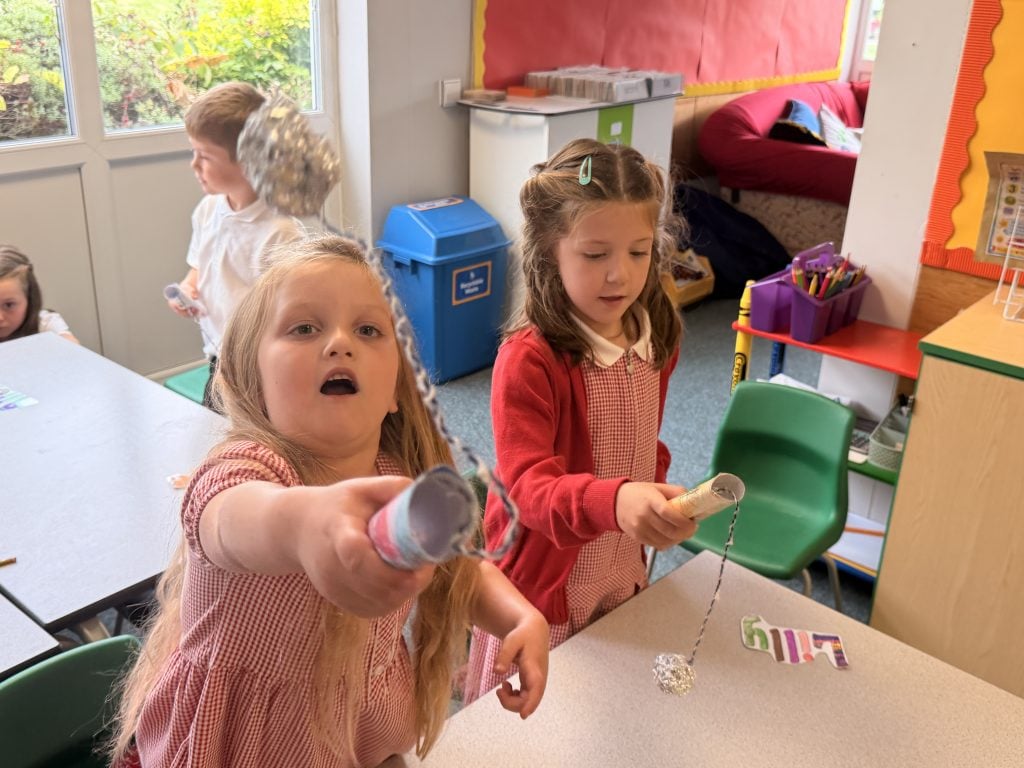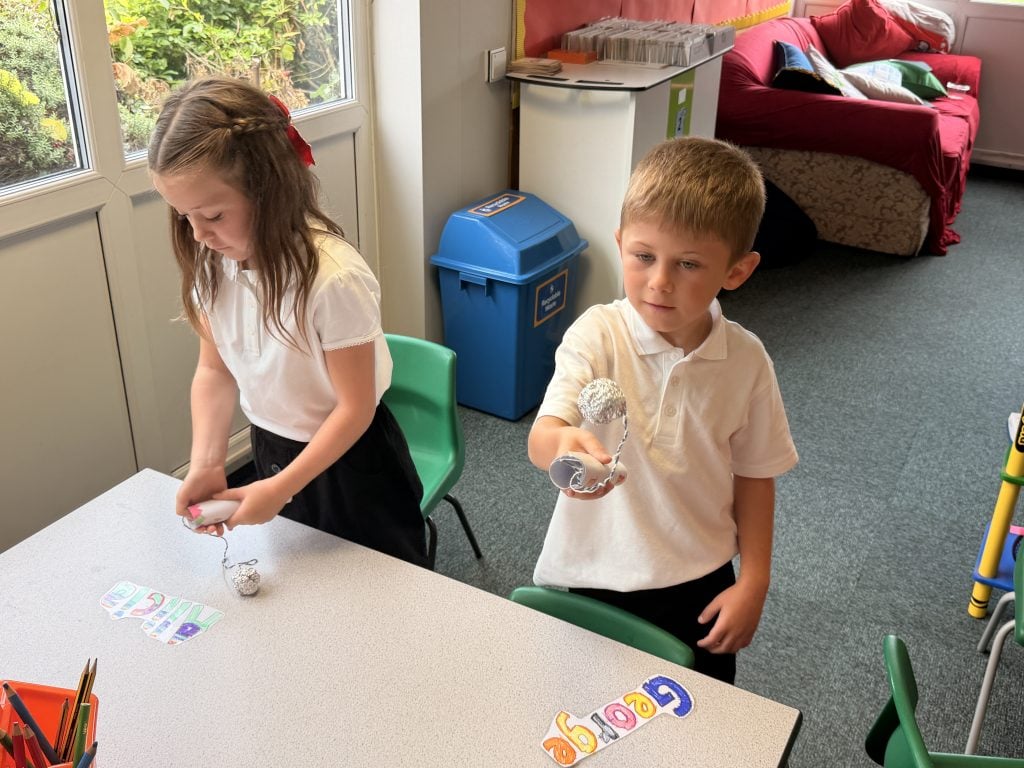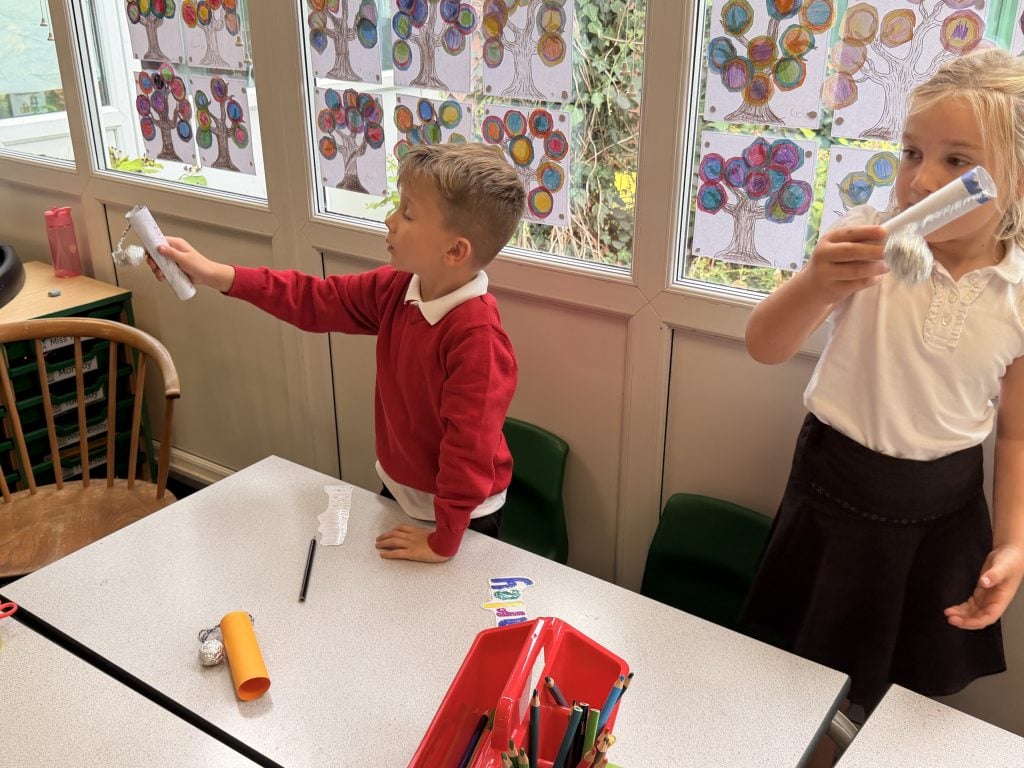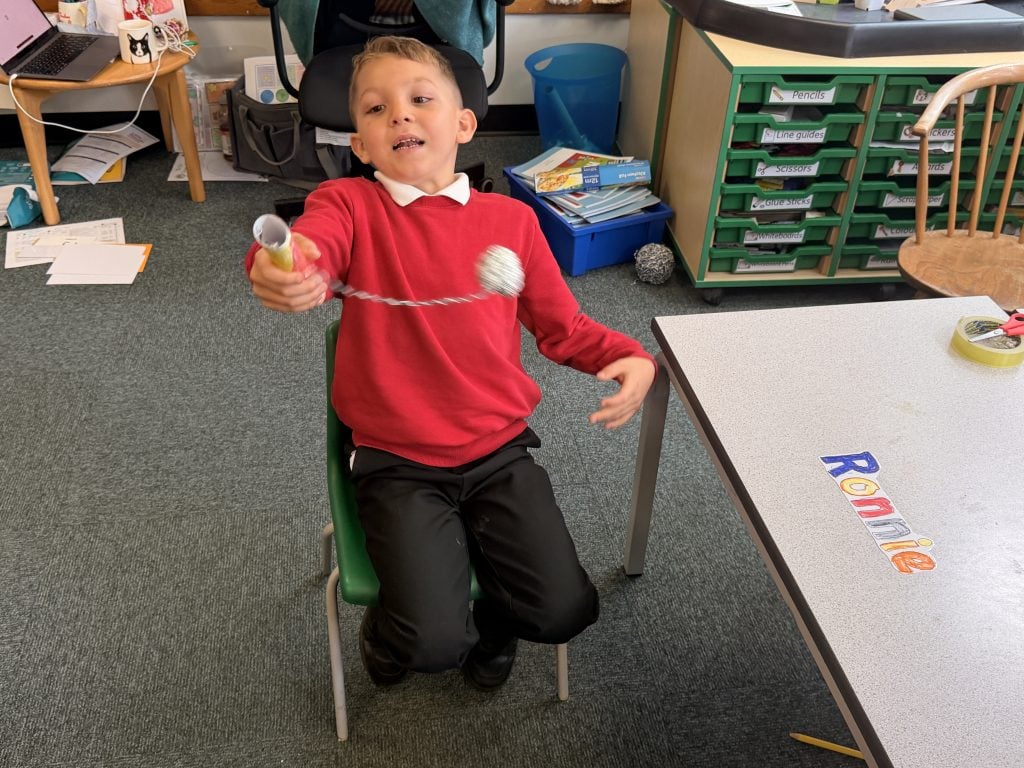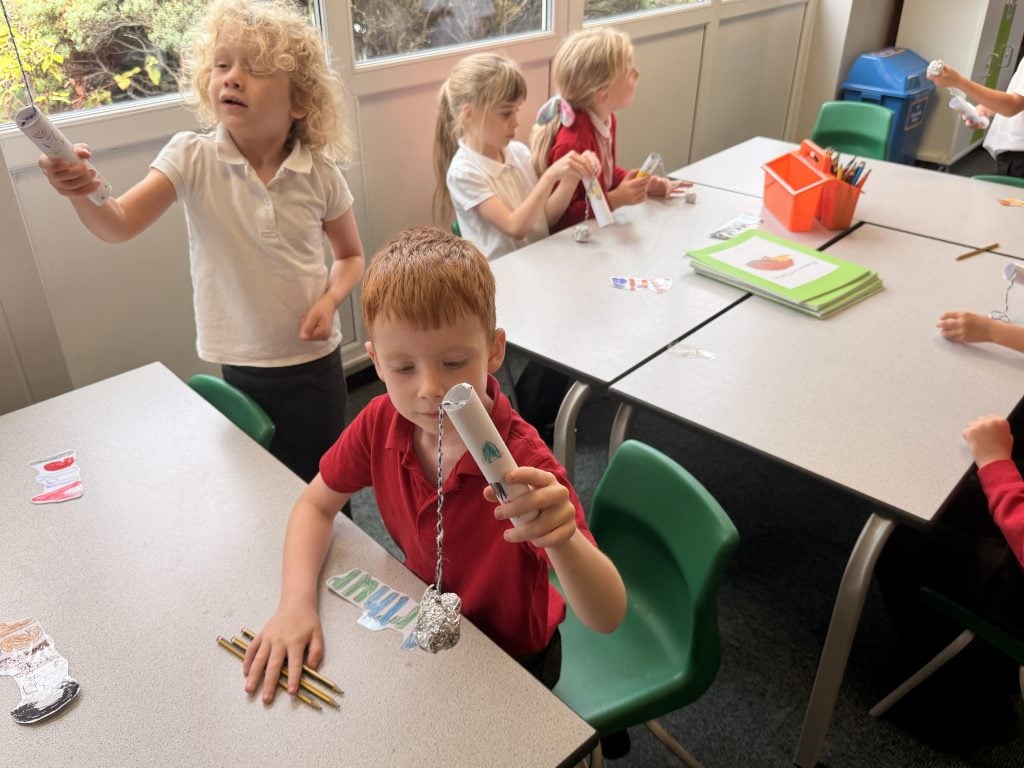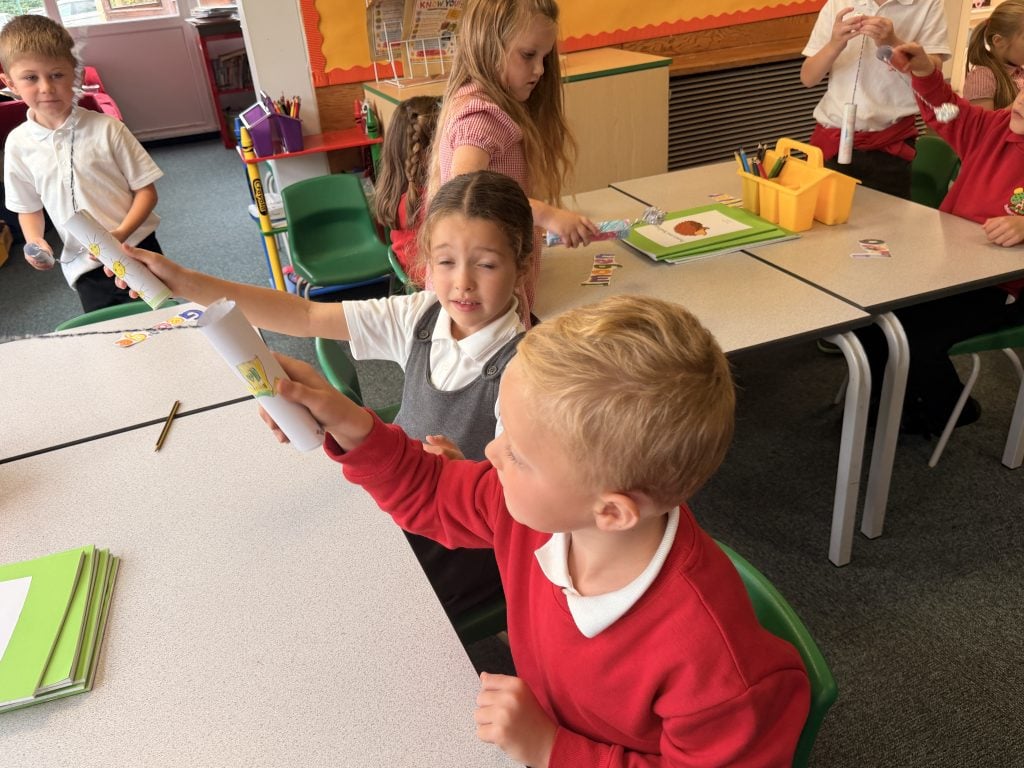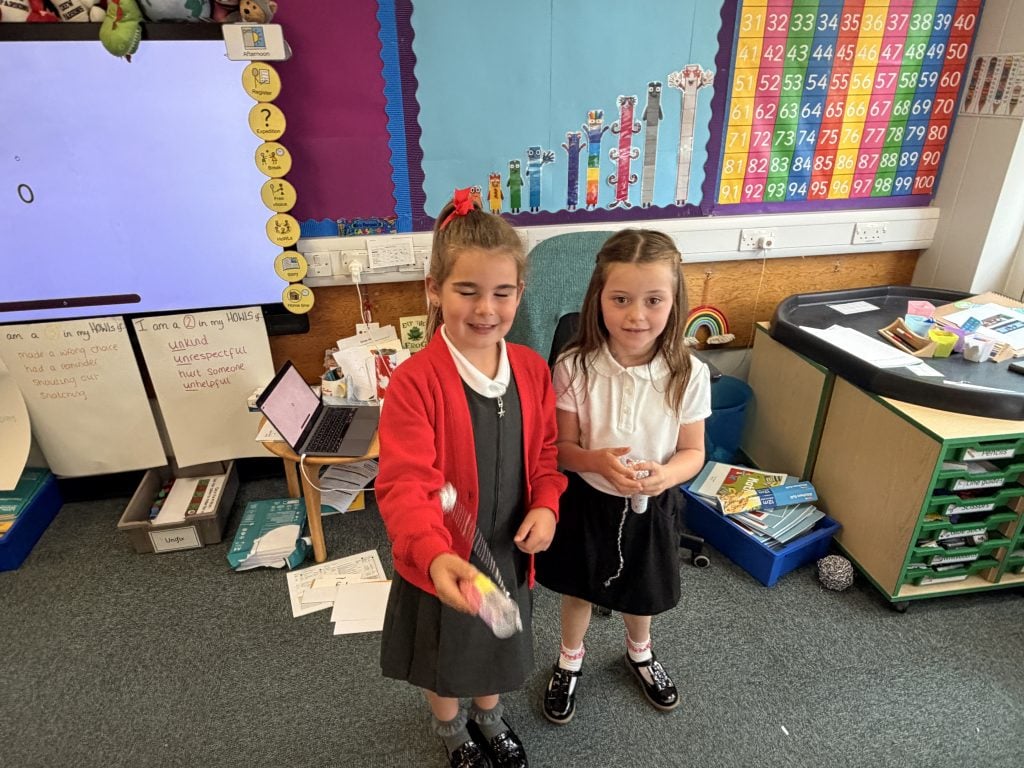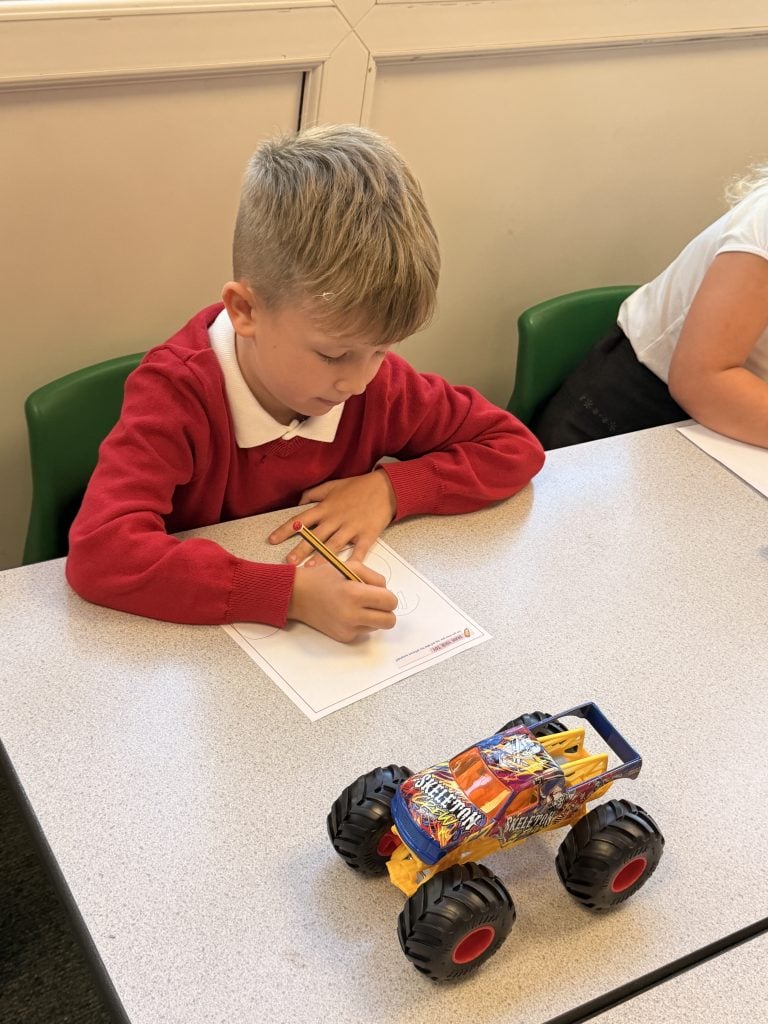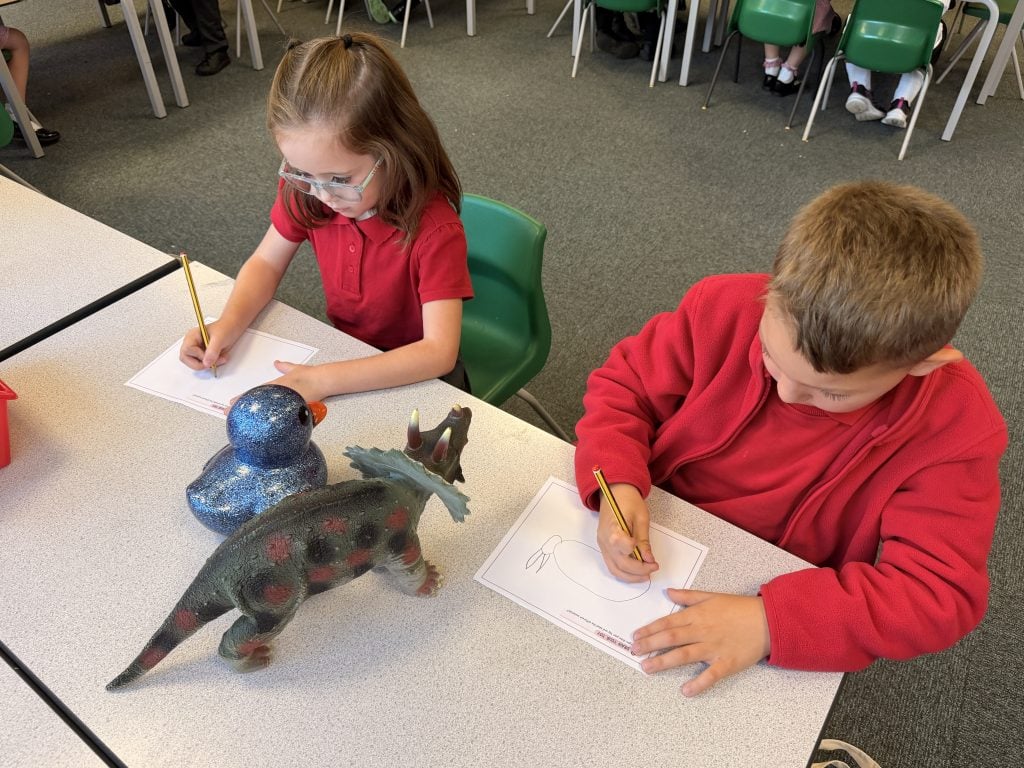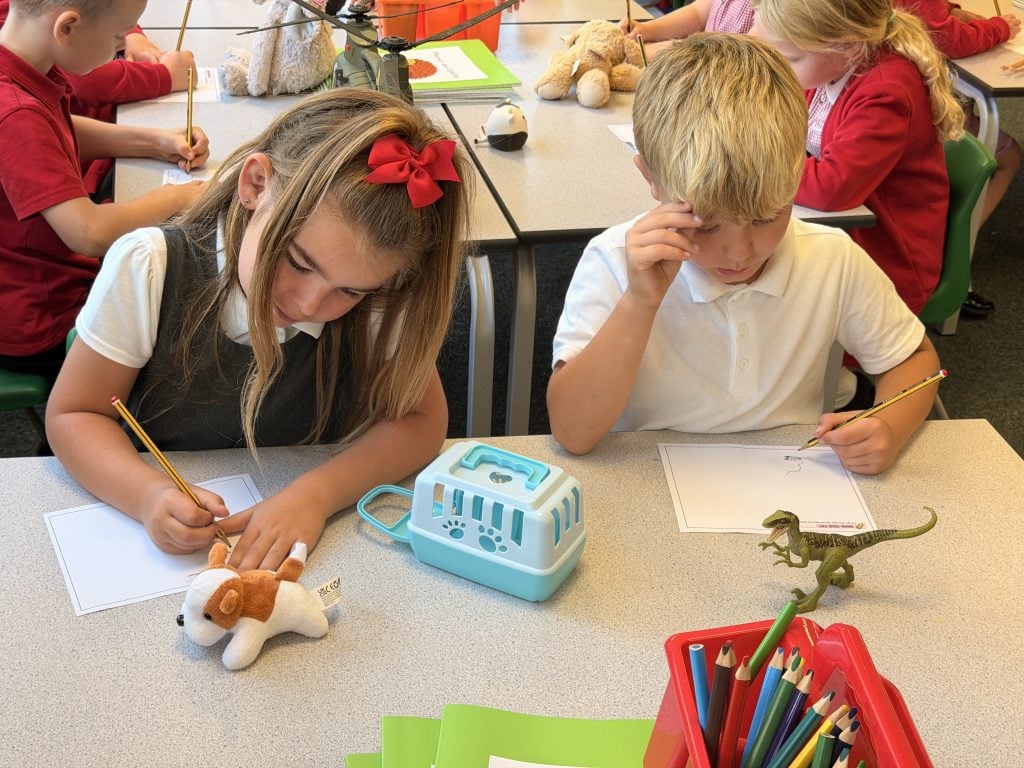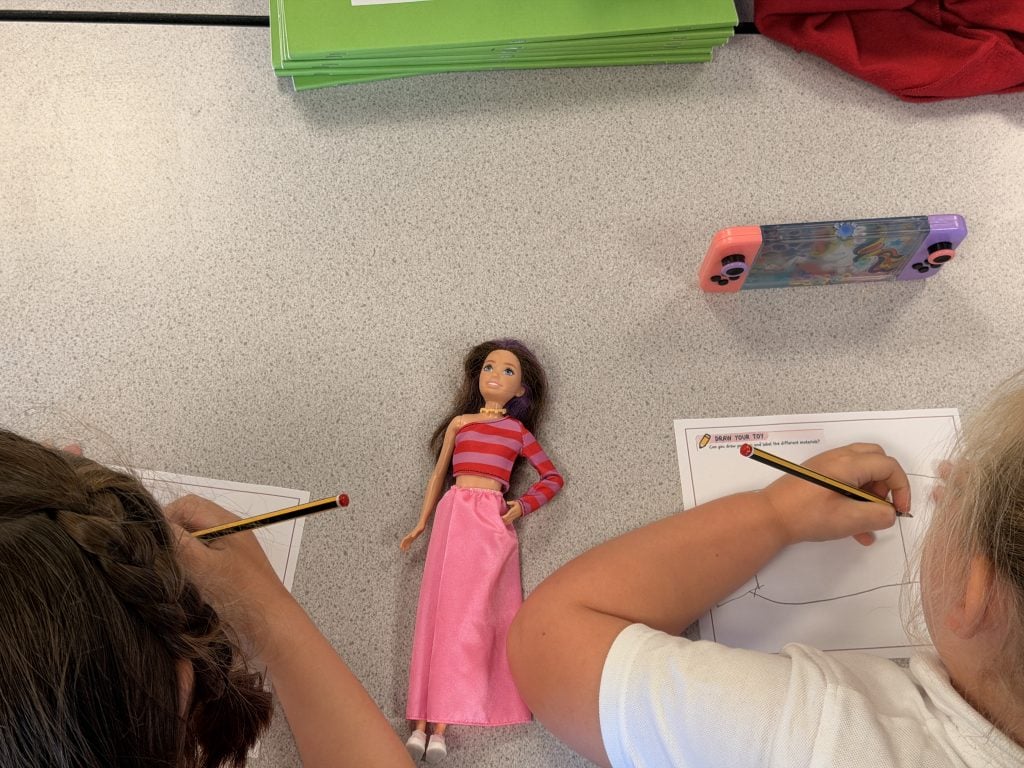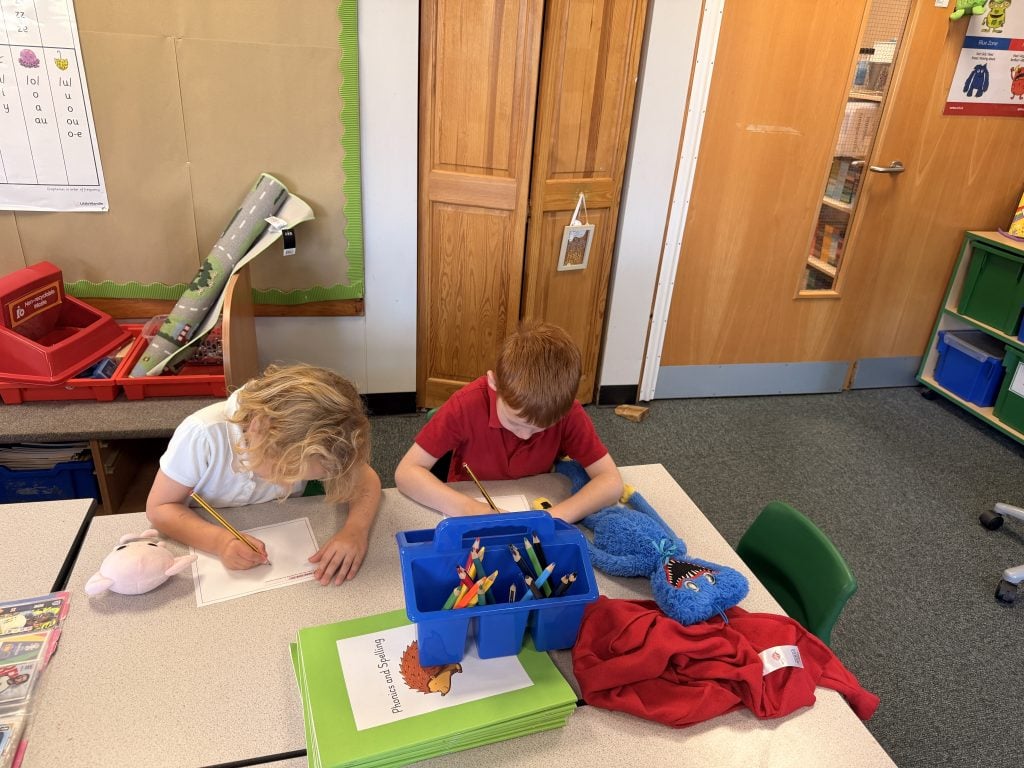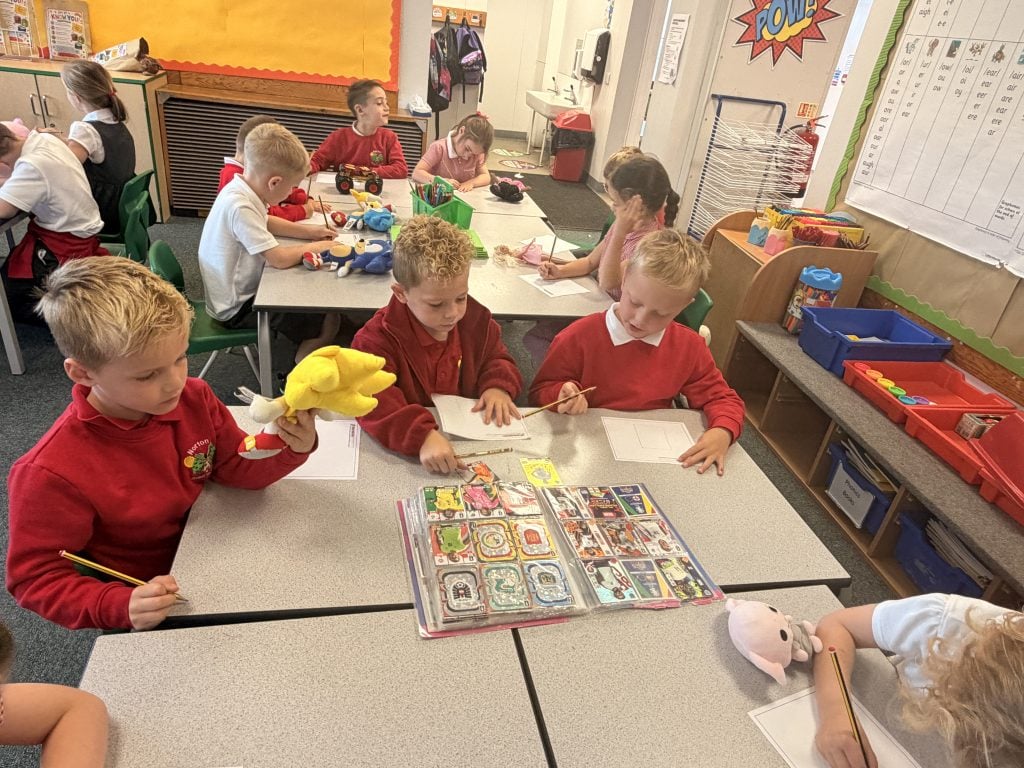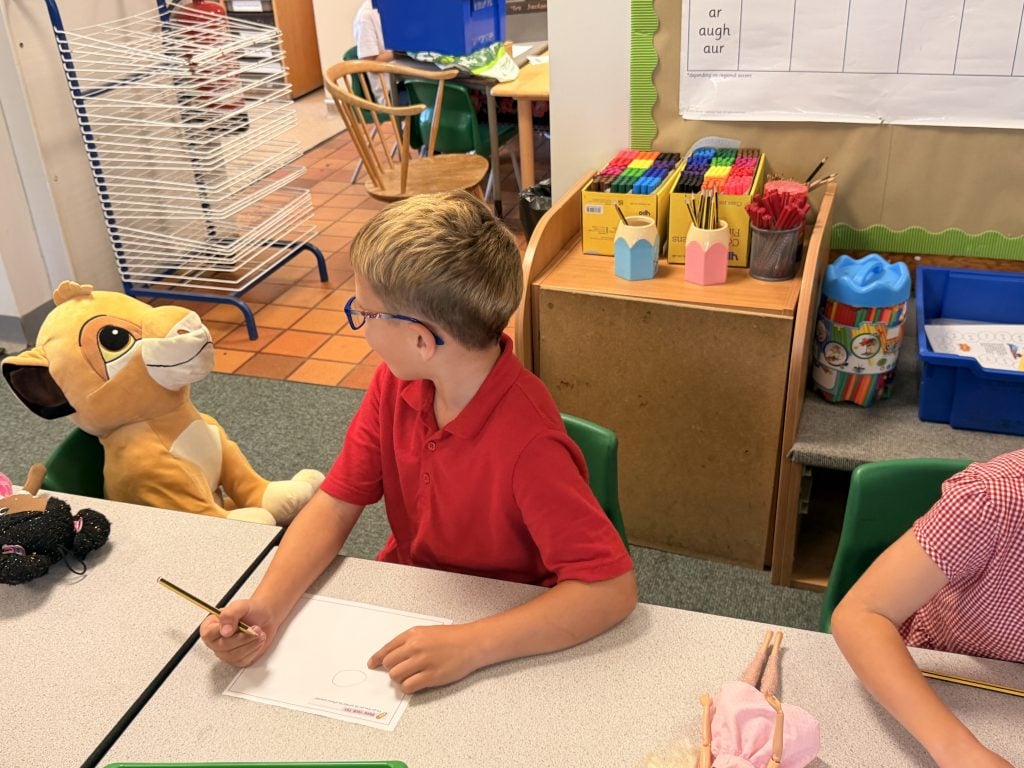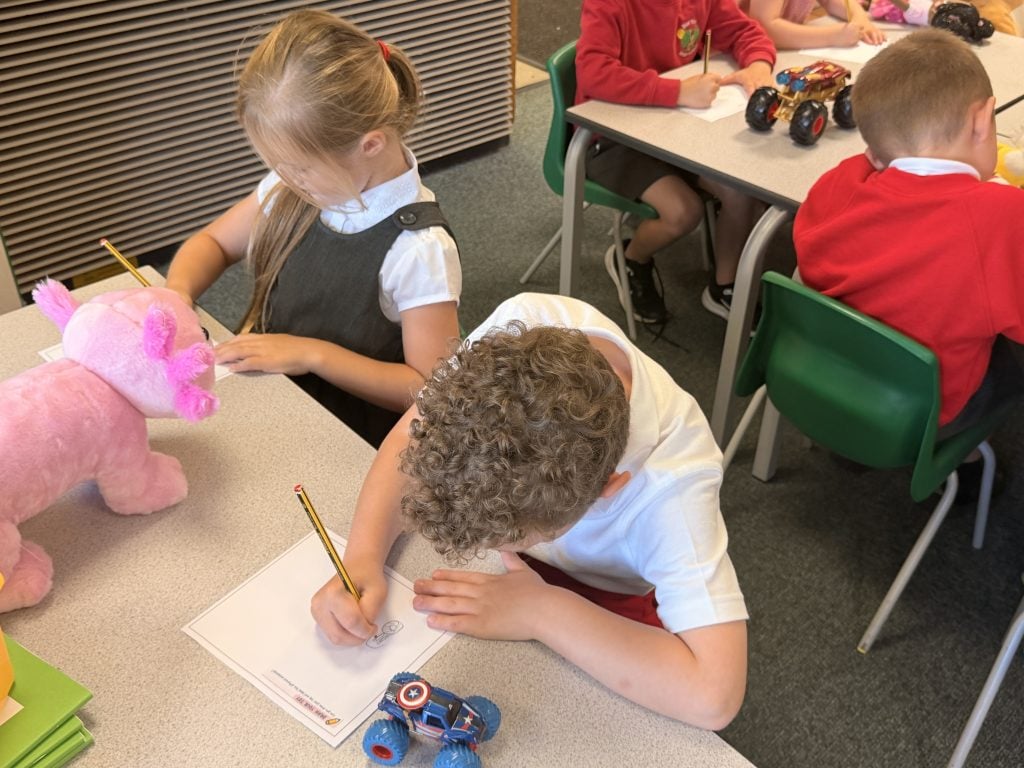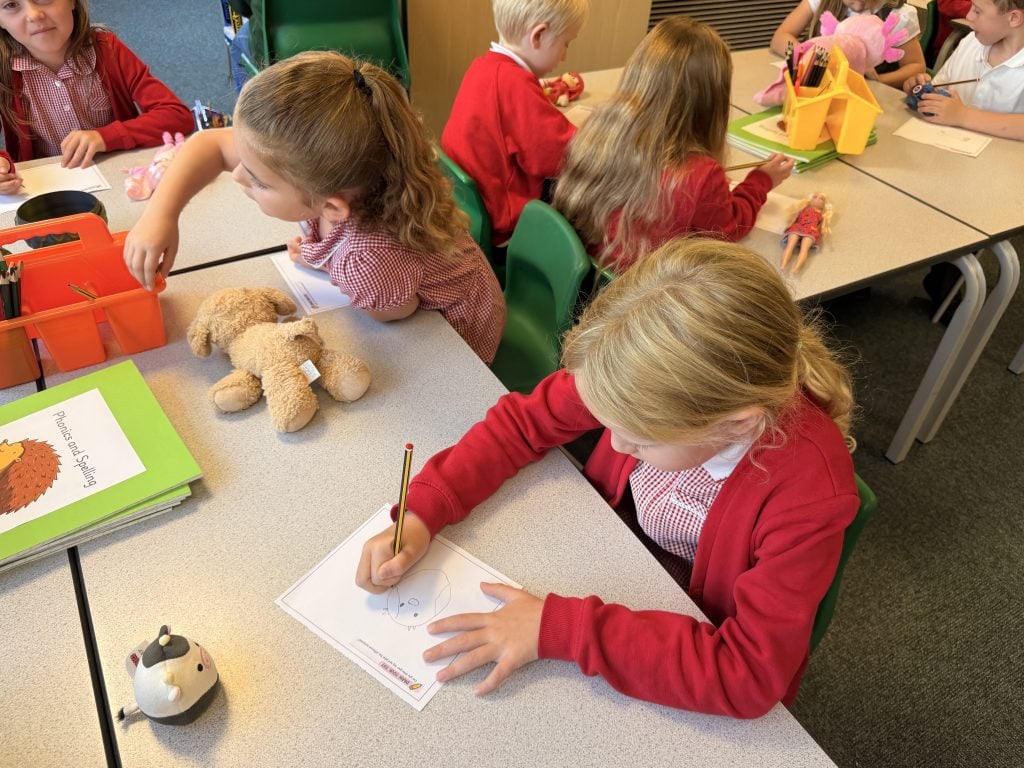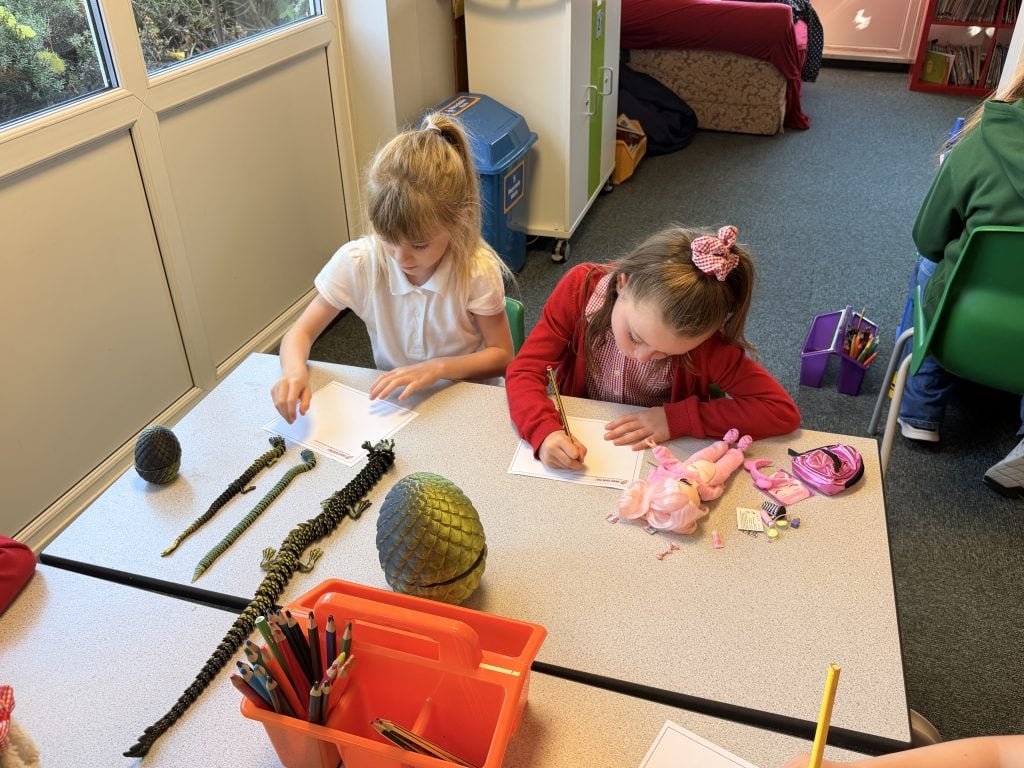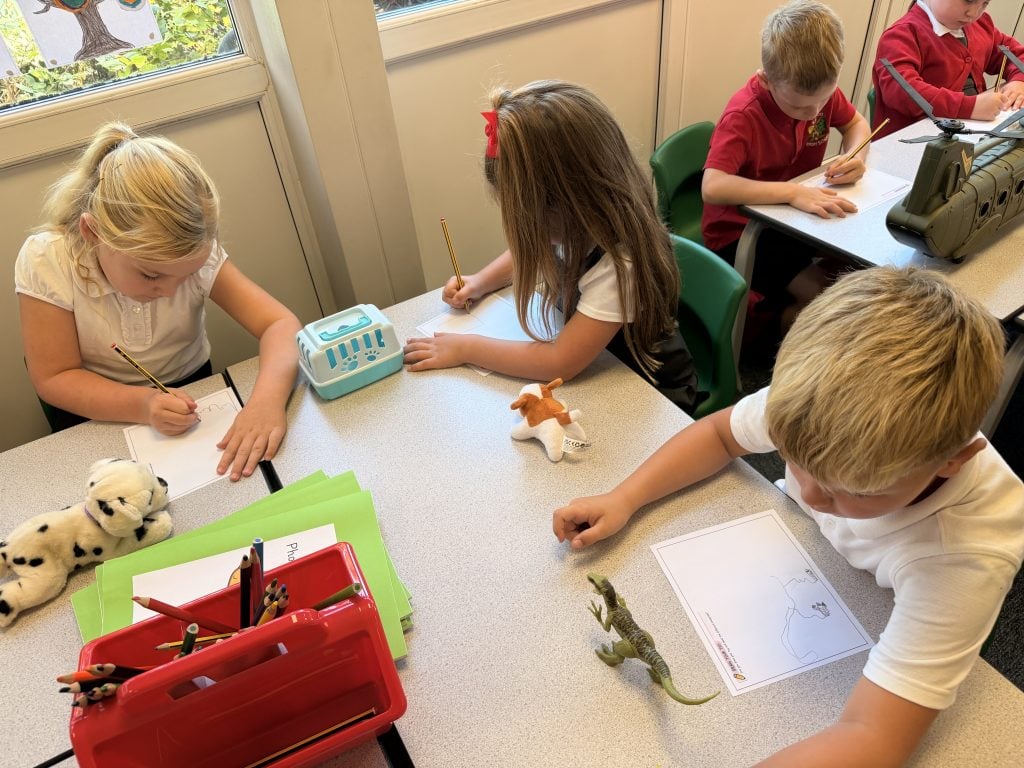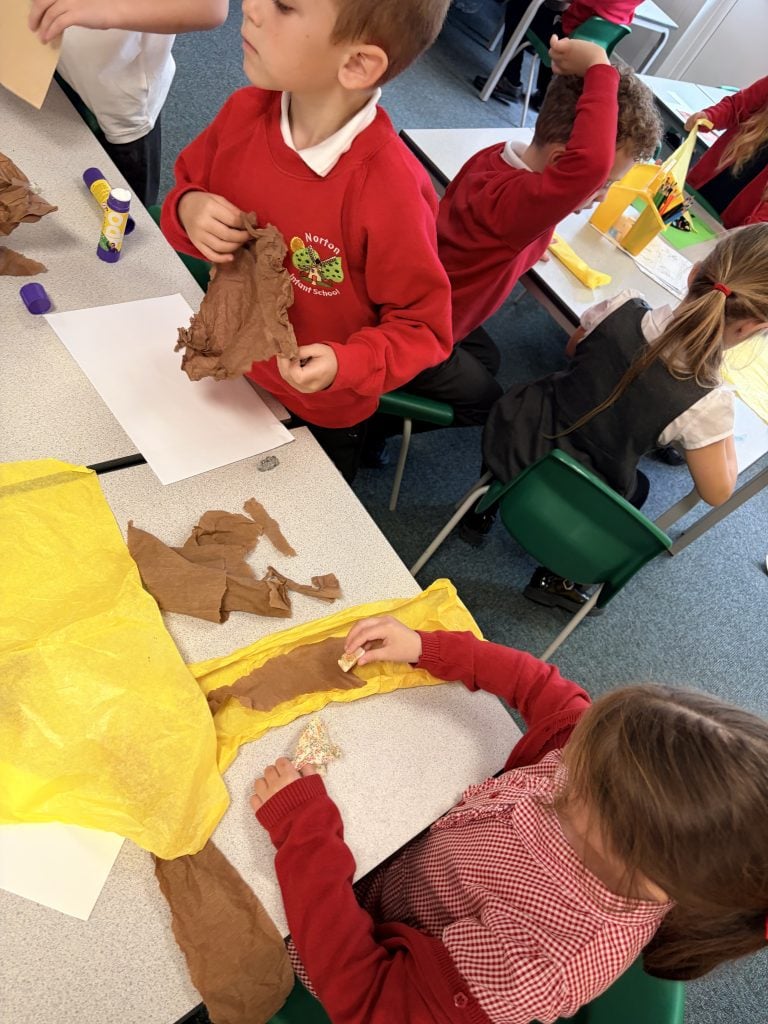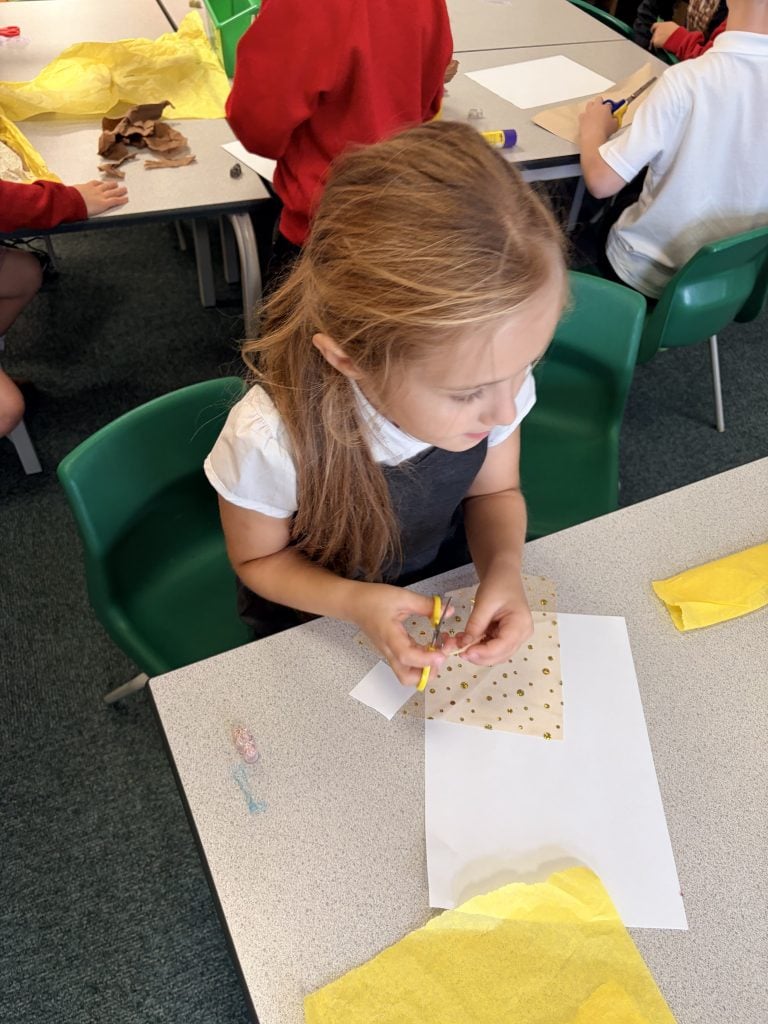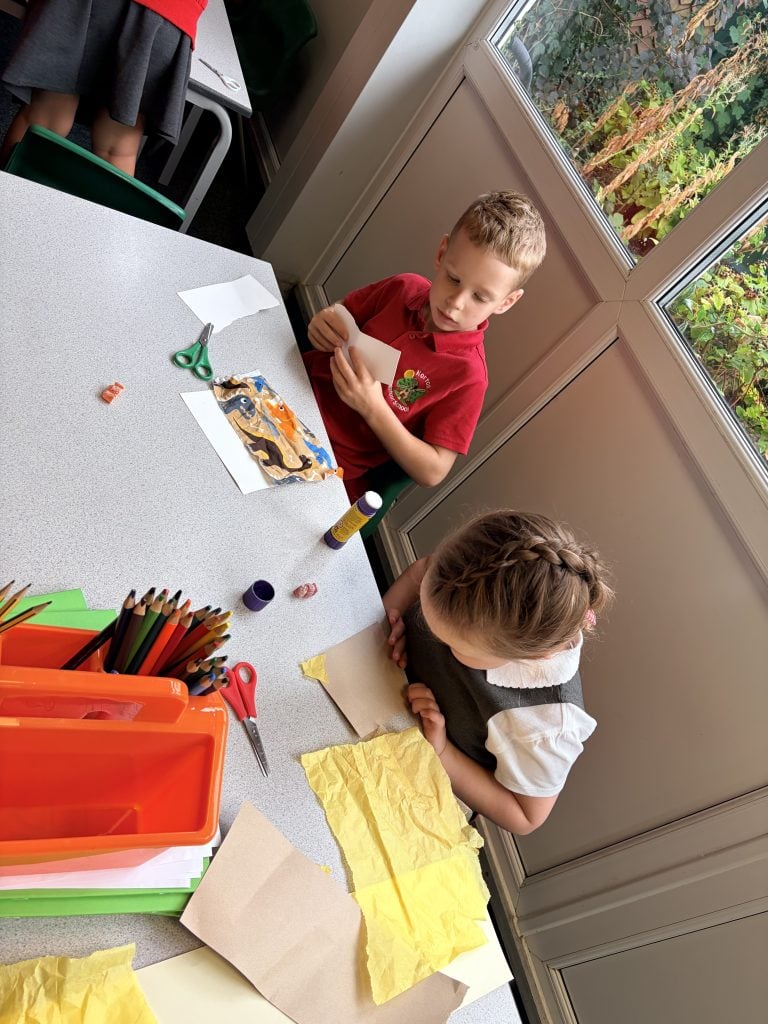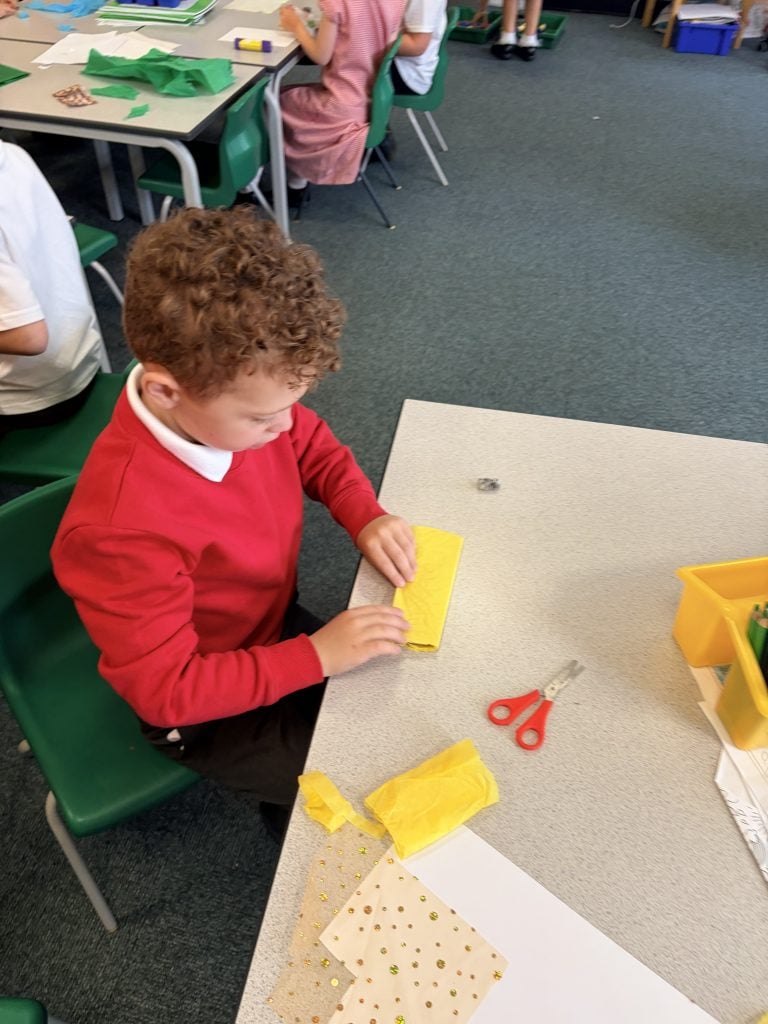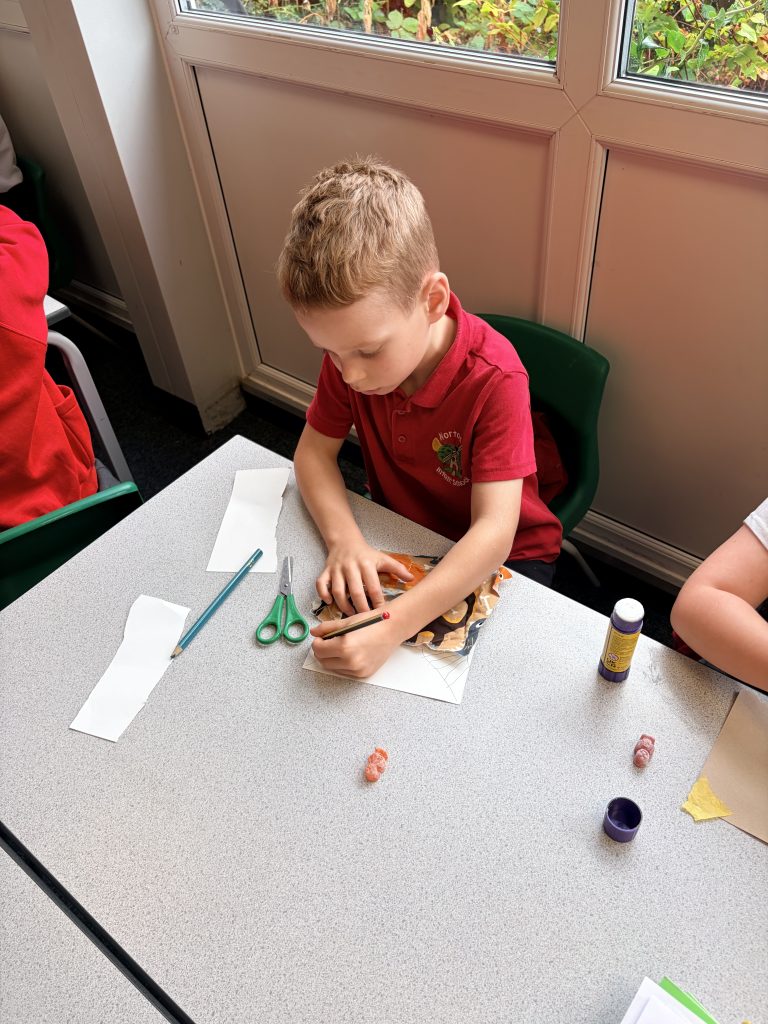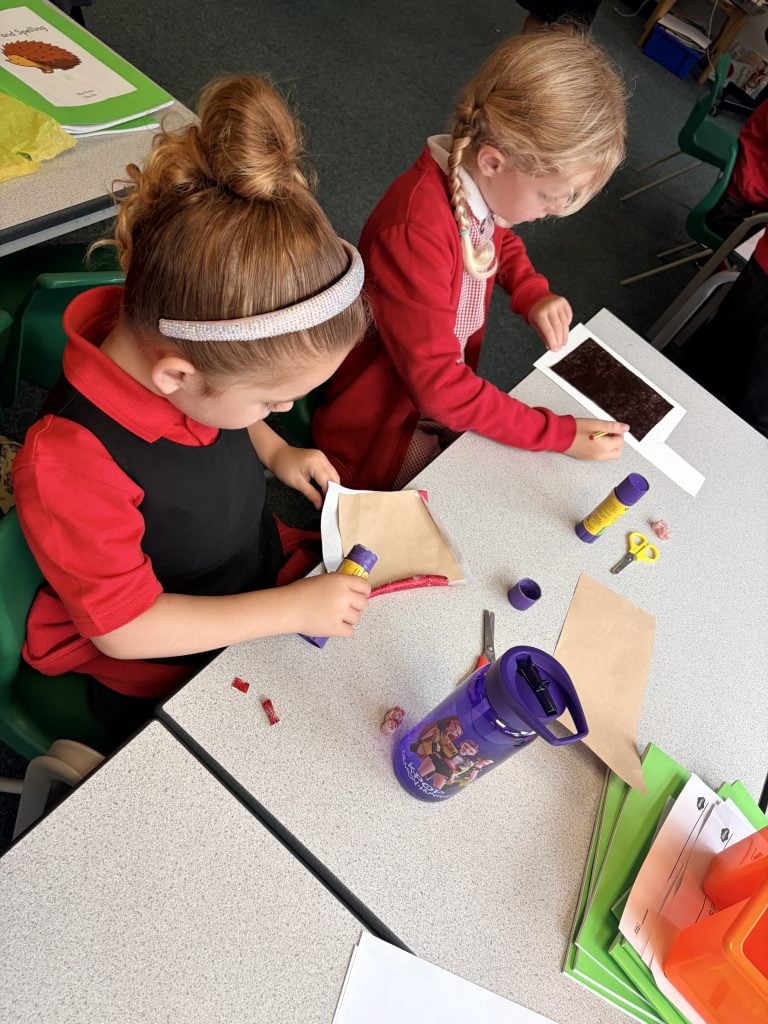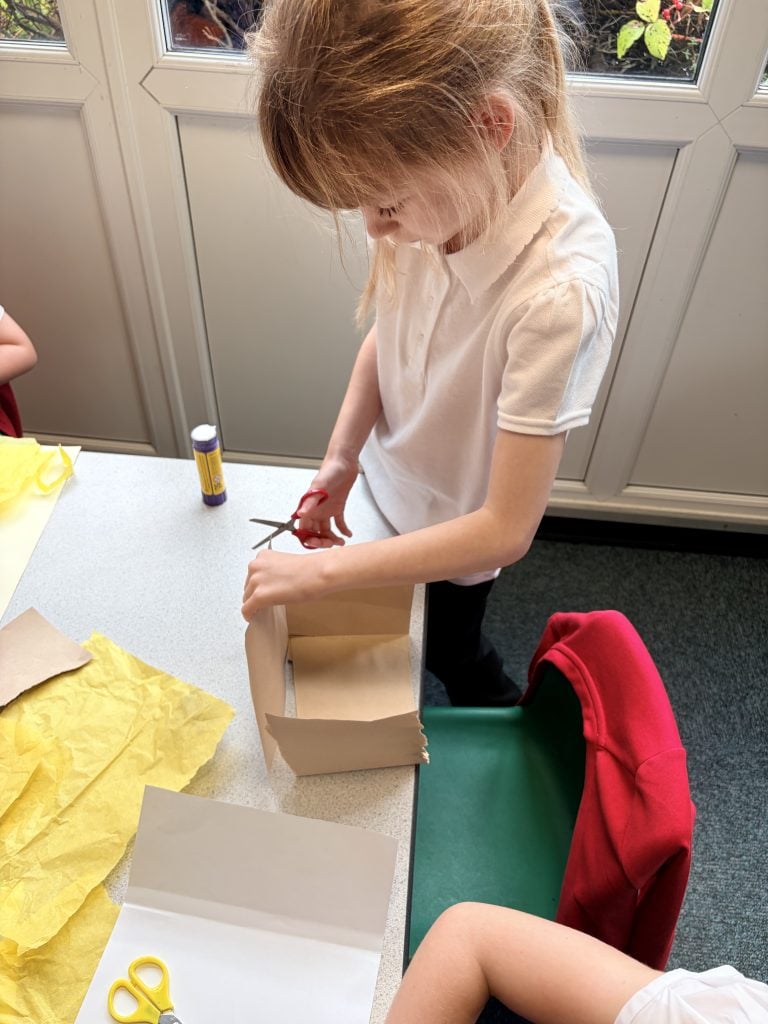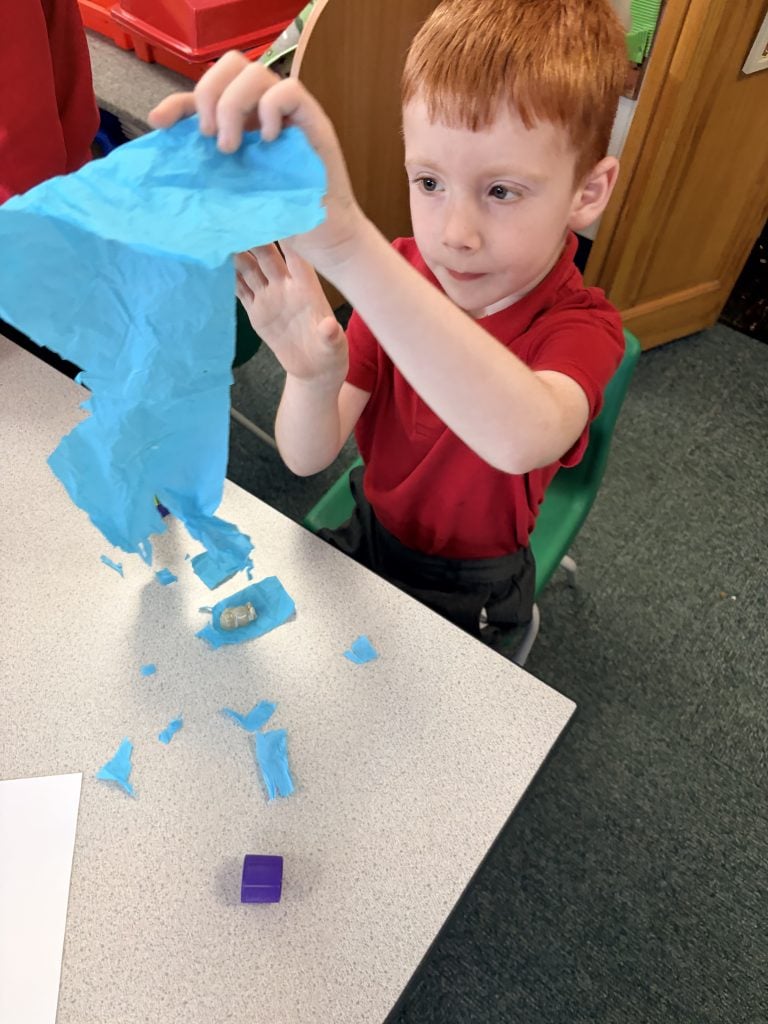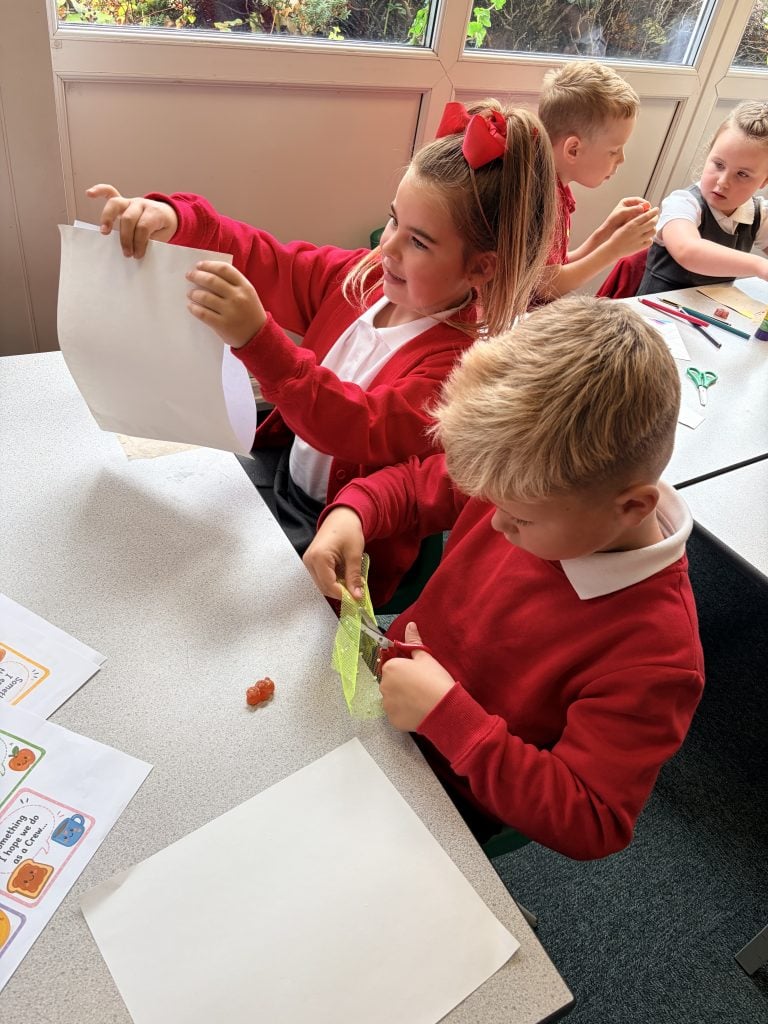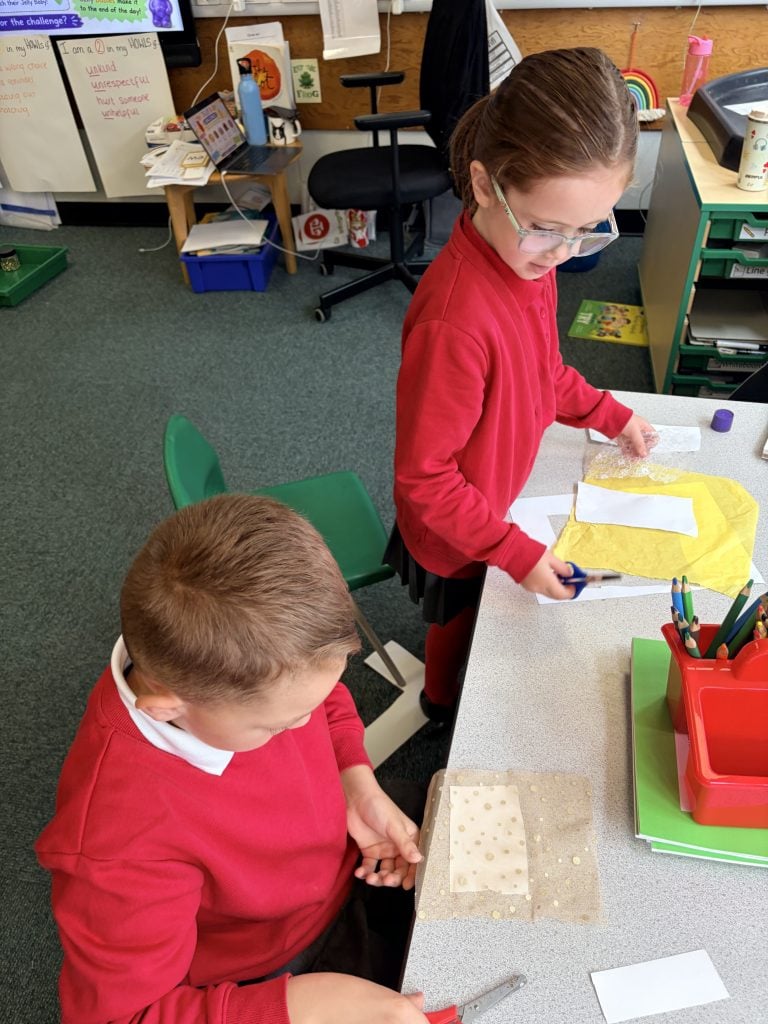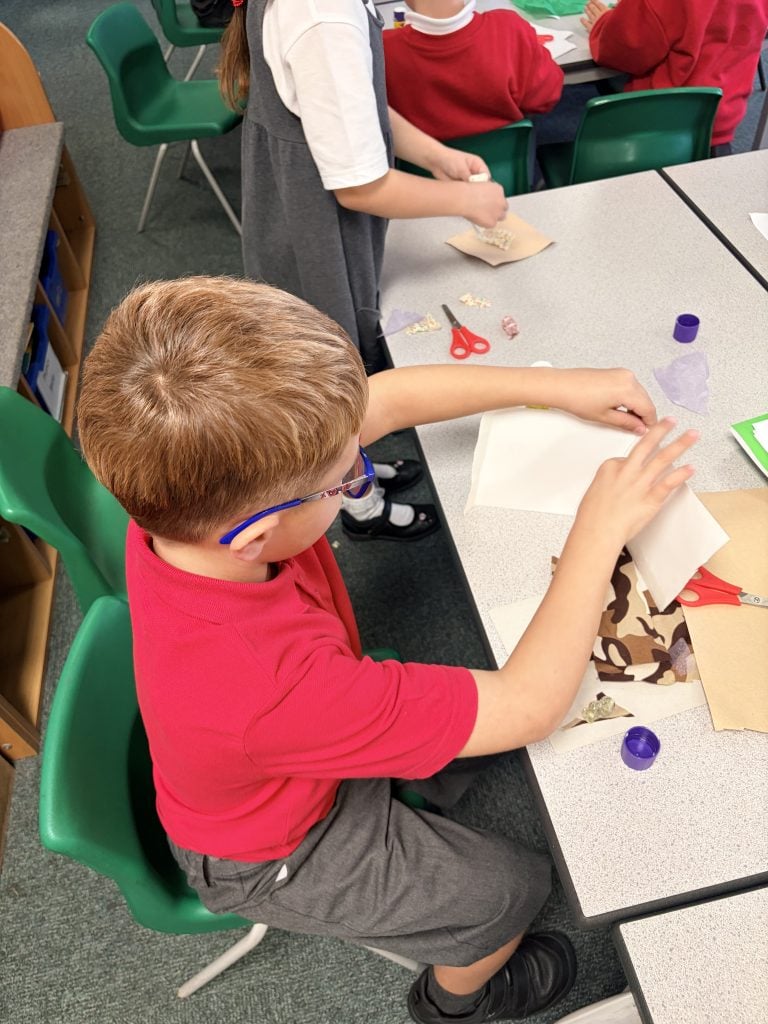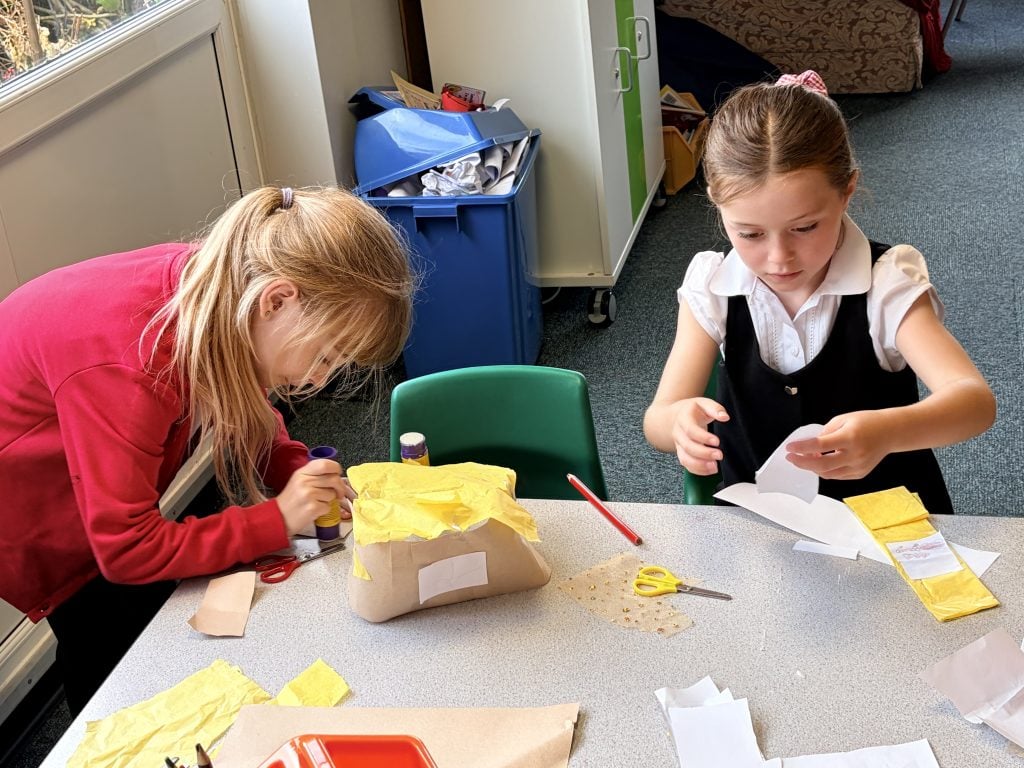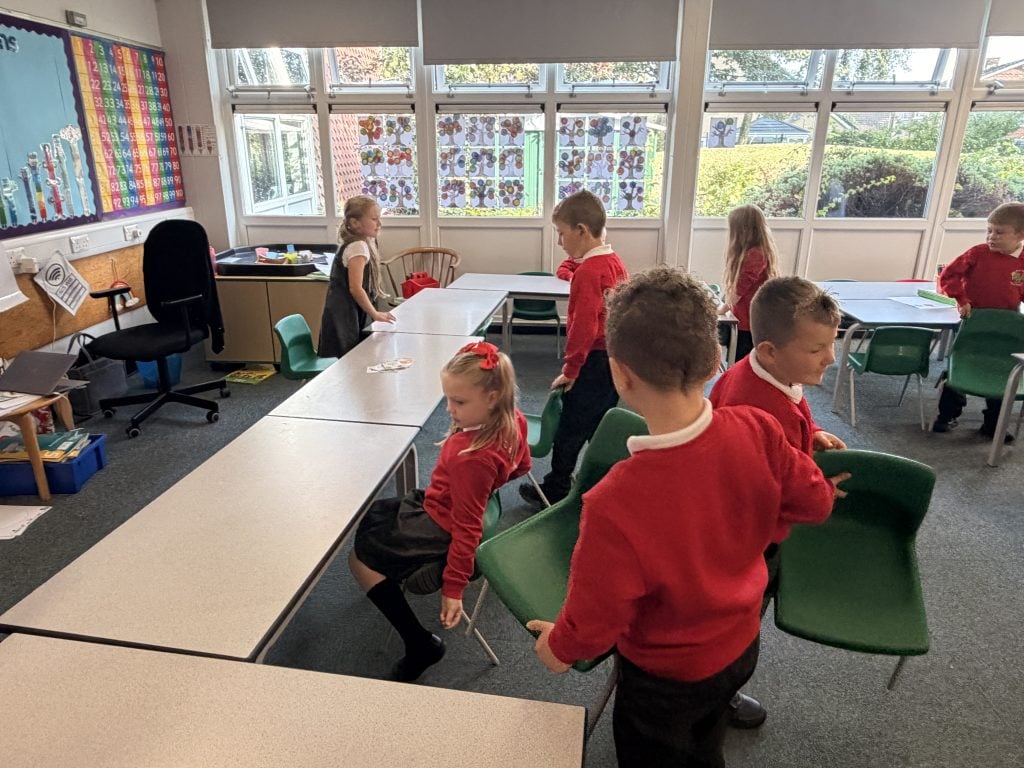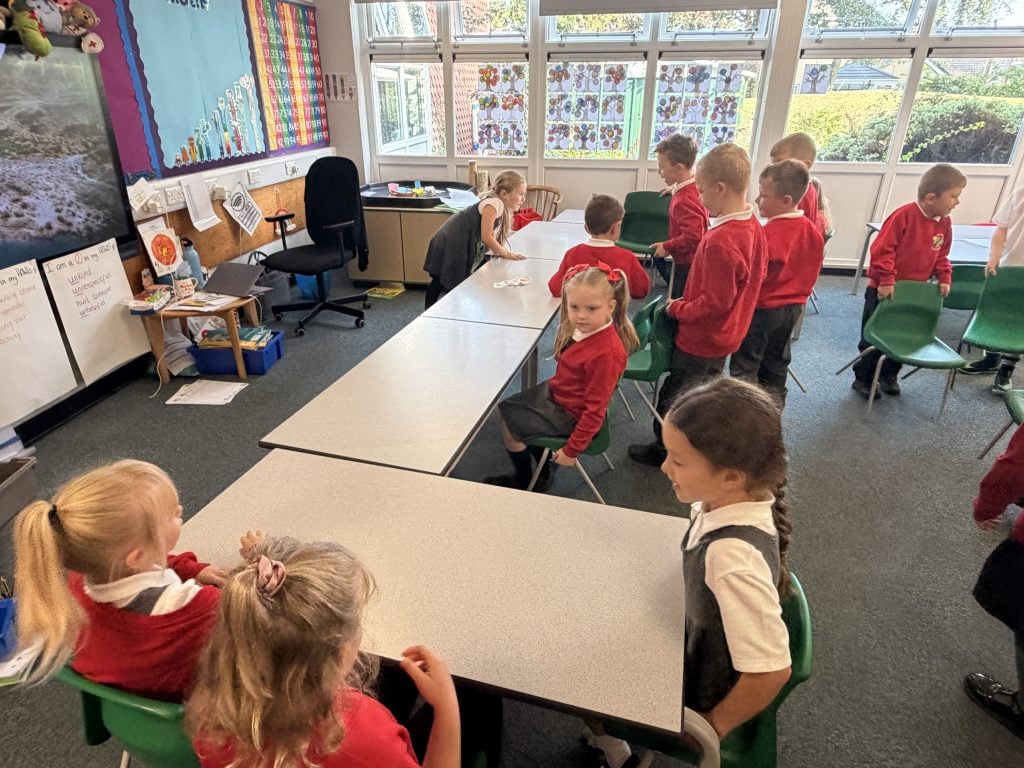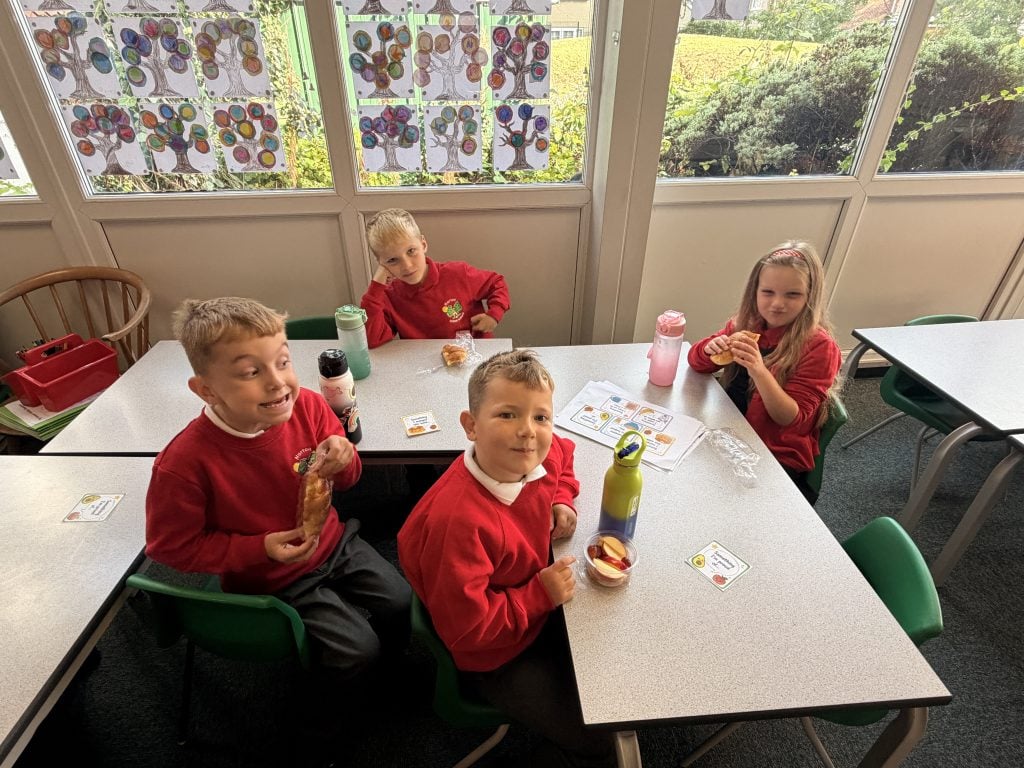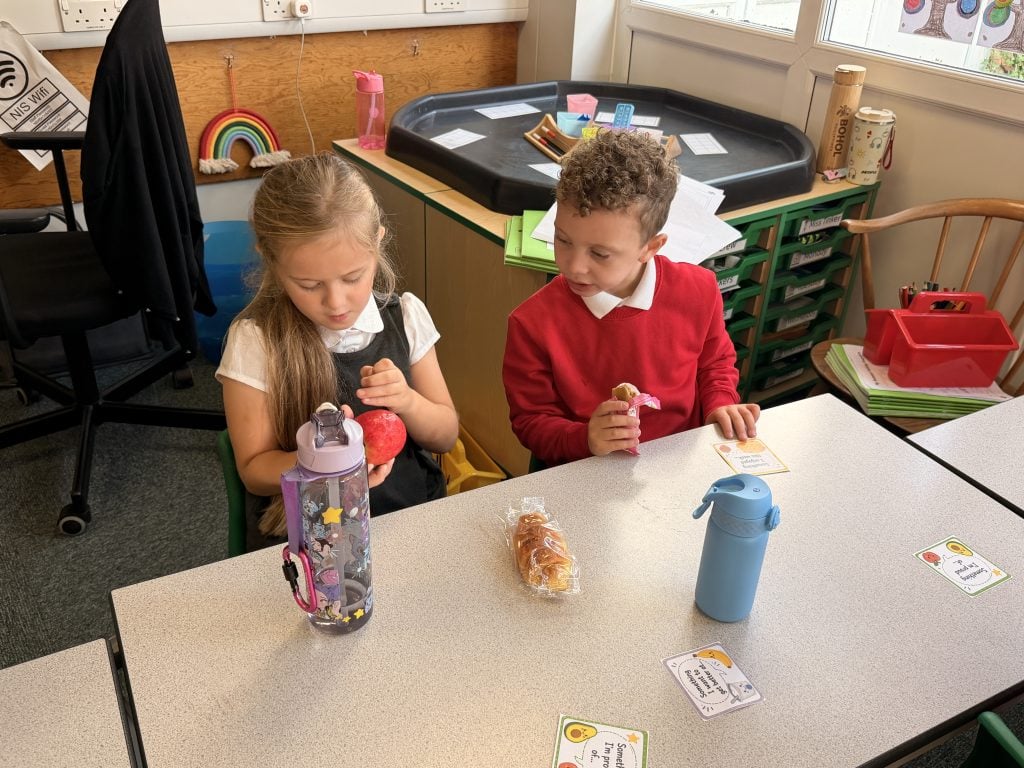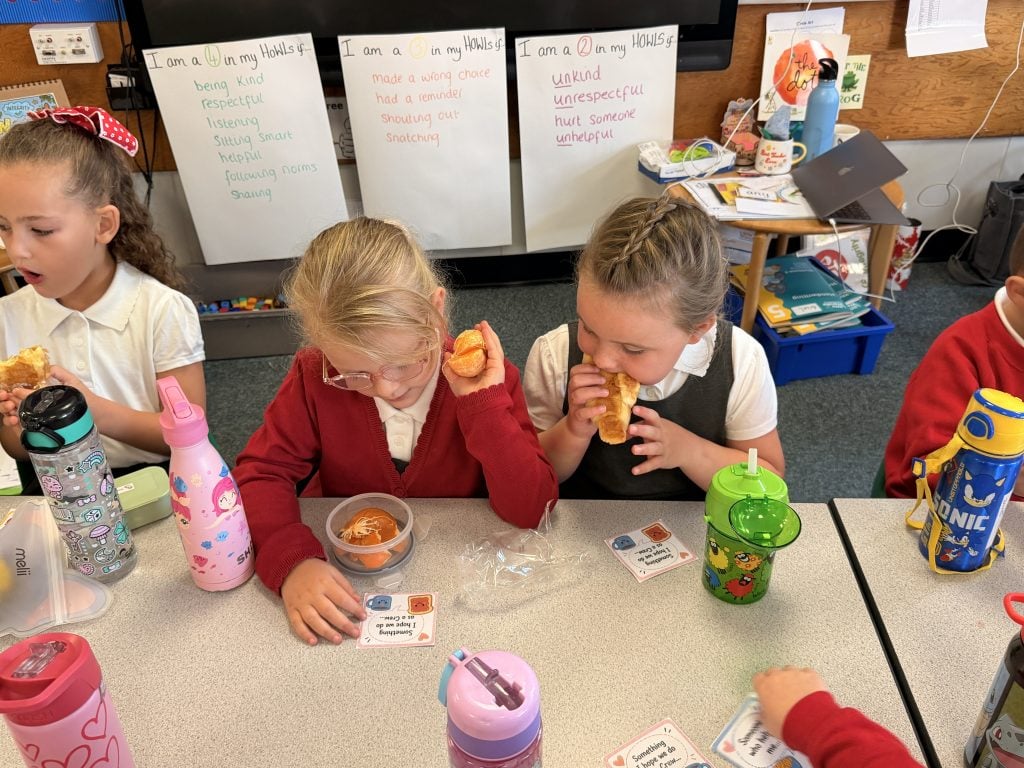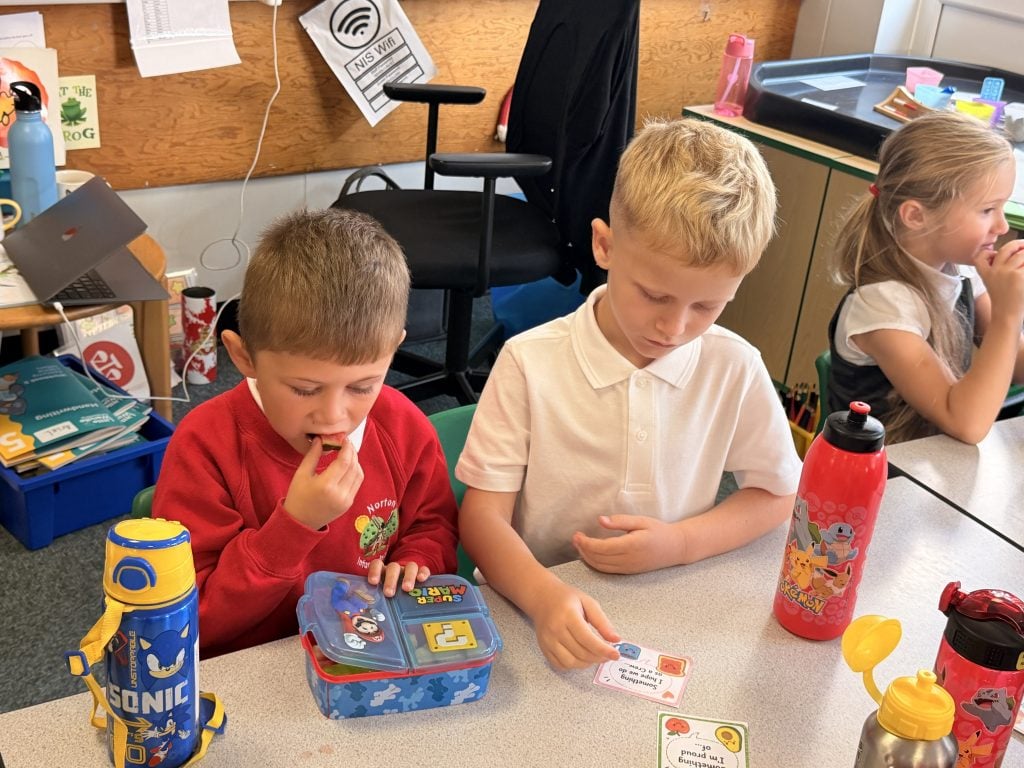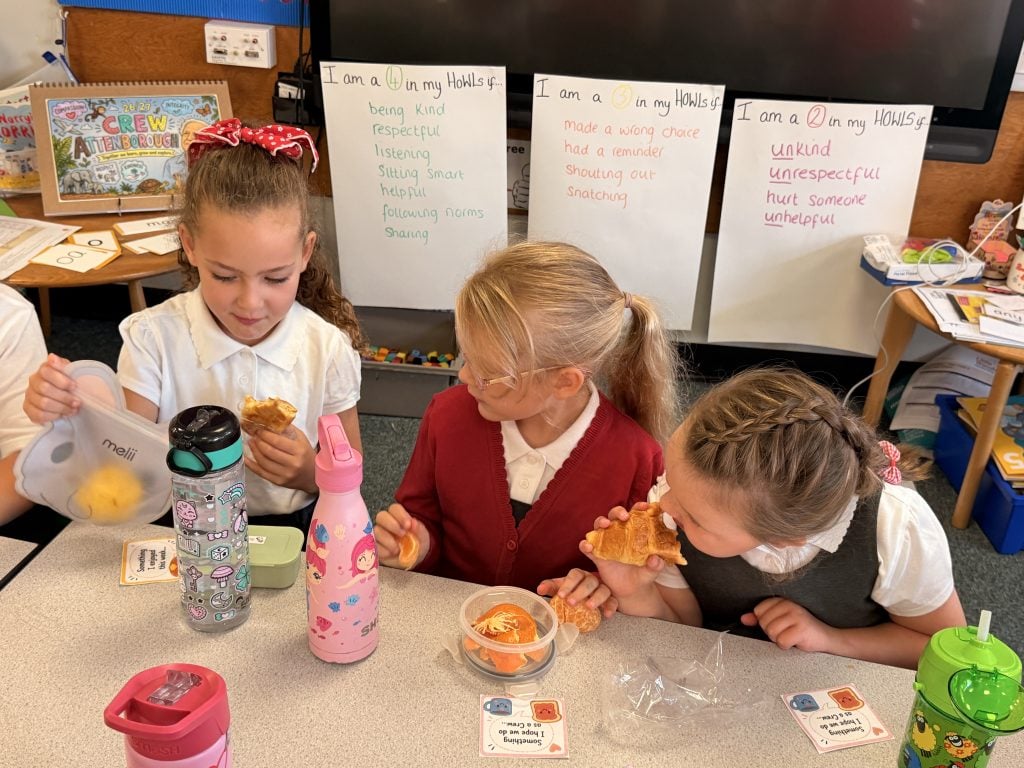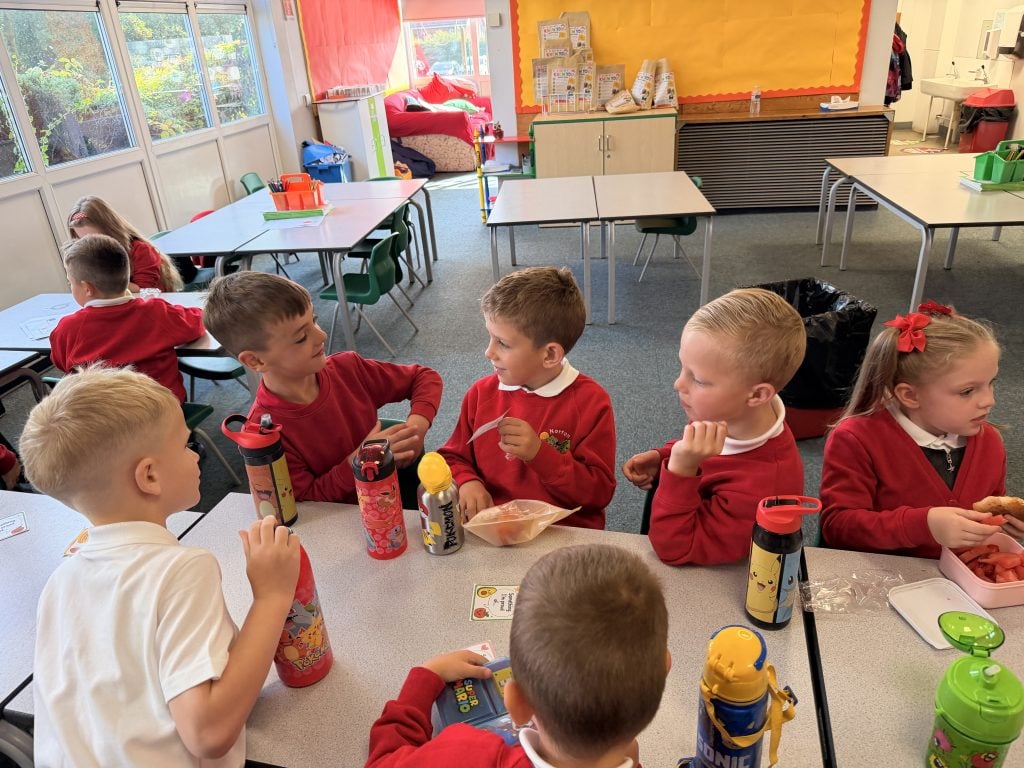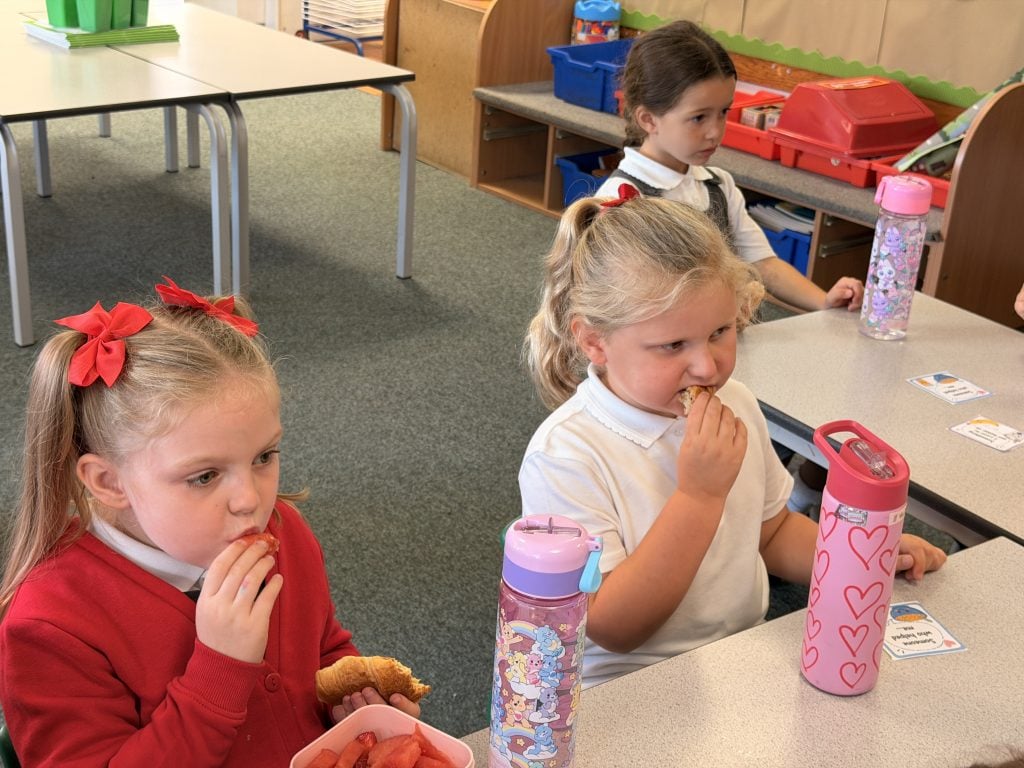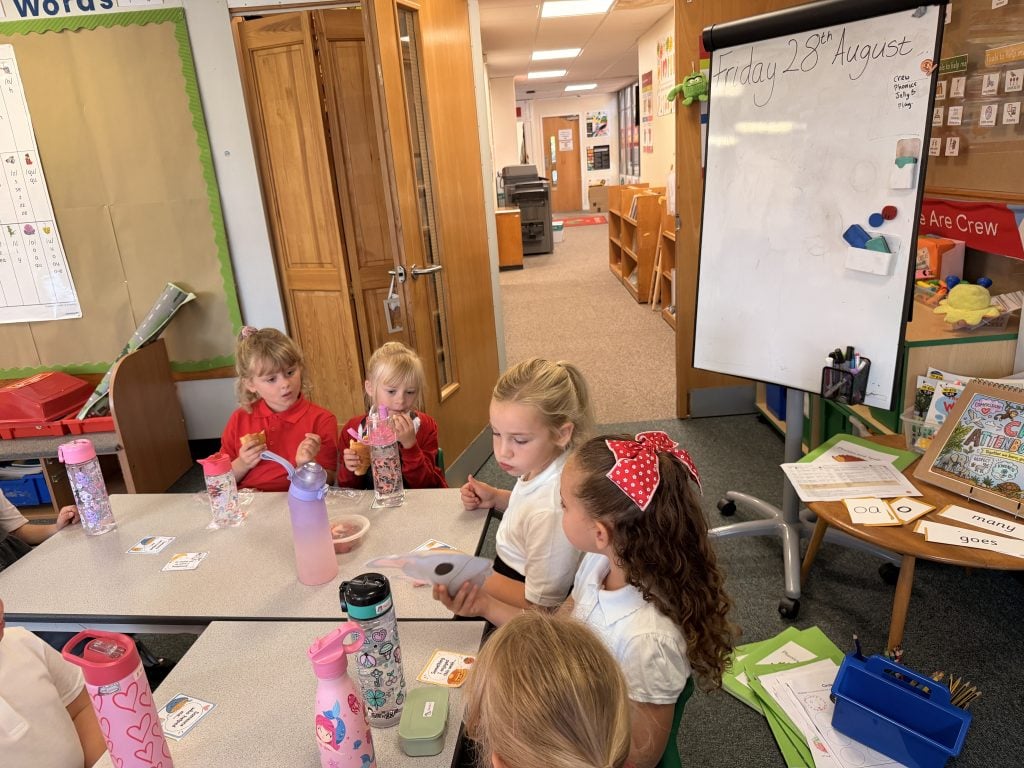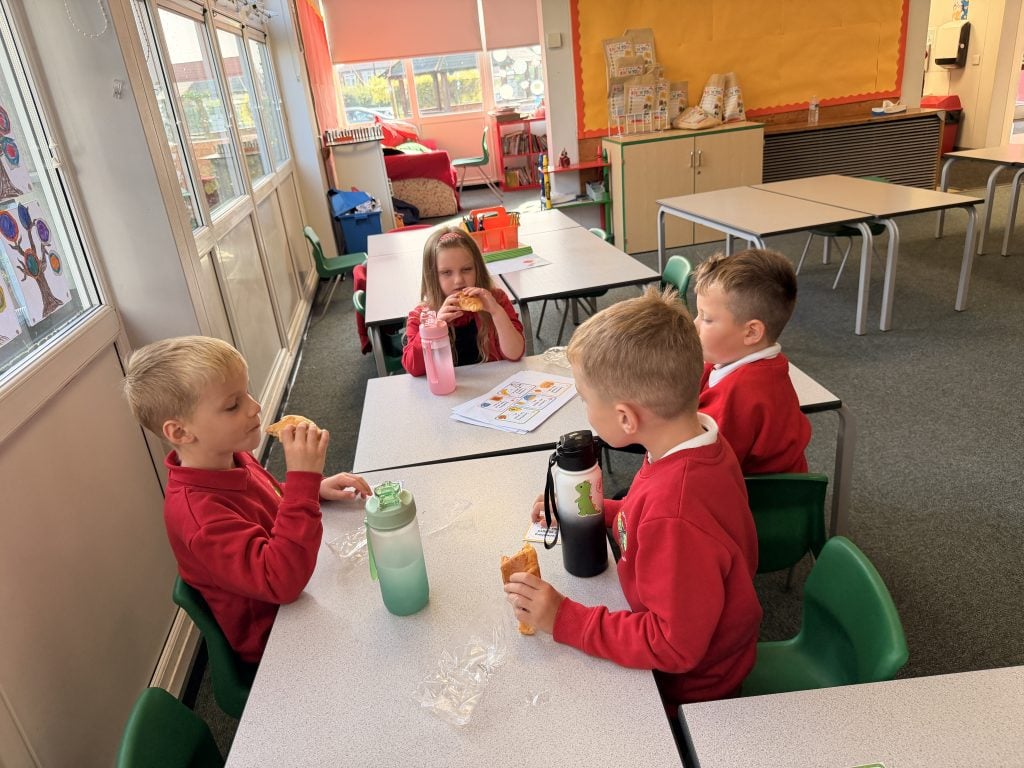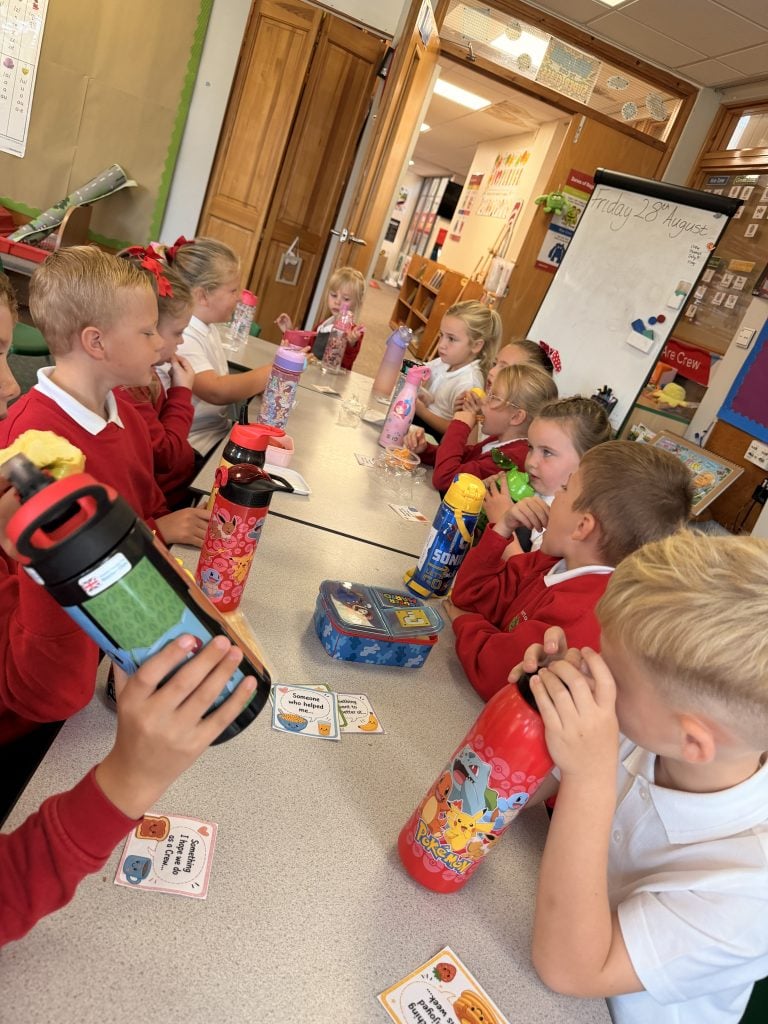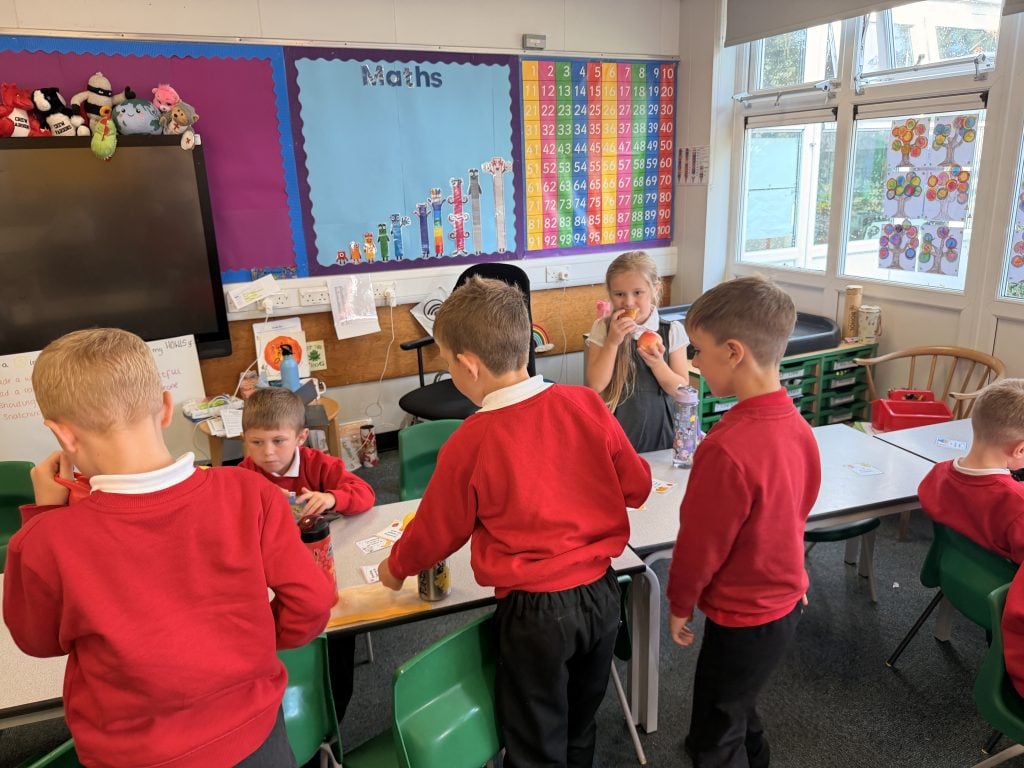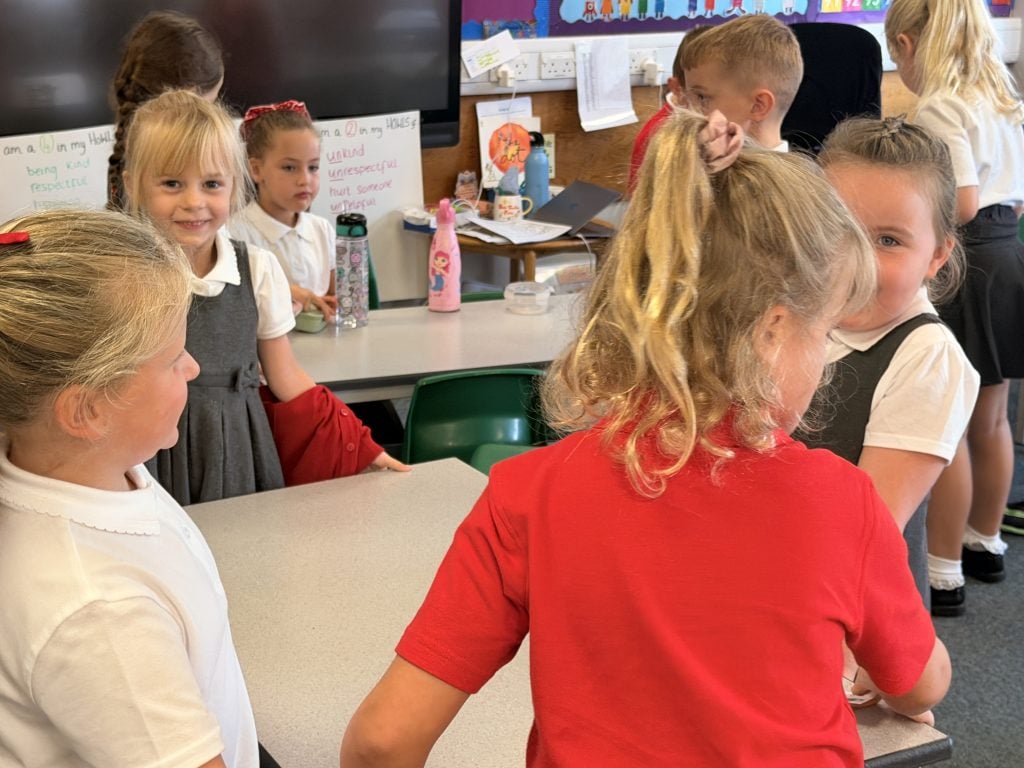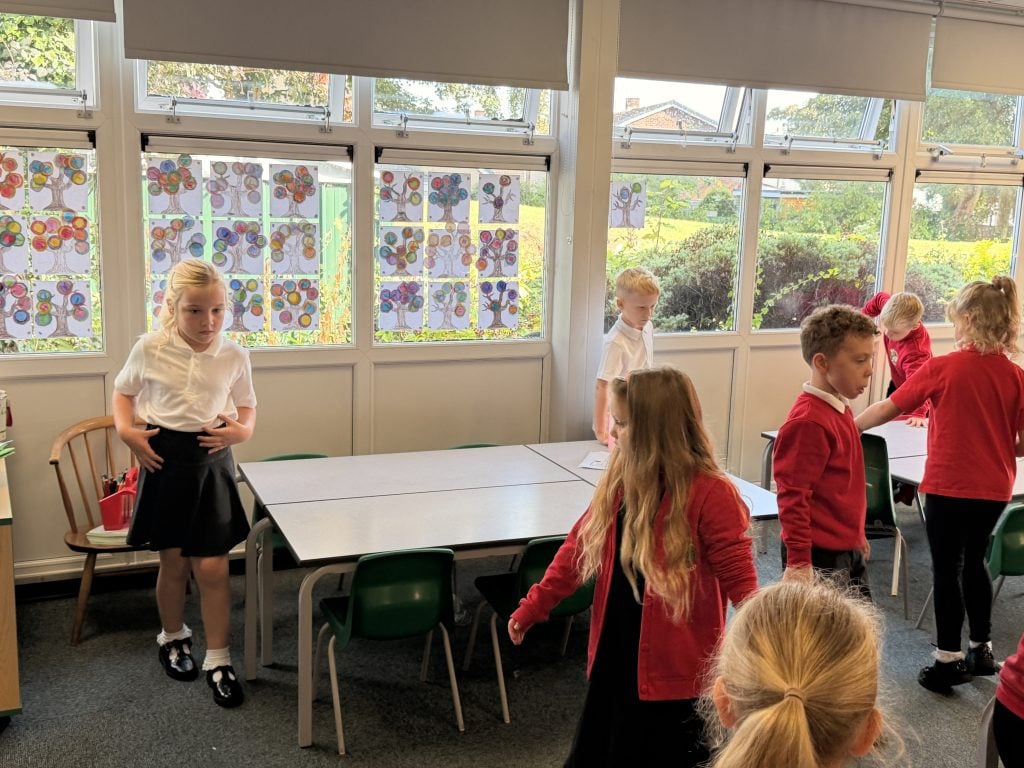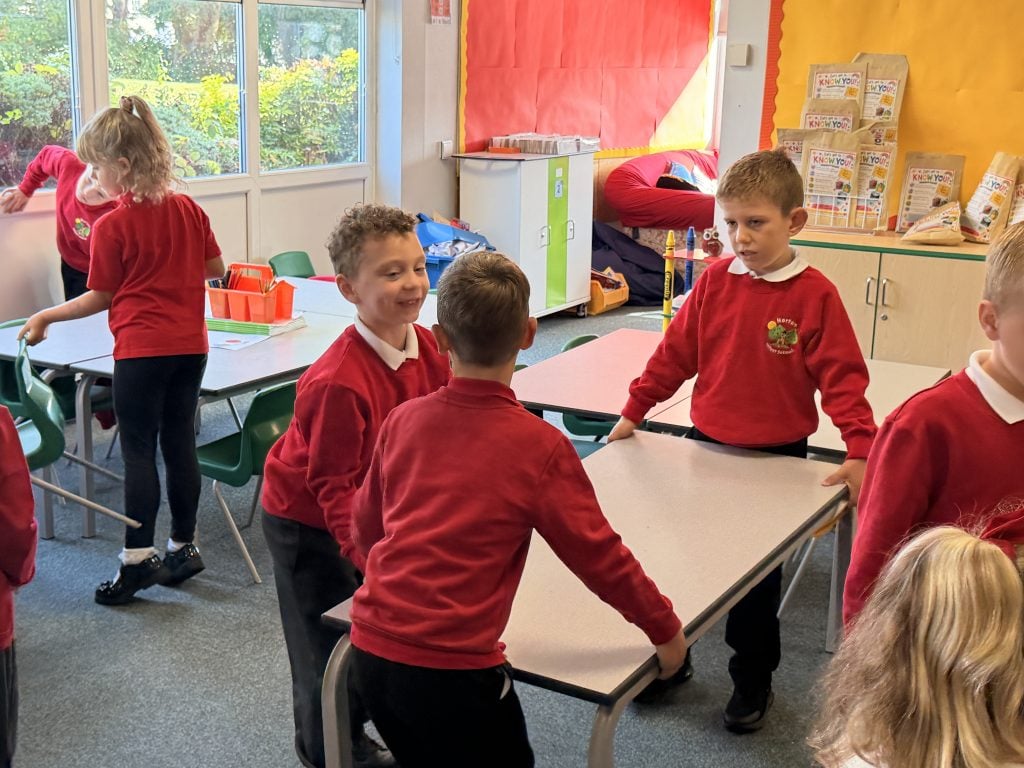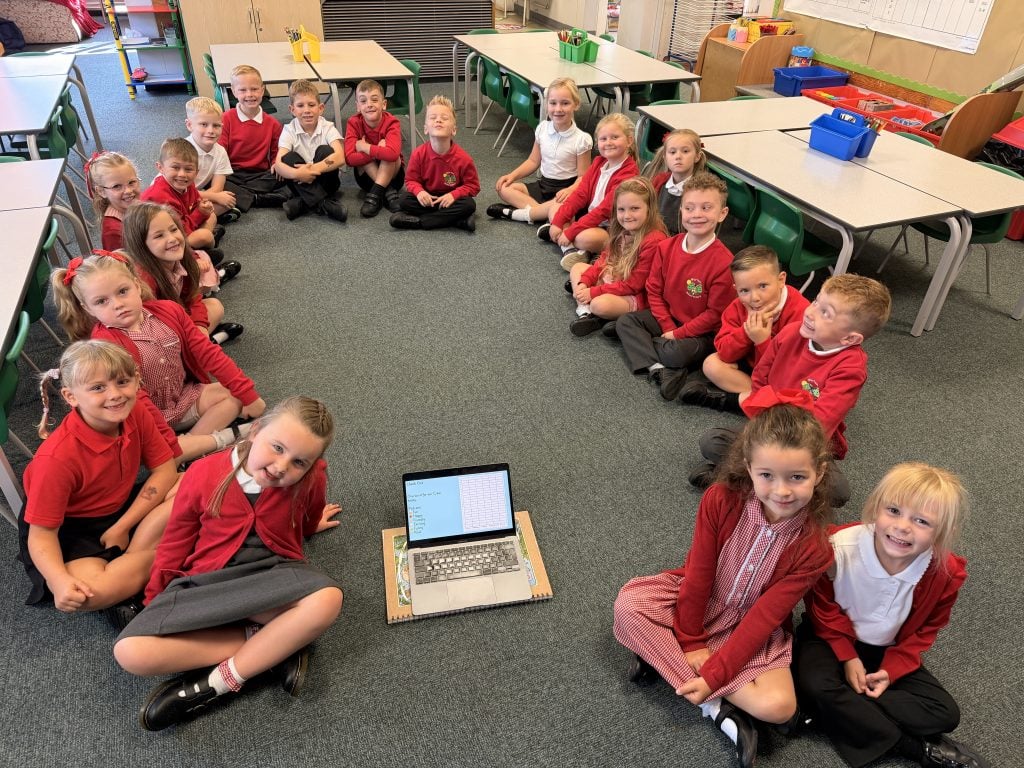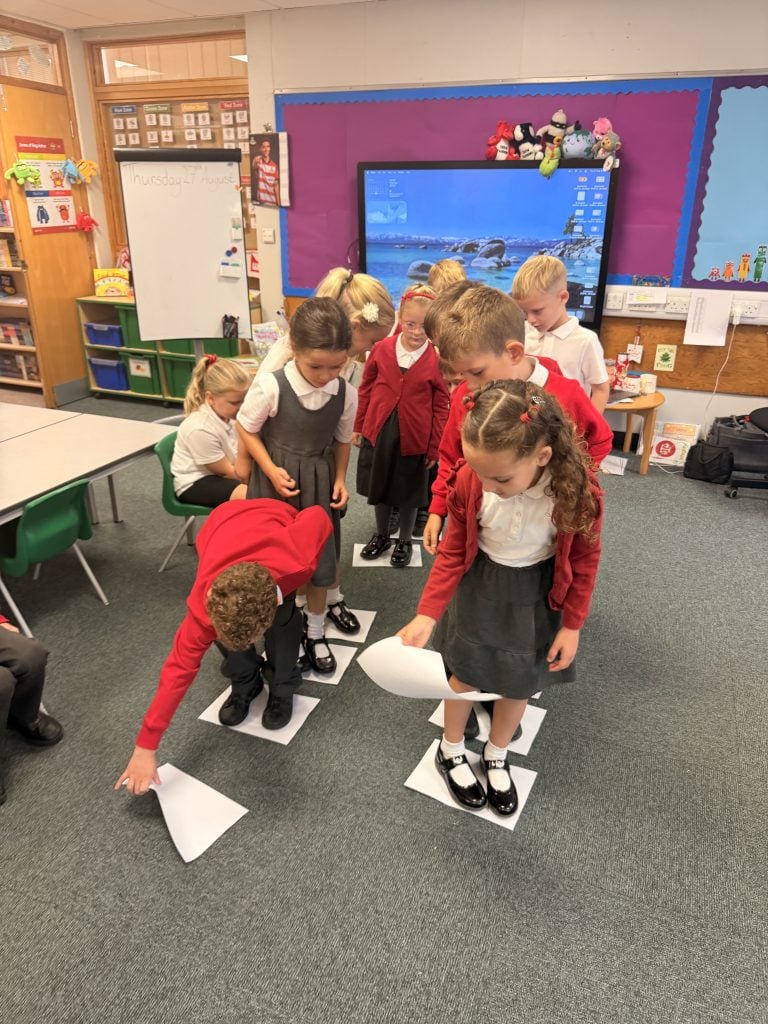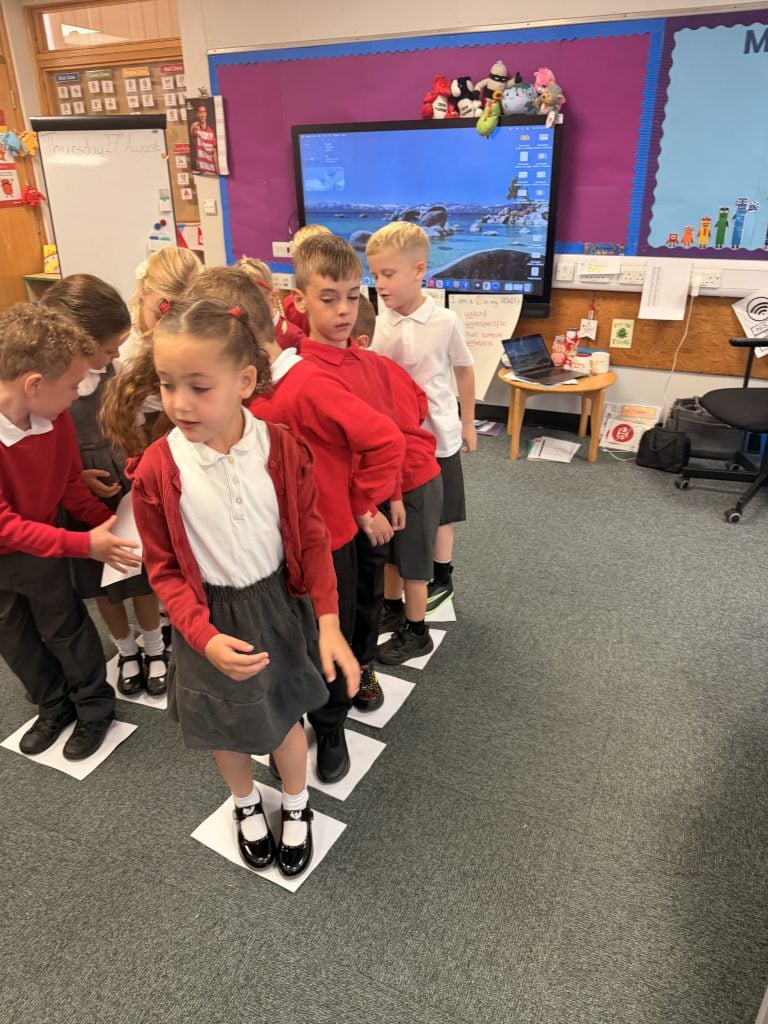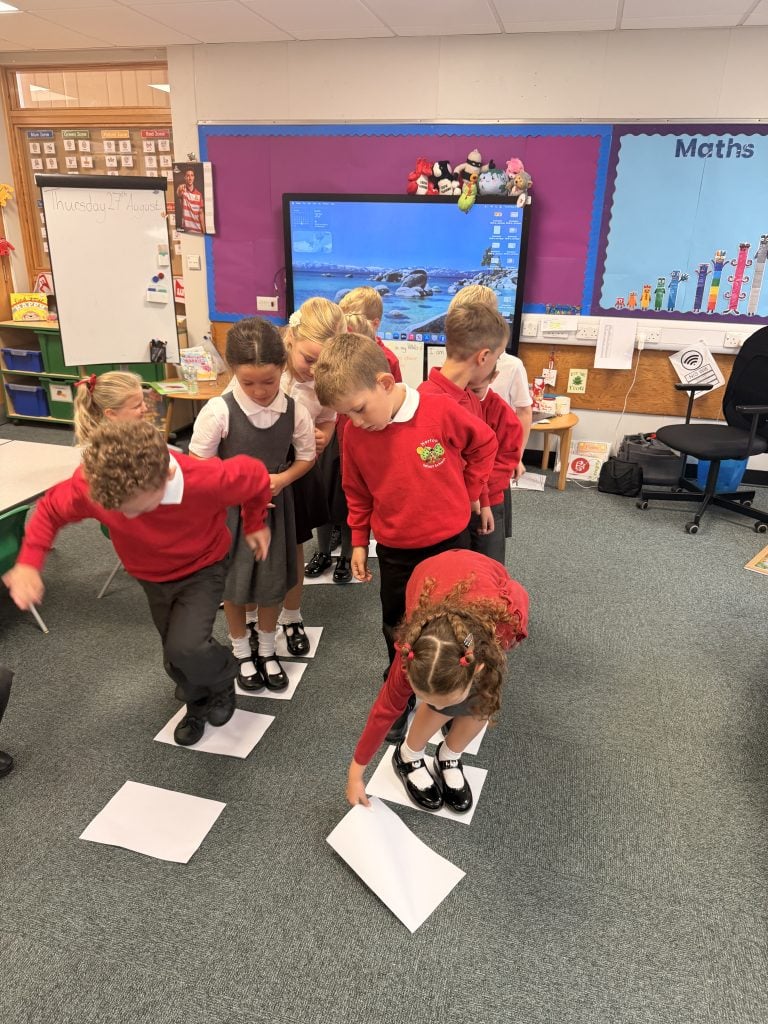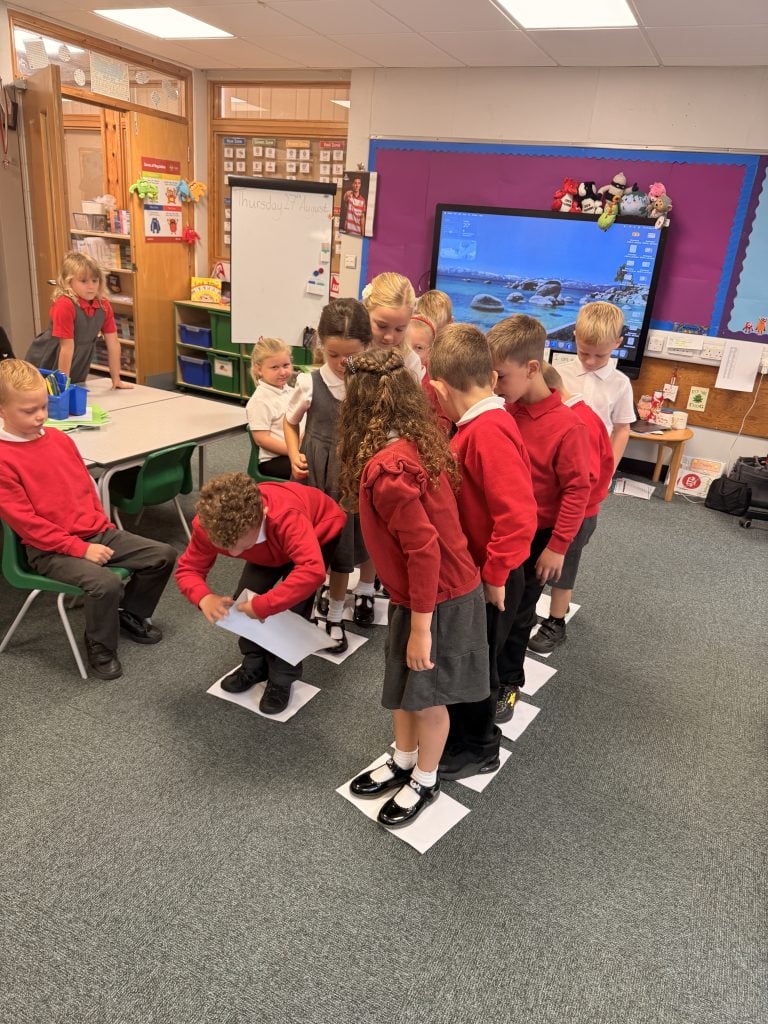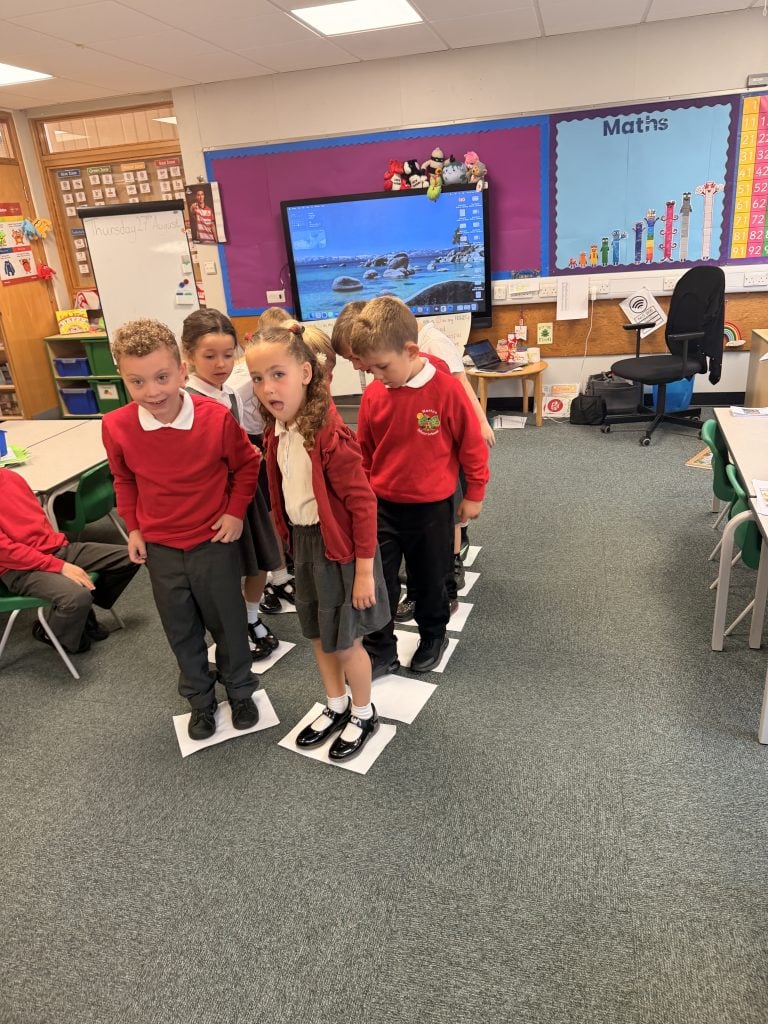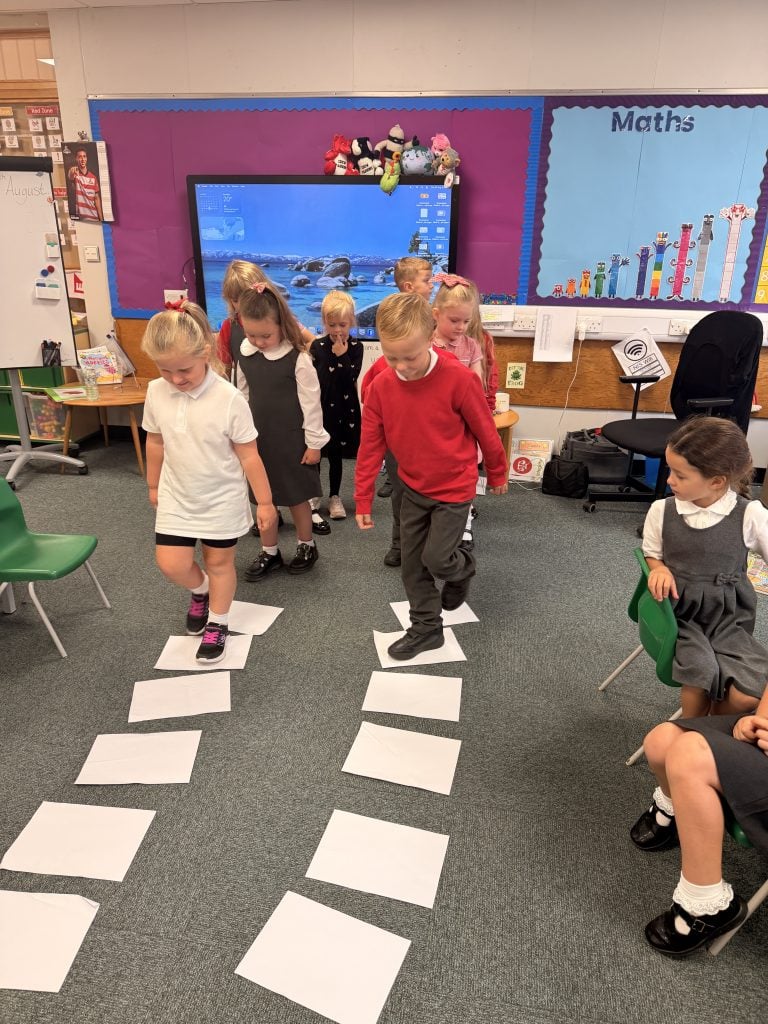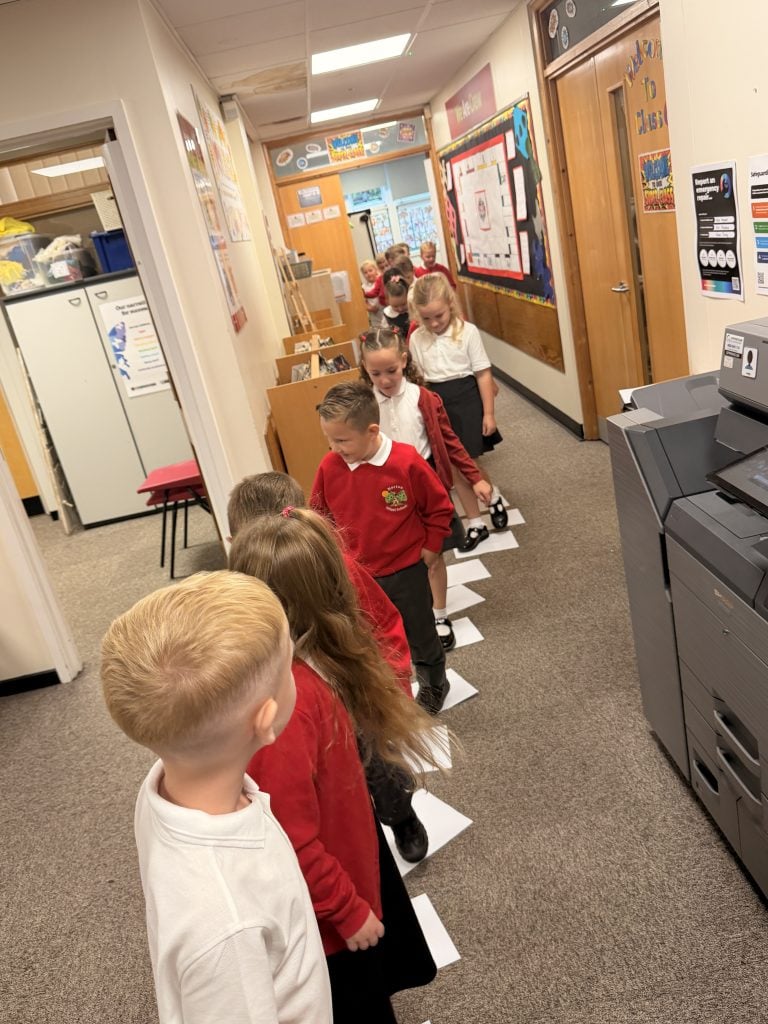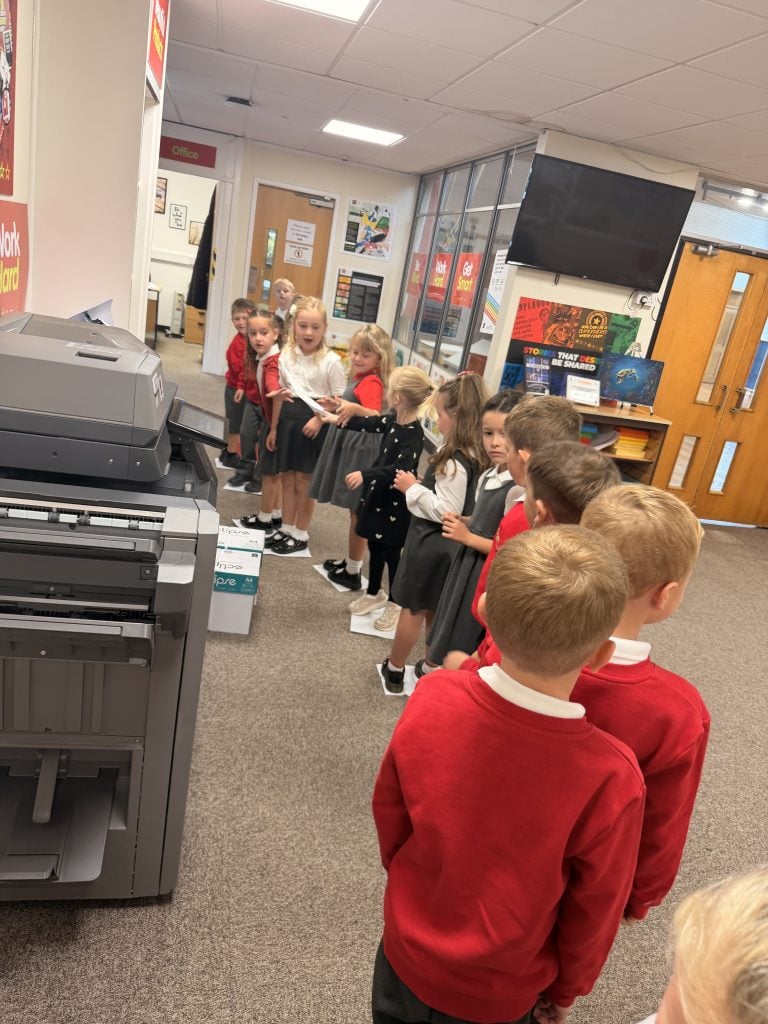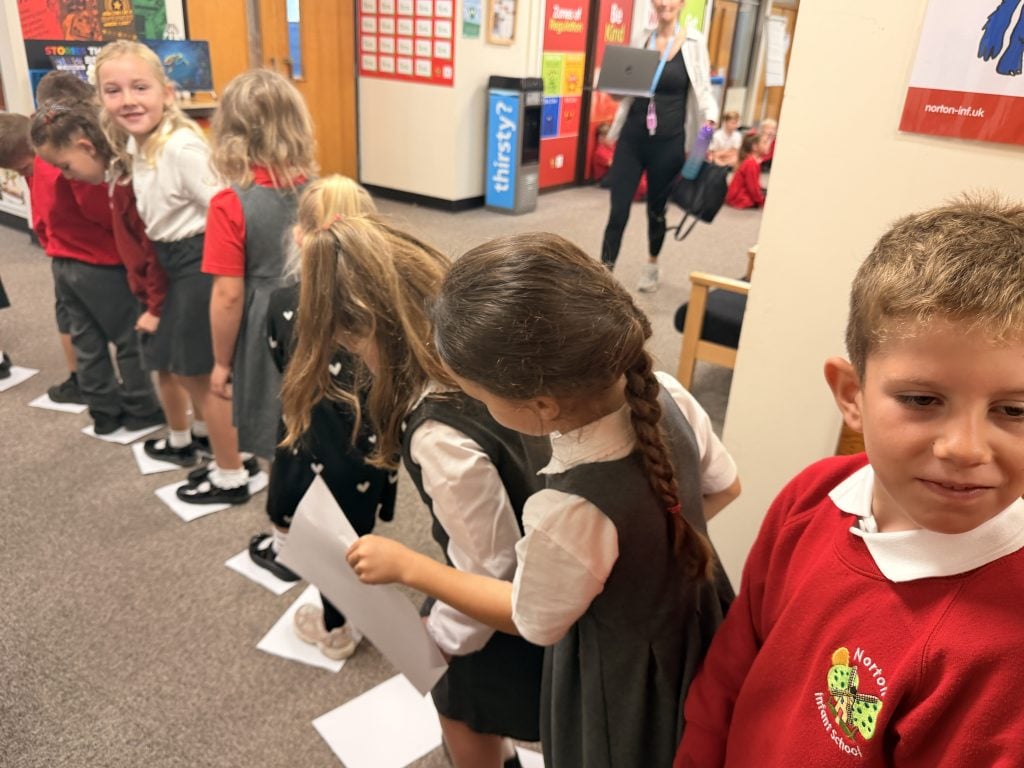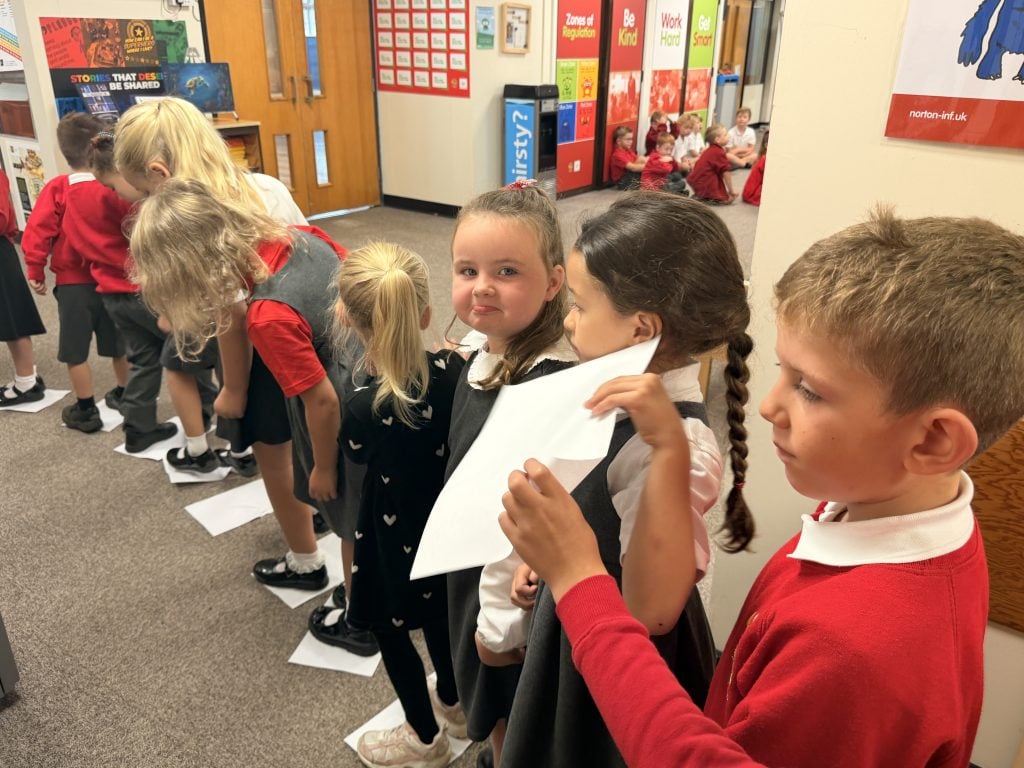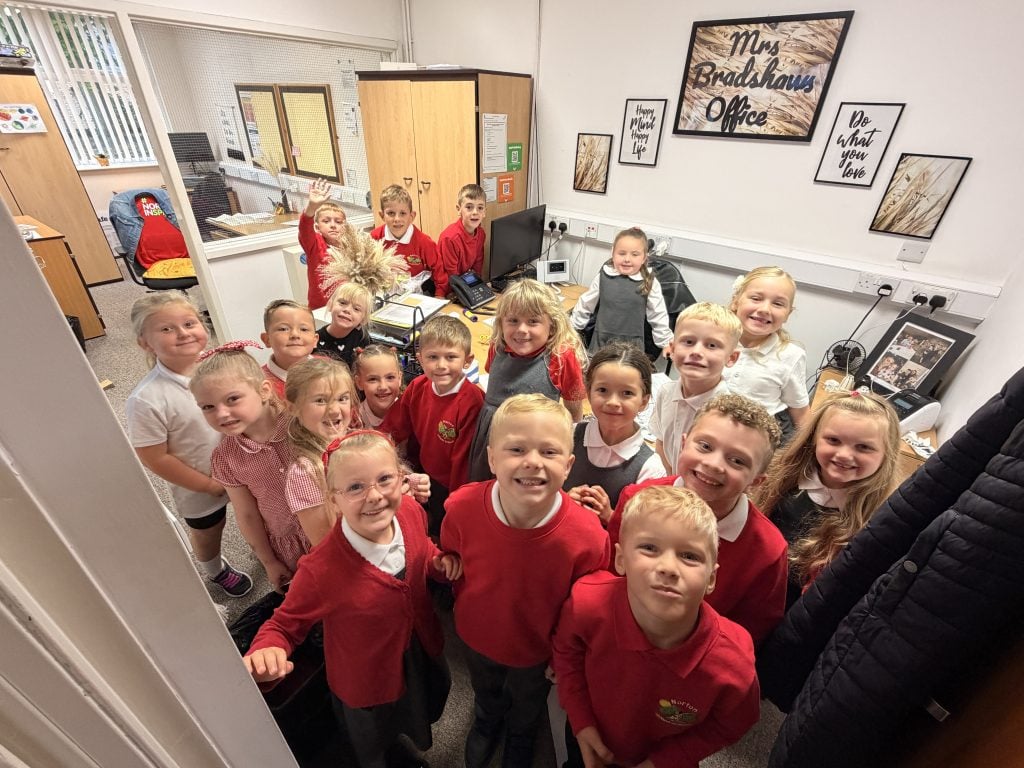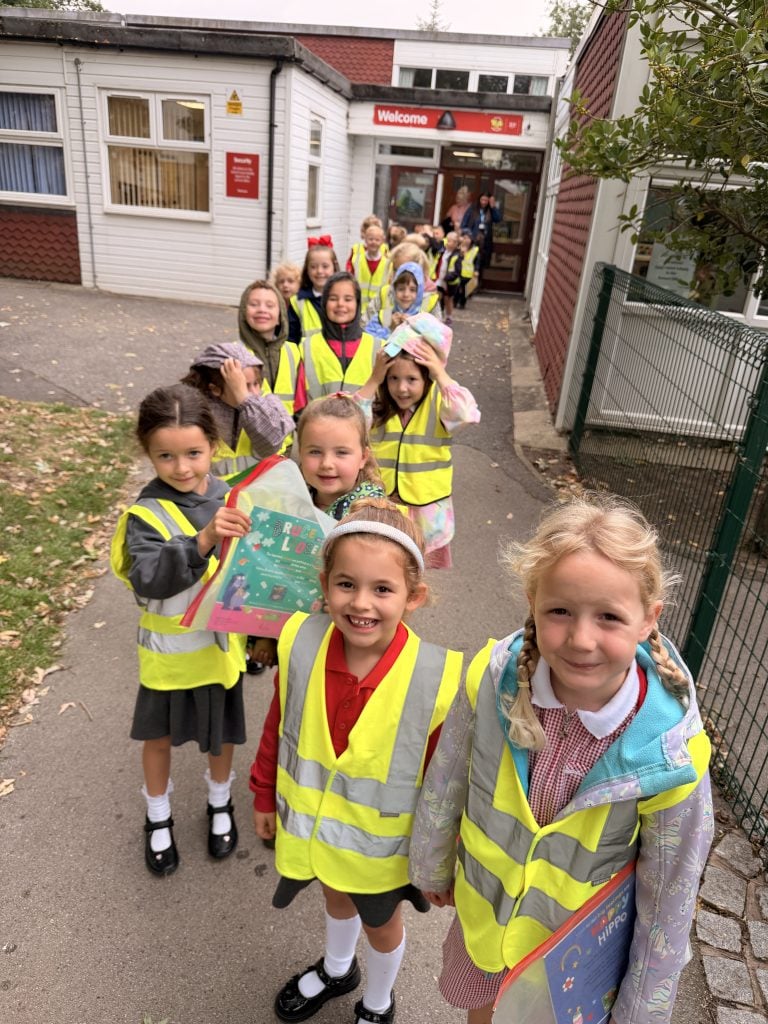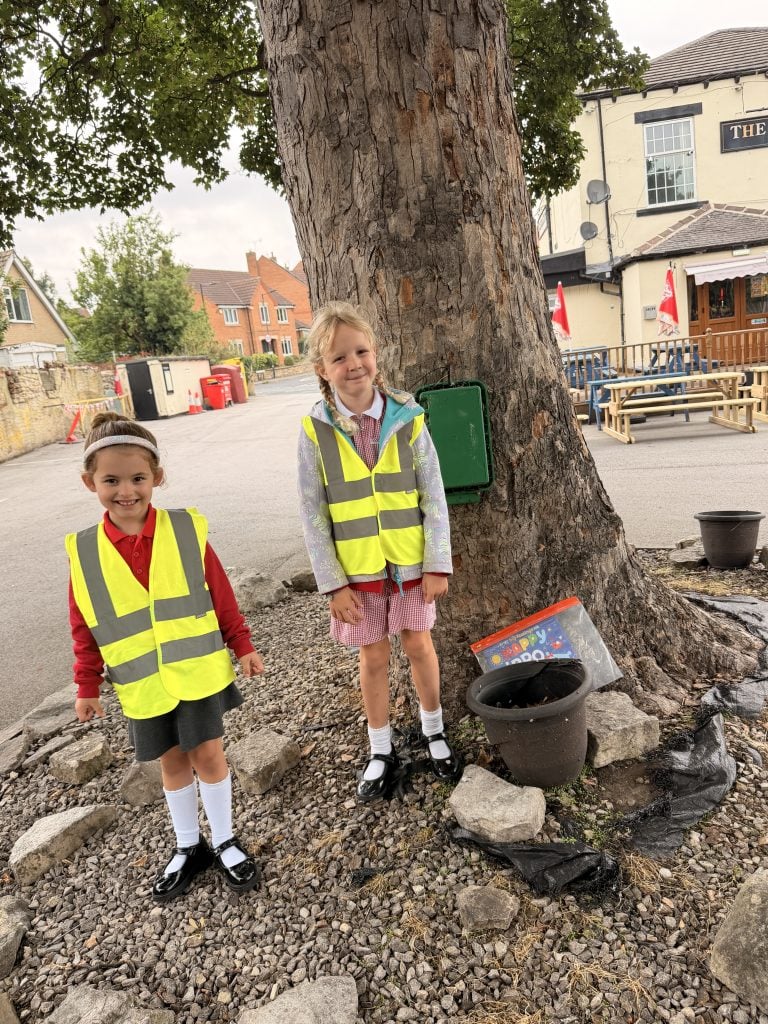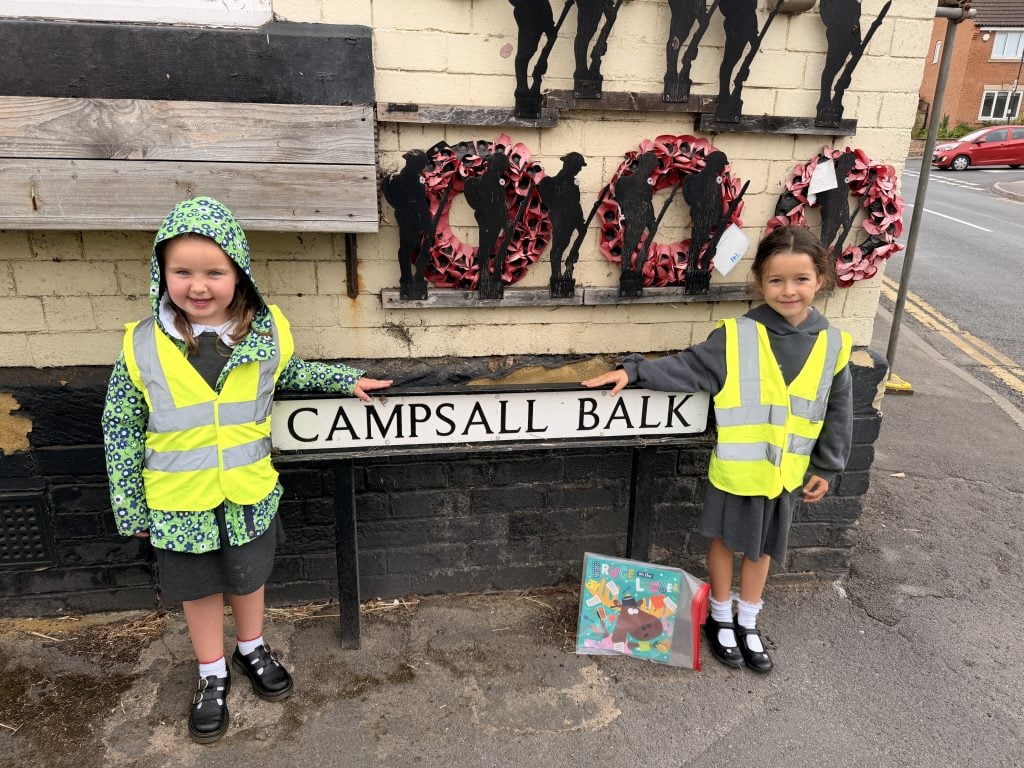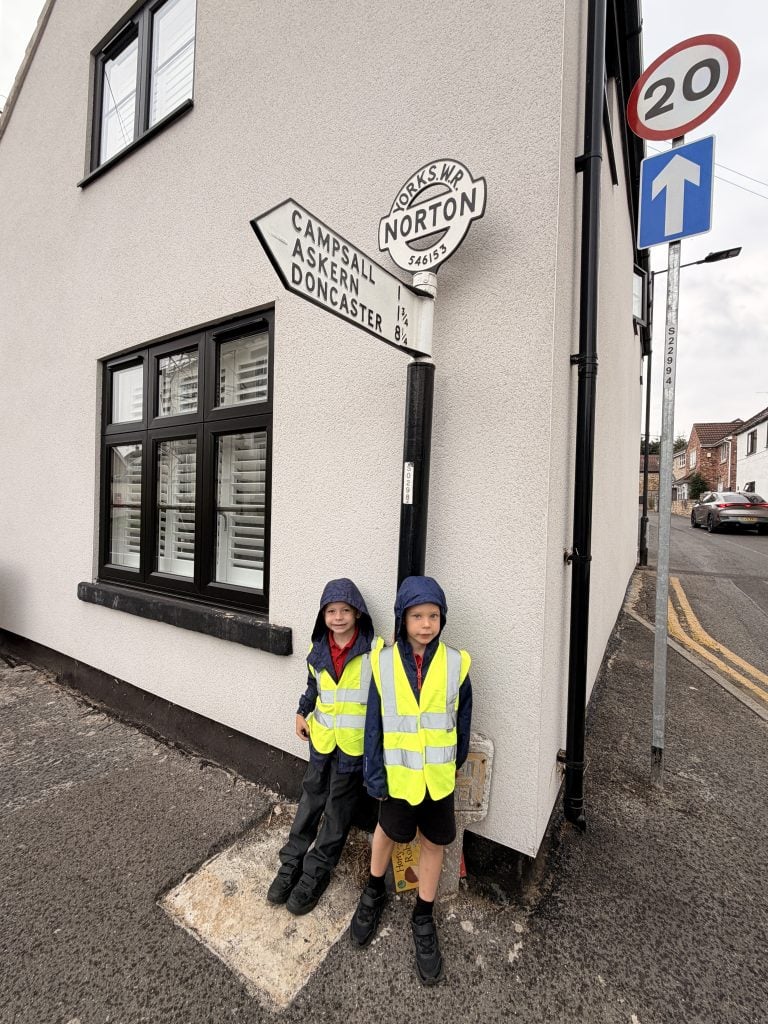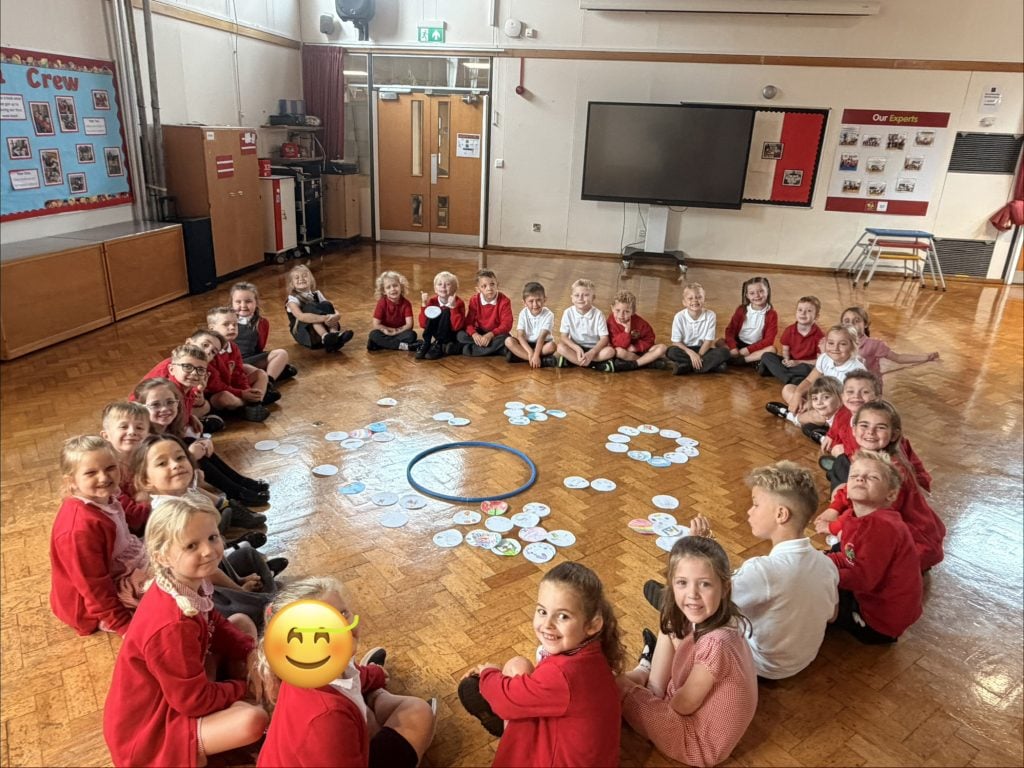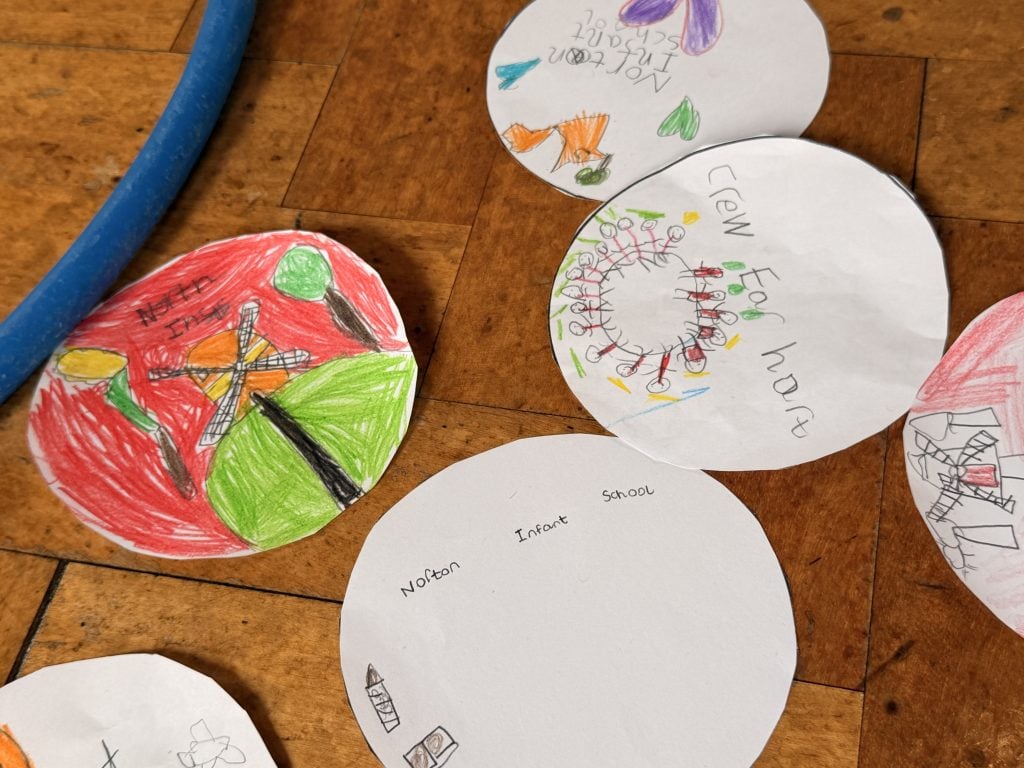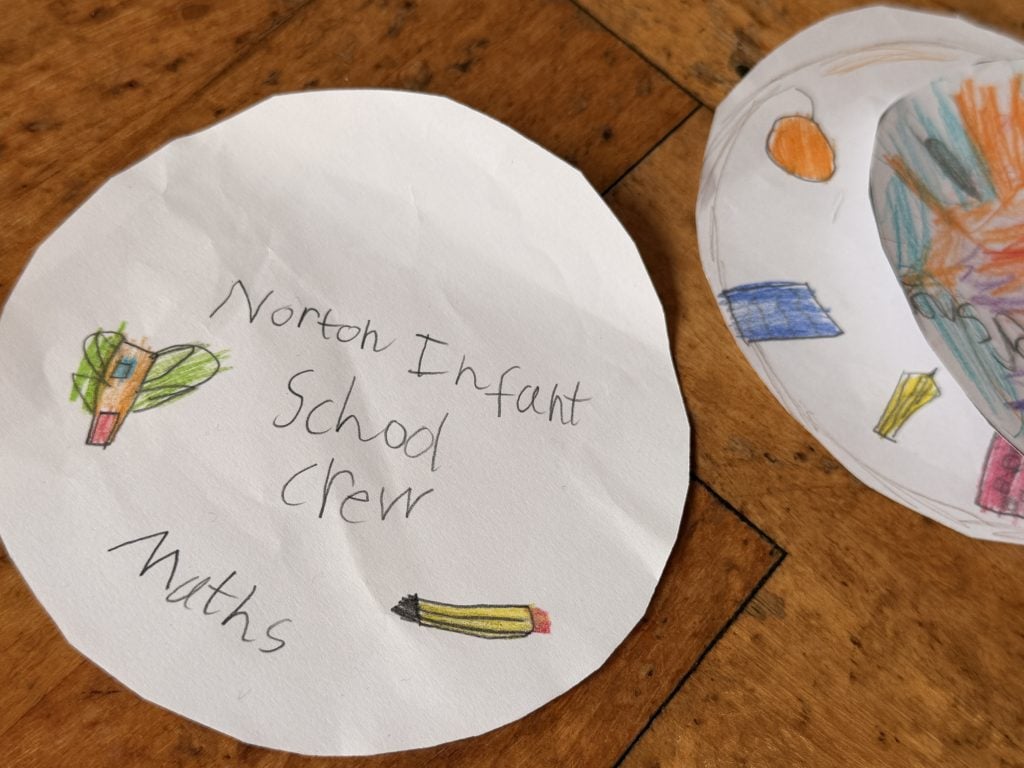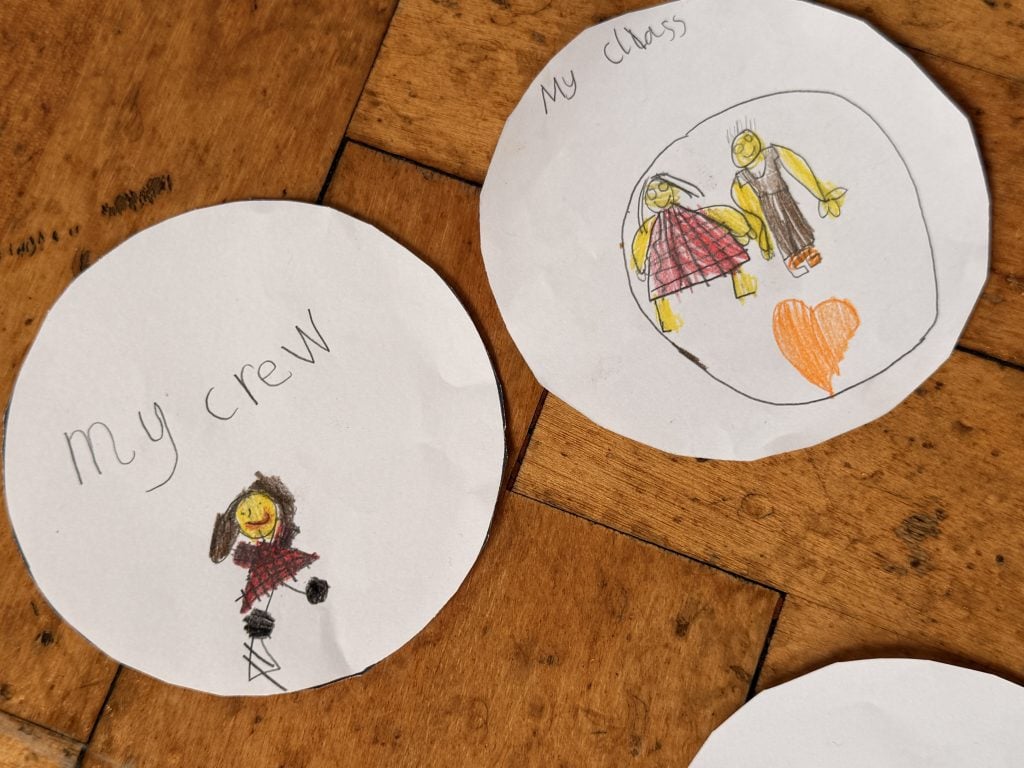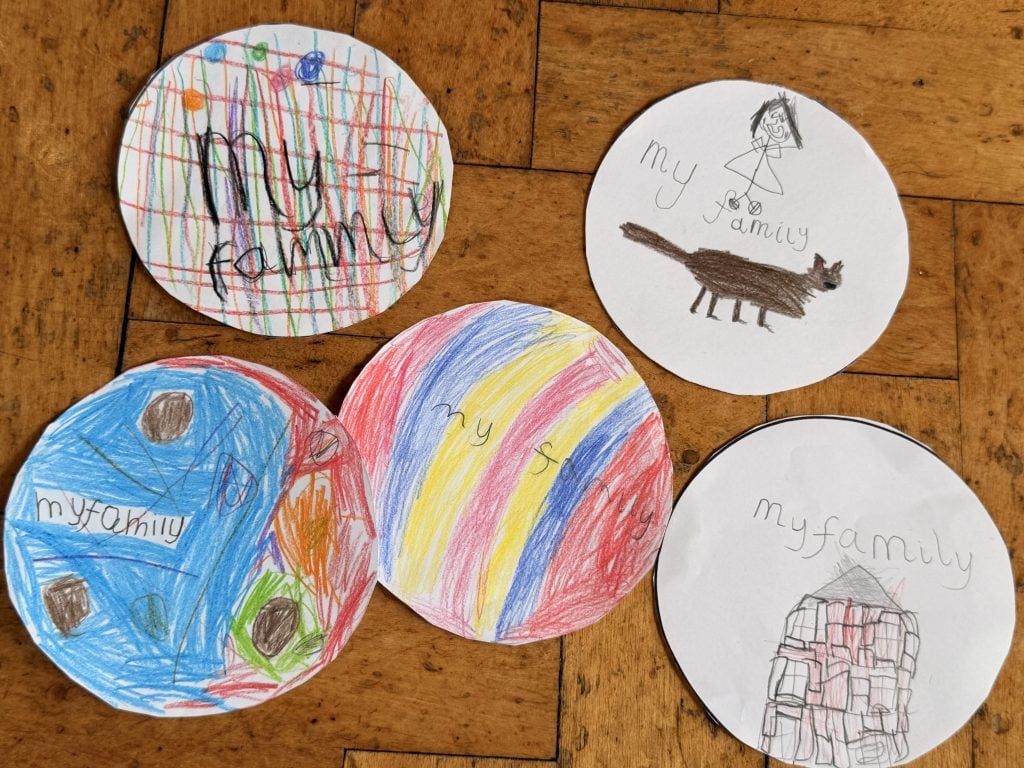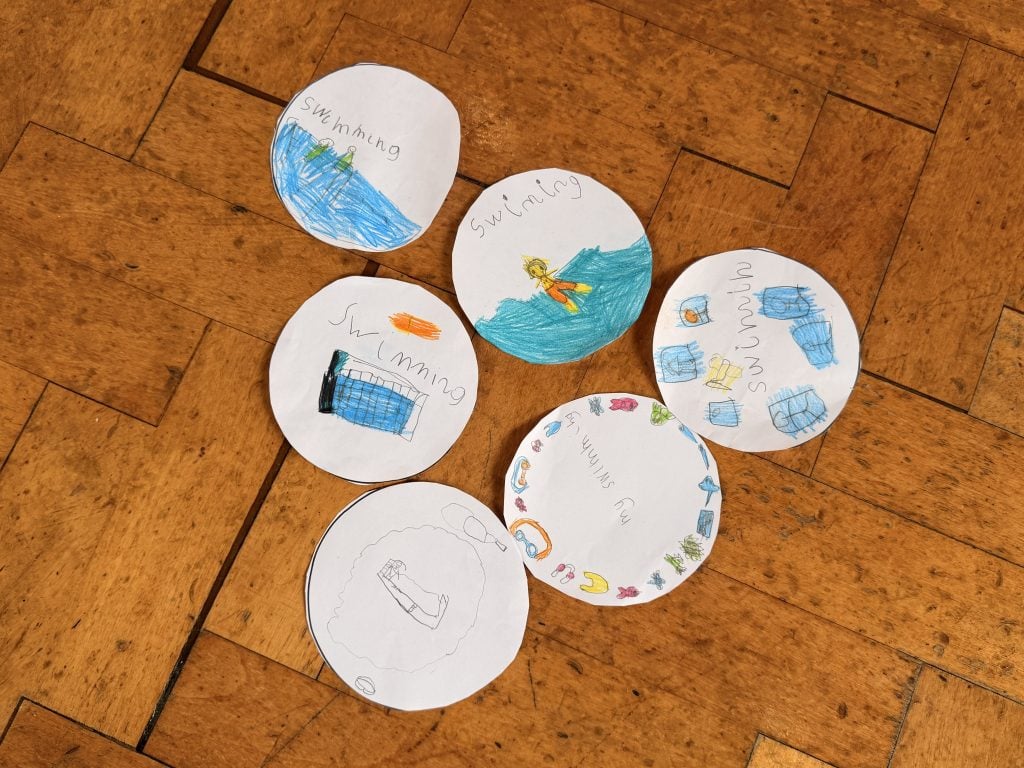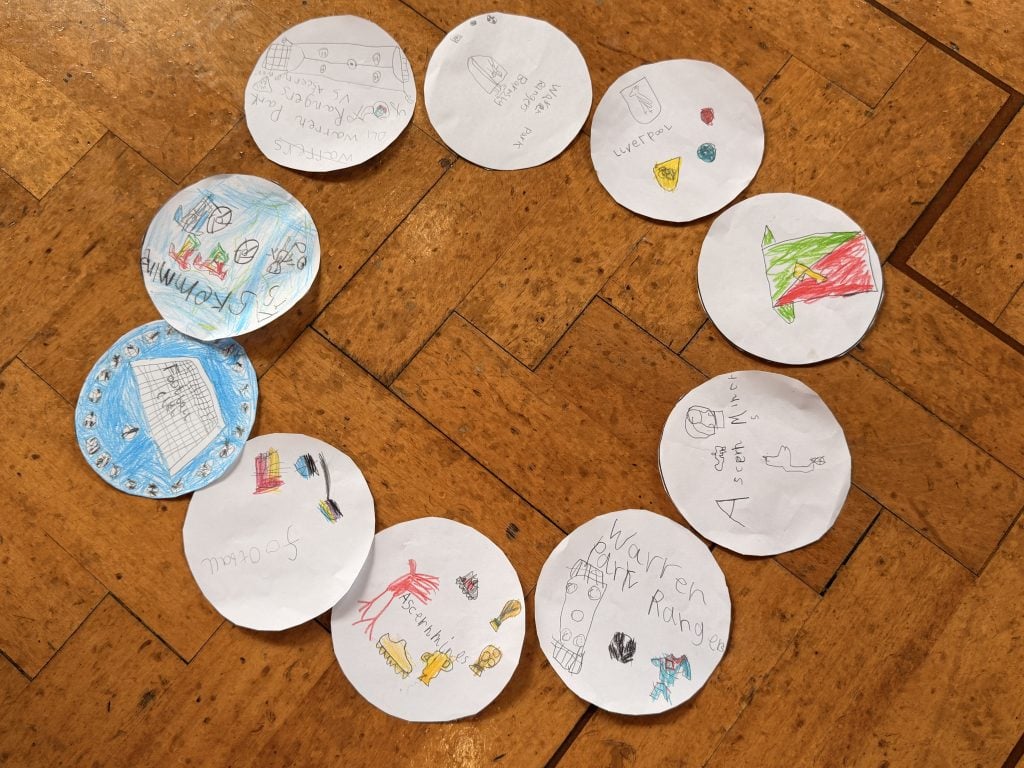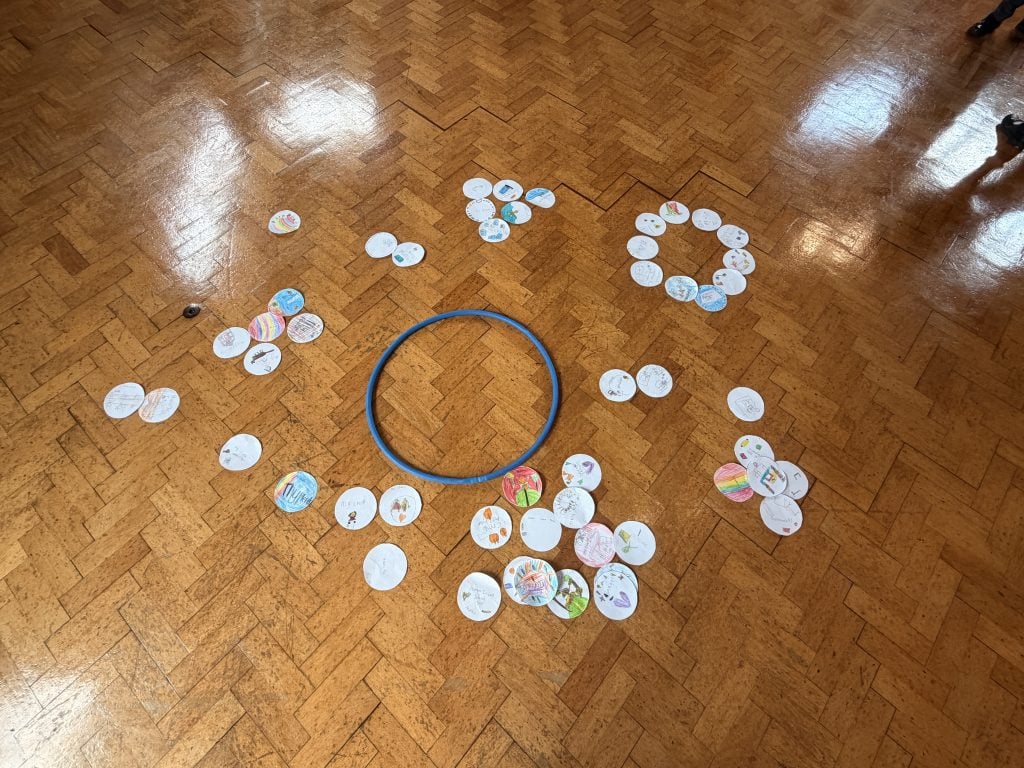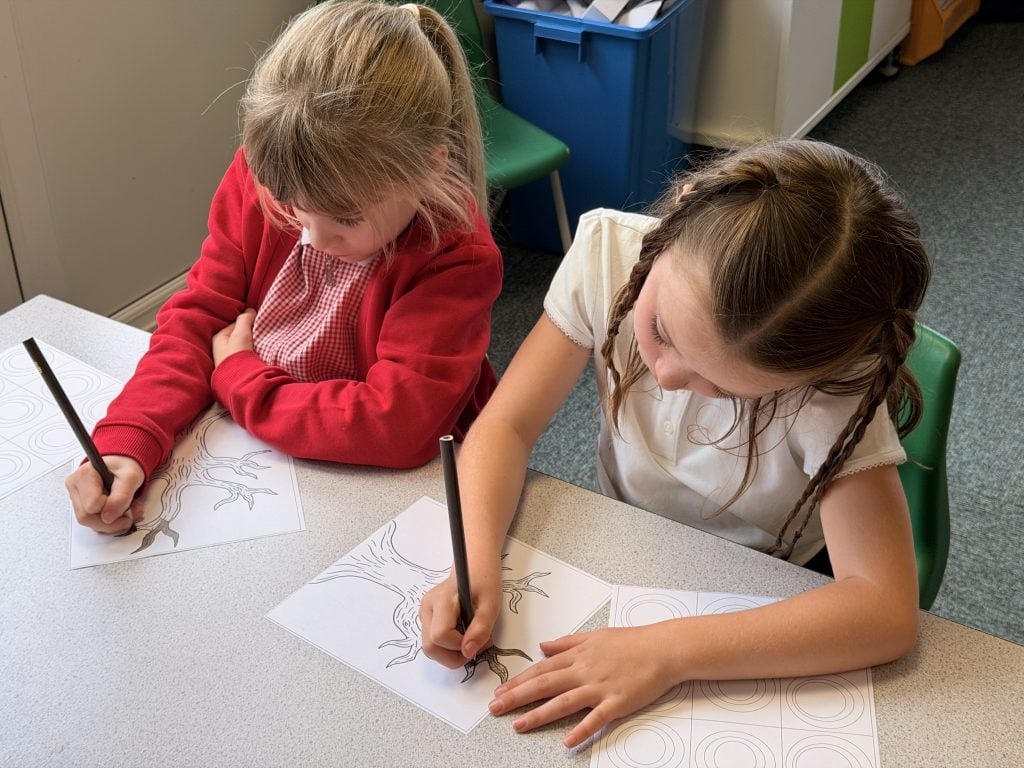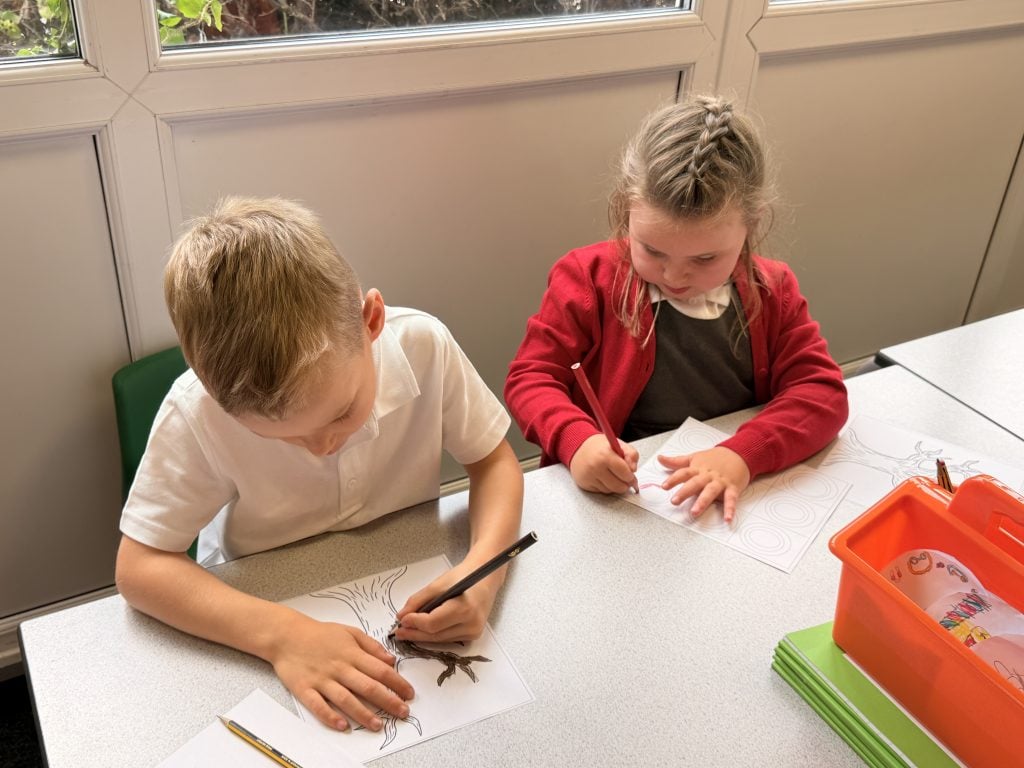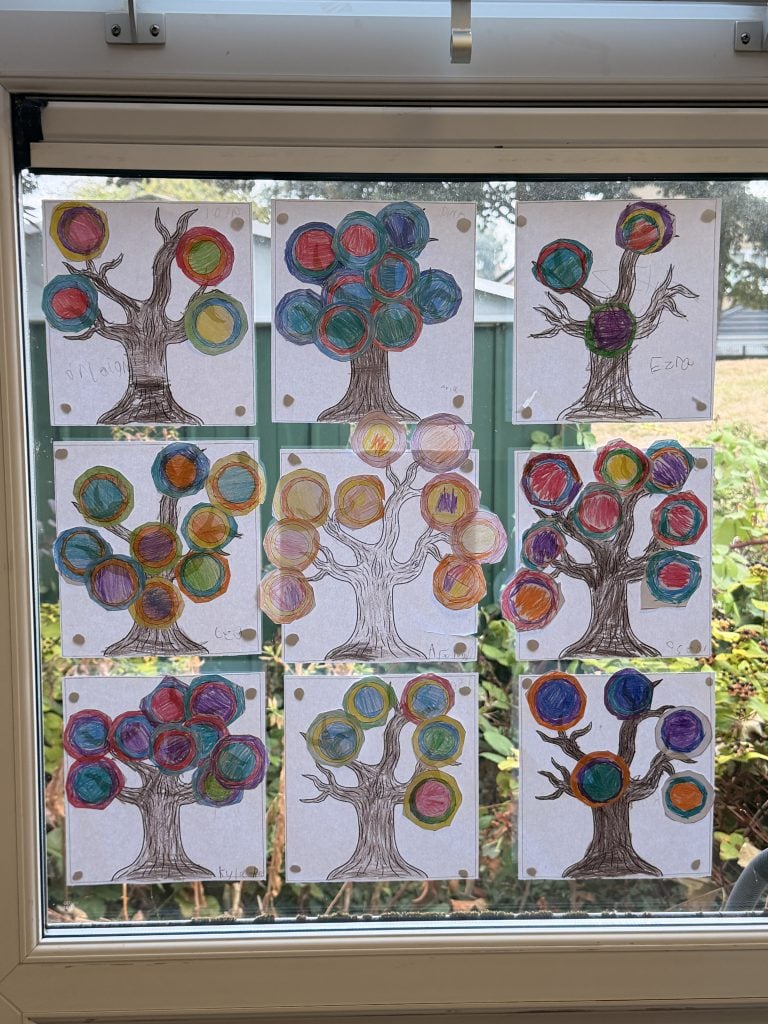
This morning Y2 have officially started with our Final Word preparations. We have been practicing our introductions and starting to think about what we are really proud of. We can’t wait to share our presentations with you!


This morning Y2 have officially started with our Final Word preparations. We have been practicing our introductions and starting to think about what we are really proud of. We can’t wait to share our presentations with you!


Today, our Key Stage One children embarked on an exciting fieldwork visit to The Deep — and what an incredible day it was!
From the moment we arrived, the children were completely immersed in the wonders of the ocean. As they explored the aquarium, they encountered magnificent sharks, graceful stingrays, colourful tropical fish and fascinating creatures from oceans around the world. There were gasps of amazement, endless excitement and so many thoughtful conversations as the children connected their learning from school to the real world around them.
One of the highlights of the day was taking part in a fantastic workshop all about protecting our oceans from plastic pollution. The children learned about the devastating impact plastic can have on marine life and explored simple but powerful ways we can all help care for our planet. We were incredibly proud of the way the children engaged with the session — asking insightful questions, sharing their own knowledge and showing genuine compassion for the animals affected by pollution.
Perhaps the thing we were proudest of all was the children’s impeccable behaviour throughout the day. Their enthusiasm, curiosity and kindness shone from start to finish. In fact, several members of the public took the time to comment on how polite, respectful and engaged our children were — something that made all the adults very proud indeed!
The visit was a wonderful opportunity to bring our expedition learning to life and helped the children see that even small actions can make a big difference in protecting our oceans. We returned to school inspired, informed and even more determined to help care for the world around us.
Well done, Year 2 — you were a real credit to our school!


This week in our Key Stage 1 community meeting, we explored another important part of our guiding question: How can I be the healthiest version of me? Our focus was on hygiene and how simple daily actions—like washing our hands—can help keep us healthy and protect the people around us.
We began by thinking about why we wash our hands. The children shared great ideas, which led us to talk about something we can’t see but that is all around us—germs!
We explained that:
To help bring this idea to life, we described germs as being like invisible glitter—they can quickly travel from our hands onto surfaces and other people without us even noticing.
Stopping the Spread
Through a short role-play, the children explored how germs spread and how we can stop them.
We acted out what happens when someone sneezes into their hands and then touches objects or other people—and quickly realised how easily germs can travel. We then practised a better way: sneezing into our elbow, helping to keep those around us safe.
We also compared handwashing habits, thinking about who is making safe choices and why.
The children shared lots of important times when handwashing matters, including:
It was fantastic to see how much the children already know about keeping themselves clean and safe.
We talked about why these small actions are so important:
We linked this to our wider school community, reminding the children:
When we look after ourselves, we are also looking after everyone else.
Making Safe Choices
To finish, we played a quick game of “Safe or Not?”, where the children used thumbs up or down to show whether actions were helping to stop germs spreading. This was a fun and effective way to reinforce our learning.
We reminded the children that small actions can make a big difference. Simple habits like washing our hands properly and sneezing into our elbow help to keep everyone safe, healthy, and ready to learn.
We were so impressed with the children’s understanding and engagement during this session. Ask your child what they remember about stopping germs—you might hear about “invisible glitter”!
Thank you for your continued support.
This week in our Key Stage 1 community meeting, we explored another important part of our guiding question: How can I be the healthiest version of me?
Our focus was on something simple but powerful—sleep—and how it helps our brains and bodies feel ready for the day ahead.
We began by thinking about how it feels when we are really tired. The children shared lots of honest and relatable ideas—feeling grumpy, slow, a little bit silly, and sometimes finding it hard to concentrate.
This helped us understand an important message:
Sleep helps our brains and bodies get ready for a new day.
To bring this to life, we acted out two different learners:
The children quickly noticed the difference and were able to explain why sleep helps us to be focused, kind, and ready for school.
We talked about what sleep does for our bodies in a simple, child-friendly way:
We described sleep as a way of recharging our brains—just like an iPad charging overnight!
We then discussed what helps us get a good night’s sleep. The children shared some fantastic ideas, including:
It was lovely to hear how many children already have positive routines in place.
A Moment of Calm
We finished by practising a simple breathing technique to help our bodies feel calm and ready:
This is something the children can use at home as part of their bedtime routine or whenever they need a moment to reset.
We reminded the children that sleep is one of the best ways to help us feel ready for school. When we are well-rested, we can learn better, feel happier, and be the best version of ourselves.
We were so impressed with how thoughtfully the children engaged in this conversation. Why not ask your child what helps them feel ready for school—you might discover some great ideas to try at home together!
Thank you for your continued support.
This week, we came together for a Key Stage 1 community meeting as part of our guiding question: How can I be the healthiest version of me?
During our time together, we focused on how the food we eat helps to keep our bodies strong, healthy and full of energy. To get us thinking, we began with a simple question—holding up an apple and a piece of chocolate:
“Which one helps our body grow strong?”
The children quickly recognised that while some foods are better for our bodies, we can still enjoy a balance. This helped us introduce an important message: healthy eating is about balance, not restriction.
We explored the different types of food our bodies need:
The children enjoyed sharing their own ideas, talking about the healthy foods they already love and eat at home.
We then played a quick game of “Healthy or Not?” where children responded to different foods using actions:
This was a great way to reinforce that some foods are everyday foods and some are sometimes foods—and that both have a place in a balanced diet.
We spent some time thinking about how healthy foods help our bodies. The children shared brilliant ideas about how food gives us energy, helps us grow, and keeps us feeling good.
We also linked this back to our wider learning:
If we want to be superheroes in our community, we need strong, healthy bodies!
To finish our community meeting, each child made a simple, personal pledge about how they can make a healthy choice:
This moment encouraged the children to take ownership of their choices and recognise that even small changes can make a big difference.
We reminded the children that being healthy doesn’t mean being perfect. Instead, it’s about making small, positive choices each day that help our bodies grow, stay strong, and feel their best.
We are so proud of how engaged and thoughtful the children were during this session. Ask your child about their healthy pledge—you might even be inspired to make one of your own!
Thank you for your continued support.
This week, we came together for a special Key Stage 1 community meeting to celebrate Earth Day. This year’s theme, Our Power, Our Planet, helped us to think about how even the smallest actions can make a big difference to the world around us.
During our time together, we explored what is happening to our planet and talked about pollution—what it is, where it comes from, and how it can harm our environment. The children shared thoughtful ideas about what they already know and noticed how everyday choices can impact the Earth.
We also introduced the idea of renewable energy, helping children to understand that there are cleaner, more sustainable ways to power our world, such as using the sun and wind.
A big focus of our discussion was on what we can do to help. We talked about:
To finish our community meeting, each child made a personal Earth Day pledge. This was a really special moment, as the children reflected on how they could take action.
Each child placed a counter into the pledge they wanted to focus on:
This simple act helped the children to feel empowered—showing them that they can make a difference.
We reminded the children that looking after our planet doesn’t have to mean making huge changes. Instead, it’s about lots of small, positive actions that, together, have a powerful impact.
By working together, we can all play our part in caring for our world—because it truly is our power, and our planet.
Thank you for your continued support in helping us grow responsible, thoughtful global citizens.

This morning in crew we were thinking all things Earth Day. The seam running through our expedition this term is “protecting our planet” and so the timing of Earth Day during our expedition was absolutely perfect. We started our crew session with discussions about what we can do to help protect our planet – thinking about turning off lights, picking up litter, using reusable water bottles and using the same shopping bags all the time.


We then started to think about what the ways that we were going to try and really make a difference. Thinking of four ways we are going to try and help the planet.


This afternoon, Class 5 fully embraced their role as artists as we continued exploring our guiding question:
The Blue Planet: How Can I Impact the World?
We began by reminding ourselves of our exciting final product — a reusable water bottle featuring our very own artwork. The children were buzzing with purpose, knowing their designs will help promote looking after our planet 🌍
✏️ Inspired by Beatrix Potter
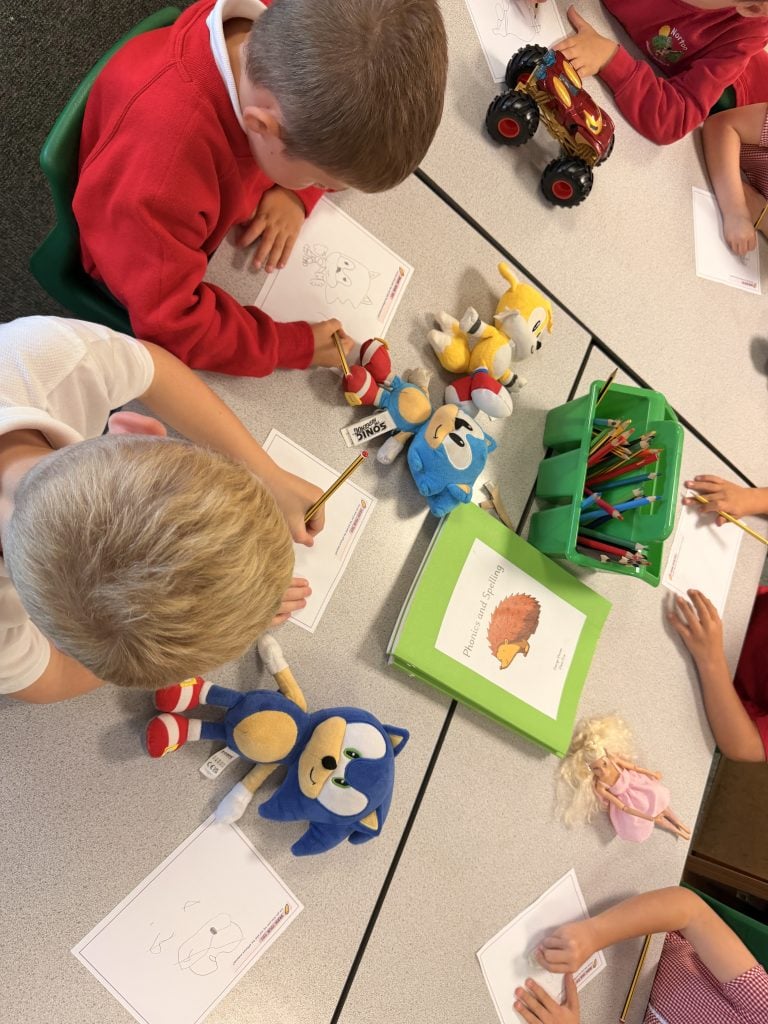
We started by learning about the wonderful Beatrix Potter — a famous artist and writer who loved sketching animals using pencil. We noticed how carefully she observed real creatures and used soft, delicate lines to bring them to life.
Inspired by her work, we practised using our art pencils to create a range of tones, from light shading to darker, bolder marks. We then explored different patterns and textures, thinking about how these could help add detail to our own artwork.
Next, we became art critics! We carefully studied a selection of model sketches and asked ourselves:
One of the examples was Mrs Parsons’ own artwork… but the challenge was set — could we do even better?
Finally, we took our sea creature outlines and began transforming them into beautiful, detailed pieces using all our new sketching skills.
The concentration in the room was incredible — children carefully adding shading, experimenting with tone, and bringing their sea creatures to life. Every piece is unique, thoughtful, and full of creativity.
We are so proud of the effort and artistic flair shown today — we can’t wait to see these designs printed onto our reusable water bottles! 💧✨


This week in Key Stage 1, we came together for a short community meeting built around the beautiful book Find Your Happy. Through this story, we explored something really important: understanding our feelings and knowing what to do when they feel big.
At school, the children are very familiar with the Zones of Regulation, which help us to recognise and name how we are feeling:

During the community meeting, we talked about how we all move through these zones every day—and that’s completely normal. The key message we shared is that all feelings are okay, but we can learn ways to help ourselves feel safe, calm, and ready again.
Using Find Your Happy, we explored how the character experiences different emotions and discovers simple strategies to feel better. We then practised some of these together:
These small strategies can make a big difference, especially when children are feeling in the yellow or red zones.
You might like to continue these conversations at home by:
By using a shared language between school and home, we can help children to better understand themselves and build the skills they need to manage their feelings with confidence.
We reminded the children that being in the green zone all the time isn’t the goal—because that’s not realistic for any of us! Instead, it’s about learning how to recognise our feelings and find our way back to feeling safe and ready.
We are so proud of how thoughtfully the children engaged with this important message. Ask them about how they “find their happy”—you might even learn a new strategy yourself!
Thank you for your continued support.

This year our World Book Day had a Dr Seuss theme – a cat in the hat inspired crazy hat! Boy did the children deliver!! We had everything from gardens to space helmets and minions to globes – the children’s hats absolutely blew our socks off! 👒🎩


In crew this morning, Y2 created their very own crew murals inspired by their favourite books. We took time thinking of a way to represent our favourite books, drawing them and then sticking them all together to create our collaborative artwork.


We also spent some time with The Cat in the Hat himself this morning – we watched the story and then had a go at drawing our very own Cat in the Hats. What a great day!!!