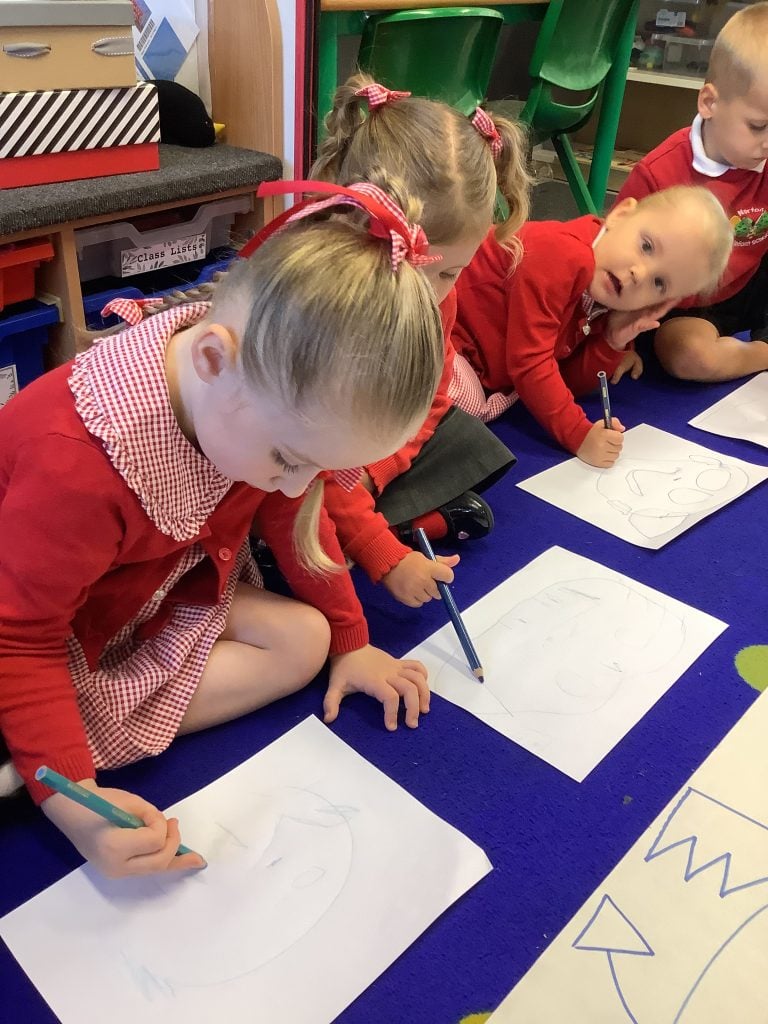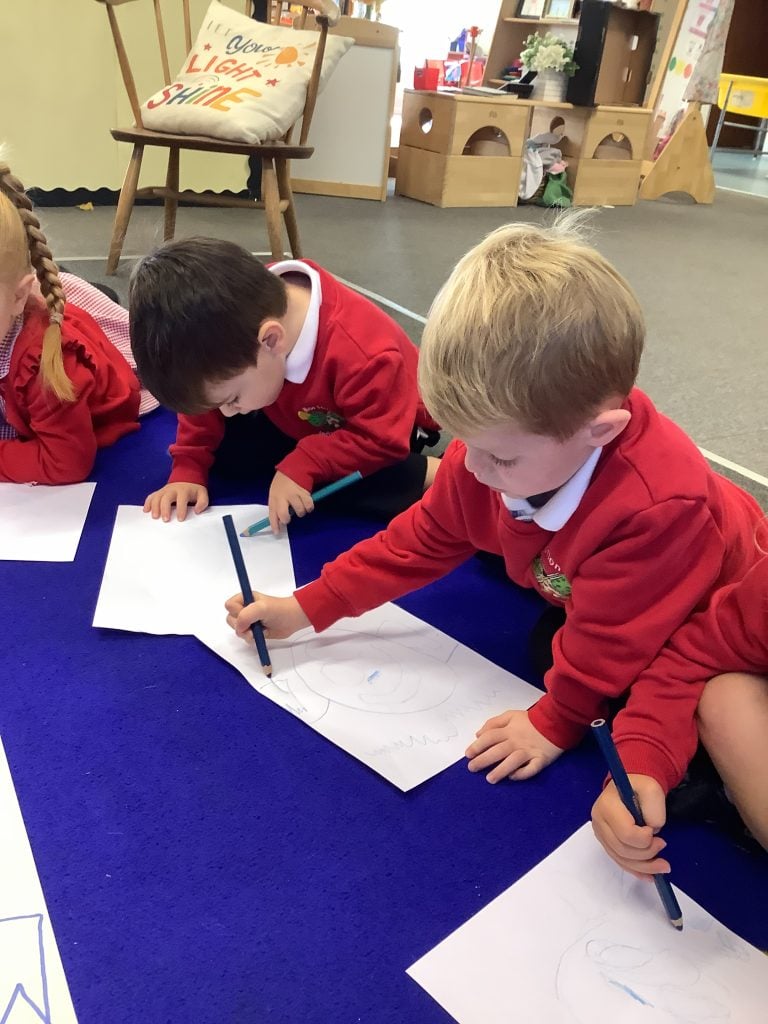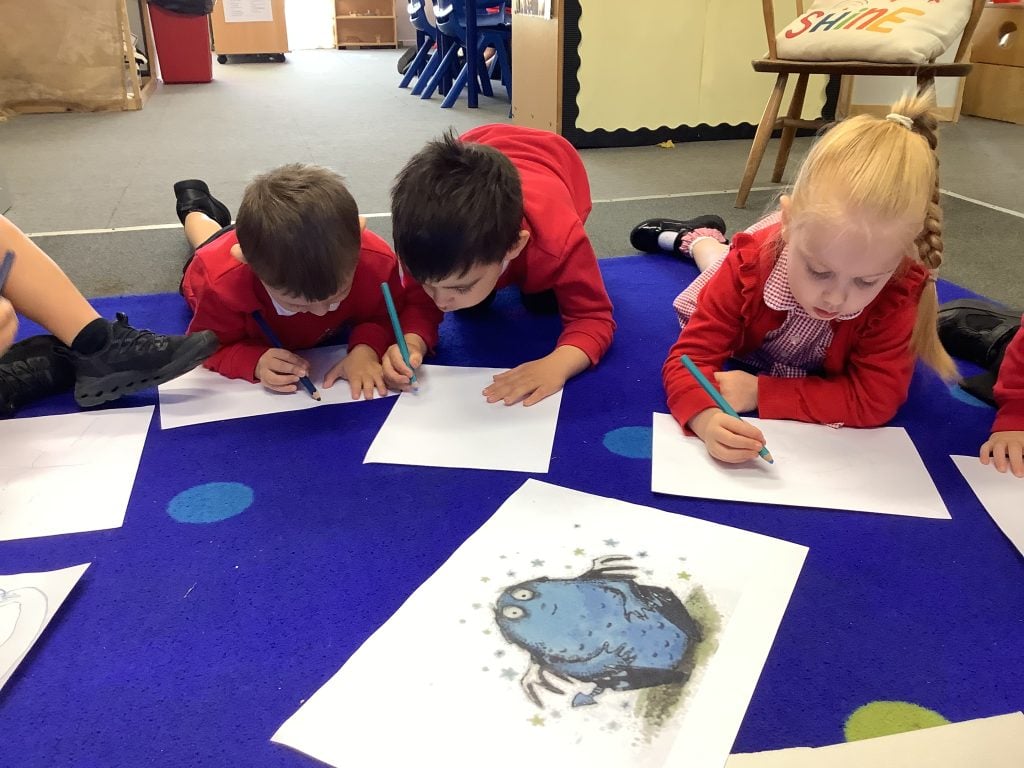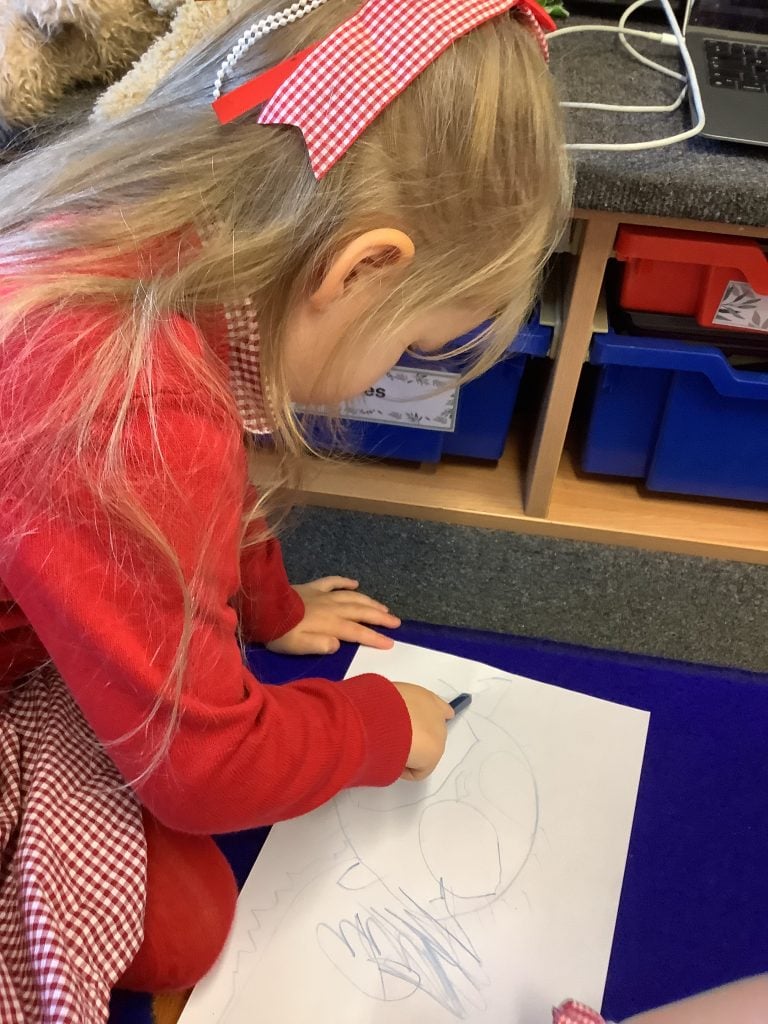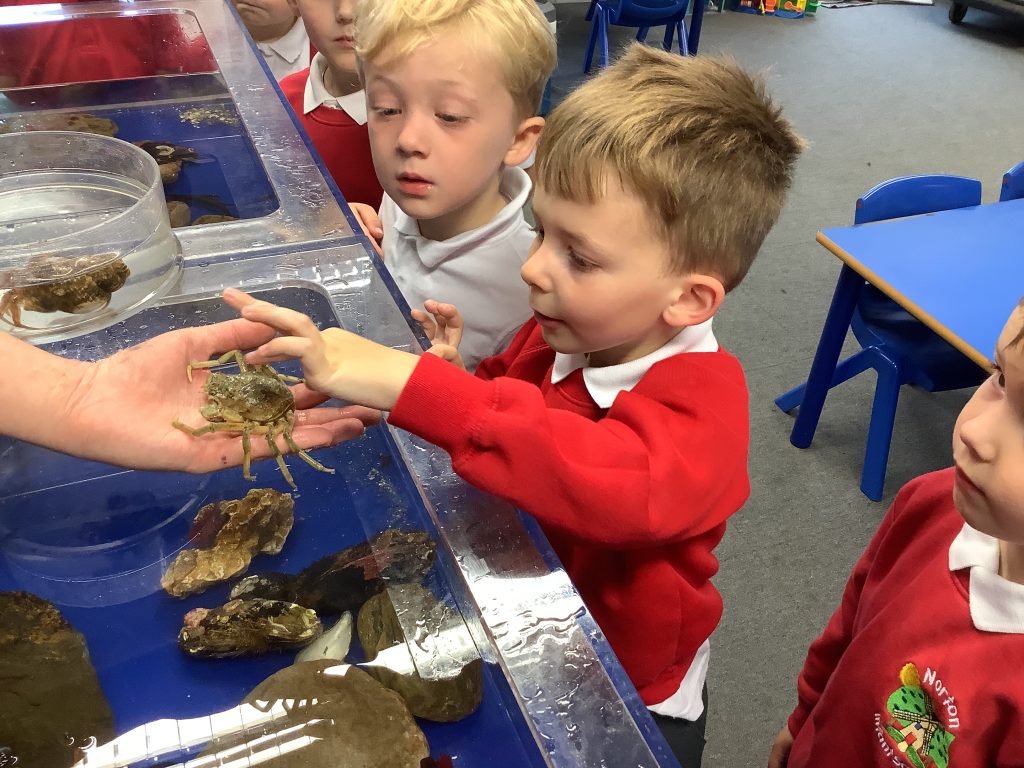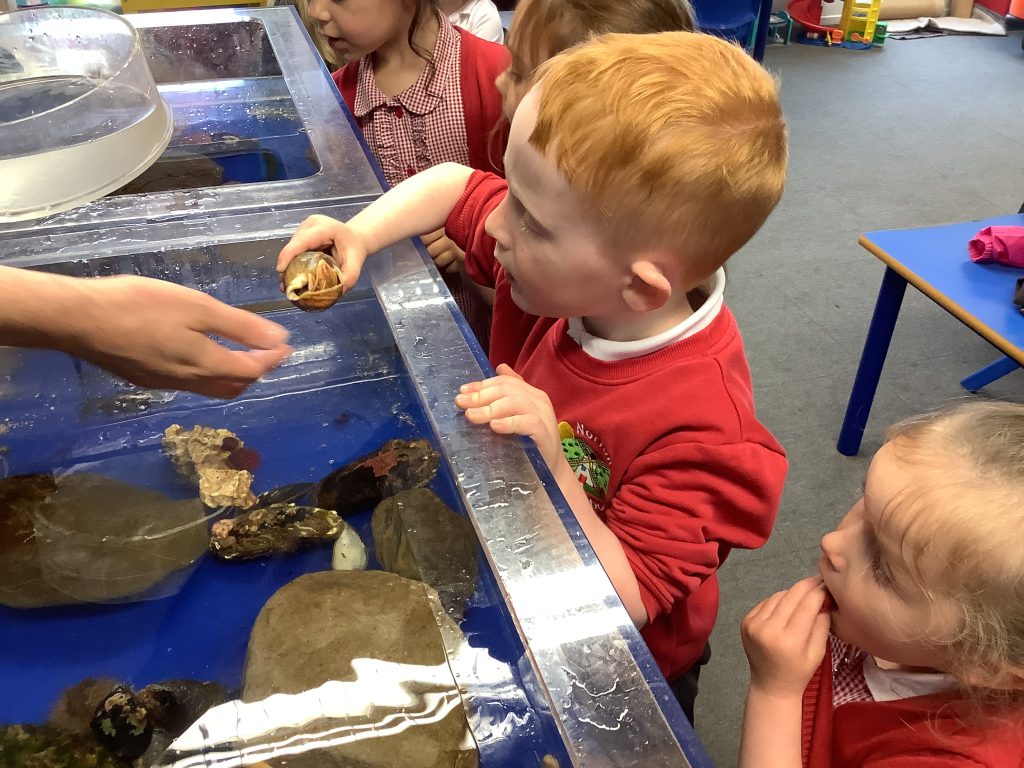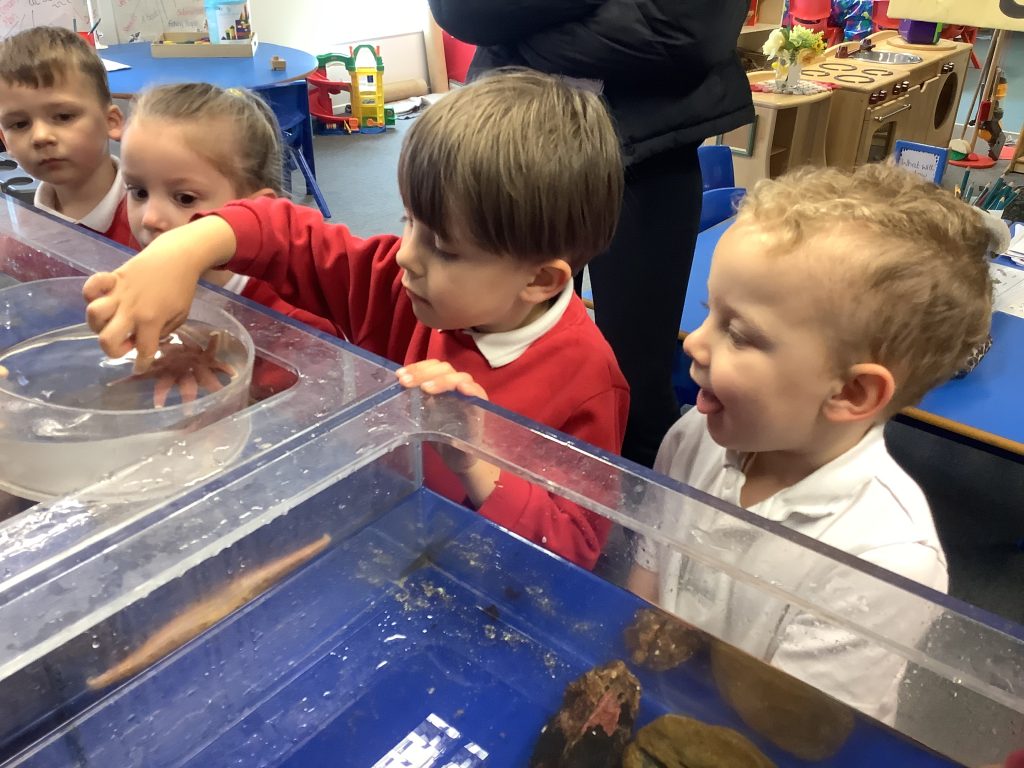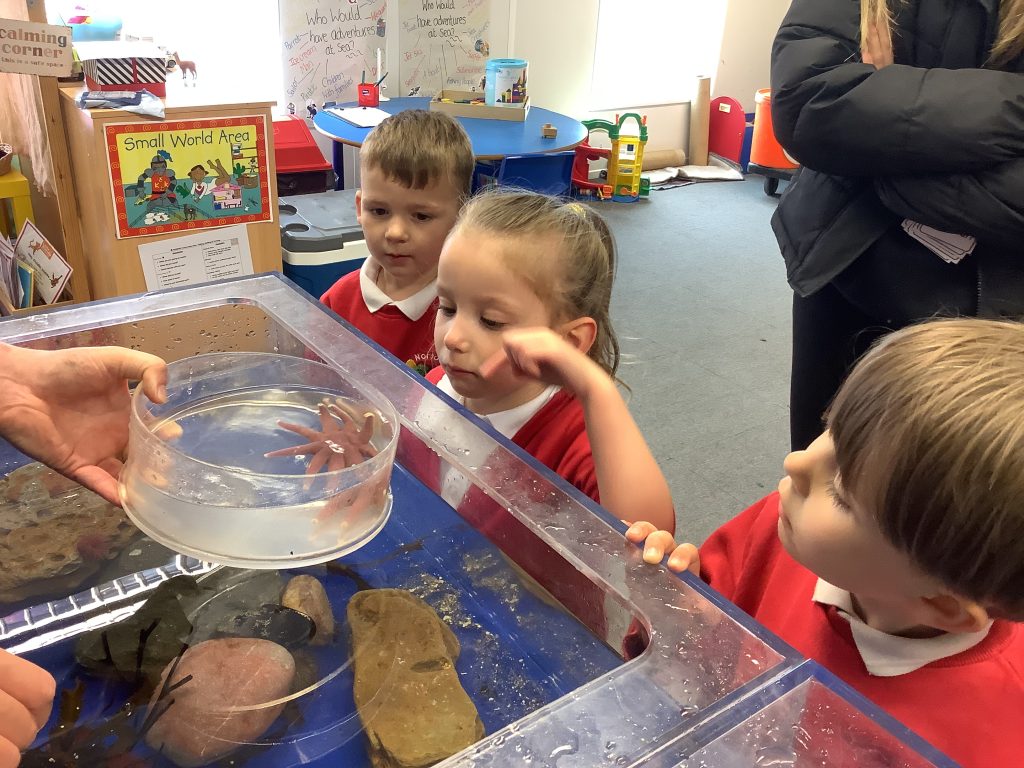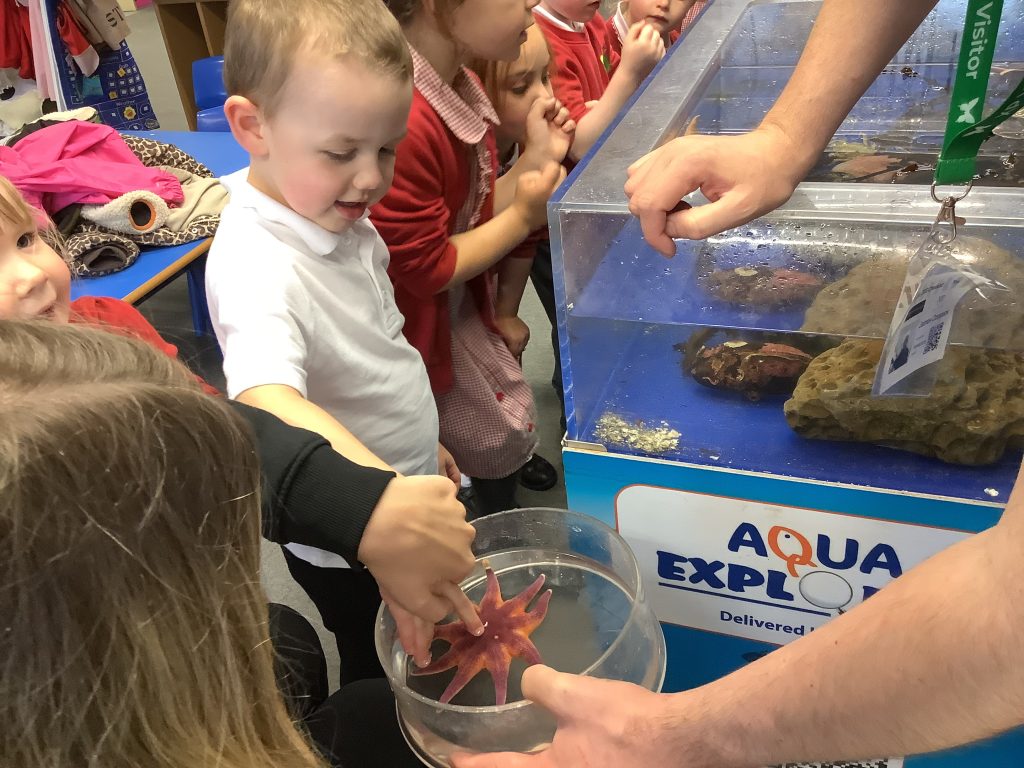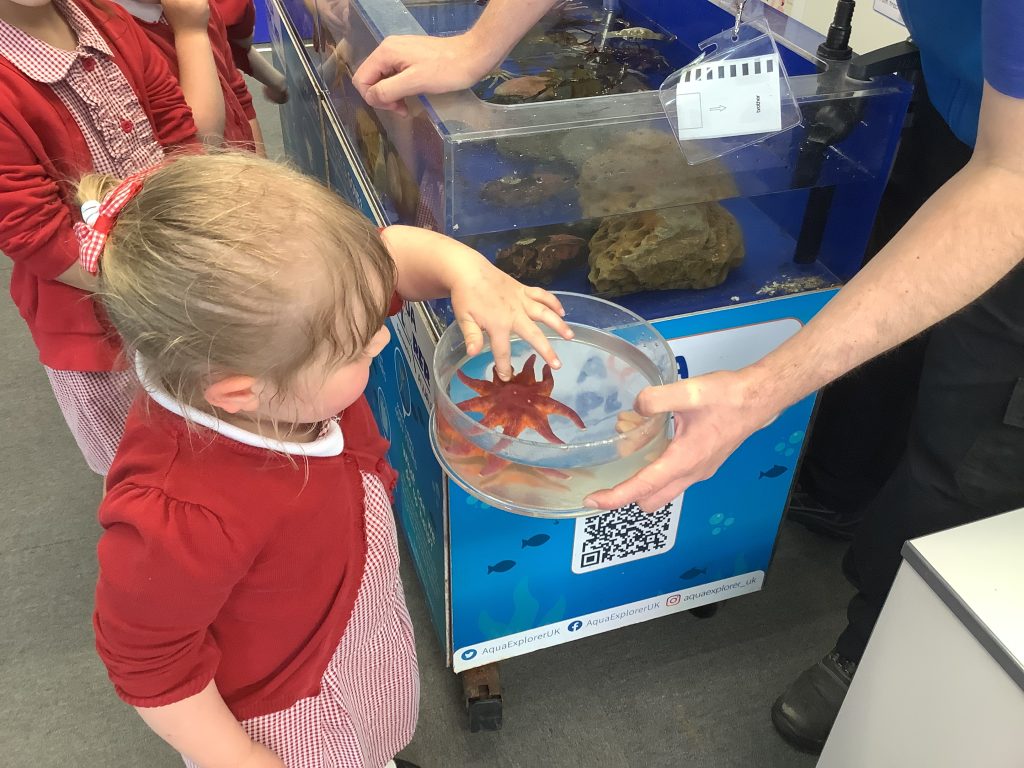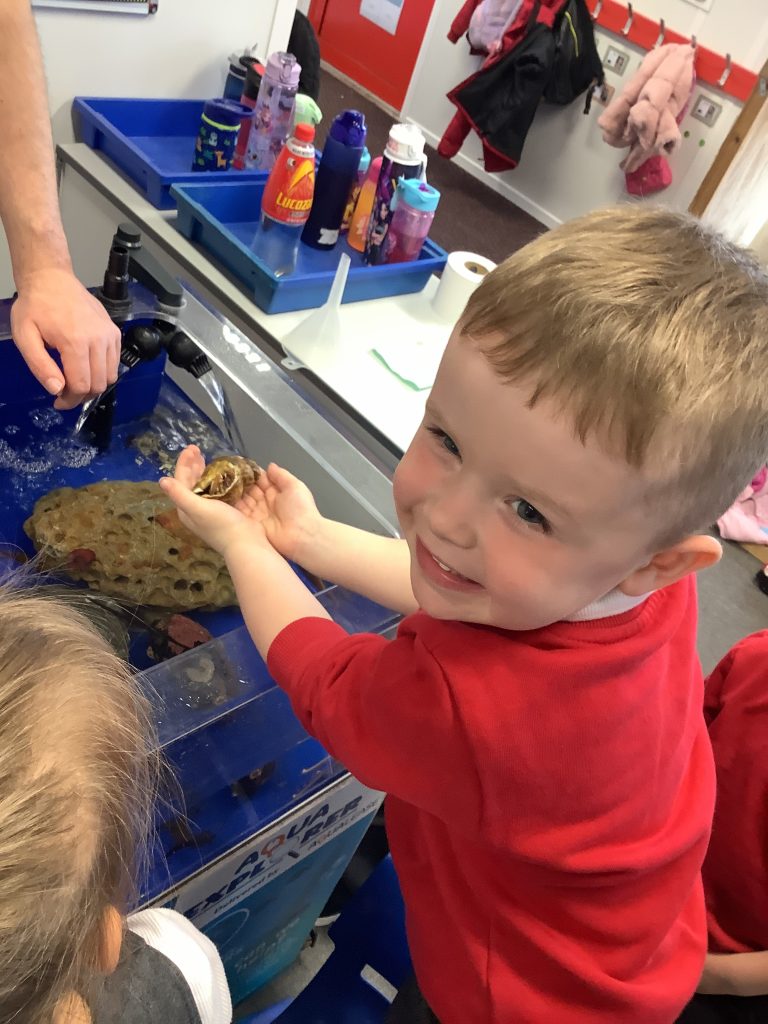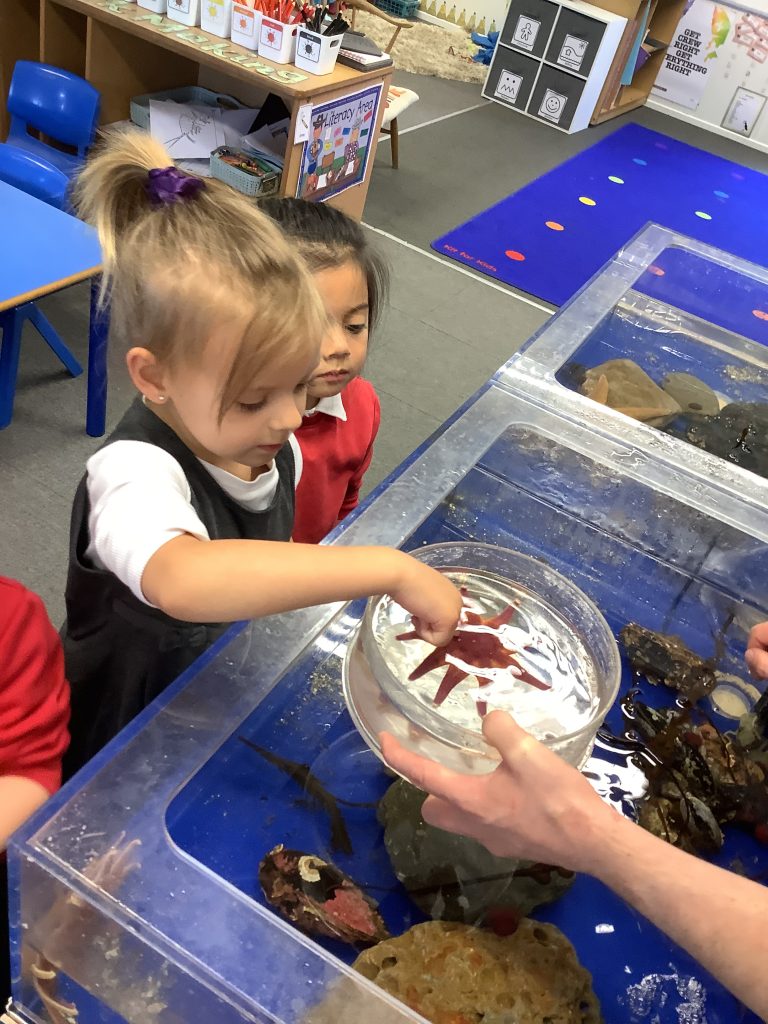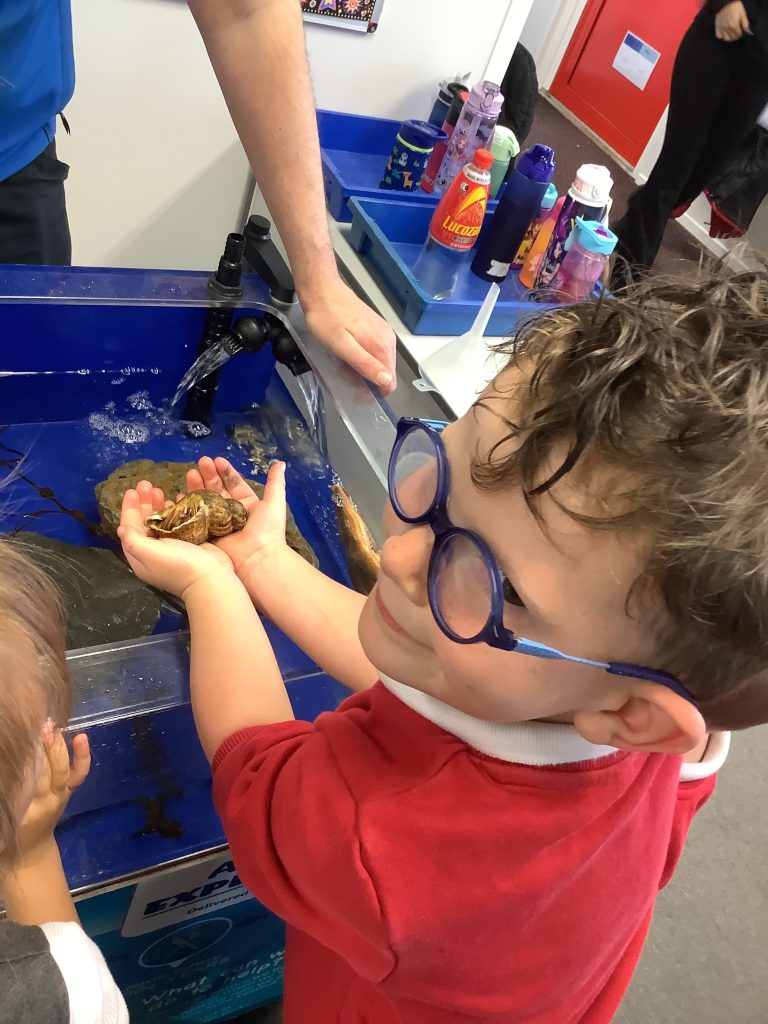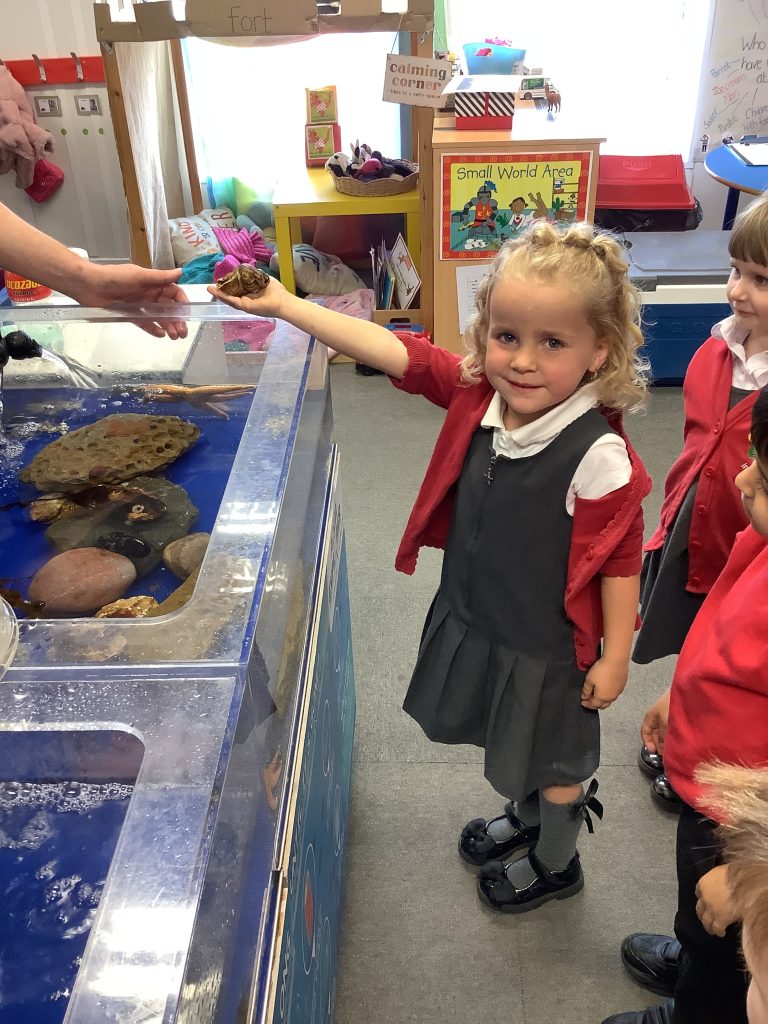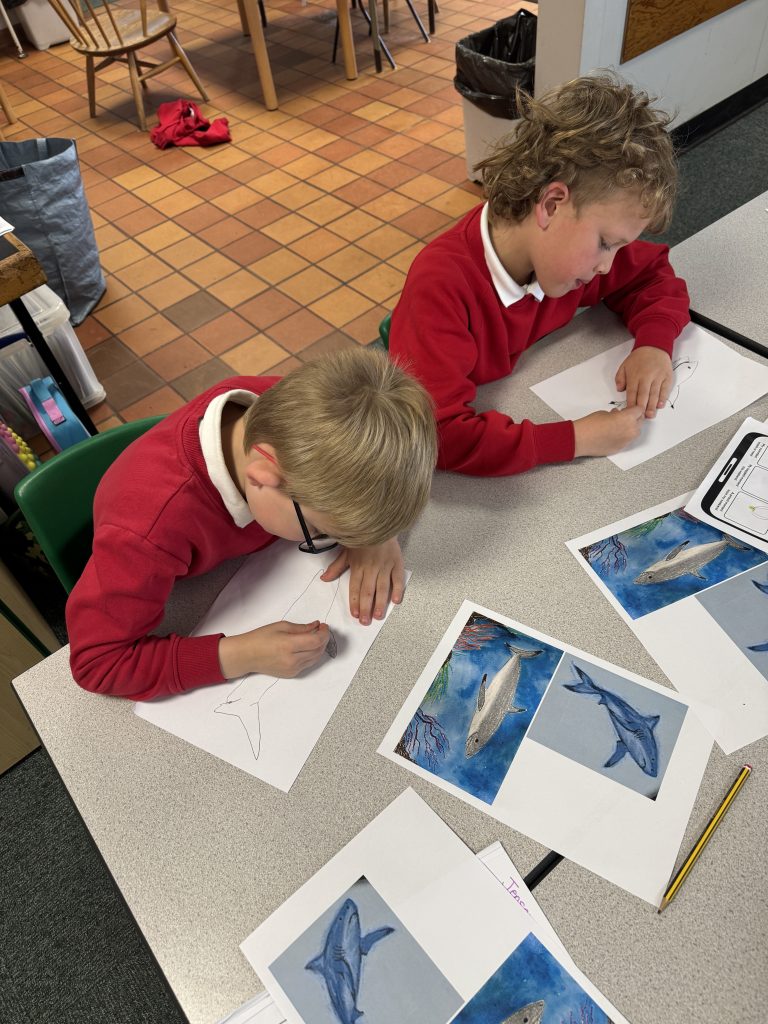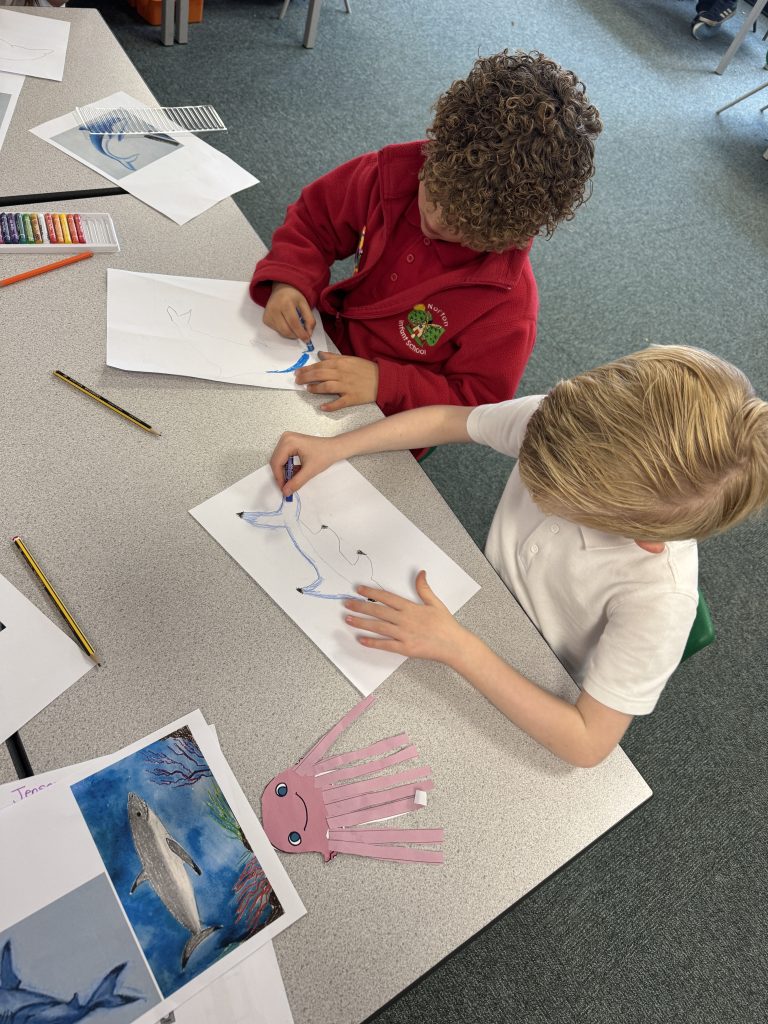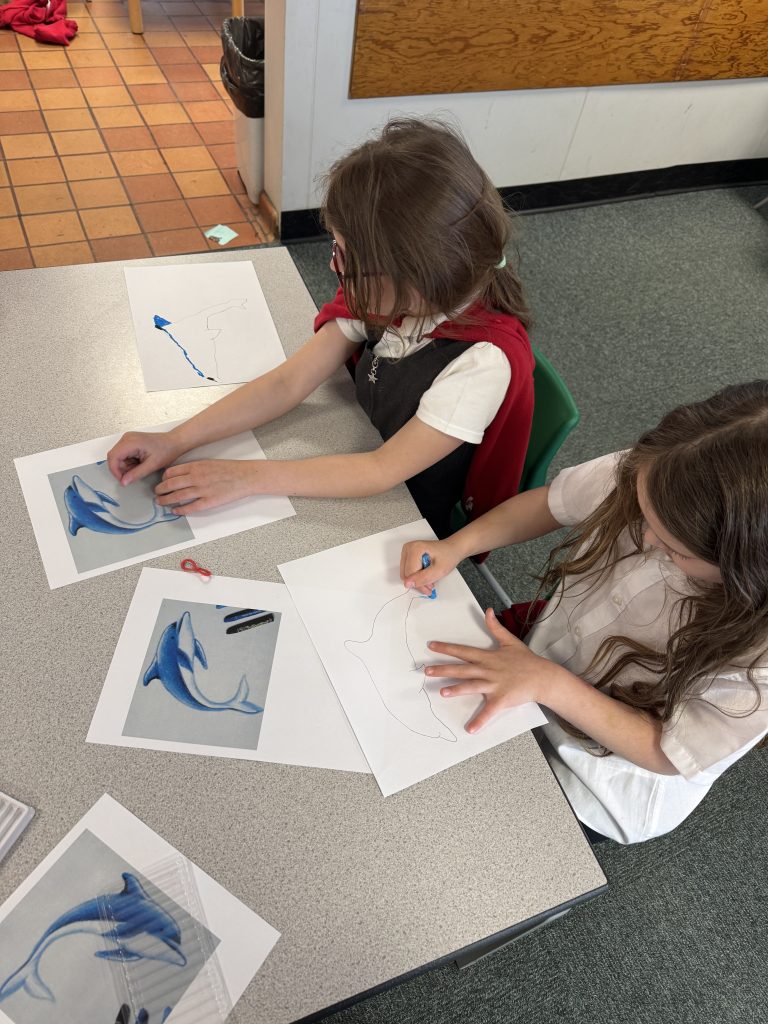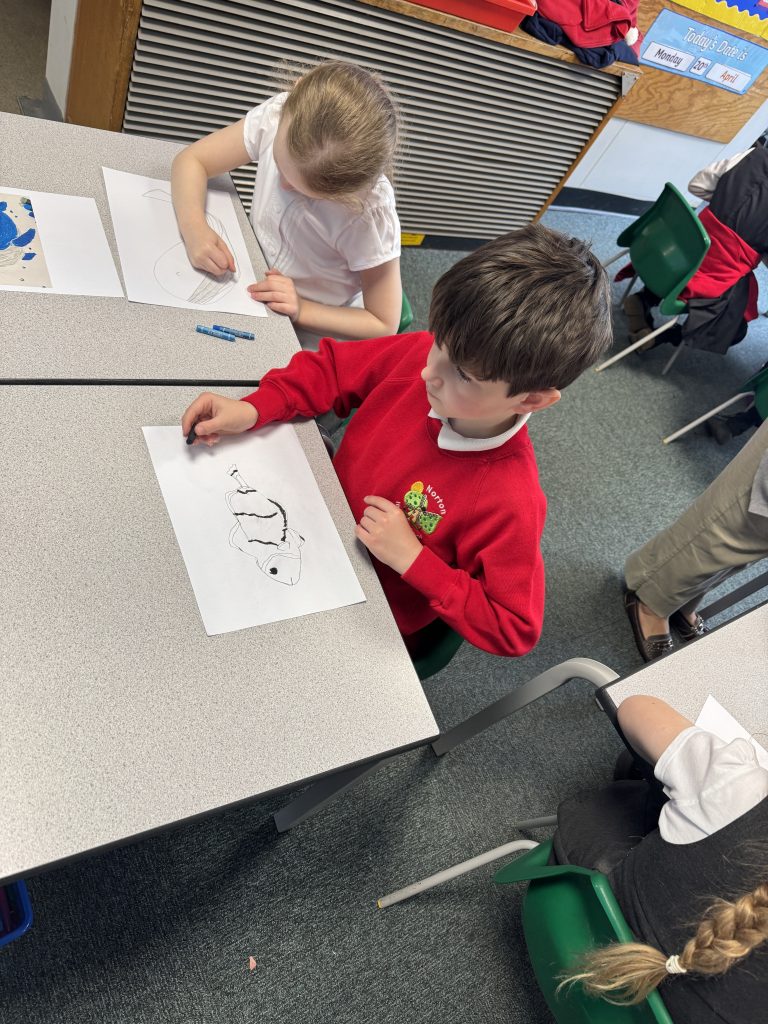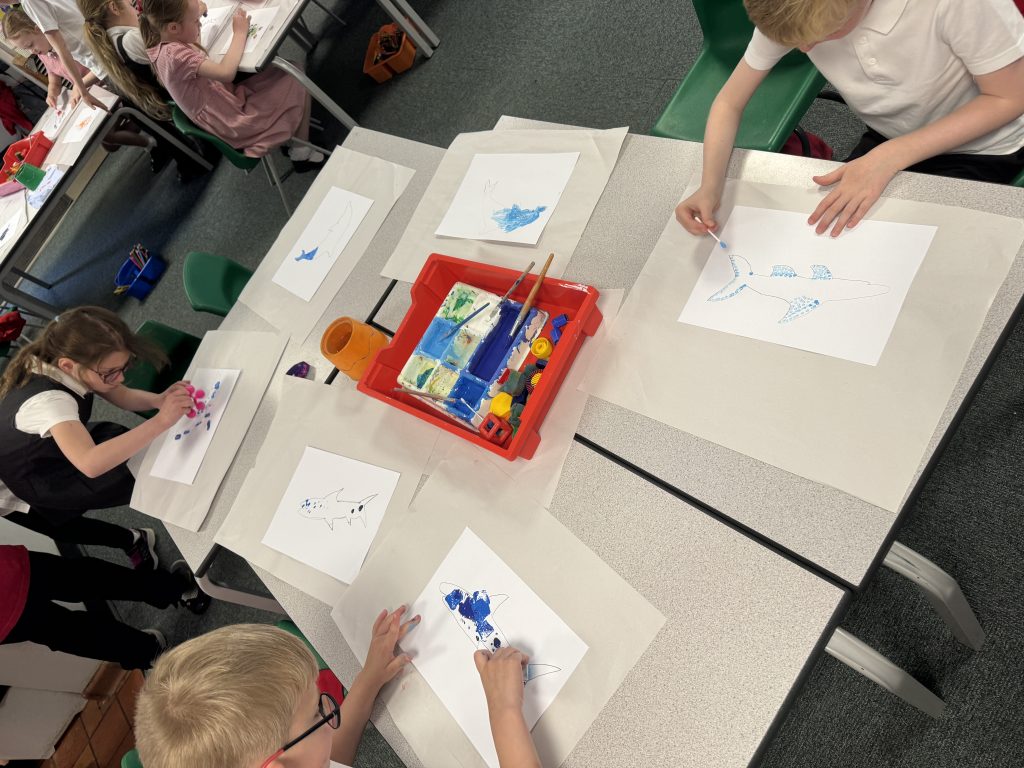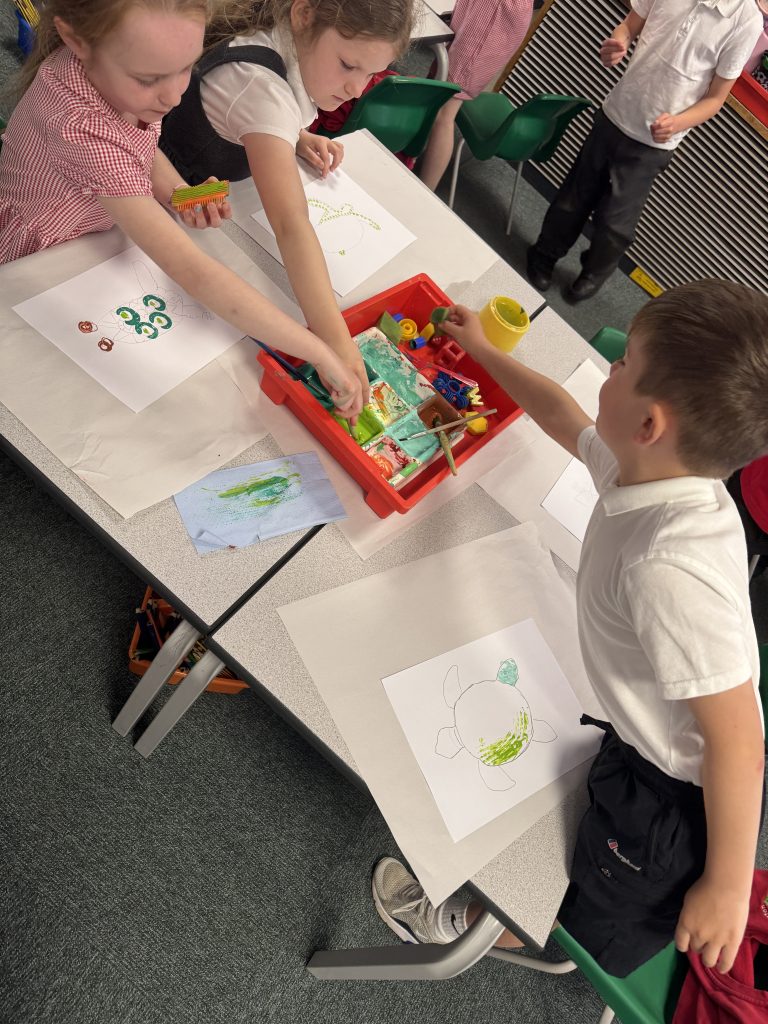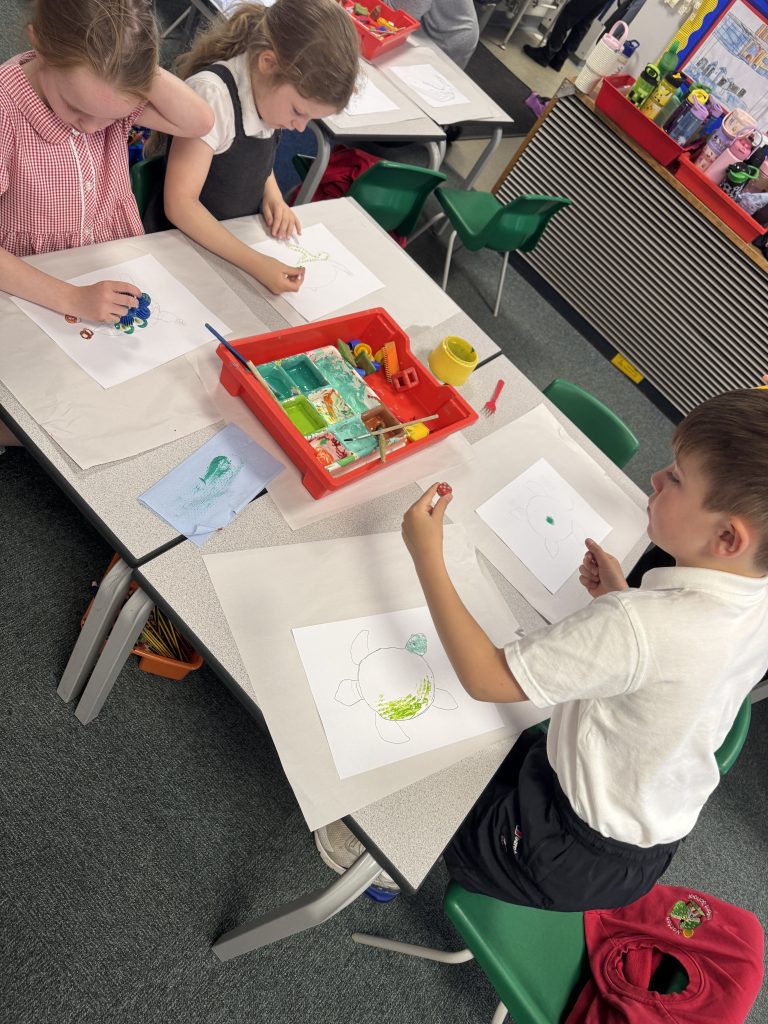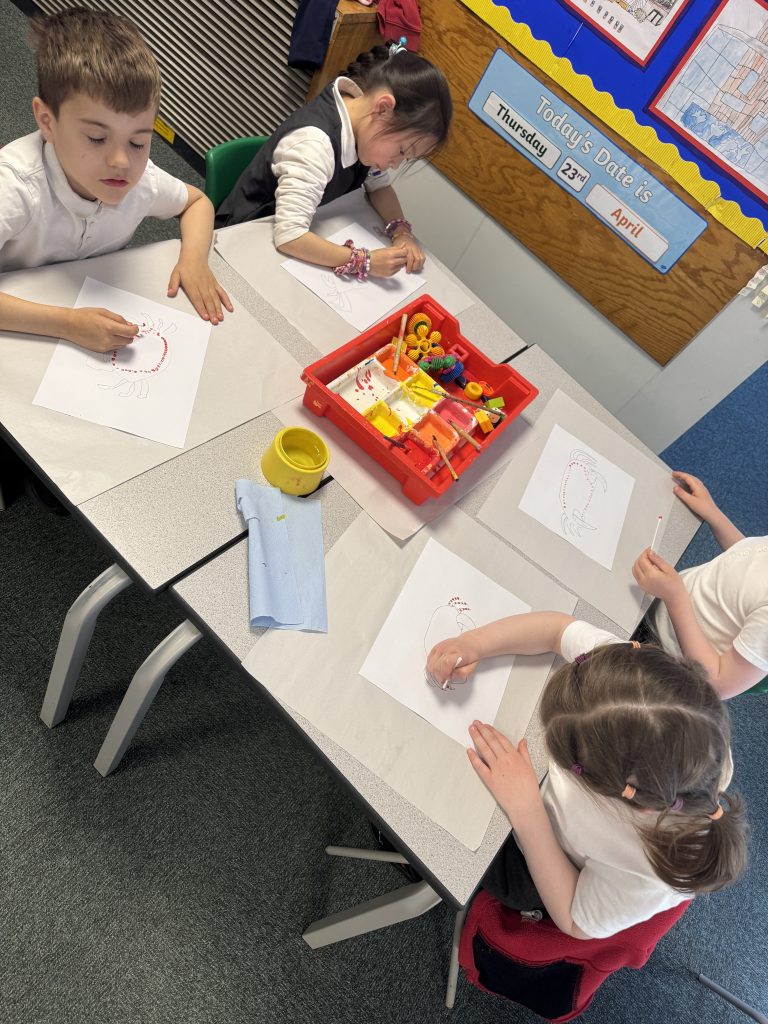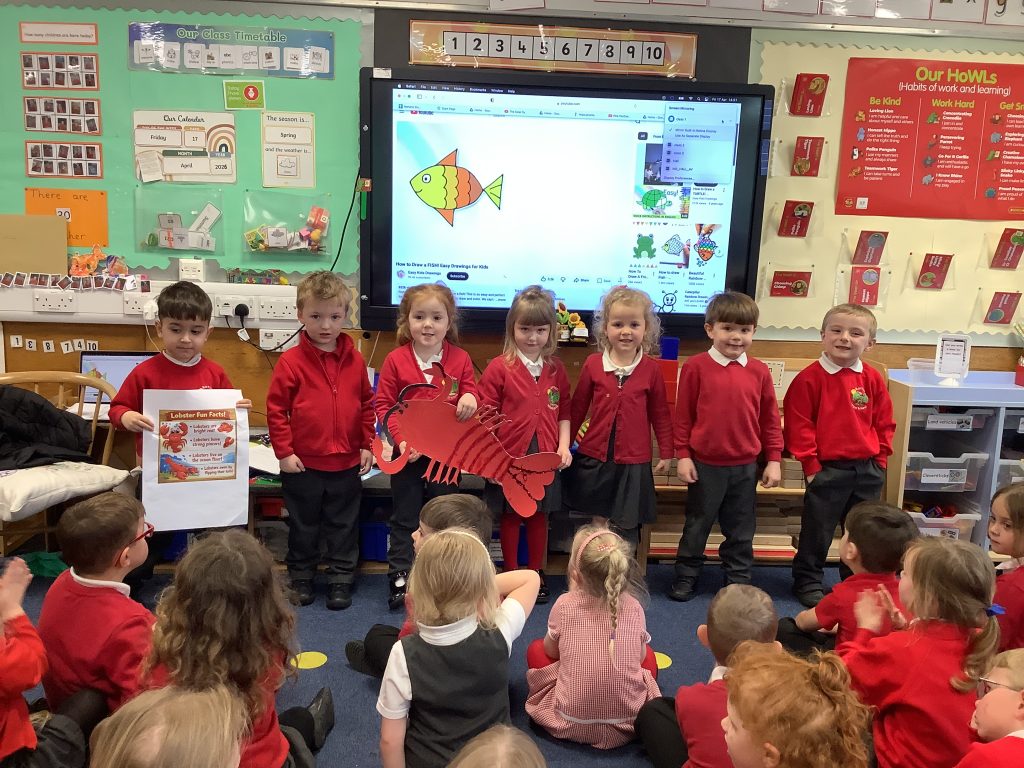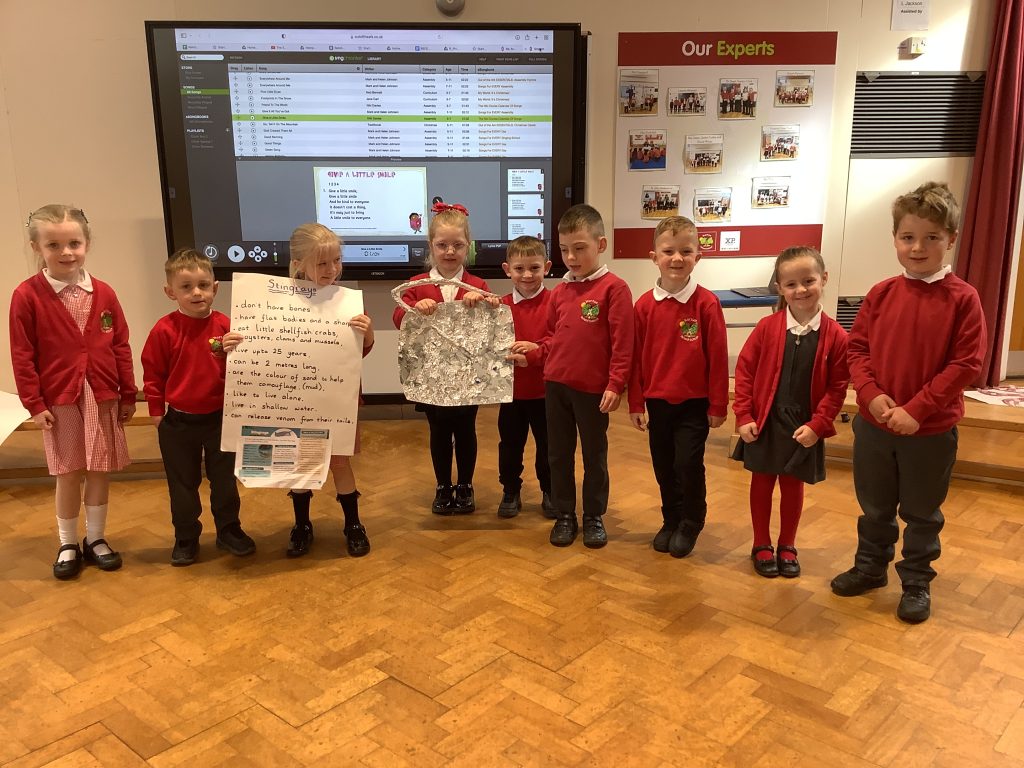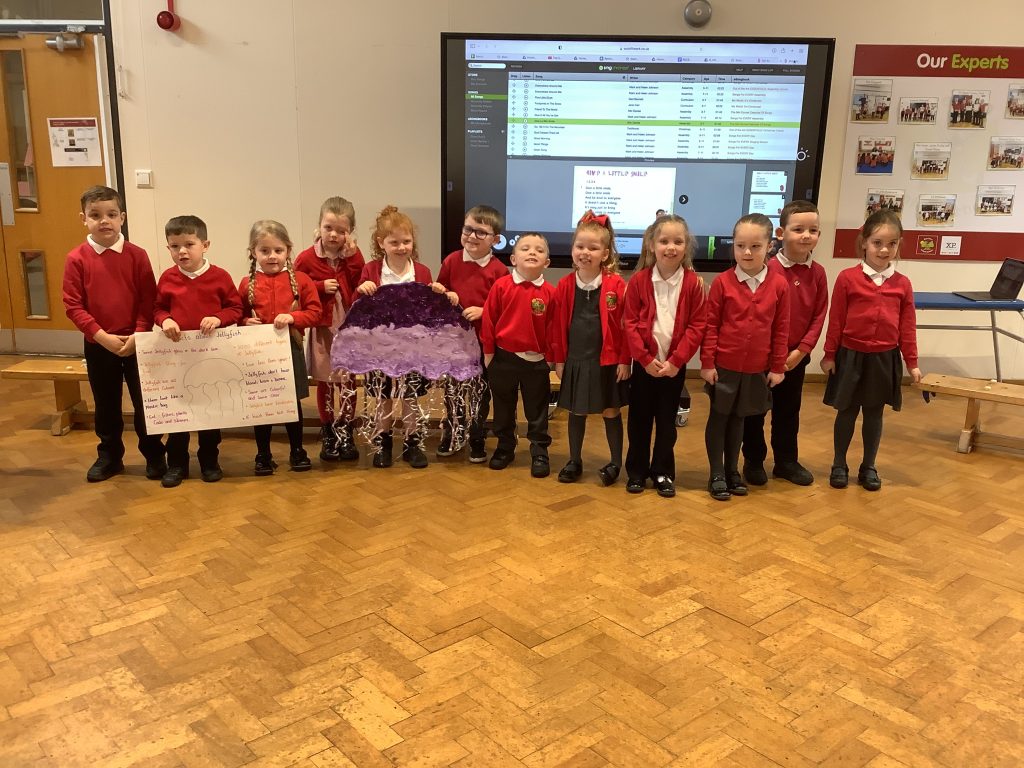
Crew, Collaboration, Critique and Teamwork Tigers!
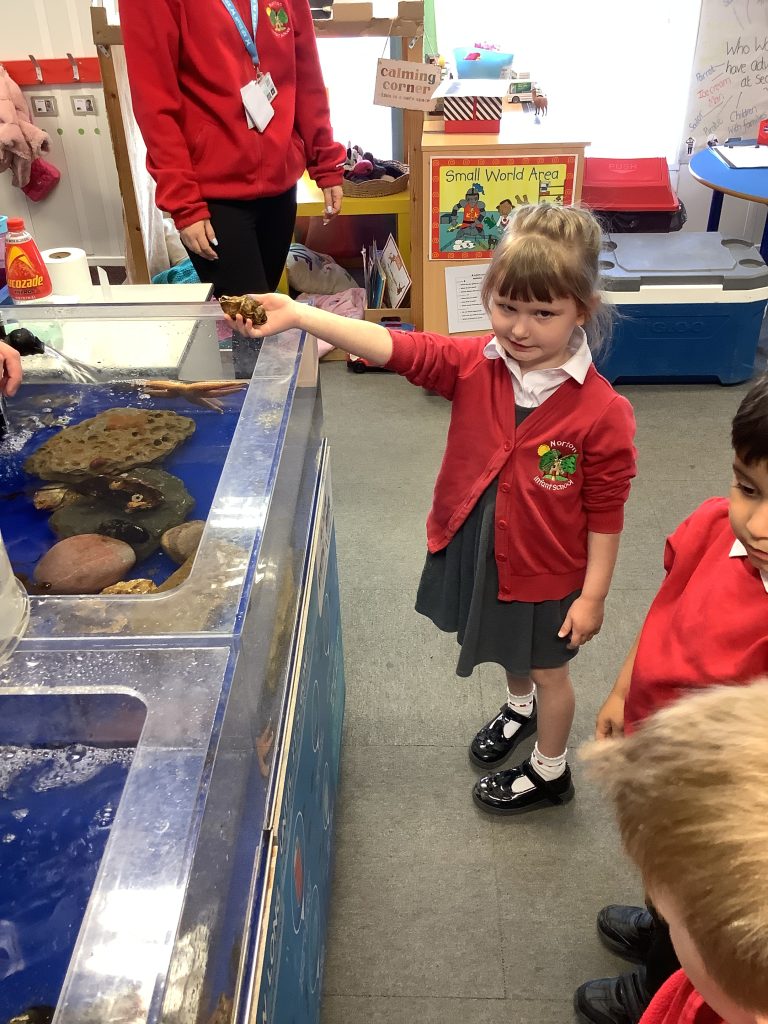
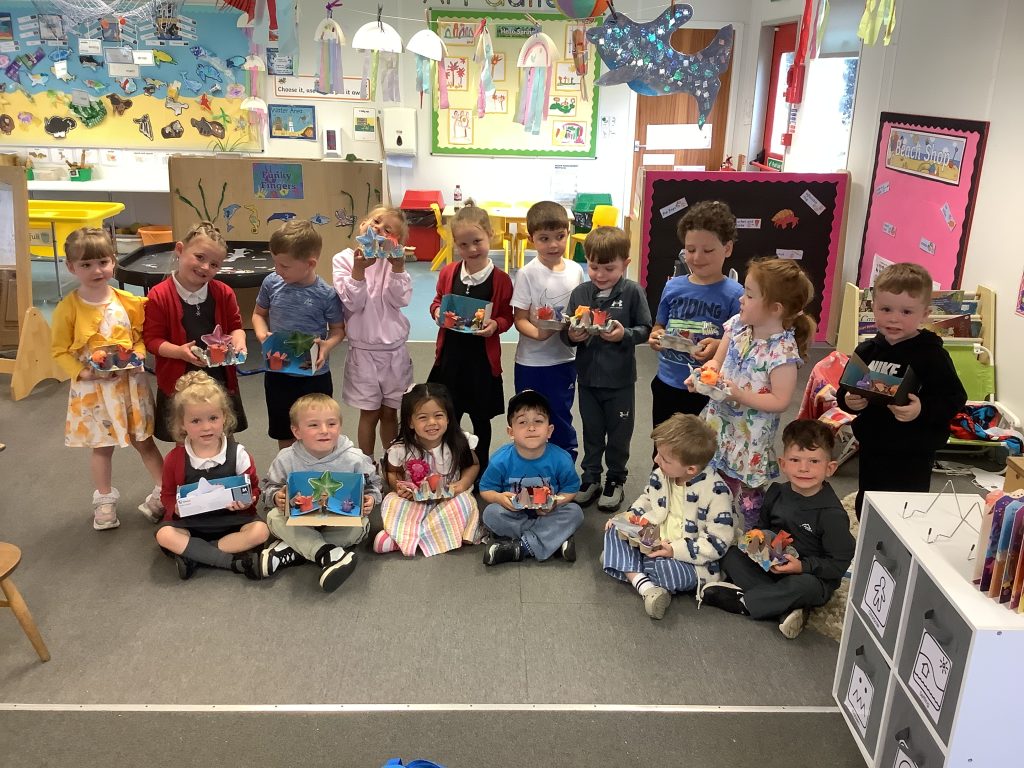
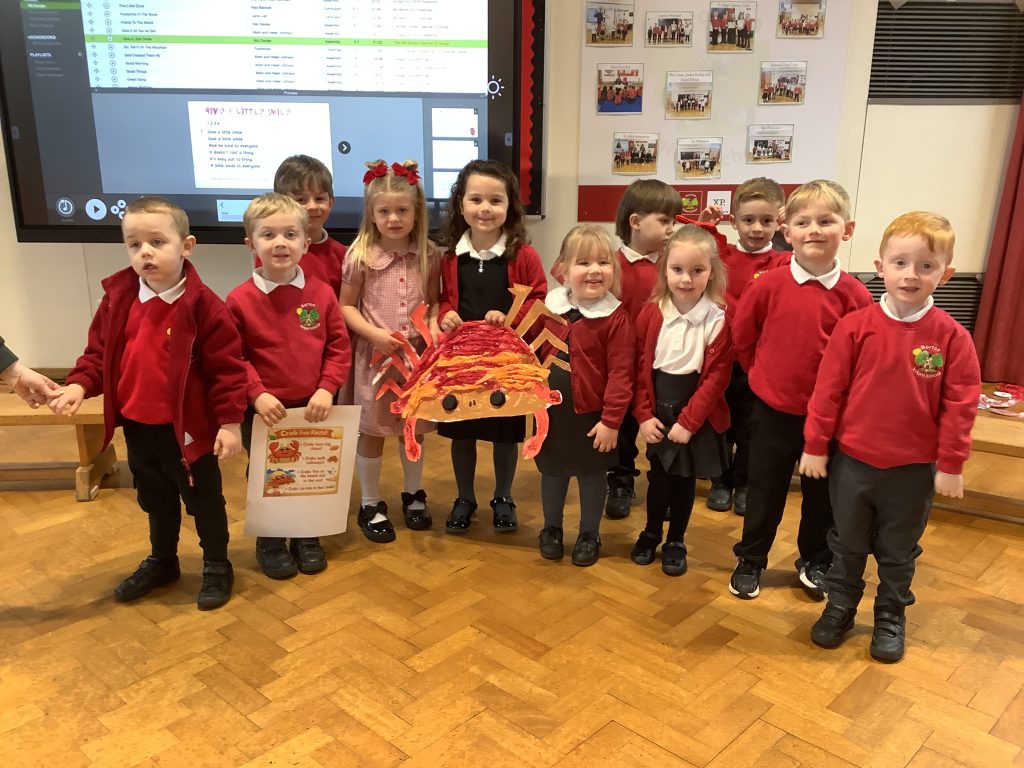
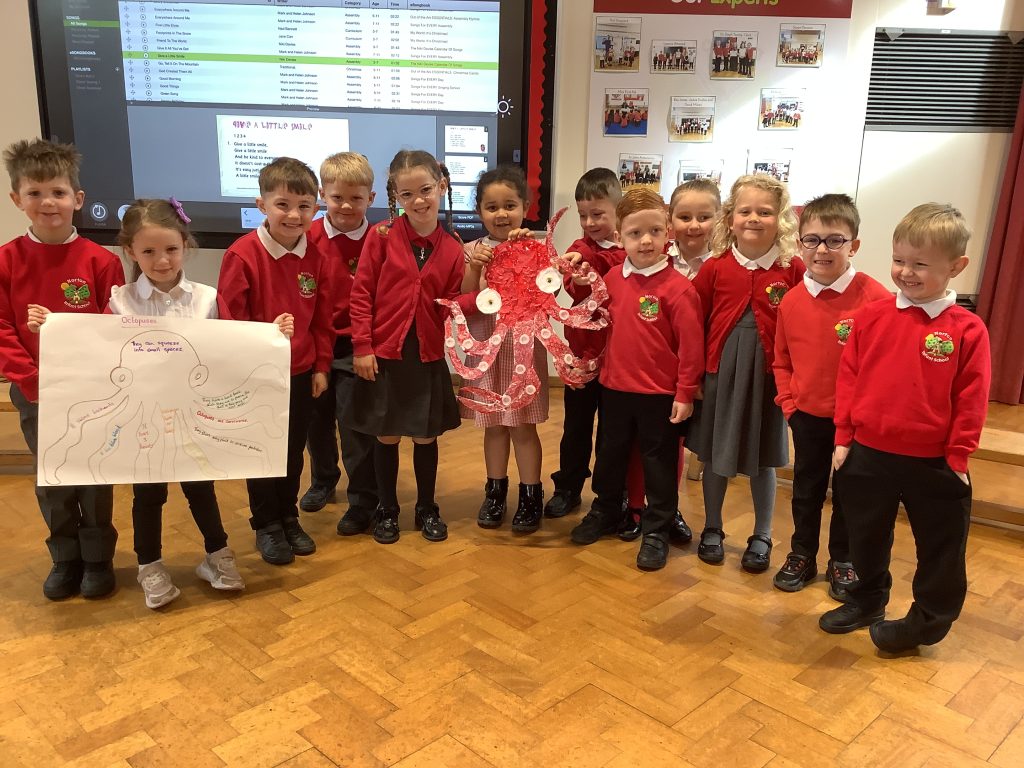
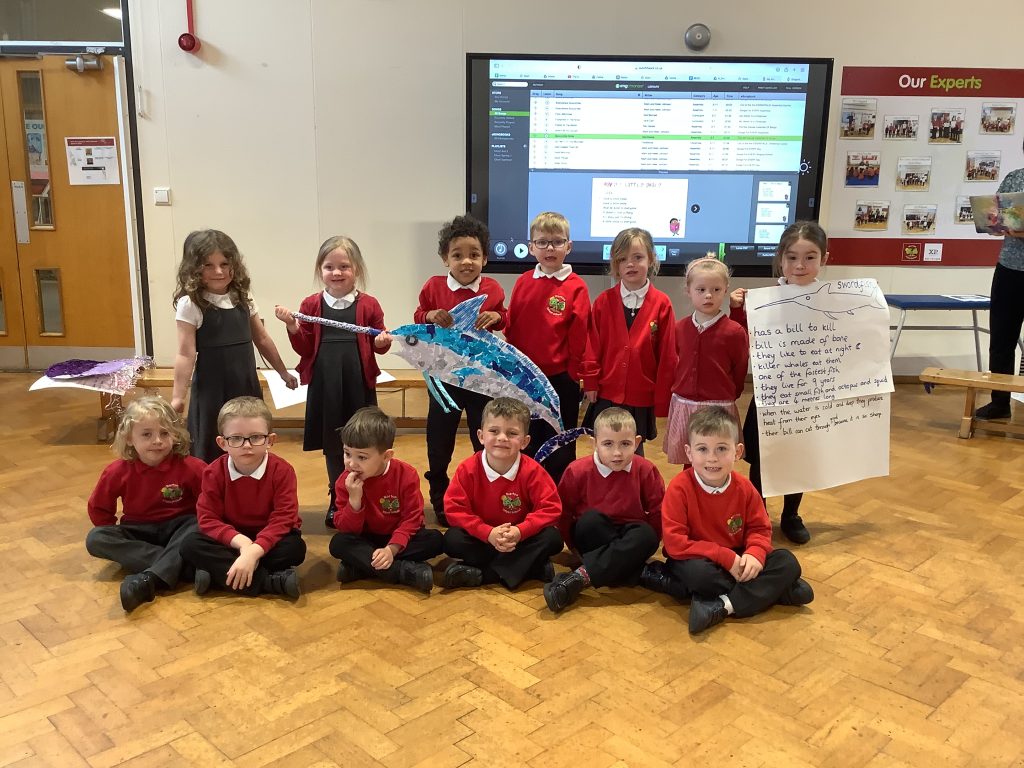
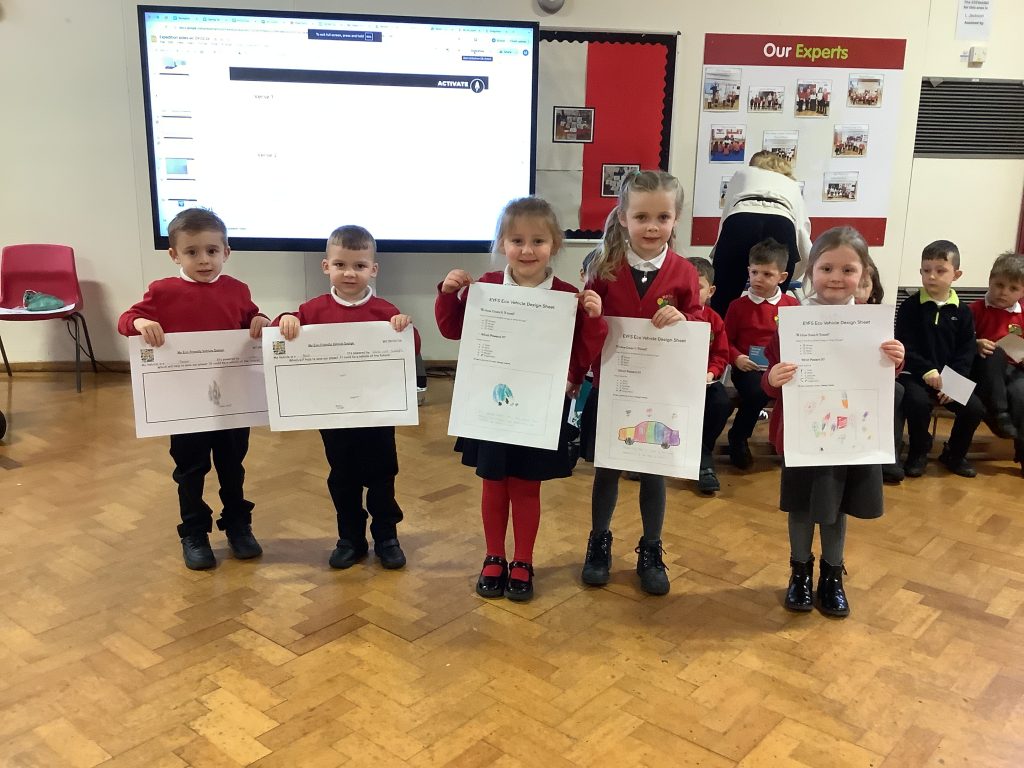
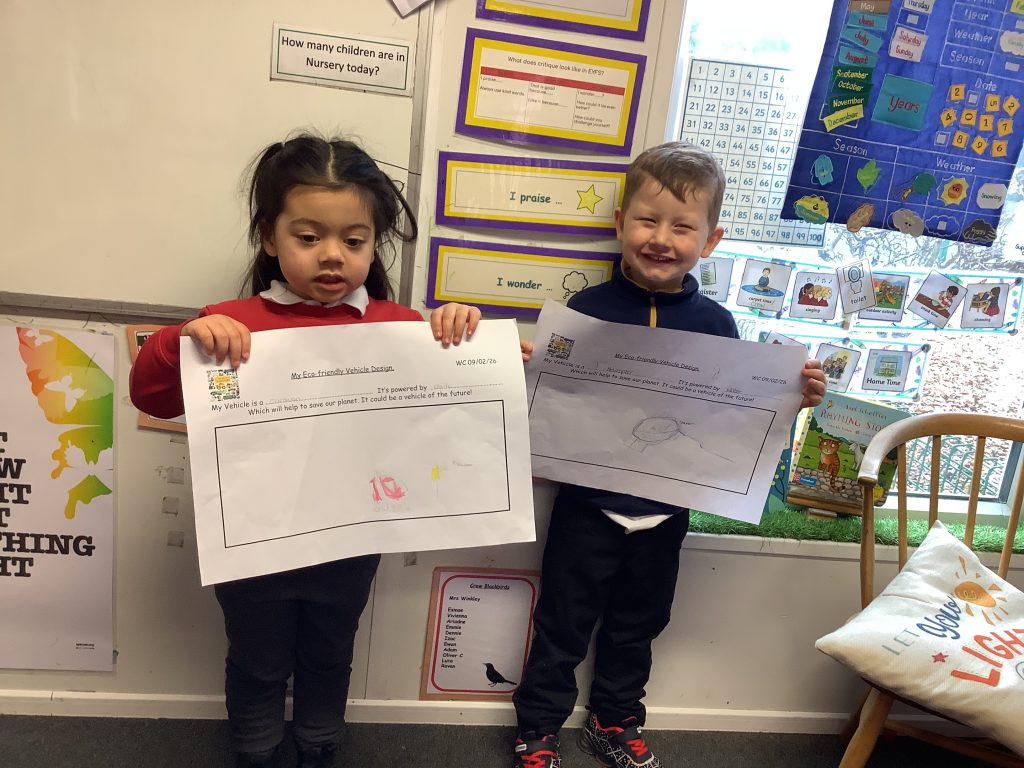
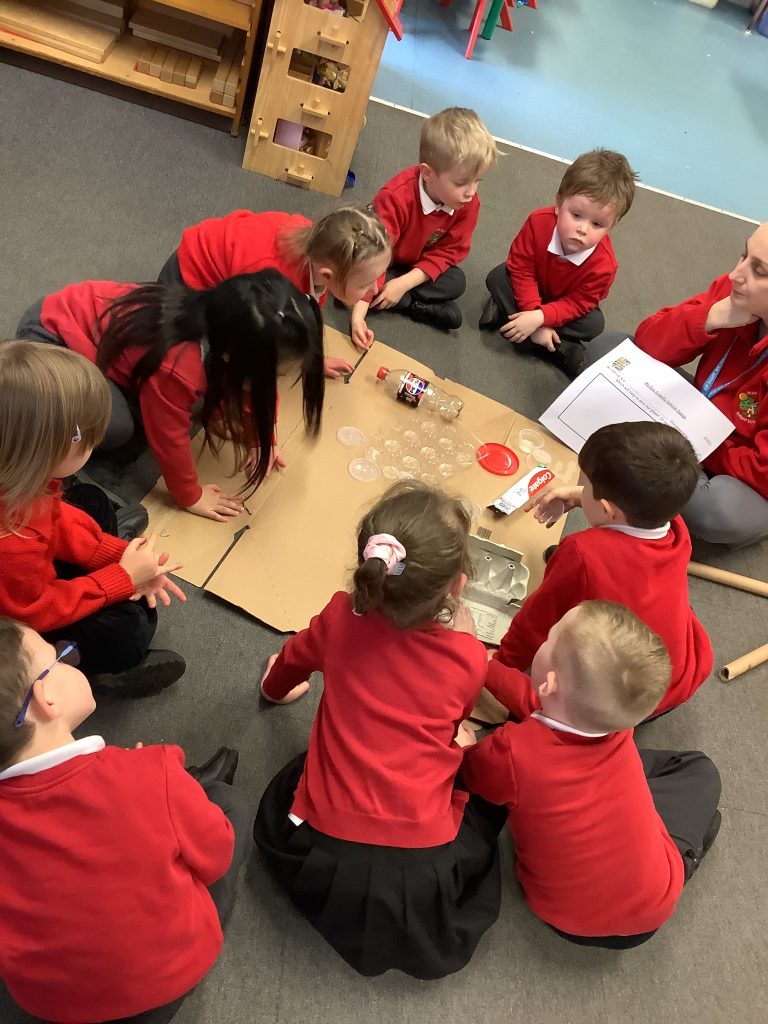
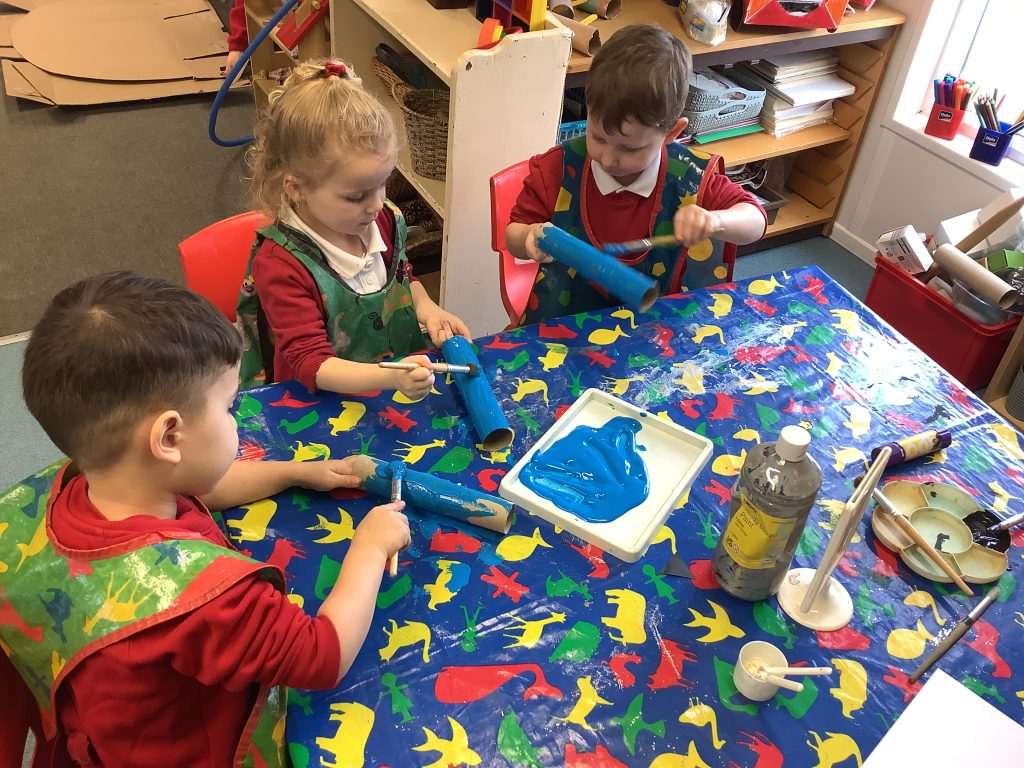
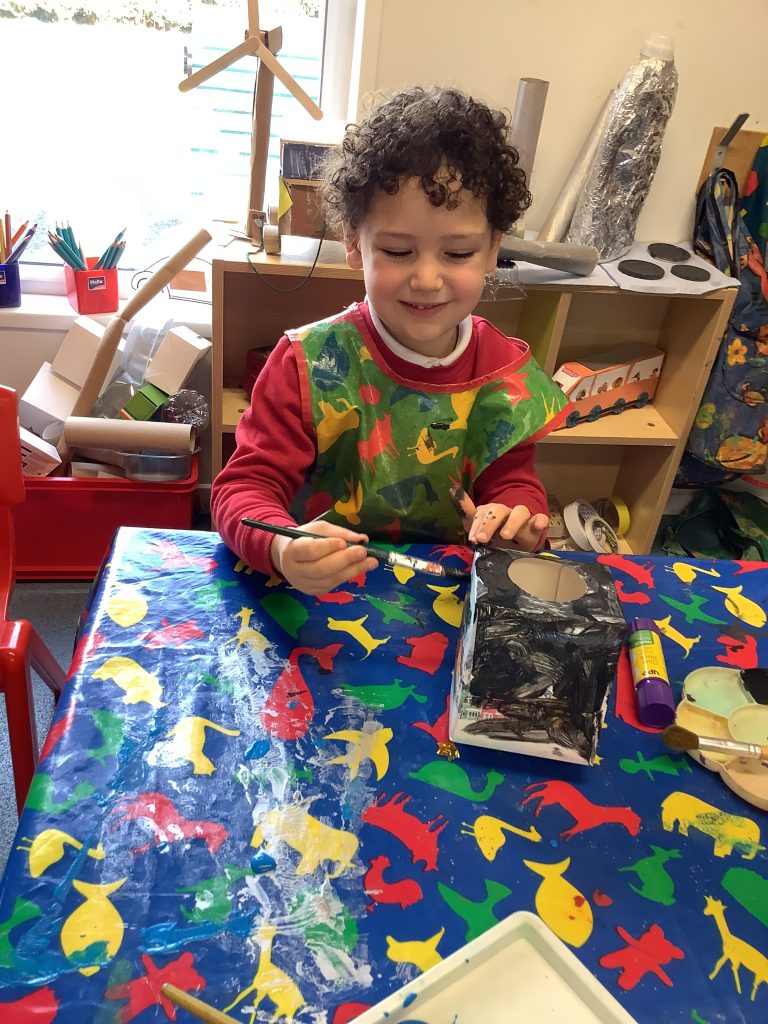
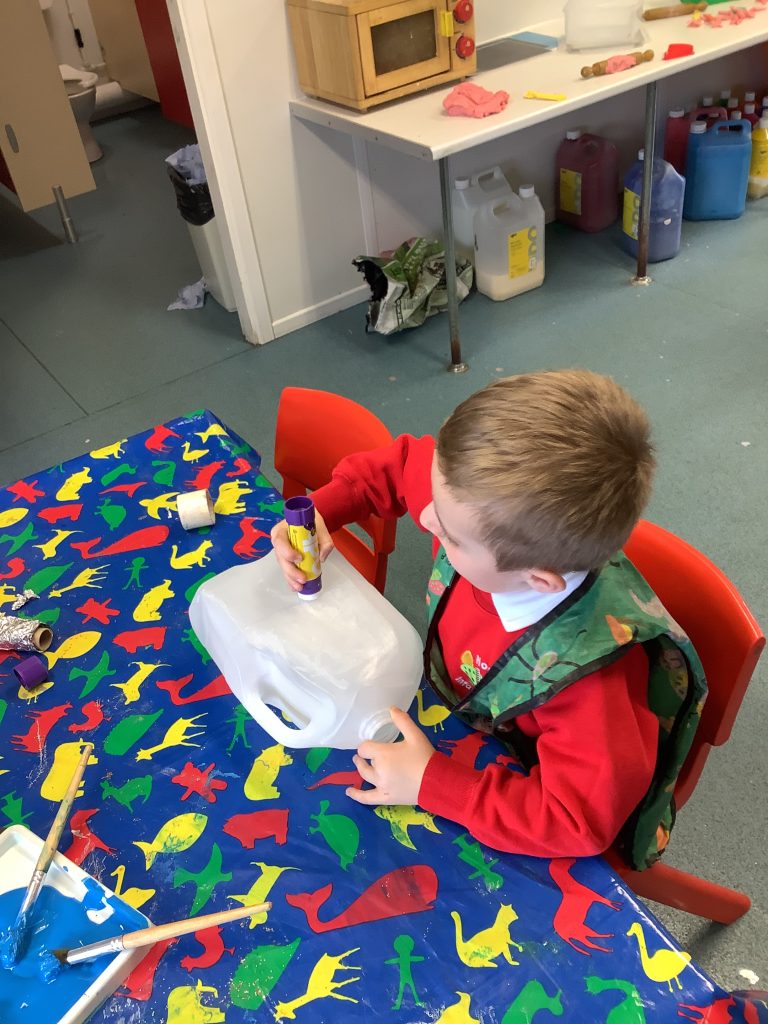
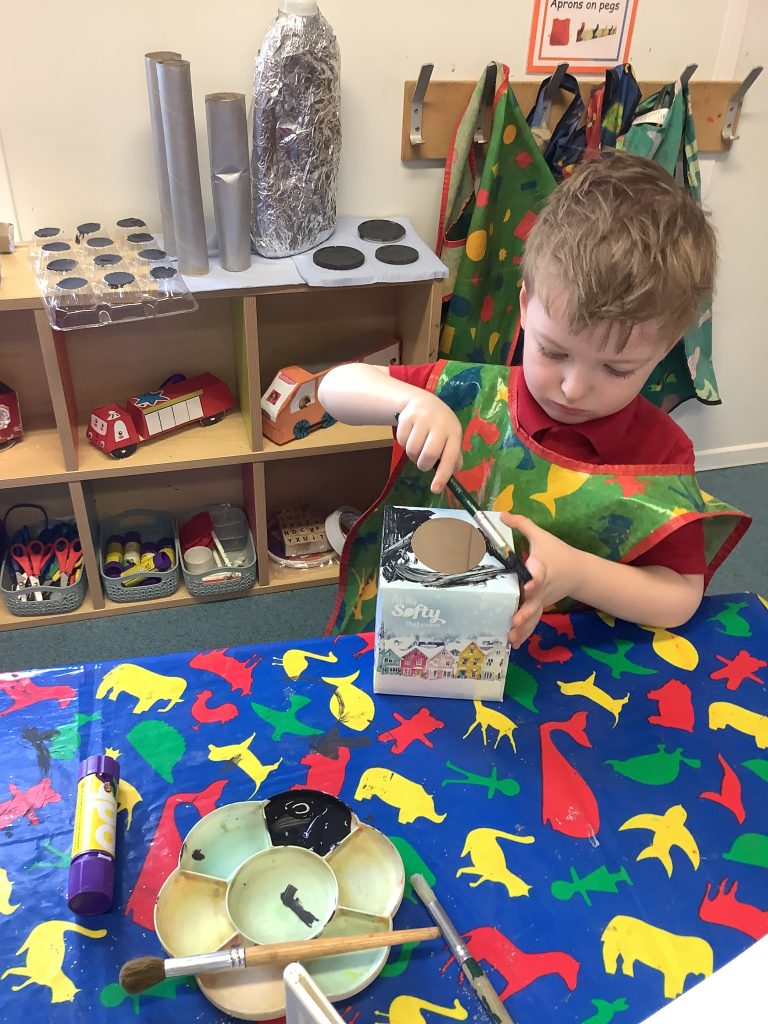
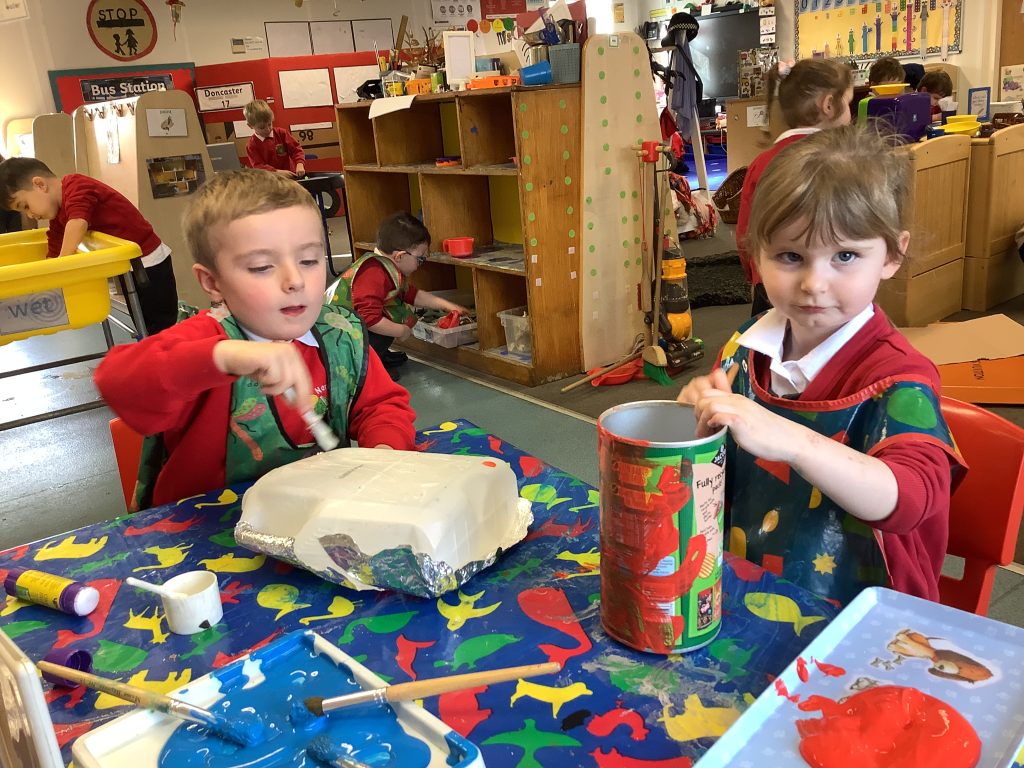
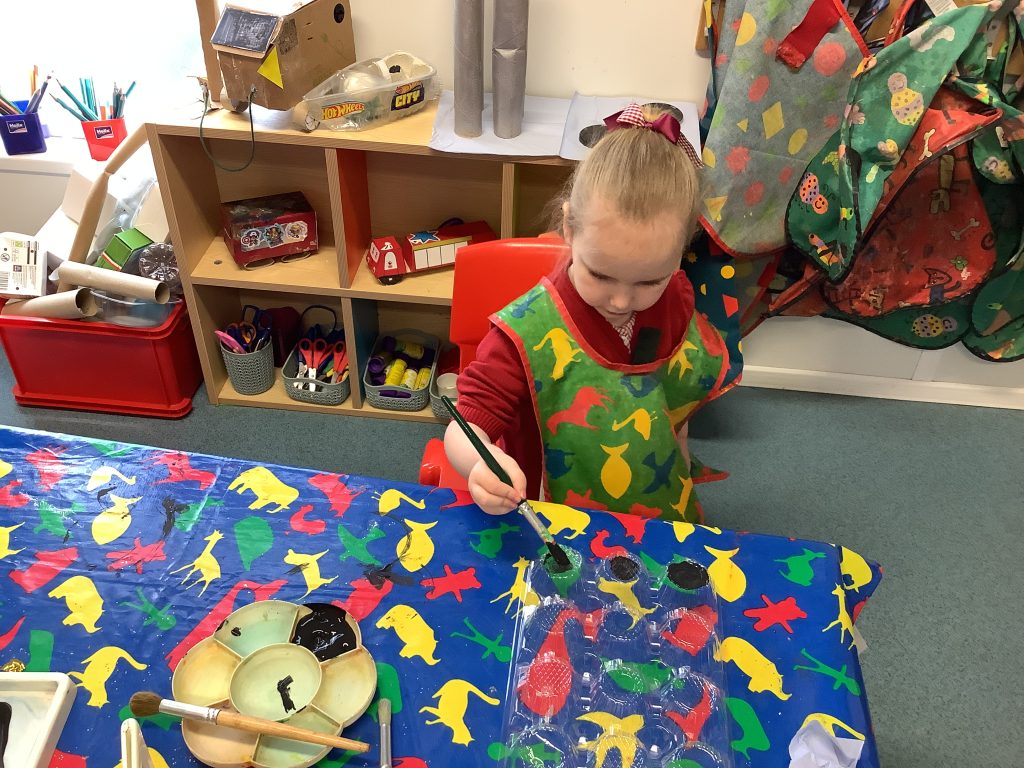
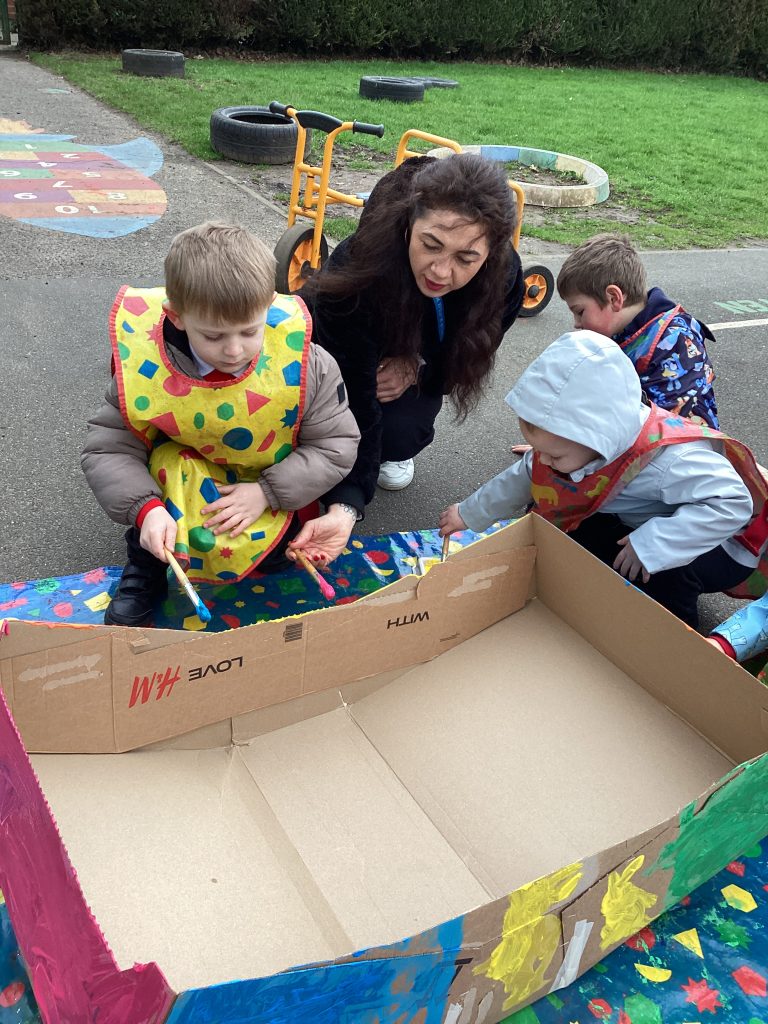
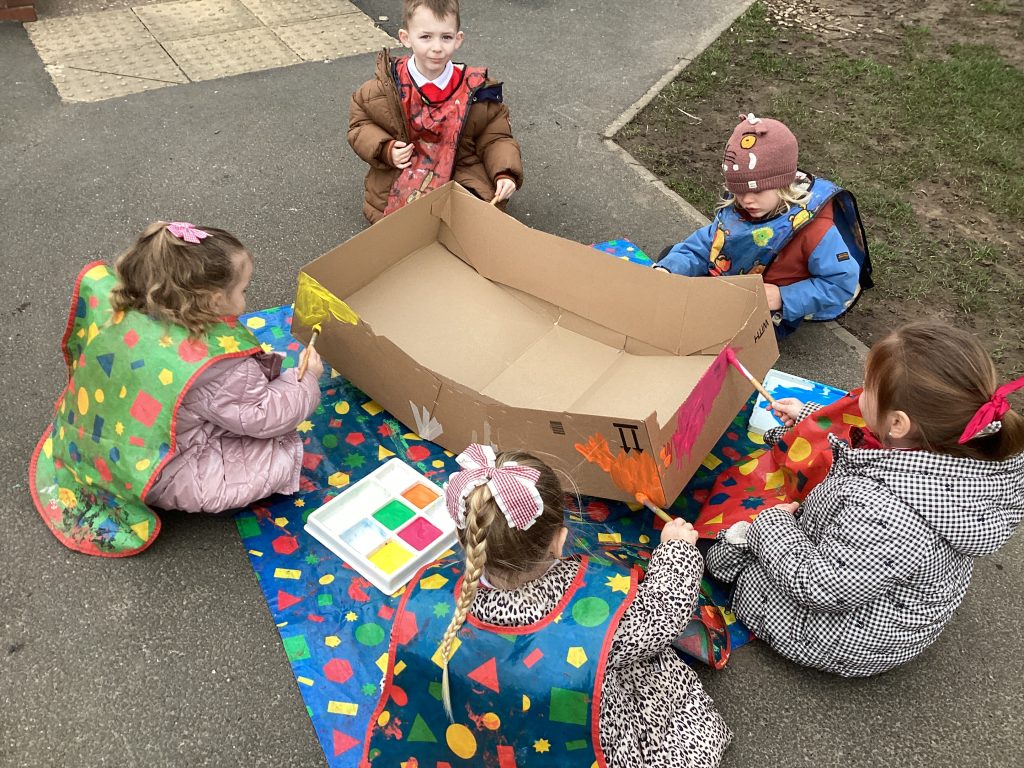
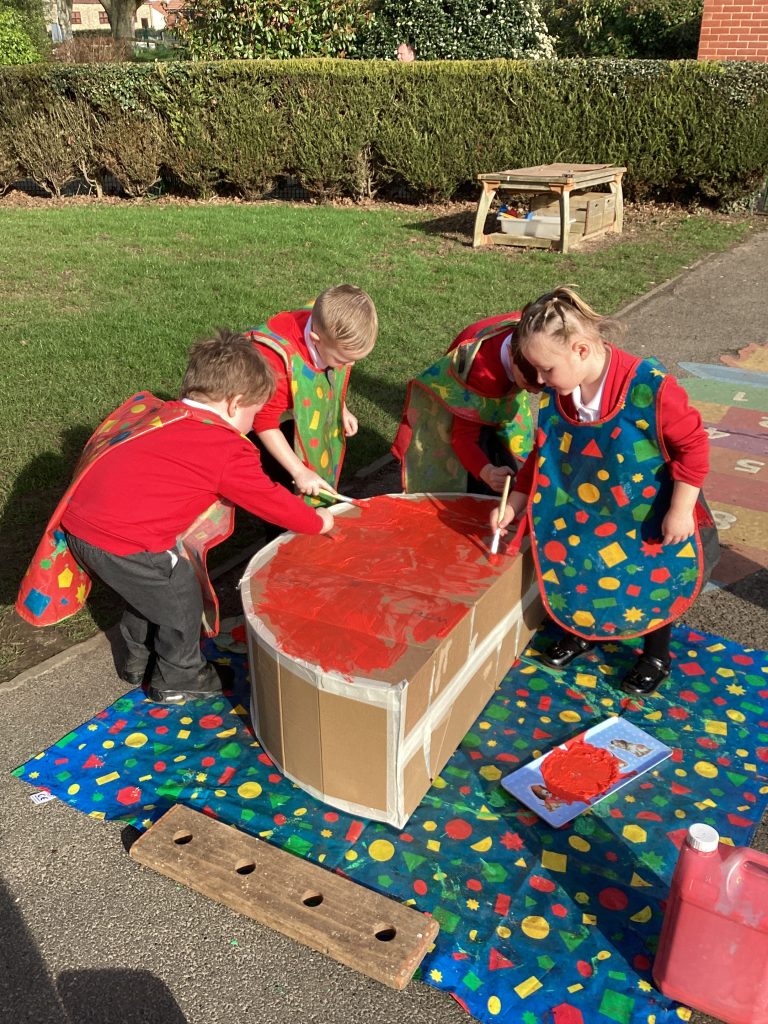
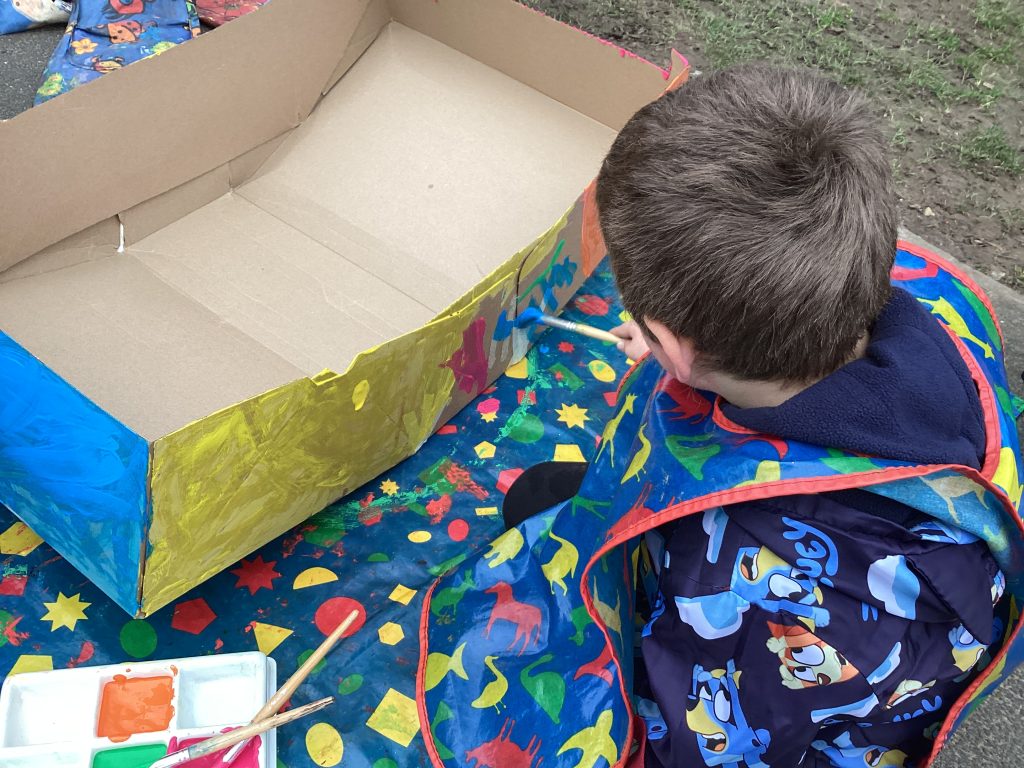
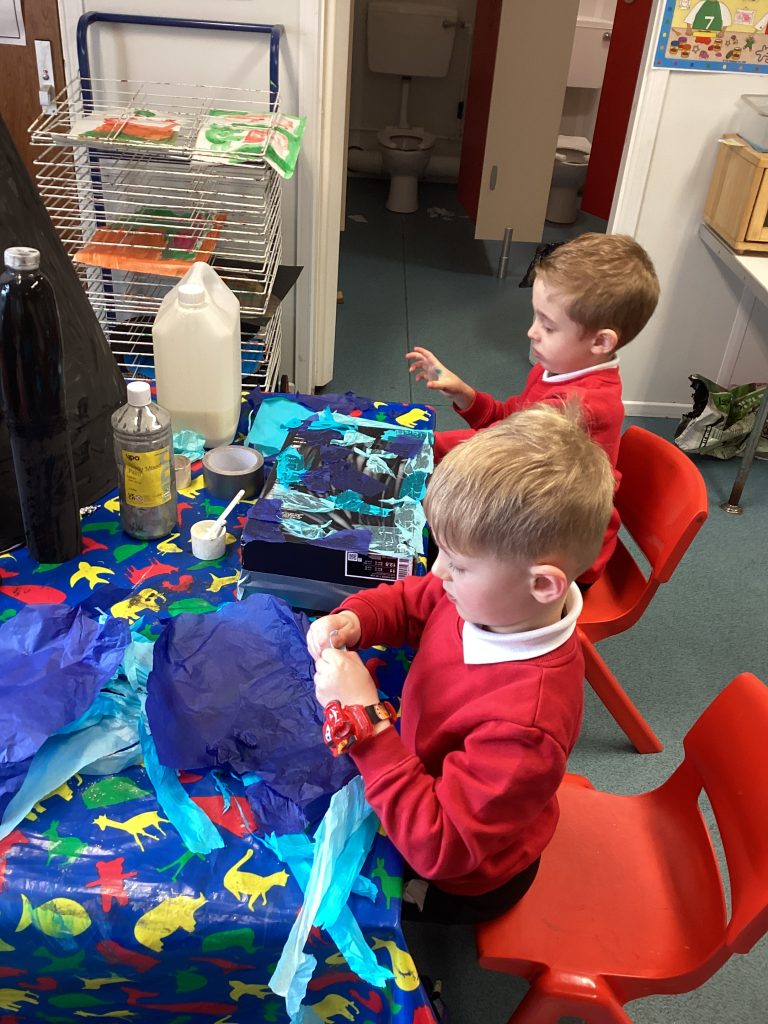
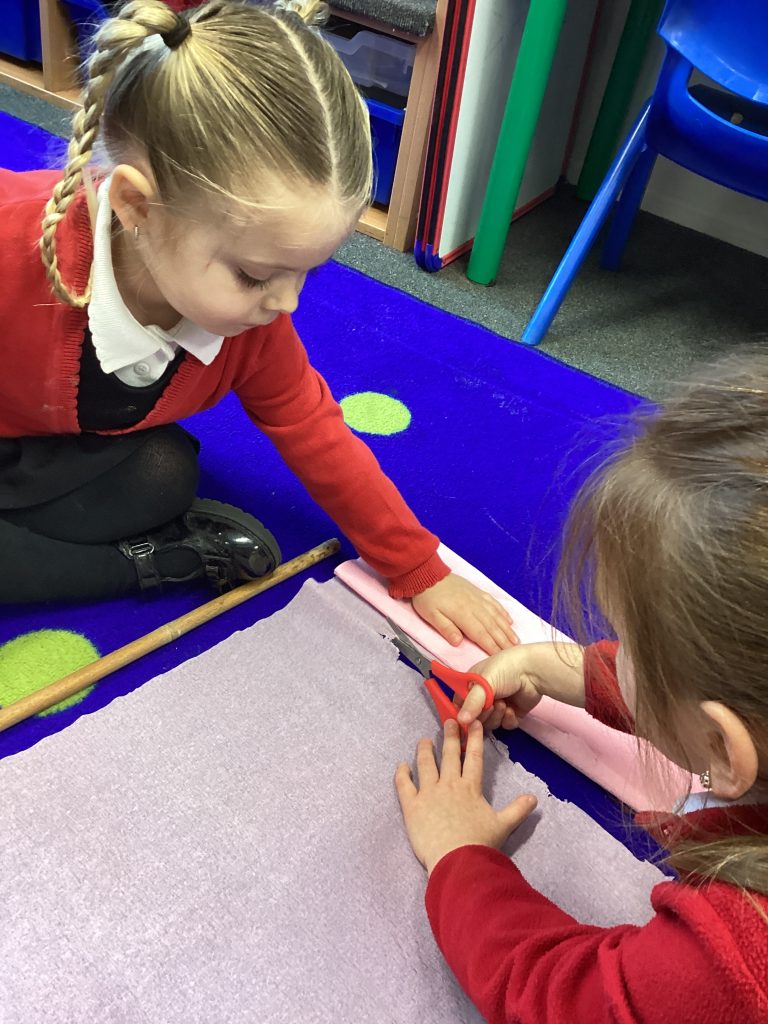
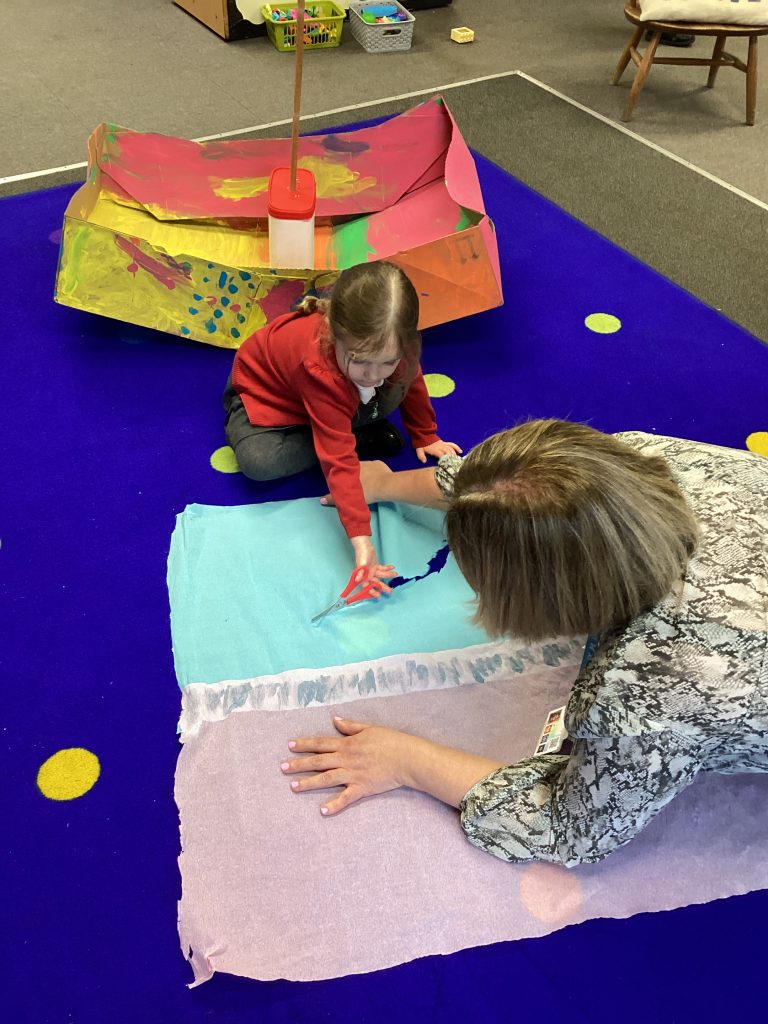
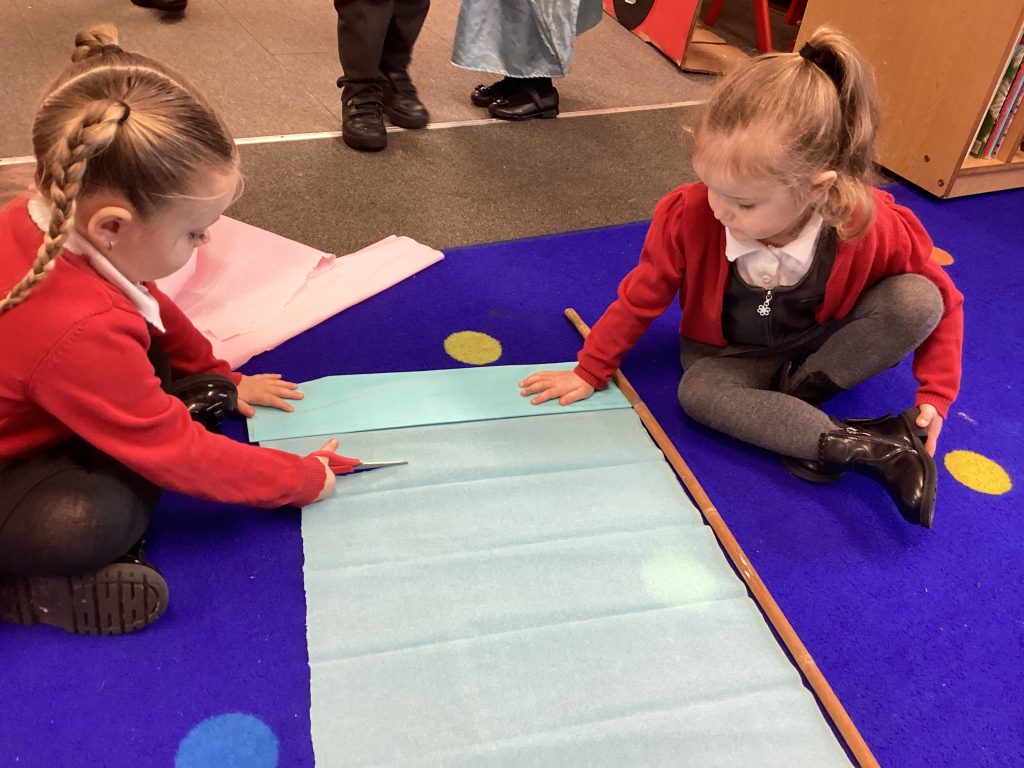
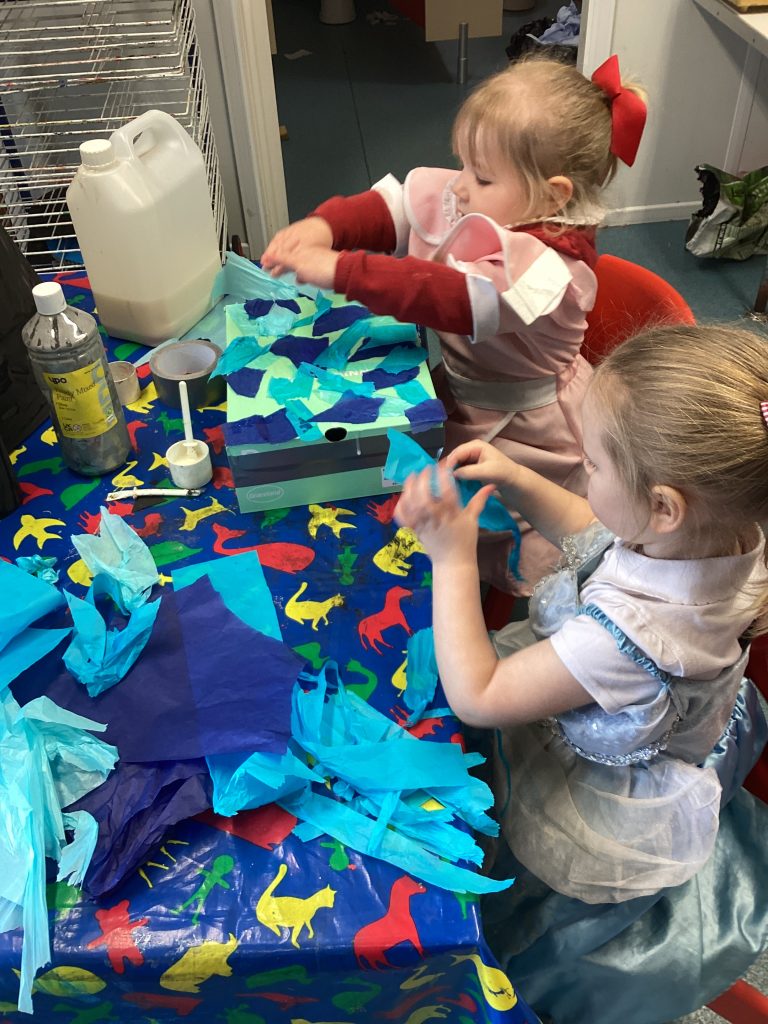
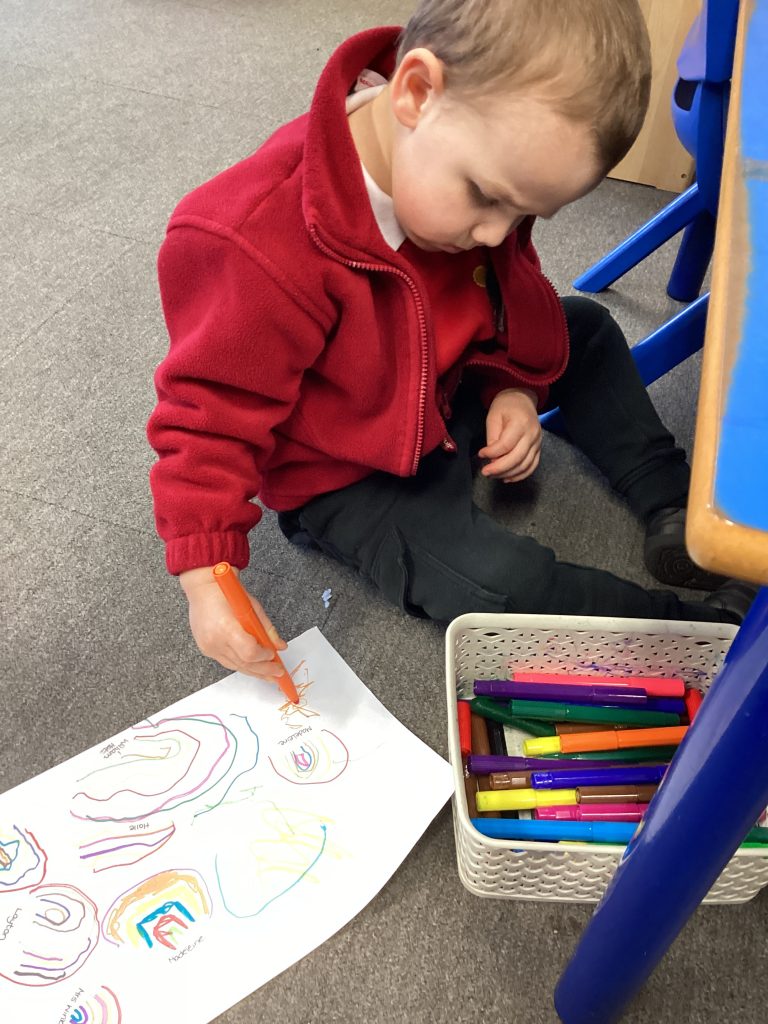
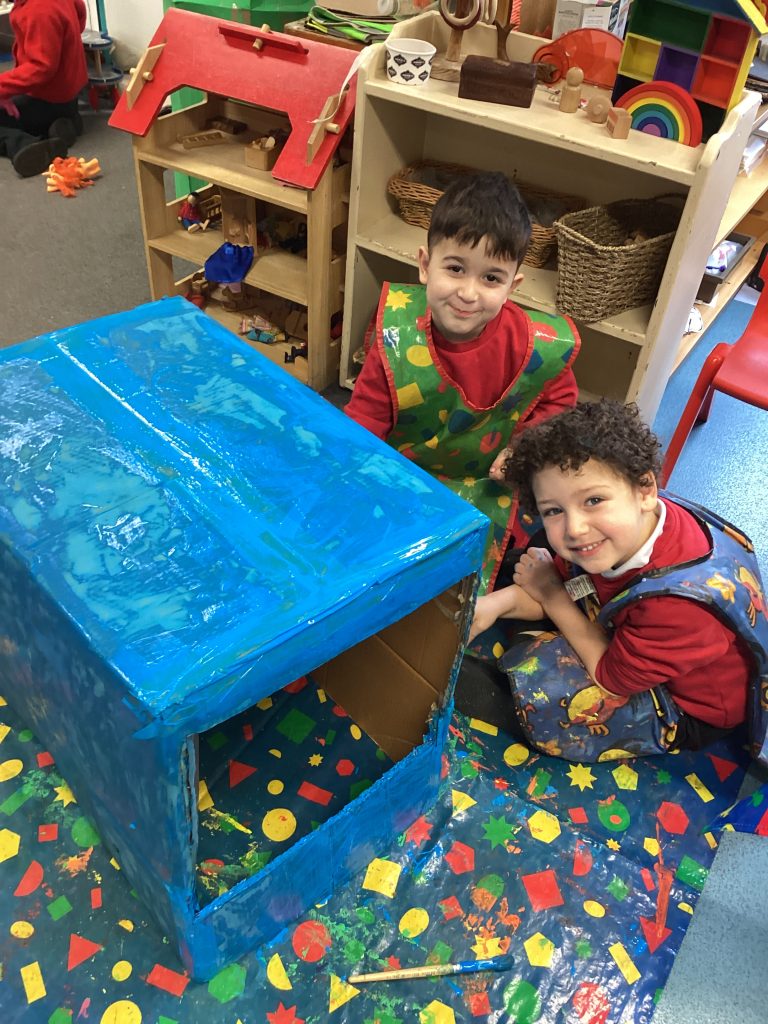
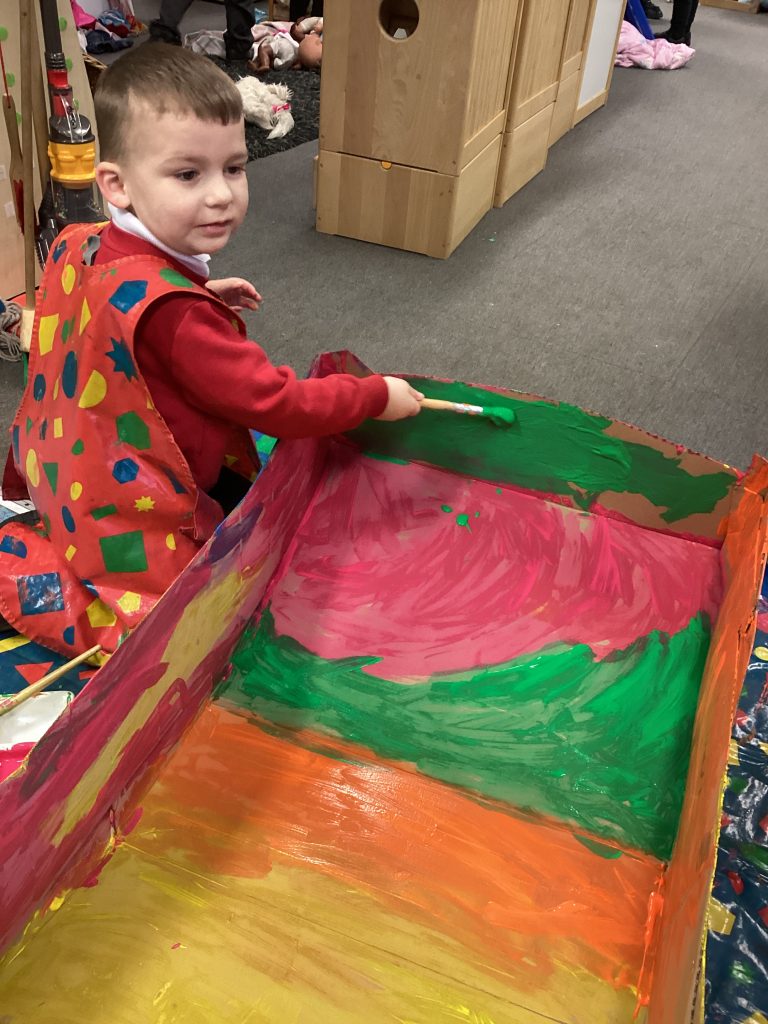
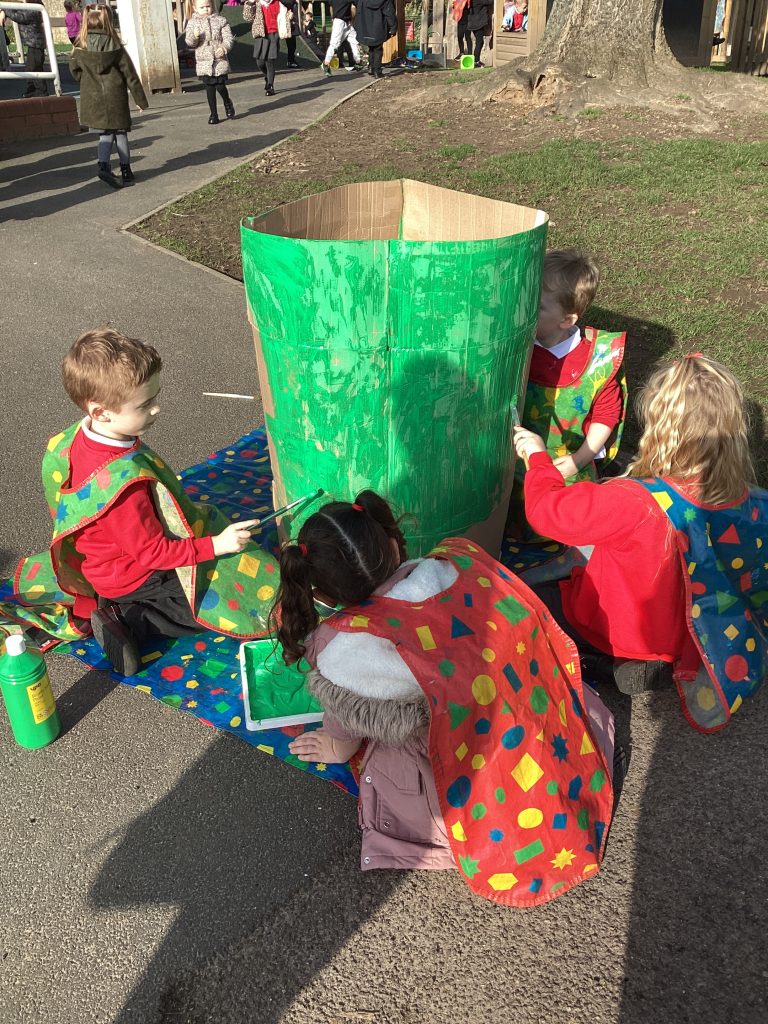
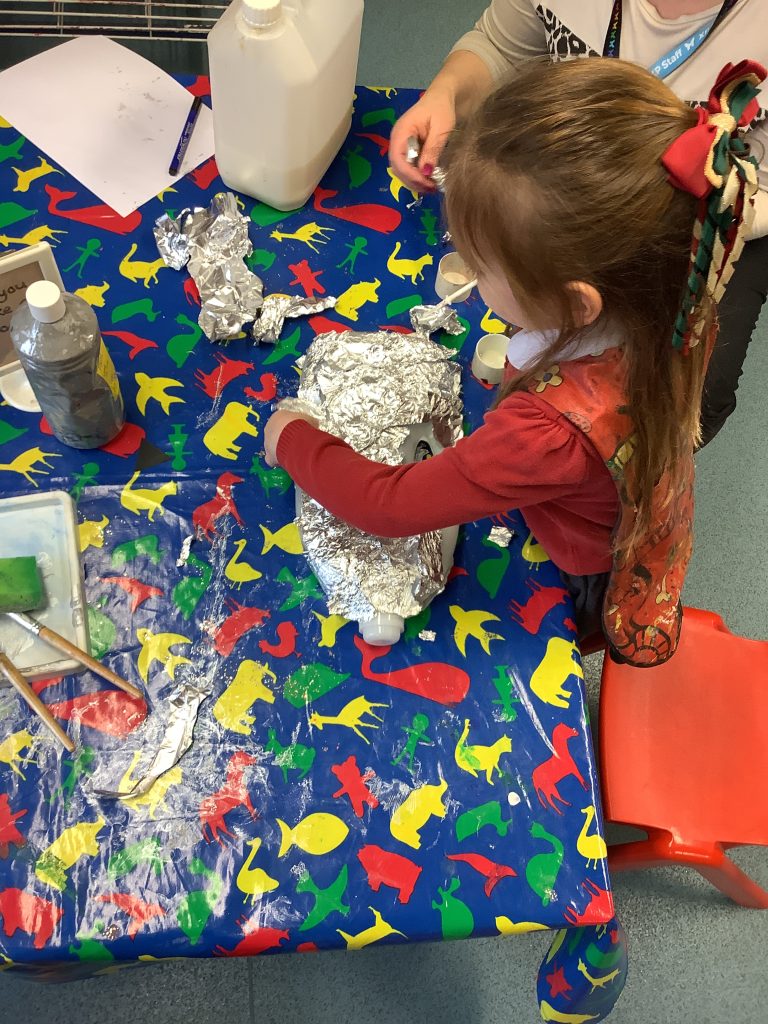
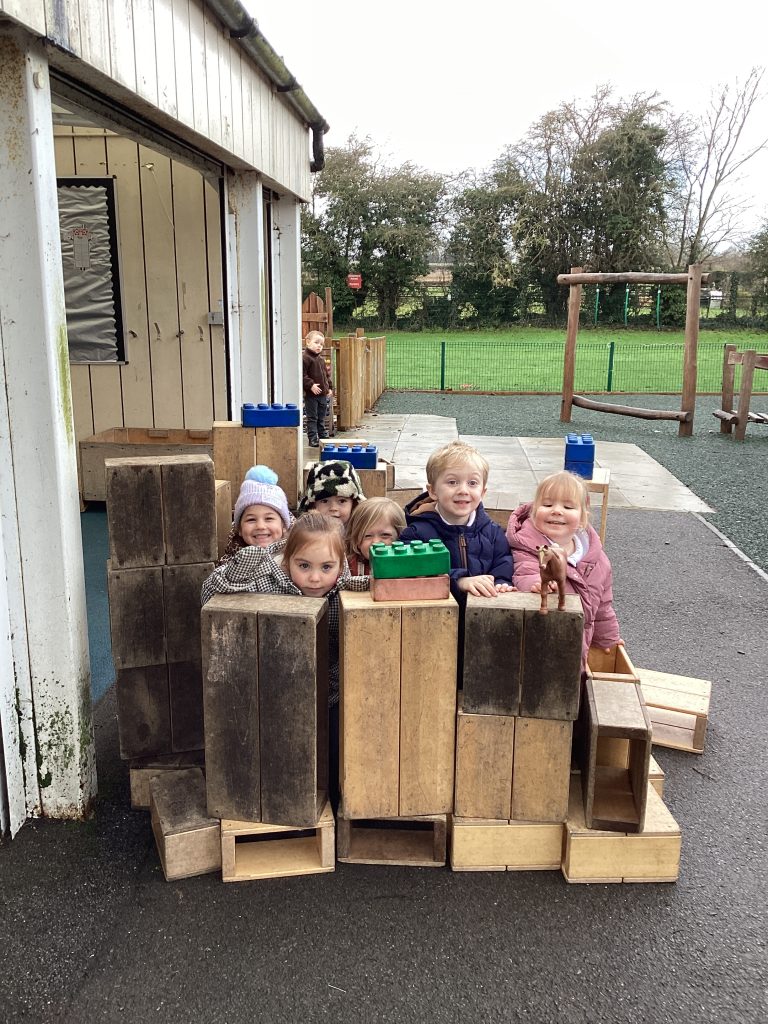
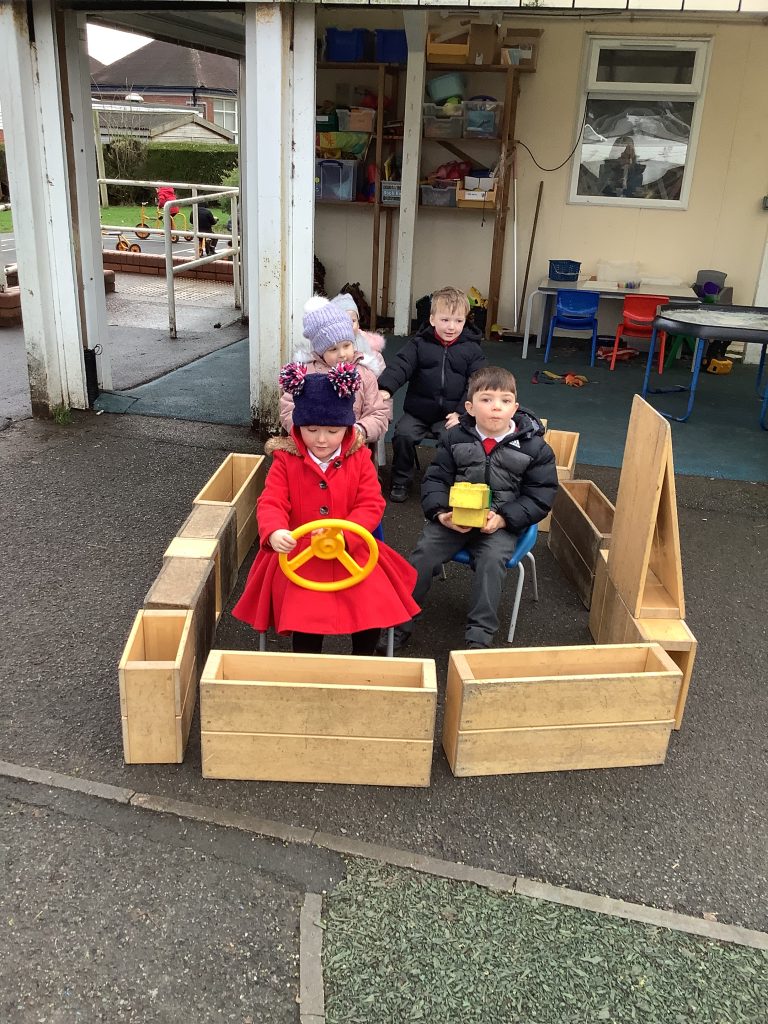
The last two weeks have seen the children in Early Years making large scale models of vehicles towards their final product for our expedition, “We are on the move – Would you travel by wheels, wings or other things?” Each child designed their own eco-friendly vehicle and the designs were judged by Miss Tunney. There was one winner from each crew and the children of that crew have began to work collaboratively to create and make their chosen design. The children have worked so hard to make decisions together, exchanging and suggesting ideas of how they could make their vehicles the best that they can be. Carefully choosing which materials would be the best to make their model out of, giving special thought to the eco friendly parts, such as batteries, solar panels, turbines, tanks, sails and propellers! They even took part in a simple vote to help make decisions, by placing a lolly stick on the materials of their choice.
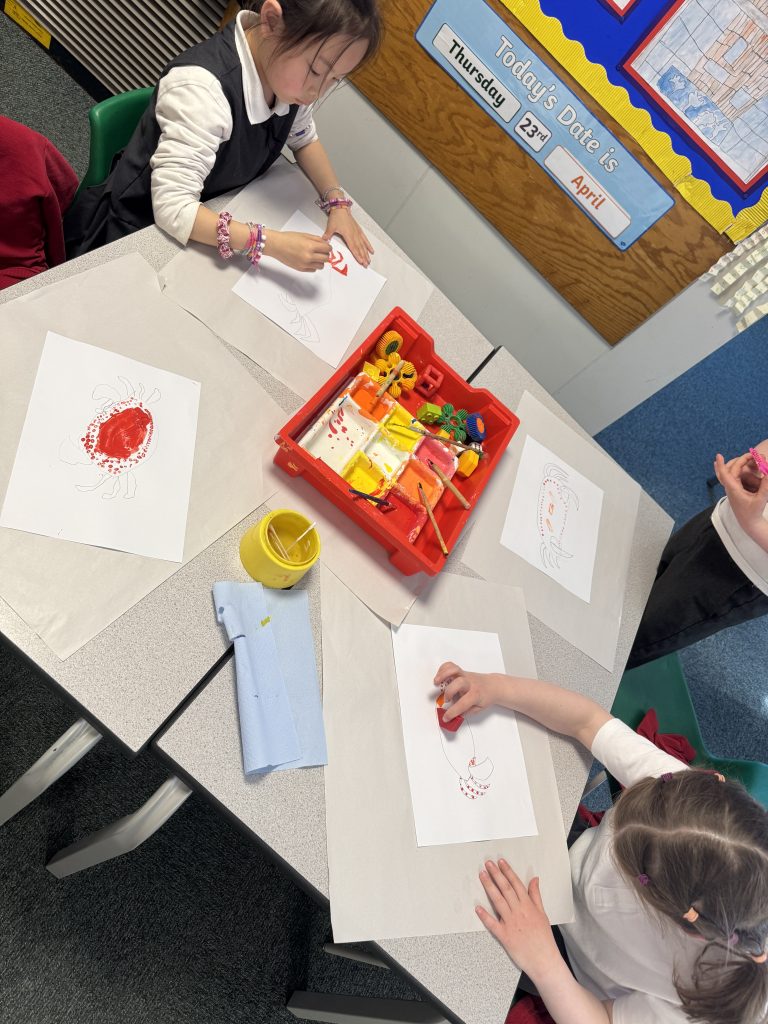
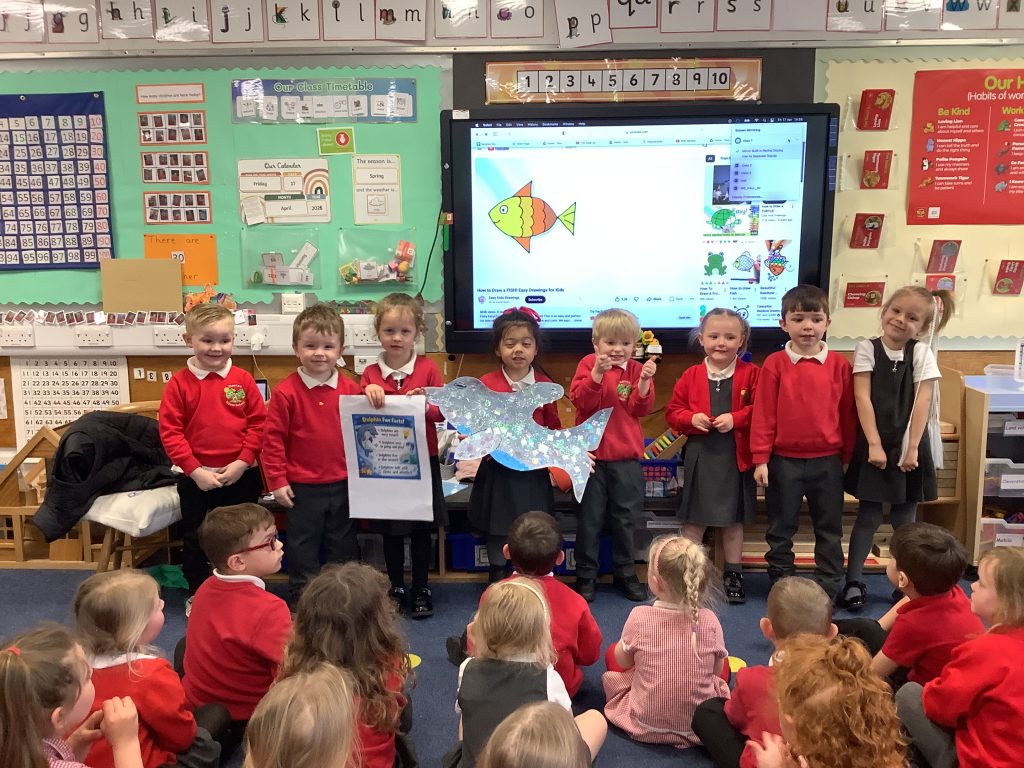
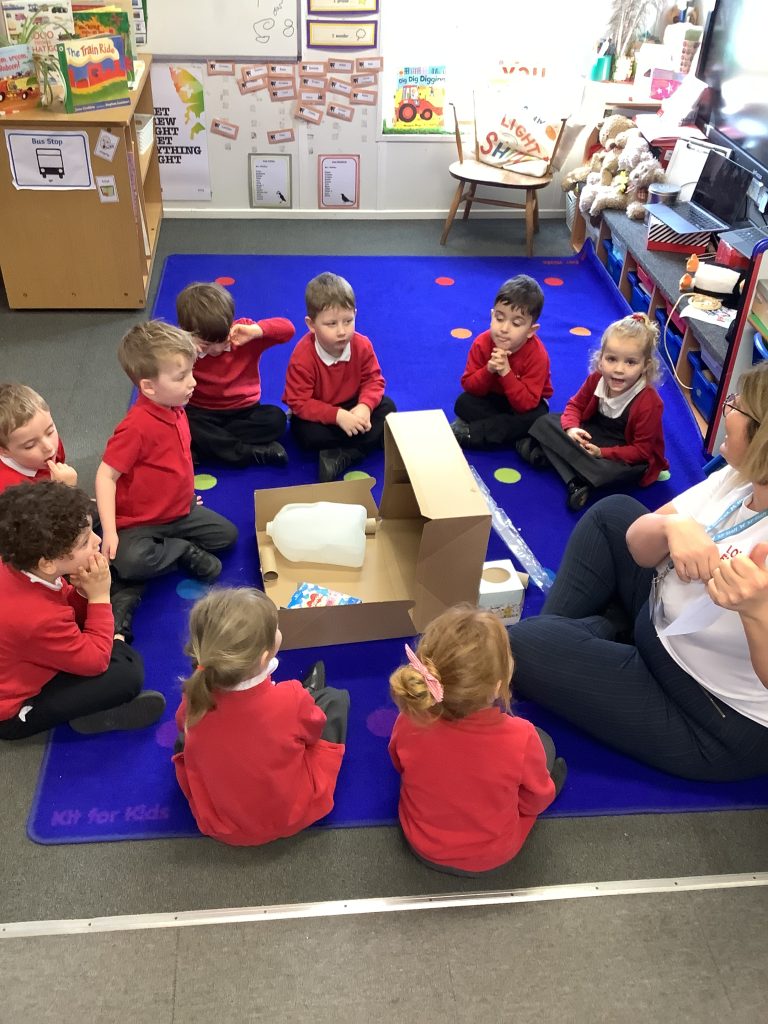
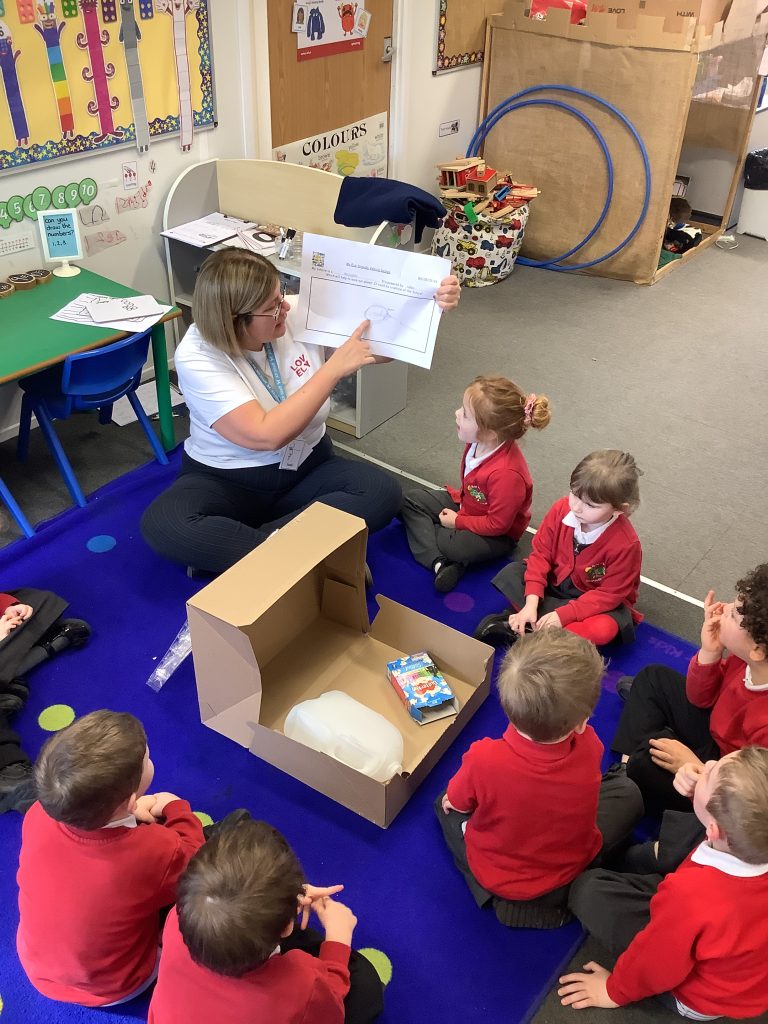
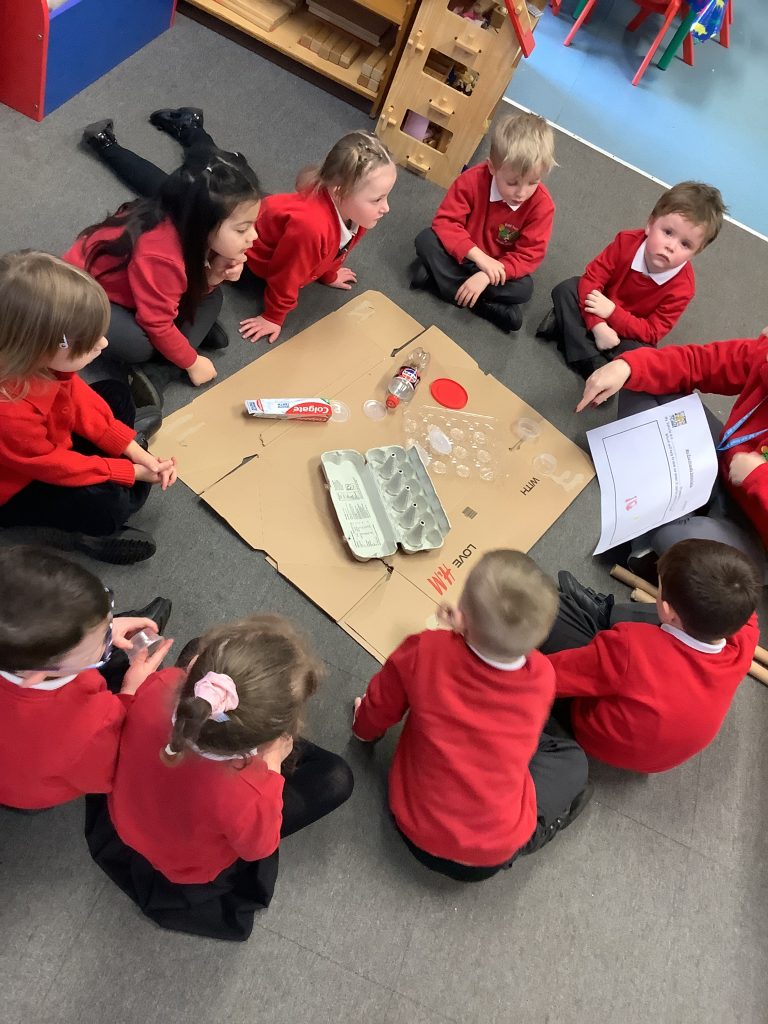
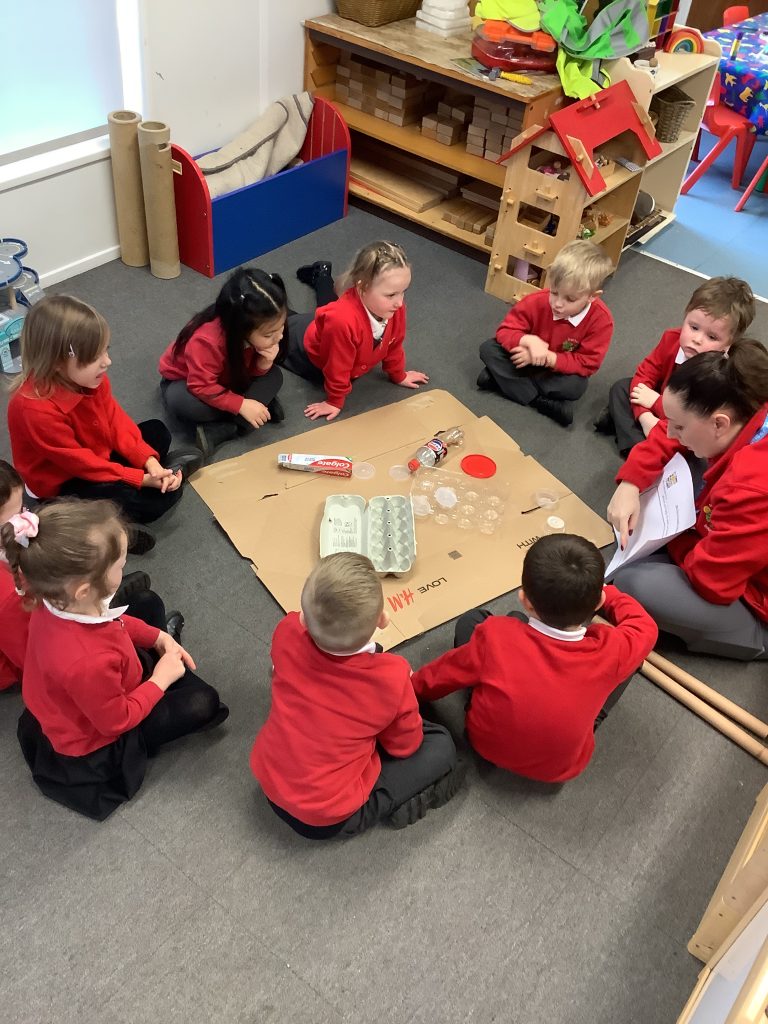
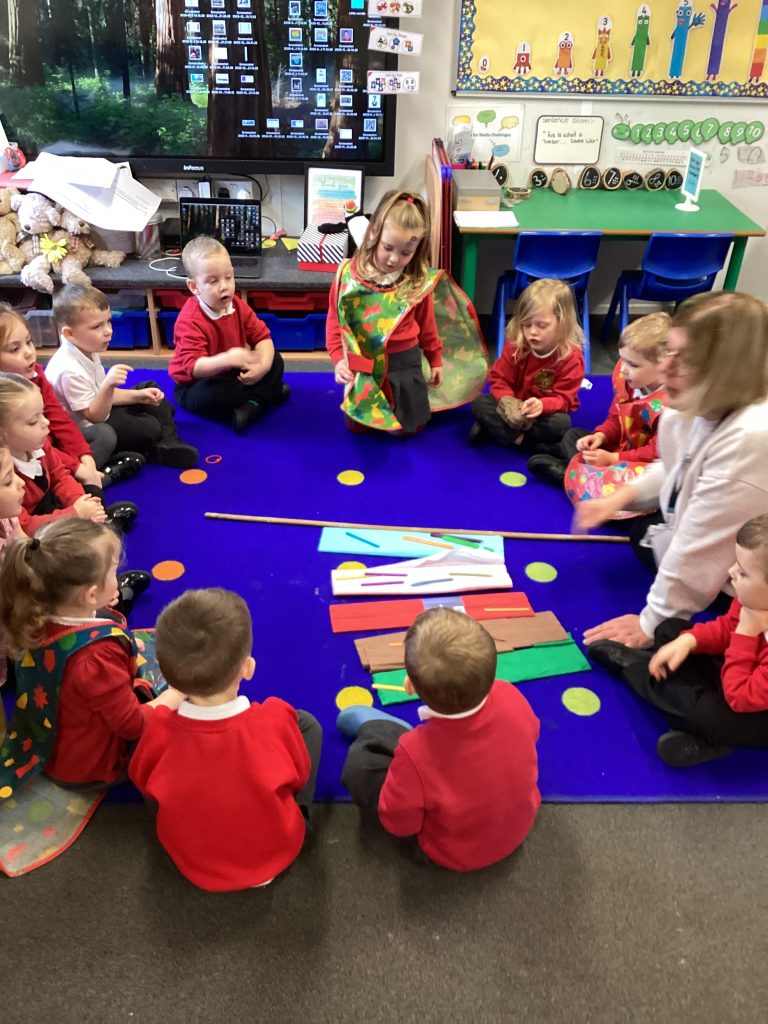
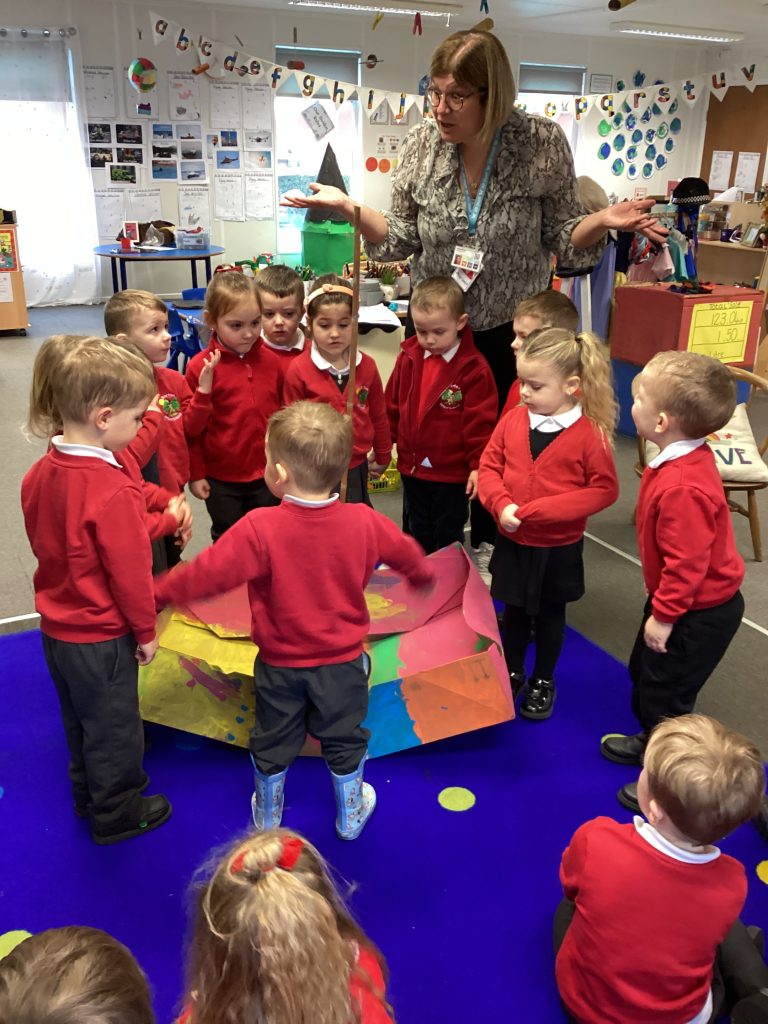
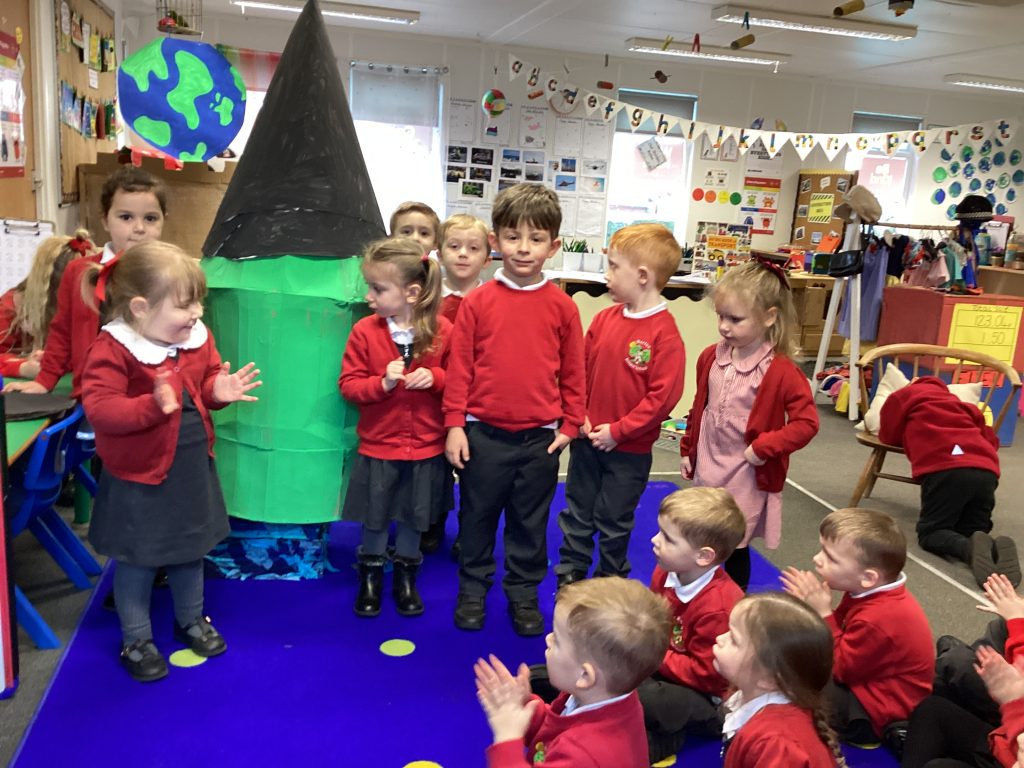
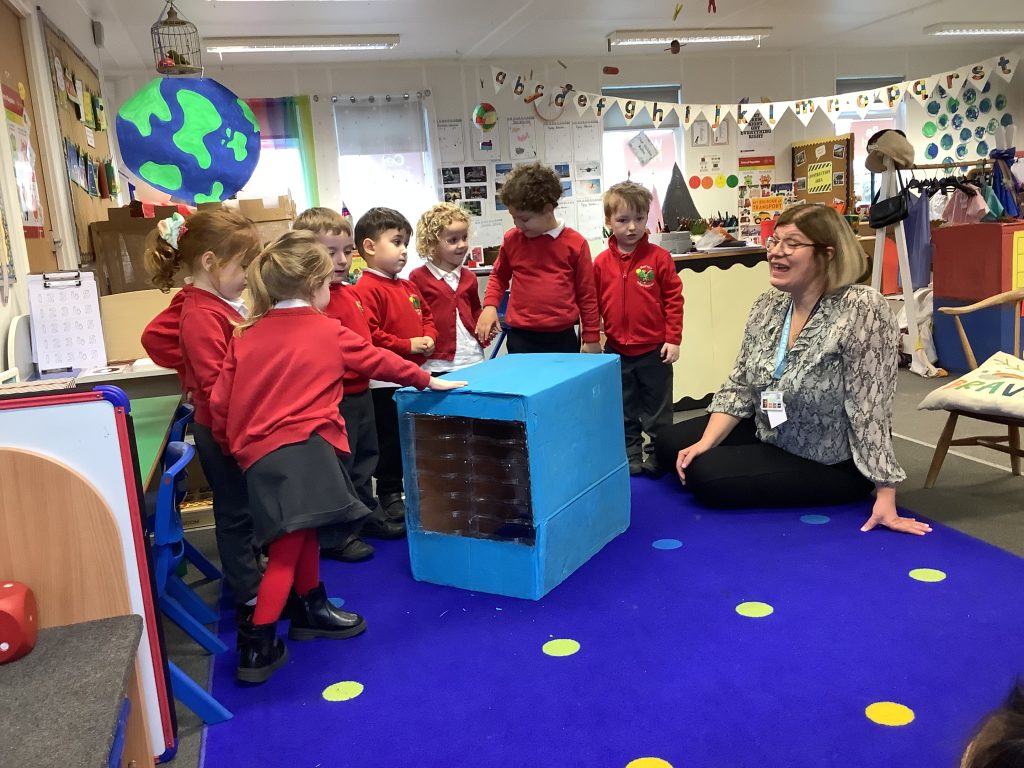
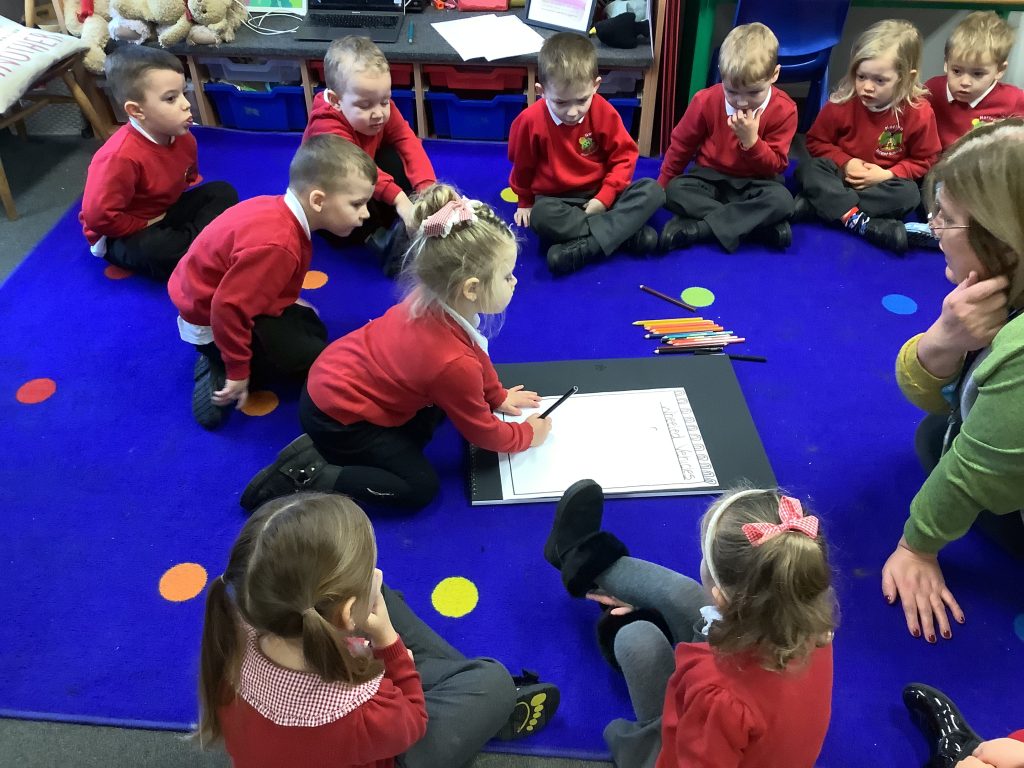
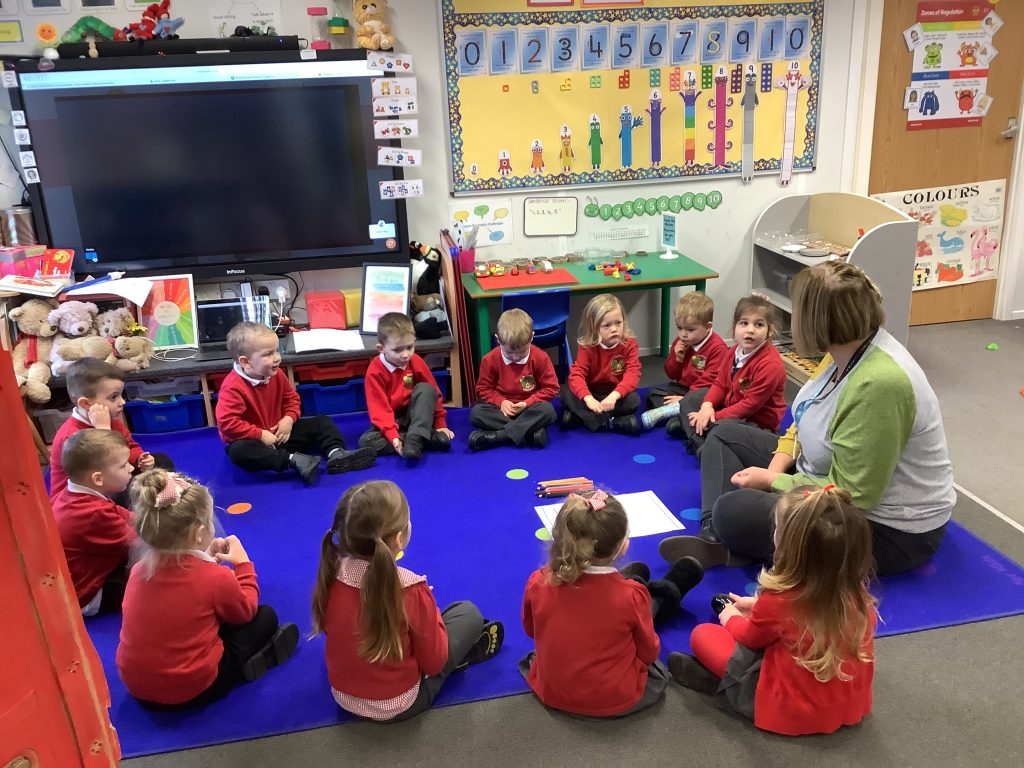
Today as a hook to continuing to finish our vehicles the children took turns to look at each crews model. That crew presented what their model was, how it was powered and why it was good for the planet? The other crew offered critique of what they liked about the model firstly and then suggested what the model was missing to be complete. We had some lovely ideas to help enhance the models, suggestions included, “ A control panel”, “A steering wheel”, “A door”, “seats for the pilot”, “A tank” (to hold the power source), “a button to open the door”, “Windows”, “More wheels” and much more! This is an advanced skill for such young children and with careful scaffolding the children were beginning to understand the concept of critique – Well done Nursery.

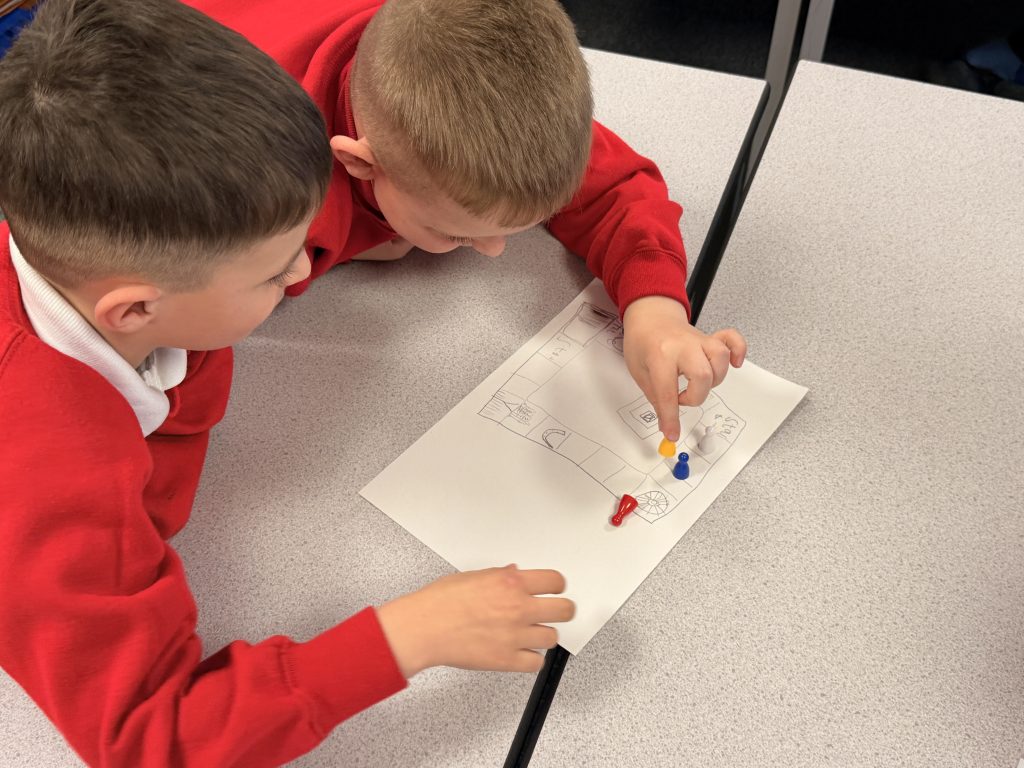
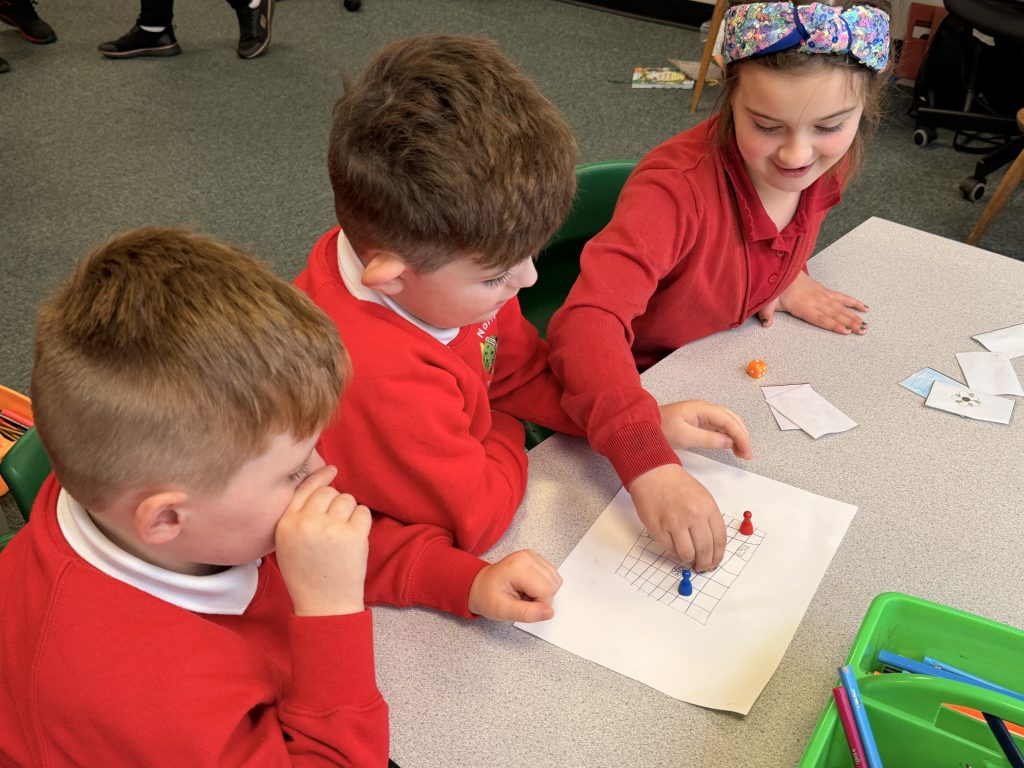
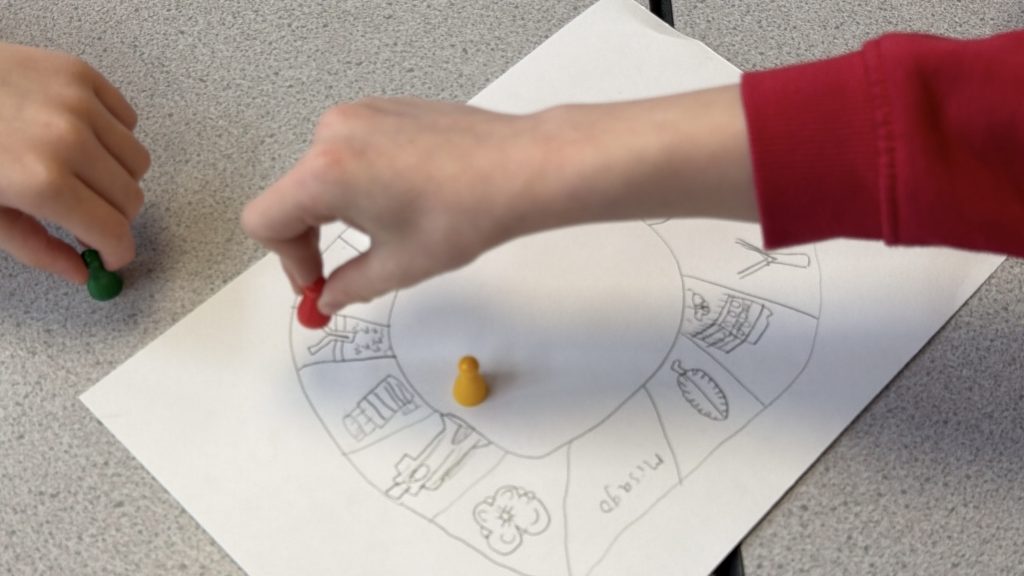
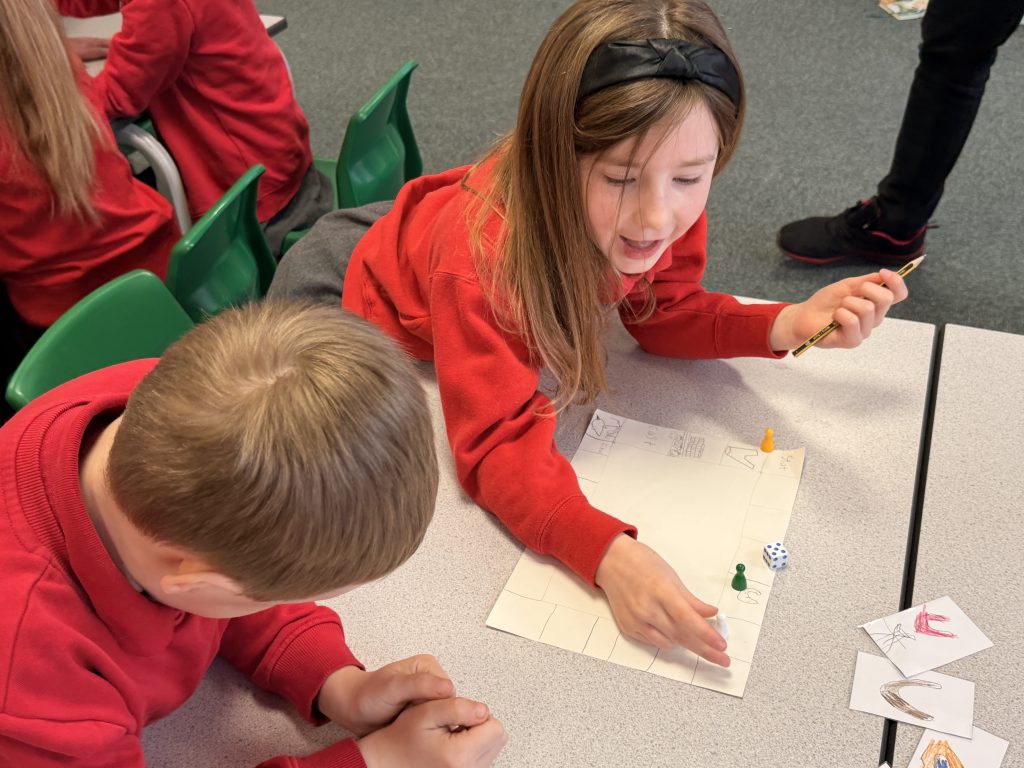
Designing, Developing and Defining ‘Fun’ 🎲

This week, we revisited one of our big guiding questions: What is a game?

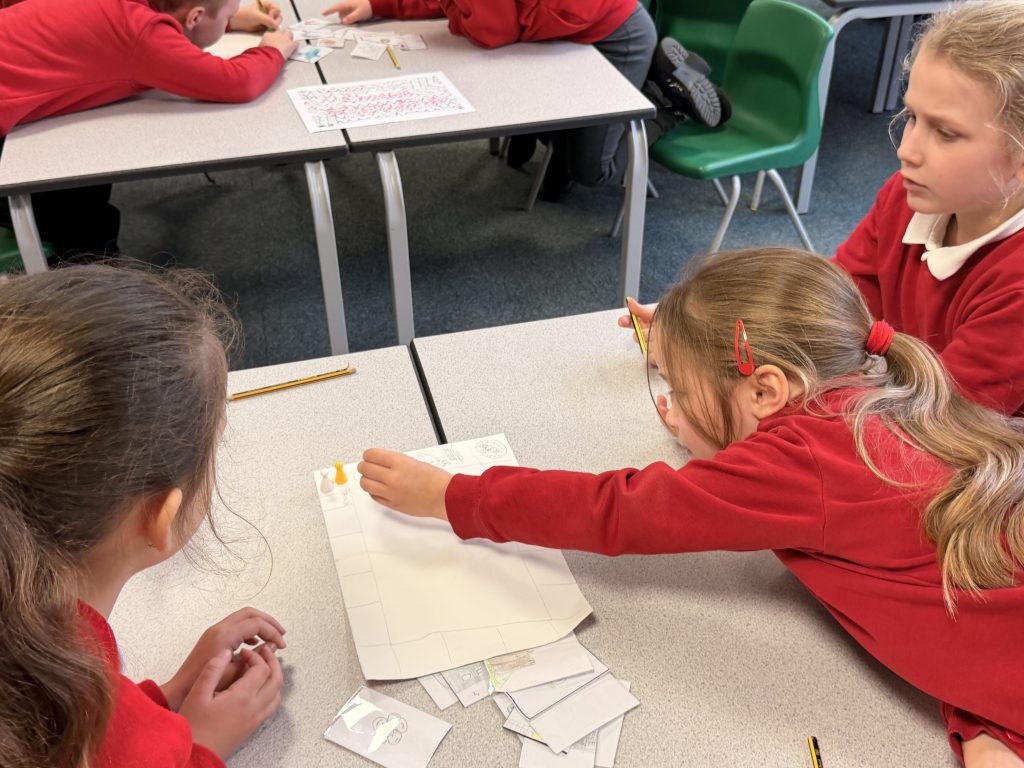
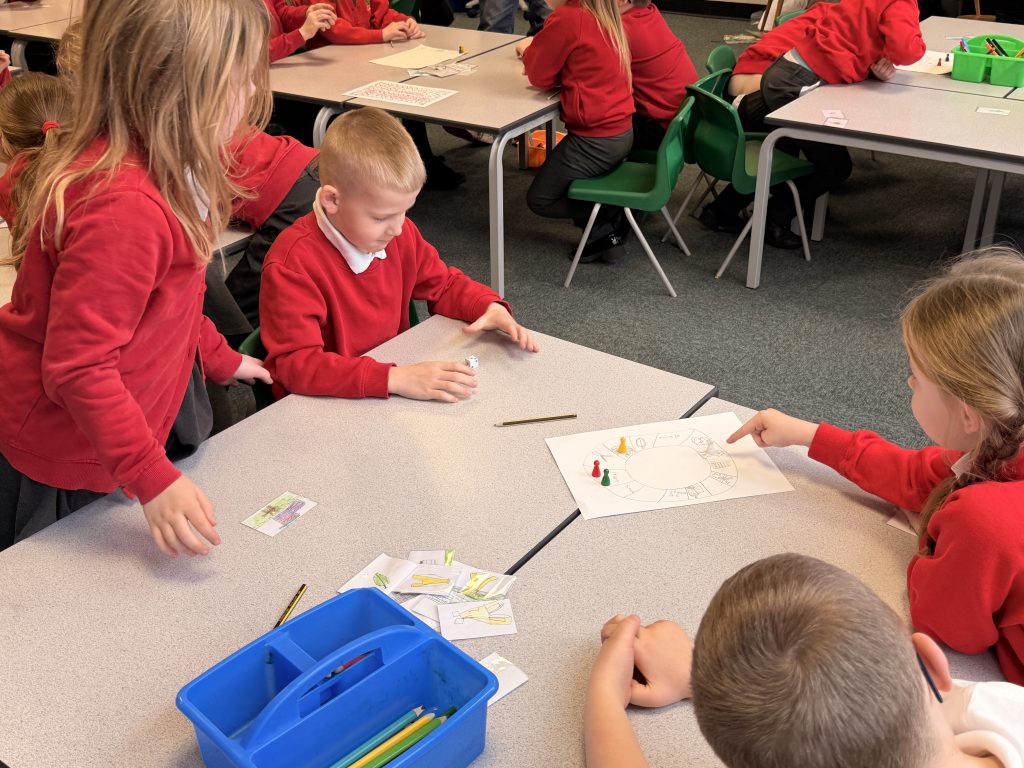
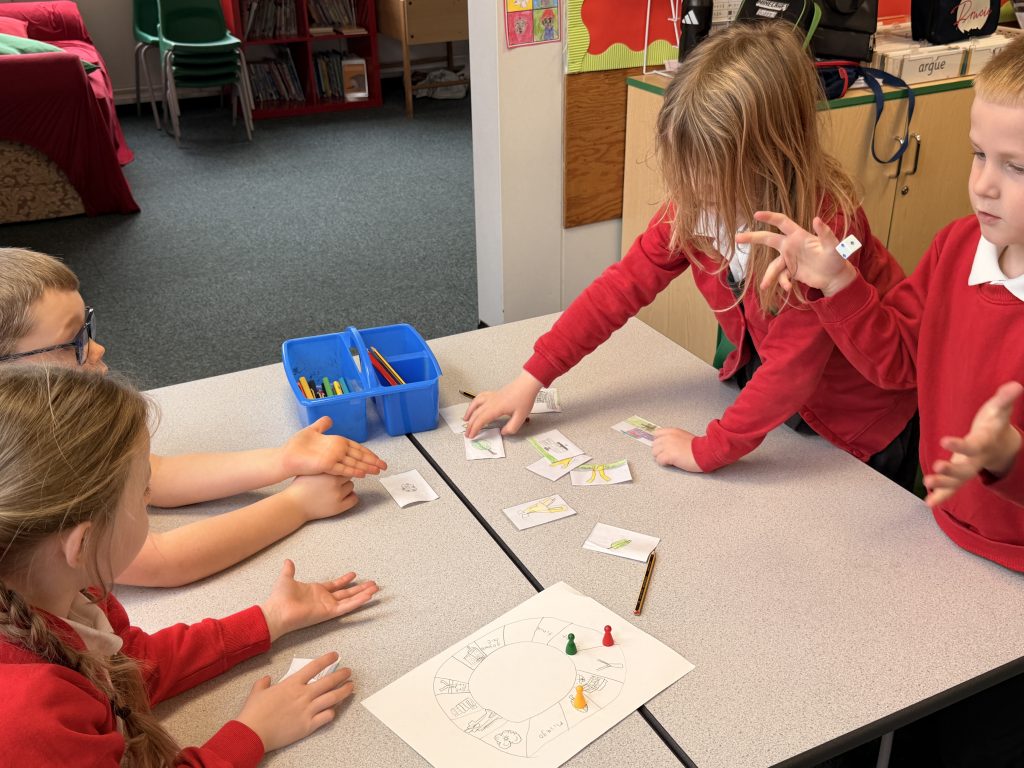
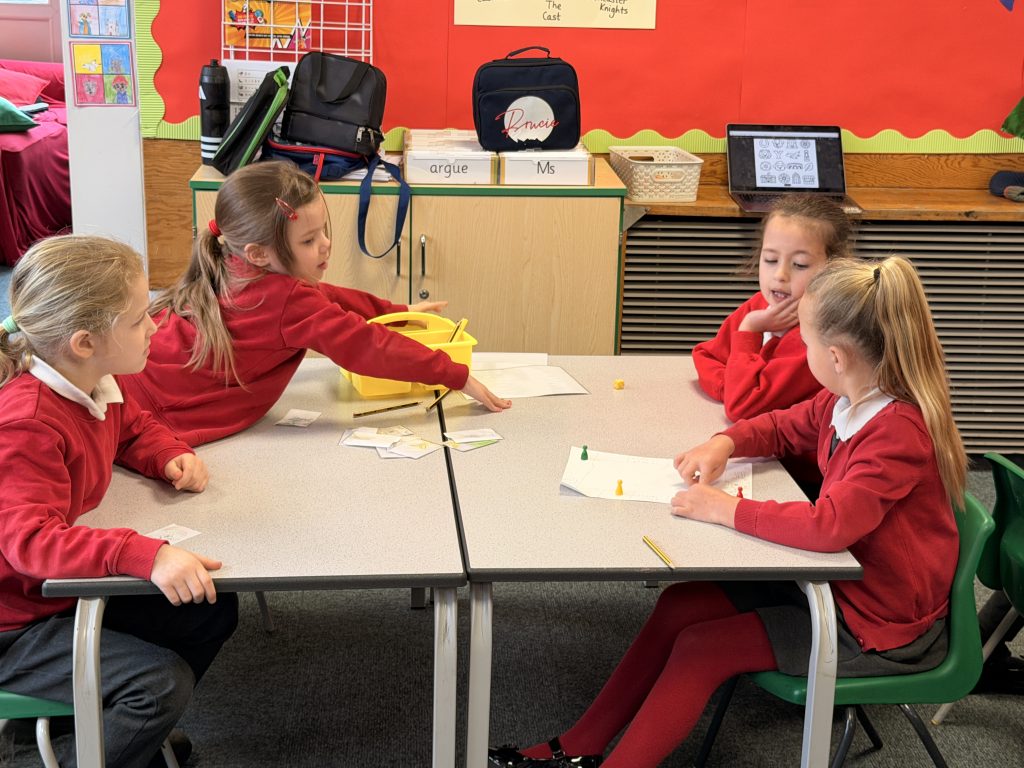
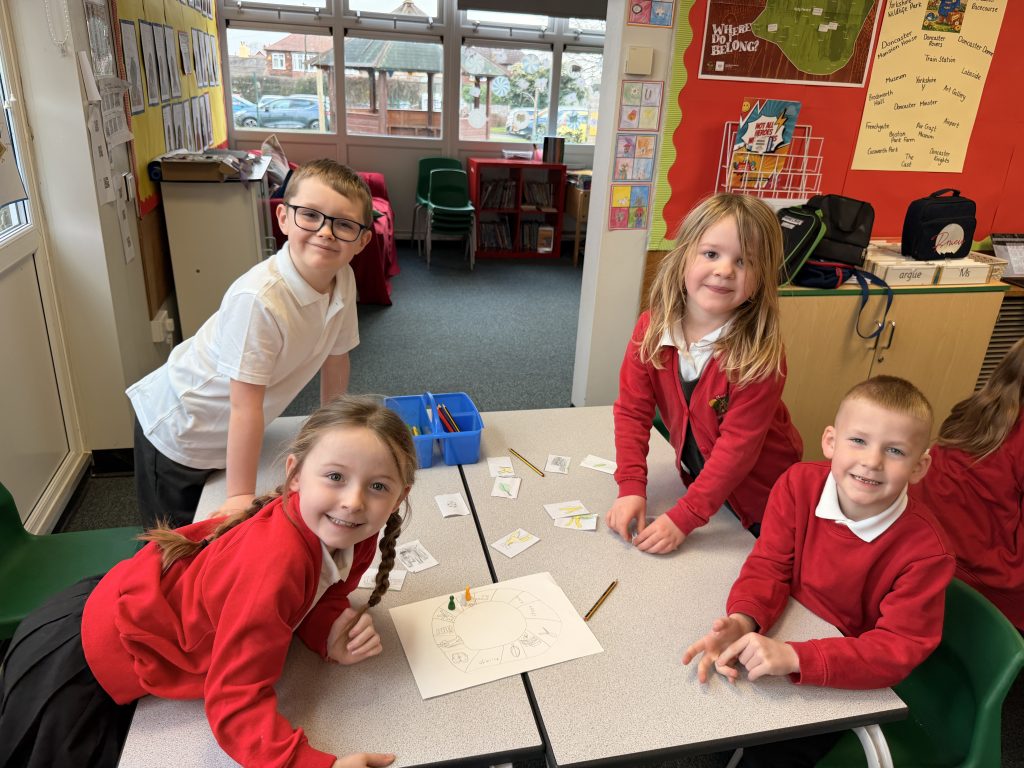
The children began by thinking deeply about what makes a game a game. Is it the board? The rules? The players? The competition? The challenge? Together, we explored the component parts of games and generated a long list of materials we might need — boards, dice, counters, cards, questions, instructions and packaging.

Then came a lovely moment of realisation: when all of those parts come together successfully, they create one very important outcome — fun.

Explaining Our Learning

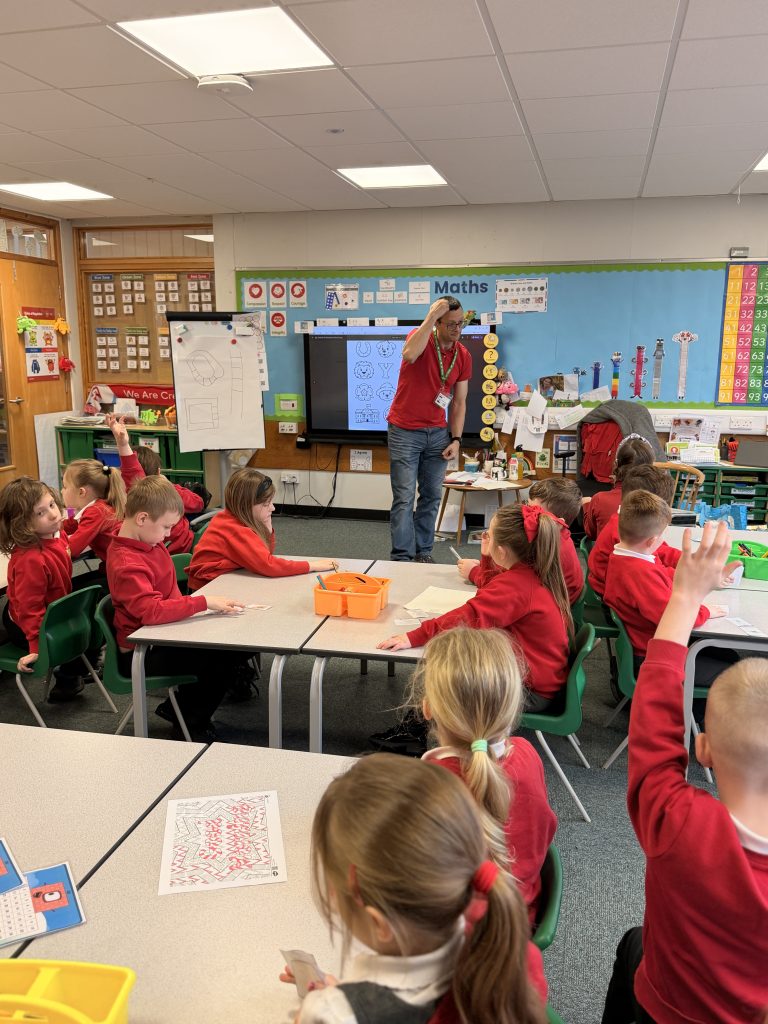
We were proud to welcome Chris Backe in to work with us. The children confidently explained what our board game is about and why we have been learning so much about Doncaster’s landmarks, geography and history. It was wonderful to see them articulate the purpose behind their learning — not just what they had done, but why it mattered.

Having a real expert in the room helped to reinforce that this work is authentic. The children are not just completing a task; they are designing something meaningful for a real audience.

Making Thoughtful Design Choices

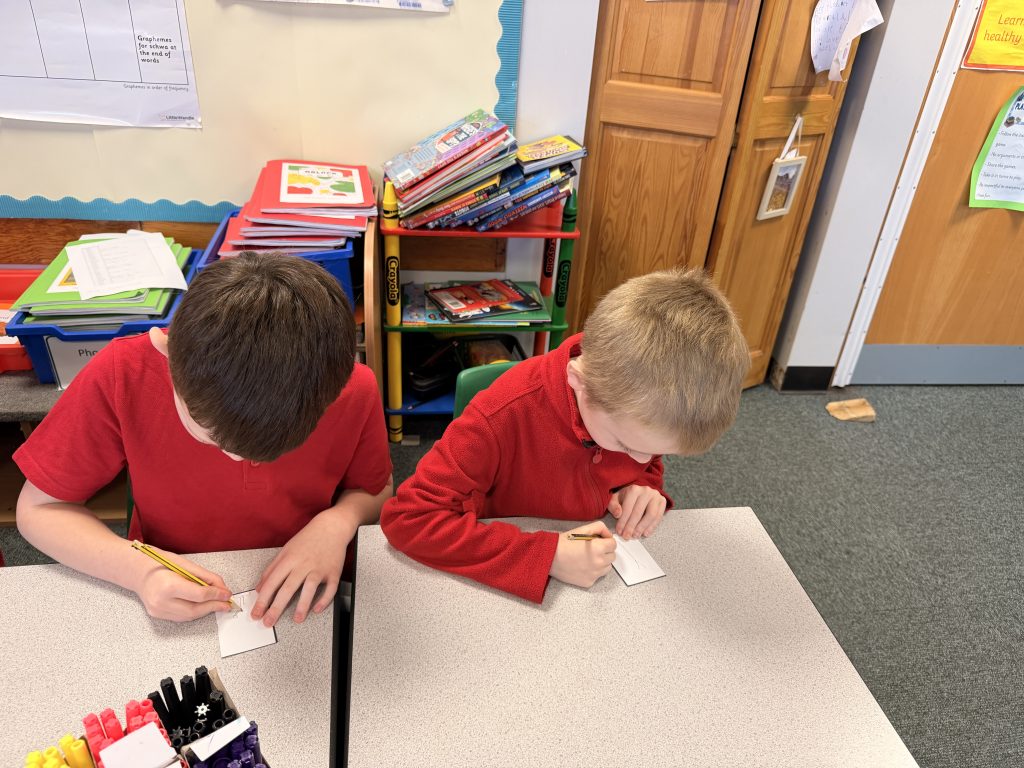
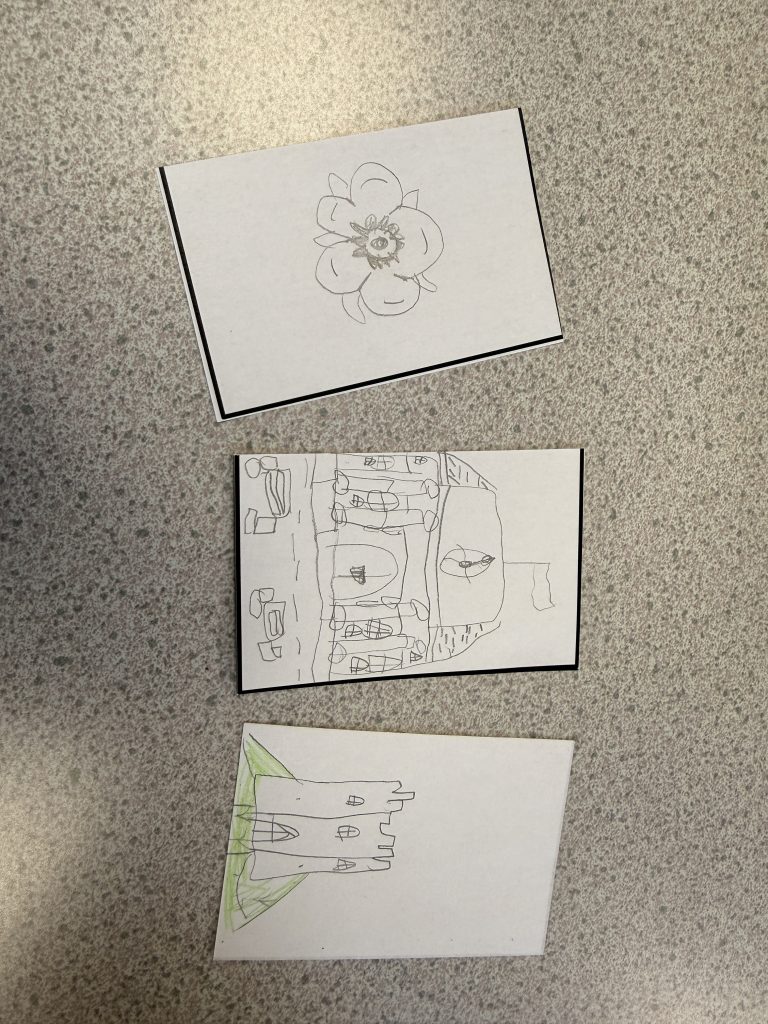
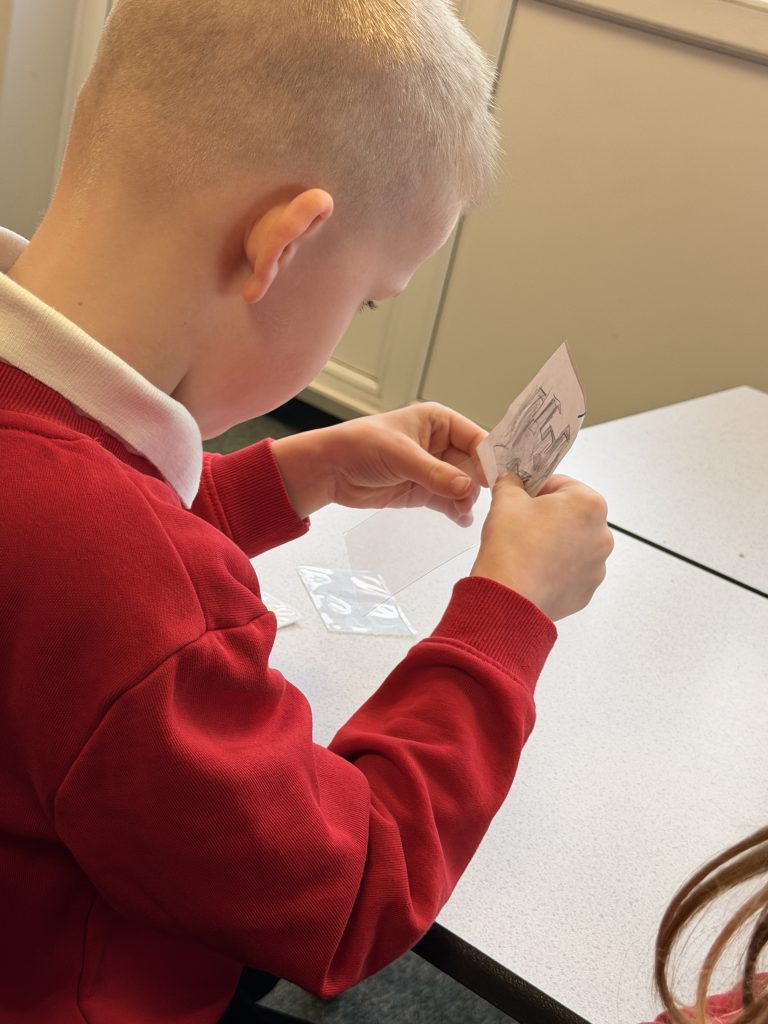
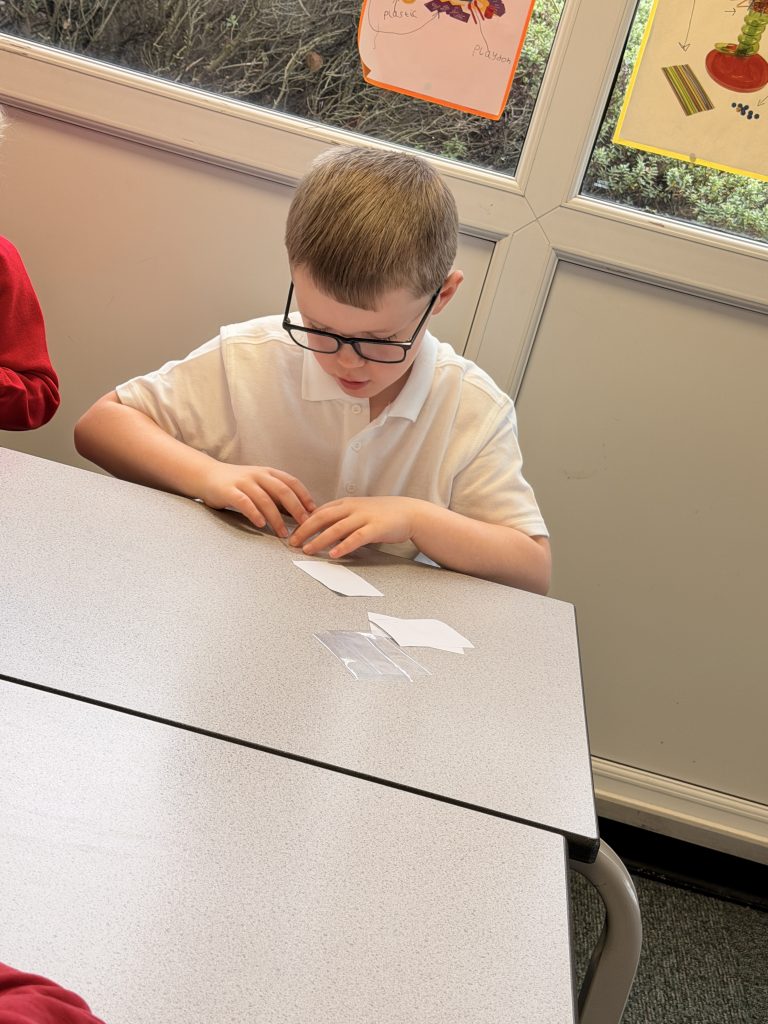
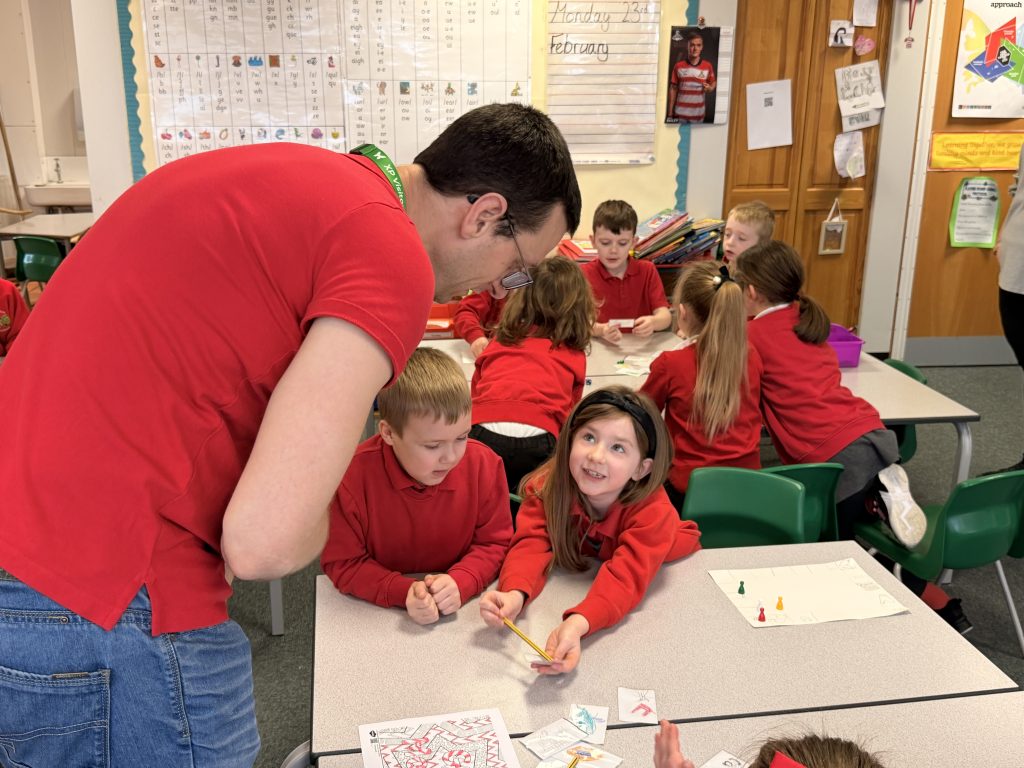
Next, the children designed their own game cards and carefully placed them into plastic pouches. This wasn’t just a practical step — it was a design decision.

We discussed:

  • Durability — game cards need to last.
  • Protection — they will be handled many times.
  • Material choice — why plastic, rather than paper or fabric, would be most suitable.

It was fantastic to see the children thinking like designers and manufacturers, considering the properties of materials and the long-term use of their product.

Creating, Testing and Adapting

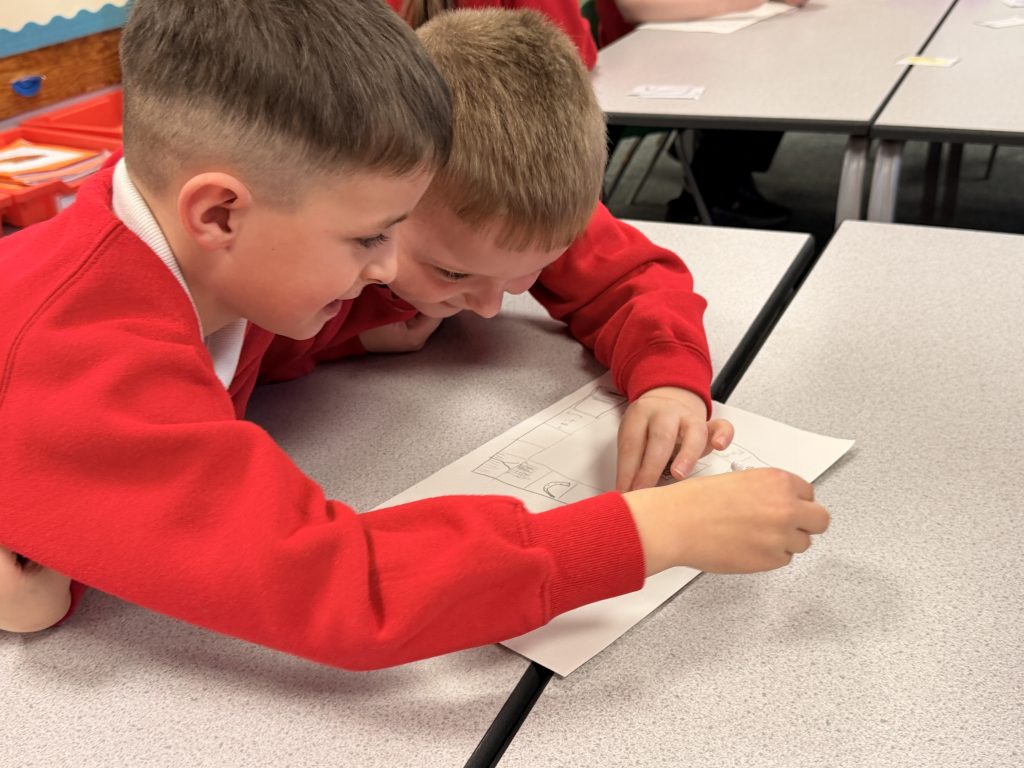
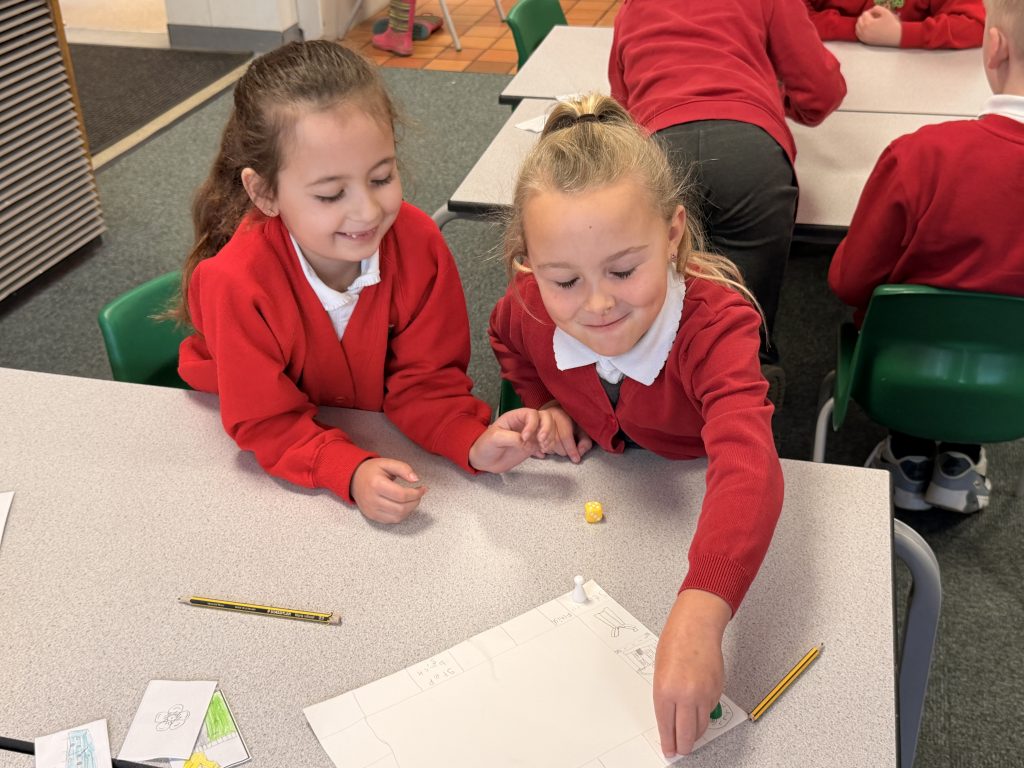
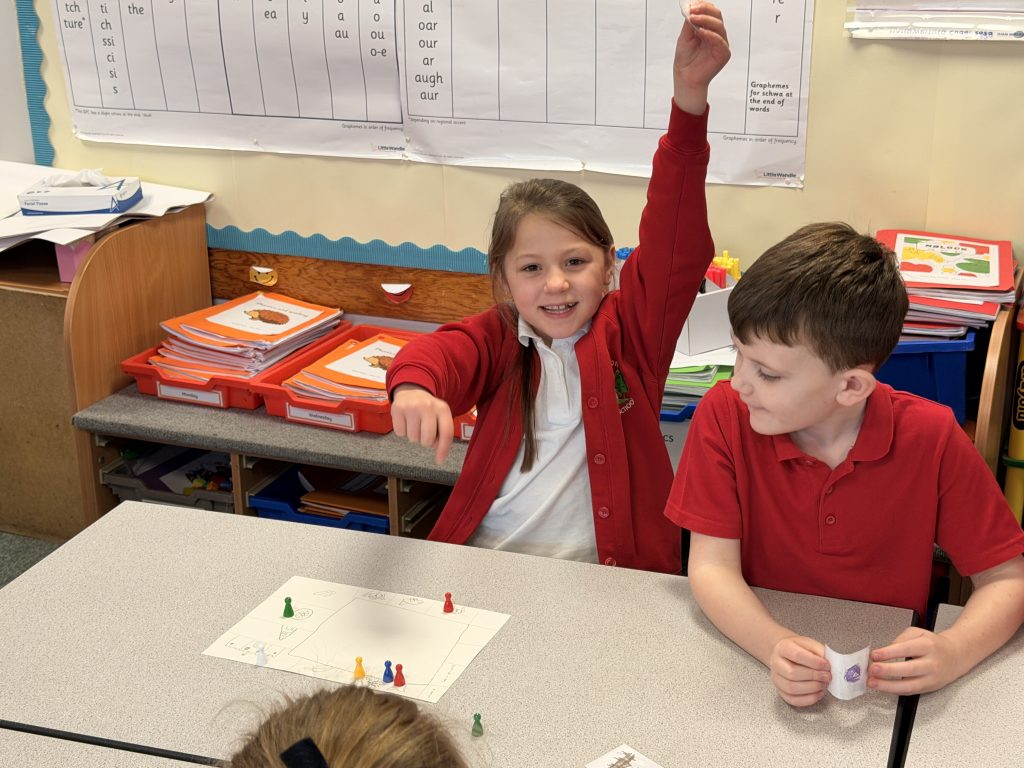
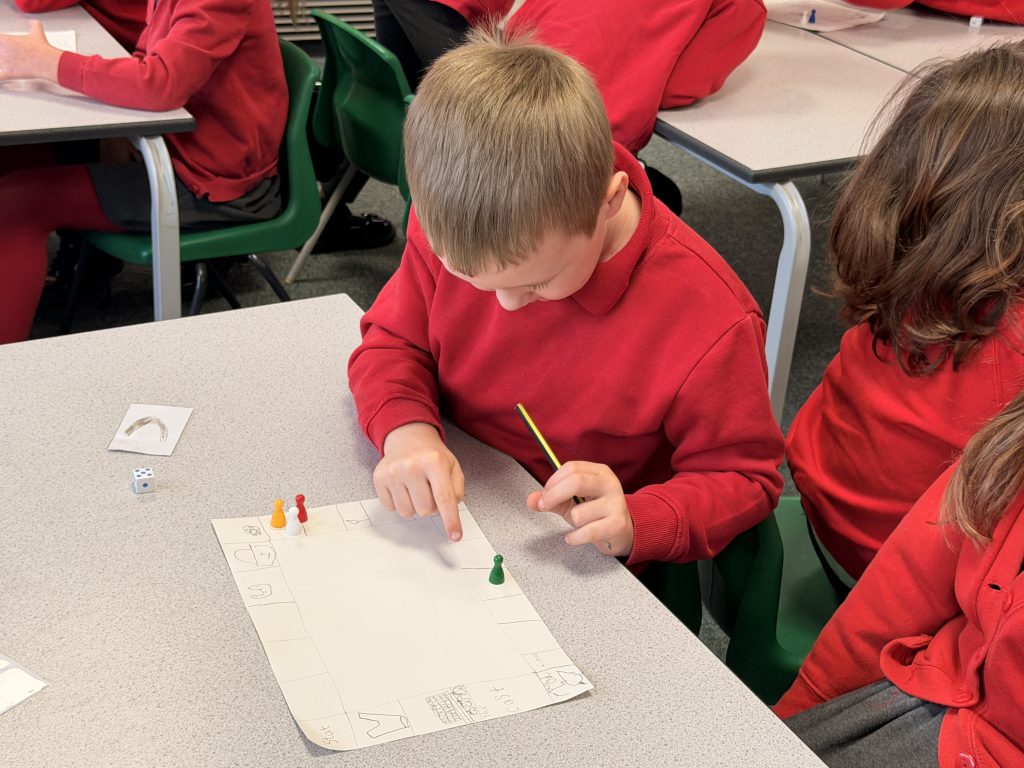
The children then moved on to designing their own boards. This involved creativity, teamwork and — importantly — adaptability.

As they began to play their games, they quickly realised that rules sometimes need refining. Some games were too easy. Some were too tricky. Some needed clearer instructions. Rather than seeing this as a problem, the children embraced it as part of the design process.

They:

  • Tested their ideas.
  • Adapted their rules.
  • Improved their layouts.
  • Refined their thinking.

This kind of iterative design process is exactly what real game designers do.

Learning with Purpose

We were incredibly lucky to spend the morning refamiliarising ourselves with Doncaster landmarks, supported by a real expert guiding our thinking. This helped the children ensure their questions, illustrations and gameplay accurately reflected the place we call home.

Throughout the session, the children demonstrated:

  • Collaboration
  • Critical thinking
  • Creativity
  • Pride in their local area

Most importantly, they showed that when knowledge, skill and imagination come together — it really does create something special.

We can’t wait to share the finished games with you soon! 🎉

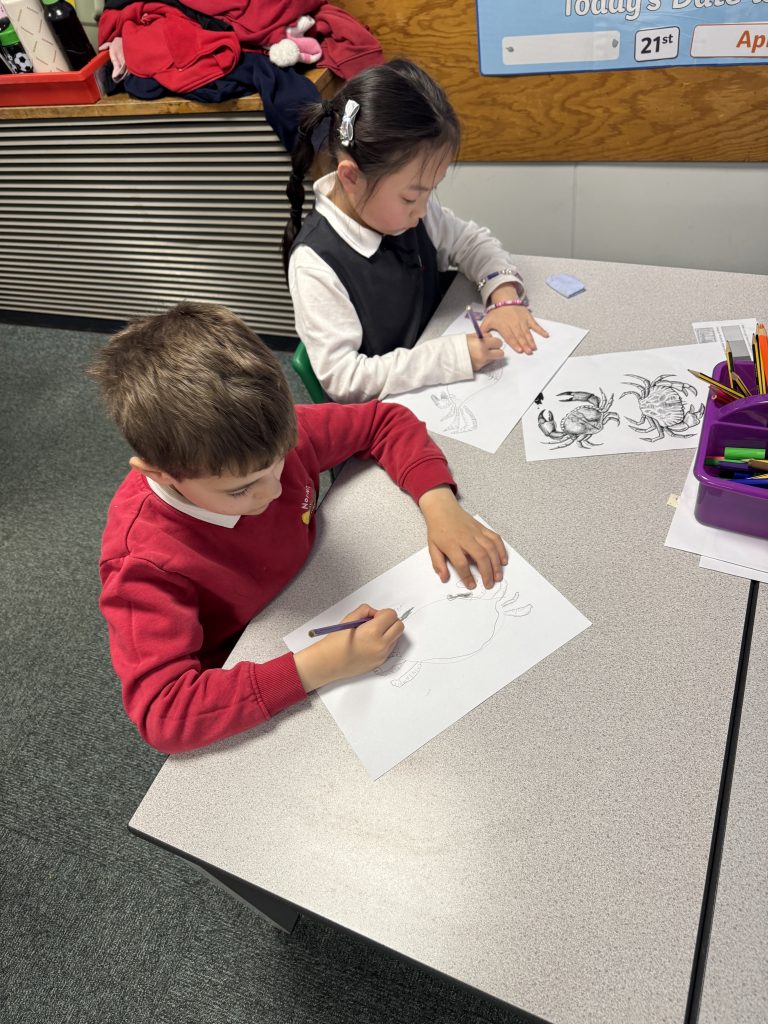
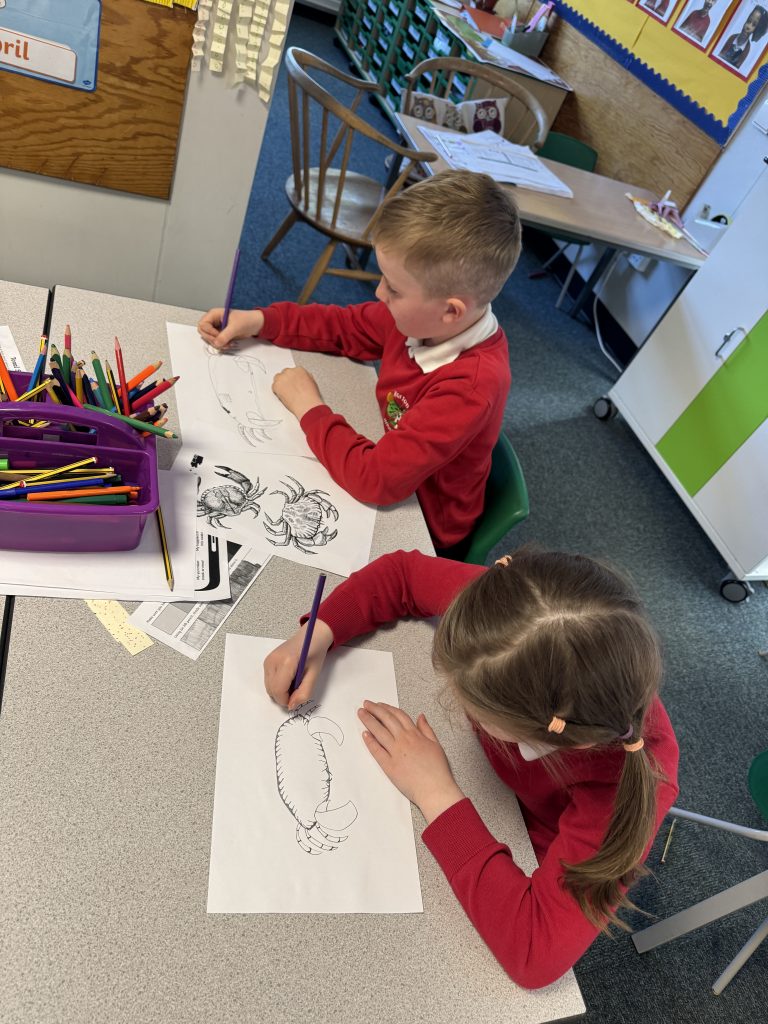
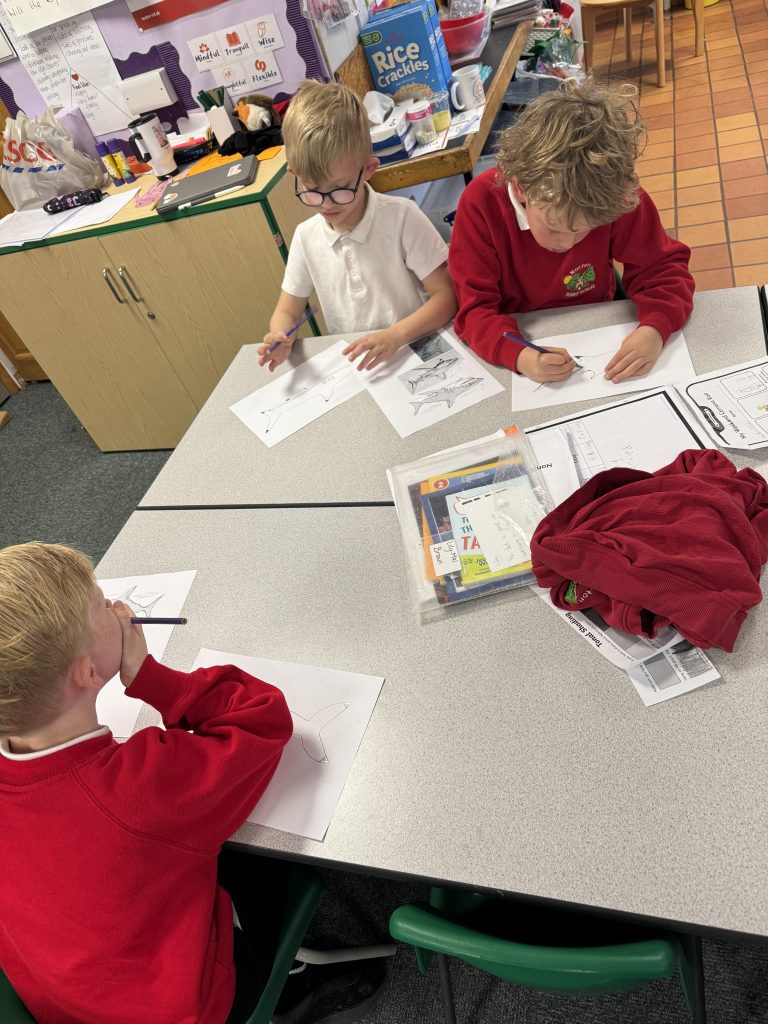
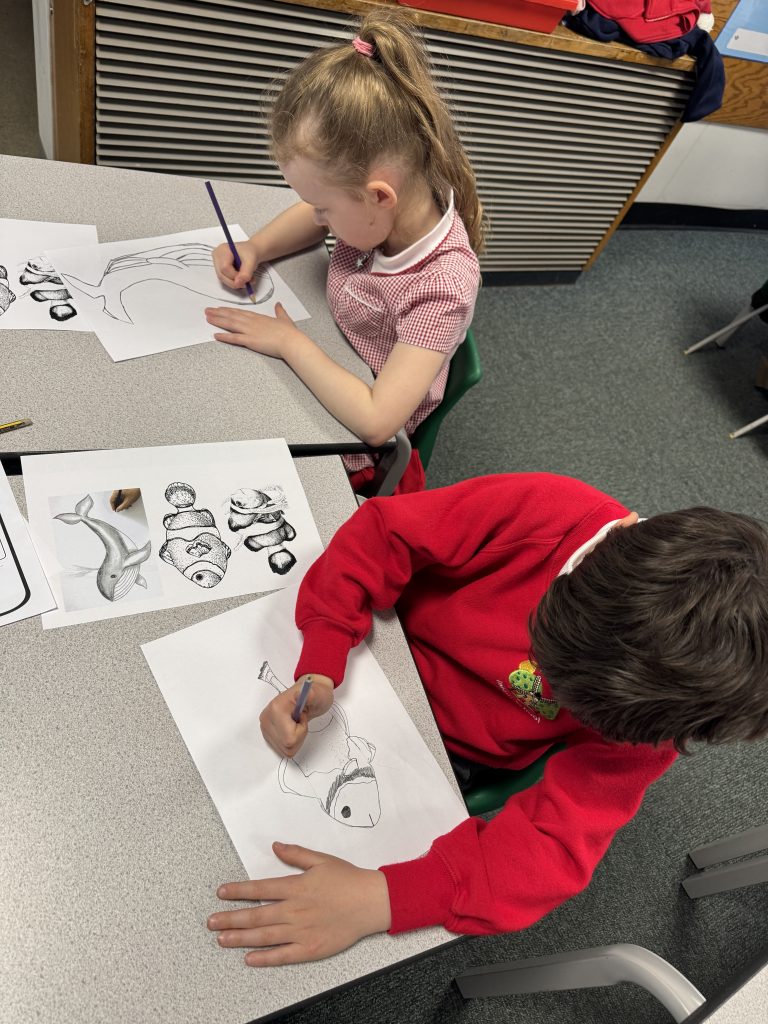
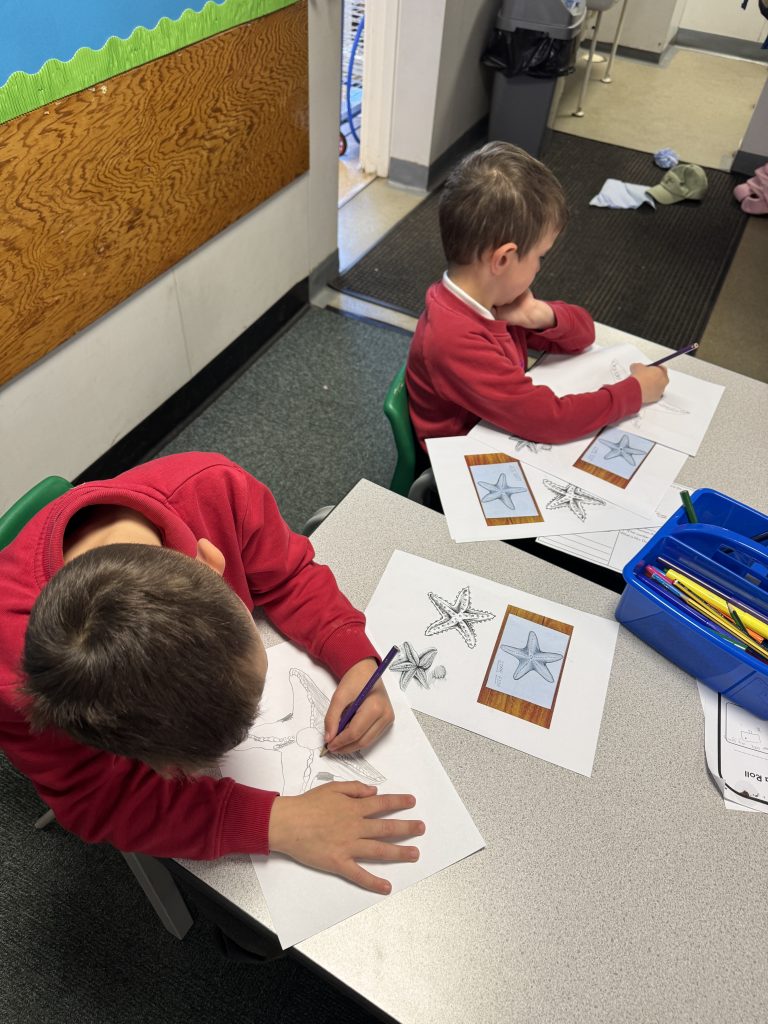
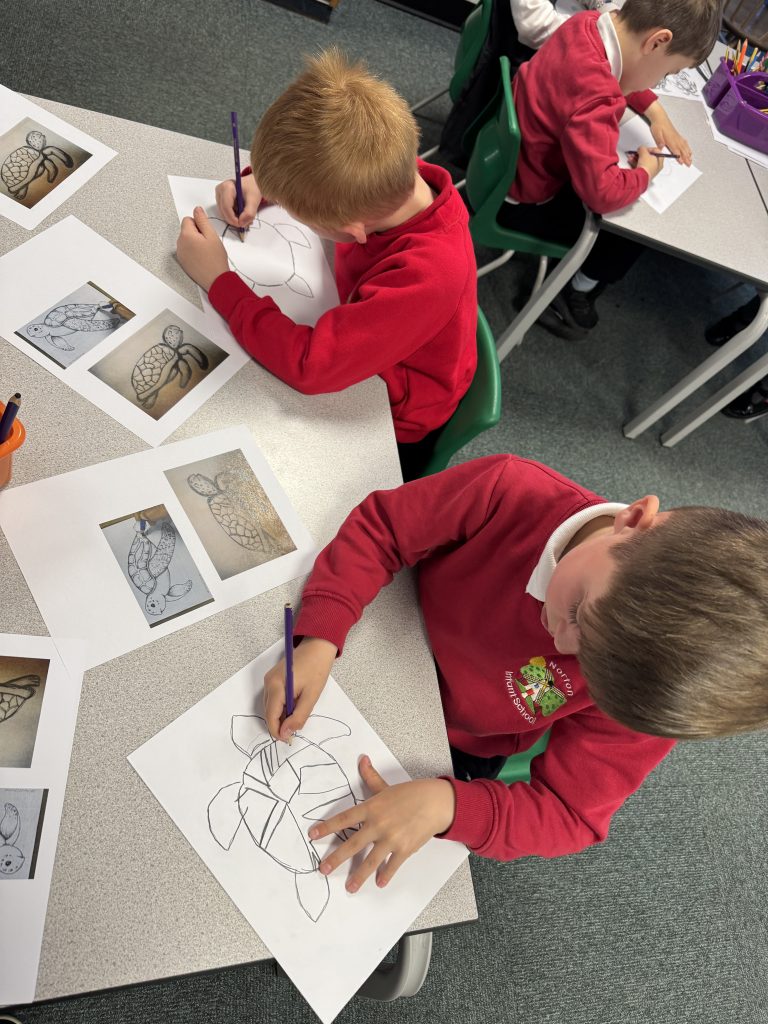
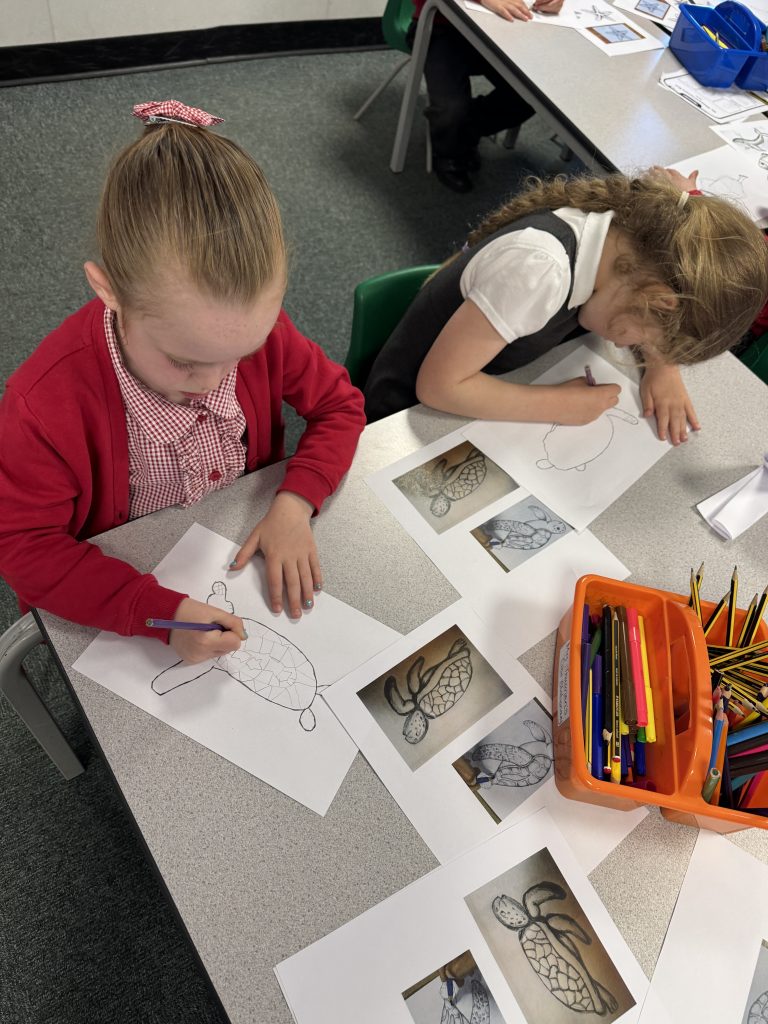
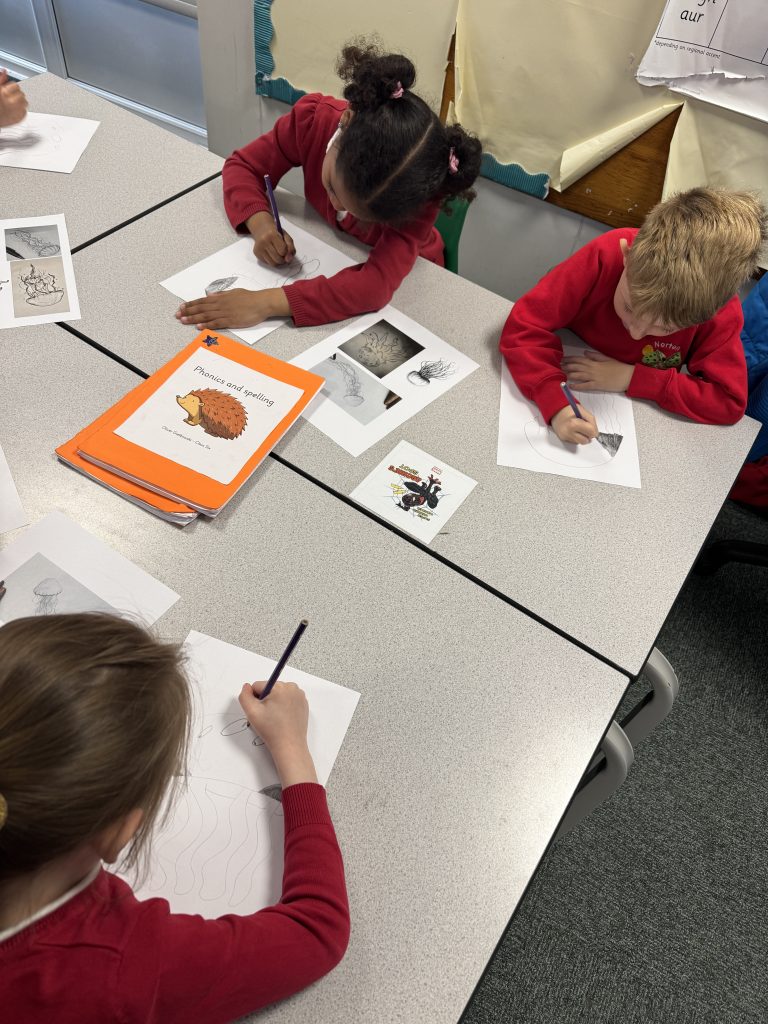
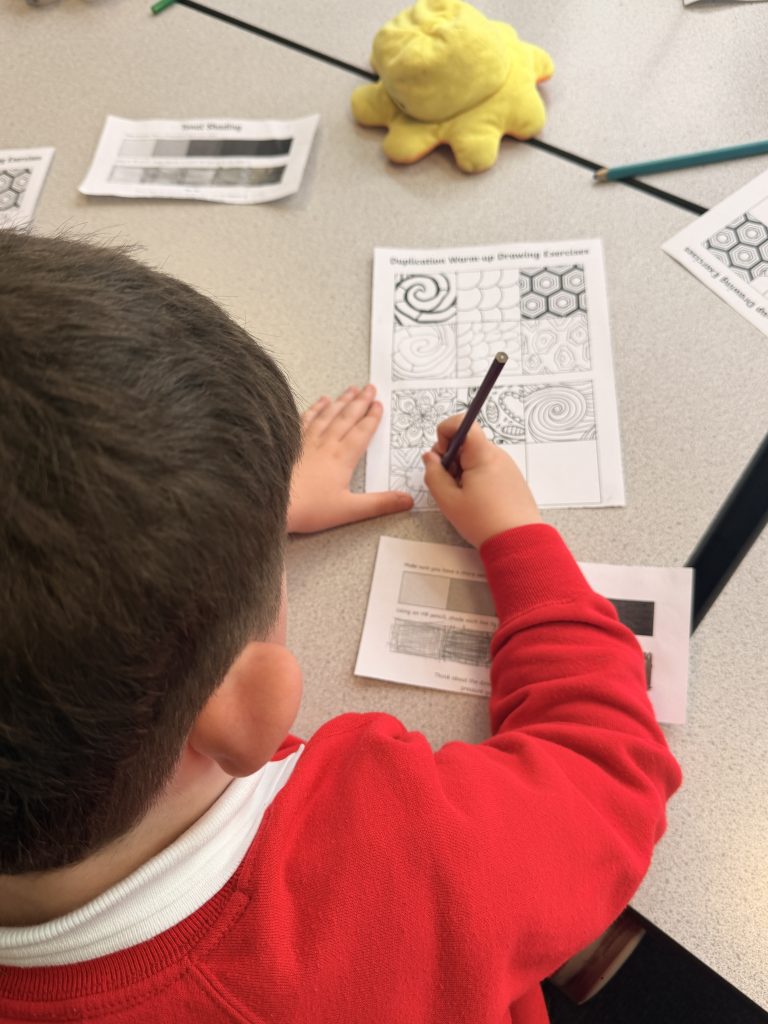
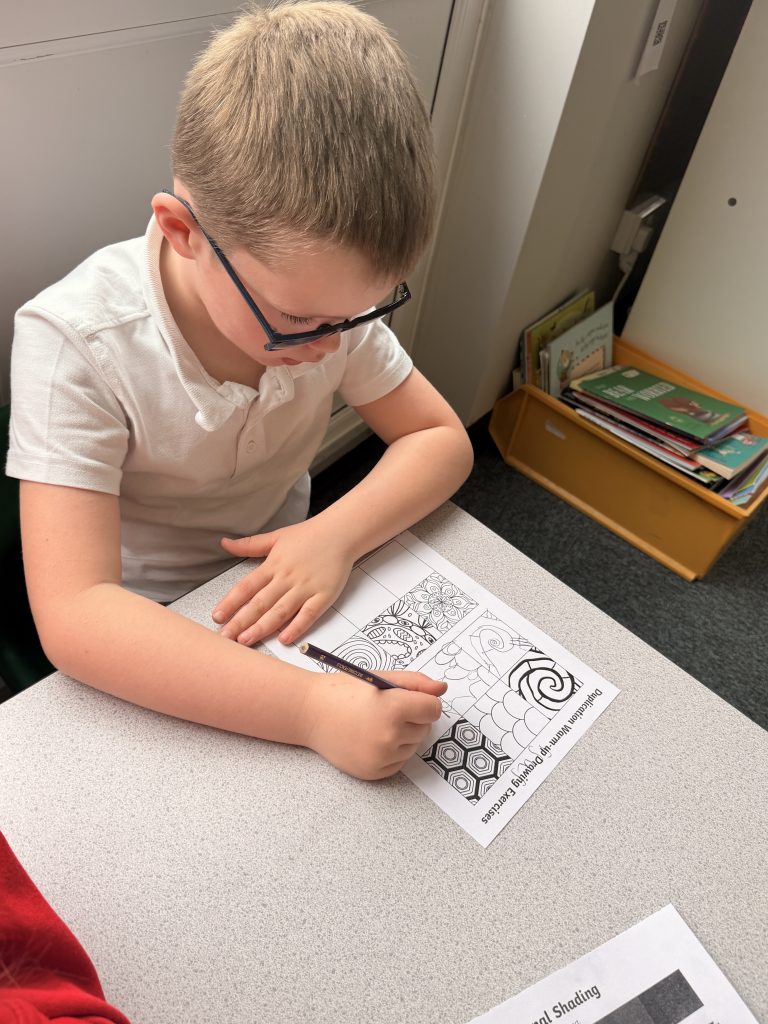
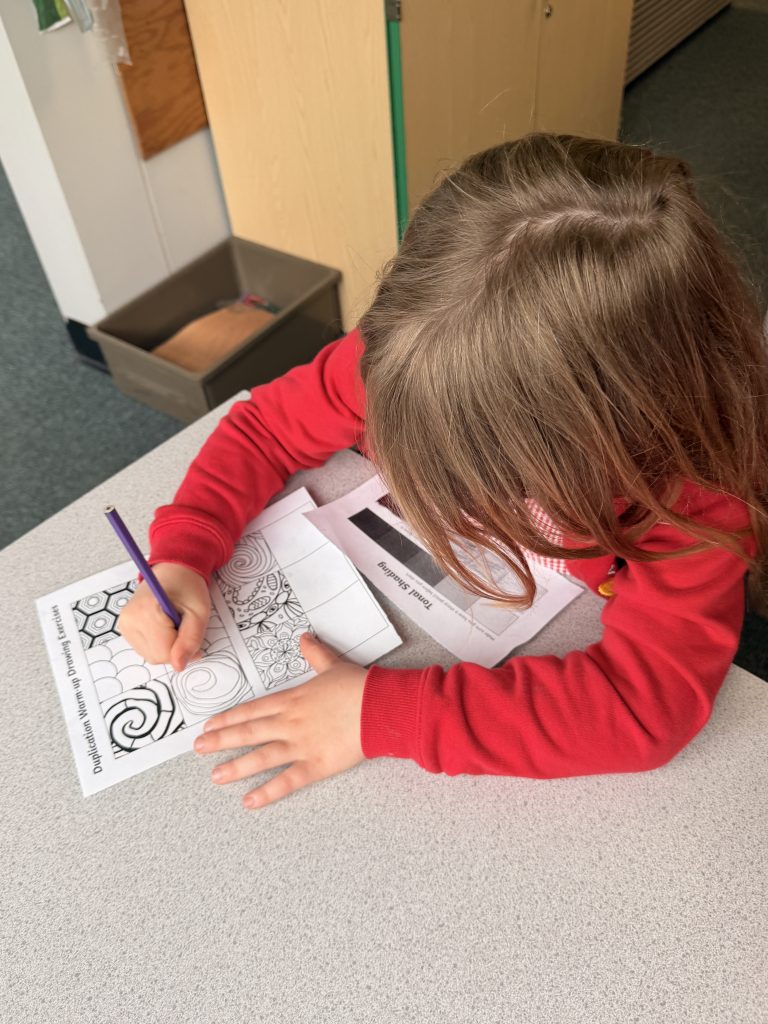
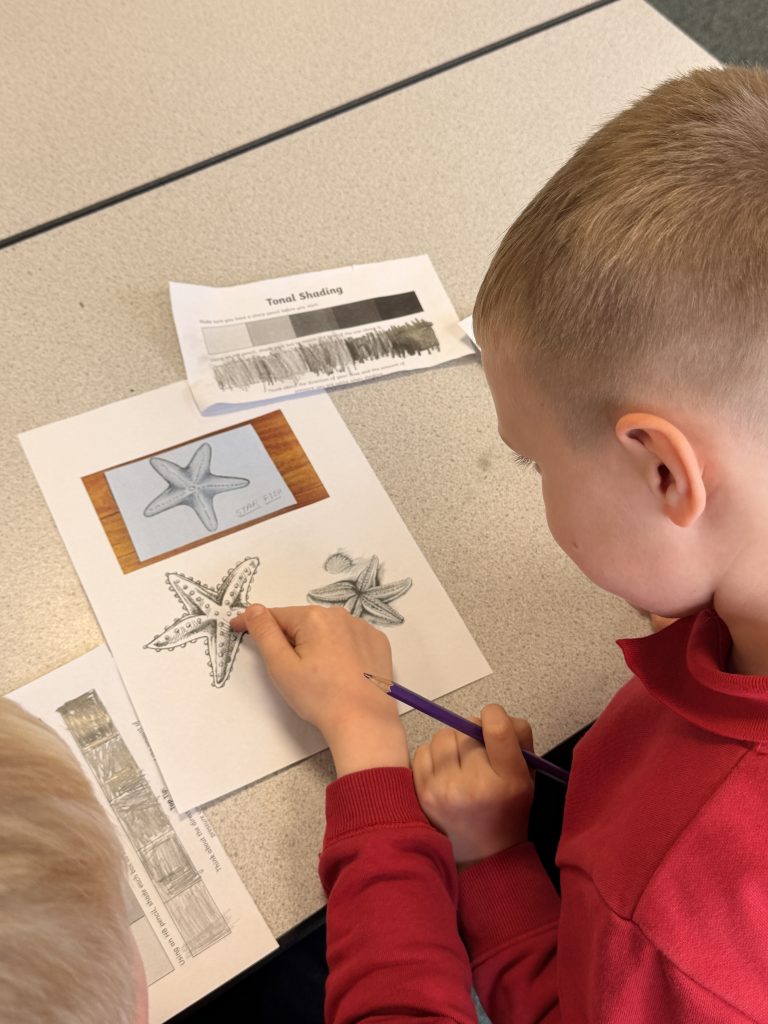
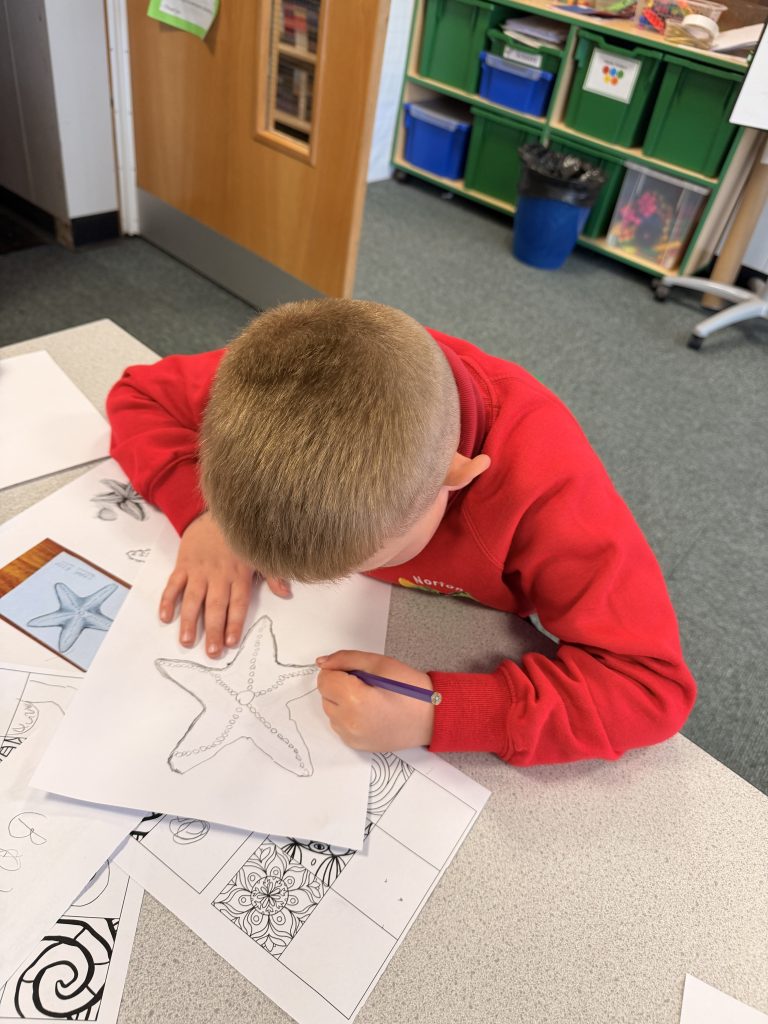
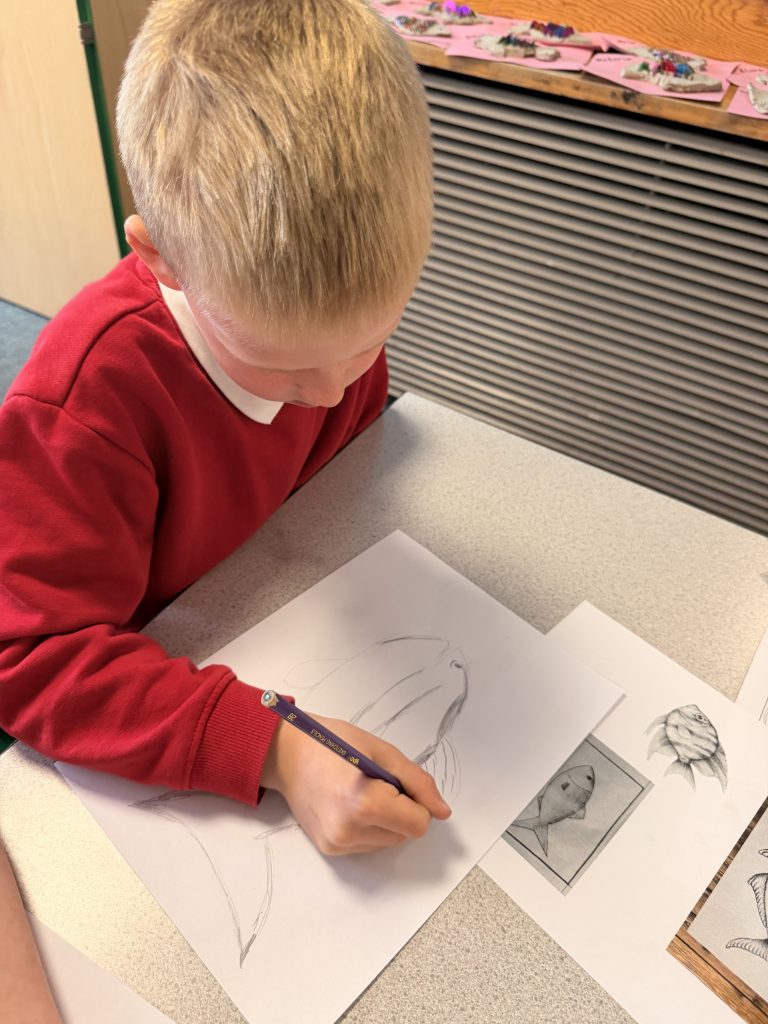
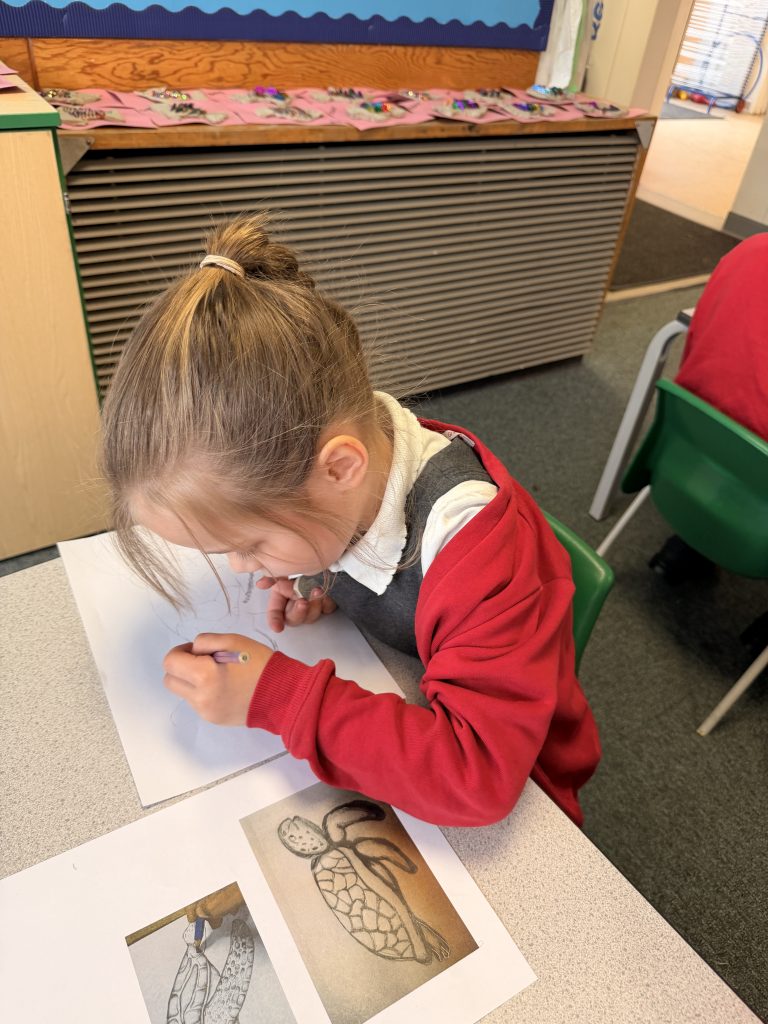
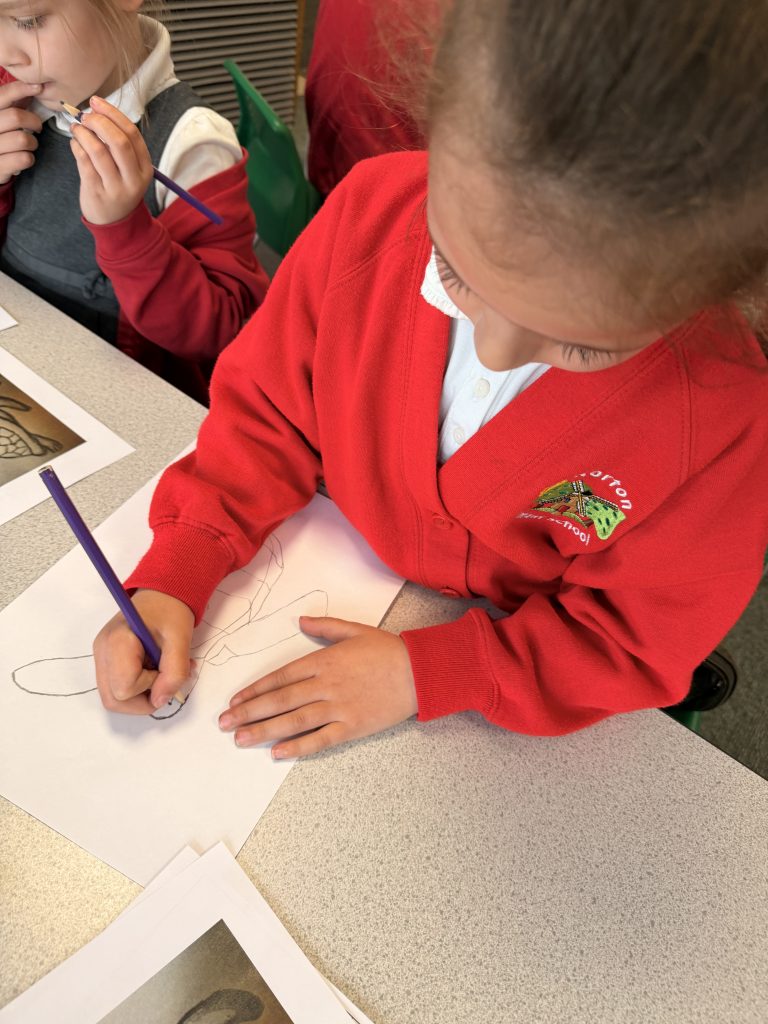
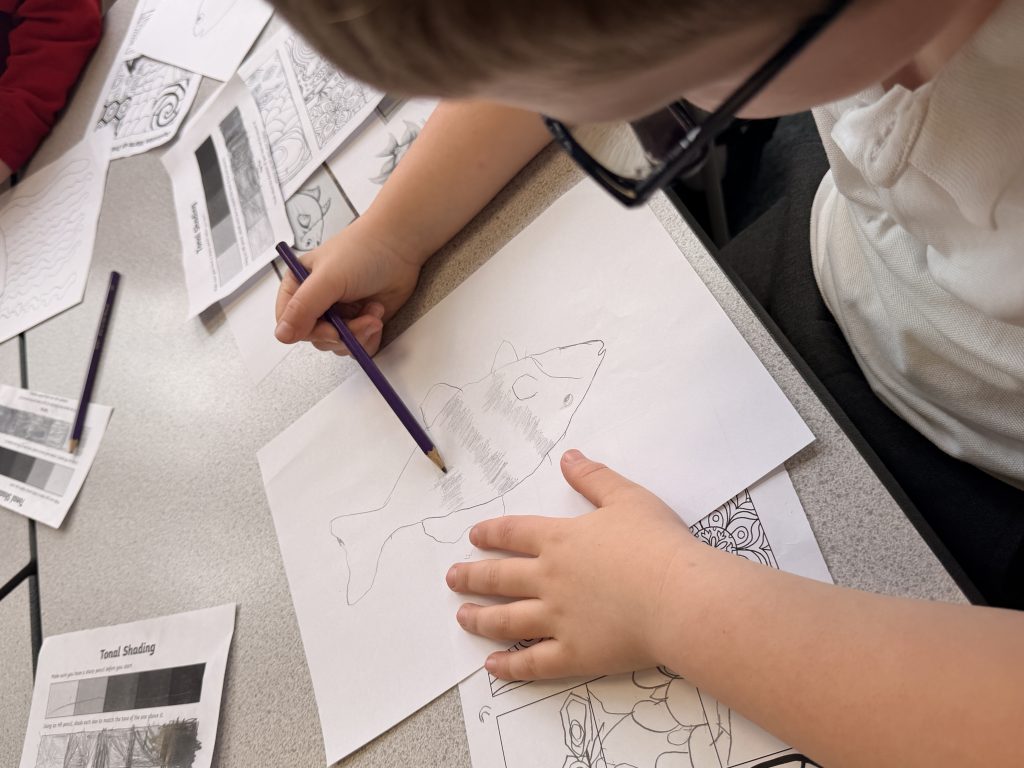
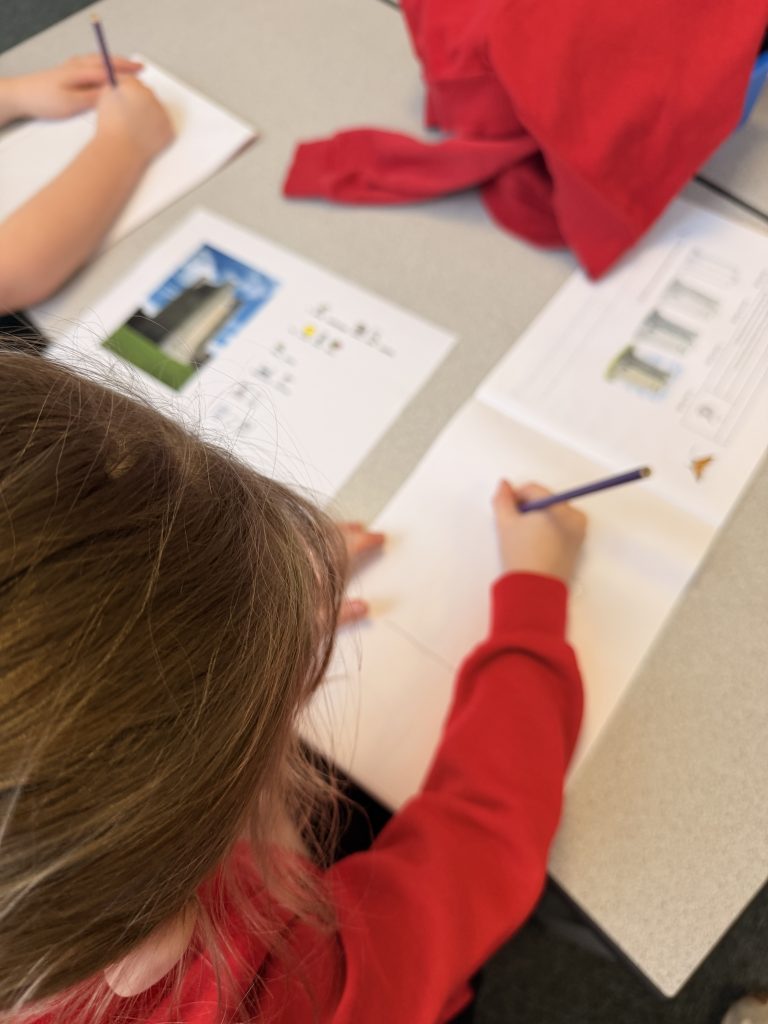
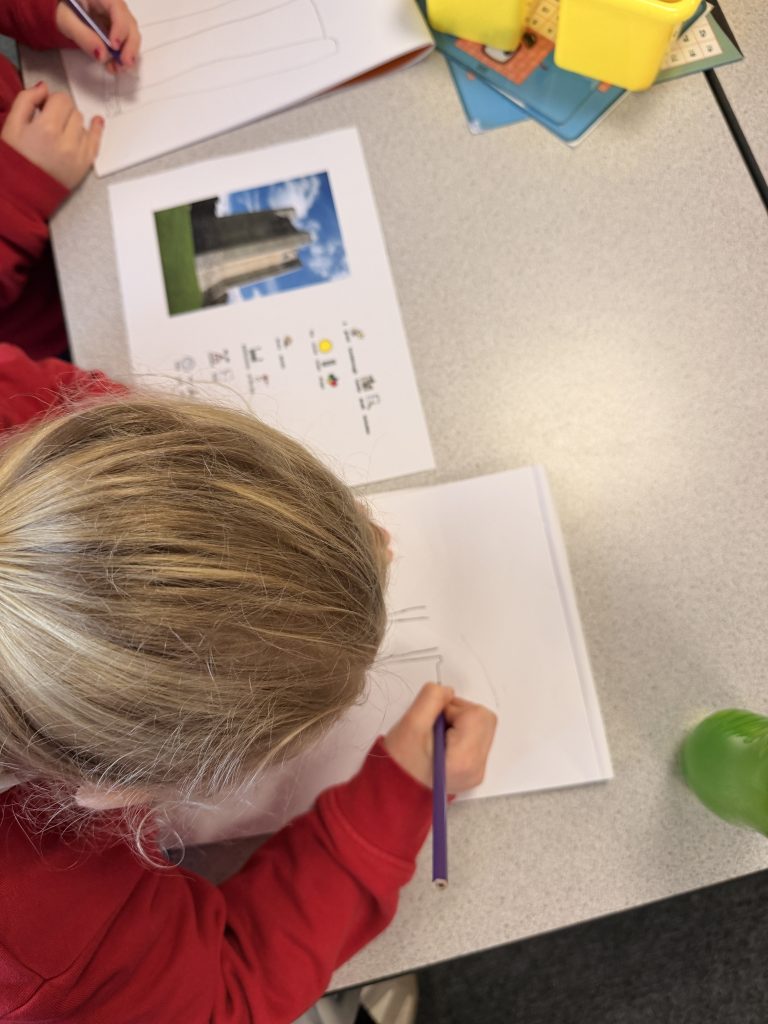
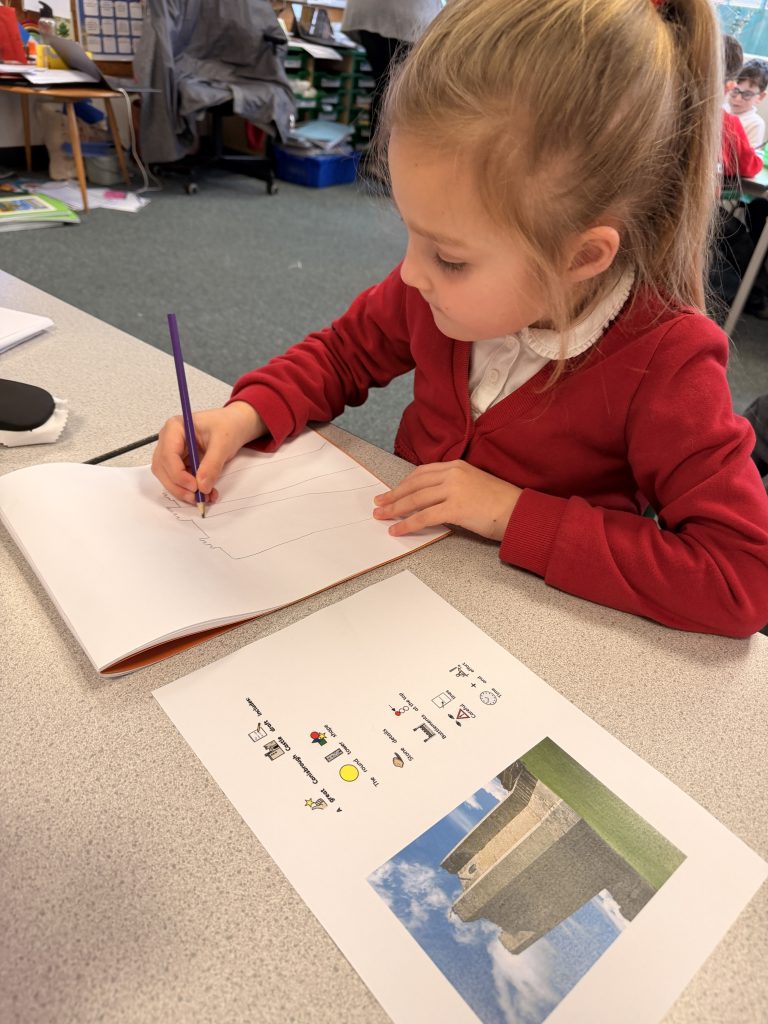
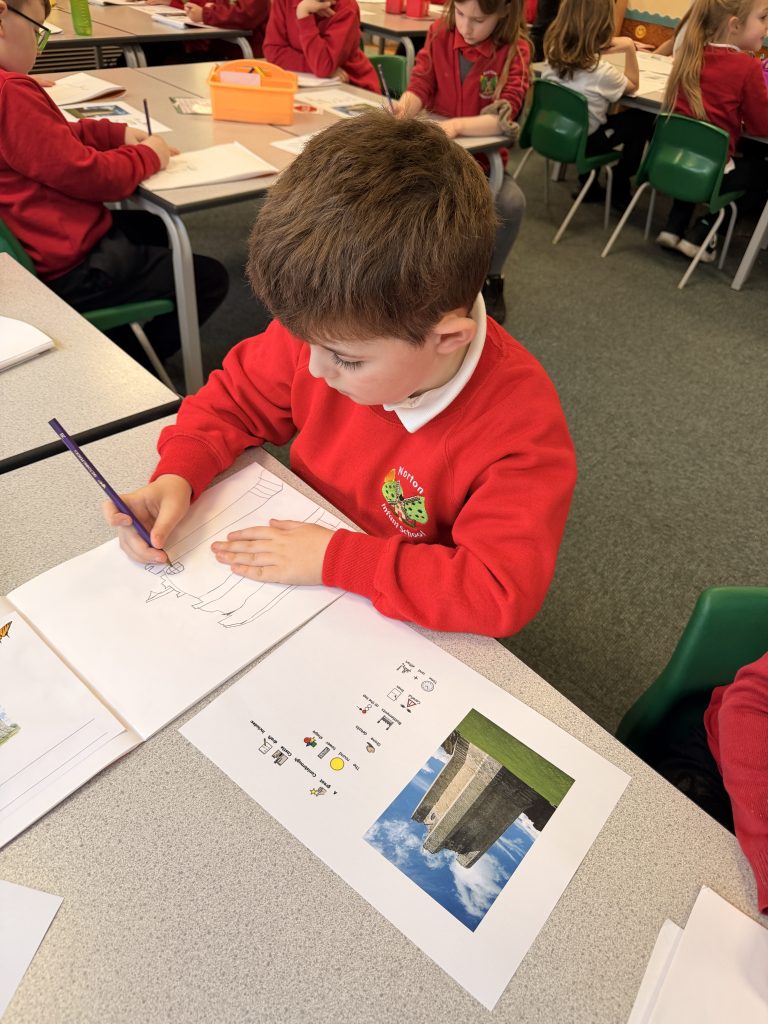
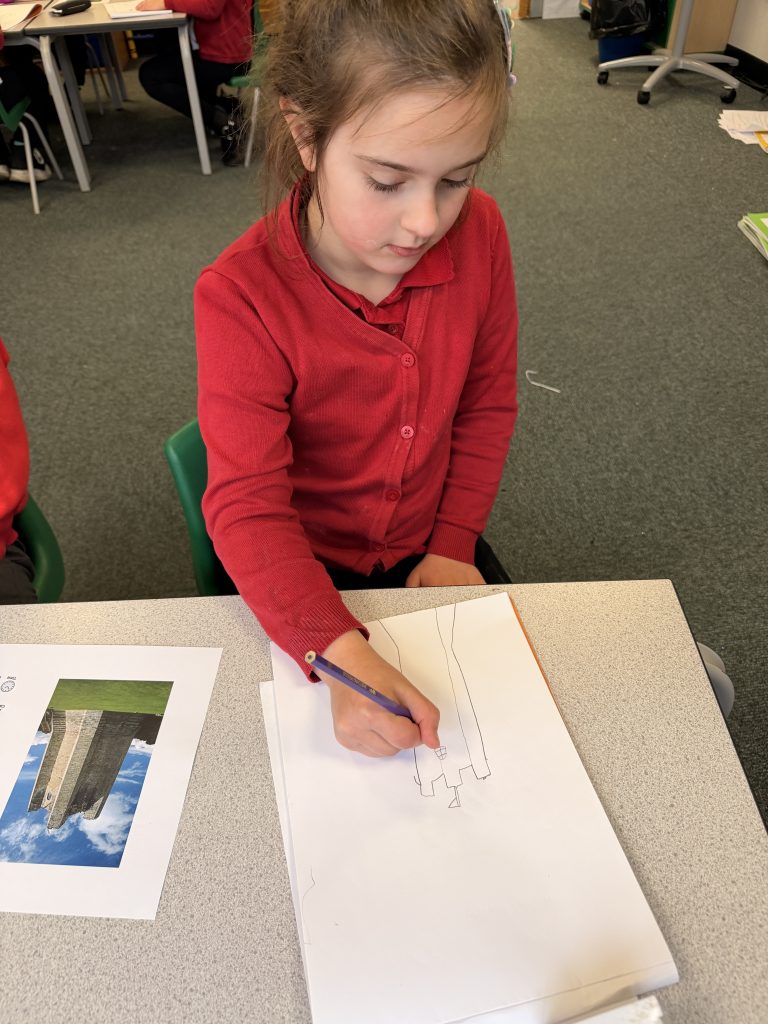
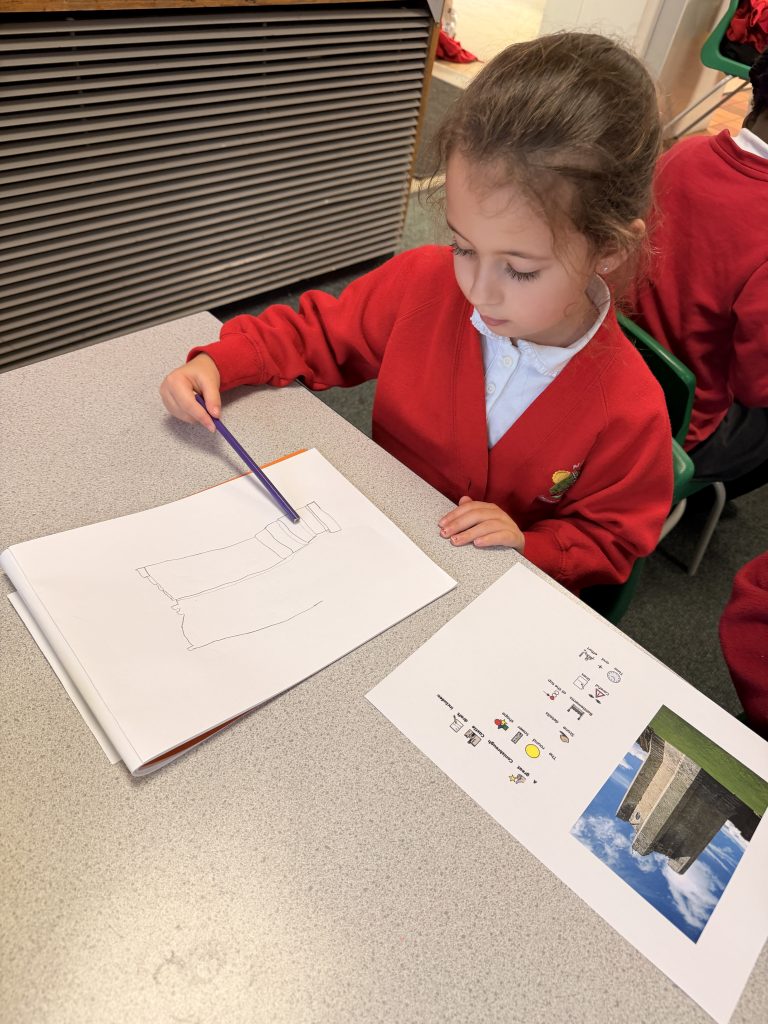
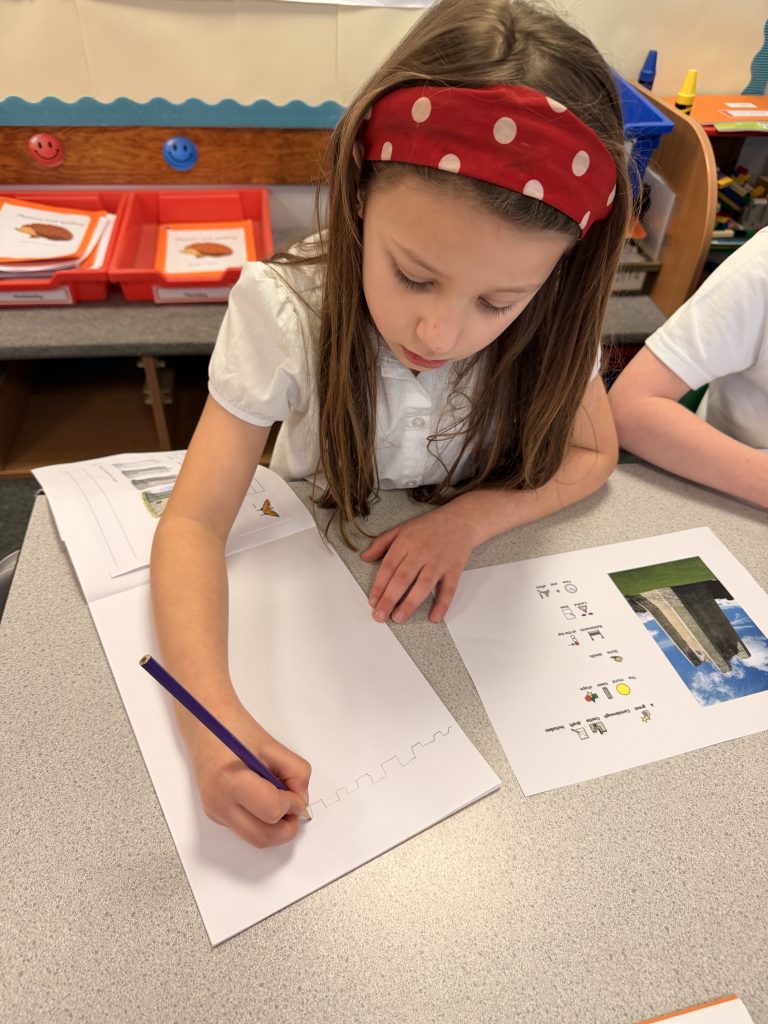
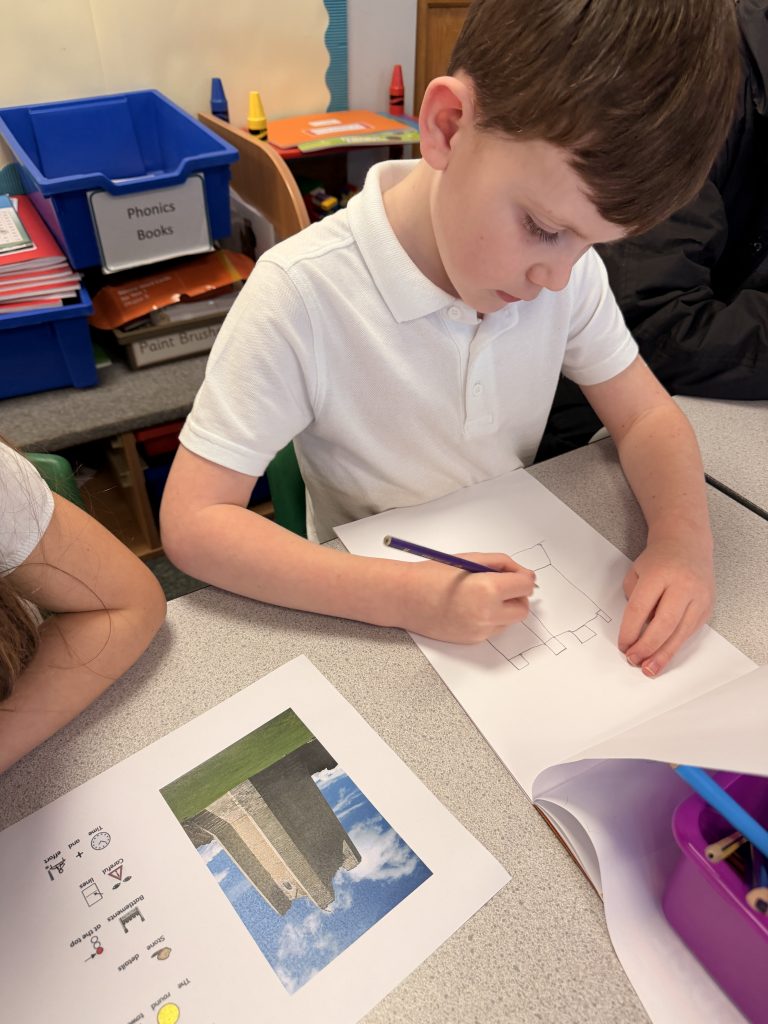
Class 5 Artists: Learning to Draft, Critique and Improve

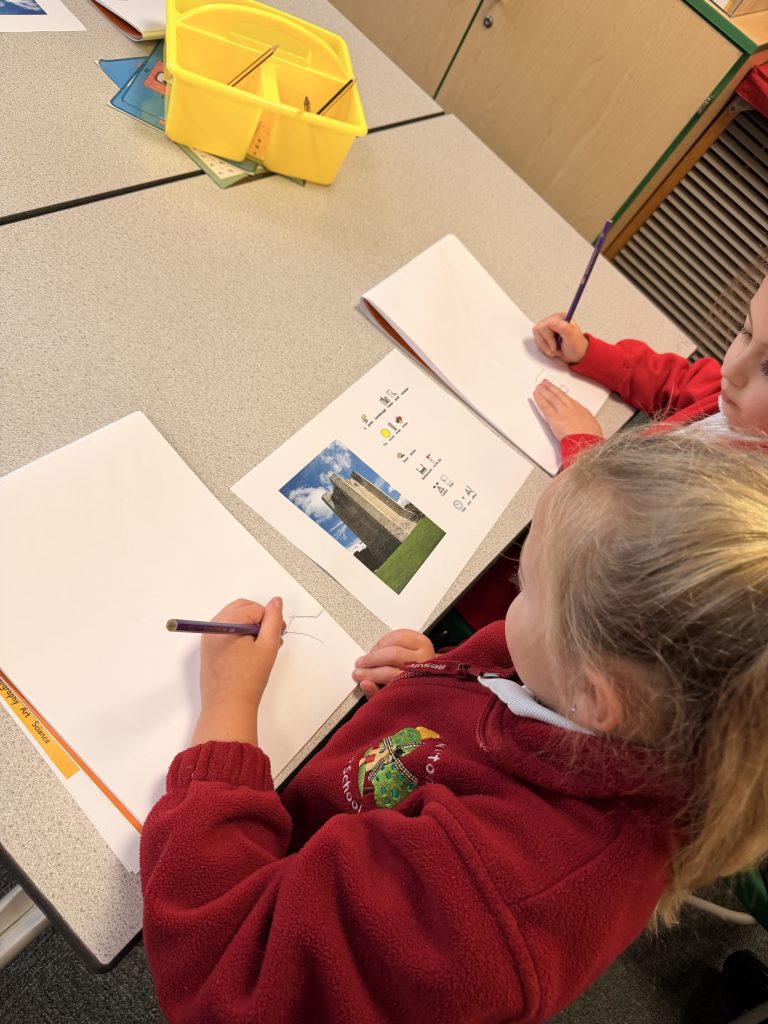
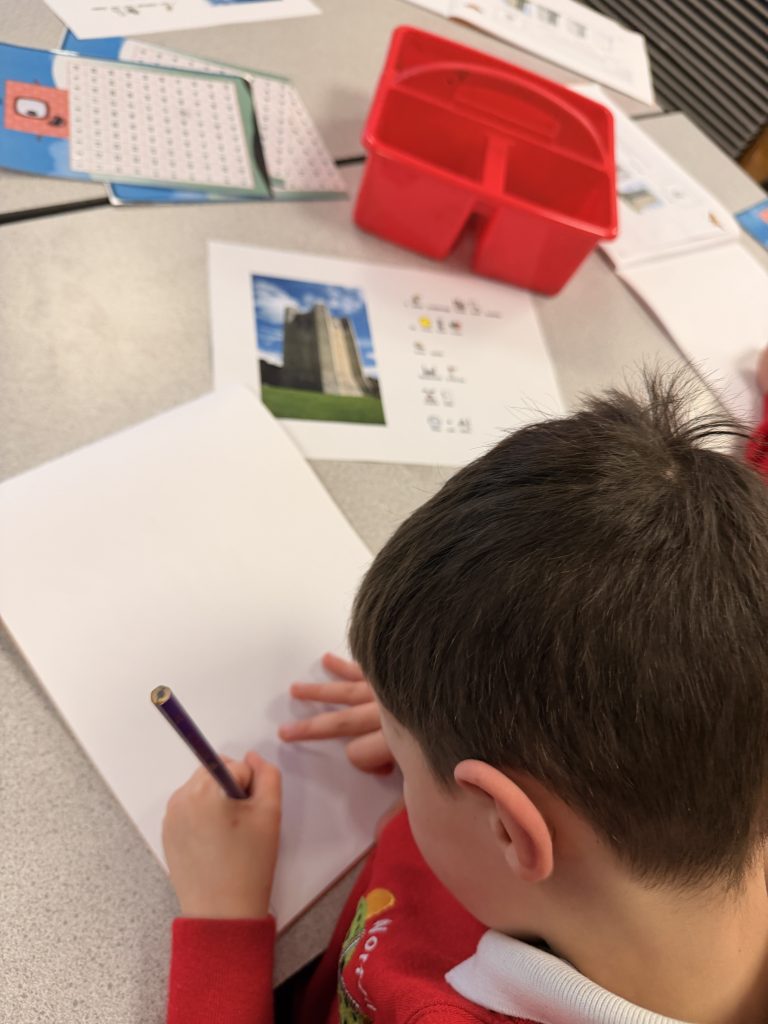
This week, Class 5 revisited Austin’s Butterfly, focusing on the power of critique and redrafting. We reminded ourselves what makes great critique truly helpful — it should always be kind, specific and supportive, with the clear purpose of helping each other improve.

Before putting pencil to paper, we spent time looking carefully at Conisbrough Castle through an artist’s eye. We asked thoughtful questions together:
What shapes can we see?
What do the lines need to look like?
Would our sketchbooks work better in landscape or portrait?

These discussions helped us slow down, observe more closely and make deliberate choices before we began.

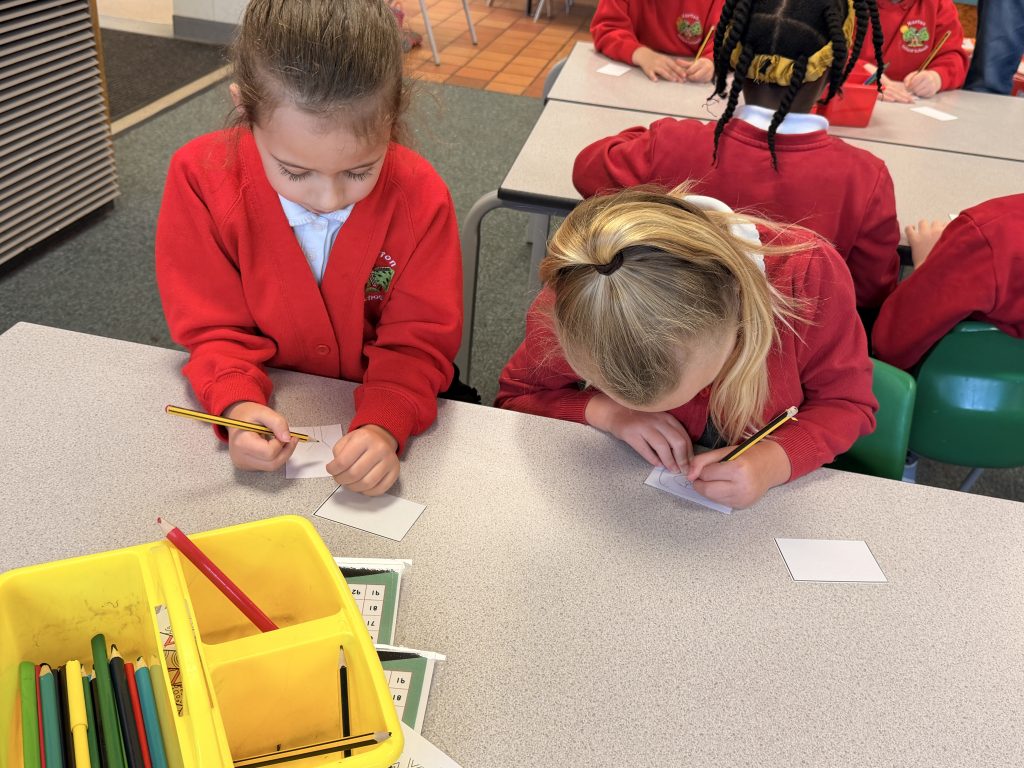
We then got busy on our first drafts. They are strong starts — thoughtful, detailed and full of effort — but we know they aren’t perfect yet. That’s exactly where the learning lives. Tomorrow, we’re looking forward to giving and receiving careful critique, using each other’s feedback to refine our work and create even stronger second drafts.

Class 5 are learning that great art (and great learning) doesn’t happen in one go — it happens through reflection, feedback and the courage to improve.

Wheels, Wheels, Wheels.

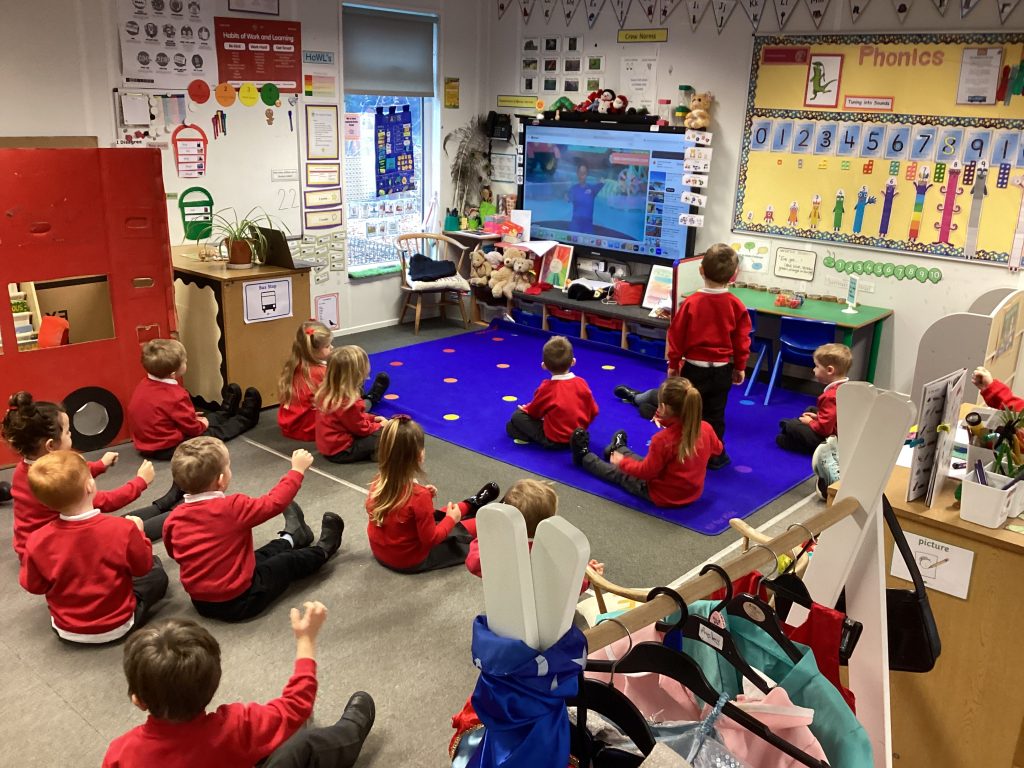
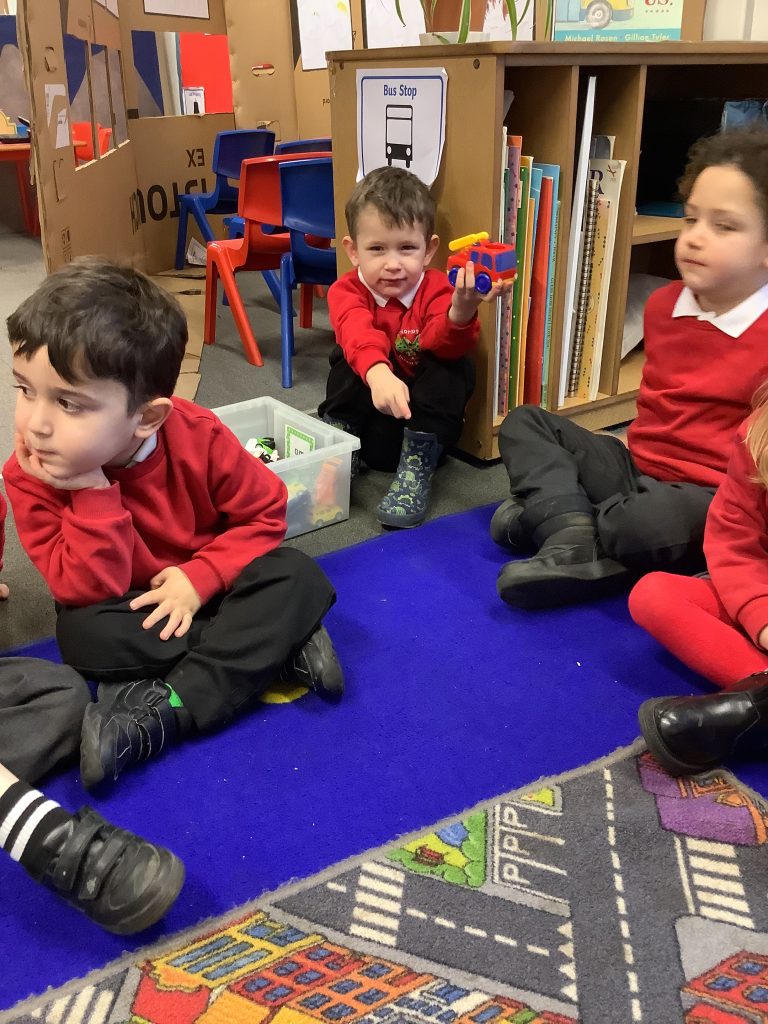
This week Nursery children have began exploring their first case study into our new expedition “We are on the move – Would you travel by wheels, wings or other things?” In this case study we are focusing on what vehicles move by wheels, wings and other things? We started with wheeled vehicles with the help of our primary text “Car, Car, Truck, Jeep” by Katrina Charman. We learned the “Car, Car, Truck, Jeep” song which is sang to the tune of one of our familiar Nursery rhymes, Baa, Baa, Black Sheep. At the end of the week the children were filmed singing part of the song (which included wheeled vehicles) and this was shared with parents via Class Dojo – check it out!

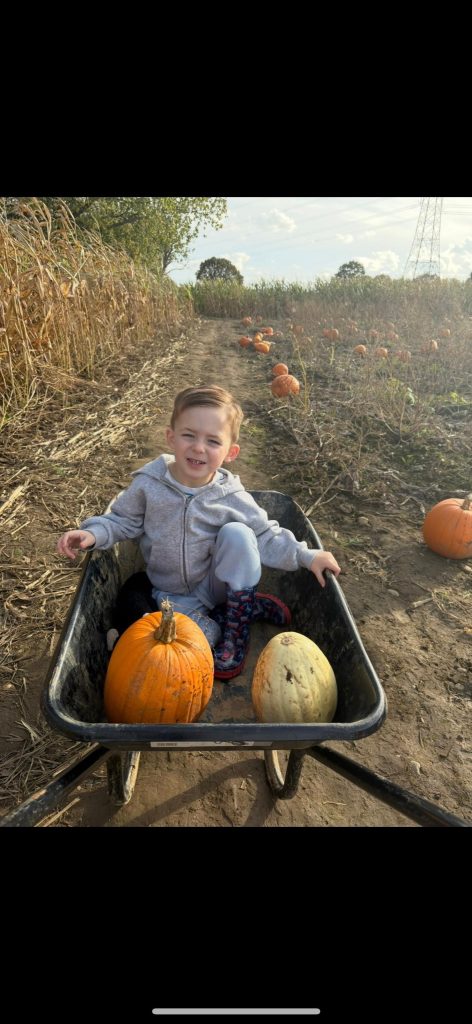
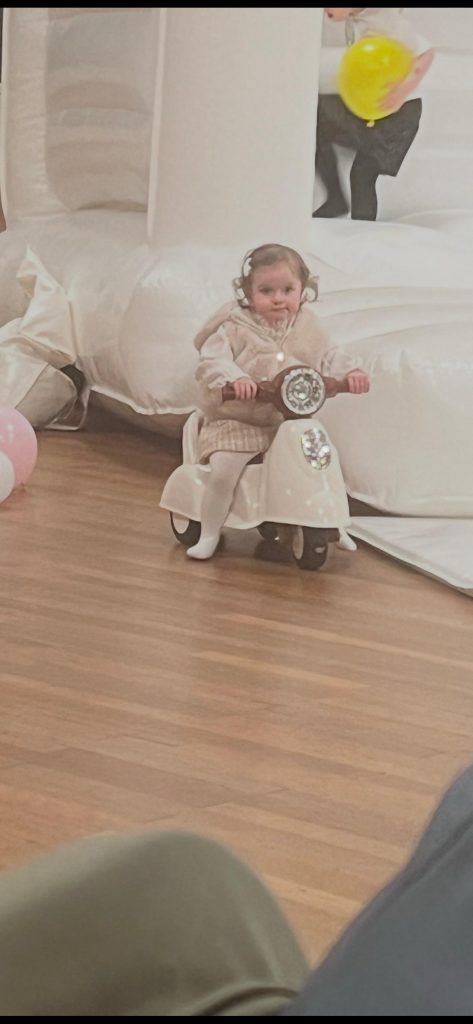
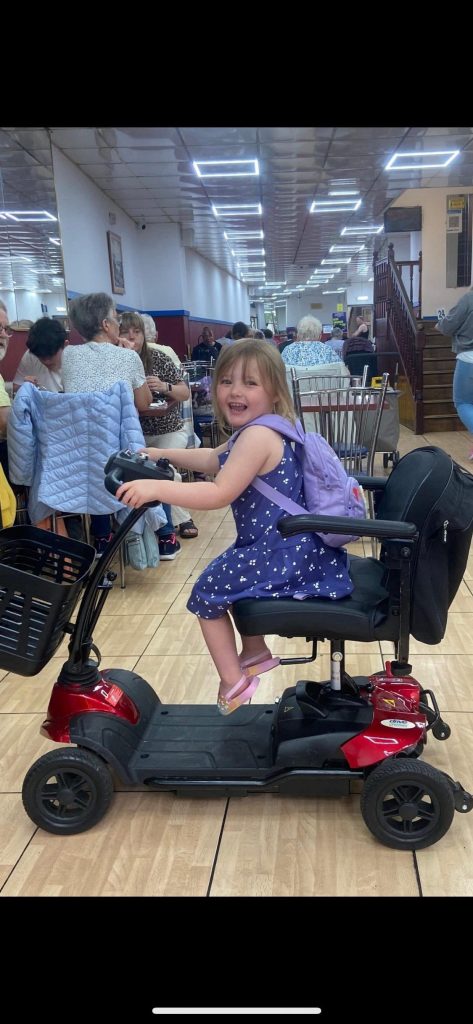
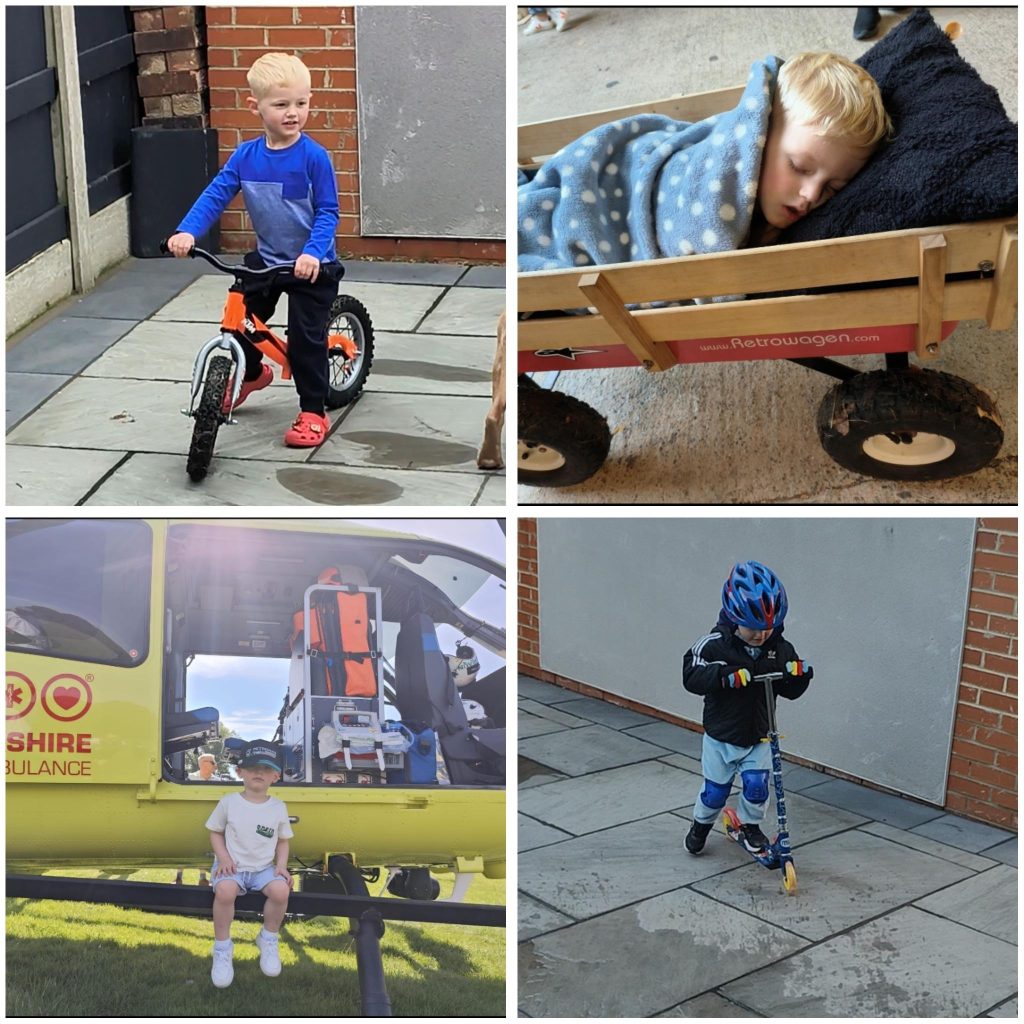
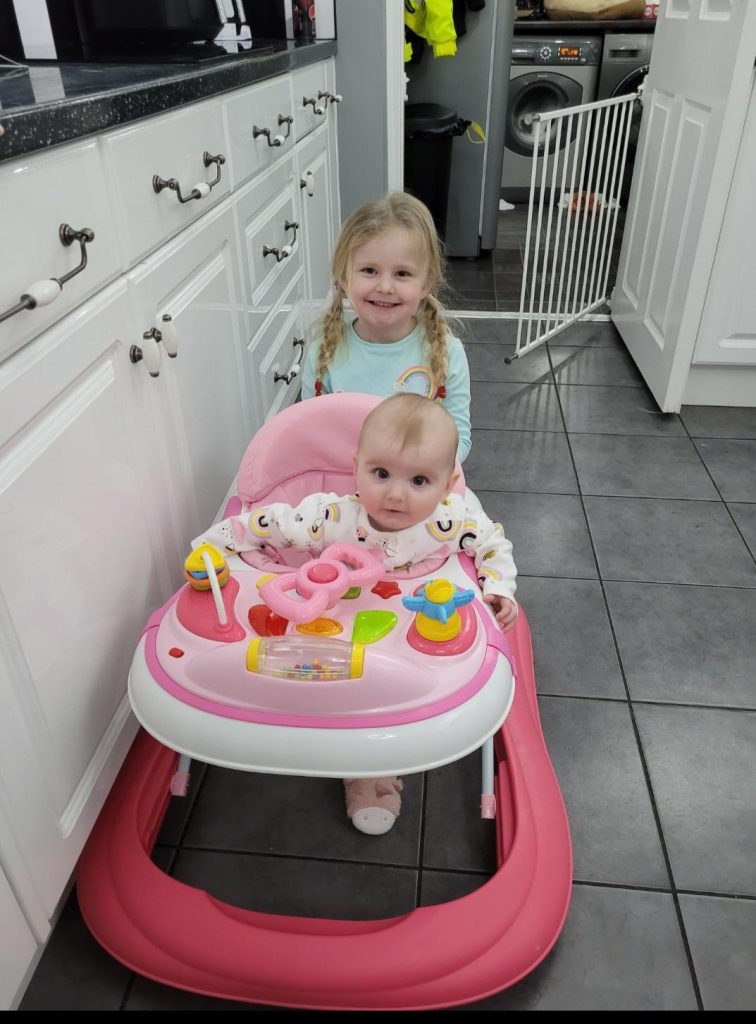
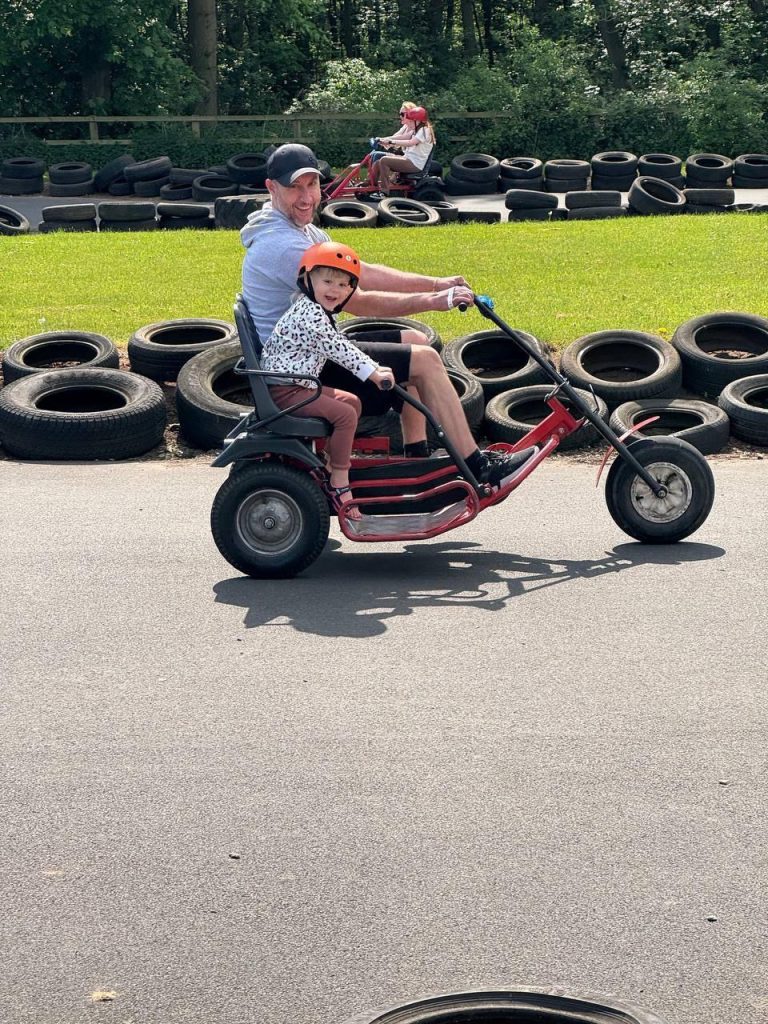
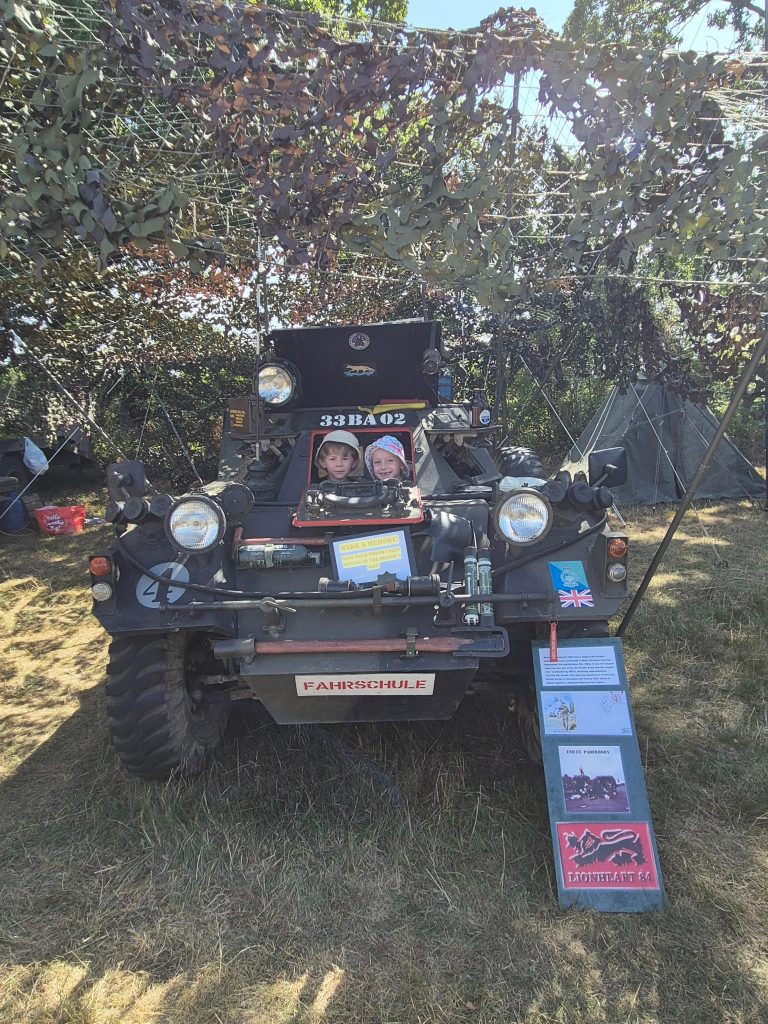
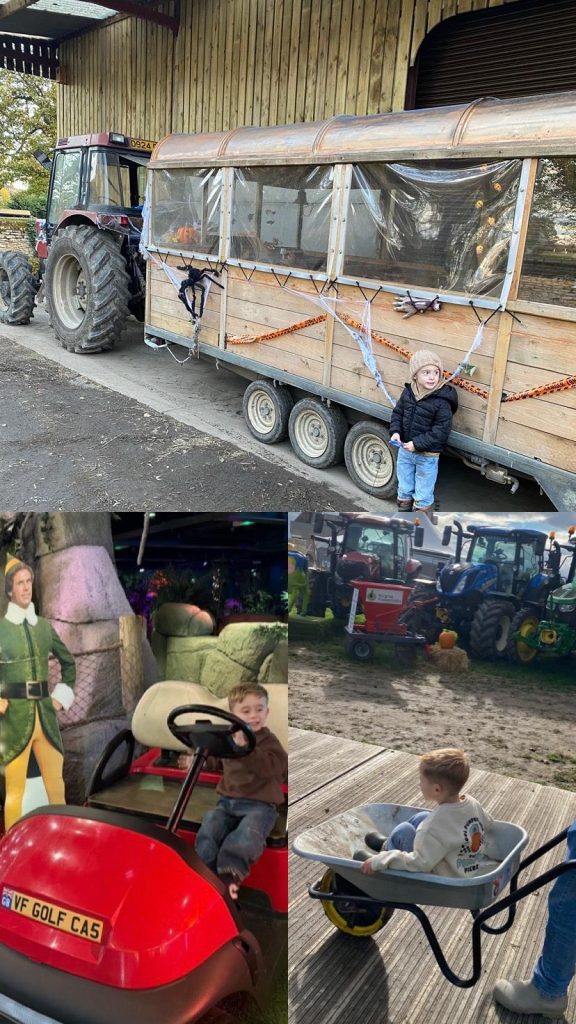
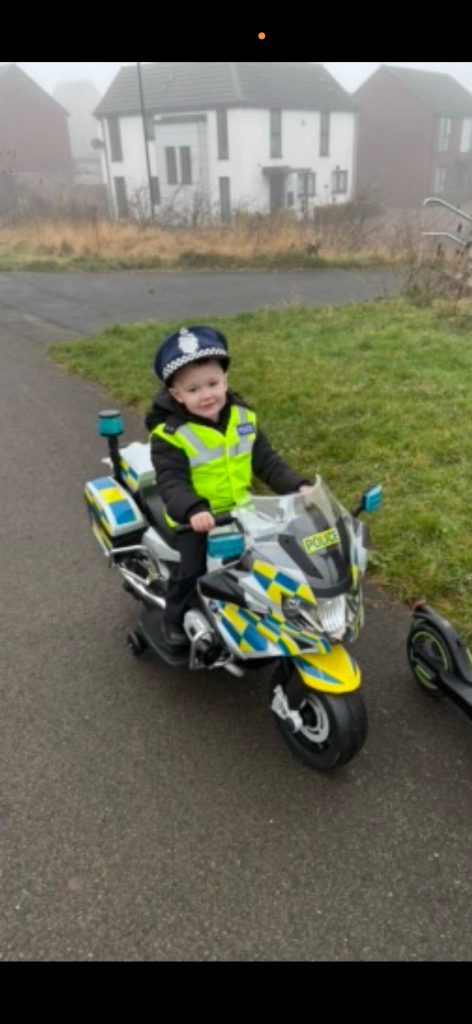
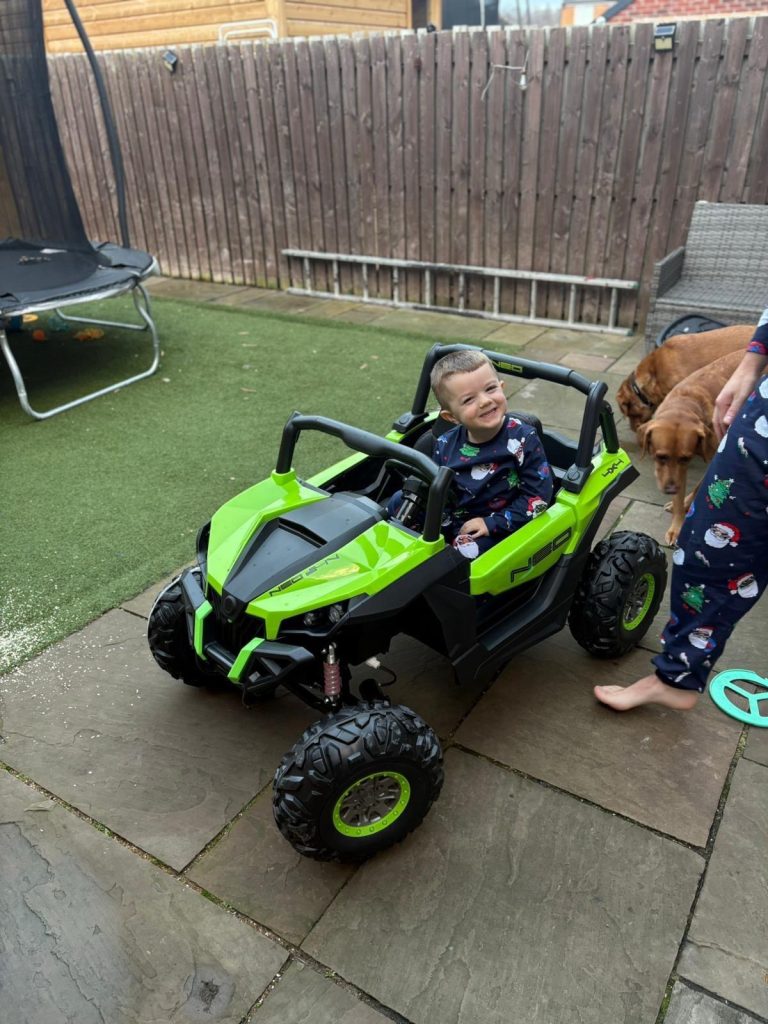
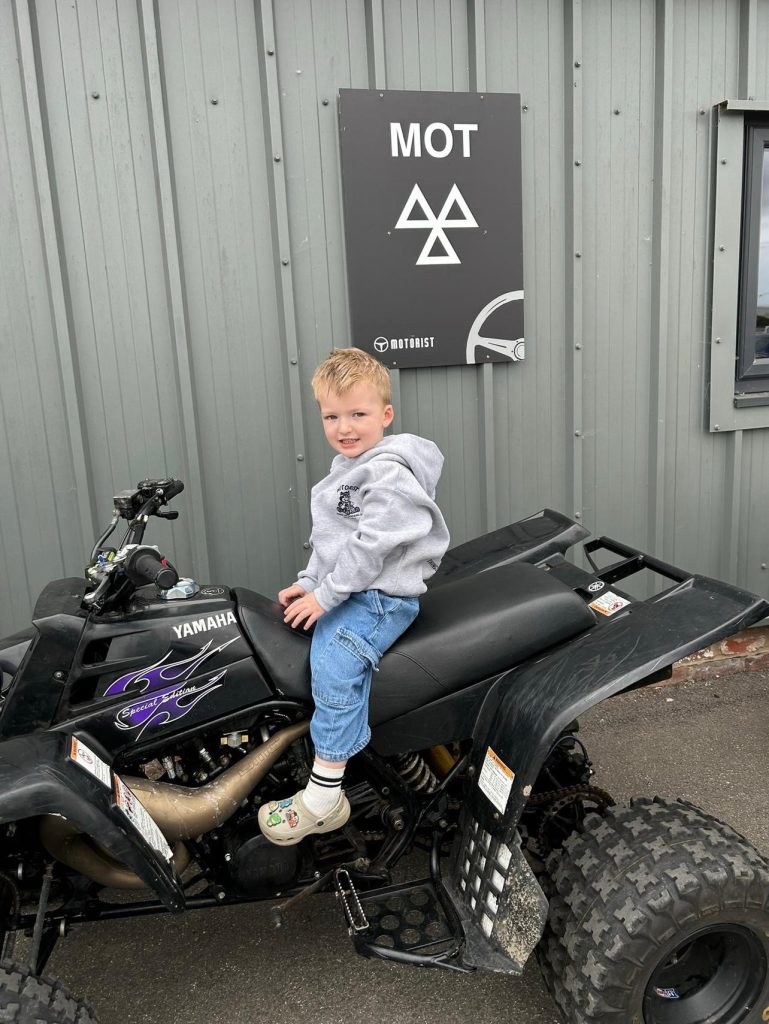
To activate the children’s learning we shared photos of their own experiences on wheeled vehicles, here are a few.

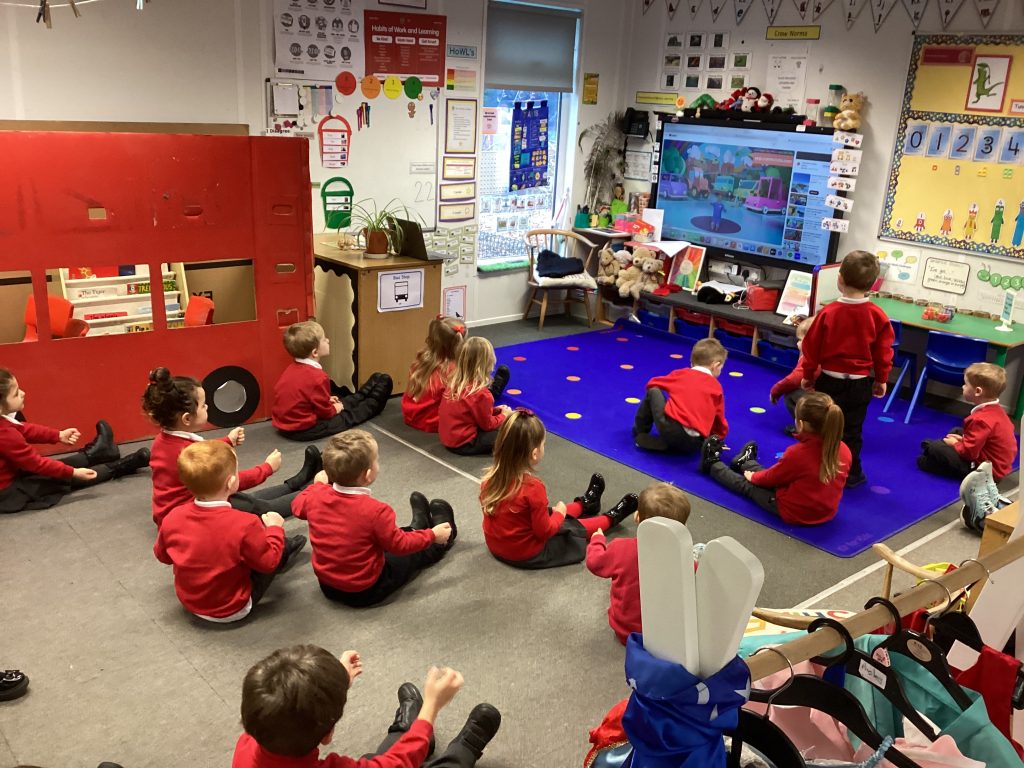
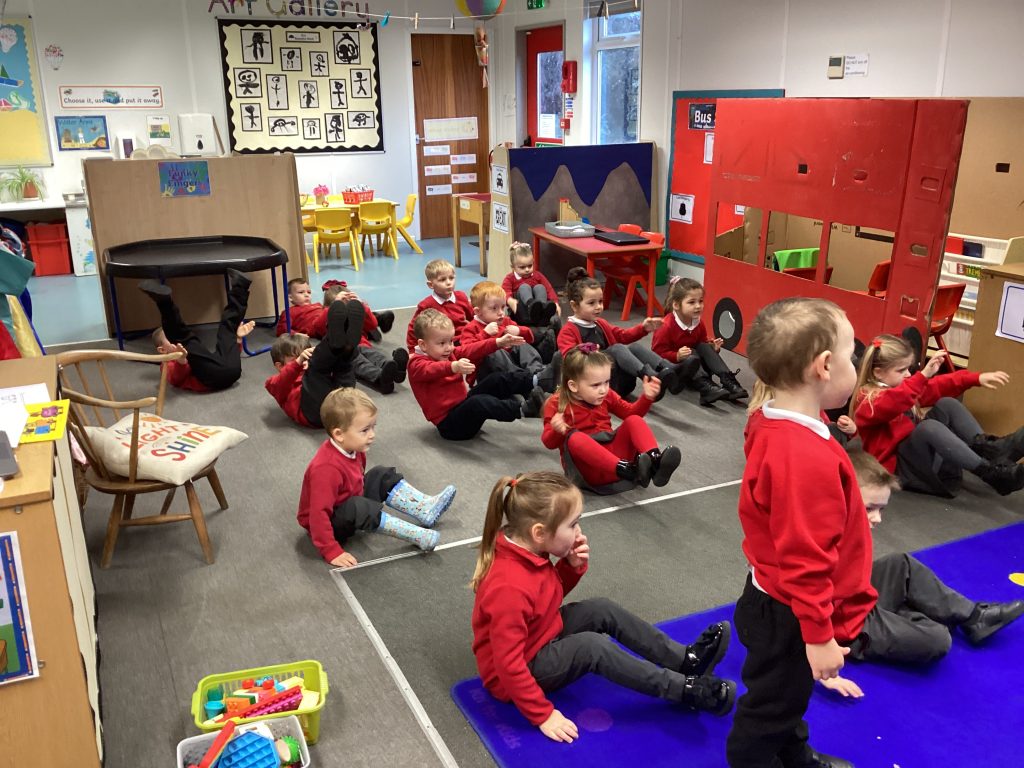
We also engaged in transport themed yoga where the children used their physical skills to hold poses pretending to be a car, a train and a boat.

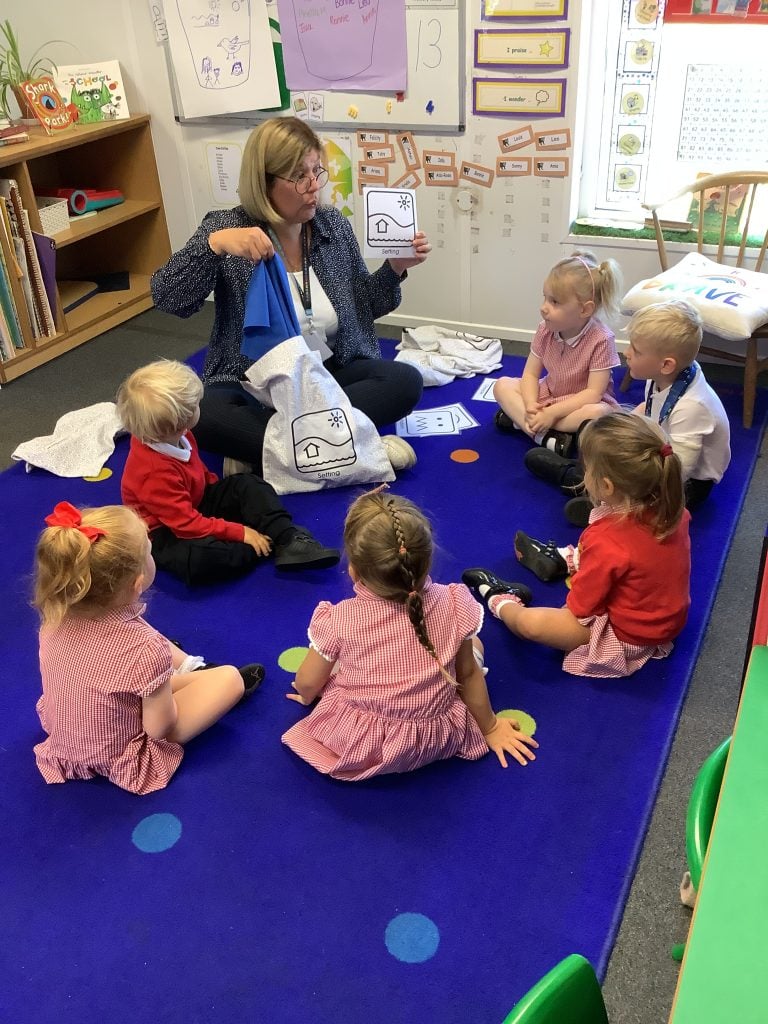
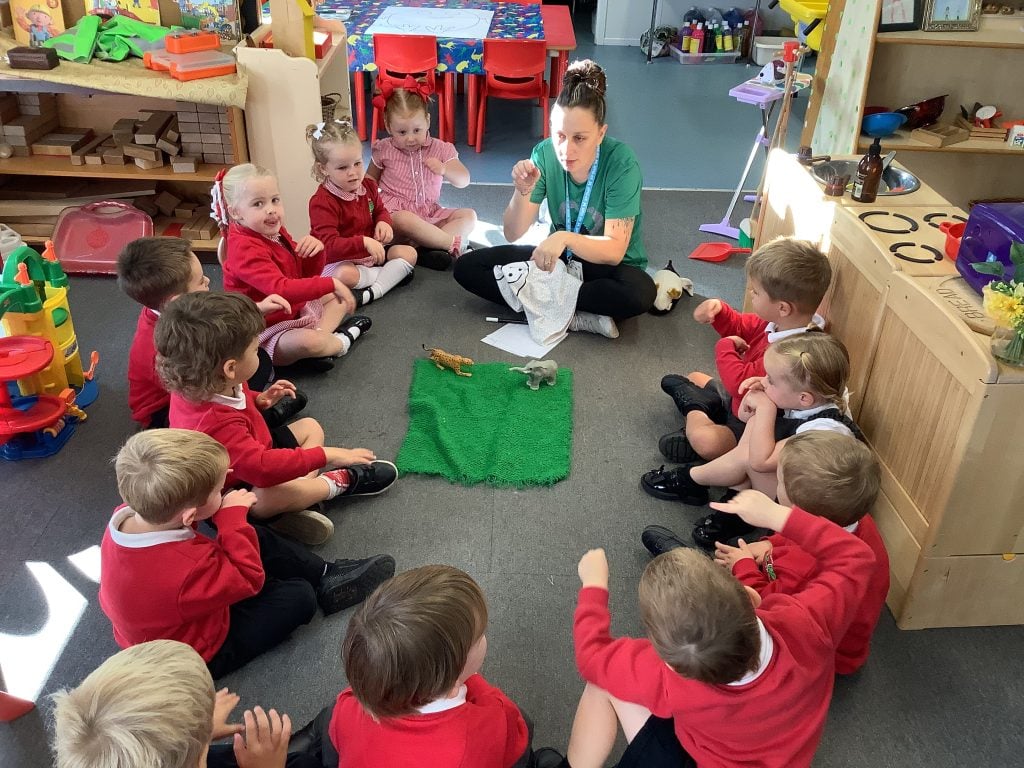
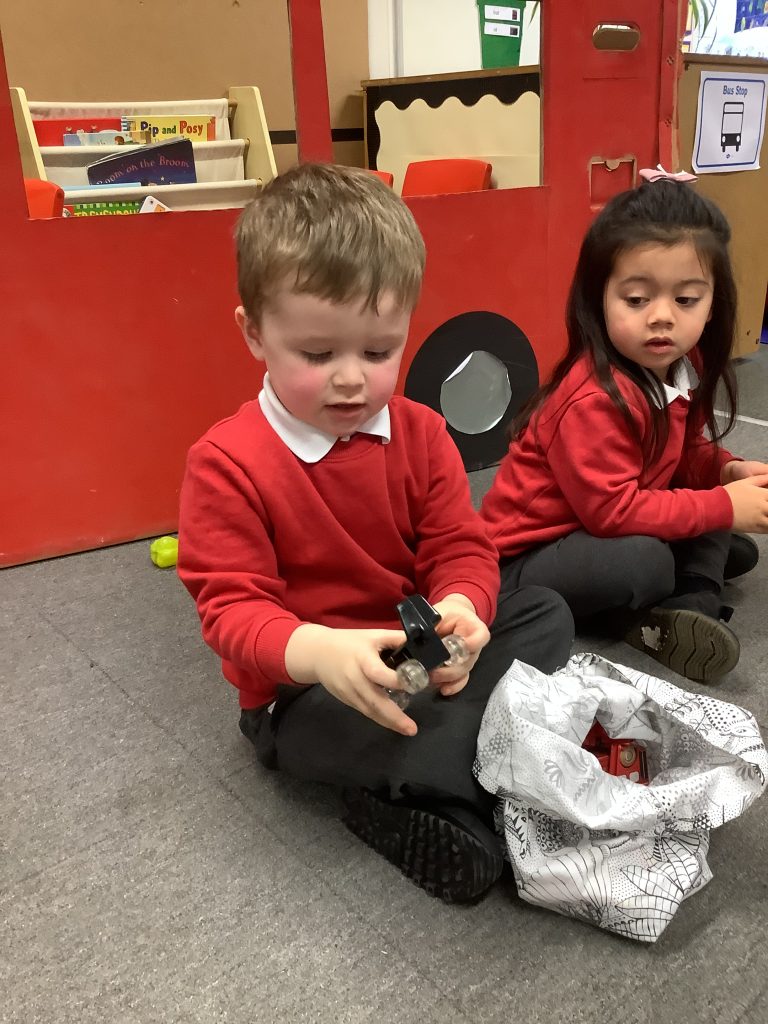
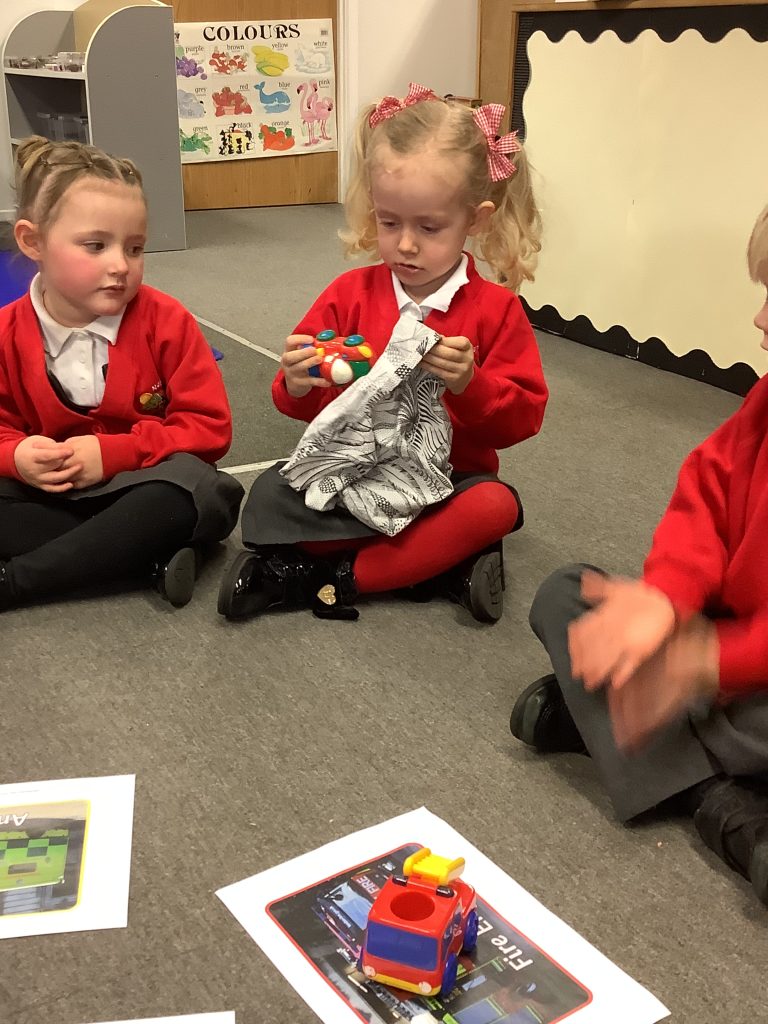
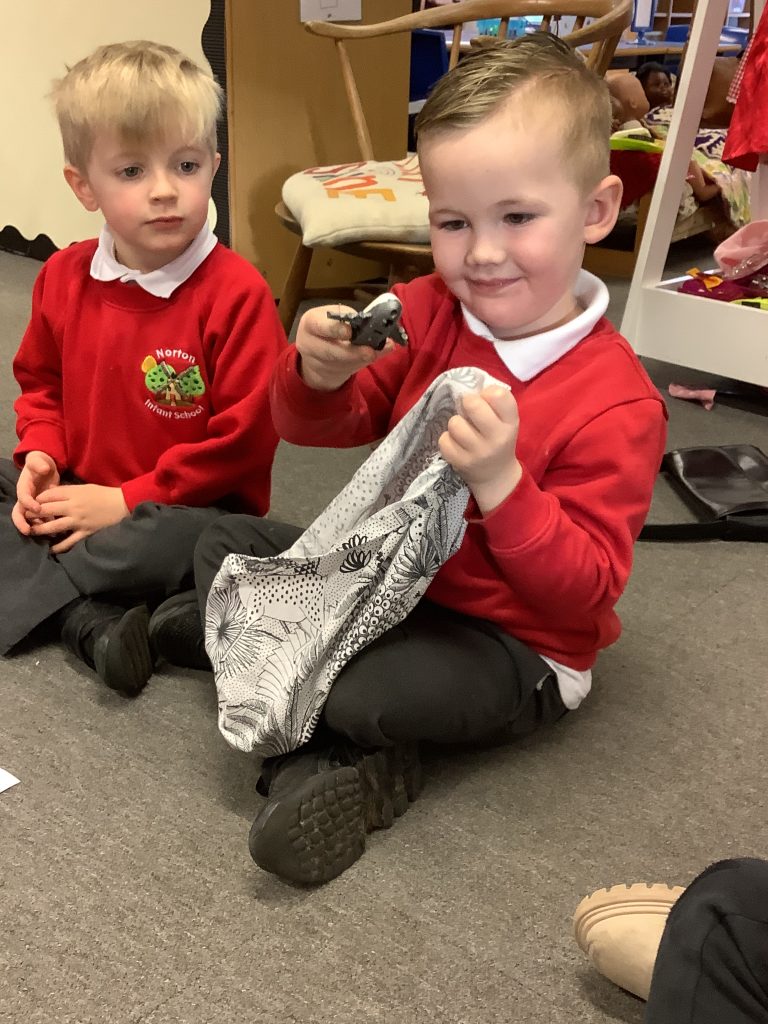
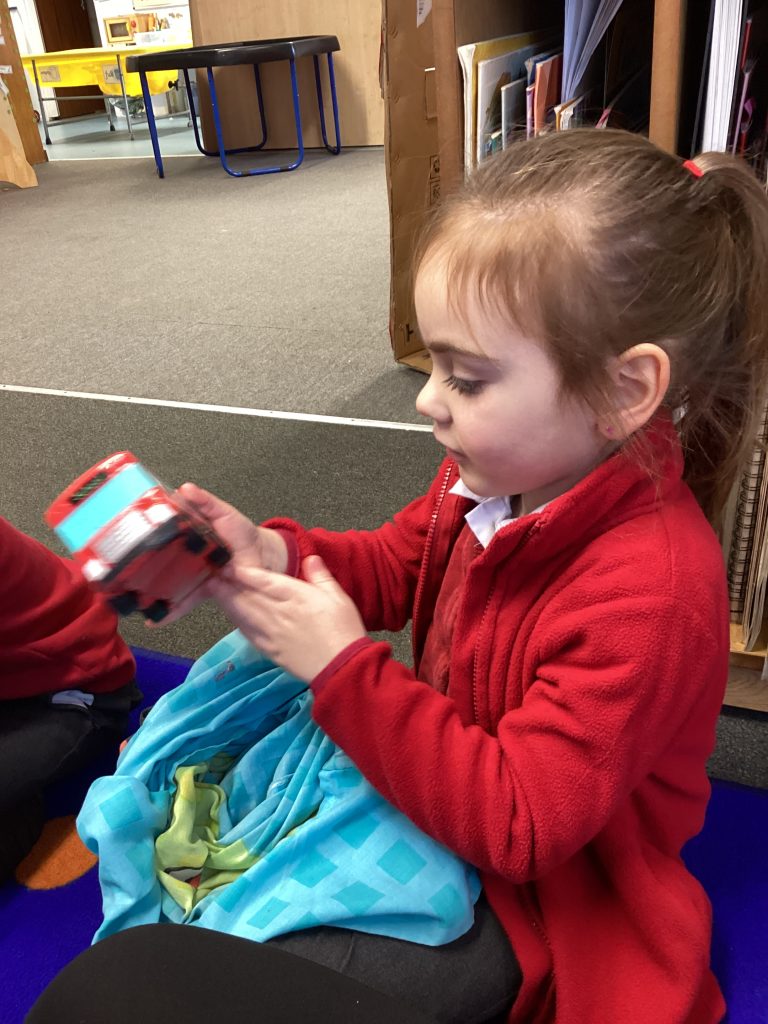
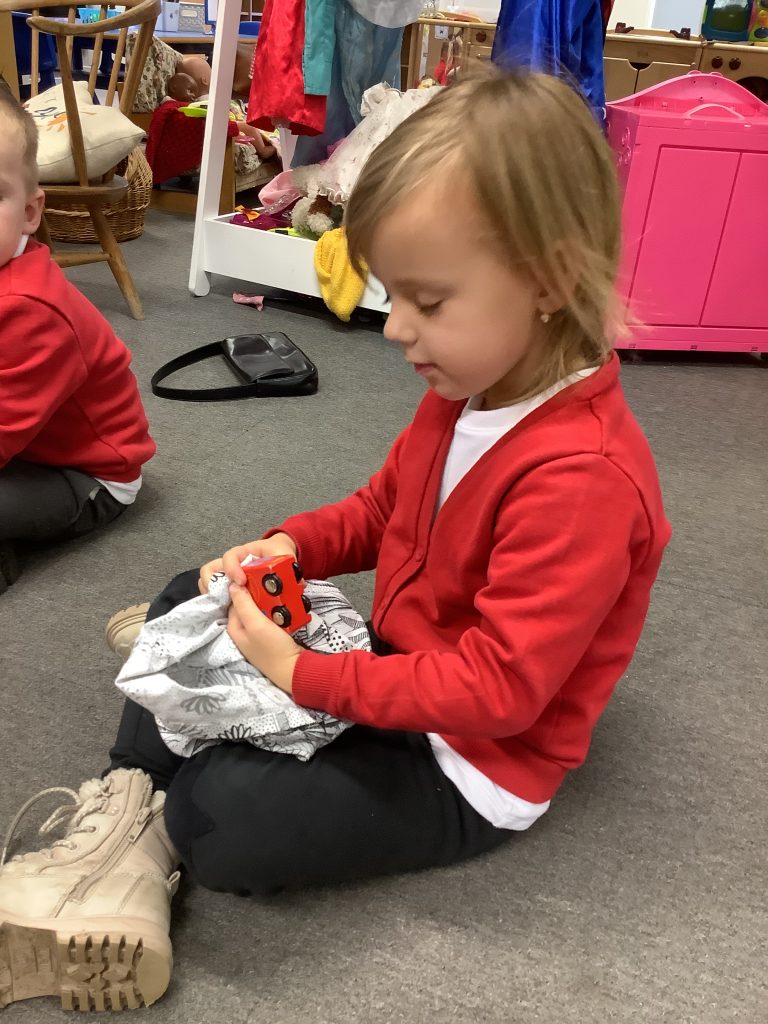
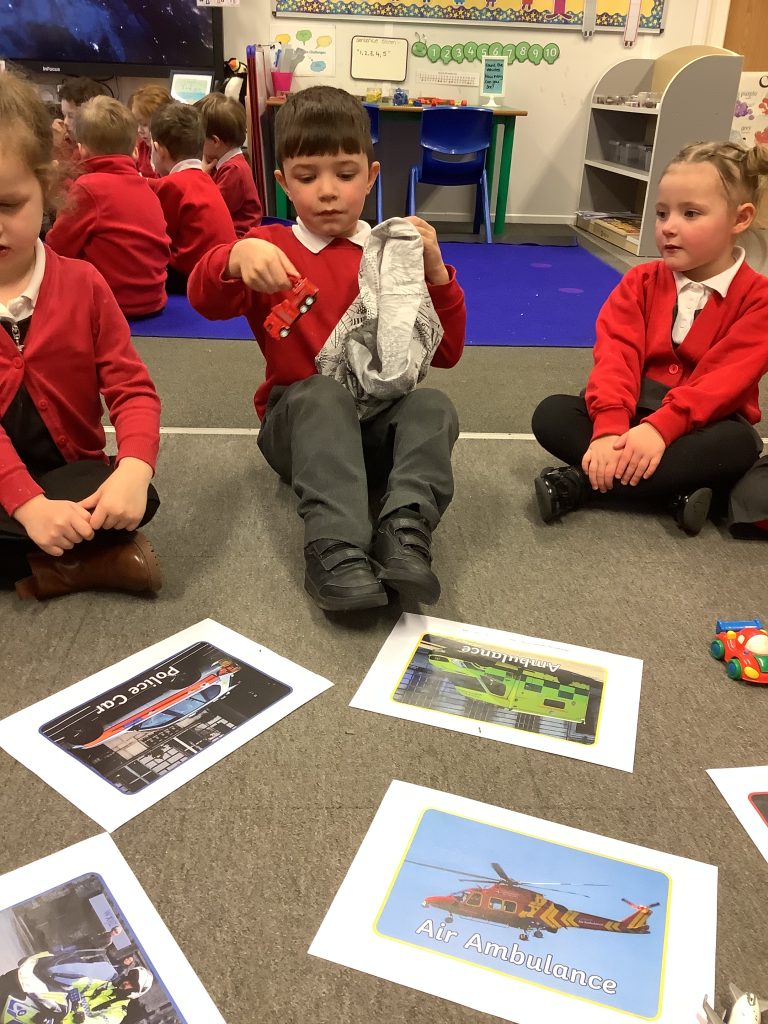
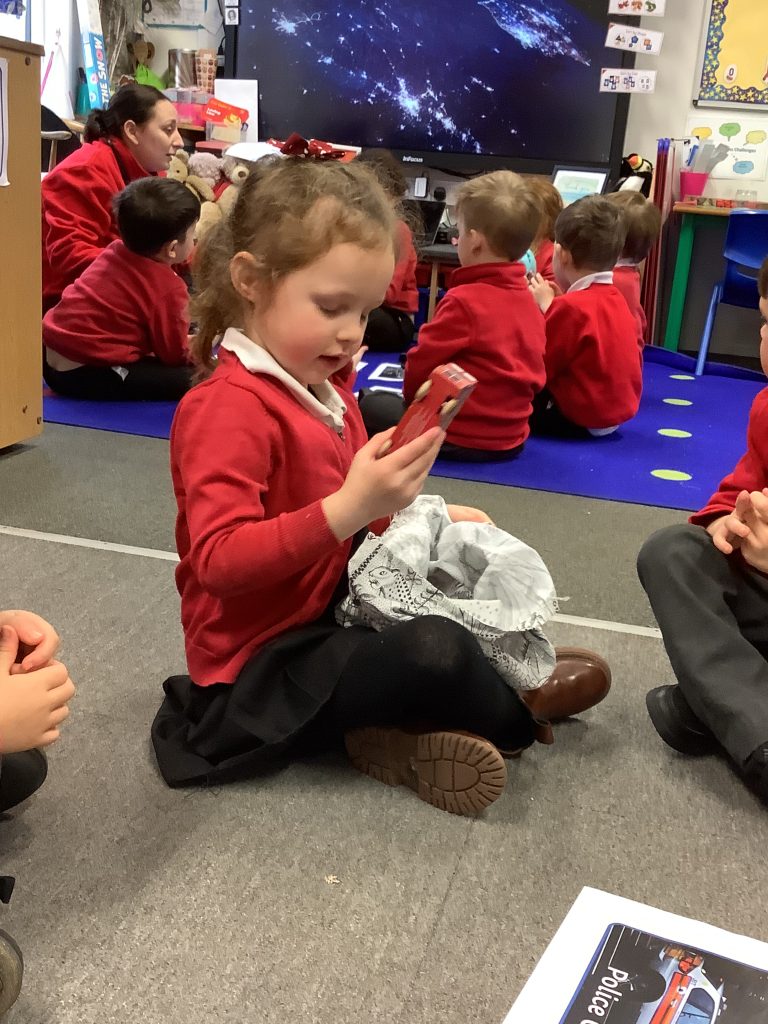
We played Vehicle Pass the Parcel, where the children sang as they passed around the bag before taking out a vehicle, attempting to name it and making the sound that it makes. To deepen their understanding of some vehicles the children matched their pass the parcel toy to emergency service vehicles using photo cards.

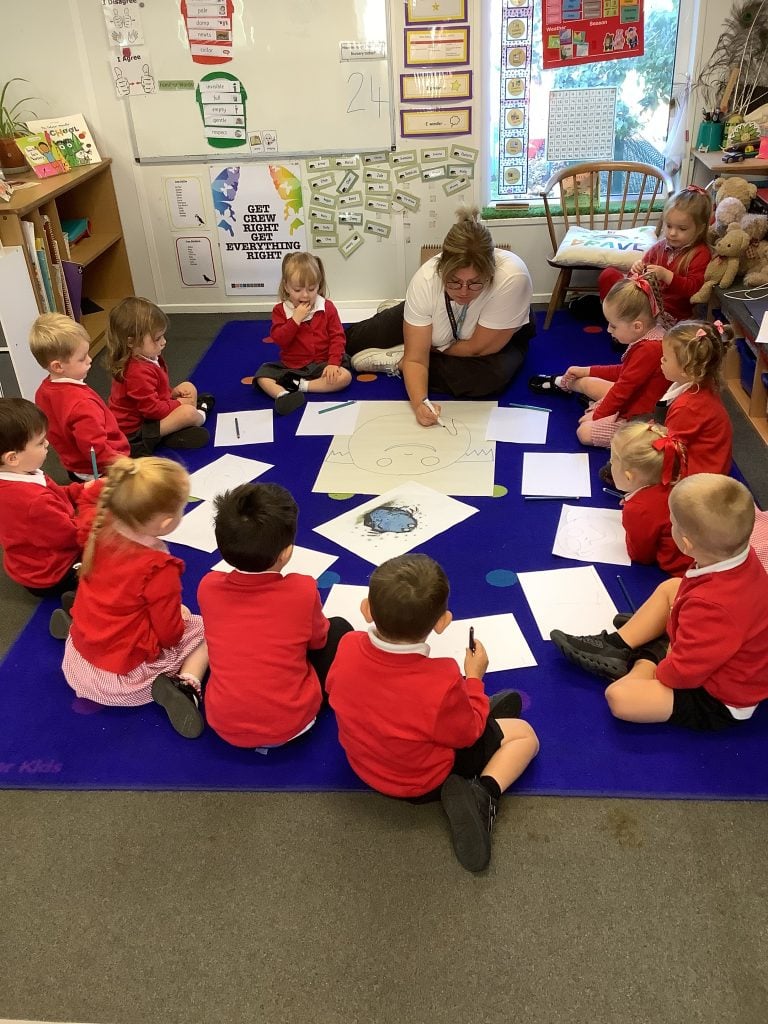
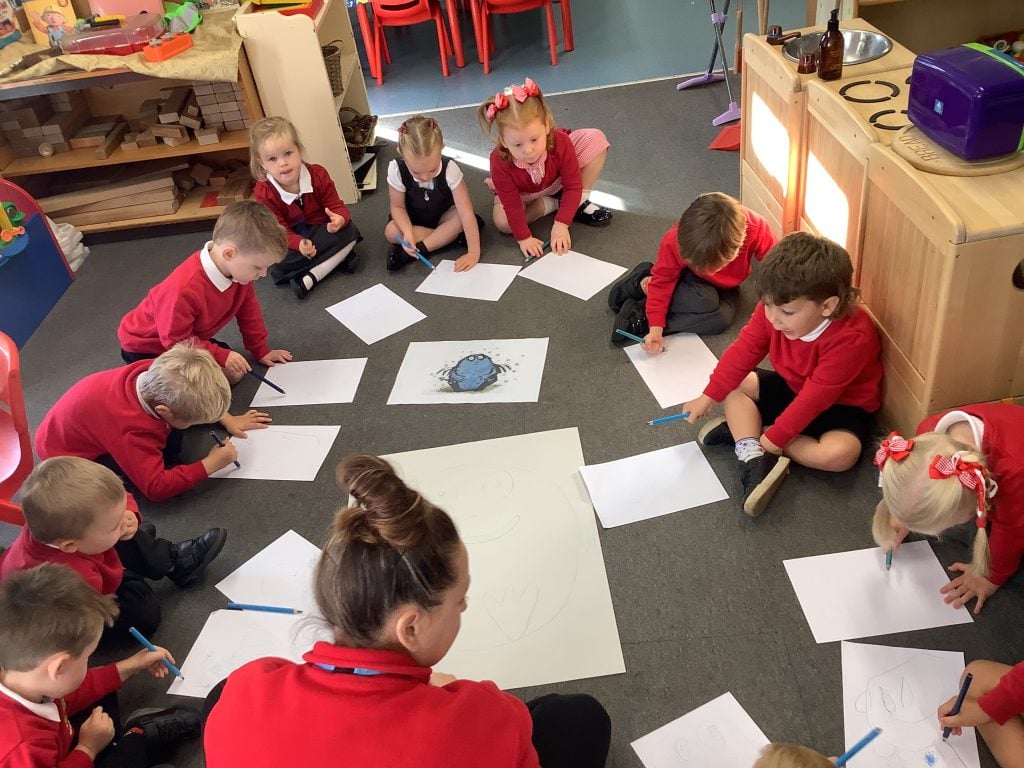
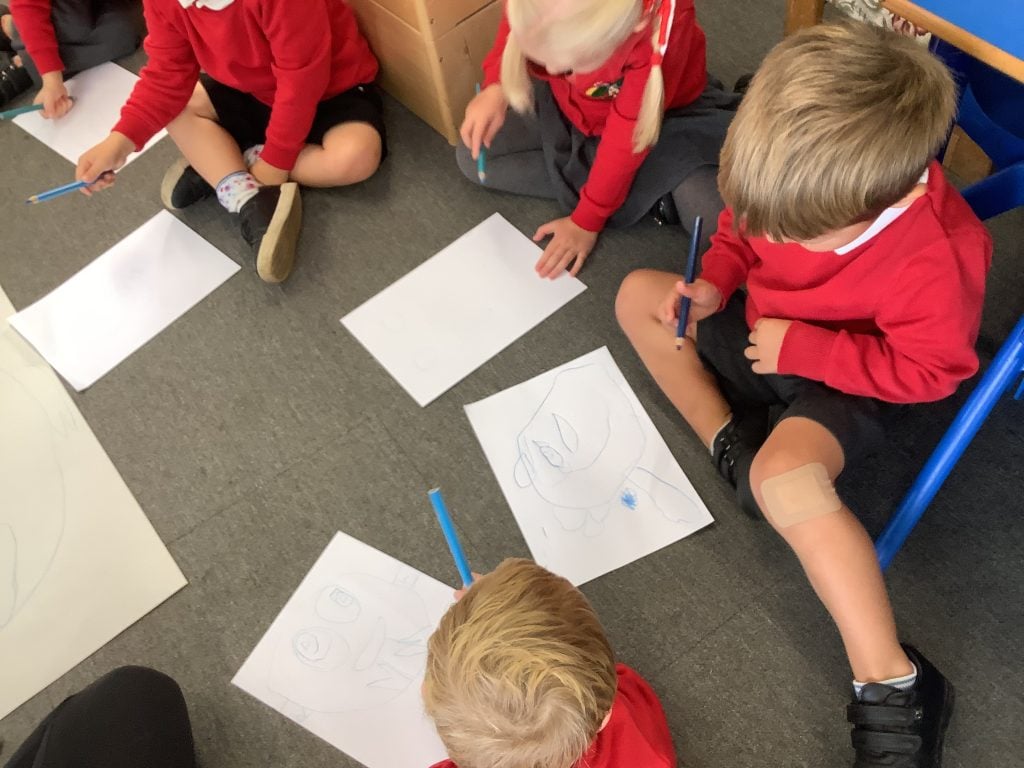
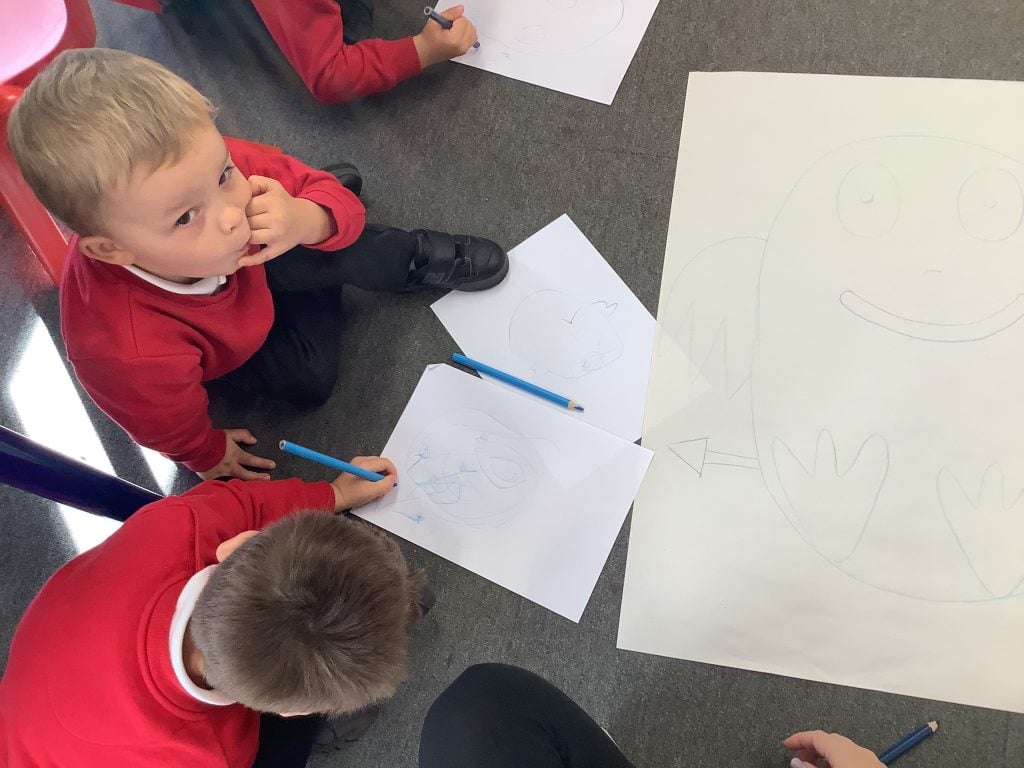
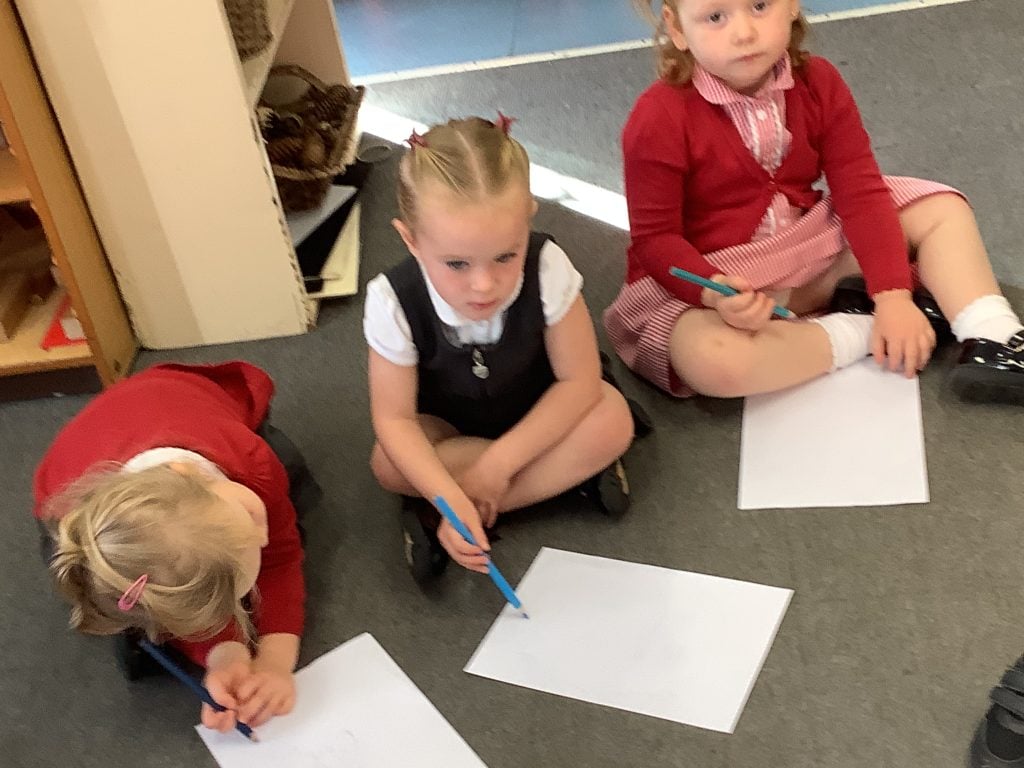
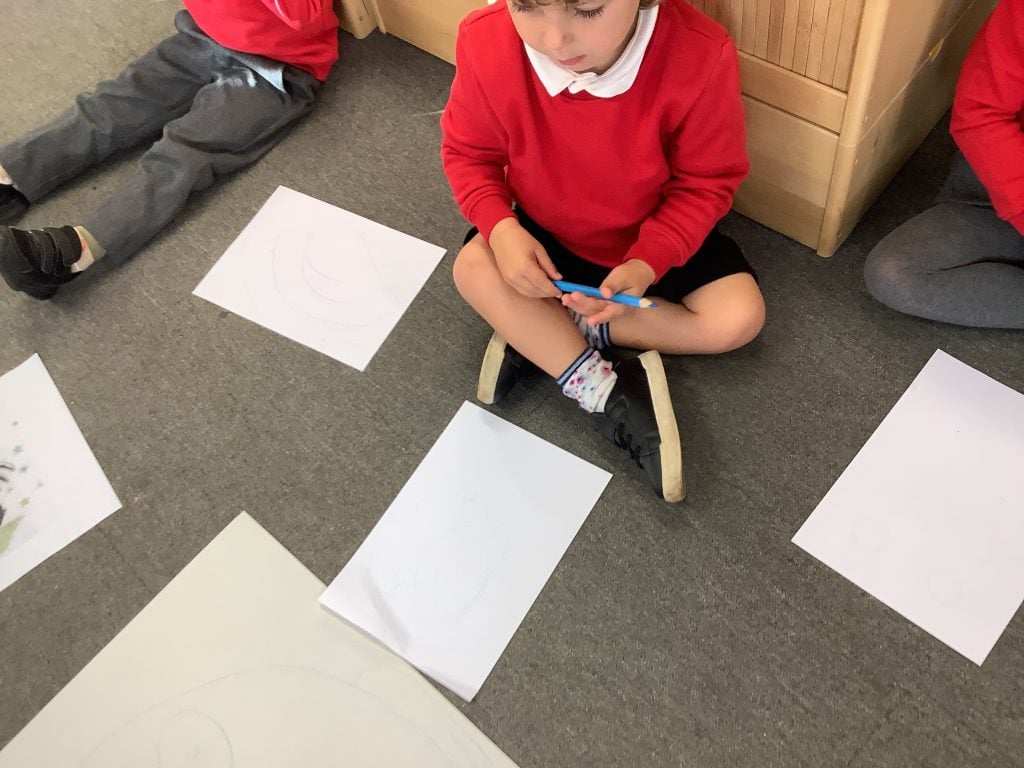
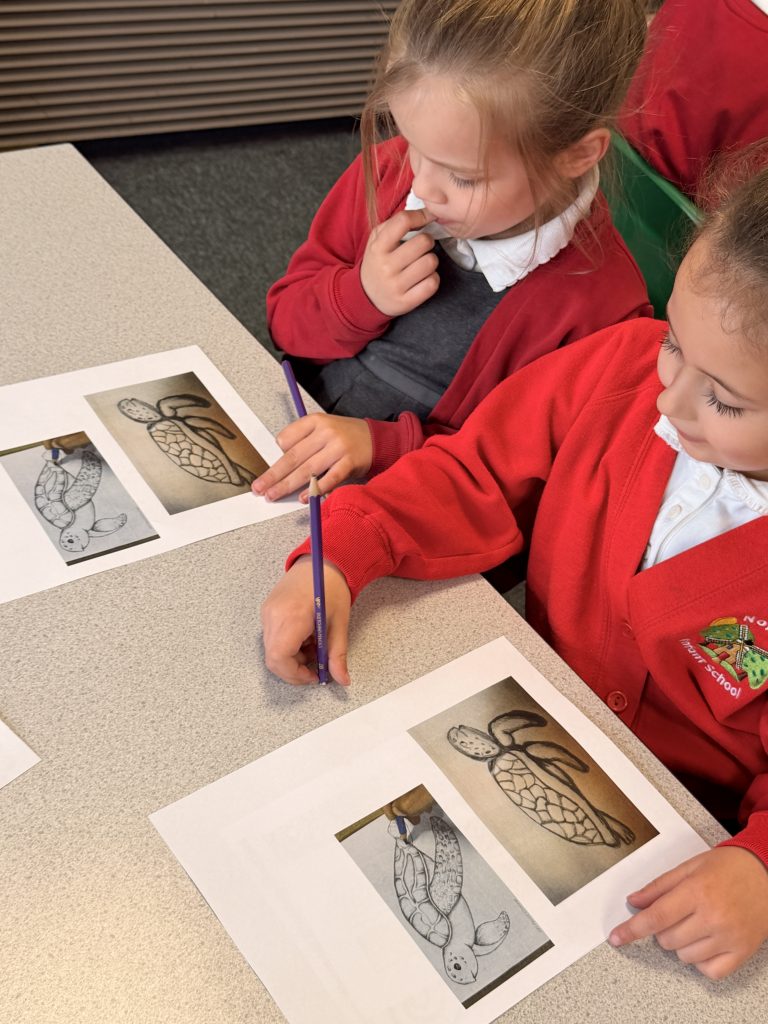
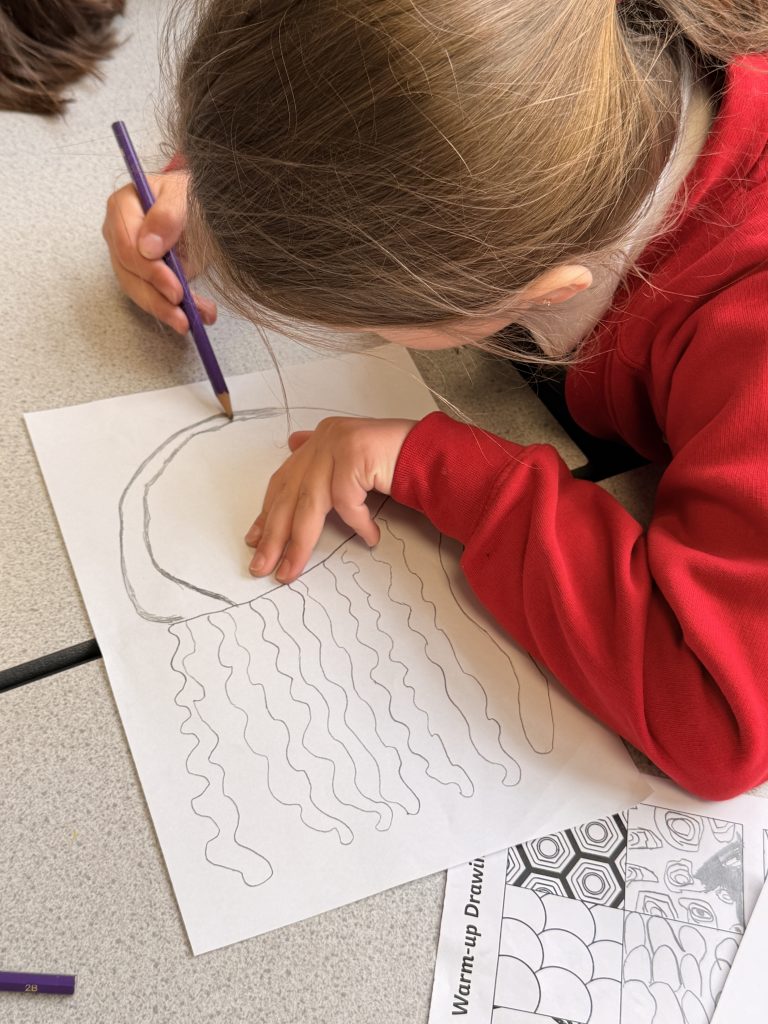
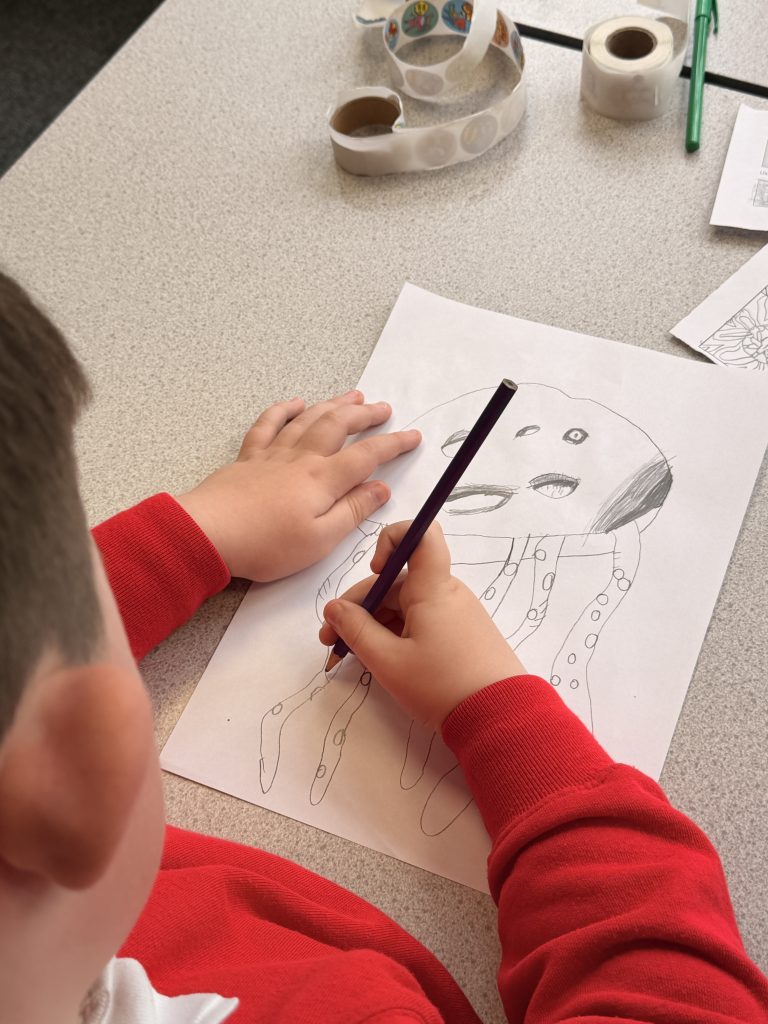
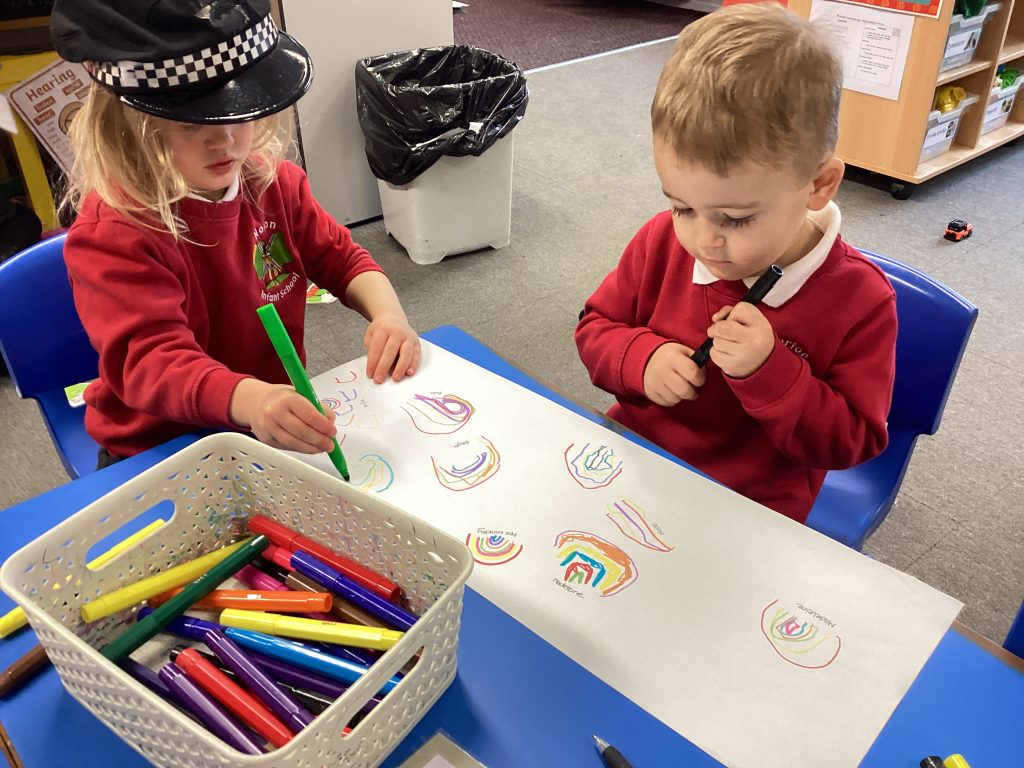
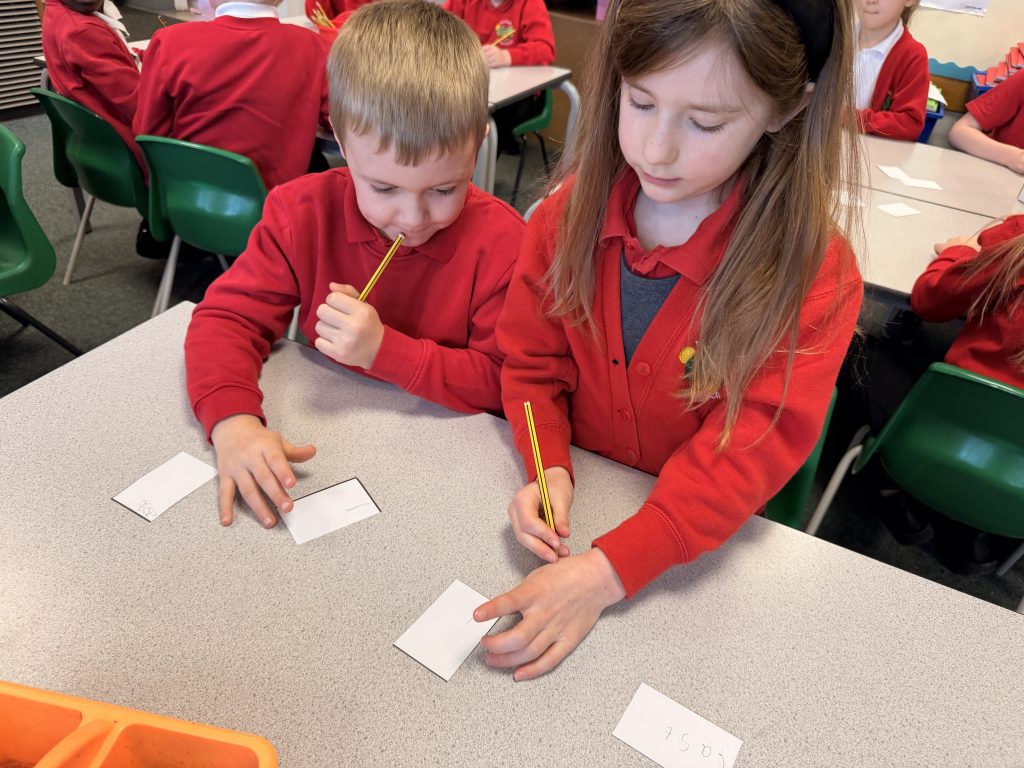
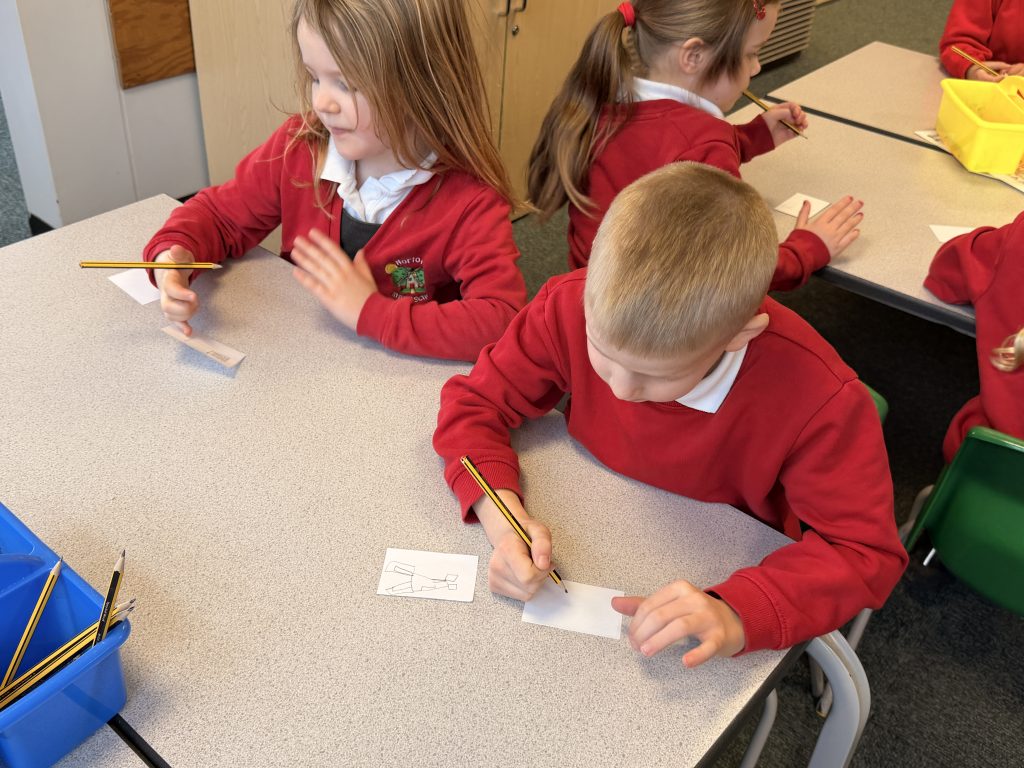
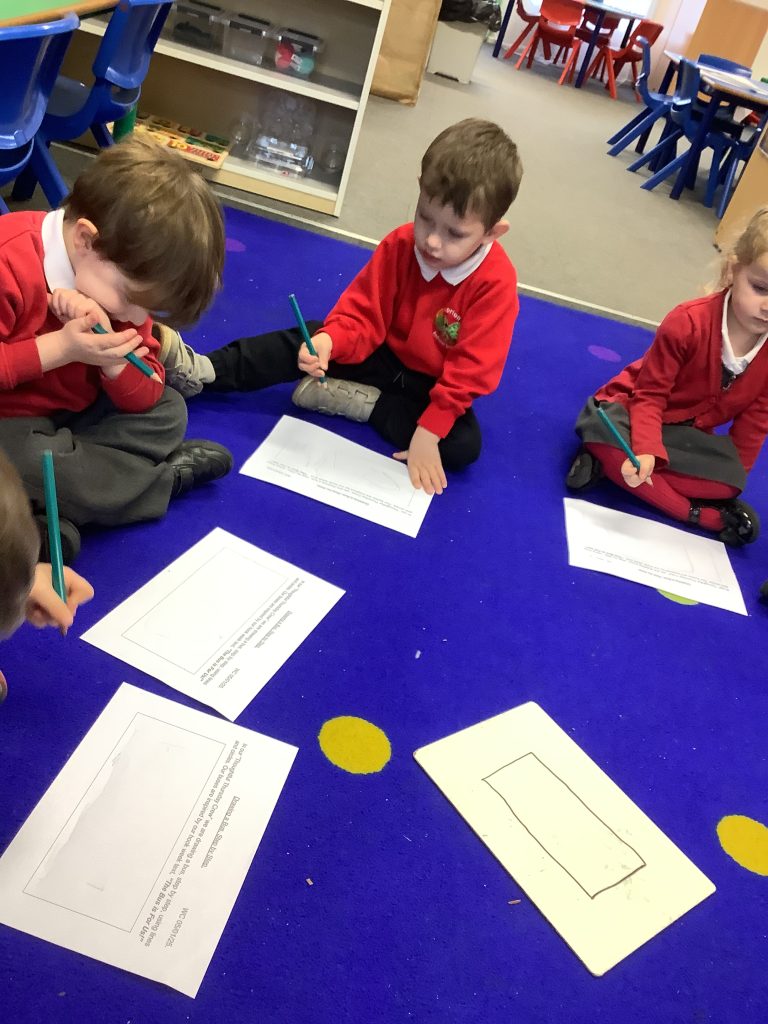
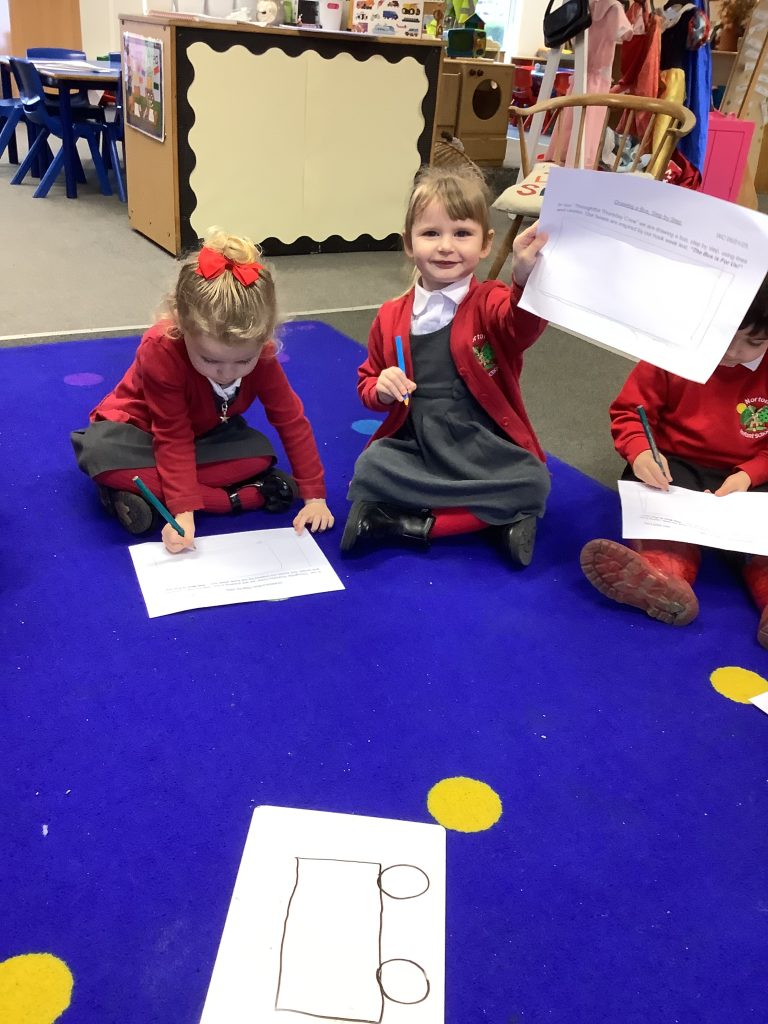
To consolidate our learning we drew a car, following step by step instructions, using lines both straight and curved and circles. We were very careful in our observations to try and copy our teacher as accurately as we could. Our drawings were amazing!

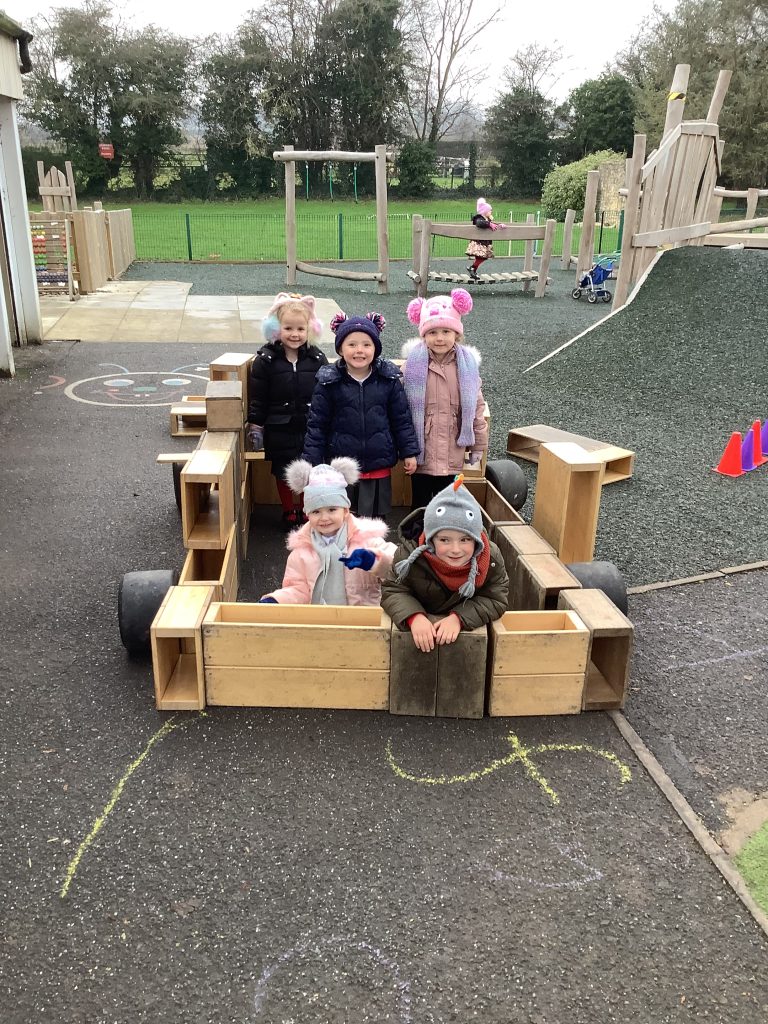
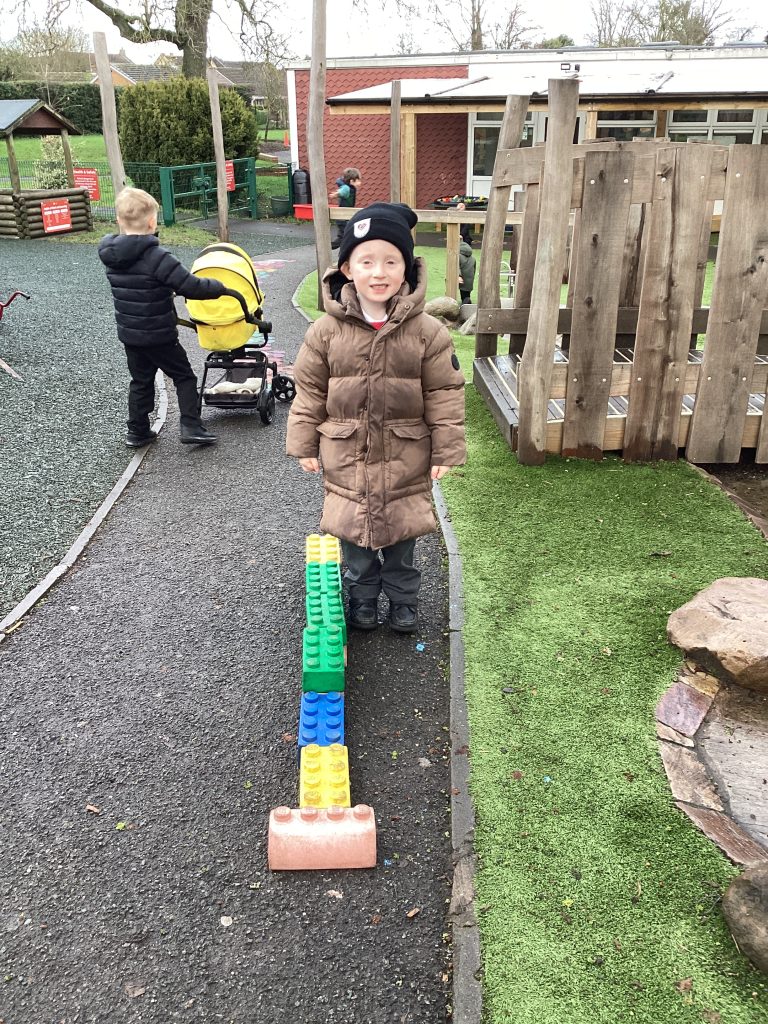
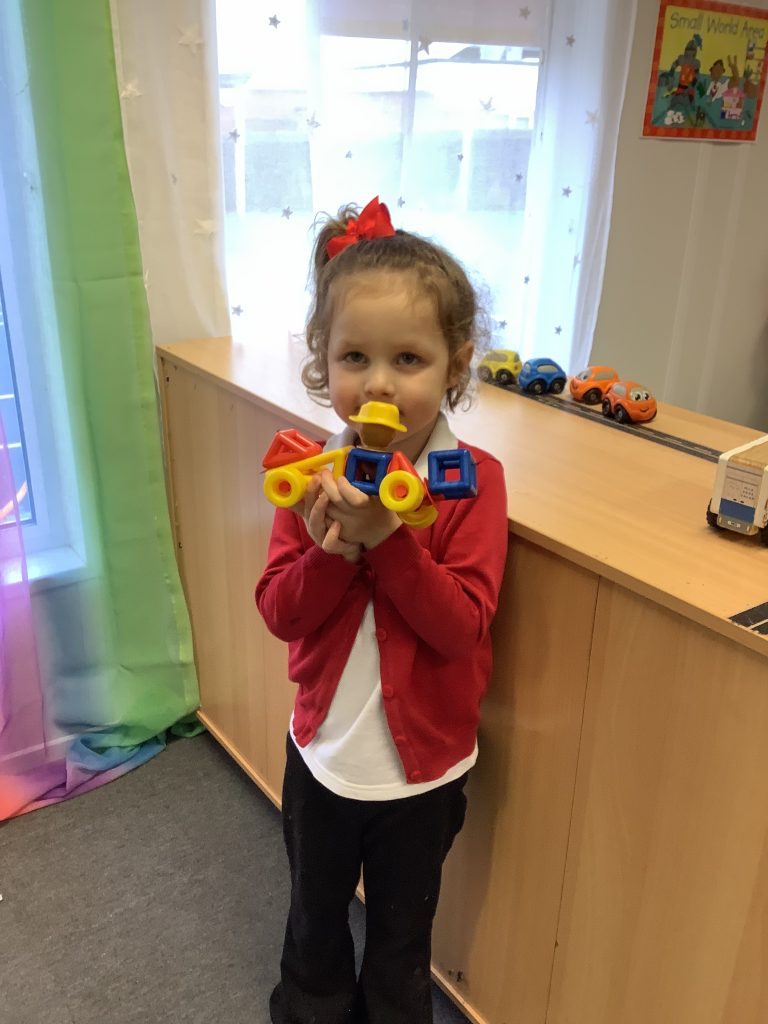
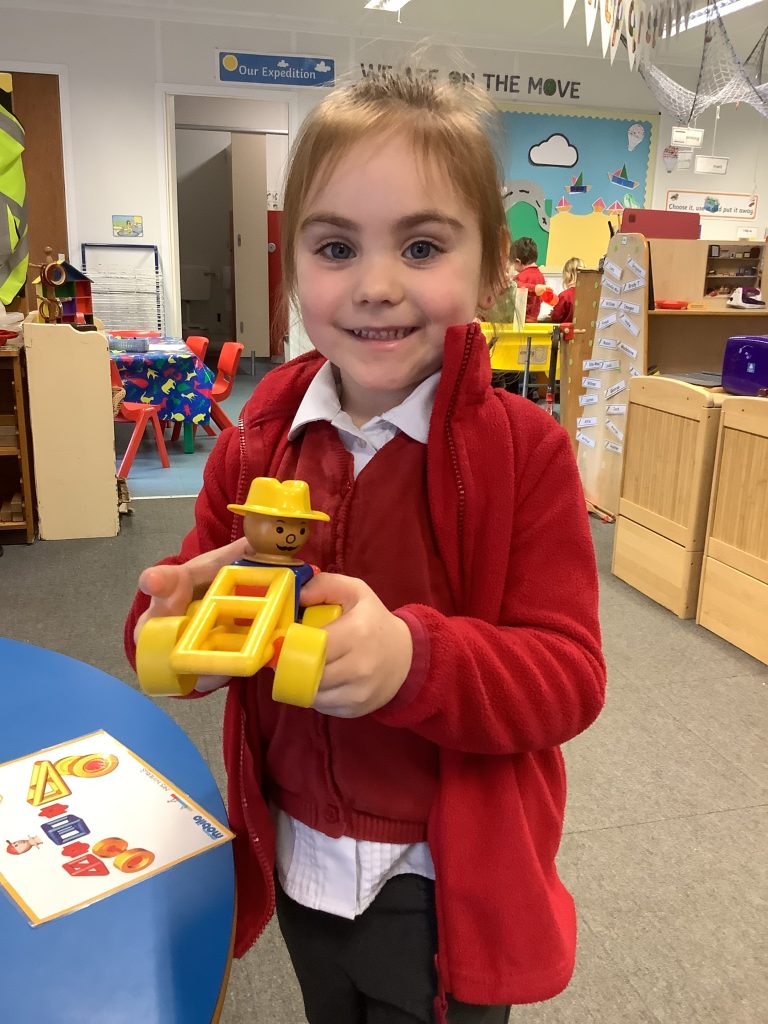
We were challenged to build vehicles indoors and out using all kinds of construction materials.

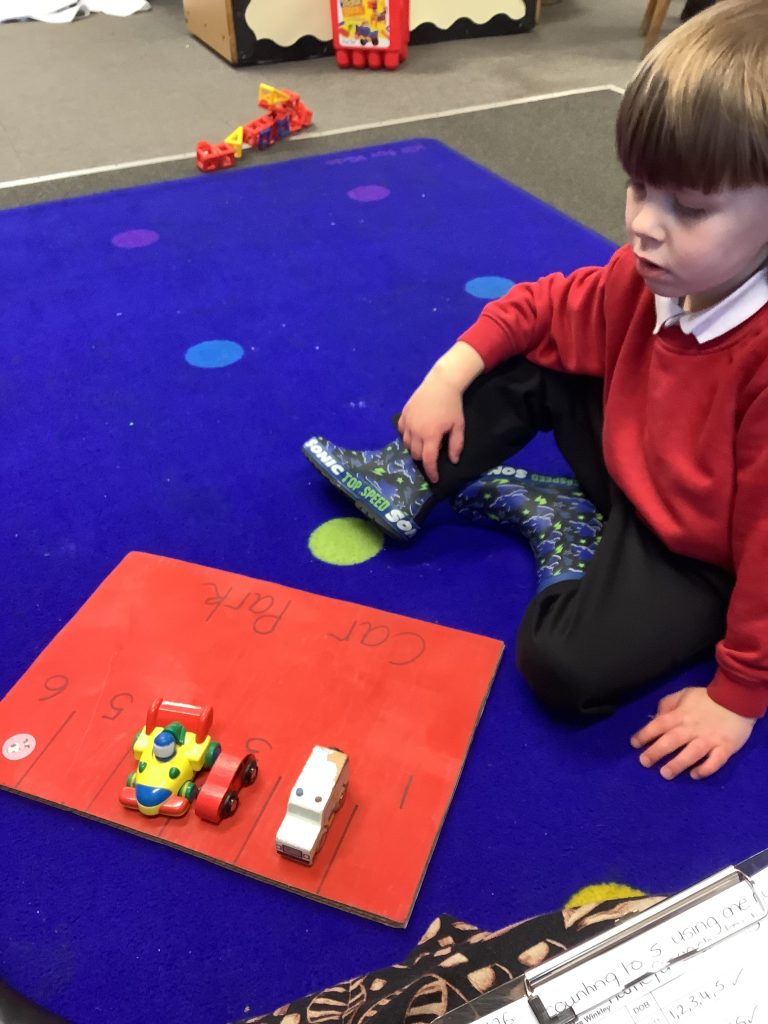
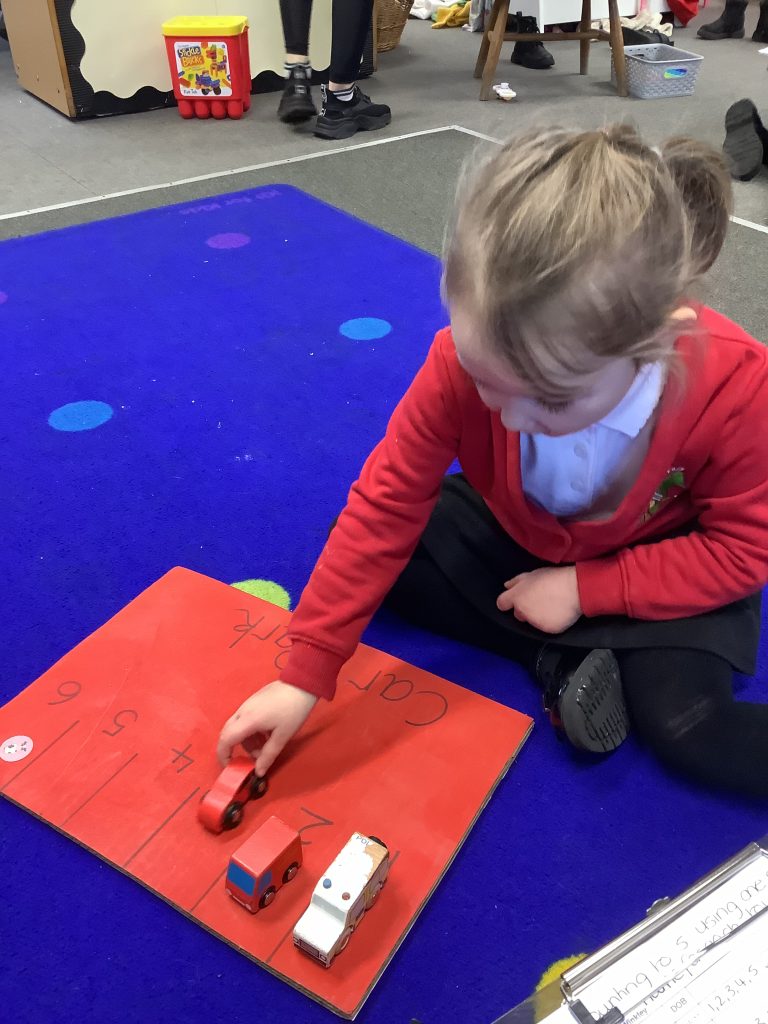
Our maths learning focused on parking a number of vehicles in a car park and counting each mobile, to check how many there were in the spaces? We were challenged to think about how many more we could fit in the car park too.

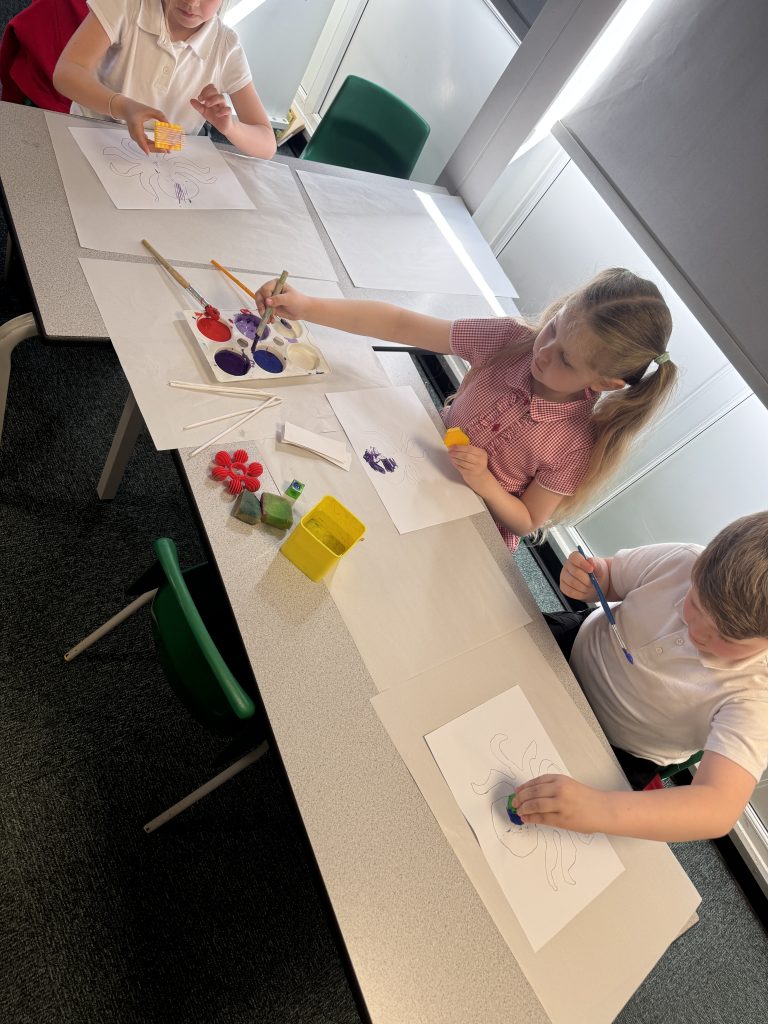
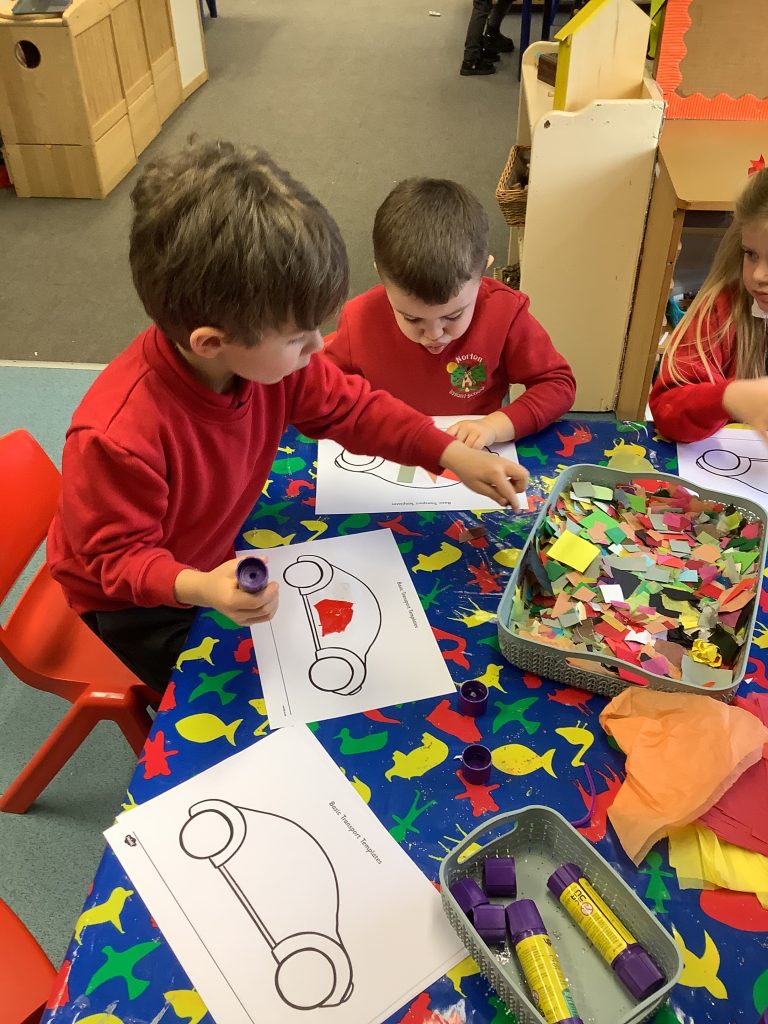
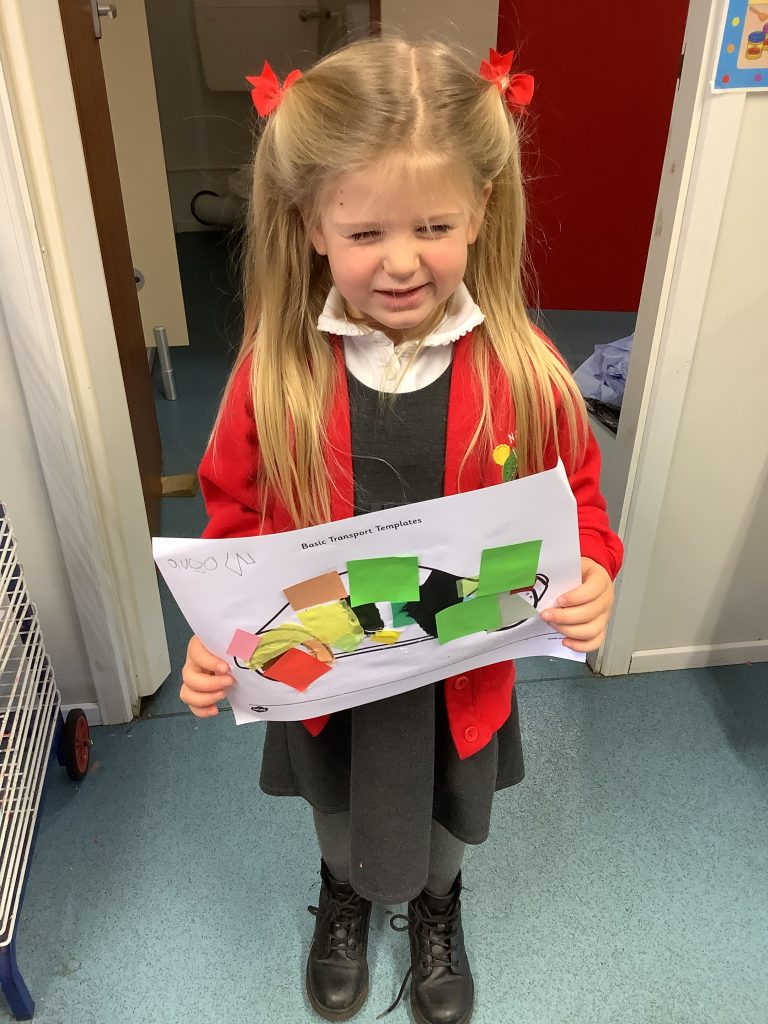
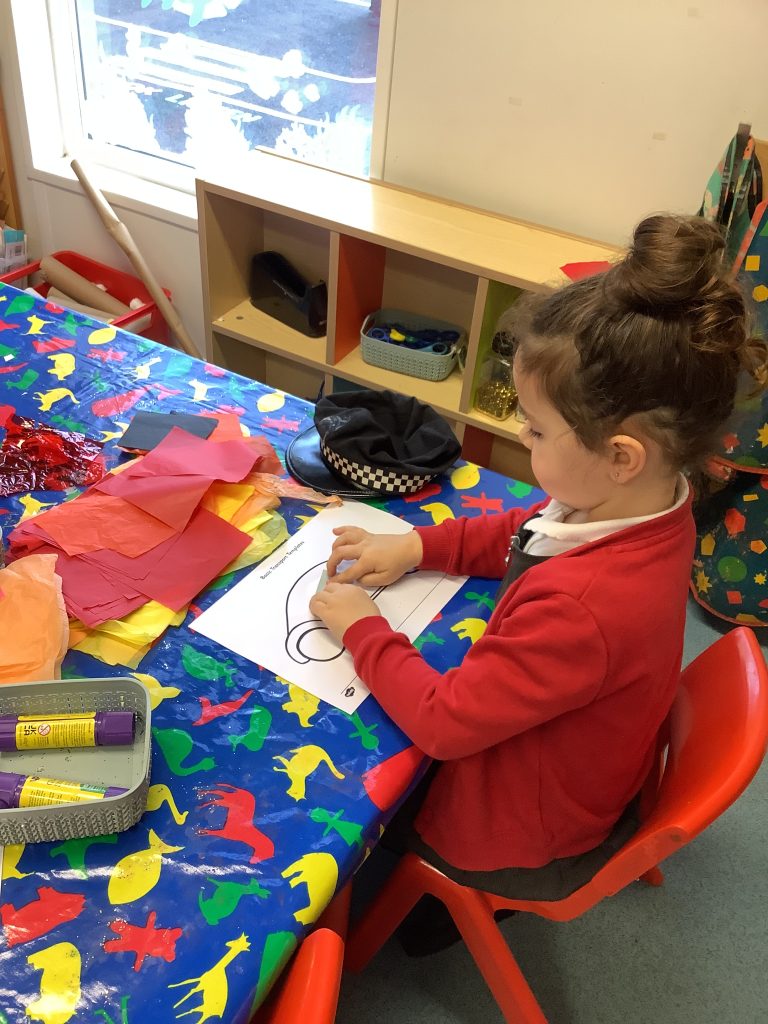
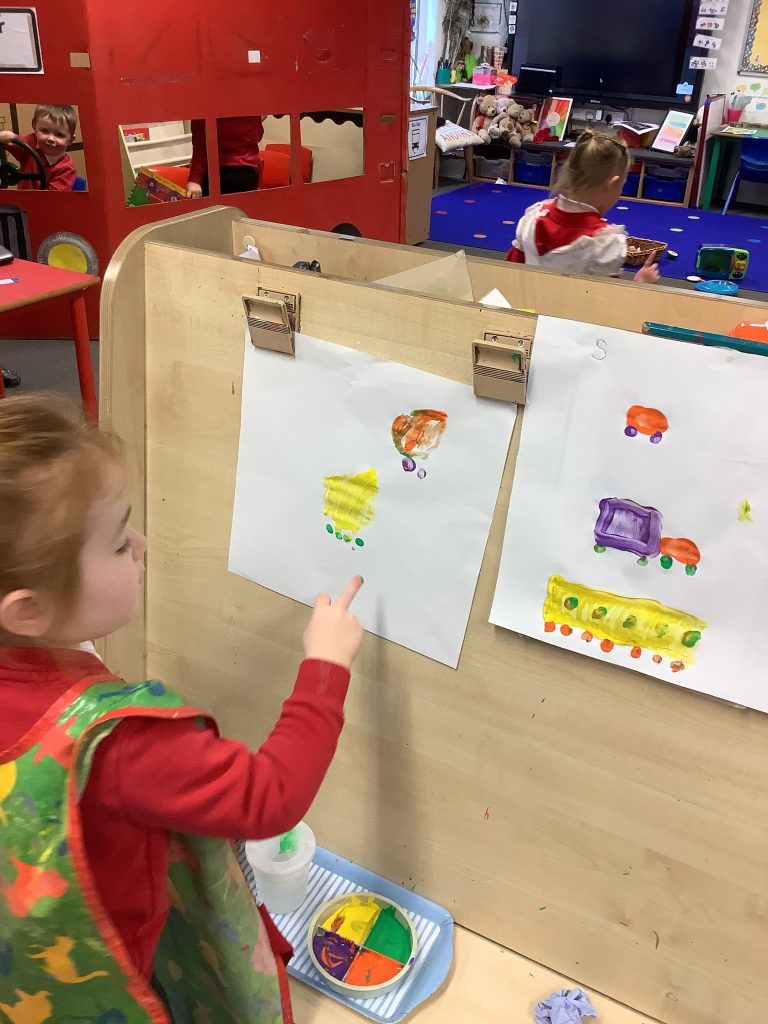
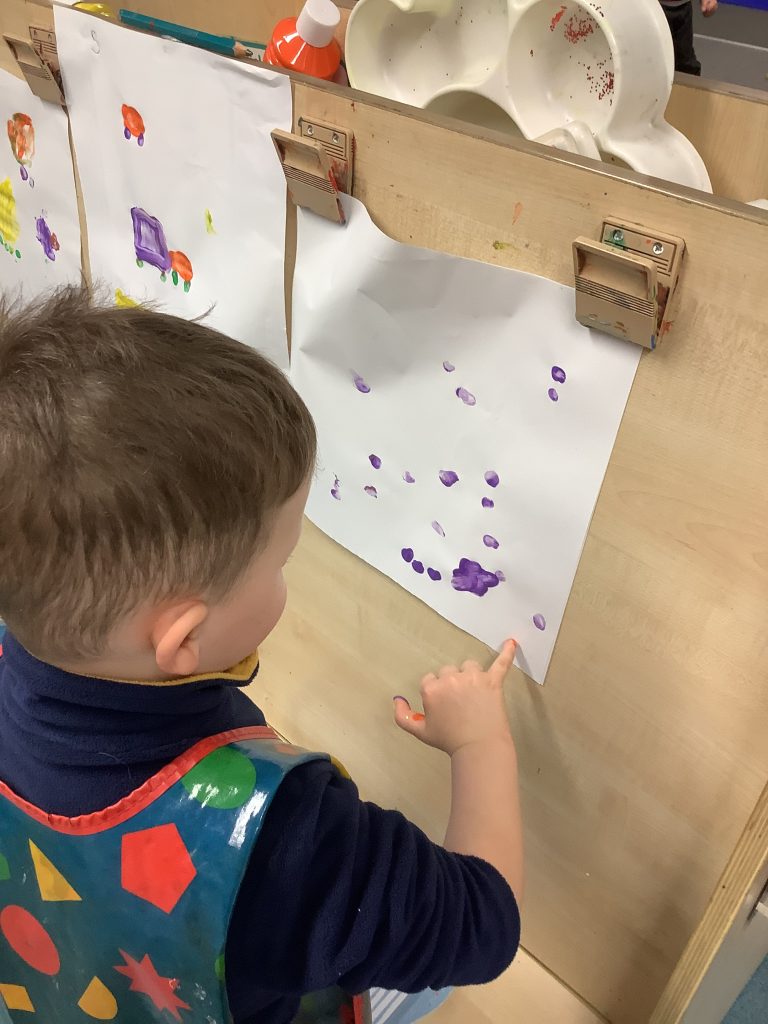
And in our creative moments we collaged a car from our choice of coloured papers and glue, which we will display on a stand to make it look like it’s driving along on its wheels. We also learnt how to finger paint and created vehicles such as a car, a lorry and a train using different parts of our fingers.

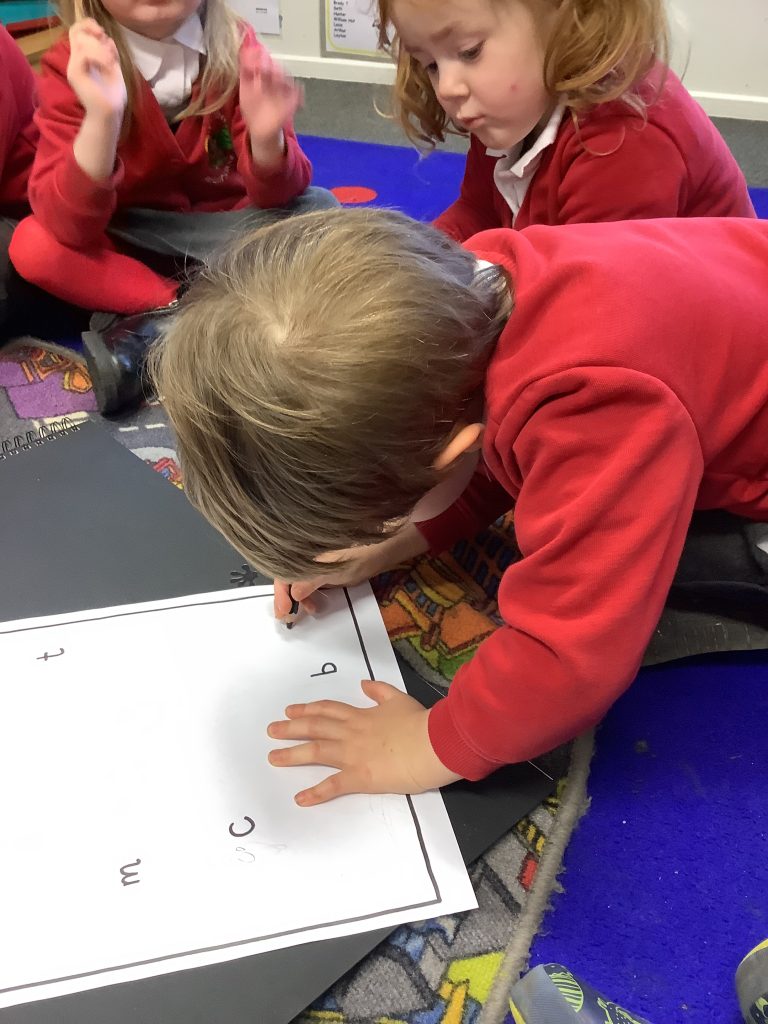
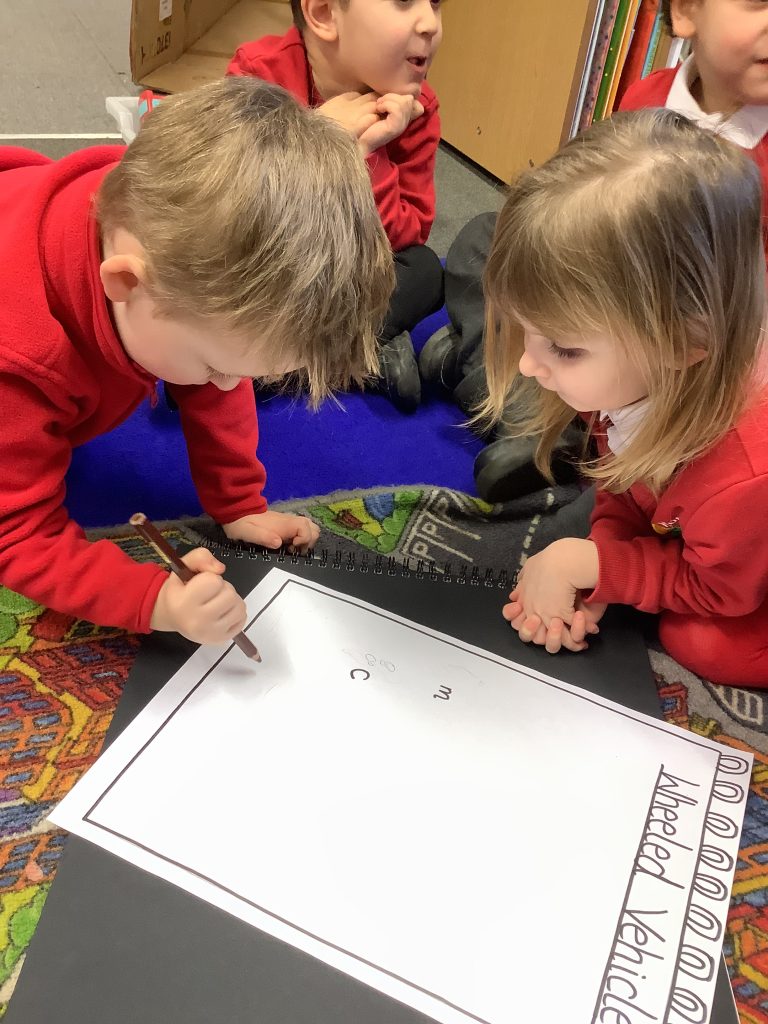
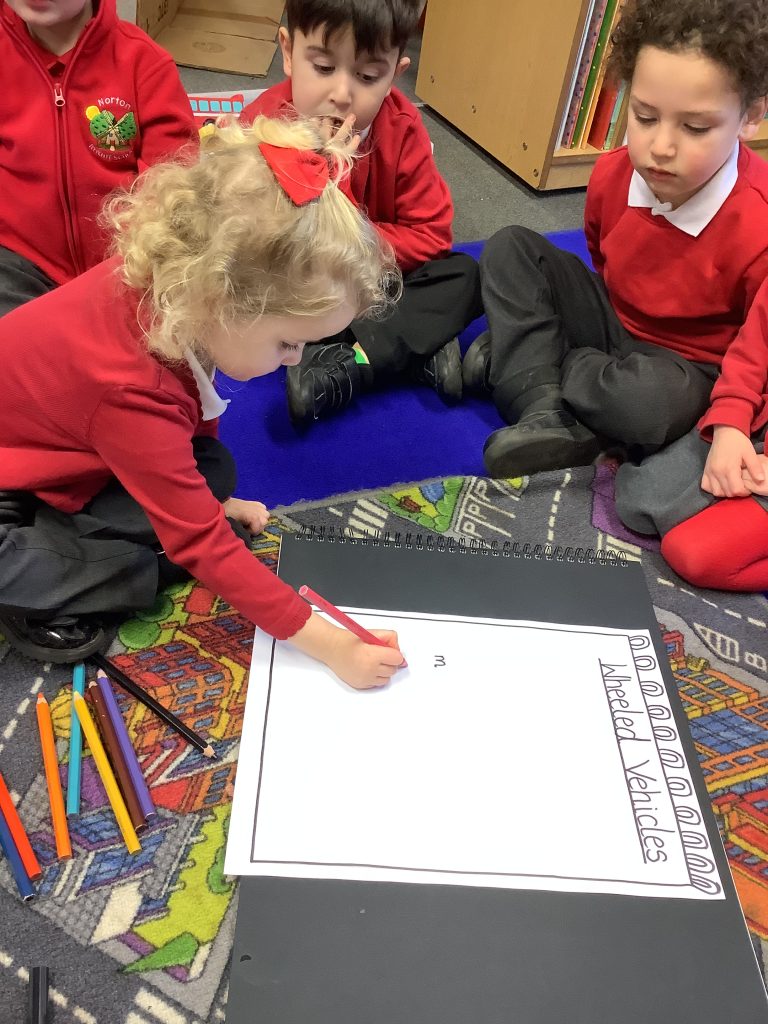
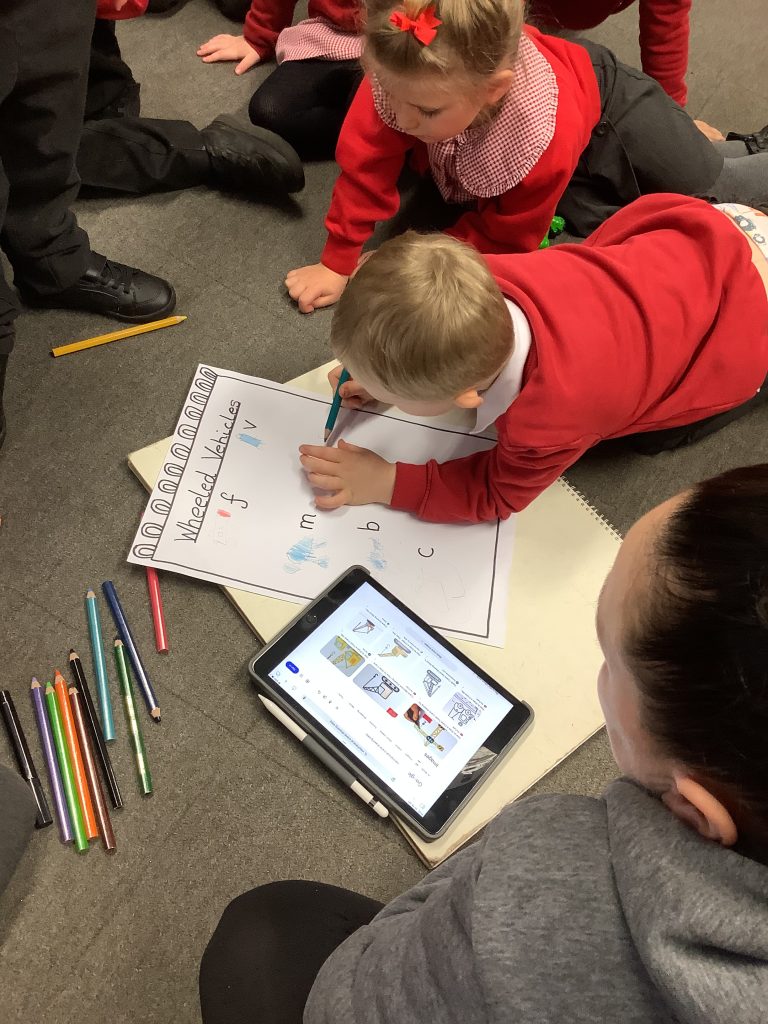
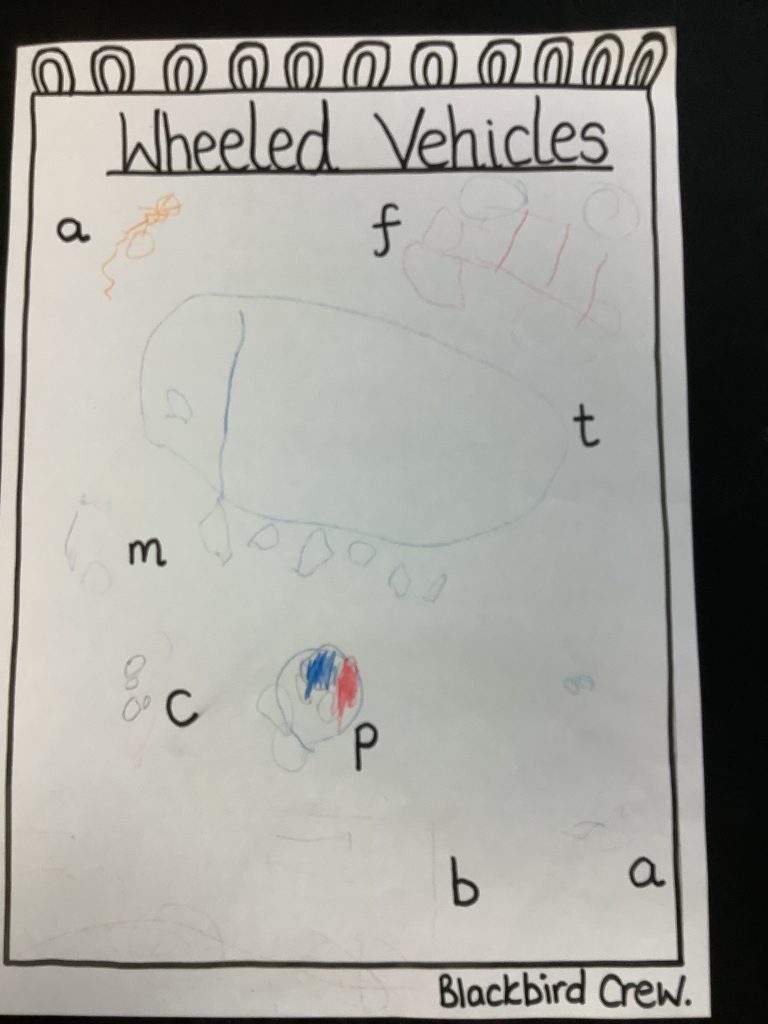
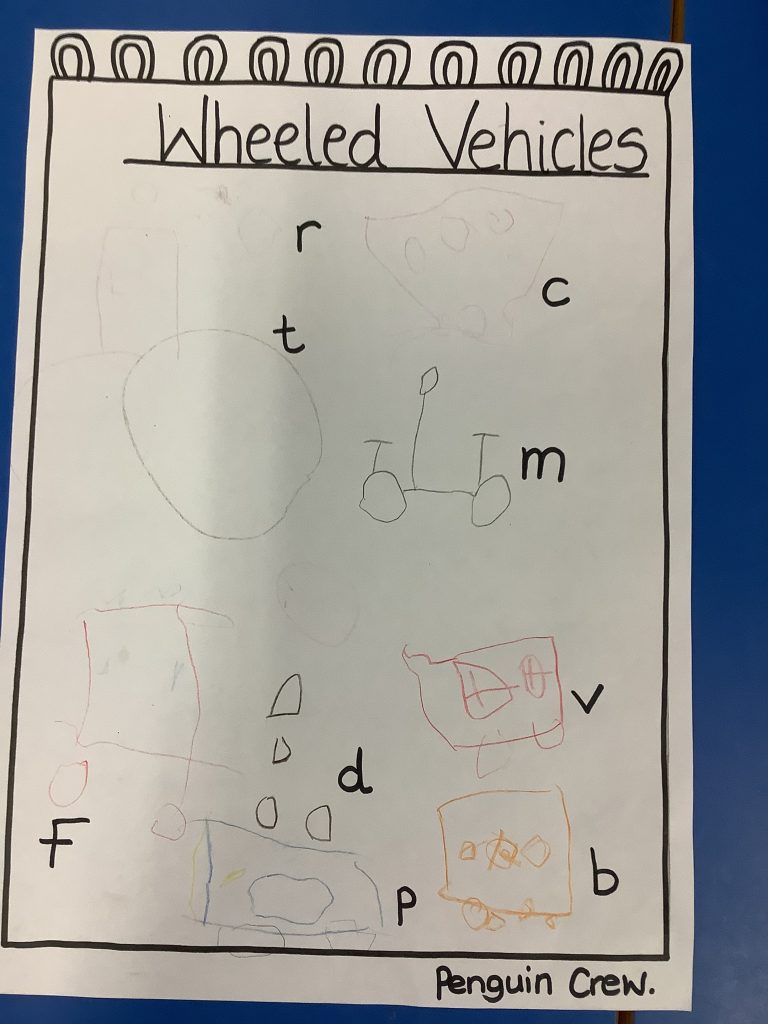
To demonstrate all of our new knowledge we finished the week by creating a list of wheeled vehicles. We each took turns to think of and draw a different vehicle and were encouraged to think of and say the initial sound to label the vehicle on our list.

What a fun filled week it has been. We’re excited to explore vehicles that go in the air next.

3… 2… 1… Blast Off

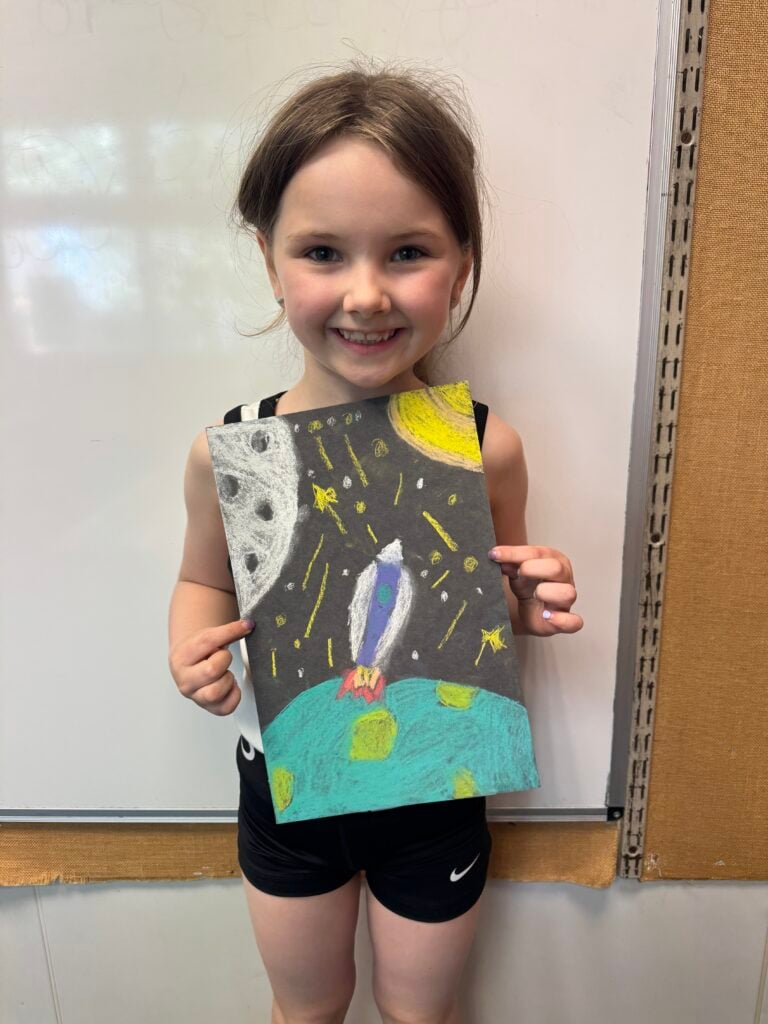
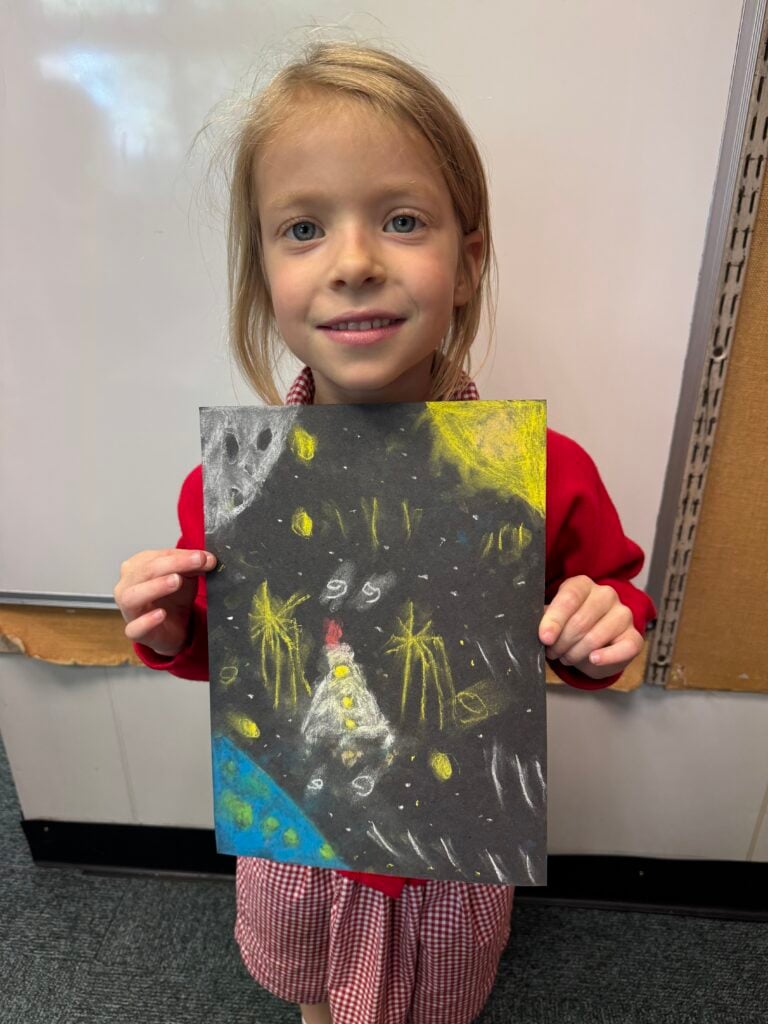
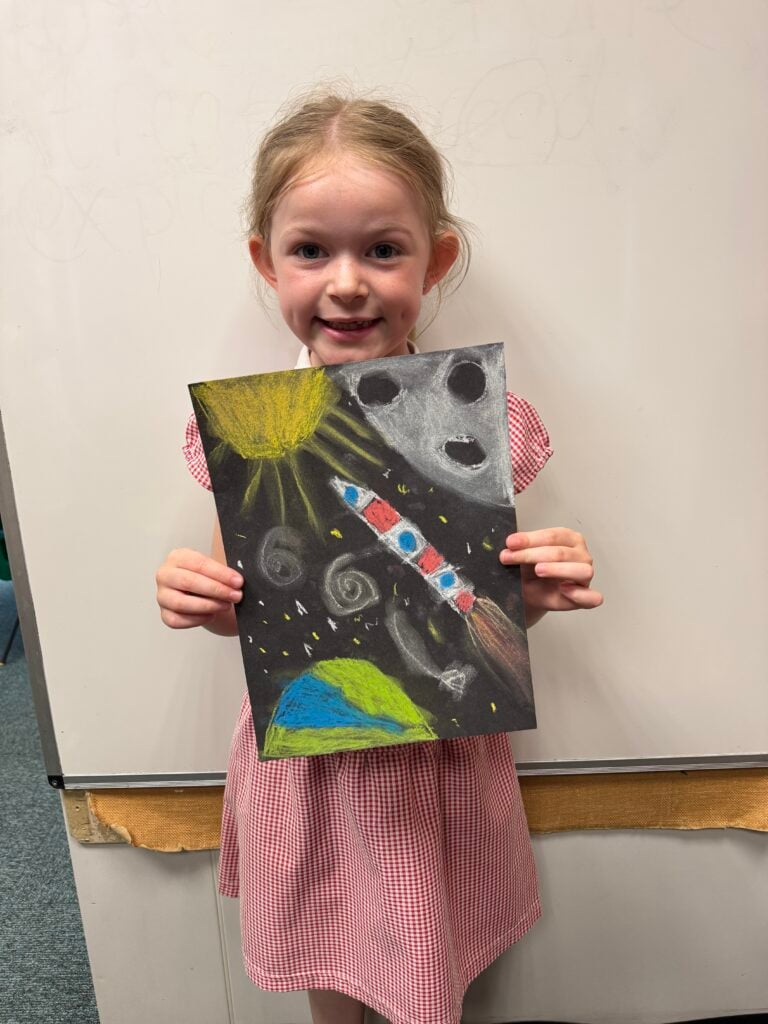
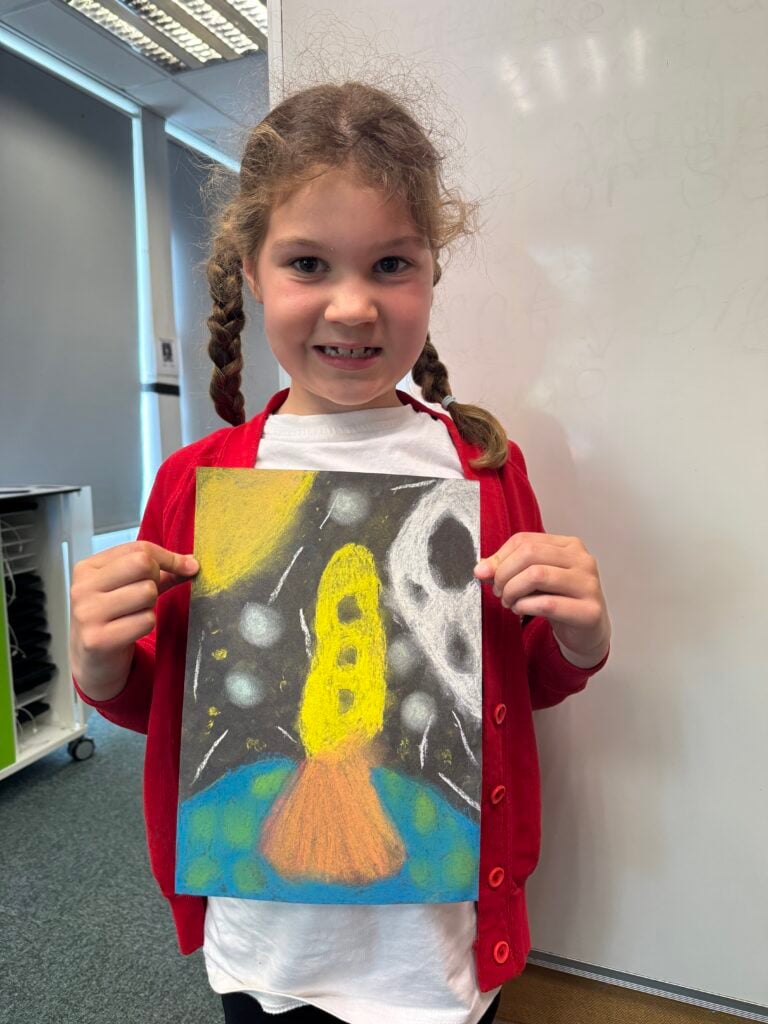
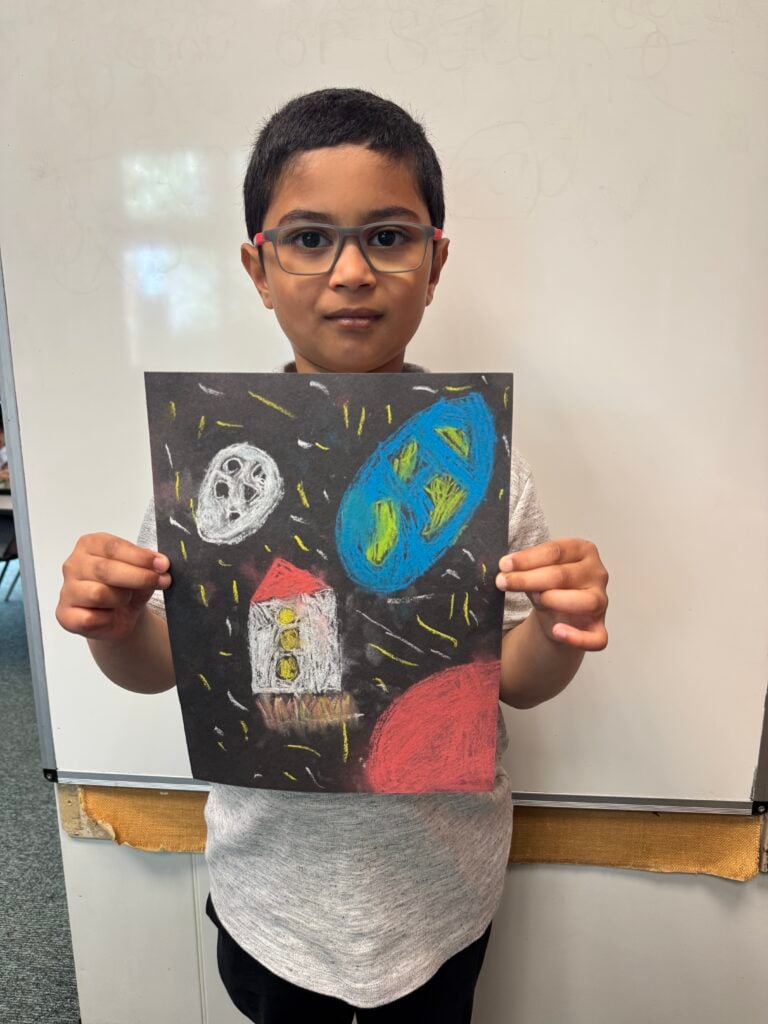
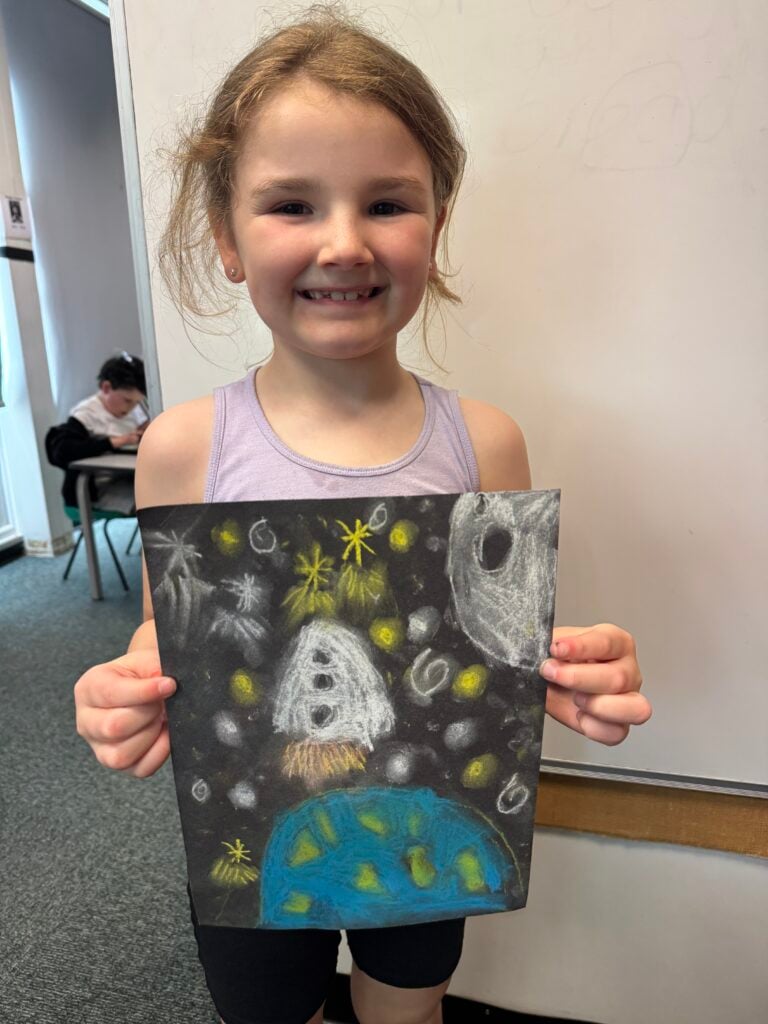
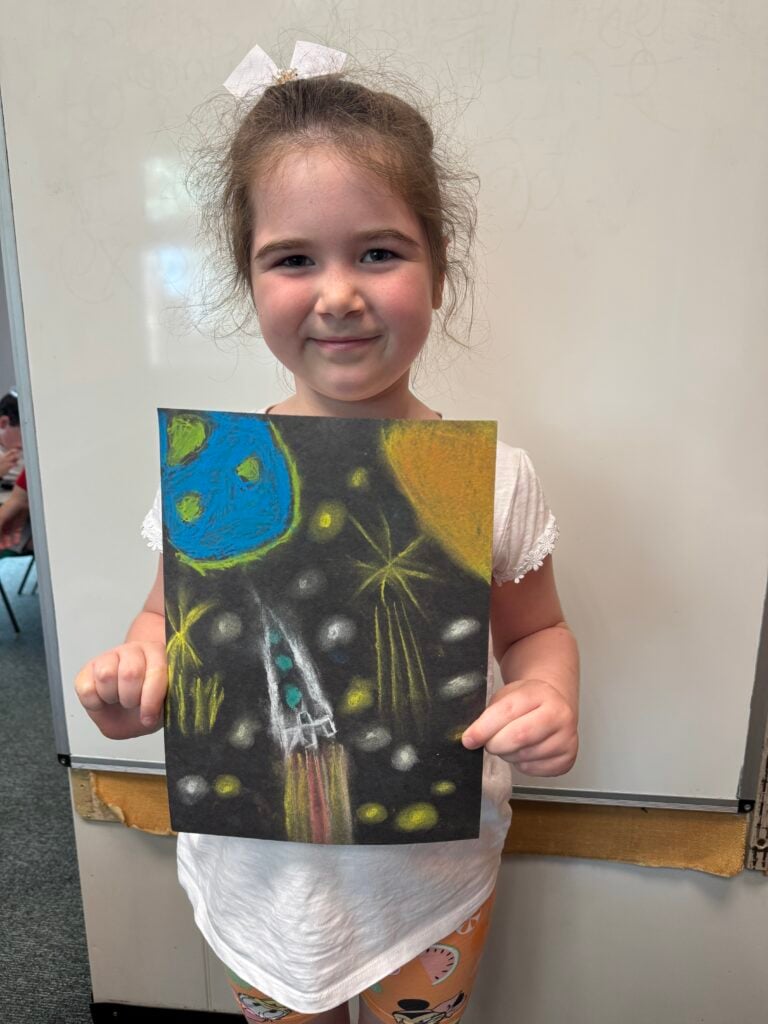
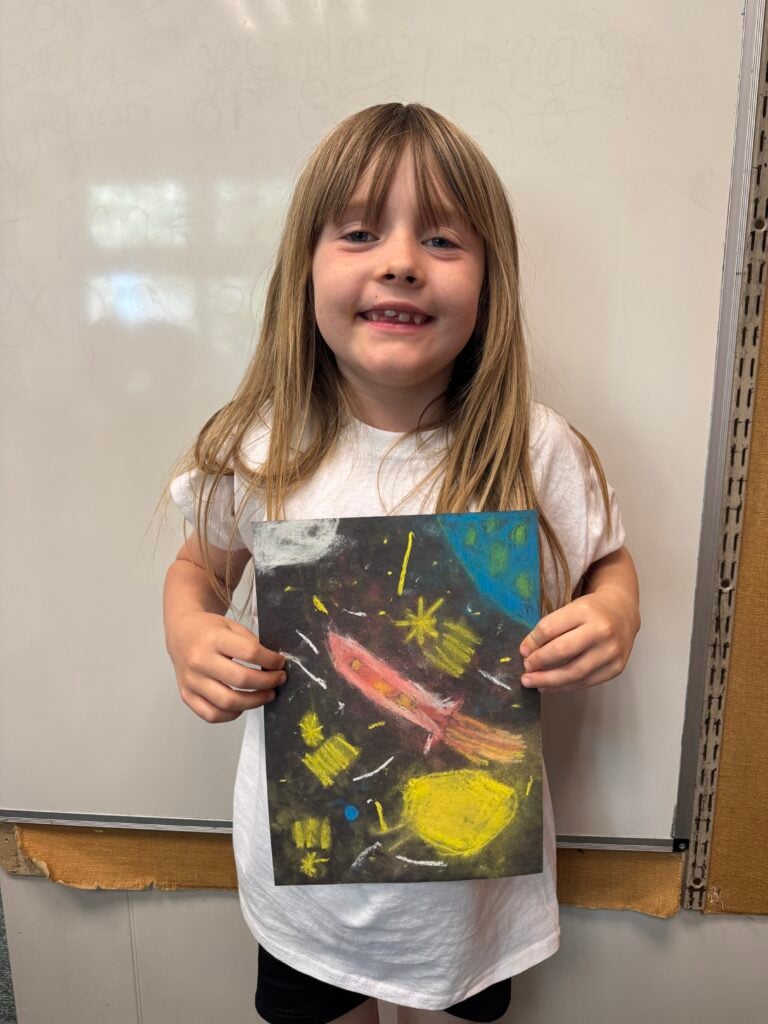
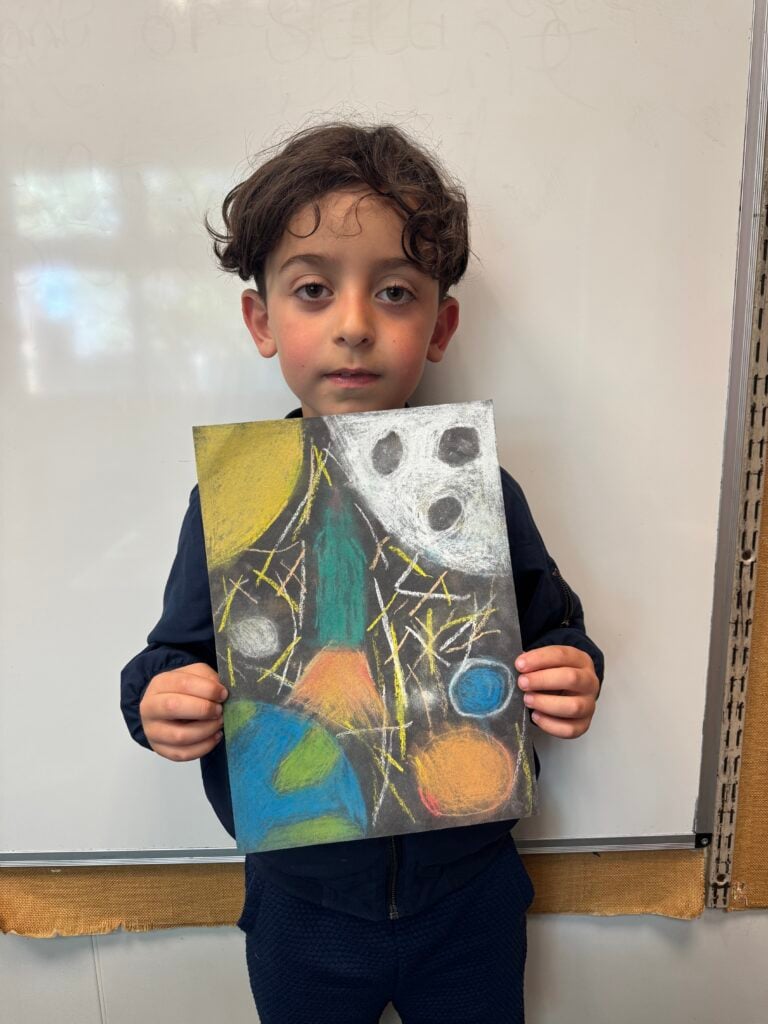
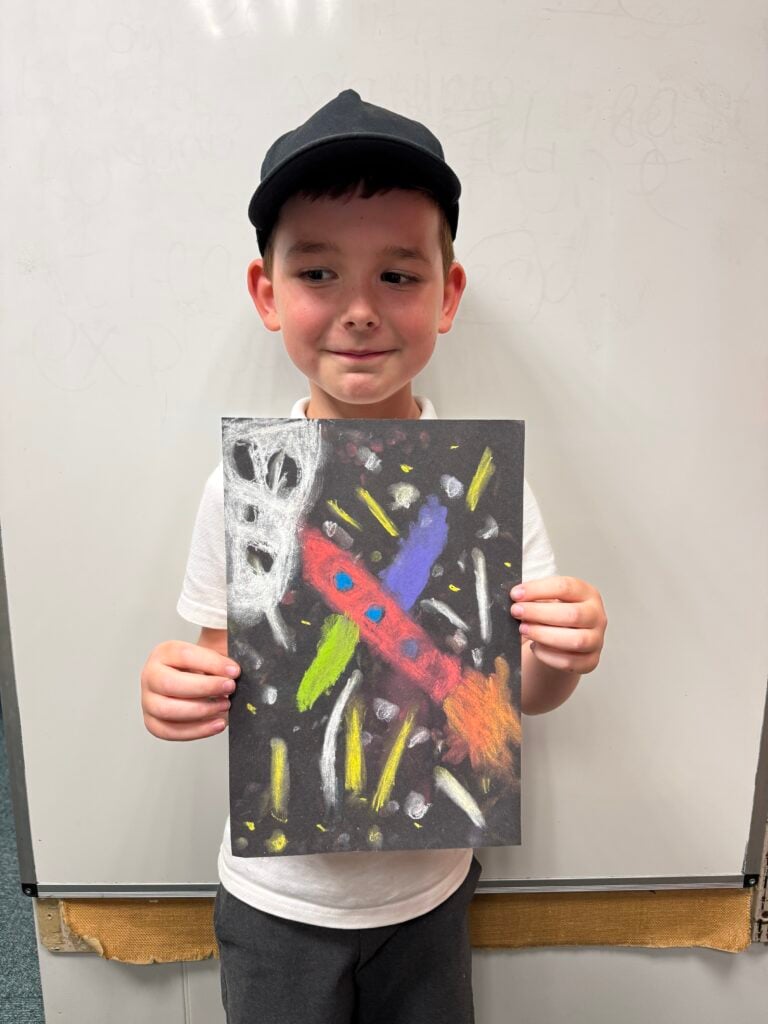
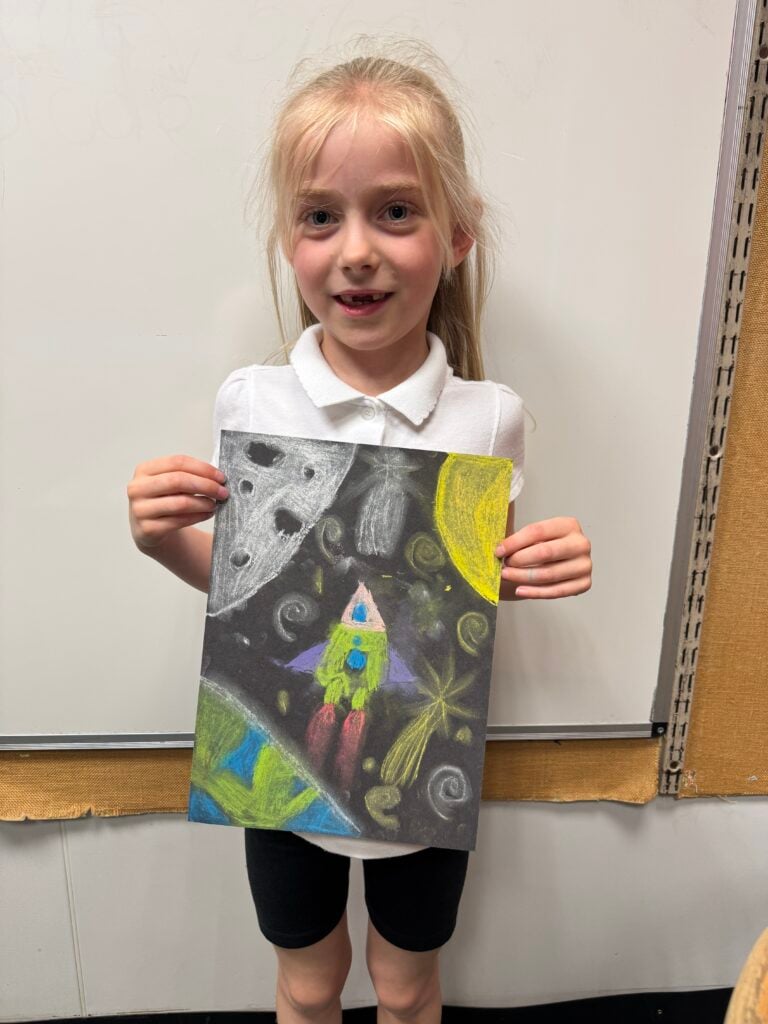
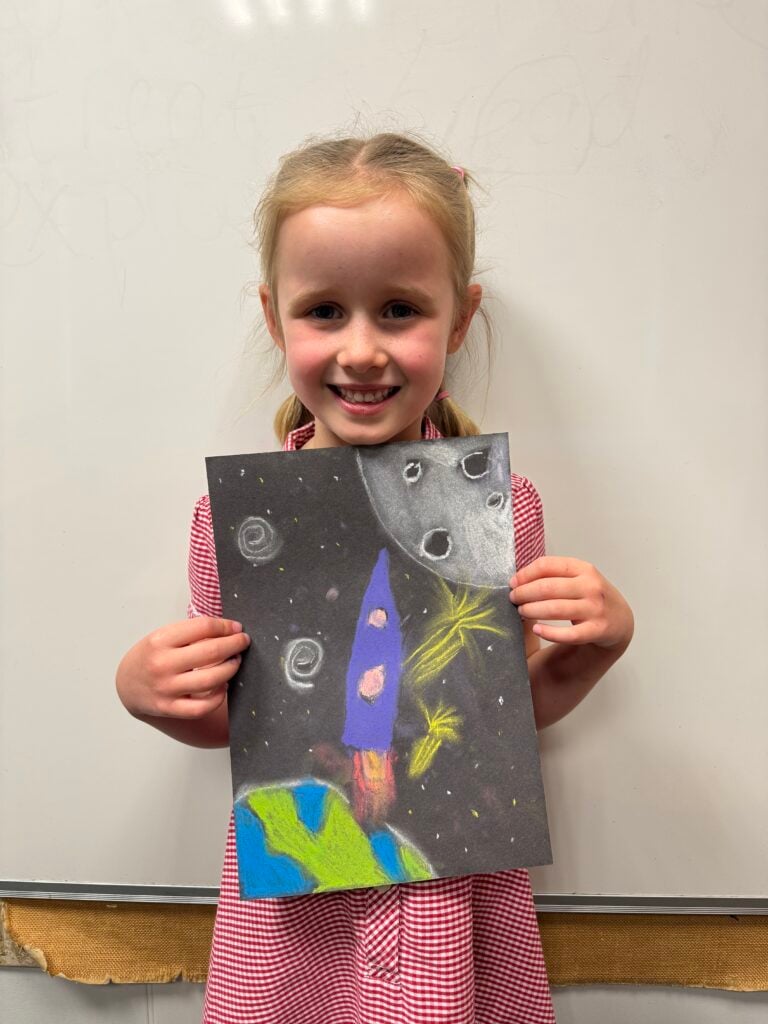
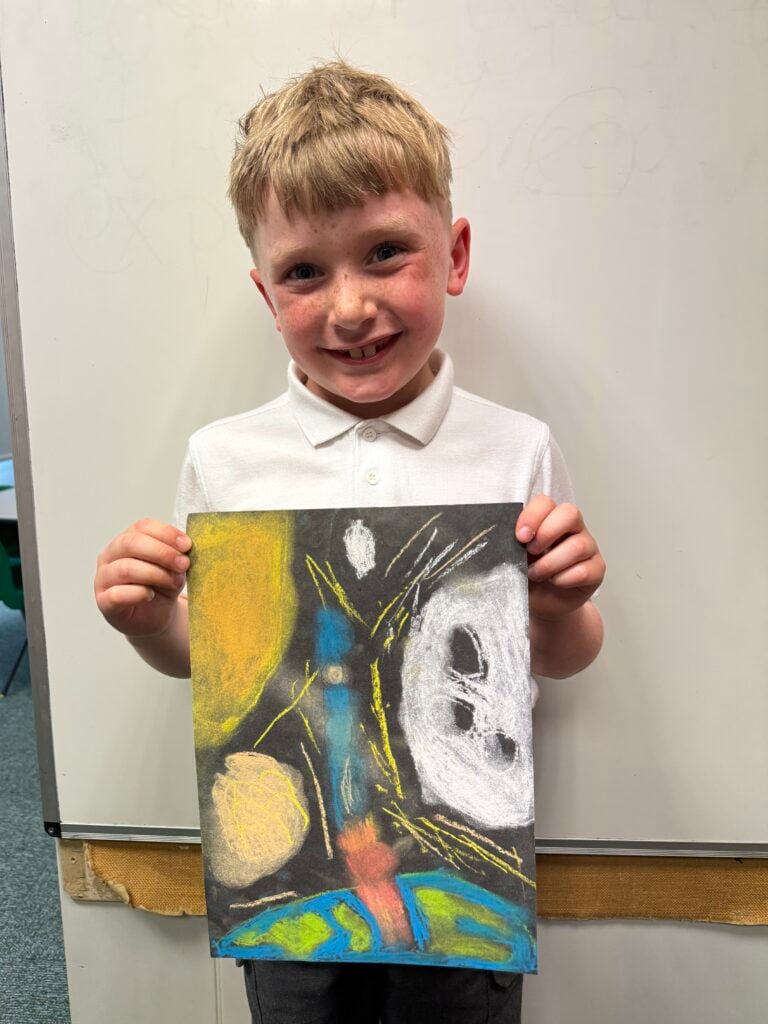
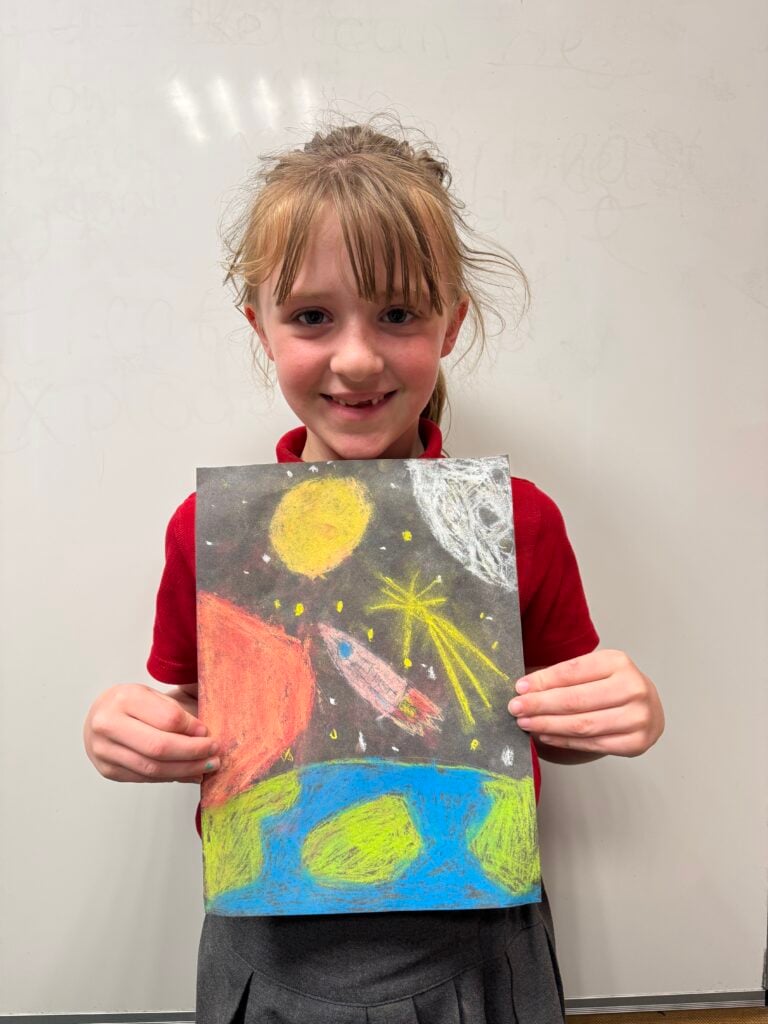
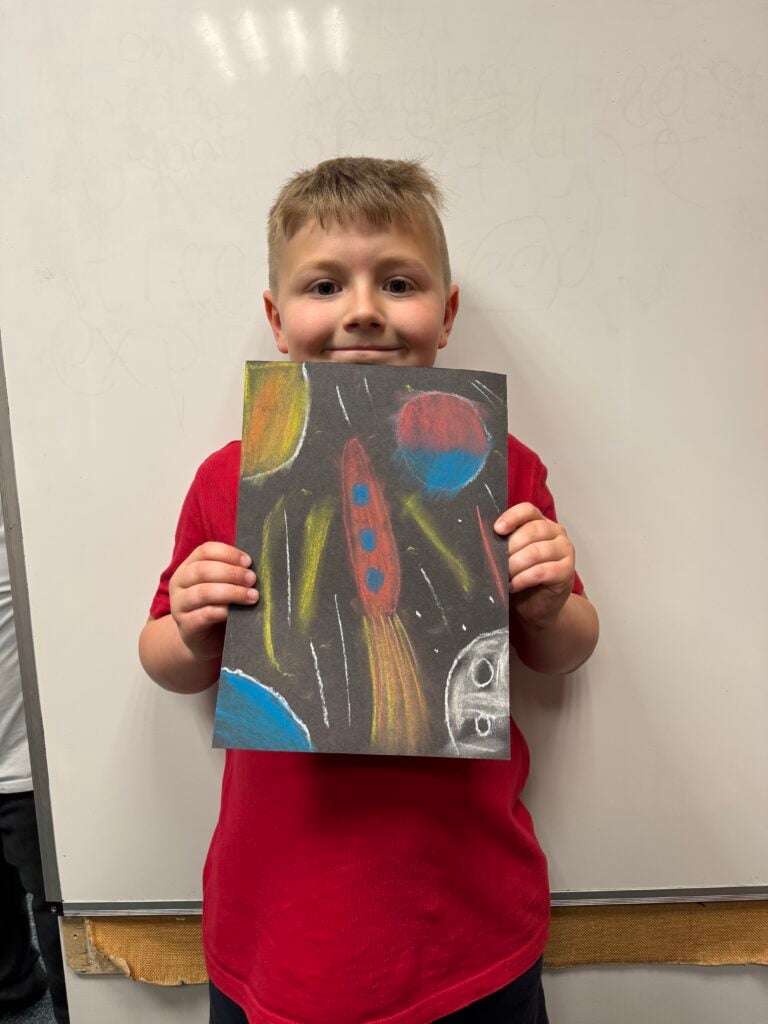
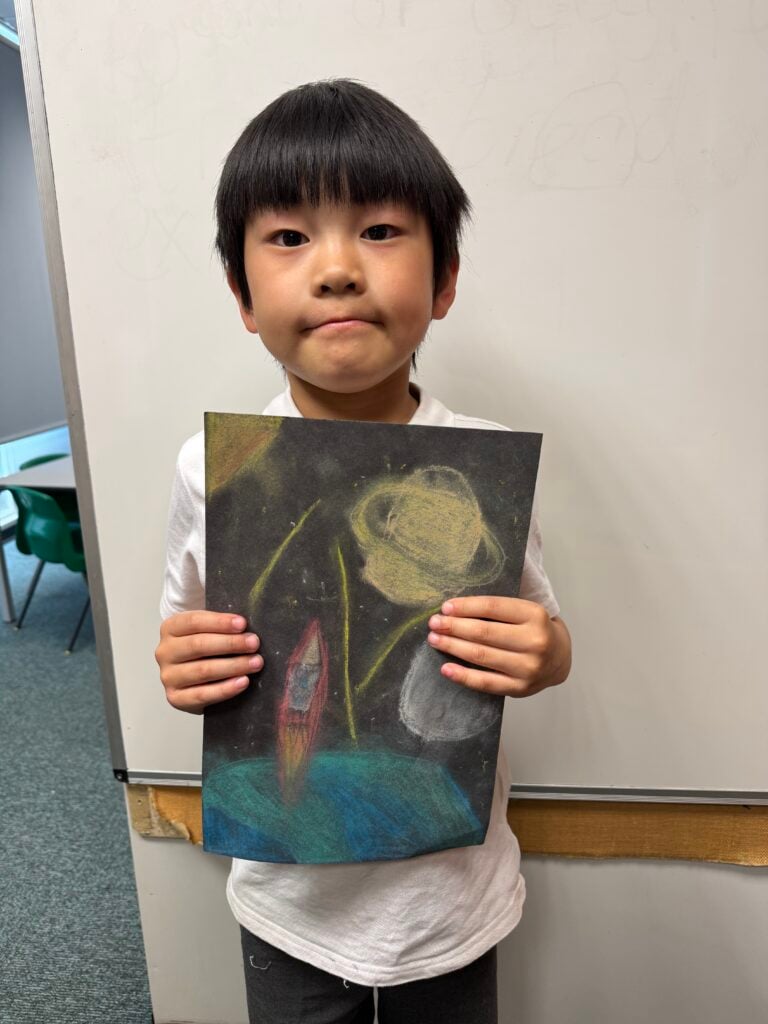
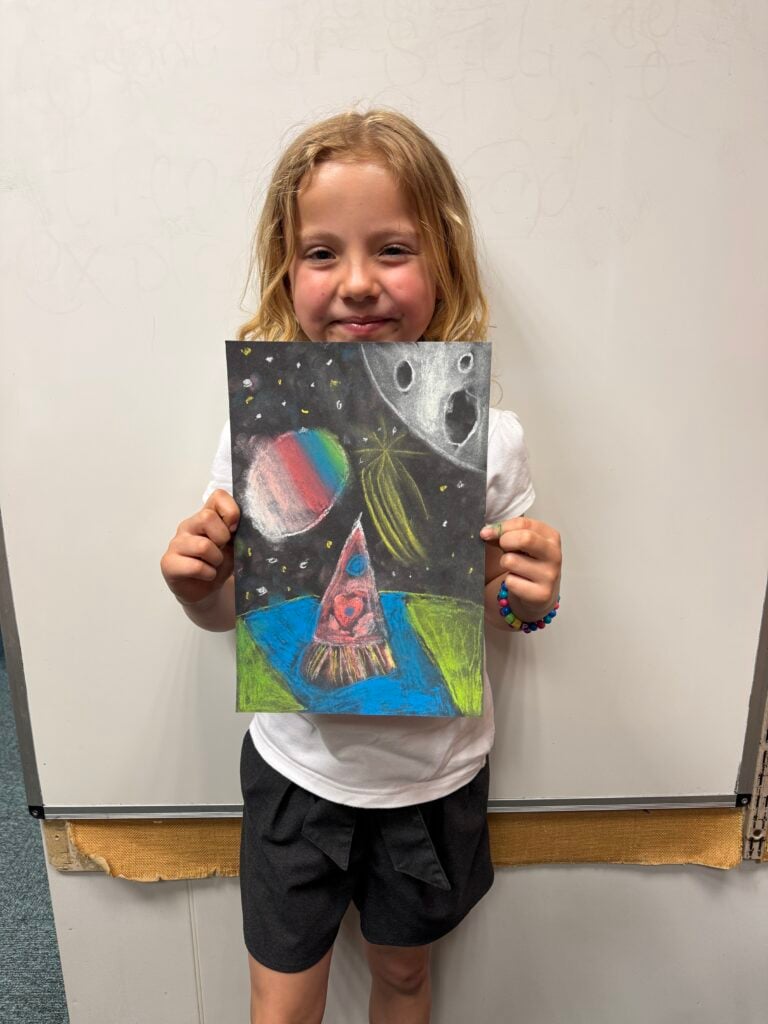
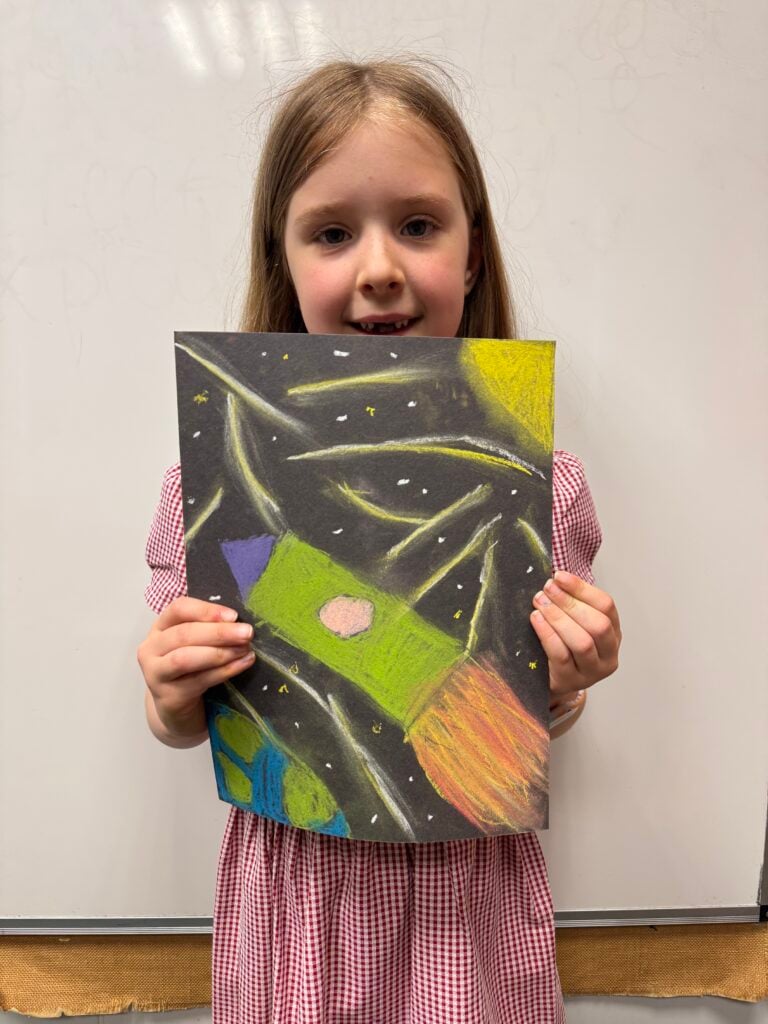
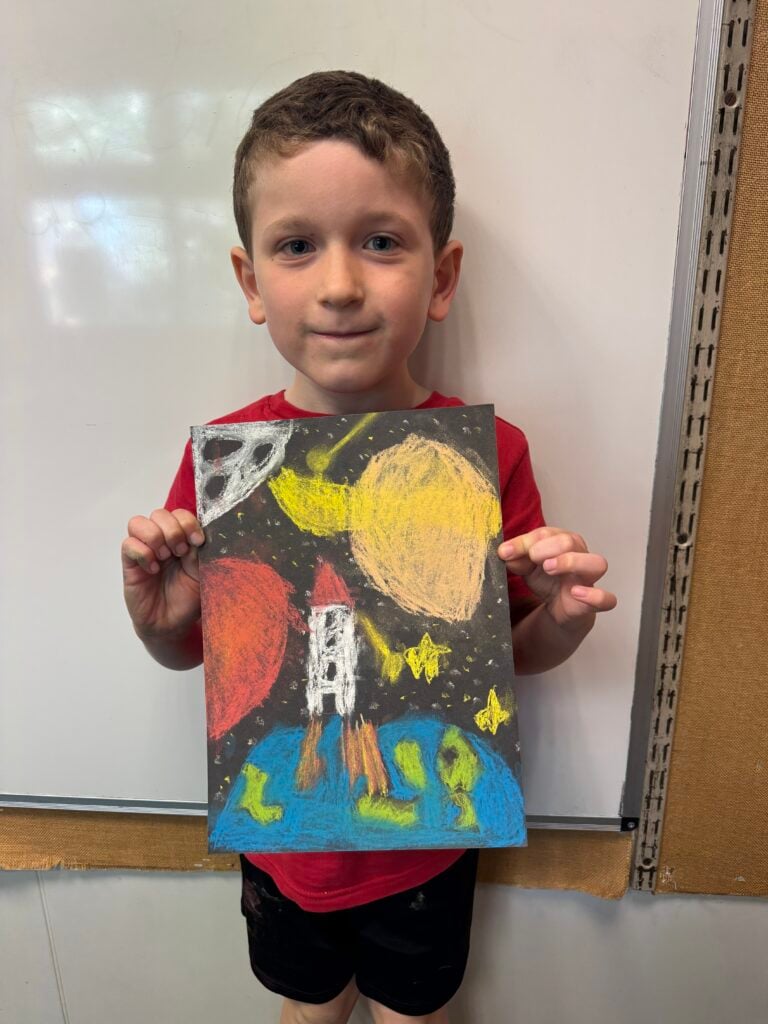
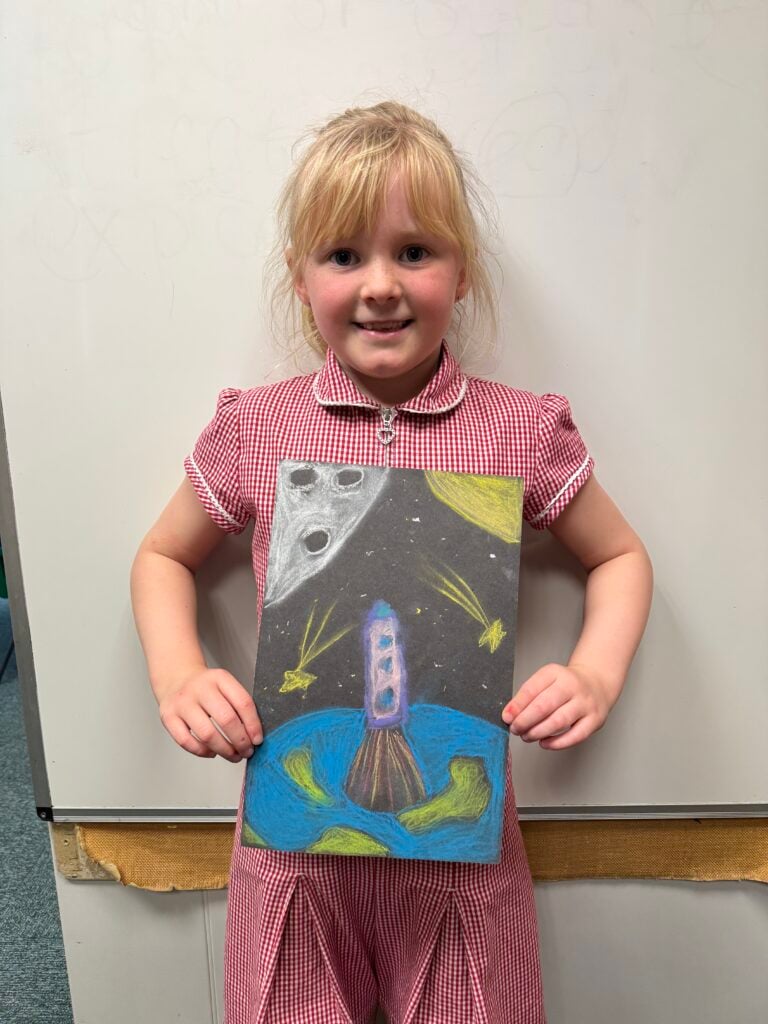
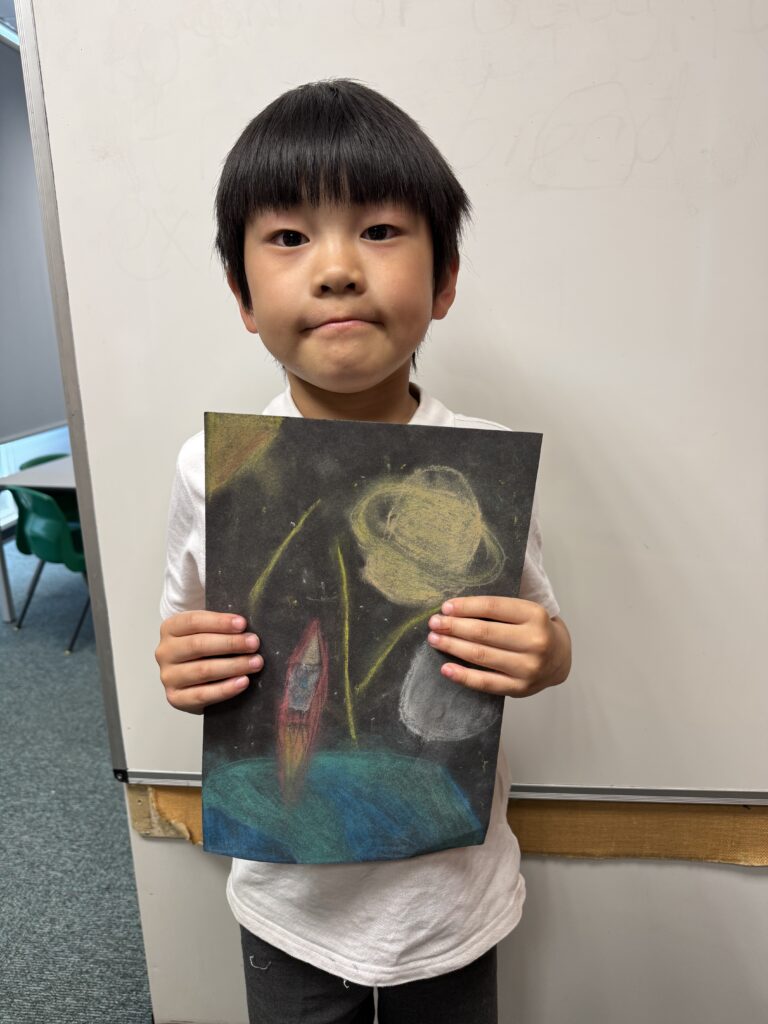
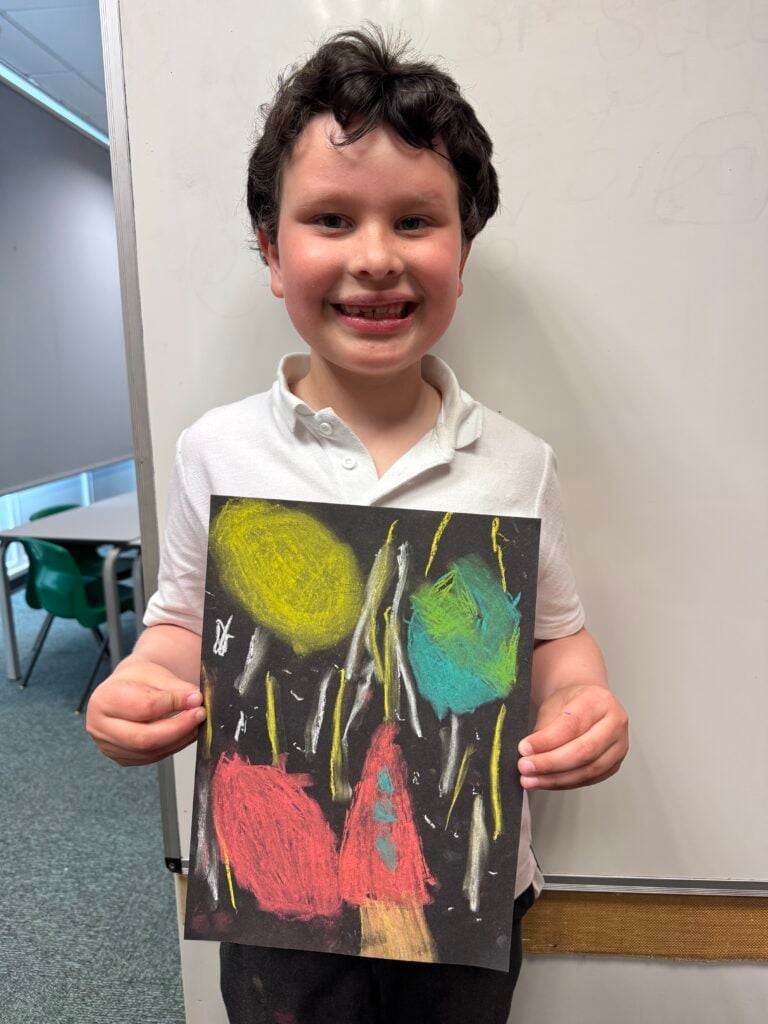
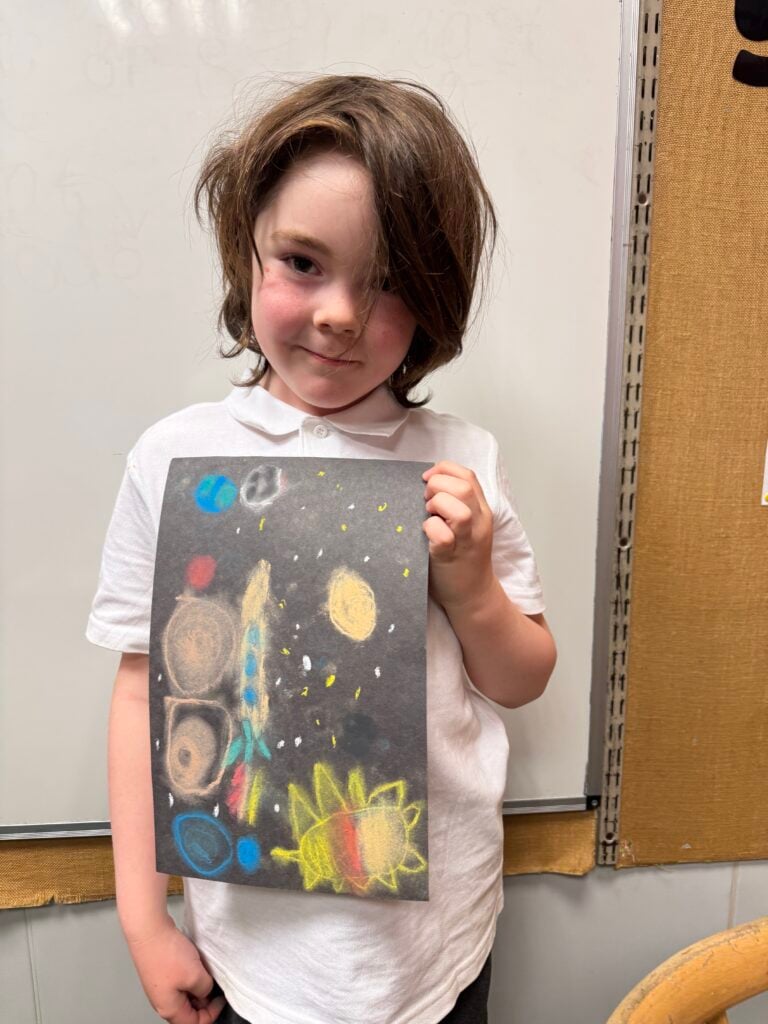
This week Class Six have been working as artists and creating rocket and space art inspired by Peter Thorpe. We worked with the tricky medium of chalk on black paper to create some stunning artwork!

We think the children have outdone themselves and the art is incredible!

Teamwork makes us Bloom.

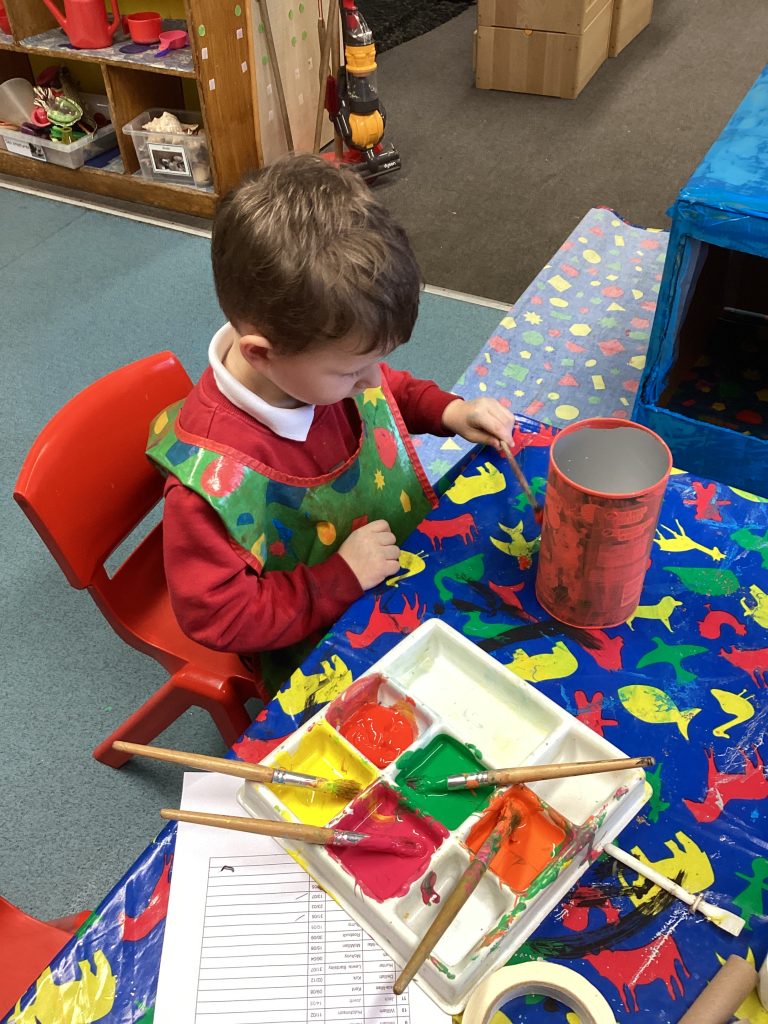
Over the past few weeks Nursery have been working hard as “Artists” to create a petal each or as a duo, in preparation to be used as part of their final product for this expedition. Through our stories “Little Sunflower” by Igloo Books and “Sam Plants a Sunflower” by Kate Petty the children gained inspiration for their artwork as they learnt how a sunflower grows and blooms. They have been investigating and exploring techniques using both paint and collage. The children have grappled with the effects that they could create using ready mixed paint and different brush strokes or manipulations of their paint brush. Some children chose either medium of paint or collage, whilst others chose to create with both. Here are some wonderful examples;

Upon completion of this beautiful artwork, the children worked collaboratively to first build their own sunflower for each nursery group, and then as a collective of Nursery as a whole merging both groups petals (later to be revealed on their final product at our celebrations of learning). Just look at the children’s beautiful work!

Oi Frogs!

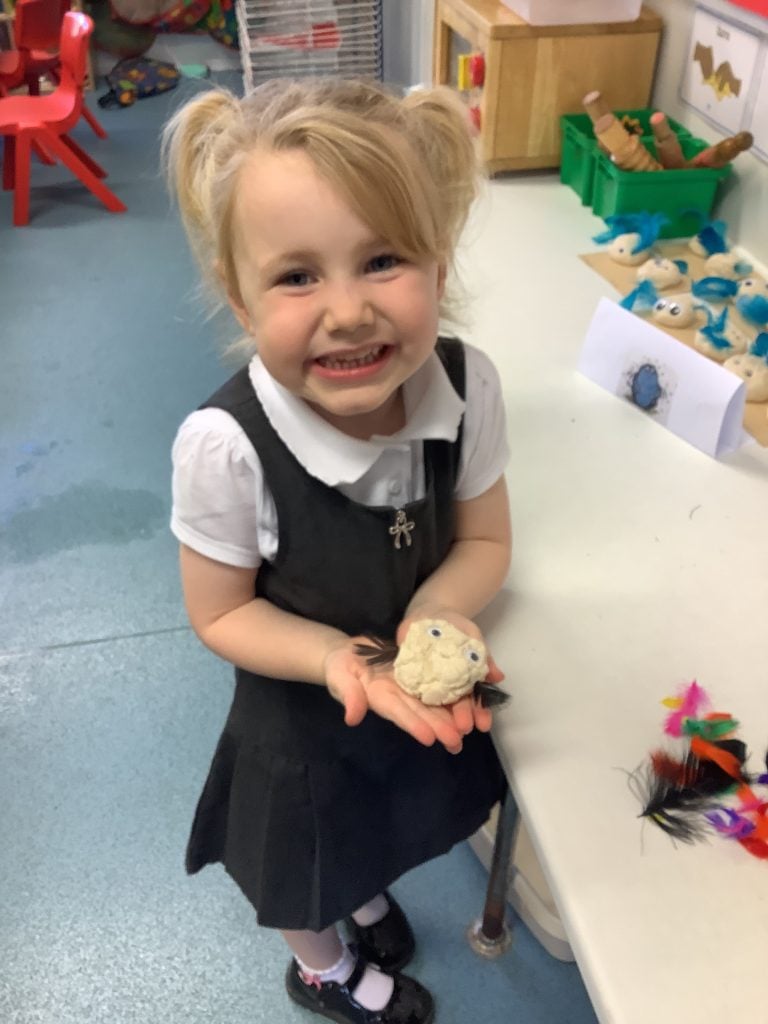
Nursery have been very “hoppy” this week as they moved on to exploring the life cycle of a frog, continuing our “We are scientists” agenda of our expedition. We began our investigations with a very engaging and funny rhyming text by Kes Gray titled “Oi Frog!” The children immediately fell in love with the comedic main character Frog, who explored what a host of animals sit on, as he didn’t want to sit on a log, as Cat demanded he should. Nursery enjoyed matching animals to their rhyming seated objects and have practised independently over the week, even sharing their rhyming with their parents in our family stay and play session on Friday.

On Tuesday after the children were hooked into frogs, we investigated how a frog begins its life revisiting some of our prior learning from both caterpillar and chick life cycles. We placed toy models of the varying stages of frog into our cycle. The children connected that the caterpillars eggs and frogs were similar in more of a bubble kind of egg, rather than a shell. As we moved through the stages, the children suggested their own movements of how we could represent the cycle. We then played a game of “Froggy says…” called out the stages and the children demonstrated their moves to embed their learning.

During Tranquil Tuesday and Thoughtful Thursday crew the children followed models of how to draw a tadpole and a frog. They independently had a go with fantastic results! Such beautiful work.

The children used their scientific knowledge, construction and creative skills to create an egg box tadpole or frog, as a choice in provision. They copied examples and produced some amazing models!

Even our Maths work was frog themed, as we have been getting better at counting to three, using careful counting (touch counting to check our thoughts). We sang three little speckled frogs and acted out the song, supporting each other to count in sequence. Next we considered if we had three frogs, how many lily pads would they need to have one each? How many tadpoles if each had one baby? And how many flies they would need to feed the mummy frog? Of course I threw a few too many tadpoles and flies in the mix to check the children’s understanding, but there were “no flies on them” – the children could “toad-ally” see through my trickery.

Nursery then demonstrated and consolidated their understanding by counting out three frogs from a pond to a lily pad.

As a lovely end to our week we shared our learning with our families, playing in the provision during a family play and stay session. Mums, Dads, brothers and sisters, Grandmas, Grandads and Uncles all had lots of fun spending time and playing with their special little people. Thank you to all who attended and for all of your support, they were two beautiful sessions and we even squeezed in a demonstration of our daily Nursery Rhyme singing as part of our phonics!

Seed Packet Critique

We have been busy in class five today looking at different seed packets. We thought about which we liked and why. We then thought carefully about which important features were on the packets that we would need to include if we were going to create our own. We came up with a list to help us with our writing this week.

Some amazing collaboration and kind critique – well done.

Mrs Parsons xx