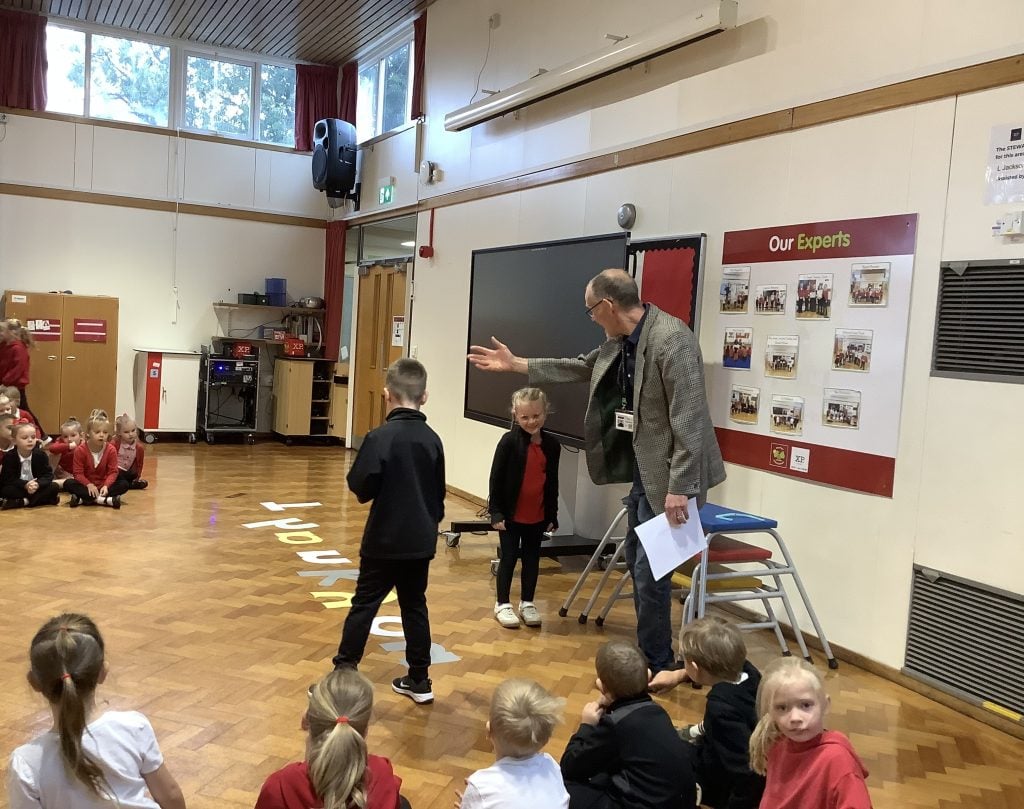
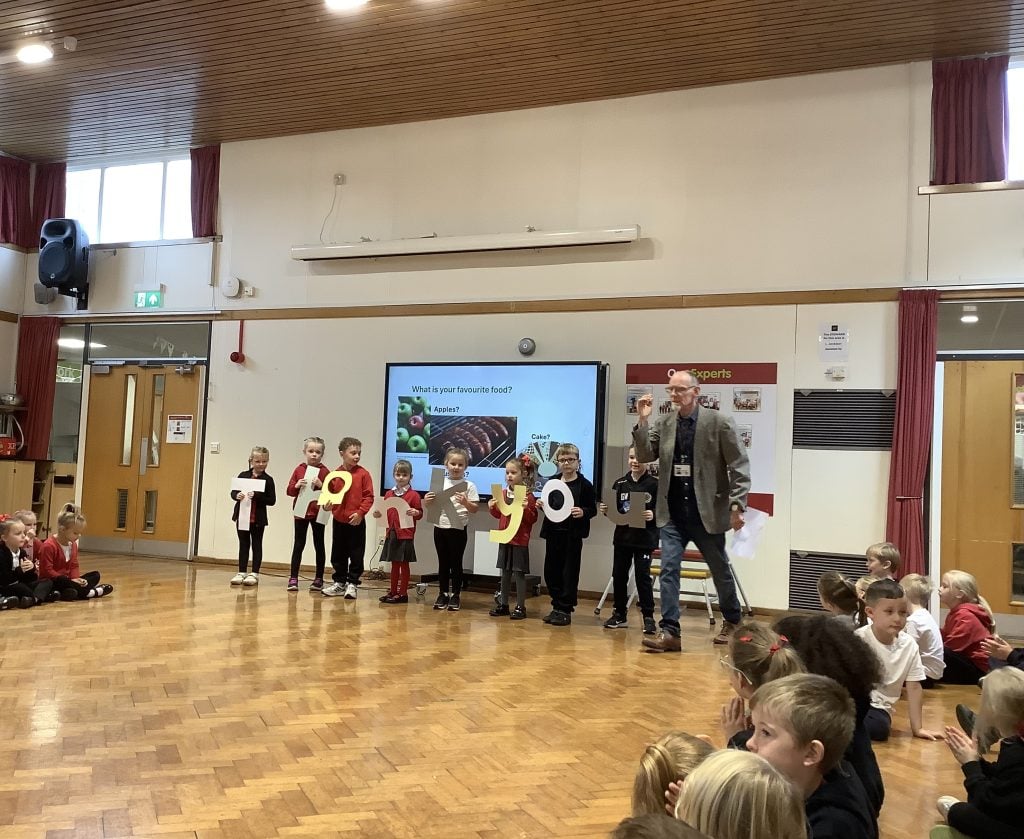
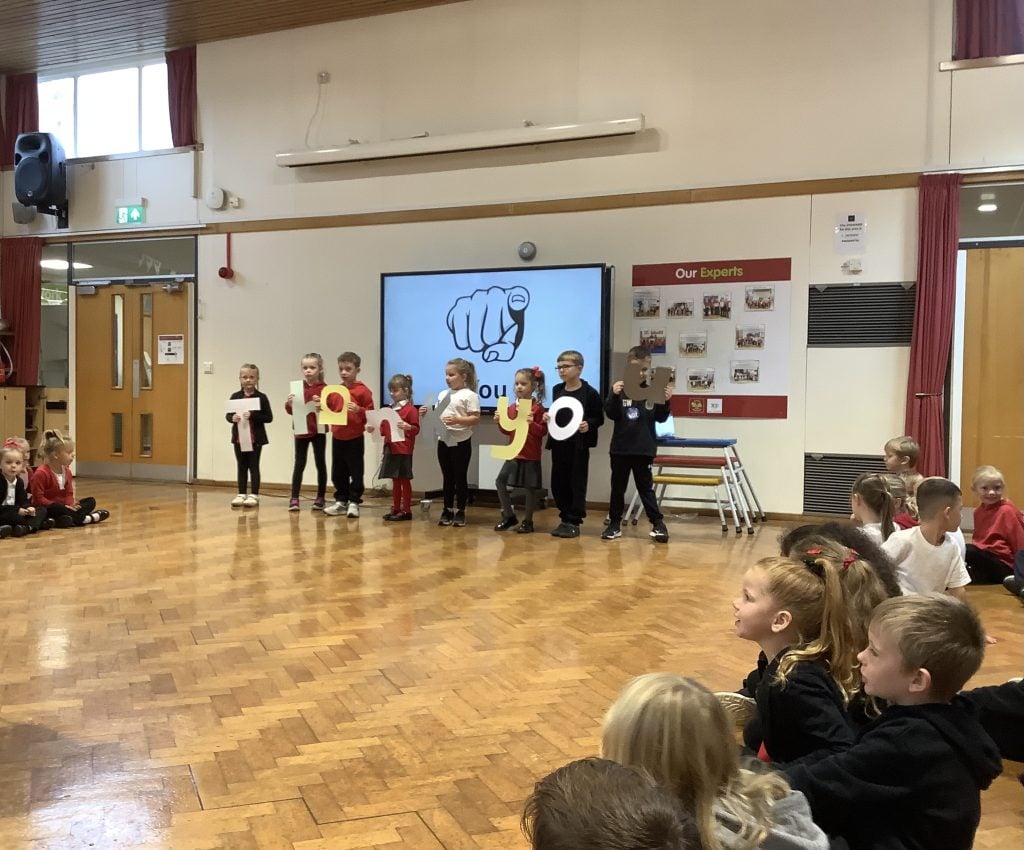
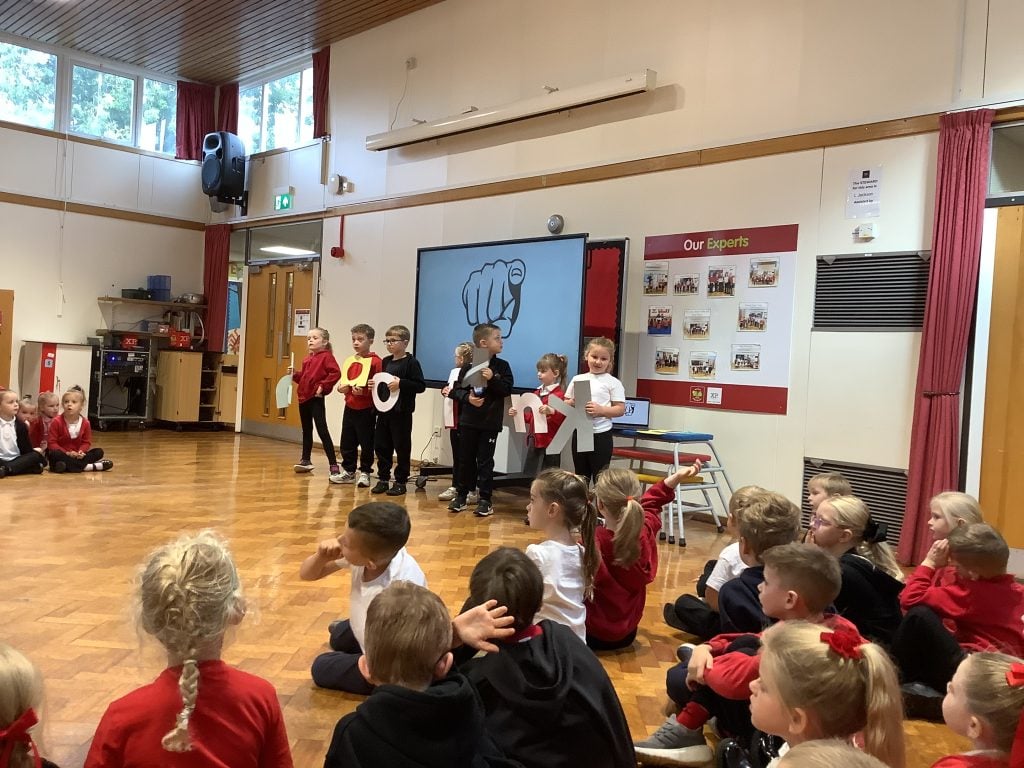
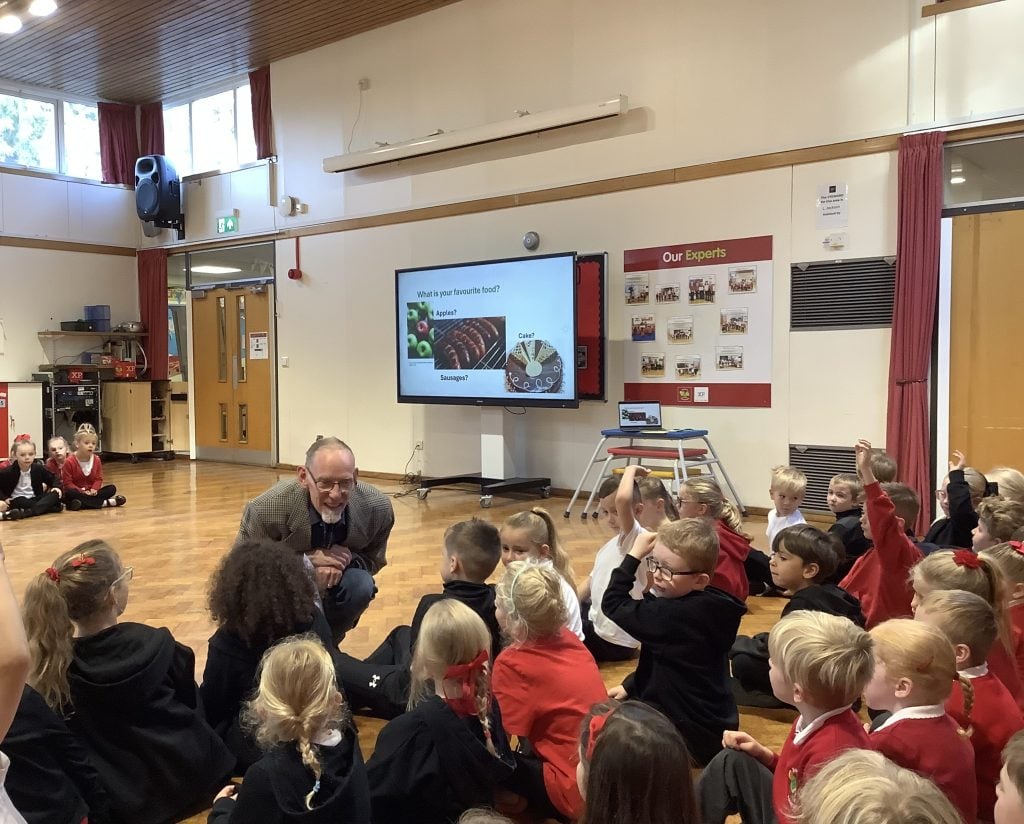
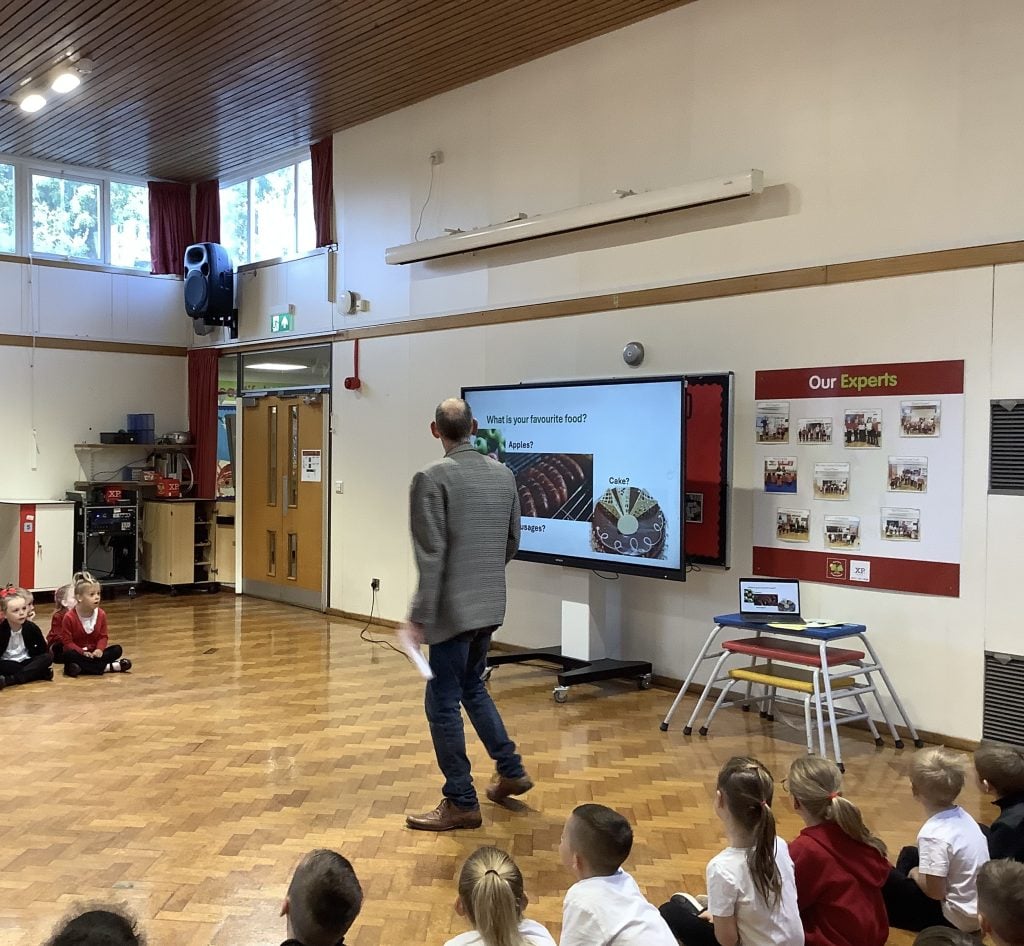
We were very delighted to welcome Mr West to our school, who led a wonderful assembly all about the Harvest Festival. We had a fantastic time learning about the importance of Harvest and why we celebrate this special time of year. The children joined in enthusiastically with lovely Harvest songs and shared some thoughtful comments and ideas. It was a wonderful opportunity to reflect on the importance of kindness and helping those in need.
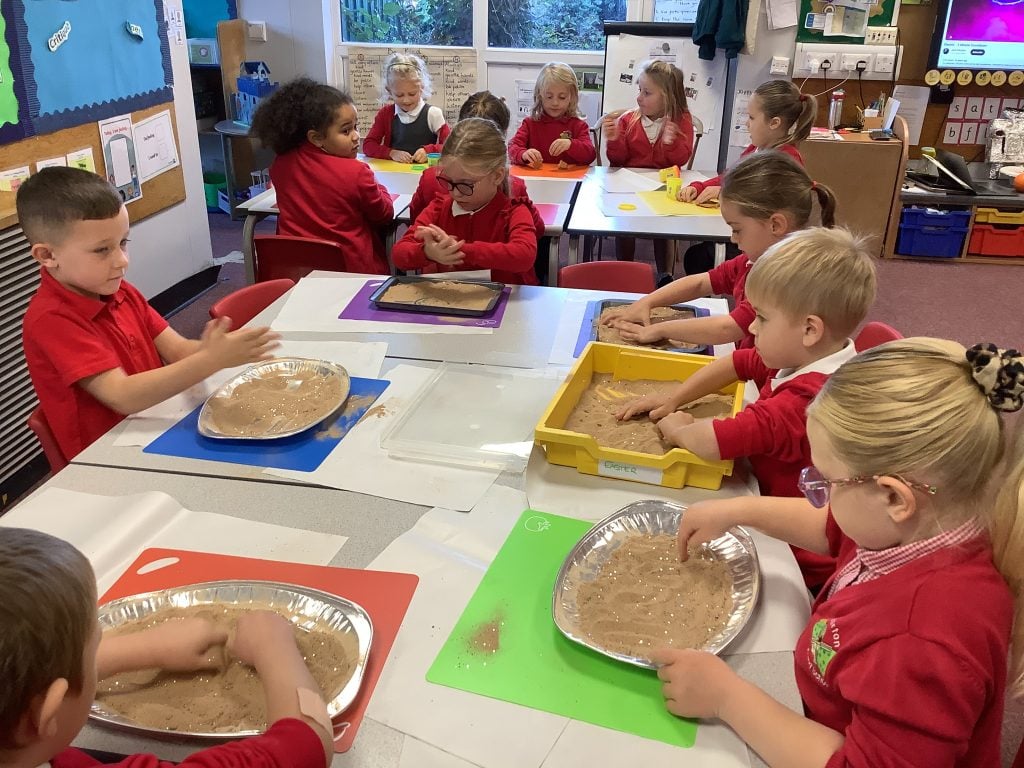
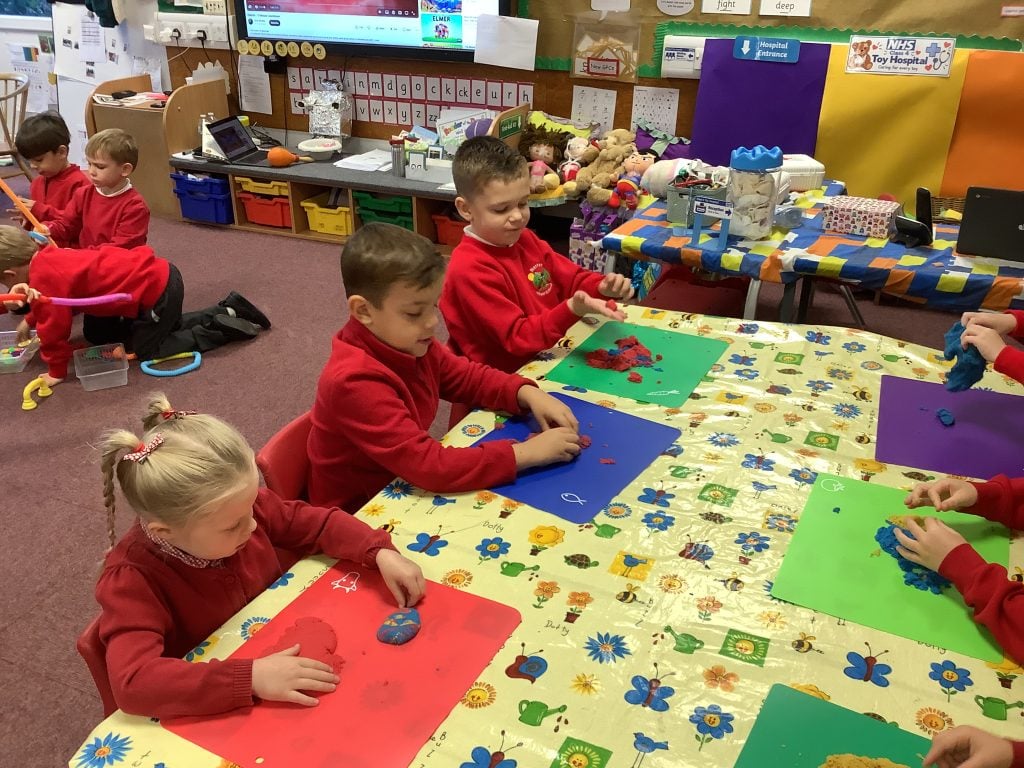
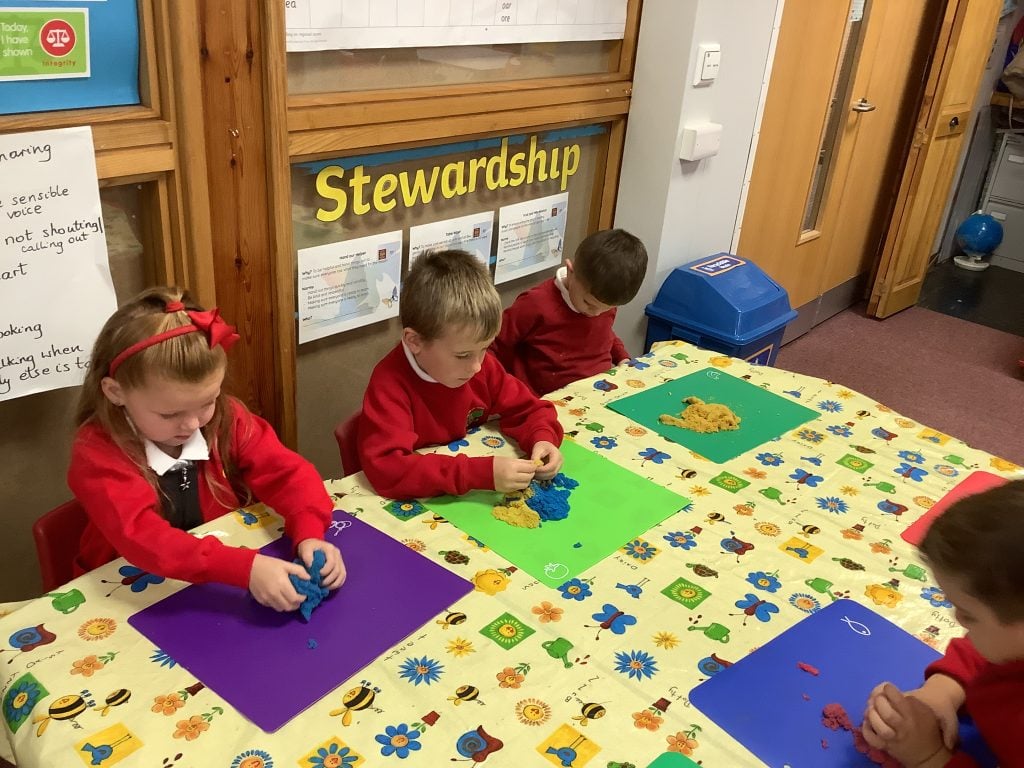
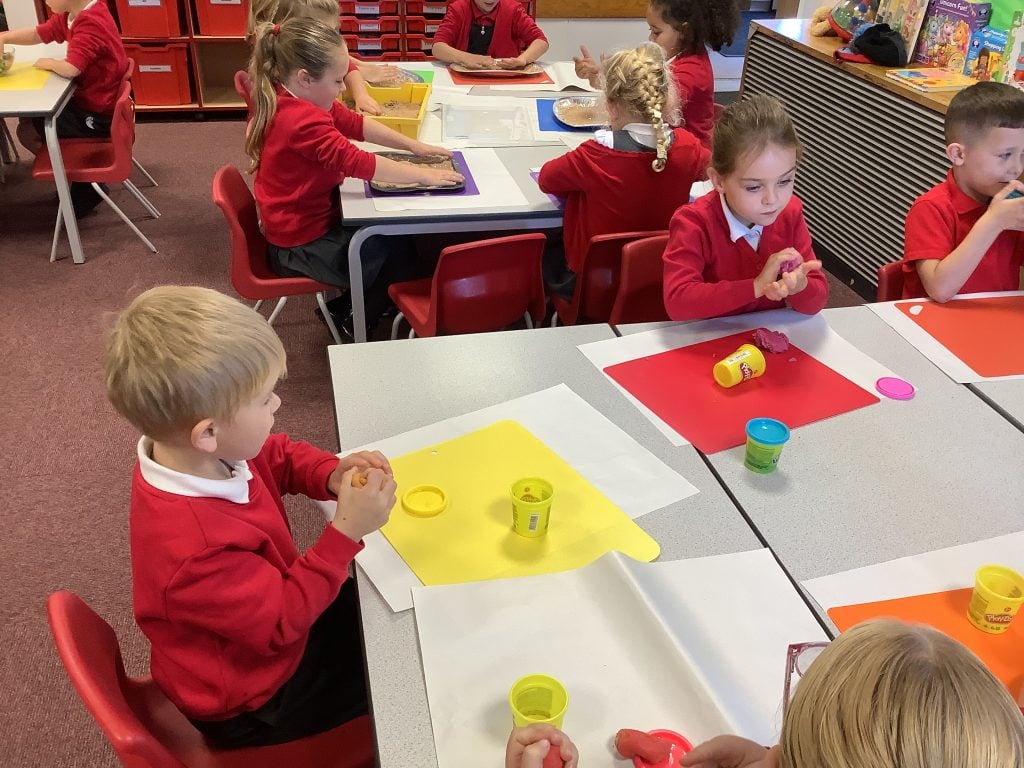
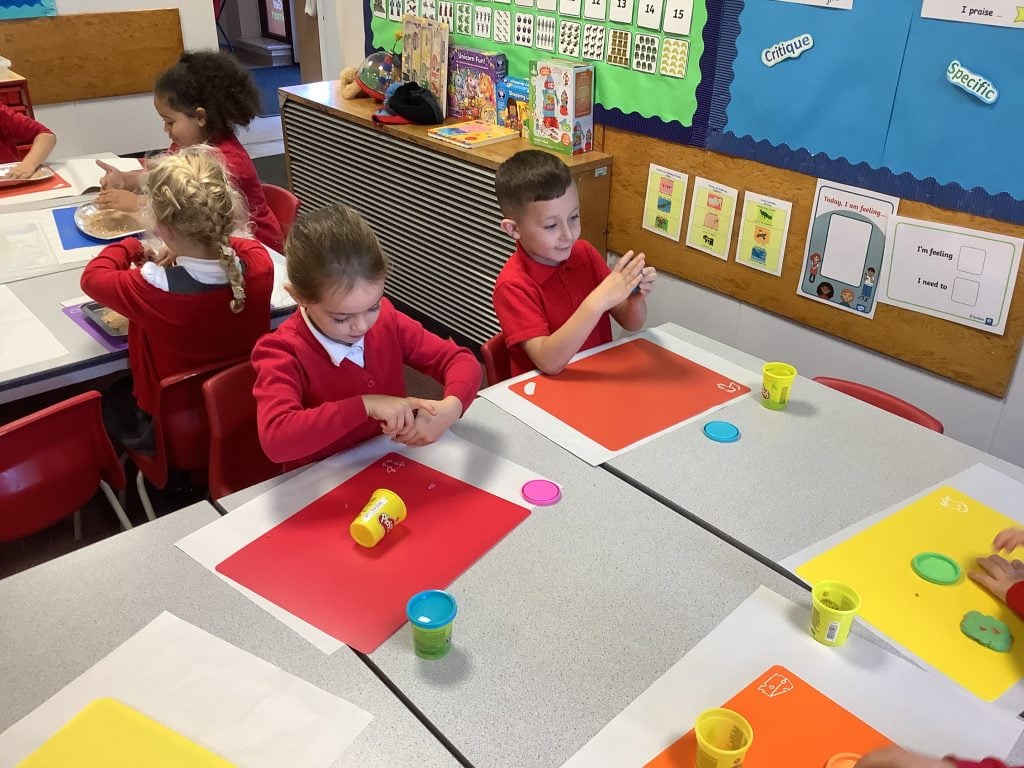
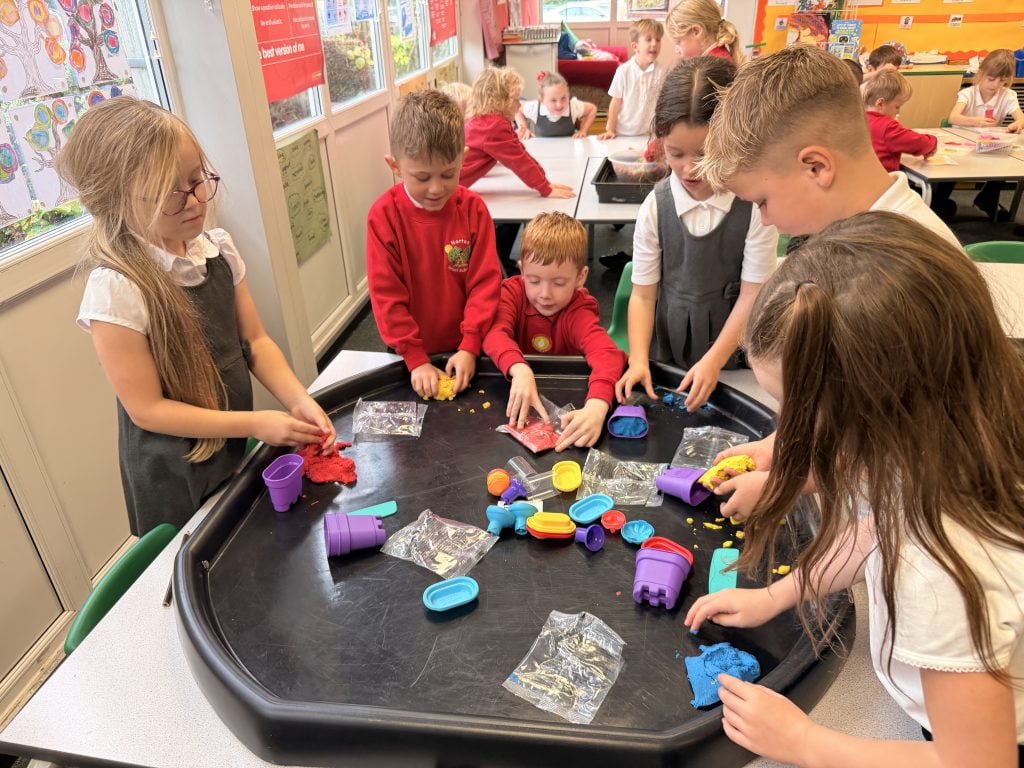
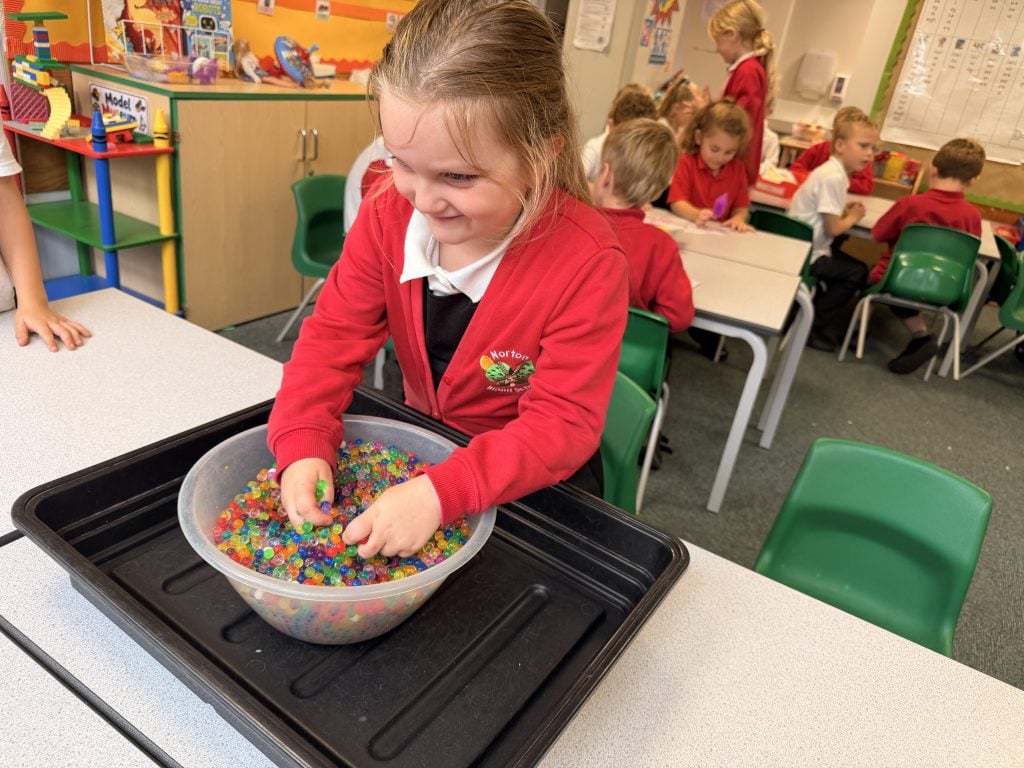
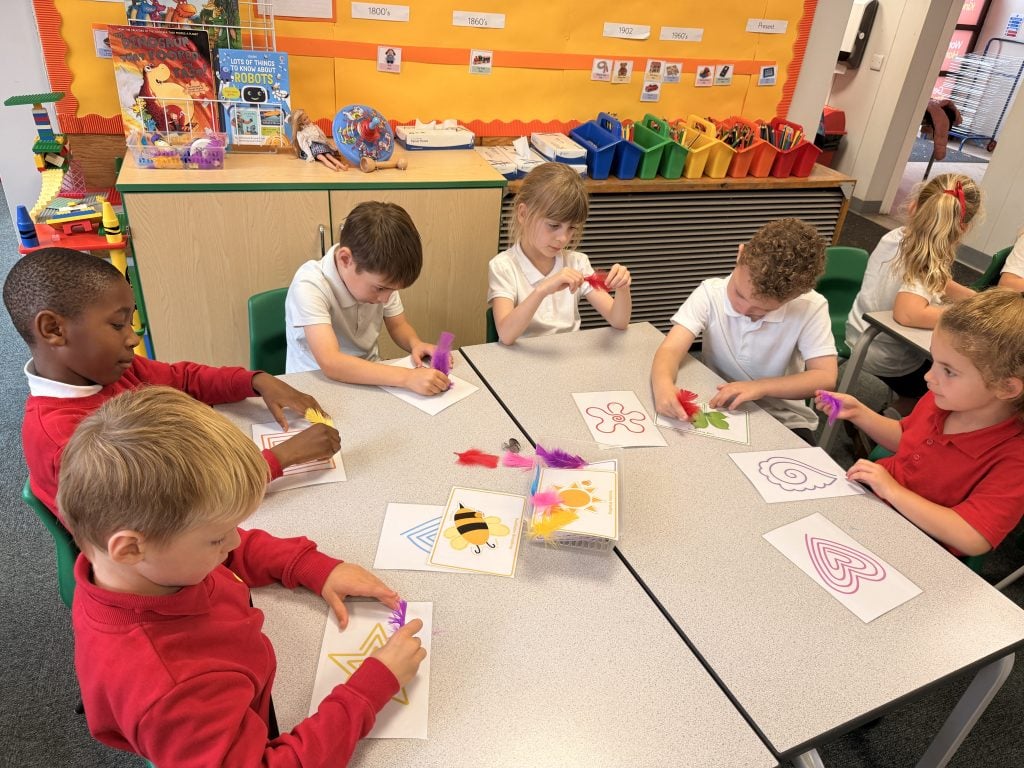
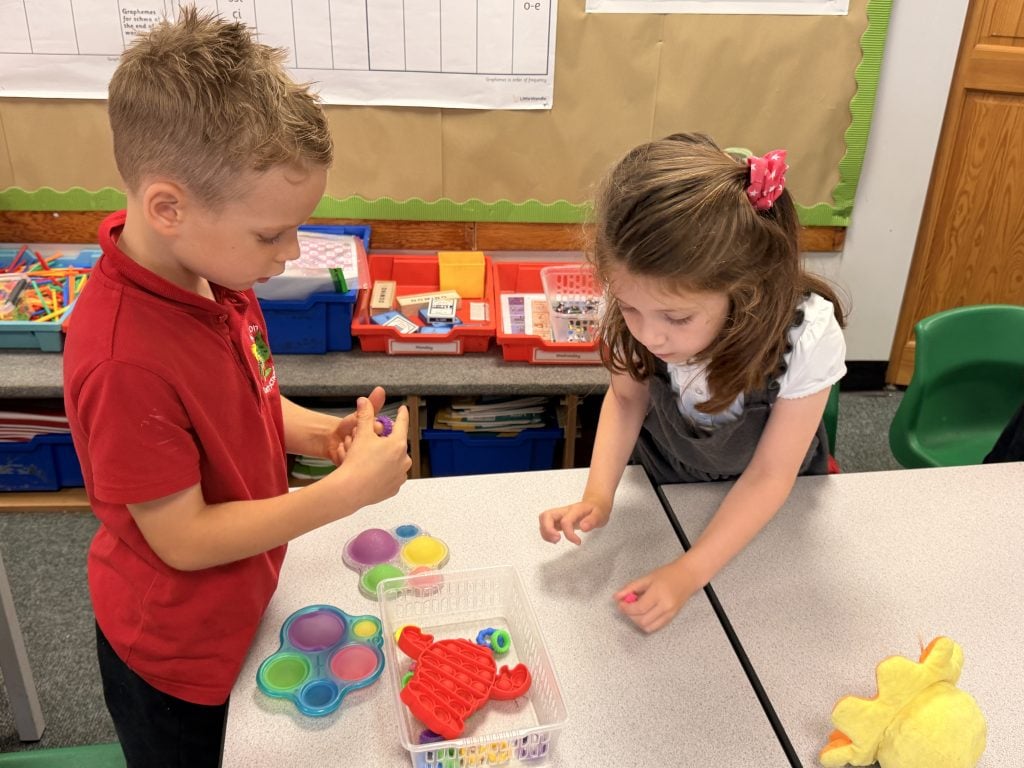
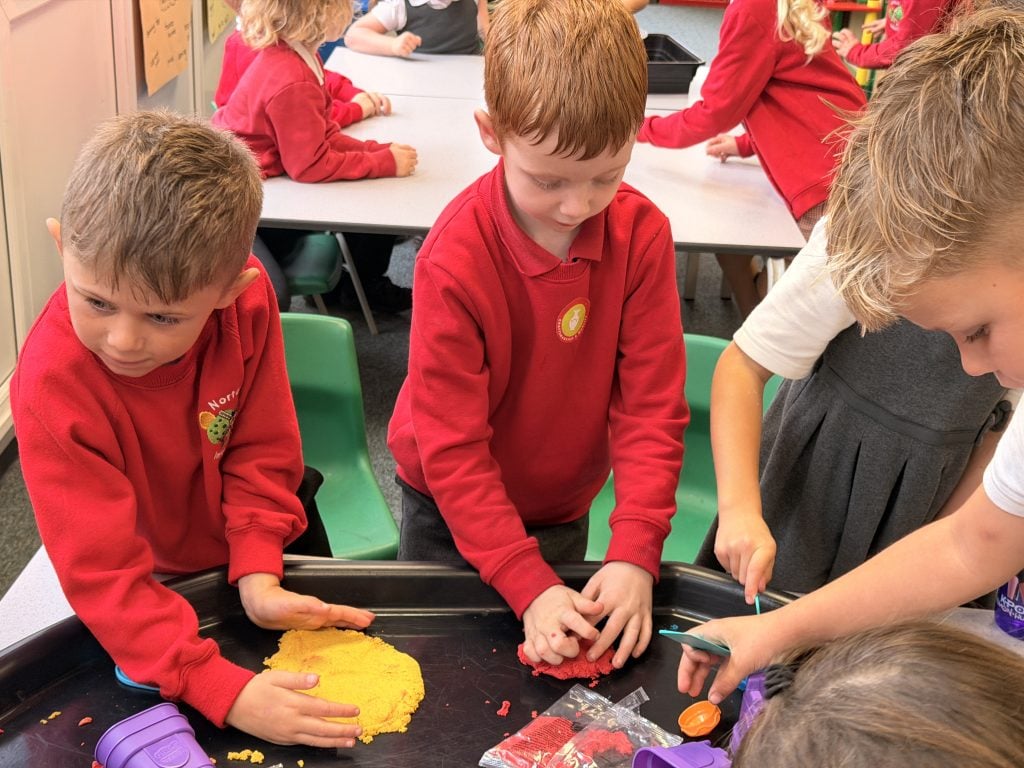
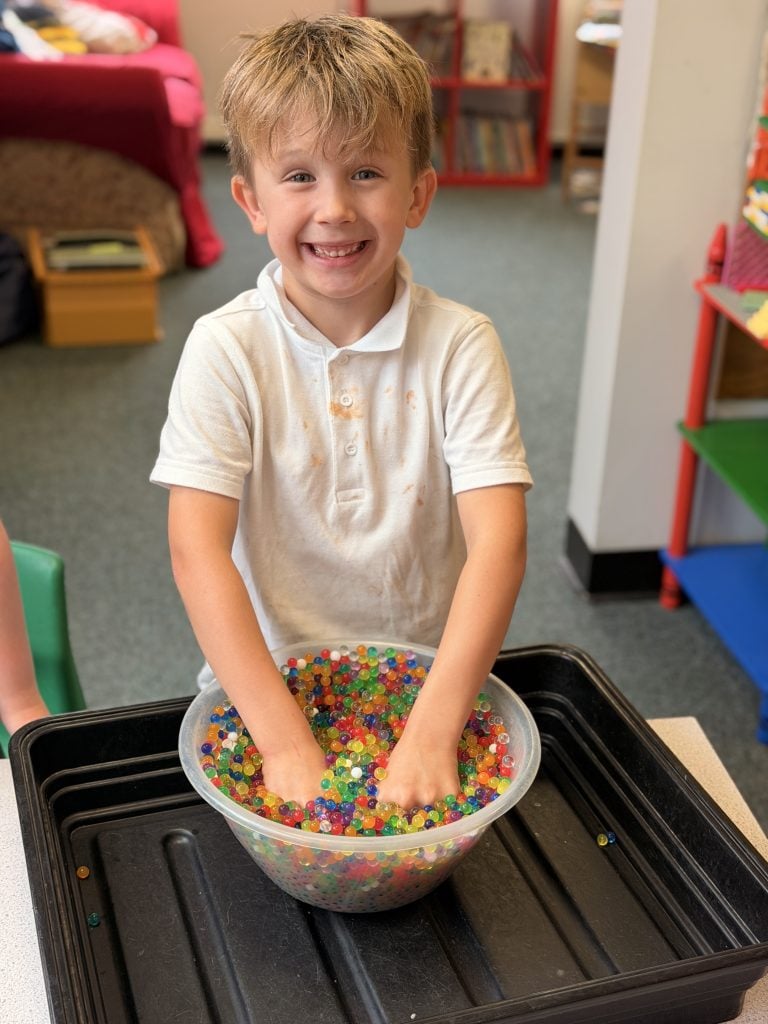
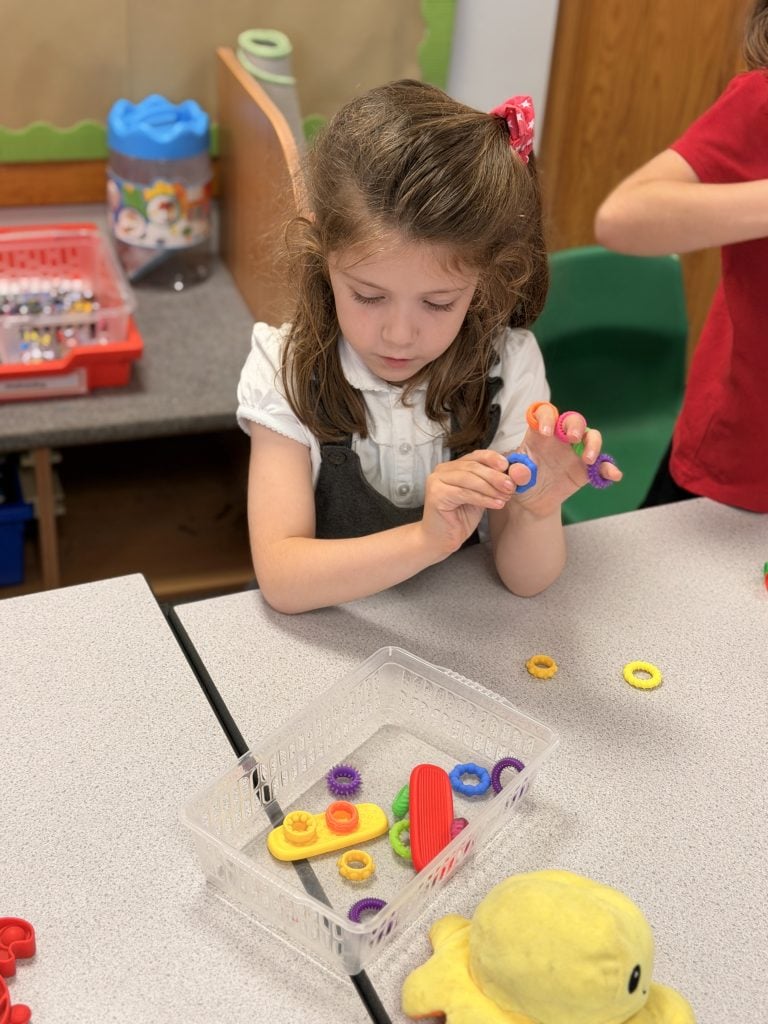
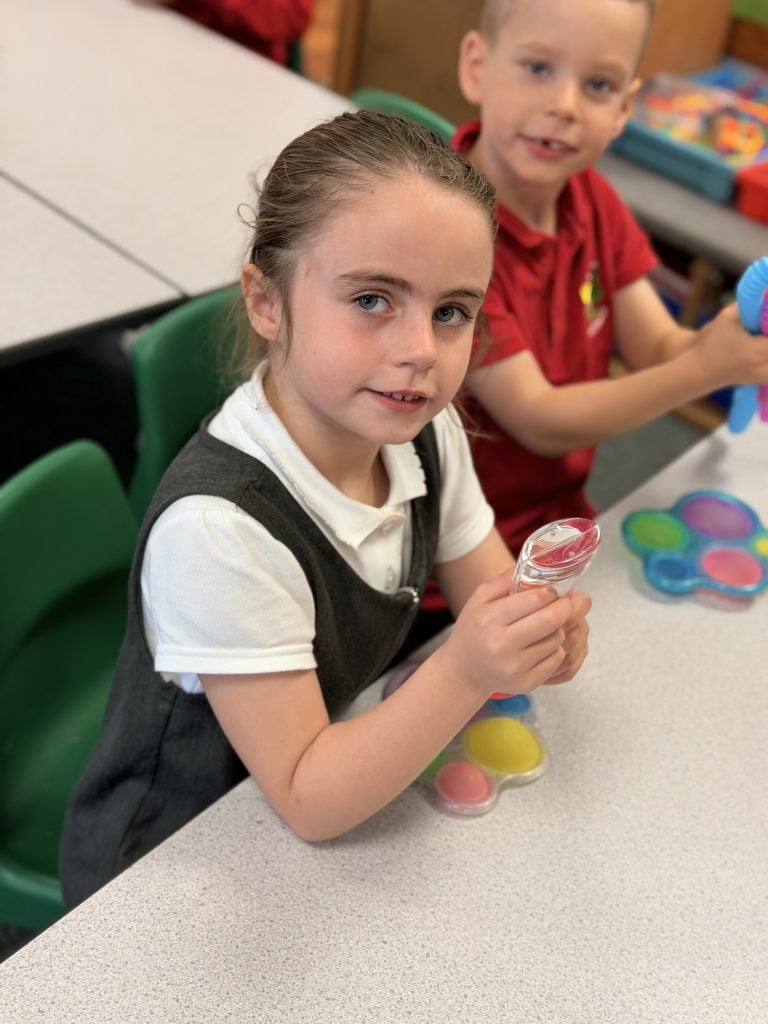
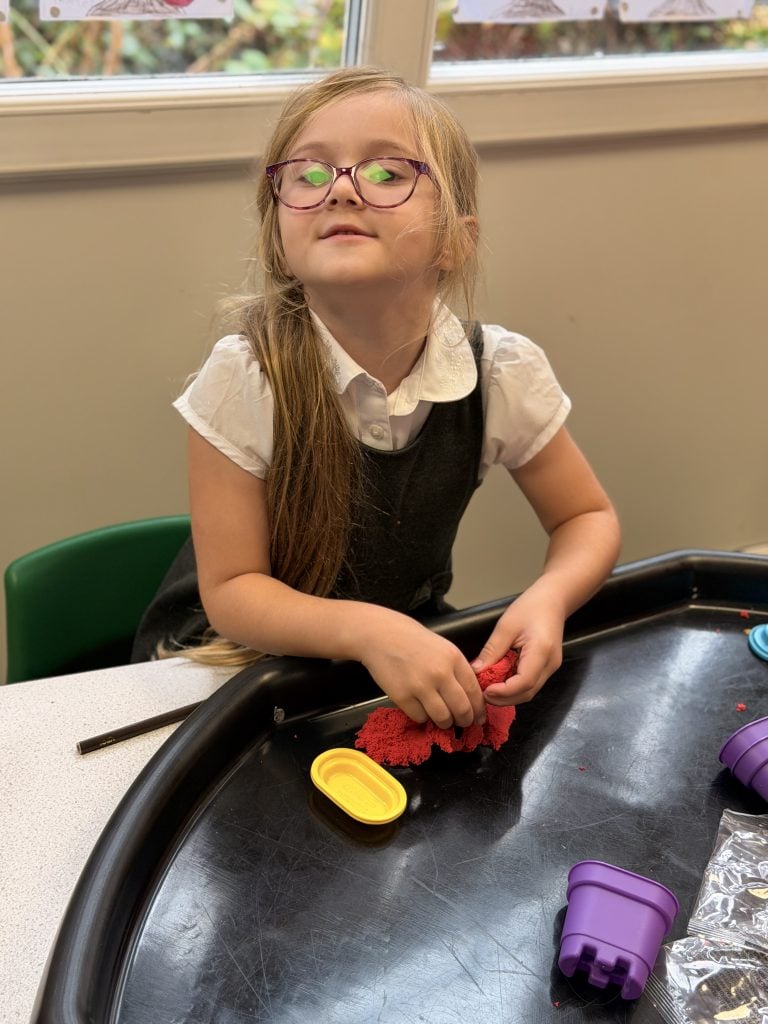
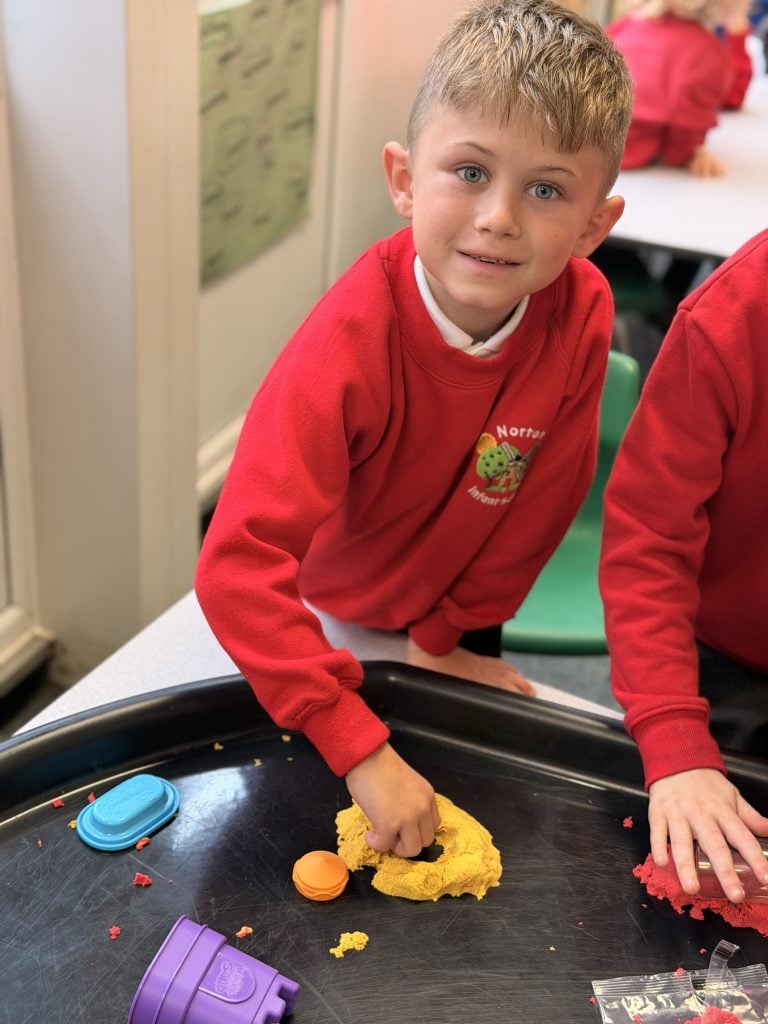
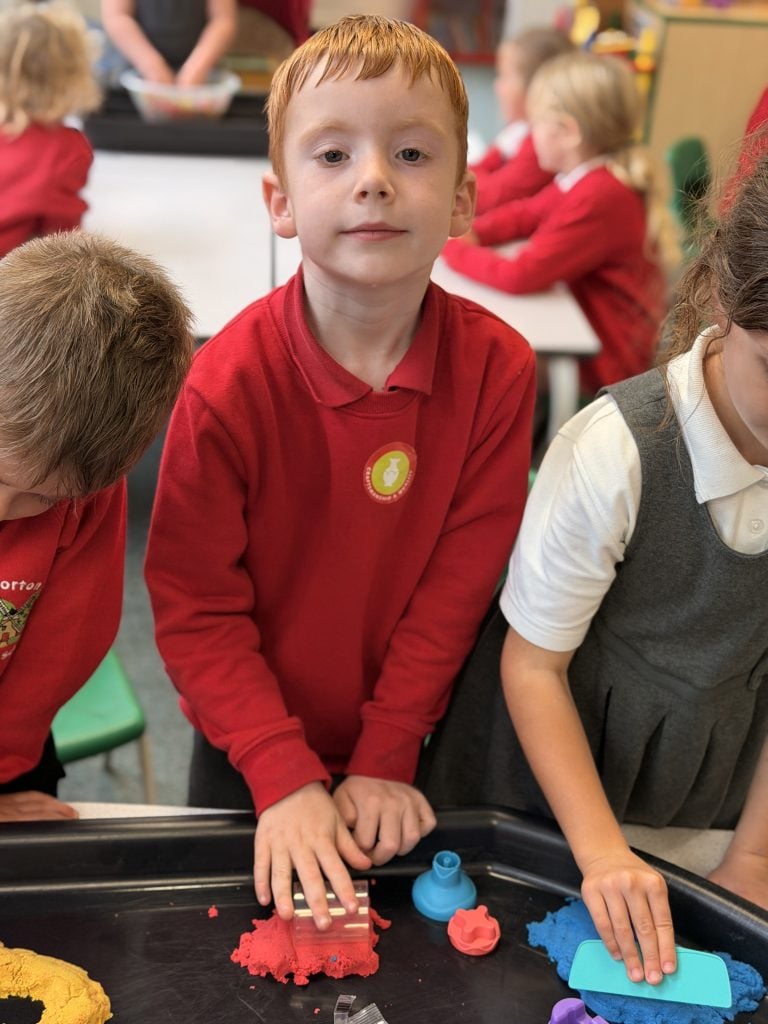
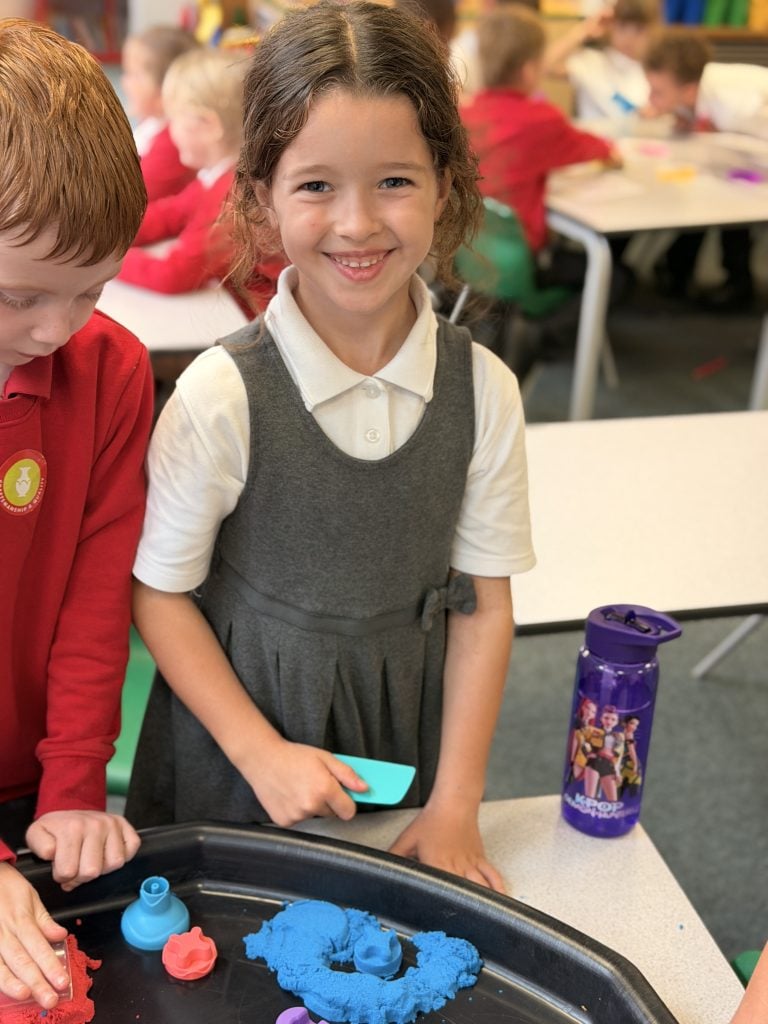
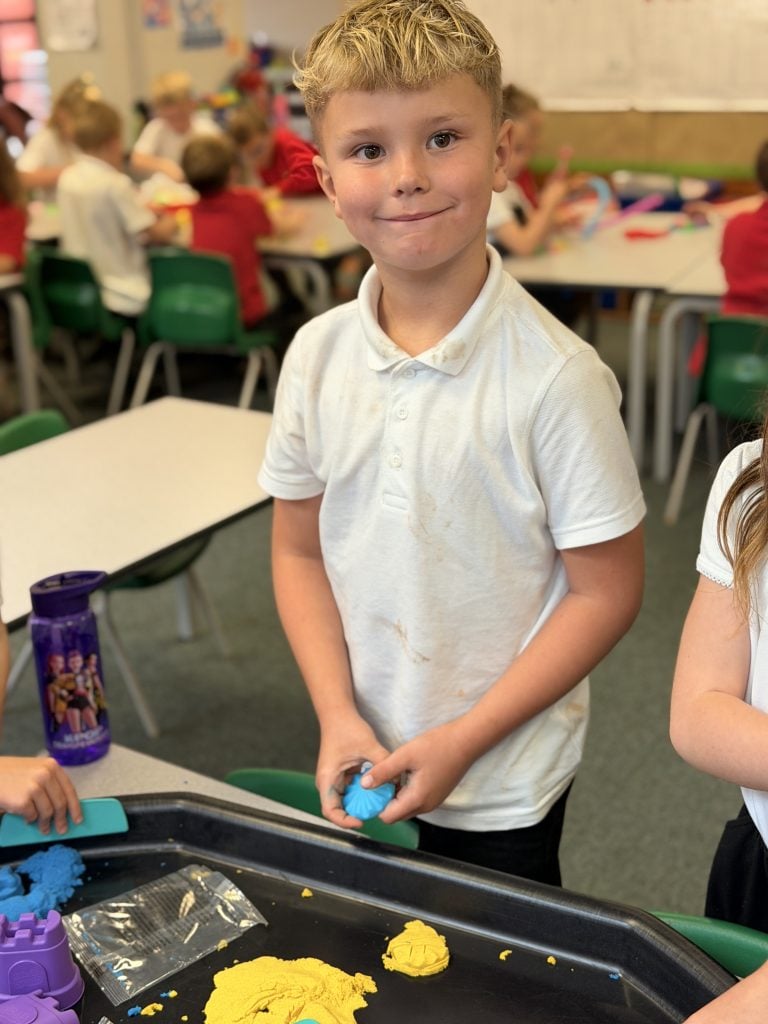
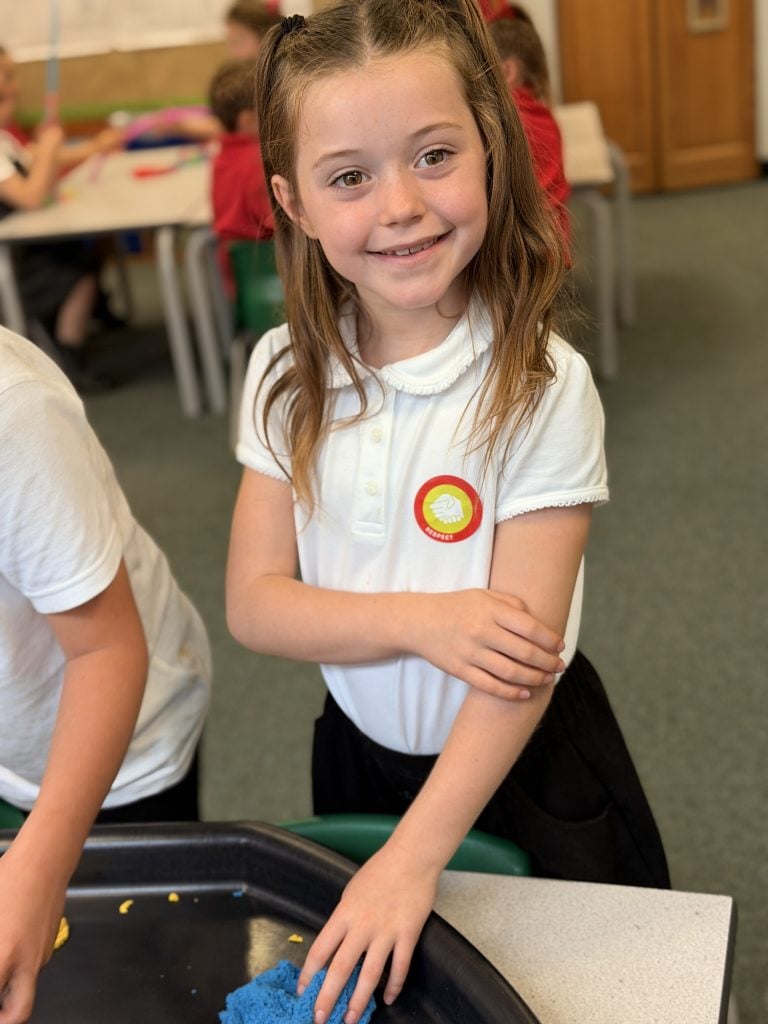
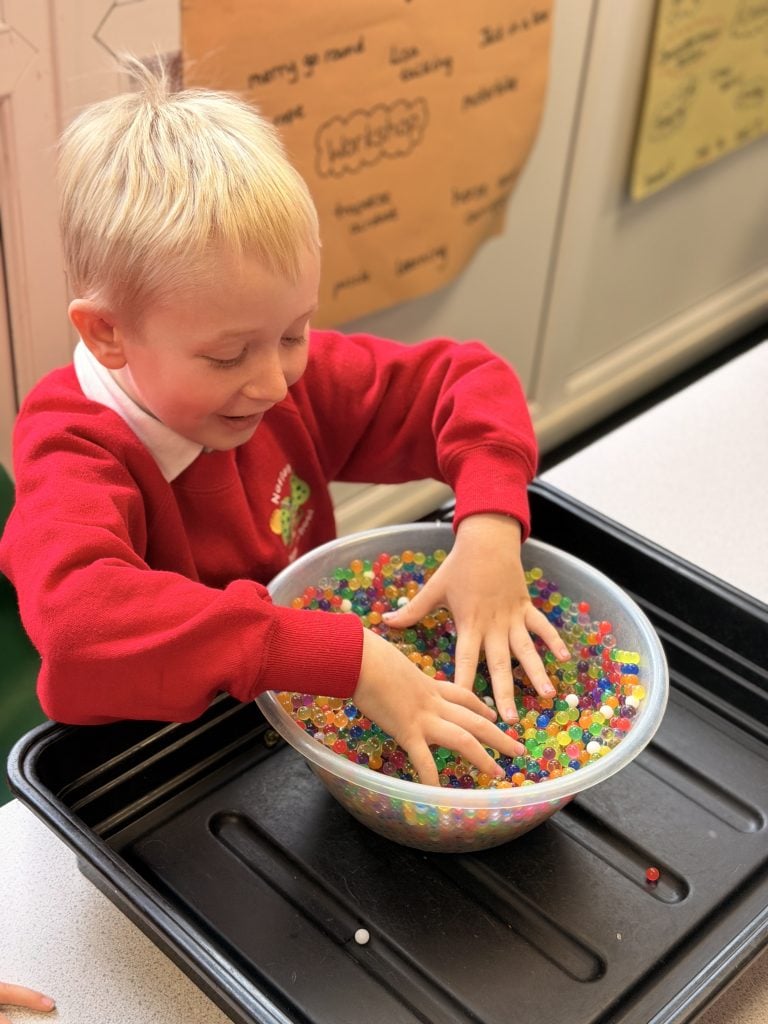
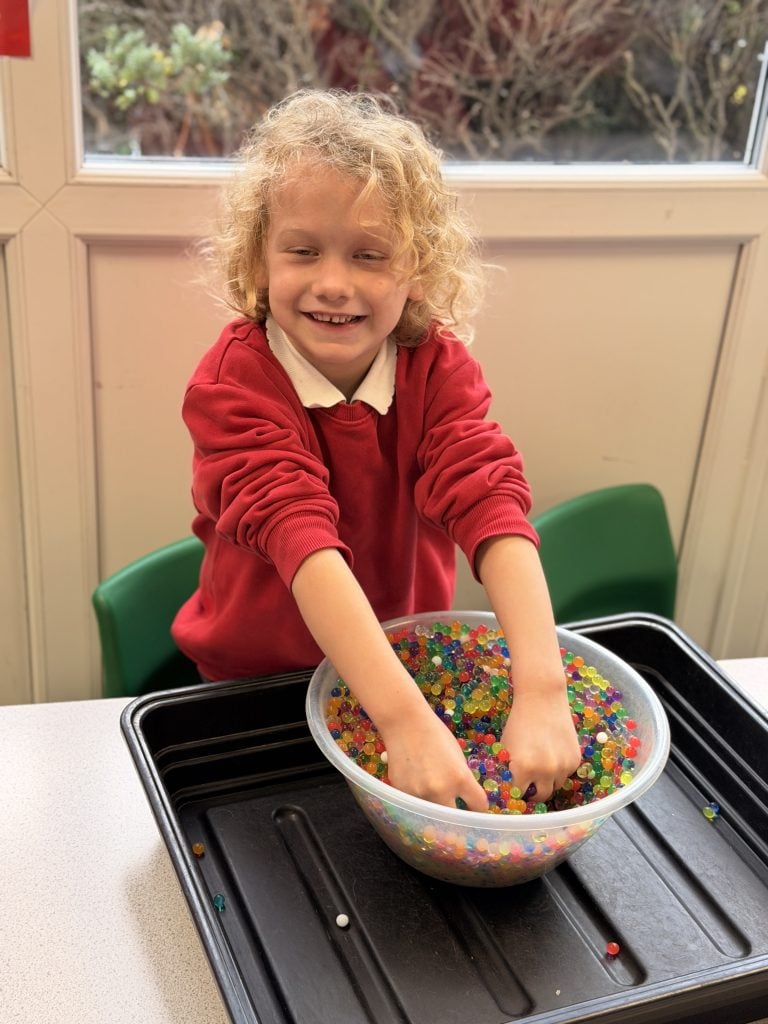
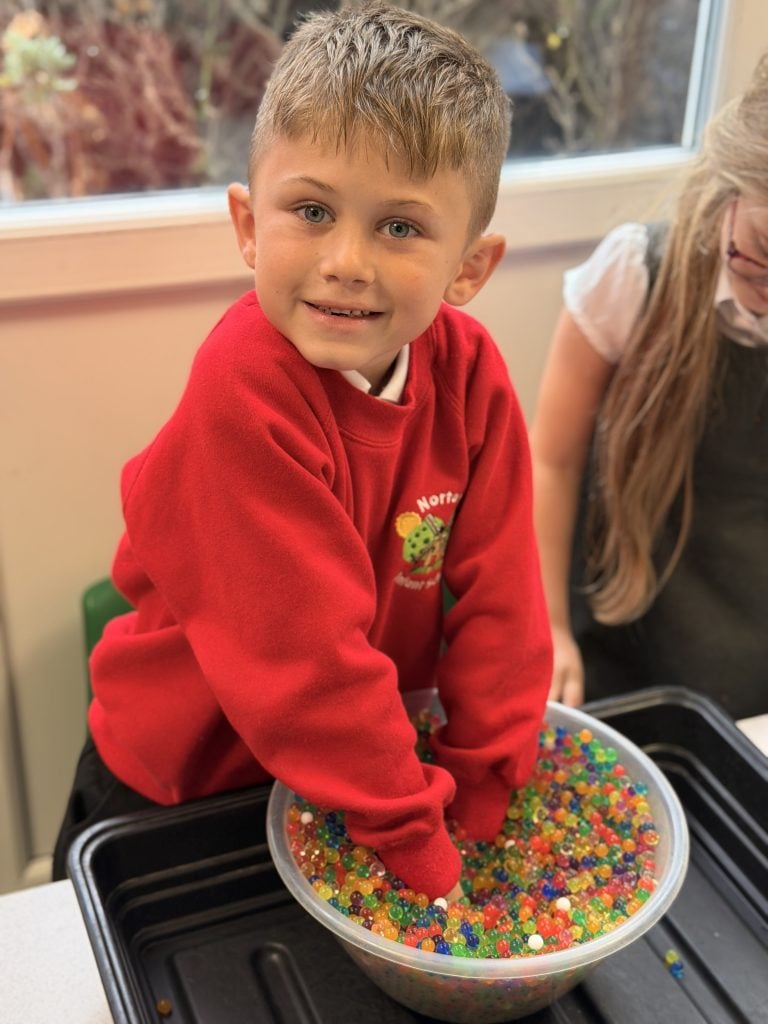
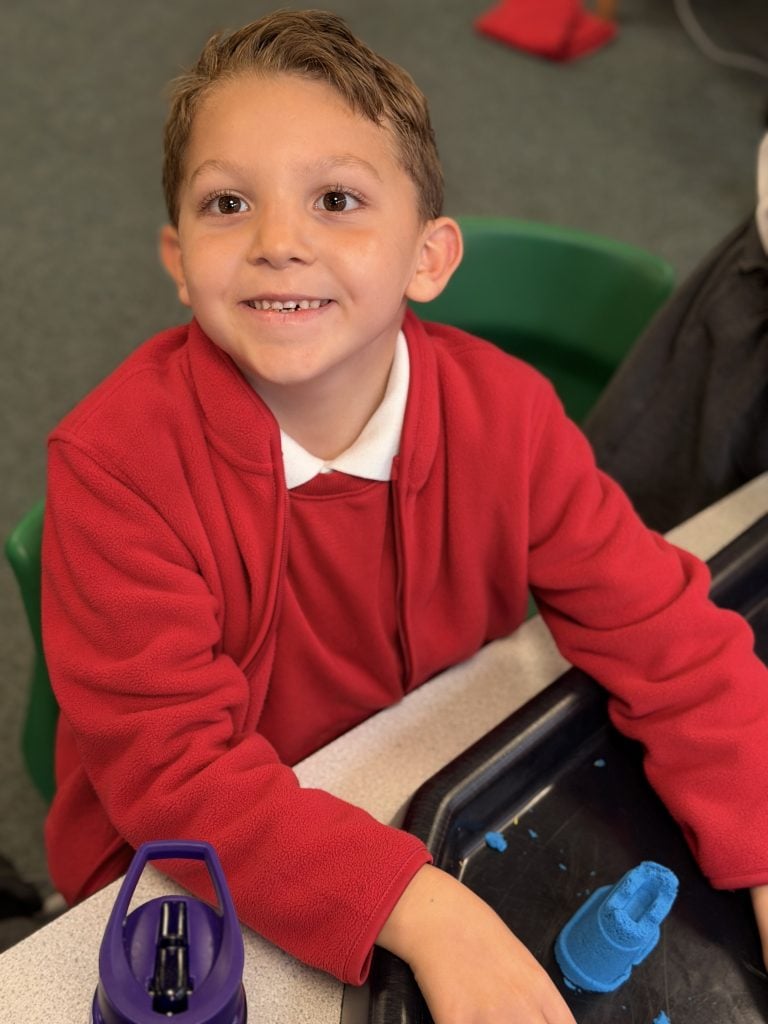
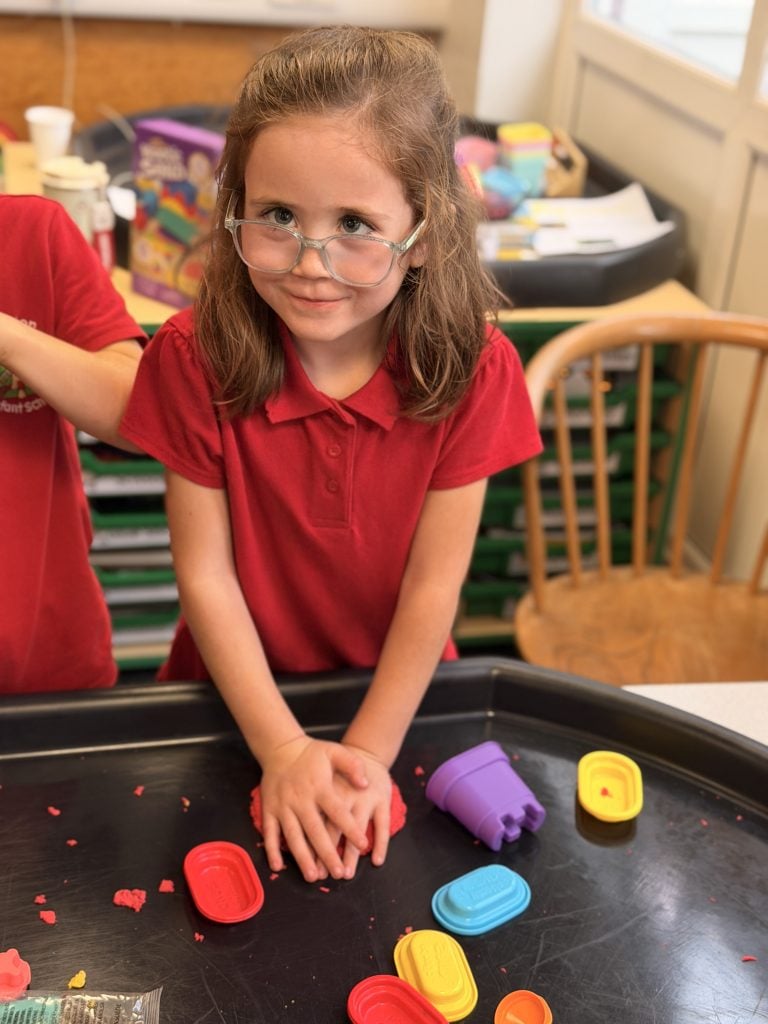
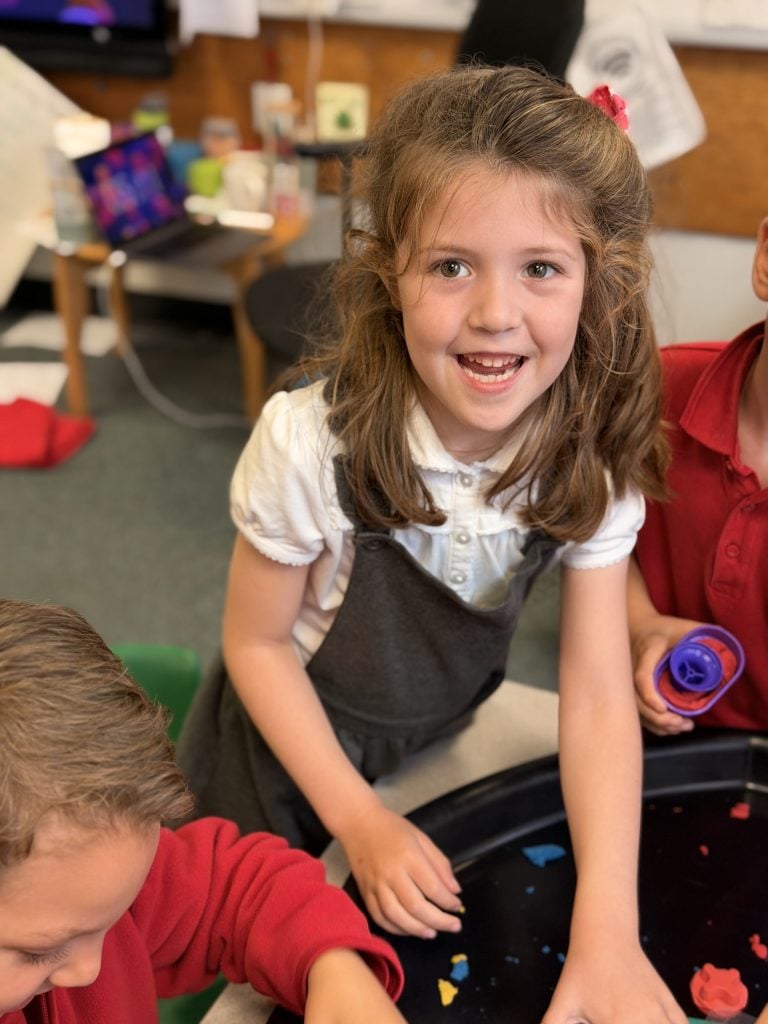
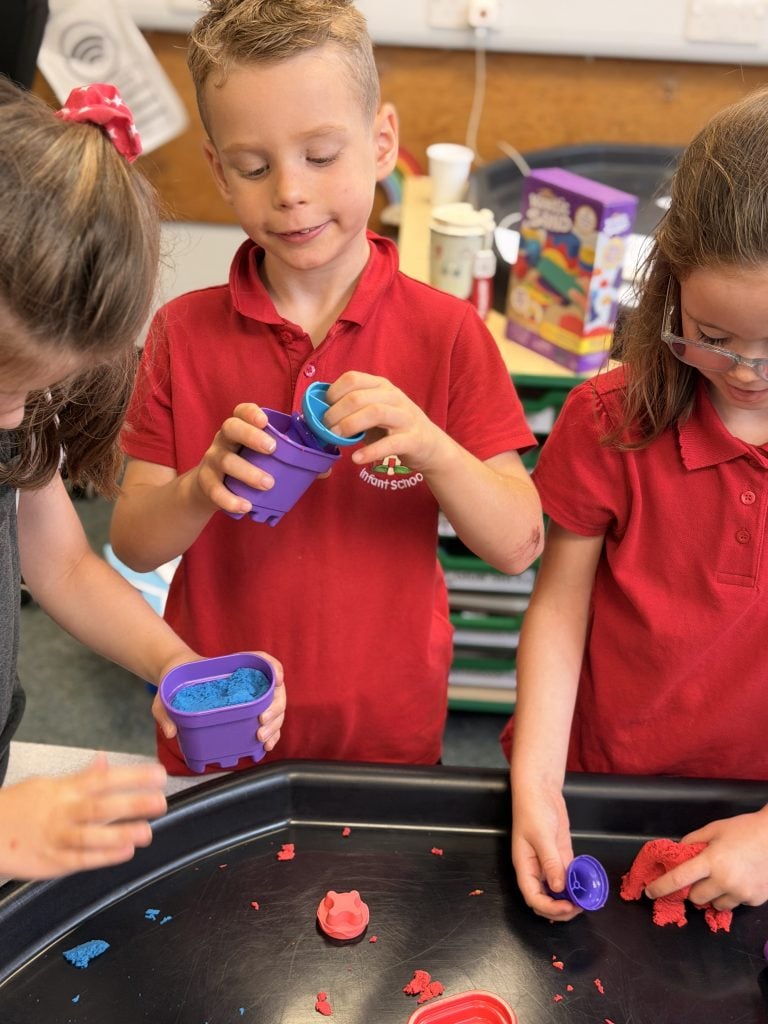
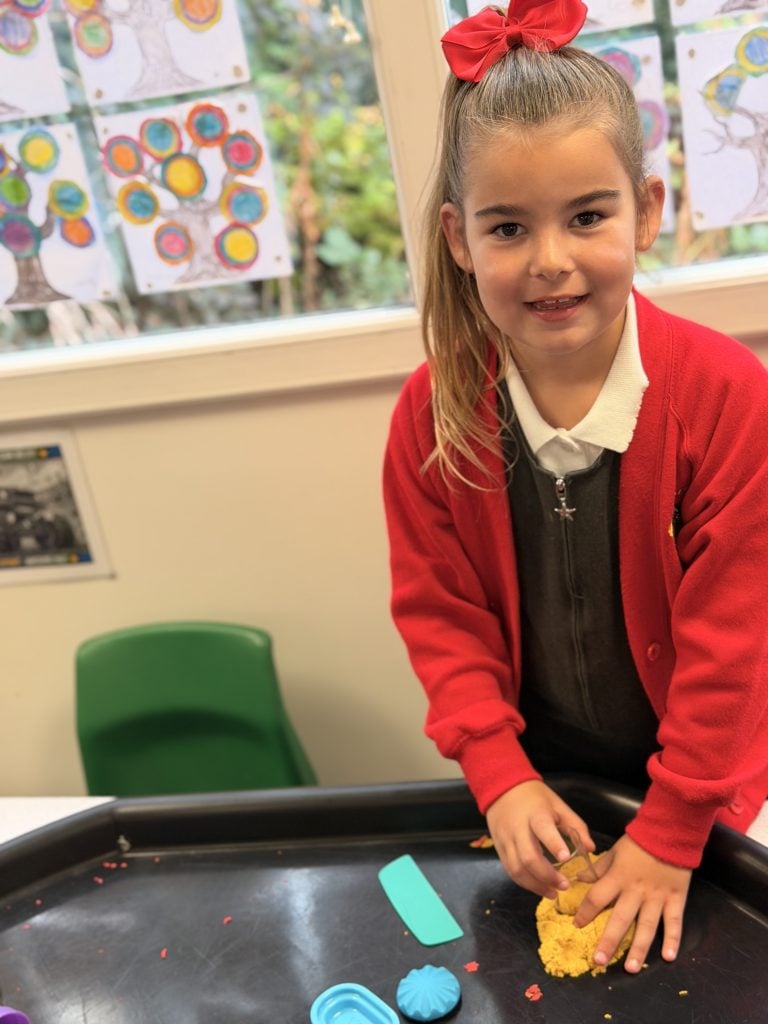
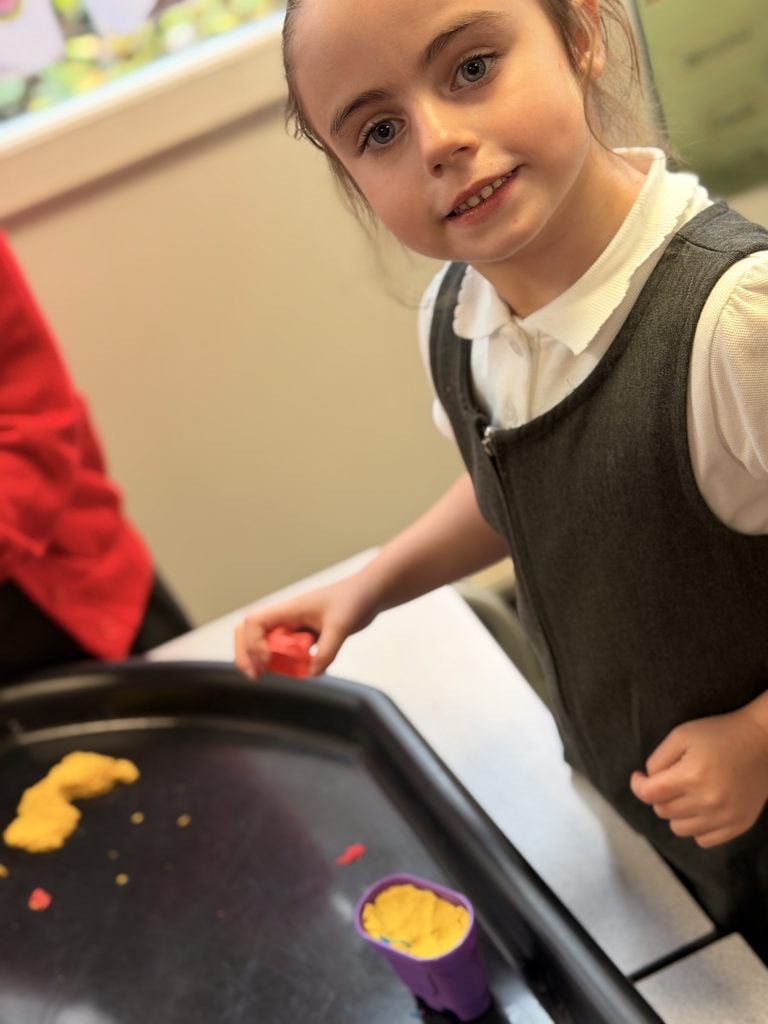
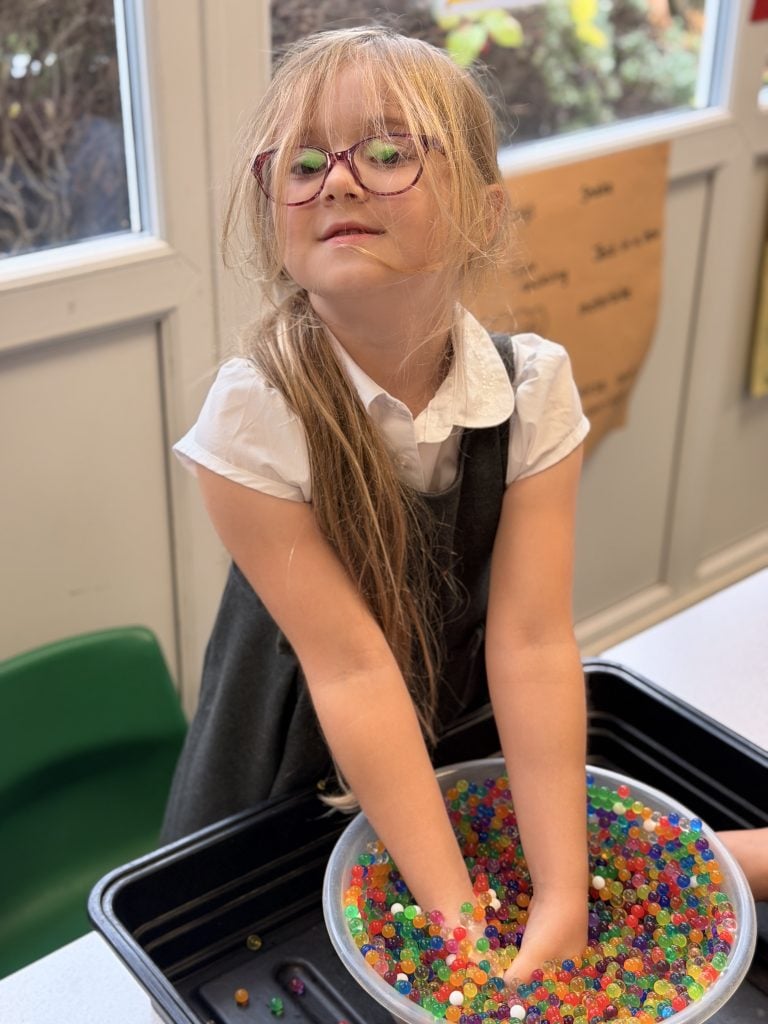
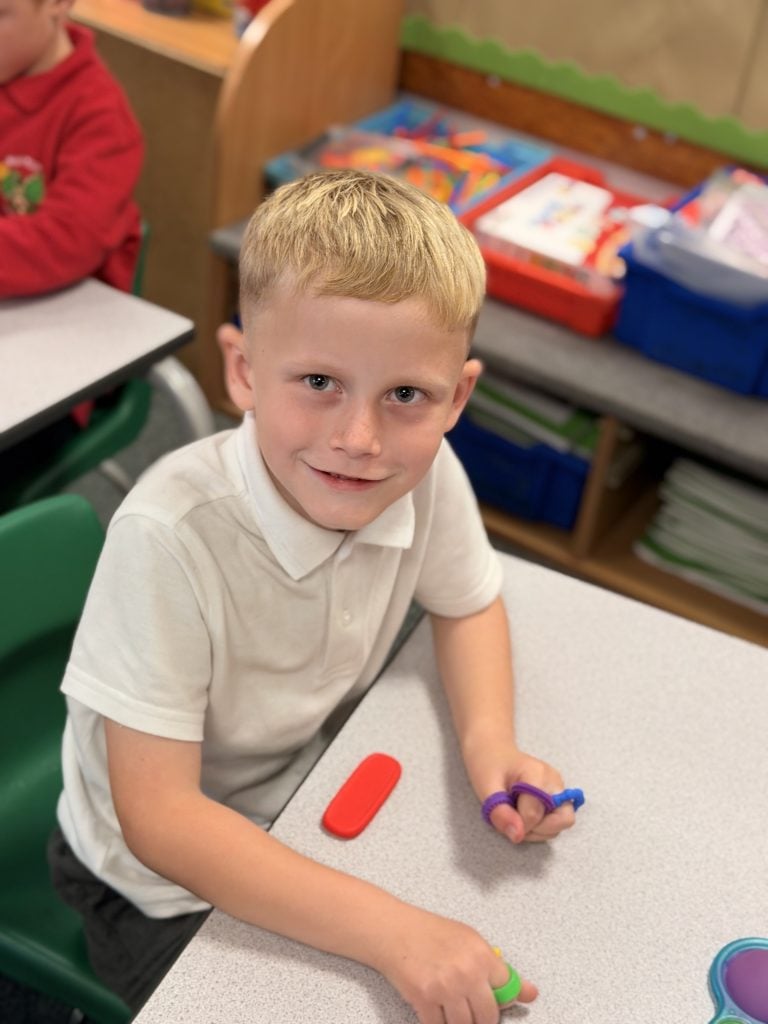
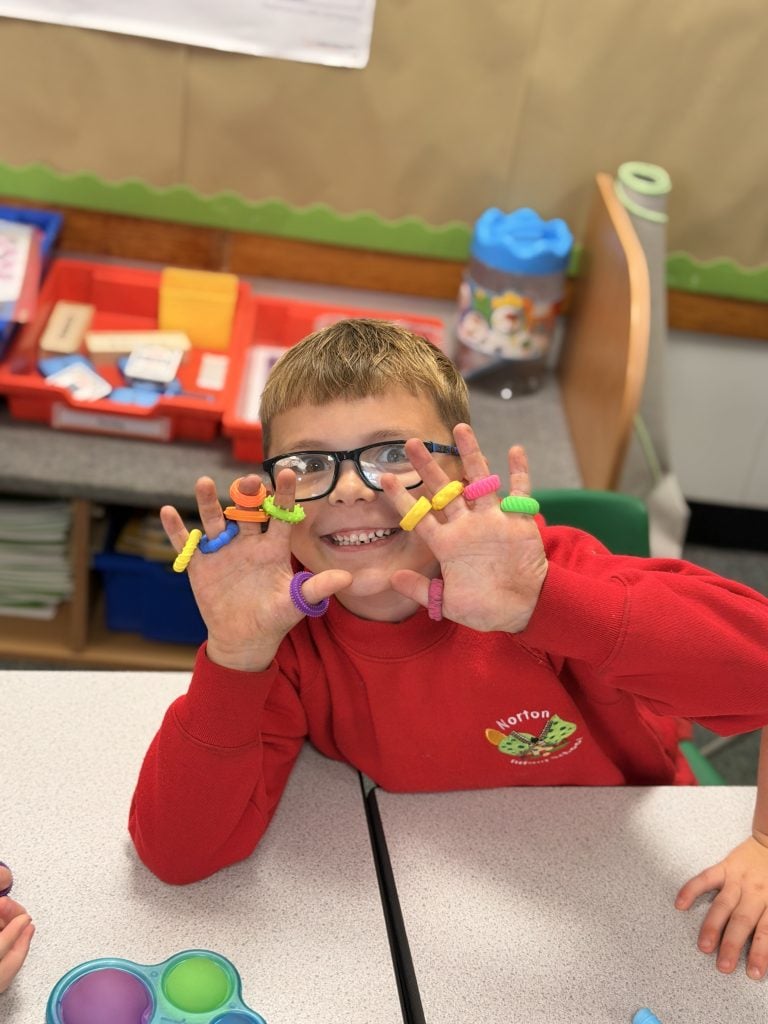
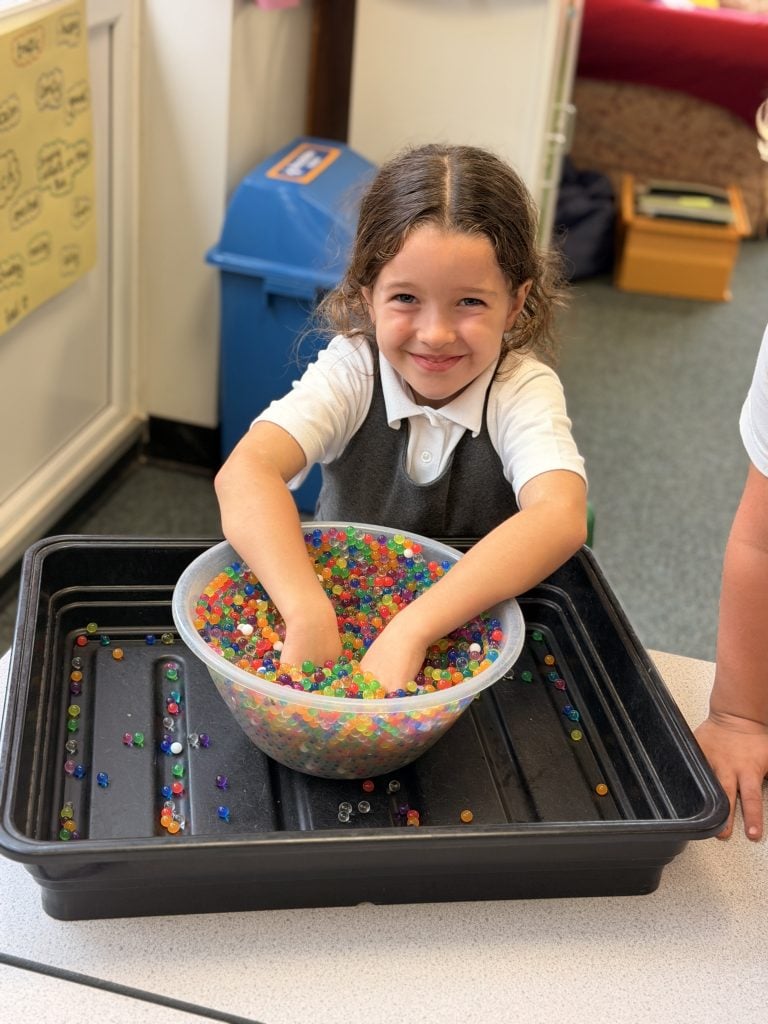
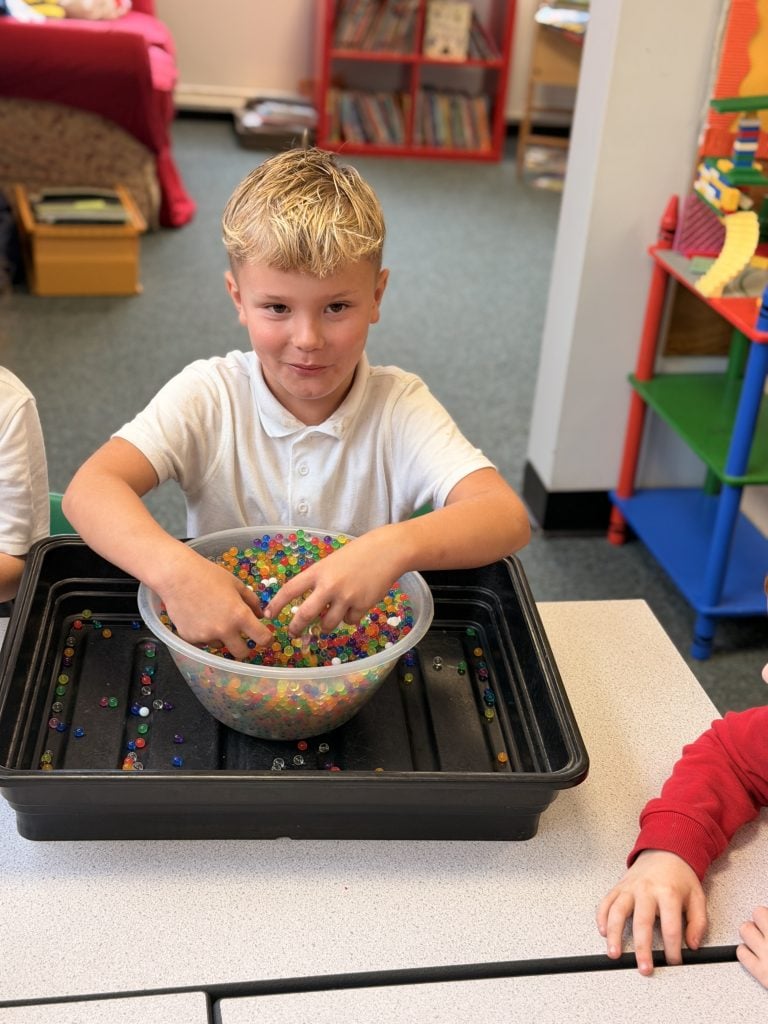
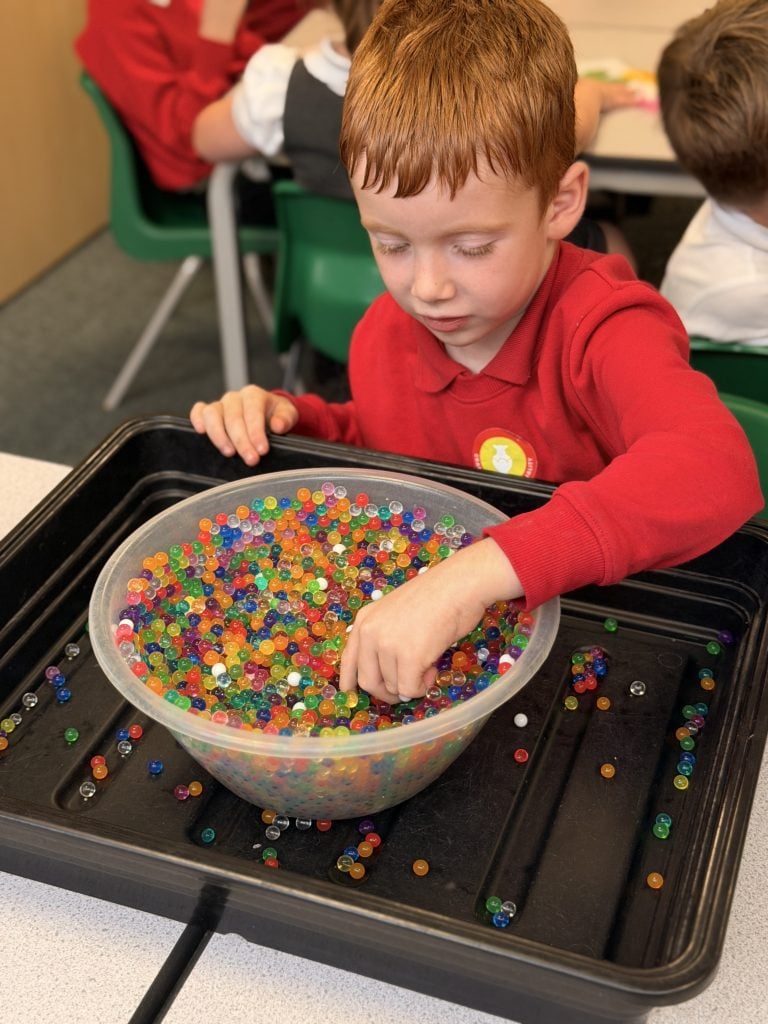
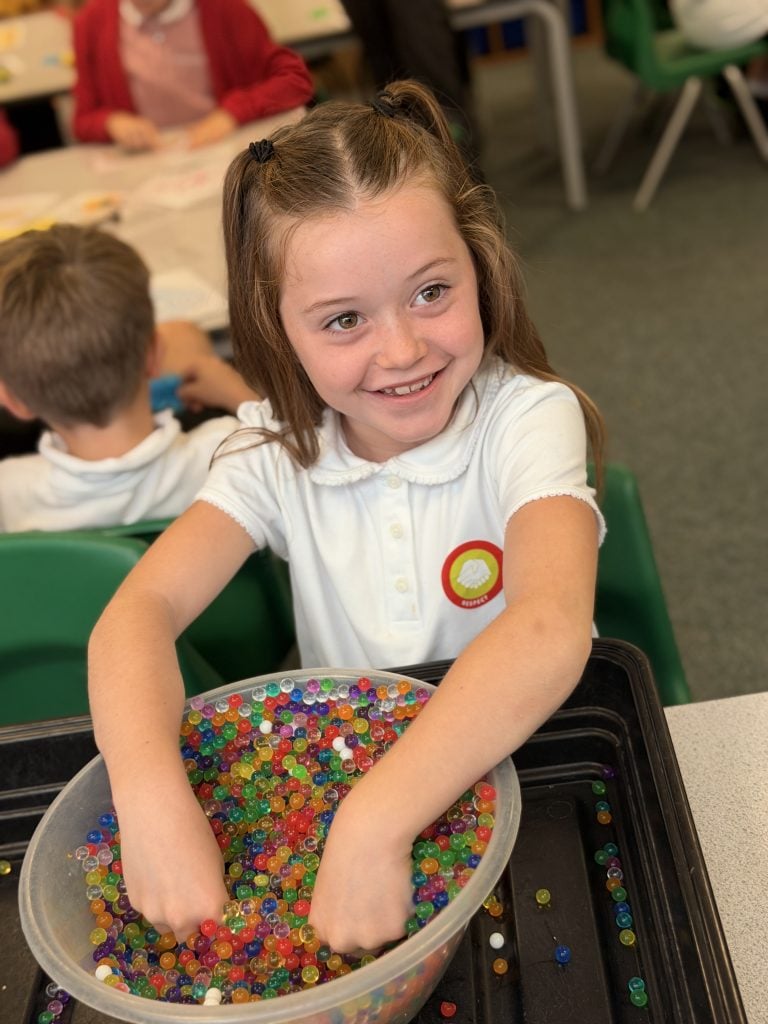
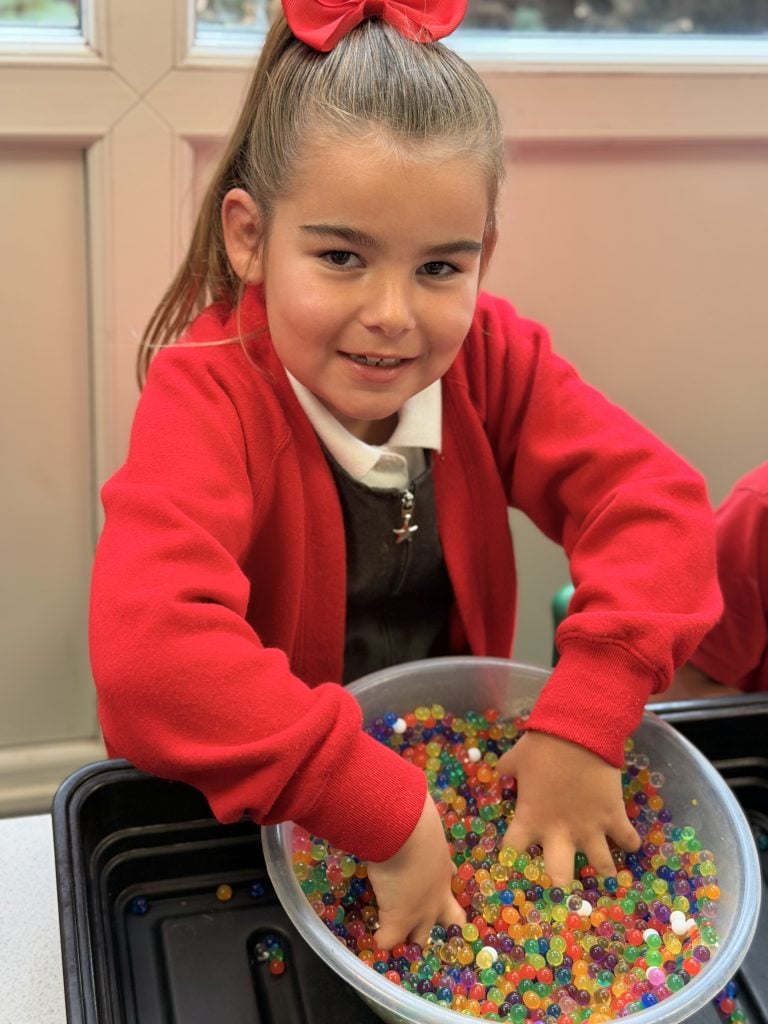
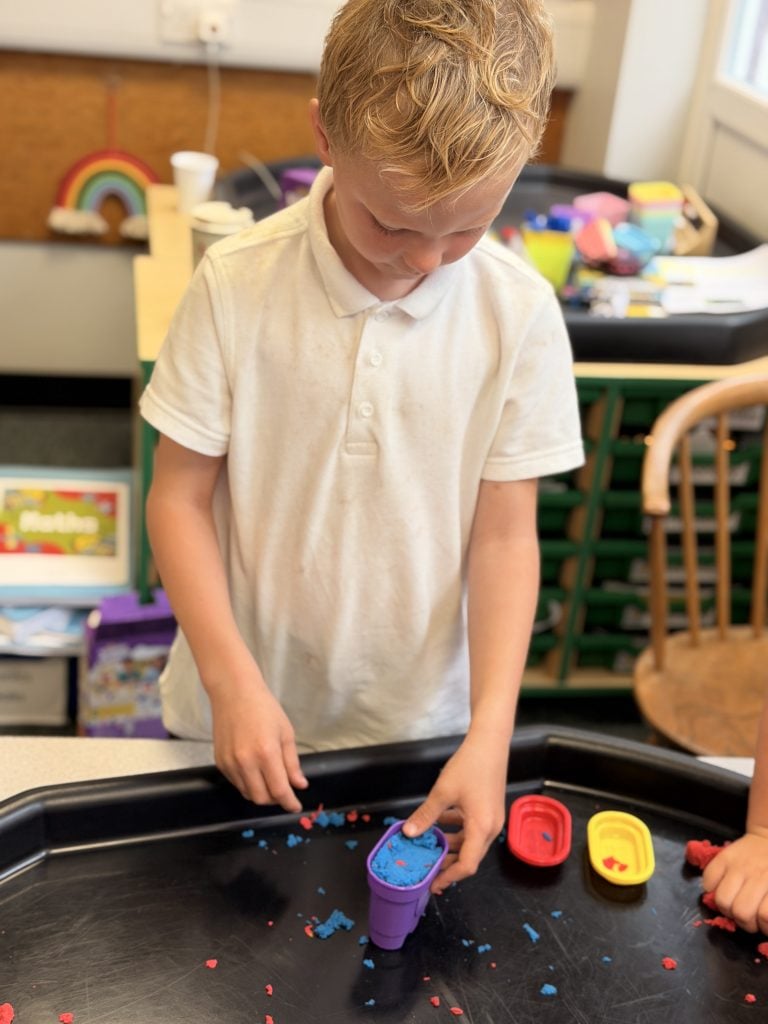
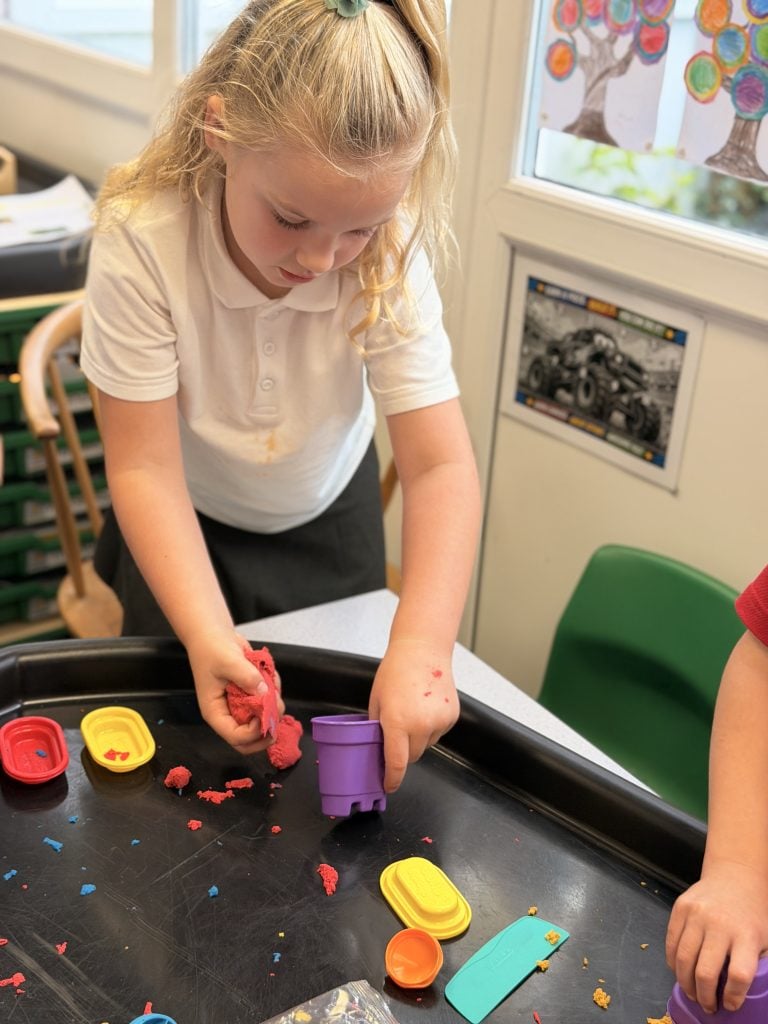
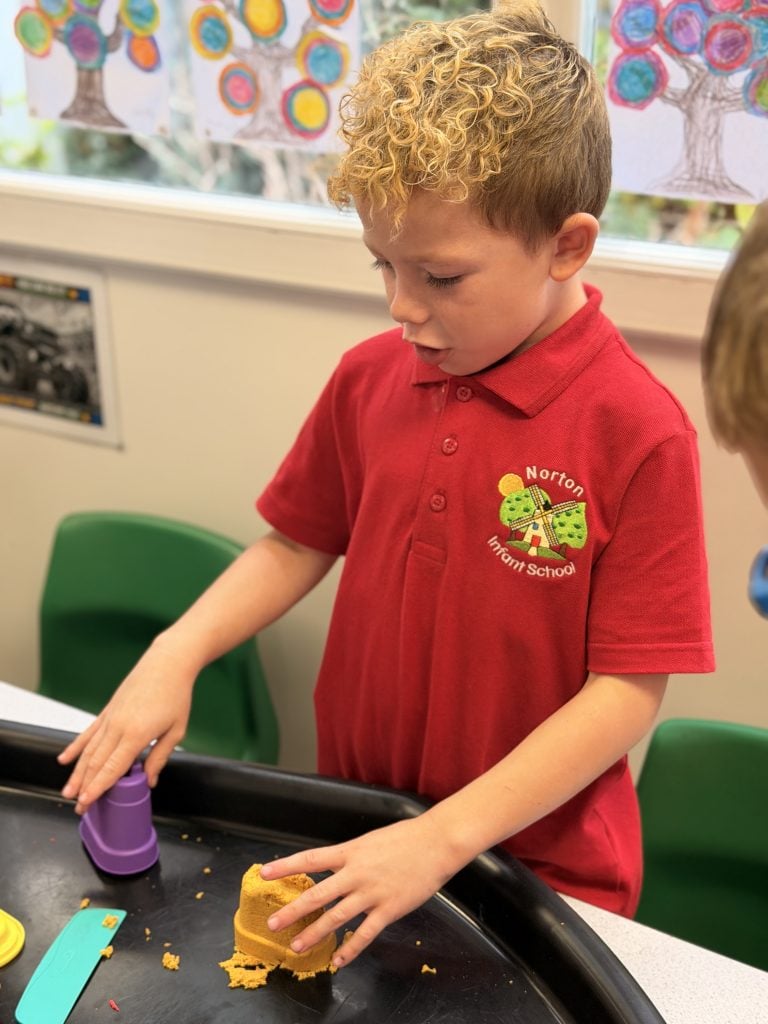
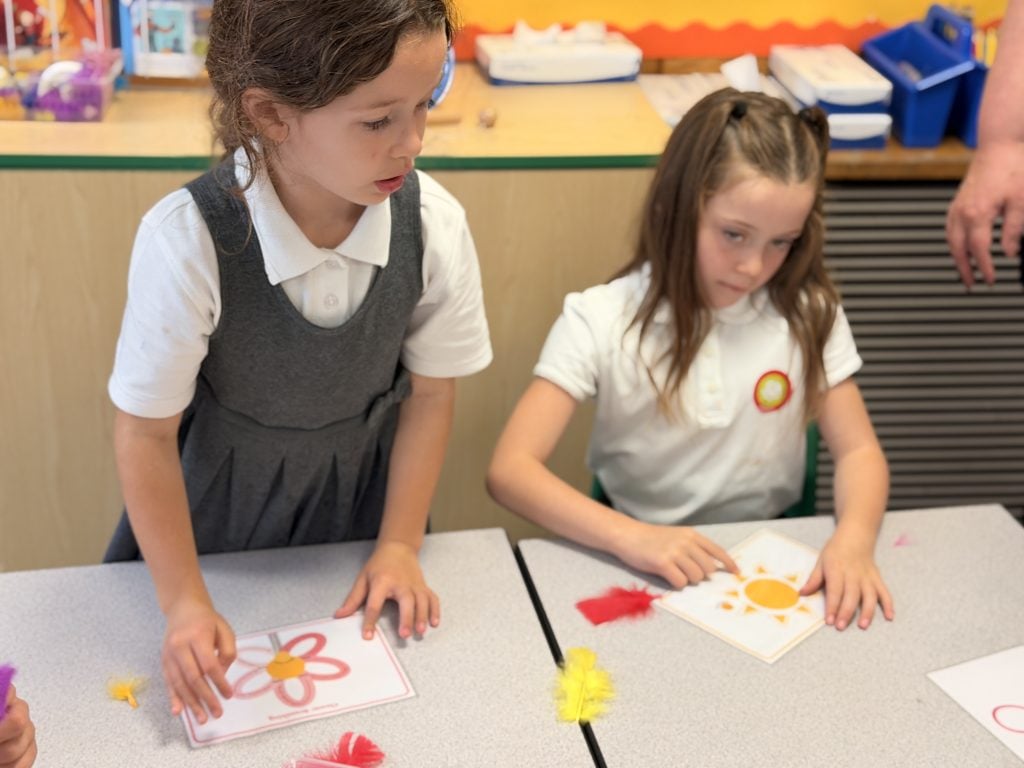
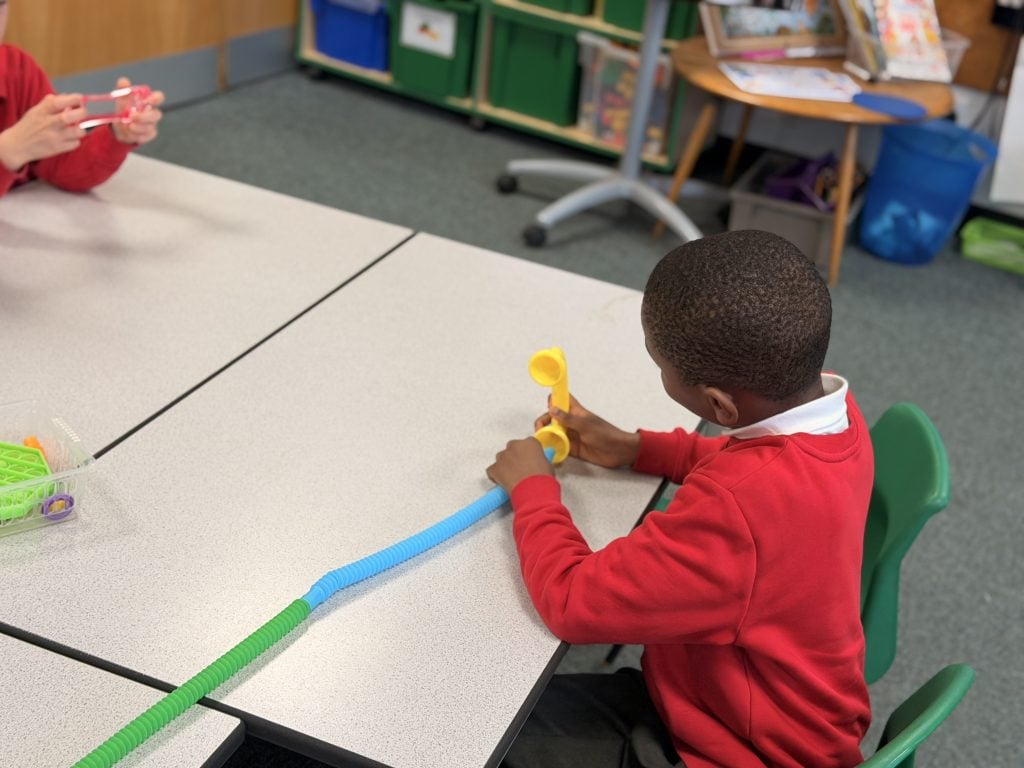
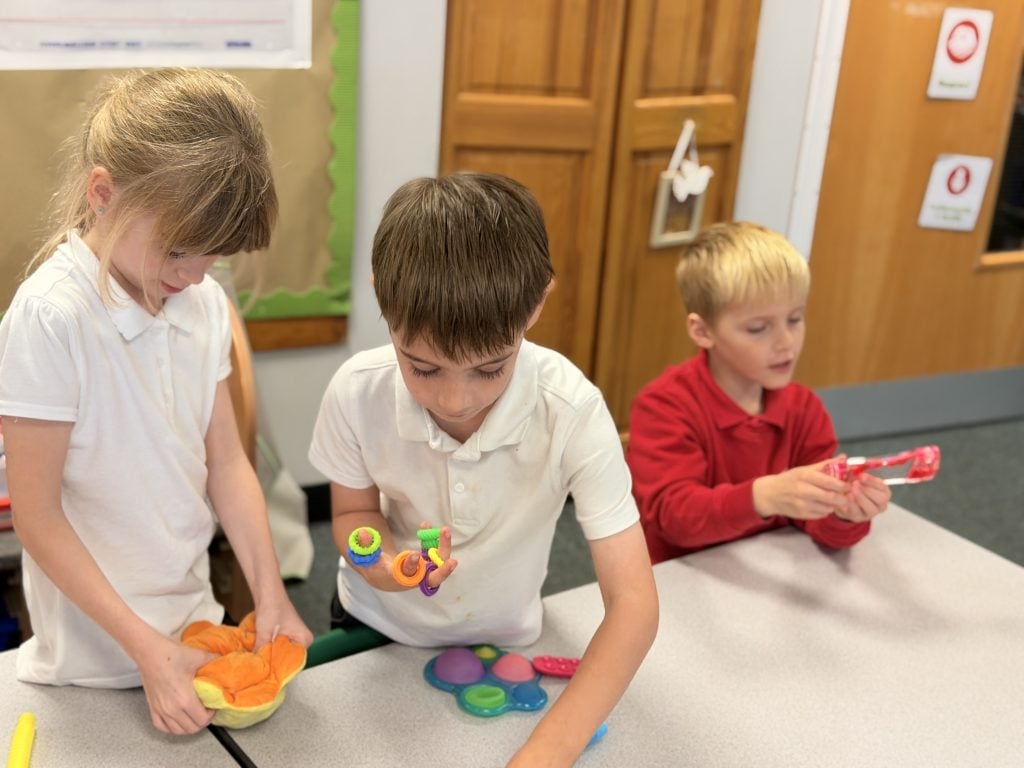
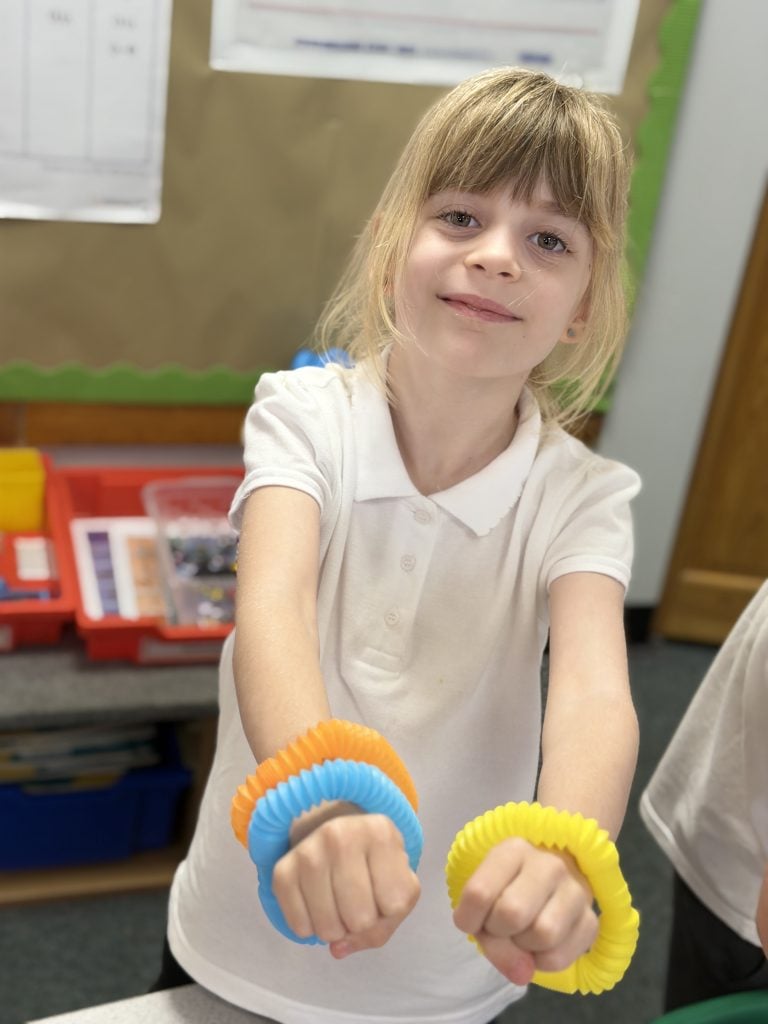
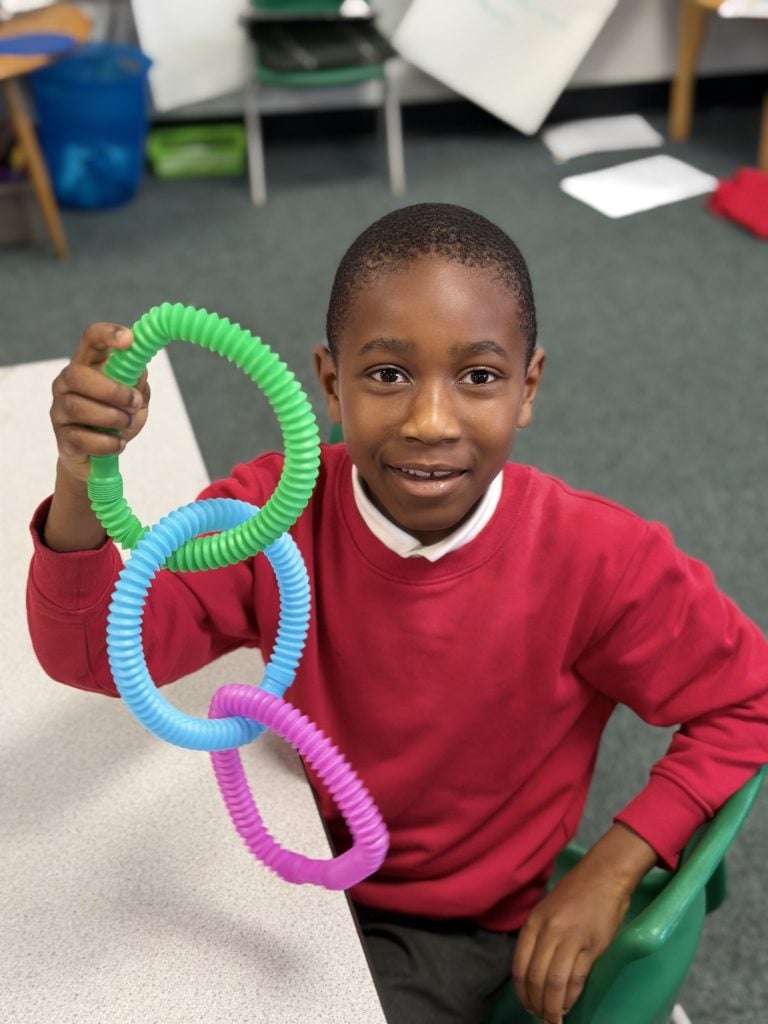
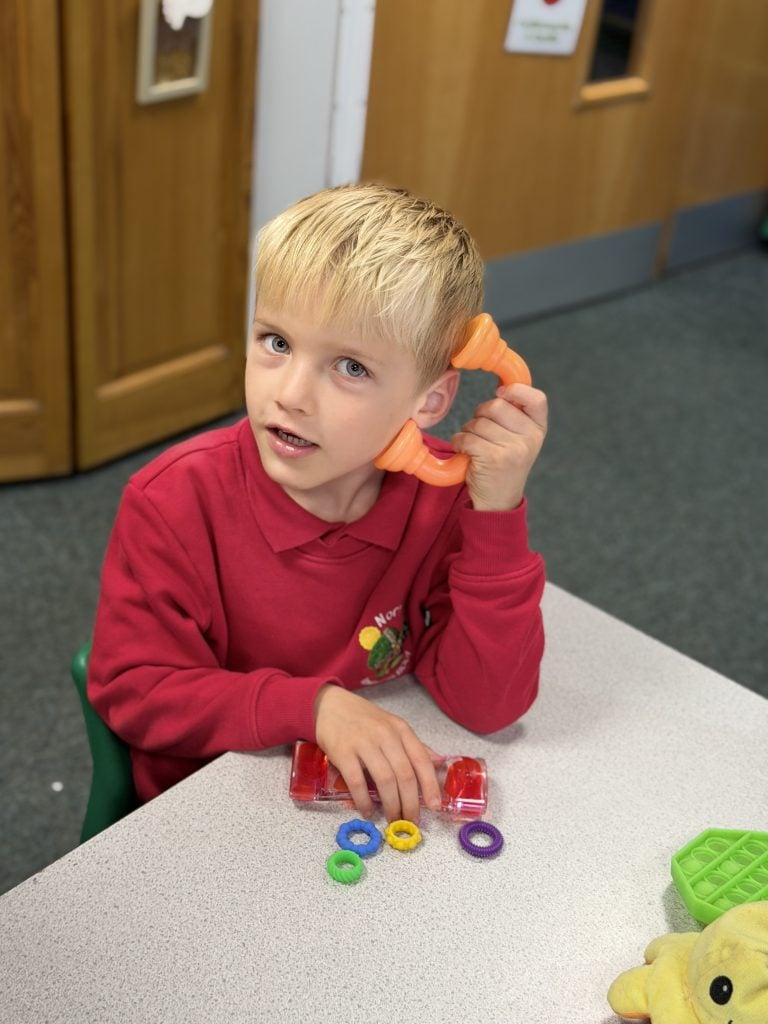
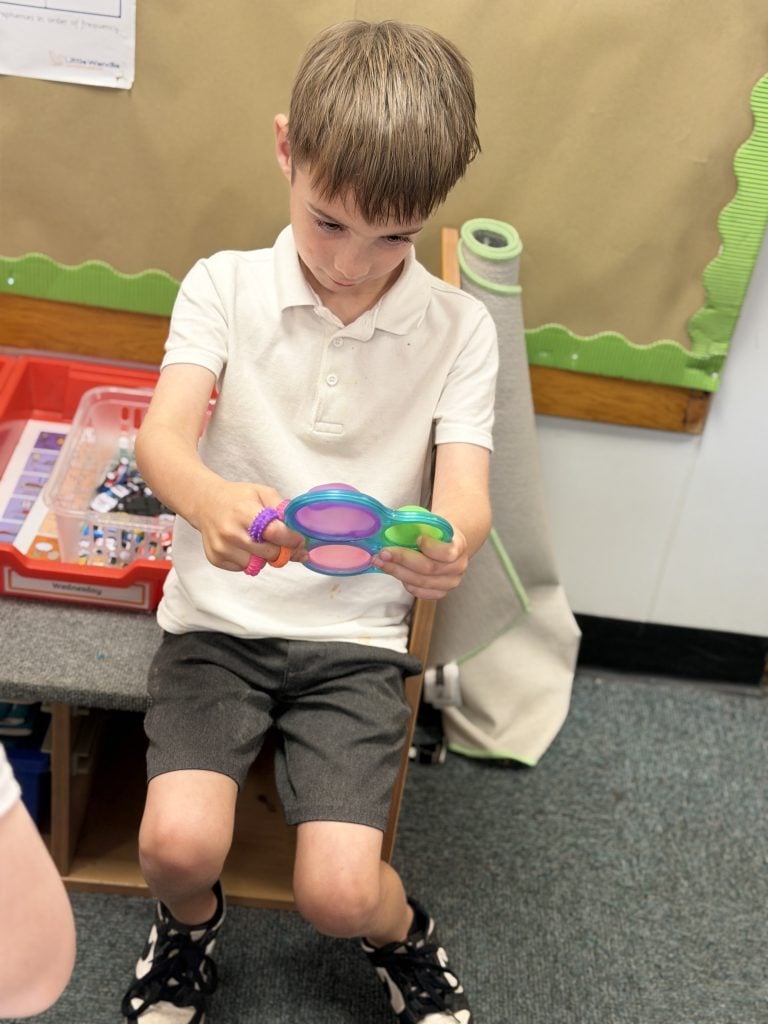
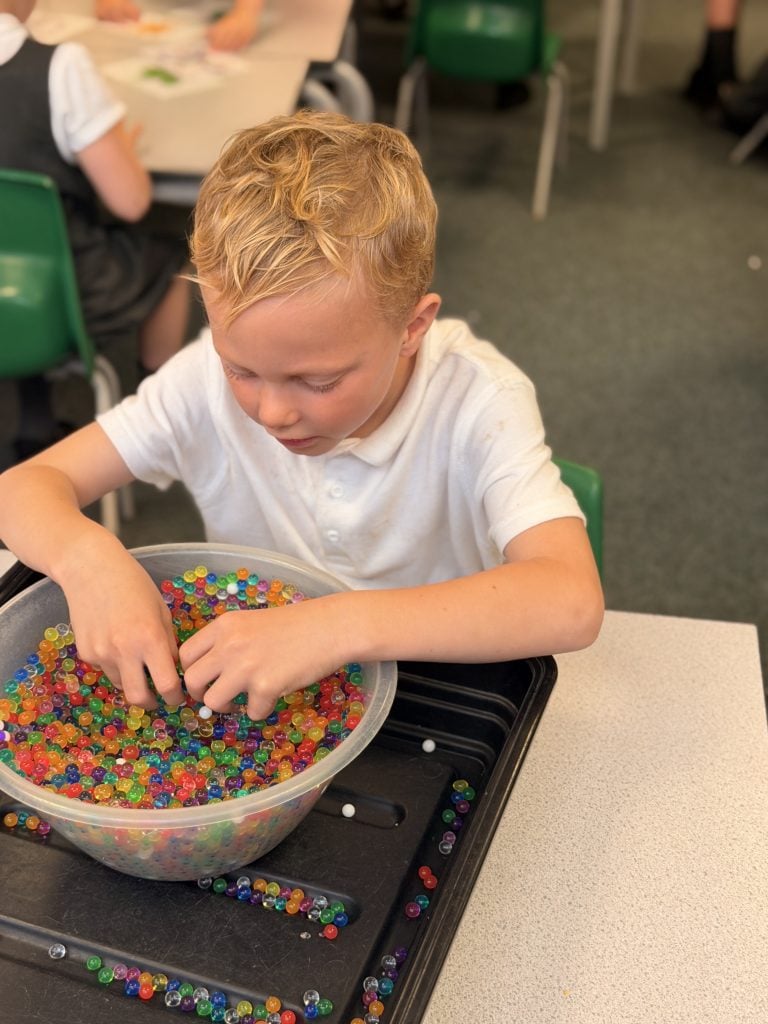
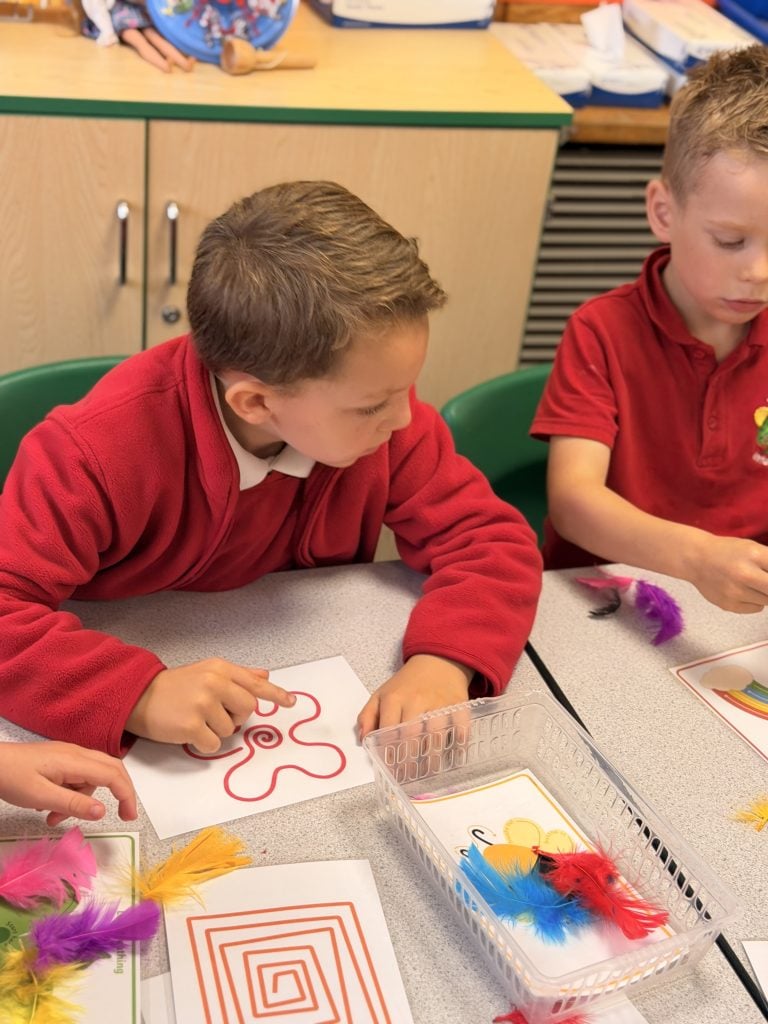
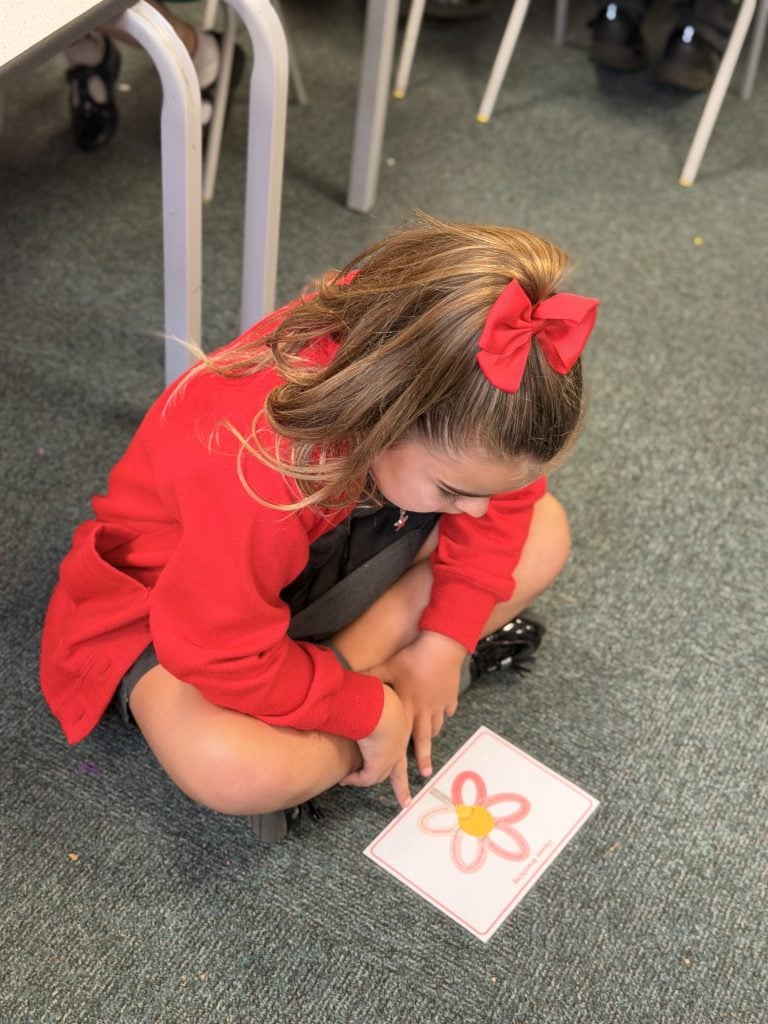
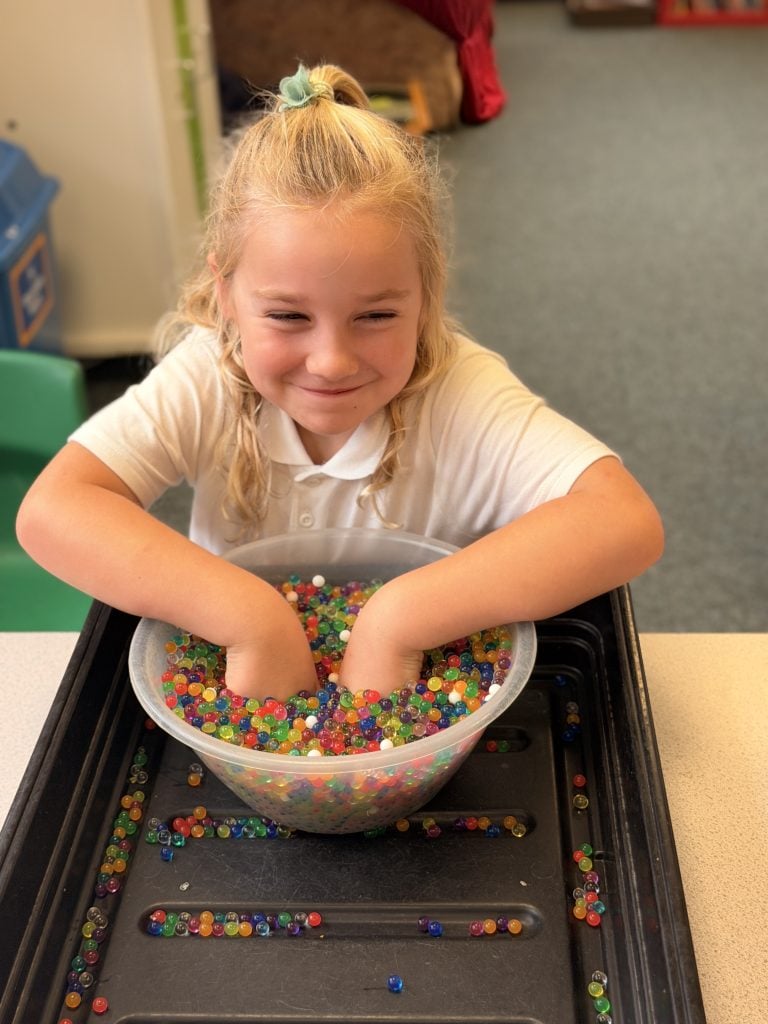
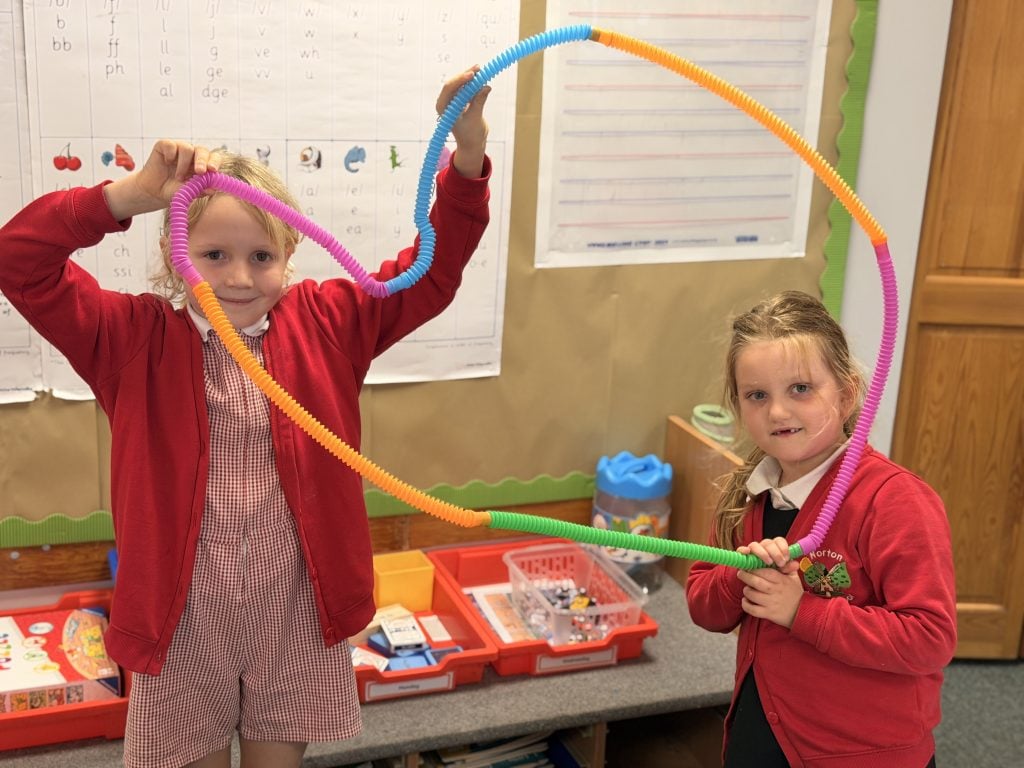
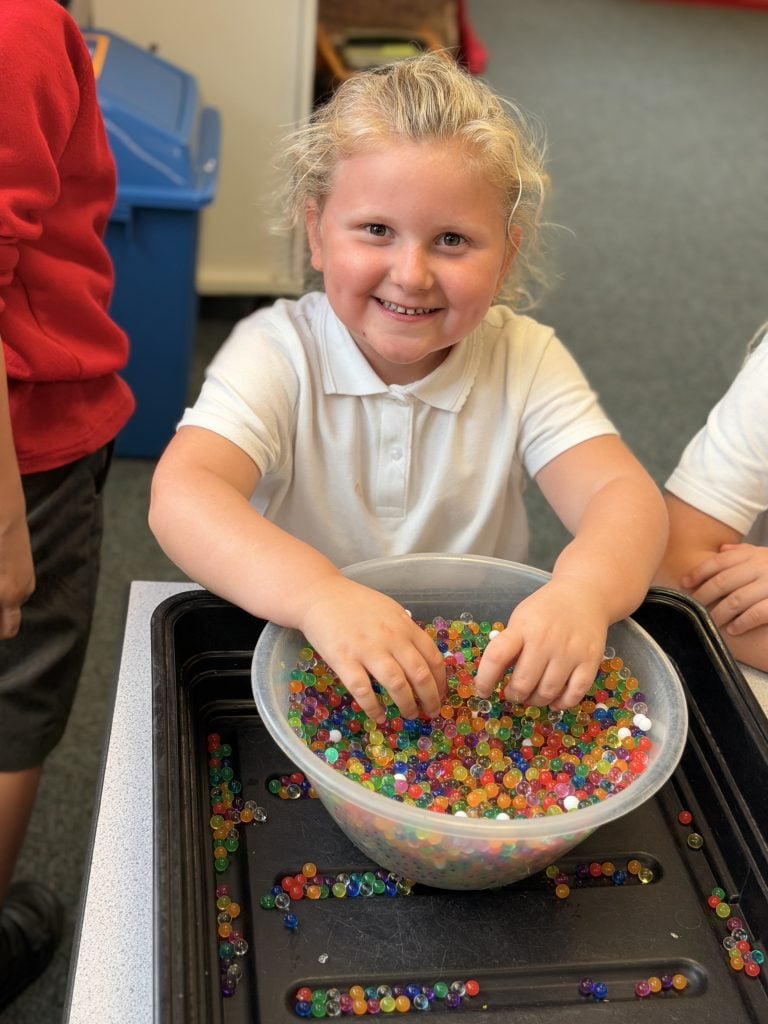
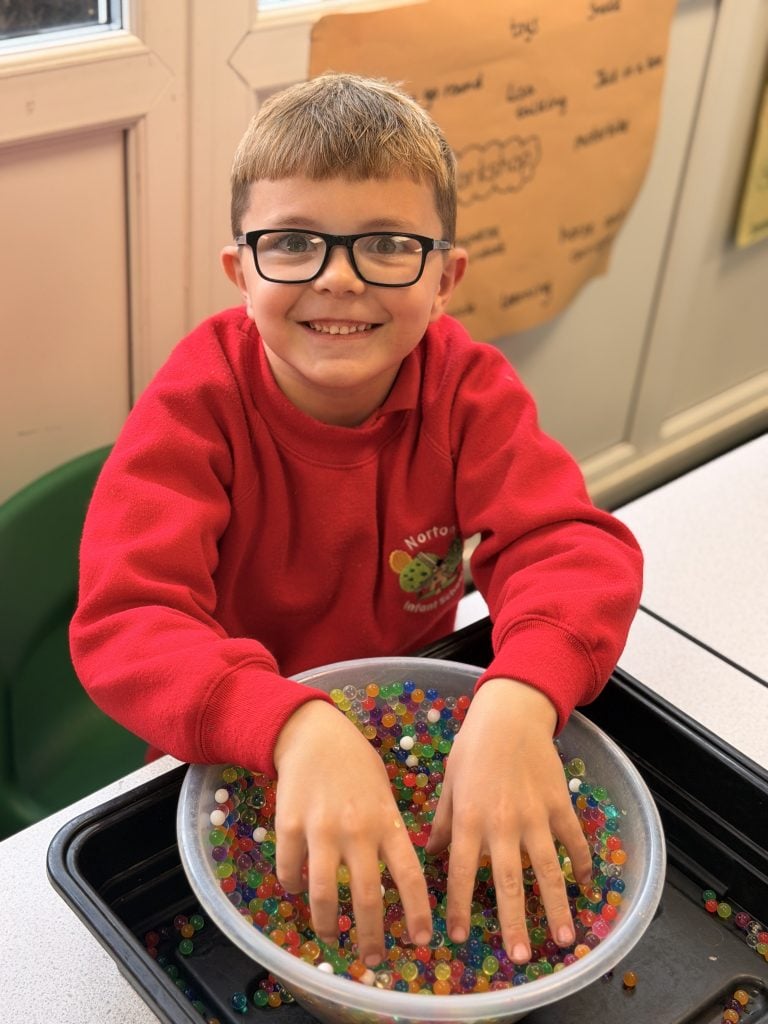
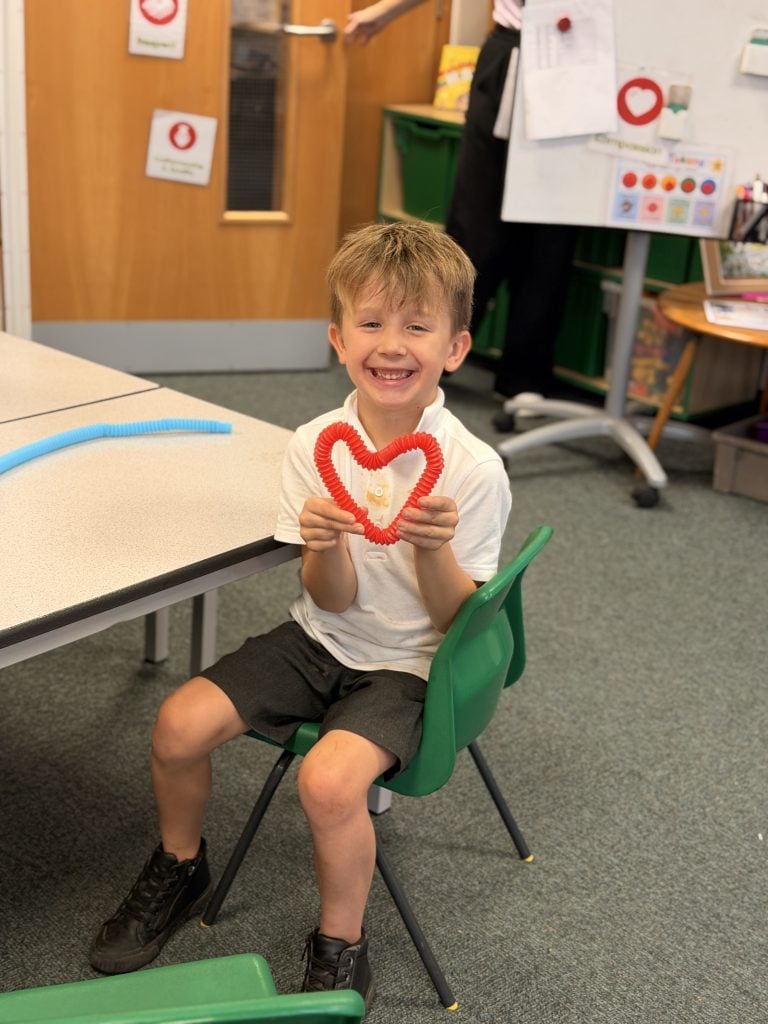
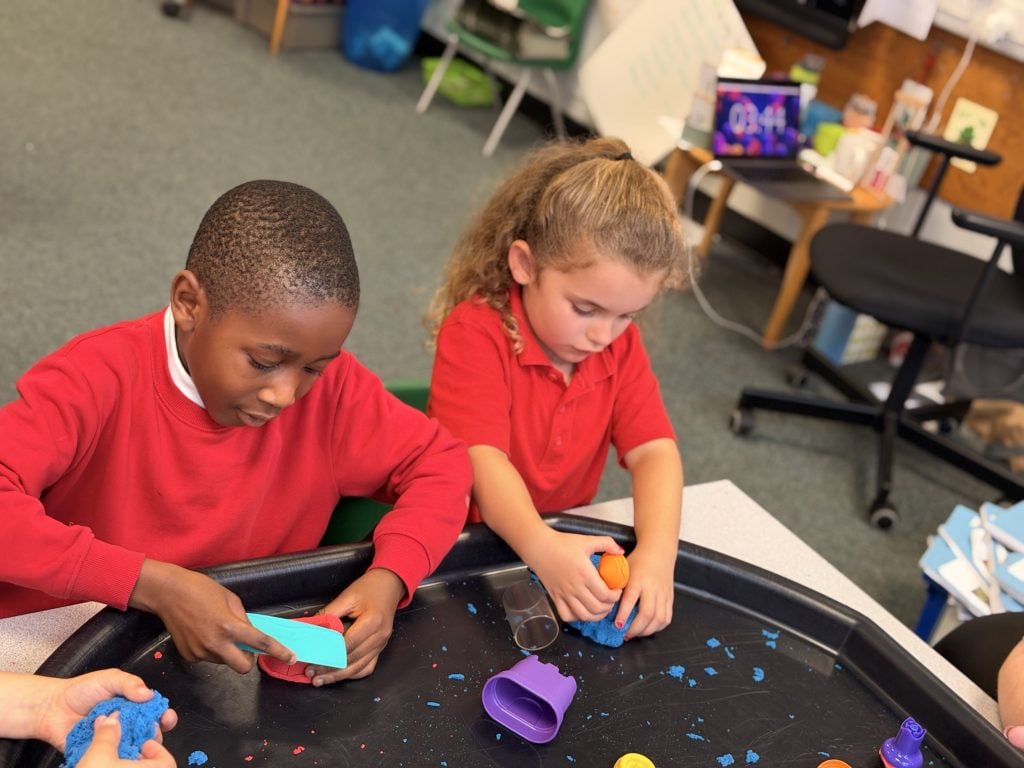
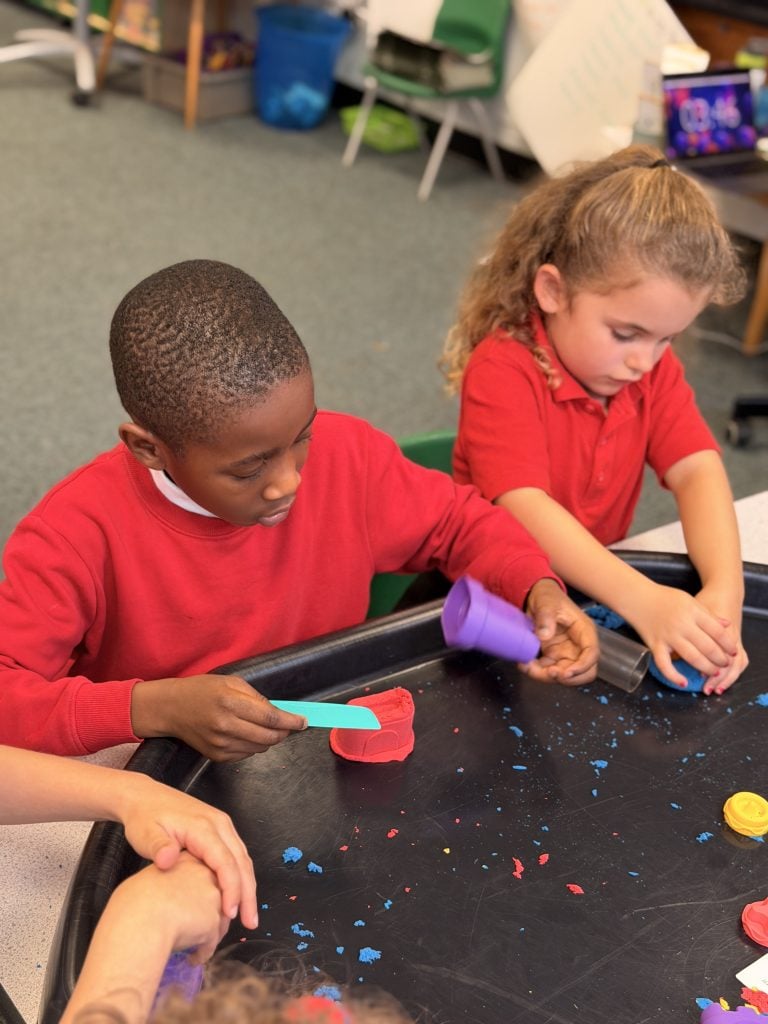
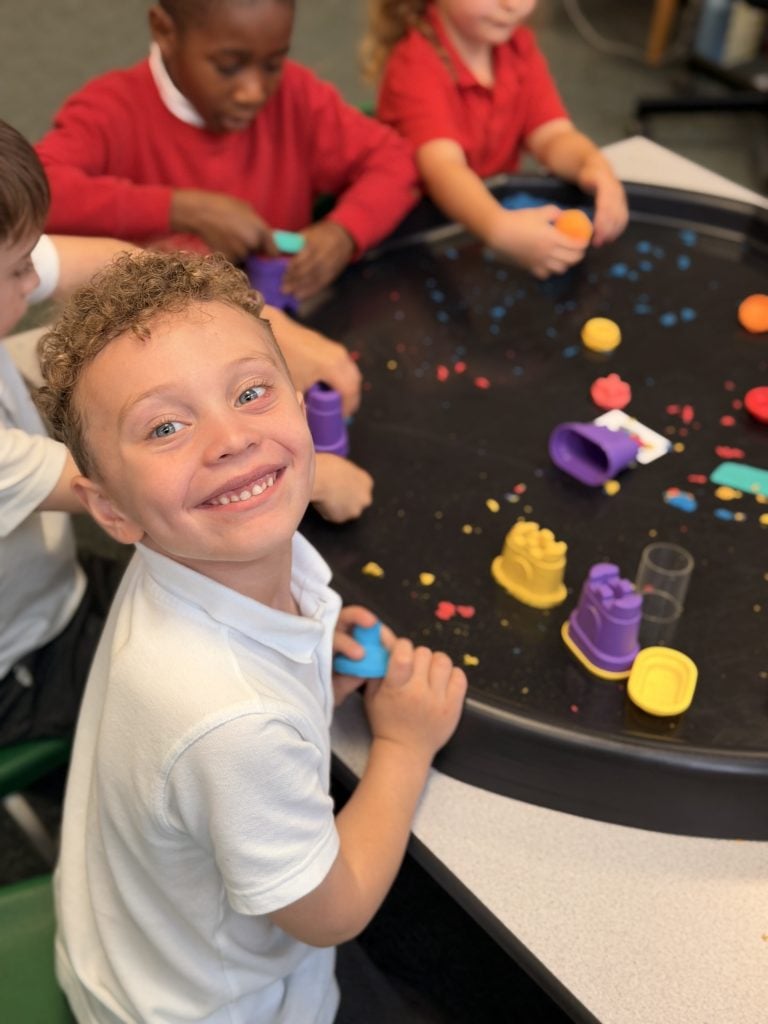
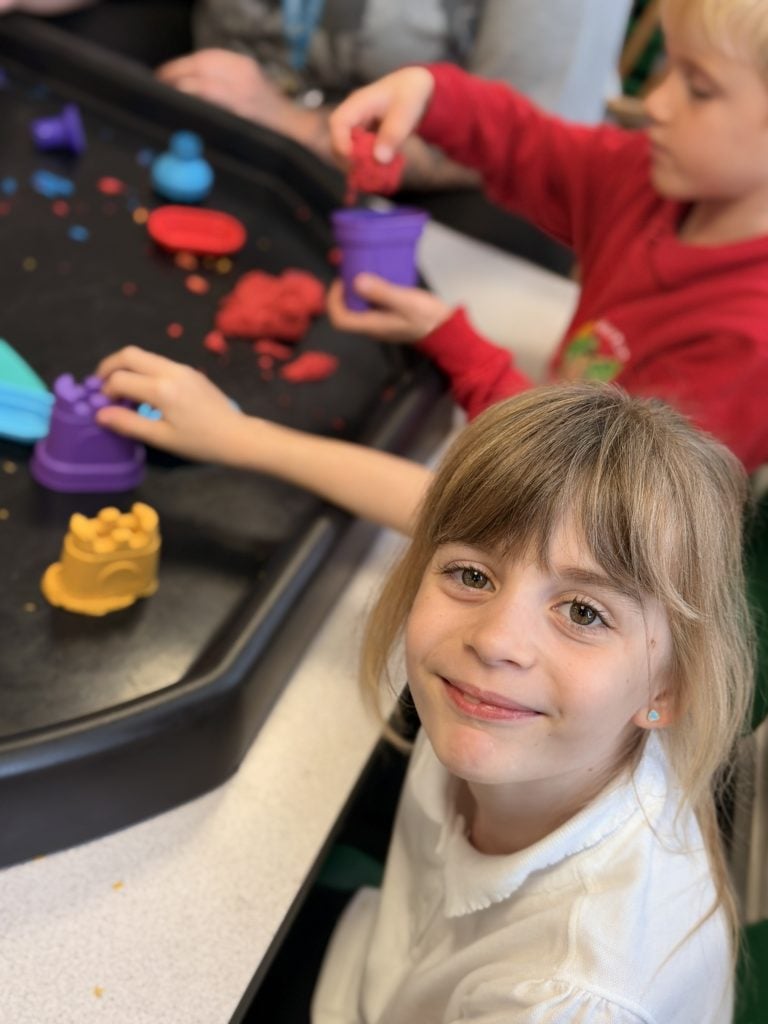
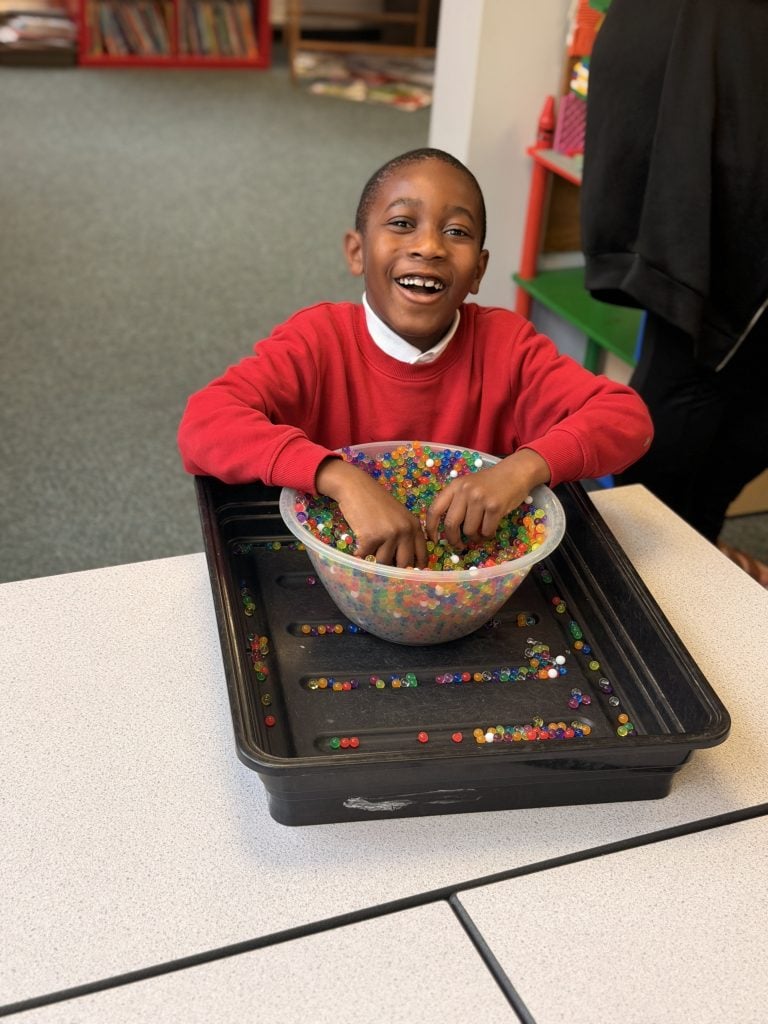
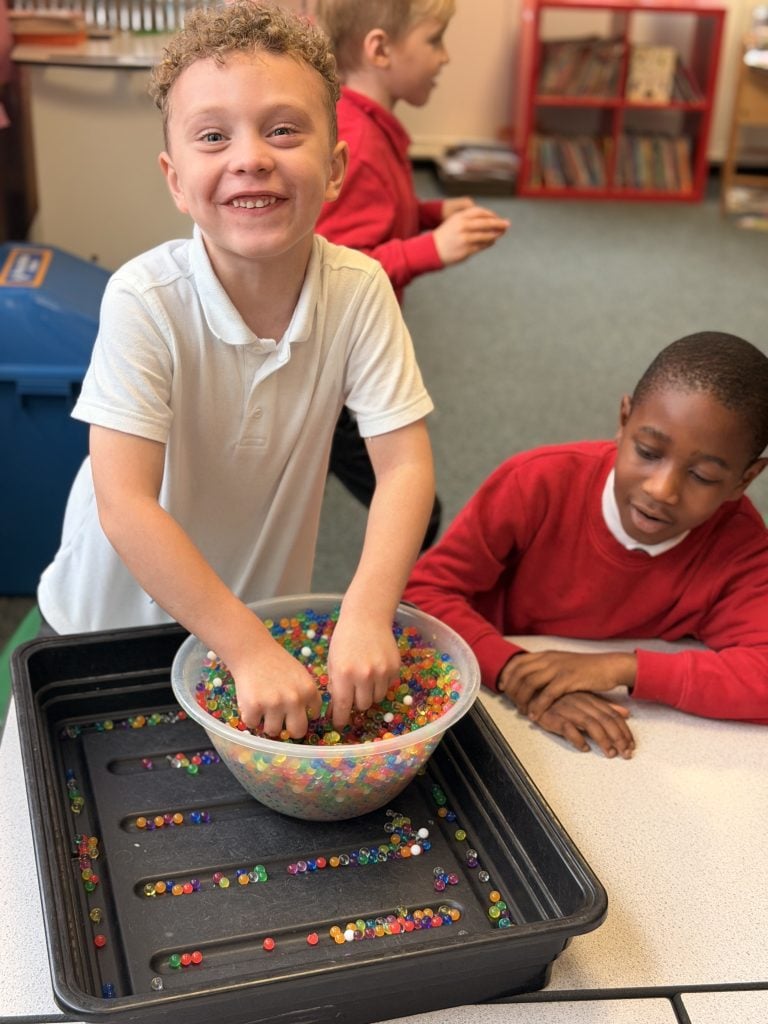
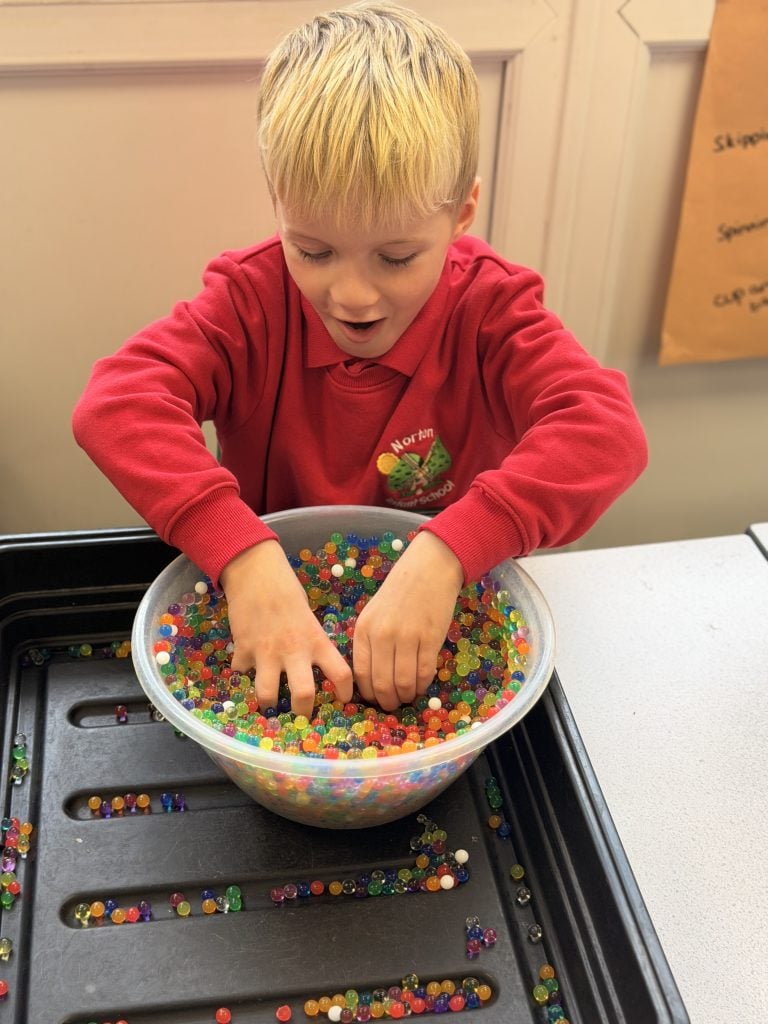
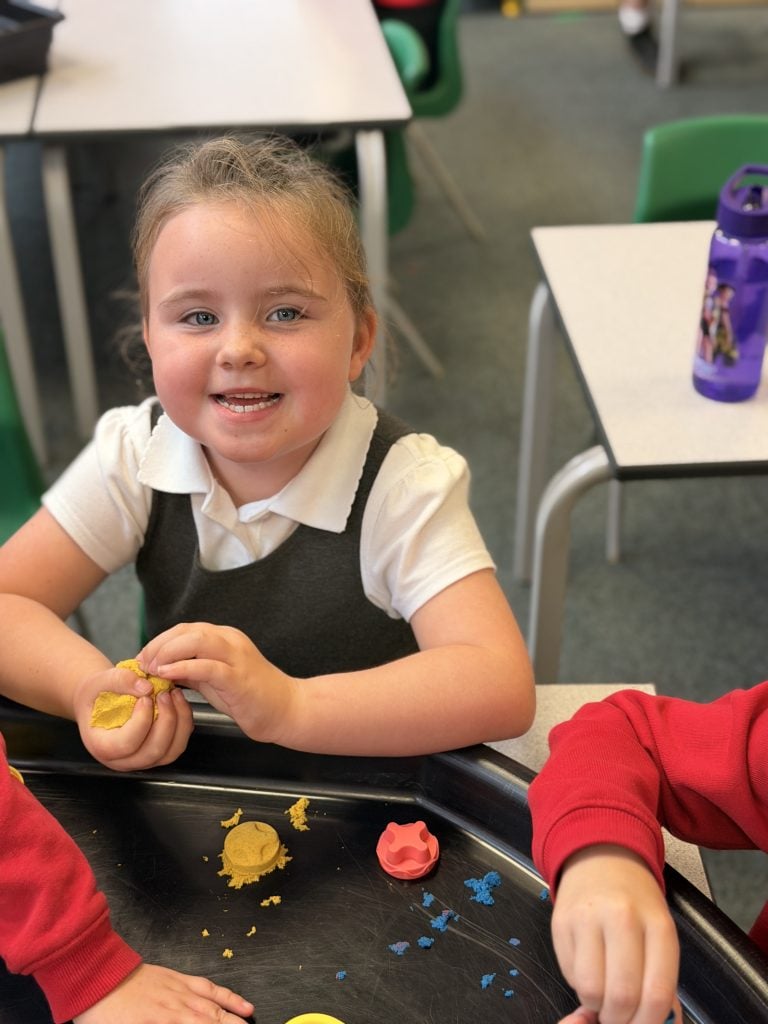
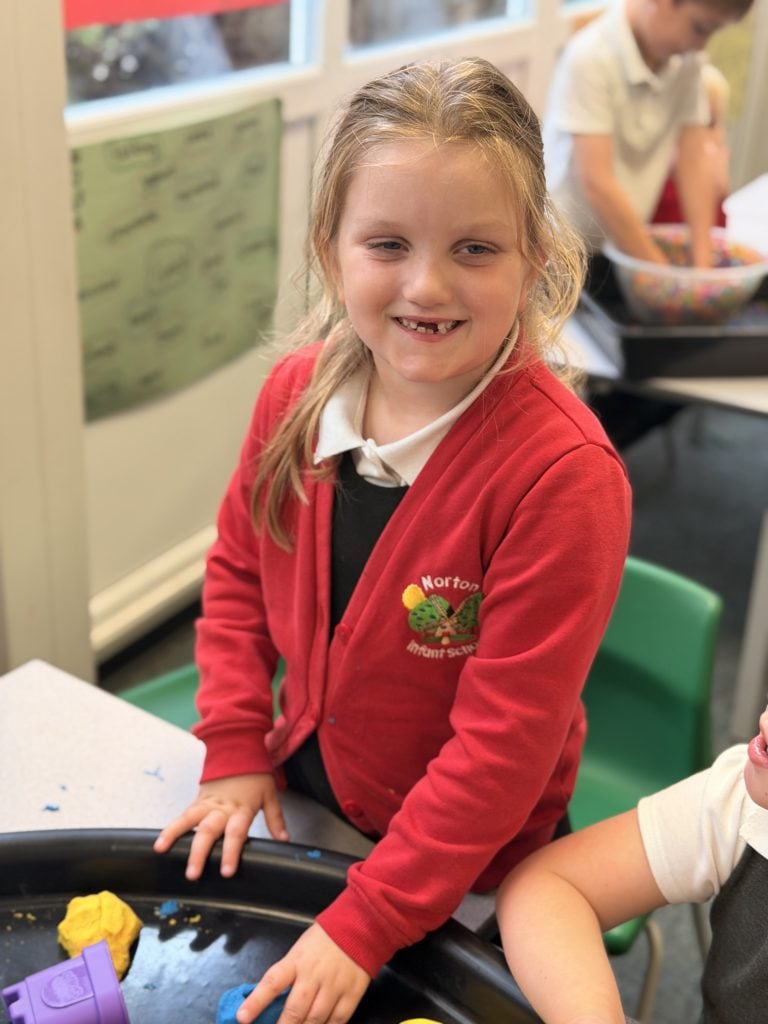
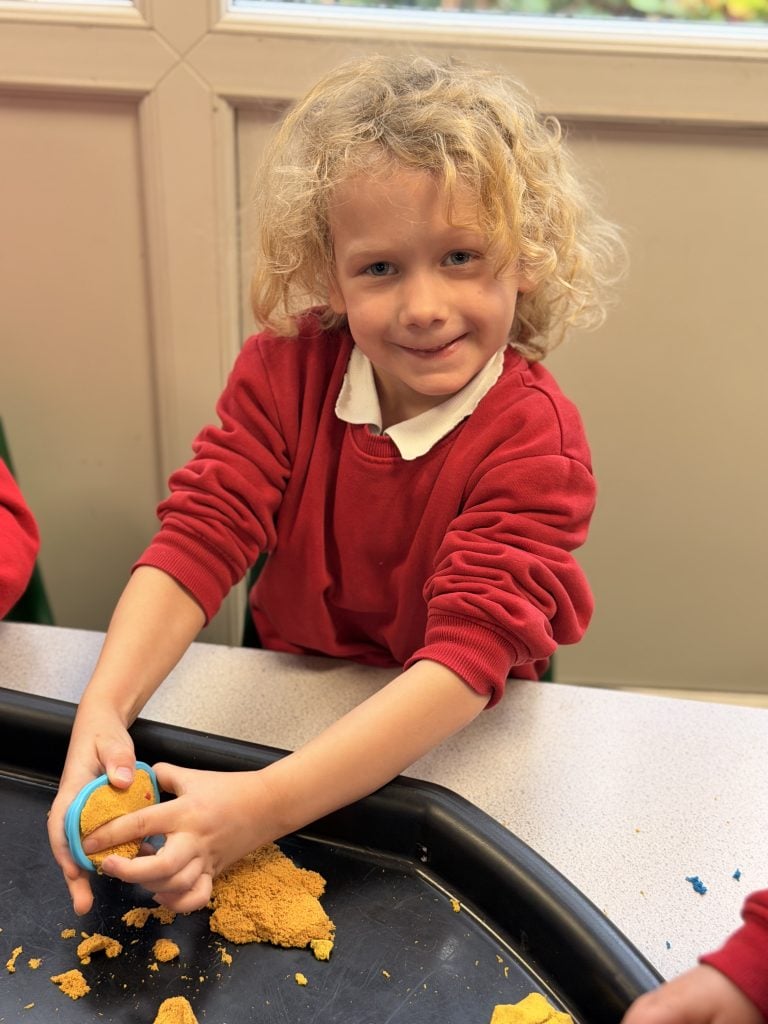
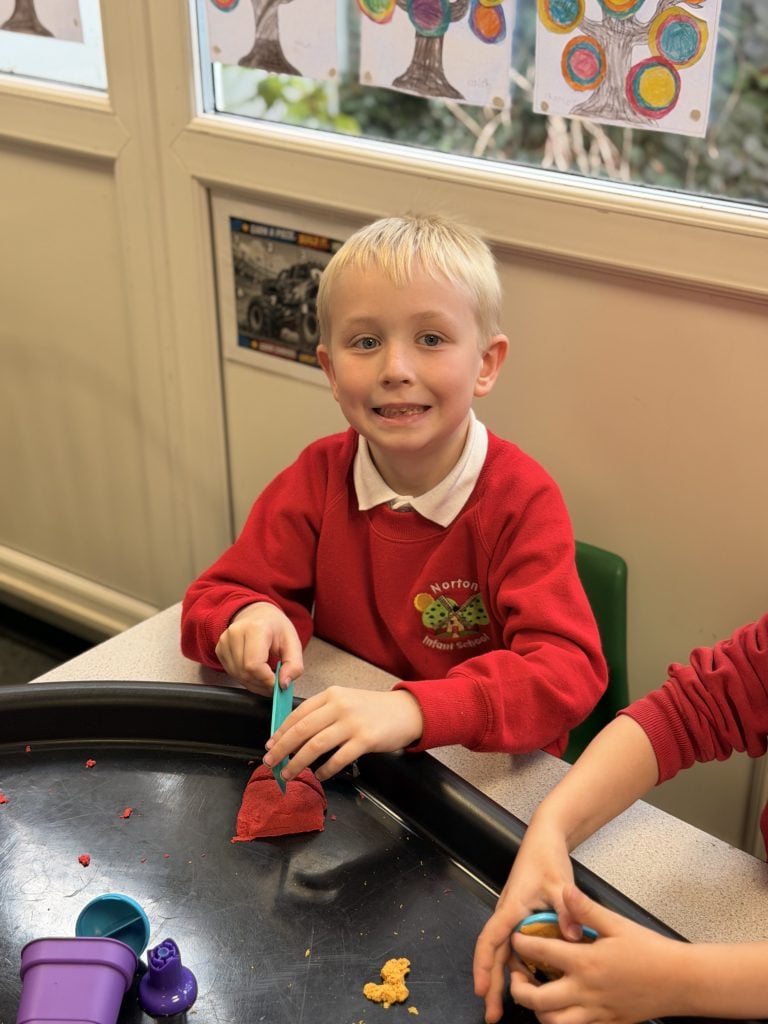
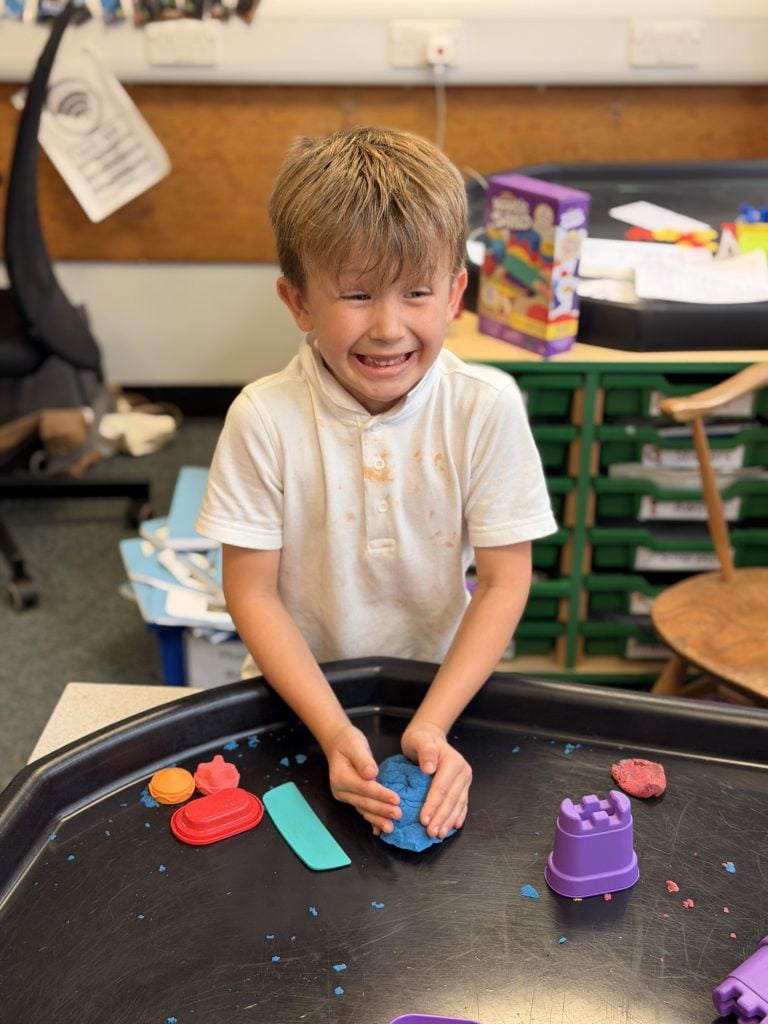
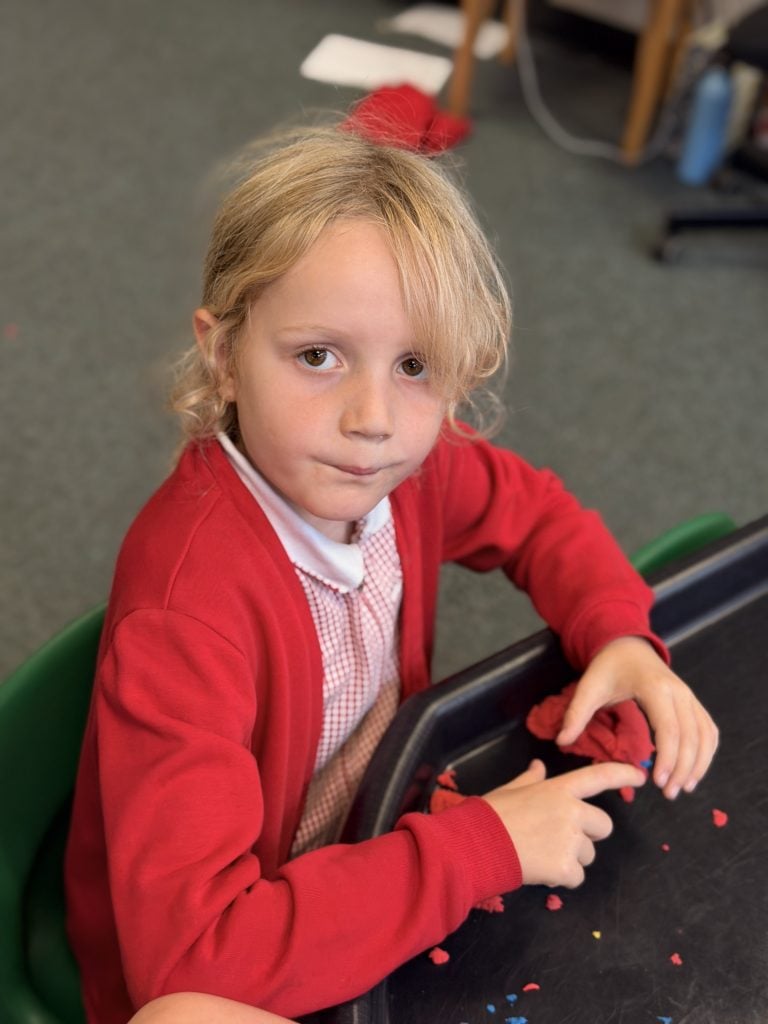
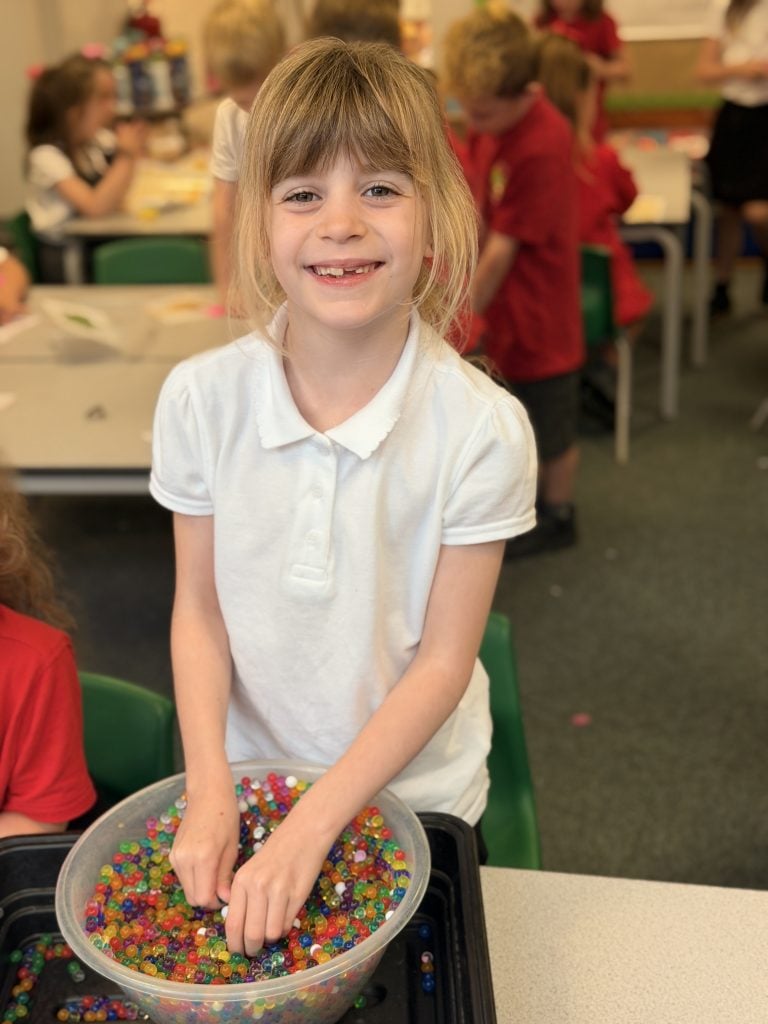
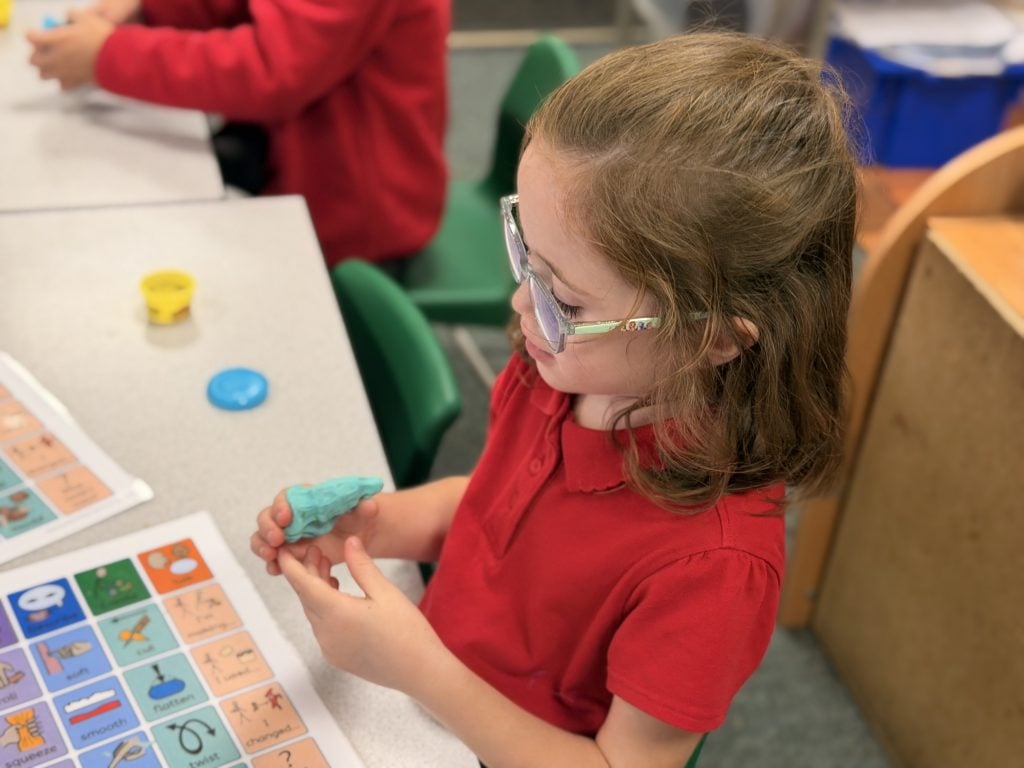
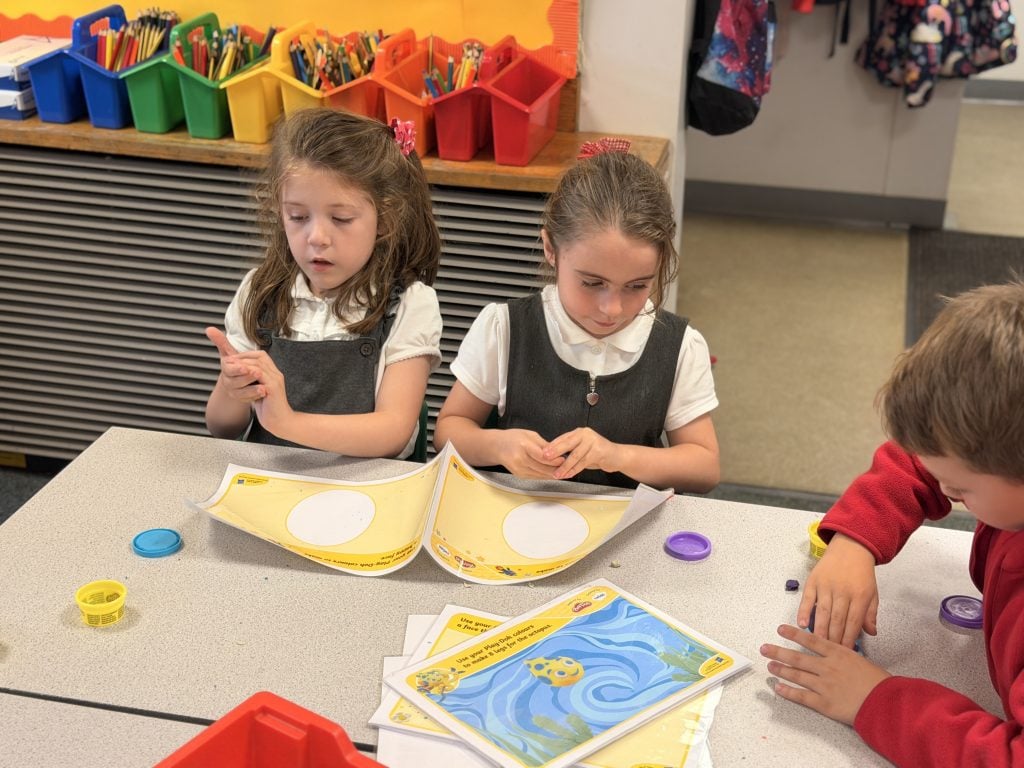
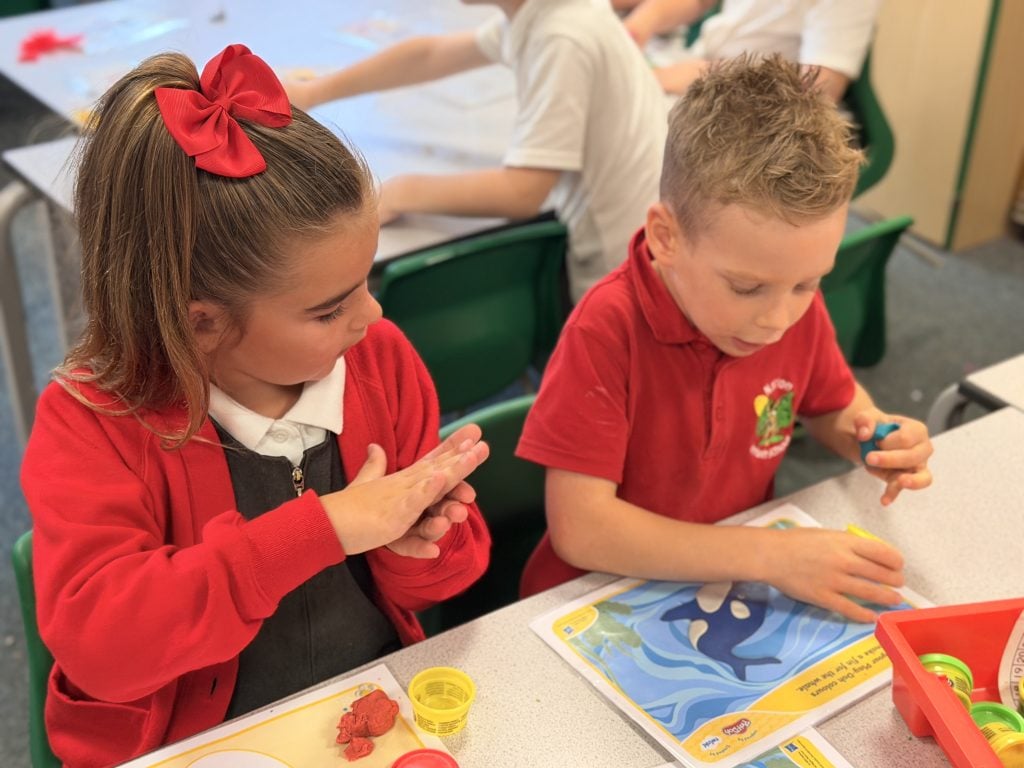
Year One have had an amazing morning taking part in lots of exciting sensory play activities. We had so much fun squashing, squeezing, touching and exploring a variety of different textures. The children were curious and enthusiastic as they used their senses to discover how different materials felt. Sensory play also helped us to feel calm, relaxed and happy!
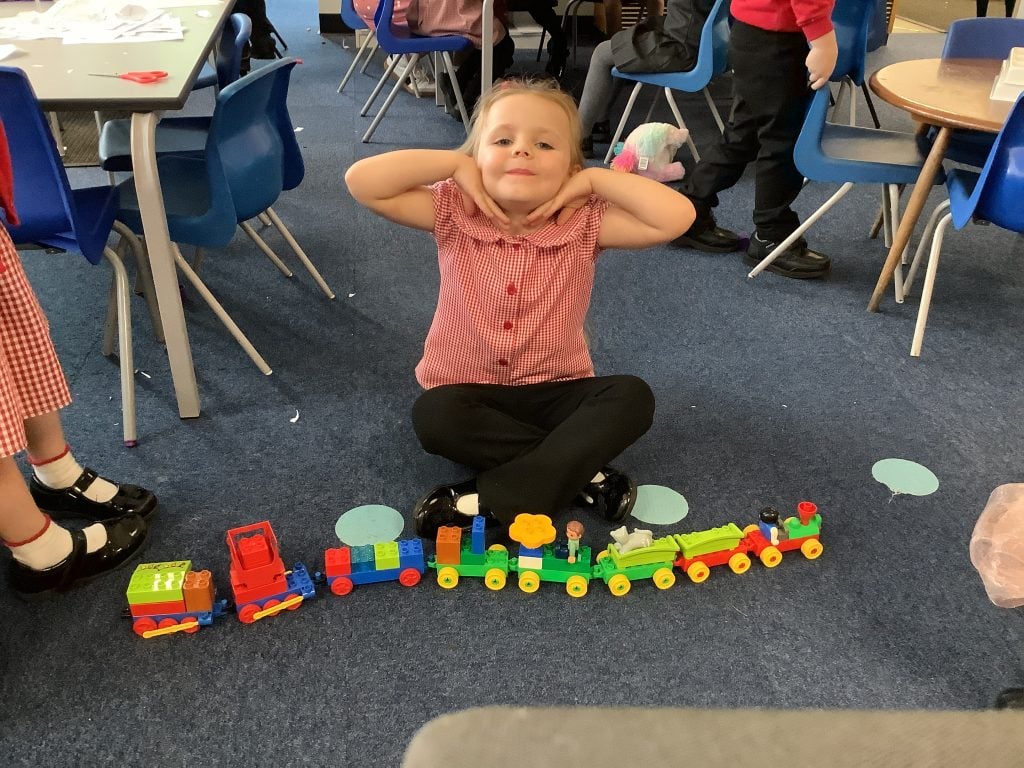
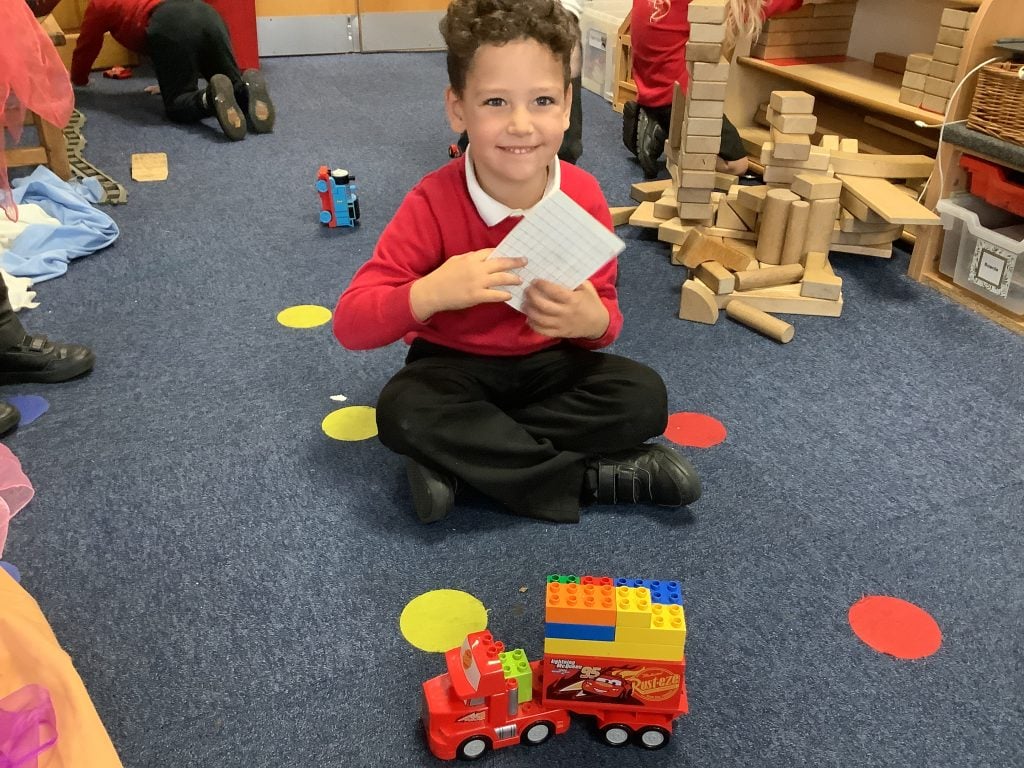
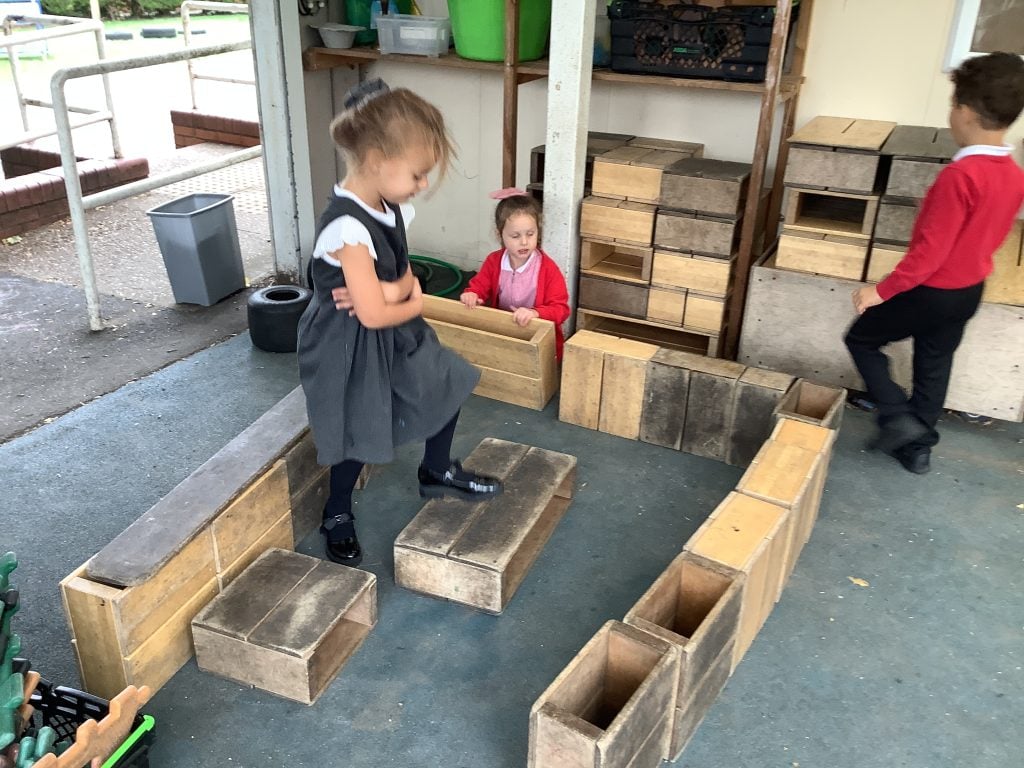
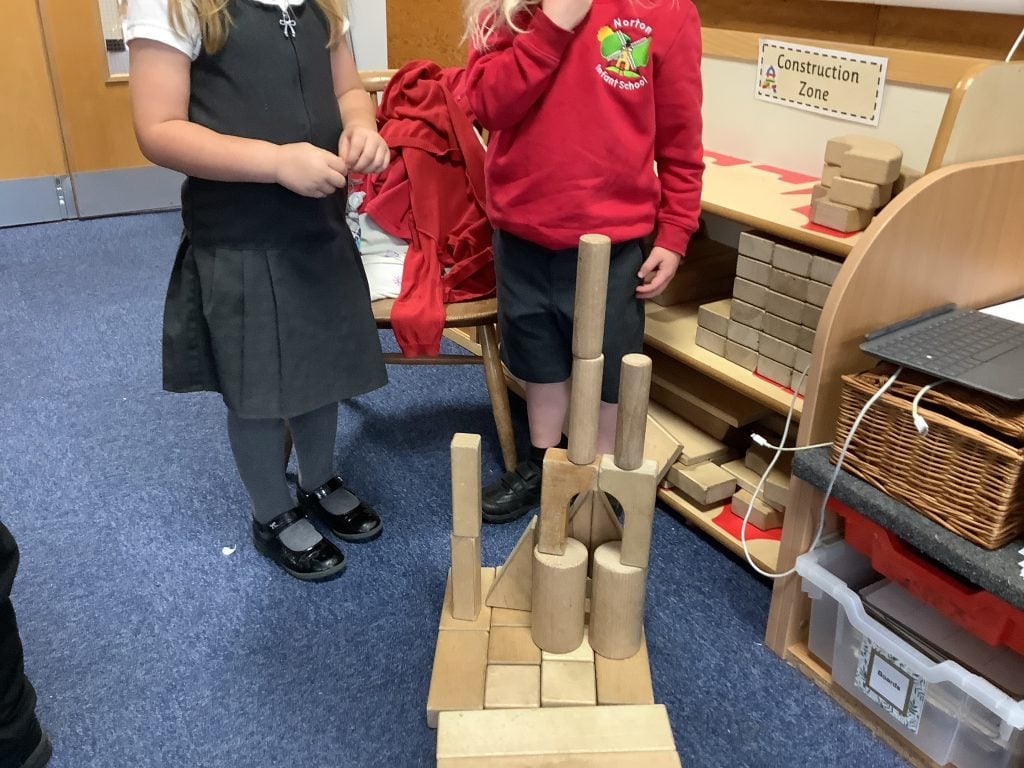
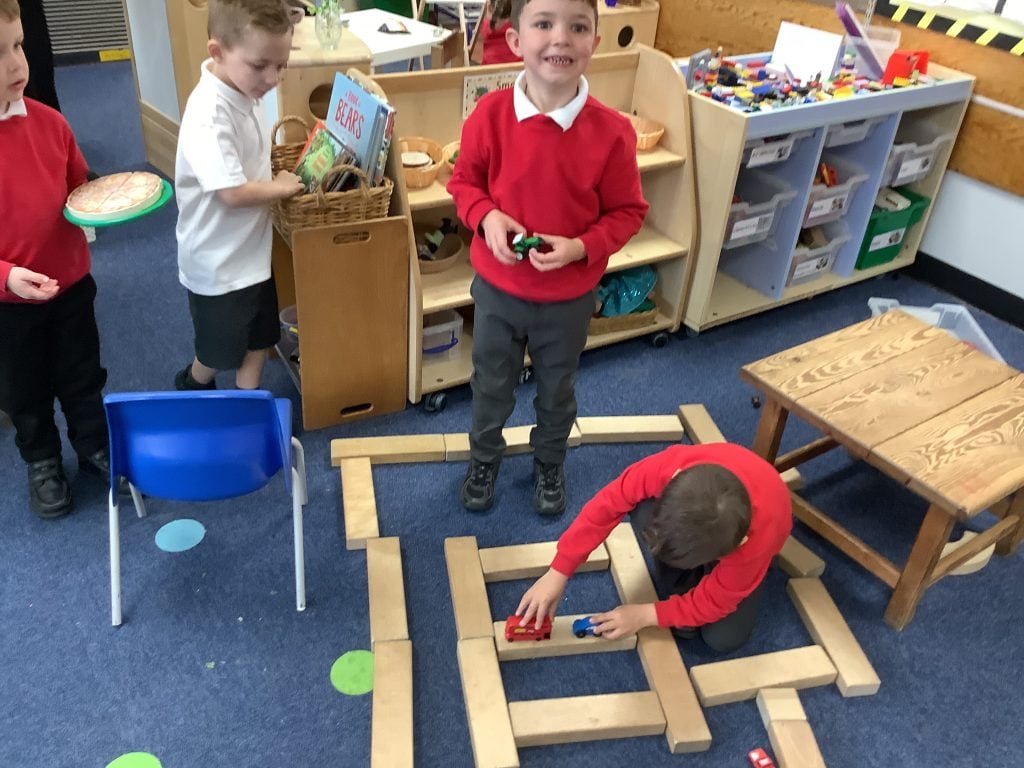
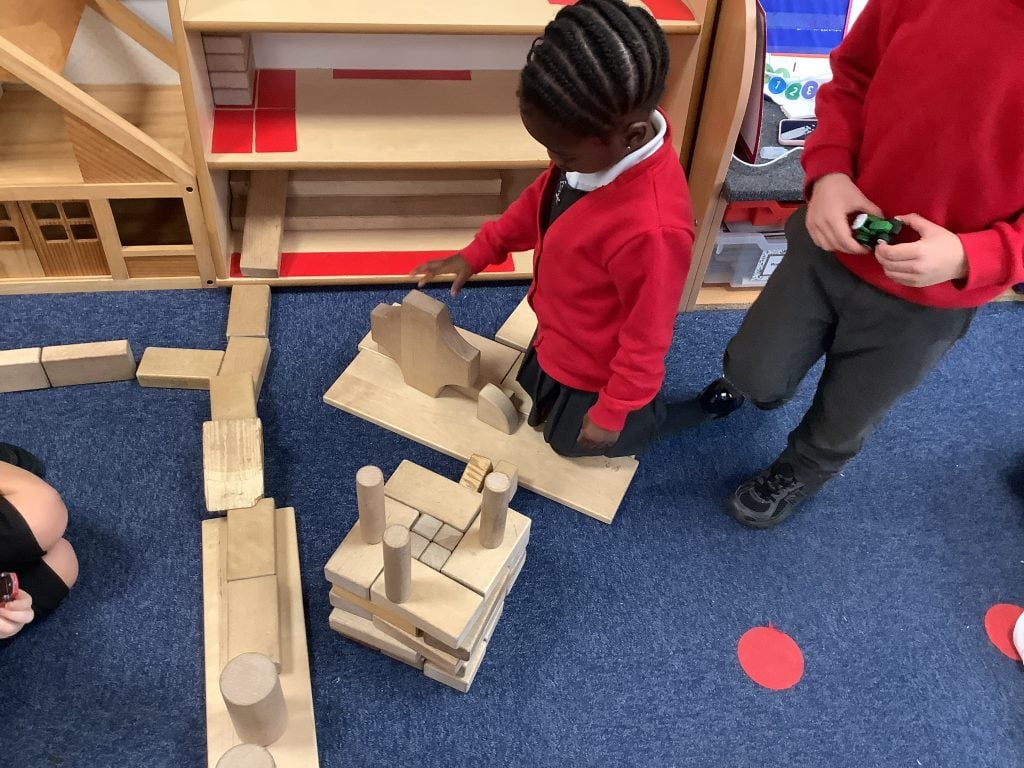
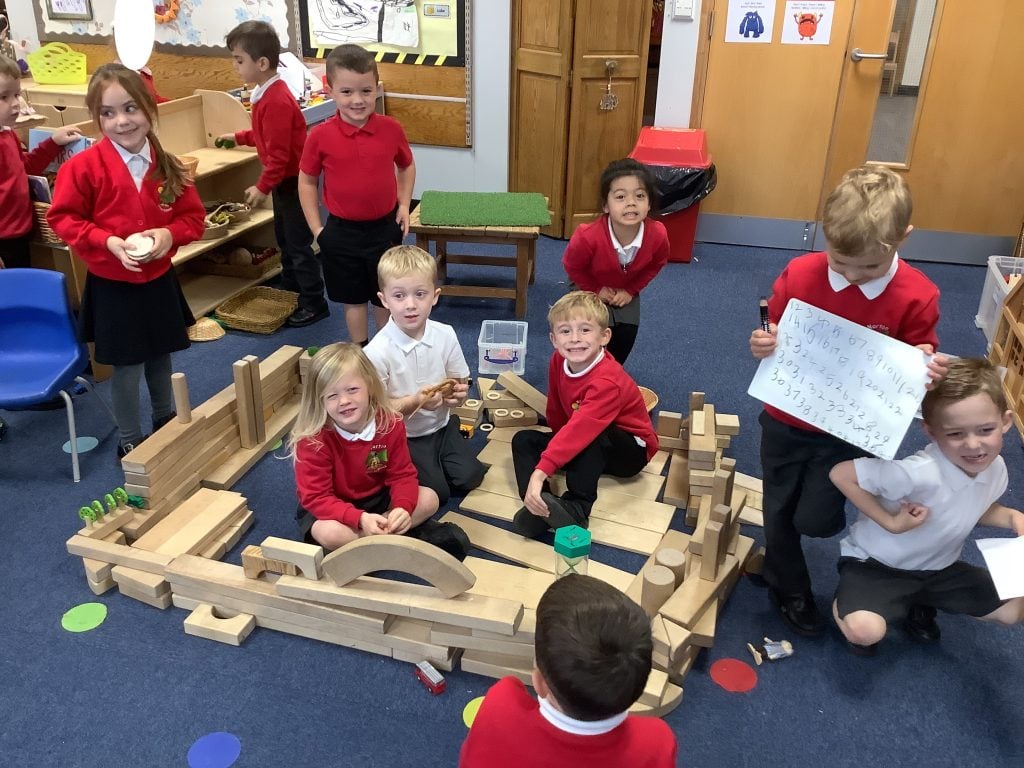
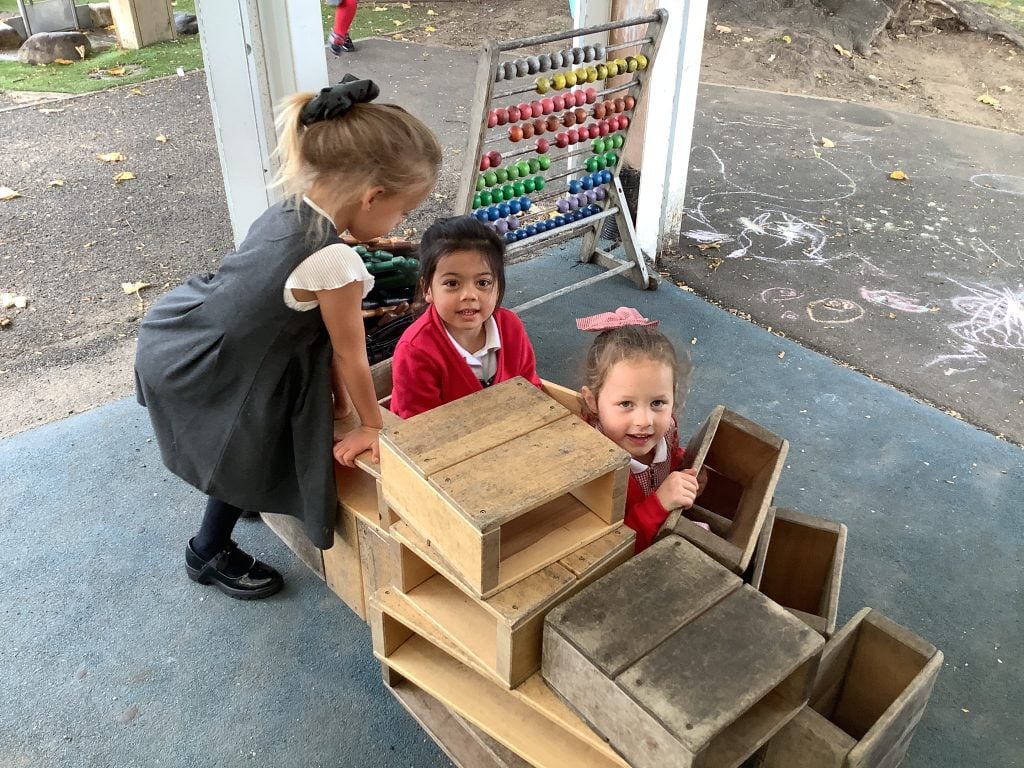
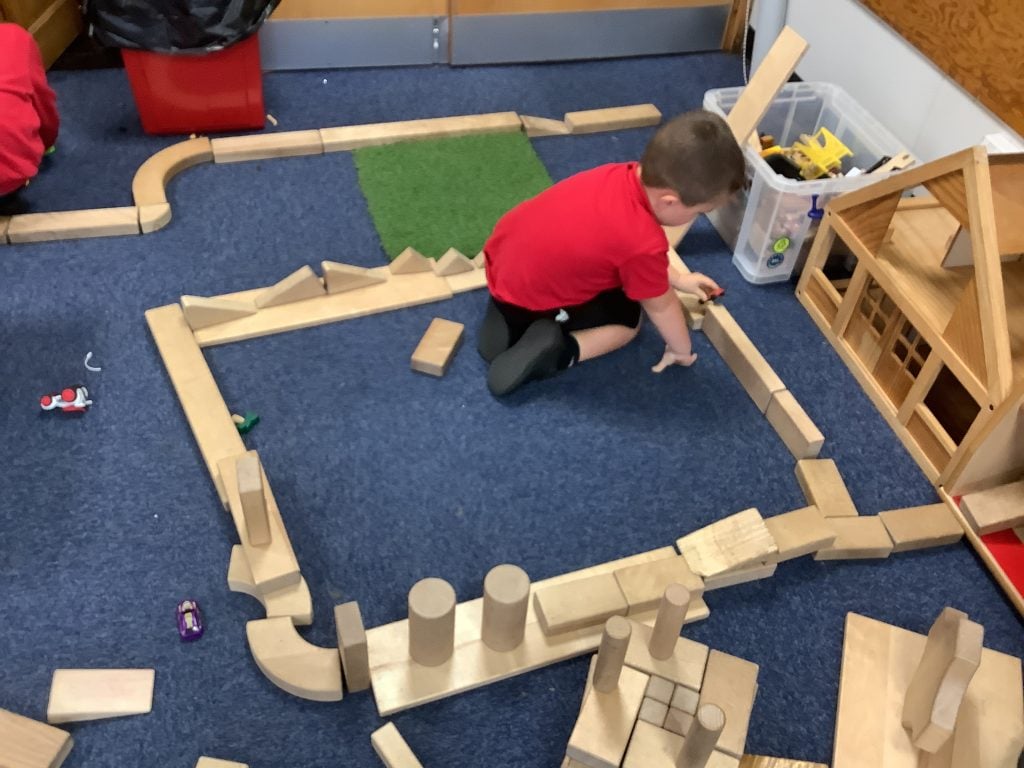
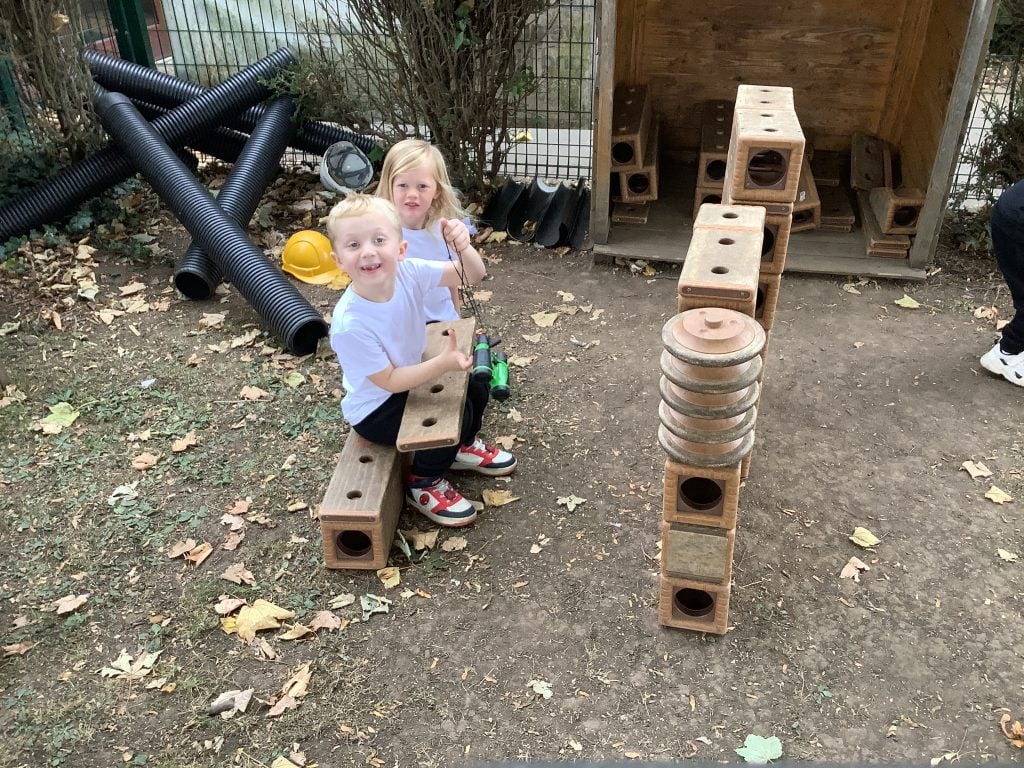
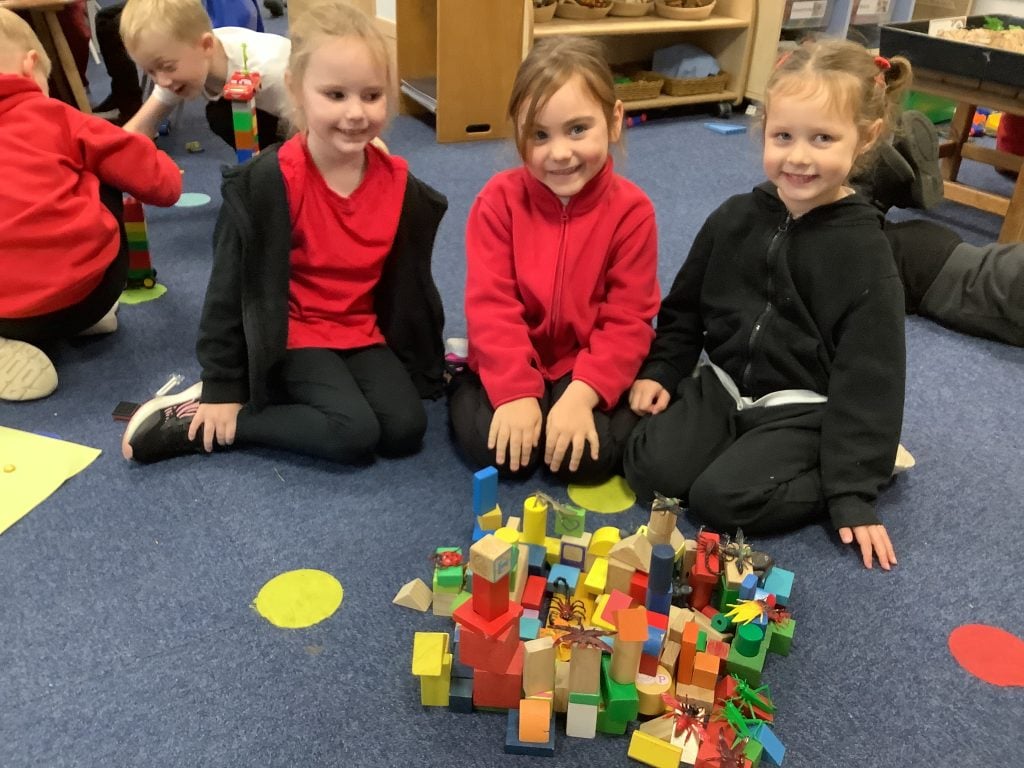
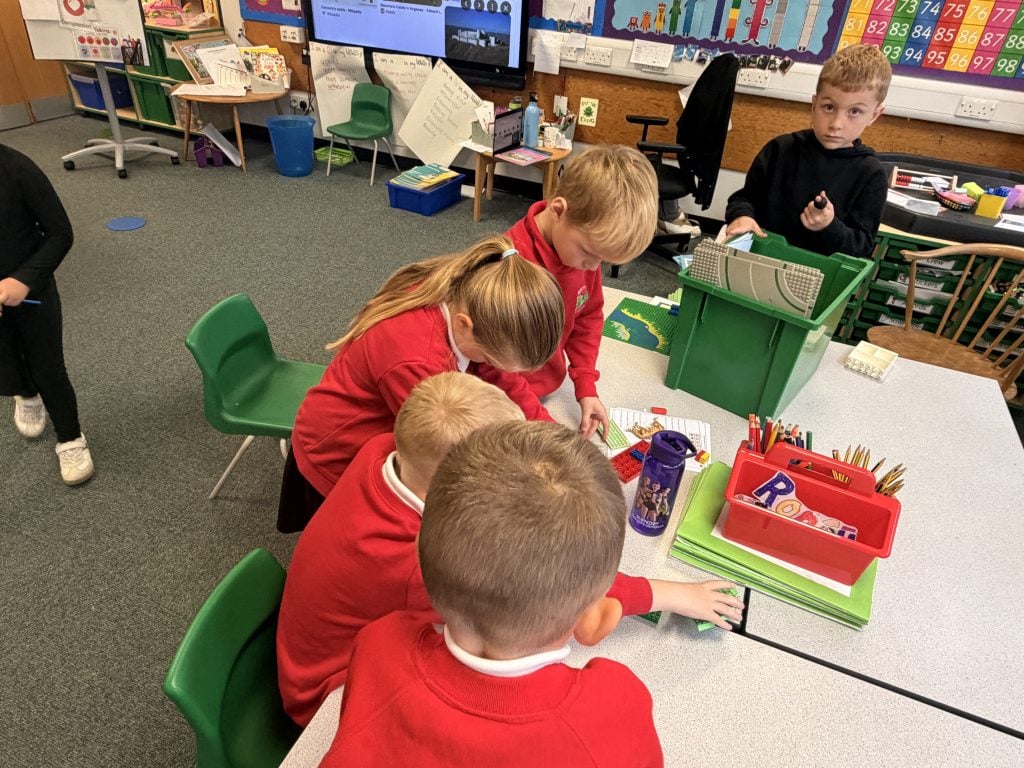
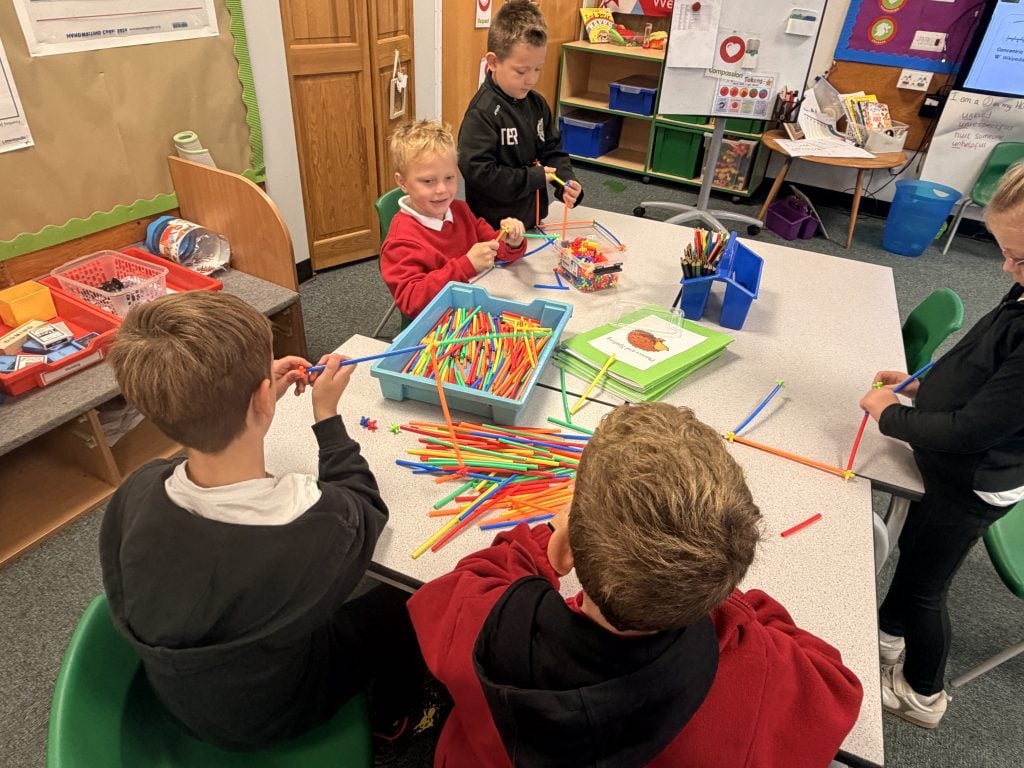
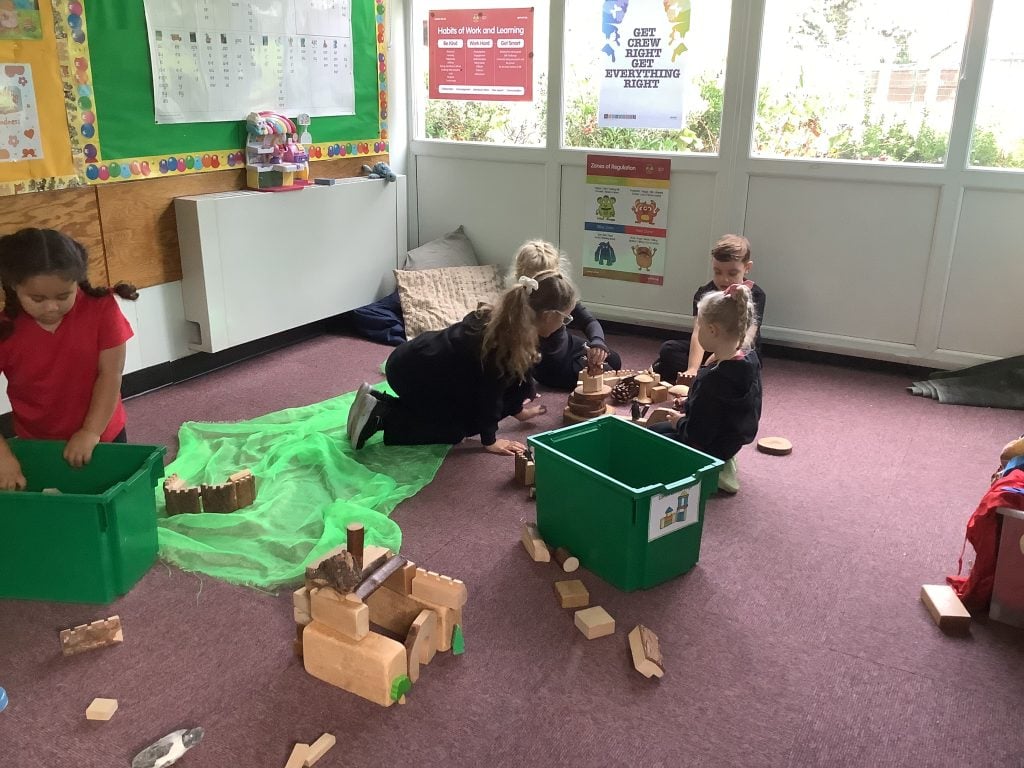
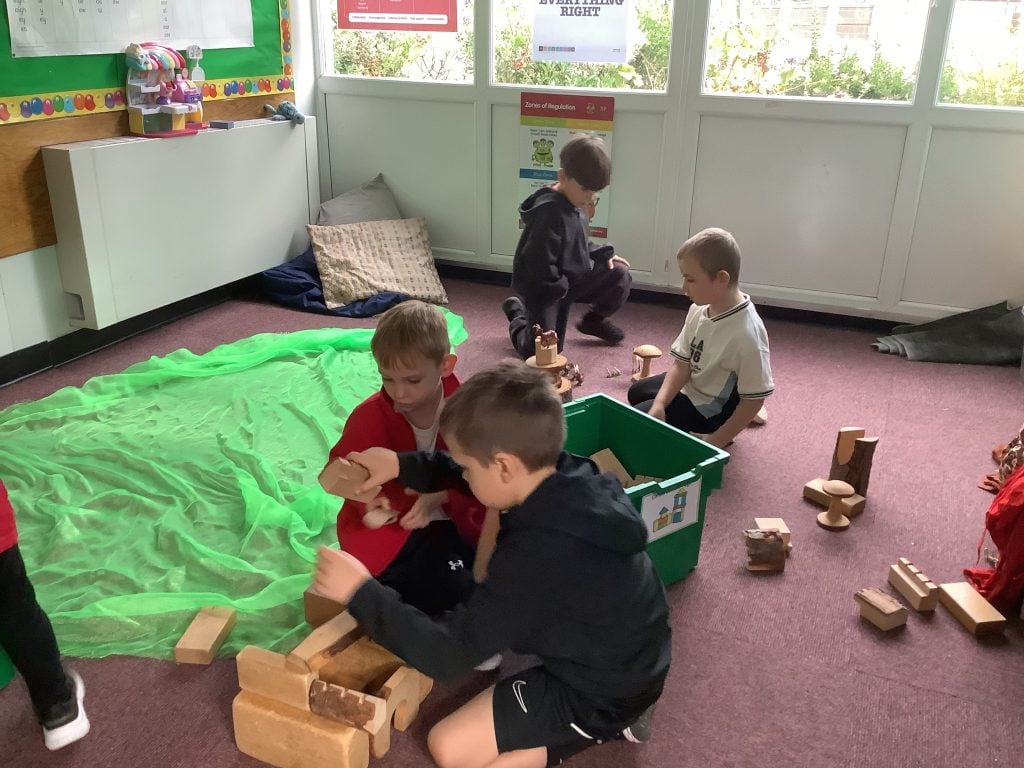
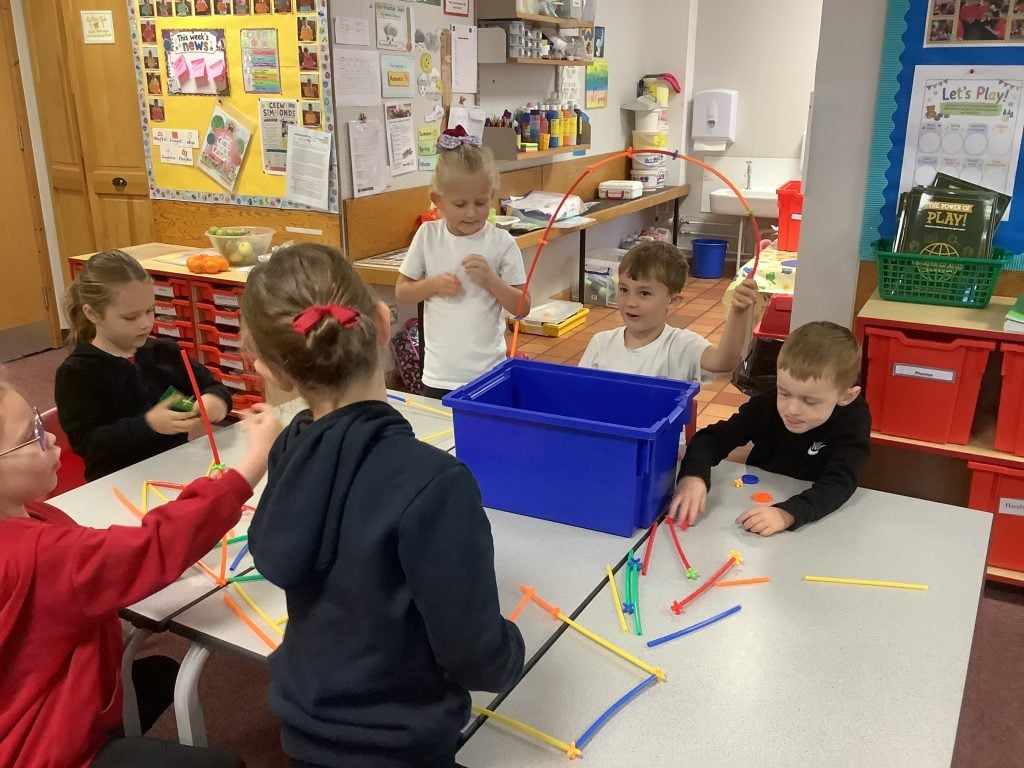
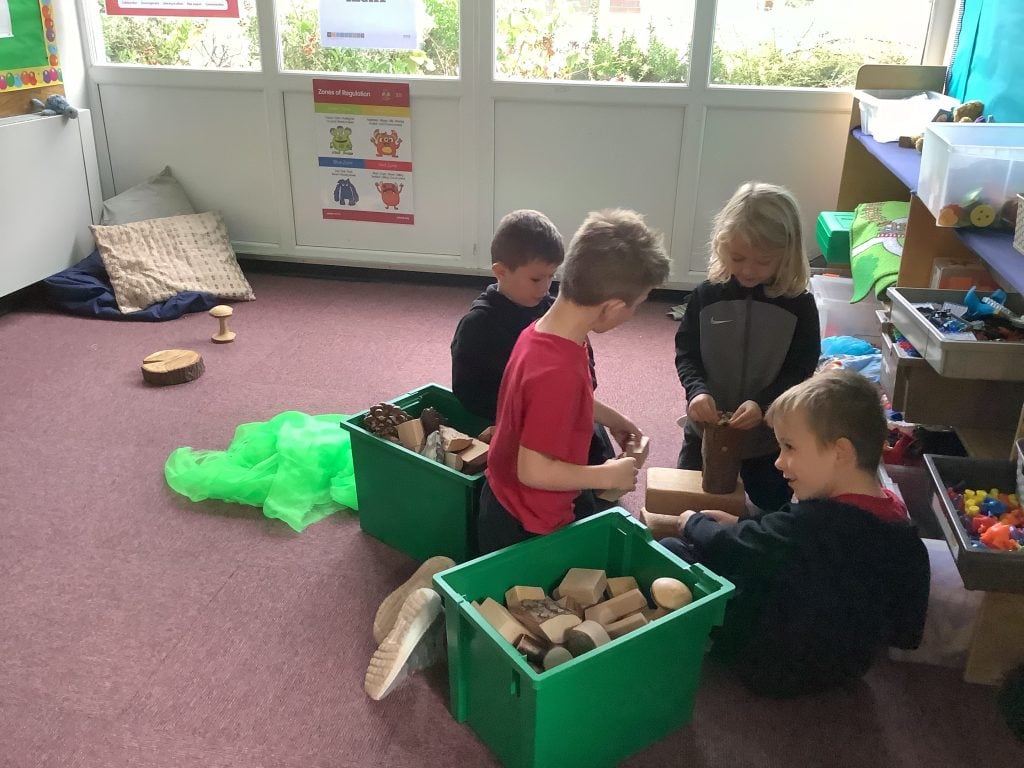
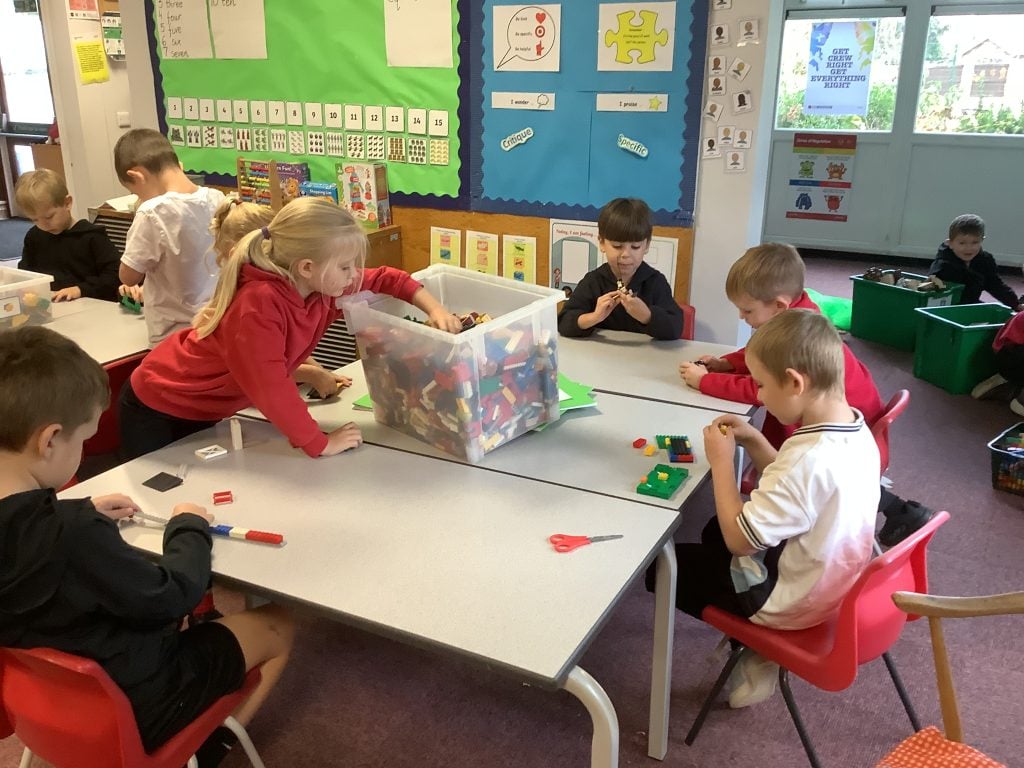
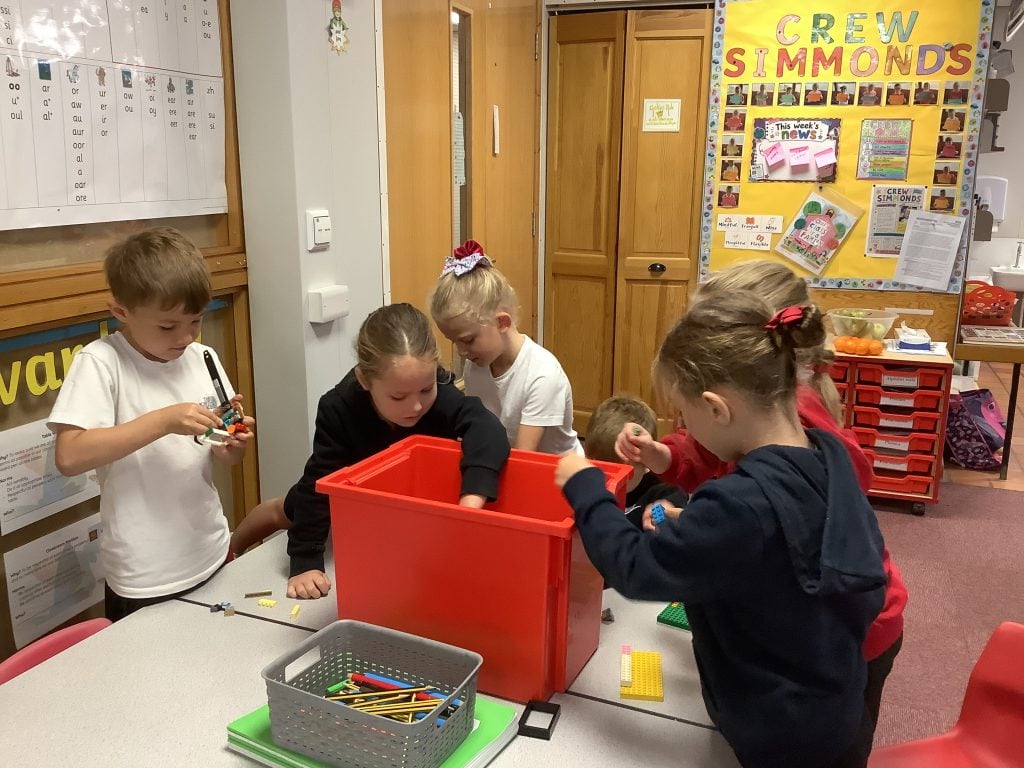
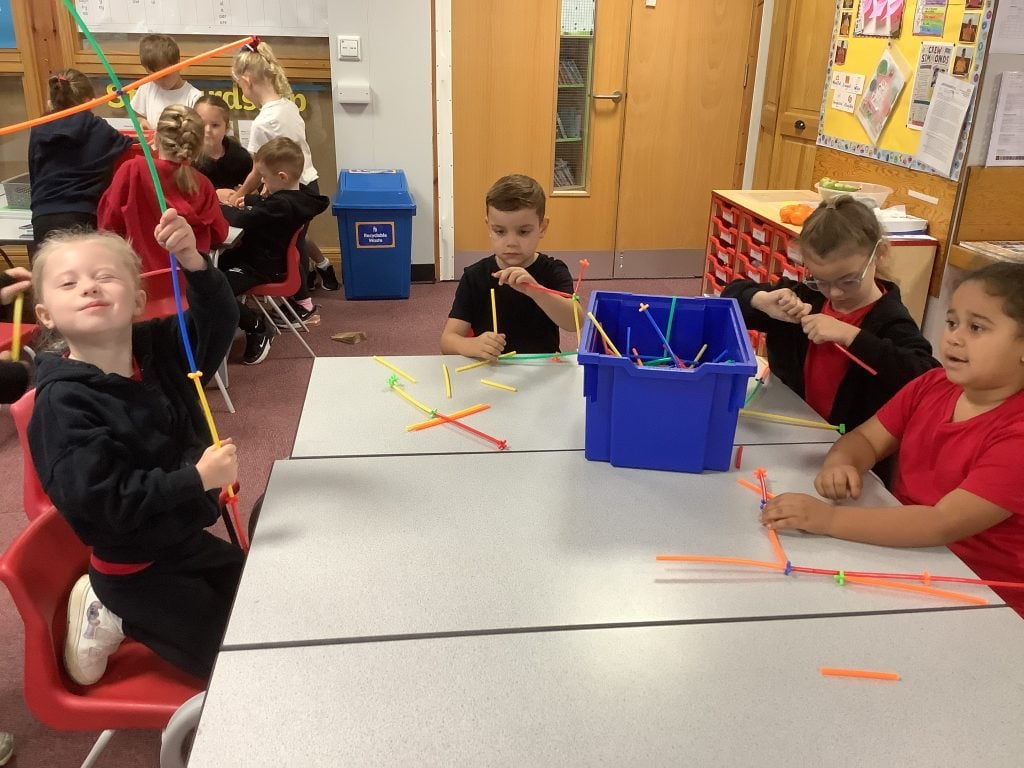
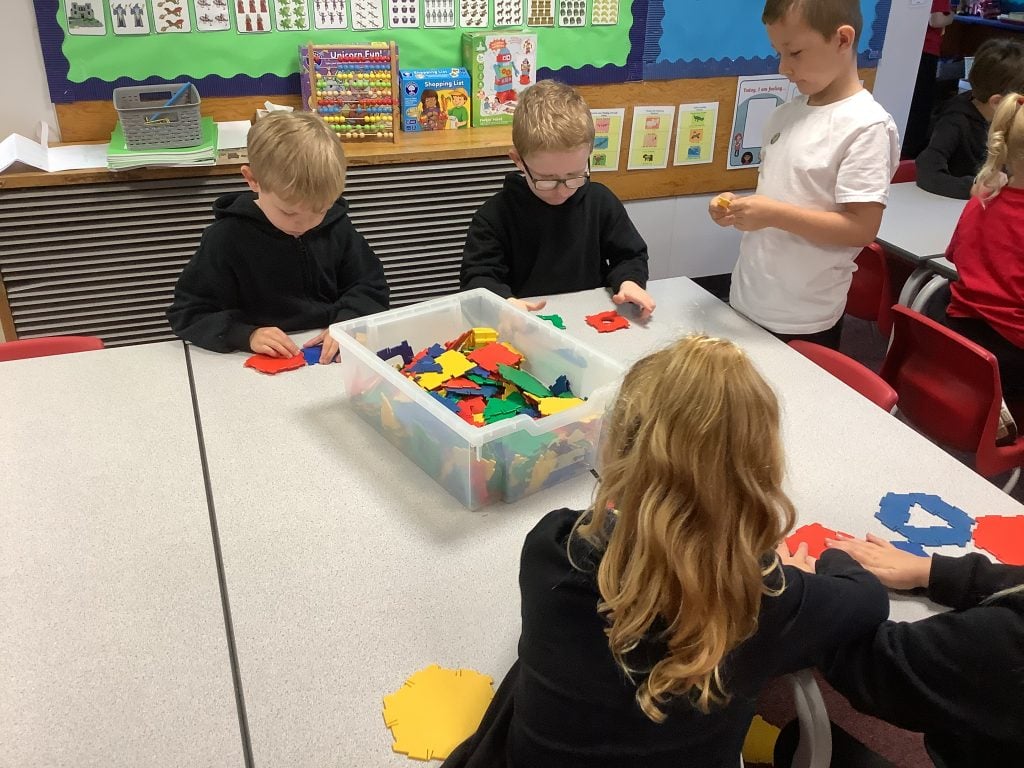
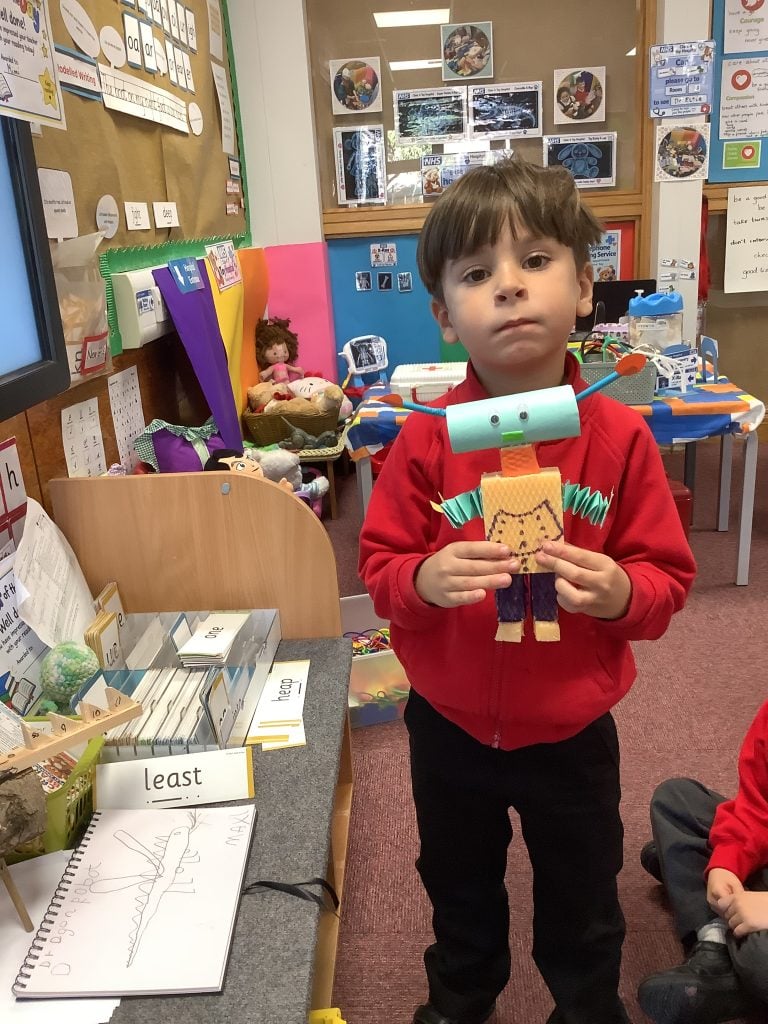
Class 1 have been busy building, creating and constructing together both indoors and outdoors!
From magnificent castles to speedy trains and cars, our children have been full of their own creative ideas. We have loved watching their imaginations come to life as they choose their resources, make plans and work out how to turn their ideas into reality. We have seen some fantastic examples of children leading their own learning, with one idea often inspiring another.
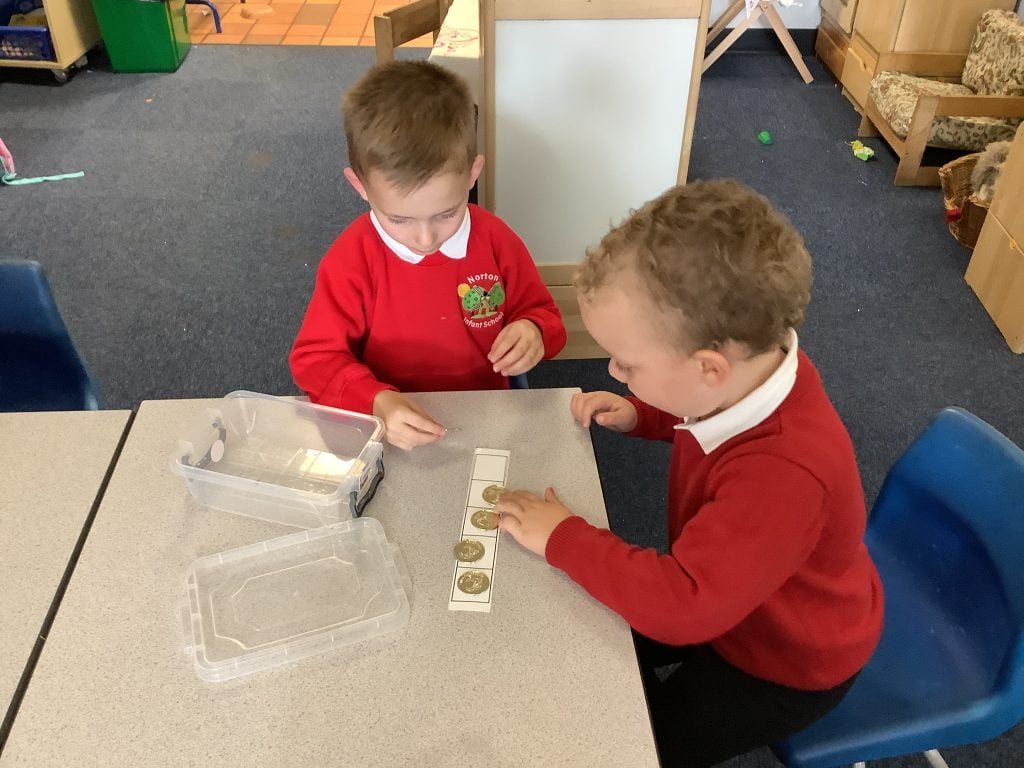
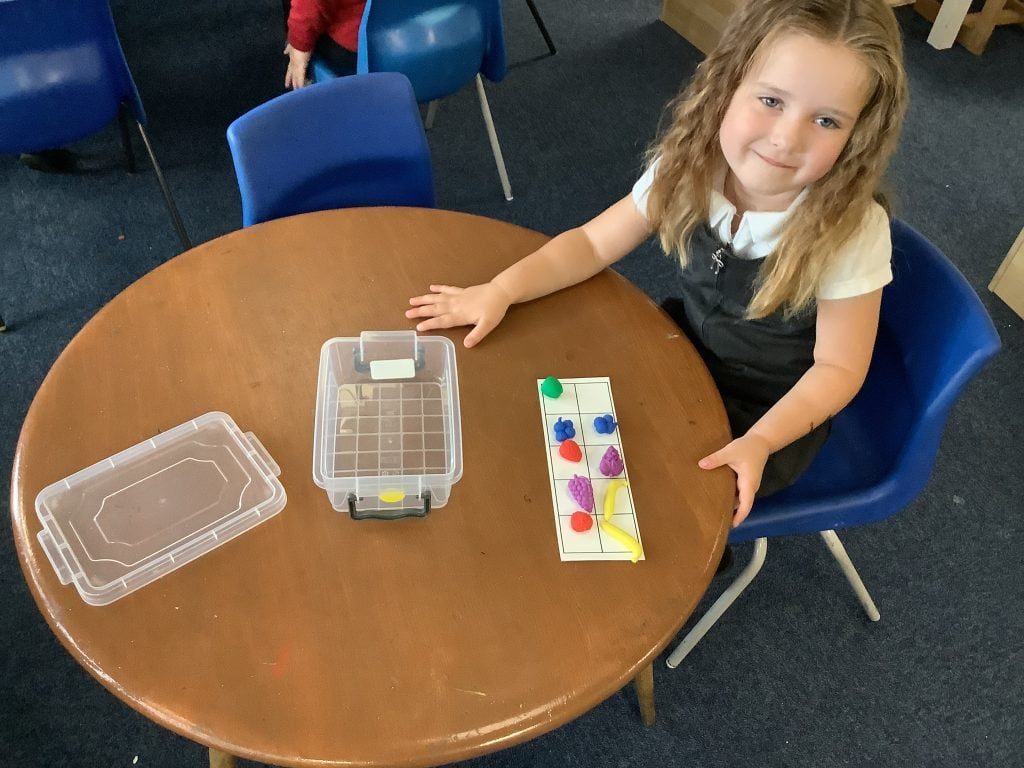
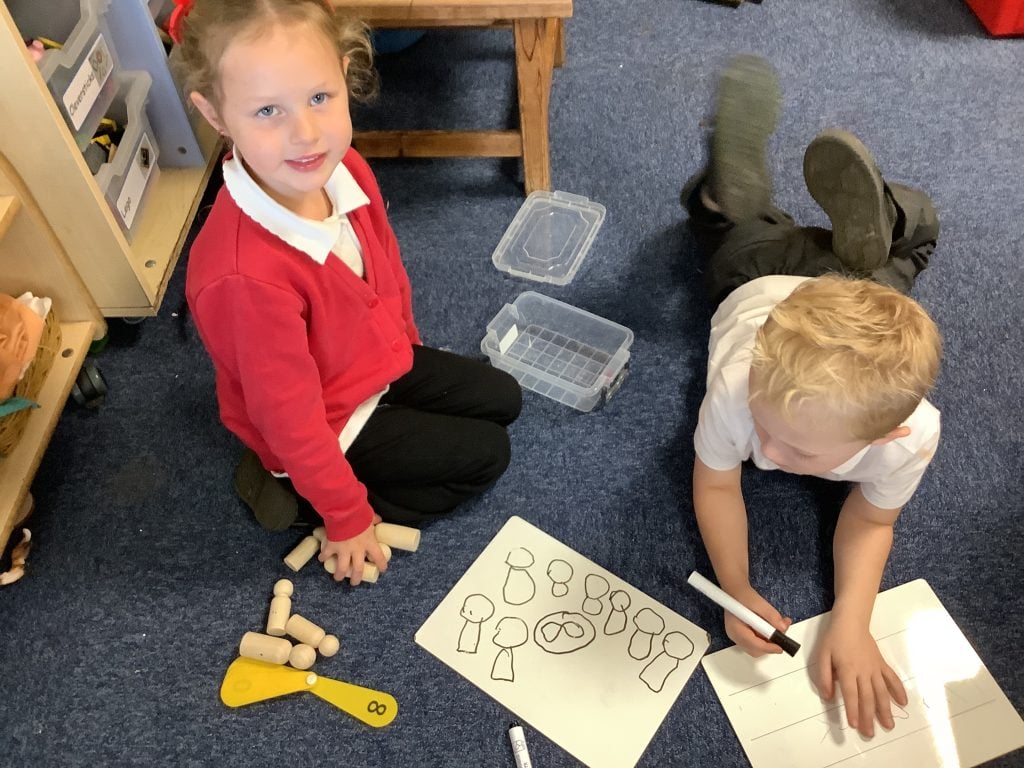
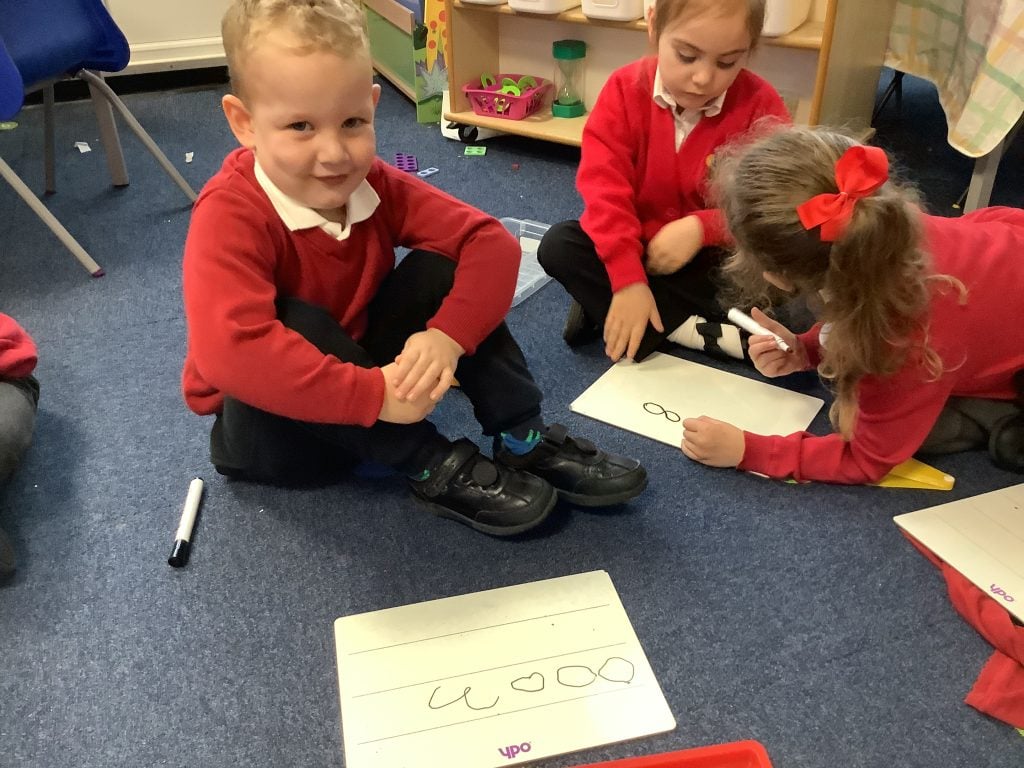
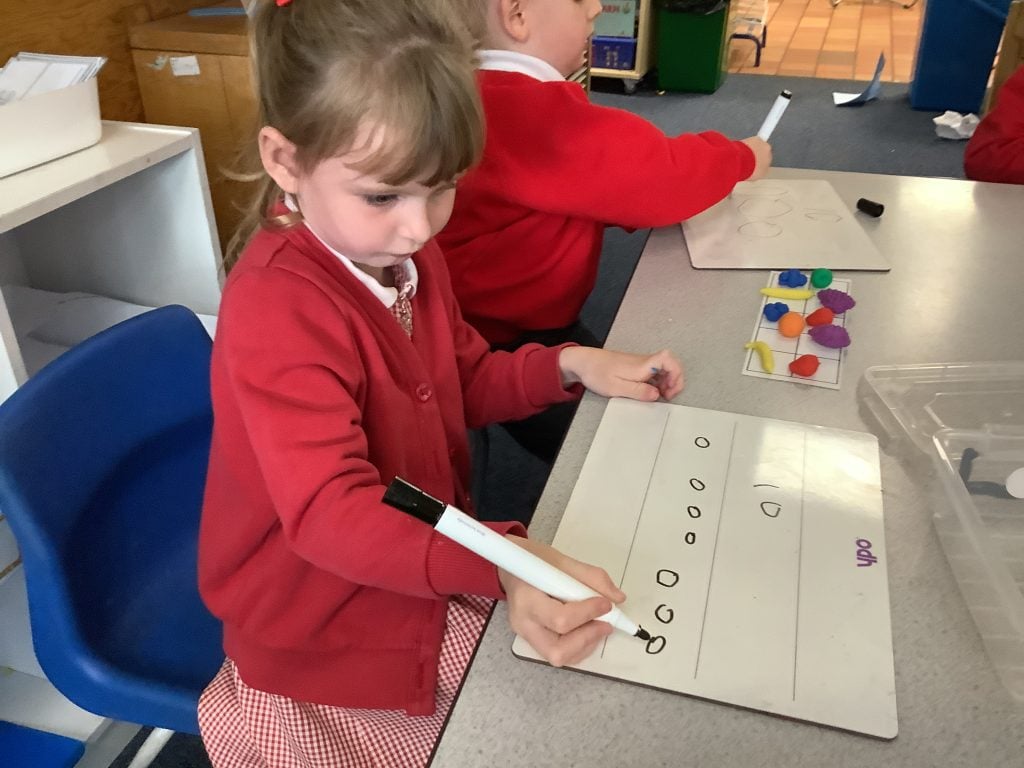
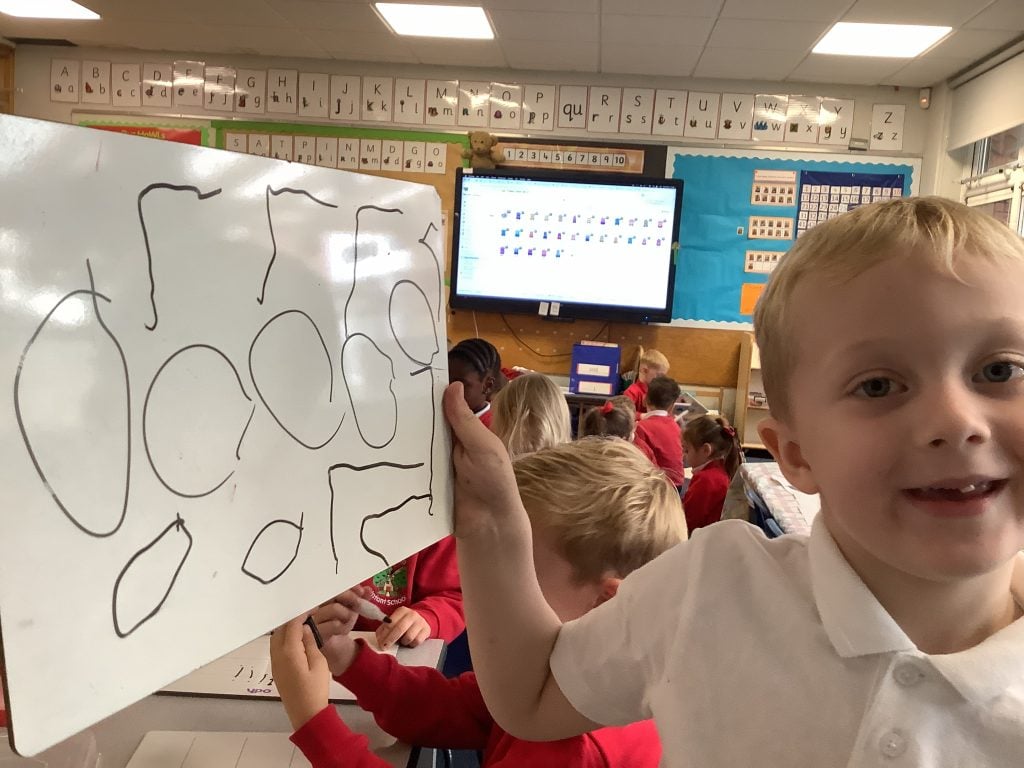
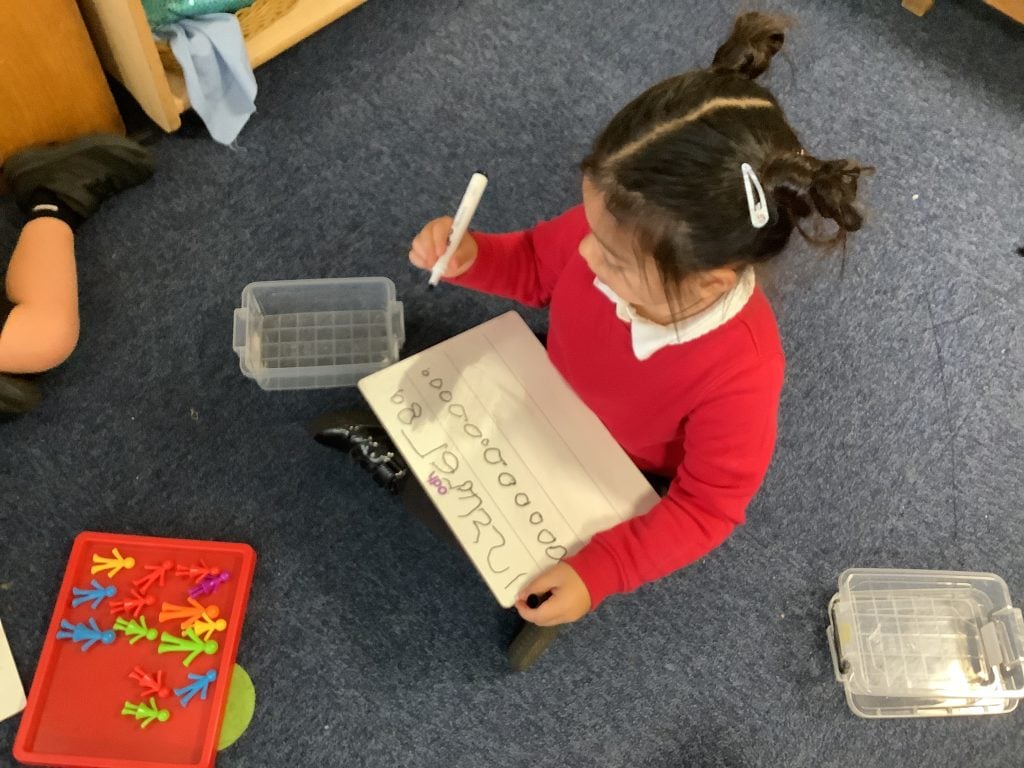
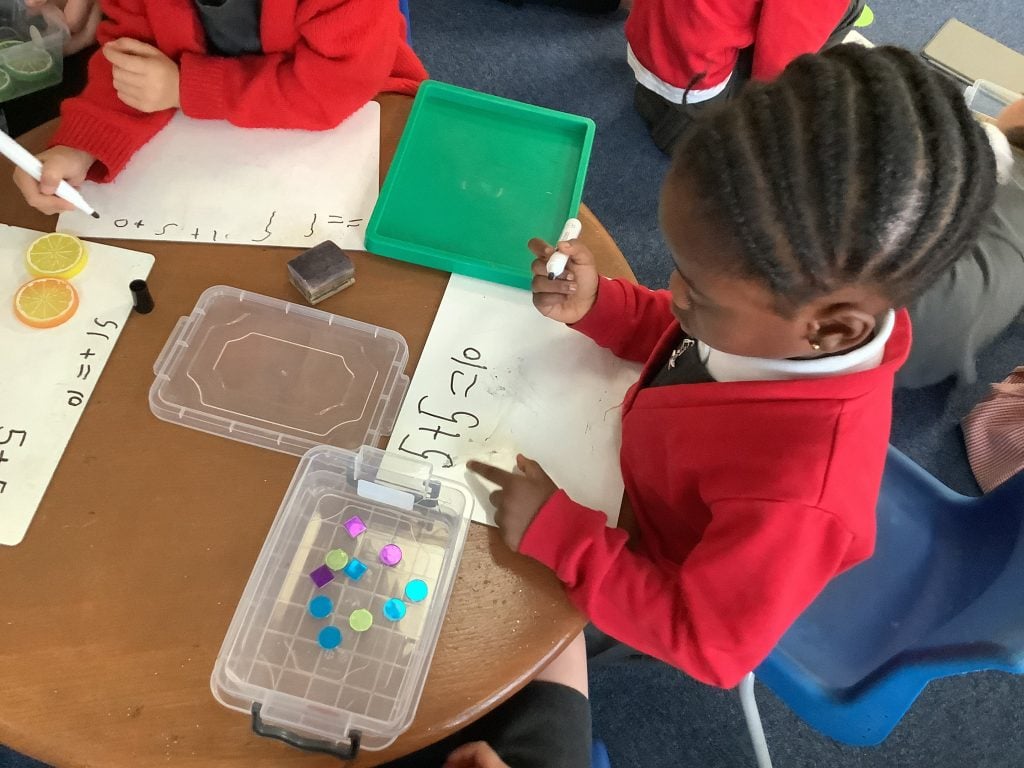
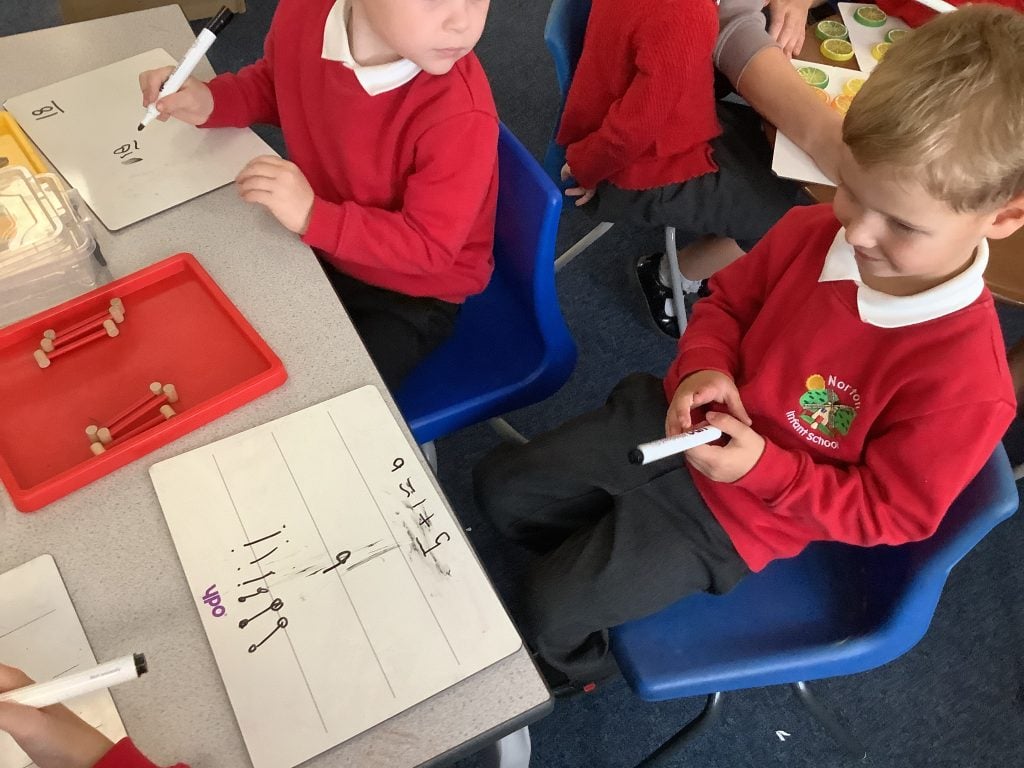
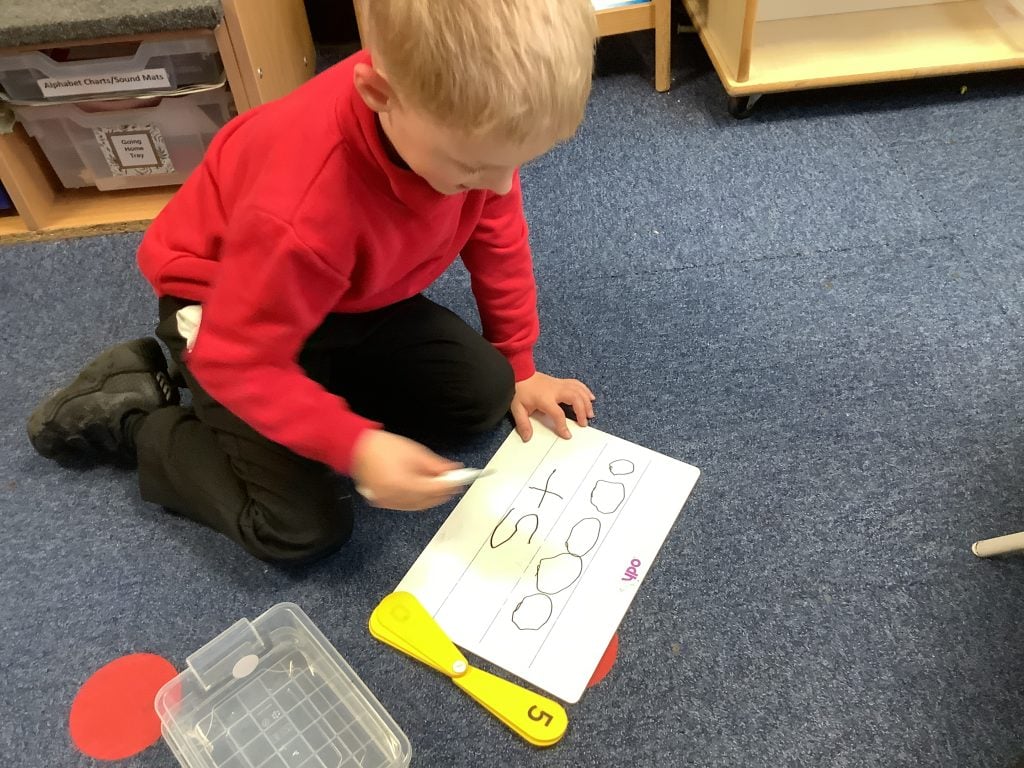
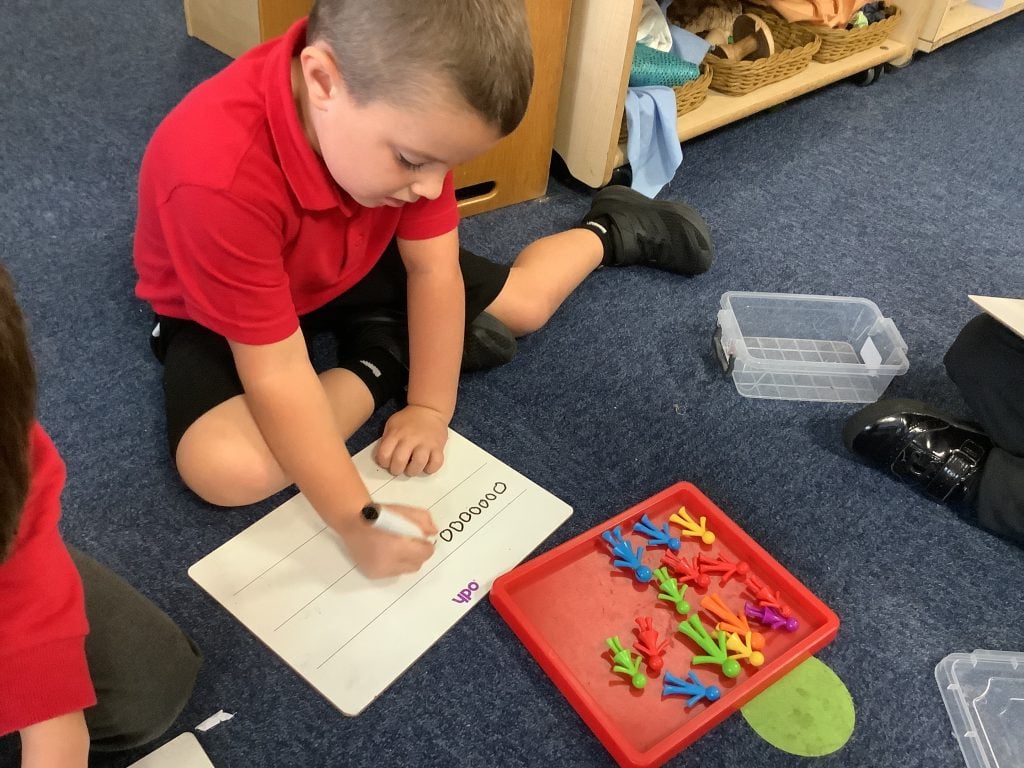
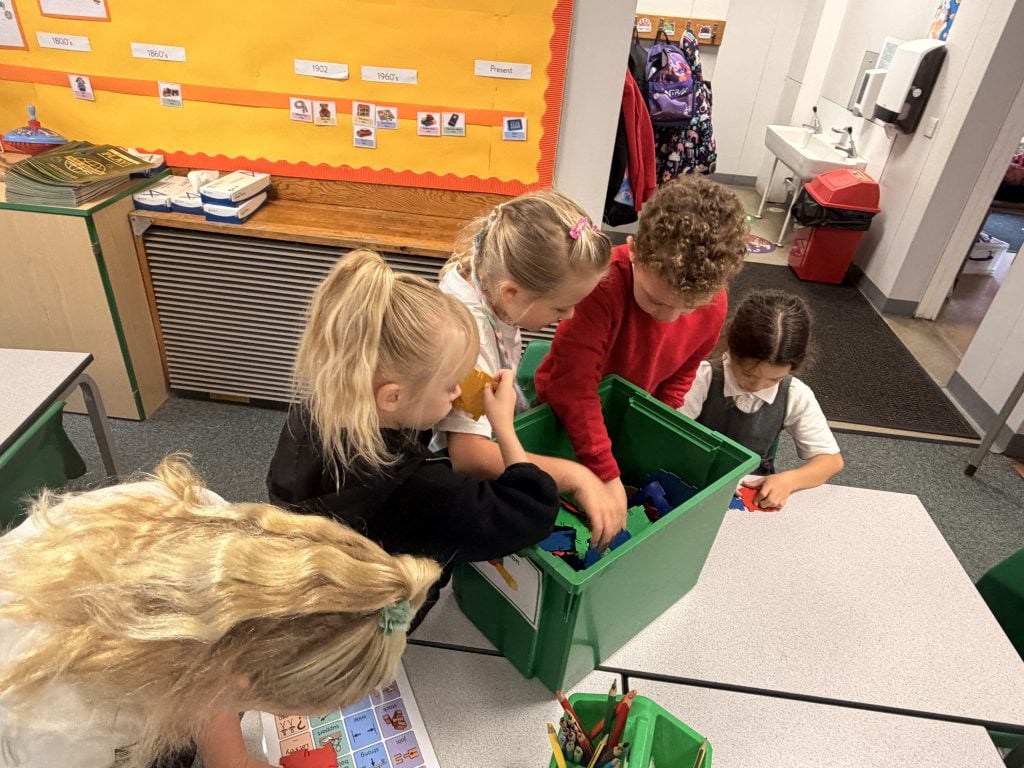
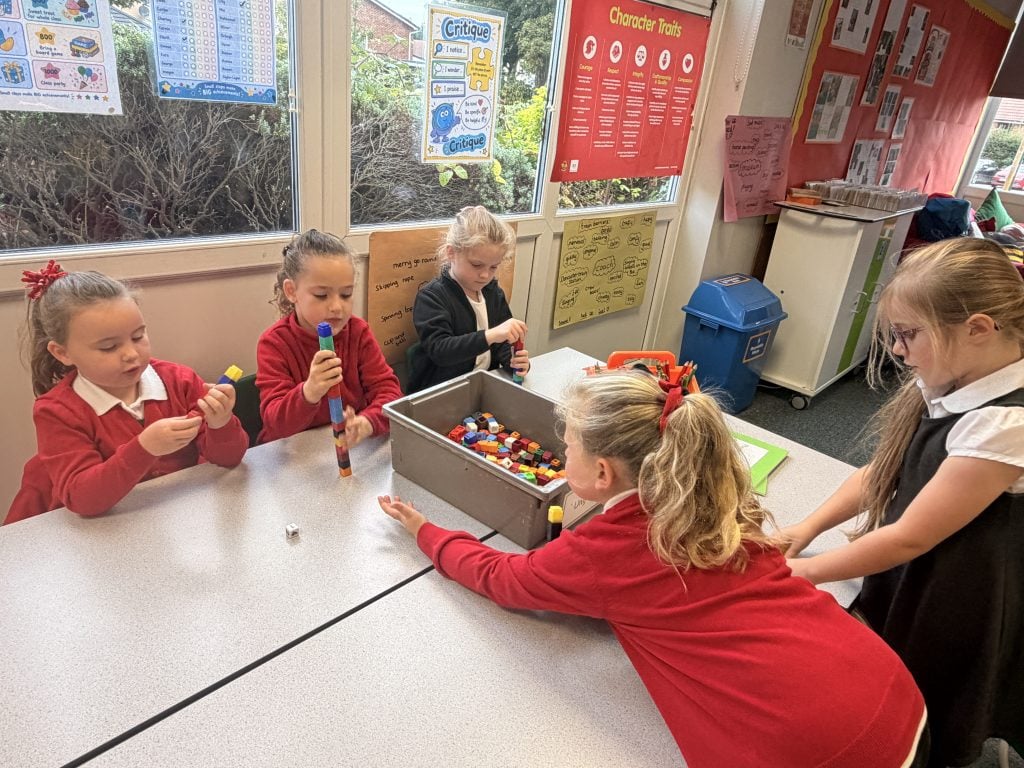
We have had lots of fun during our first Counting Collections sessions!
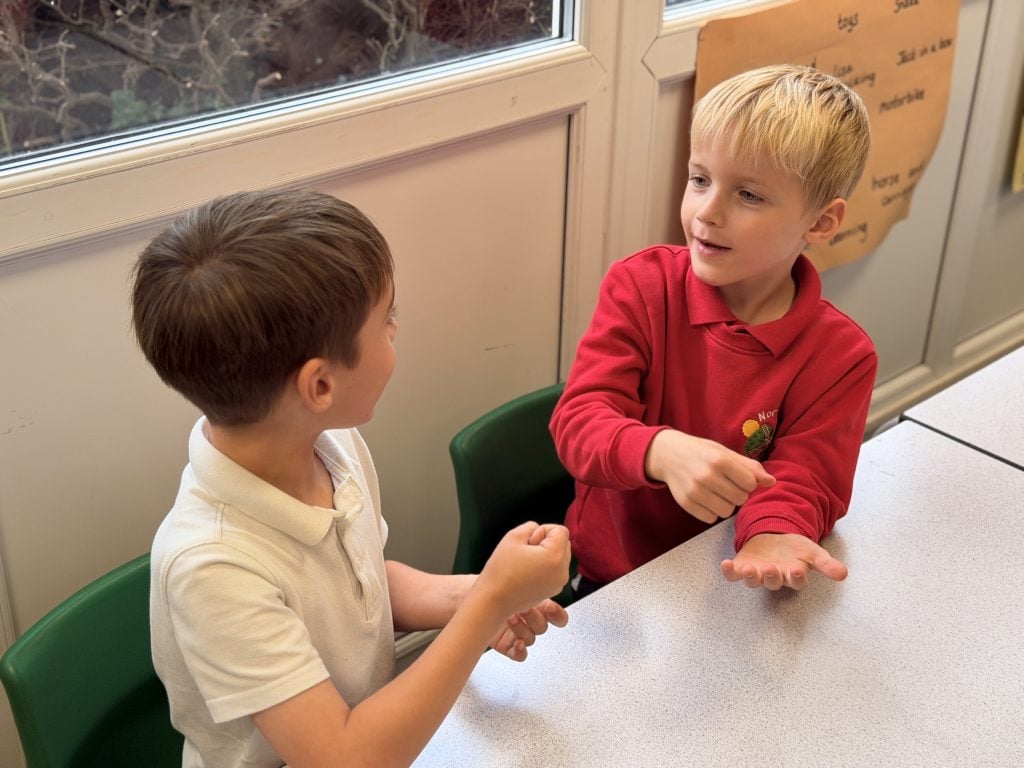
Working with a partner, we each chose a collection to investigate. We then thought carefully about how we could count our collection accurately. We talked to our partners, shared ideas and made a plan before getting started.
We then counted our collections, using different strategies to help us keep track and make sure we didn’t count anything twice. Once we were happy with our total, we recorded what we had found.
It has been fantastic to see the children working together, explaining their thinking and developing their mathematical problem-solving skills. We are already looking forward to seeing how our counting strategies develop as we become more confident mathematicians!
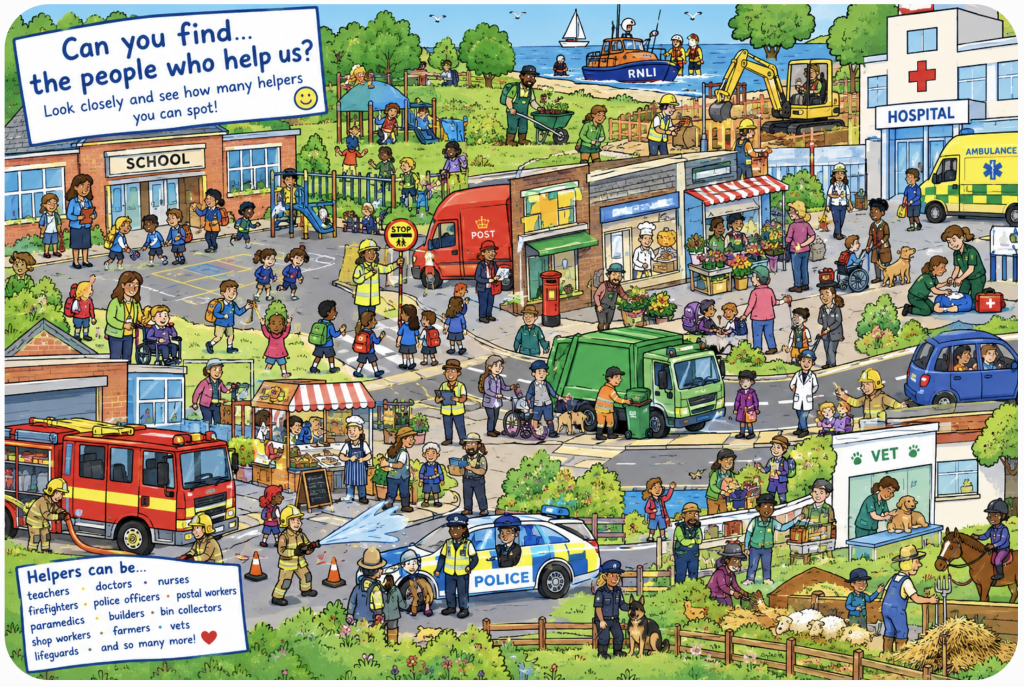
This week, our Wise Wednesday theme in Crew and our KS1 Community Meeting was all about people who help us.
We started thinking about the people who help us in our everyday lives, and we were surprised to discover just how many helpful heroes are all around us! From the people we see at school to those who help us in our communities, there are so many people who make a difference to our lives every single day.
During our Community Meeting, we put our spotting skills to the test with a special Helpful Heroes spotting game. 👀 We had to look carefully and see just how many people we could spot who help others.
It got us thinking about an important question: Who are the helpful heroes in your life?
Why not have a look around when you’re out and about and see how many you can spot too! 💙
We think Class 5 may have discovered a new favourite kind of play!
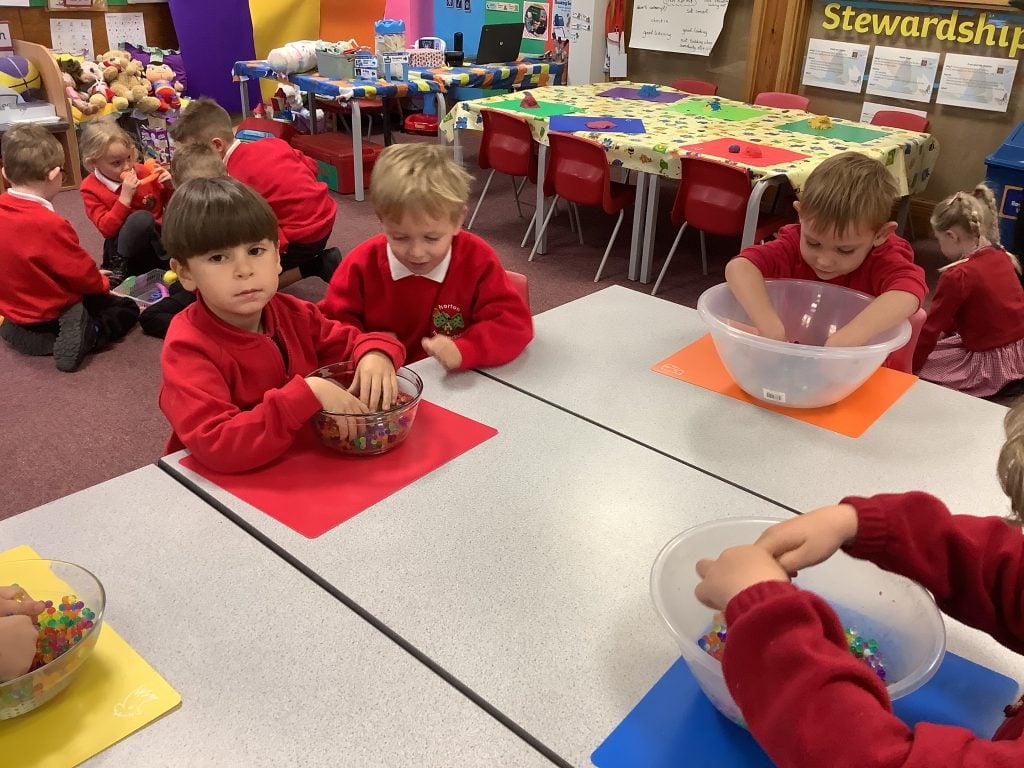
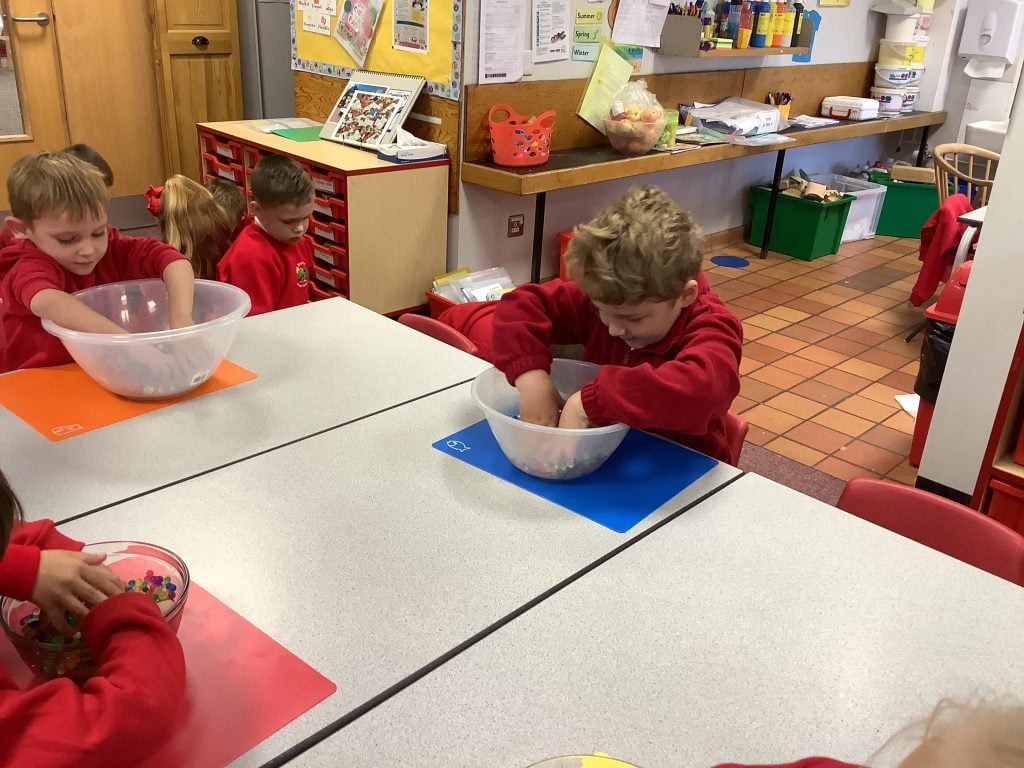
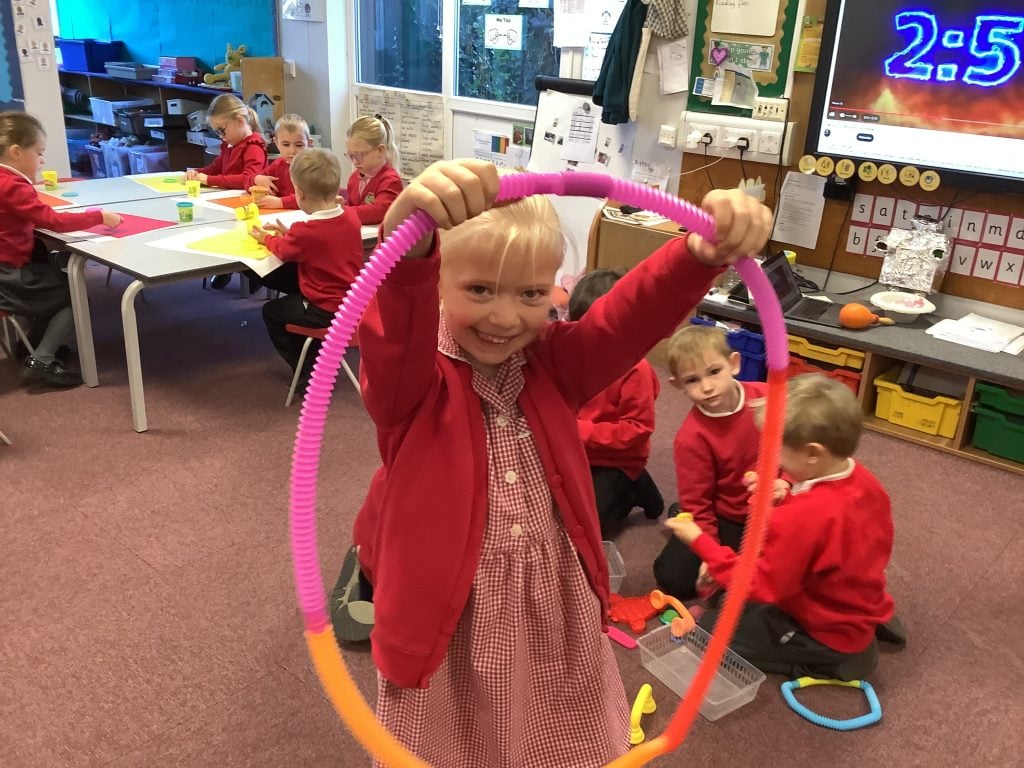
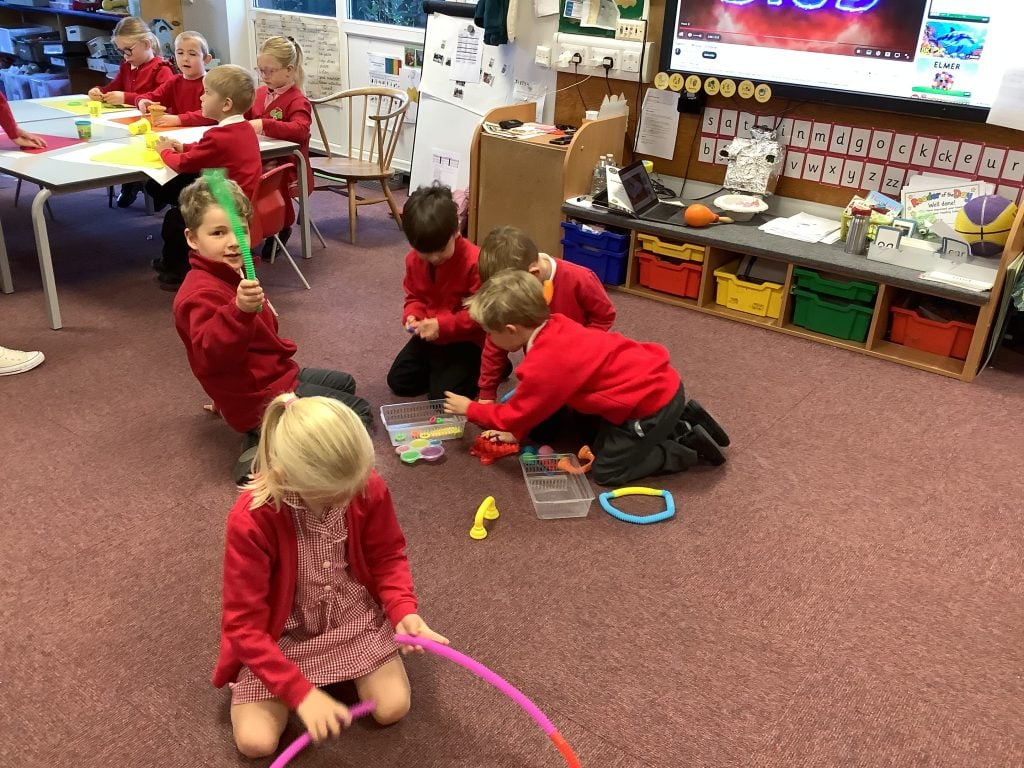
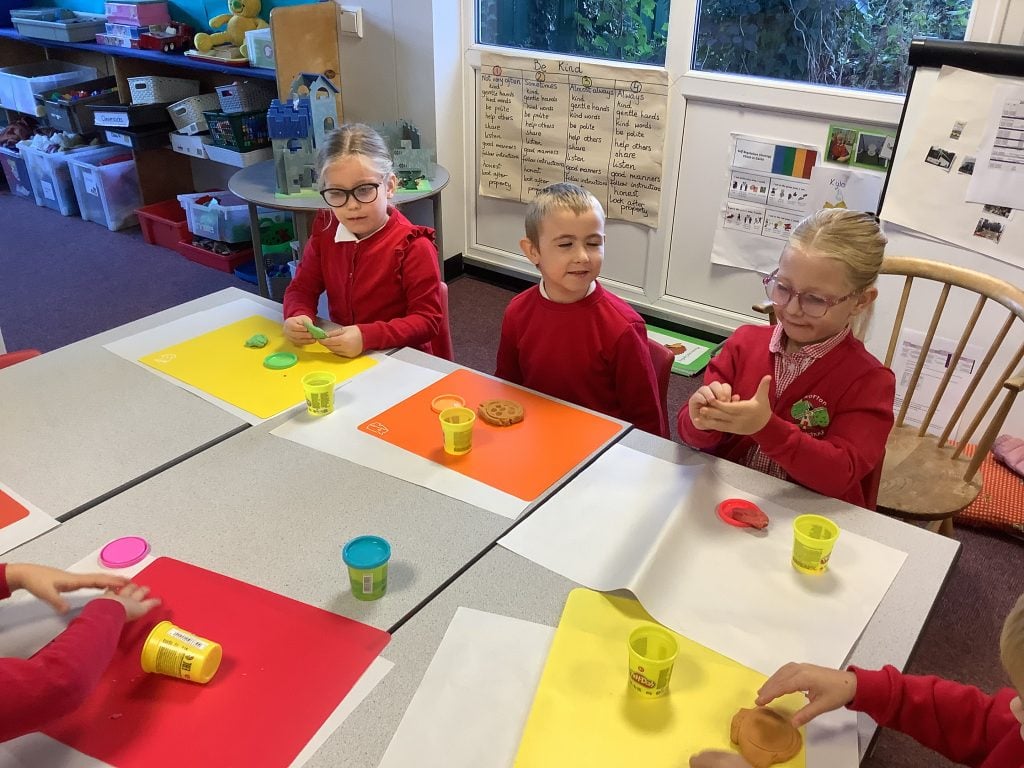
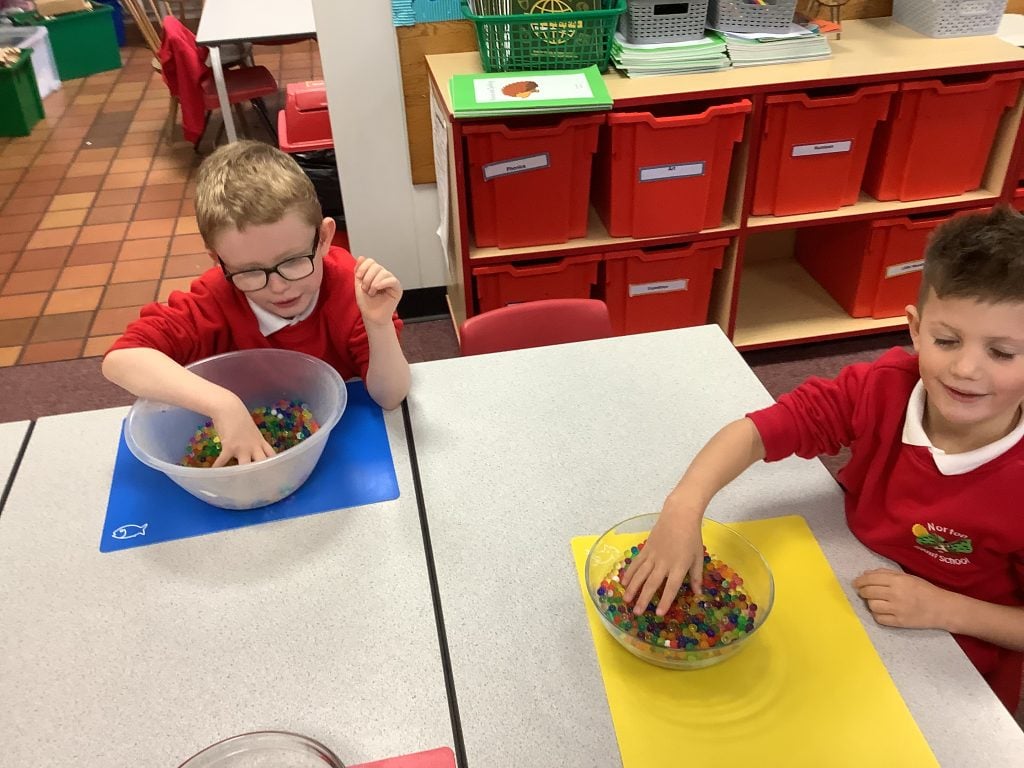
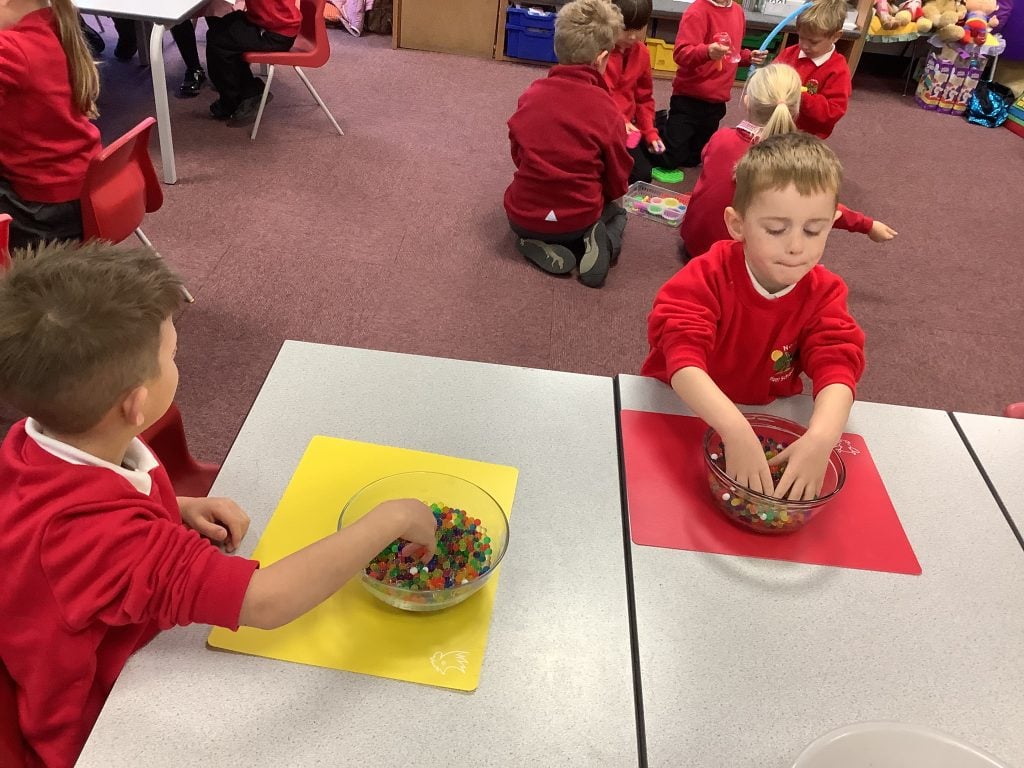
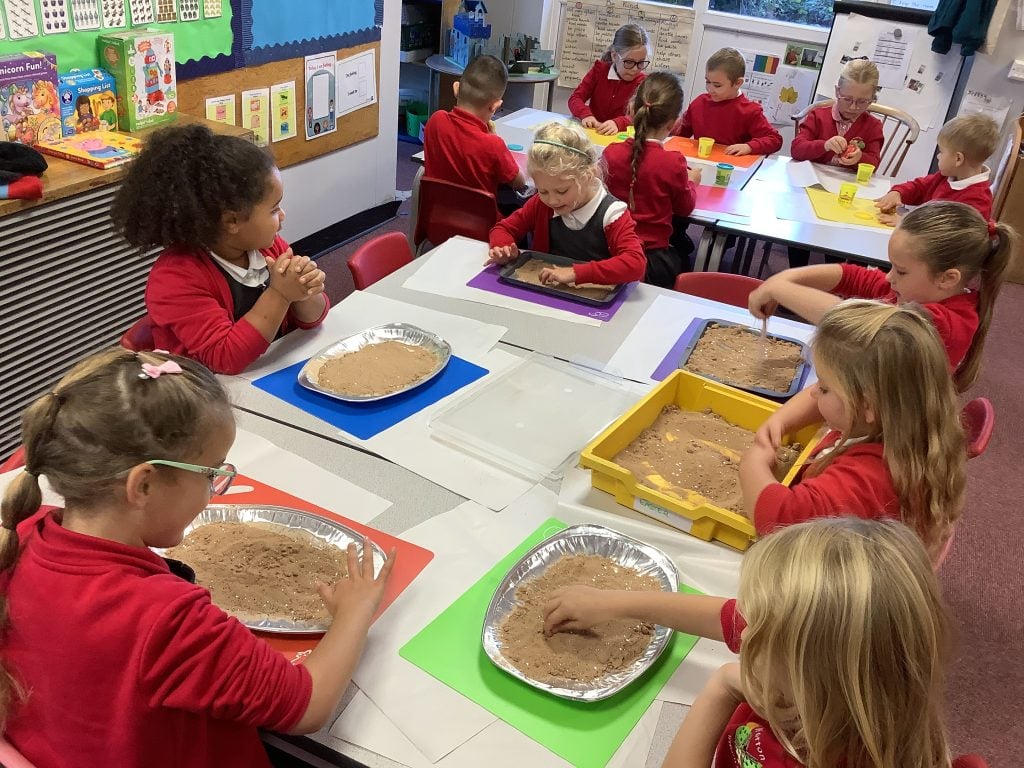
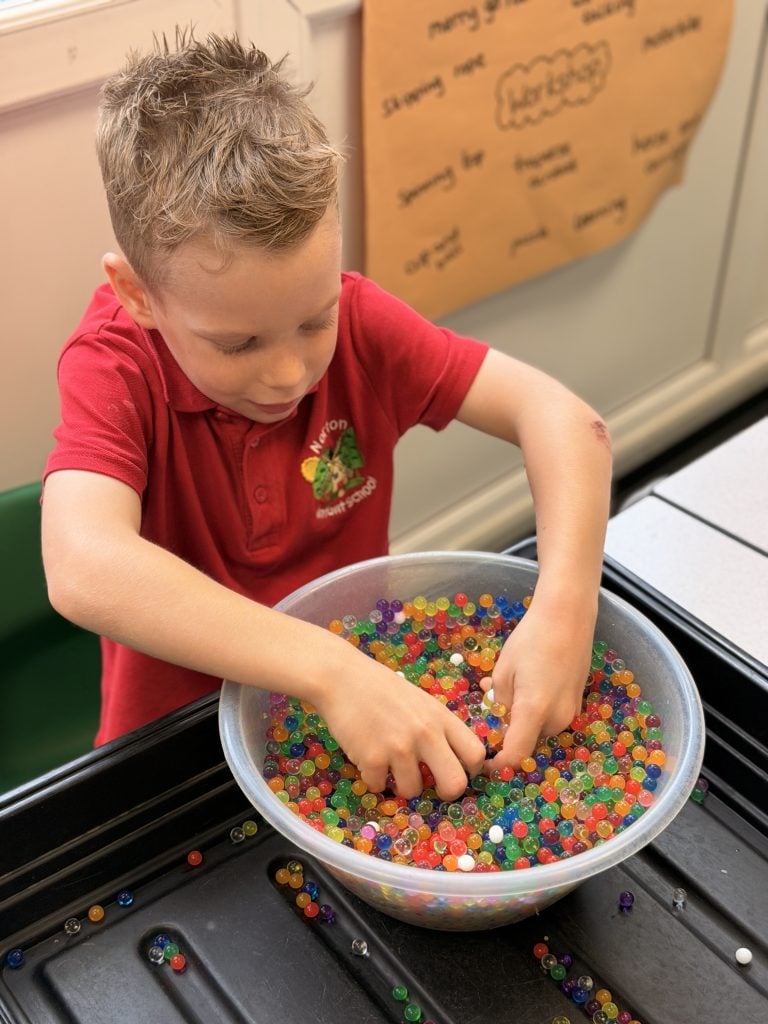
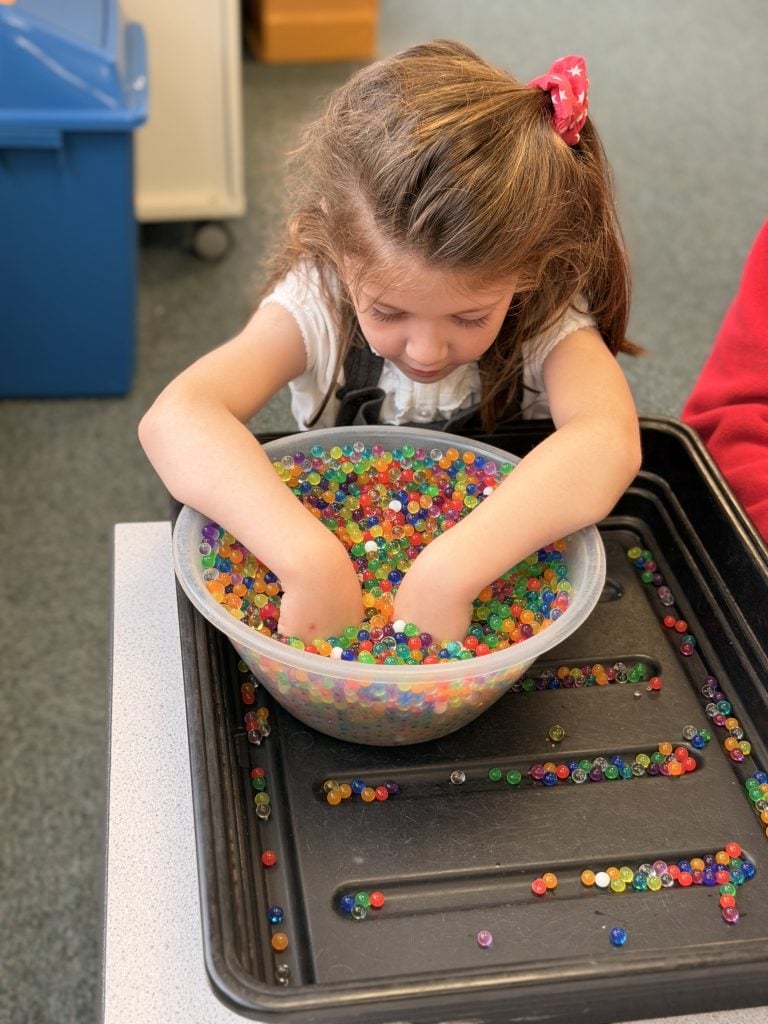
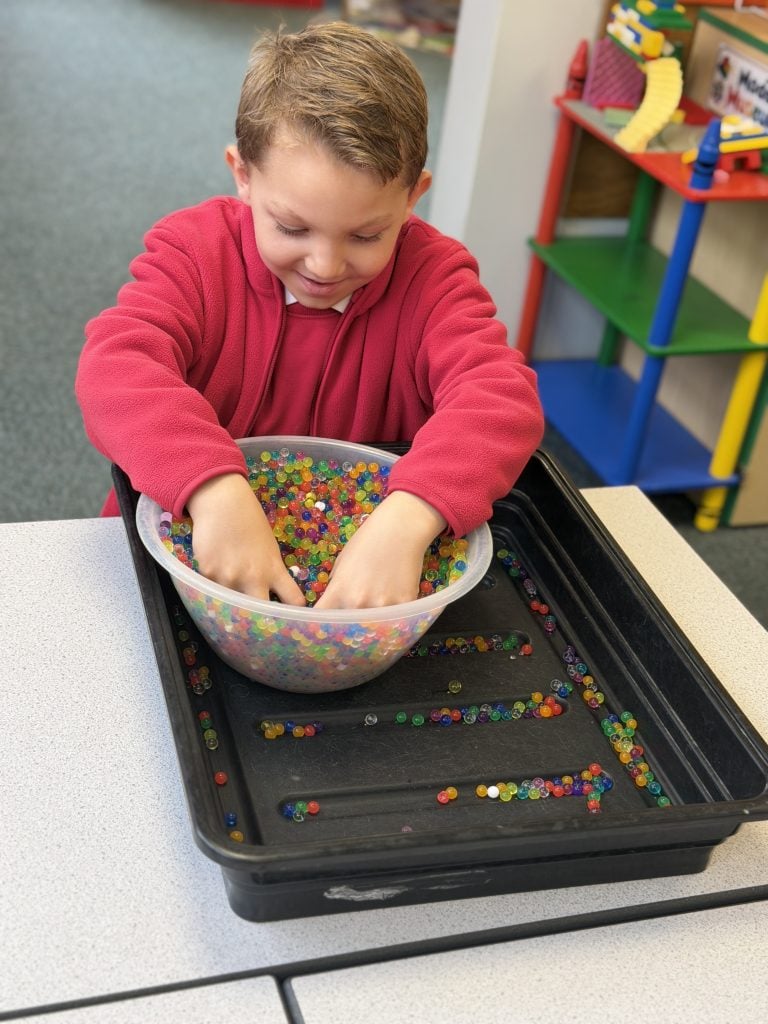
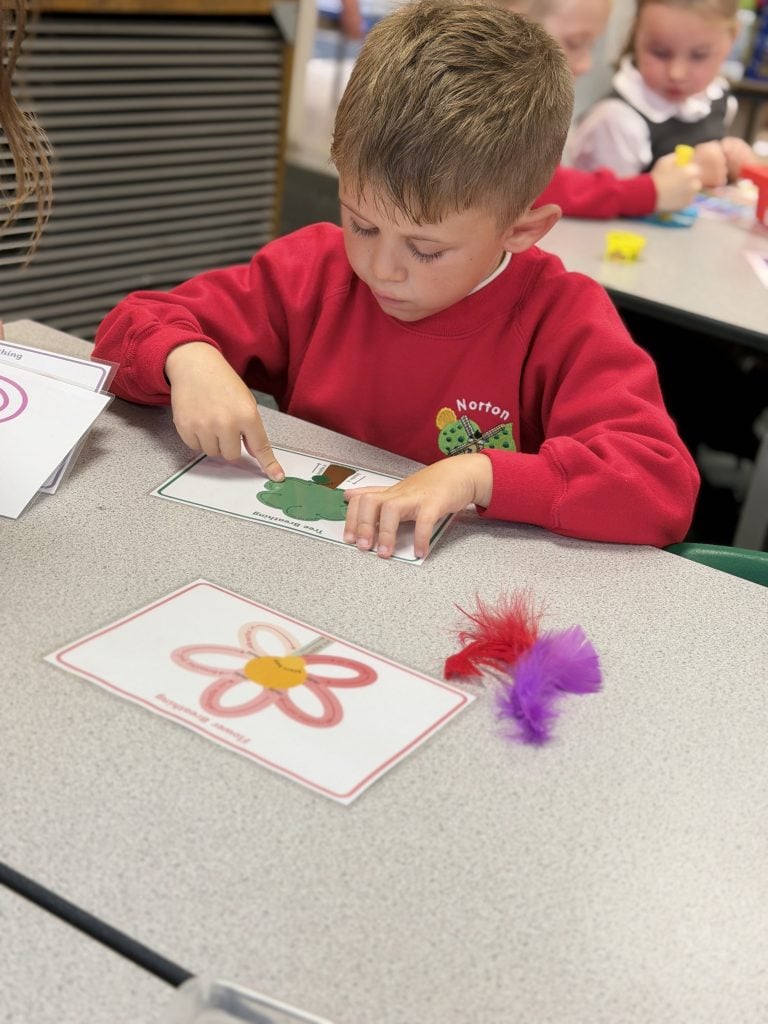
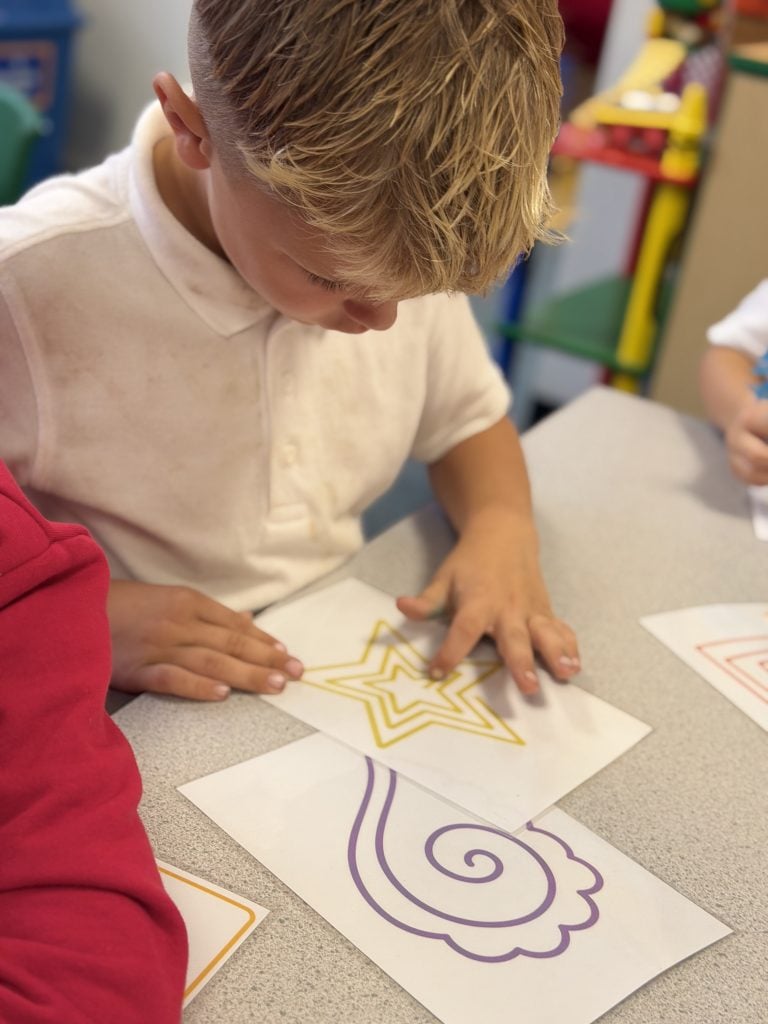
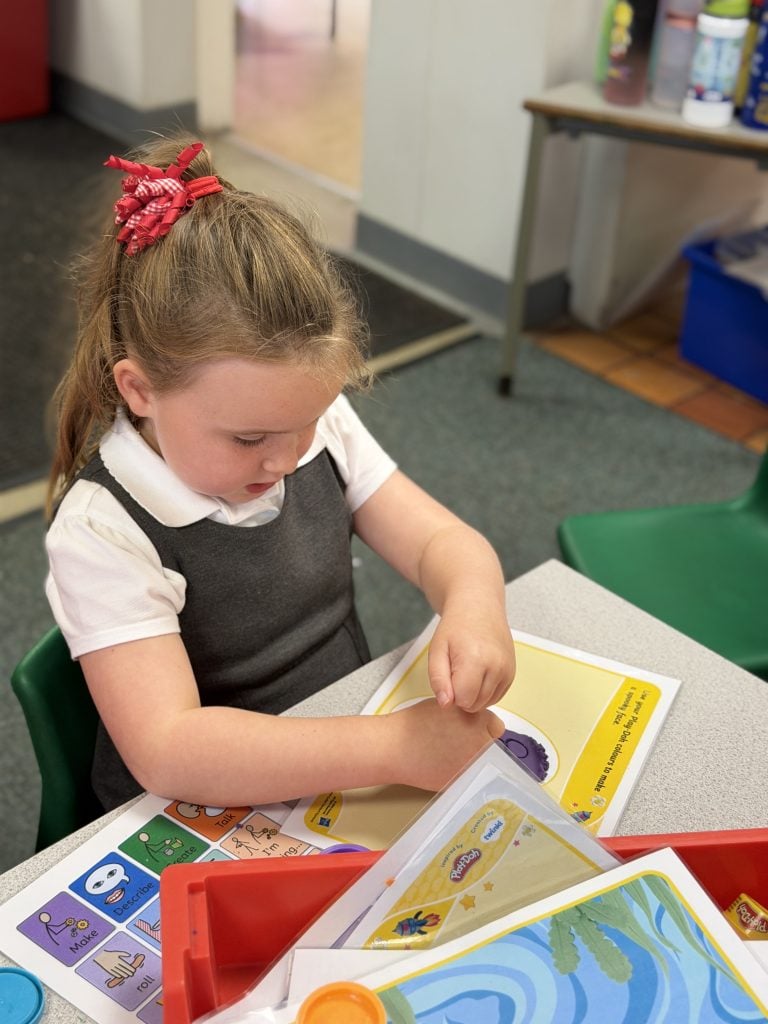
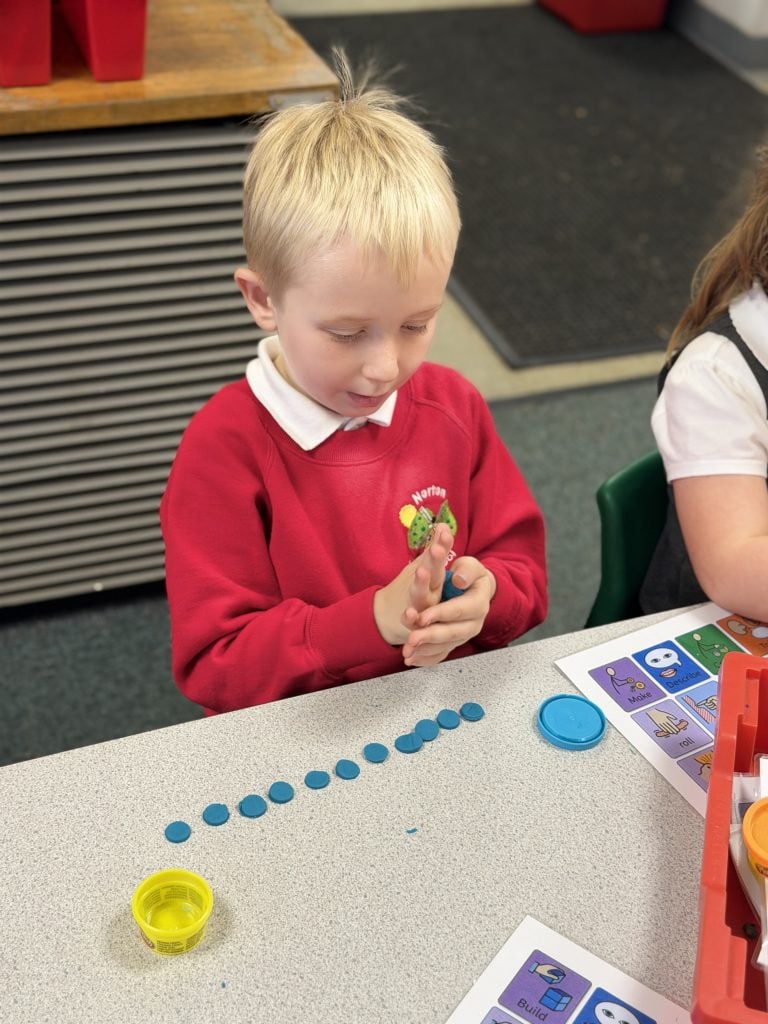
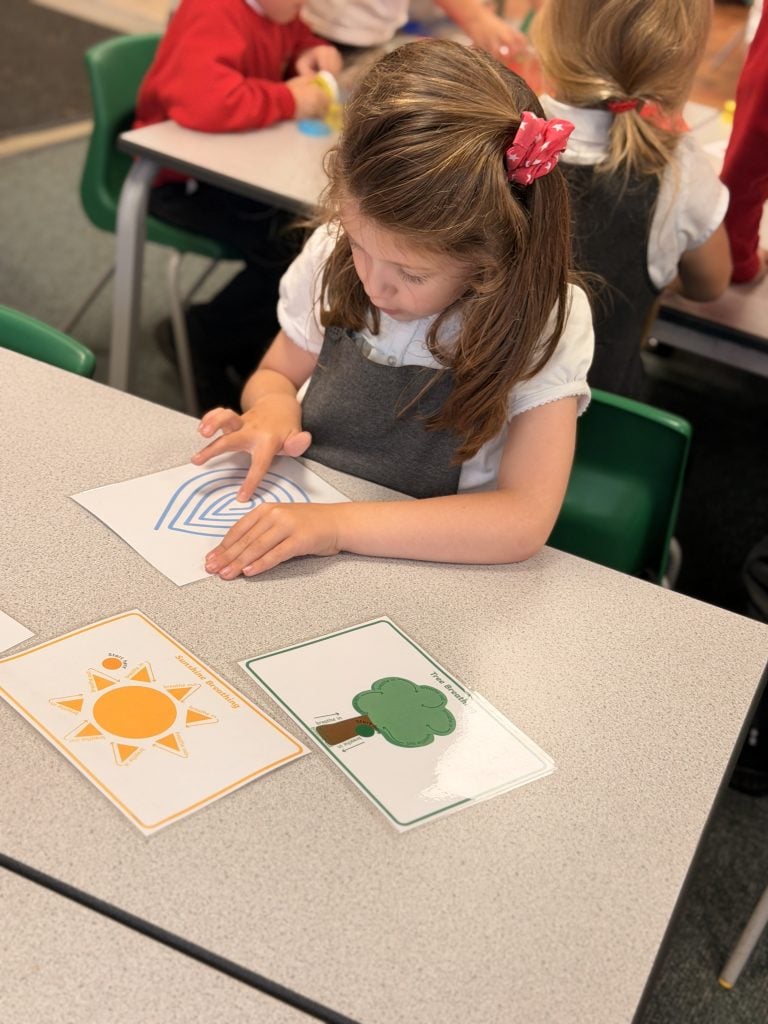
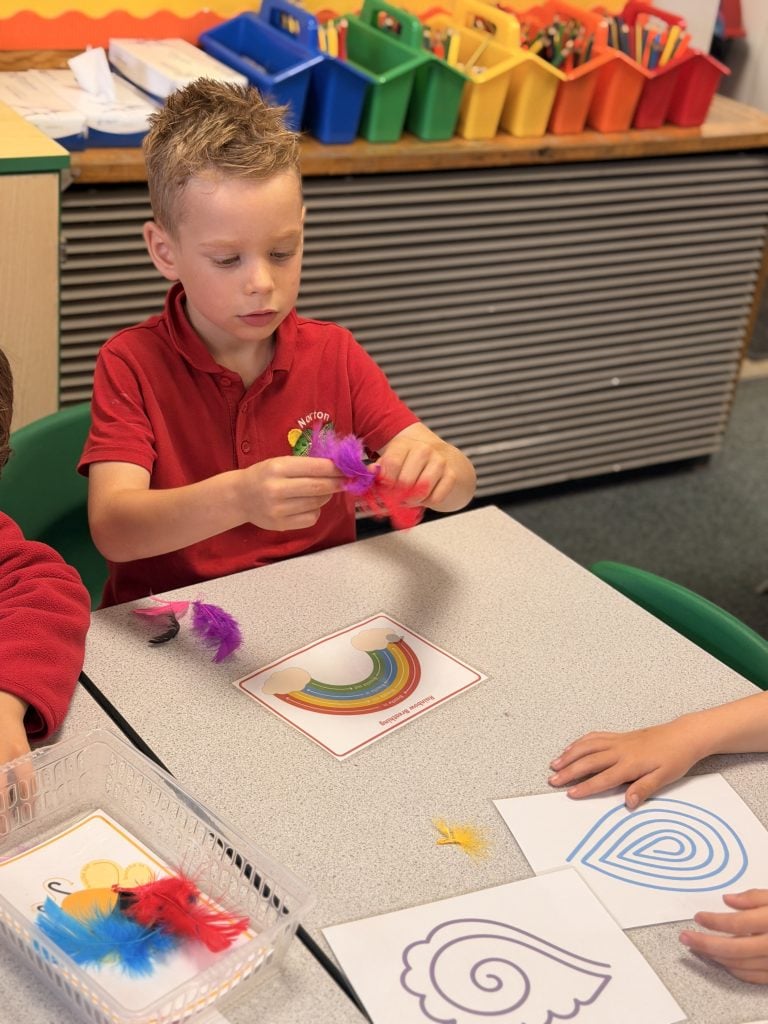
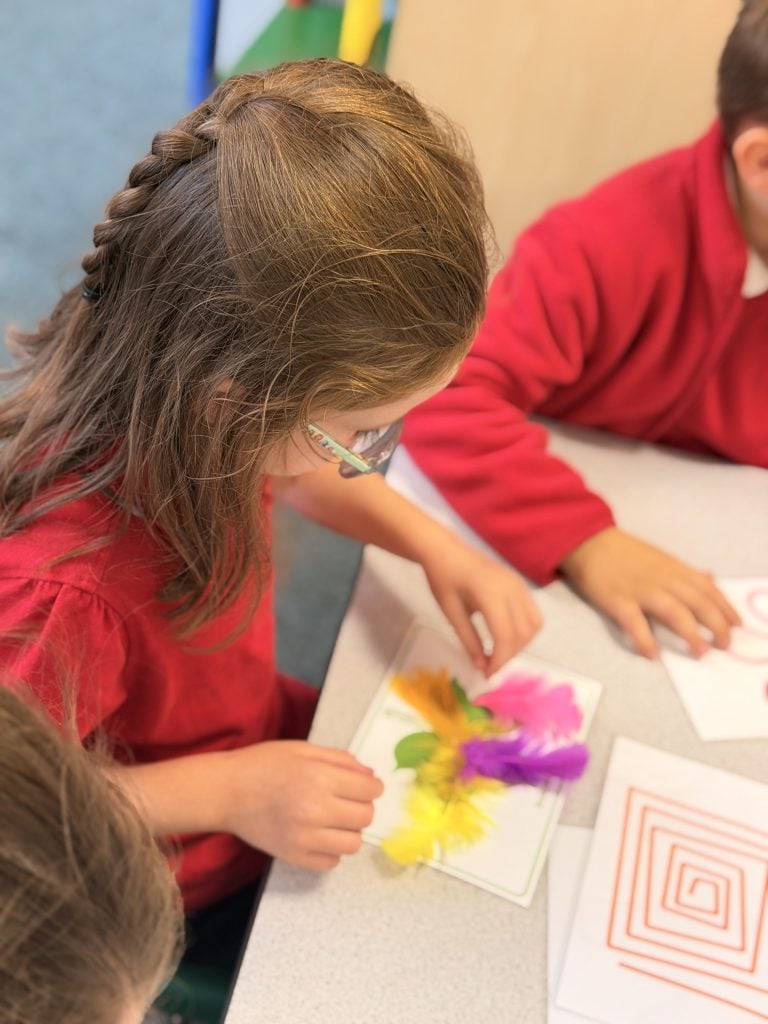
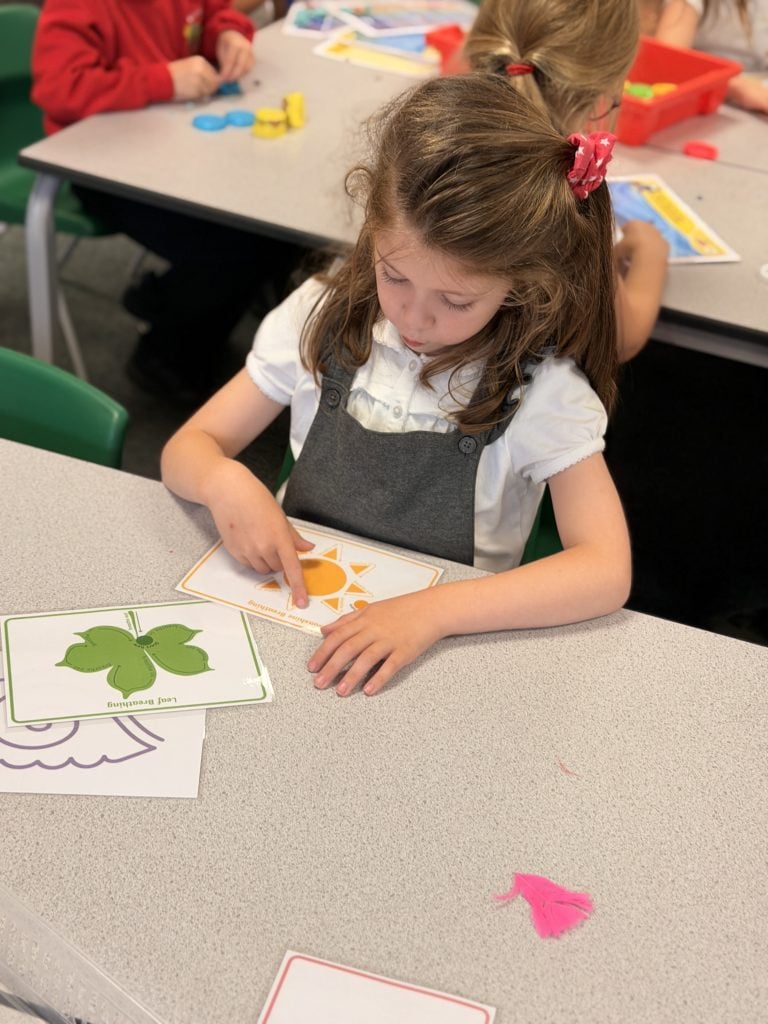
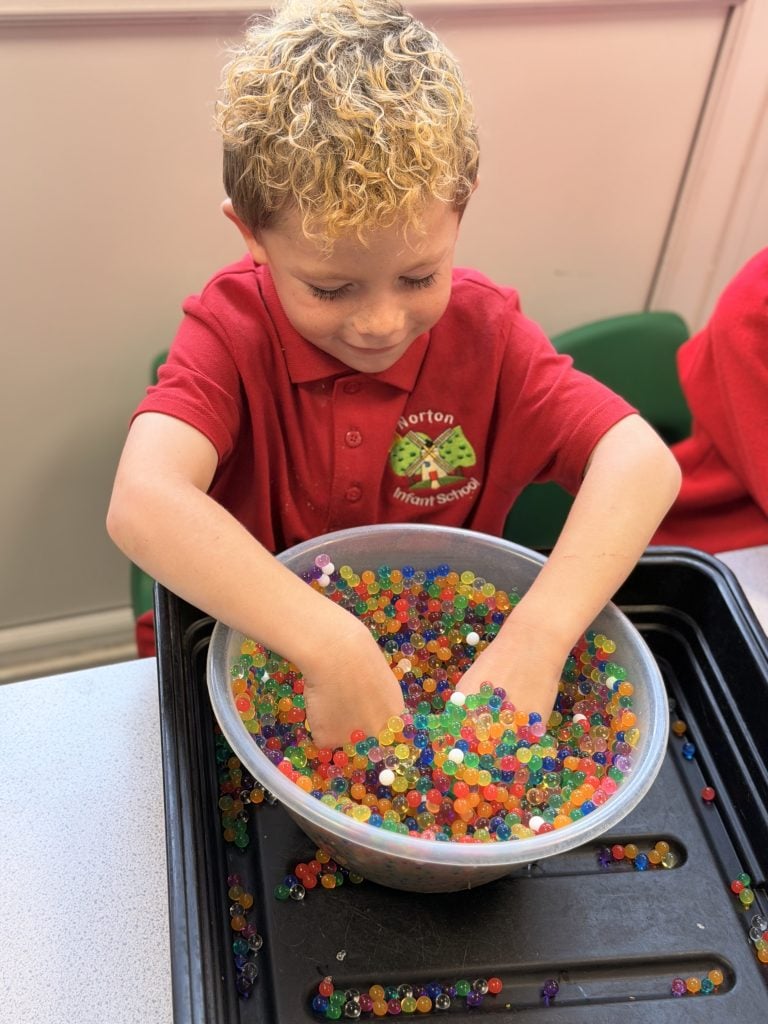
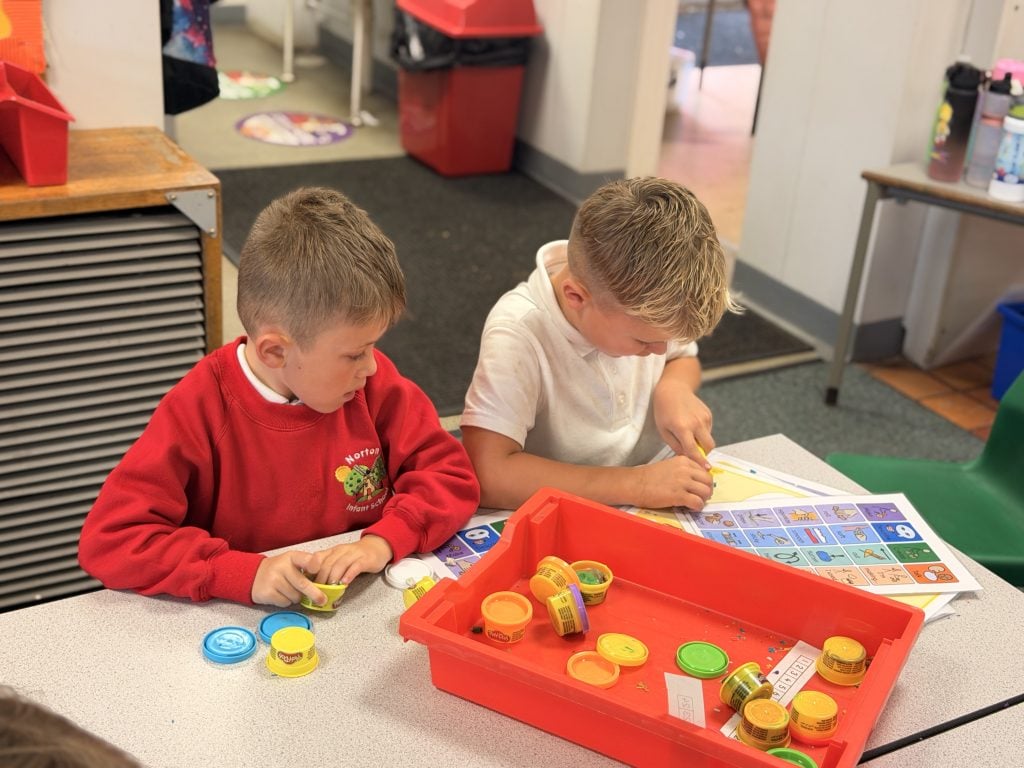
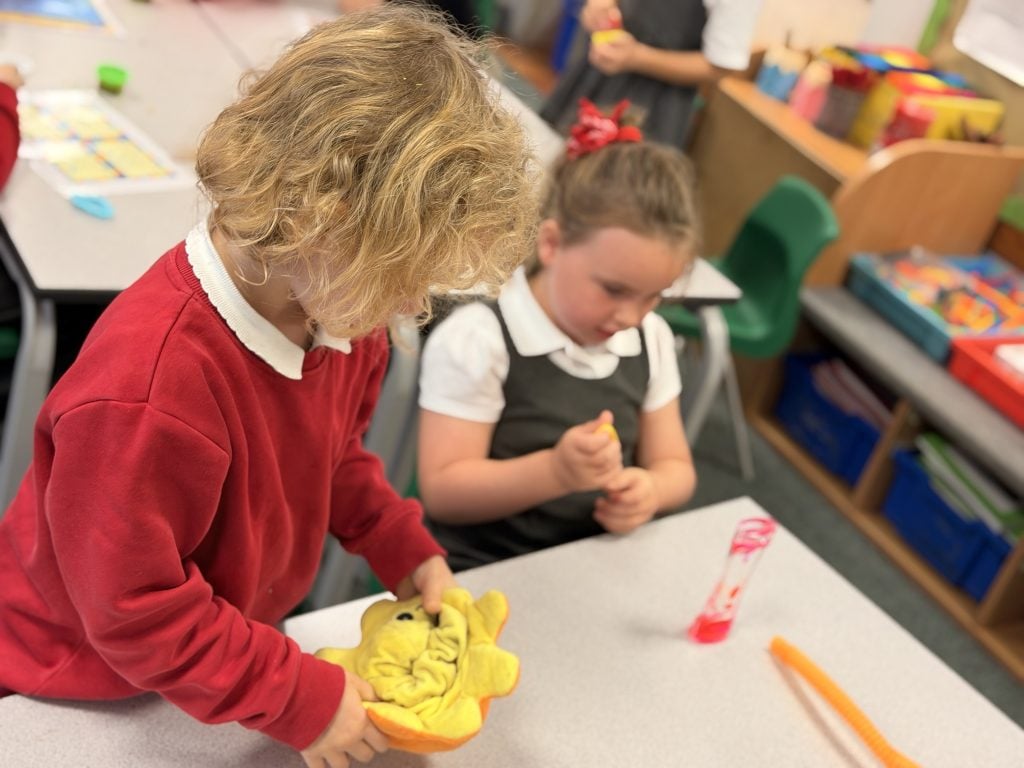
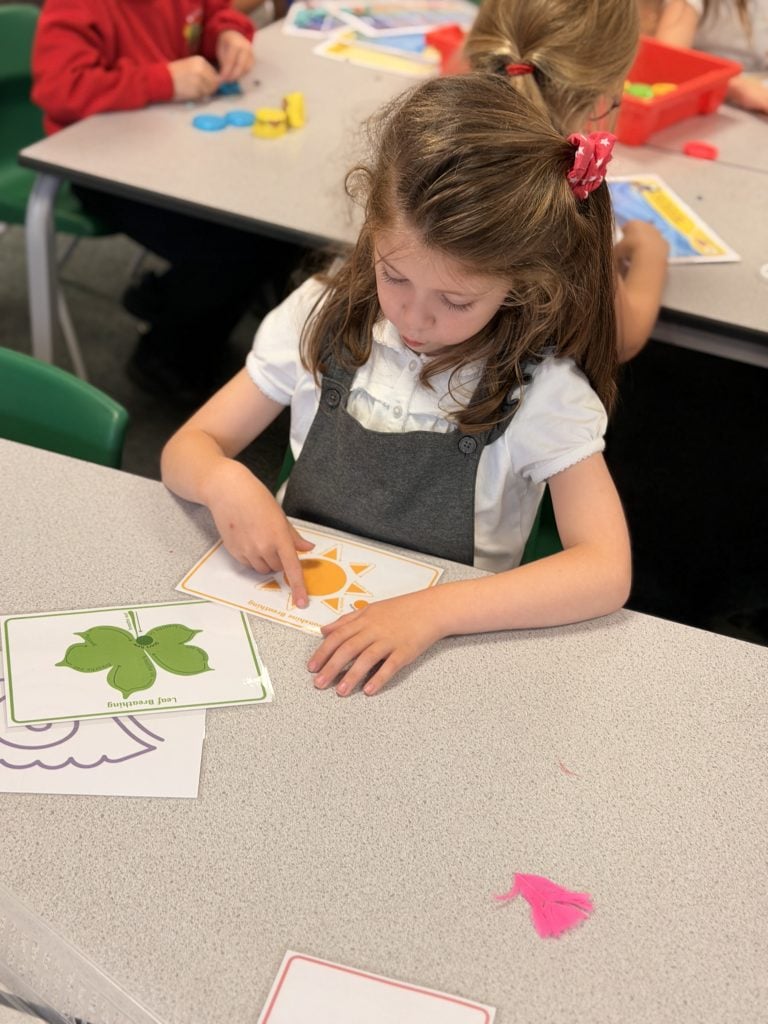
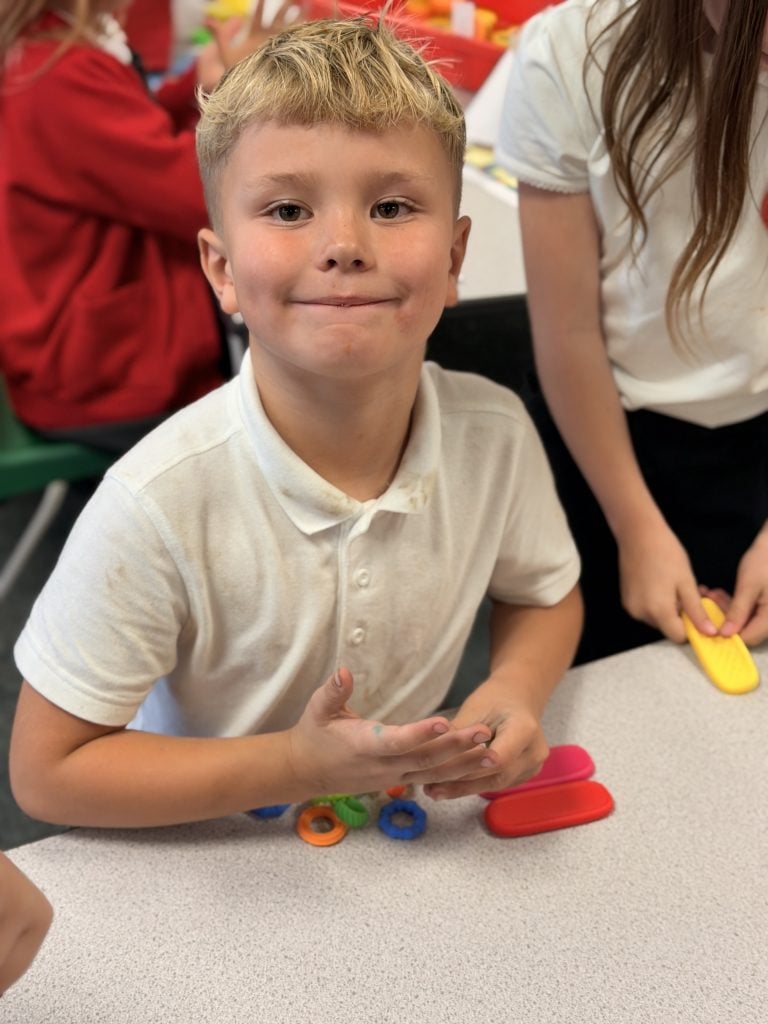
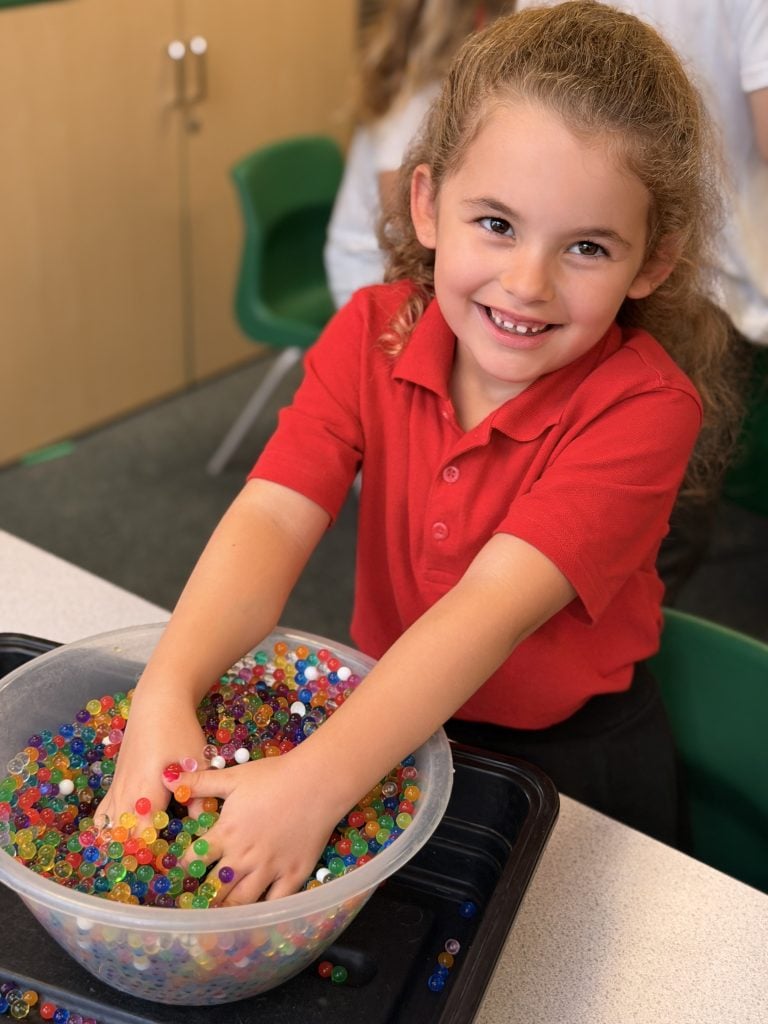
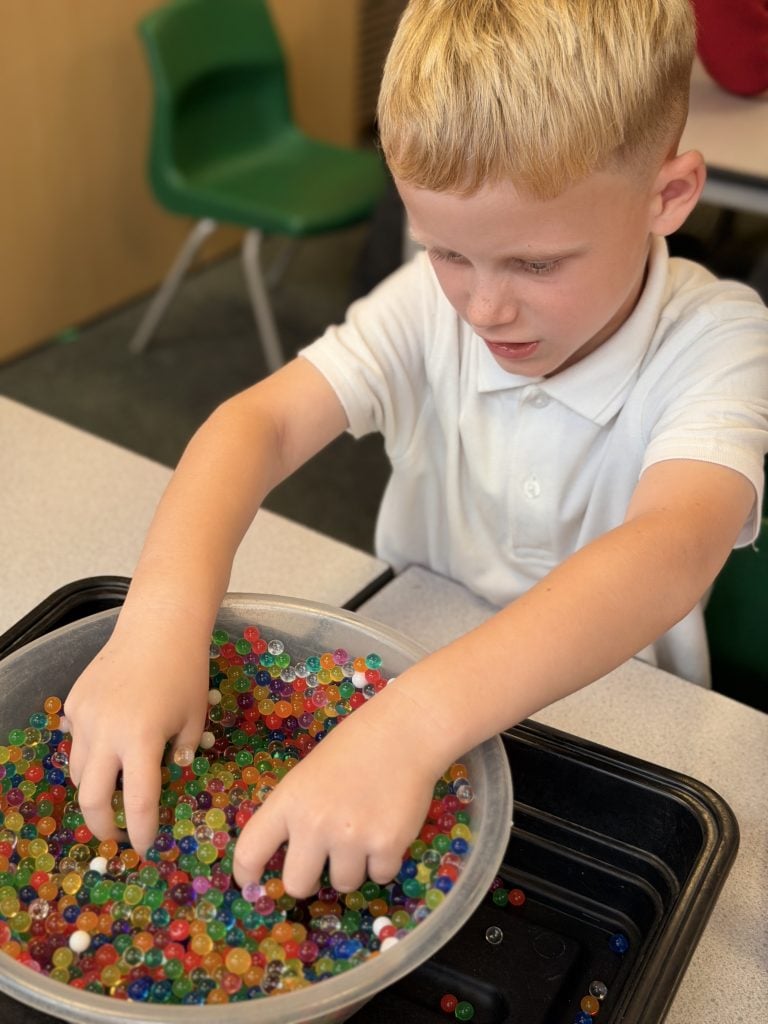
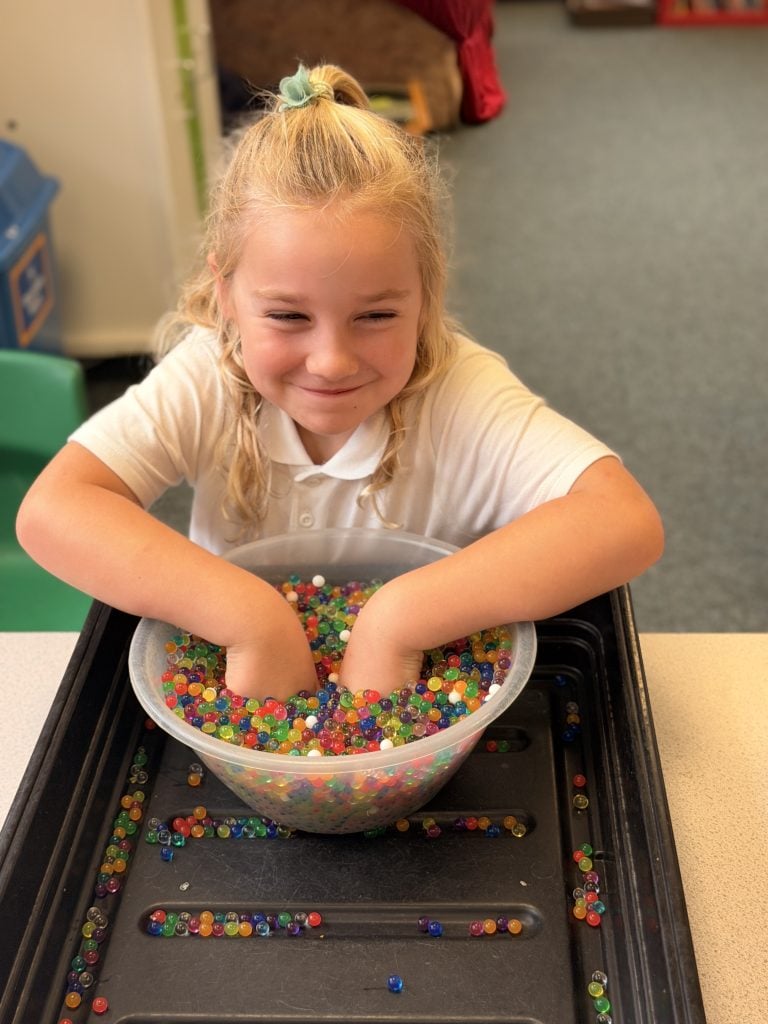
This afternoon, we became Sensory Explorers as part of our Play Passport. Our classroom transformed into a calm, curious and wonderfully collaborative space as we explored a range of different sensory experiences.
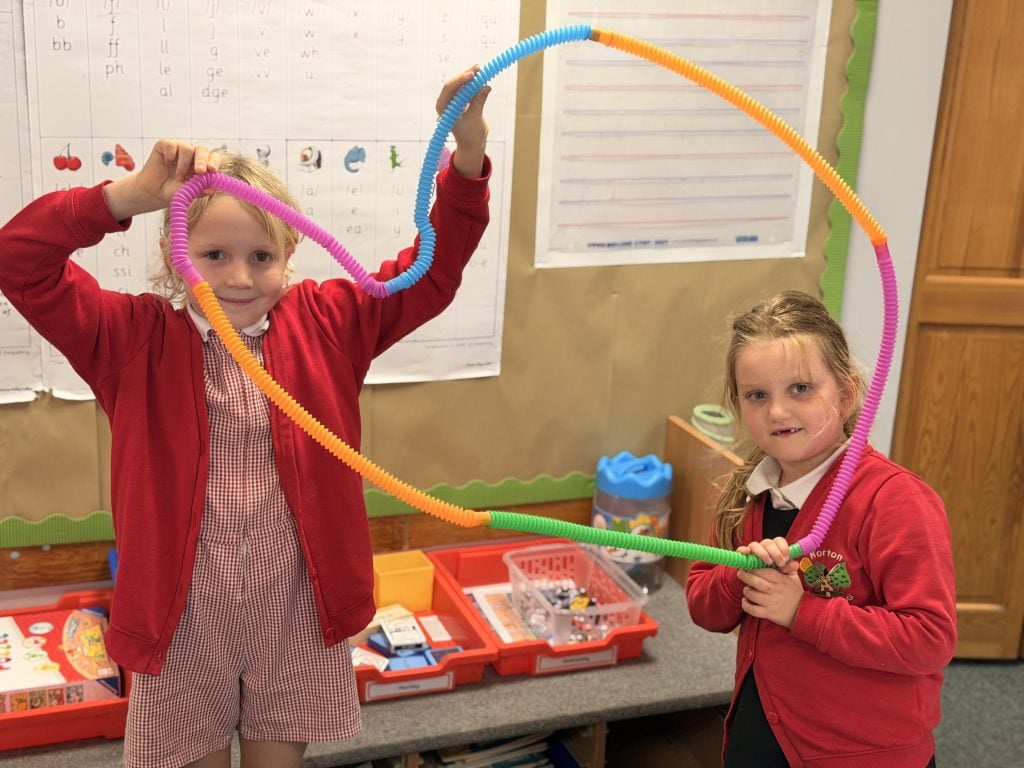
We investigated kinetic sand, squished and created with Play-Doh, explored water beads and experimented with a collection of fidget toys. We talked about how each one felt, moved and behaved and, of course, had plenty of time to simply enjoy the experience of playing.
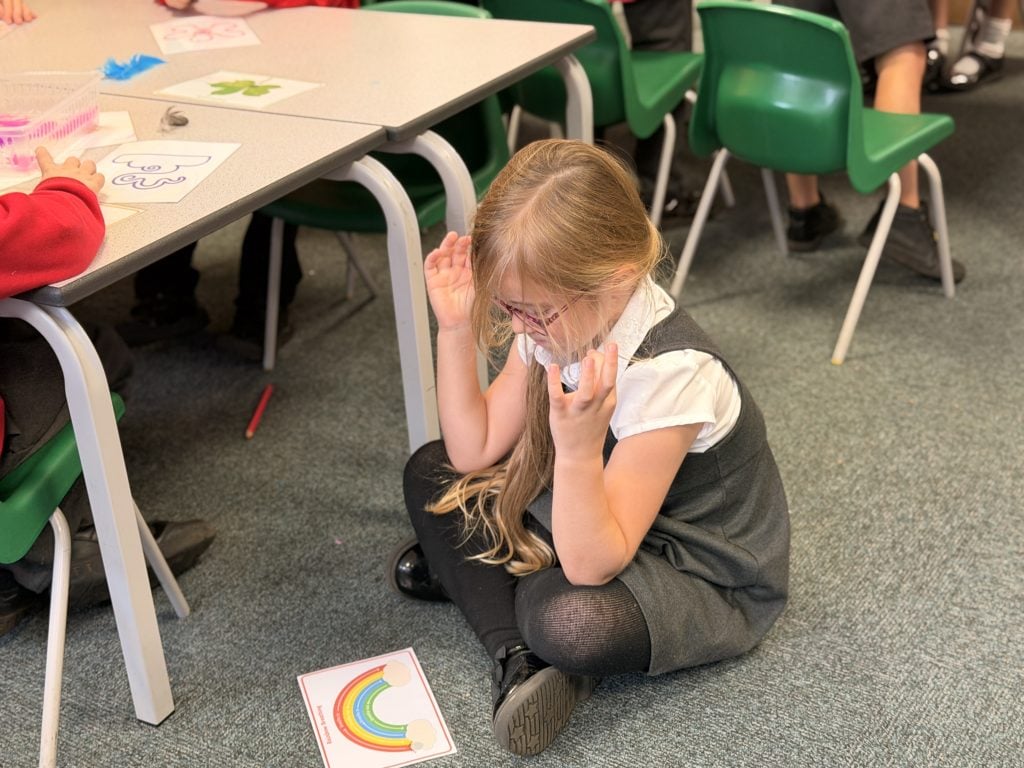
We also took some time to slow down and relax with breathing exercises, noticing how our bodies felt before and after. It was lovely to see children recognising when they needed a quieter moment and making choices about what helped them feel calm and ready to play.
The calm and collaborative buzz in the classroom was amazing. Children shared resources, helped one another, waited patiently, encouraged their friends and celebrated each other’s ideas. Our character traits were on full display this afternoon — particularly Compassion, Respect, Courage and Craftsmanship & Quality.
It was one of those afternoons where you could really see that play is so much more than just having fun. We were communicating, problem-solving, regulating our emotions, developing our relationships and learning about ourselves and each other — all while getting thoroughly messy and having a brilliant time!
We definitely think we might need more sensory play in Class 5! 💜🌈
We had a lovely Tranquil Tuesday in Crew this week!
We began by checking in and remembering what we had been working on together last time, before settling down to share the story of The Three Little Pigs. We then had a challenge to complete together: could we build a strong and creative house (or even a castle!) for the little pigs?
We split into four groups and each group was given a different set of materials to work with. The real challenge wasn’t just about what we could build, but how we could work together. We had to listen to one another, share ideas, take turns and find ways to make decisions as a team.
We finished with a Crew check-out, sharing advice we could give the little pigs about collaboration. We had some brilliant ideas about listening to others, sharing the jobs, helping each other and remembering that everyone’s ideas matter.
A lovely reminder that sometimes the strongest structures aren’t just built with materials – they’re built through teamwork, kindness and collaboration too! 🐷🏠
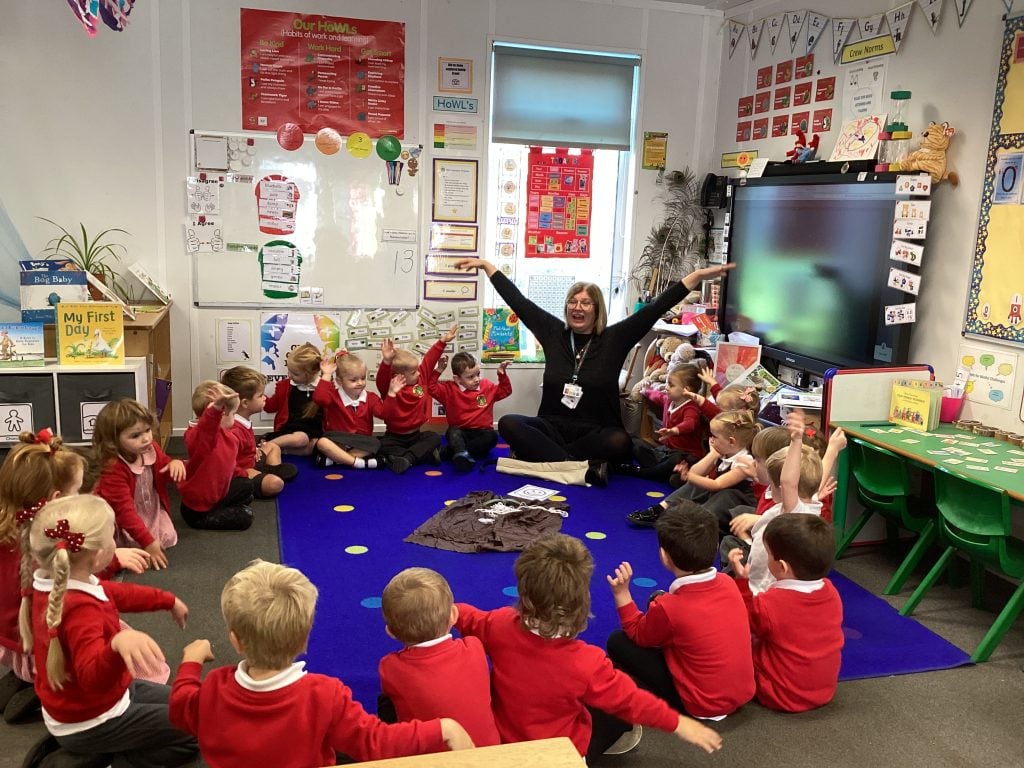
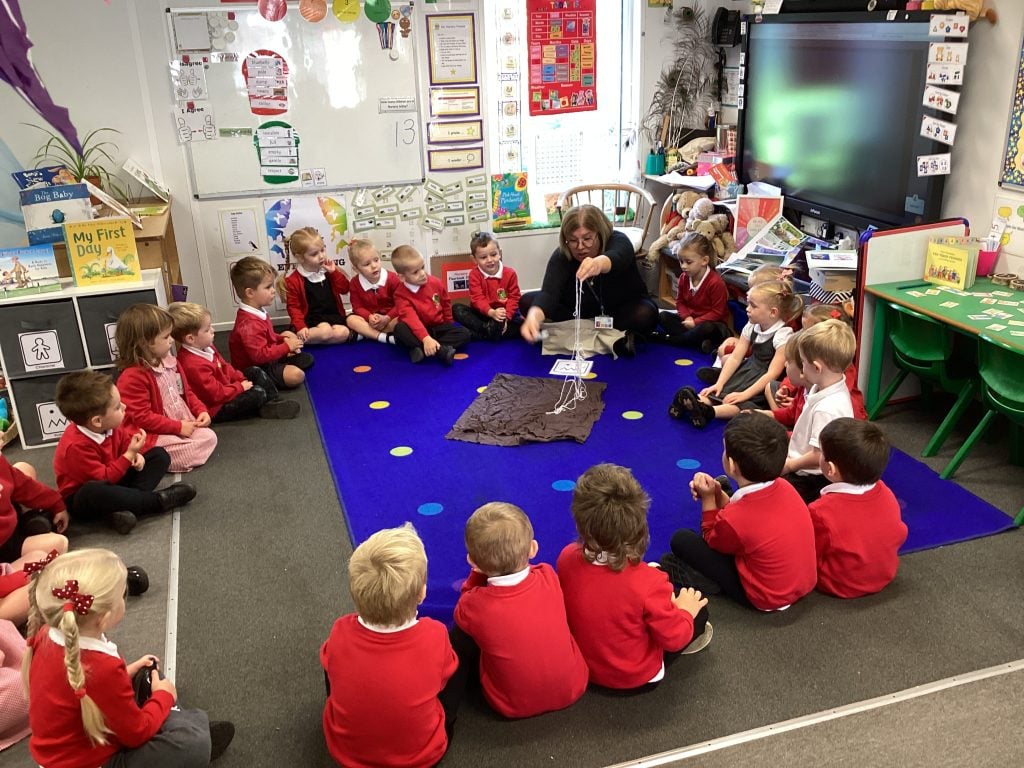
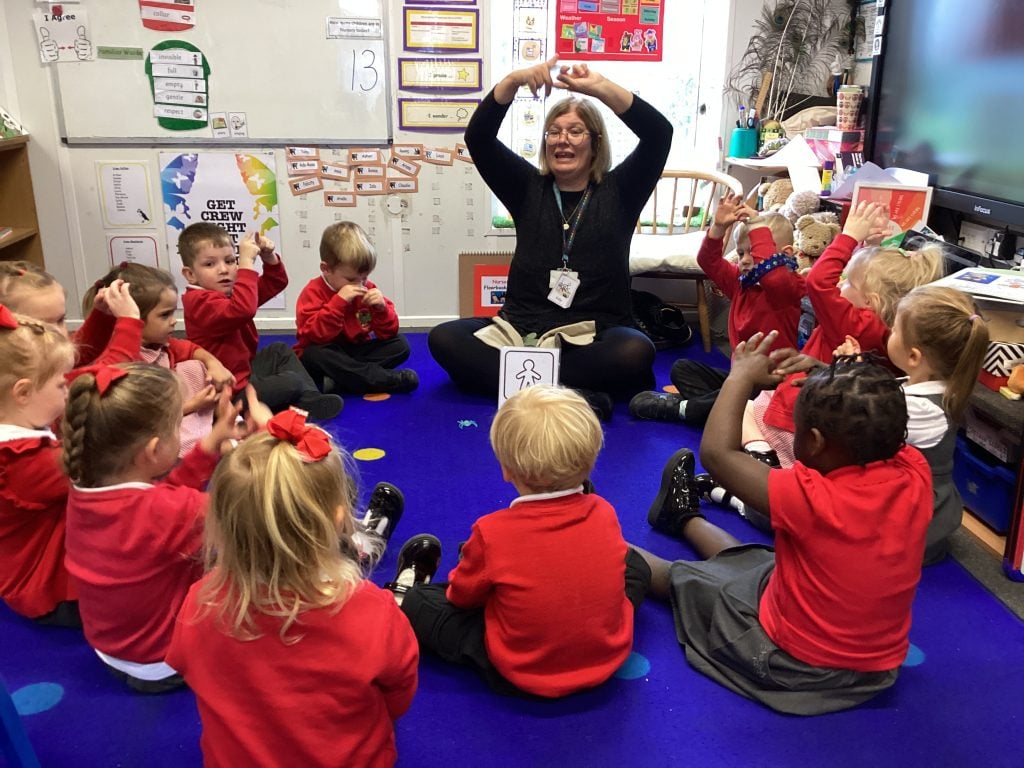
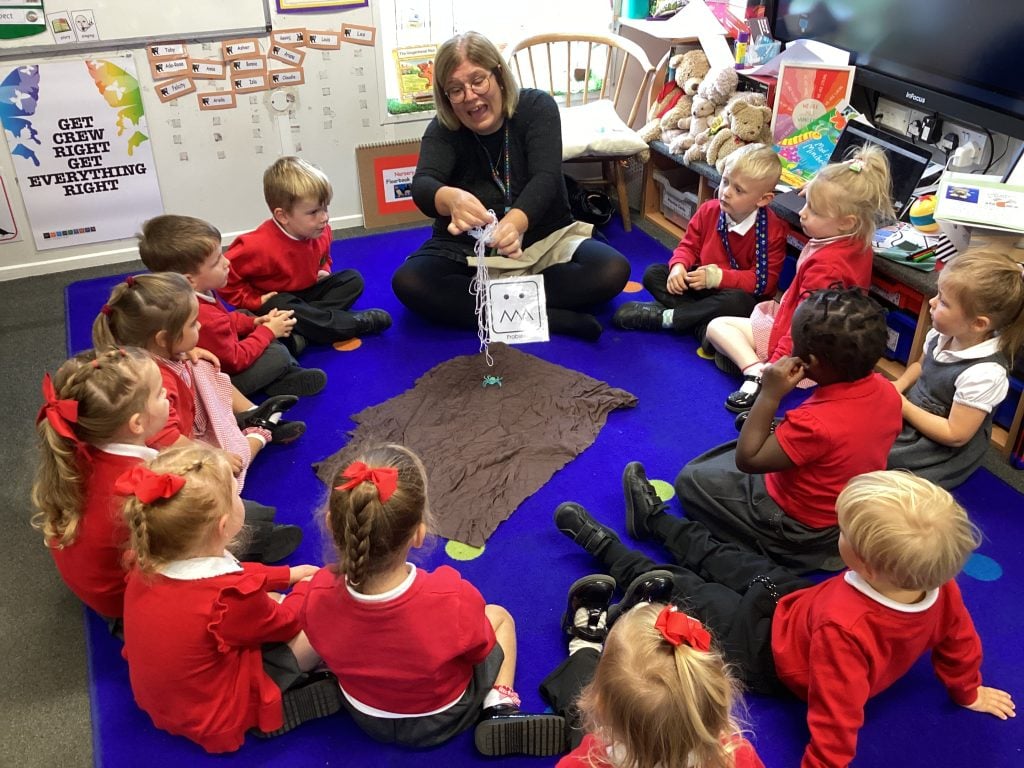
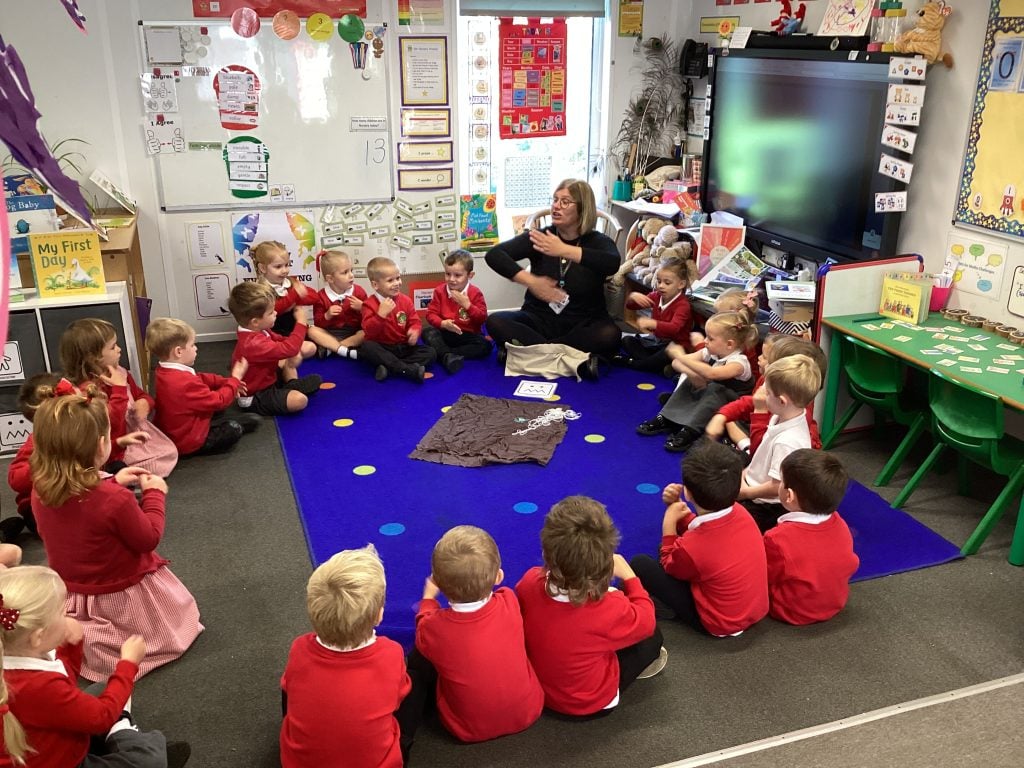
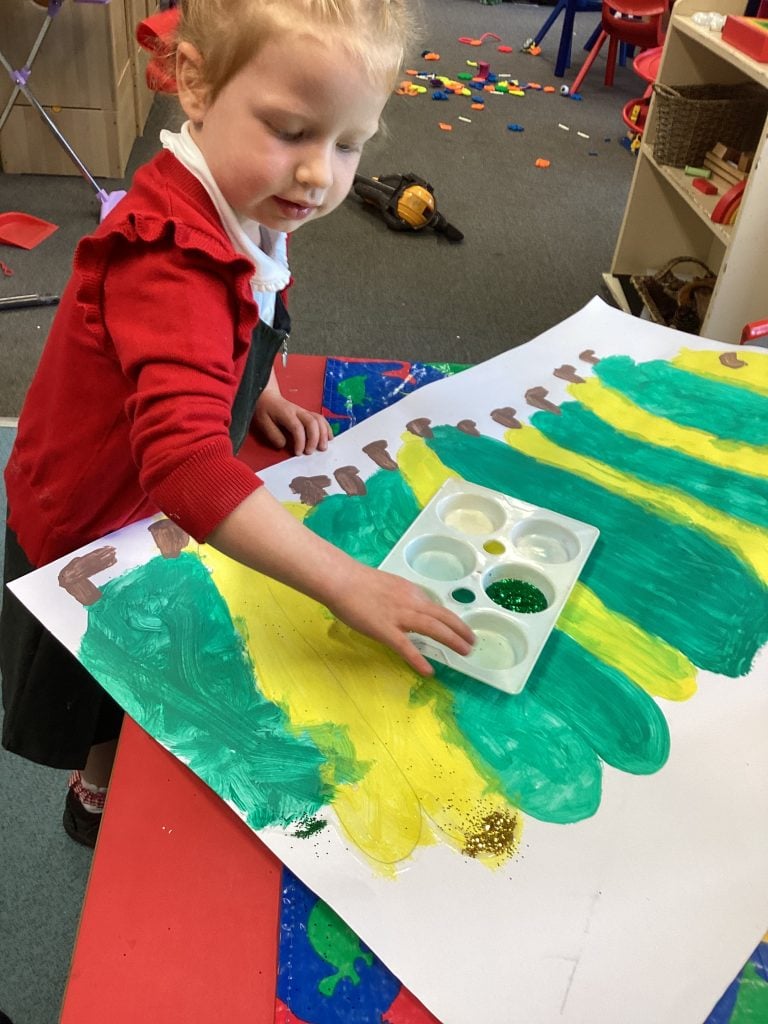
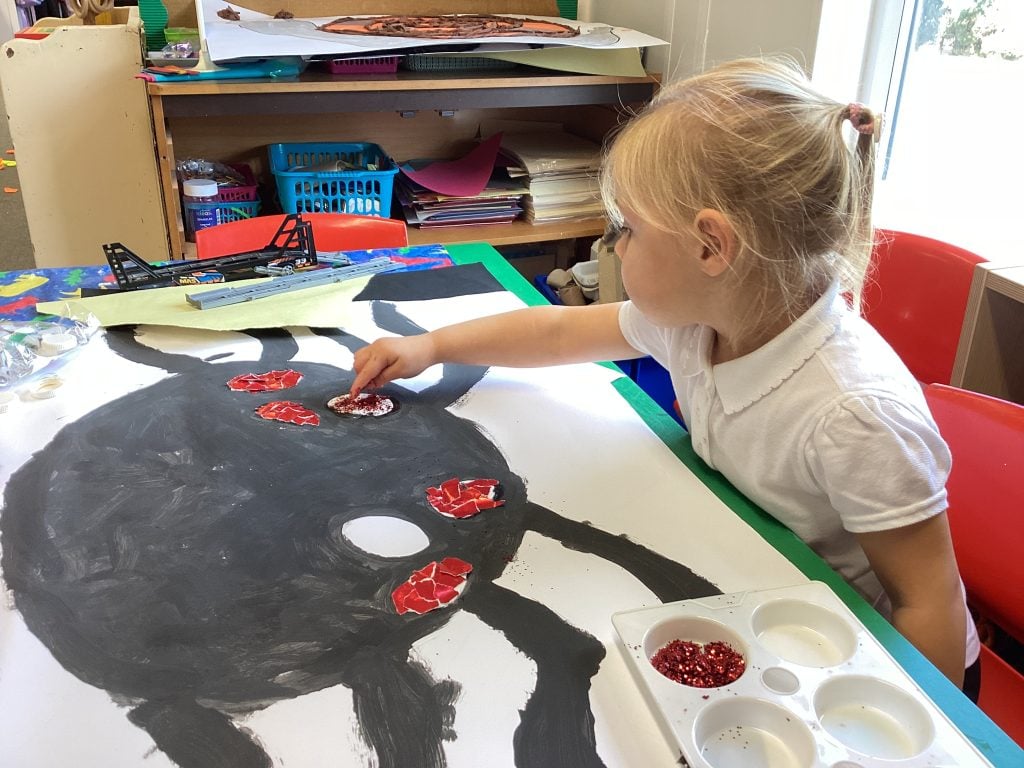
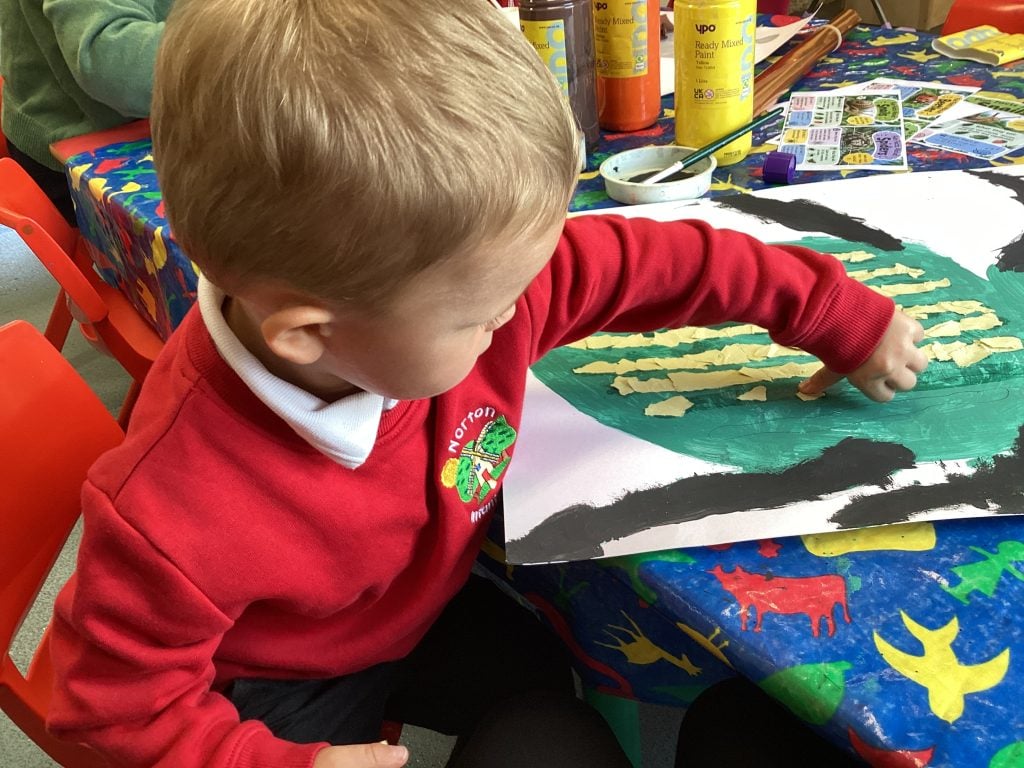
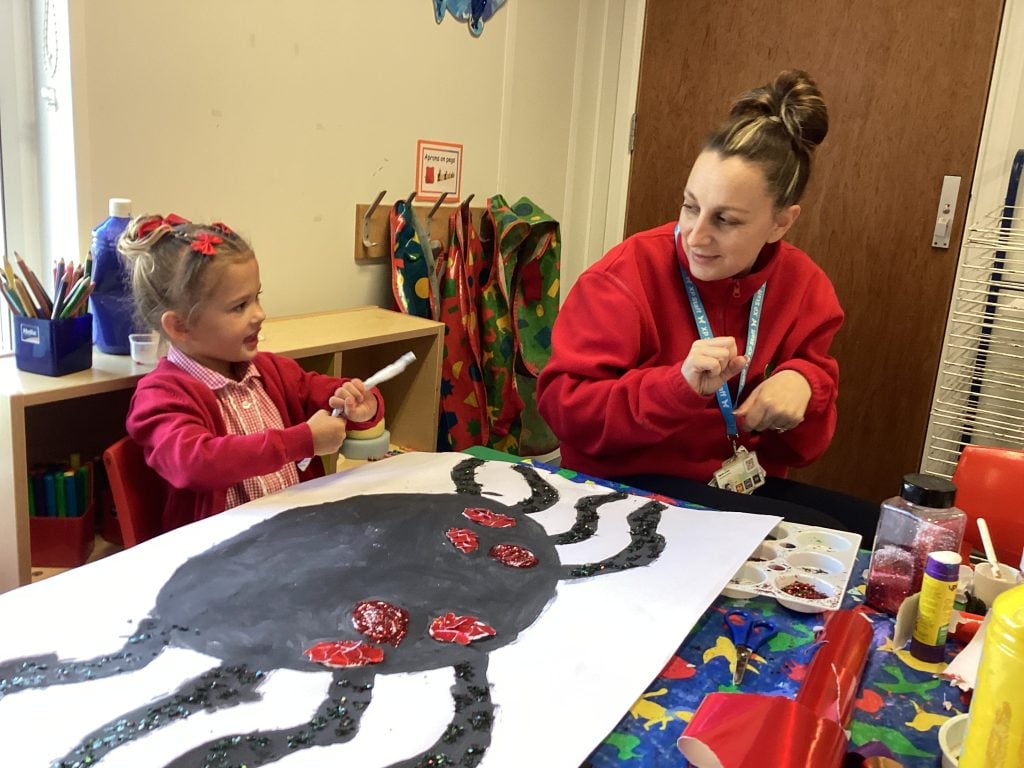
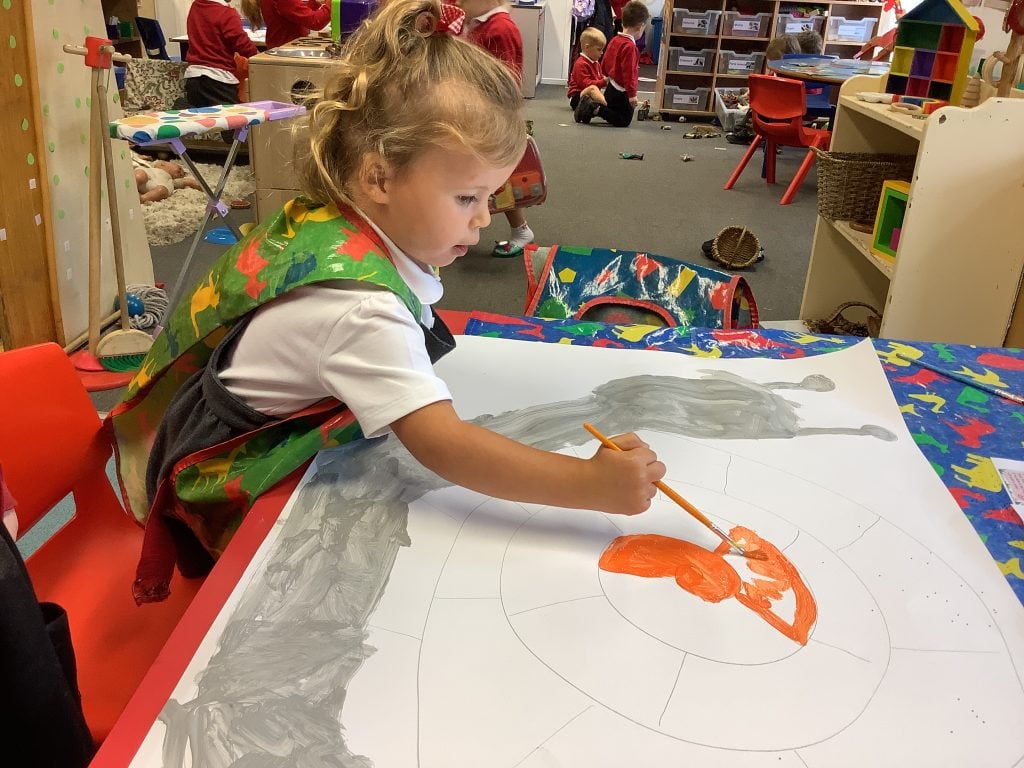
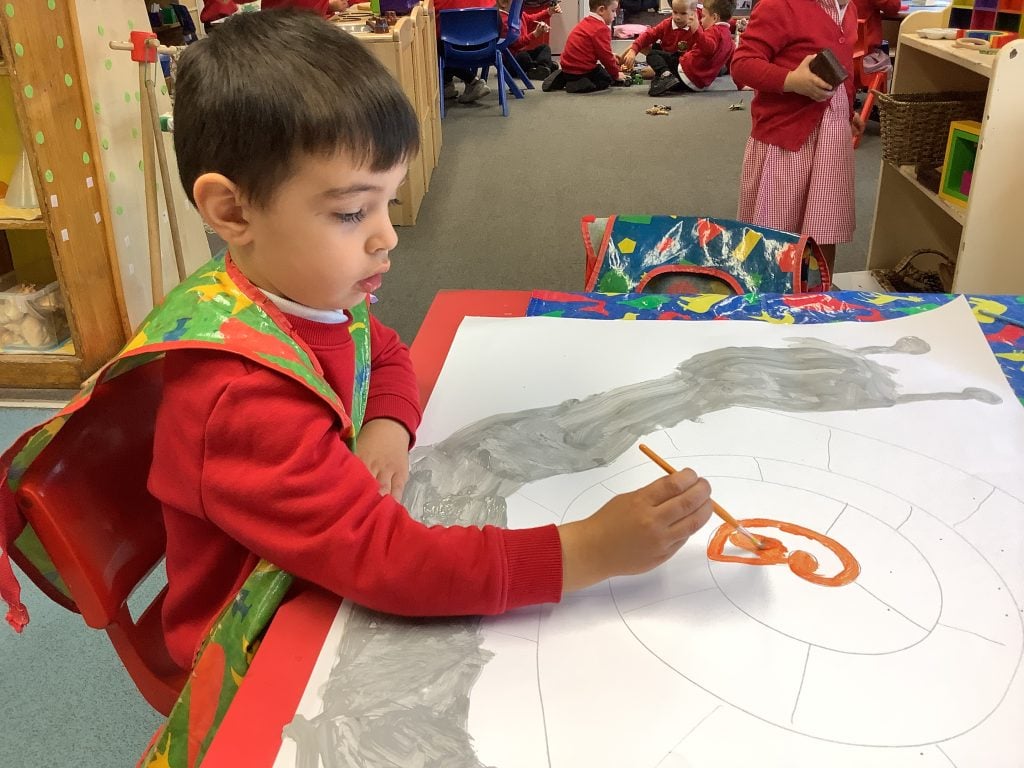
This week Nursery have been continuing to think about “What Does Caring Look Like?” This time we have been considering the smallest of creatures and how we can help to take care of them. The children were hooked in to the week with an engaging Tales Tool Kit story, featuring several mini beasts including a spider, a butterfly and a dragonfly. The children used actions, large muscle movements and sounds to help them retell the story of how the Dragonfly, rescued the Butterfly, who had become trapped in the Spider’s sticky web.
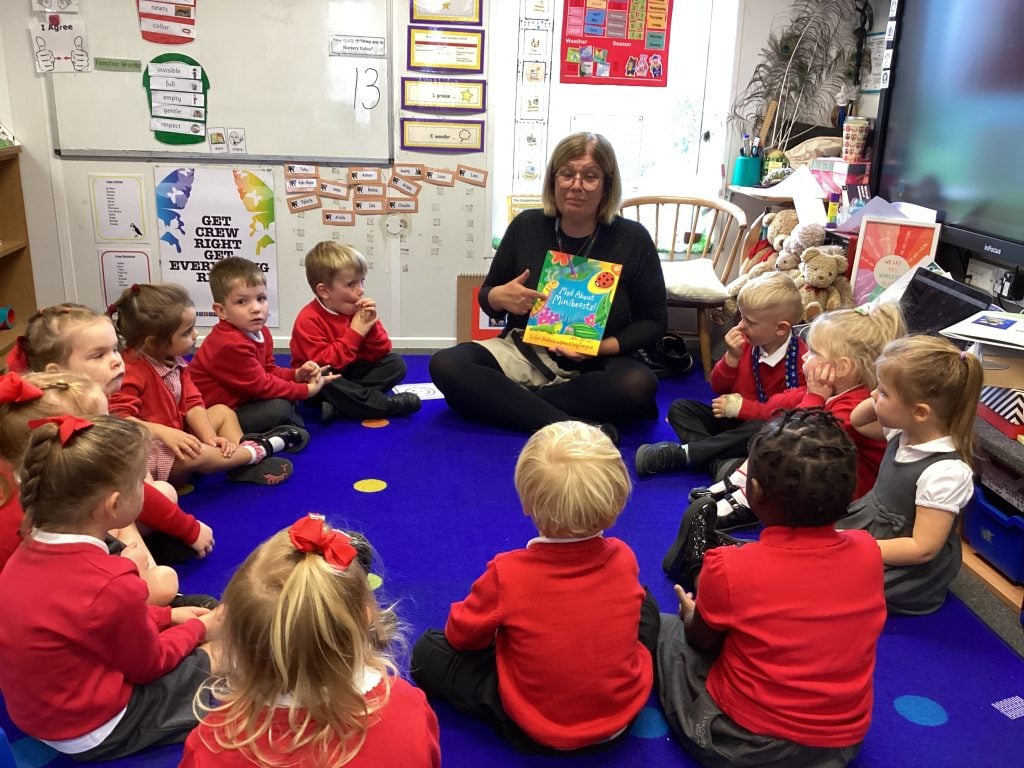
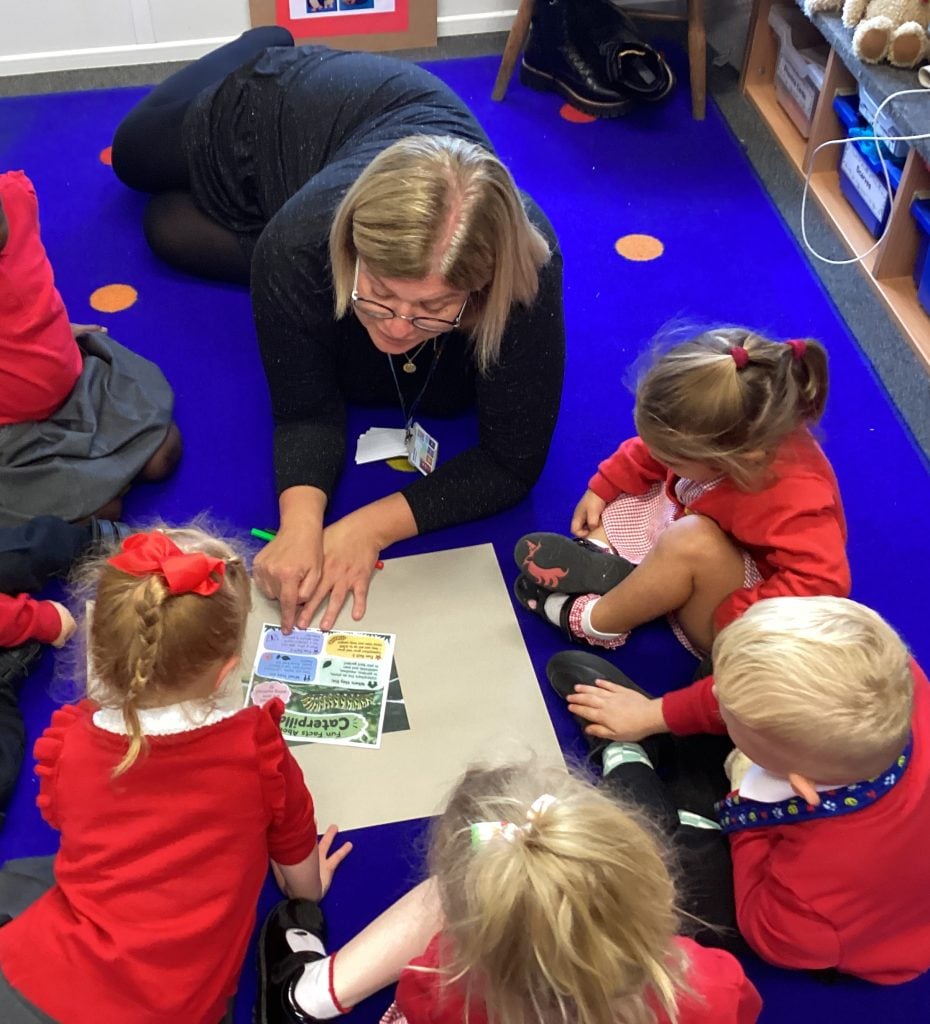
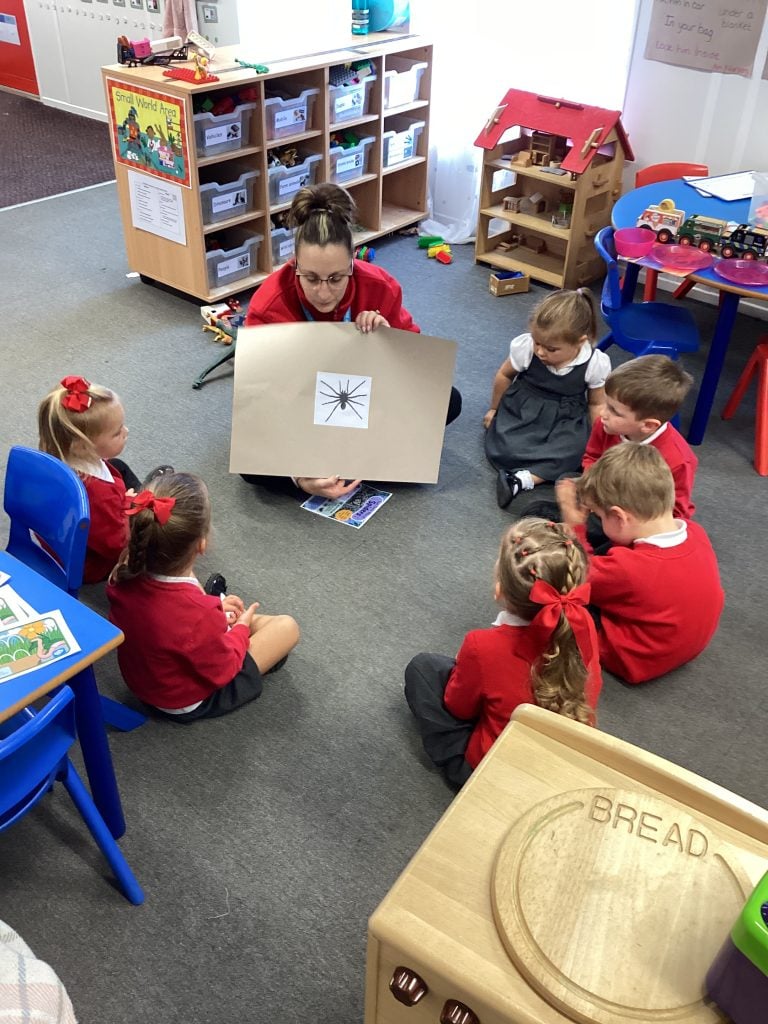
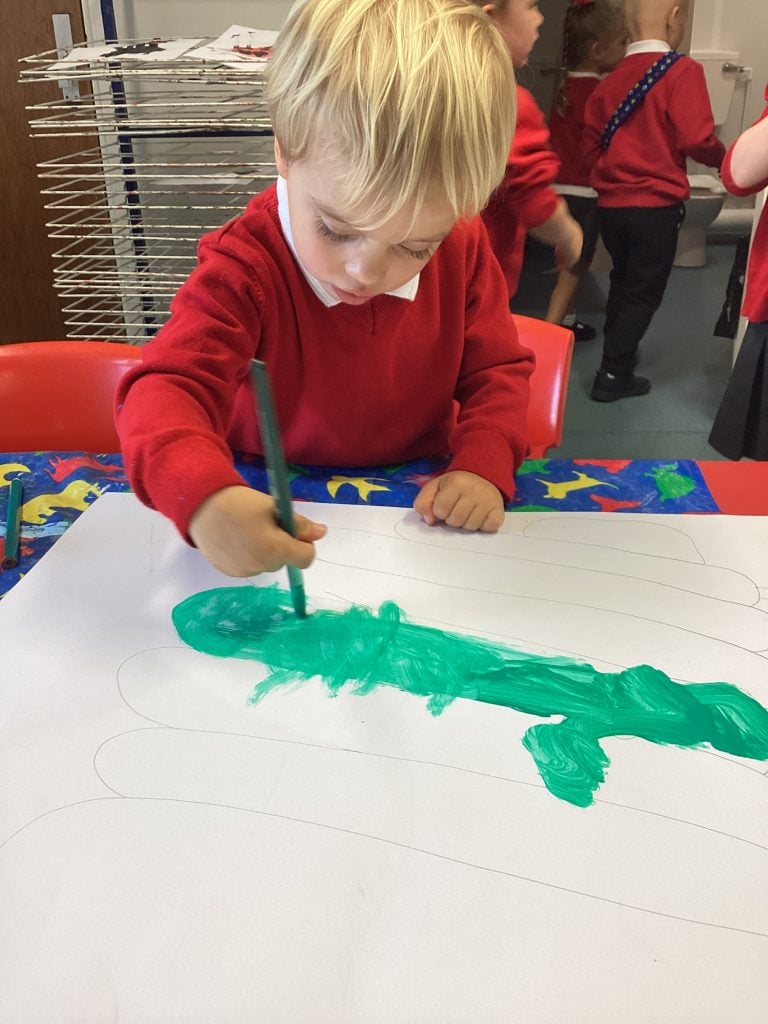
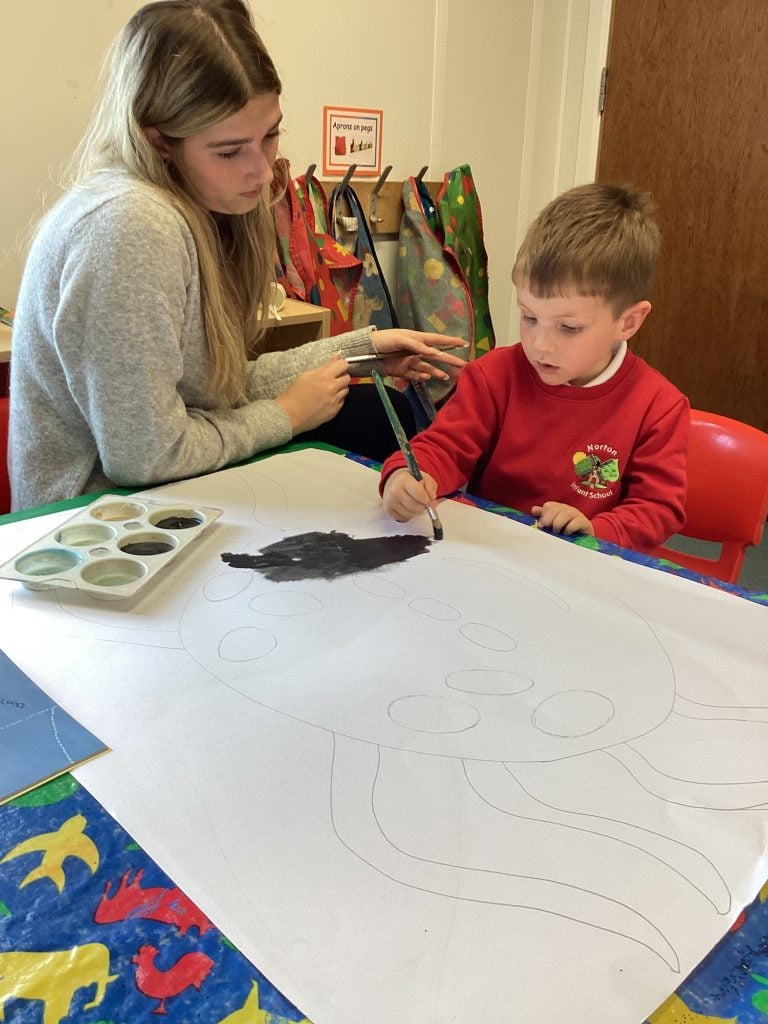
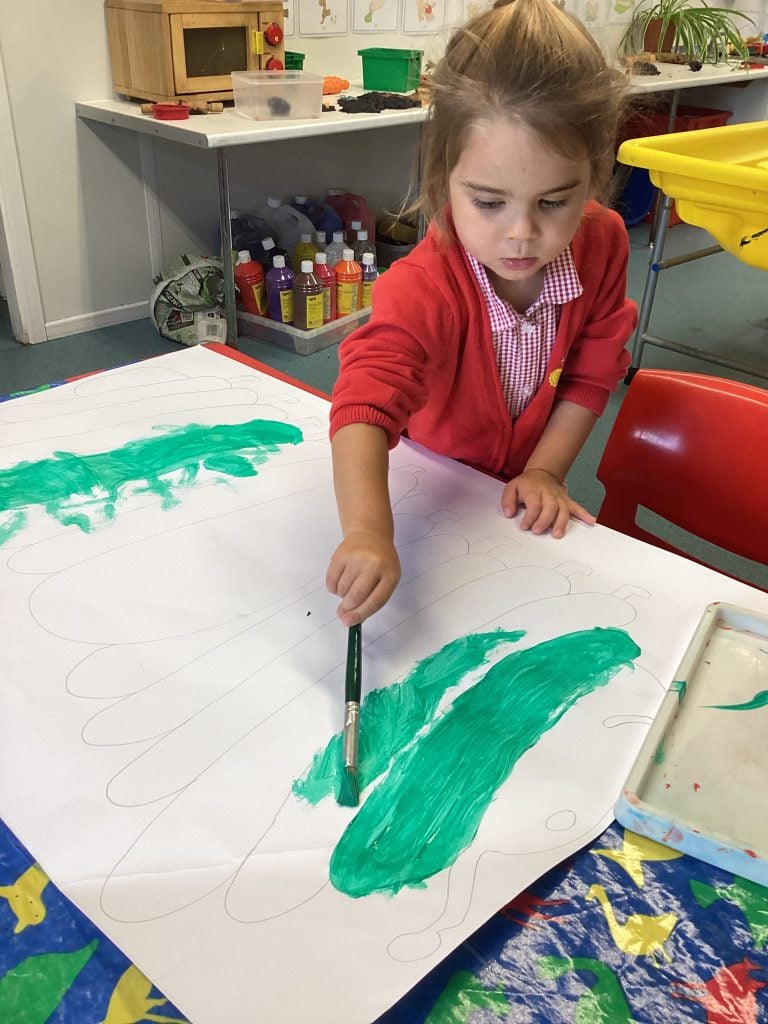
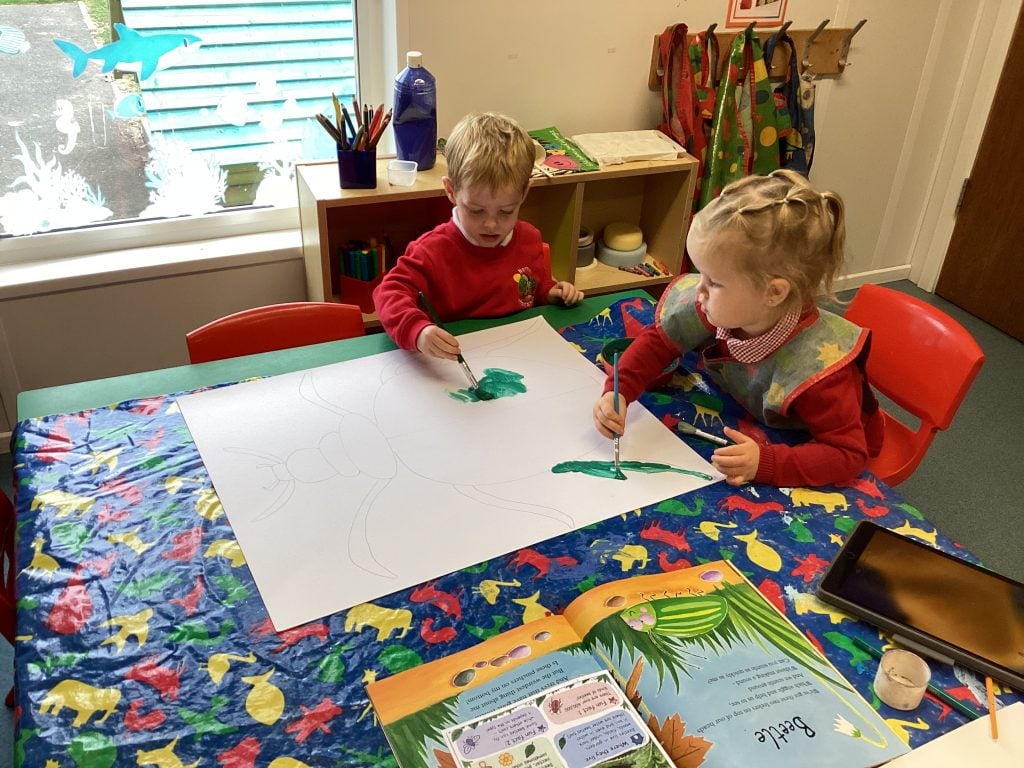
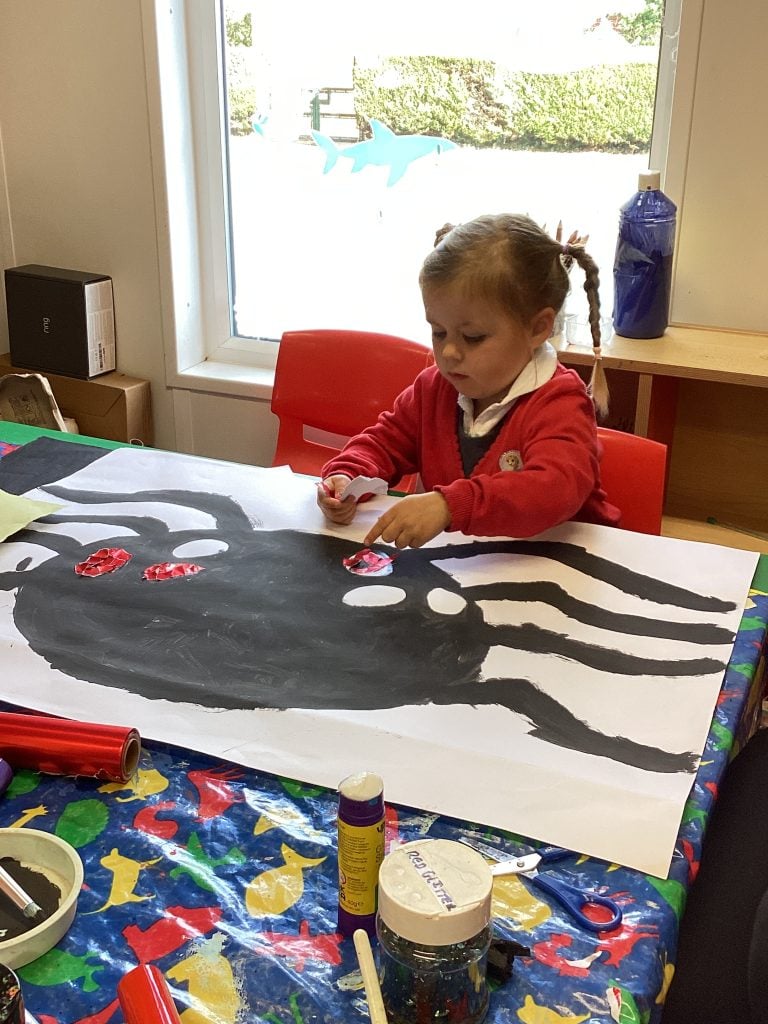
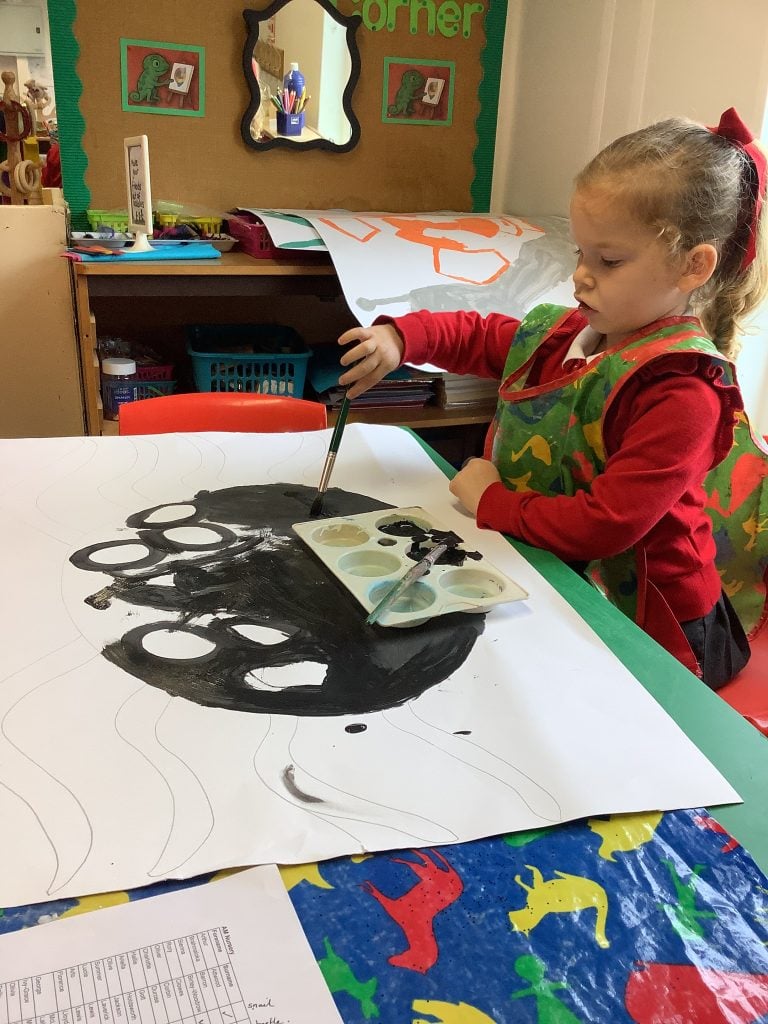
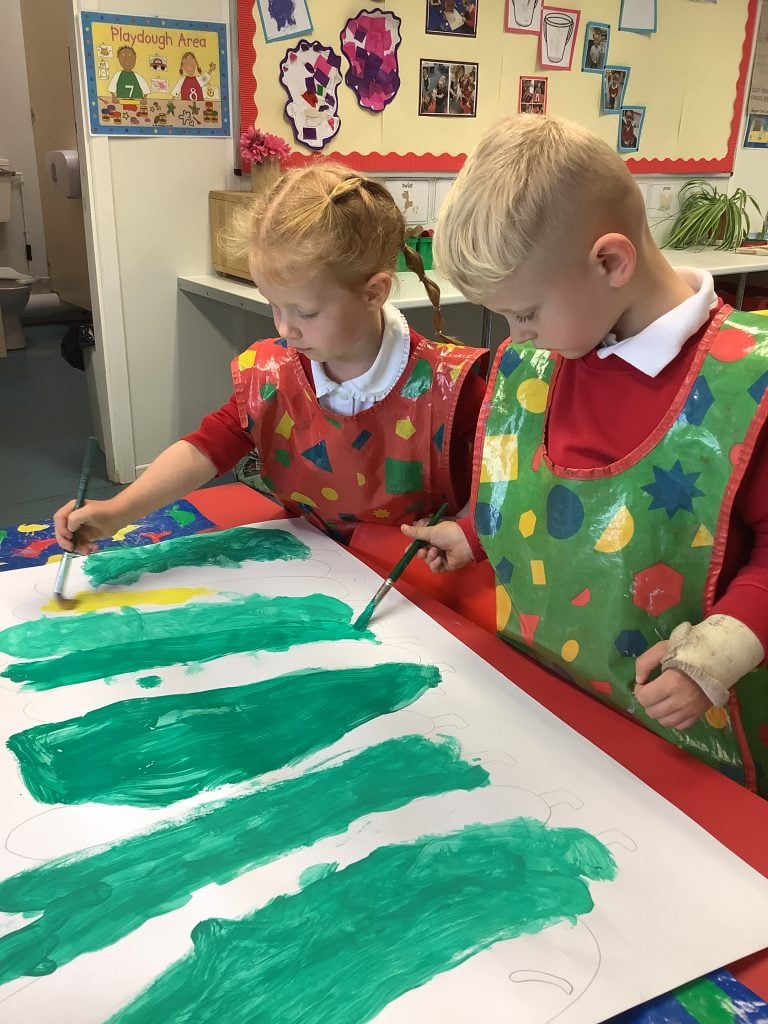
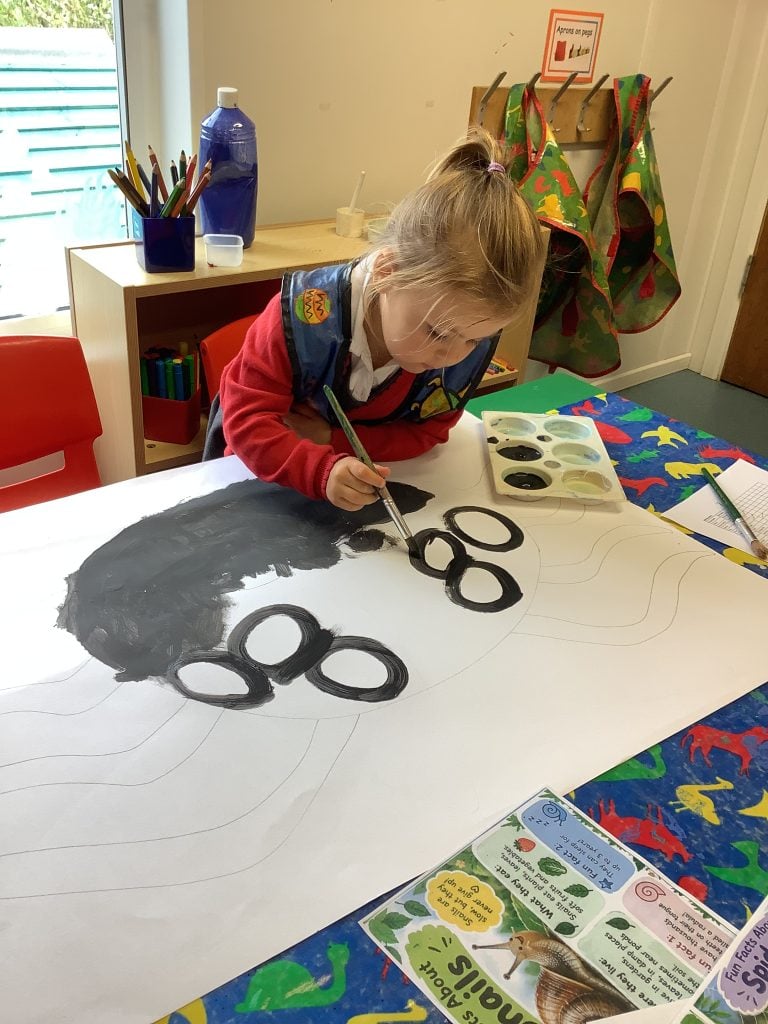
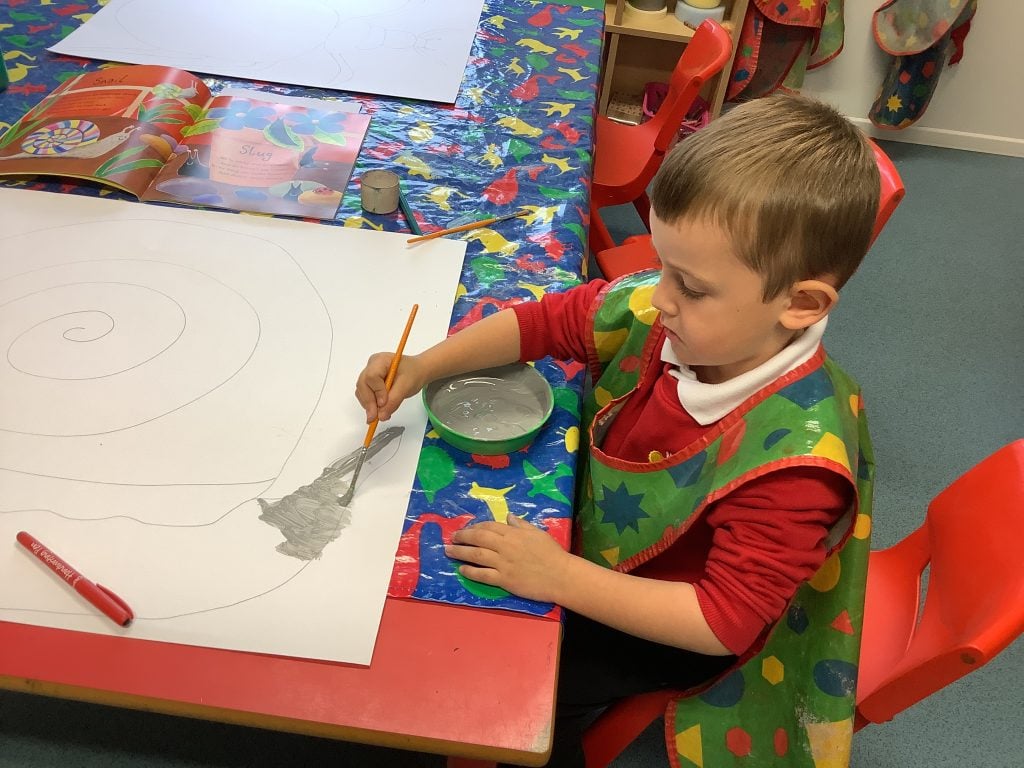
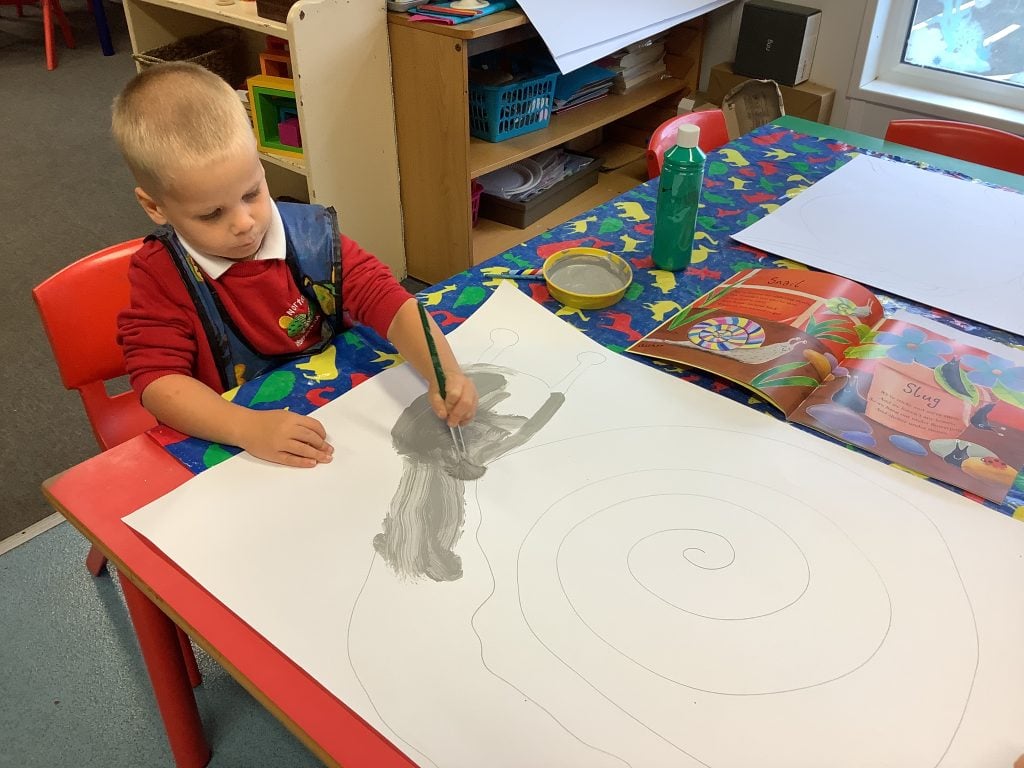
They were then introduced to our key text of the week, “Mad about Mini-beasts” which we shared unpicking tricky vocabulary. From the text, each Crew were given a large scale mini-beast to research and decorate. With support, the children accessed fact files about their given mini beast, which was either a Snail, a Beetle, a Spider or a Caterpillar. The children made observations of the creatures and began to create their own masterpieces.
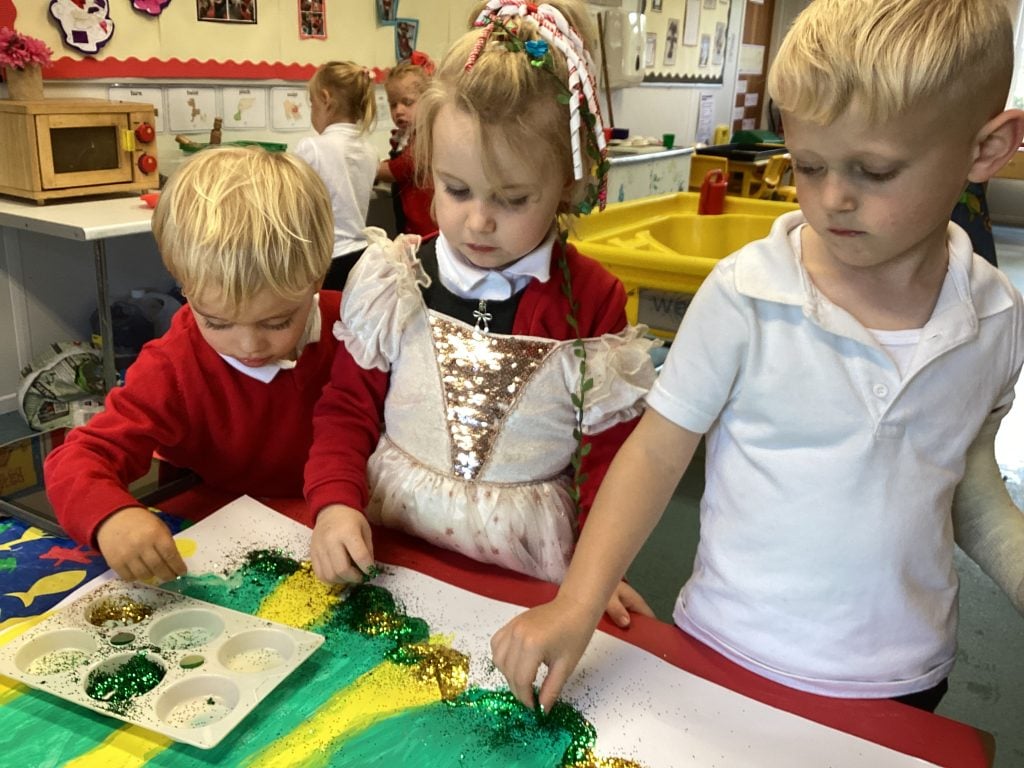
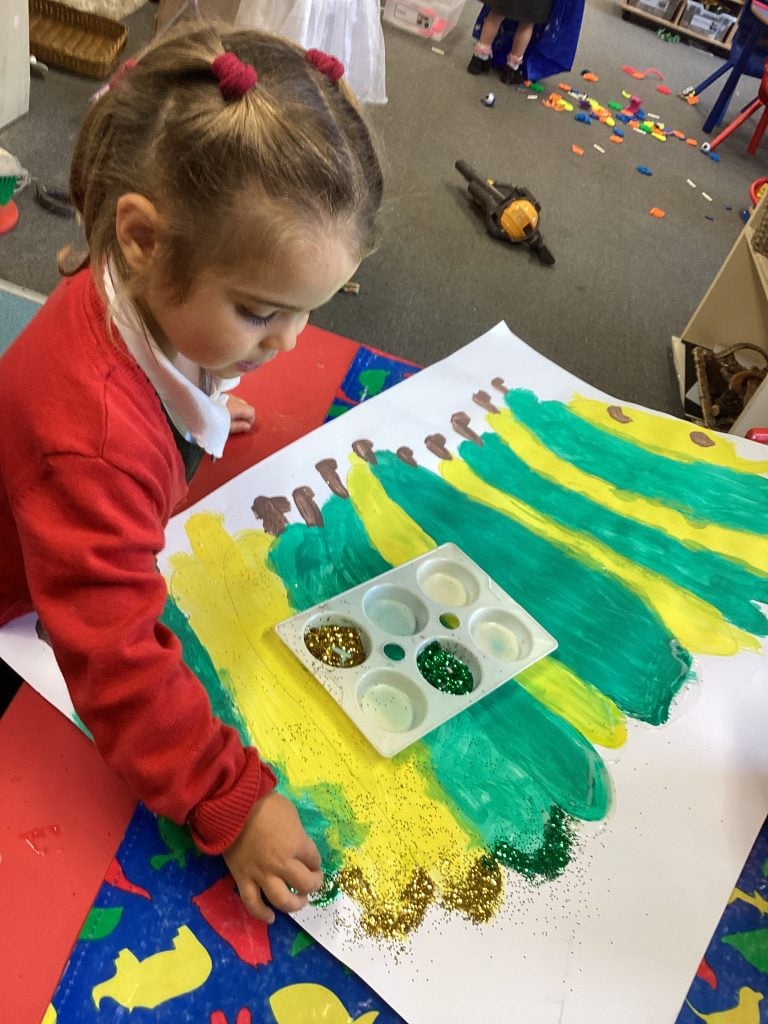
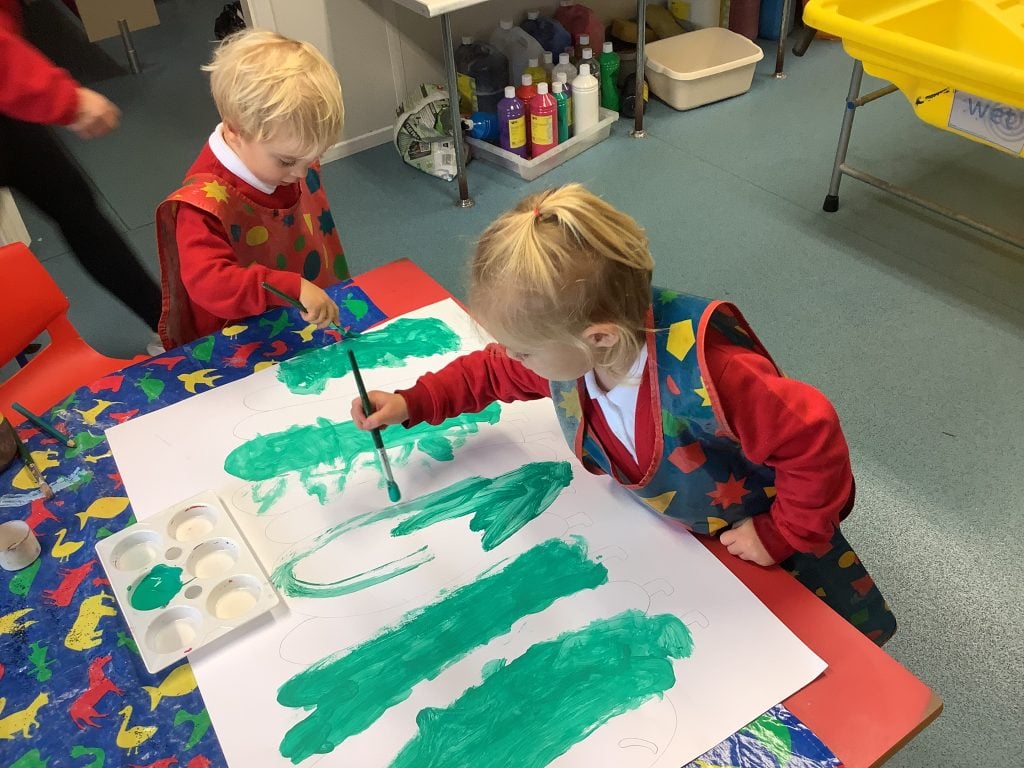
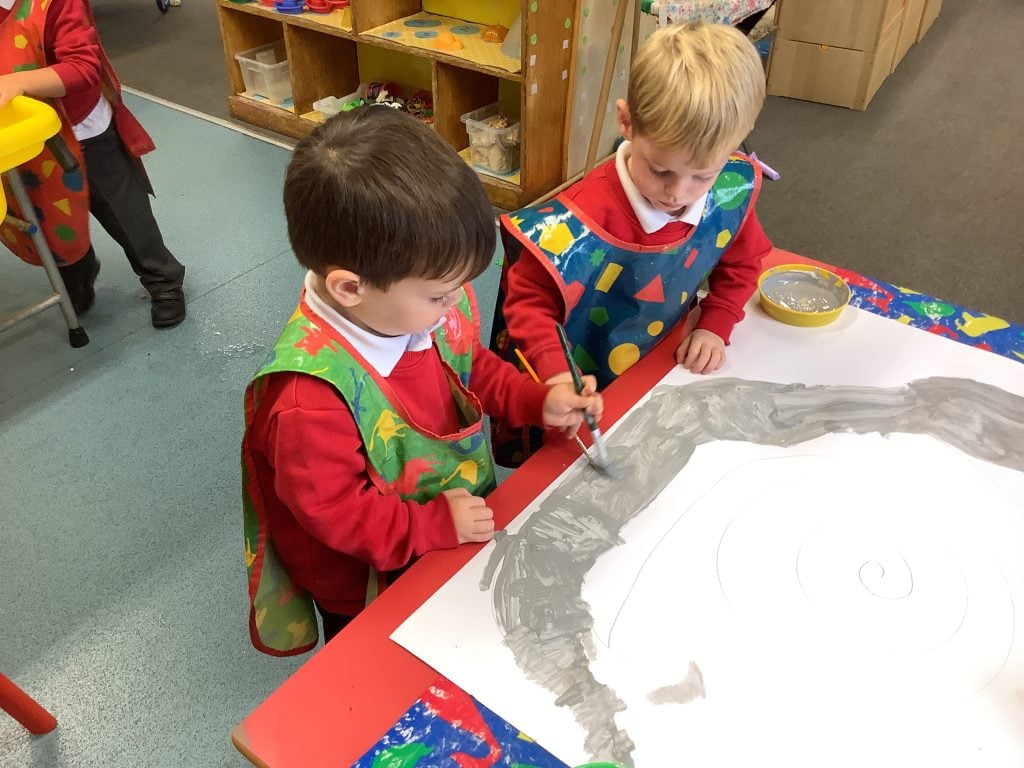
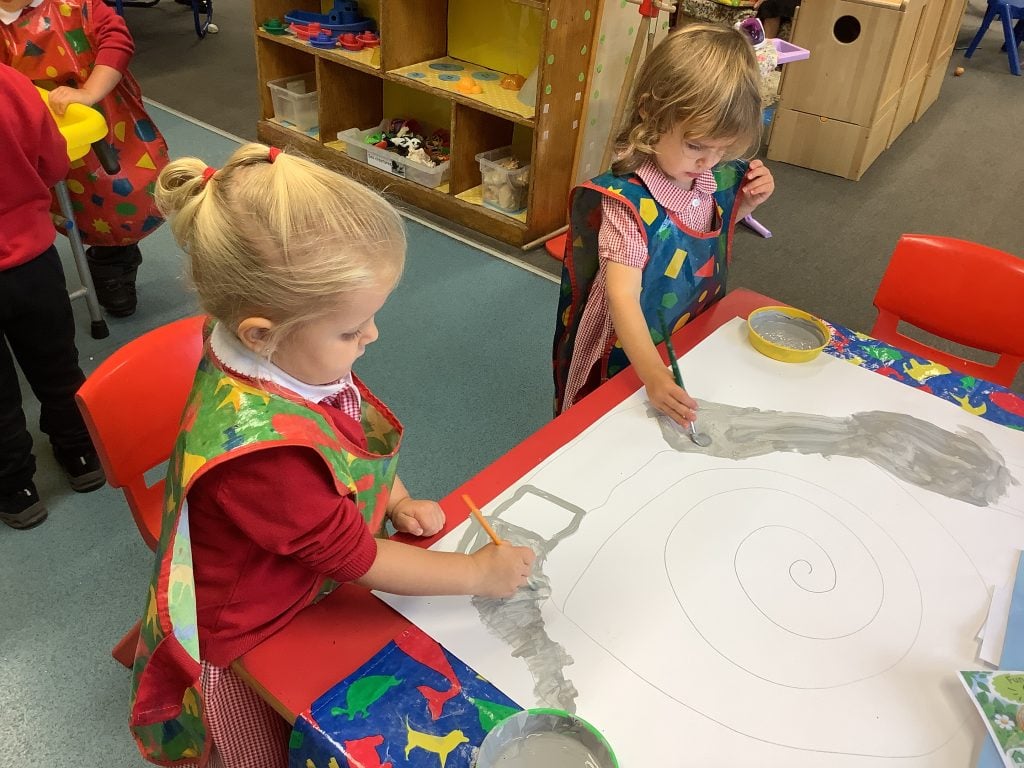
The children painted, pinched, twisted, glued, stuck and sprinkled collage resources onto their mini beasts to make them as eye catching as possible to contribute towards our final product for our expedition.
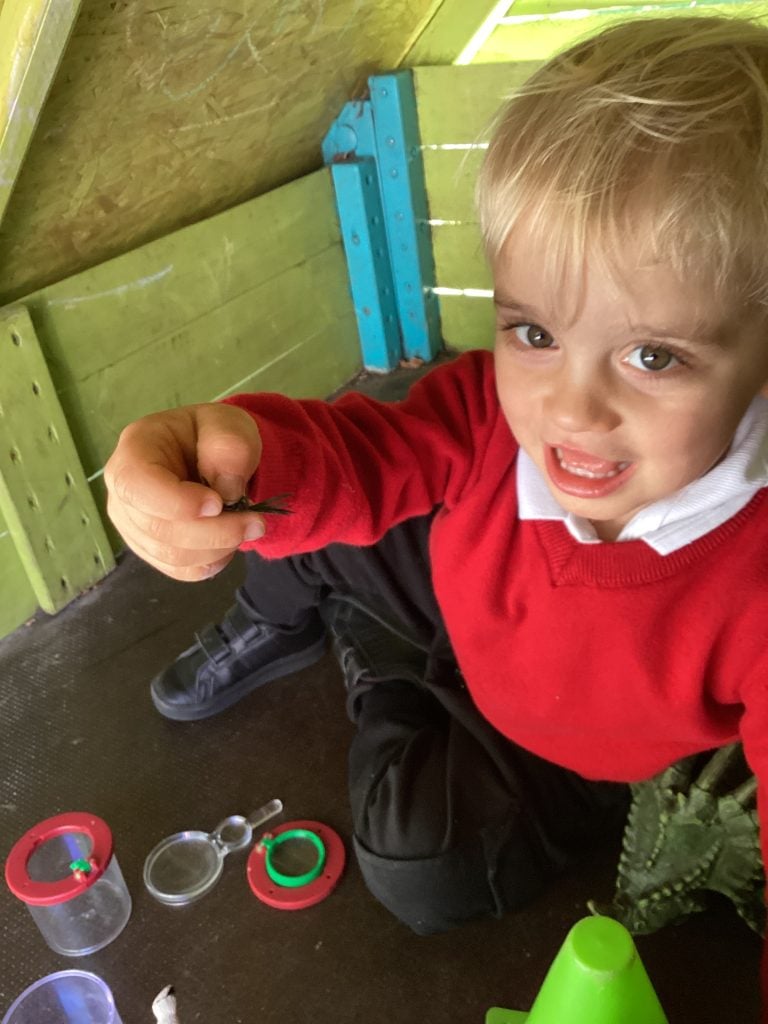
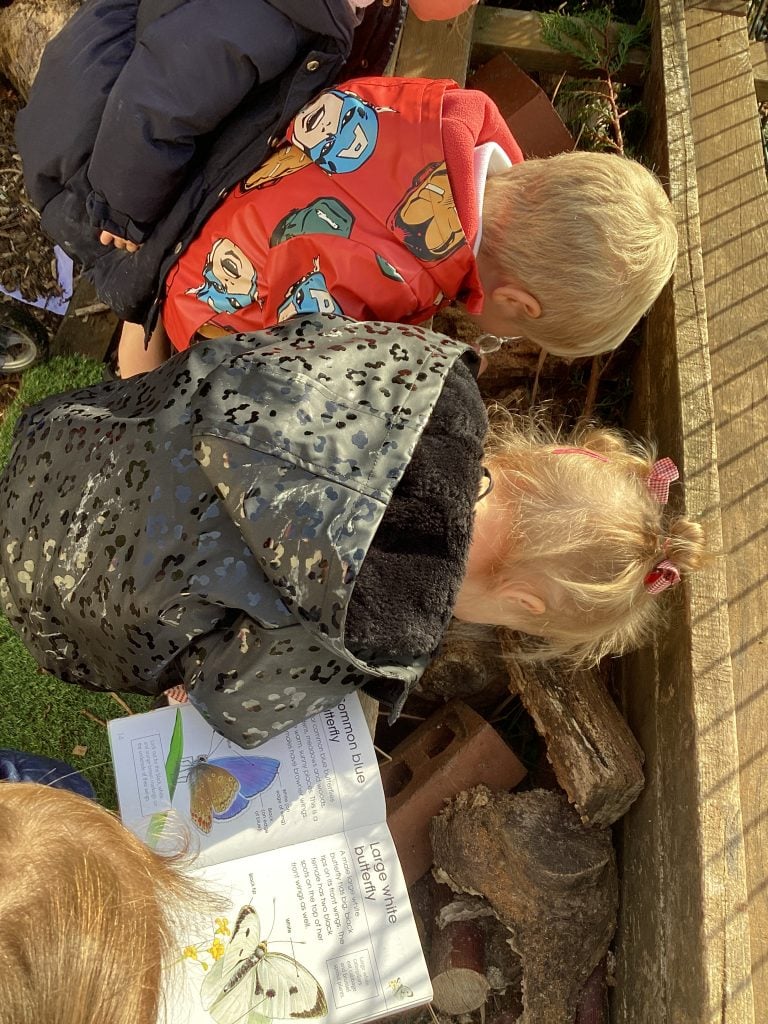
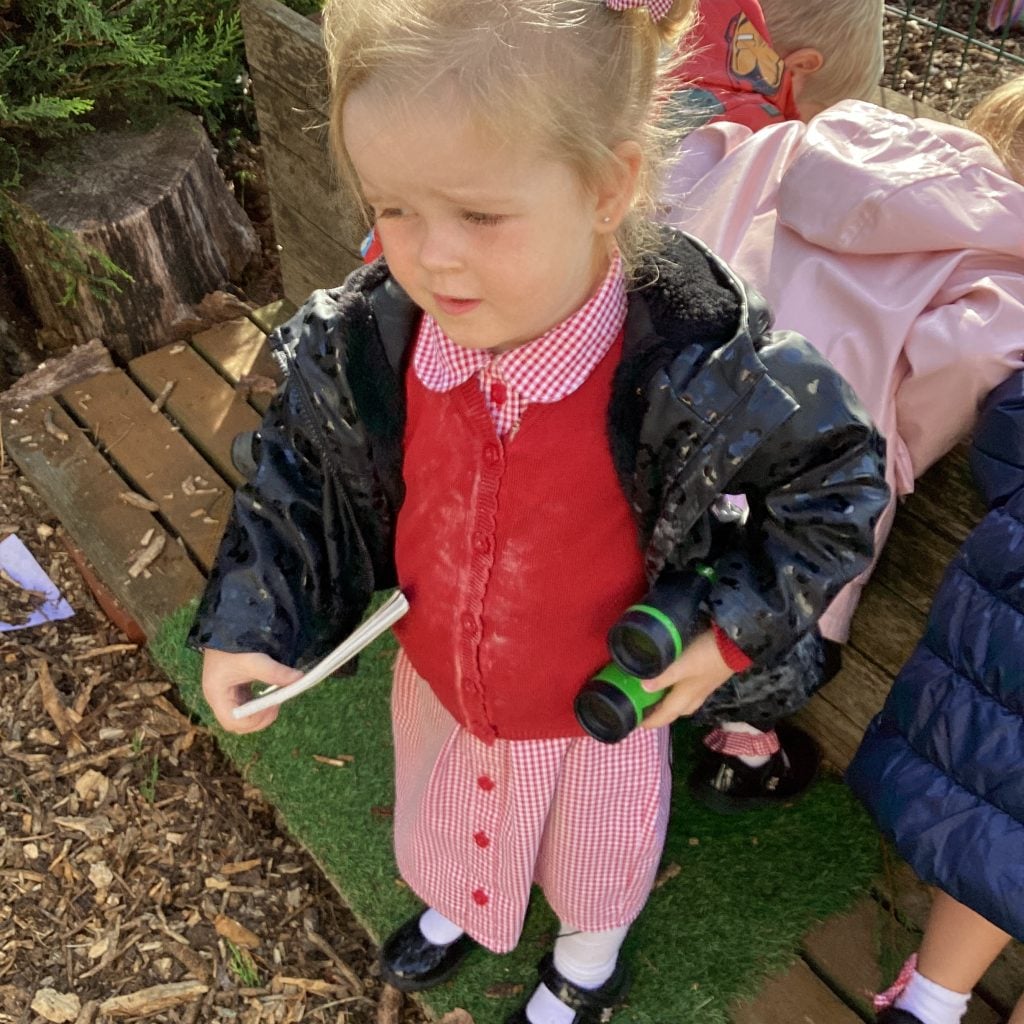
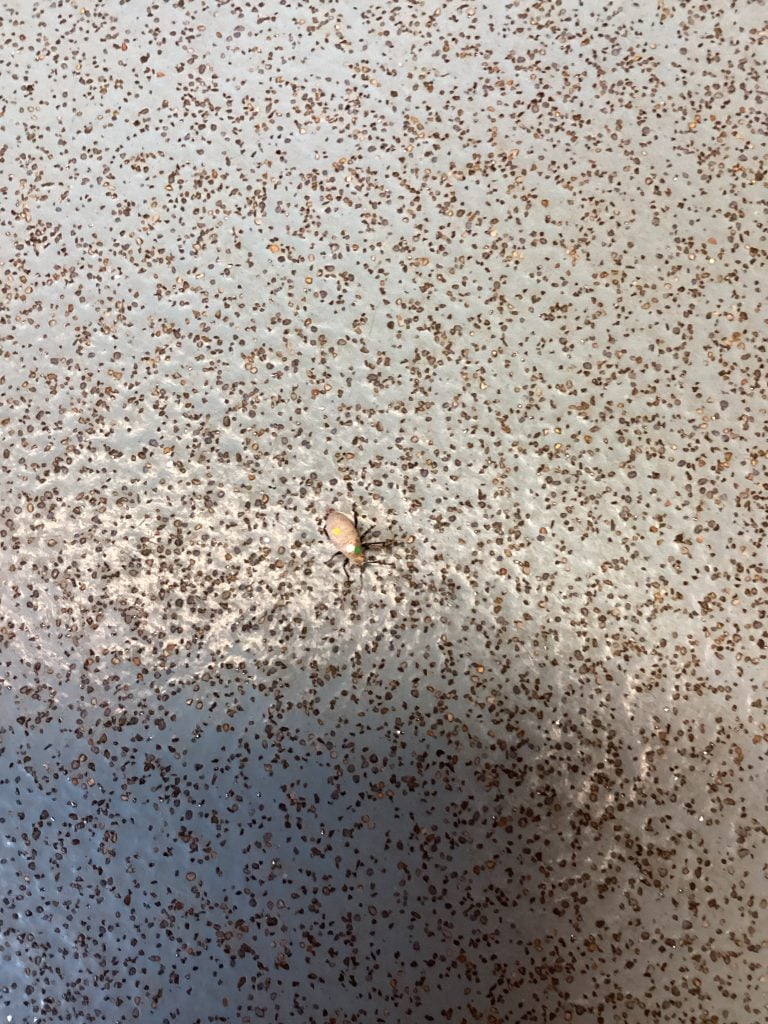
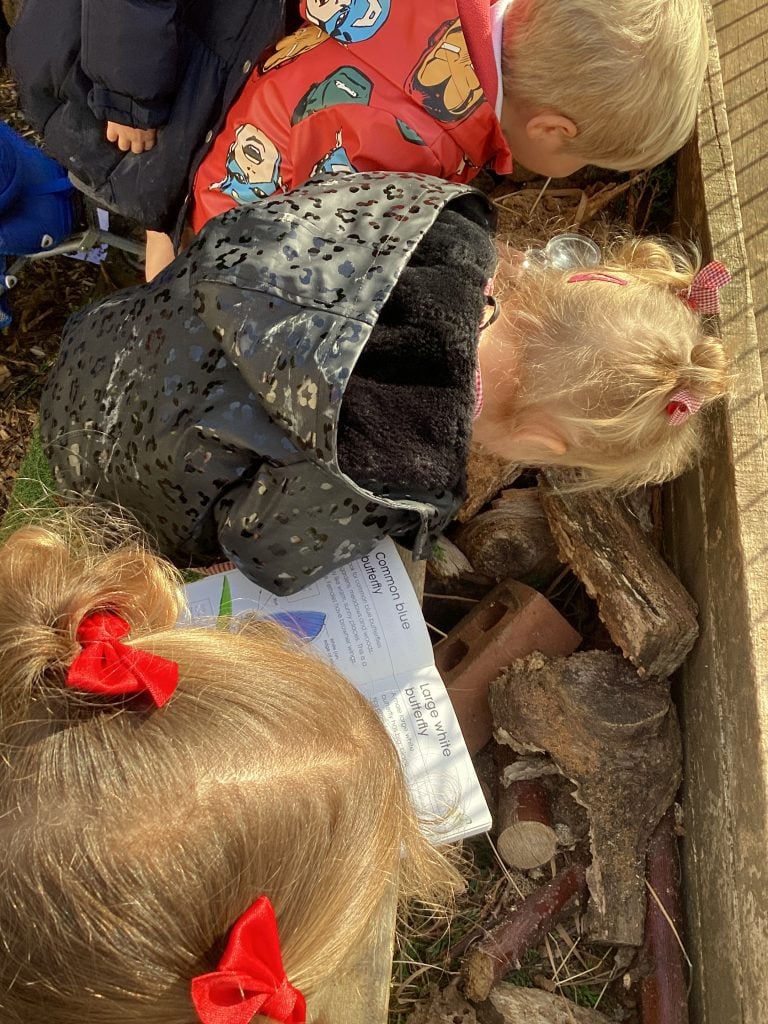
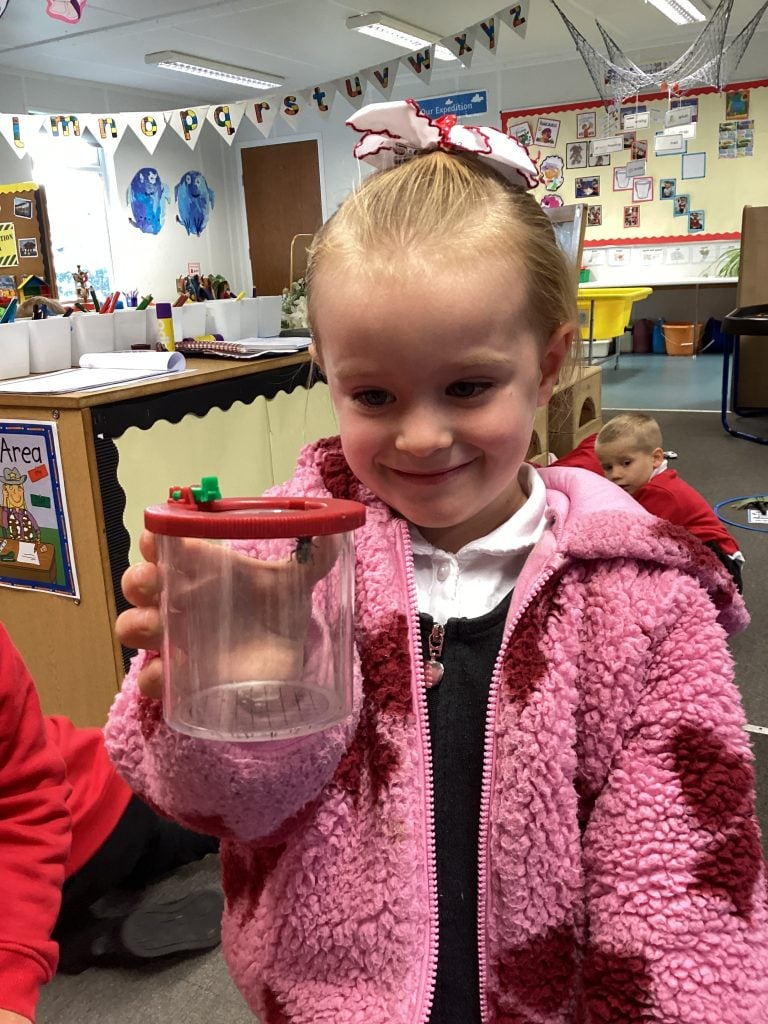
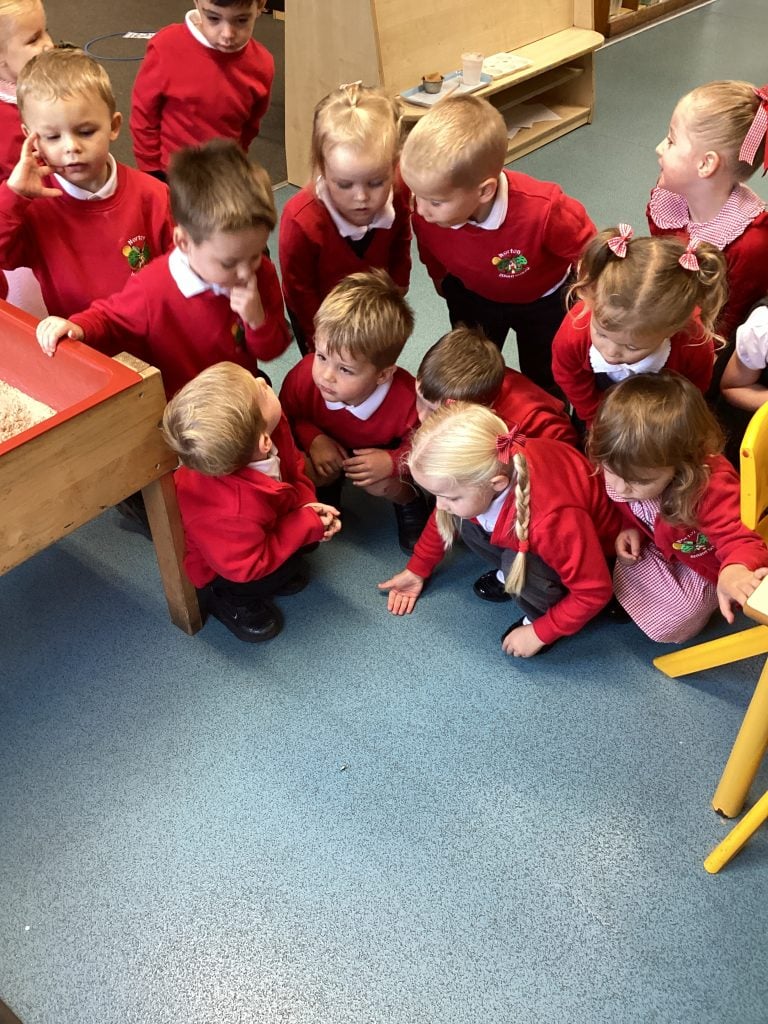
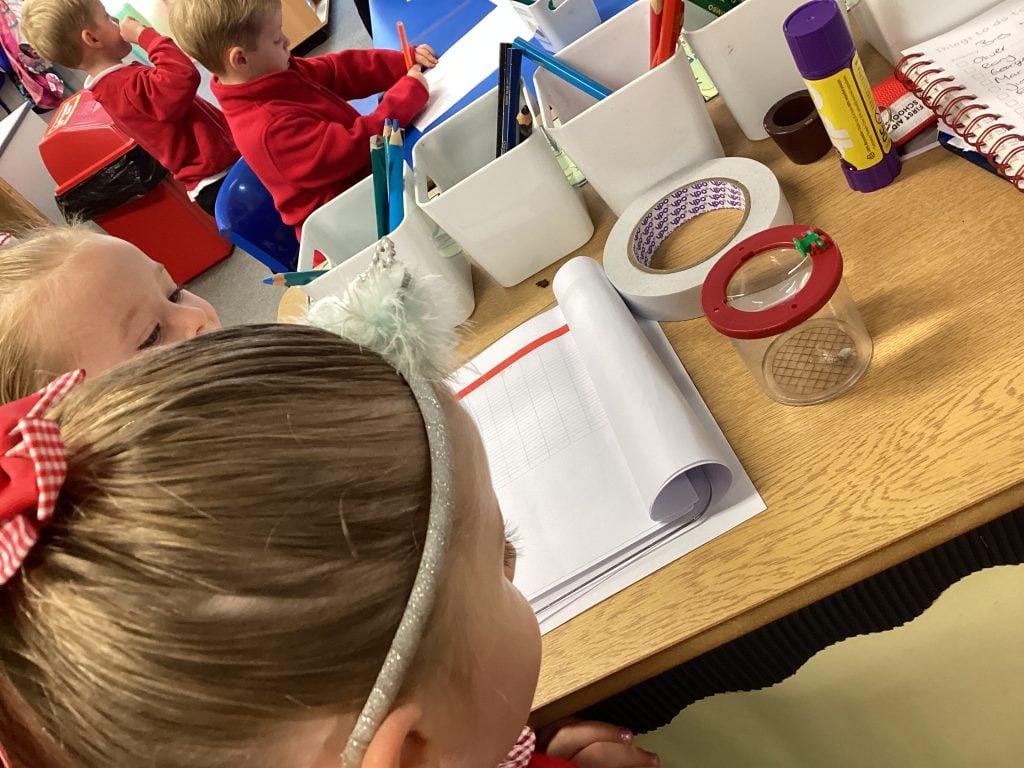
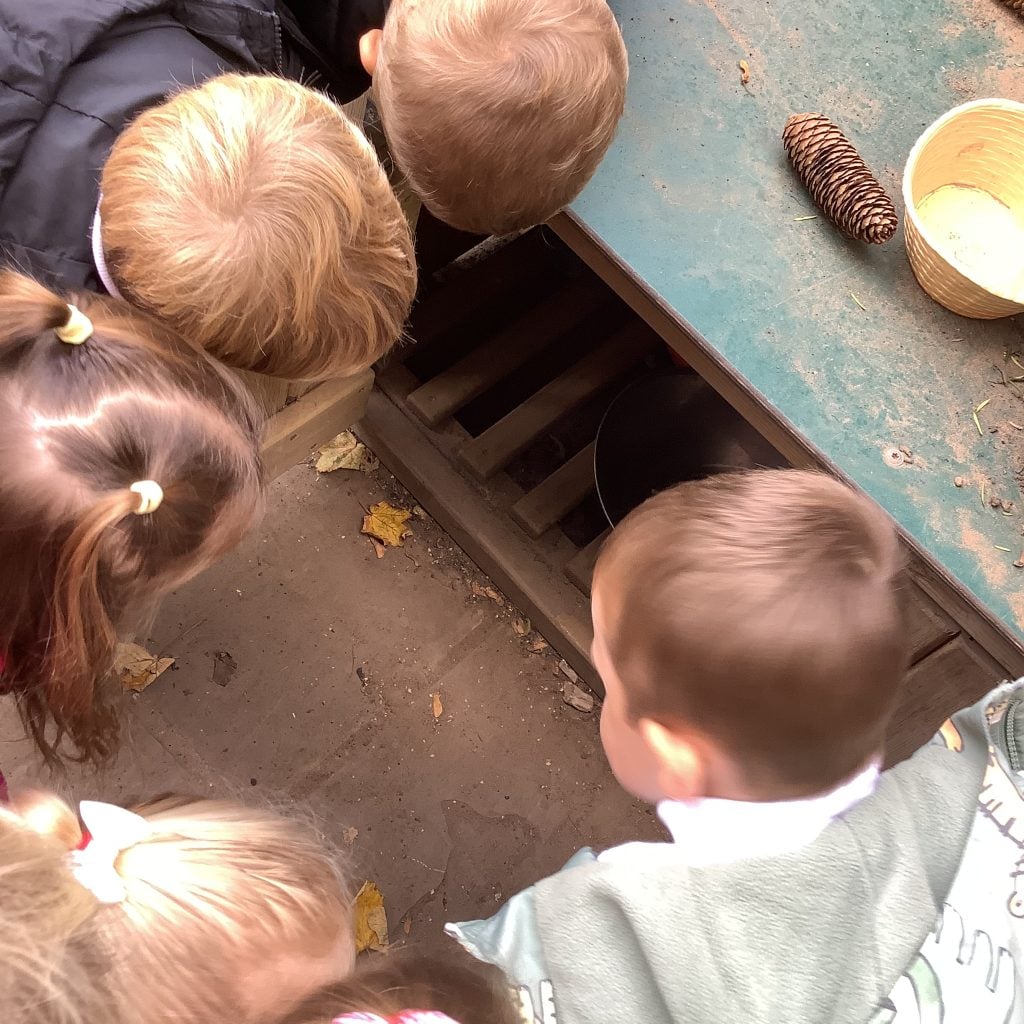
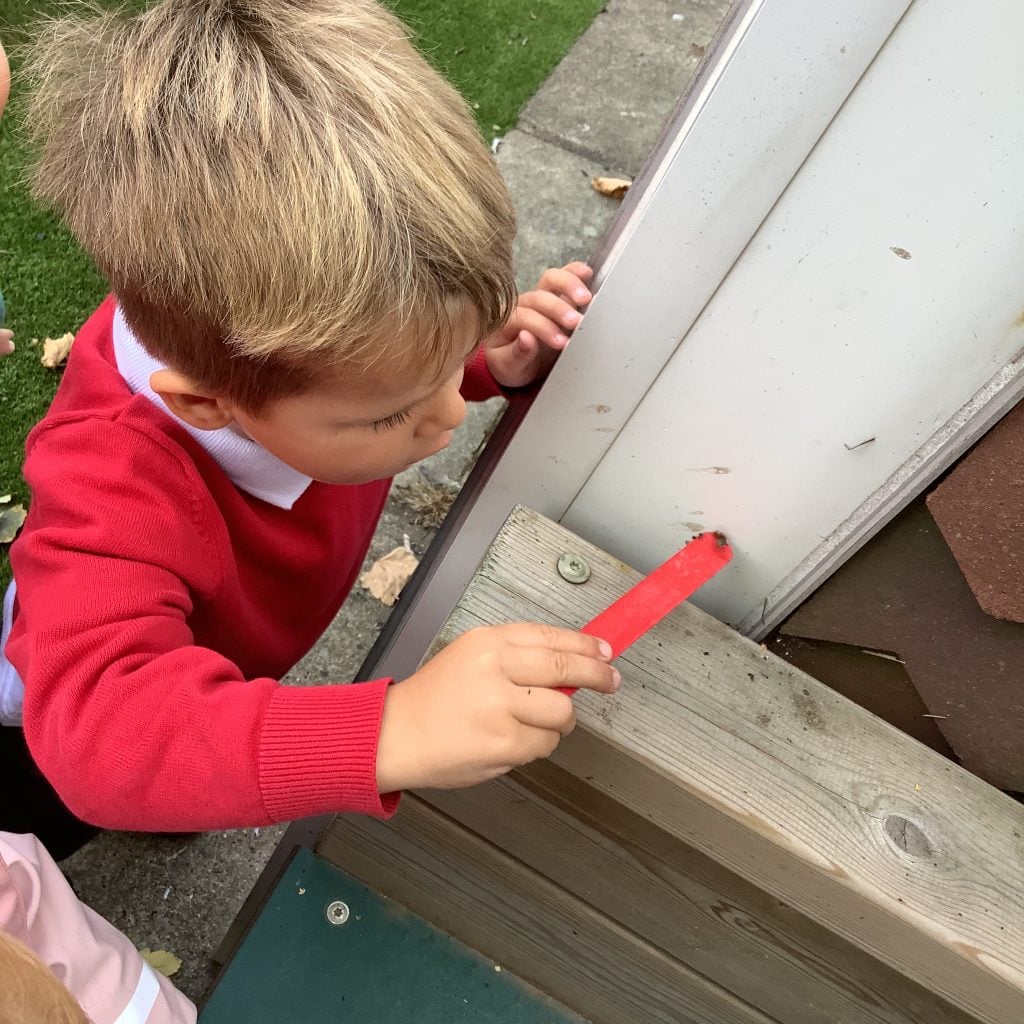
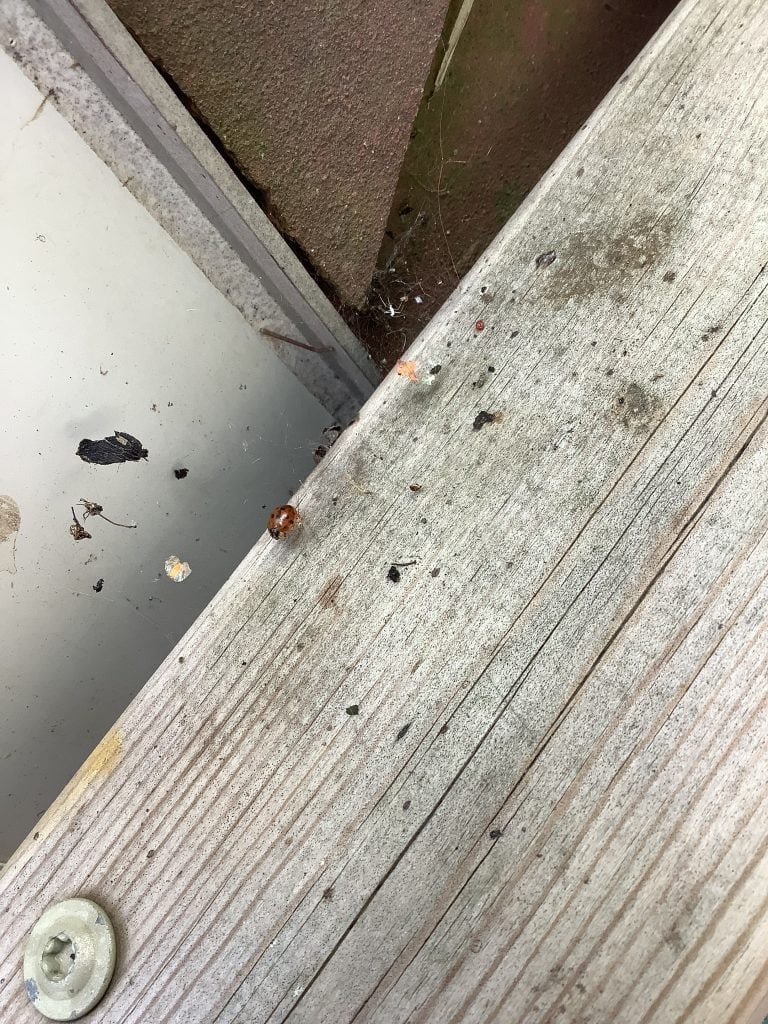
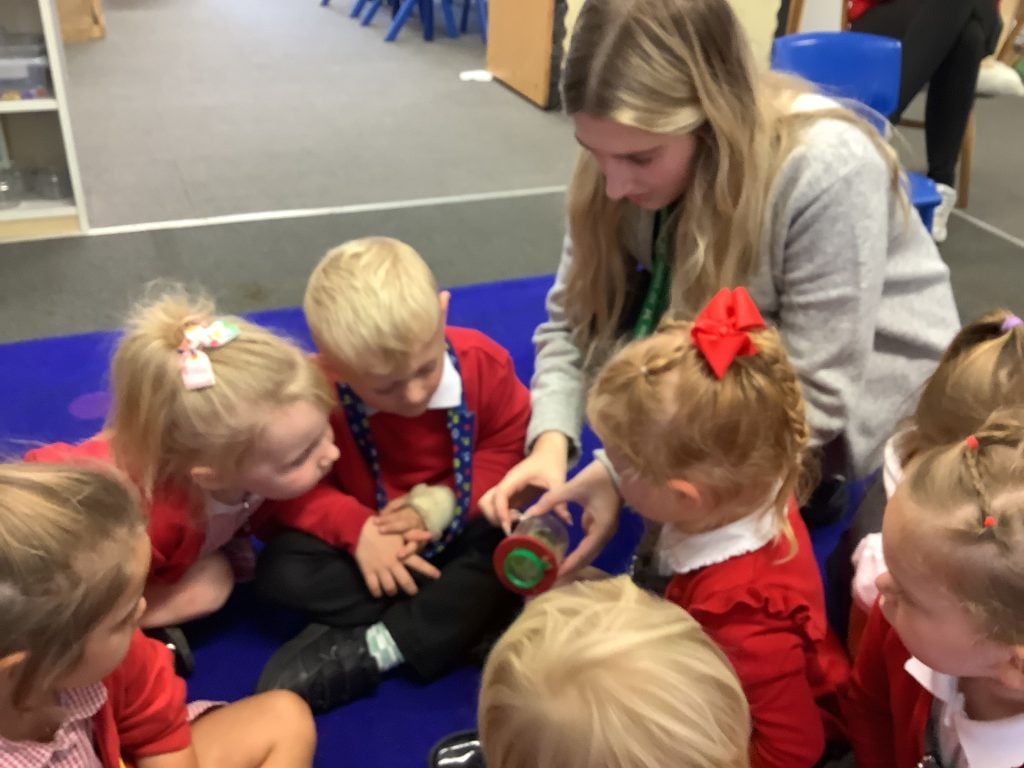
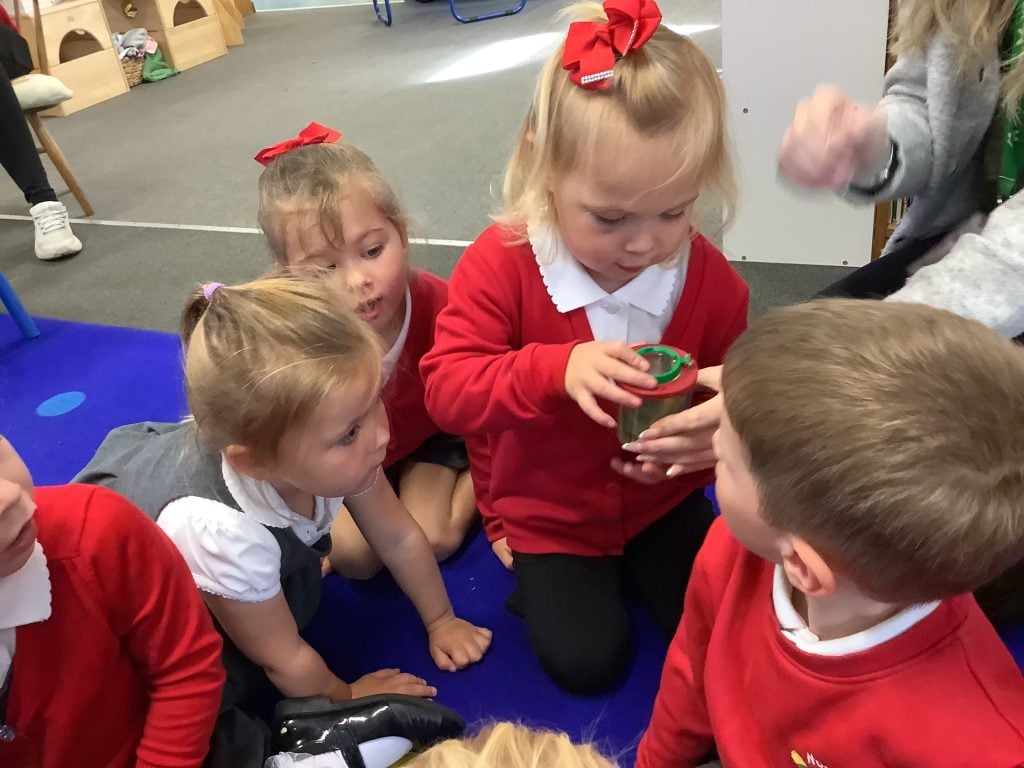
Nursery children had lots of fun during their outdoor learning this week, focusing on finding different bugs and mini beasts in our lovely outdoor area. The children investigated our new Bug Hotel, Nature Nook area, using magnifying glasses, binoculars and books to check for bugs. They also found a very large spider hiding in the mud kitchen, several ladybirds, a furry white, stripy caterpillar and a white coloured Beetle. From our fact files the children had learned about what kind of habitats the creatures like to live in and this made for some very engaging and meaningful interactions about how we can care for the bugs, by being gentle with them, giving them food and the kind of home they like, such as leaves, mud and wood.
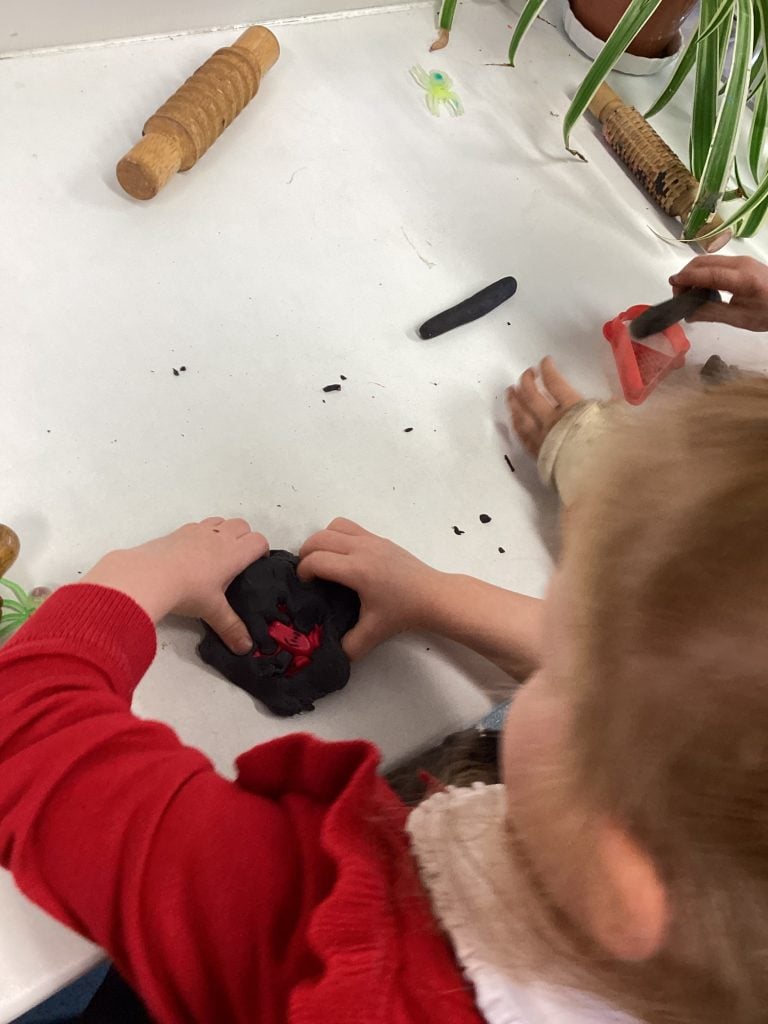
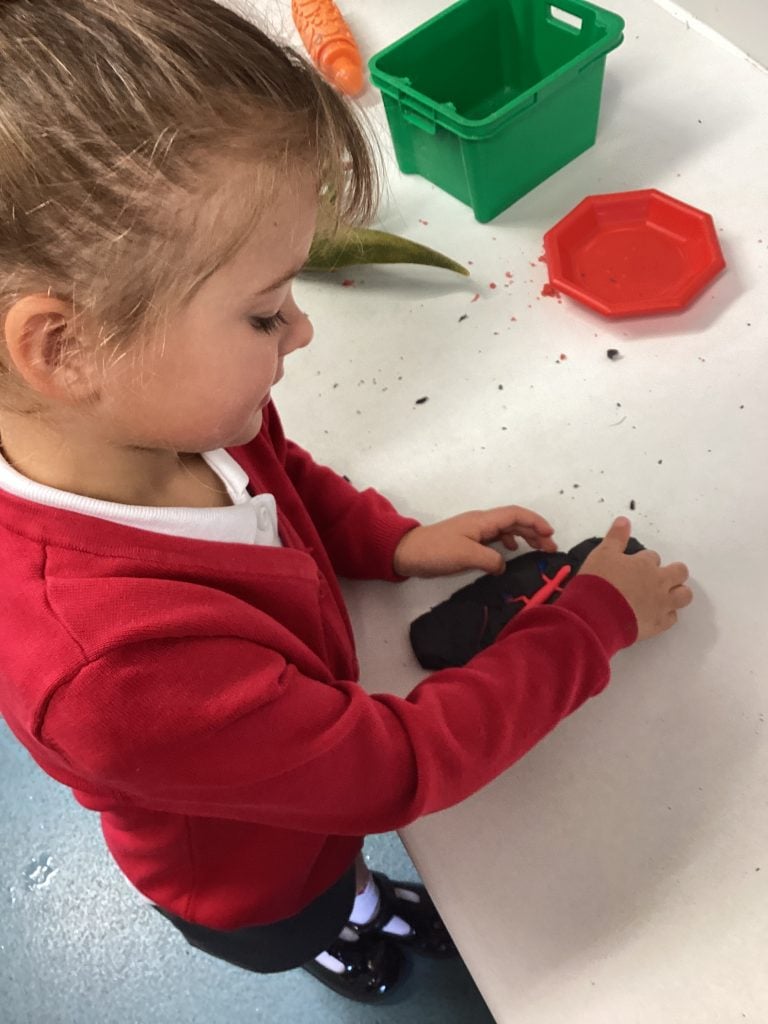
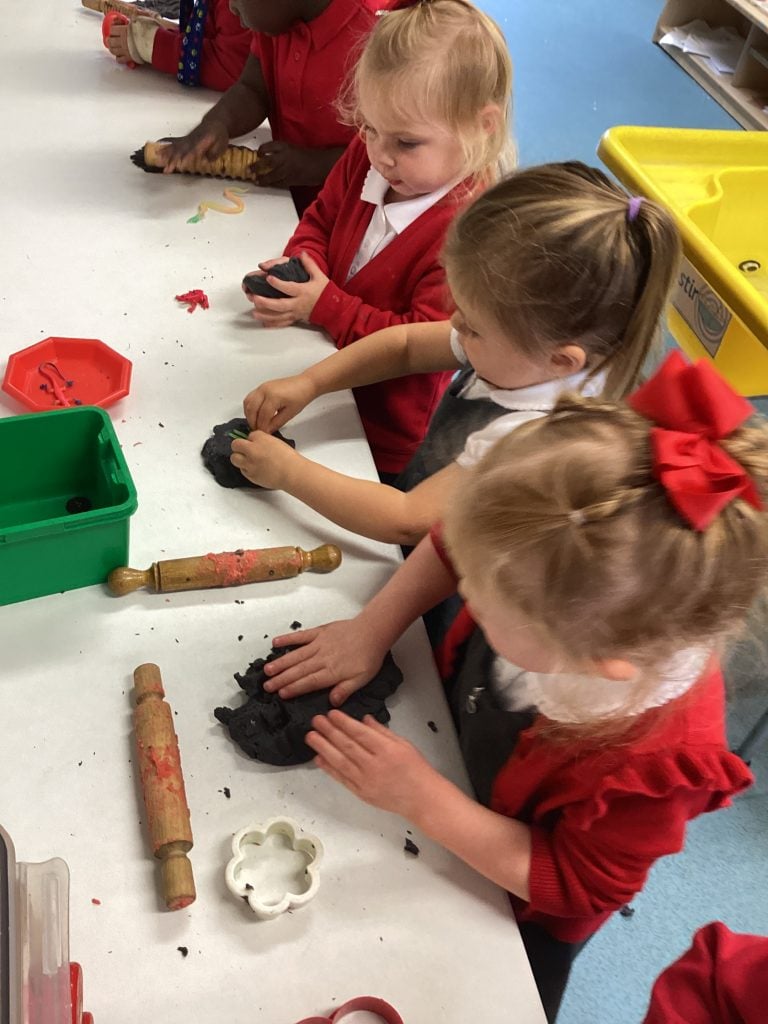
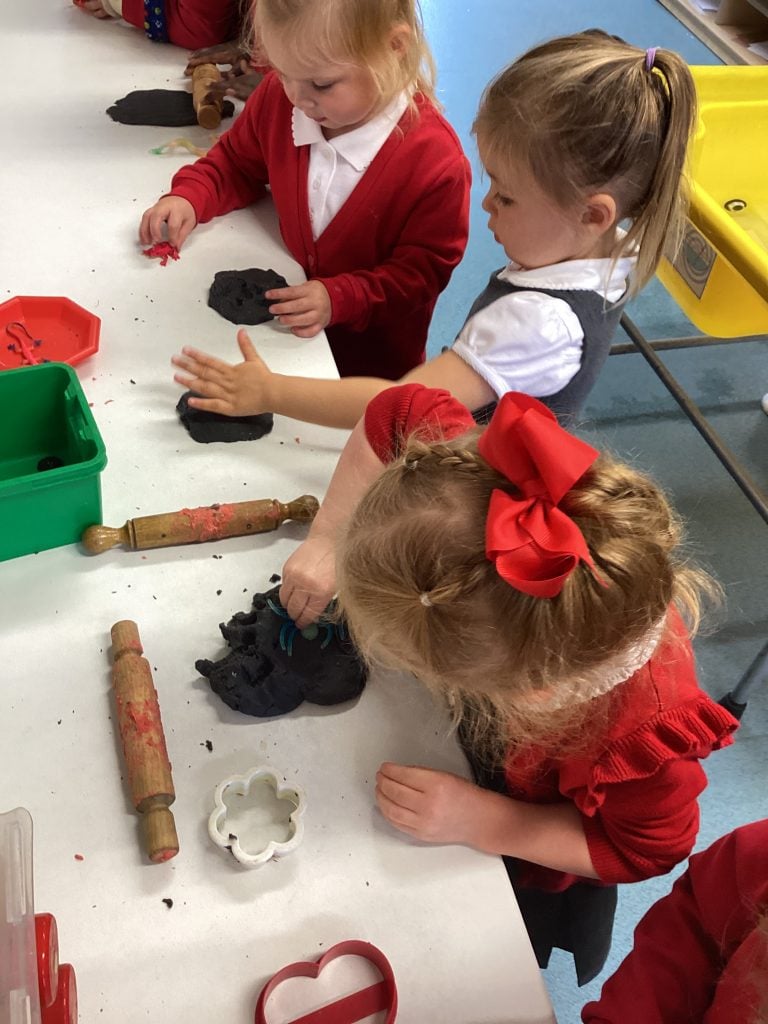
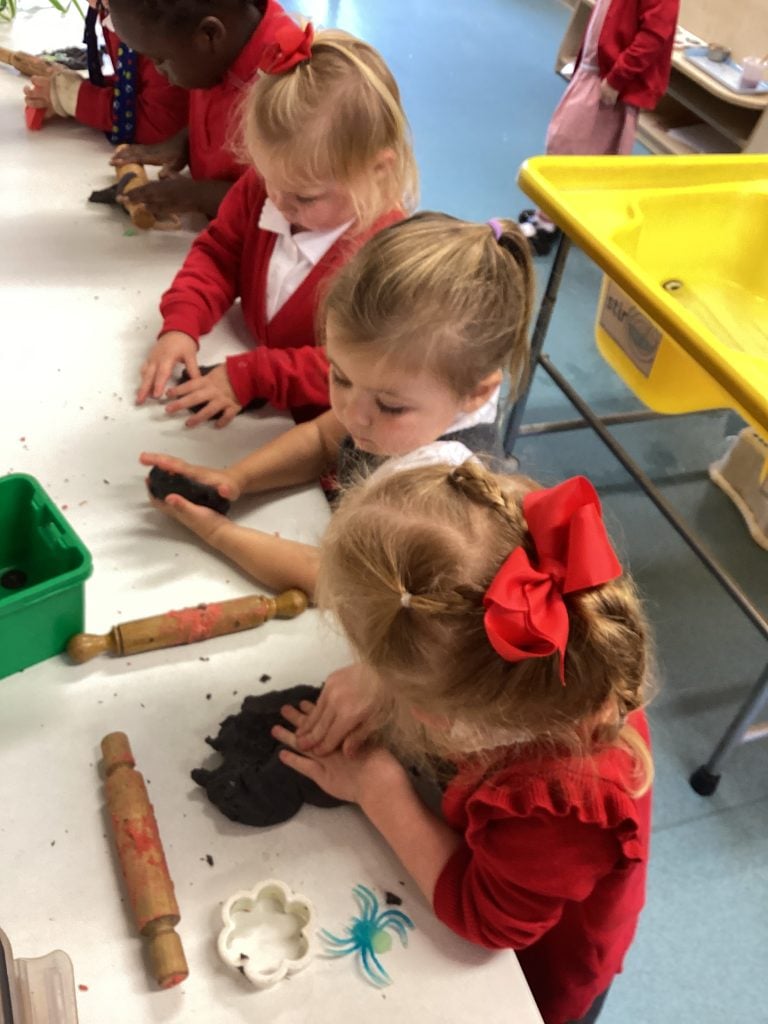
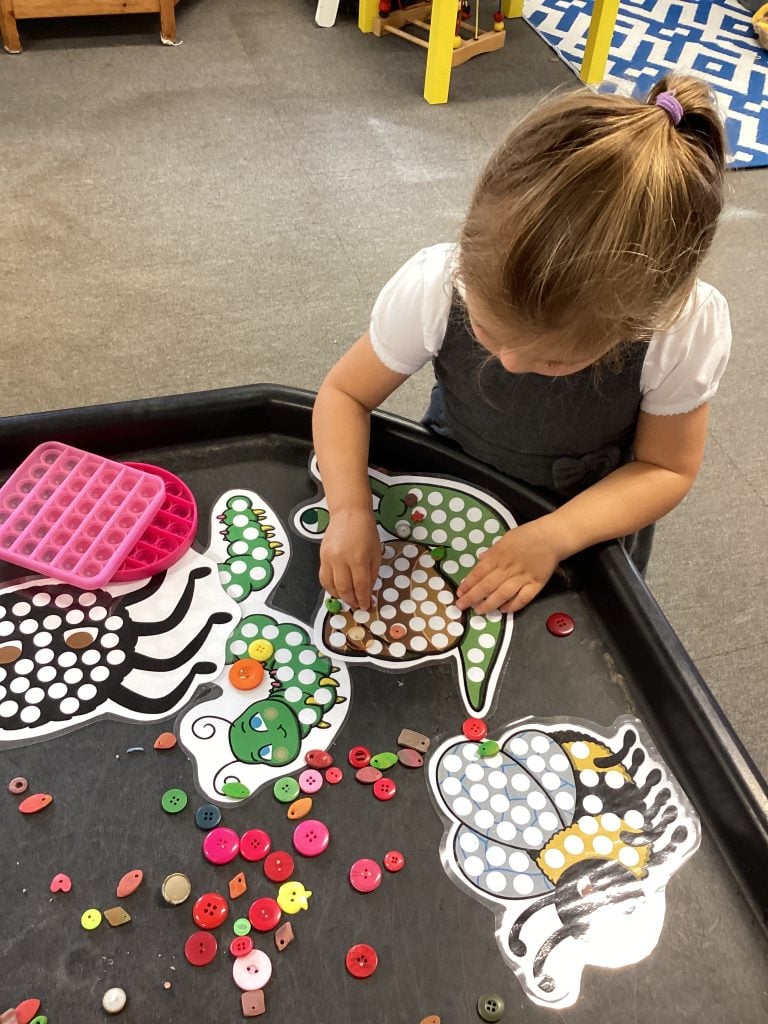
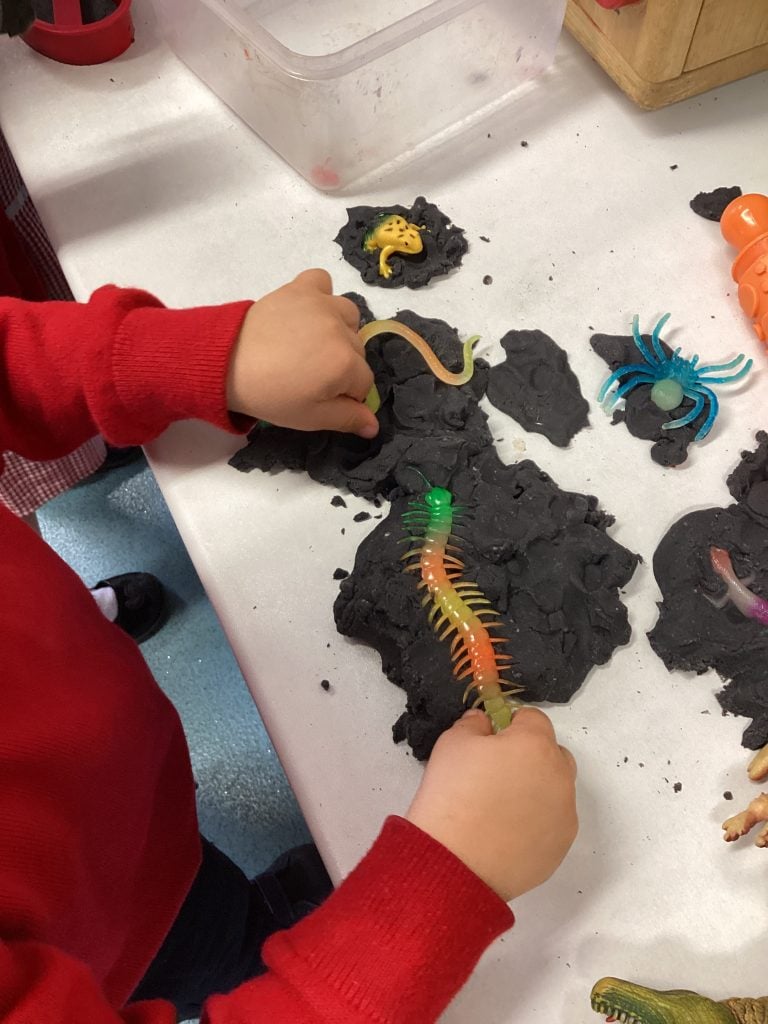
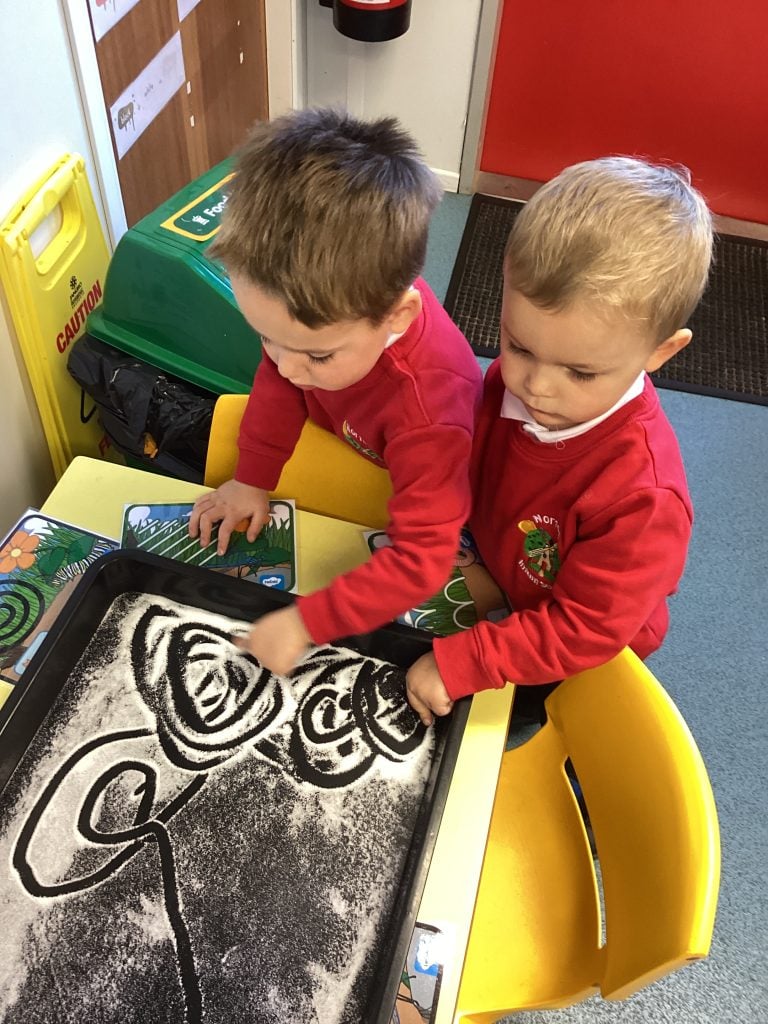
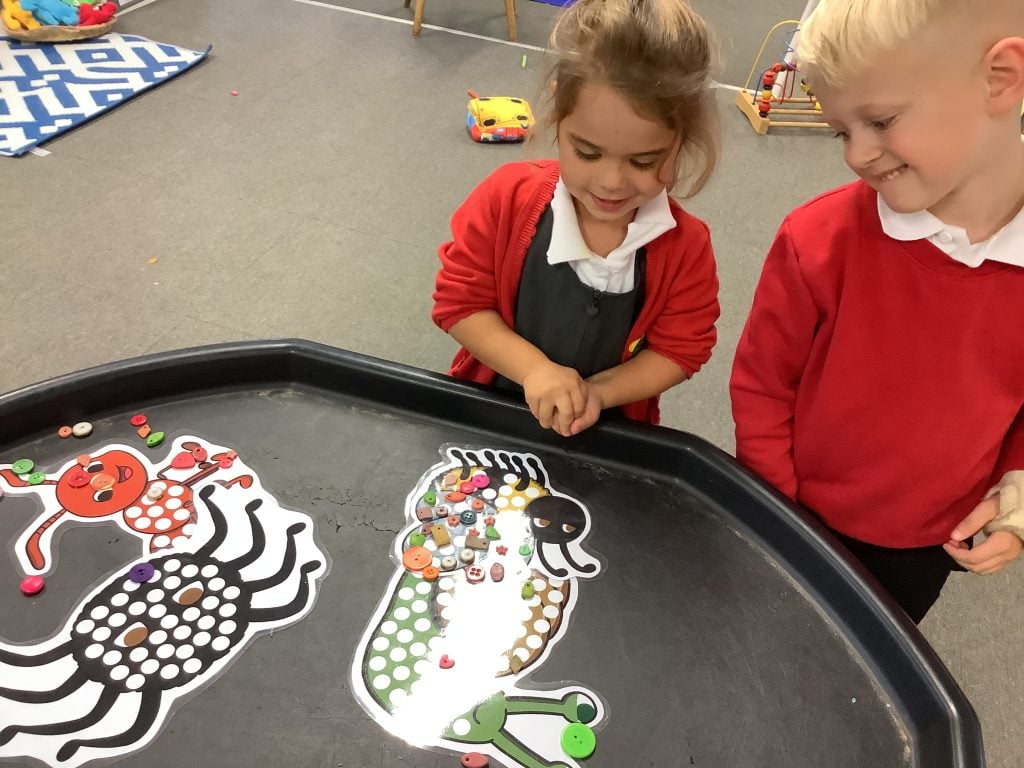
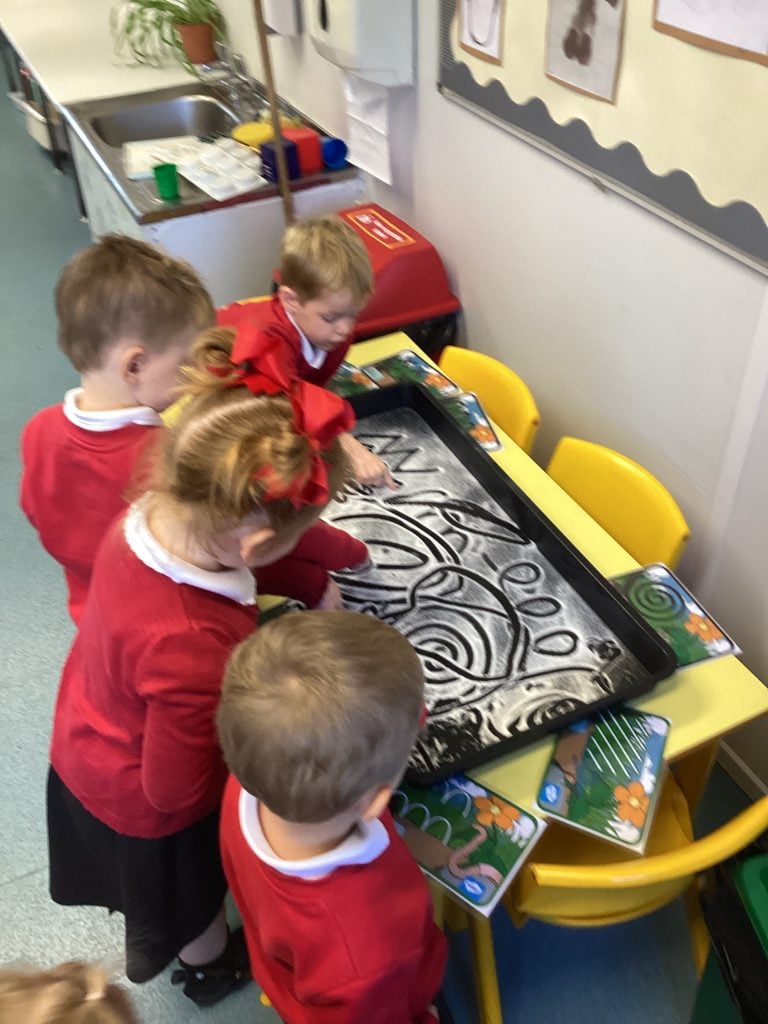
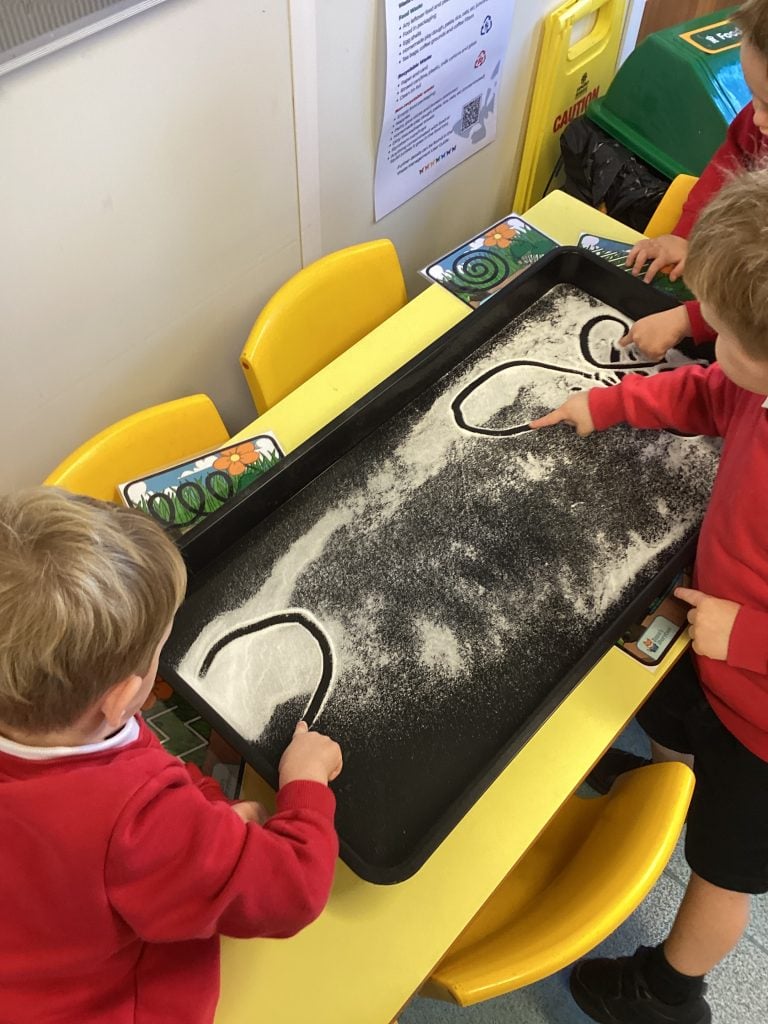
In provision the children made mini beast prints in the play-dough, using their fine motor skills to push toys into the play-dough to create marks and imprints. They also pinched, squeezed and placed buttons to fill up mini beast templates creating pictures and copied and traced mini beast movement patterns to make marks in our messy mark making tray.
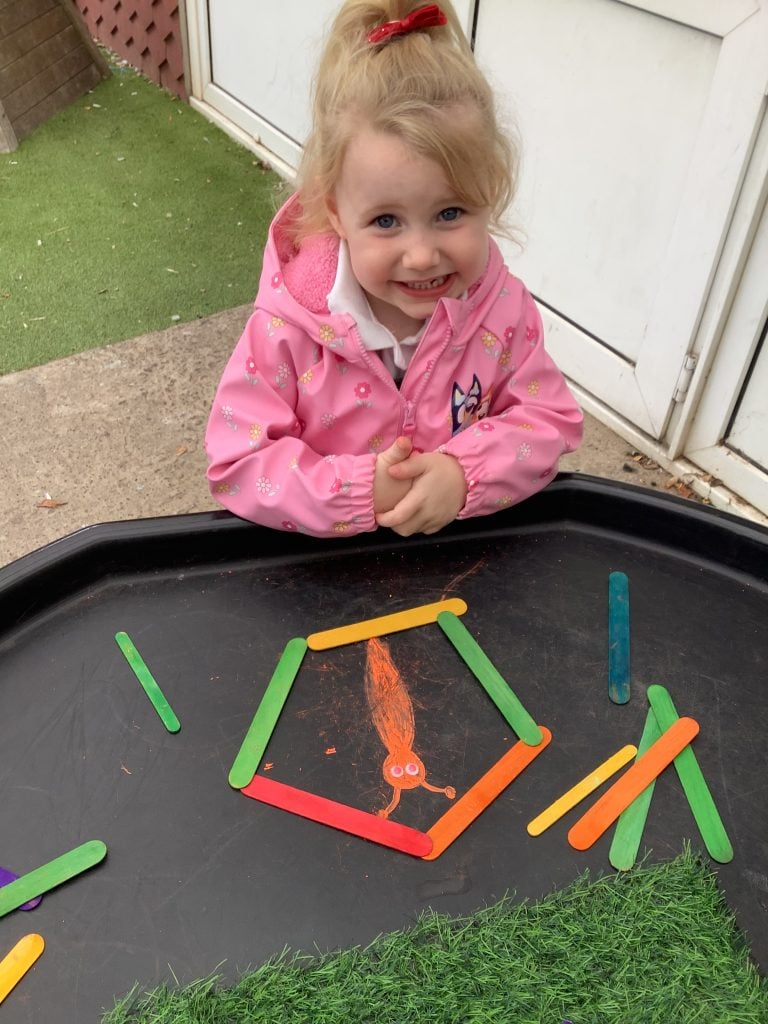
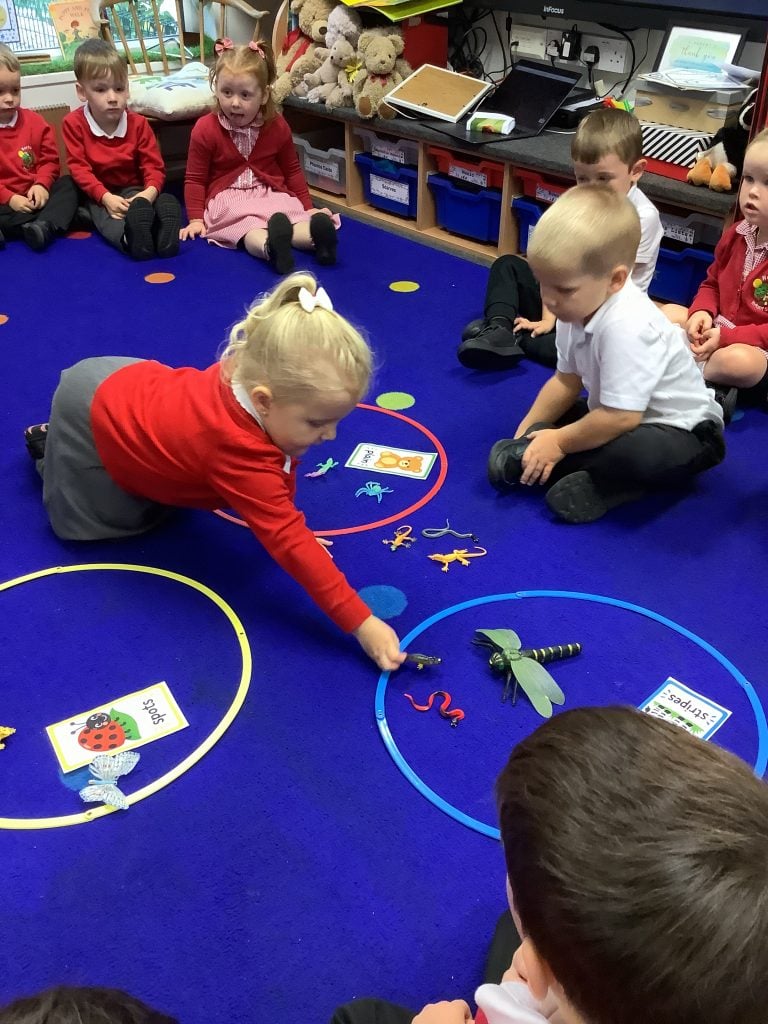
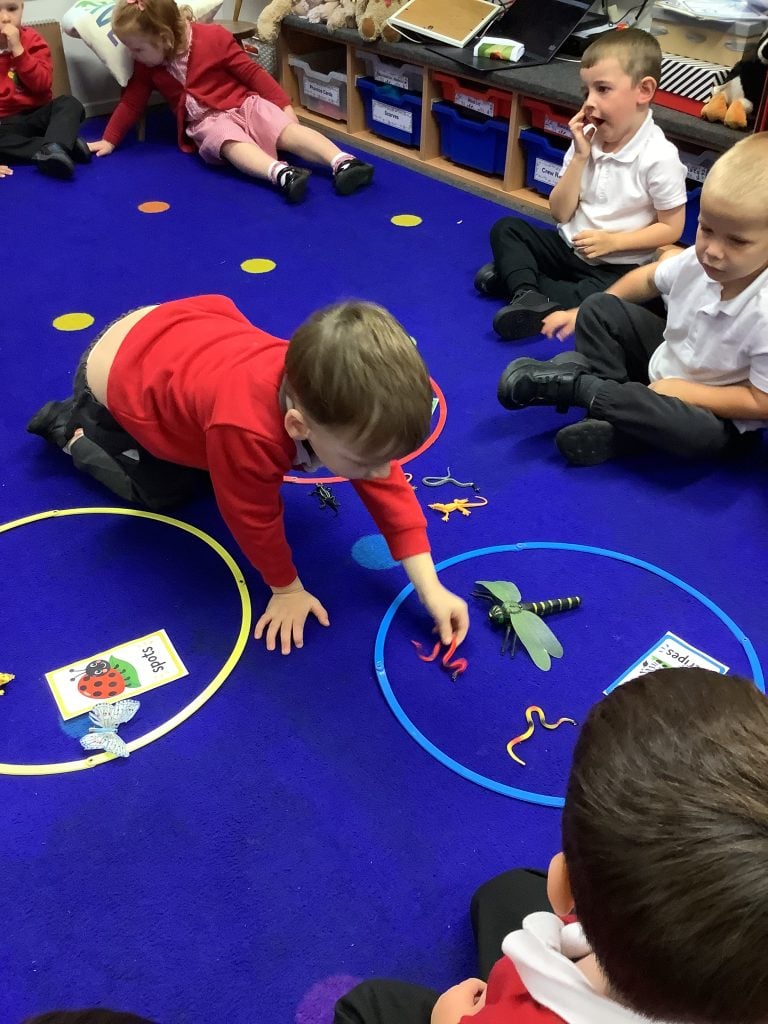
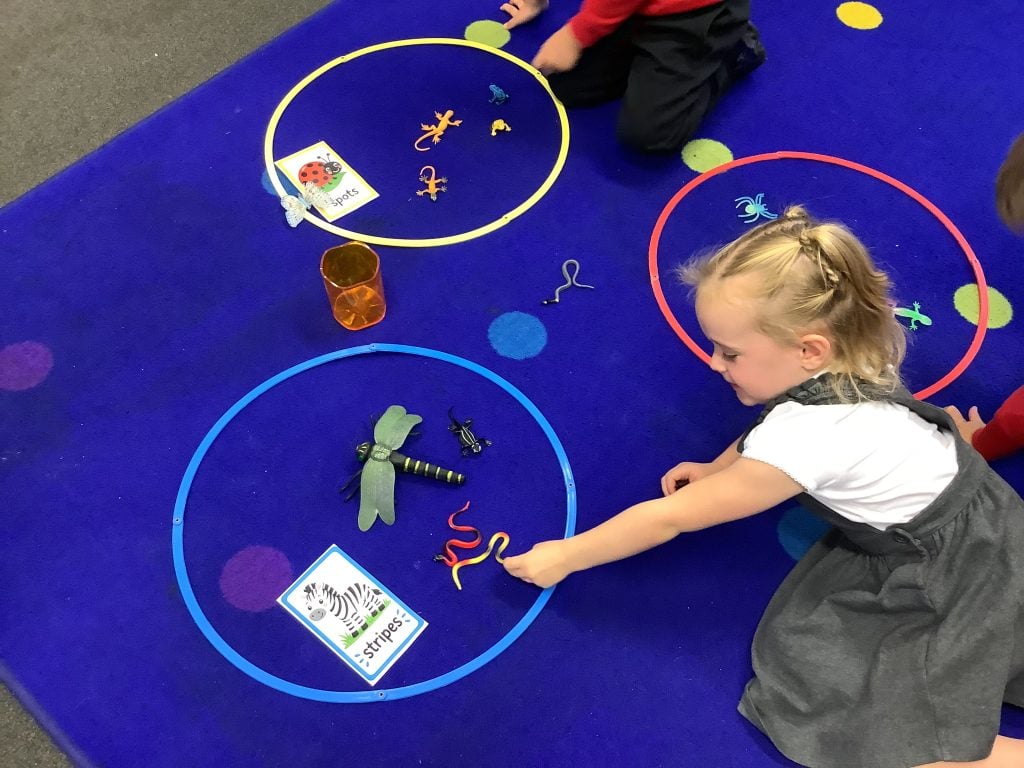
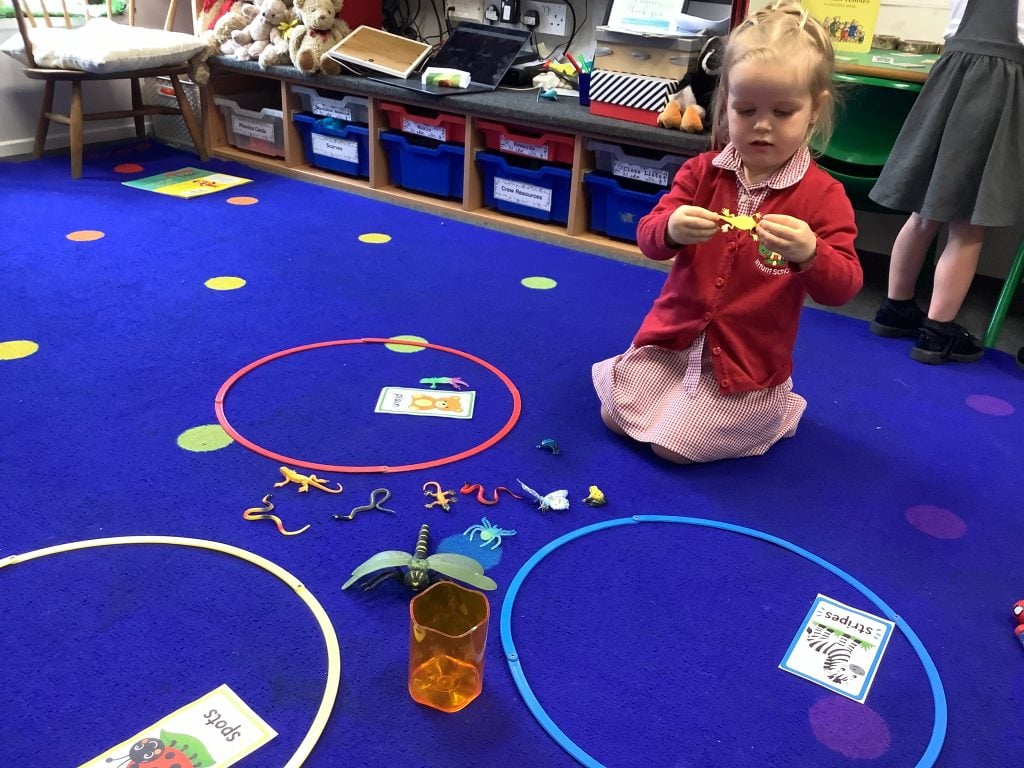
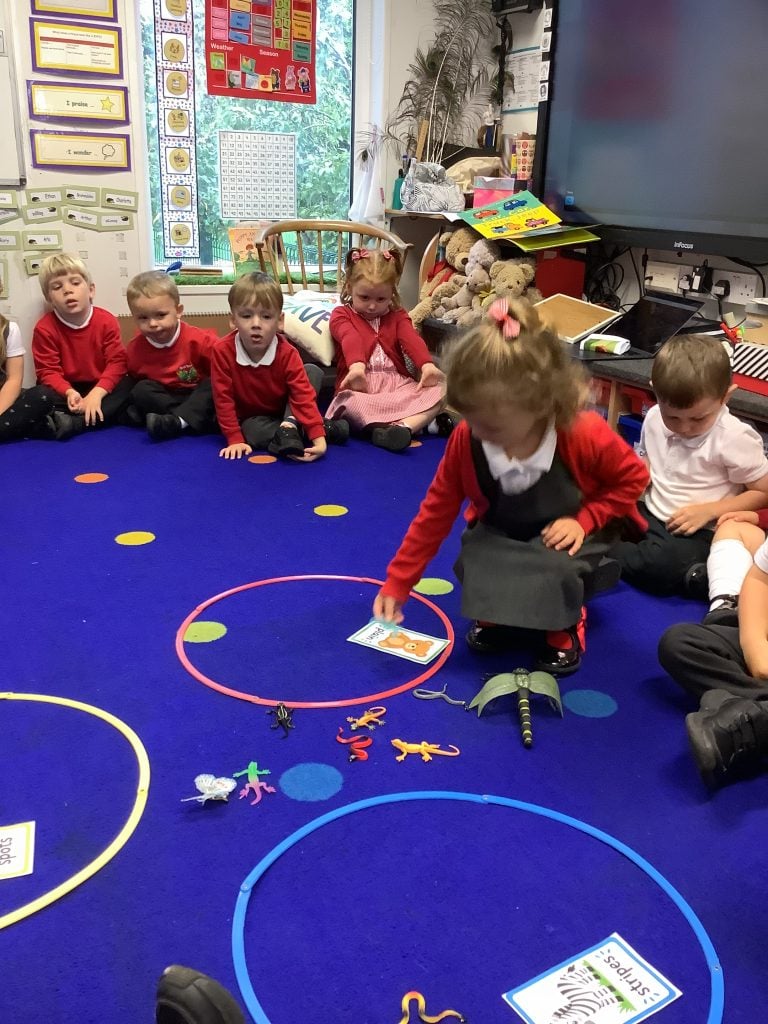
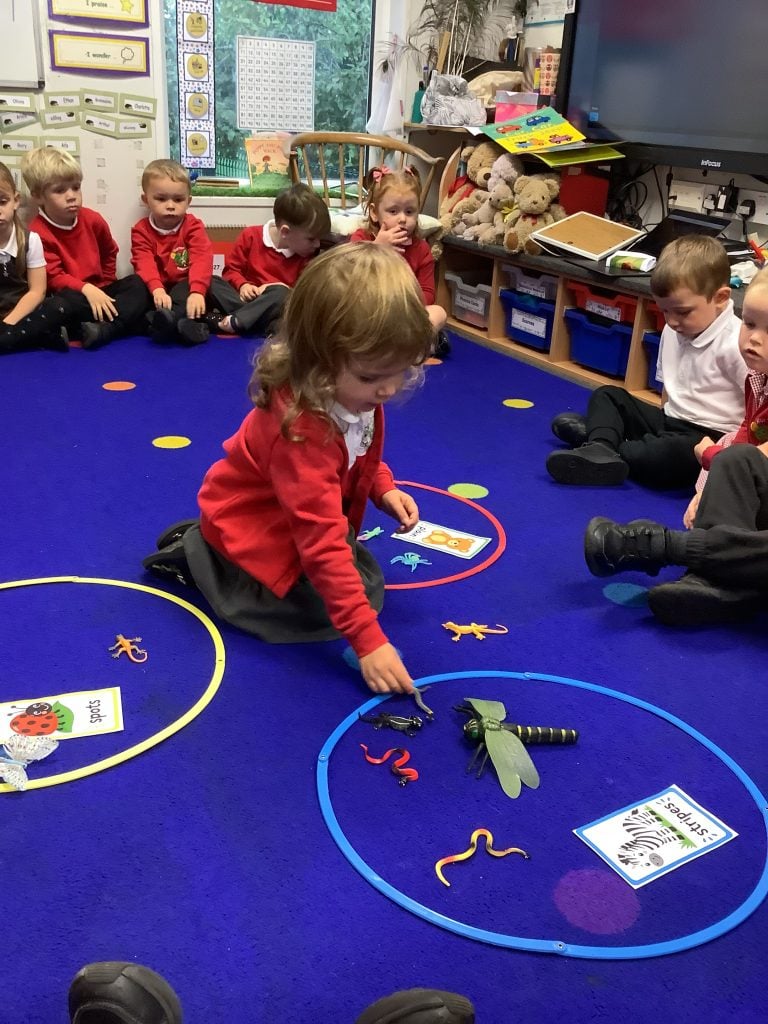
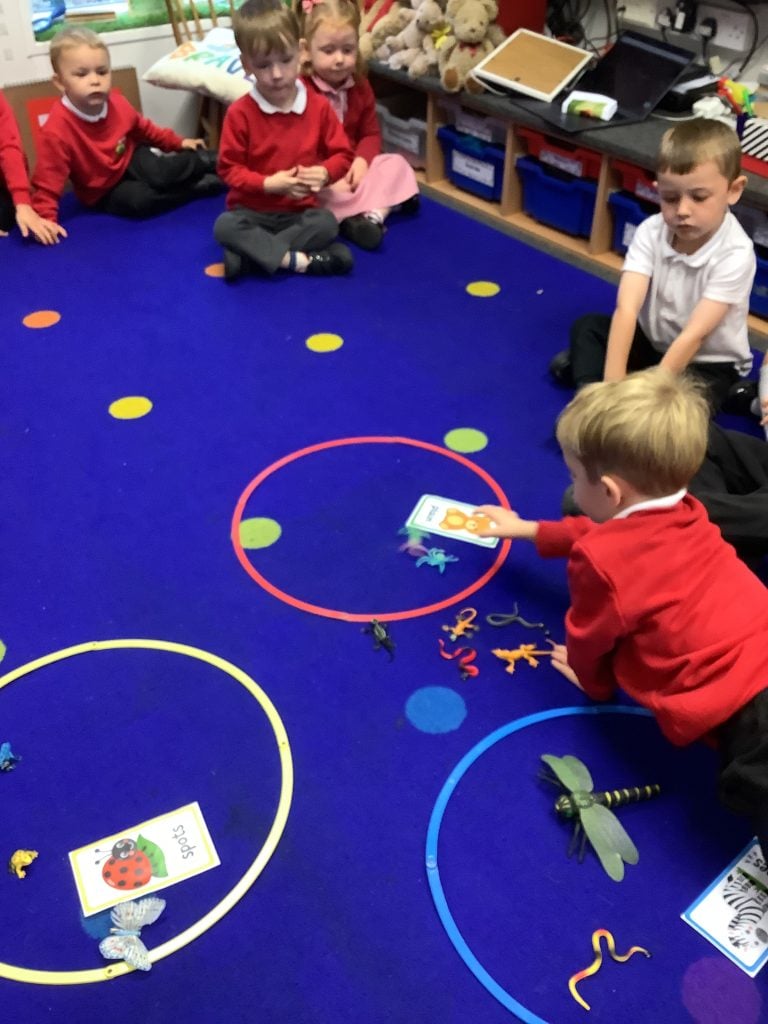
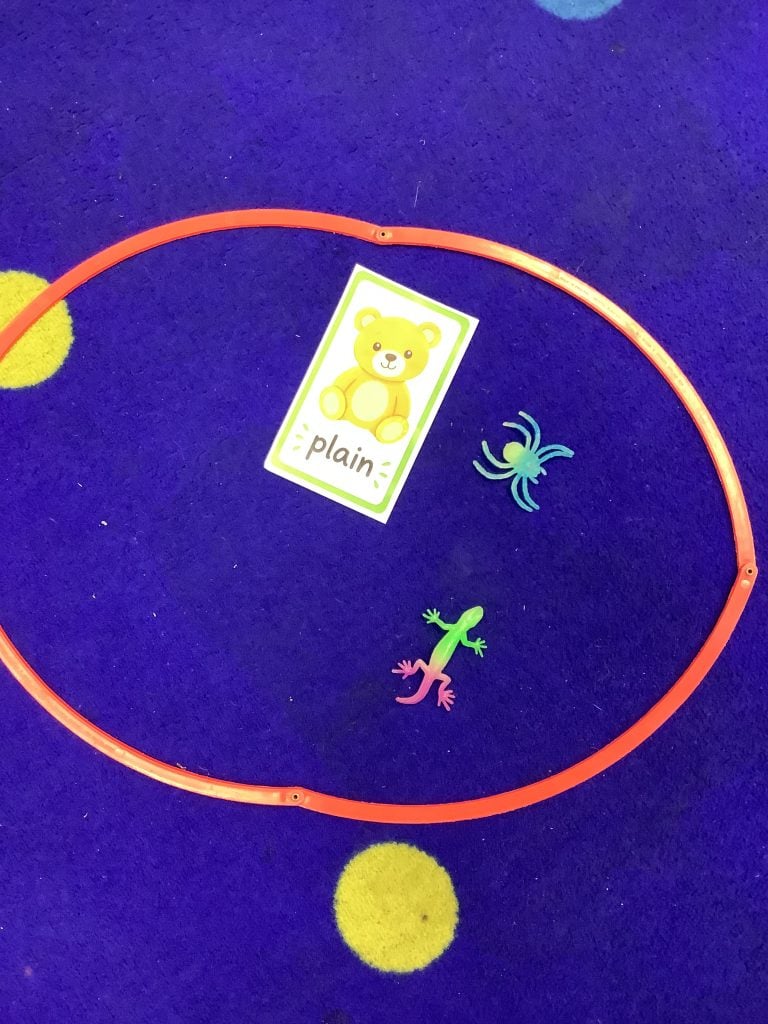
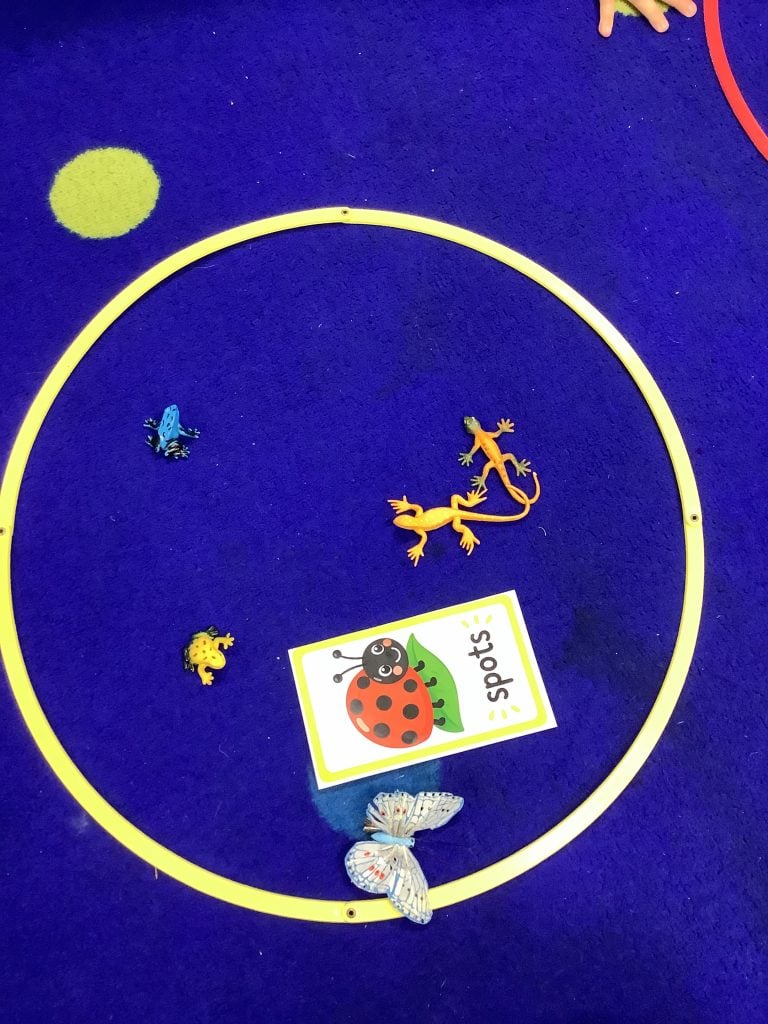
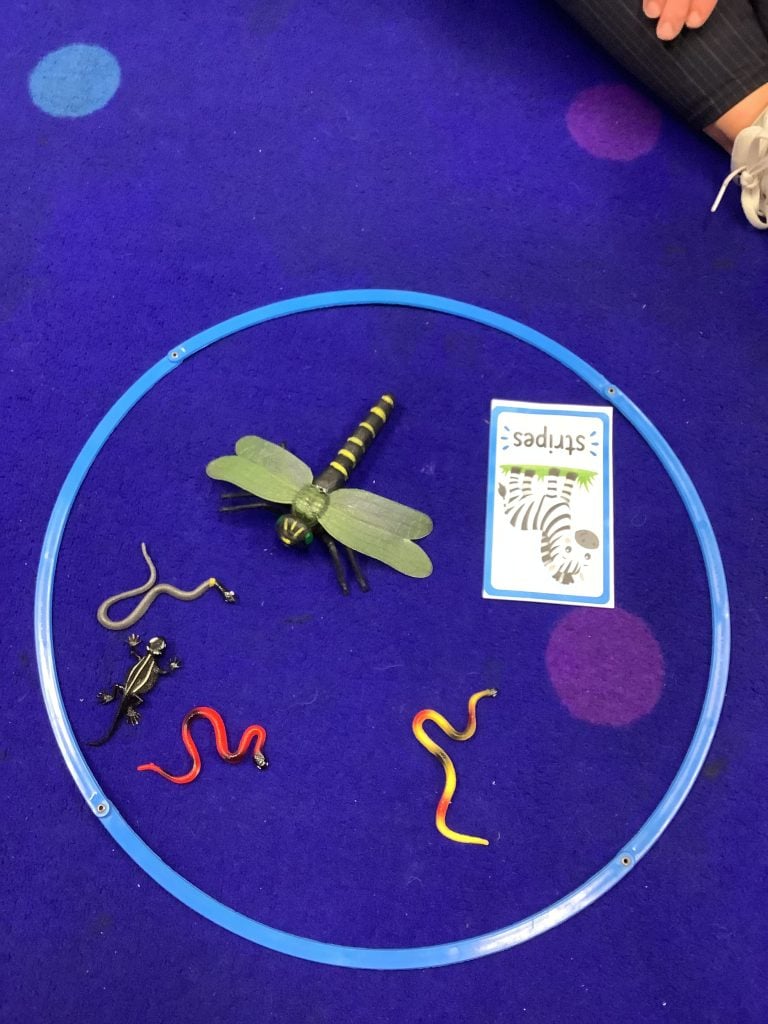
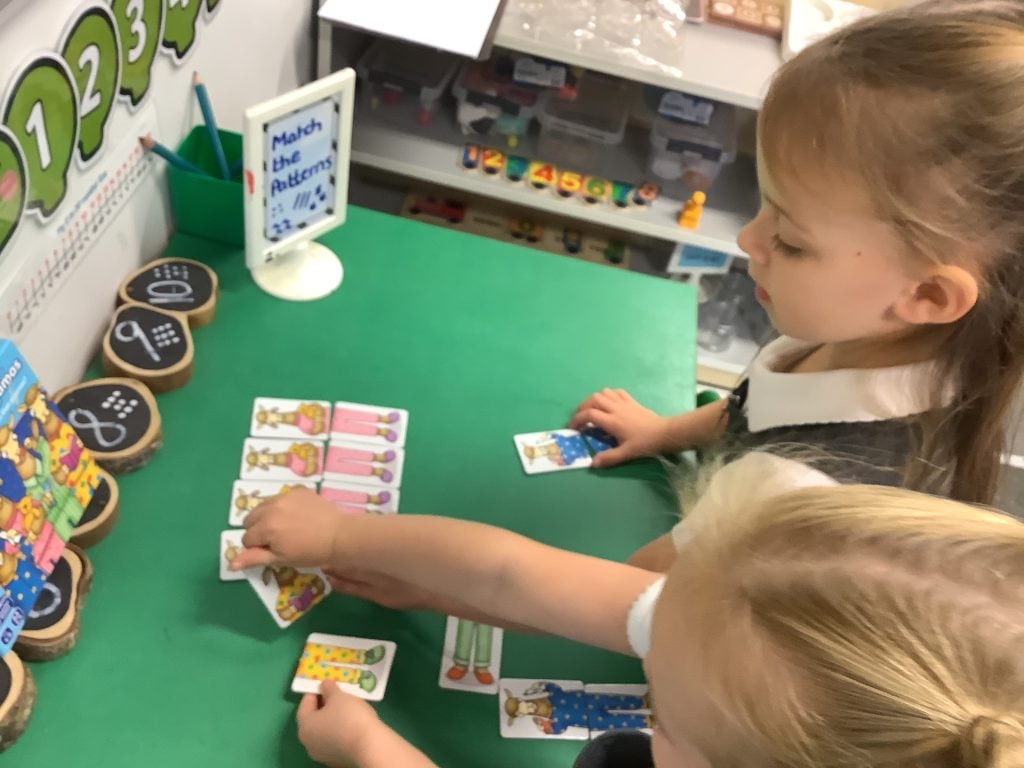
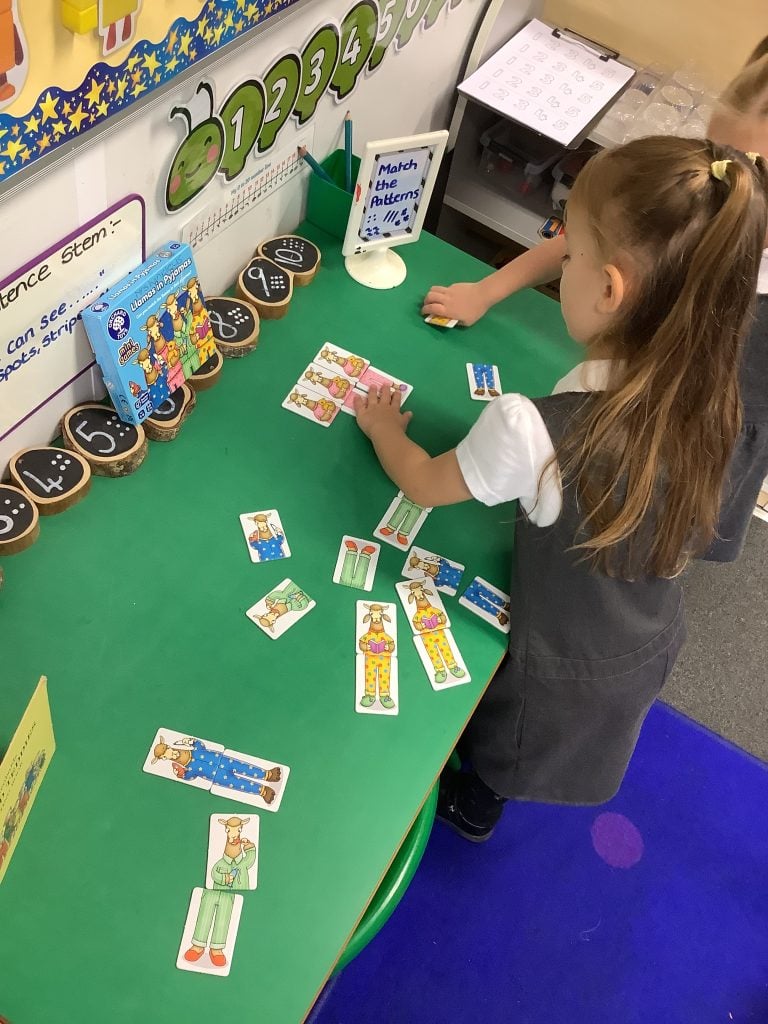
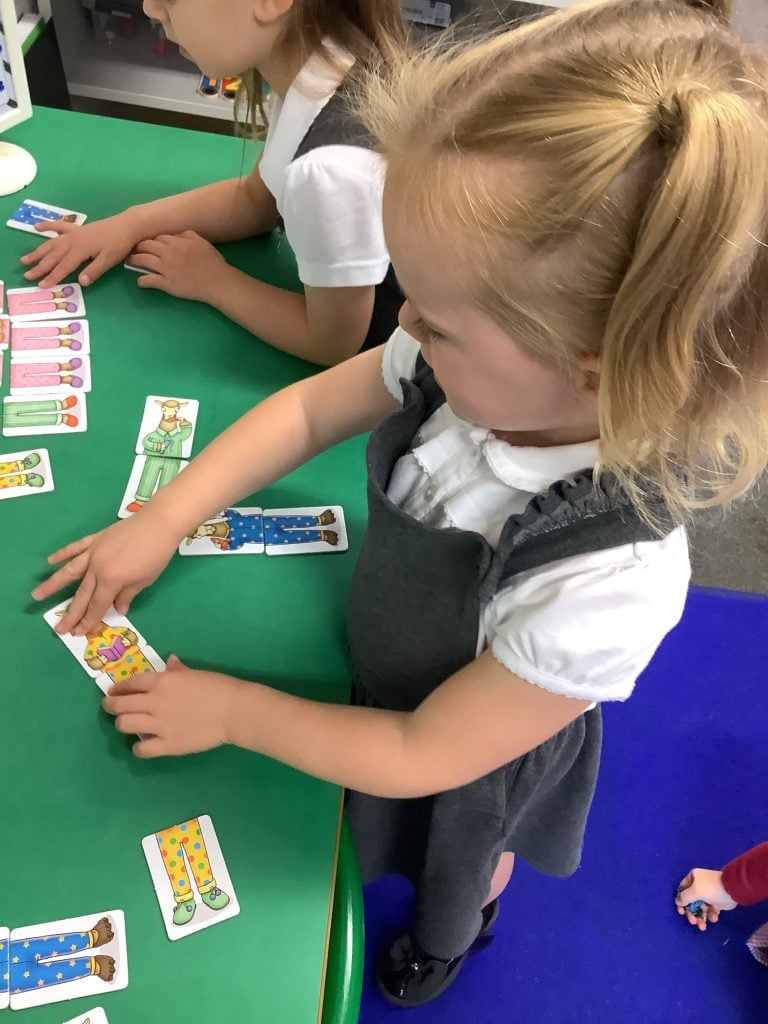
Finally in our maths learning we were thinking about patterns that we can see around us and the children learnt new vocabulary identifying spots, stripes and plain patterns. The children used their sorting knowledge to help sort mini beasts with spotty, striped or plain patterns into groups.
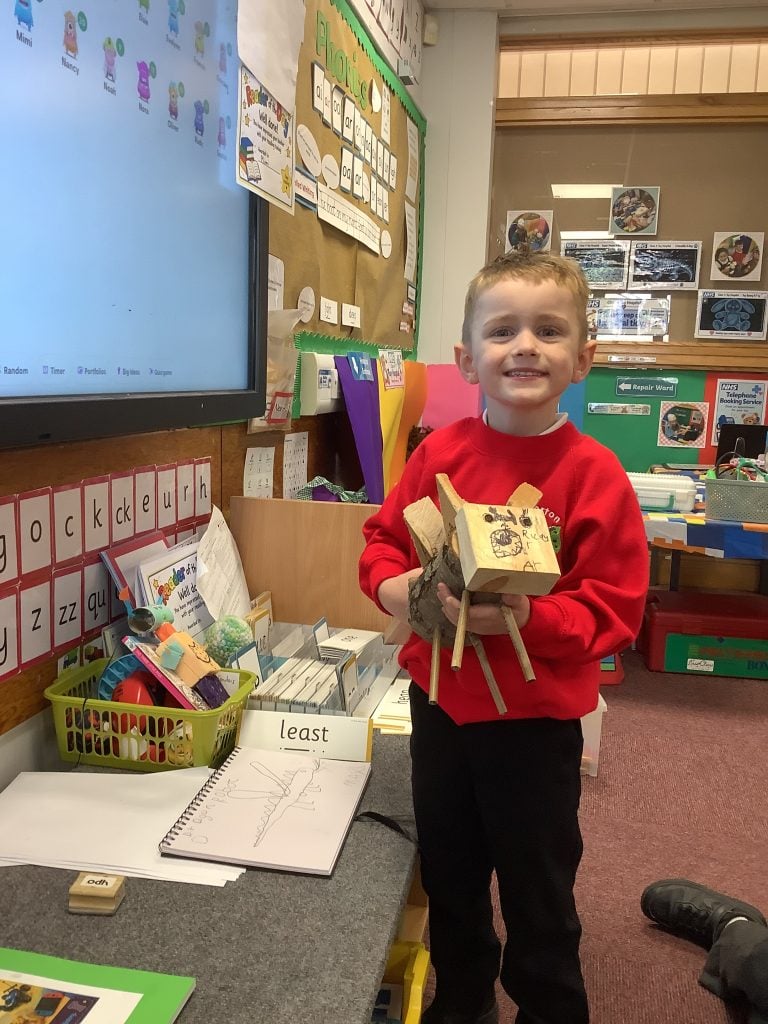
As part of our expedition, The Power of Play, we have had a fantastic time taking part in our Construction Crew! We stepped into the roles of builders, designers and inventors, using our creativity and imagination to bring our ideas to life. We worked together as a crew, taking turns and supporting our friends to solve problems. We showed teamwork and craftsmanship and quality as we designed cars, castles, houses, airplanes, spaceship and rockets.
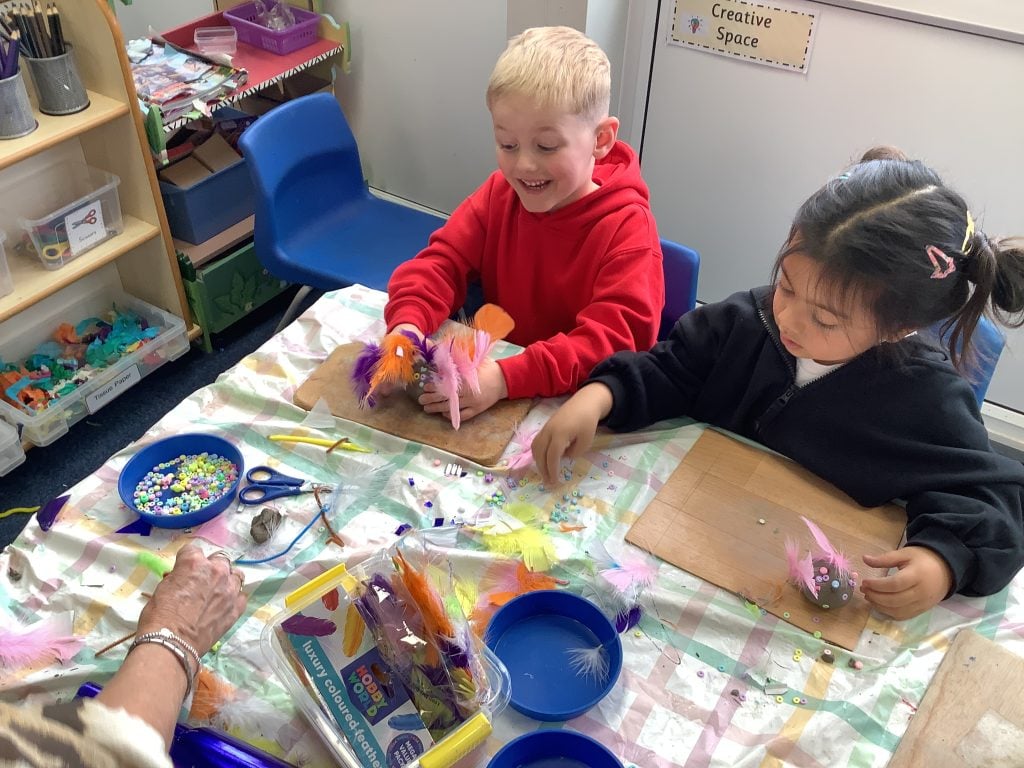
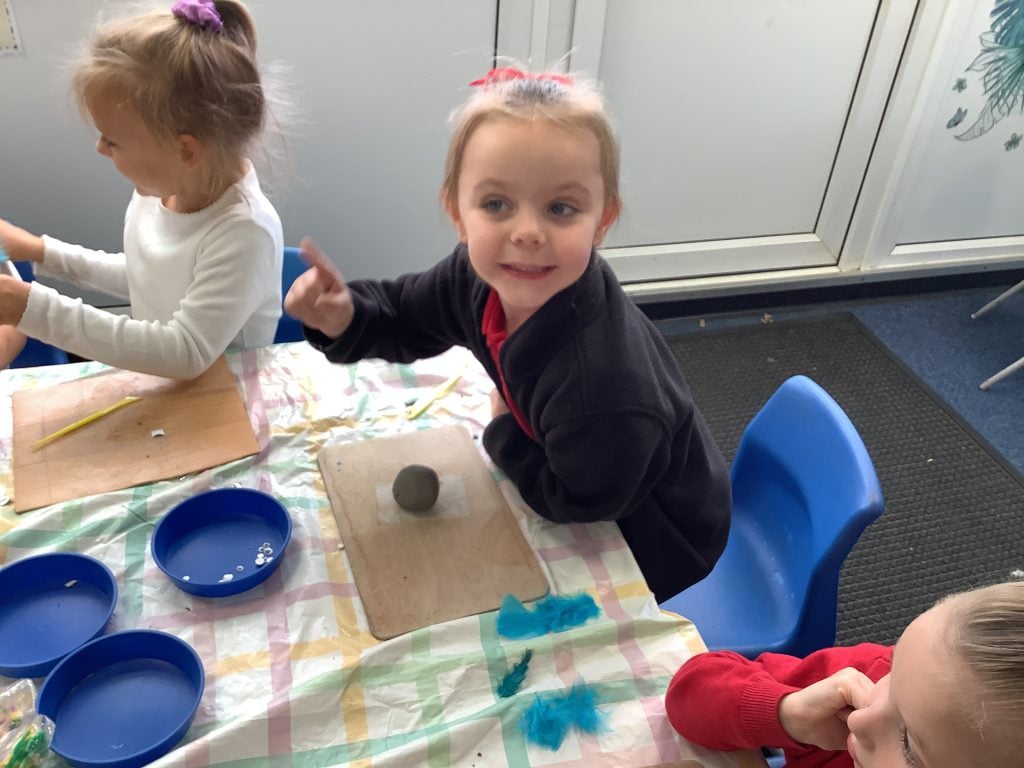
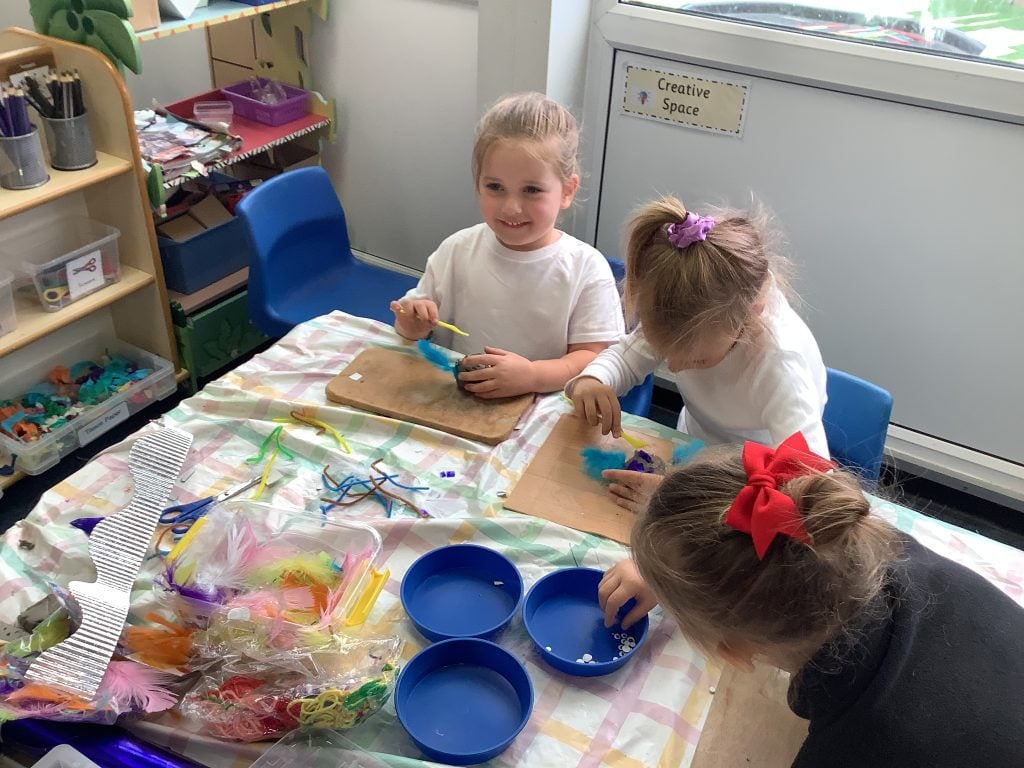
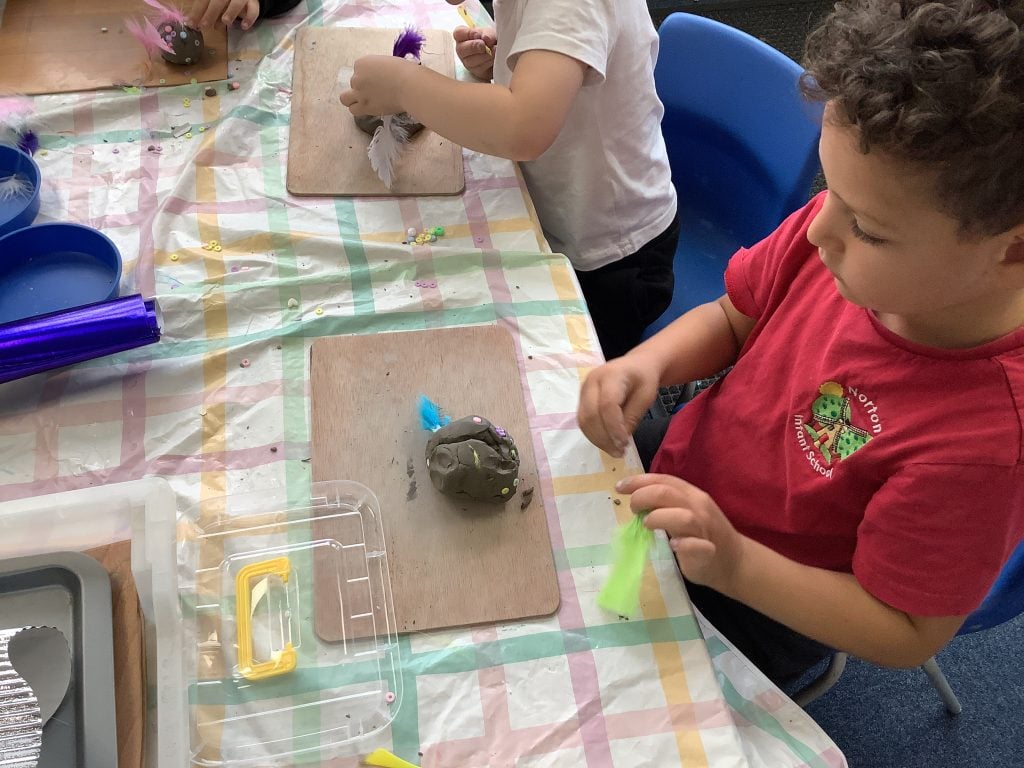
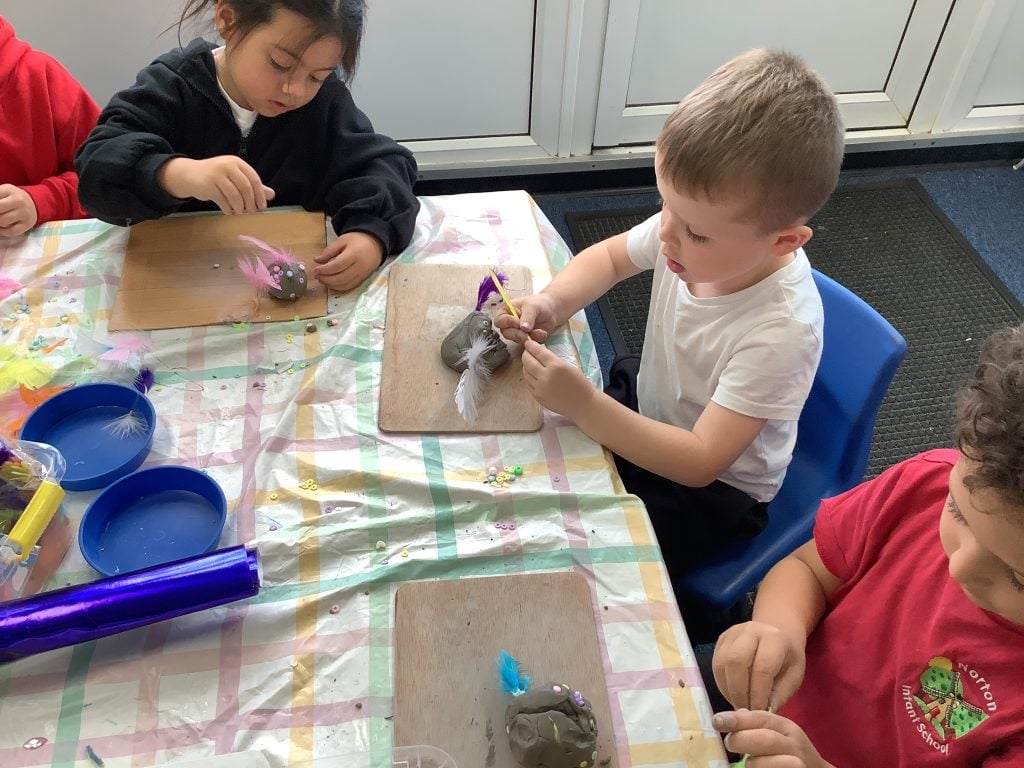
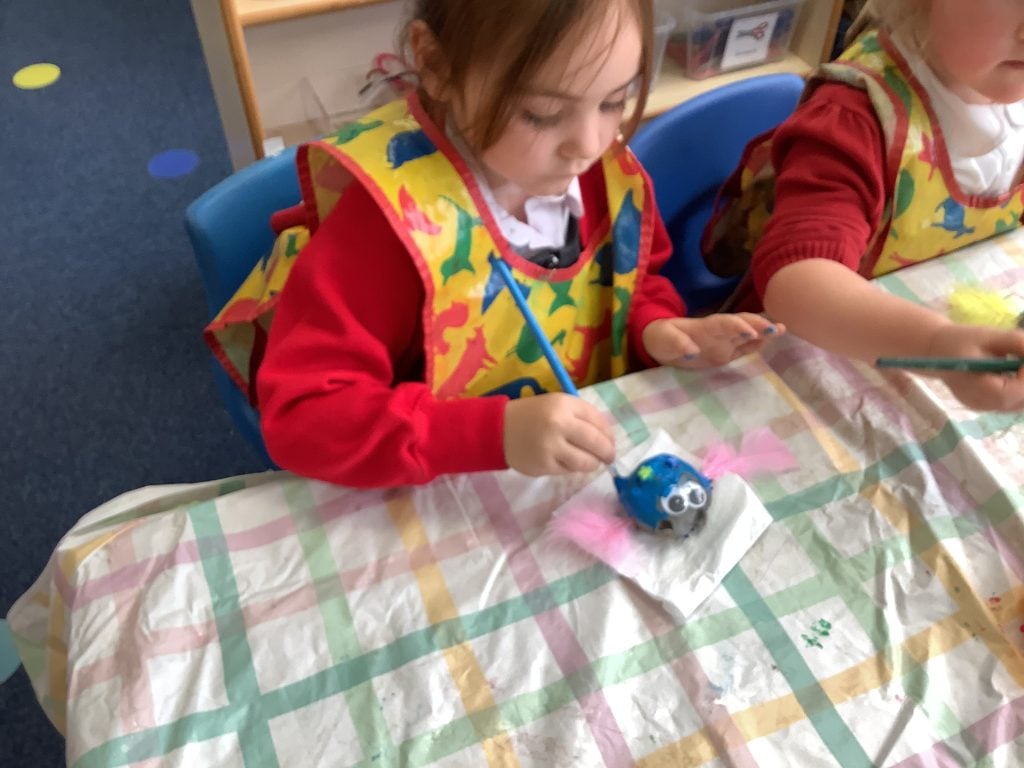
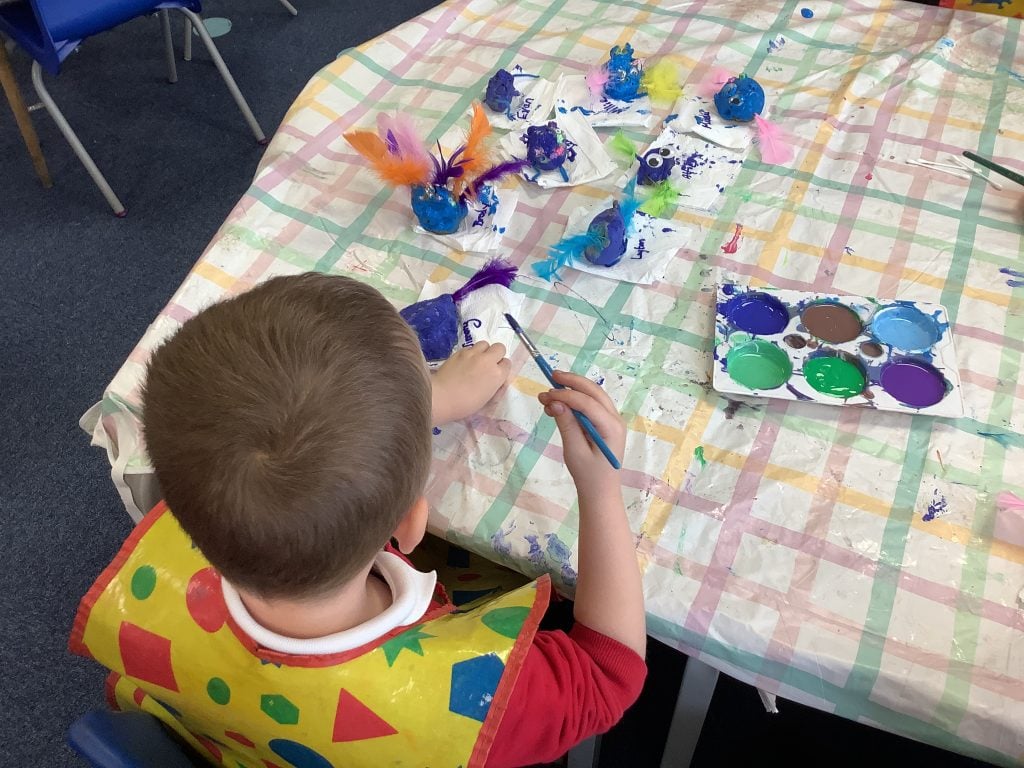
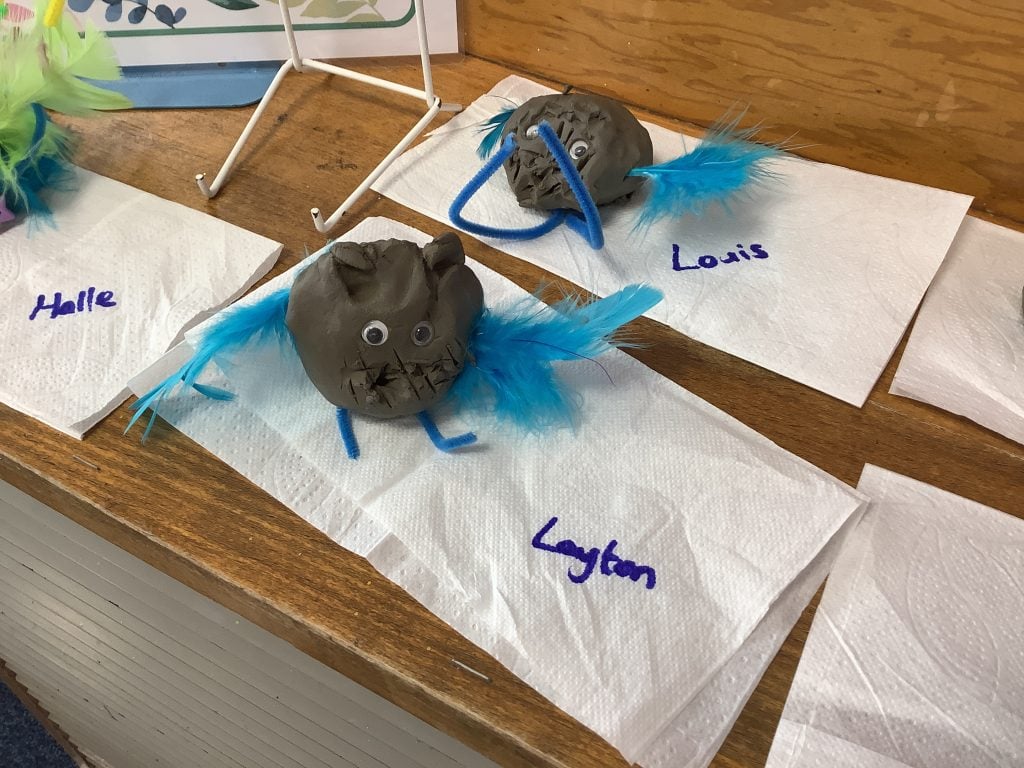
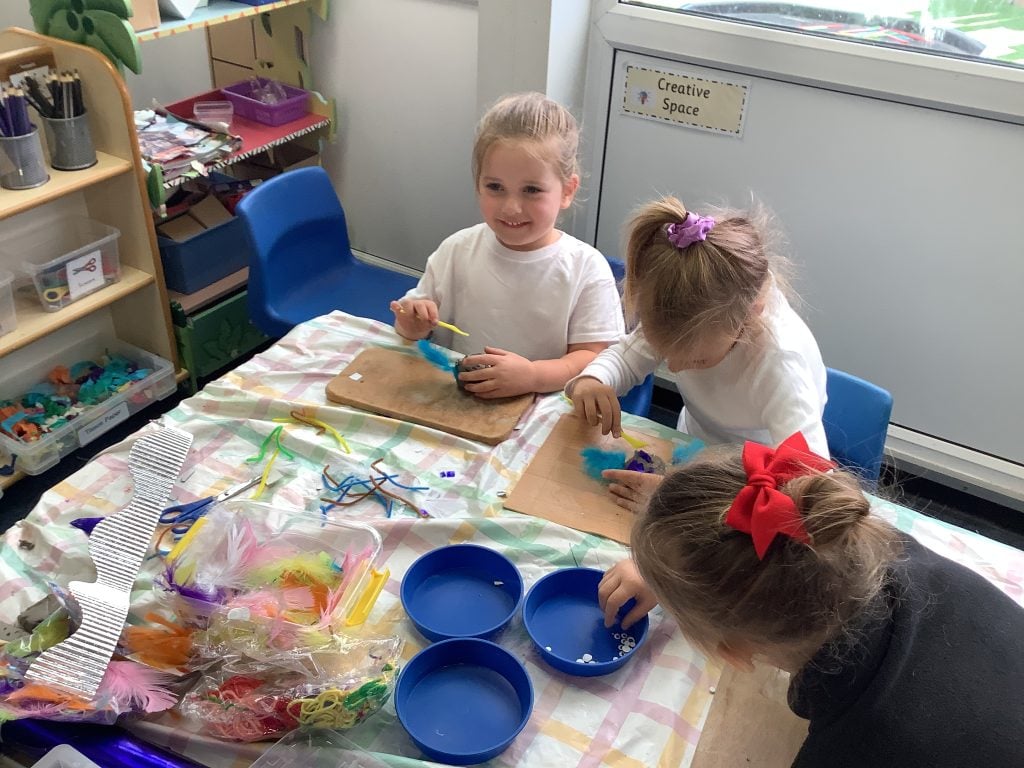
We have been inspired by the wonderful story The Bog Baby and have been busy getting creative with our own Bog Baby sculptures!
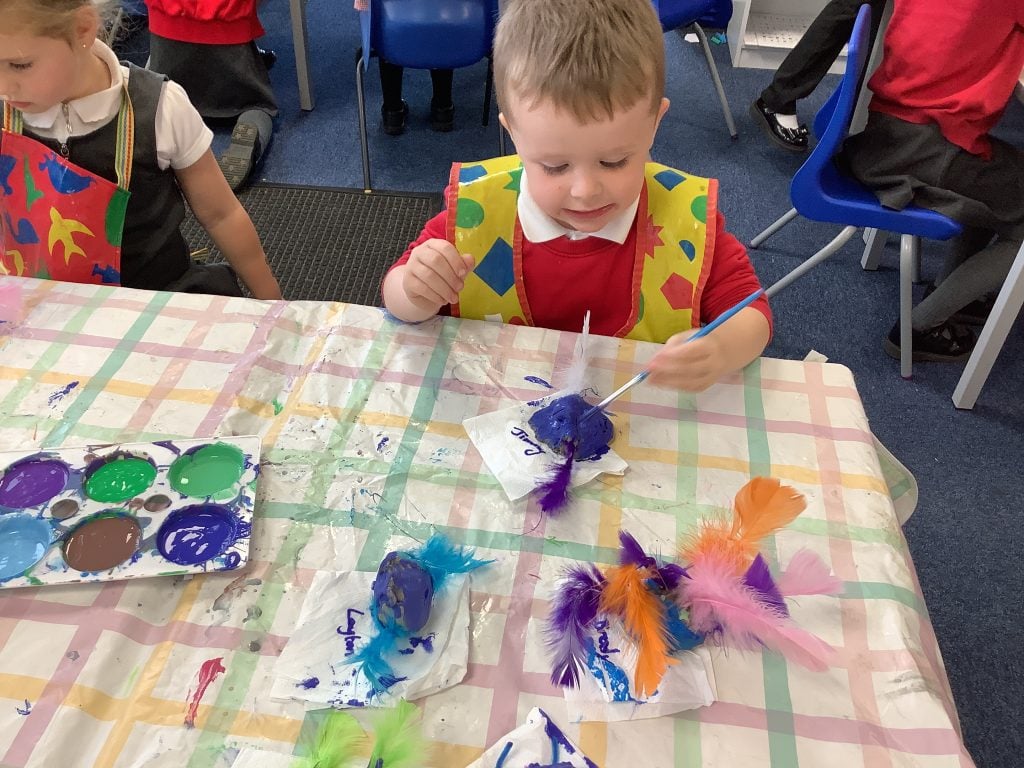
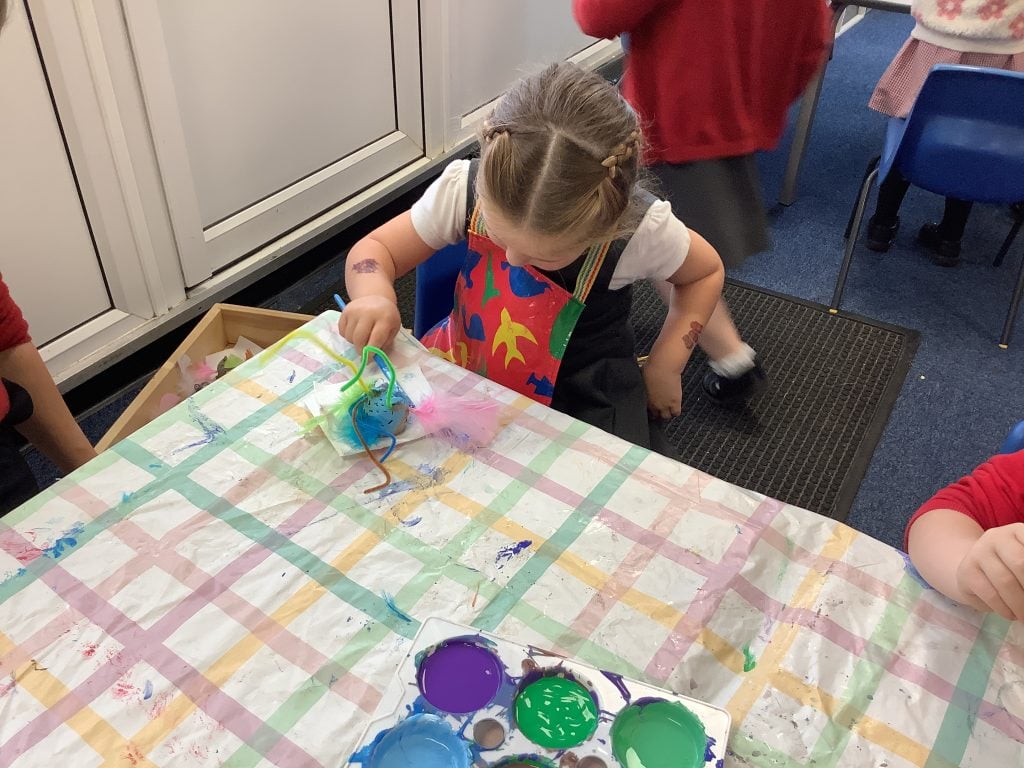
Using clay, we carefully pinched, pulled, rolled and moulded the clay to bring our very own Bog Babies to life. This was a fantastic way to strengthen our finger and hand muscles as we worked with the clay. We had to use lots of concentration and perseverance to shape our creatures exactly how we wanted them.
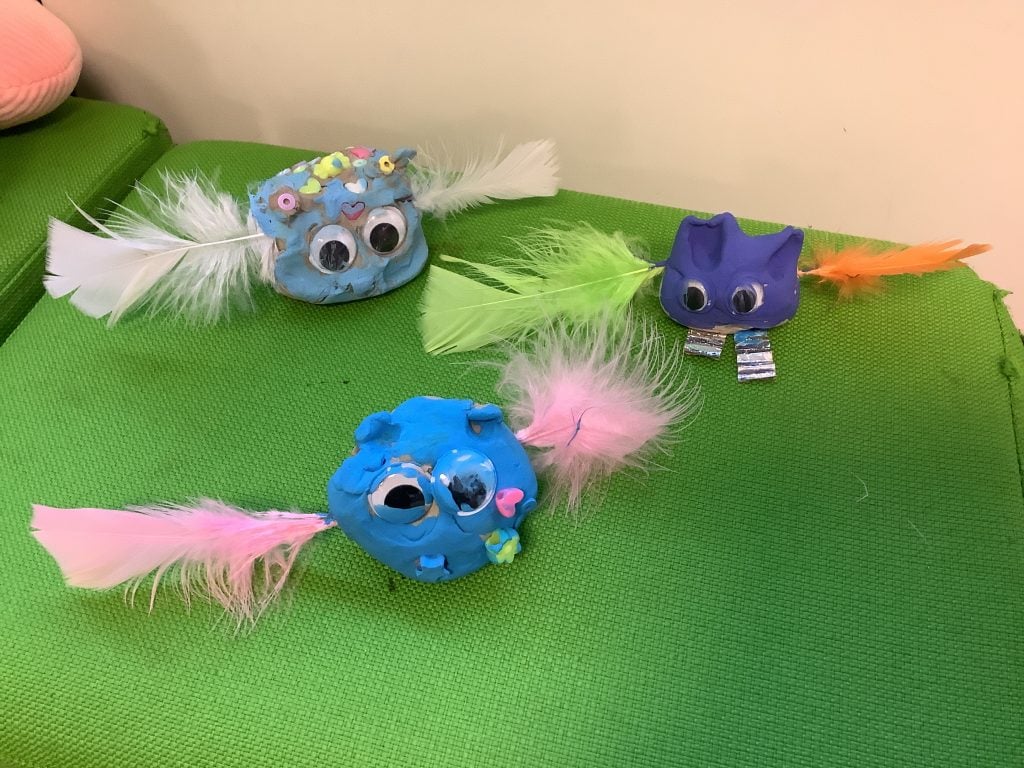
Once our Bog Babies had dried, we picked up our paintbrushes and brought them to life with colour! 🎨 We are so proud of our finished creations and loved seeing all the different personalities and designs that emerged.
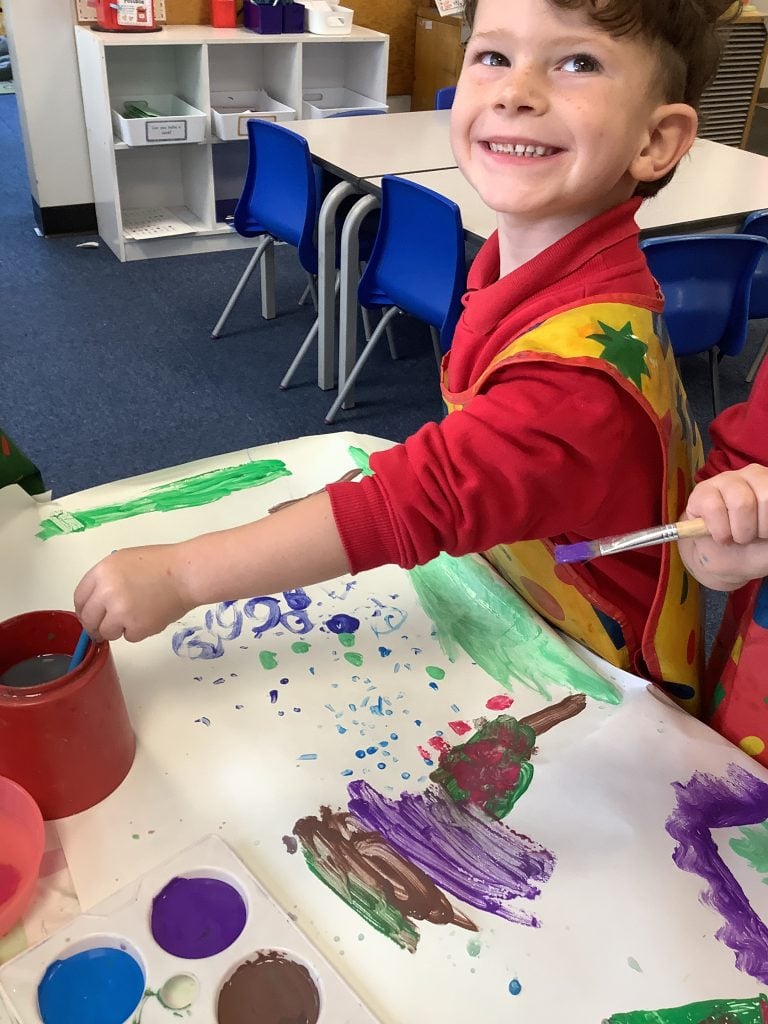
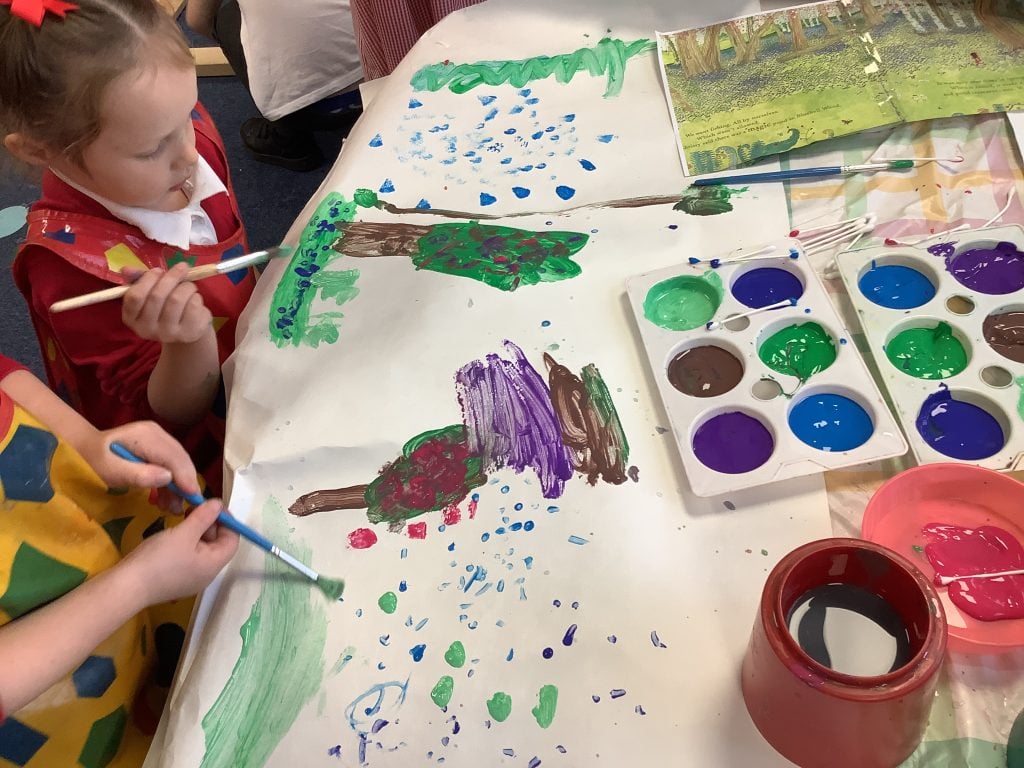
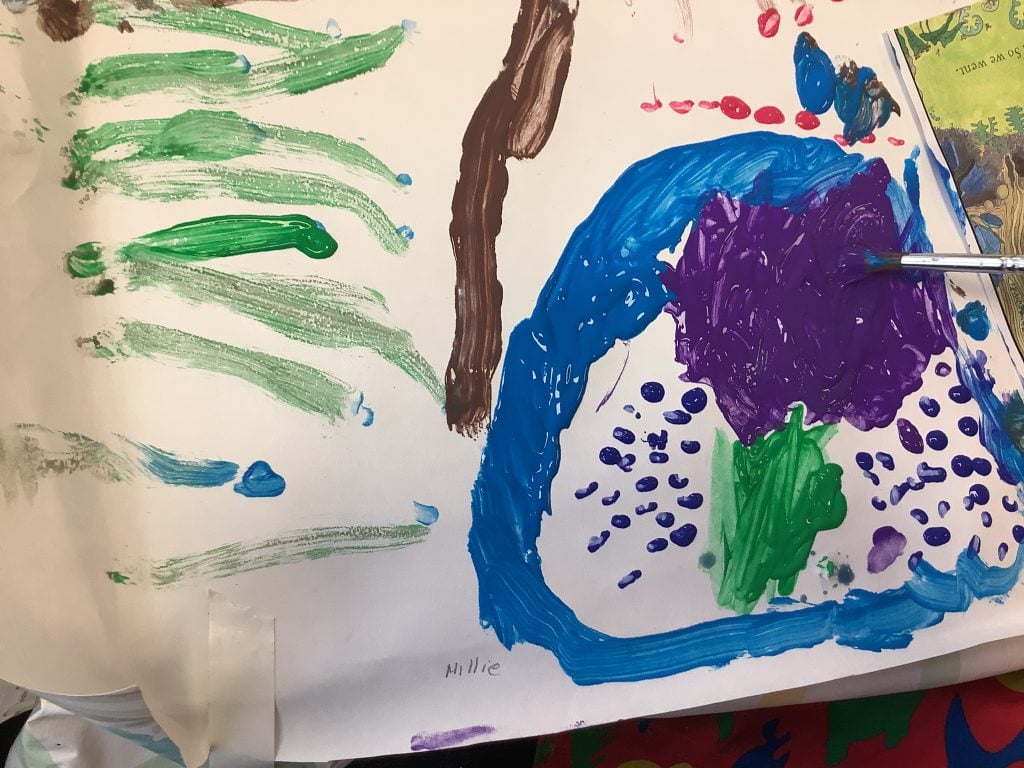
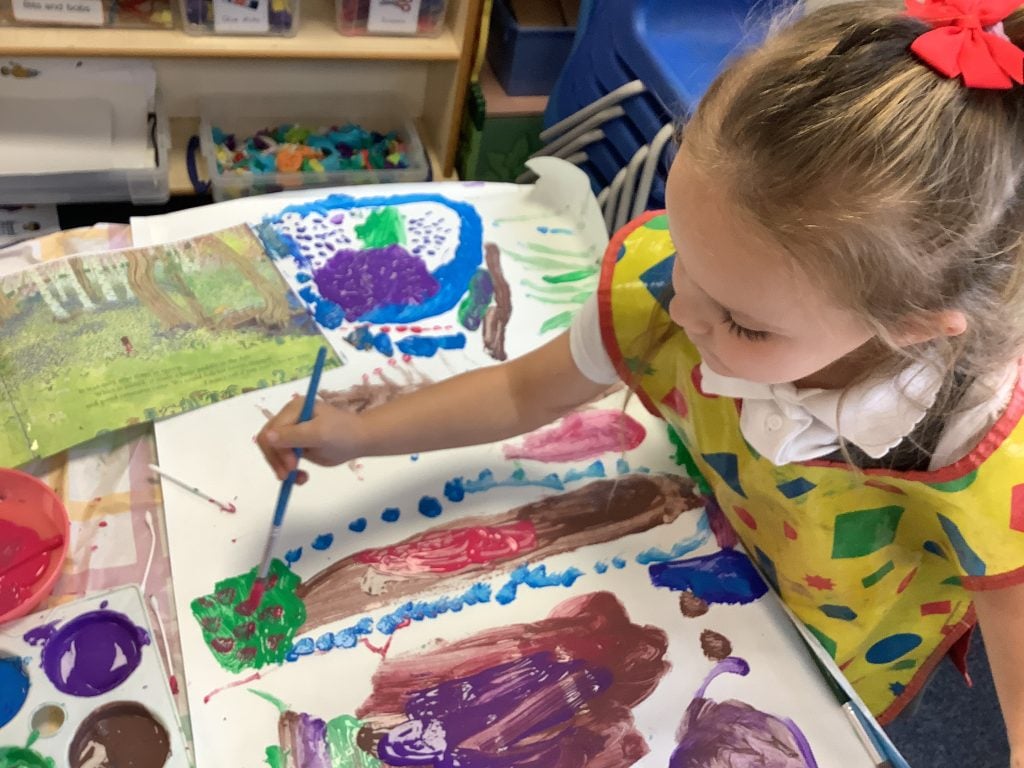
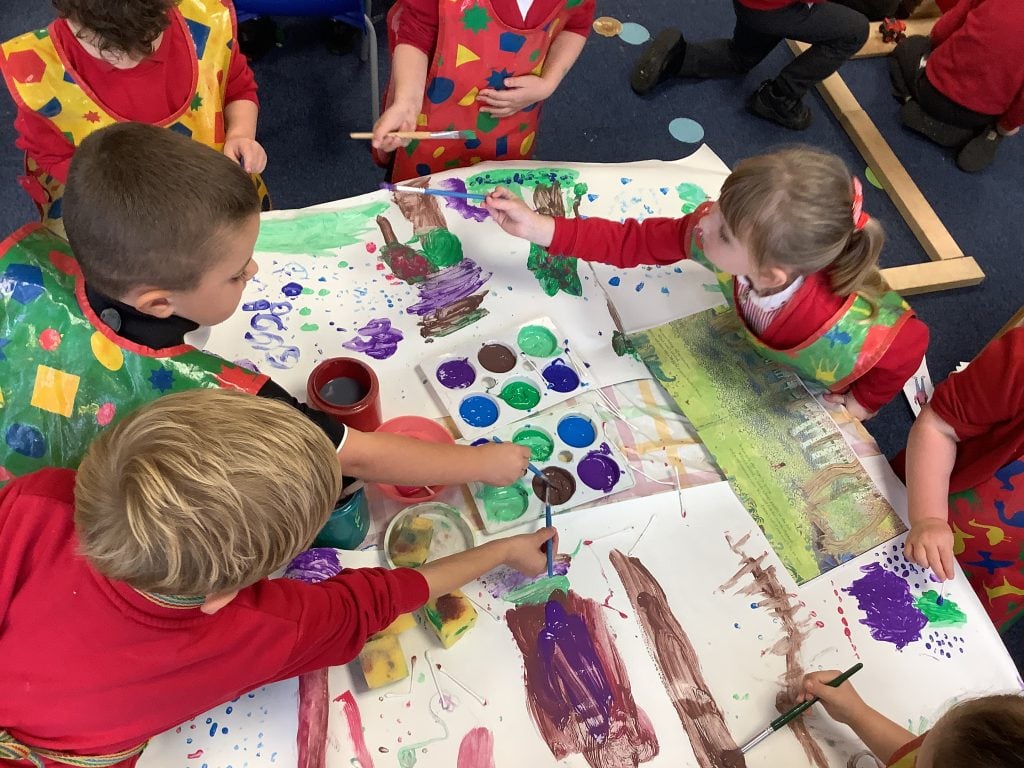
We have also been creating our very own bluebell meadow inspired by the beautiful setting in the story. 💙🌸 We experimented with different creative techniques to create different effects, thinking carefully about the colours, shapes and textures we could use.