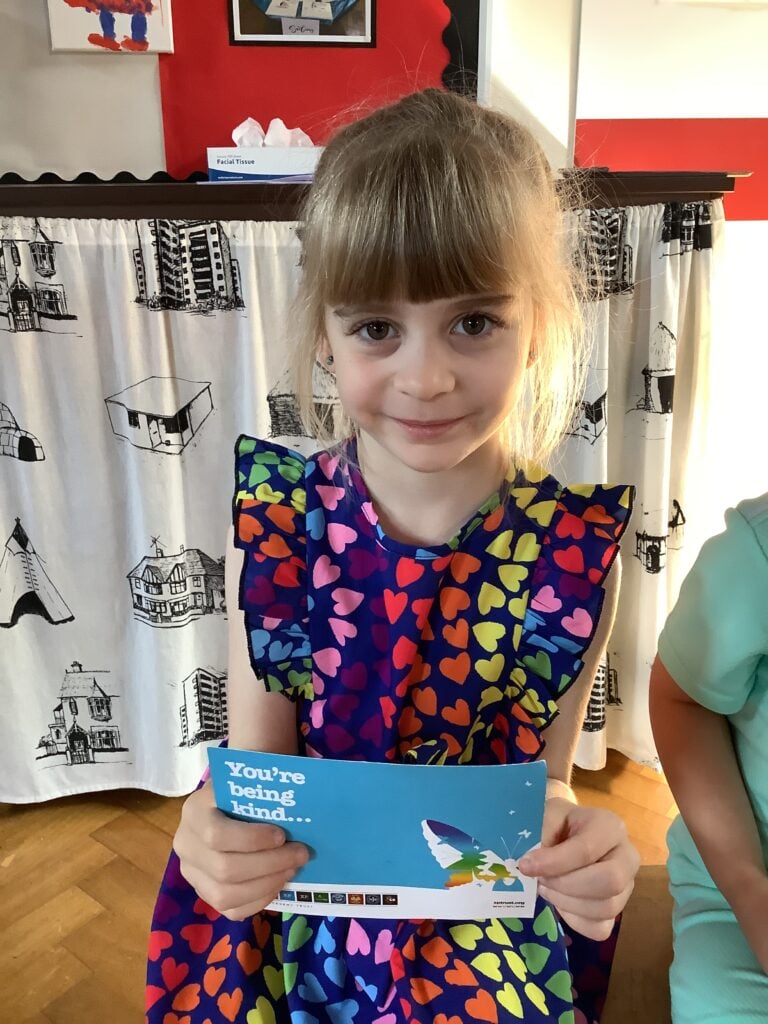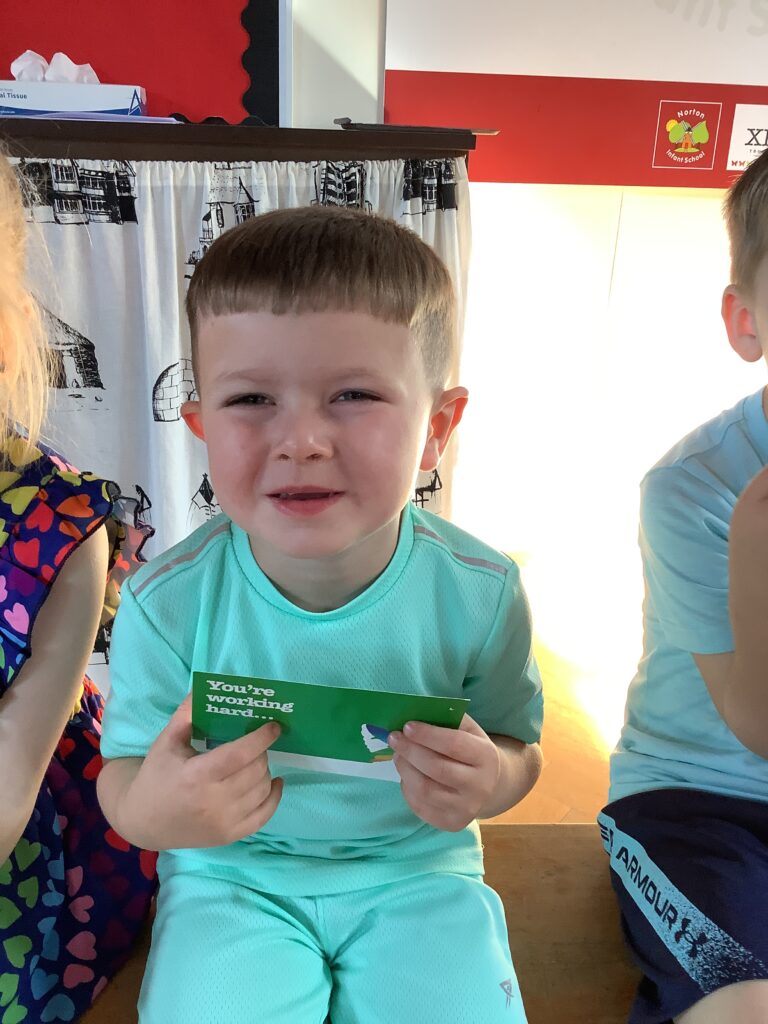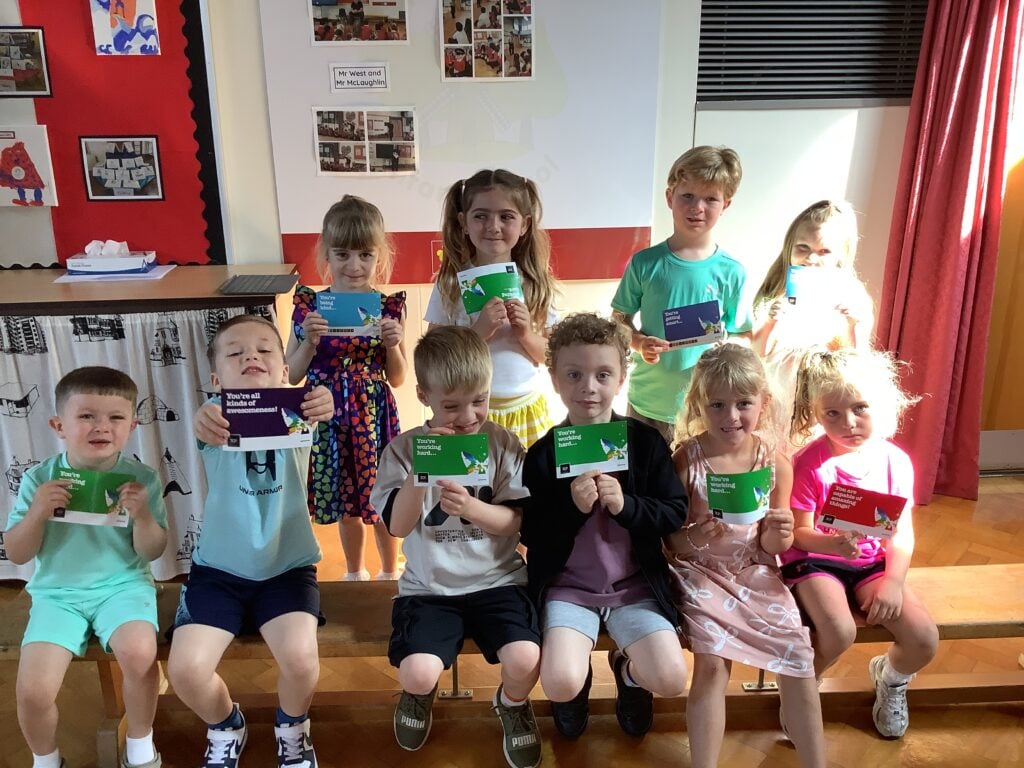
Down the rabbit hole for World Book Day!

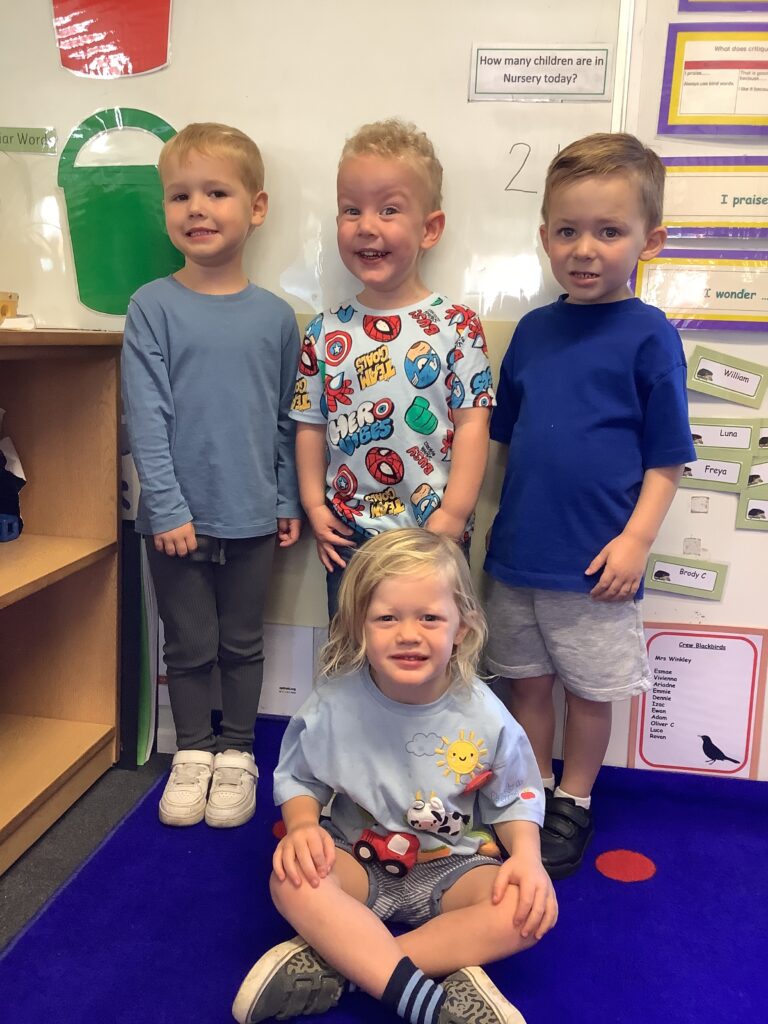
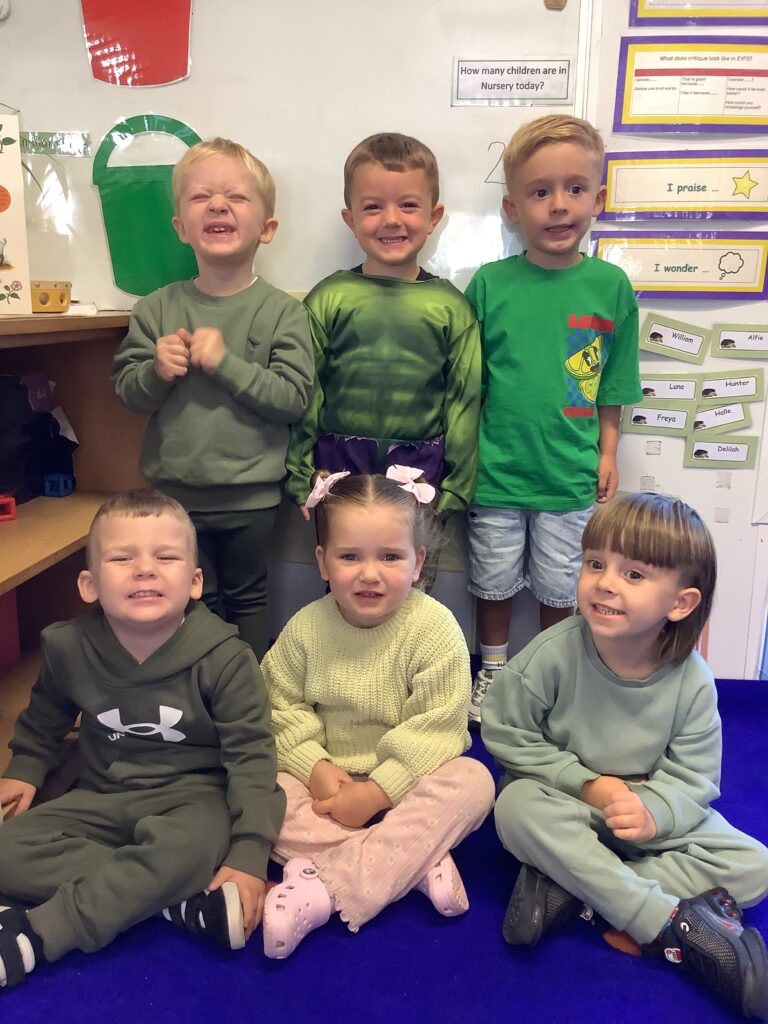
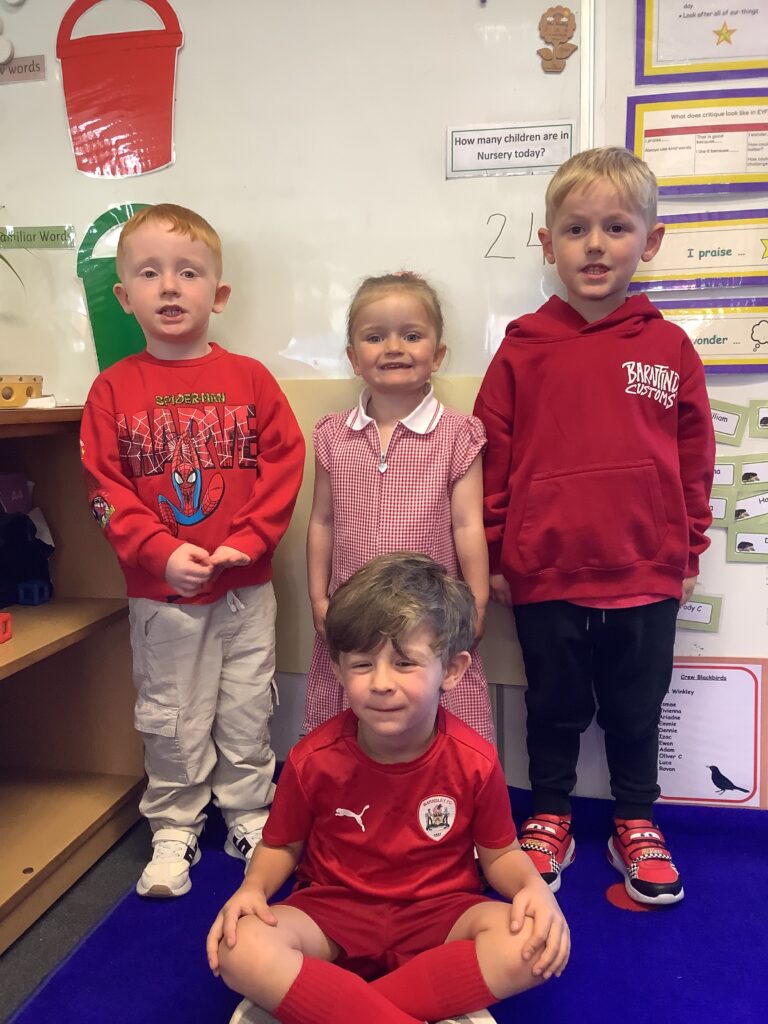
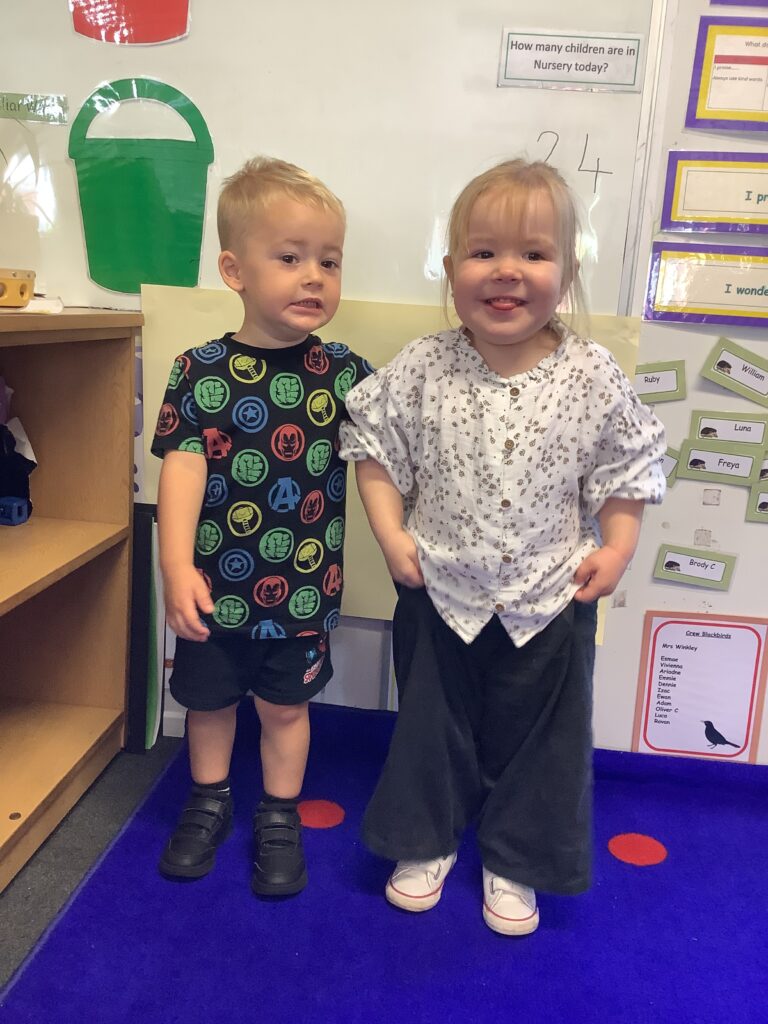
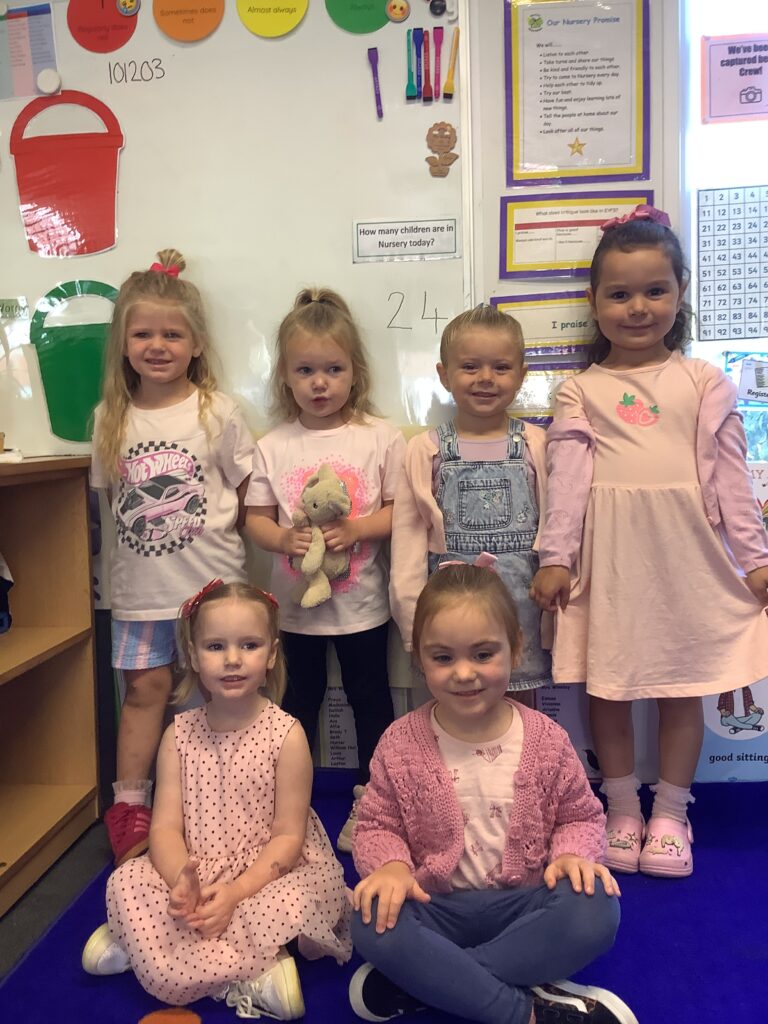
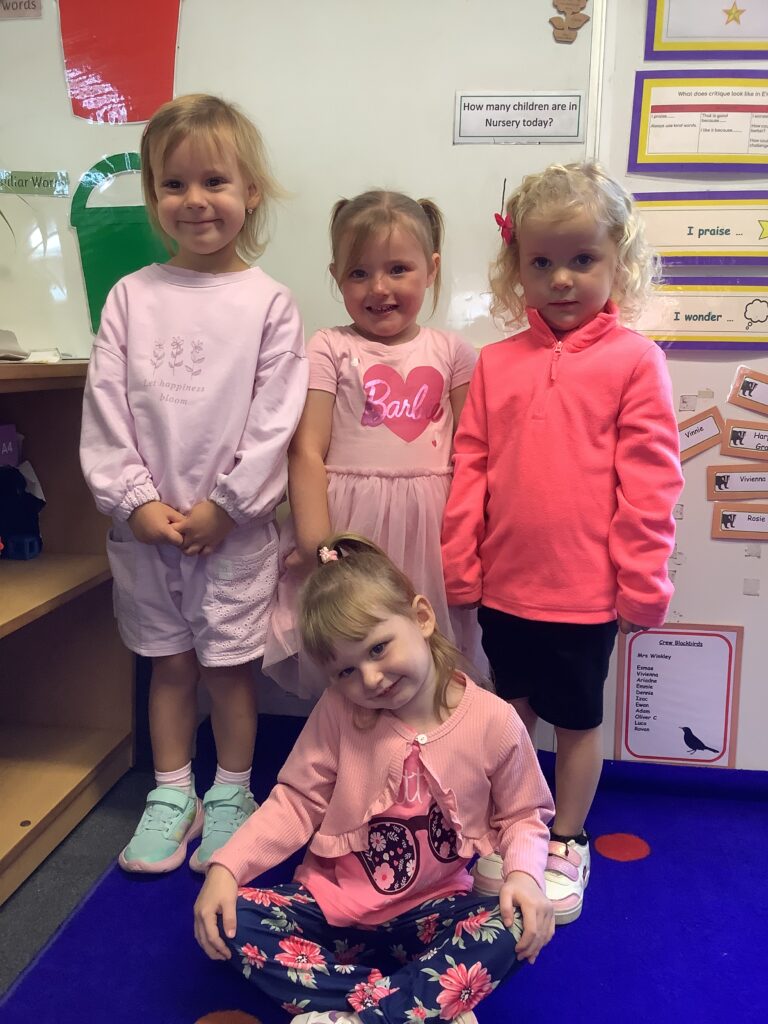
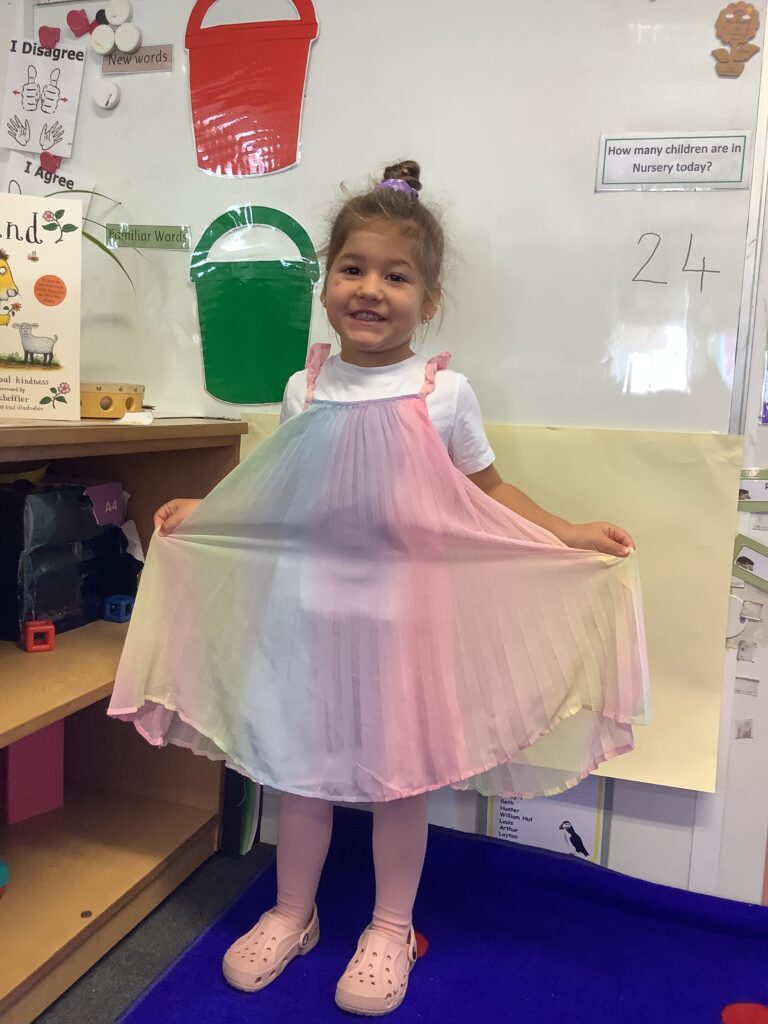
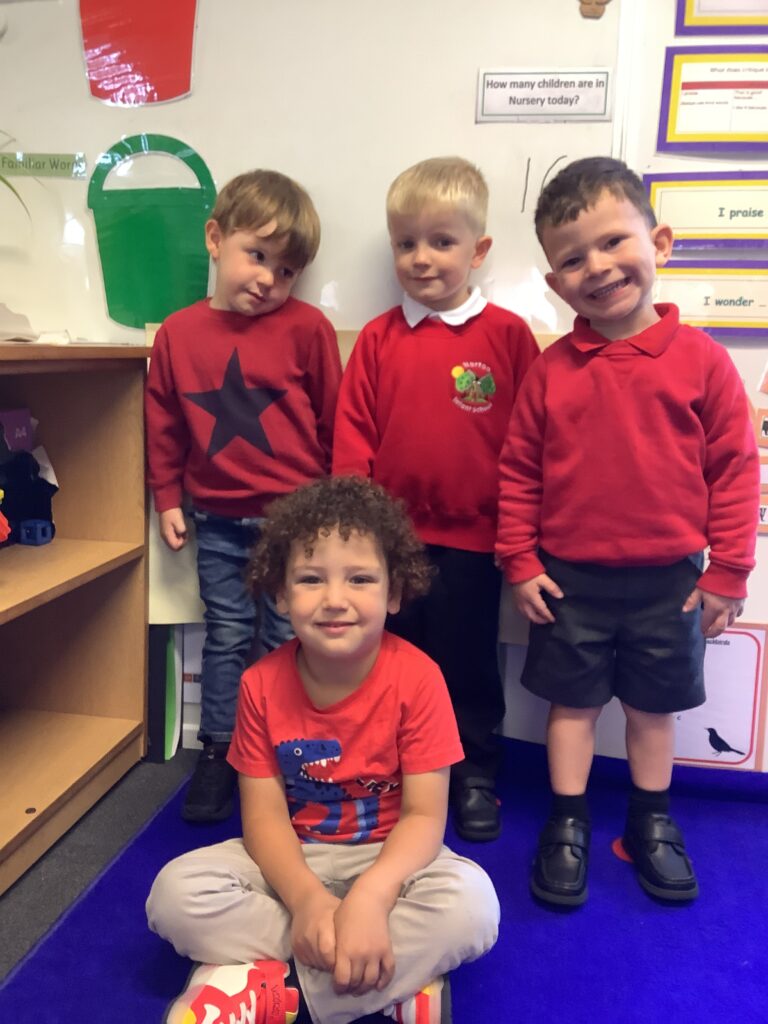
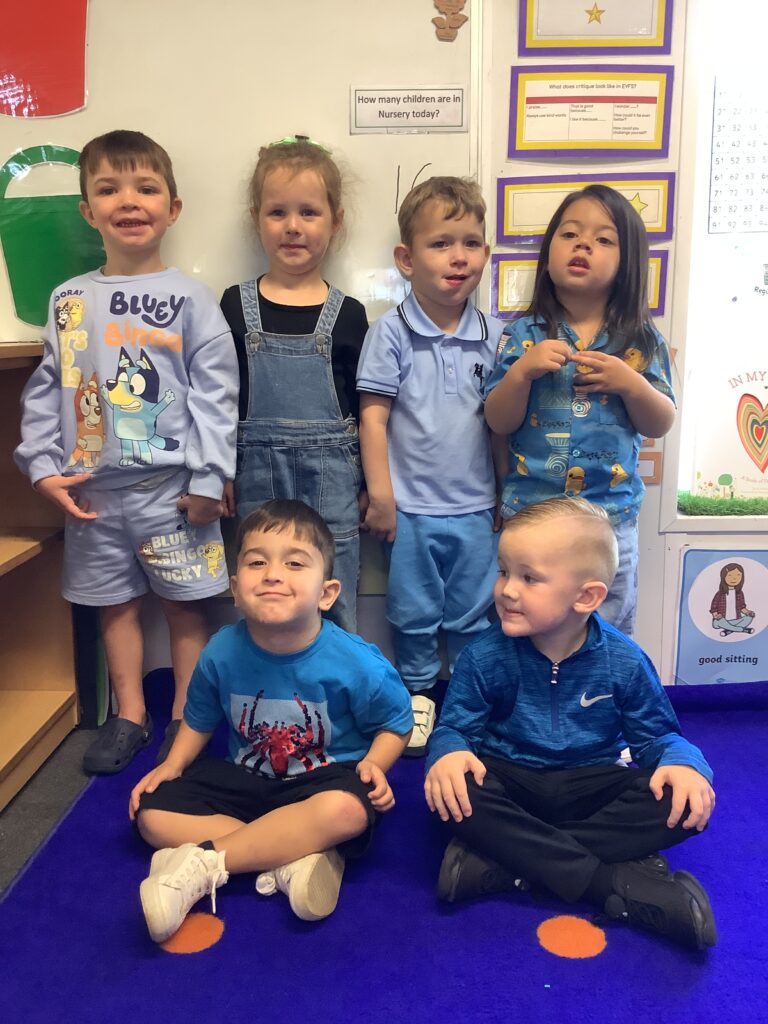
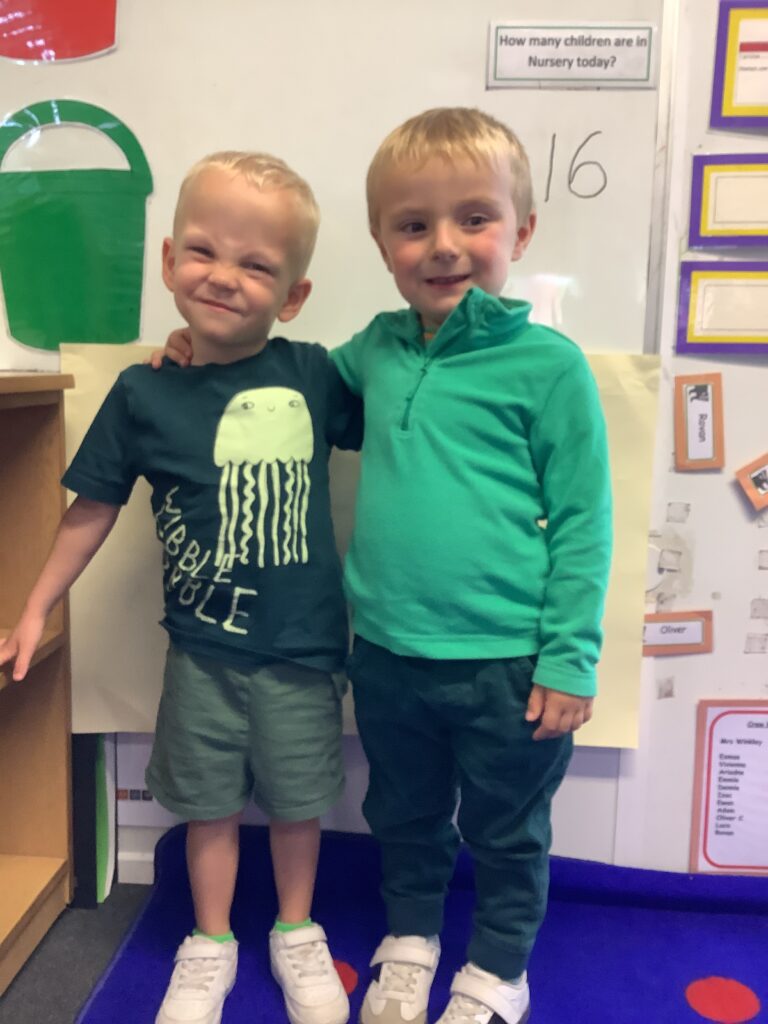
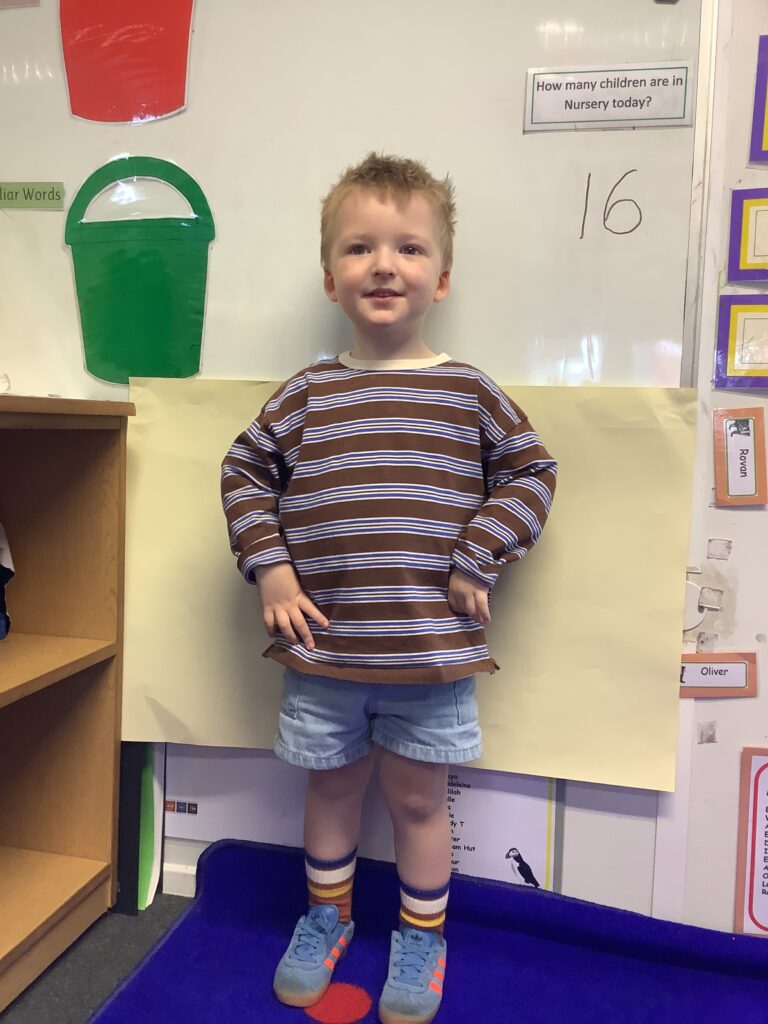
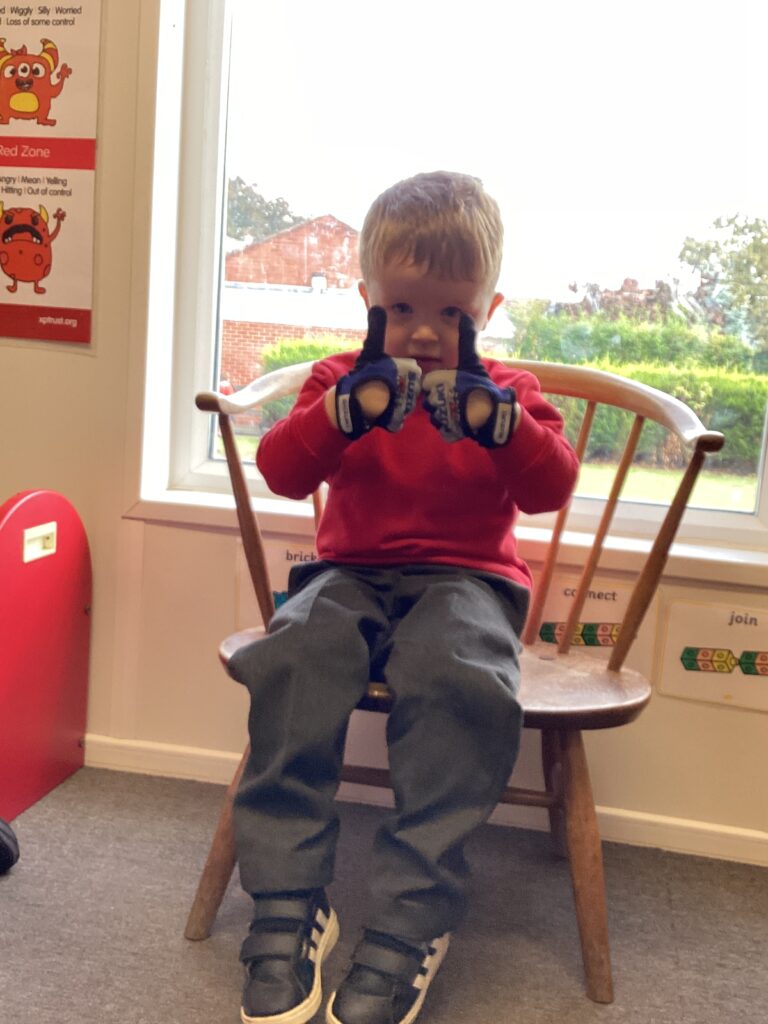
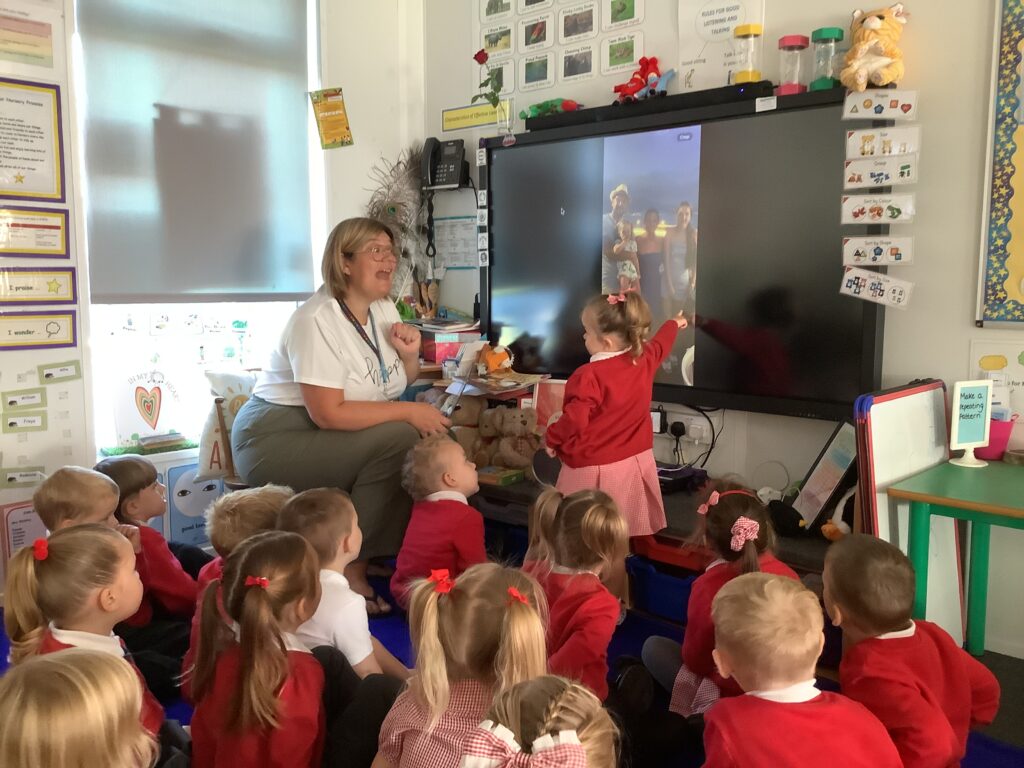
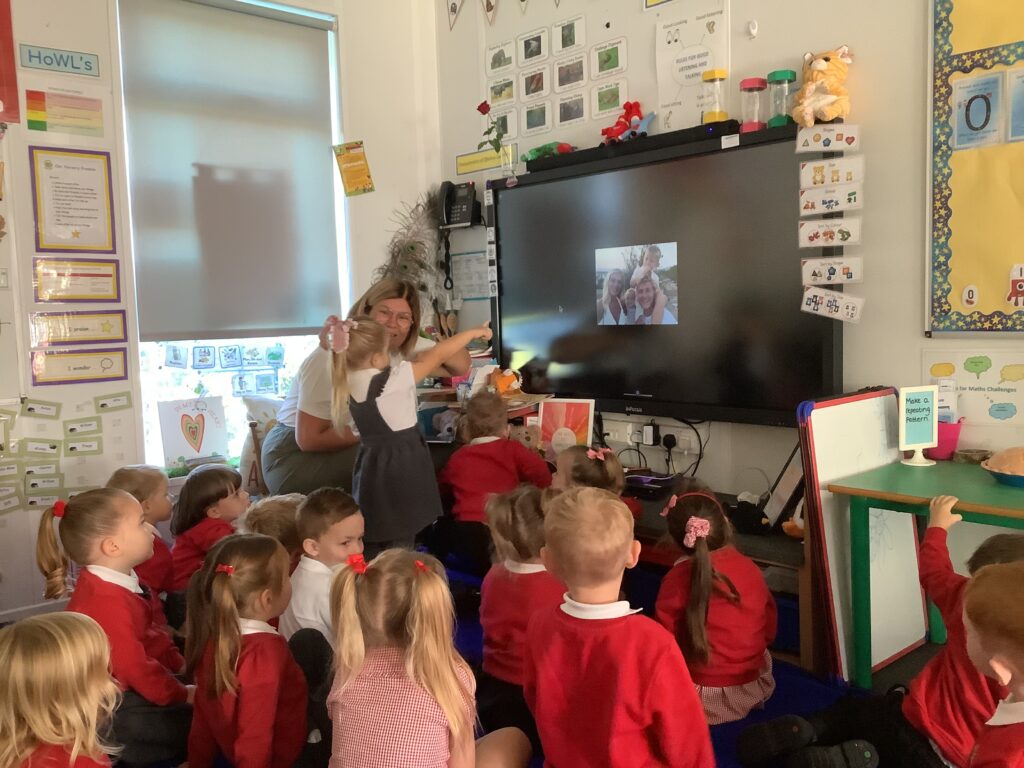
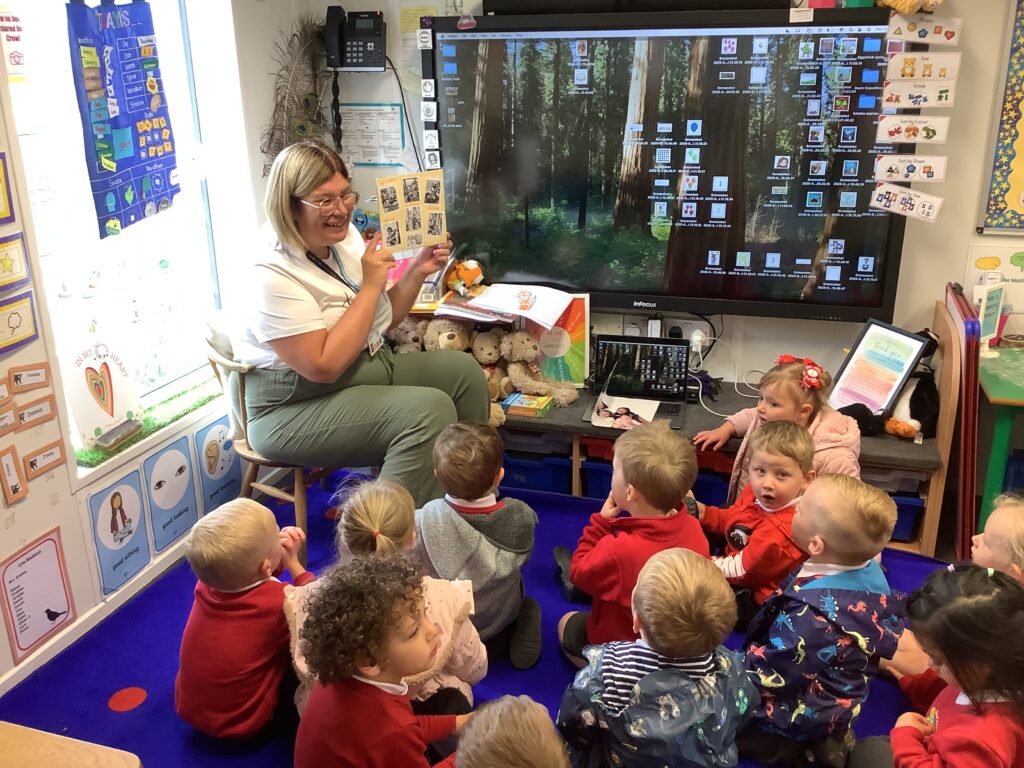
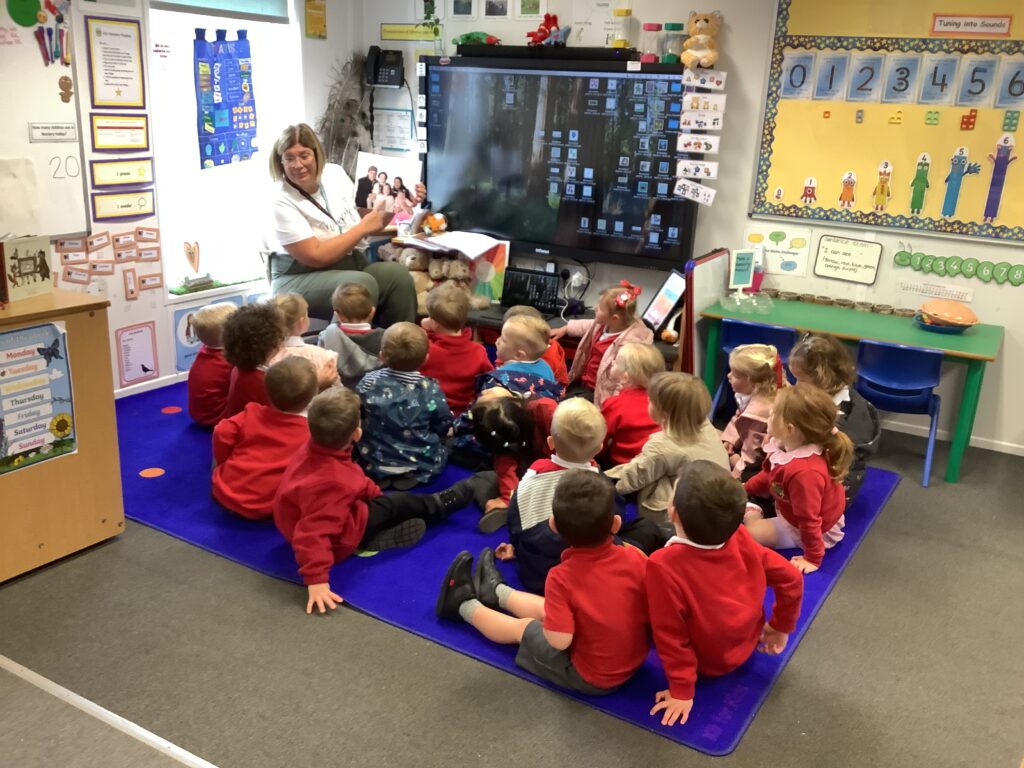
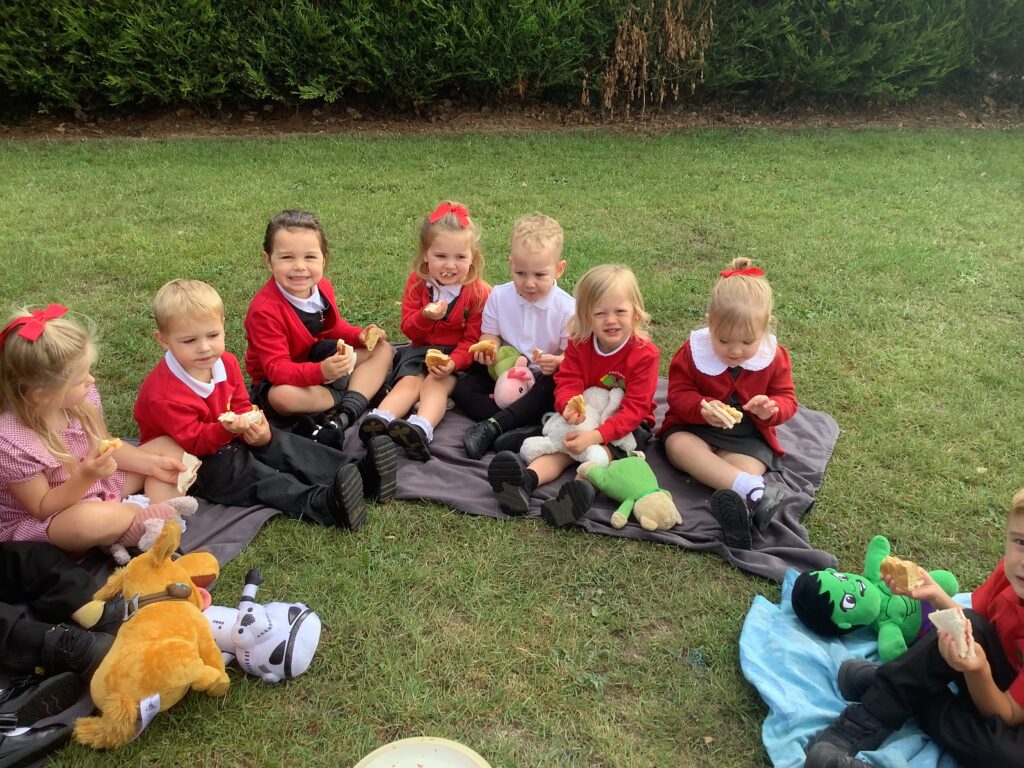
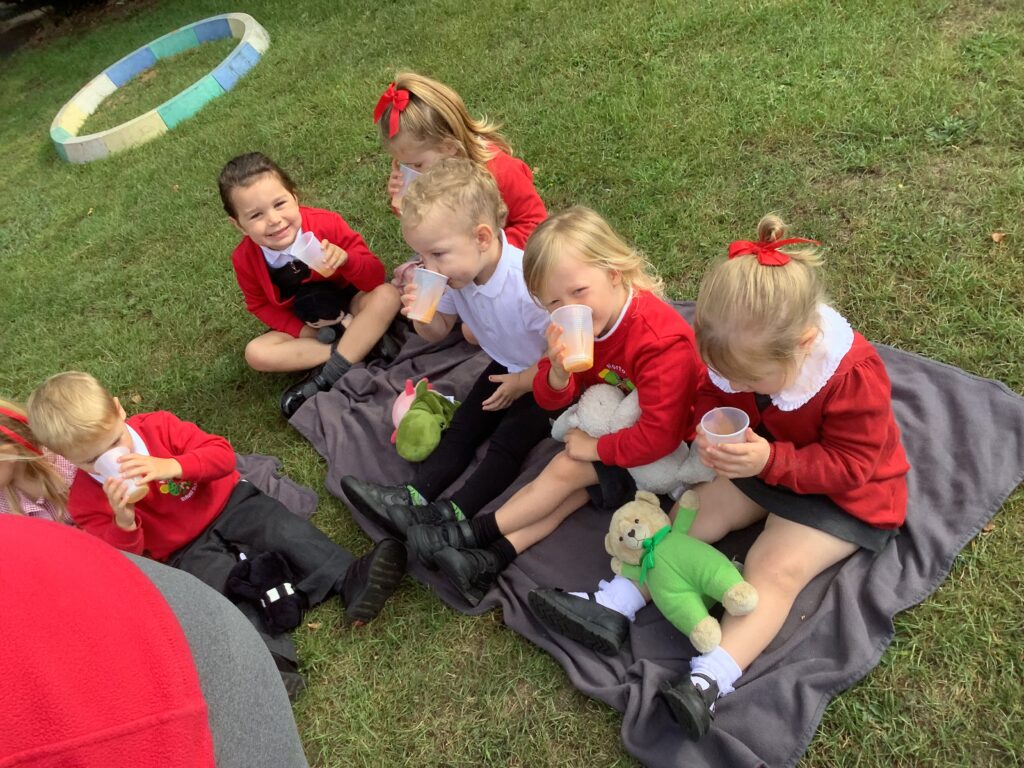
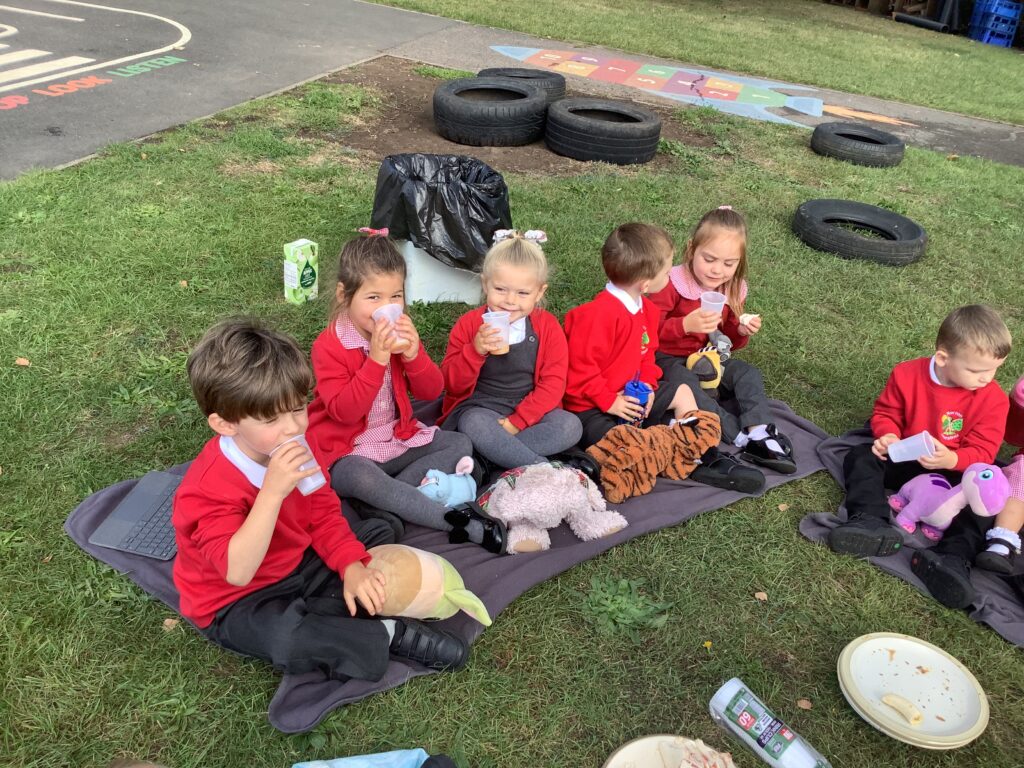
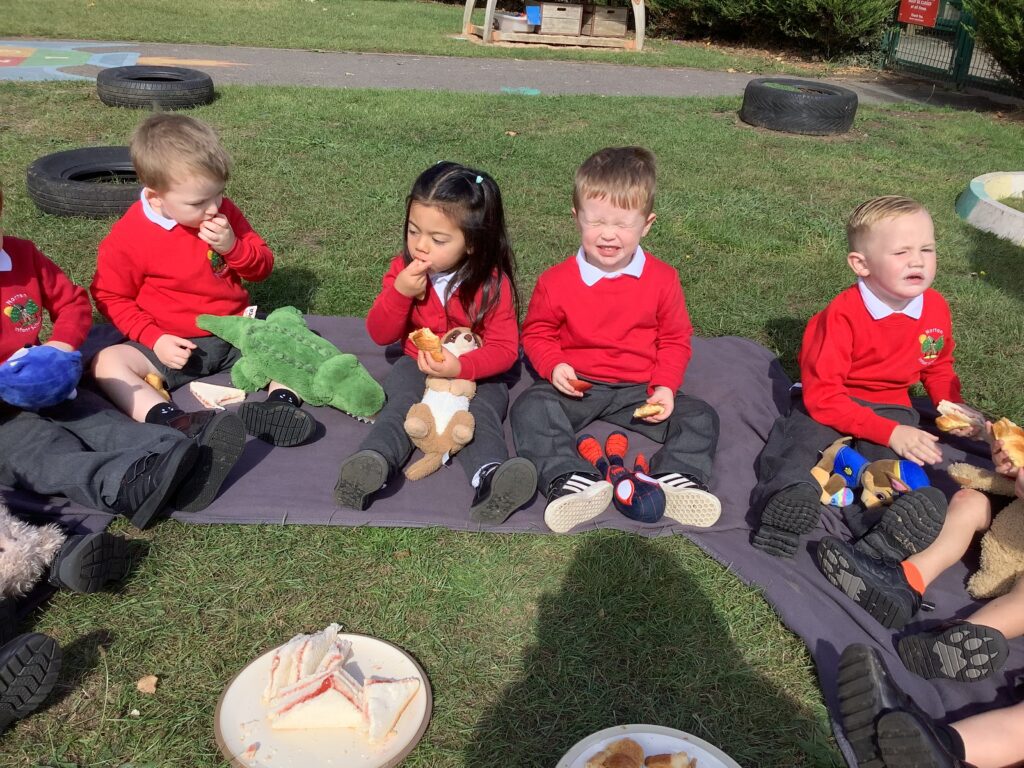
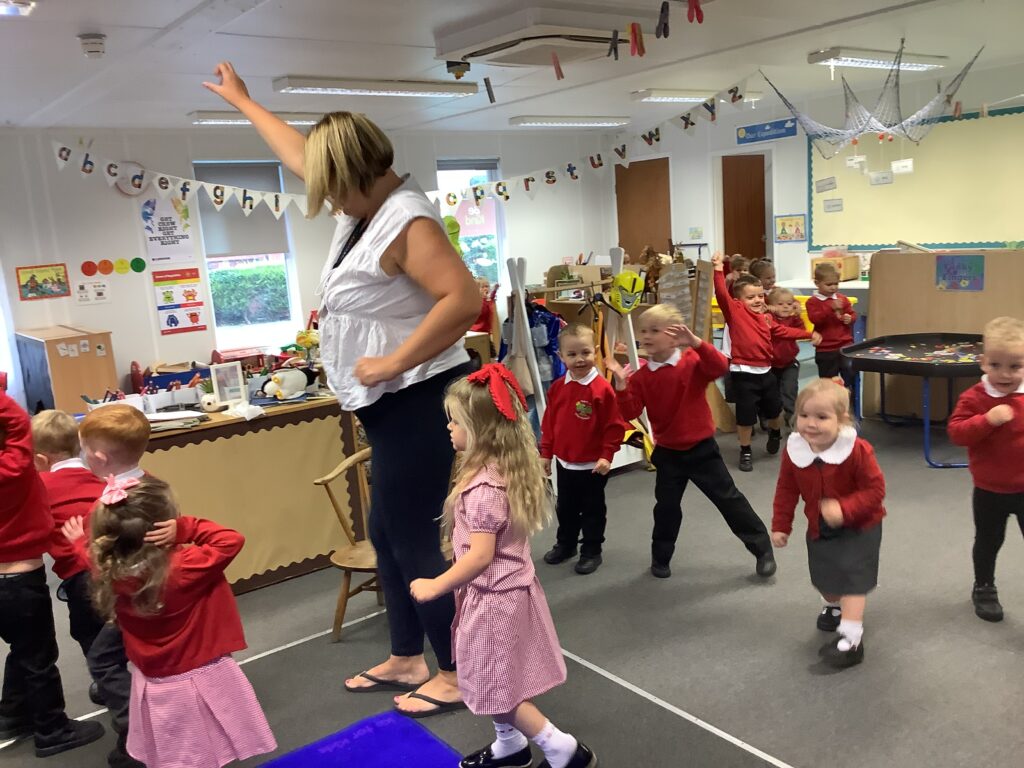
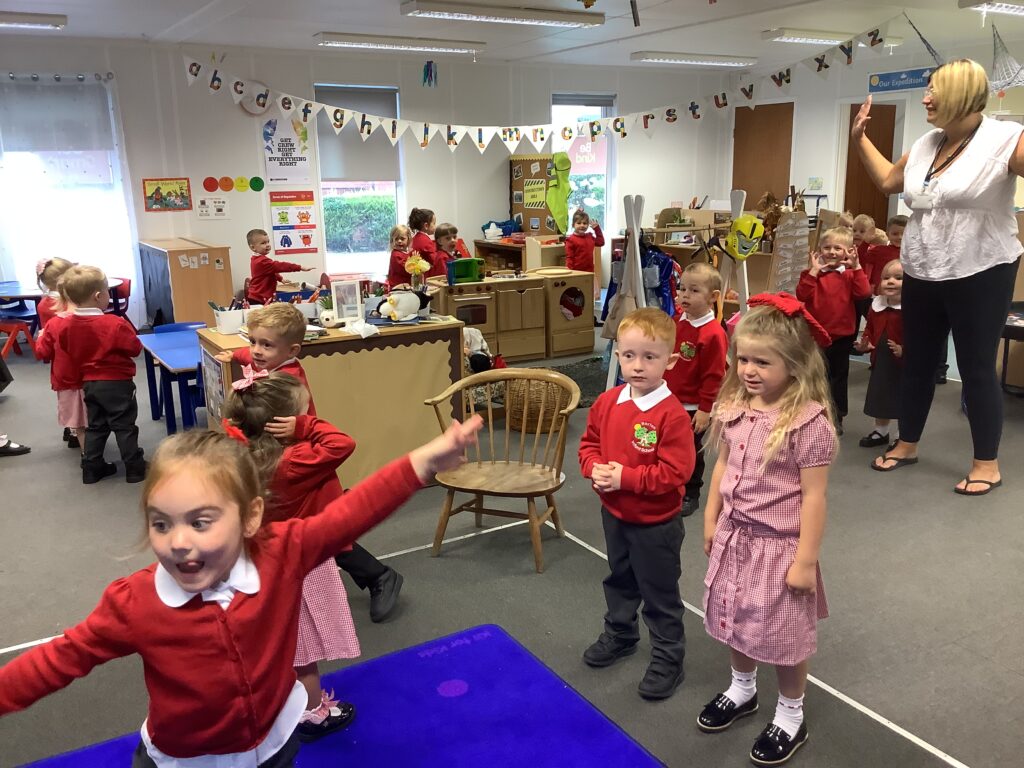
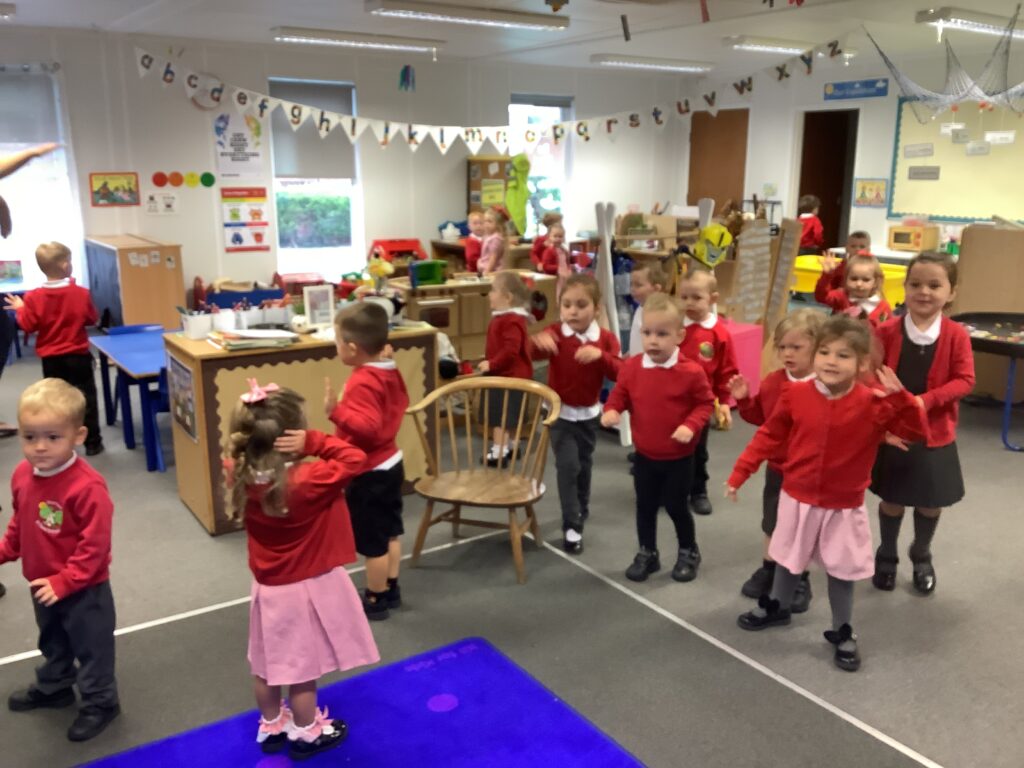
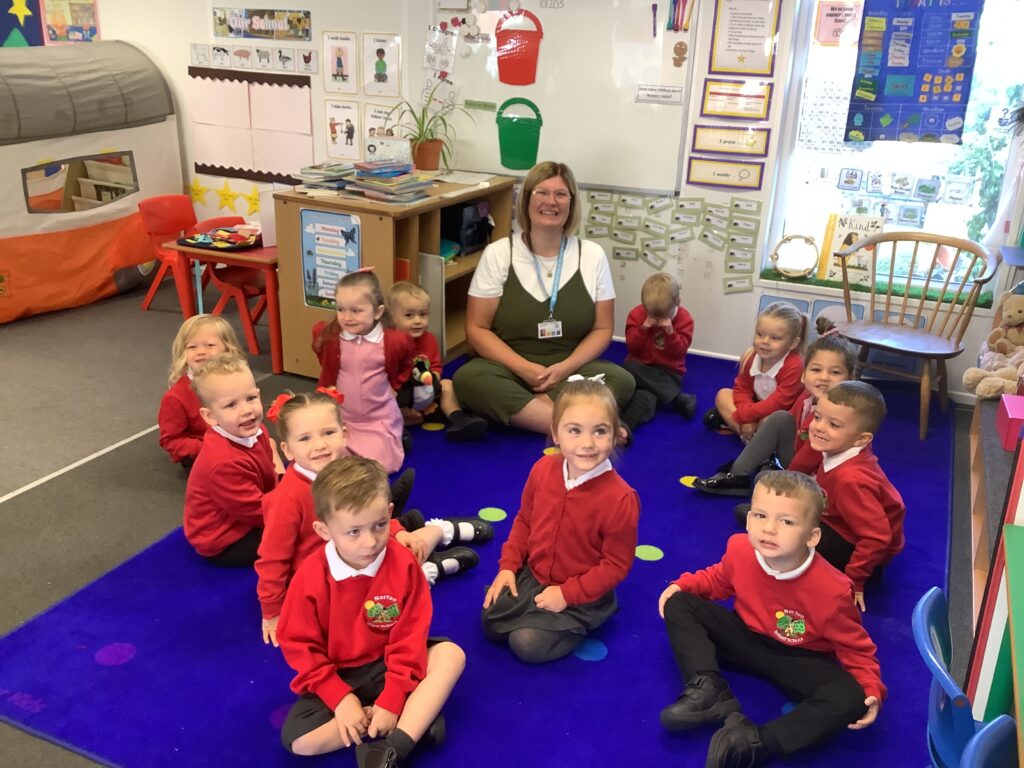
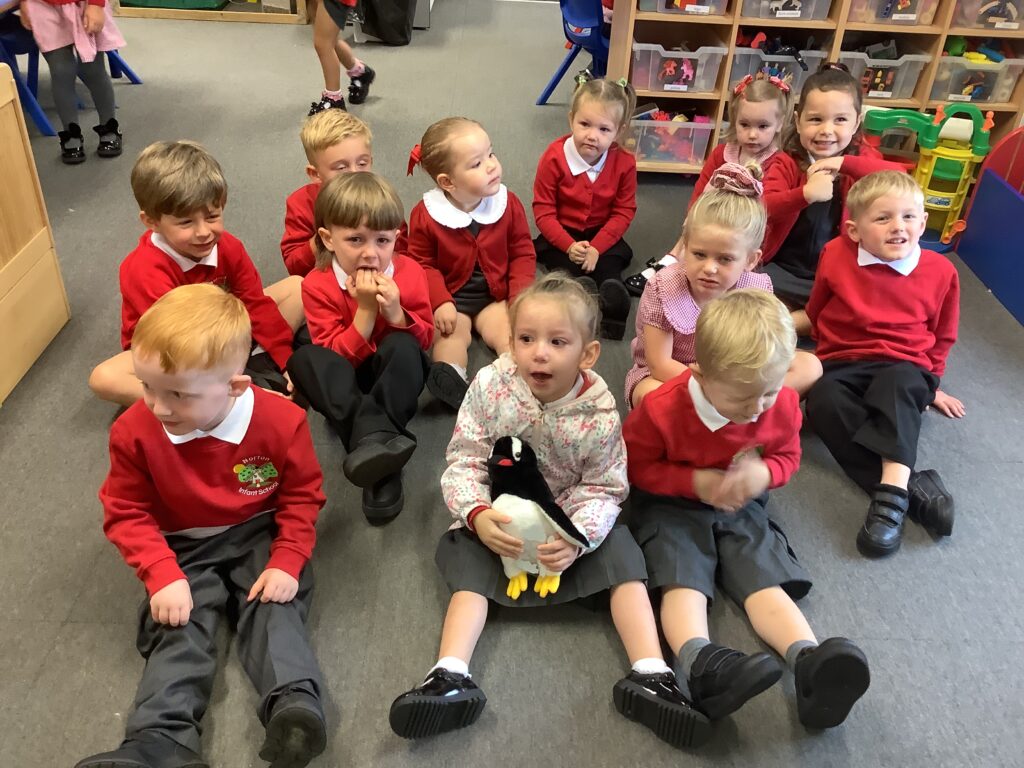
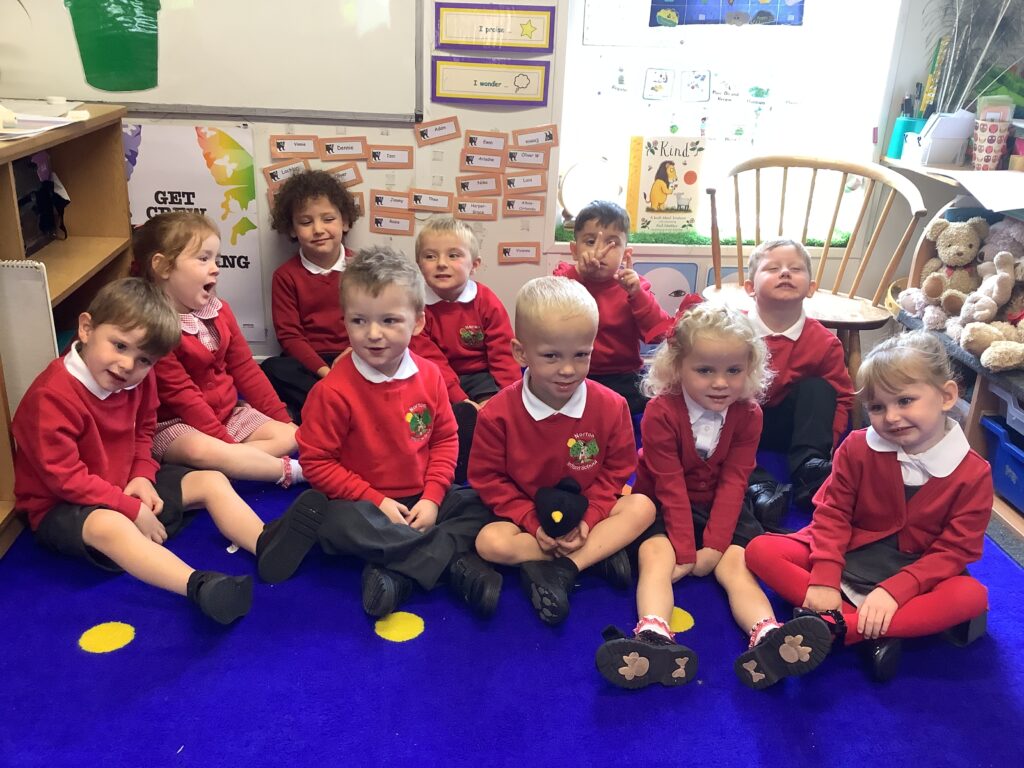
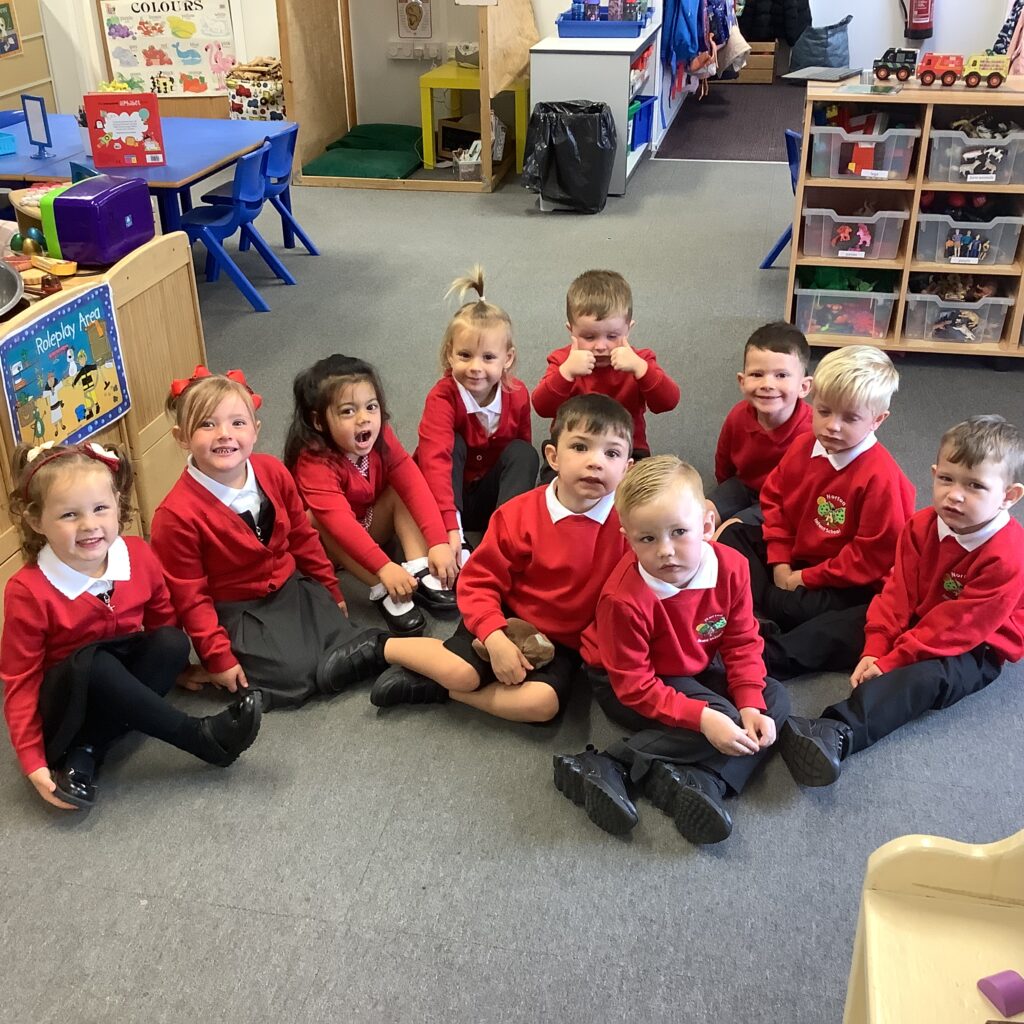
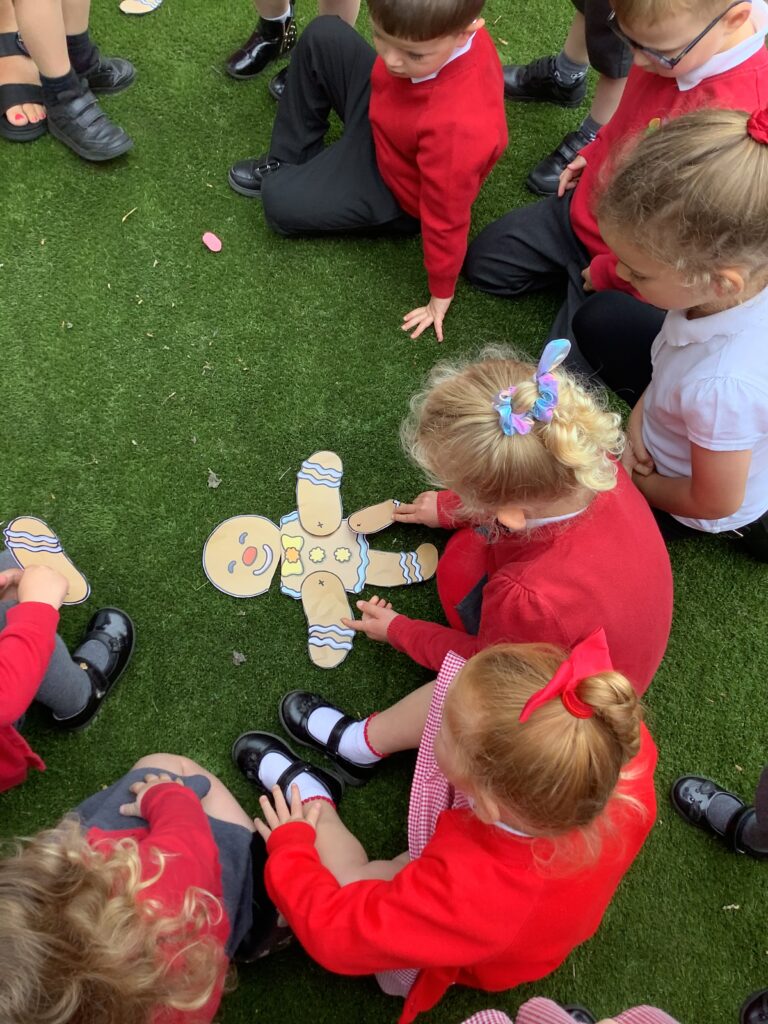
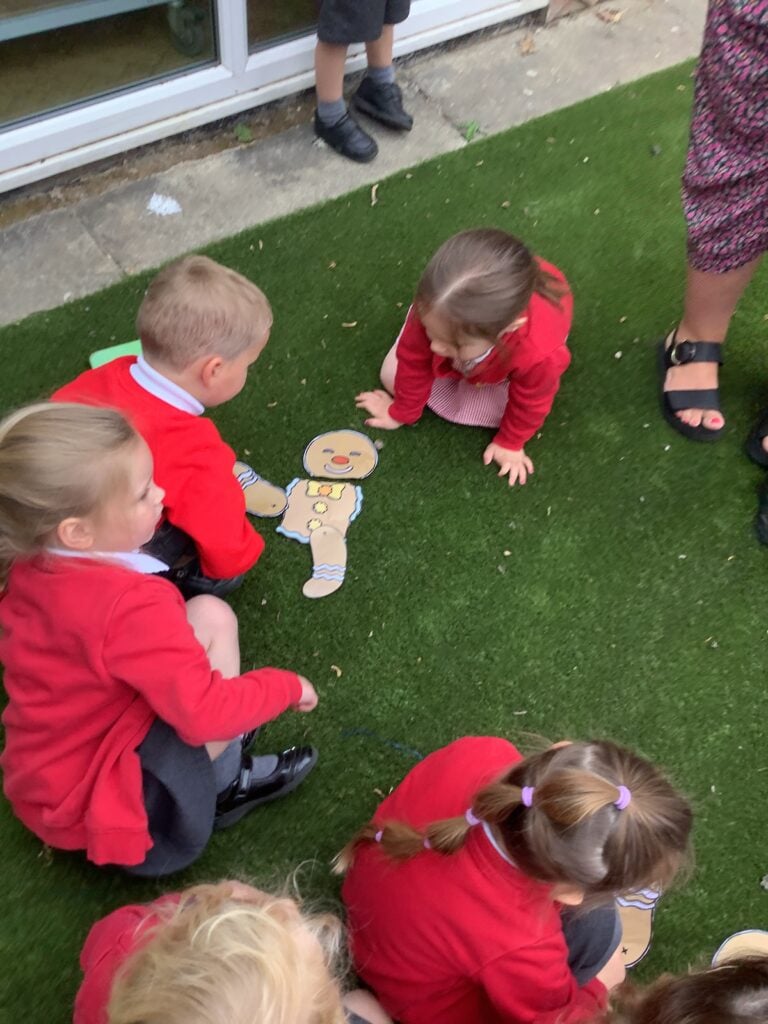
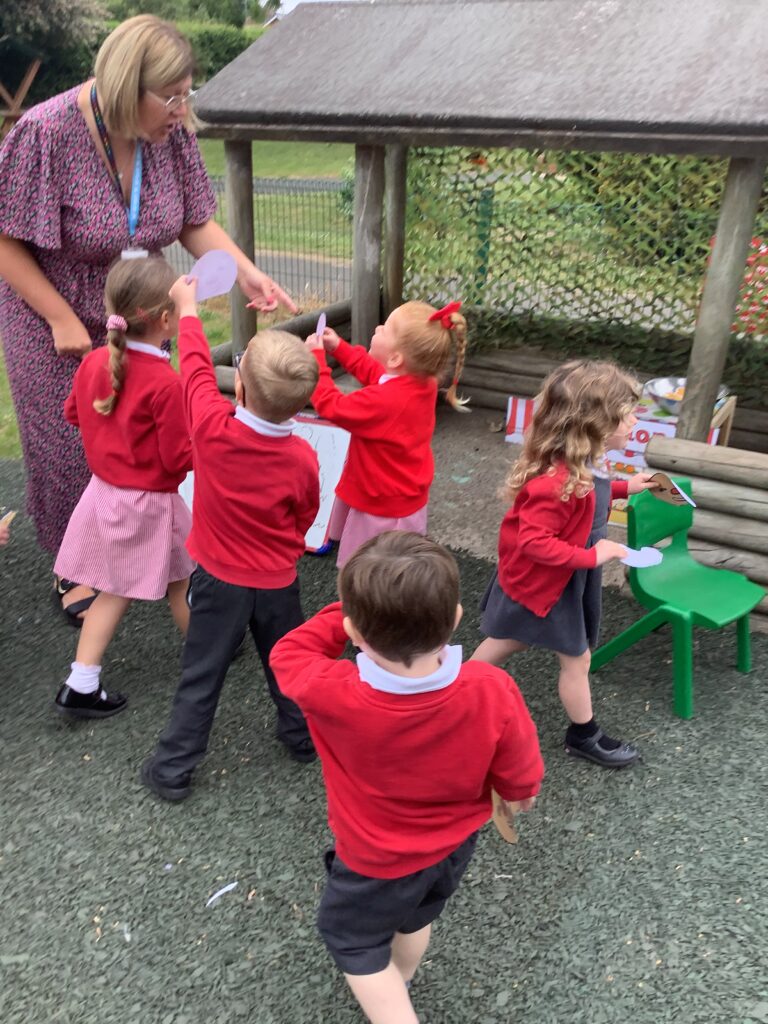
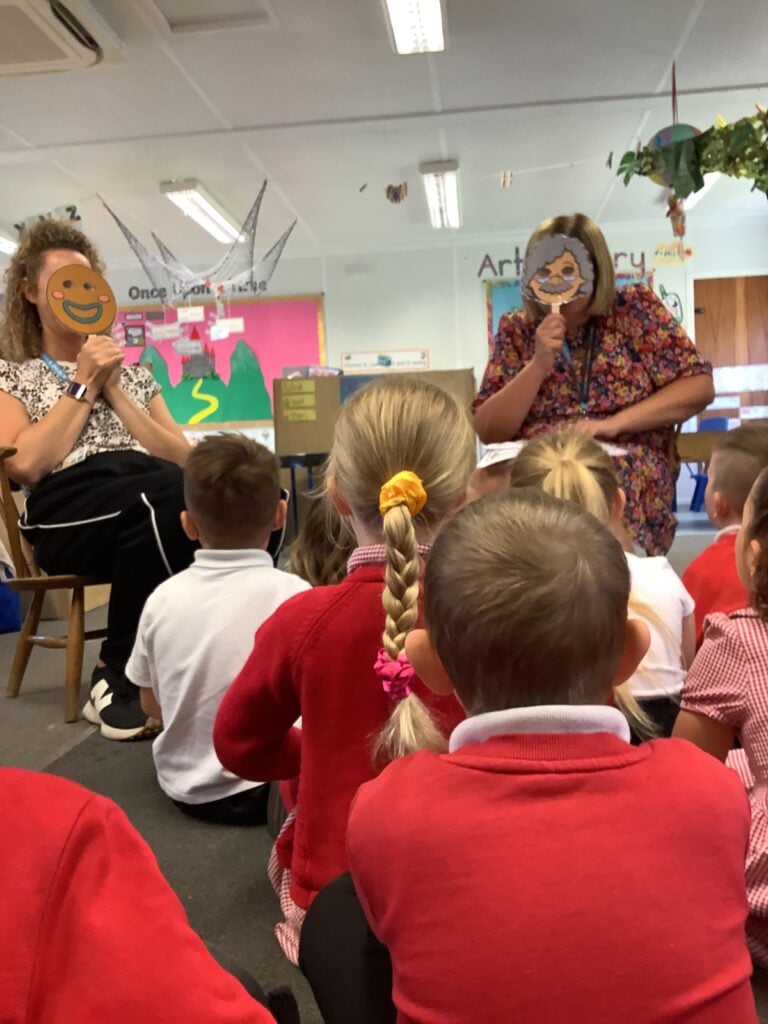
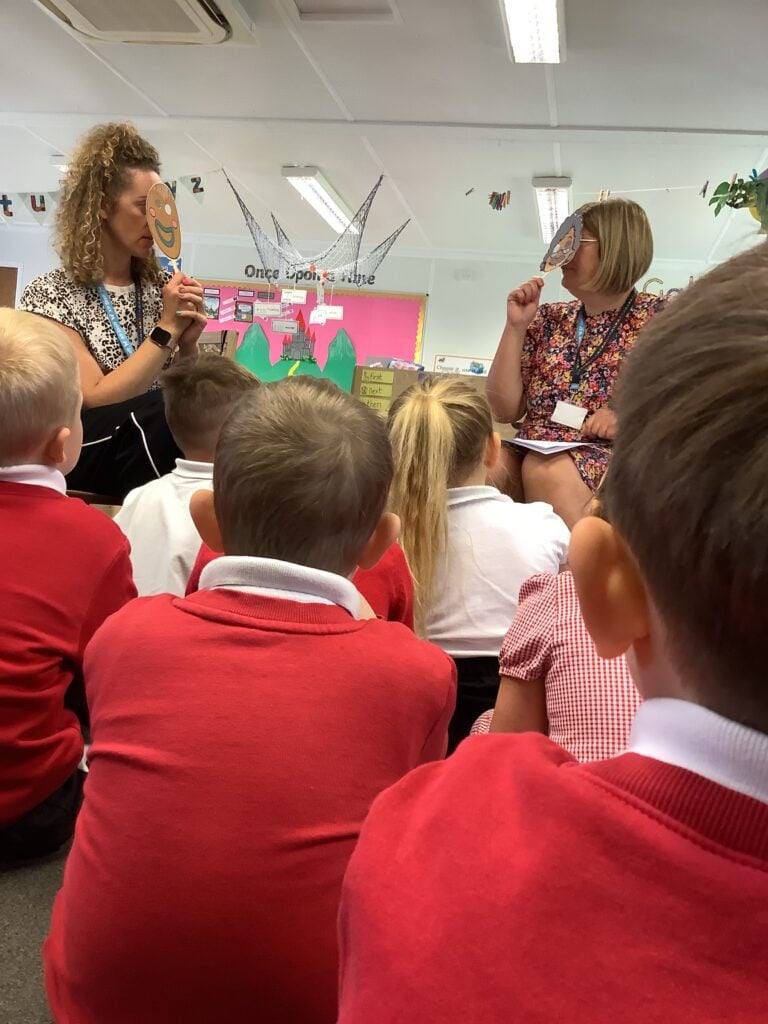
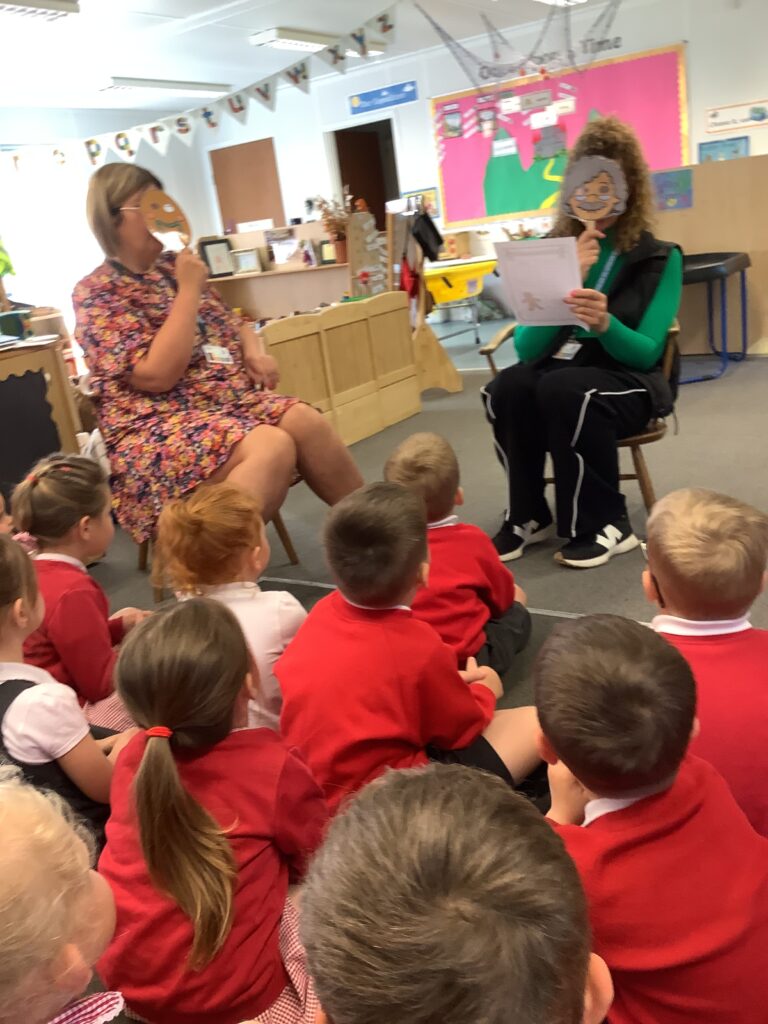
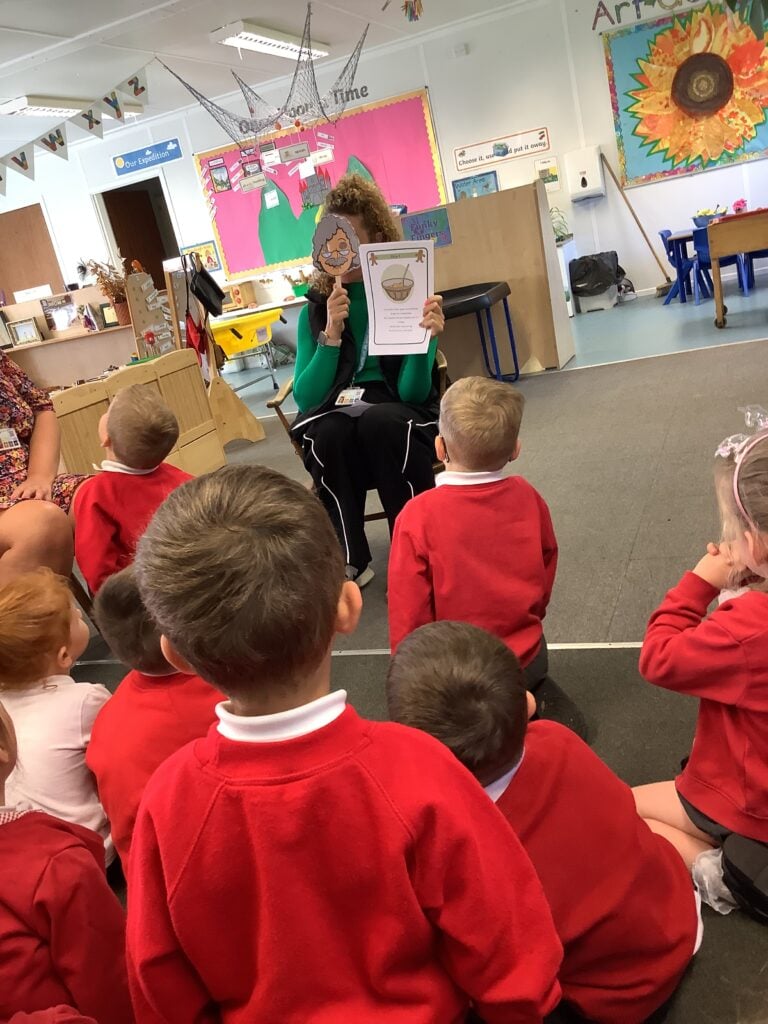
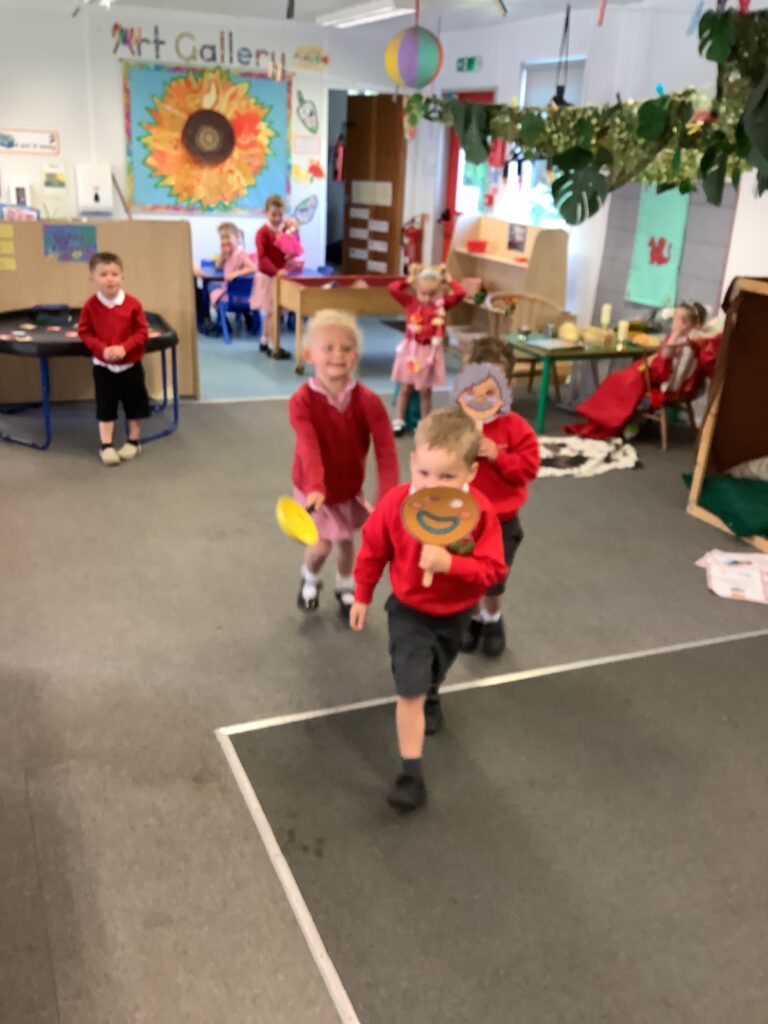
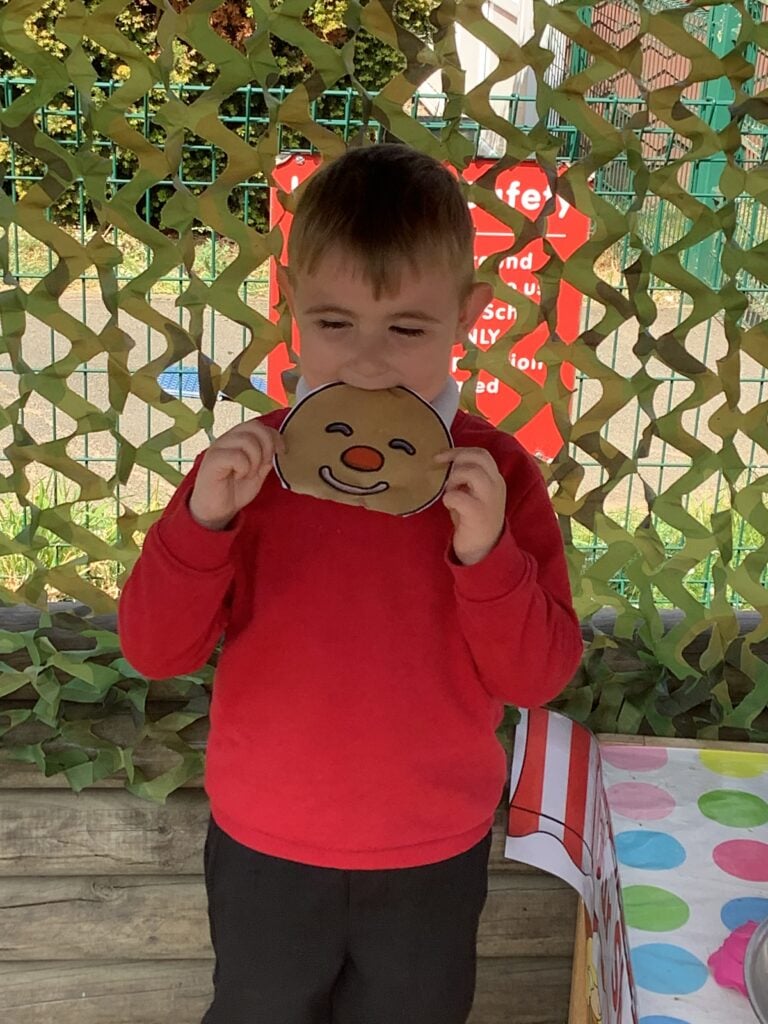
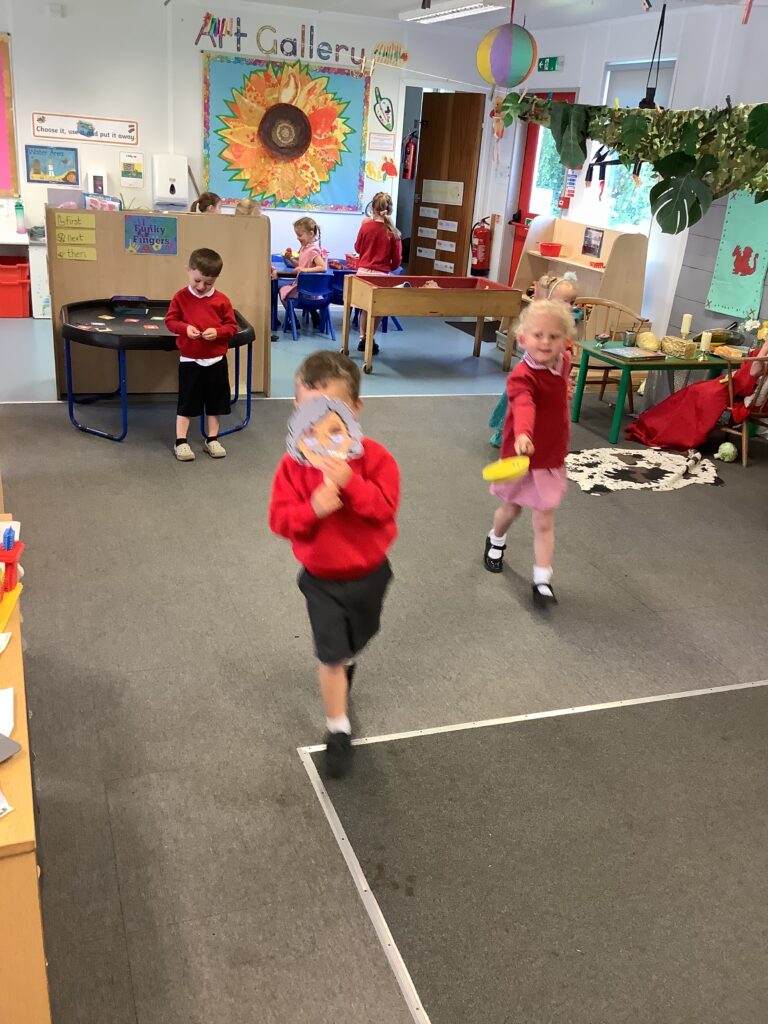
On Friday Nursery took part in the World Book Day celebrations happening across campus. We had a visit from the Mad Hatter and Alice who came to tell us an exciting story, “Alice in Wonderland” by Lewis Carroll. They also gave us a special invitation to a tea party, with strict instructions not to be late! The children looked amazing in their host of costumes, dressed as their favourite storybook characters and had lots of fun partying and sharing their stories with their friends.

Morning Nursery.

Afternoon Nursery

We are Artists.

This week Nursery have been Artists as they have continued to explore case study two of our expedition; “How do plants grow and change?” The stimulus has been the life cycle of a sunflower. We have been looking at artists who paint flowers, in particular Vincent Van Gogh’s famous sunflower paintings. However Nursery have compared these during a gallery walk to the works of Georgia O’Keefe (Green and White Lilly close up) , Claude Monet (Water lilies) and Maria Van Oosterwijck (Wilting flowers with black background). As the children began the week by looking at the colours used in paintings, for the purpose of light and dark and how this made them feel?

We practised painting using light and dark shades and talked about what kind of colours make us think of different feelings. The children likened the lighter colours to “sunshine”, “the sky” and happy events. Whilst they thought of darker colours as “dirt”, “shadows” or “night-time”. When they looked closely at the wilting flowers they realised that the flowers in the painting were dying and that the artist had captured them as they had started to “Wilt”, “droop” and “flop”. This made the children feel sad that the flowers had passed their best and they then associated the darker colours with sadness.

The children were challenged to think about; “If the artist was listening to music whilst they were painting – do you think it would make a difference to how they painted? Would it cheer them up or make them feel sad? Make them angry or excited? The only way to find out was to test the idea. Nursery closed their eyes and carefully listened to four specifically chosen music tracks to see if they could hear a difference in the tunes and move in a way that responded to the music? The tracks were; “Happy” by Pharrell Williams, “Proud Mary” (a slowed version) by Tina Turner, “Fire Starter” by Prodigy and “Axel F” by Crazy Frog.

They then captured there response to the music in drawing…..

Finally Nursery have used all of their new knowledge and experience to paint their own Van Gogh Sunflowers from a choice of two designs, using either a palette of either angry or sad colours whilst listening to their choice of “Fire Starter” or “Proud Mary”. The efforts made by the children for these paintings and the results have been outstandingly beautiful and such a relevant and purposeful experience. They have had lots of fun and have been exposed and challenged into thinking further about their feelings and responses to music and art.

Teamwork makes us Bloom.

Over the past few weeks Nursery have been working hard as “Artists” to create a petal each or as a duo, in preparation to be used as part of their final product for this expedition. Through our stories “Little Sunflower” by Igloo Books and “Sam Plants a Sunflower” by Kate Petty the children gained inspiration for their artwork as they learnt how a sunflower grows and blooms. They have been investigating and exploring techniques using both paint and collage. The children have grappled with the effects that they could create using ready mixed paint and different brush strokes or manipulations of their paint brush. Some children chose either medium of paint or collage, whilst others chose to create with both. Here are some wonderful examples;

Upon completion of this beautiful artwork, the children worked collaboratively to first build their own sunflower for each nursery group, and then as a collective of Nursery as a whole merging both groups petals (later to be revealed on their final product at our celebrations of learning). Just look at the children’s beautiful work!

Spring is beginning to be sprung.

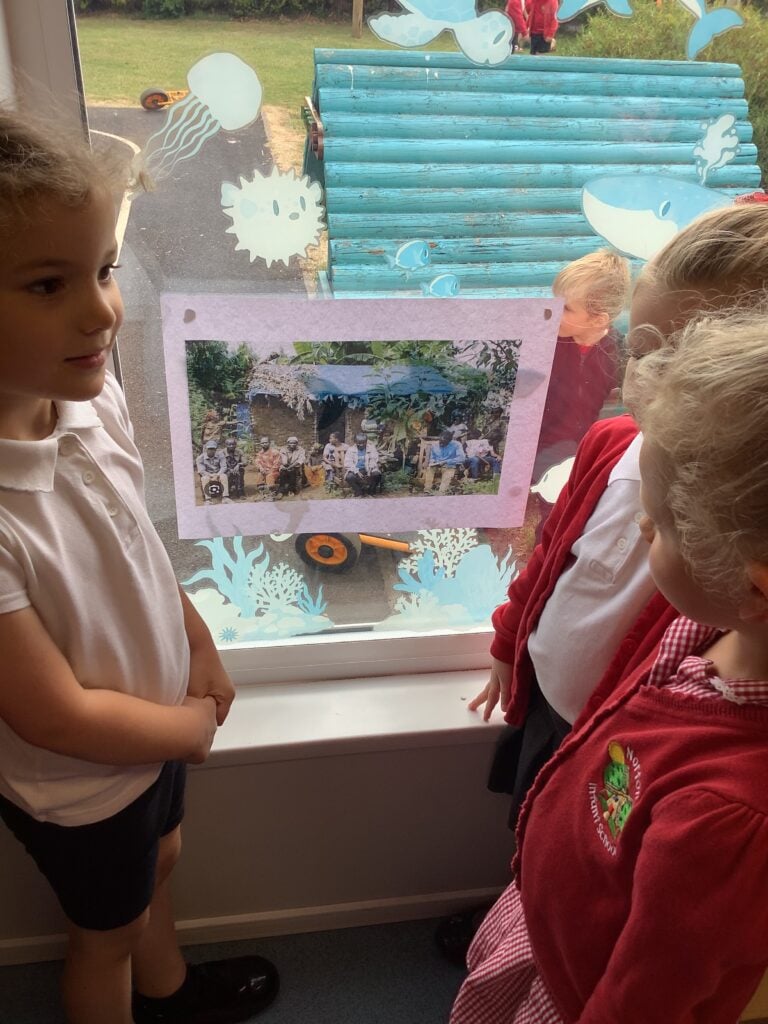
To hook Nursery back into our current expedition “How do things grow and change?” Today we took a nature walk as part of our second case study “What happens as a plant grows” to see if the children could spot any signs of growth in our environment. The children donned their finest pair of imaginary magnifying goggles and used all of their senses to investigate the signs of spring around our campus. Here is the evidence that we found…

The children found a variety of springtime flowers beginning to grow including daffodils, crocus, daisies and snowdrops. They also heard the sound of “birds tweeting” and felt the “warm sunshine” on our faces “making us feel hot”. The children also found some mini beasts waking up to start their springtime journey.

Also the children payed tribute to a past member of staff whilst examining her memory garden, by laying daisies that they’d picked, on the special pebbles. A beautiful thought and act of kindness. A wonderful and purposeful Mindful Monday.

Transition and co-operative play.

This week Nursery have been enjoying their outdoor learning/play at the same time as one or both of the Reception classes in EYFS. For younger children this can be daunting, having to share their space and equipment with older children and finding the courage and confidence to ask others for turns with toys. With support and modelling the children have began working collaboratively, beginning to resolve minor conflicts and starting to work co-operatively with each other ready for the summer term. The reception children were welcoming and kind, showing compassion to our youngest children. Thank you, beautiful work guys.

Oi Frogs!

Nursery have been very “hoppy” this week as they moved on to exploring the life cycle of a frog, continuing our “We are scientists” agenda of our expedition. We began our investigations with a very engaging and funny rhyming text by Kes Gray titled “Oi Frog!” The children immediately fell in love with the comedic main character Frog, who explored what a host of animals sit on, as he didn’t want to sit on a log, as Cat demanded he should. Nursery enjoyed matching animals to their rhyming seated objects and have practised independently over the week, even sharing their rhyming with their parents in our family stay and play session on Friday.

On Tuesday after the children were hooked into frogs, we investigated how a frog begins its life revisiting some of our prior learning from both caterpillar and chick life cycles. We placed toy models of the varying stages of frog into our cycle. The children connected that the caterpillars eggs and frogs were similar in more of a bubble kind of egg, rather than a shell. As we moved through the stages, the children suggested their own movements of how we could represent the cycle. We then played a game of “Froggy says…” called out the stages and the children demonstrated their moves to embed their learning.

During Tranquil Tuesday and Thoughtful Thursday crew the children followed models of how to draw a tadpole and a frog. They independently had a go with fantastic results! Such beautiful work.

The children used their scientific knowledge, construction and creative skills to create an egg box tadpole or frog, as a choice in provision. They copied examples and produced some amazing models!

Even our Maths work was frog themed, as we have been getting better at counting to three, using careful counting (touch counting to check our thoughts). We sang three little speckled frogs and acted out the song, supporting each other to count in sequence. Next we considered if we had three frogs, how many lily pads would they need to have one each? How many tadpoles if each had one baby? And how many flies they would need to feed the mummy frog? Of course I threw a few too many tadpoles and flies in the mix to check the children’s understanding, but there were “no flies on them” – the children could “toad-ally” see through my trickery.

Nursery then demonstrated and consolidated their understanding by counting out three frogs from a pond to a lily pad.

As a lovely end to our week we shared our learning with our families, playing in the provision during a family play and stay session. Mums, Dads, brothers and sisters, Grandmas, Grandads and Uncles all had lots of fun spending time and playing with their special little people. Thank you to all who attended and for all of your support, they were two beautiful sessions and we even squeezed in a demonstration of our daily Nursery Rhyme singing as part of our phonics!

Self Regulation Strategies.

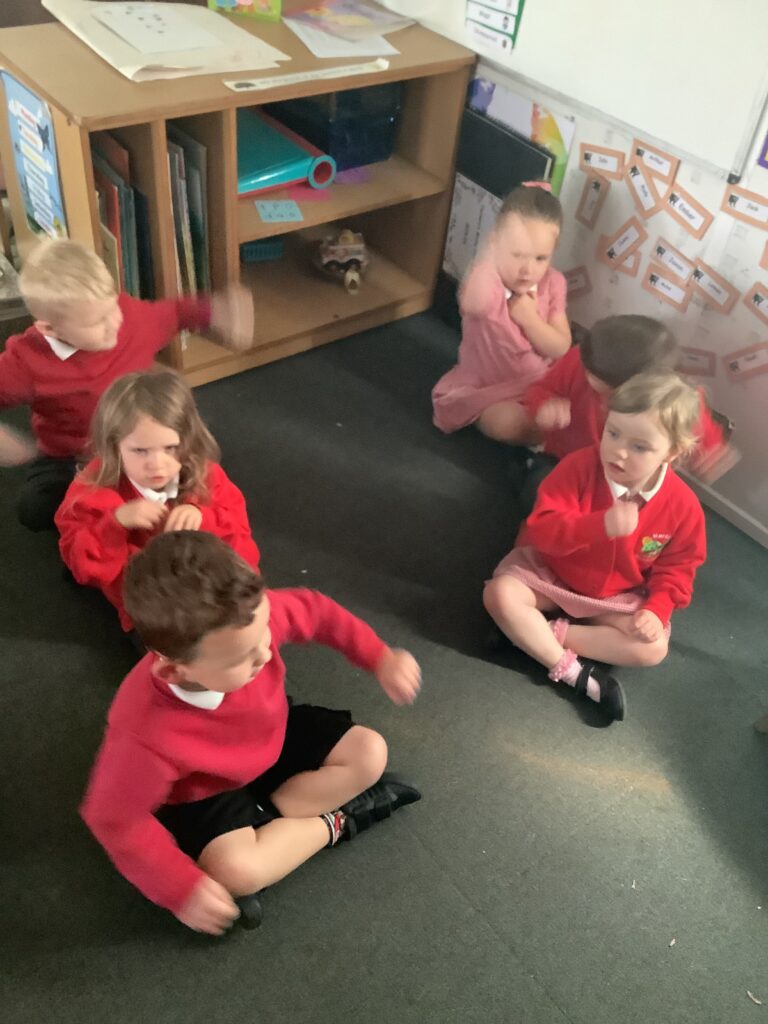
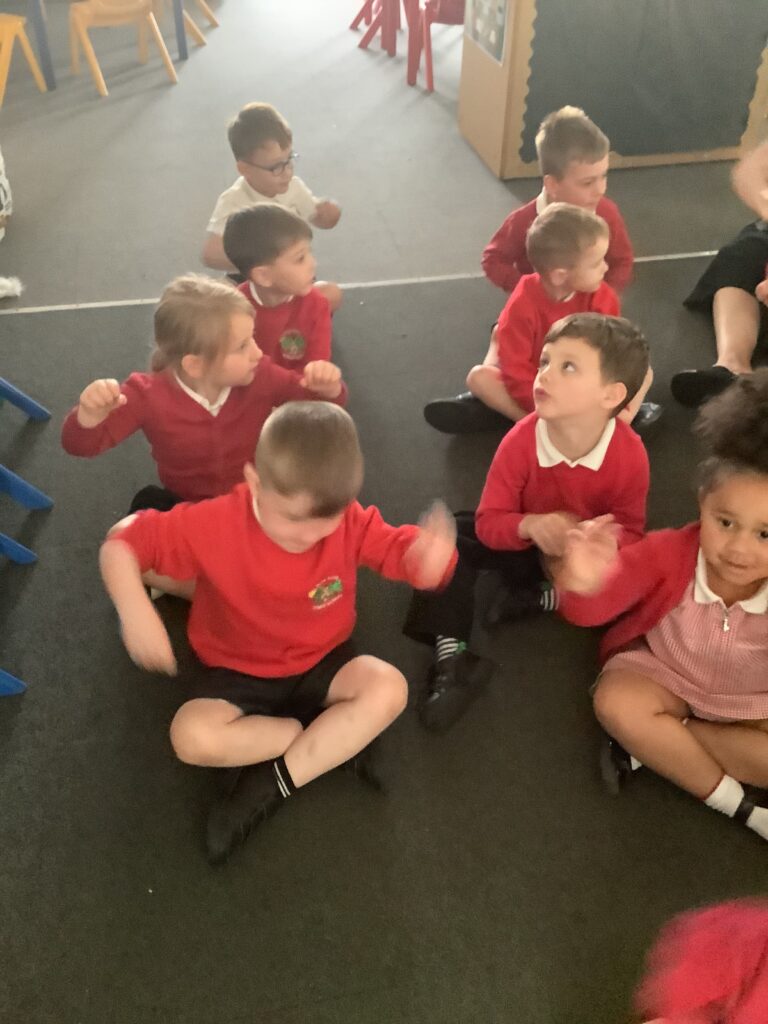
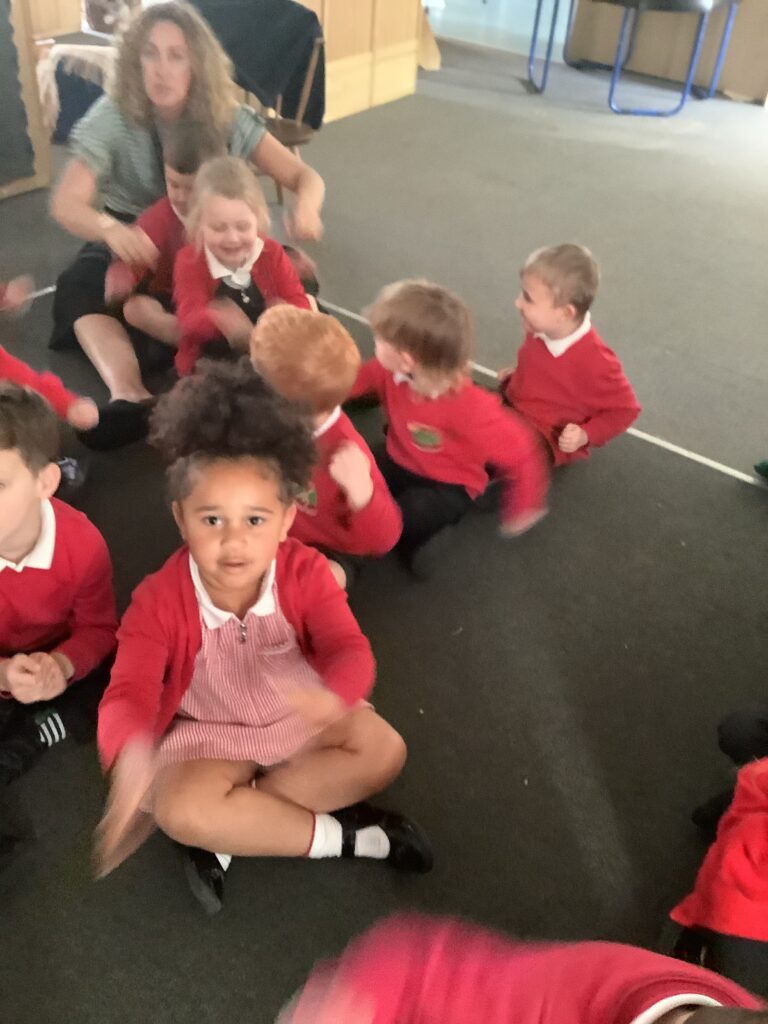
This week is Children’s Mental Health Week, so to advocate for this Nursery have been taking part in some mindful and relaxing activities to help them understand how it feels to feel calm and relaxed but more importantly how they can achieve this in times of upset, sadness or anger.

In our Mindful Monday Crew the children took part in animal yoga. They worked hard and had lots of fun recreating the modelled poses and practising yogi breathing.

During our Wise Wednesday Crew the children talked around what they noticed about the faces of some characters on a feeling thermometer as we checked in. Some children said that the characters from 3-5 on the scale looked; “Sad”, “Scared”, “Frightened”, “Worried” or were “Crying”. The children then pop corned, what they could do to cheer themselves up? Some of our ideas were fantastic, the children said “Go for a scooter ride”, “Get a hug”, “Play with toys”, “Bounce on my trampoline”, “Stroke my doggy”, “Read a book”, “Bake”, “Watch Bluey” and “Sing”.

Nursery then took part in a carousel of four different activities, each lasting 3/4 minutes which taught them strategies of what they can also do in school and at home to help them calm, relax and self regulate. These activities were;

Dancing to guided movement songs.

Completing a jigsaw.

Guided breathing patterns including; Balloon breath, Bumblebee Breath, Snake breath and Finger breathing.

And mindful colouring.

At the end of the session we all checked back in to share how the children thought the characters on the feeling thermometer would feel now, if they had taken part in the activities we had? The children said “happy and calm”, “excited” or “relaxed”. The children then suggested which was their favourite activity – lots of fun and relaxing had by all. Great, powerful work Nursery!

“Egg-stremely” exciting visitors.

This week Nursery and EYFS had the most exciting expert visitors arrive at school in their shells! The children have been hooked into our latest text “How does an egg hatch?” By Eric Carle by watching real chicken eggs hatch courtesy of The Happy Chick Company. The children were so excited and completely in awe of seeing the eggs and observing the daily changes of how the eggs have changed and chicks have grown and hatched. A truly magnificent experience met with care, concern and compassion for the chicks from our youngest children.

On the first day the children observed the eggs and made predictions of what would happen and who might come out of the eggs if they were left inside the incubator. Some of the children’s ideas included; “a penguin”, “a caterpillar”, “a dinosaur”, “a chicken”, “a duck” and “a baby chick”. They drew the eggs inside the incubator in our message centre (below).

On the second day the chicks had began to hatch and the children were amazed to witness the hatchlings make their journey out of the eggs using their “Egg Tooth” one of the new words we learnt from our key vocabulary. To consolidate their understanding of the hatching process the children took part in a chick life cycle hunt in our outdoor area. When the children found photos of the key points of development, they brought them to our crew circle and we examined them and ordered them in the correct sequence using key words from our Maths learning; “First, next and then”.

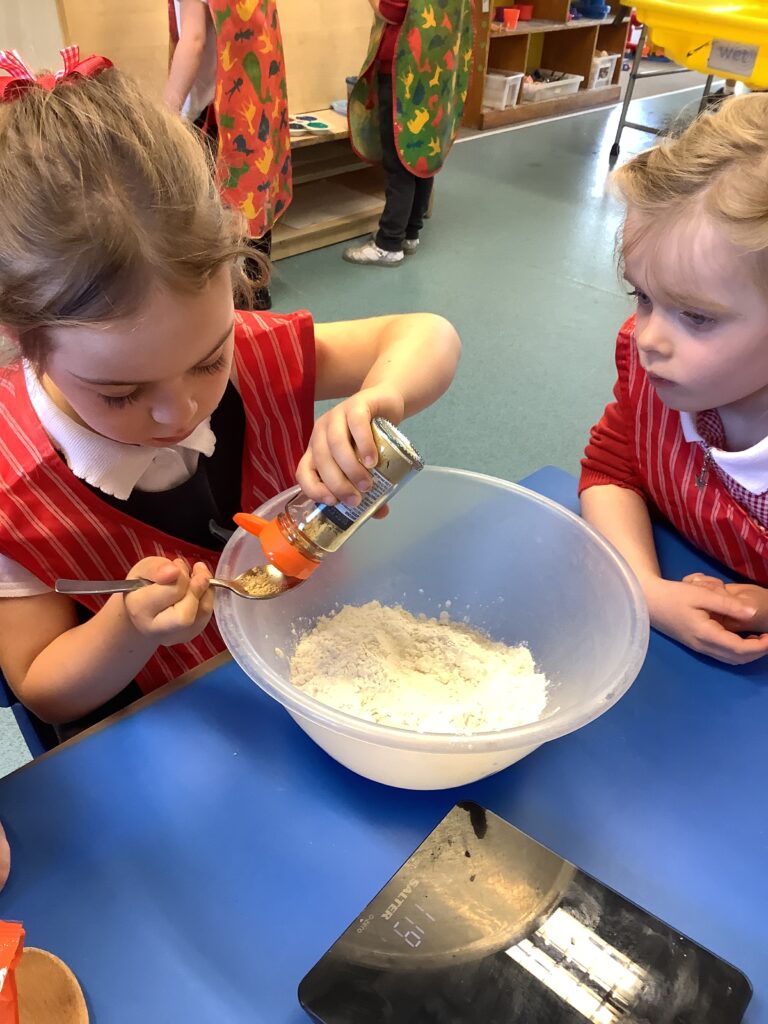
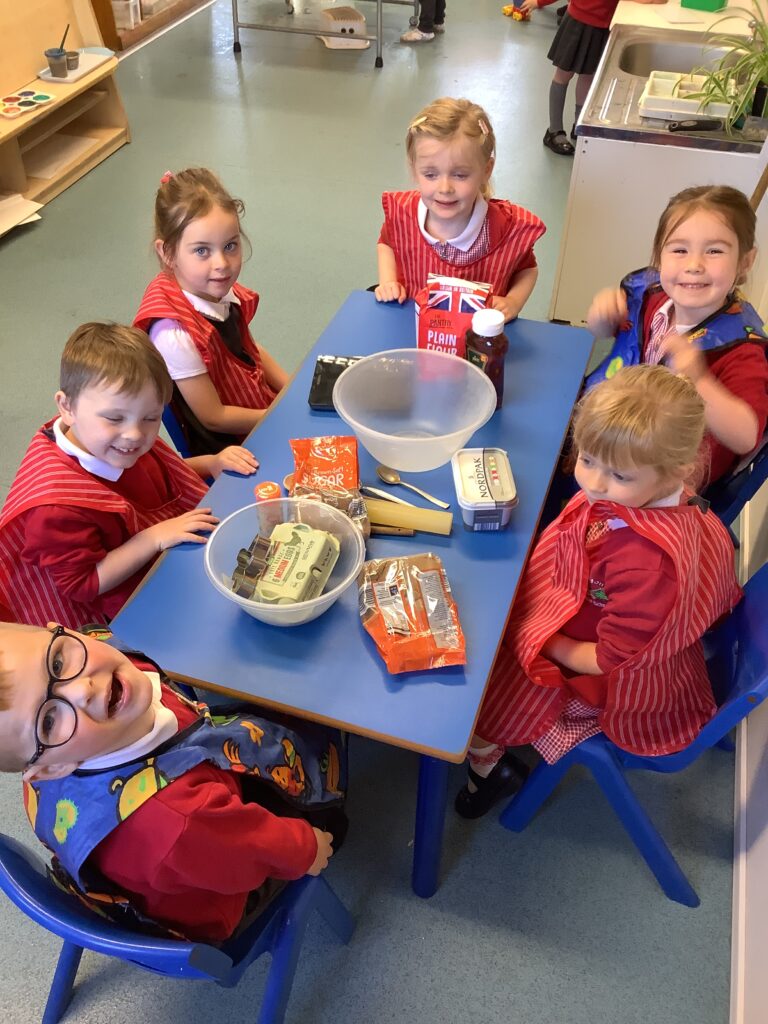
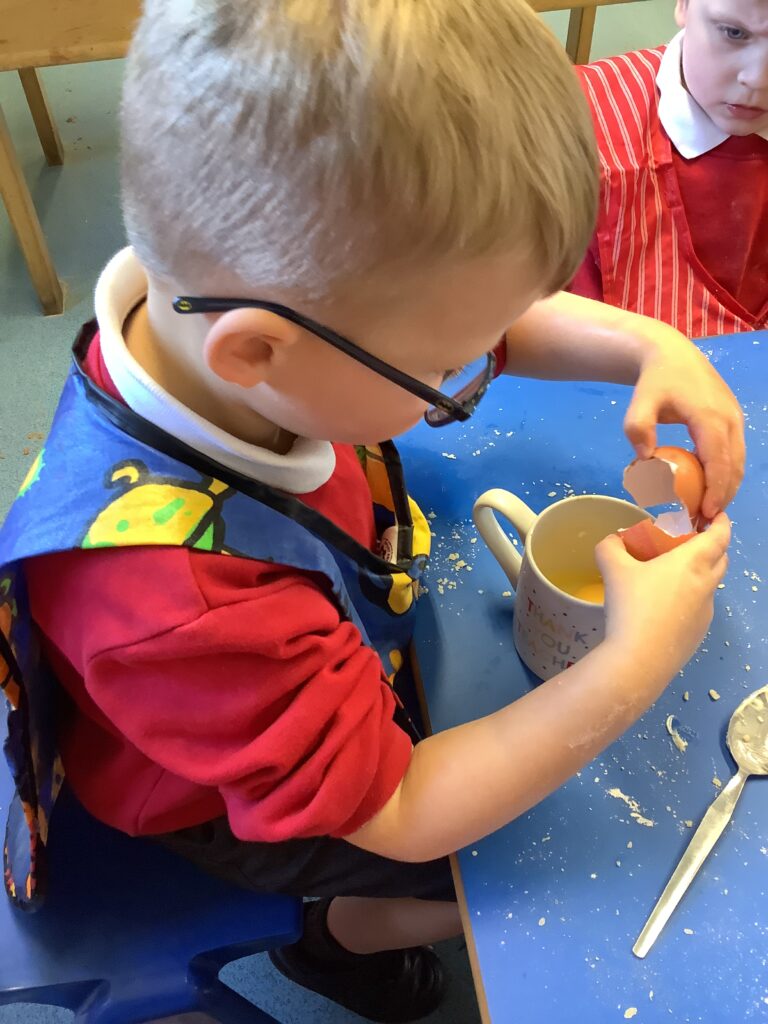
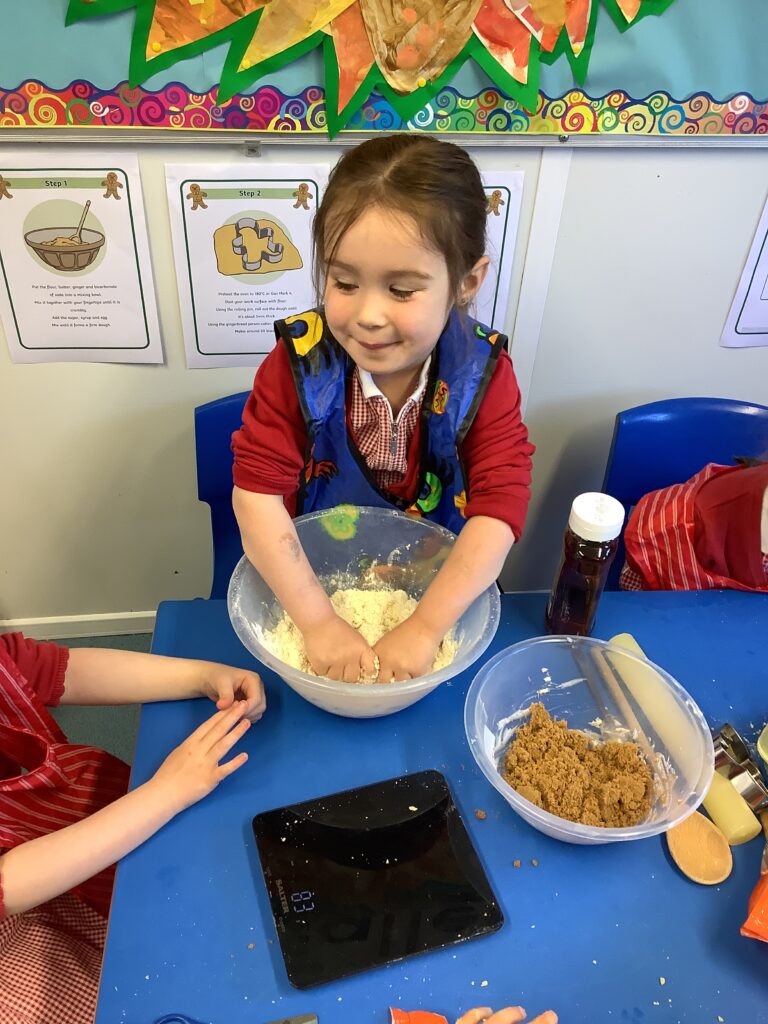
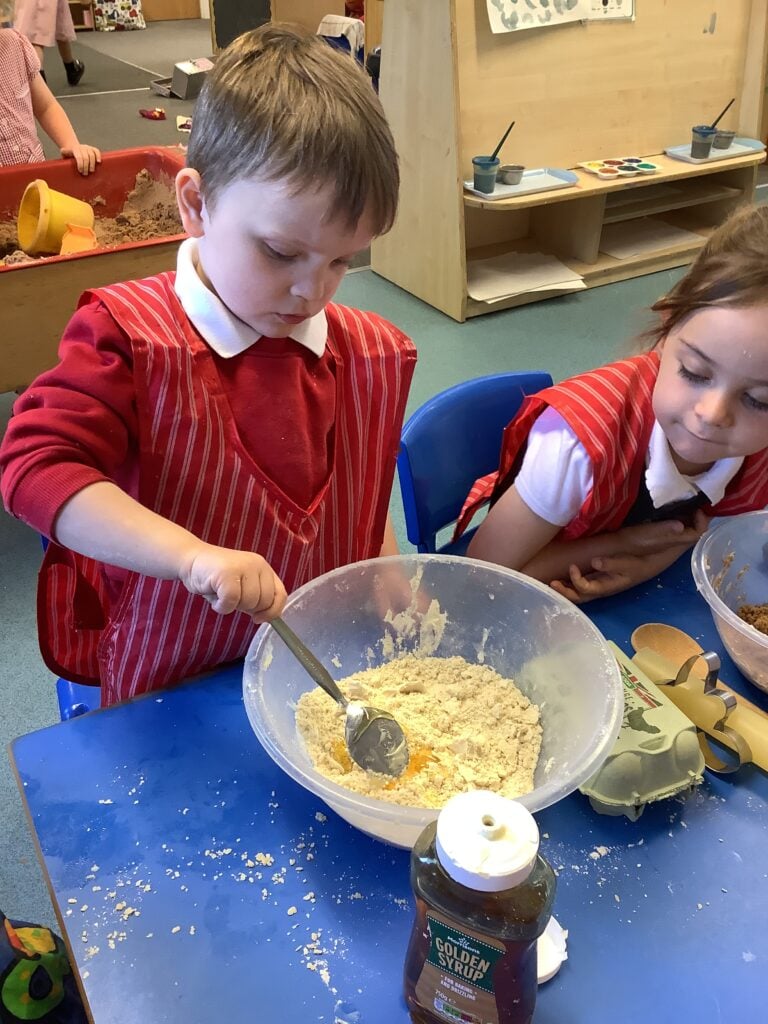
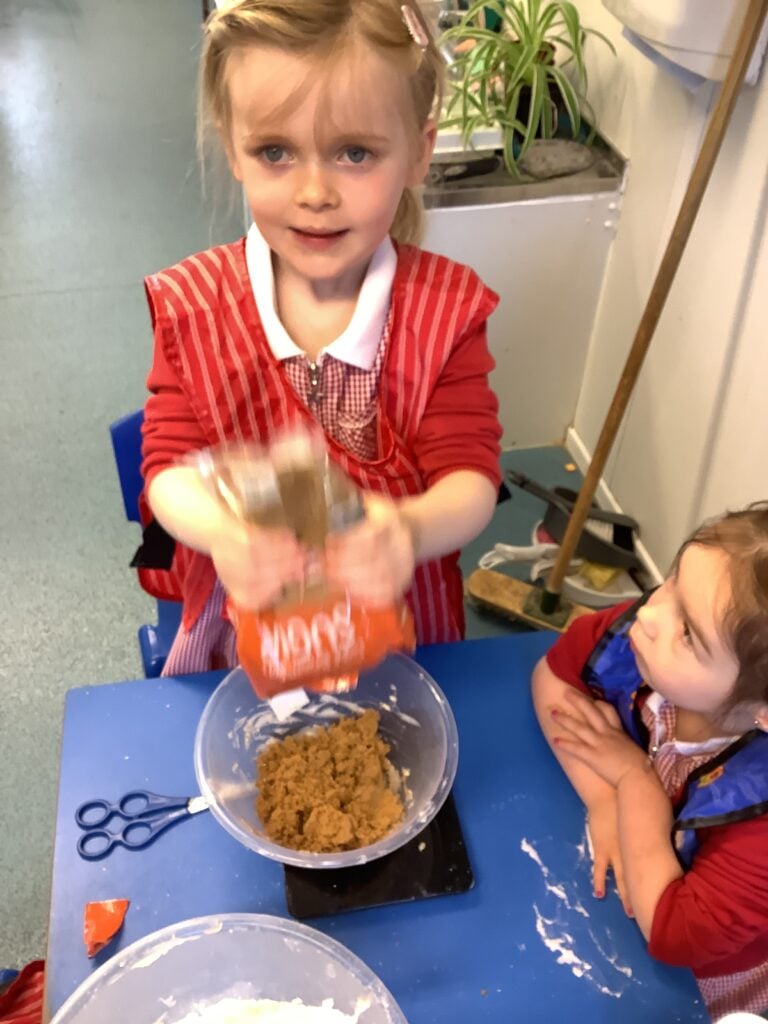
As we investigated the life cycle further Nursery thought about the most important stage of the cycle. Our text explained that the hen makes a nest that is “warm and dry” (more of our key vocabulary) using sticks and straw. The children explored that the eggs we had in school didn’t have a nest or a mummy hen to sit on them to keep them warm, instead they had an incubator to replace those things. However in the wild or on the farm, there probably wouldn’t be any electricity for an incubator, so the children learnt that building the nest as a “warm and cosy” home for the eggs to be sat on, is the most important part of the process that allows the fertilised eggs to grow. The children had lots of fun making their own chocolate coated shredded wheat nests and filling them with chocolate eggs to show the nests significance.

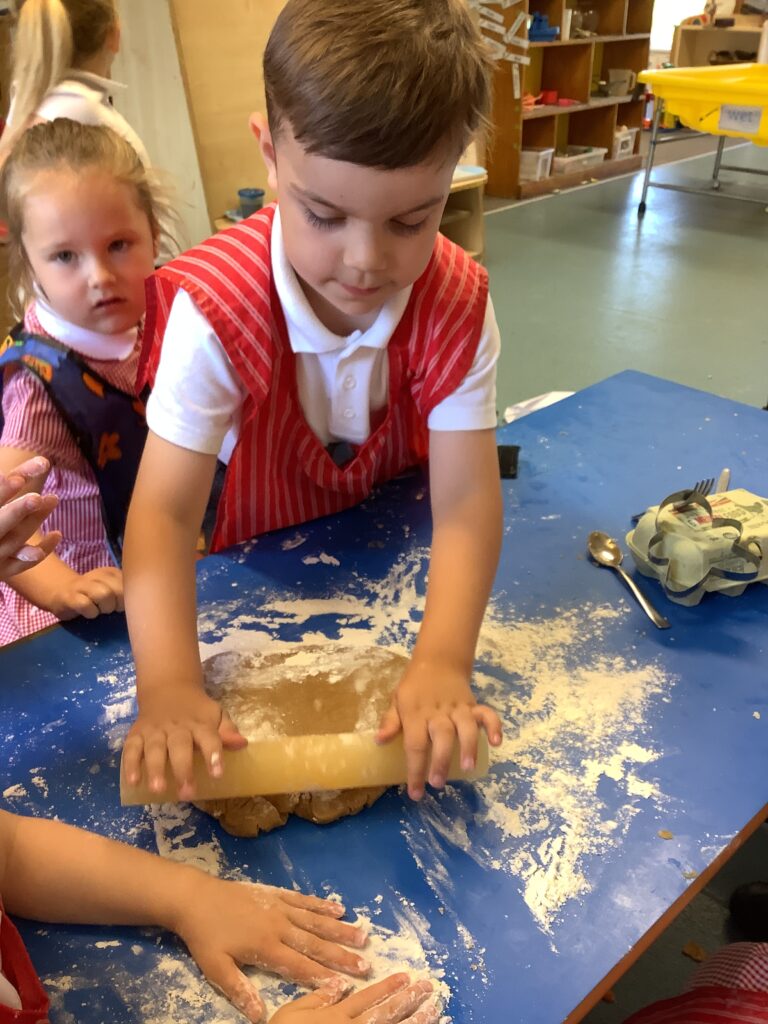
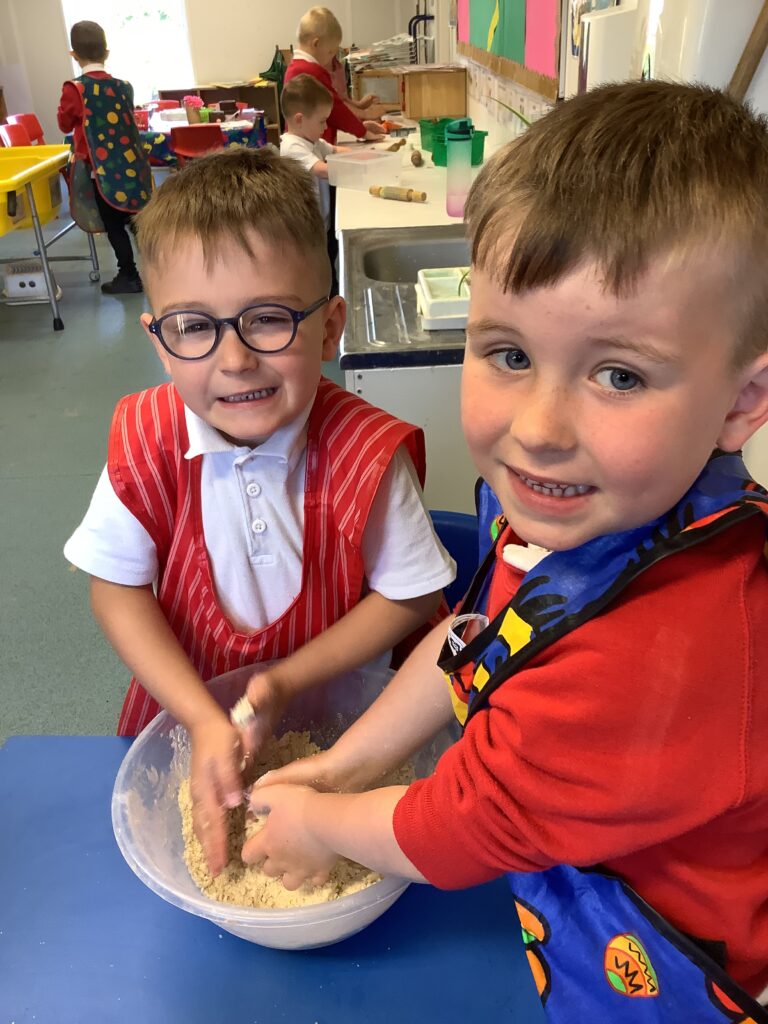
The children observed the changes in the state of the chocolate as it was melted and then again as it was mixed with the shredded wheat and cooled in the fridge to harden again. They thought carefully of the order in which they were constructing the nests, again using our sequencing vocabulary; “First, then and next”.

In provision this week the children have learnt the song “Chick, Chick, Chick, Chick, Chicken”, painted chicks using yellow paint and a fork to mark on their fluffy feathers. They have sculpted eggs, nests and chickens from play dough, taken part in a cut and stick version of the life cycle of a chick practising their cutting skills. The children have also examined and matched mummy and baby animals together in pairs, learning the new vocabulary of the infant animals names eg; Horse and foal, Cow and calf, Duck and duckling and noticing the differences between the young and older animal as they grow and change.

Finally Nursery were super excited and eager to prepare their own chick box in preparation for us to host our own chicks in Nursery, now that they are all hatched and getting stronger and ready to be handled with care.

Truly beautiful work – well done everyone!

Creative Construction.

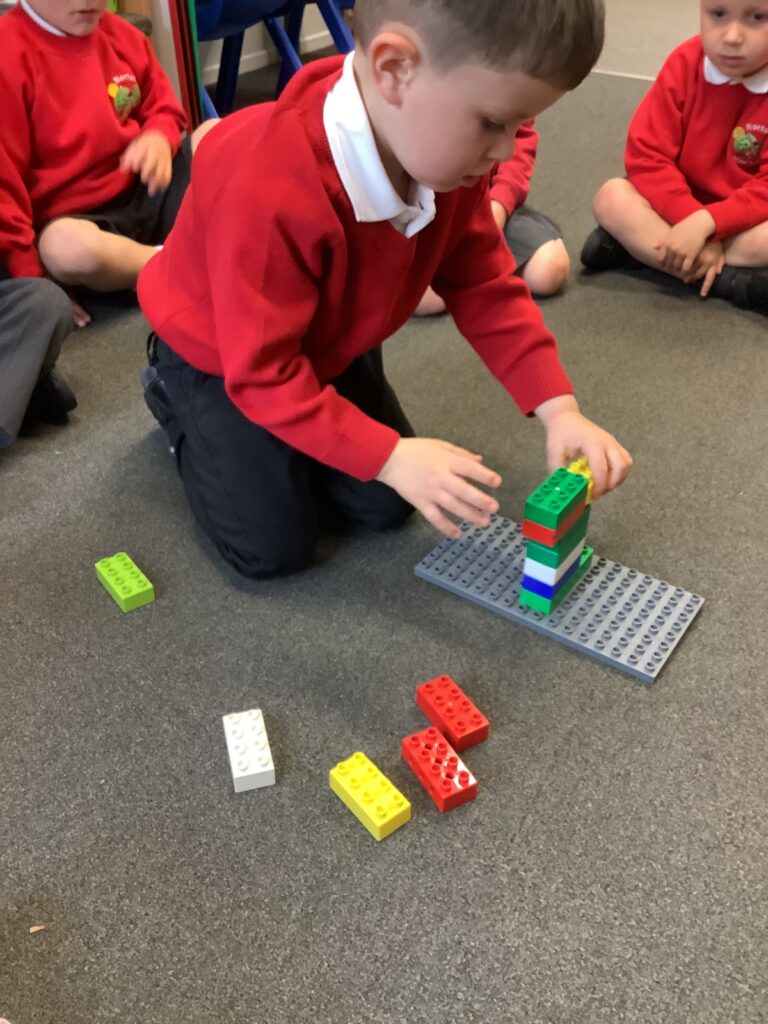
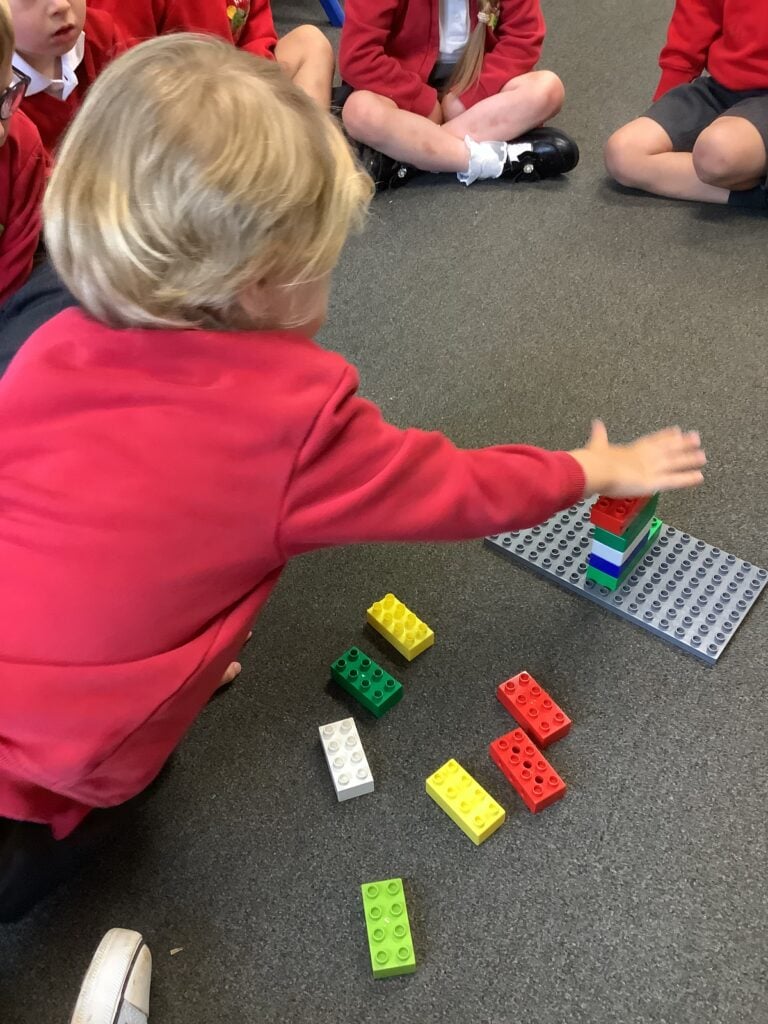
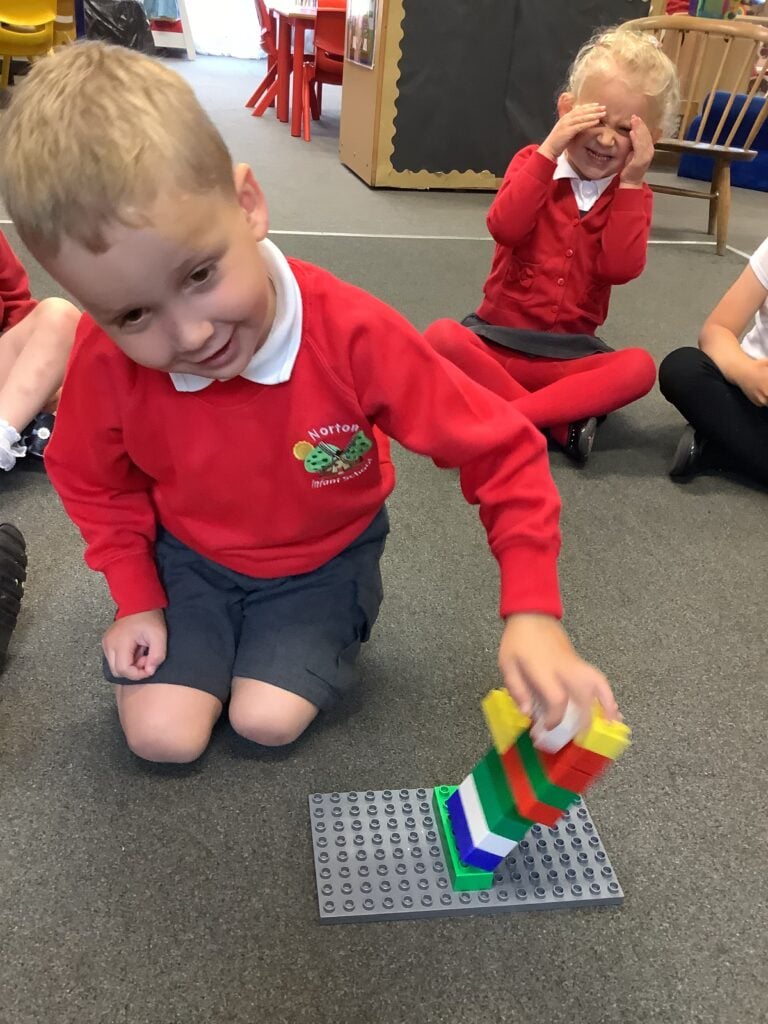
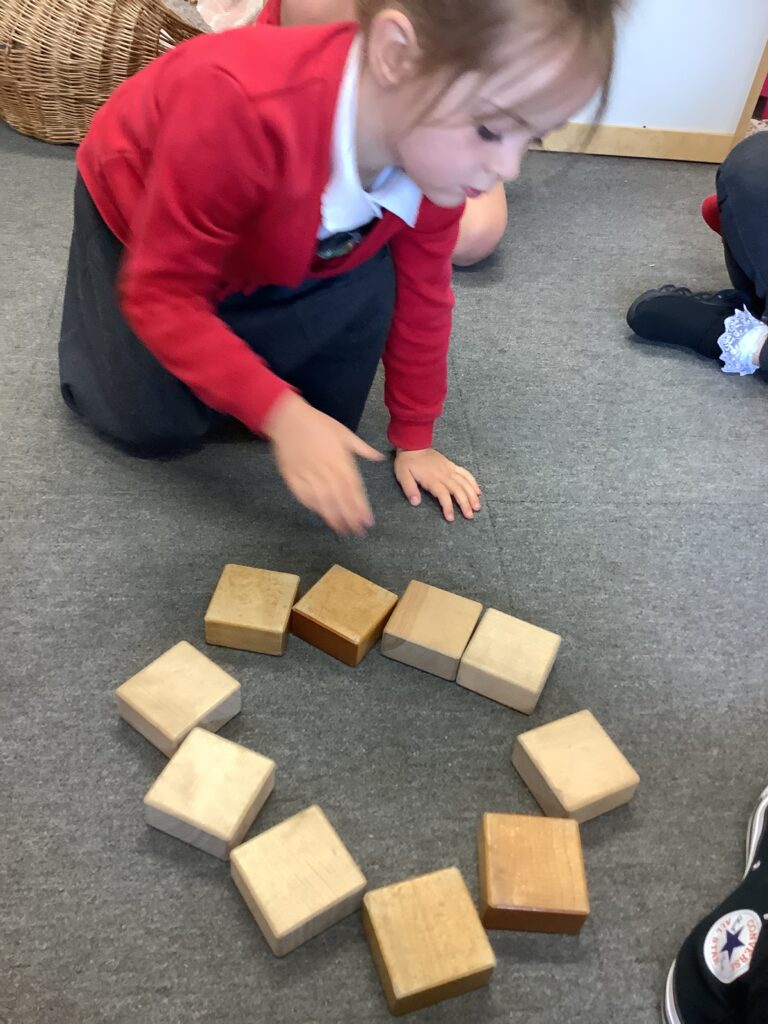
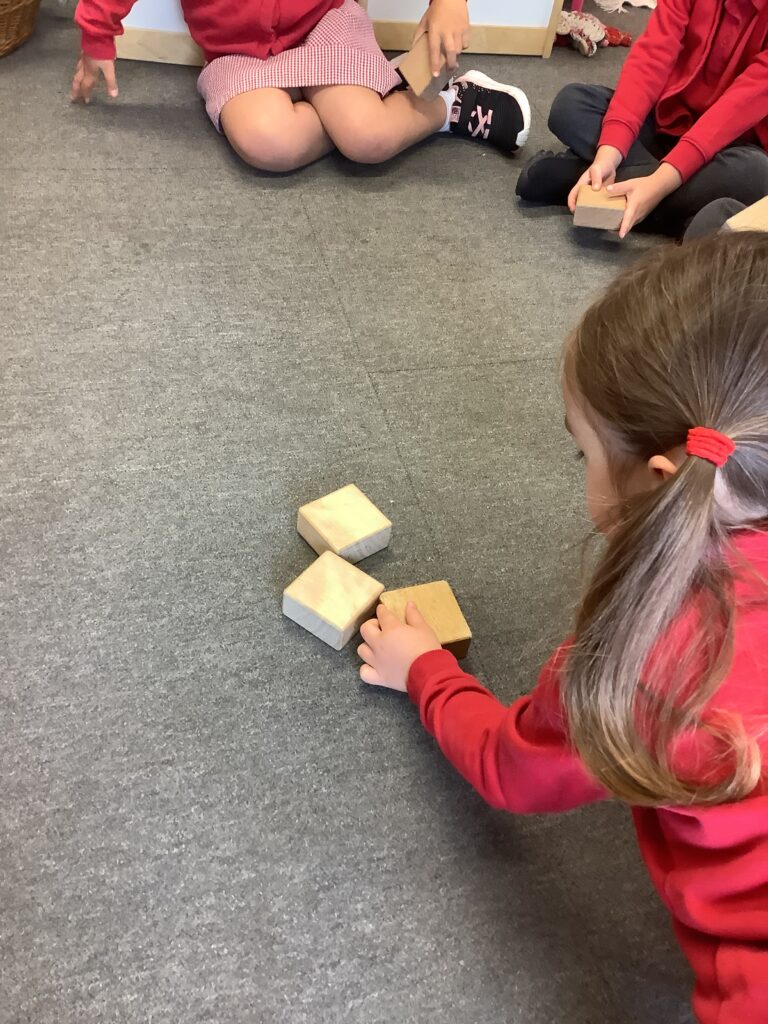
Yesterday Nursery showed what creative chameleons and teamwork tigers they can be, as they constructed collaboratively using Duplo. There were a range of thoughtful models created and all groups or individuals described their creations, answering who, what and why questions practising their listening and attention skills.

The life cycle of a caterpillar.

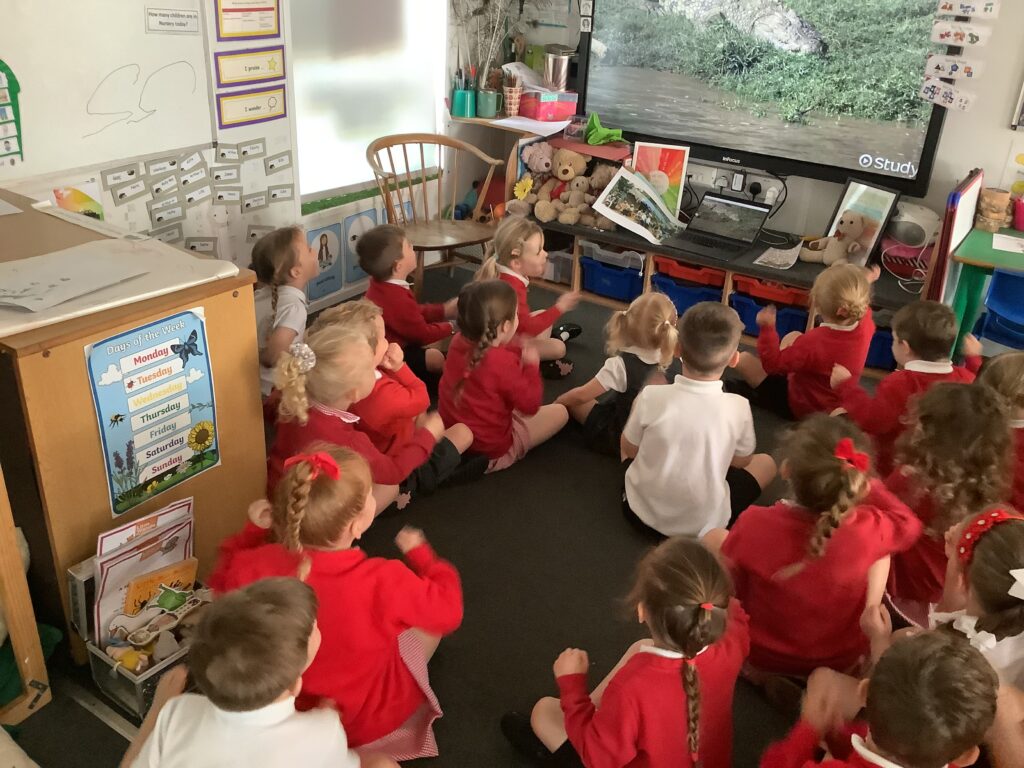
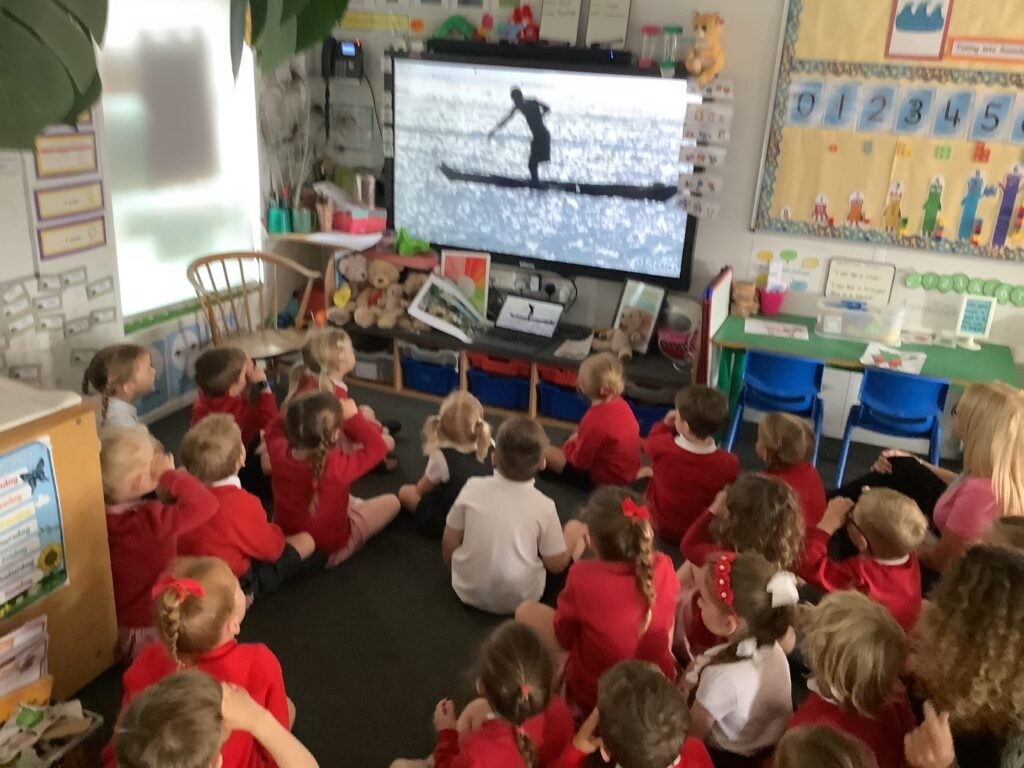
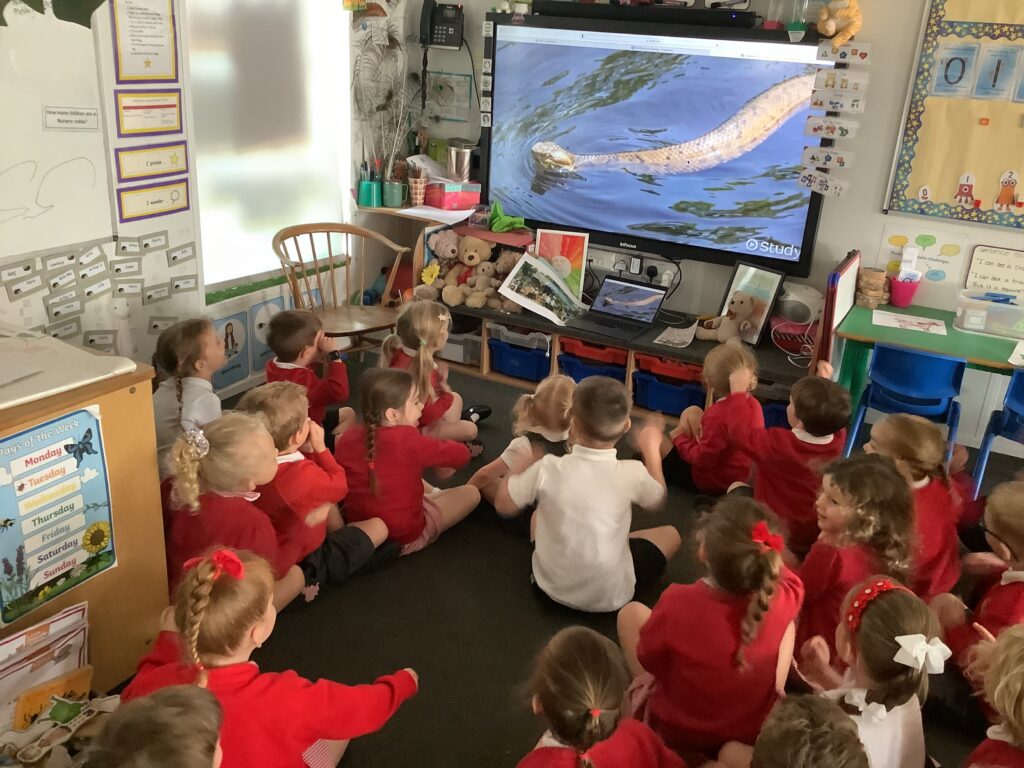
This week Nursery have become Scientists by observing the changes that happen in animals as part of our first case study, through our key text The Very Hungry Caterpillar for a second week. The children have closely examined the pictures within our story to work out what the physical changes in the caterpillar are. An egg, a tiny caterpillar, a cocoon or chrysalis and then a butterfly. Some of the words used to describe the above were as follows;
Egg – “Circle”, “Tiny”, “Bubble”, “White”, “Spot” and “Dot”.

Caterpillar – “Tiny”, “Big, fat caterpillar”, “Wriggly”, “Green” and “Bumpy”.

Cocoon – “Like a sleeping bag”, “shell”, “like a stick”, “Wood” and “egg”.

Butterfly – “Rainbow”, “Beautiful”, “Wings” and “Flappy”.

Nursery read another text which focused more on the life cycle and explained how the changes take place called Little Caterpillar by Autumn Publishing. I then modelled to the children how to draw a life cycle to help embed the cycle in their minds and demonstrate it was a loop (cycle) that started over and over again.

In our provision the children had the opportunity to explore and examine toys representing the life cycle.

We consolidated the events that helped make the life cycle process possible by playing the fruit game. The caterpillar ate lots of fruit to be able to make him grow. The children had to listen and run to a fruit called out by their grown up as part of activating our brains, it was lots of fun!

The children also revisited their previous learning from the week before when they painted beautiful pictures of the fruit. They each looked closely at their pictures and chose at least one piece of fruit and (with support and modelling) began to write the first letter sound for that item using their phonetic knowledge. Eg; Banana – b, Apple – a or Strawberry – s.

In provision the children independently used collage to create beautiful pictures of fruit and the caterpillar at various stages. They also created beautiful butterflies in the play dough and on the painting easel.

As the week progressed the children each worked with an adult and explained the process of the butterfly life cycle using the toys as physical props to help organise and consolidate their understanding of the life cycle. They were each recorded and were able to recall key vocabulary and other significant events within the story. Such beautiful work!